
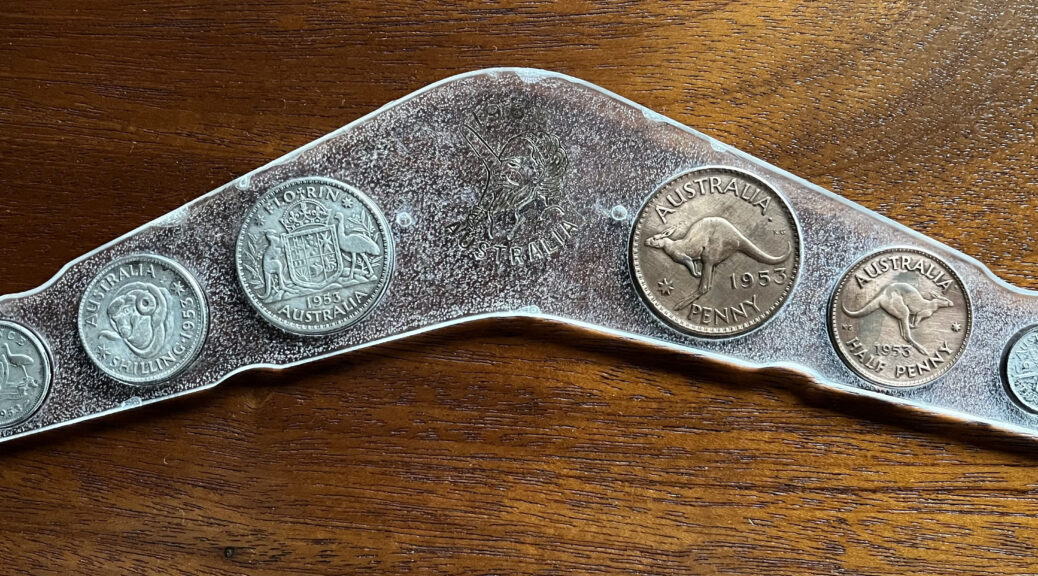
Last week I talked about liquide, espèces and cash. A reader’s comment has set me thinking about other money-related words, starting with money itself.
Monnaie
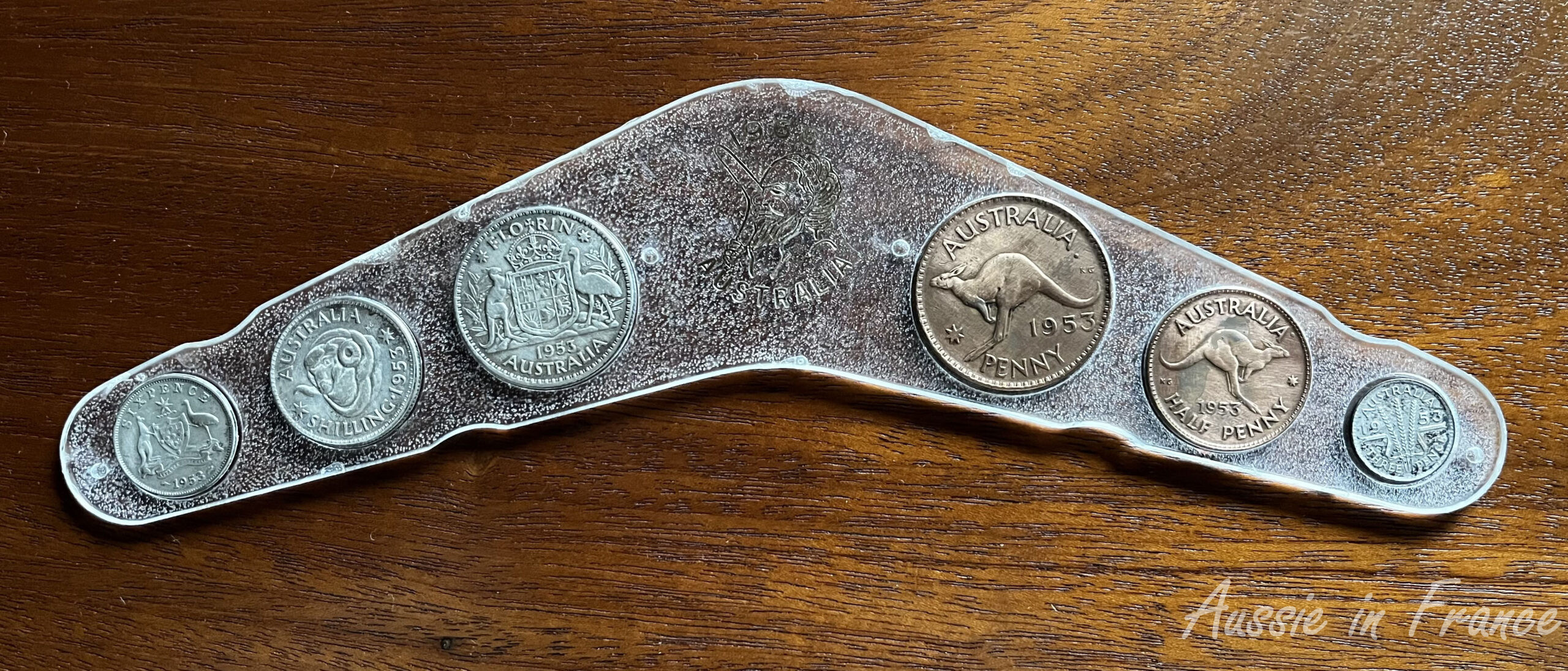
Both the French word“monnaie” and English “money” come from moneta, which initially referred to the goddess Juno in her aspect as Juno Moneta, in whose temple at Rome money was coined. The French“monnaie” refers to a coin or piece of stamped metal used as a trading medium, which is the exact meaning of money, only the words are not really synonyms and are not used in the same way.
“Avez-vous de la monnaie?” does not mean “Do you have any money?” but “Do you have any change” i.e. coins. There is no one word in French for “a coin”. You have to say “une pièce de monnaie”.
Currency
Monnaie also means currency, just as we can use money in English to mean currency. “Avant l’introduction du dollar australien en 1966, la livre australienne était la monnaie de l’Australie” = “Before the Australian dollar was introduced in 1966, the Australian pound was the currency of Australia”.
Interestingly enough, the word “currency” comes from the Latin currens, to run, i.e. money in circulation in a given country. The same origin can be found in the French expression “monnaie courante” (click here for information on the meaning of “courant“)which means the currency in circulation. It’s also a very common expression introduced by the encyclopedist Diderot in the 18th century “C’est monnaie courante” = It’s normal practice.
Silver and gold
Let’s go back to “Do you have any money?” If the correct word in French is not “monnaie”, then what is it? Well, it’s “argent” (silver). “Avez-vous de l’argent?”
A very rich person in French is said to “rouler sur l’or”, the same idea as “being made of gold” or “rolling in money”. The expression developed in the 18th century, initially as “se rouler sur l’or”, that is, rich enough to roll in a pile of gold the way you might roll in the grass. However, a normally rich person “a beaucoup d’argent”, silver not gold!
Riche comme Crésus
If a person is really really rich, they are said to be “riche comme Crésus”. The expression dates back to the Renaissance, in reference to the legend of Croesus recounted by the Greek historian Herodotus and renowned for his immense wealth.
« Il peut être riche comme Crésus, avec beaucoup d’argent, mais jamais de la monnaie pour payer le parcmètre. C’est même monnaie courante ».
Your turn to translate this time!