One of the most useful lessons I have learnt from Jean Michel is to give as few explanations as possible if there is something you can’t or don’t want to do and feel uncomfortable explaining why.
So, instead of making up a vague reason for not going somewhere you don’t want to go, you can just say “Ah, j’ai un empêchement“. And nobody will ask what it is!
Empêchement comes from the verb empêcher meaning “to prevent”, and from low Latin impedicare, to trap so the meaning is quite clear. However, we don’t really have anything in English that is quite so neat.
Speaking of “prevent”, there is a French word prévenir which sometimes means “prevent” but often has quite a different meaning. Prévenir, like prevent, comes from the Latin praevenire, meaning to anticipate or forestall.
Prévenir une catastrophe = to prevent a catastrophe
Cette mise au point préviendra toute objection = This clarification will prevent any objections
BUT
Elle ne va bien, il faut prévenir le médecin = She isn’t well. You need to call the doctor.
Ils sont venus sans nous prévenir = They came without letting us know beforehand.
Il est attentif à prévenir mes moindres souhaits = He is very attentive and anticipates my slightest wishes.
On m’avait prévenu contre lui = I was warned against him.
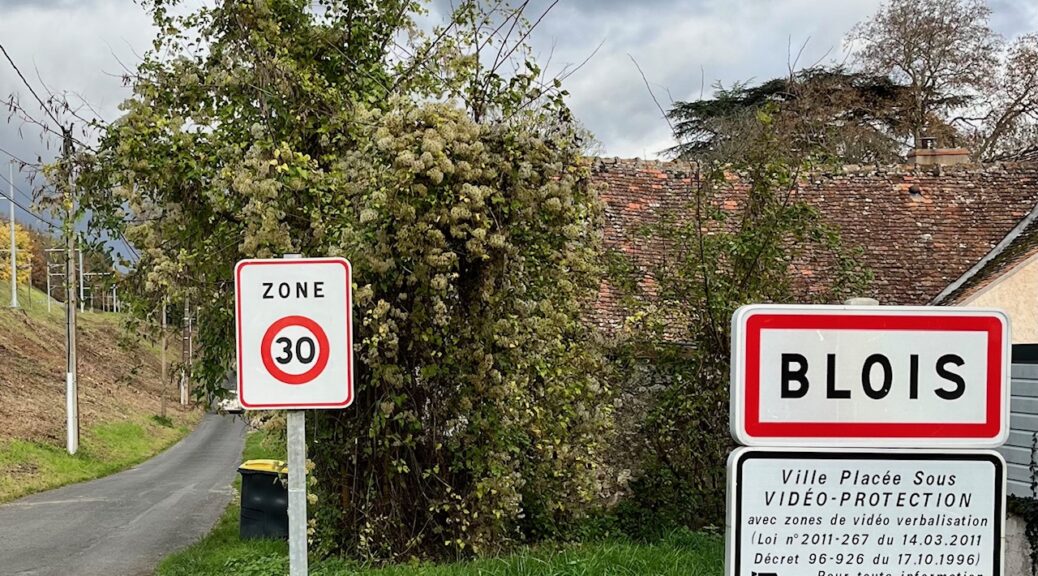
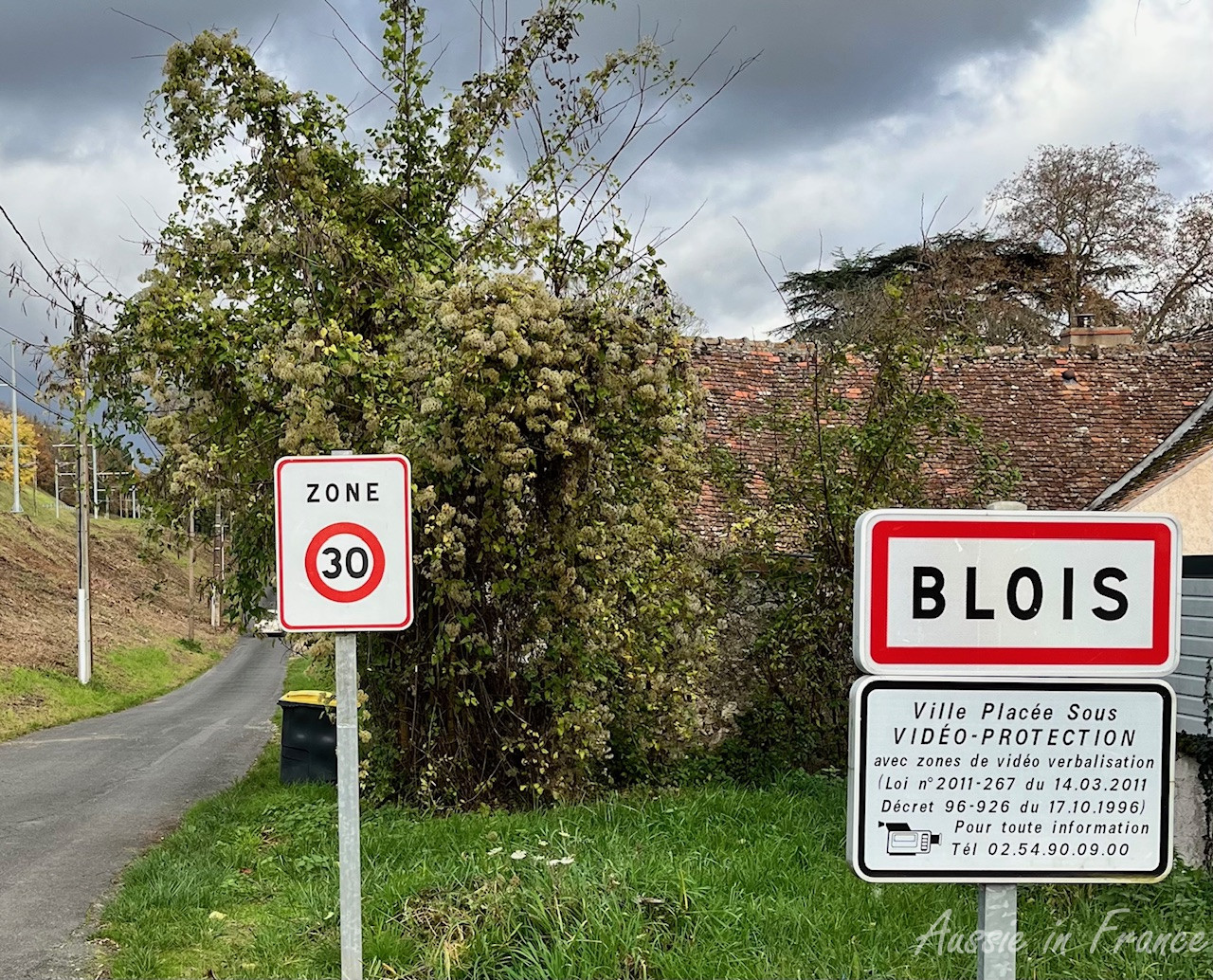
Un panneau doit prévenir les habitants de la présence de dispositifs de videosurveillance = The inhabitants must be warned of the presence of videosurveillance equipment.
These are all very different translations of the same verb but there is an underlying idea of anticipating what could happen in the future and forestalling the consequences.
Thank you Rosemary, that’s very helpful !
I’m glad you found it useful!