Must a birth certificate really be less than three or six months old?

Most foreigners living in France are asked at some stage to deliver a full birth certificate that is less than 3 (and sometimes 6) months old. Why three or six months?

If you’ve even seen the French birth certificate of someone who has been married, you will understand why.

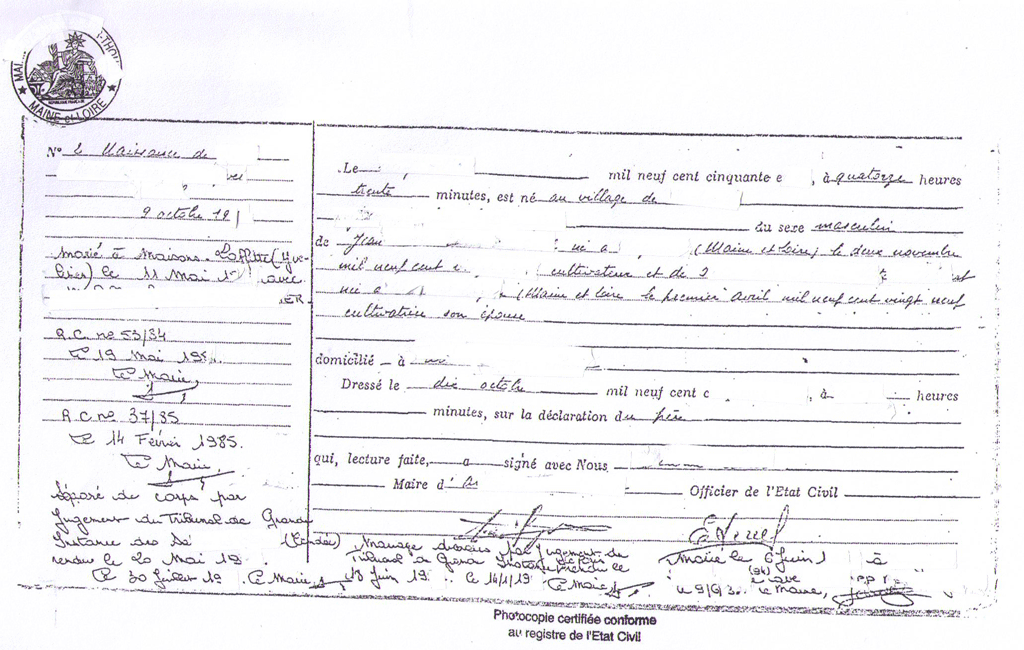
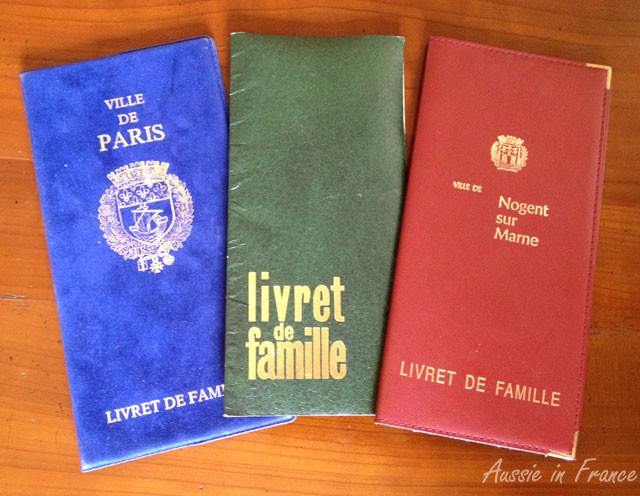
French birth certificates are “annotés” which means that any change in civil status is recorded on the birth certificate itself – marriage, civil union, separation, divorce, remarriage, death … It’s like a personal history rather than a record of a single event. This is also the purpose of the livret de famille*.
French annotated birth certificate

As a result, the French authorities always ask for a recent certificate, which is defined as less than 3 months old in the case of French certificates. Birth certificates are obtained from the town hall of the place of birth and are free of charge. You simply send a photocopy of your identity card and a stamped addressed envelope with a cover letter saying who you are and what you want and they usually arrive in a few days. You can also go to the town hall in person or order them online in larger towns. Since February 15th 2019, birth certificates can also be obtained in multilingual versions (i.e. all the languages of the European Union).

French birth certificates are annotated

In most countries other than France, birth certificates are not annotated. As a result, there is no reason to submit a certificate of less than 3 months, nor a translation of less than 3 months even if the time frame is sometimes extended to 6 months. Unfortunately, a lot of authorities are not aware of this.

I have personally used the same Australian birth certificate for countless cartes de séjour, two marriages, one divorce and a successful application for French citizenship. Each time, I explained that “les actes de naissance en Australie ne sont pas annotés.”

On the French official website service-public.fr, it says:

Un acte de naissance, de mariage ou de décès demeure valable tant que les éléments qui y figurent n’ont pas été modifiés.  https://www.service-public.fr/particuliers/vosdroits/F10449.

If the certificate is issued by a foreign authority, it must be a maximum o f 6 months old for a marriage or PACS. However, there is no time limit if the country concerned does not update its certificates which is the case of Australia i.e. a birth, marriage or death certificate remains valid as long as the information given in the certificate has not been modified.

So that, theoretically, unless your name has been officially changed, all you have to do is quote the above to an authority that asks for a certificate less than 3 months old. Good luck!

*livret de famille: this is a little booklet you are given when you marry. It is added to each time you have a child. It also records divorces and deaths.
Concubinage, PACS and Marriage in France

A few statistics to start with. The population in France at the end of 2025 was 69 million. In 2025, 251 000 marriages were celebrated (7 000 same sex) and 197 000 civil solidarity pacts (PACS) were signed (10 400 same sex). The PACS was created 25 years ago, mainly to protect the rights of same sex couples.
Co-habitation or concubinage

Cohabitation (or concubinage) is a free union, characterised by a stable life together, between two people who live as a couple. Taxation is separate and no procedure is required to break up the relationship. On death, the surviving cohabitant is a third party who can only inherit if a will has been made, with an inheritance tax of 60%. Even with a will, the normal French rules of inheritance apply, with ascendants and descendants receiving the bulk of the inheritance.
PACS or civil solidarity pact

The civil solidarity pact (PACS) is a contract in which the partners owe each other mutual and material assistance. It is registered  at the Town Hall or with a notaire. They can choose between separation of property (the default system) and joint ownership. They submit their tax declaration together. The PACS can be terminated by a simple declaration. On death, the surviving partner may become an heir if a will has been made, with exemption from inheritance tax. Once again, even with a will, the normal French rules of inheritance apply, with ascendants and descendants receiving the bulk of the inheritance.

Marriage

Finally, marriage is a solemn union with duties and rights. It has four regimes. It can only be dissolved by divorce either through a notaire or a court if the partners do not agree on the terms of divorce. In the event of death, the surviving spouse is an heir, benefiting from exemption from inheritance tax, the lifetime right to live in the house occupied by the couple and the survivor’s pension.

Who can be PACSed?

Each partner must be of age. If one of the partners is a foreigner, he or she must have reached the age of majority in his or her country.

The partners must not be married or in another civil union.

They must not have any direct family ties to each other.

How do you go about getting PACSed?

The two people must register a joint declaration of civil partnership either with the civil registrar (at the town hall) of the town in which they live (free of charge) or with a notaire (about 250 euros). If you have your will made at the same time (VERY IMPORTANT if you have any property), the typical cost is 400 euros.

The future partners must appear in person and together.

Note: if one of the partners is unable to attend for a very serious reason, the notaire may come to the couple’s home or hospital to register the PACS.

For further information, click on https://www.service-public.fr/particuliers/vosdroits/F1618

The document you need to fill in can be found on https://www.service-public.fr/particuliers/vosdroits/R51271

You will need of full extract of your birth certificate and its translation by a certified translator.

For information on getting married in France

https://www.service-public.fr/particuliers/vosdroits/F930

If you do not speak French, you will need to have a certified translator present or other approved person during the ceremony at the Town Hall which is the only place you can be married in France. You must have some connection to the Town Hall in question (at least one of the future spouses must be domiciled there).

If you wish to have a religious wedding, it will be in addition to the town hall wedding.

Some town halls require that you have an interpreter present when you submit your pre-marriage documents.

Winter Depression Hits Again

This year in France, autumn has been particularly rainy and lacking in sunshine. Despite the fact that I have lived here for more than fifty years, my North Queensland origins make me particularly prone to SAD or Seasonal Affective Disorder, commonly known as winter depression. This is a mood disorder in which people who have normal health most of the year exhibit depressive symptoms at the same time each year. It is commonly, but not always, associated the reduction or increase in the total daily sunlight hours that occur during winter or summer.

As we are approaching the winter solstice, which is the shortest day of the year (around 21st December), I am making sure that I force myself to go outside and get what little light there is.

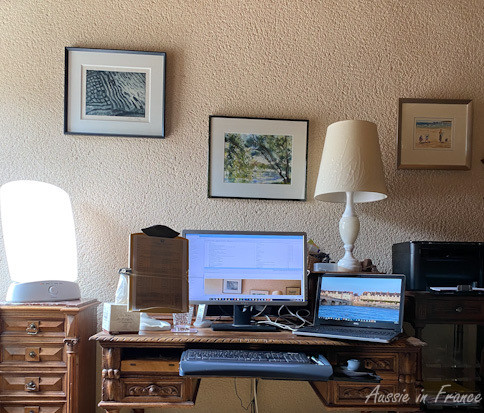
While I was working as a translator and spent many hours at my desk in front of a computer, I used a daylight simulation or phototherapy light which my son had the brilliant idea of sending me many years ago. Used for a maximum of 4 hours a day, it works wonders!

Now that I have retired, I am less static indoors so the phototherapy light is not very practical. This means I need to make a conscious effort to go outside several times a day, even if the weather is not very enticing. The aim is to walk briskly for at least half an hour, especially between 10 am and 3 pm when the light is strongest.

One of the reasons for SAD is a lack of vitamin D whose major source is sunlight on the skin. Vitamin D levels are hard to keep up in the European winter so it’s a good idea to ask your doctor for supplementary vitamin D at the beginning of winter. Women are particularly prone to vitamin D deficiency. Vitamin C is the anti-depression vitamin and kiwi fruit and fresh citrus fruit (not juices unless freshly pressed) are the best sources.

And to cheer you up, watch out for the first snowdrops!

Home of the Tarte Tatin

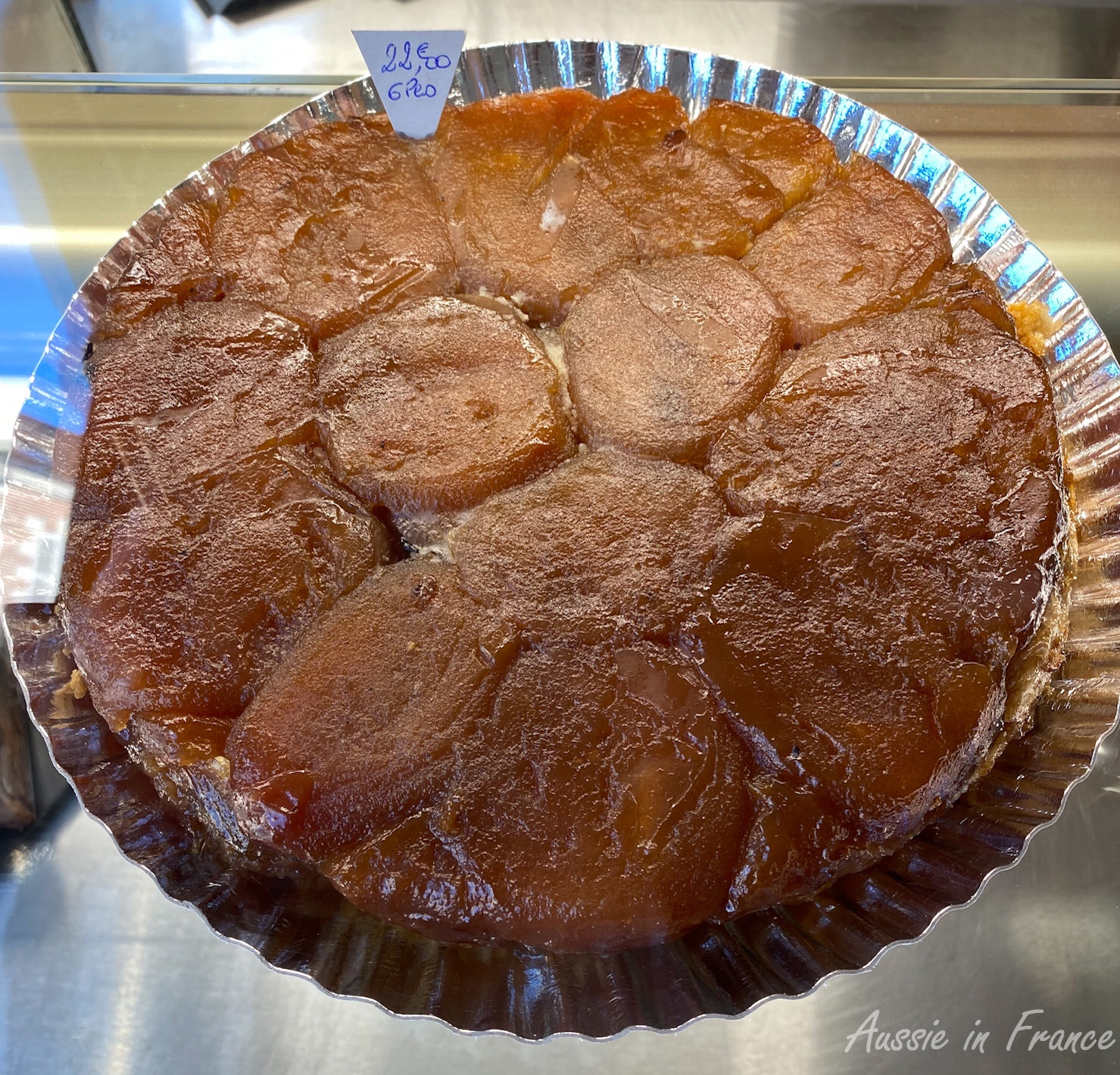
The Tarte Tatin or upside-down apple cake is a very popular dessert in France, usually served warm with fresh cream. It is one of my favourites.

We are driving from Blois to Gien, where we are taking back a secondhand dishwasher which, sadly, does not work. We are usually more successful with leboncoin.com. At least the sellers are going to give us our money back but this is our second two-hour trip!

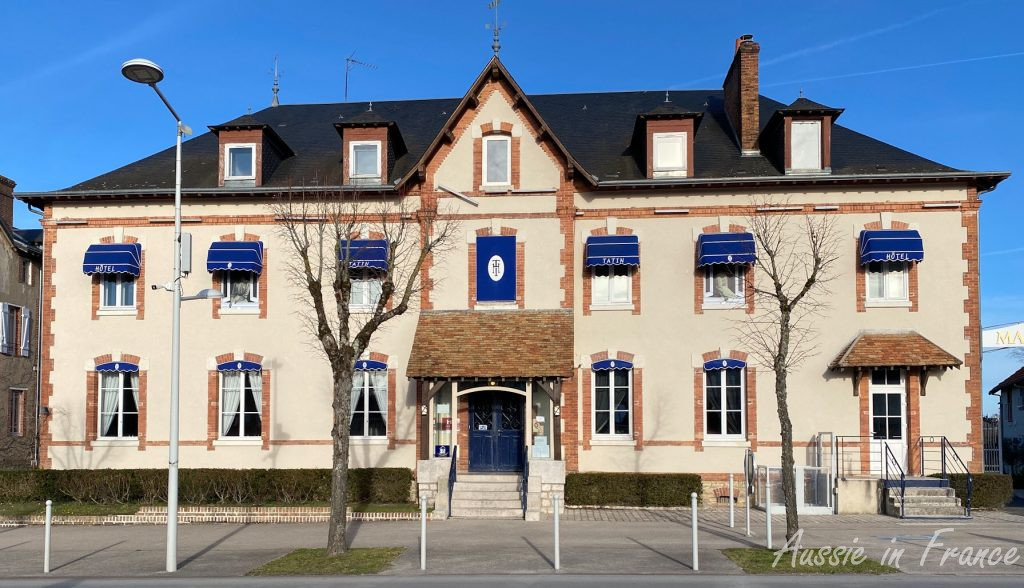
As we go through the town of Lamotte-Beuvron, I look up from my knitting (we are going to see my little grandson next month) and see a typical brick and stone building. It’s a hotel called Tatin. “Like the tart”, I say. “Yes”, says Jean-Michel, “I think that is where it comes from”. So I check out my phone. It does, indeed.

Tradition has it that two sisters, Stéphanie and Caroline Tatin, who ran a hotel in Lamotte-Beuvron at the turn of the 19th century just opposite the train station, invented the eponymous tart when Stéphanie, run off her feet by the hunting season that had just started, was making an apple tart and forgot to line the pastry mould and only put the apples in. When she realized her error halfway through cooking, she simply added the pastry on top of the apples and finished baking it.

Another version says she dropped a regular apple tart when taking it out the oven so served it upside down.

Even this doesn’t seem to be true. The tarte Tatin is a Sologne special from way back, popularized by the Tatin sisters in their hotel restaurant.

It was later served at Maxim’s in Paris where it is still a speciality today. The story goes that the chef from the iconic restaurant took a job as a gardener at the hotel Tatin so he could spy on what was going on in kitchen and “steal” the recipe.

So what is the secret? You are really supposed to use a copper tart case but I doubt if anyone really does. You grease the bottom of the pan with a generous amount of butter followed by a layer of granulated or powdered sugar.

Then you add firm apple wedges sprinkled with sugar. A thin layer of shortcrust pastry is then placed on top of the apples. Cook in a hot oven. Turn out and serve hot.

We decide to stop and take a photo on the way back as it will be 5 pm and time for tea and cakes by then.

After taking the photo, we drive into the town centre which I recognize from our previous visit. We had stopped for coffee at the local PMU café where they sell lotto tickets and you can bet on the horses. I never buy lotto tickets but I was feeling lucky so I bought a 2 euro one. I didn’t know how to play so I had to watch a video!!! And I won 4 euros so am able to pick up my winnings. The lady seems surprised that I don’t buy another ticket. But I reckon you should quit while you’re ahead ?.

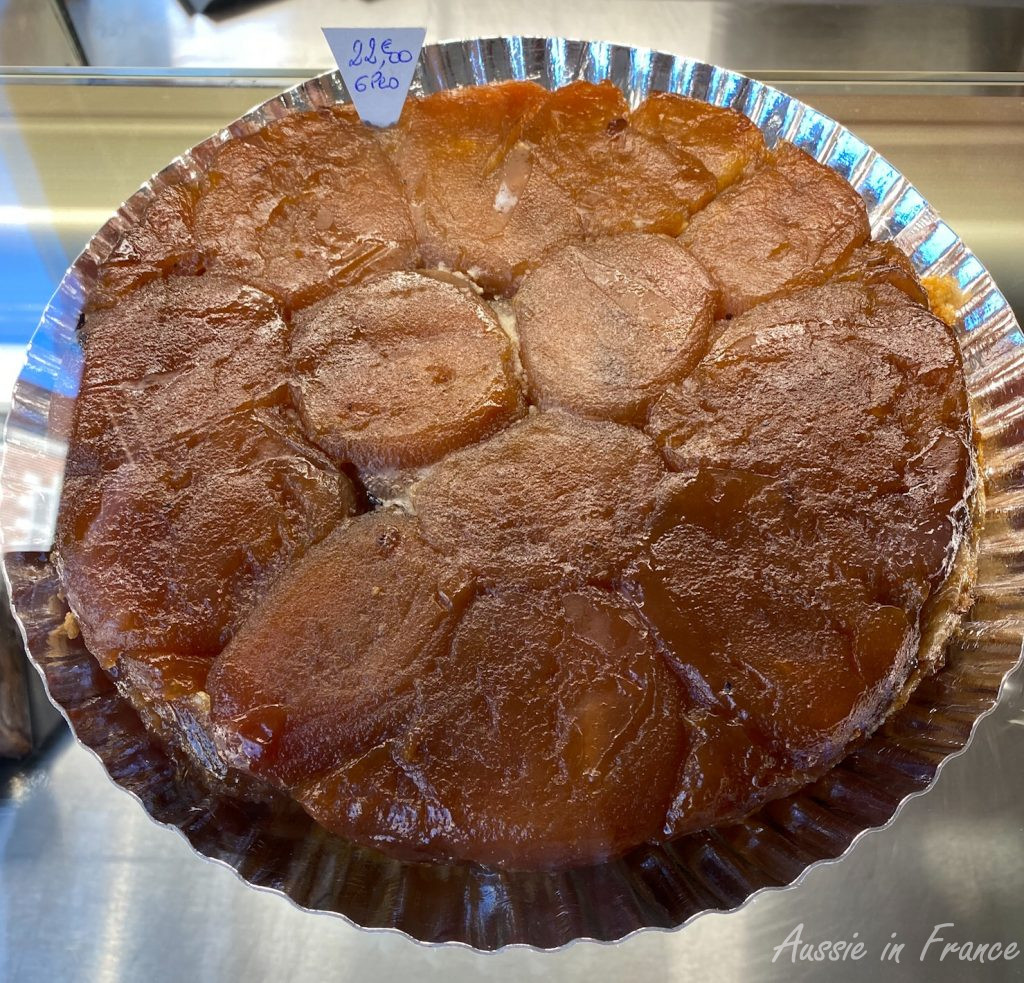
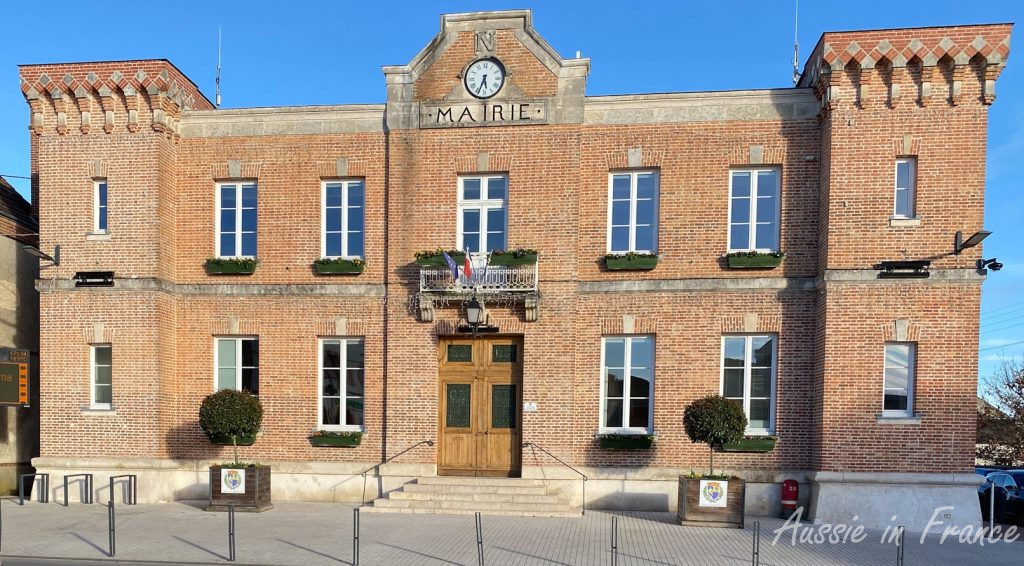
We find a pâtisserie and ask if there is tarte Tatin. There is only one for six people which costs 22 euros so we buy some other individual cakes instead and eat them in the little square opposite the unusual-looking town hall.

At least the second dishwasher trip wasn’t entirely wasted …. Now I know where the Tarte Tatin comes from.

Costa del Sol – Tarifa, Casares and Benalmádena

Tarifa

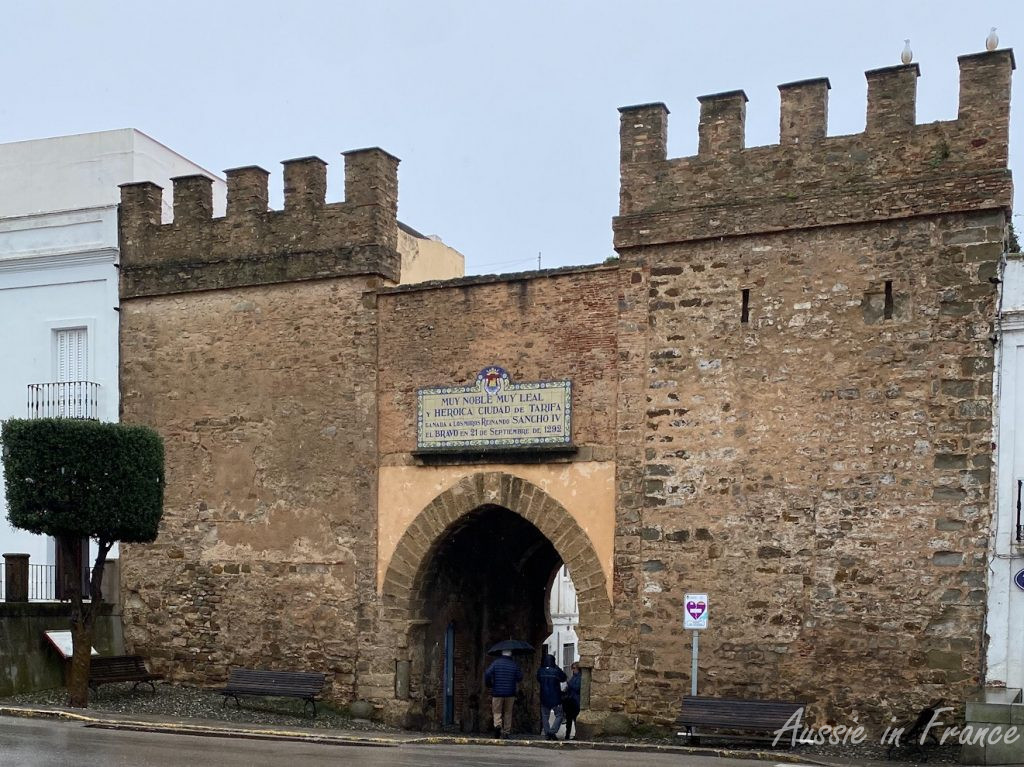
We leave Cadix in the rain with no regrets, heading for Tarifa. It’s still raining when we get there but it clears up sufficiently after our coffee to walk around the village. Unfortunately there isn’t much to see.

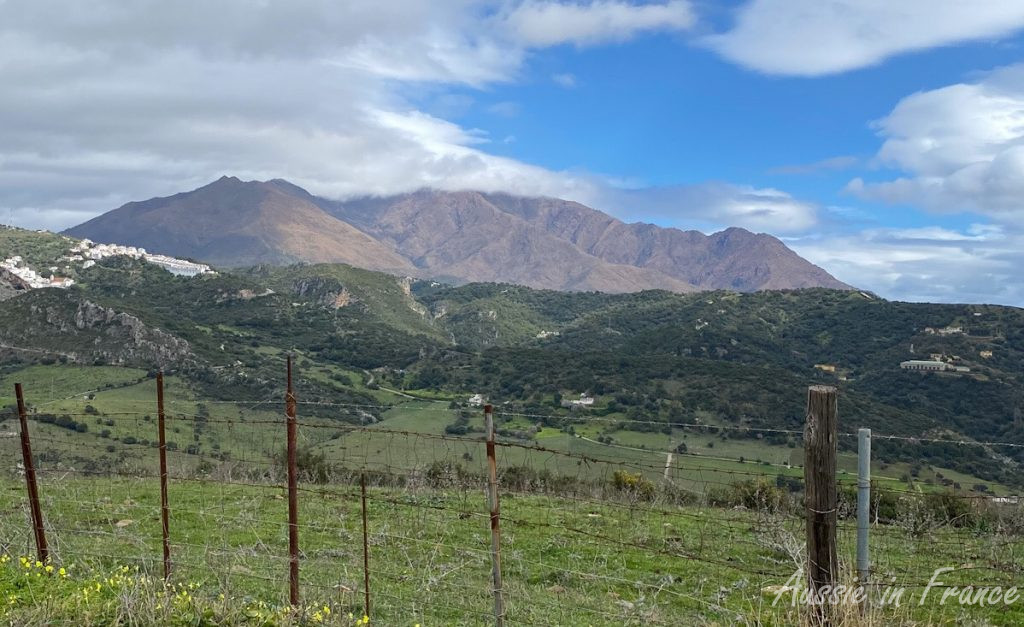
As we drive up the Mediterranean Coast from the industrial port of Algeciras, we keep seeing the Rock of Gibraltar and the weather keeps improving.

The Rock of Gibraltar
Cesares

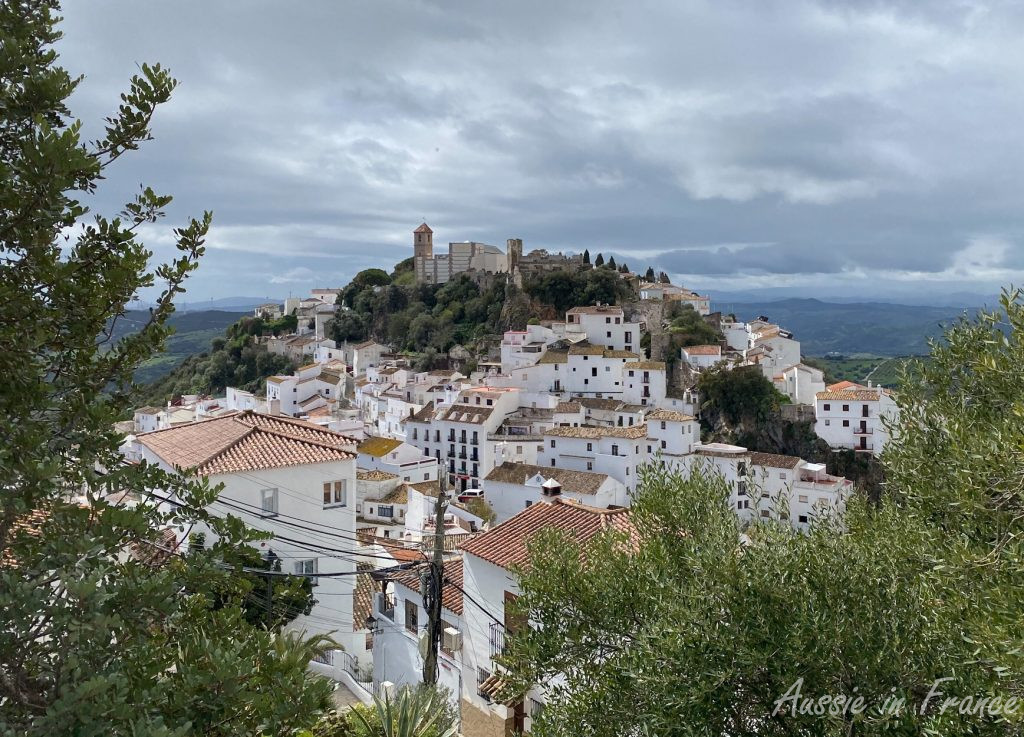
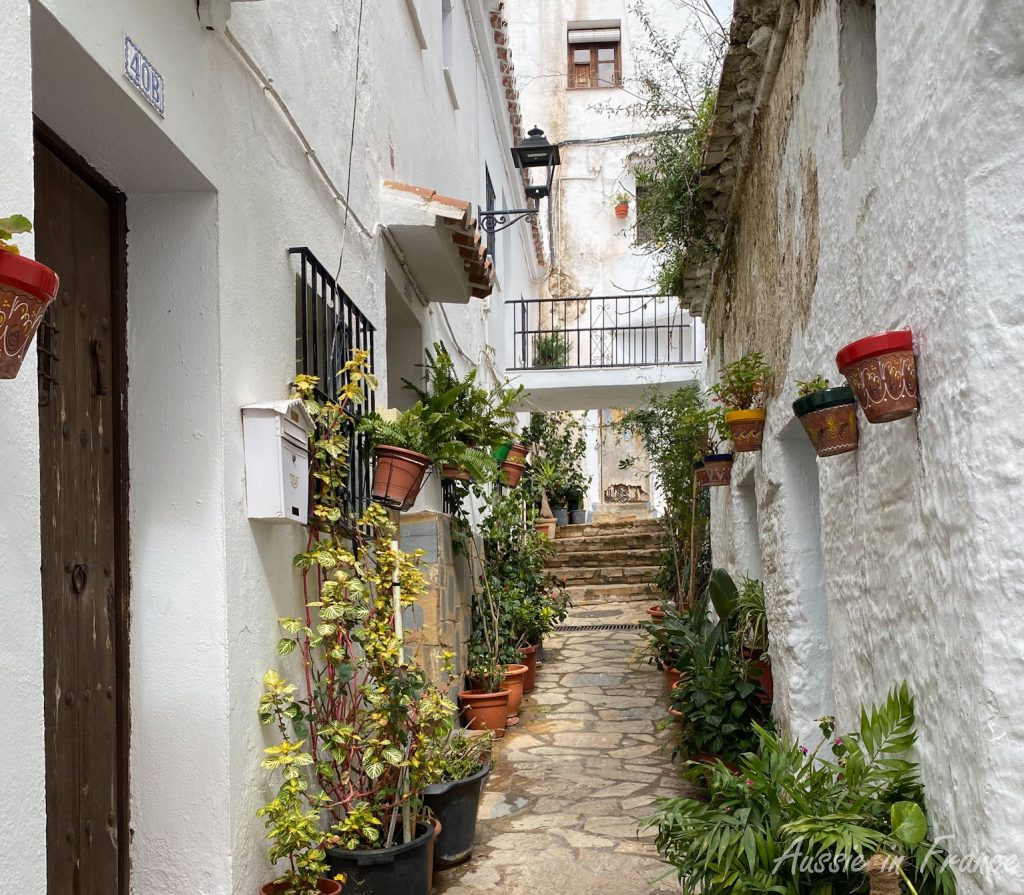
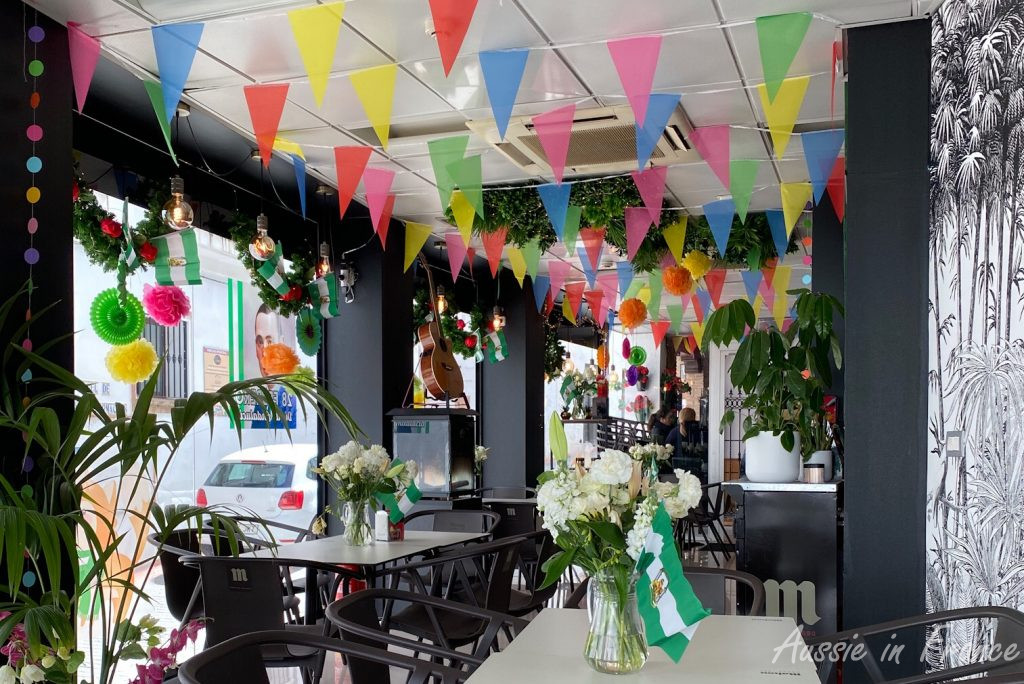
We leave the motorway to climb up to the white hilltop village of Cesares. We take the very steep descent on foot to the village centre. We are obviously off-season as there are no restaurants open and only one bar that is serving food – El Flamenco Rosa. There are five tapas so we take one of each and a glass of wine. We find a pasteleria to complete our meal.

Typical street in Cesares

El Flamenco Rosa

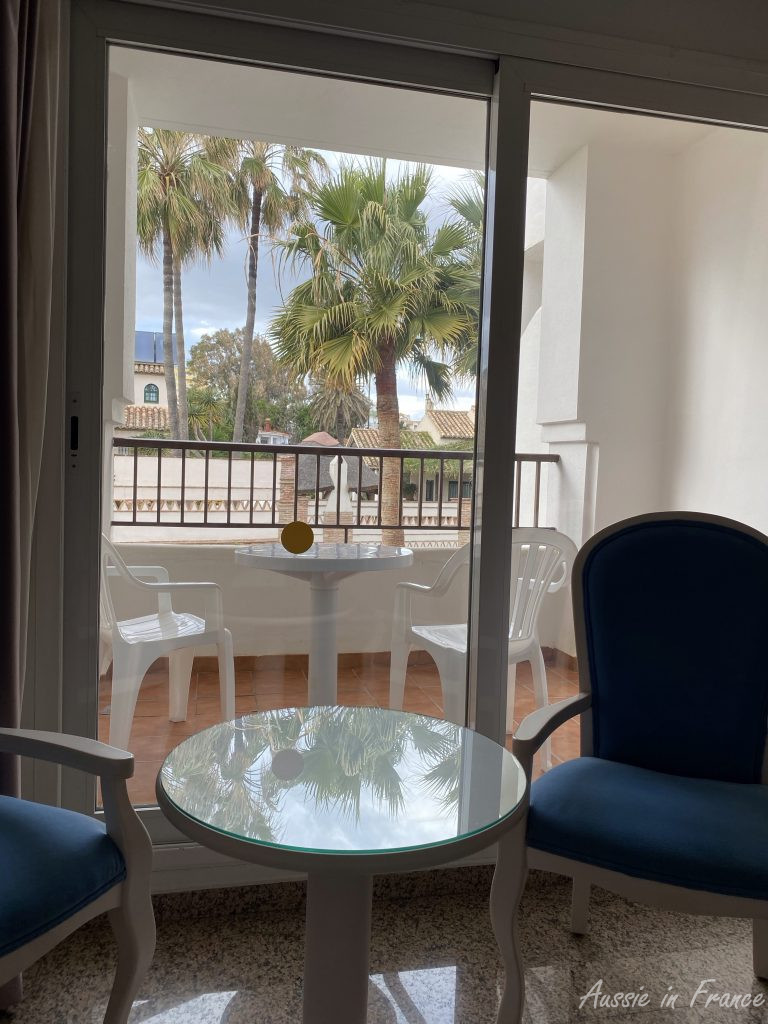
We return to the motorway and an hour later take the turnoff to Benalmádena. We are surprised by the plunging descent to the coast road. When we arrive at our hotel we are given glasses of local sparkling wine which we drink on our very pleasant second floor balcony. Tomorrow we take the plane home from Malaga.

Hotel Puerto Marina

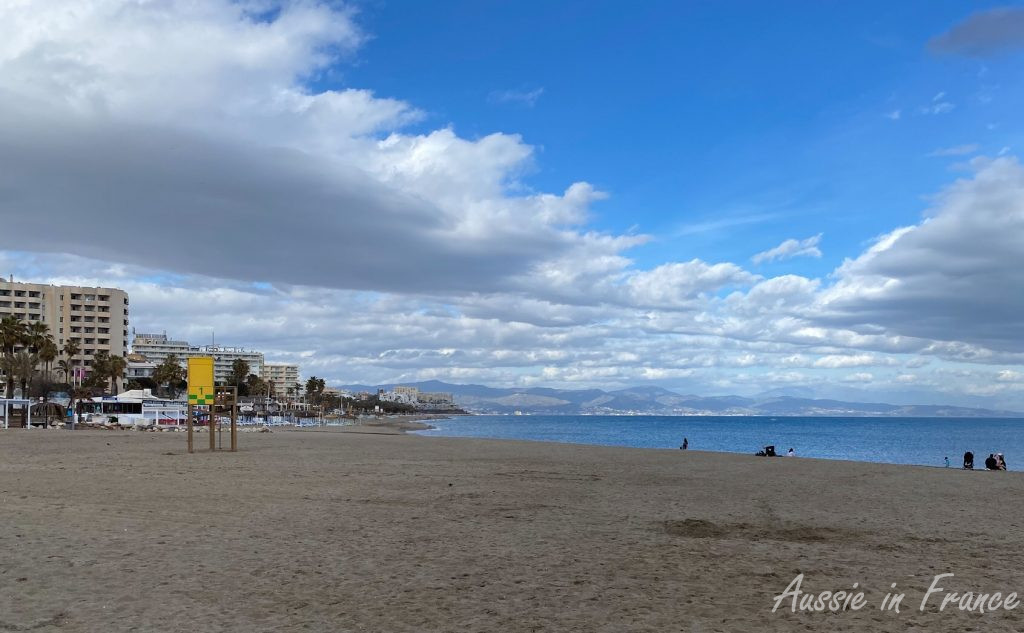
The beach at Benalmádena
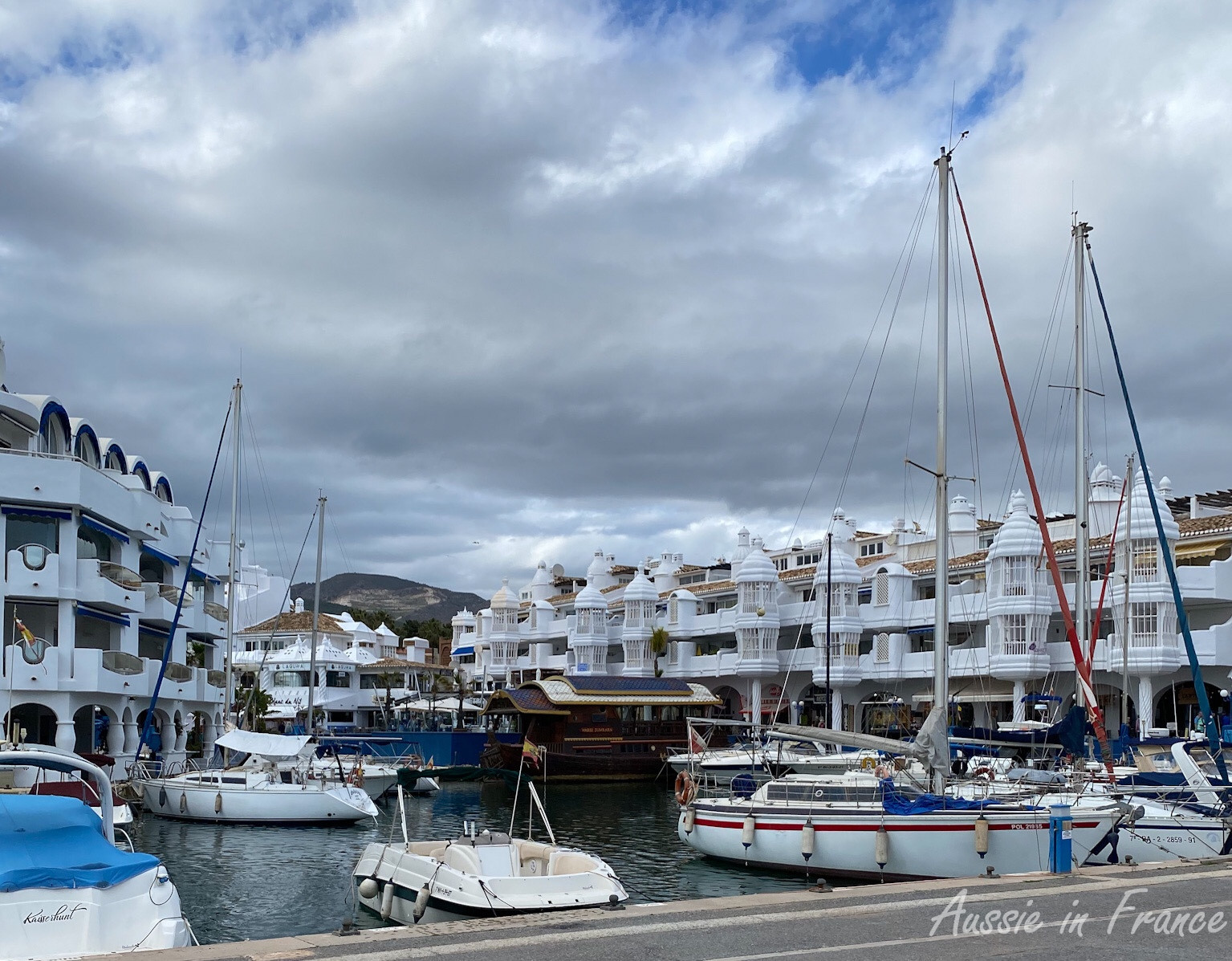
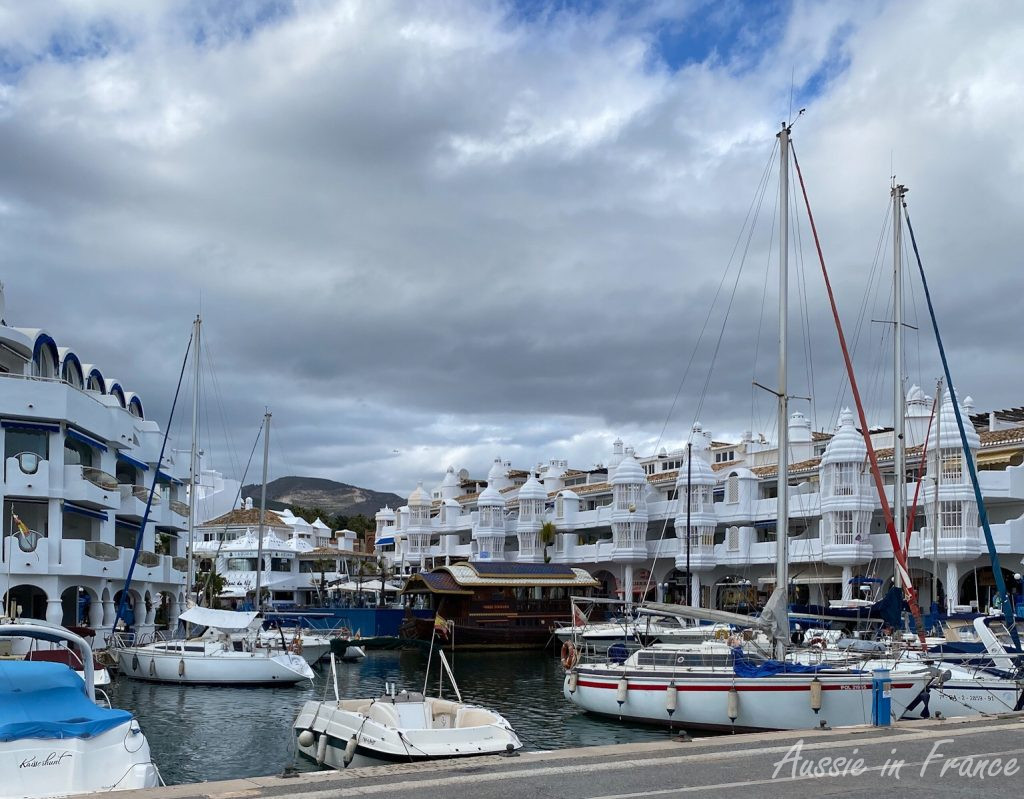
The marina at Benalmádena

Cadiz

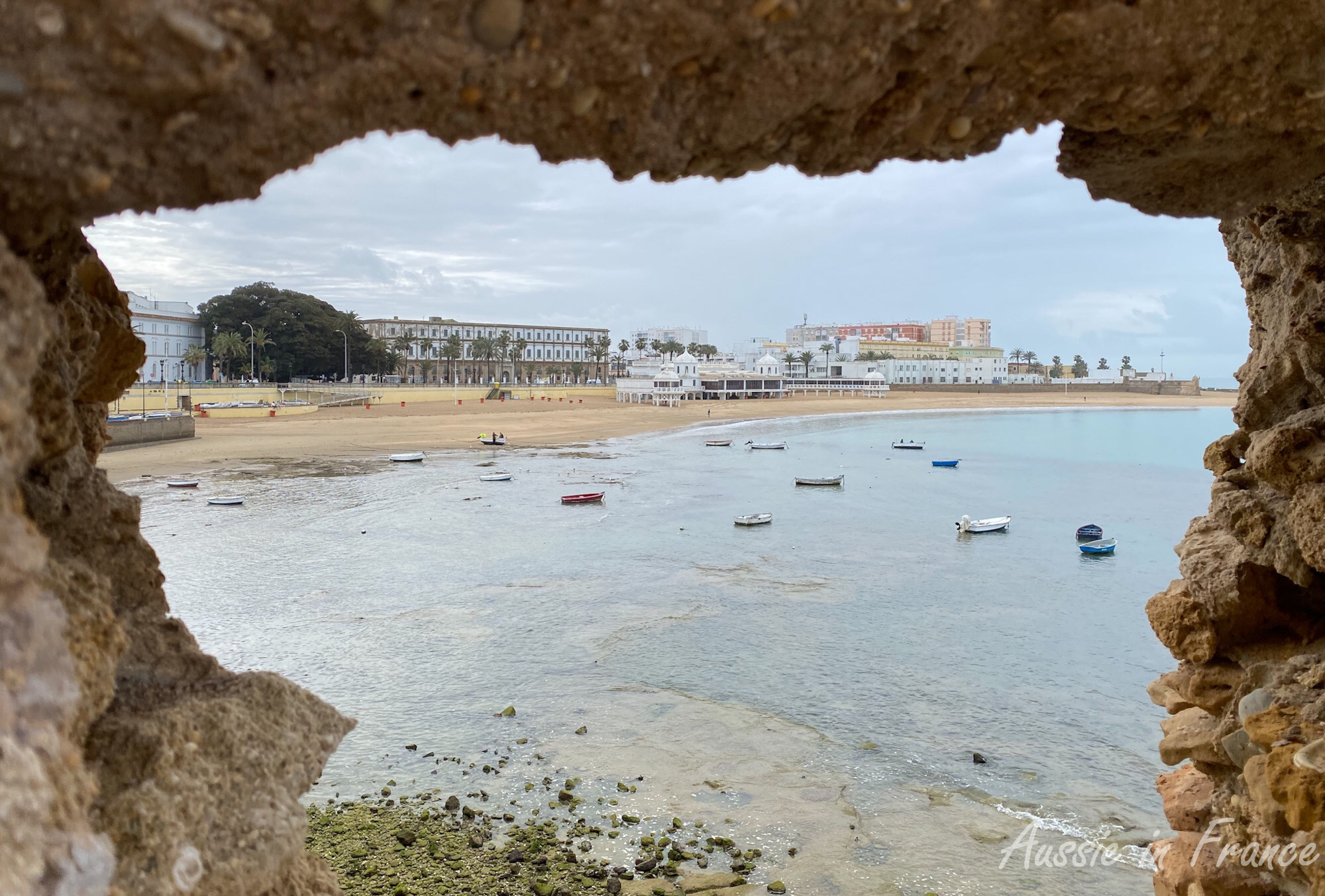
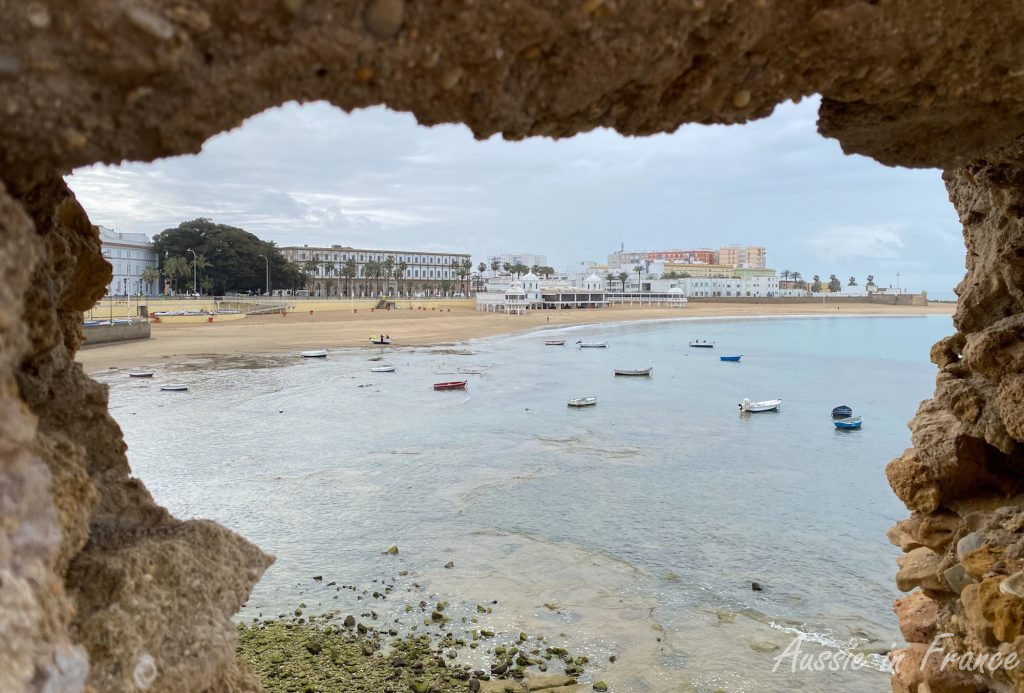
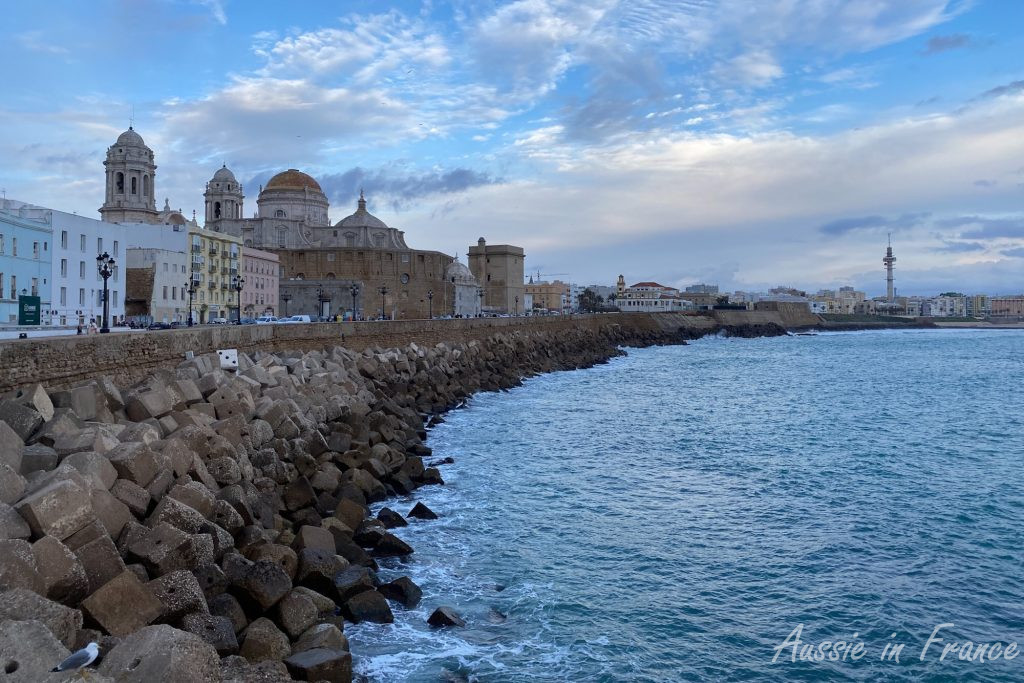
The coastline at Cadiz

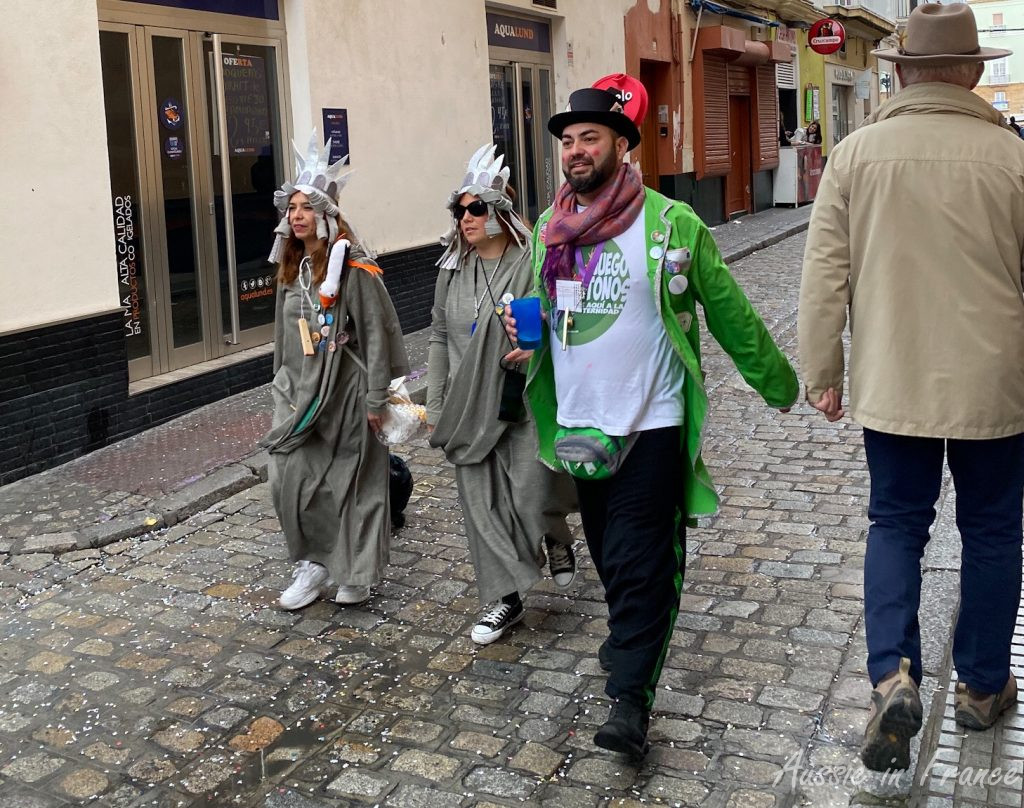
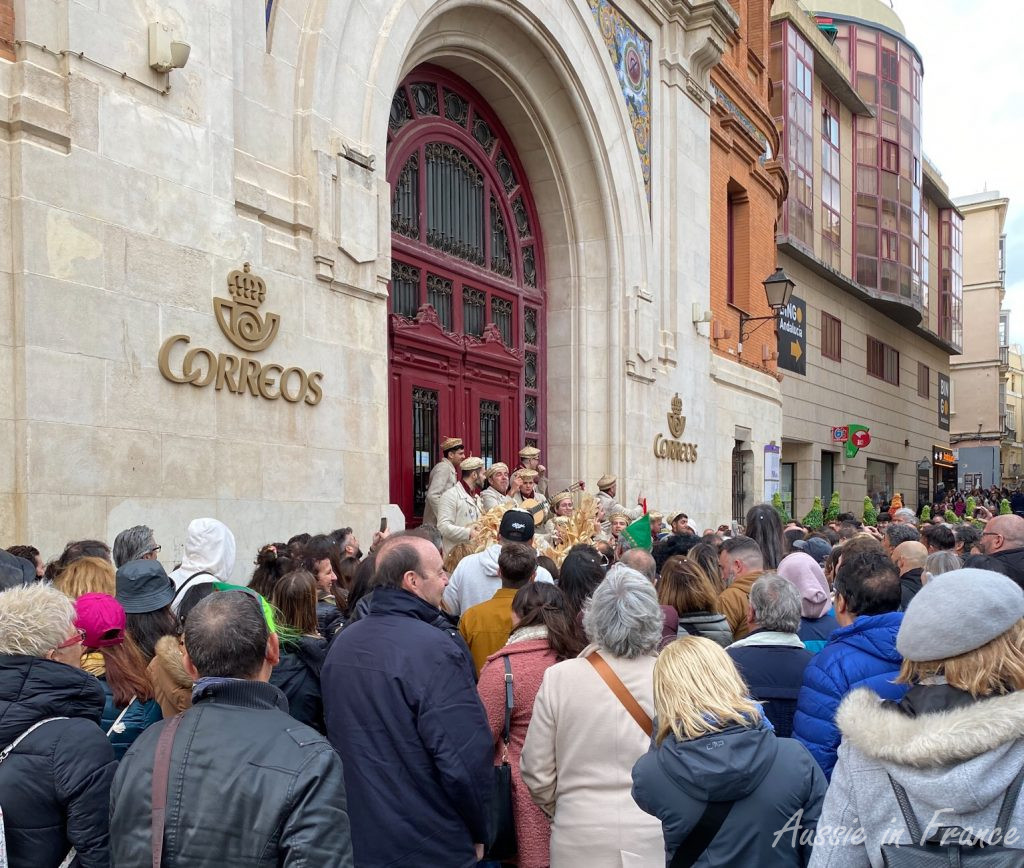
After leaving the monastery at Jerez de la Frontera, we head for Cadiz where we discover it’s carnival time! Many people are in home made costumes grouped around comedians and very talented singers. What a pity we can’t understand.

Paseo at sunset

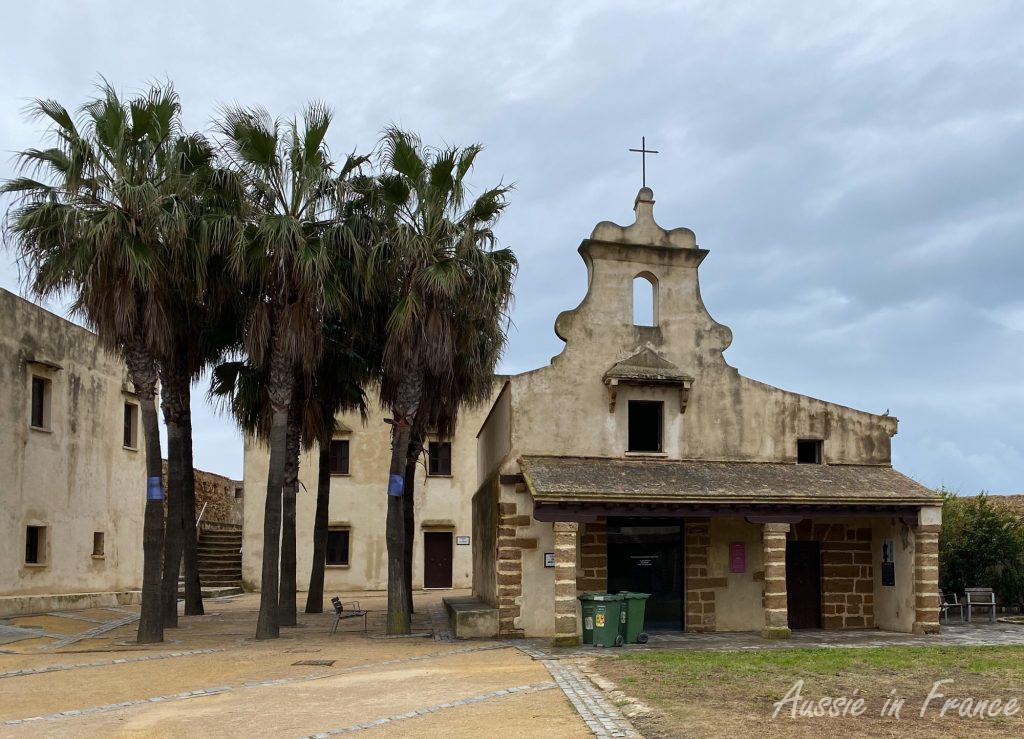
Next morning, the town seems much calmer and we are able to visit the sights with only light spitting. Inside the old fort there is an exhibition on munitions explosion in 1947 that took hundreds of lives and left thousands injured.

Inside the fort
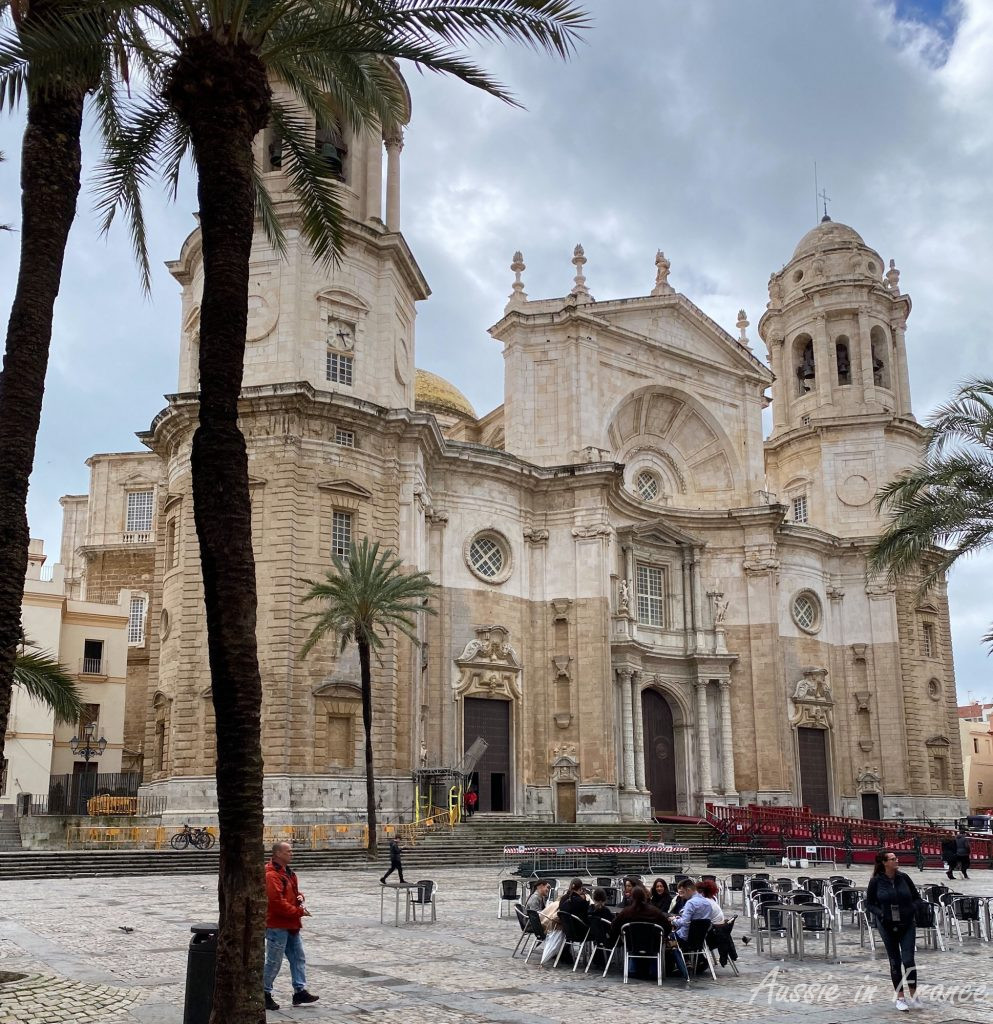
Cadiz cathedral

Jerez de la Frontera

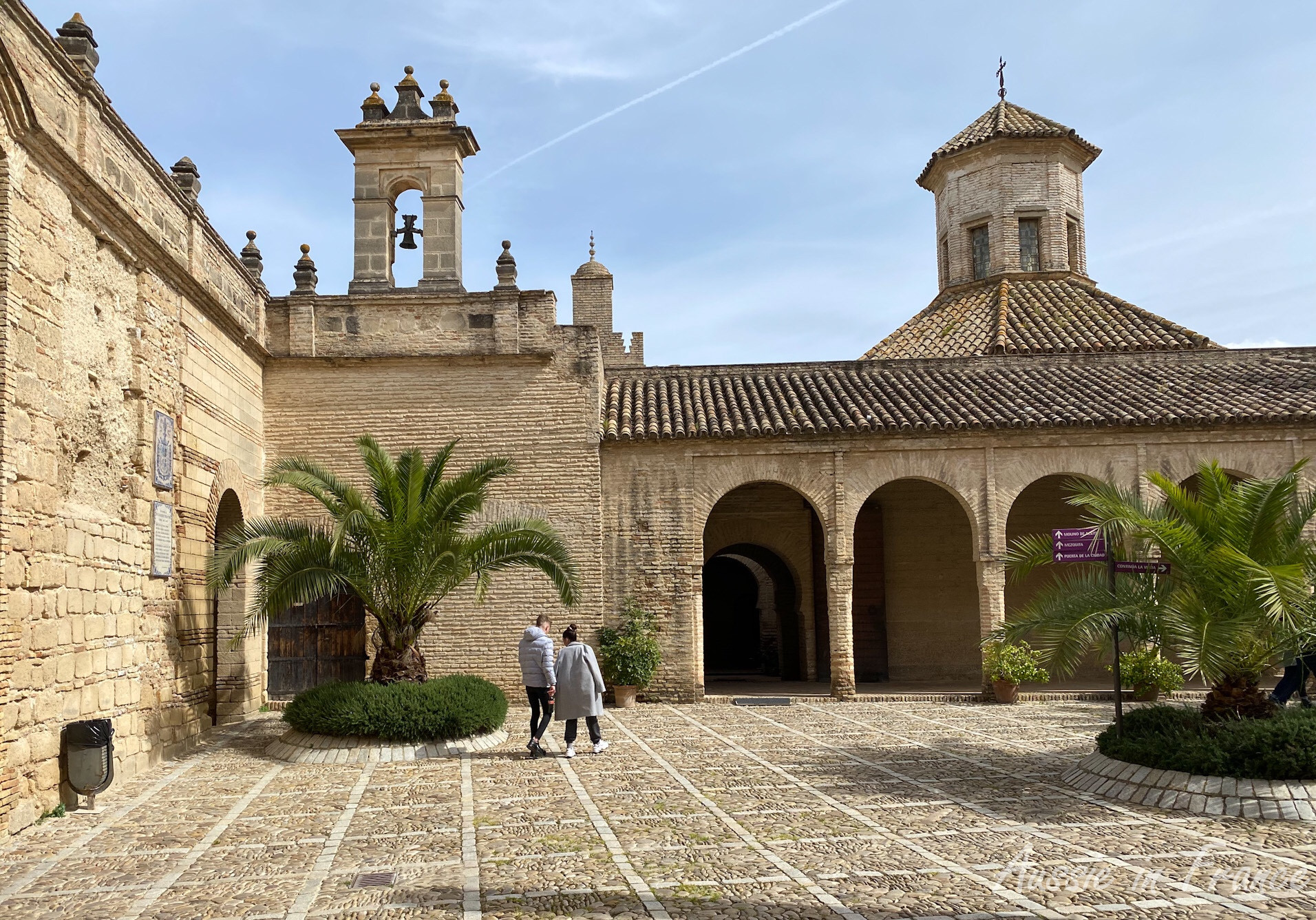
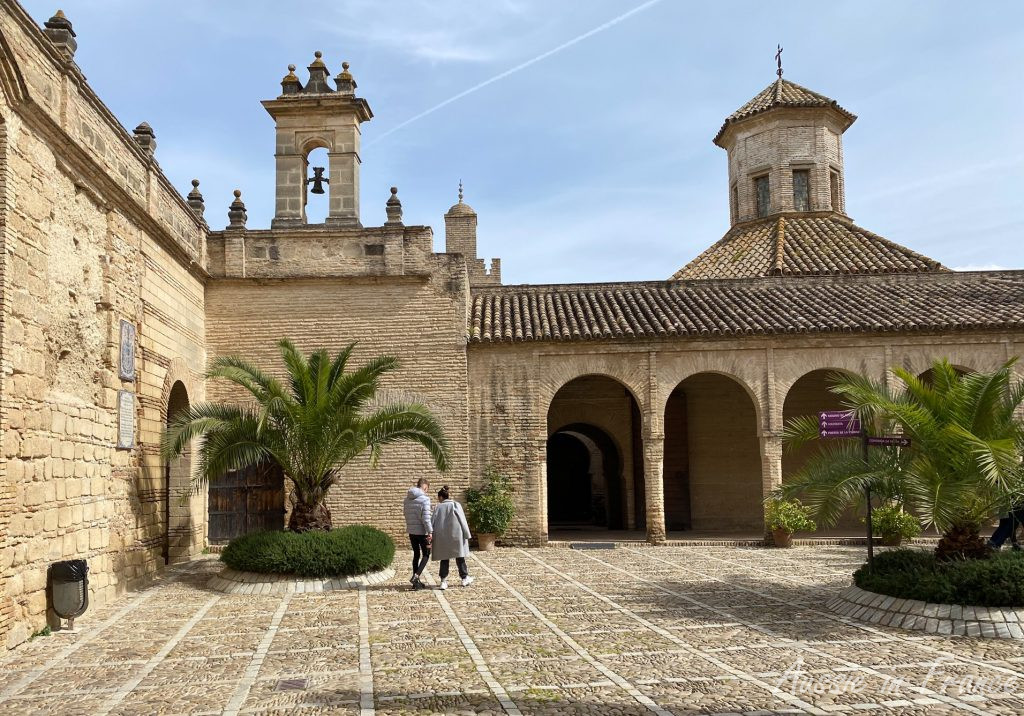
Inner courtyard of the Alcazar at Jerez de la Frontera

We leave Marbella and the high-rise coastline of Costa del Sol without regret and are very pleasantly surprised by Jerez de la Frontera, especially the Alcazar, which is balmy and peaceful.

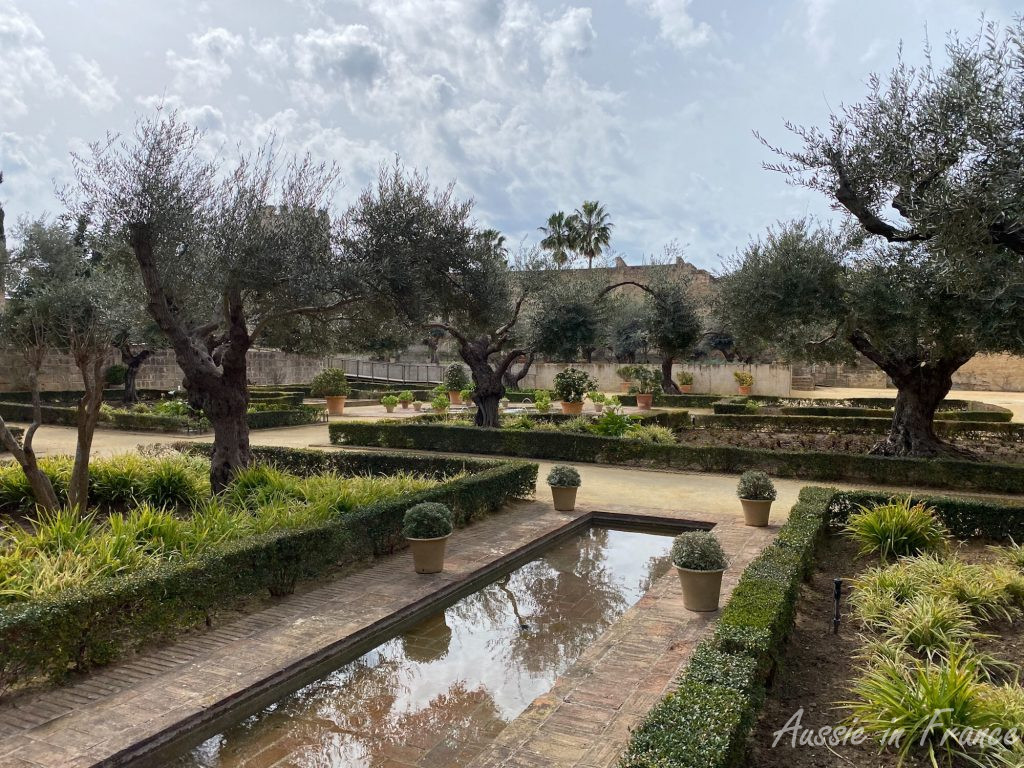
The peaceful gardens of the Alcazar
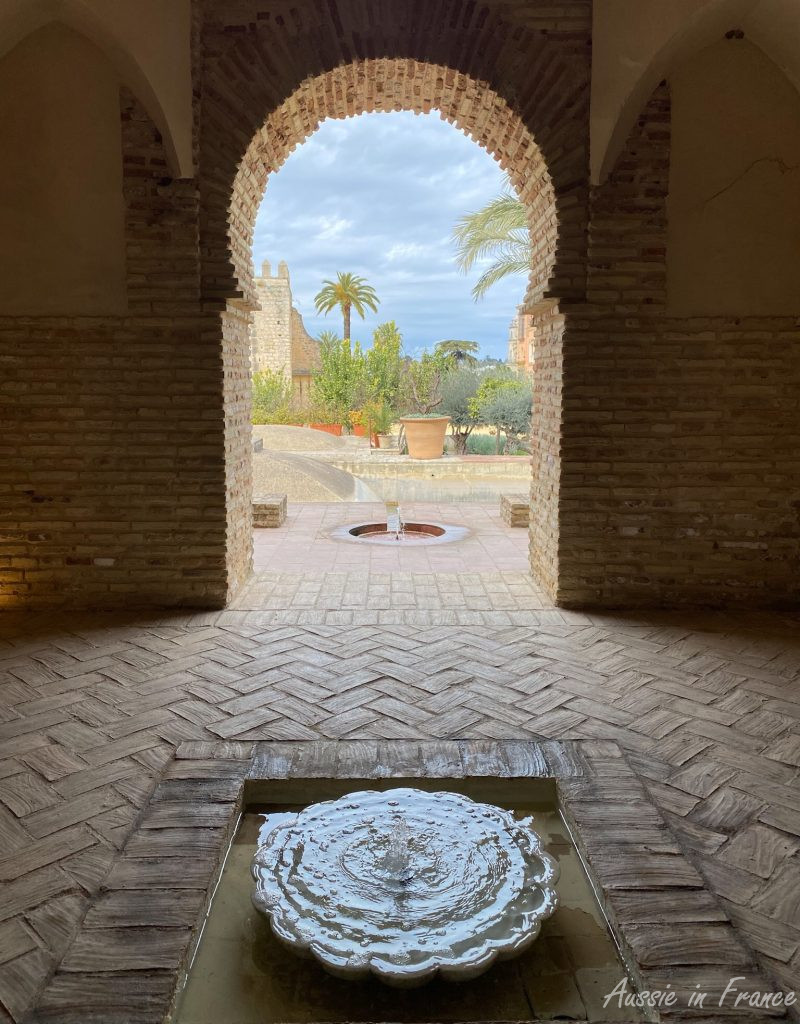
Mosque at the Alcazar
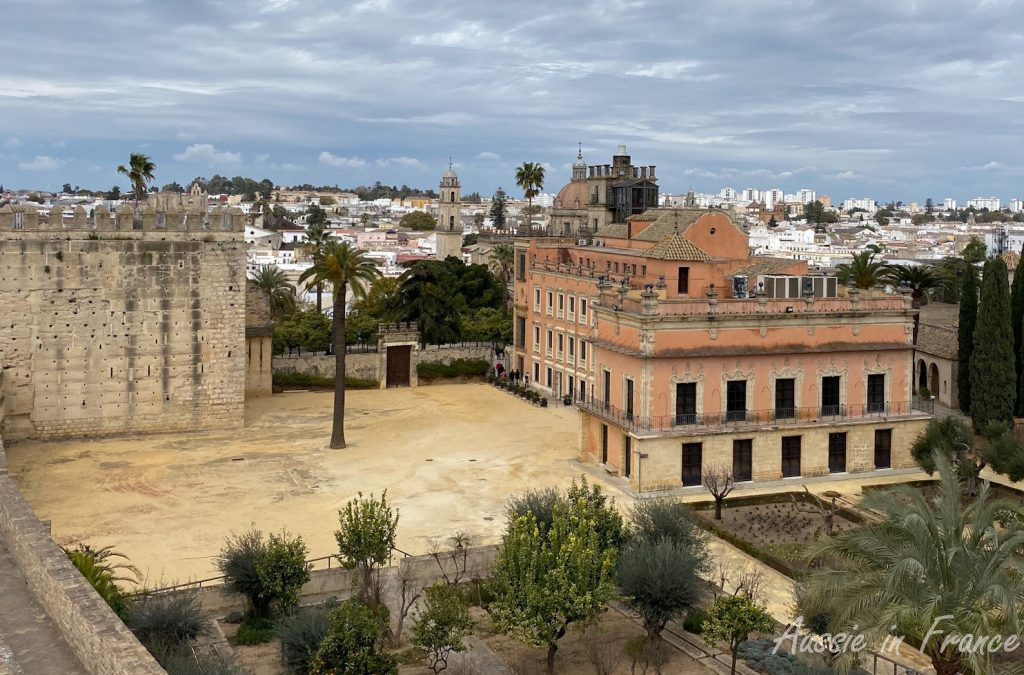
View of the Palacio de Villavicencio

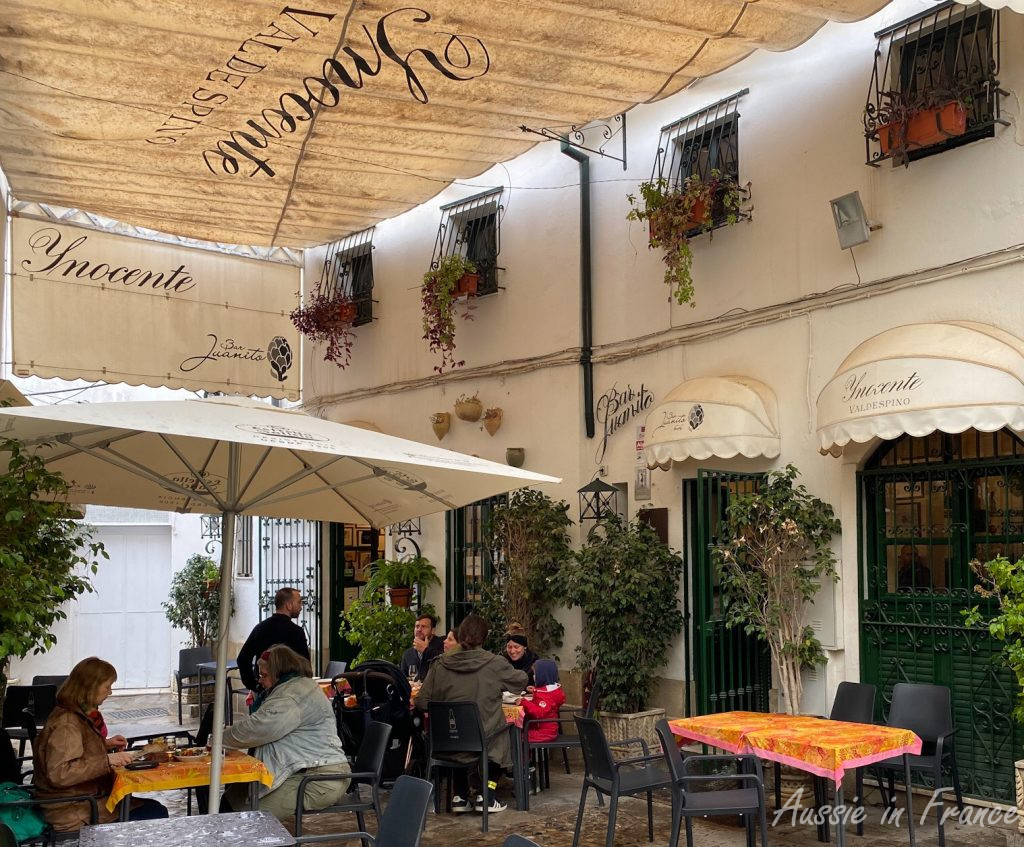
After our visit we choose a nearby restaurant- Bar Juanita – which at 1.30 pm is practically empty. It starts to rain so we go inside. By 2 pm, it is crowded! We choose various tapas and raciones and feel very much like locals.

Lunch at Bar Juanita

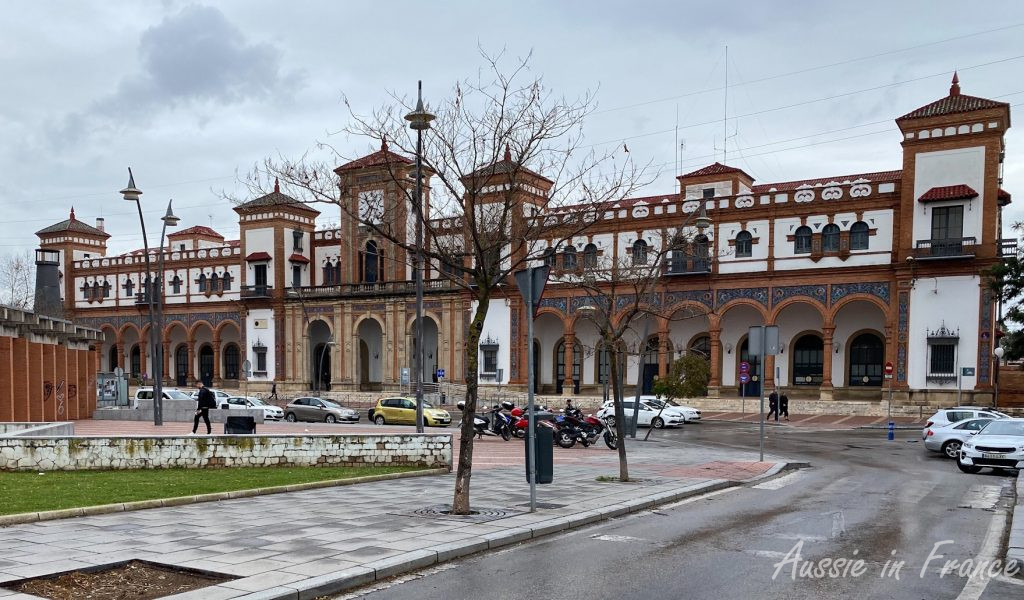
On the way out of the town, we stop to take a photo of the tiled train station.

Train station at Jerez de la Frontera

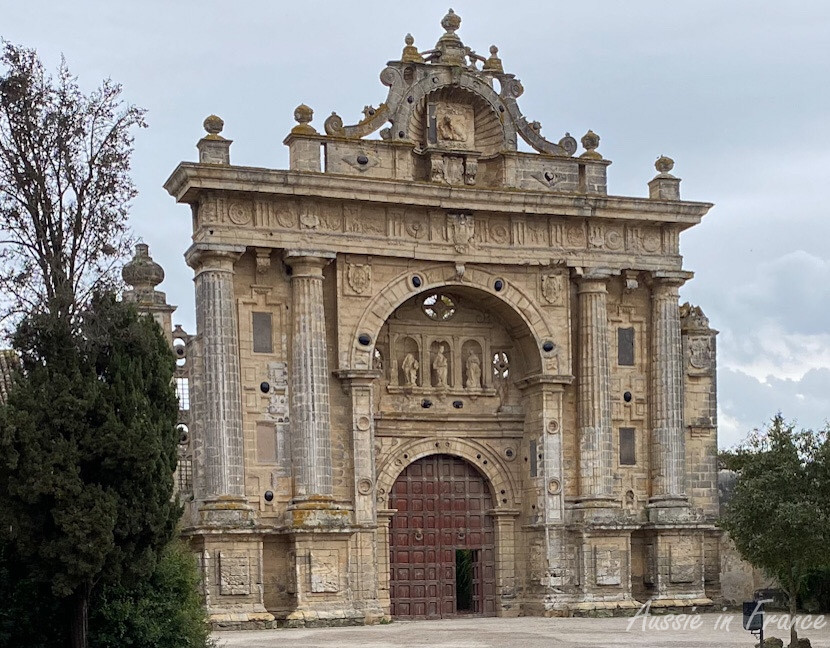
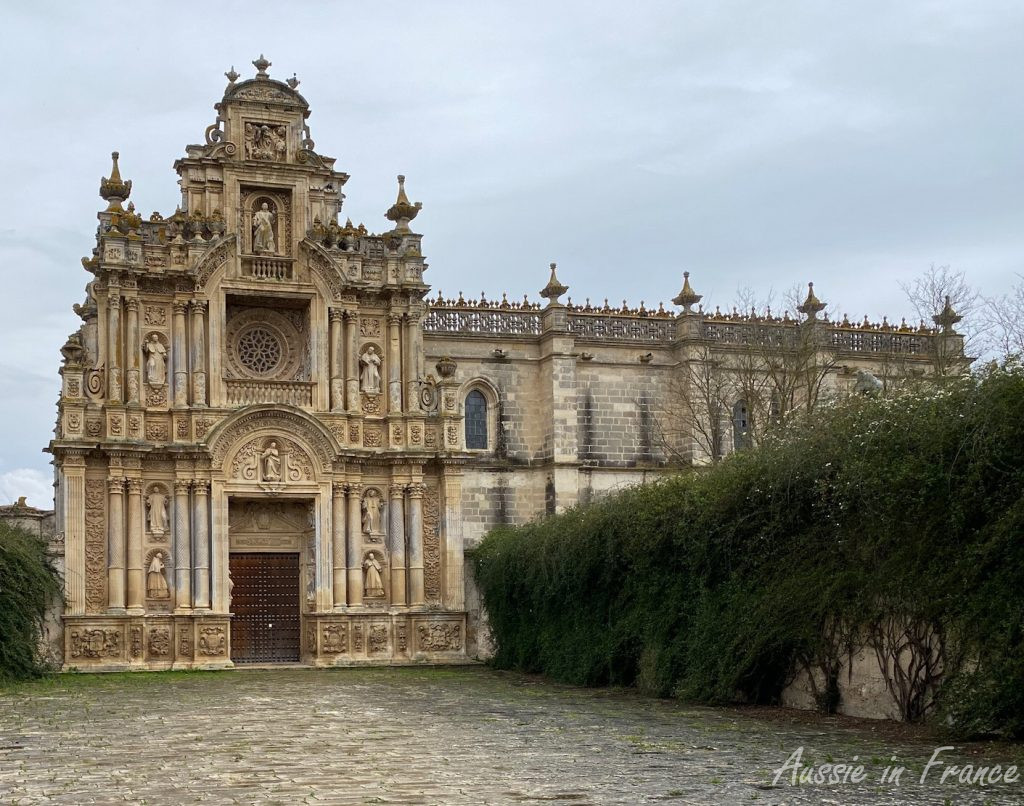
Next, the Carthusian monastery which is closed for renovation. The entrance is a replica of the front of the monastery.

Front gate of Carthusian Monastery
Carthusian Monastery

Marbella

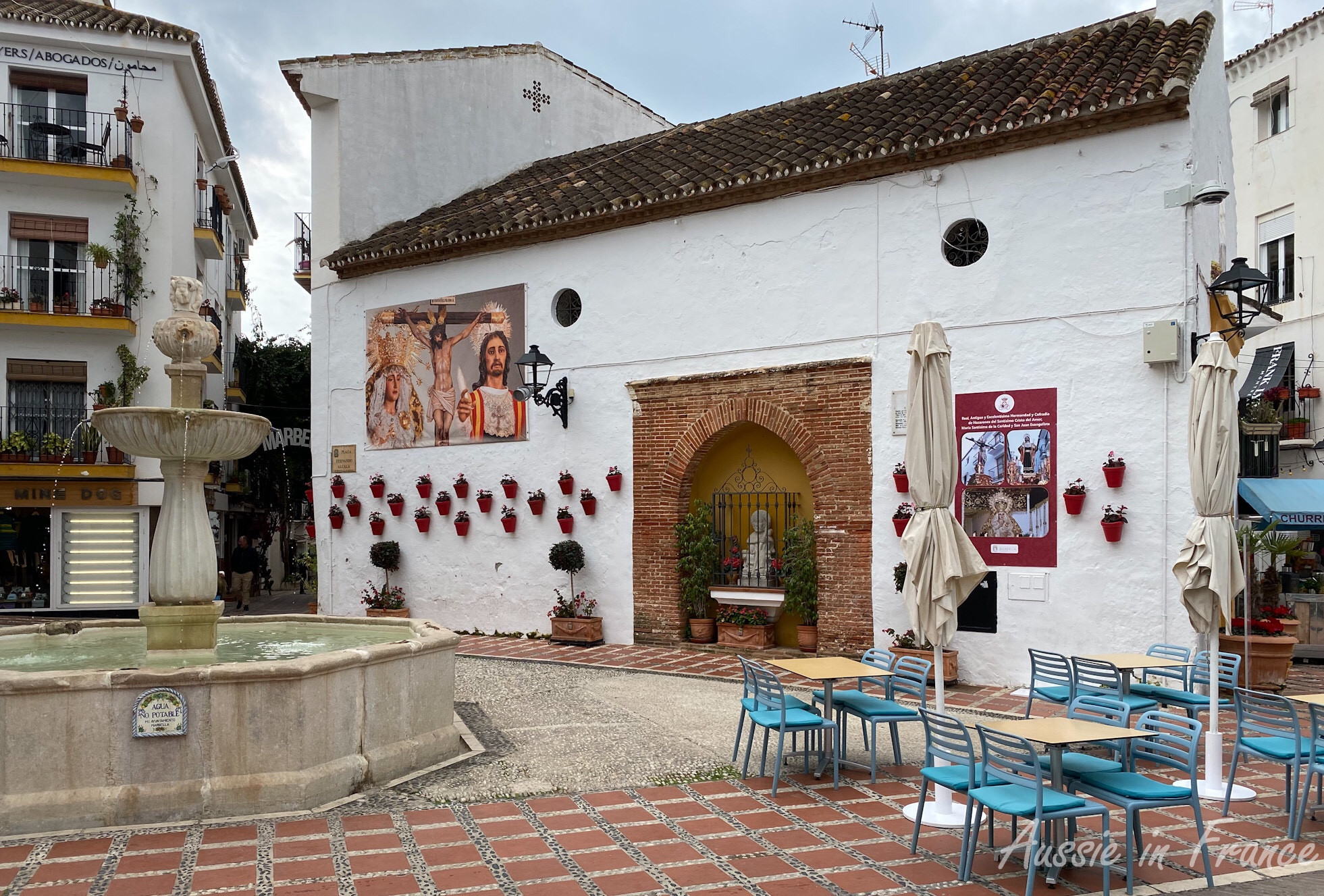
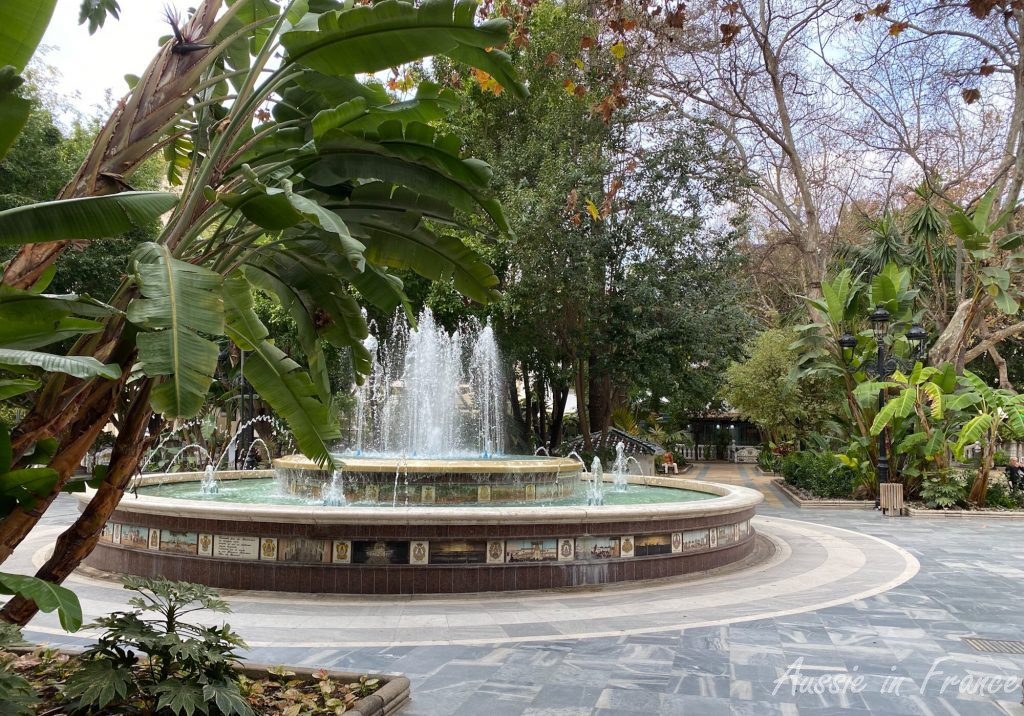
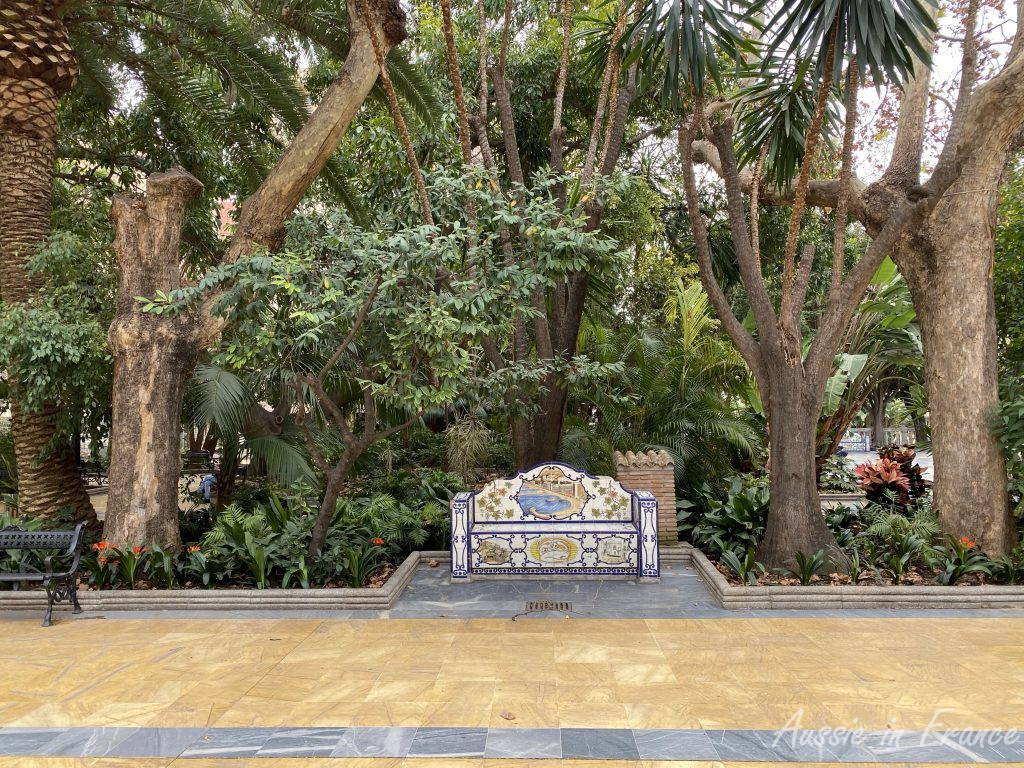
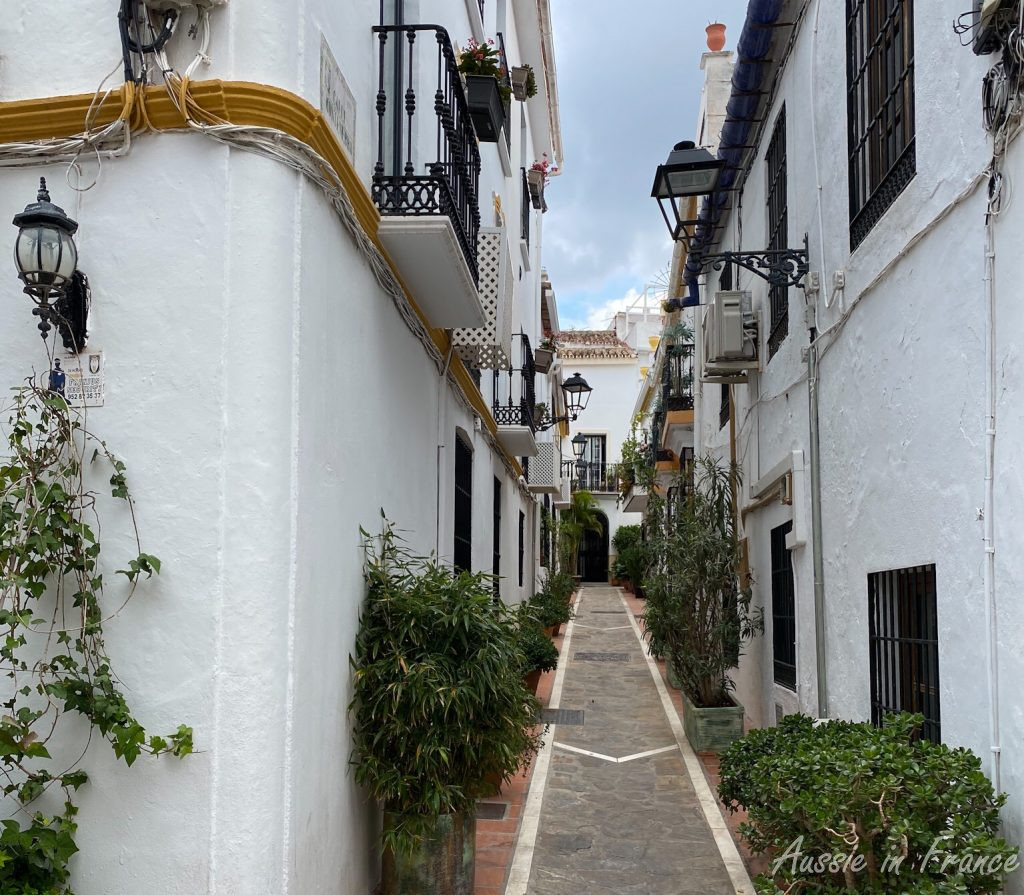
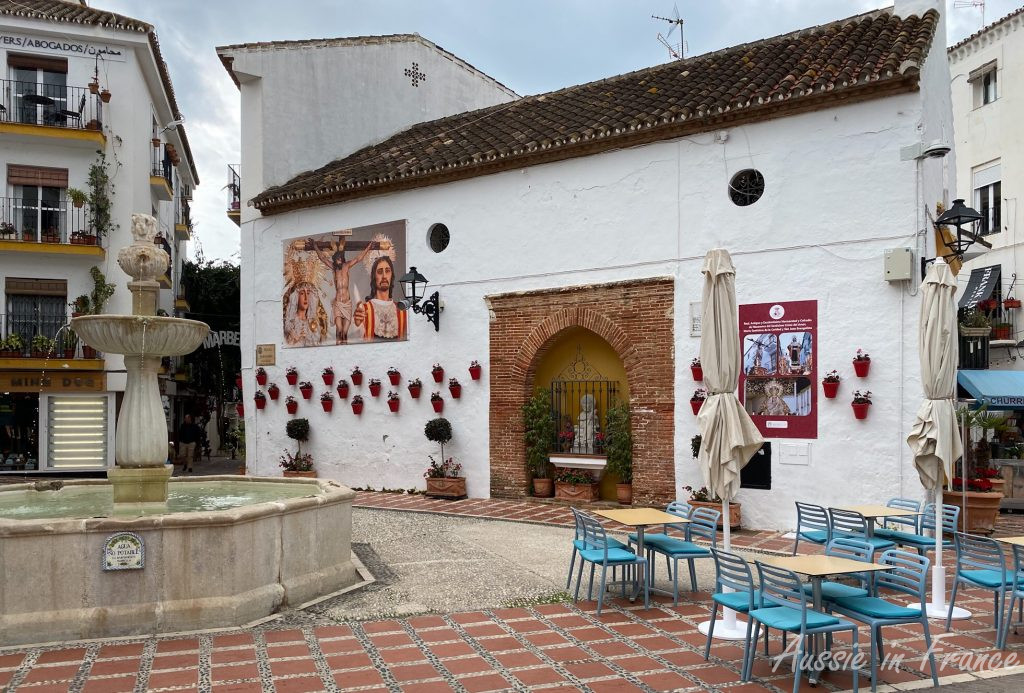
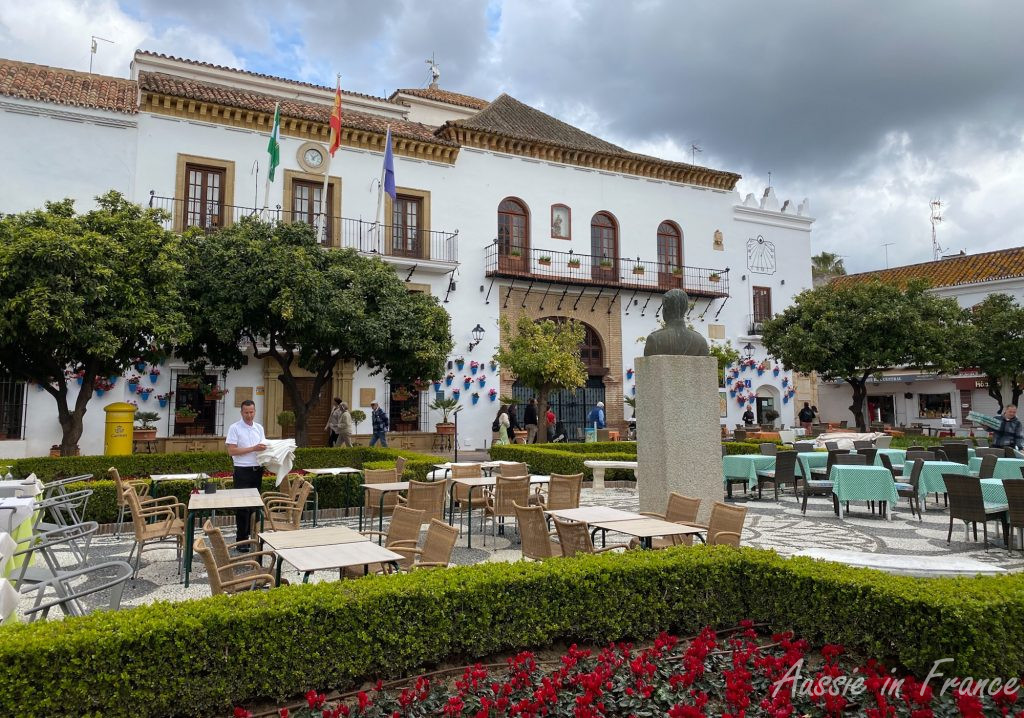
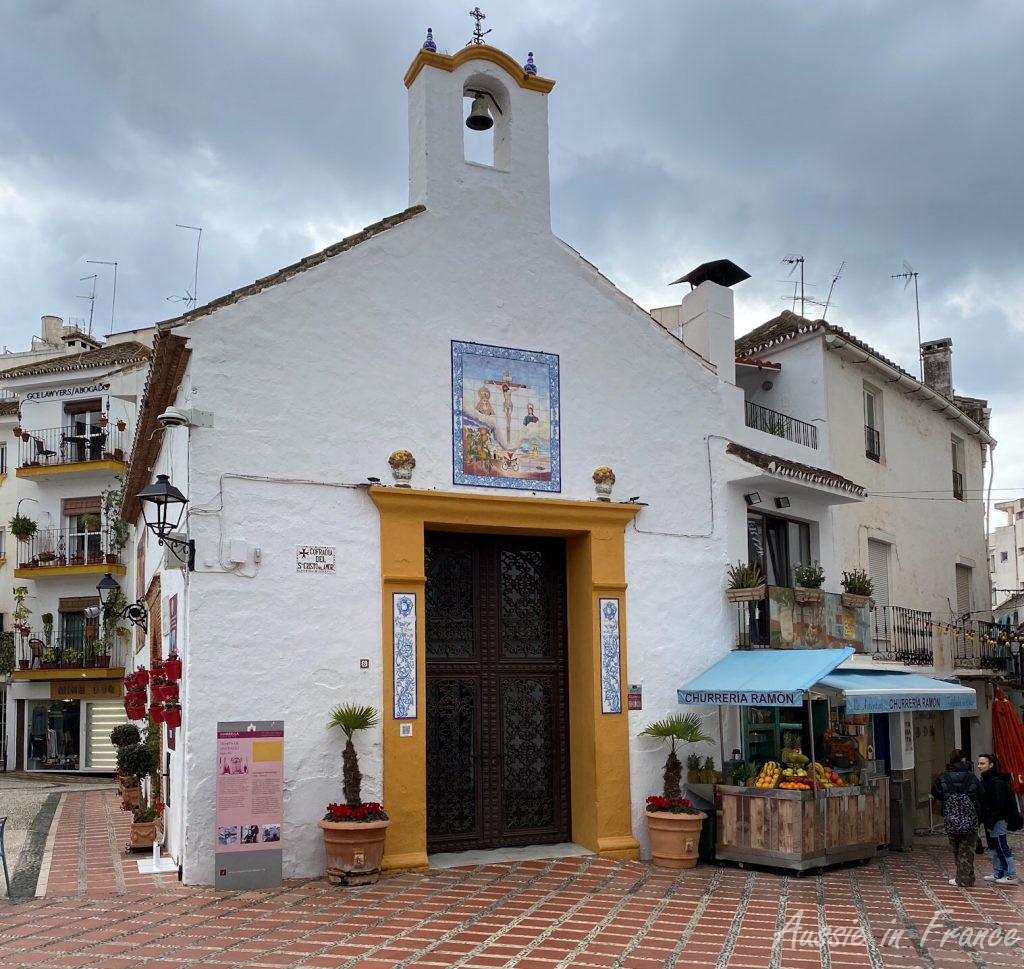
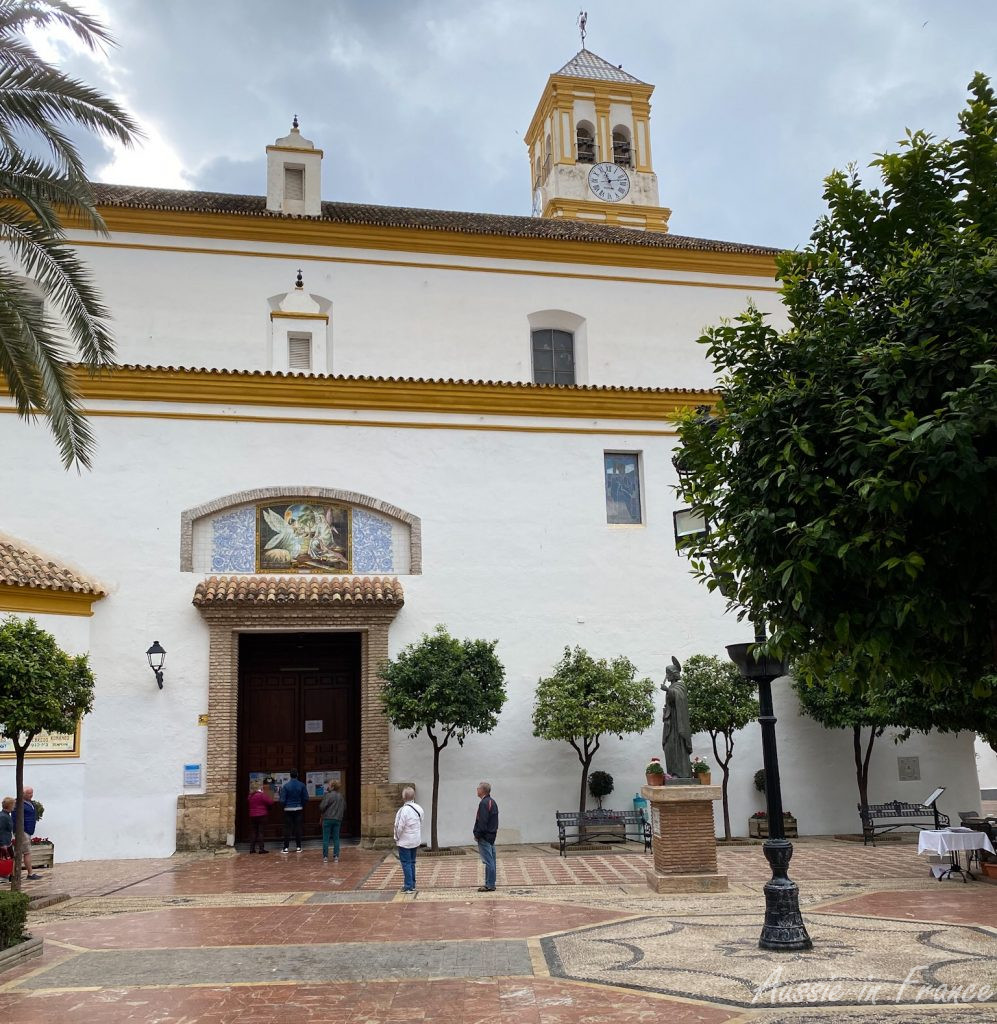
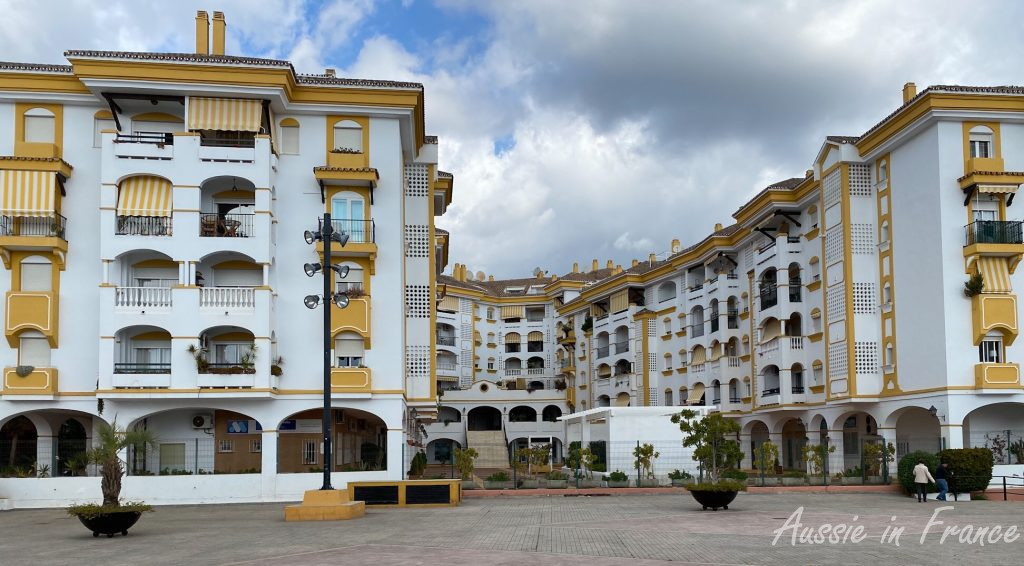
Marbella is like the Saint Tropez of Spain – not that I’ve ever been to Saint Tropez. Not quite my style. But we want to stay a couple of days on the Costa del Sol which we have never seen before going to Cadix and Marbella has an old town which sounds better than endless high rise apartments with balconies overlooking the sea. The historic centre turns out to be rather kitch but we like the little park with its ceramic benches and fountain.

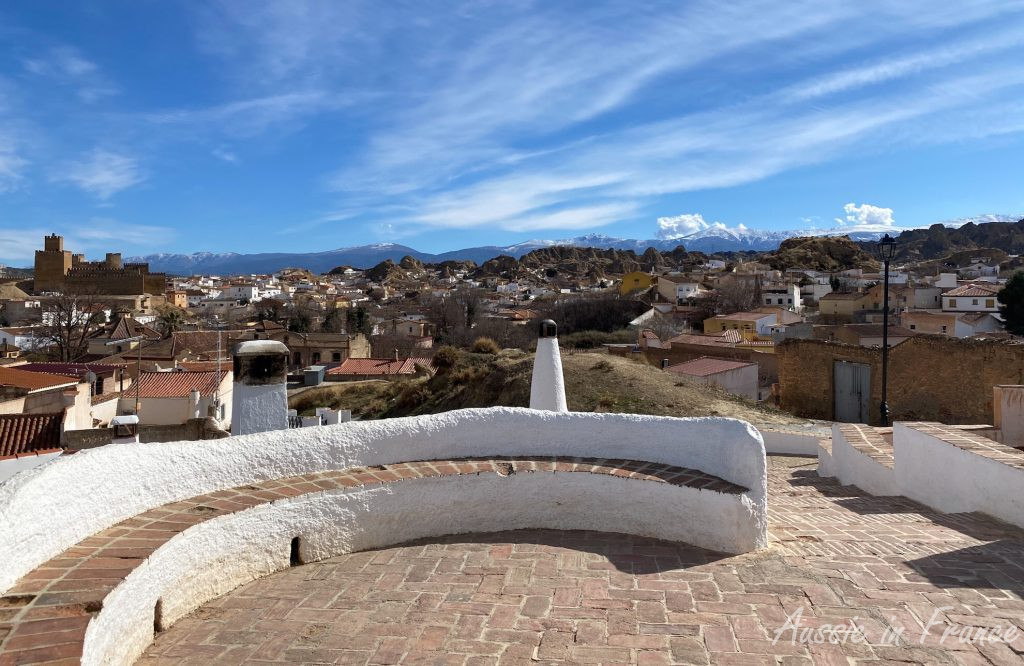
Troglodyte houses in Andalusia

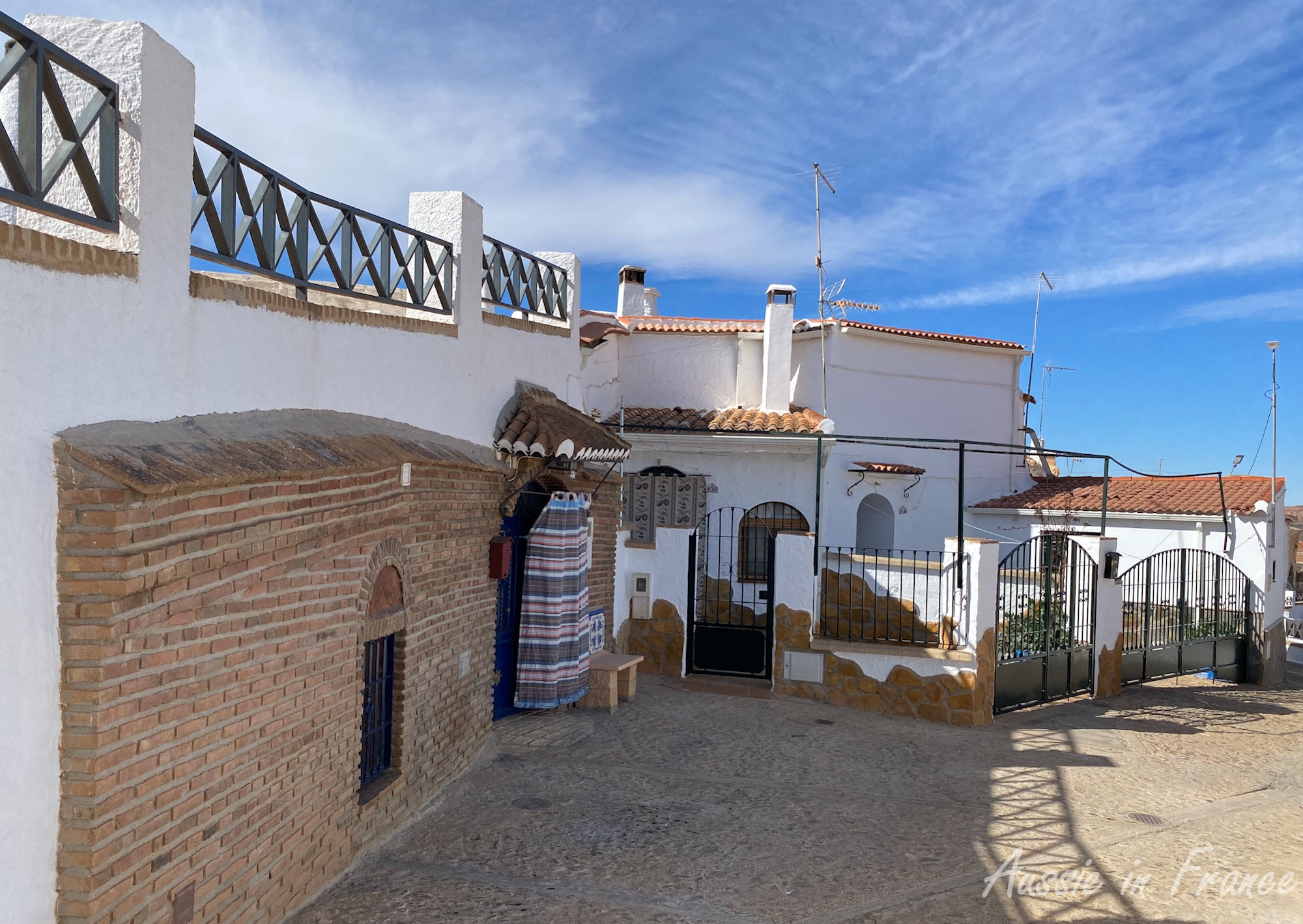
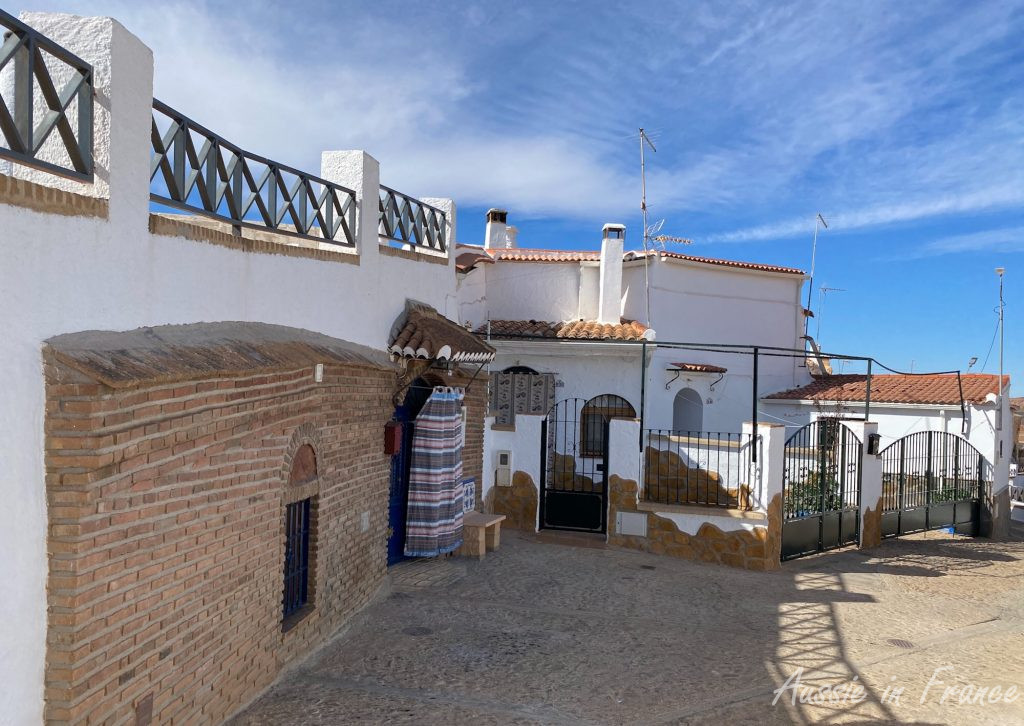
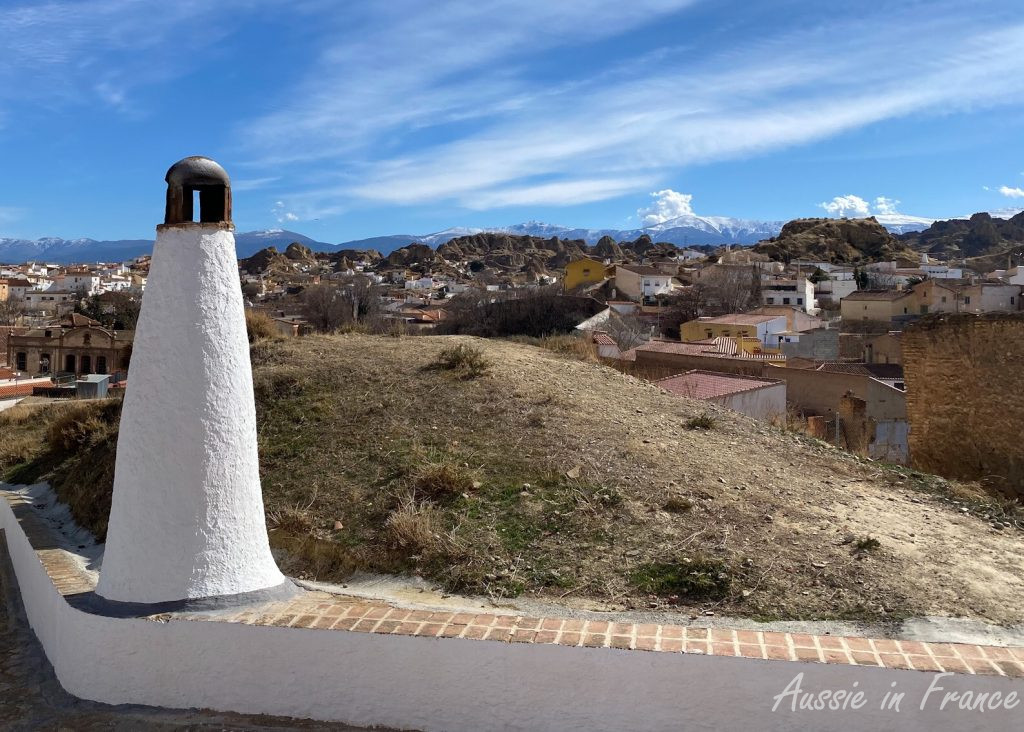
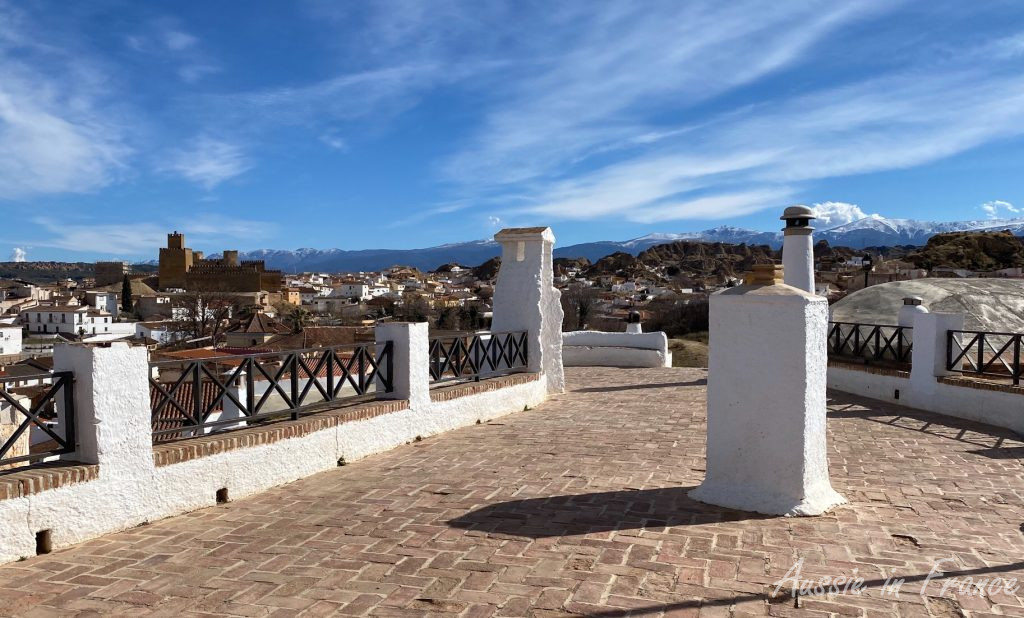
I live in a region in France – the Loire Valley – known for its troglodyte houses so it was rather fun to discover the same concept in Spain, but with an entirely different result. The cliffs here are clay and the cave houses in Guadix have white chimneys. Altogether, there are about 2000 troglodyte houses inhabited by 3000 people. It’s believed they date back to 1492 when Grenada was taken over by the Catholic kings, causing the Moors to flee to the surrounding mountains where they dug houses in the clay hills. The name Guadix comes from the Arabic Wadi Ash meaning the River of life.

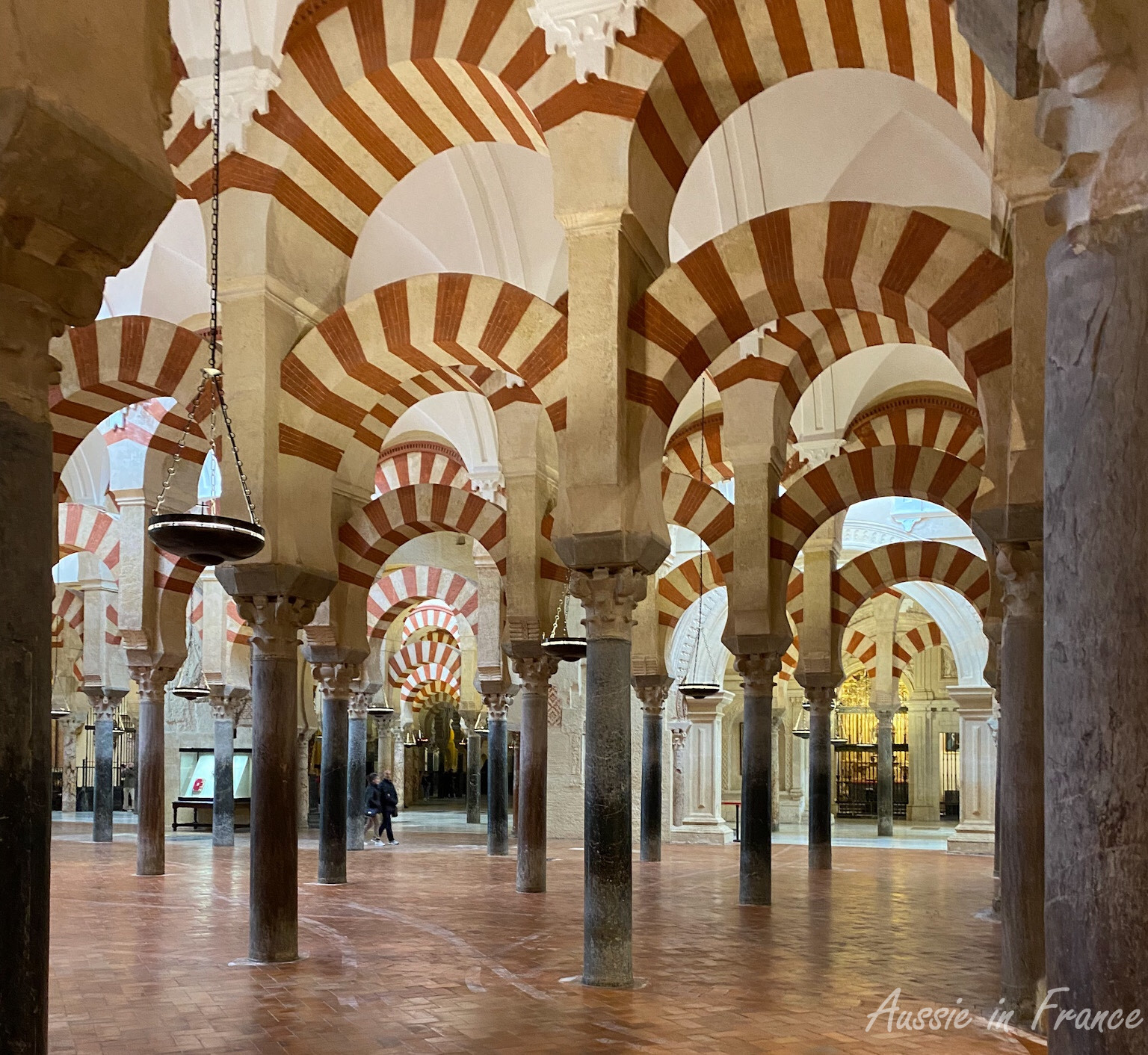
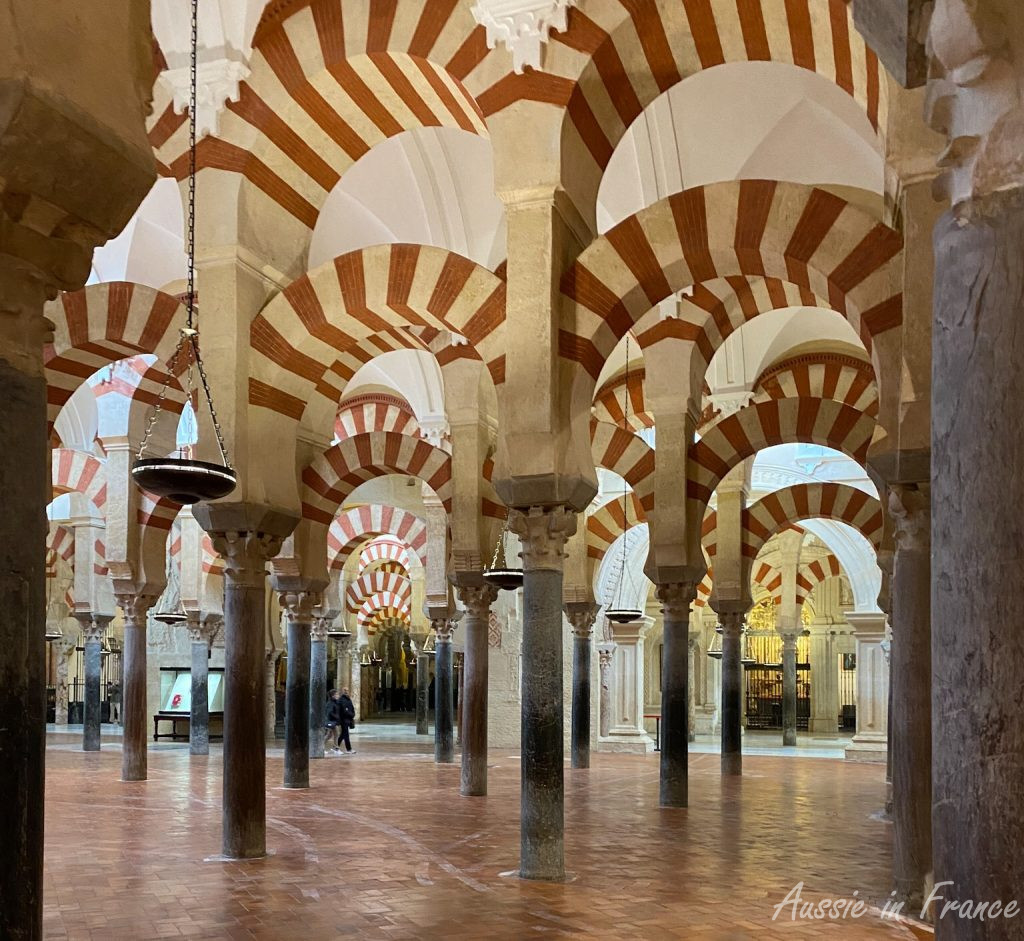
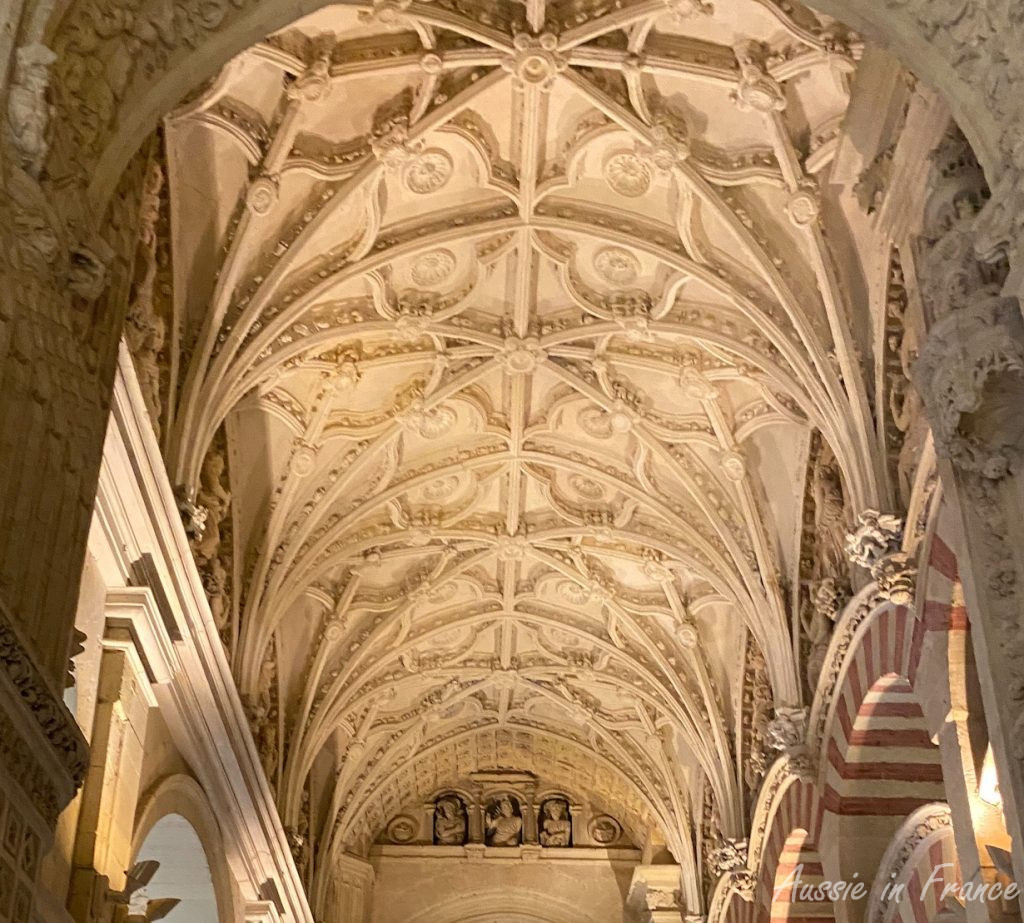
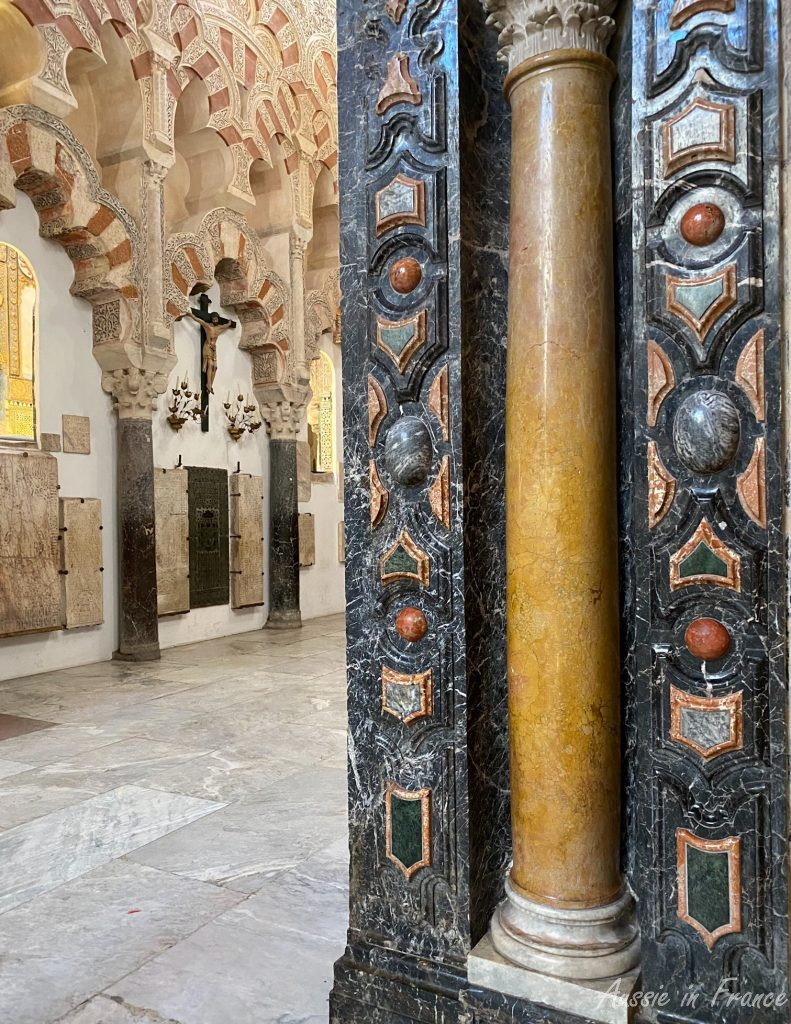
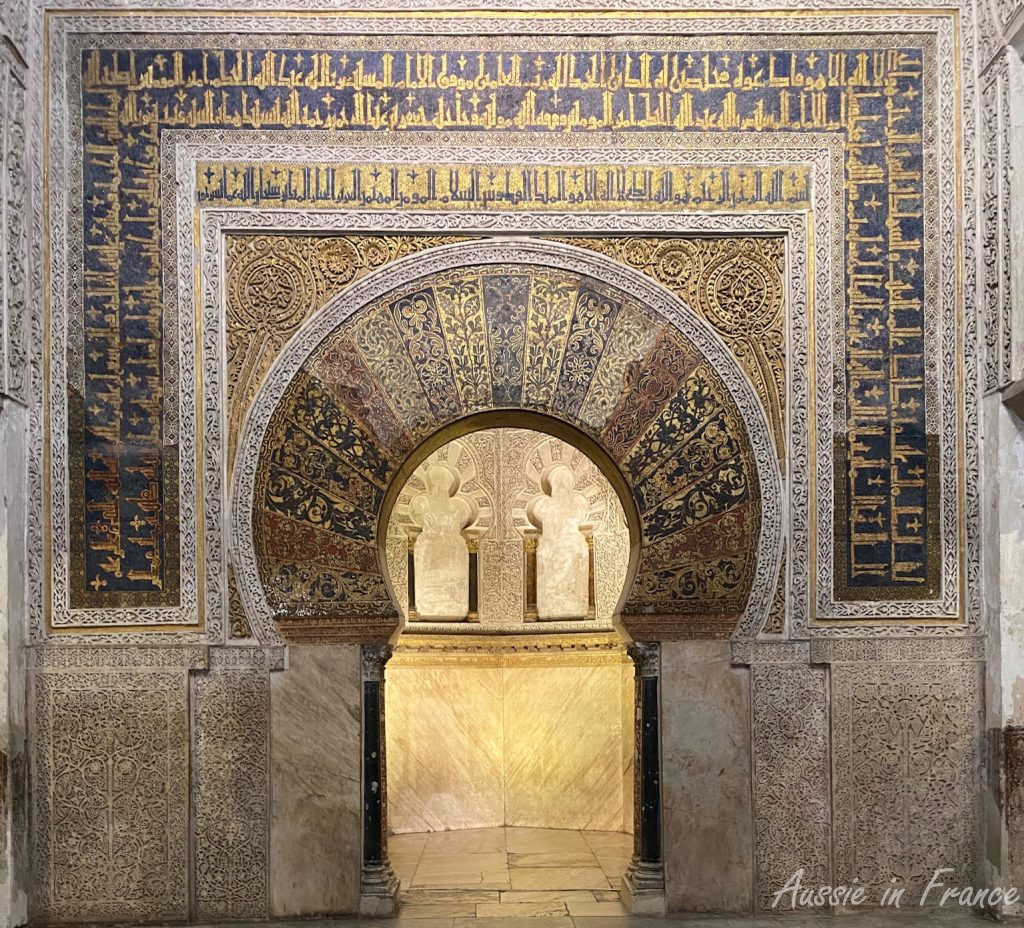
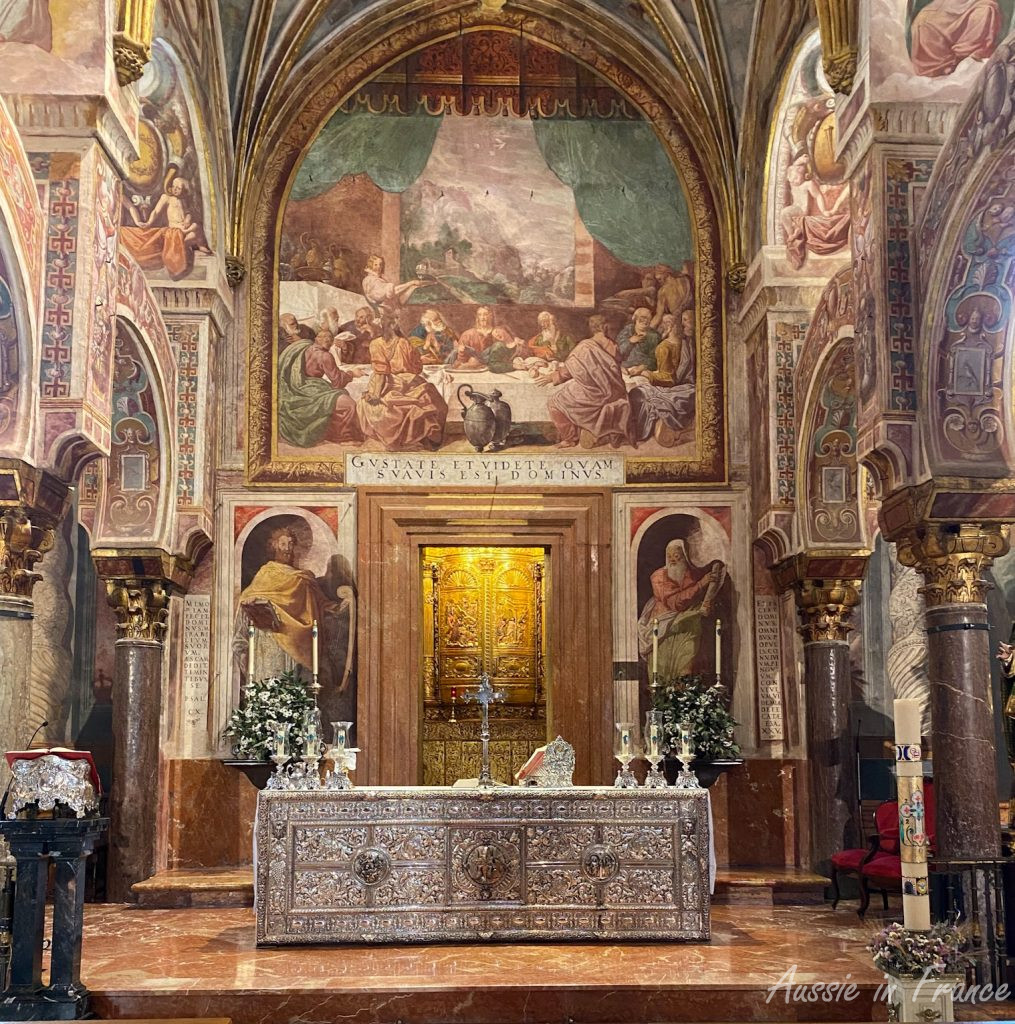
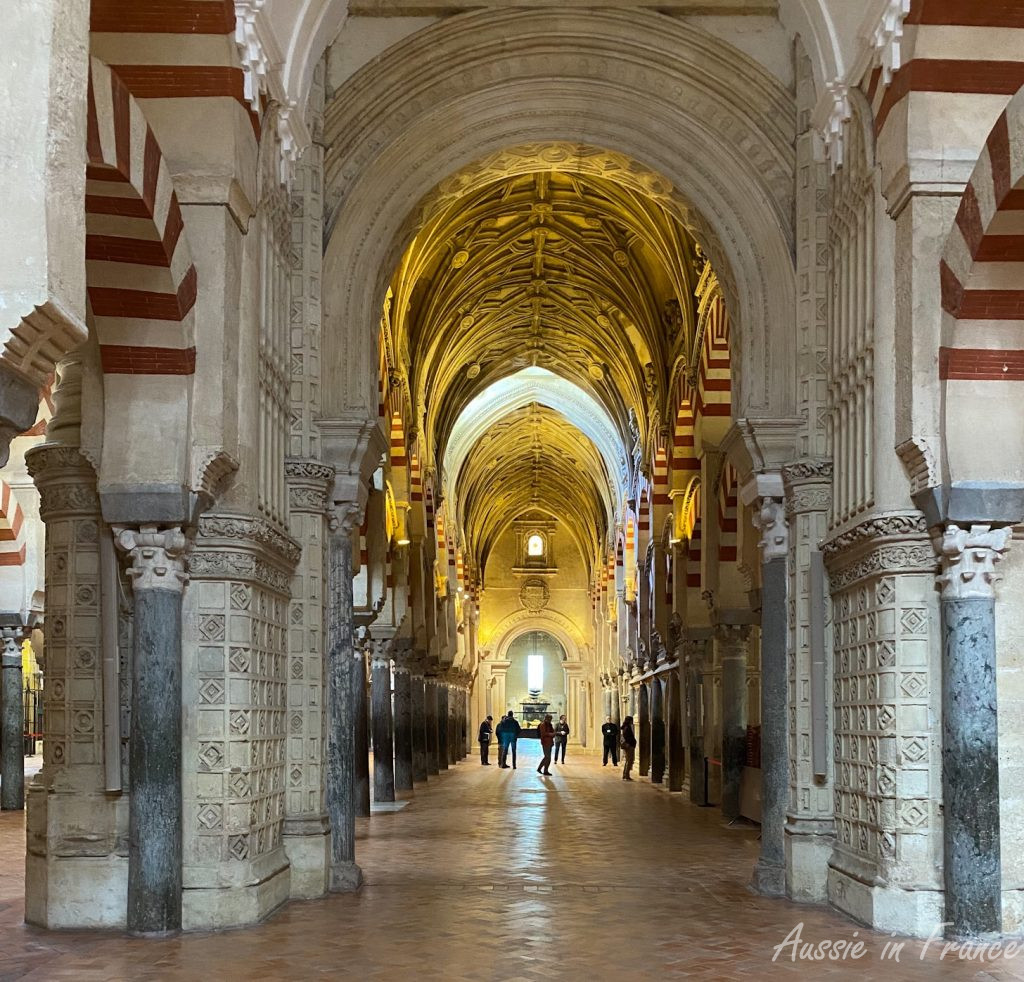
Inside the Cordoba Cathedral Mosque

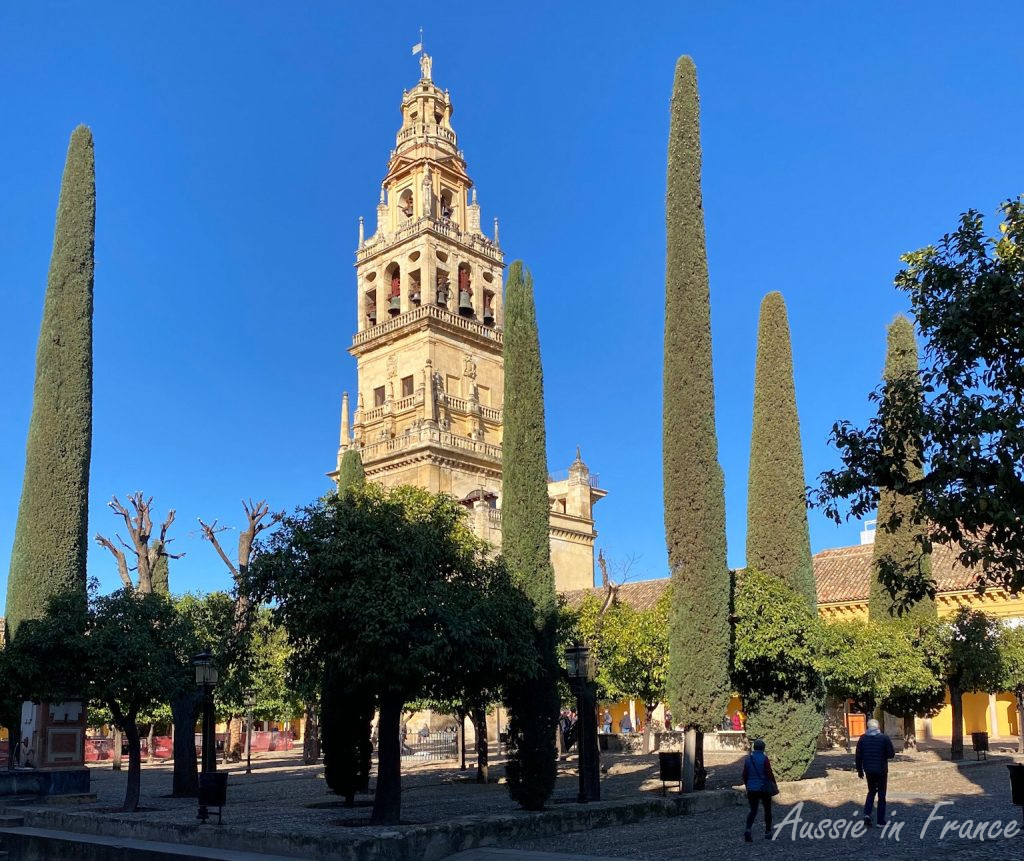
The courtyard in the middle of the cathedral-mosque

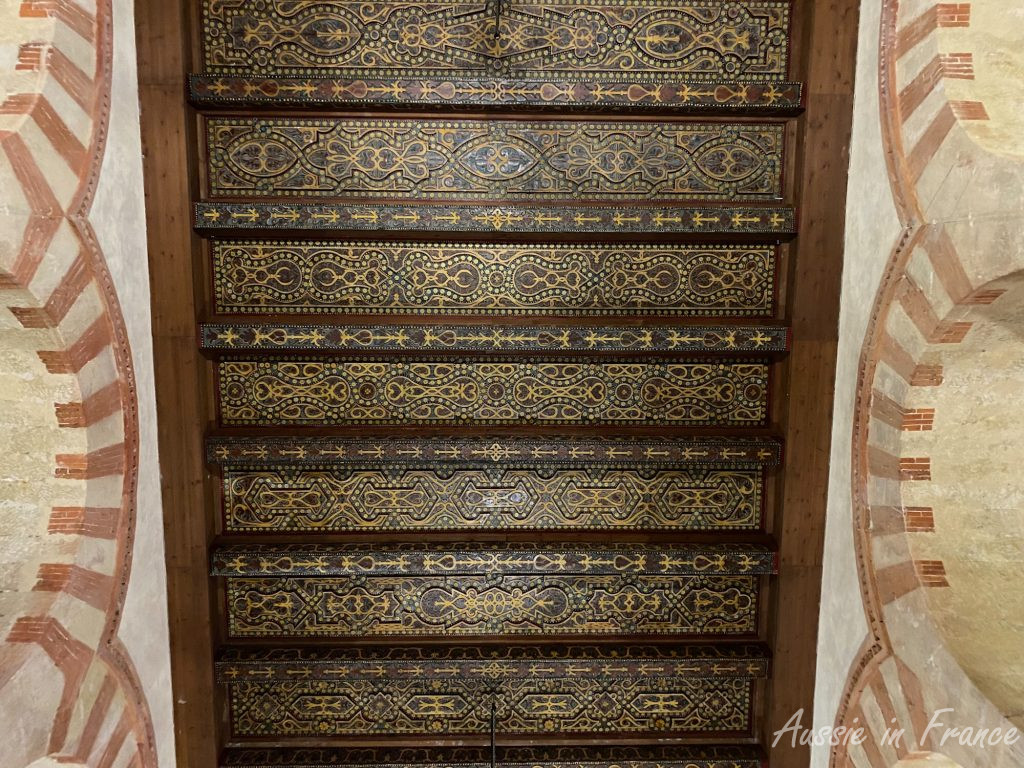
The Cordoba cathedral mosque or mezquita-catedral de Cordoba is quite extraordinary. The architecture and decoration are sumptuous. It has changed religions several times over the centuries and is an incredible mix of Moorish and European architecture. The great mosque was built in 785 on the site of a Visigoth basilica. It was then expanded many times up to the late 10th century until it was able to accommodate 40 000 people. It was turned into a cathedral in 1236. The structure remained much the same until the 16th century when a Renaissance nave and transept were inserted into the middle. I’ve tried to illustrate these changes in the following photos.

from the Tropics to the City of Light