I was talking to an Australian friend about having to go to the commissariat to register a proxy vote for the forthcoming municipal elections and she said that she hadn’t quite worked out the difference between policier and gendarme.
Gendarme v. policier
The gendarme, of course, with his képi, is well-known in French films and literature and can be seen, for instance, in the French expression jouer aux gendarmes et aux voleurs (to play cops and robbers).
But not all police officers are gendarmes. The difference is simple: the gendarmerie is a military force and part of the French army, while the national police is a civil force. Gendarmes are therefore soldiers while policiers are simply civil servants under oath. Gendarmes look after rural areas and policiers look after towns. The gendarmes are part of the gendarmerie and the policiers are part of a commissariat.
Commissariat
A commissariat is a unit of the police force consisting of policiers, and generally headed by a commissaire. In each département, the commissariats report to a public security directorate called the DDSP (Direction départementale de la sécurité publique). These are attached to a central directorate called the DCSP (Direction centrale de la sécurité publique) which is part of the Ministry of the Interior. The building that houses them and contains staff offices, police vehicles, temporary detention cells and interrogation rooms, is commonly referred to as a commissariat. It is open 24 hours a day.
Policier municipal
There are also municipal police who, as the name suggests – policiers municipaux – are under the authority and responsability of the municipality, looking after surveillance, law and order, peace, safety and public health. Towns of more than 5000 people can create a municipal police unit. In smaller towns, permission has to be sought from the Ministry.
They can consist of various specialised brigades including motorcycle, quad, bike, nautical, canine, equestrian, public transport, nighttime safety, island and impounding units.
Garde champêtre
Another category of municipal police, called garde champêtre are a sort of rural police. They work alongside the gendarmerie, with the assistance of a number of specialised wardens (fishing, hunting, woods and forests, etc.). They have a wide range of legal powers at their disposal to investigate and issue fines for offences and crimes involving property, with the right of pursuit, as well as offences against municipal police regulations and orders, issued by mayors and prefects.
Hôtel de police
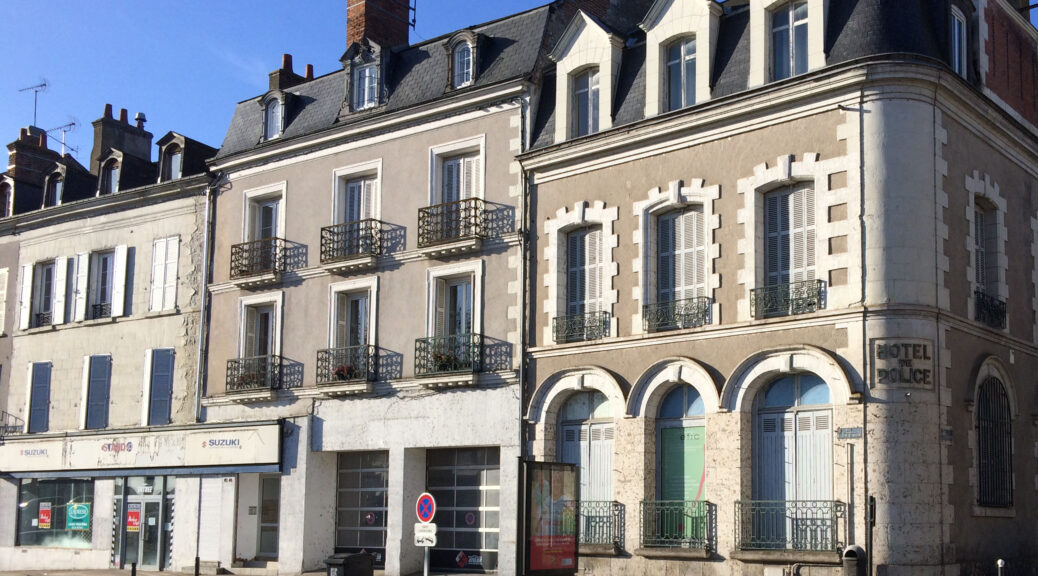
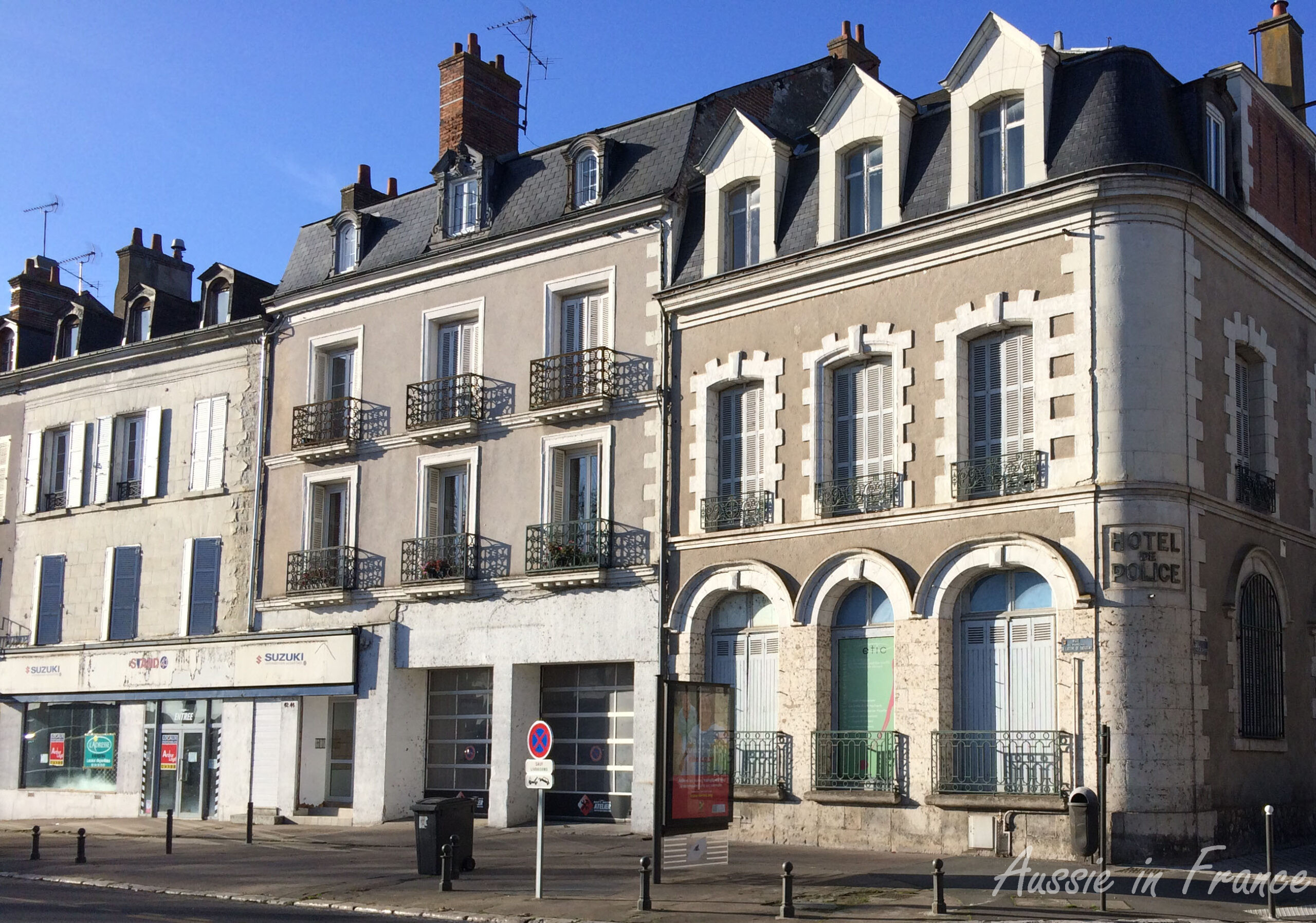
If you live in a large town which is also a préfecture, you may have seen a sign saying Hôtel de police. This is not a hotel, as my brother once thought, but the commissariat for the entire département, headed by at least one divisional commissaire, but often a contrôleur général. The hôtel de police comprises the DDSP mentioned above.
A new law was passed on 10th February giving both municipal police officers and rural police officers new powers and resources. In municipalities that choose to participate, these officers may be assigned expanded judicial police duties (such as issuing fines for driving without a licence). The law also covers pooling of resources, training and professional ethics