Category Archives: Uncategorized

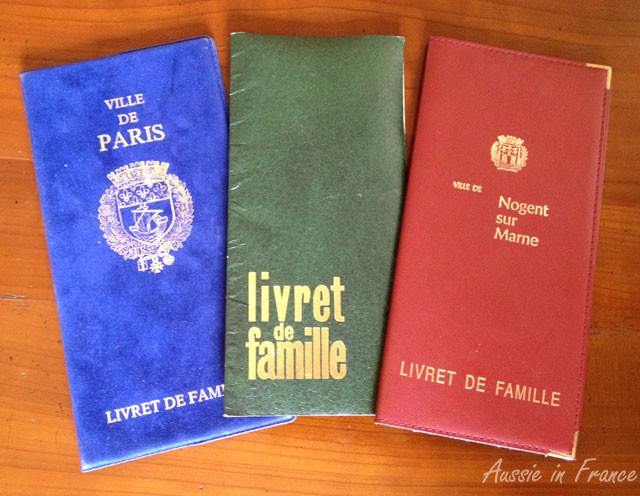
Concubinage, PACS and Marriage in France

A few statistics to start with. The population in France at the end of 2025 was 69 million. In 2025, 251 000 marriages were celebrated (7 000 same sex) and 197 000 civil solidarity pacts (PACS) were signed (10 400 same sex). The PACS was created 25 years ago, mainly to protect the rights of same sex couples.

Co-habitation or concubinage

Cohabitation (or concubinage) is a free union, characterised by a stable life together, between two people who live as a couple. Taxation is separate and no procedure is required to break up the relationship. On death, the surviving cohabitant is a third party who can only inherit if a will has been made, with an inheritance tax of 60%. Even with a will, the normal French rules of inheritance apply, with ascendants and descendants receiving the bulk of the inheritance.

PACS or civil solidarity pact

The civil solidarity pact (PACS) is a contract in which the partners owe each other mutual and material assistance. It is registered  at the Town Hall or with a notaire. They can choose between separation of property (the default system) and joint ownership. They submit their tax declaration together. The PACS can be terminated by a simple declaration. On death, the surviving partner may become an heir if a will has been made, with exemption from inheritance tax. Once again, even with a will, the normal French rules of inheritance apply, with ascendants and descendants receiving the bulk of the inheritance.

Marriage

Finally, marriage is a solemn union with duties and rights. It has four regimes. It can only be dissolved by divorce either through a notaire or a court if the partners do not agree on the terms of divorce. In the event of death, the surviving spouse is an heir, benefiting from exemption from inheritance tax, the lifetime right to live in the house occupied by the couple and the survivor’s pension.

Who can be PACSed?

Each partner must be of age. If one of the partners is a foreigner, he or she must have reached the age of majority in his or her country.

The partners must not be married or in another civil union.

They must not have any direct family ties to each other.

How do you go about getting PACSed?

The two people must register a joint declaration of civil partnership either with the civil registrar (at the town hall) of the town in which they live (free of charge) or with a notaire (about 250 euros). If you have your will made at the same time (VERY IMPORTANT if you have any property), the typical cost is 400 euros.

The future partners must appear in person and together.

Note: if one of the partners is unable to attend for a very serious reason, the notaire may come to the couple’s home or hospital to register the PACS.

For further information, click on https://www.service-public.fr/particuliers/vosdroits/F1618

The document you need to fill in can be found on https://www.service-public.fr/particuliers/vosdroits/R51271

You will need of full extract of your birth certificate and its translation by a certified translator.

For information on getting married in France

https://www.service-public.fr/particuliers/vosdroits/F930

If you do not speak French, you will need to have a certified translator present or other approved person during the ceremony at the Town Hall which is the only place you can be married in France. You must have some connection to the Town Hall in question (at least one of the future spouses must be domiciled there).

If you wish to have a religious wedding, it will be in addition to the town hall wedding.

Some town halls require that you have an interpreter present when you submit your pre-marriage documents.

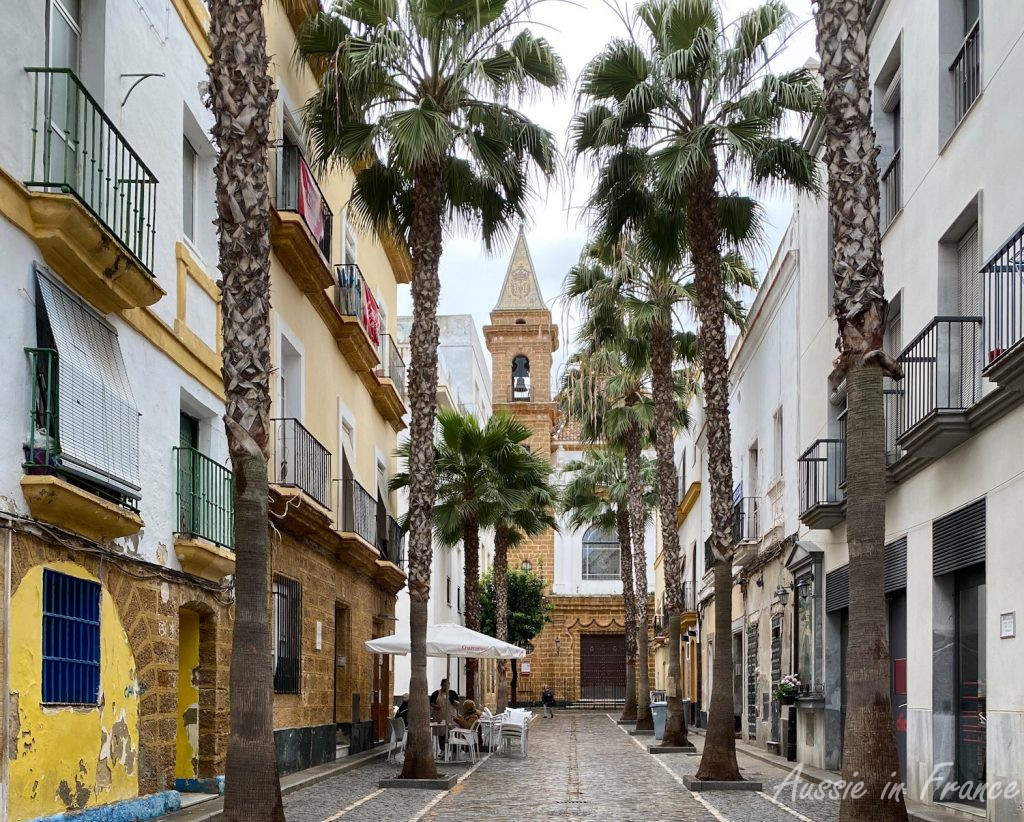
Cadiz

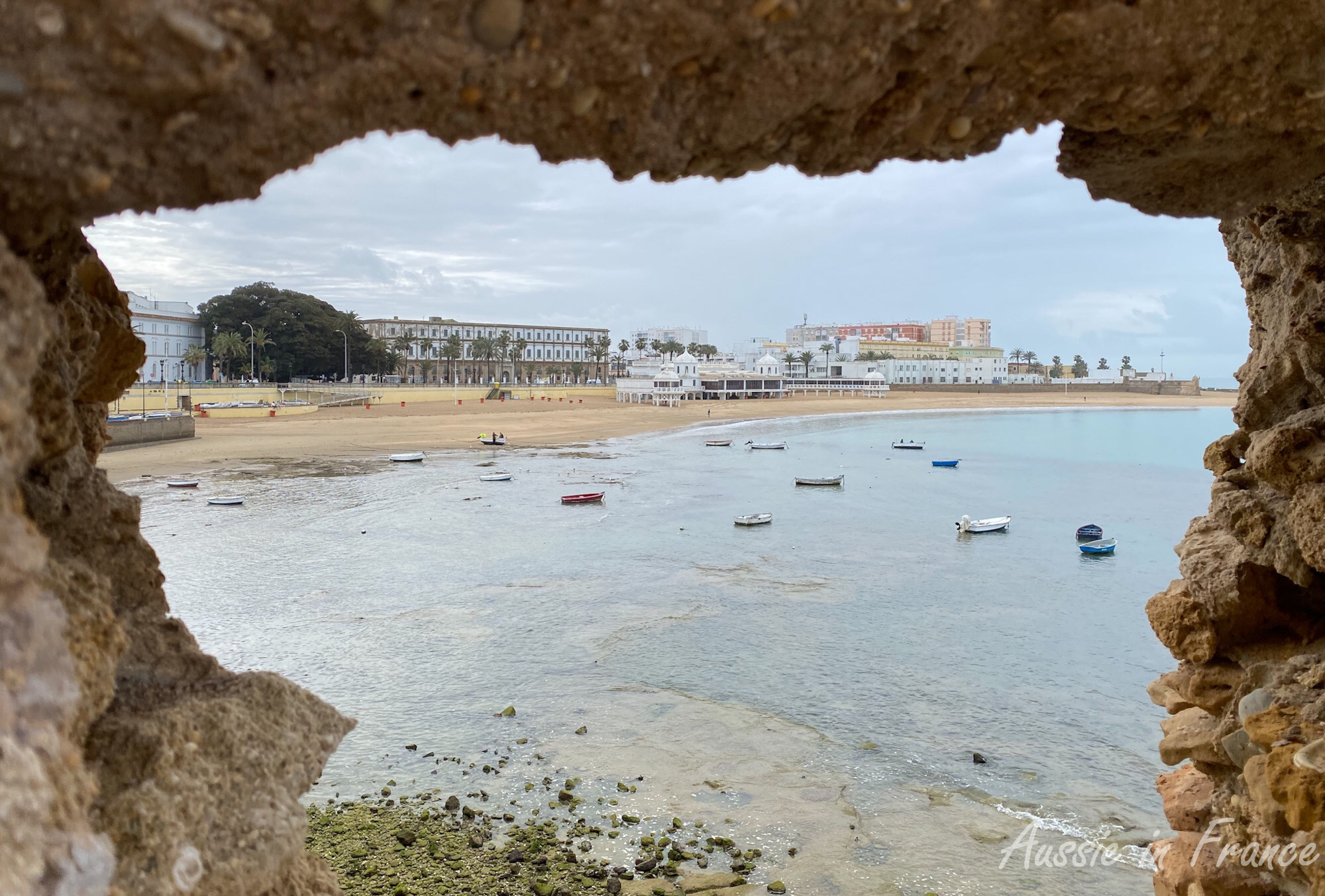
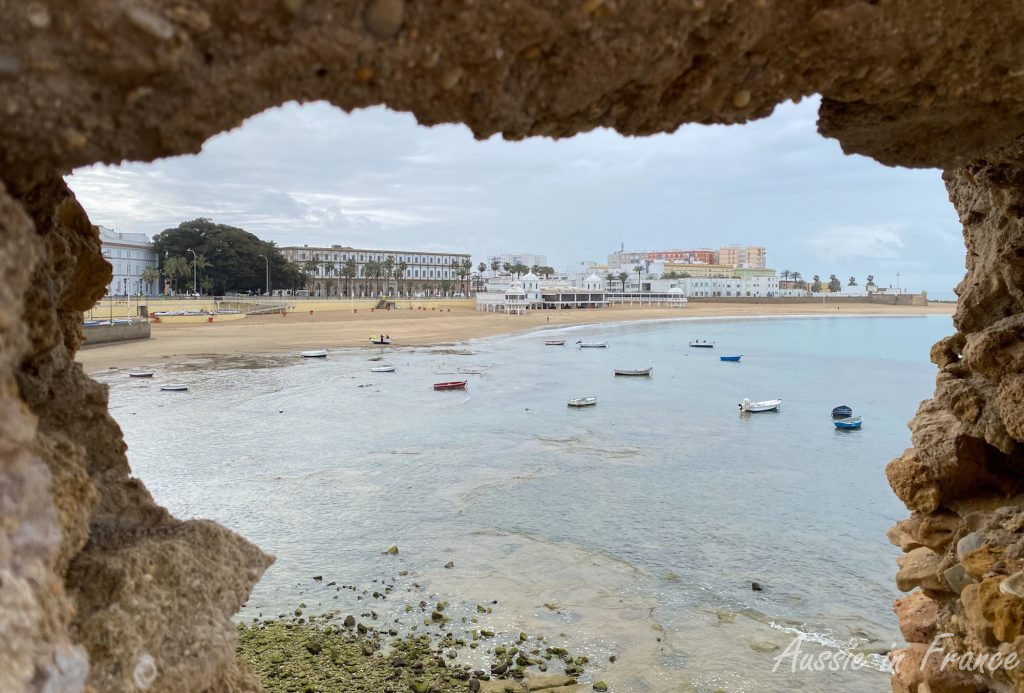
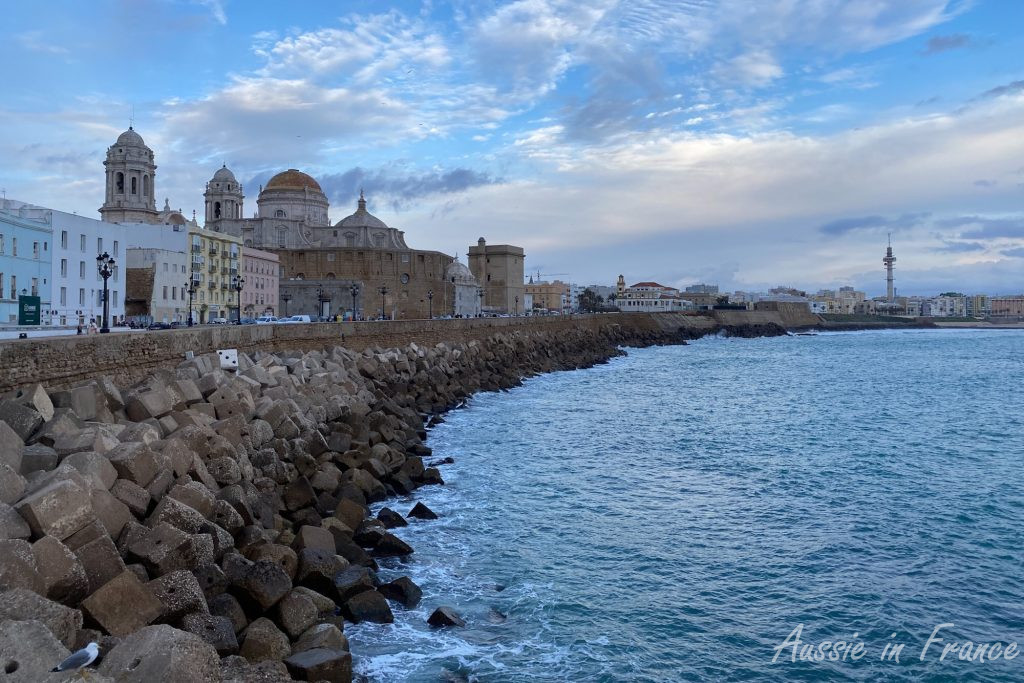
The coastline at Cadiz

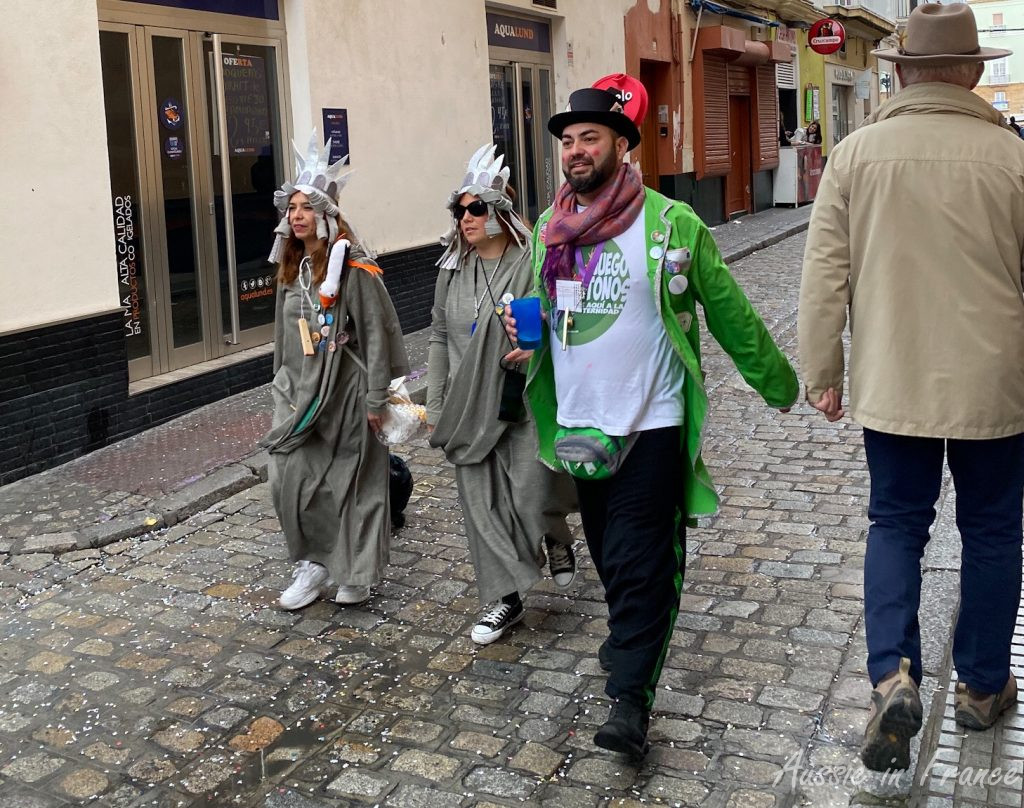
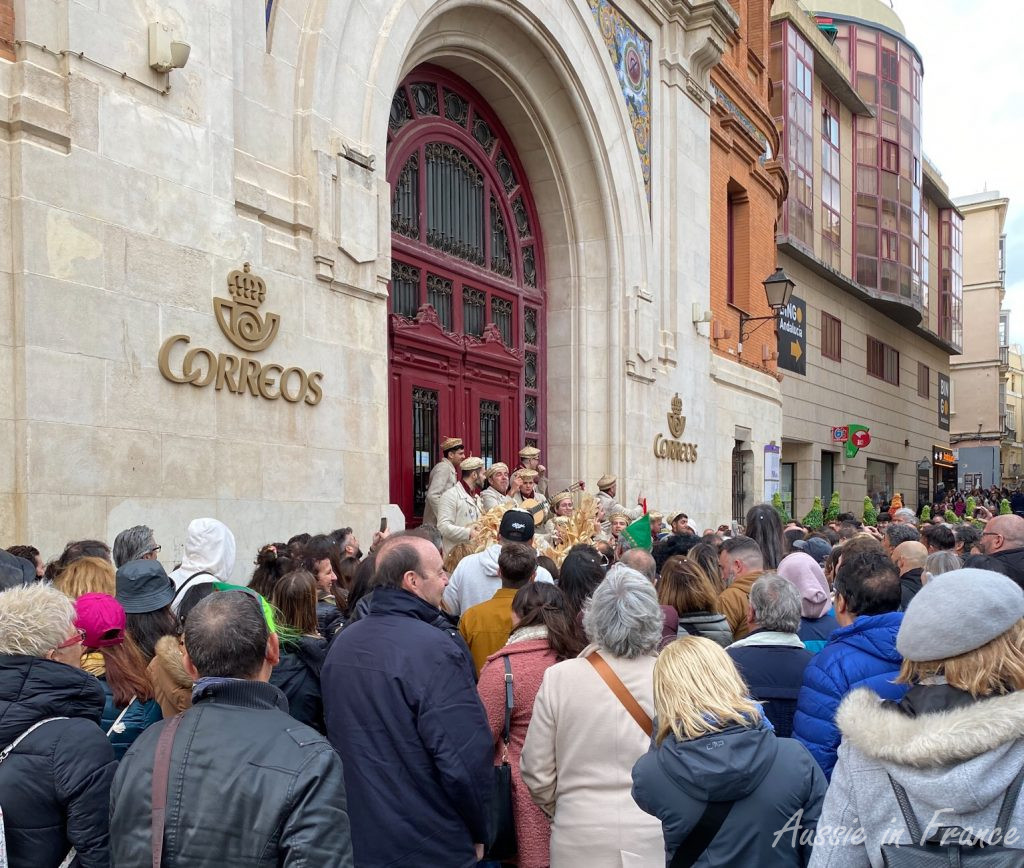
After leaving the monastery at Jerez de la Frontera, we head for Cadiz where we discover it’s carnival time! Many people are in home made costumes grouped around comedians and very talented singers. What a pity we can’t understand.

Paseo at sunset

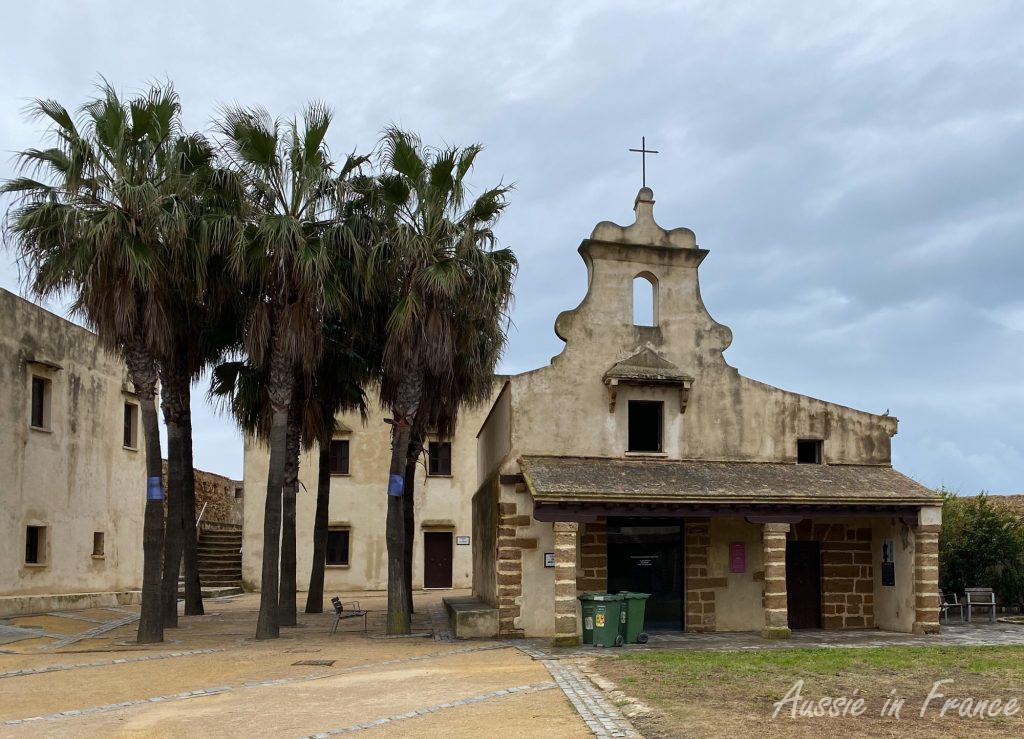
Next morning, the town seems much calmer and we are able to visit the sights with only light spitting. Inside the old fort there is an exhibition on munitions explosion in 1947 that took hundreds of lives and left thousands injured.

Inside the fort
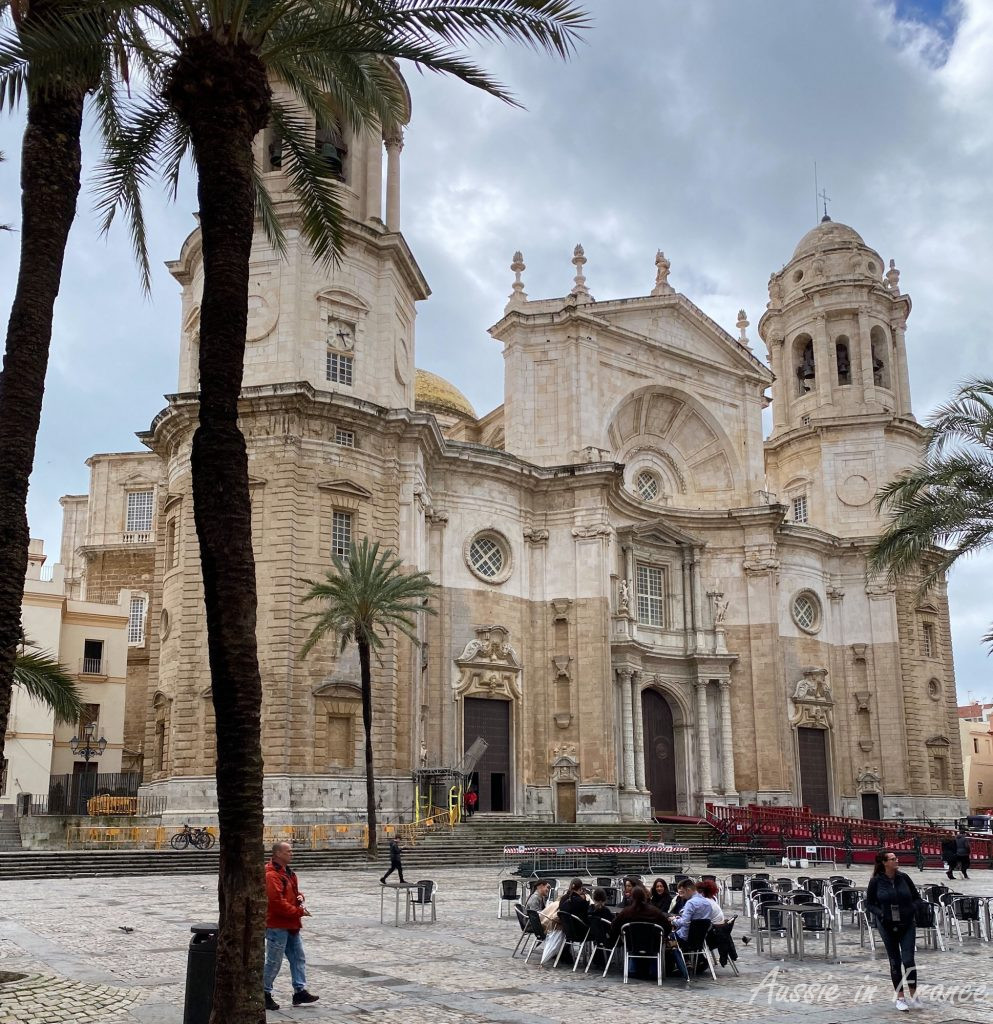
Cadiz cathedral

Jerez de la Frontera

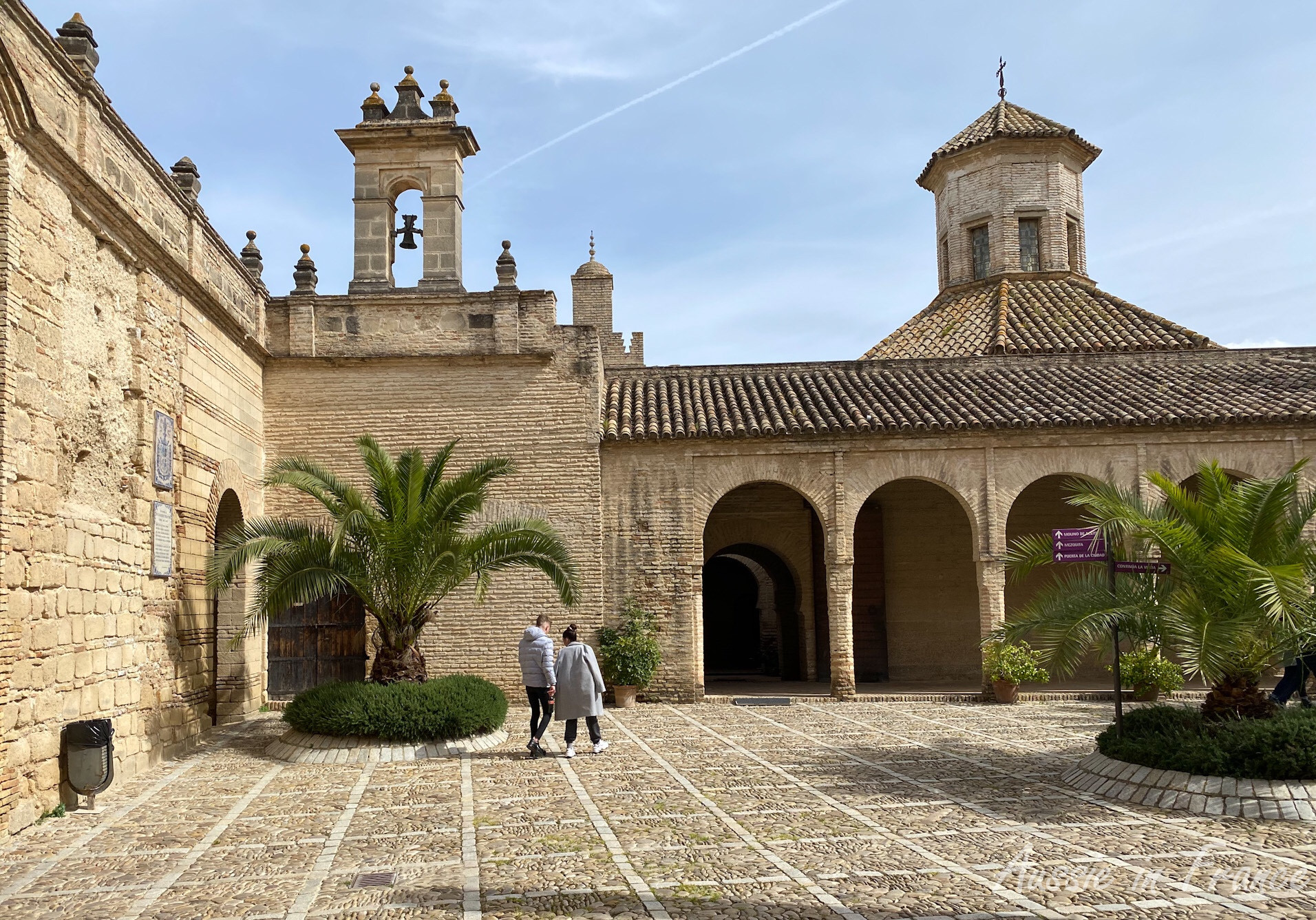
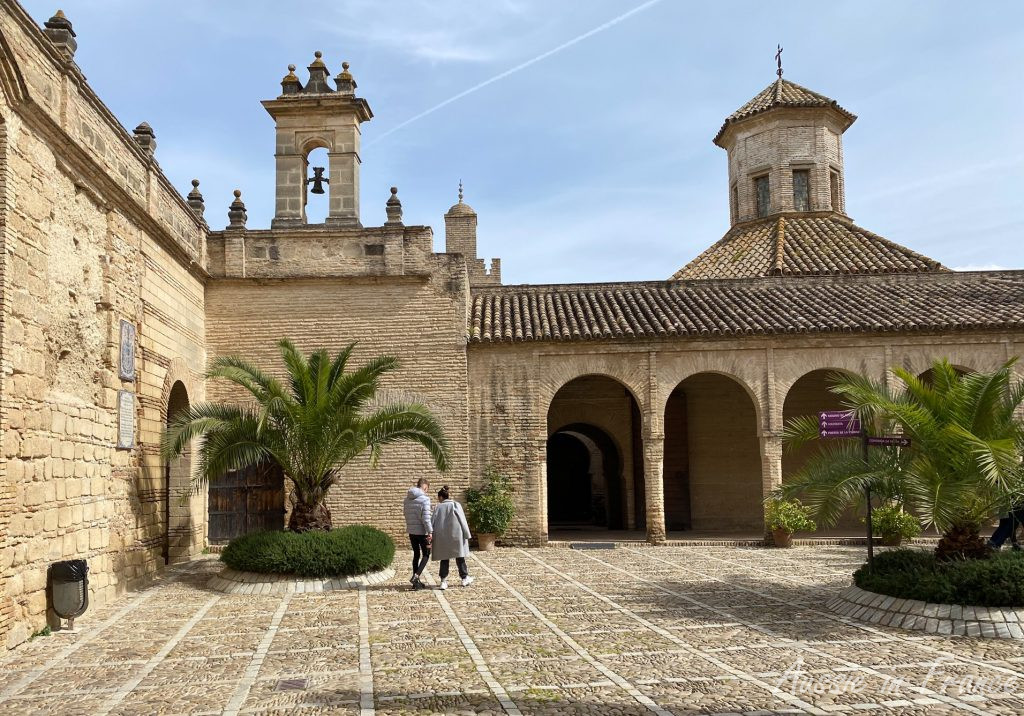
Inner courtyard of the Alcazar at Jerez de la Frontera

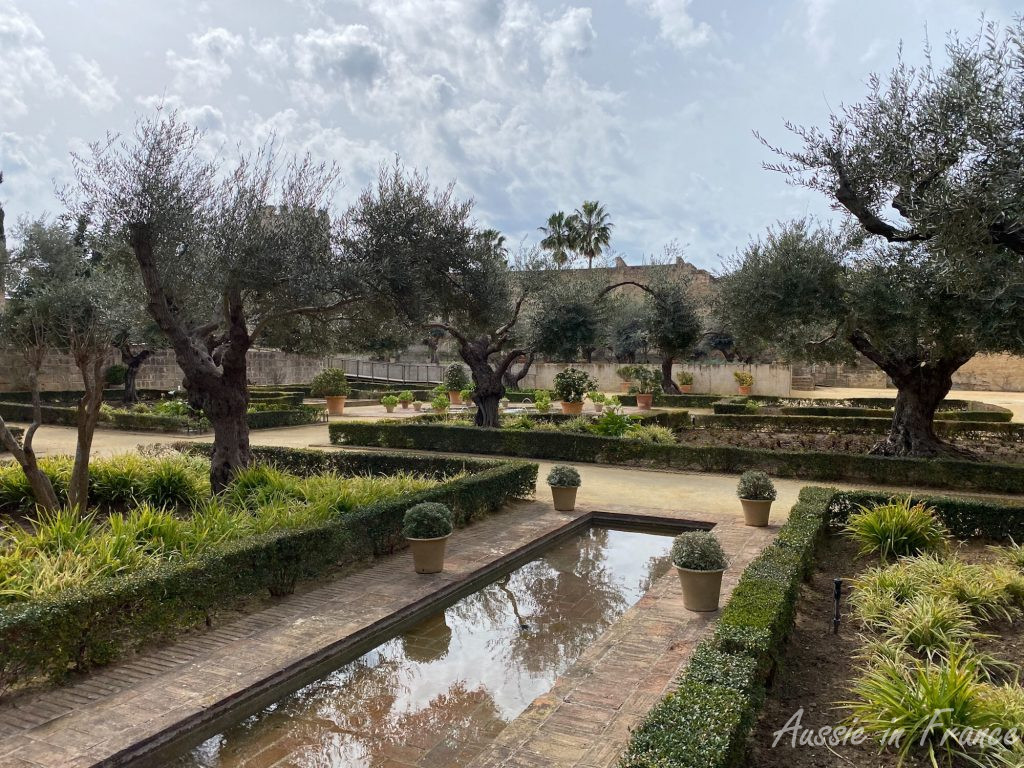
We leave Marbella and the high-rise coastline of Costa del Sol without regret and are very pleasantly surprised by Jerez de la Frontera, especially the Alcazar, which is balmy and peaceful.

The peaceful gardens of the Alcazar
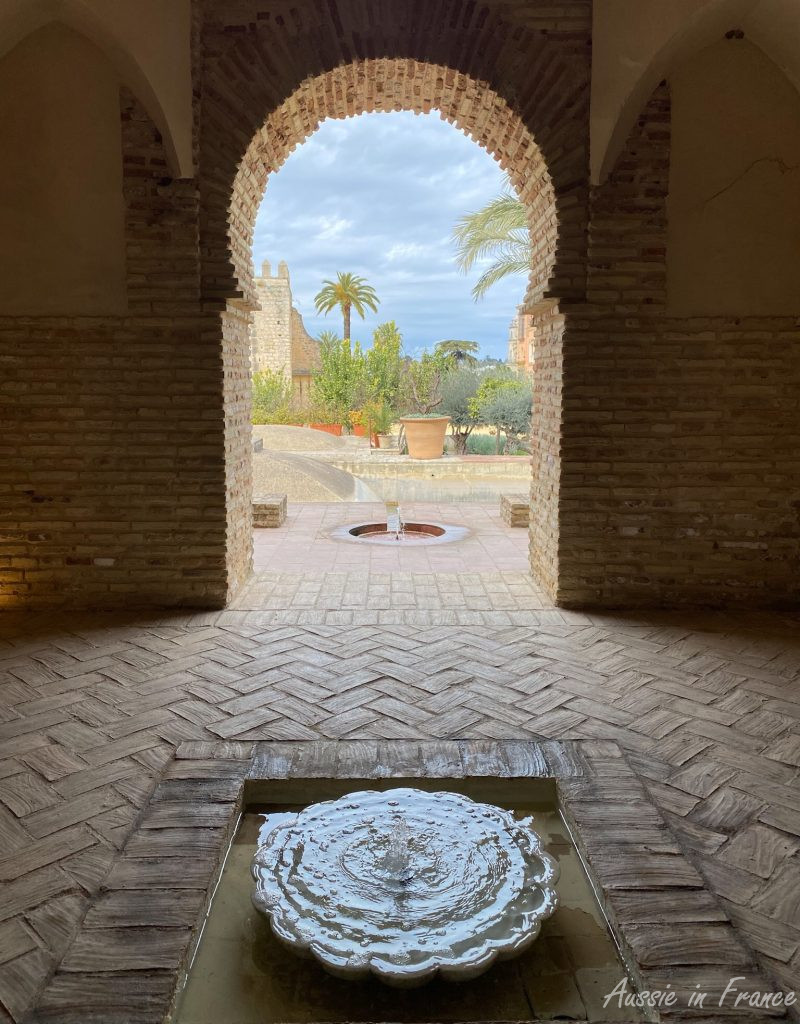
Mosque at the Alcazar
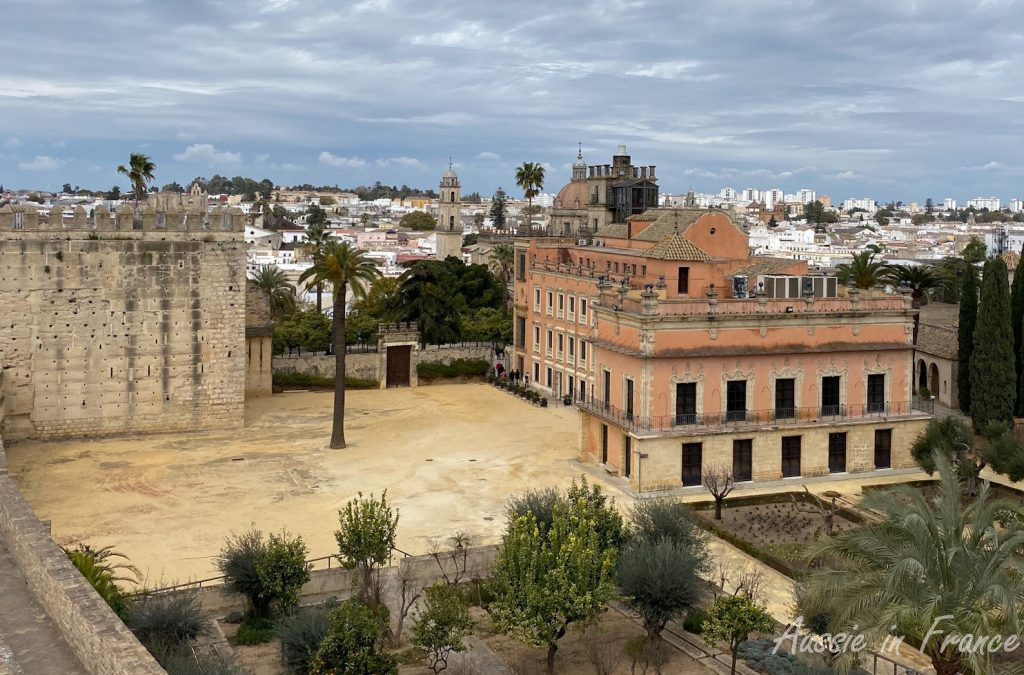
View of the Palacio de Villavicencio

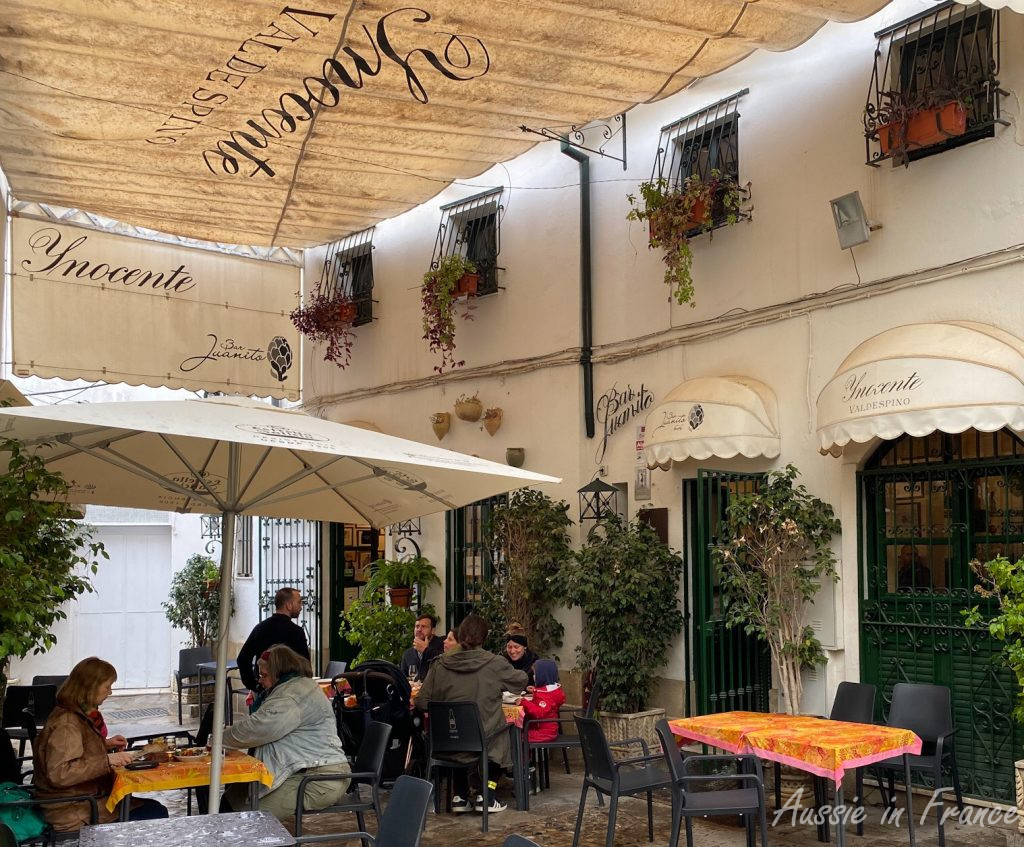
After our visit we choose a nearby restaurant- Bar Juanita – which at 1.30 pm is practically empty. It starts to rain so we go inside. By 2 pm, it is crowded! We choose various tapas and raciones and feel very much like locals.

Lunch at Bar Juanita

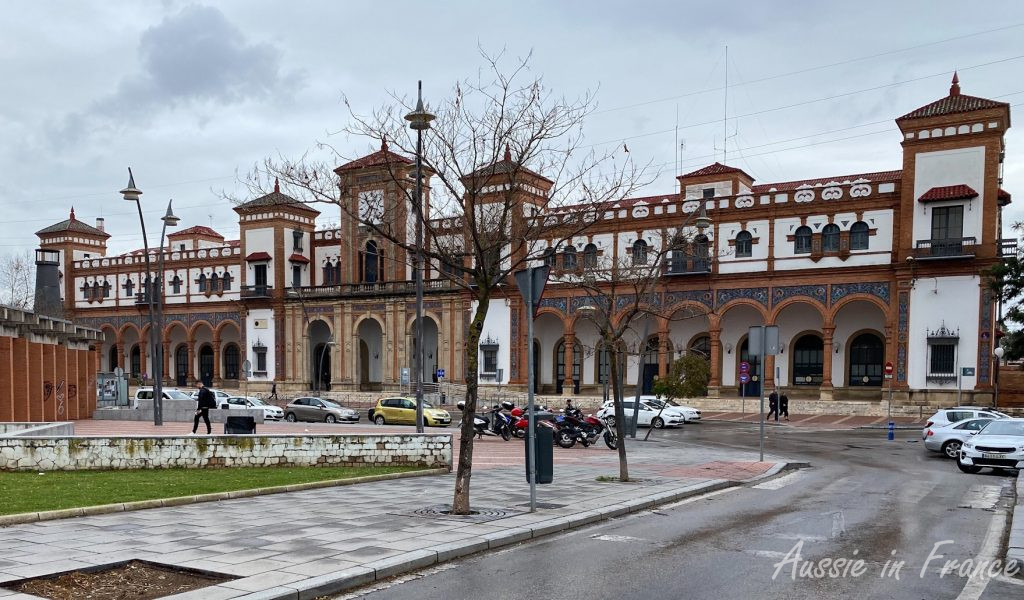
On the way out of the town, we stop to take a photo of the tiled train station.

Train station at Jerez de la Frontera

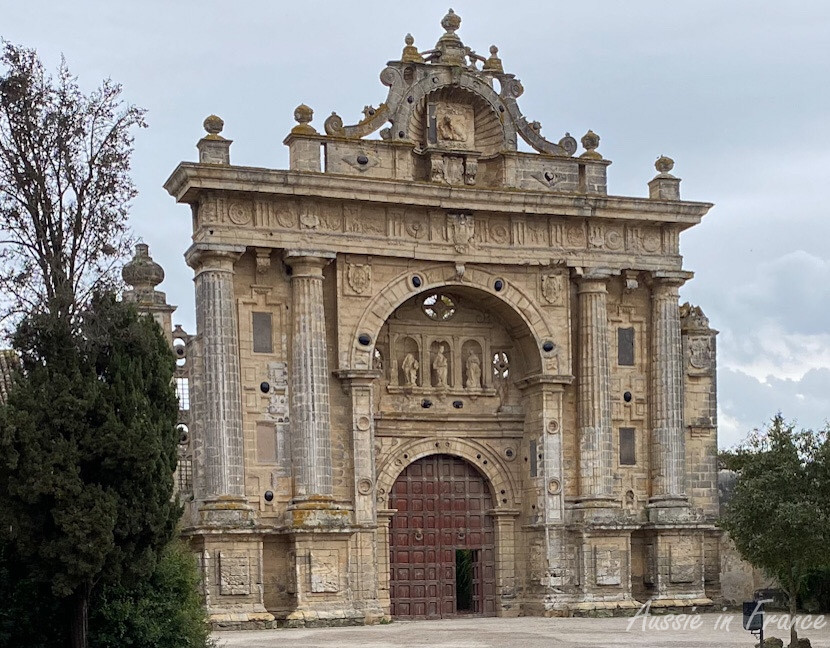
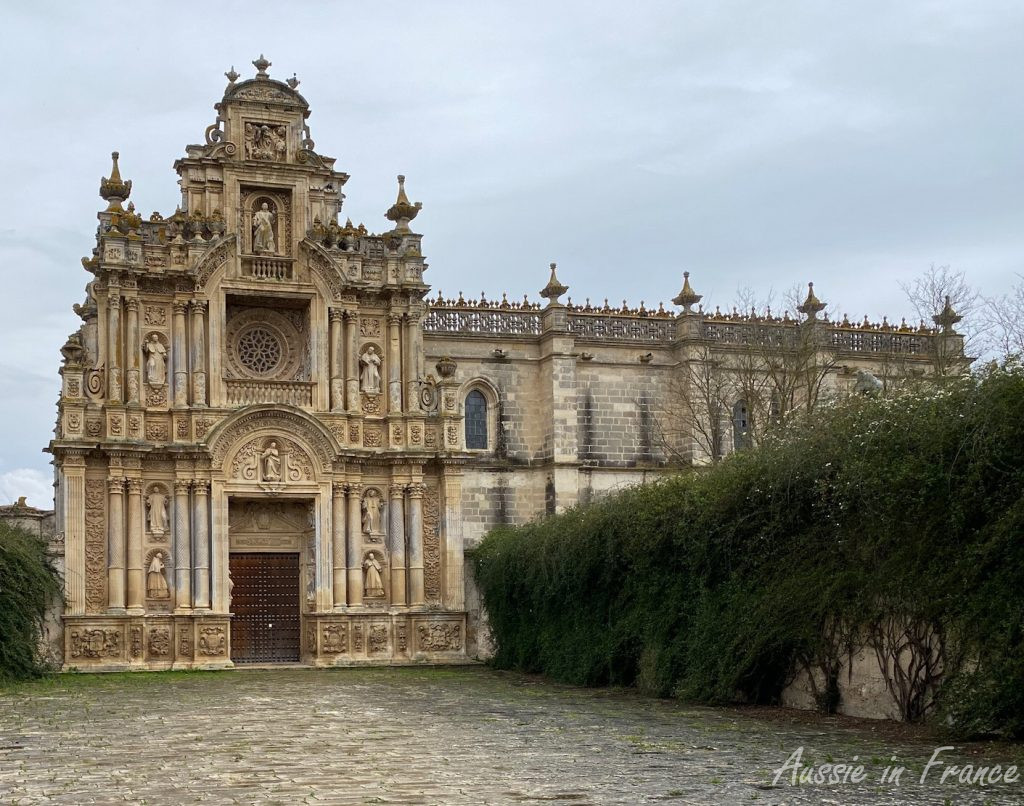
Next, the Carthusian monastery which is closed for renovation. The entrance is a replica of the front of the monastery.

Front gate of Carthusian Monastery
Carthusian Monastery

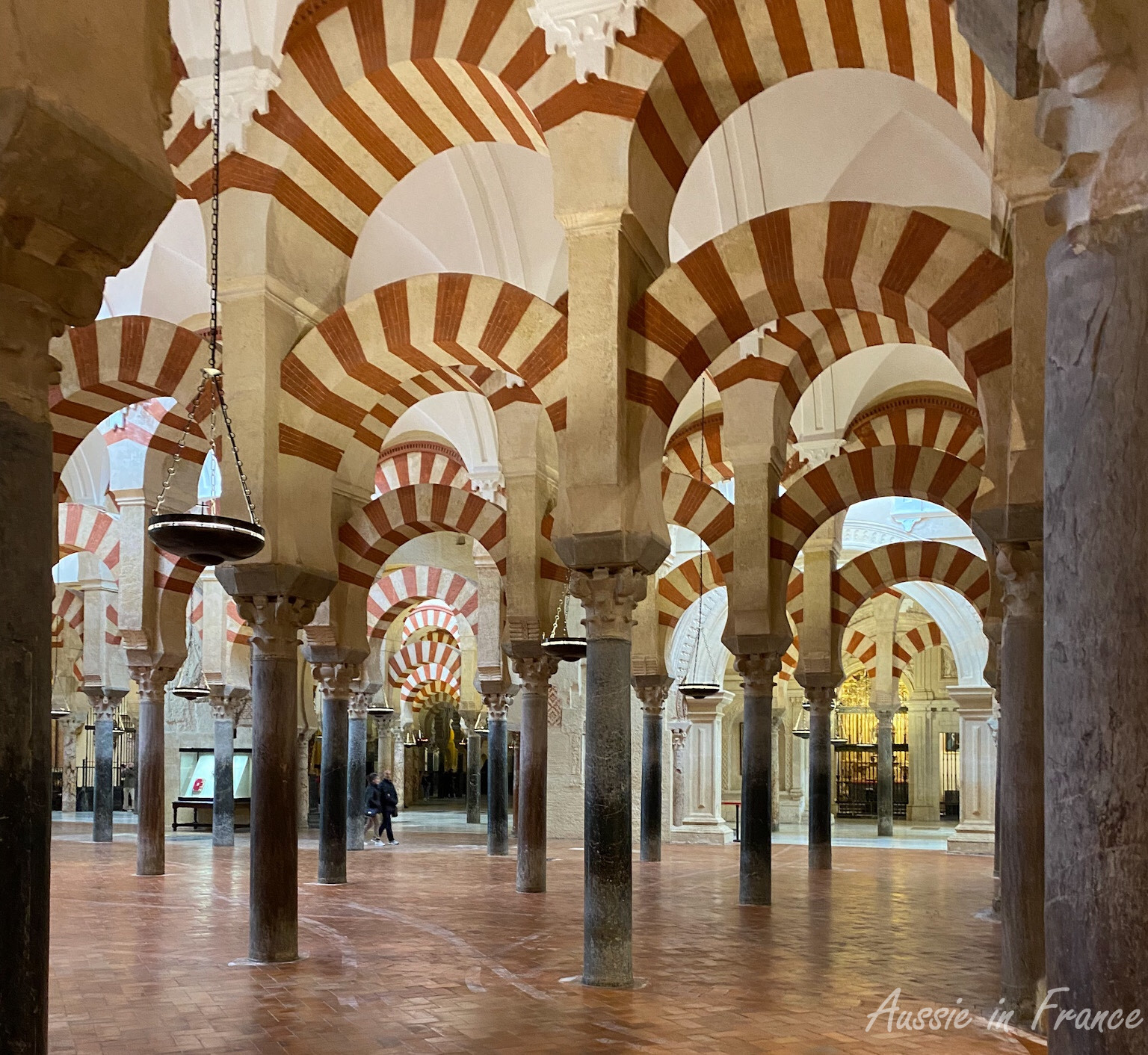
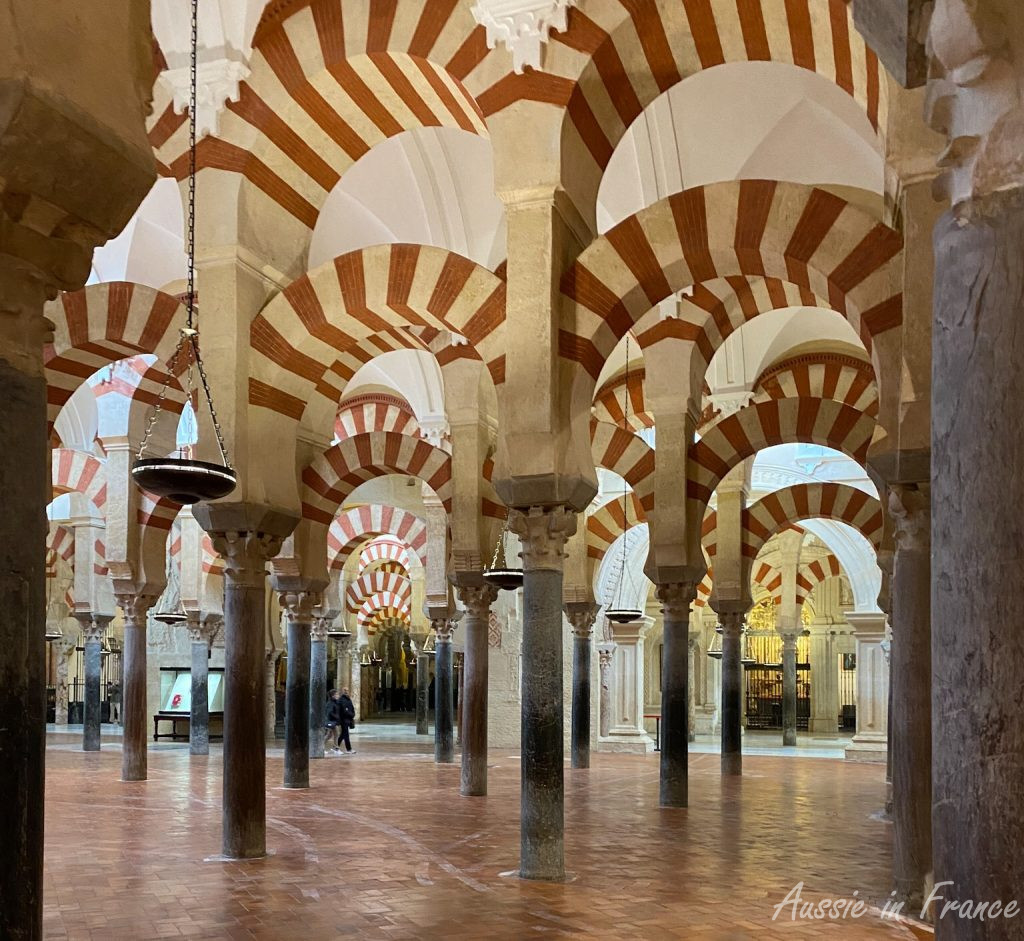
Inside the Cordoba Cathedral Mosque

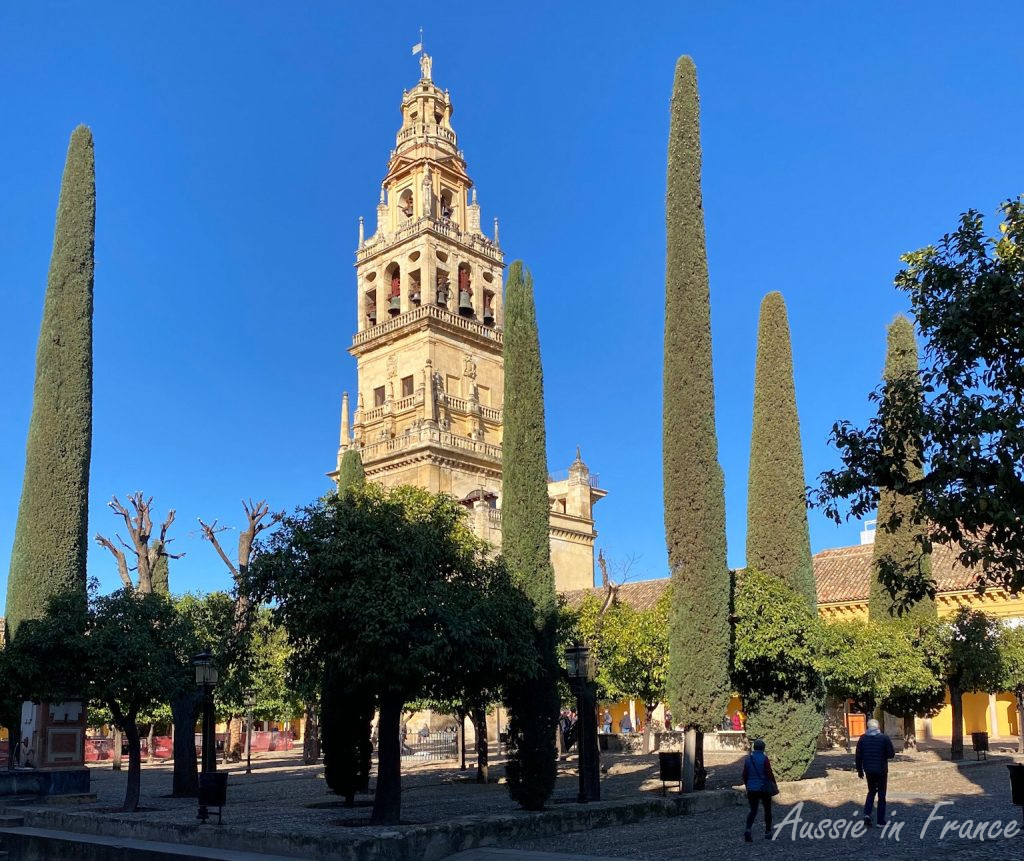
The courtyard in the middle of the cathedral-mosque

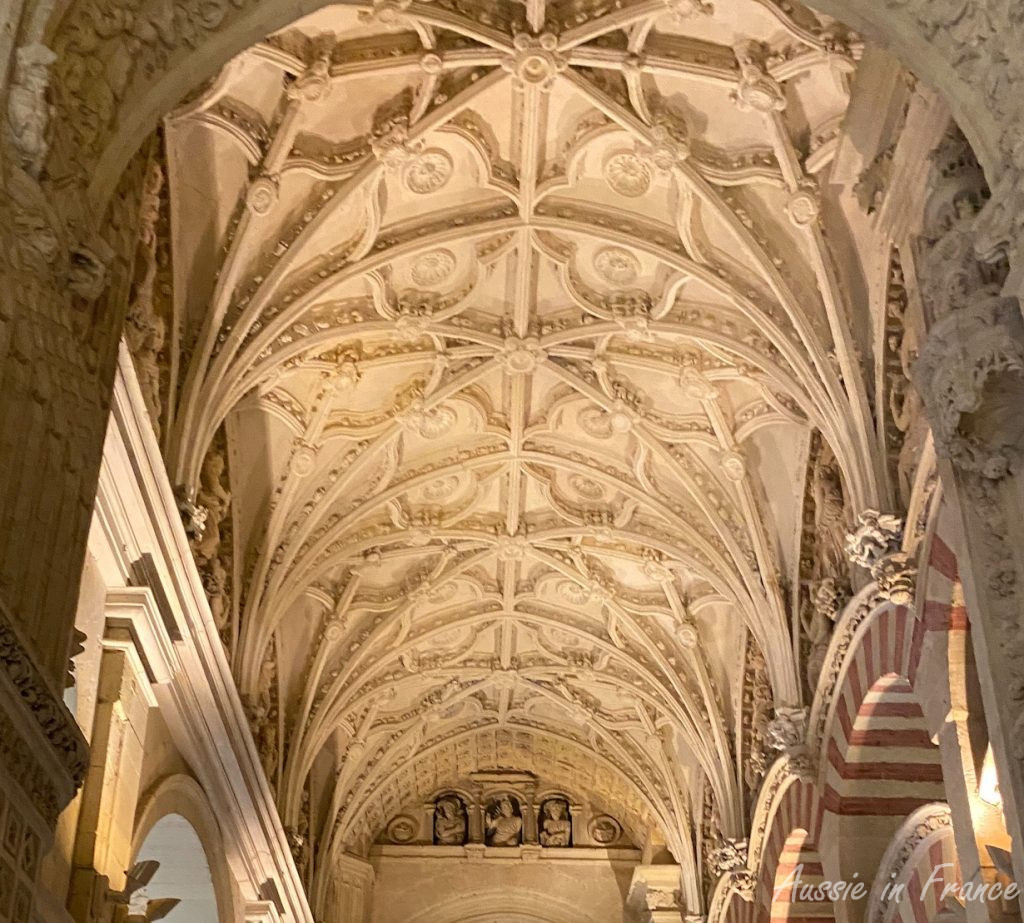
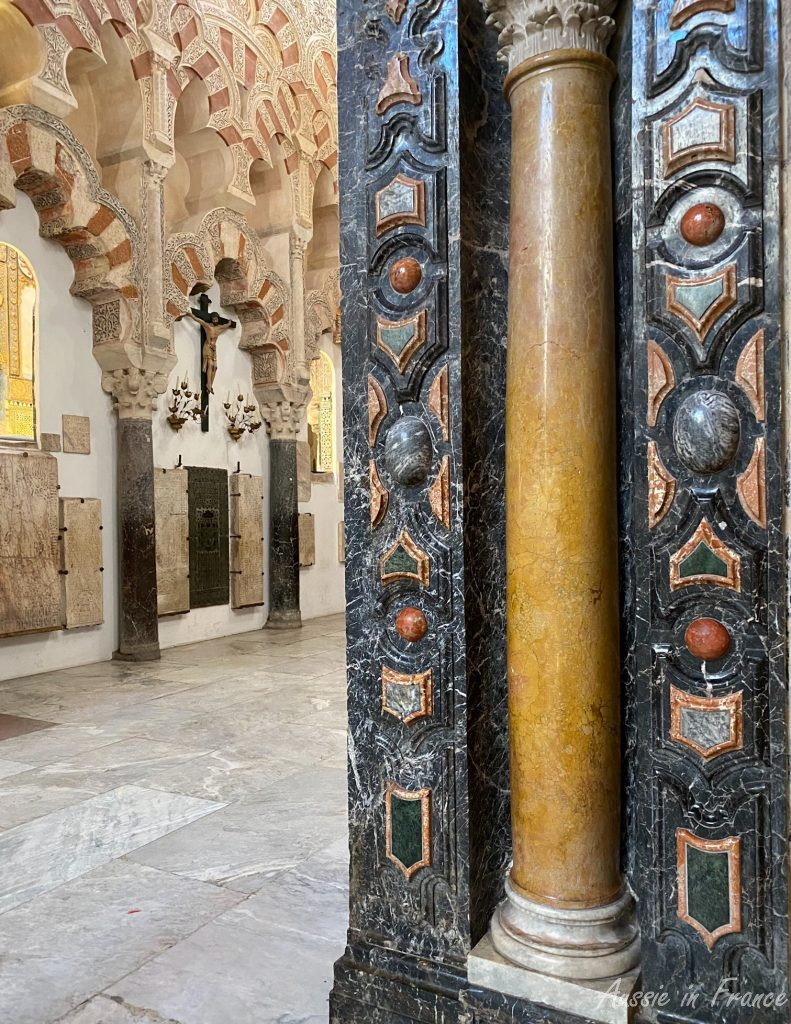
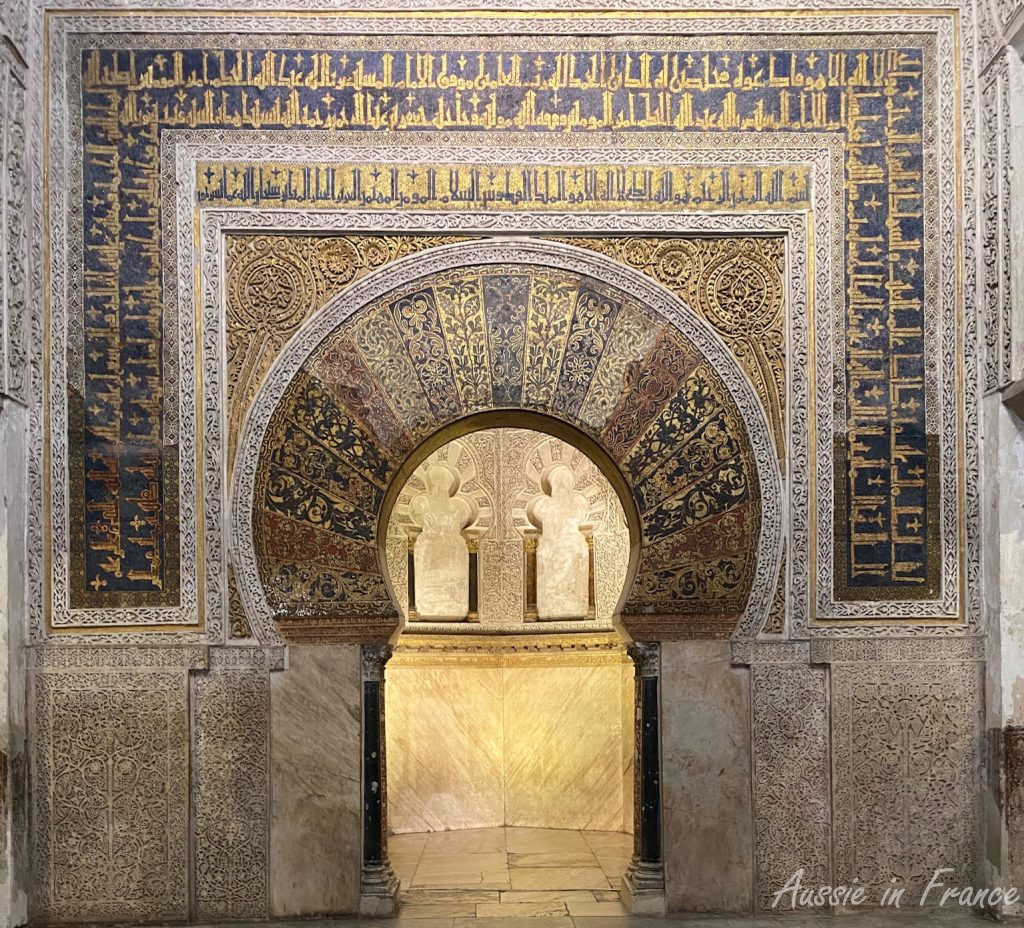
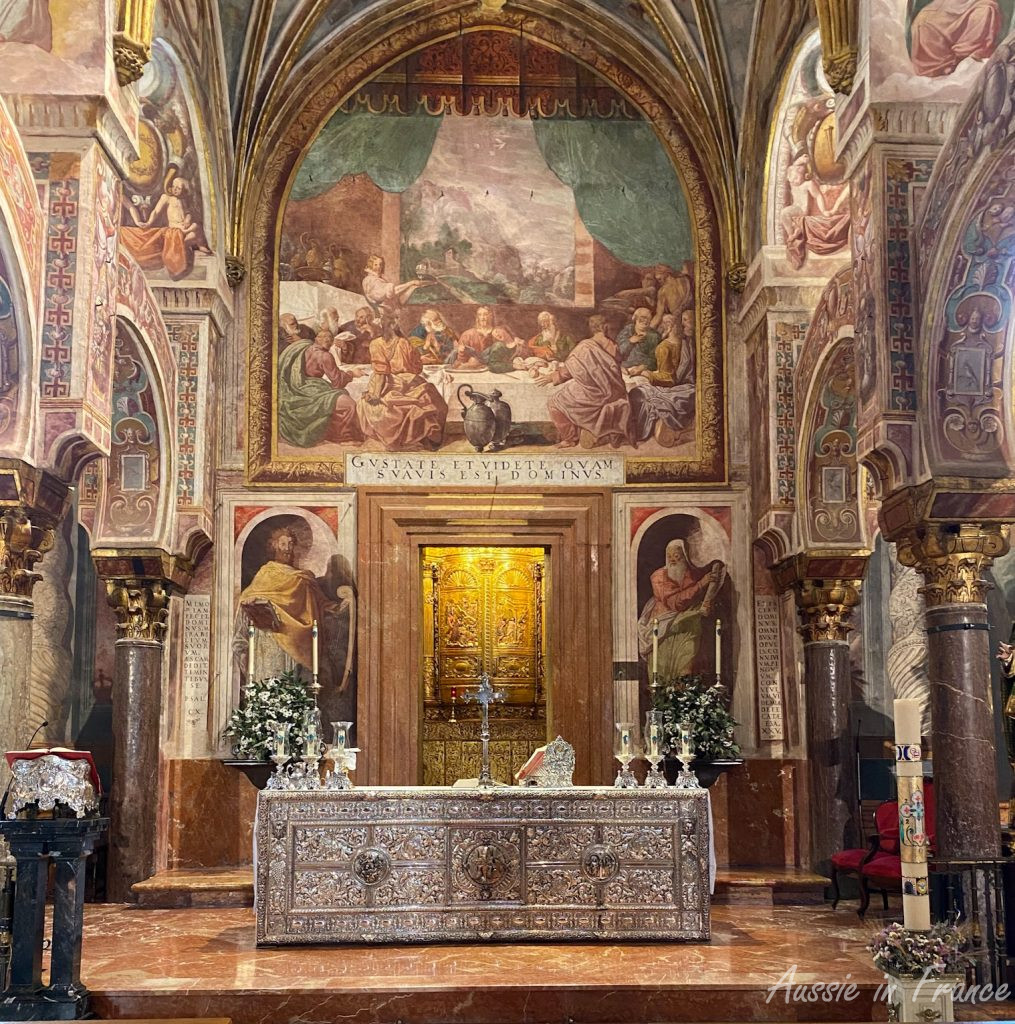
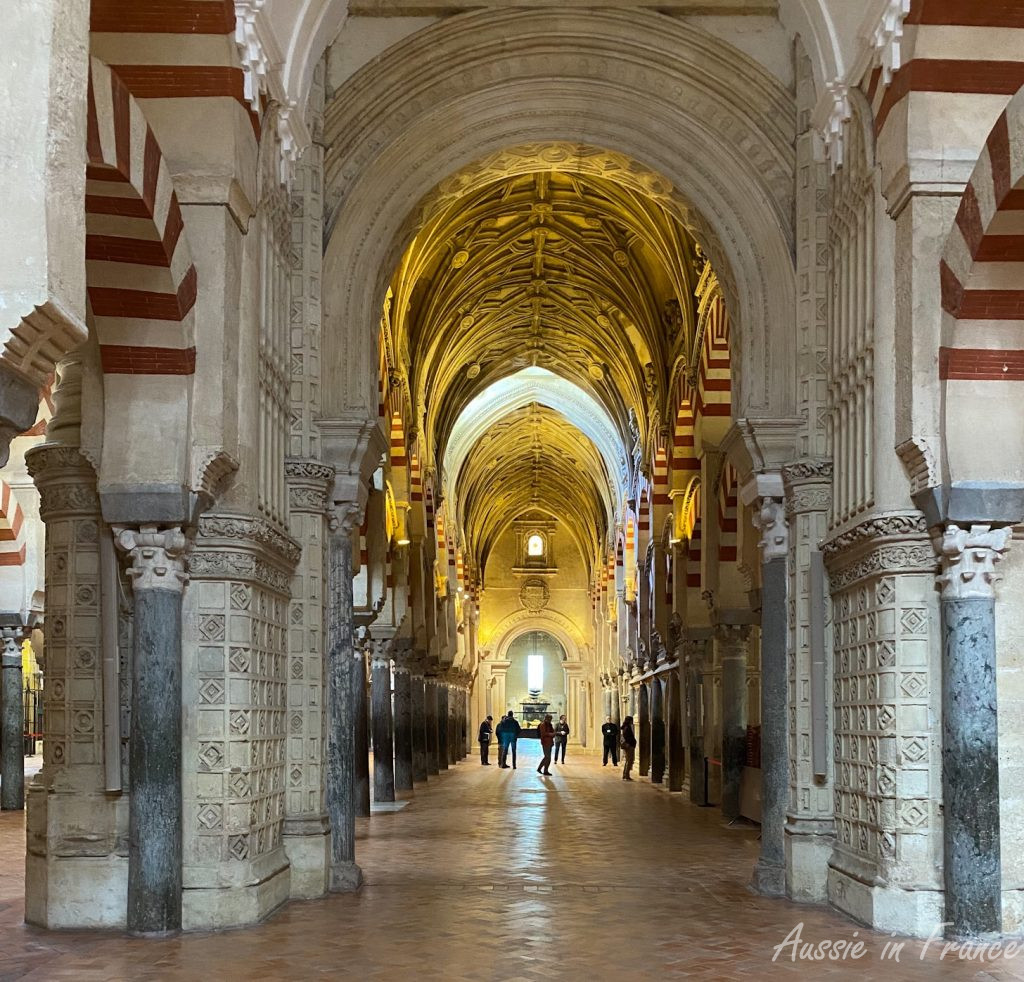
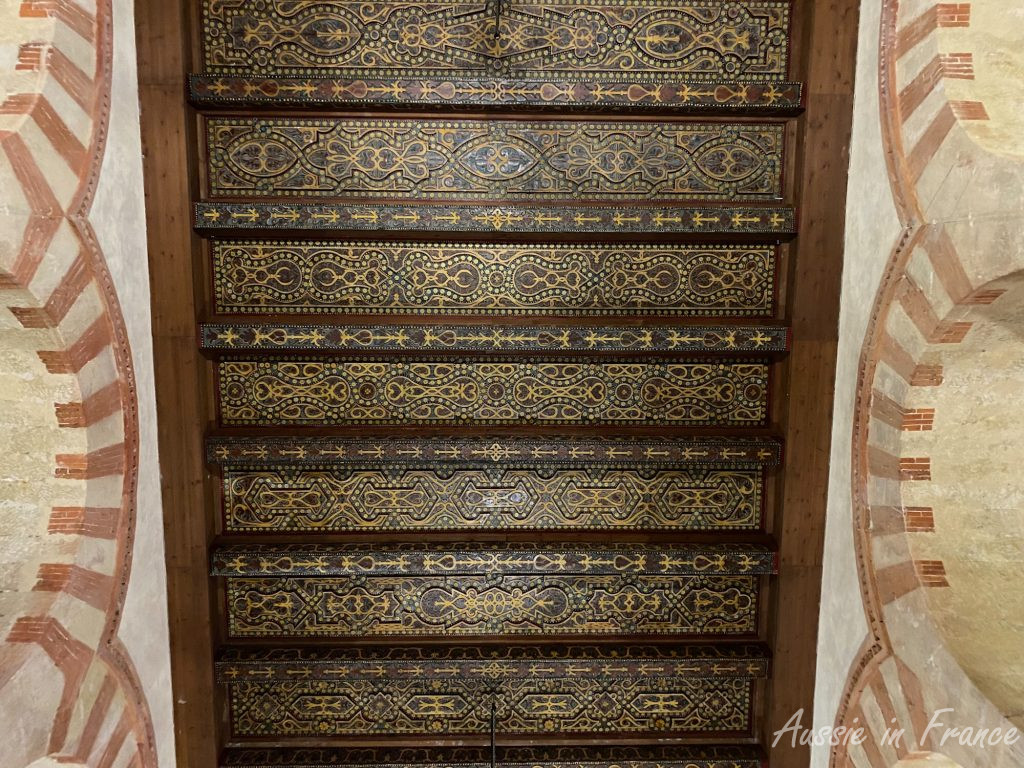
The Cordoba cathedral mosque or mezquita-catedral de Cordoba is quite extraordinary. The architecture and decoration are sumptuous. It has changed religions several times over the centuries and is an incredible mix of Moorish and European architecture. The great mosque was built in 785 on the site of a Visigoth basilica. It was then expanded many times up to the late 10th century until it was able to accommodate 40 000 people. It was turned into a cathedral in 1236. The structure remained much the same until the 16th century when a Renaissance nave and transept were inserted into the middle. I’ve tried to illustrate these changes in the following photos.

Happy New Year 2019

This is my absolute last chance to write my New Year post and wish you all a wonderful 2019, as tomorrow is the first day of February. I have an exciting year ahead – I am going to retire on 30th June (although I shall keep up my certified translations for a few more years). Retirement will, I hope, give me more time to blog.

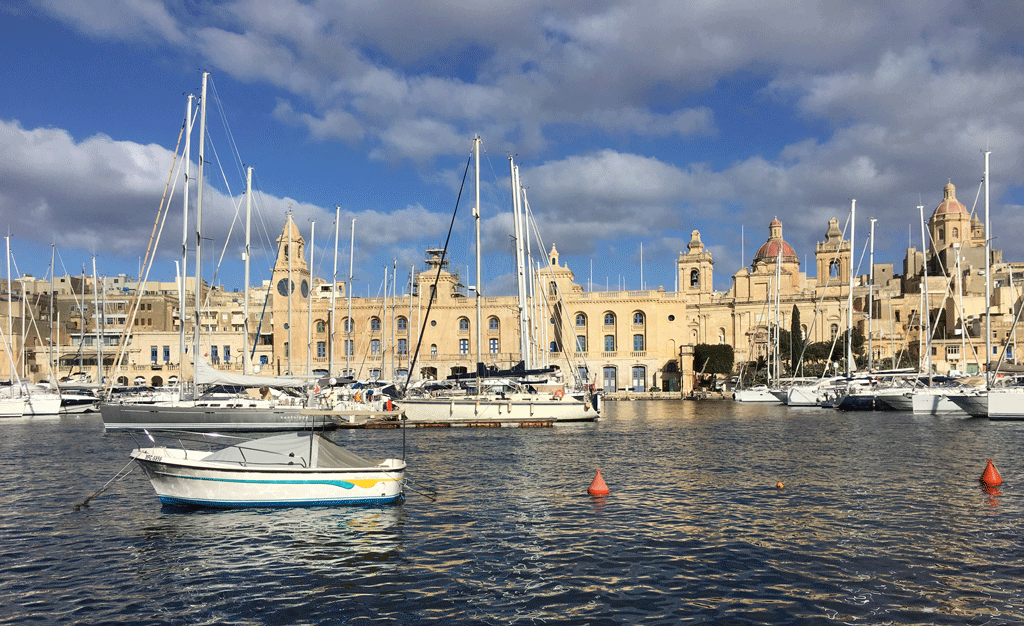
The view from our rental in Senglea

Travel continued to play a big role in our lives this year, with our first trip away in February, to the island of Malta, where we stayed in a flat called Marine View in Senglea with a most stunning view both day and night. There were many interesting places to visit and the weather was wonderful, but Cyprus, where we went last year, remains my favourite Mediterranean island.

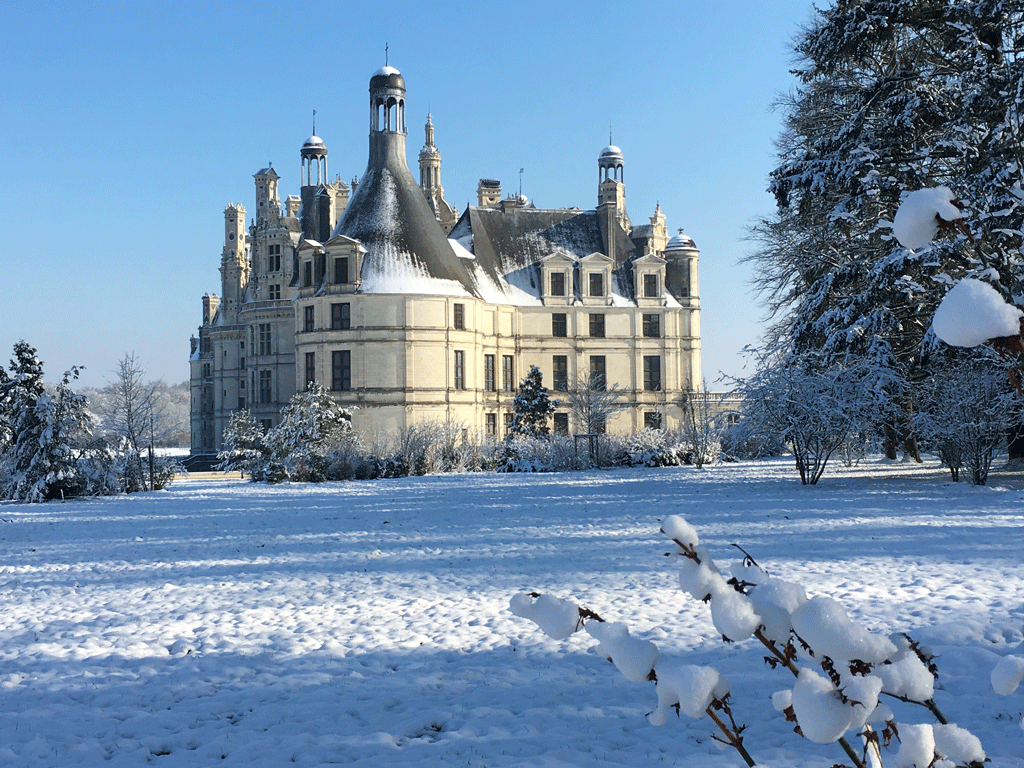
Château de Chambord in the snow

A snowfall on our return provided the occasion for my most stunning photo yet of Château de Chambord which remains high on the list of our cycling destinations in summer and a great place to walk in the winter.

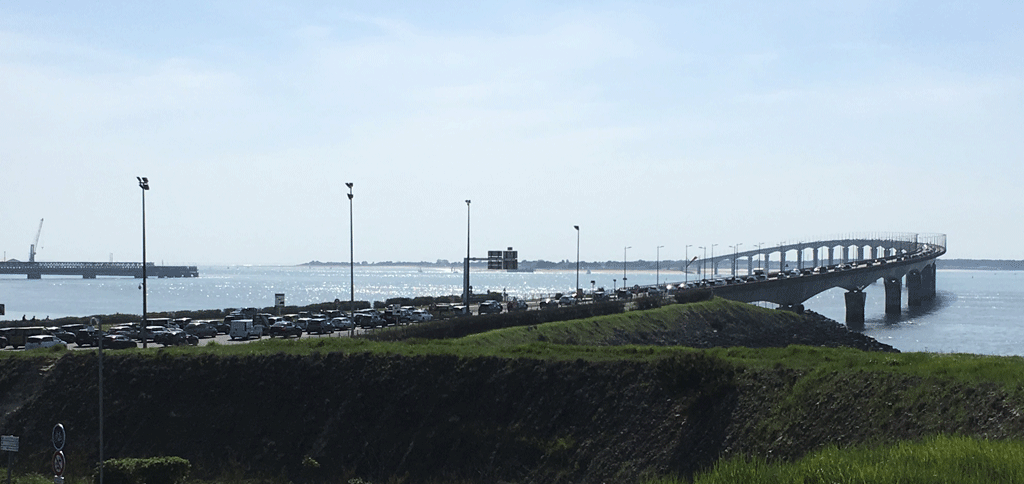
The bridge between La Rochelle and Ile de Ré

In April we went to La Rochelle for a long week-end and had a truly unforgettable experience at Christopher Coutanceau’s 2-star Michelin restaurant followed by lots of cycling on nearby Ile-de-Ré. It’s a very busy and lively town and it’s a great place to shop in comfort (especially for a non-shopper like myself). There’s lots of activity at night along the waterfront which made a bit of a change from the Loire in winter.

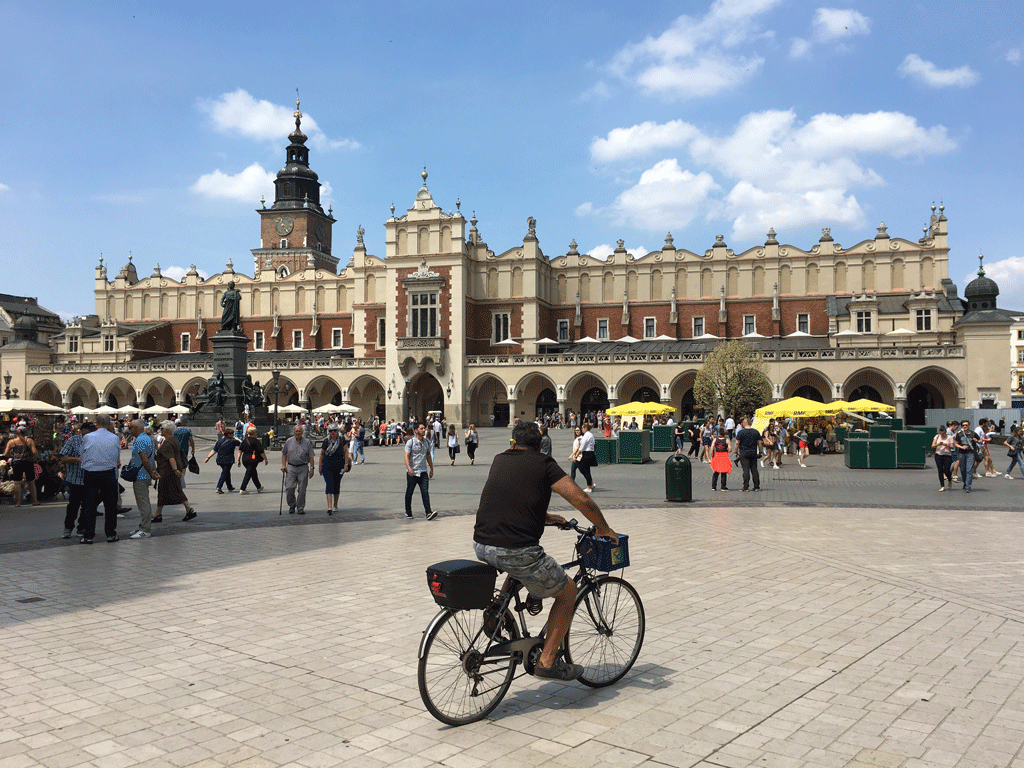
The main square of Krakov

We spent the whole of June in Germany and Poland, on our power-assisted bikes clocking up 800 kilometers for 16 days’ cycling. As ever, Germany was a pure delight. It is just so geared to cyclists with all its bike paths and rest-stops and I adore the colourful half-timbered houses in all the little towns and villages!

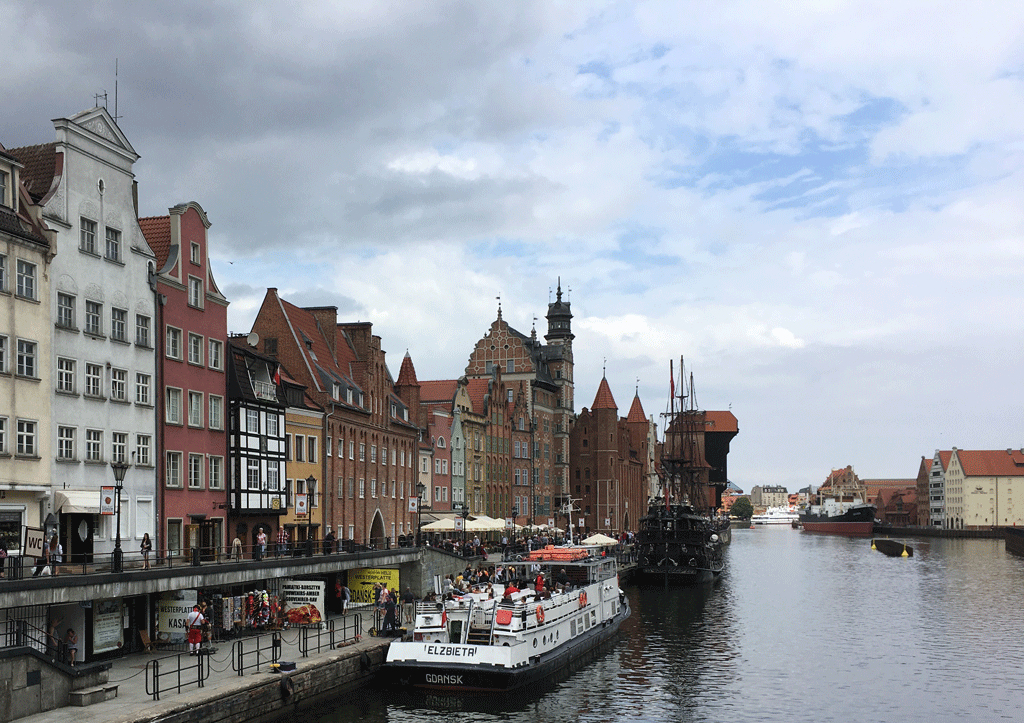
Gdansk

Poland, however, was another story. Although the major cities such as Poznan, Gdansk, Warsaw, Krakow and Wraclow have an amazing network of bike paths, as soon as you get out of the built-up area, you have to take either the main road or go on mountain-bike trails for 20-year-olds in top form. One unforgettable ride through a very sandy forest had me preferring the bitumen and traffic! There are practically no pretty villages which was a great disappointment. The only exception was Gdansk which we really loved. We had an apartment outside the town and were able to cycle happily up and down the coast through the seaside vilalges as well as into the city with its beautiful baroque façades.

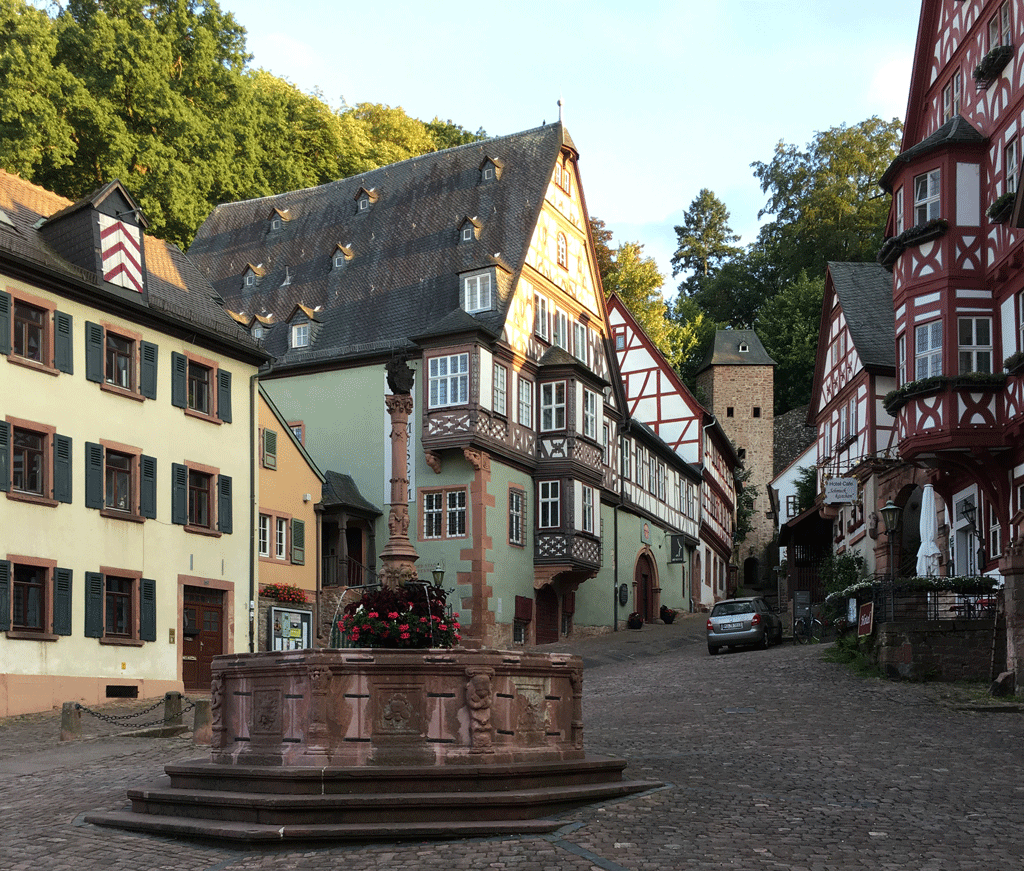
Miltenberg on the Main

After two weeks in Poland, we were relieved to get back to Germany and follow the Main River! Poland, despite its drawbacks, is a country on the rise economically and that was obvious everywhere we went. It was difficult to have much contact with the locals though, as they were not very welcoming on the whole.

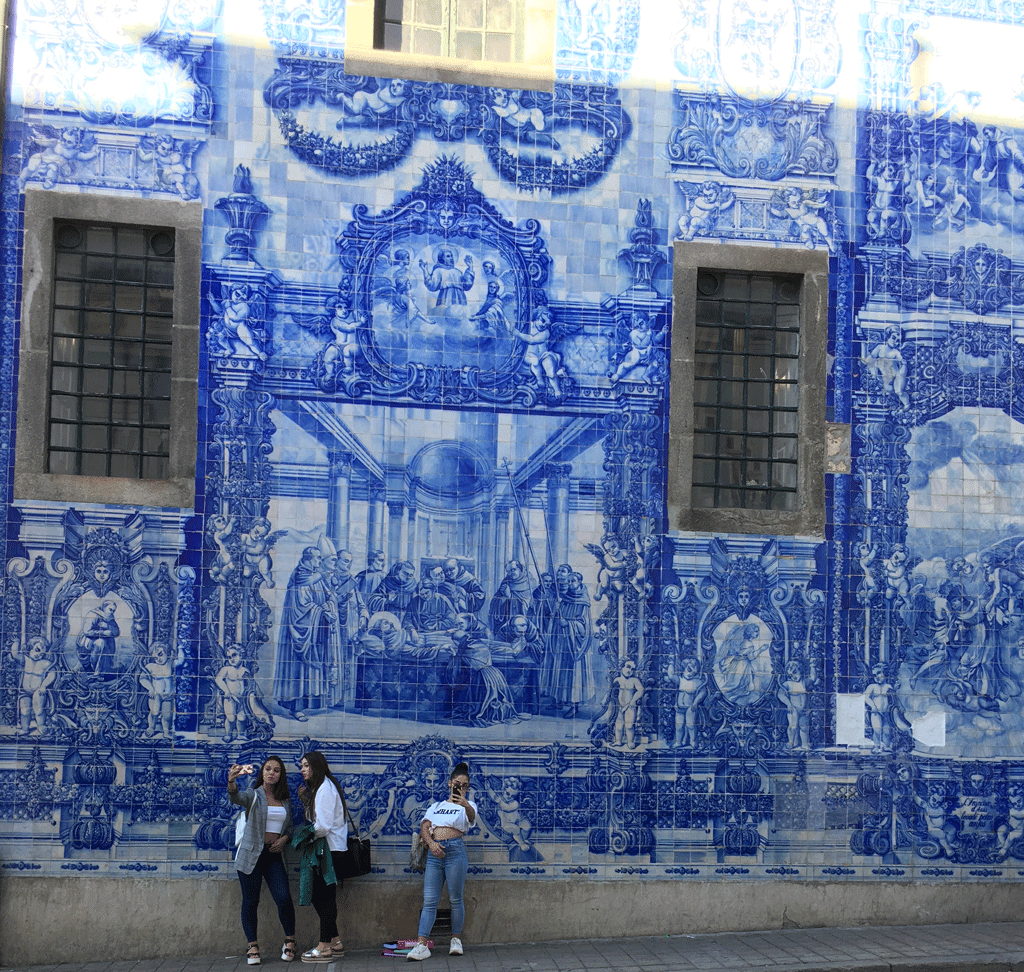
Stunning azulejos in Porto

Our week’s holiday in autumn this year took us to Porto with Ryan Air (never again!) from the nearby city of Tours. We enjoyed the first three days in Porto, by which time we had exhausted its possibilities, including a rather hair-raising bike ride along the coast. For the next three days, we took day trains (about one-hour each way) to the very interesting historical towns of Guimaraes, Aveiro and Braga. Poland may be on the way up, but Portugal is definitely going in the opposite direction. It’s very sad to see.

A favourite view of Blois when cycling along the Loire

On the home front, we continued to cycle throughout July, August and September nearly every day, often in the evenings for a picnic on weekdays thanks to the long twilight and the amazing weather. We are now up to 5000 kms since we bought our power bikes in May 2017.

Winter walk along the Loire on a rare sunny day

The winter, so far, has been cold and rainy. I’ve been forcing myself to go for an hour’s walk every two days but it’s not very attractive. We have a yearly pass to Château de Chenonceau though which makes a welcome change.

Jean Michel kept on with the renovations at the studio flat in Blois most of the year and it is now ready for holiday accommodation on www.chatelrose.com. I amused myself with some of the decorative features but my brilliant ideas always turned out to be more time-consuming than expected. As it is in a very old building, Jean Michel had to face up to a lot of challenges as well.

Château de Chenonceau from the walking path on the other side

This coming year, especially once I have retired, we went to do more home exchanges as well. And in case anyone is wondering – we still follow the 5:2 diet twice a week and are in very good health! I miss my blog and hope that retirement really will bring me the time and energy I need to write more often! In the meantime, I would like to wish everyone a very happy and fulfilling 2019 and maybe see you over at www.loiredailyphoto.com!

Friday’s French – châtaigne, chestnut, marron, brun, brown

It’s roast chestnut season. If you come from Australia, you probably think there is only one kind – the edible sort you read about in English novels. Not so! In French, there are two different words: marron and châtaigne and the distinction is rather complicated.

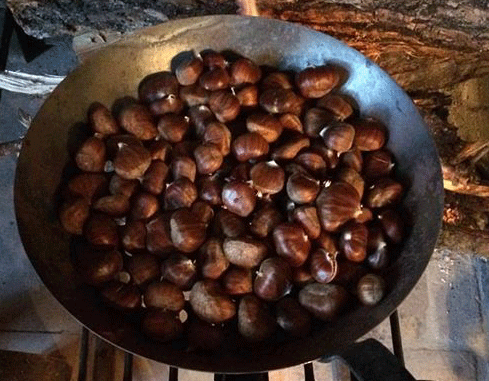
Des marrons dans une poêle à châtaignes

There are basically two sorts: an edible sweet chestnut that is easiest to spot if it is still in its husk, which is spiny and needle-sharp. Its scientific name is Castanea sativa. It’s very distant relation, the toxic, inedible chestnut, also called the horse chestnut, has a husk that is much smoother, with only a few warts. Horse chestnuts are the ones commonly found in forests and backyards. Its scientific name is Aesculus hippocastanum.

So you would imagine it would be easy in French. Let’s start with the horse chestnut (Aesculus hippocastanum). The tree is called a marronier d’Inde or marronier commun. It actually comes from the Balkans and has nothing to do with India. The fruit is also called a marron.

That’s the easy bit. Now we have the tree called châtaignier whose edible fruit is called une châtaigne. But people talk about eating marrons chauds and marrons glacés. Why? It’s because there are two kinds and the larger (and (tastier) cultivated châtaigne is called a marron!

The cultivated marron only contains one fruit in each husk whereas the wild ones have two or more, with an annoying skin called a pellicle between them. The ones in the photo as the wild ones. We had to discard half of them because they were too hard to eat. Next time we’ll make sure we buy marrons!

Marron is also the usual word for the colour brown.

Marron has, of course, given the colour maroon in English, which is not brown at all, but a dark brownish red colour, what the French call bordeaux. It you have ever seen a 20-year old bordeaux wine, you’ll understand where the colour comes from!

What about brun? I can hear you saying. Yes, you’re right, it also means brown. You say des cheveux bruns (brown hair), des yeux bruns (brown eyes), une peau brune (a swarthy skin), le tabac brun (dark tobacco), un ours brun (a brown bear) and bière brune (brown ale).

But brown shoes are chaussures marrons and a brown shirt is une chemise marron. Marron can also be used for eyes and hair. Some people argue that les yeux marrons and les yeux bruns are the same thing but others disagree. The same applies to les cheveux marrons and les cheveux bruns.

I’ve even heard les yeux noisette used to mean brown eyes, even though une noisette is a hazel nut. The problem with hazel eyes is that they are a mixture of green, brown and amber and the mix can vary according to the person, so two people can have hazel eyes that are very different.

What other examples can you think of? How do we say a brown dog in French? What about a brown horse and a brown coat? Or a brown car?

Friday’s French – Minute papillon

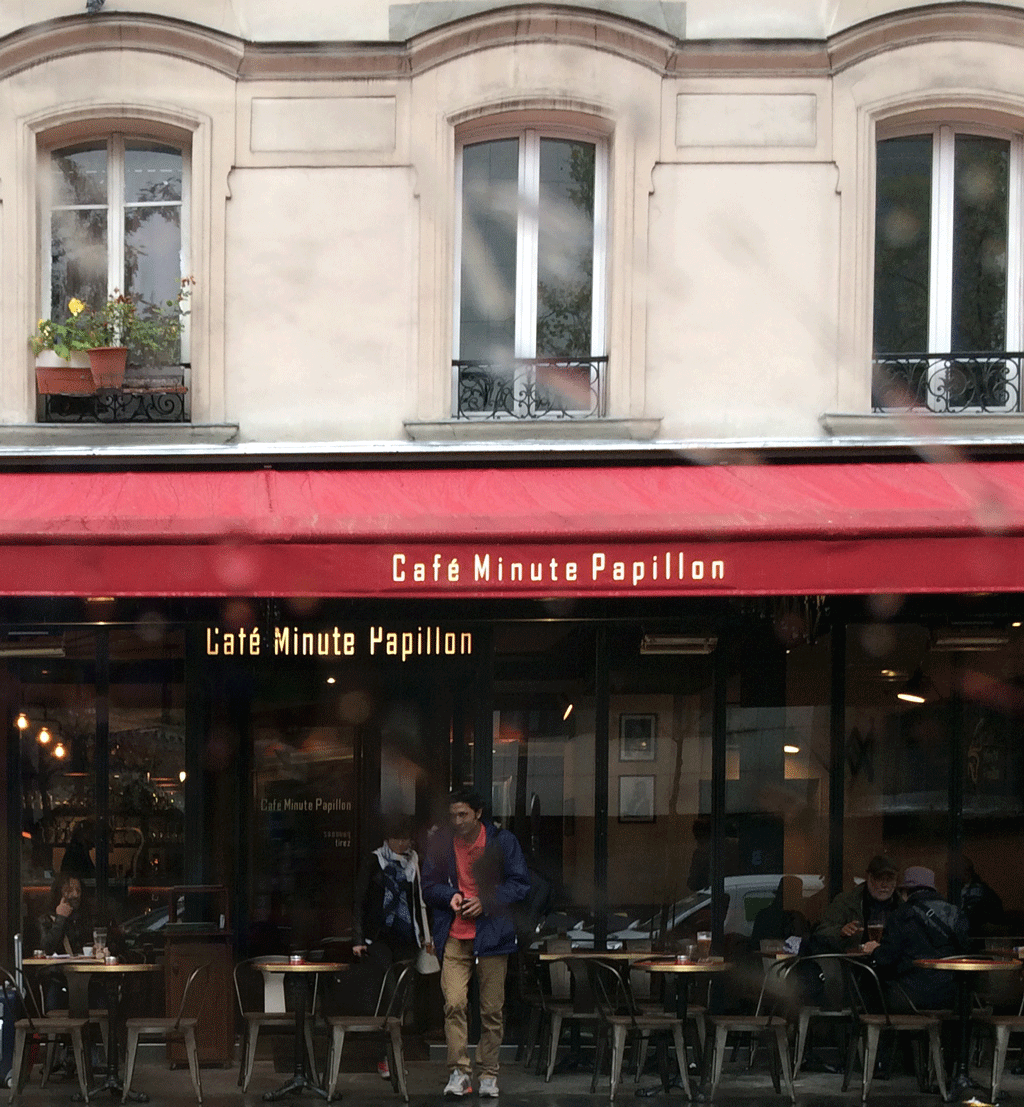
As we were driving through Paris recently in the rain, we saw a café called “Minute Papillon” which made me wonder about the origin of the expression which is roughly equivalent to our English saying “Hold your horses!”.

papillon

Some sources suggest it is simply a metaphor about butterflies which flit from flower to flower, which would also explain the verb papillonner which means to chop and change or flit from one thing to another.

Other sources also believe the expression came into use in the early 20th century but with a much more amusing origin. At the time, there was a café in Paris that was very popular with journalists. There was a waiter called Papillon who used to answer “Minute, j’arrive” when too many people were calling on his services at the same time.

So when customers wanted to tell him he could take his time, they would say, “Minute Papillon!” It seems the journalists spread the story.

Minute papillon has a second meaning which is an extension of the first i.e. I don’t agree, meaning that the other person has to stop talking so that they can place their argument.

Papillon by itself has several interesting meanings. It can apply to someone who is fickle. It also means a sticker and, by extension, a parking ticket on the windscreen (although I have never seen them in the form of a sticker).

Papillon is also used to designate a butterfly nut and butterfly stroke in swimming.

A noeud papillon is our bow tie. I much prefer the French expression.

However, you can’t have papillons in your tummy when you’re nervous the way you do in English. You have “le trac” instead.

And, by the way, there is no separate word for moth in French – it’s a papillon de nuit!

Do you have any other expression that revolve around butterflies and papillons?


Friday’s French – navet

“What’s a navet?” someone asked on Facebook this week. “It’s a film that’s a flop”, I answered. But a navet is actually a vegetable – a turnip in fact. So how did we get from turnip to a dud film? Good old expressio.fr came to the rescue.

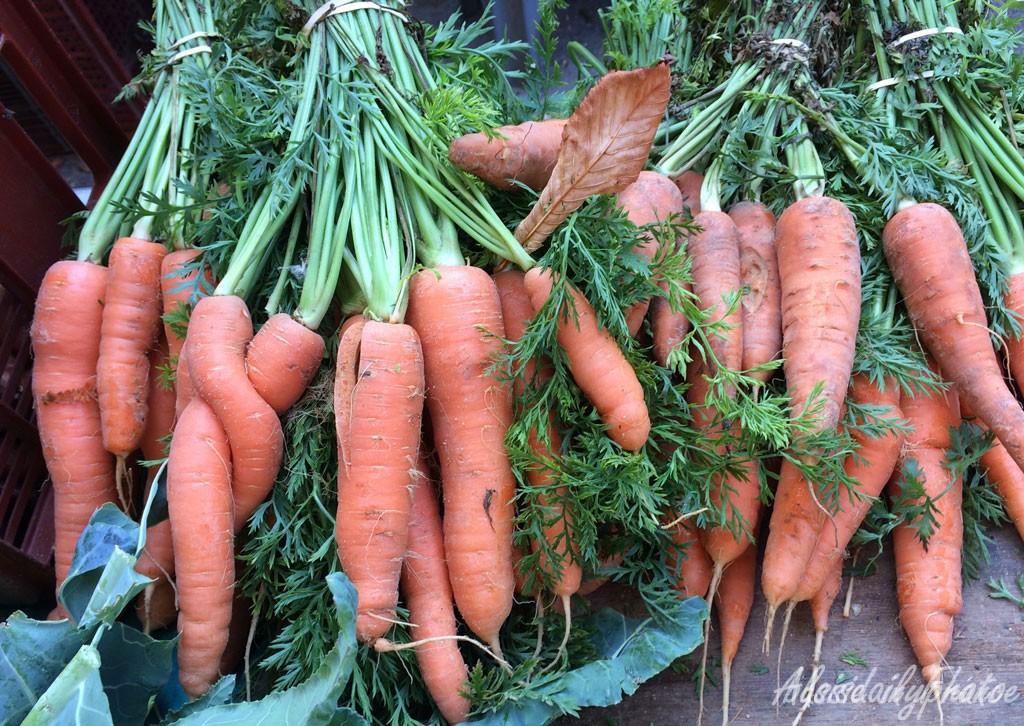
I know these lovey-dovey carrots aren't turnips but I don't have any turnip photos and I love this one!
I know these lovey-dovey carrots aren’t turnips but I don’t have any turnip photos and I love this one!

Certain sources say you have to go back to the 13th century when the word was already used figuratively to indicate something that wasn’t worth much, perhaps because turnips are cheap and plentiful.

The meaning was never completely lost. “Des naveaulx”, a variant of the word “navet” in the 16th century, meant “not likely” or “nothing doing” and it was not until the mid 19th century that a bad painting was first called a “navet”. The expression was later extended to plays and films.

The French writer and language historian Duneton gives another explanation that isn’t incompatible with the previous one, at least with regard to its 19th century meaning.

In the Belvedere gardens in Rome, there was a statue of Apollo, that was for a long time considered to be a symbol of perfection.

But at the end of the 18th century, a group of young French artists disagreed and nicknamed it “le navet épluché” (the peeled turnip) due to its paleness and the long, smooth form of the limbs which don’t seem to have any muscles.

When the statue was transferred to Paris by Napoleon in 1798 (it has since been returned to Rome), its nickname followed it. In the mid 19th century the term was applied paintings and drawings that didn’t pass muster.

When the cinema came into vogue, the term “navet” was quite naturally used for films that were slapdash, of little interest or didn’t come up to the audience’s expectations.

Fruit and vegetables are used in a lot of expressions in French. I’ve already talked about prunes and aubergines.

Do you know any metaphorical uses of vegetables in French?

Maria Taferl Basilica overlooking the Danube in Austria
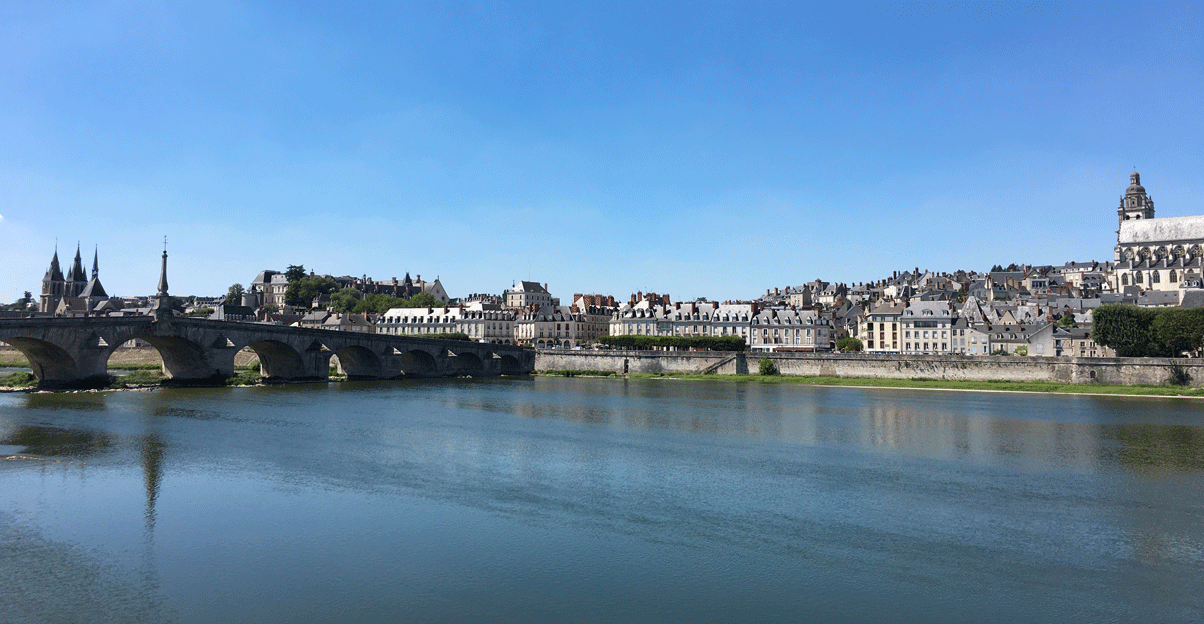
On Saturday morning, the weather forecast for Sunday promised bright sun, blue skies and 19°C (even better than Saturday) so we intended to cycle from our Radlerpension in Hagsdorf to Melk for lunch then drive up to the Maria Taferl basilica to save our knees – it’s at the end of 4 km of winding road.
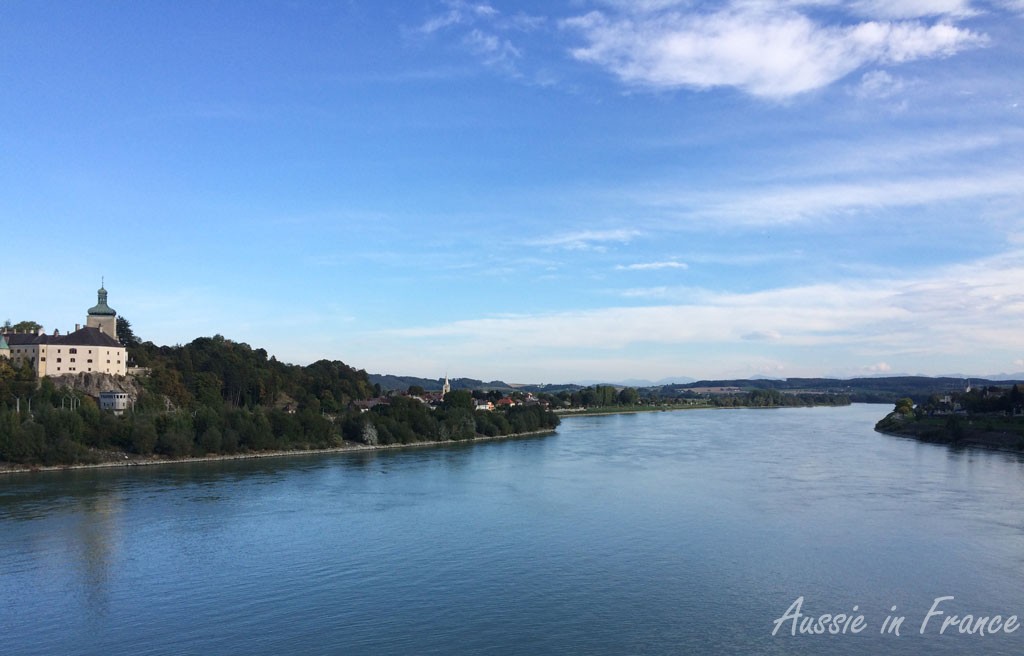
Saturday's blue sky and blue Danube
Saturday’s blue sky and blue Danube

However, by Saturday evening, the forecast has changed – a maximum of 15°C with fog all day. I guess yesterday was our last day of cycling for the year. We go to the local village for bread and other supplies but soon discover that even in the bigger towns around us, Sunday is a day of rest. We manage to buy some bread though at a place that has a breakfast café attached to it. Each time we go past a church, we see families in their traditional Sunday best which we remember from the last time we were here.

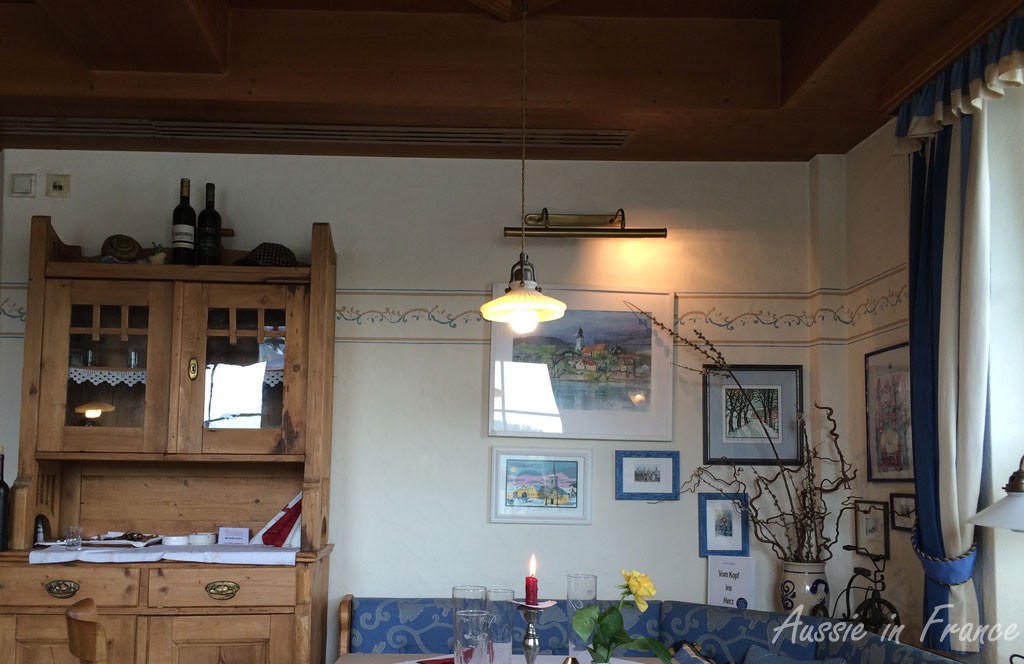
The dining room at Pichler's
The dining room at Pichler’s

After spending some time looking for a hotel in our next location, Bamberg, we drive towards Melk for lunch but stop on the way at a likely-looking hotel/restaurant called Pichler’s in Emmersdorf. Inside, the waitresses and some of the patrons are also in traditional dress – certainly a far cry from the ultra-tight highly revealing apparel we have seen in other parts of Europe recently.

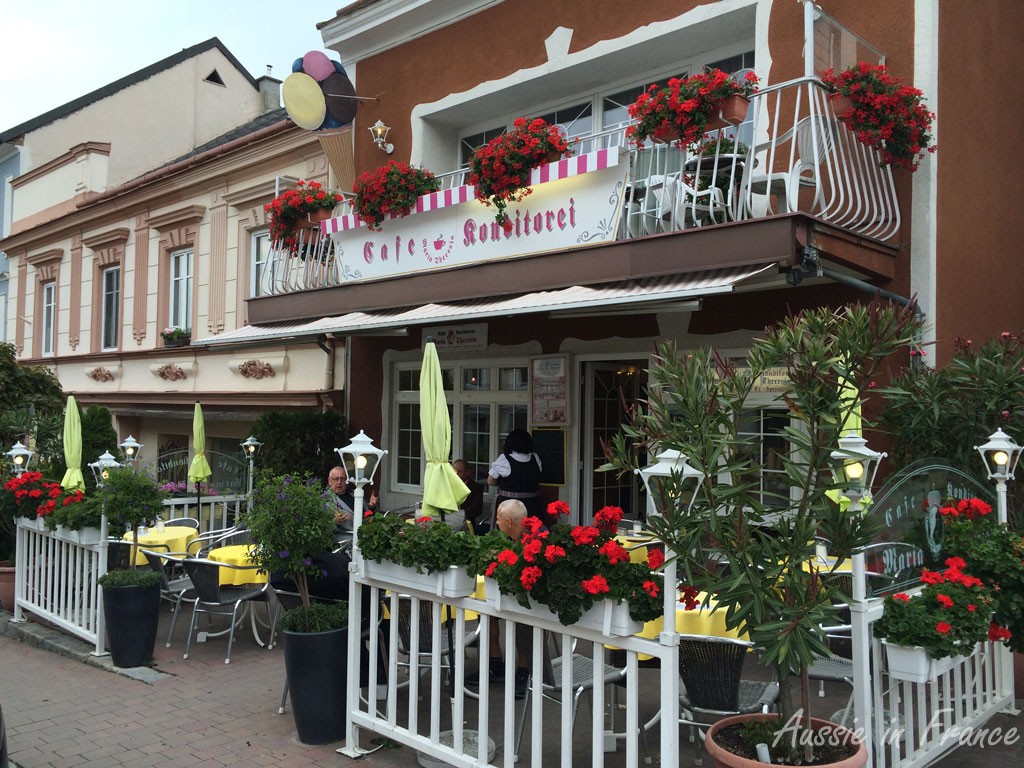
The konditorei where we have coffee and cake

By the time we finish lunch, the sky has cleared to a pale blue and the temperature is 14°C, certainly not cycling weather but we should get a good view from Maria Taferl, which is the second most important place of pilgrimage in Austria. We’re a little bit worried about the crowds, but it’s not very busy and we are able to park very close to the basilica just opposite a Konditorei.
Maria Taferl Basilica
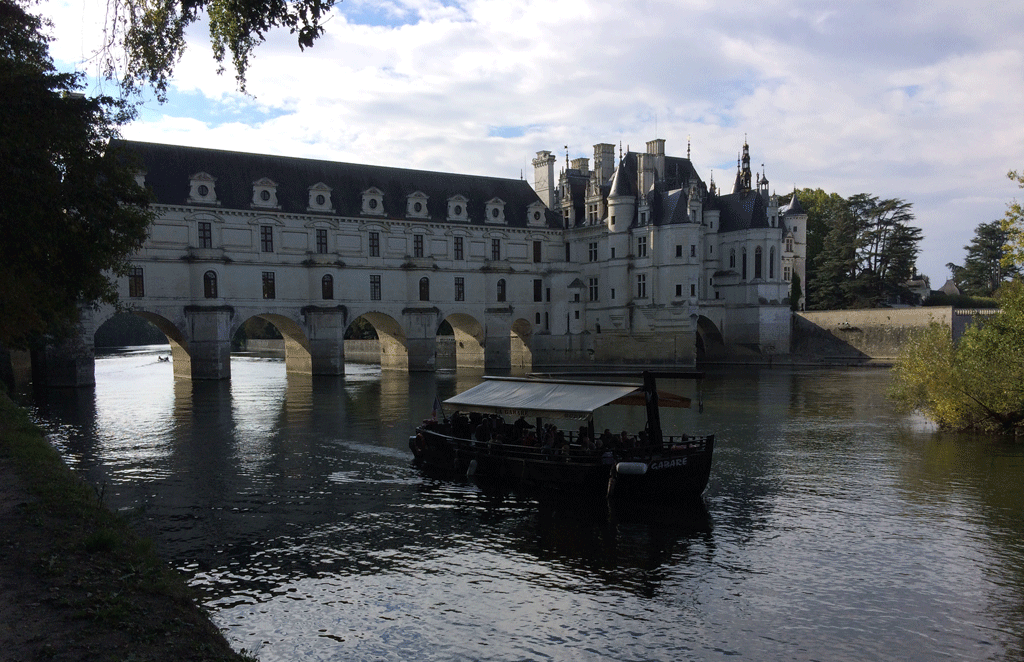
Maria Taferl Basilica built from 1660 to 1710

The current baroque church was built from 1660 to 1710 on the site of a shrine to the Virgin Mary celebrating several miraculous recoveries. Its construction also gave the local inhabitants renewed courage after the bubonic plague.

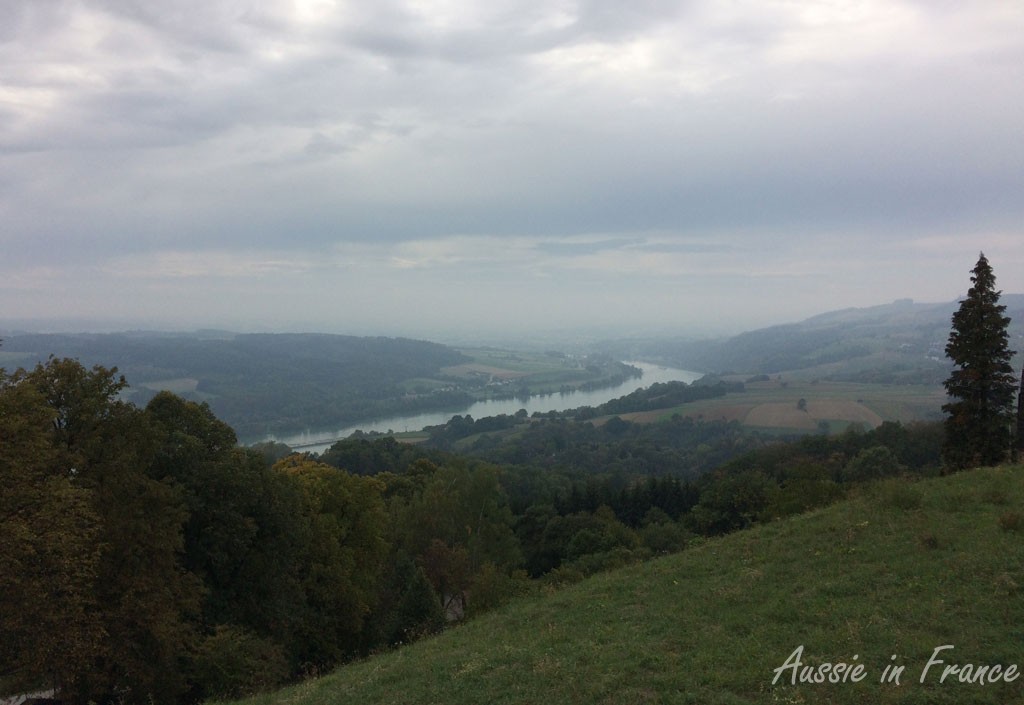
The Danube from the panoramic terrace in front of Maria Taferl Basilica

We go onto the panoramic terrace first. The view of the Danube and surrounding countryside is quite superb despite the lack of blue sky.

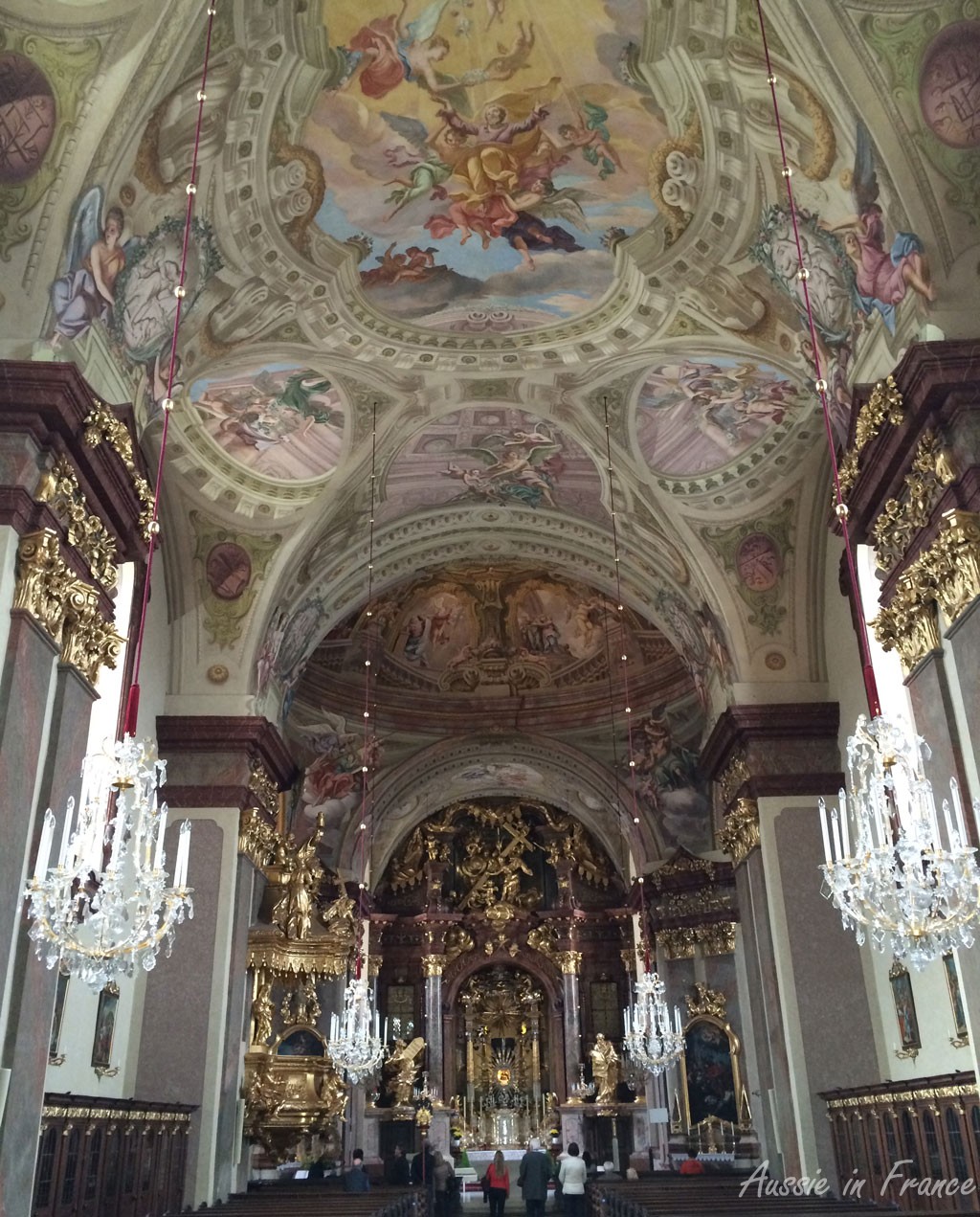
The main altar and painted ceilings

The Inside of the church is standard gilt baroque and beautifully painted pastel ceilings.

The holy picture collection at Maria Taferl Basilica

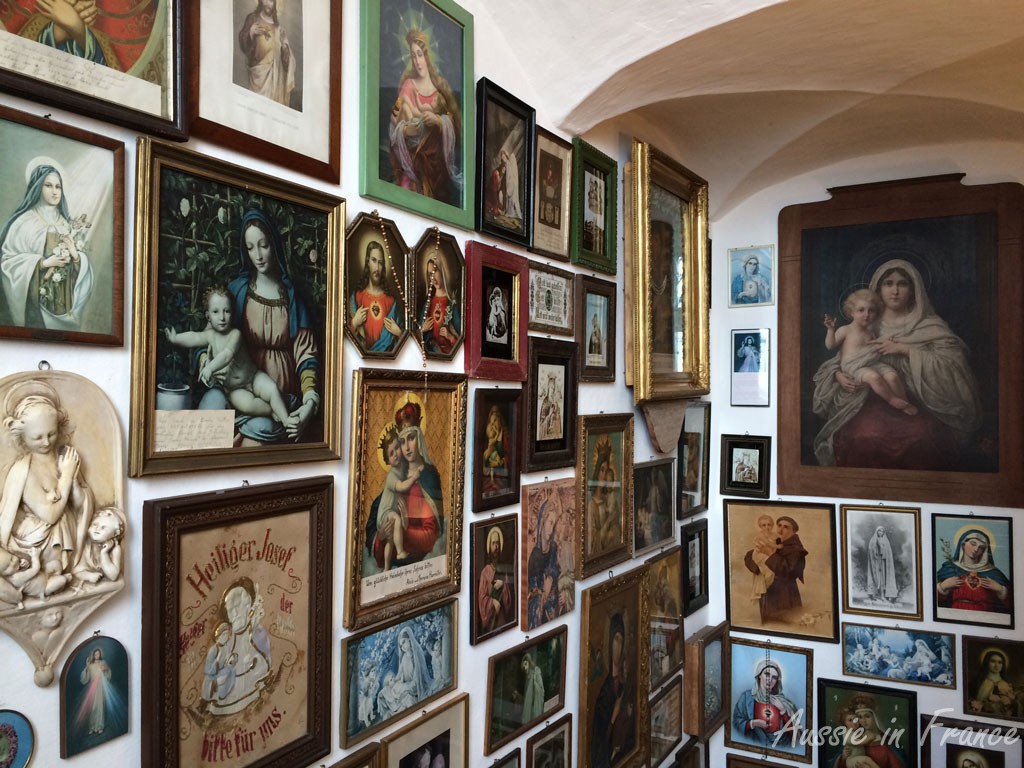
We notice a side door and wander into an exhibition of holy pictures that covers the walls of three flights of stairs. I’m surprised there aren’t more people.

An unusual coffee grinder

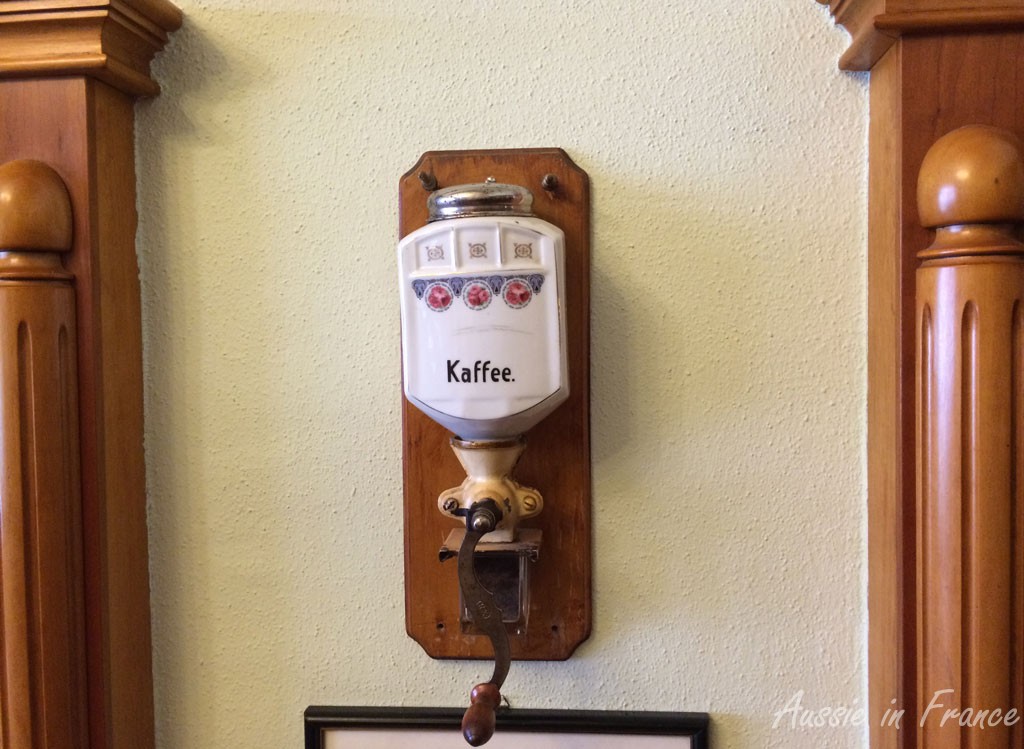
After visiting the basilica, we have coffee and some sort of cream cake in the Konditorei. Like the restaurant at lunchtime, there is a lot of beautiful polished wood everywhere. It also has an unsual porcelain coffee grinder.

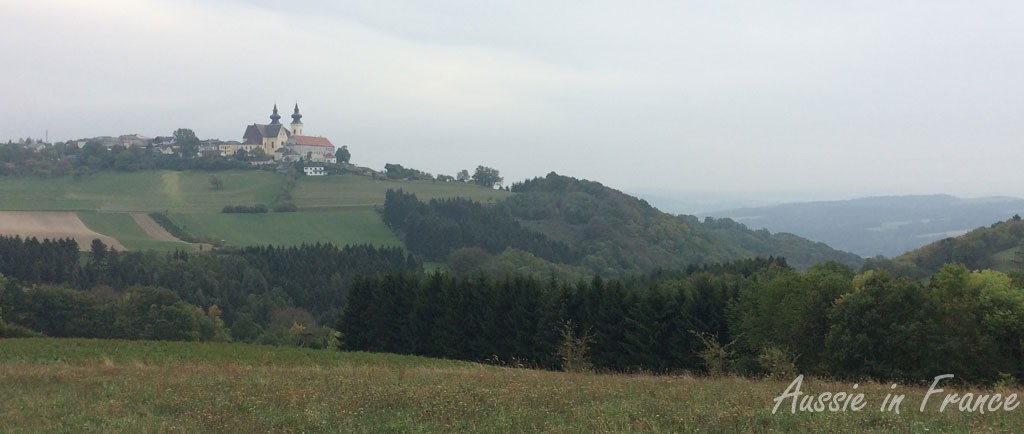
Maria Taferl on top of the hill

On the way back, Jean Michel chooses a different route and we find ourselves opposite a stunning view of the basilica which looks very romantic through the slight haze.

The rest of the day is given over to R&R and finding an apartment in Bamberg in Germany, whose historical centre is on the Unesco World Heritage list. It is one of the few places we haven’t visited in Bavaria. It will be a good place to finish off our holiday.

May Flowers in the Country

Last time, I took you on a tour of my garden in May. I thought you might like to see the wild flowers in the surrounding countryside as well. Here are the photos I took last Friday when we cycled along the Loire from opposite Saint Claude sur Diray to Saint-Dyé-sur-Loire, then through the forest to Château de Chambord, a 30 km round trip.

eglantineThe first flowers I noticed were all the dog roses (églantine in French) which are a delicate pink.

sureau

These are elder trees (sureau). The berries are used to make elderberry wine.

faux_acacia

These very tall trees (Jean Michel is on the bike path in front of me) are the Robinia pseudoacacia or false acacias that I mistook for wattle in my last post. It’s a bit confusing as the French actually call them acacias.

water_irisesThese yellow water irises are a little past their prime but I still love seeing them.

buttercupsButtercups are everywhere at the moment. These are on the banks of the Loire at Saint Dyé. When I first came to France, I fell in love with the buttercups and used to take my moped out into the countryside and lie down in the fields feeling very romantic.

geraniums

You see both these flowers on stone walls everywhere. I understand that the lavendar one on the top right is a geranium (what we usually call geraniums are actually pelargoniums). I have no idea what the ones on the left are though.

blue_astersThese pretty little asters are also very common. You can see another geranium at the bottom of the photo.

cornflowersThese cornflowers are next to a field of barley on the path from Saint Dyé to Chambord.

chambord

No flowers in this one but I couldn’t resist posting a photo of one of my favourite châteaux!