Category Archives: French customs

Weekly Blogger Round-Up: Colmar in Alsace – Zadar in Croatia – Saint Valentine’s Day in Paris

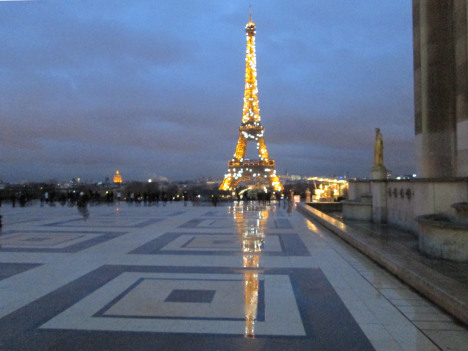
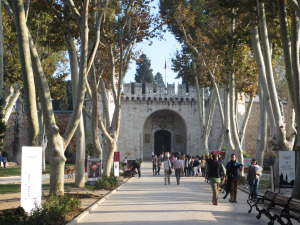
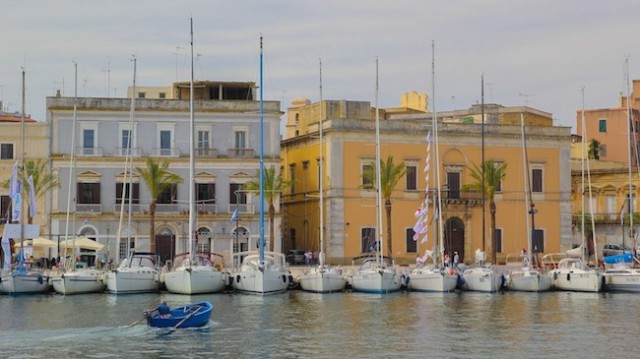
In this week’s Blogger Round-Up, Carolyn from Holidays to Europe takes us to Colmar, which is one of my favourites places in Alsace, with its picturesque canals while Chasing the Donkey gives us an insider’s tour of Zadar in Croatia with it’s famous Sea Organ. To finish off, Mary Kay from Out and About in Paris gives us lots of unique ideas for Saint Valentine’s Day in Paris. Enjoy!

A Short Guide to Colmar, France

by Carolyn from Holidays to Europe, an Australian based business passionate about sharing their European travel expertise and helping travellers to experience the holiday in Europe they have always dreamed of

colmar-franceWith only a couple of days in the Alsace region of France, I didn’t have much time to spend in Colmar but in the few short hours I was there, I quickly realised why it is such a popular town with tourists from all over the world – it is absolutely gorgeous!

Thanks to its history as a major trading post and river port in the 16th Century, Colmar is one of the prettiest cities in France. Wealthy merchants built spectacularly colourful houses alongside the canal, and even today, centuries later, they ooze charm. With a mix of French (the window shutters) and German (half-timbered facades) architecture, the houses of the former trading areas of Colmar are a reminder of the heady days when wine from the neighbouring Alsatian vineyards was shipped along the canal. Read more

What to see in Zadar

By Chasing the Donkey,  a Mum & wife, now Australian expat who packed up her very typical Aussie life in May 2013 and shifted it along with her Croatian Husband and Son to rebuild the old house they inherited in Croatia & make it their home.

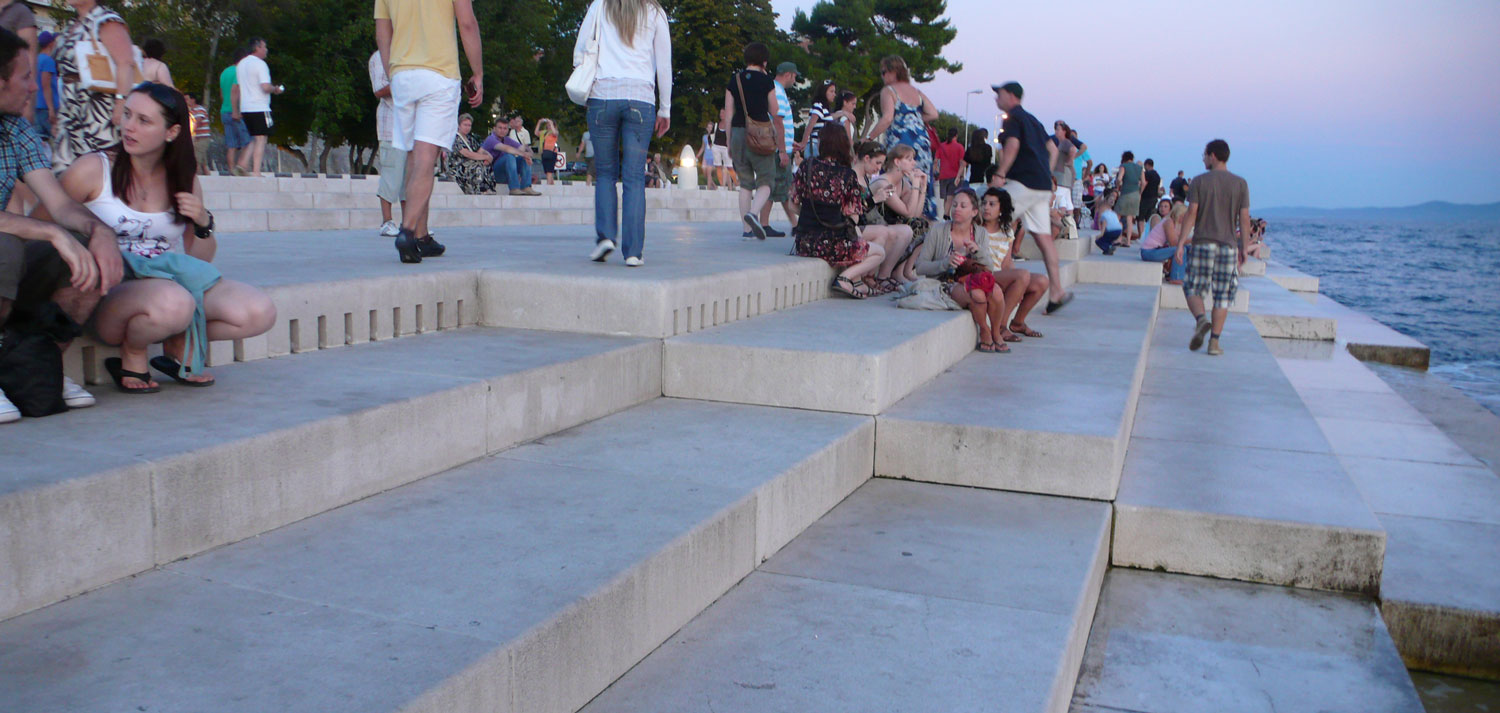
sea_organ_zadarBe sure to to make a stop in Zadar if you plan to explore Northern Dalmatia, it’s a great destination to spend  time in, its a great choice to use as a base to see Plitvice, Paklenica or Krka National Parks. So, what should you see while you’re in Zadar?  We’ll there is no doubt that you’ll enjoy drinking coffee overlooking the Grand Roman Forum that is over 2,000 years old and the Church of St, Donatus among the many sights – but I guarantee you’ll end up being drawn to 2 of Zadar’s most unique attractions. The Sea Organ & the Greeting to the Sun. Read more

Love is in the air: lots of unique ideas for Valentine’s Day in Paris

by Mary Kay from Out and About in Paris, an American by birth, Swiss by marriage, resident of Paris with a Navigo Pass for the metro that she feels compelled to use

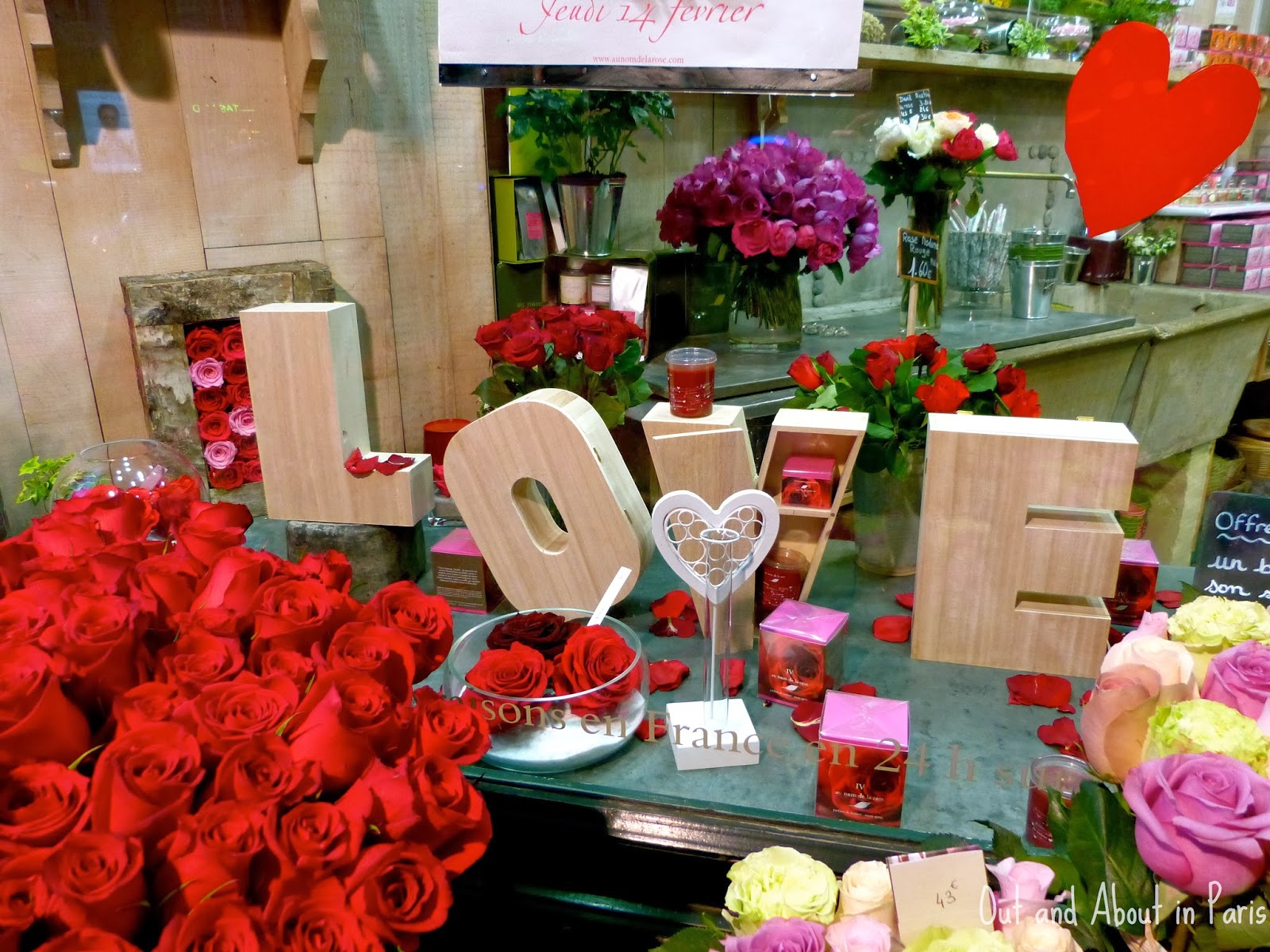
valentineWhether you’re single, married or divorced, there’s a lot happening in Paris on February 14:

Feel like a star – For Valentine’s Day, the RATP is offering you and the person of your choice a FREE glamor shot. Five Harcourt Studio photo cabins will be available from 12:00 – 6:00 pm at the following stations: Gare de Lyon, Denfert-Rochereau, Villejuif-Louis Aragon, La Motte Picquet-Grenelle and Jaurés.

One minute to “spread the love” at the Louvre: At precisely 14h14 (2:14 pm) on February 14, a flashmob will gather in front of the pyramid at the Louvre to kiss their lover, best friend, stuffed animal, dog or bicycle. Couples, families, friends – everyone is invited to share a minute of love. KISS Flashmob in Paris event page. Read more

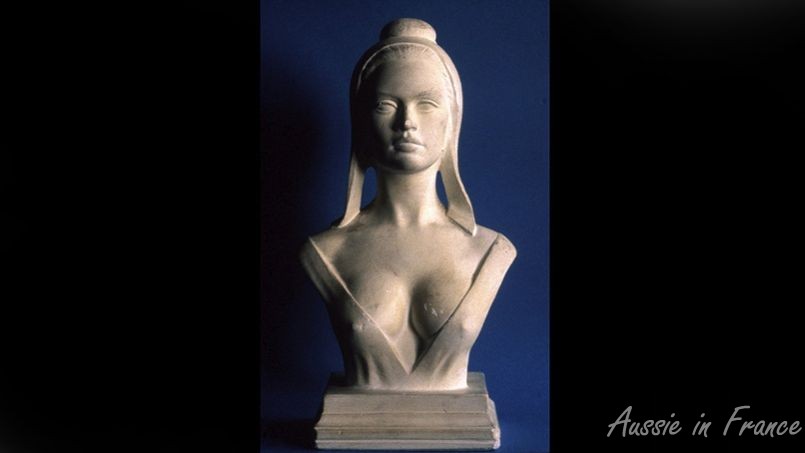
President Hollande’s Marianne

If you read my post last week on green stamps, you may have noticed the drawing on the stamps.

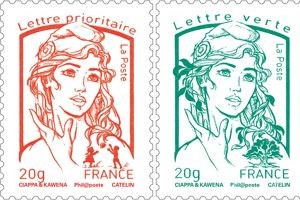
Green and red stamps

When I saw it, I was somewhat intrigued because the previous Marianne stamp was a little different.

So I checked it out and this is what I discovered.

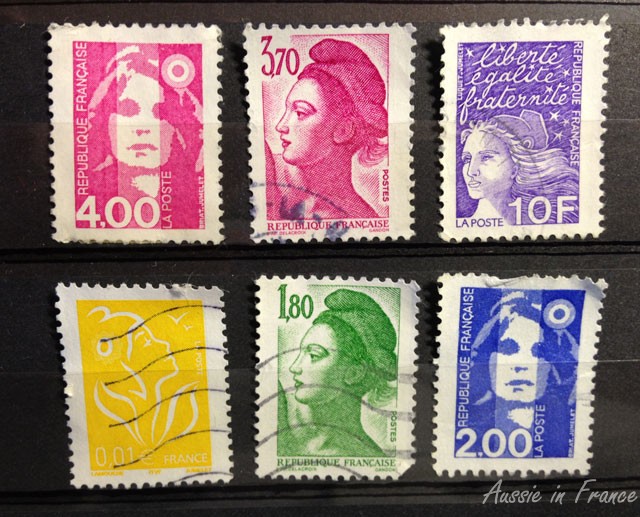
Marianne, who is the symbol of the French republic, has been used on stamps since 1944. Each president chooses a new Marianne who is used on ordinary (non collection) stamps (known as mariannes) throughout his presidency (sorry about the “his” but so far there have been no women presidents in this country).

Six previous mariannes from my stamp album

François Hollande announced as soon as he was elected that he would leave it up to French high school students of all people to choose the new Marianne from a selection of drawings by all the artists who had already worked for the French post office, in a major campaign across France called Mon premier vote pour la République.

And guess who they chose? A Marianne mainly inspired by Inna Shevchenko, the leader of a feminist movement called Femen, a Ukranian who arrived in France in August 2012 and was granted political asylum in 2013. The Femen who “use their bare breasts as weapons” were obviously delighted to become the “official symbol of France” while Shevchenko sent a tweet saying “Désormais, tous les homophobes, extrémistes et fascistes devront lécher mon cul pour envoyer une lettre”*, which didn’t stop her from sending another tweet (later removed) which was blantantly islamophobic.

I once visited the Conseil Constitutionnel during Heritage Weekend and the council president, Jean-Louis Debré, gave a very entertaining presentation of the different Mariannes since the French Revolution in 1789. She has been inspired in recent years by Brigitte Bardot, Michèle Morgan, Mireille Mathieu, Catherine Deneuve, Inès de la Fressange, Laetitia Casta and Sophie Marceau.

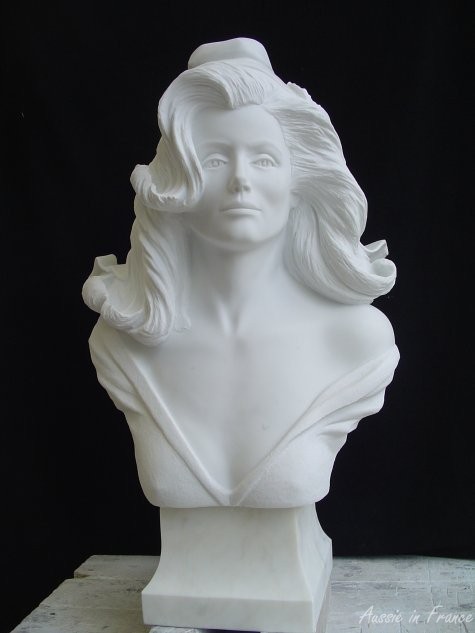
Marianne inspired by Catherine Deneuve

When I checked the French stamp list, I discovered it was different. The plot thickens. During the same period, the Mariannes have different names: Marianne de Cheffer, Marianne de Béquet, Marianne de Bicentenaire, Marianne du 14 juillet, Marianne des Français, Marianne et l’Europe et Marianne de la Jeunesse. It appears they are not based on real people, but are fictional.

It seems that there is no official Marianne model. While the stamp Mariannes are chosen by the president, the busts found in local town halls and other public places are chosen regularly by AMF, the association of French mayors.

Marianne inspired by Brigitte Bardot

Olivier Ciappa, the artist behind the current stamp, claims that he combined several different artistic styles including the Renaissance, comics, mangas and Walt Disney films, to give his Marianne an “unique aspect”. If that’s the case, maybe he shouldn’t have advertised the fact that Shevchenko was his main inspiration.

Just another example of François Hollande and his relationship with women …

* lécher = lick and cul = impolite word for rear end

Weekly Blogger Round-Up: Overalls for women now legal in France – Great party trick

This week’s Blogger Round-Up is a spin-off from my post on the disappearance of père de famille. Bellanda from Bellanda in Paris tweeted a post explaining that women are now legally allowed to wear overalls in France, while Tim from Invisible Bordeaux responded with a famous example of an exception to the rule – Rosa Bonheur. On another fun note, Chrissie from The Riviera Grapevine shares a great party trick that involves bubbly. Enjoy!

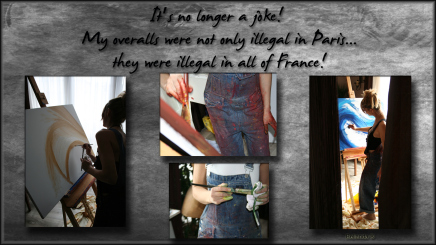
It’s no longer a joke! My overalls were not only illegal in Paris … they were illegal in all of France!

by Bellanda from Bellandainparis, a New York presently living in Paris, doing what she loves: writing/screenwriting, painting, photography & social media managing.

pants-become-legal-for-womenThe last several months, I have been joking that wearing my overalls in Paris might be considered illegal. Little did I know how right I was!

Ever since that very first day I ventured out into the streets of Paris wearing overalls, there has been ongoing banter on Twitter and Facebook about the fact that this could possibly be illegal.  There were some of you who gasped with laughter saying, “No, you didn’t?”  There were others who said things like, “Good for you!  Be yourself and be proud.”

In my defense, and yes, I somehow think wearing overalls… more exactly wearing paint stained overalls in a city where people only wear jogging/sports attire if they are actually running, does indeed need defending.  Read more

ROSA BONHEUR: THE WORLD-FAMOUS BORDEAUX-BORN ANIMALIÈRE

by Tim Pike, an Englishman in France who, when not writing Invisible Paris can often be spotted riding a vintage yellow bicycle or strumming a guitar. He has also conceived a set of self-guided walking tours around Bordeaux which are available for iDevices.

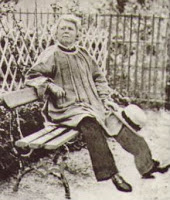
rosa_overallsOne of the most illustrious of Bordeaux’s daughters is Rosa Bonheur who, throughout her life which spanned much of the 19th century, became a world-renowned “animalière” and is regarded by many as the most famous female painter of her time.

Rosa Bonheur was born Marie Rosalie Bonheur on March 16th 1822 at 29, Rue Saint-Jean-Saint-Seurin (now  55, Rue Duranteau) in Bordeaux. Her father, Oscar-Raymond Bonheur, was a landscape and portrait painter and frequented Spanish artist Francisco Goya during the four years the latter spent in Bordeaux up until his death. Read more

The Party Trick I Wish I Had (And a recommendation for a fantastic wine bar in Piedmonte)

by Chrissie from Riviera Grapevine, a Sydney girl living in Nice with an insatiable thirst for the wines of the Var, Alpes Maritimes and Liguria. She happily sells, drinks and blogs about wine.

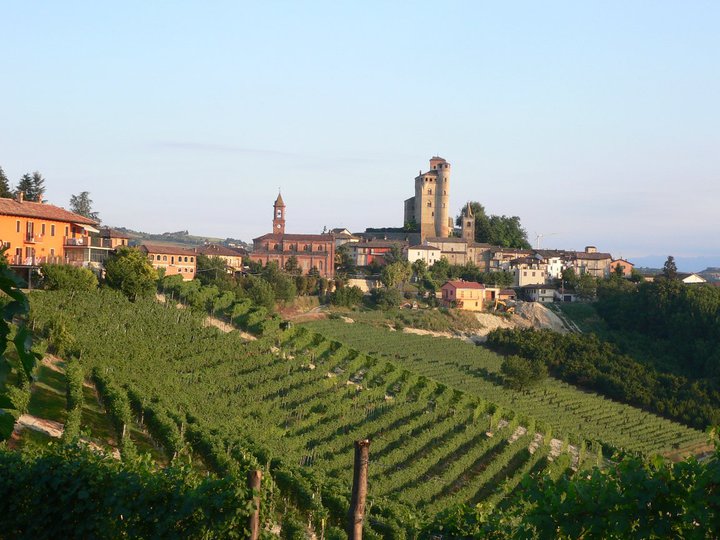
SerralungaRecently, whilst indulging in a spot of social media browsing, I came across this gem of a YouTube clip shared via LinkedIn, Google+, Facebook, Twitter or some other format which all us members of the bloggersphere should apparently be mastering for self promotion!

Now, this is one party trick that I think would seriously impress. Opening a bottle of bubbly with the glass that you’ll serve the liquid in! Class. Especially with a certain nonchalance as conveyed by the guy in this clip. Surely this is a more realistic skill to master than learning how to saber a Champagne bottle with a sword?

Yet I know I could never pull it off. I’d shatter the delicate glass on impact, like a magician who fluffs his tricks. Read more

Green Stamps

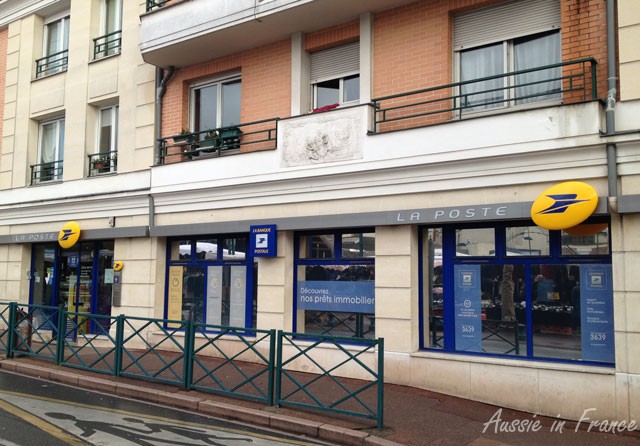
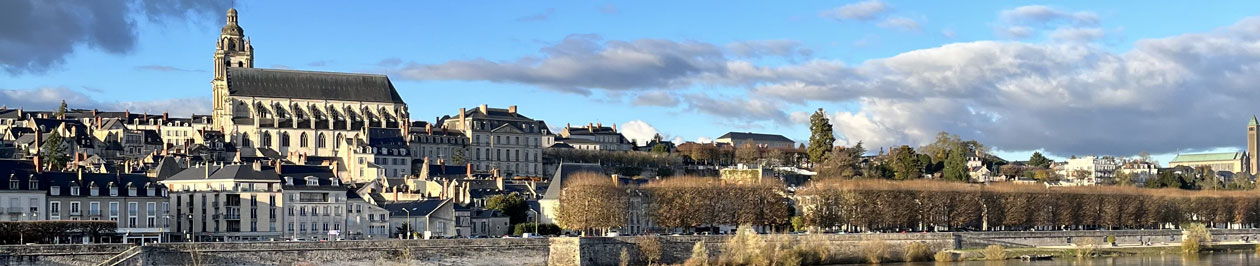
I’m in Nogent sur Marne on the other side of Paris because even after living for 8 years in the Palais Royal, I still go to the dentist I found 15 years ago when I opened my office in Nogent. We’ve even become friends and have lunch together afterwards. I don’t know what I’m going to do when we move to Blois.

Post Office in Nogent sur Marne

I learn that she’s running a little late so I figure I have time to go to the Post Office to get some stamps. As I explained in another post, I have a love/hate relationship with the French Post Office but I’ve run out of stamps and it’s difficult to do without them altogether.

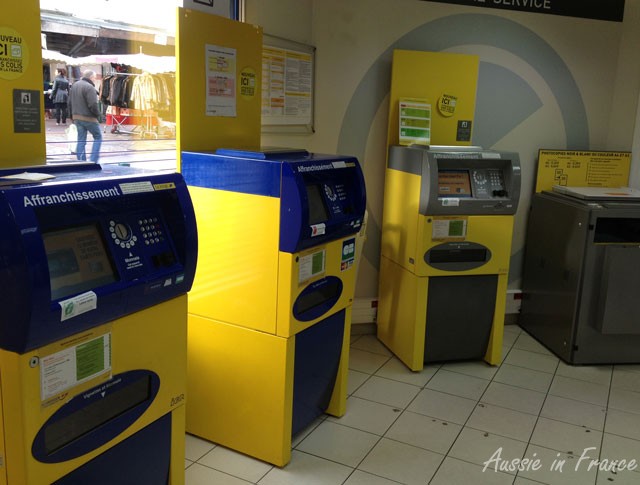
Nowadays they have stamp machines that weigh your letters and take your Visa Card. I walk over to one of the machines but there is nothing to indicate how to buy a book of stamps. So I go and queue. That is another thing I don’t like doing.

When it’s my turn and I ask for a book of stamps, I’m told to go to the machine. “I did that already, but I can’t find the stamp books”. “You’ll see, it’s easy”. I go back to the machines but they are all being used by now. It’s market day. Now there’s another queue at the counter. I storm out swearing, cursing at myself for my less-than-adult reaction.

Stamp machines in the post office in Nogent sur Marne

Two days later, I’m back in Nogent for another visit to the dentist. I’m early this time so I decide that I’ll brave the post office again.

I wait in the queue and a helper comes along and asks me what I want. They introduced helpers to the French post office several years ago. These people walk around the post office showing people like me how to use the stamp machines, choose a post bag or directing them to the right counter. They are usually reasonably friendly, fairly cluey young girls. This is a young man who is neither friendly nor cluey.

“I would like a book of stamps”, I say. “Then go to the stamp machine”. “Well, yes, I tried that last time but I couldn’t make it work. Will you come and show me please?” “Oh, alright, but it’s very simple”.

We get to the machine and he touches the blank screen. Now why didn’t I think of that?  I don’t let on though. “Look, there’s the icon for the book of stamps”, he says. I press it, then select the number 2 (I don’t want to come back here in a hurry) and am about to insert my Visa card when he says, “They’re green stamps. The letters get there in two days”, he says offhandedly.

Green and red stamps

“But I don’t want green stamps. I want letters to get there in one day.” “You’ll have to buy them at the counter then.” I don’t believe this! Fortunately, there isn’t a queue so I go back to the counter to the helpful man from the previous visit. “You want red stamps? I don’t have the self-adhesive type though, only collection stamps.” “That’s fine, so long as they’re red”.

He goes over to another counter and brings back the stamps. “You can get these from the machine”, he says. “That’s not what your colleague said”, I reply. “Well, you can.” The colleague is just beside me, talking to another customer. “Well, do you want this card or not”, he asks. My god, he’s talking to a customer like that?

I pay for my stamps and walk out. I feel exchausted. But at least I have my stamps this time.

My Fève Collection

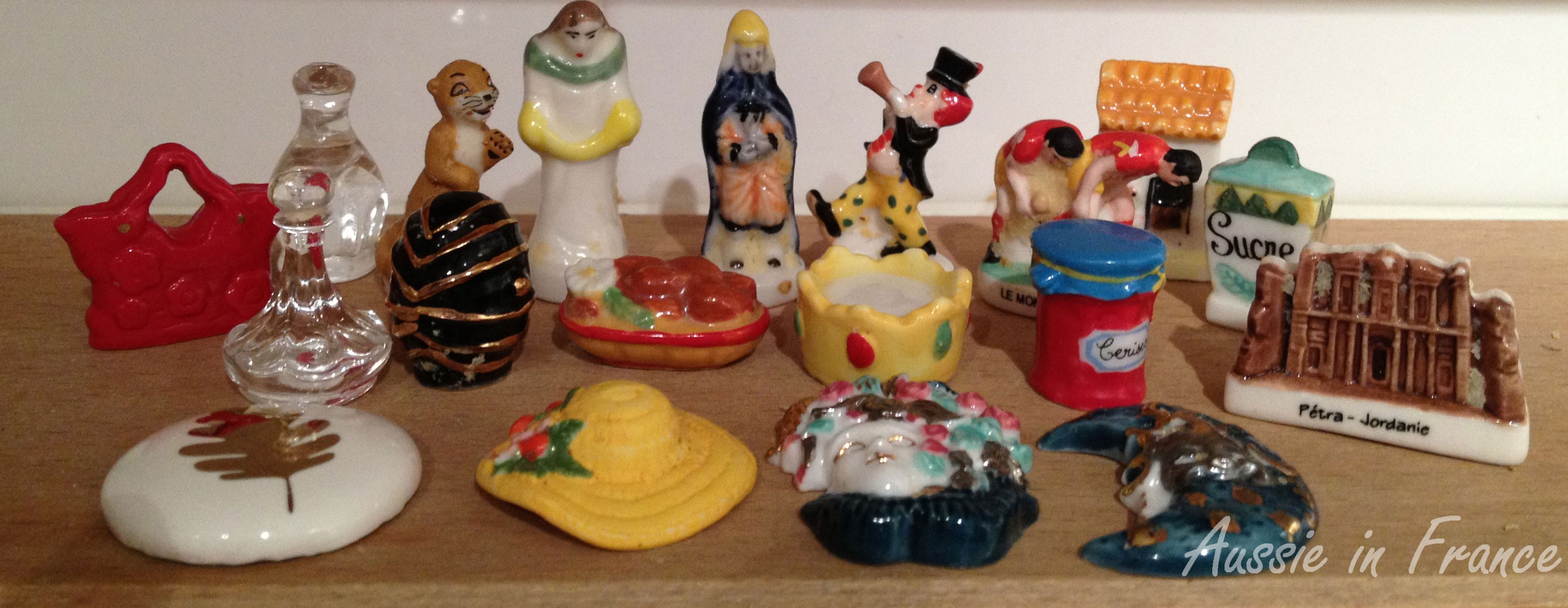
fevesThis is a photo of my fève collection from the galette des rois. You can click on it to see the fèves in more detail. You can see that some come from the same bakery (the two see-through carafes, the sugar and jam, for instance). I haven’t kept any of the less interesting white plaster ones. Anyone who wants to make their own galette can buy fèves on ebay and amazon or, alternatively, as someone suggested on Facebook today, you can use a whole almond!

The flat one with the gold leaf is the latest addition, brought home by Jean Michel from work.

Weekly Blogger Round-Up: Renovating a château – Visiting Southern Italy – No pants in the Paris metro

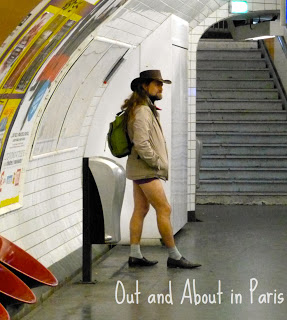
Welcome to this week’s Blogger Round-Up. Three posts caught my eye immediately this week. The first, by Janine Marsh from The Good Life France, tells the story of an Australian couple who have bought a château in the south of France to renovate. It is a stunning project and I wish them luck and the finance to carry it through! Liz from Young Adventuress lures us to the less-known south of Italy, starting with Positano on the Amalfi Coast and ending with Matera. And I couldn’t resist the write-up on this year’s no-pants subway event by Mary Kay from Out and About in Paris. Enjoy!

French Château Rescued from Ruin

by Janine Marsh from The Good Life France, an independent on-line magazine about France and all things French, covering all aspects of daily life including healthcare, finance, utilities, education, property and a whole lot more.

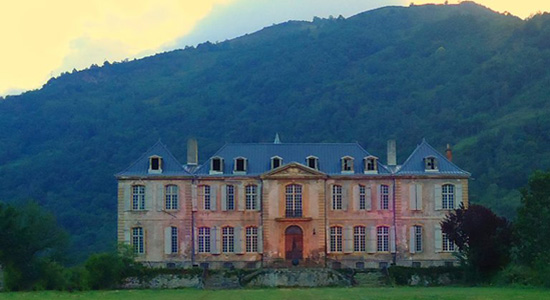
adonis_blueHow many of us dream of owning and renovating a French chateau? A palace that was lived in by French aristocrats, where the rich, powerful and famous partied and where every room reveals a story from the past?

Karina Waters is from Perth, Western Australia where, in what “feels like a previous life now” she worked in corporate and tax accounting and lived with her husband Craig, a surgeon and their two children. In 2011 Karina and Craig decided to buy a home in France. They had lots of French friends who on their first viewing trip in the region of the Dordogne did their best to come up with ideas for “what would suit an Australian family”. Karina and Craig spent a week looking at the houses their friends had chosen. Karina says they were all “renovated, clean and neat, ticking the box for a quiet life”. She returned to Perth “frankly disappointed”, her ideal home would be more “shabby chic, rustic, petit chateau style” and she hadn’t seen anything that came even near that description. Read more

Postcards from Southern Italy

by Liz from Young Adventuress, a globetrotter currently in New Zealander who likes to zig while the rest of the world zags, travelling, eating and blogging her way around the globe

southern_italy_young_adventuresseMaybe I’m wrong (please tell me if I am) but after spending some time in southern Italy, I’ve realized a few things, the first and foremost being that it doesn’t get the attention it deserves. Rome, Florence, Venice, and all those great cities and regions of the north get heaps of love from us foreigners, and for good reason, they rock. But what about the south? Read more

“There’s a place in France where the ladies (and men) wear no pants” – No Pants Subway Ride 2014 in Paris

by Mary Kay from Out and About in Paris, an American by birth, Swiss by marriage, resident of Paris with a Navigo Pass for the metro that she feels compelled to use

trouserless_subwayMetro line 1 is notorious for pickpockets. Every couple of stops, there’s a public announcement in at least four different languages warning passengers to keep a close eye on their belongings. If you happened to be riding the metro from Charles de Gaulle – Étoile in the direction of Bastille at approximately 3:45 pm yesterday, it might have occurred to you that the pickpockets had been busy stealing more than just wallets. In honor of the third annual No Pants Subway Ride in Paris, many of the passengers were traveling trouserless. While participants without bottoms read newspapers, studied route maps or nonchalantly chatted on cell phones, astonished passengers tried their best not to stare at all the exposed limbs in the middle of winter. Read more

Photo of the Week – Galette & Crackers

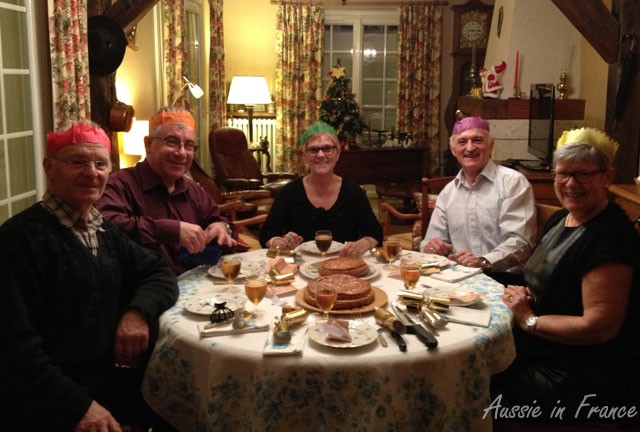
galette_crackersWe were invited by our neighbours for a galette des rois. Liliane and Alain had bought two types – one with almond filling (frangipane) and one with apple filling just in case we didn’t like frangipane. I took along some Christmas crackers (or bonbons as we call them in Australia) which, surprisingly, I had found at Truffaut, the local gardening store, so we ended up with two sets of crowns! Françoise, being the youngest, should have gone under the table, but we let her close her eyes instead and indicate who should have which piece – not that Alain took any notice of her. He just went ahead and served according to the size of the piece! Jean Michel got the first fève and crowned Liliane who then got the second one.

Friday’s French – incinération

OK, this maybe isn’t the brightest subject in the world but it’s a very interesting false cognate. The first time I heard the word incinération used in French in relation to death I thought it was a joke. I couldn’t believe that incinération could really be the French word for cremation. But it is. And the verb is incinérer. It sounds so down to earth. They do say crématorium though and not incinérateur (except when talking about the cremator or high-temperature furnace). It seems, however, that with today’s environmental focus on waste incineration, crémation is becoming the more usual term.

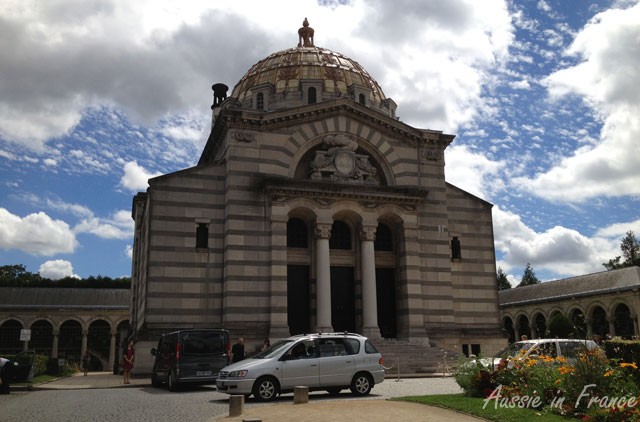
Crematorium at Père Lachaise Cemetary

Not that I’ve been to a lot of crematoriums – or burials (inhumations) for that matter, I’m pleased to say, despite my age. In France – and this is borne out by IPSOS, the national survey institute – the trend is definitely towards cremation.

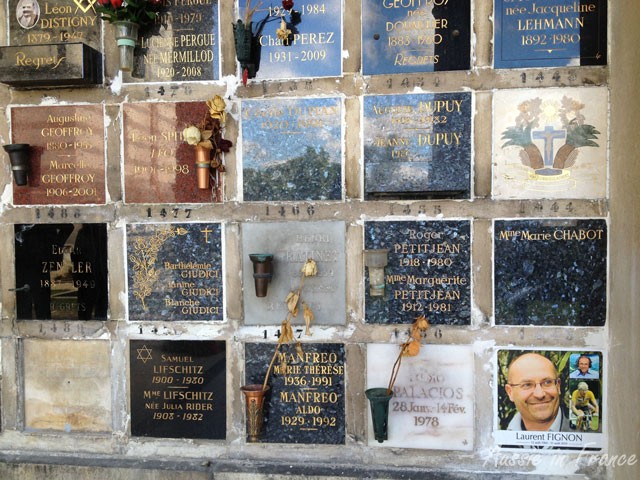
Columbarium at the back of the Crematorium at Père Lachaise Cemetary

The nicest crematorium I’ve been to is Père Lachaise. An English friend’s mother was cremated there last summer. Given its celebrity, I would have imagined that it would be restricted to people living in the area, but apparently not.

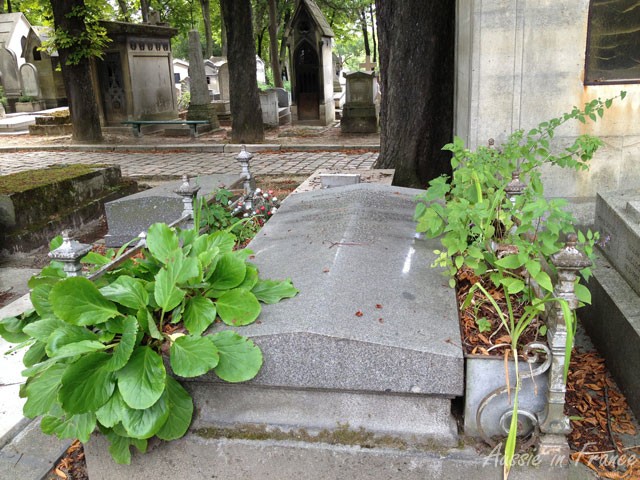
Peaceful gravestones at Père Lachaise near the Crematorium

Before the ceremony, we wandered around the surrounding graves and it felt very calm and peaceful.

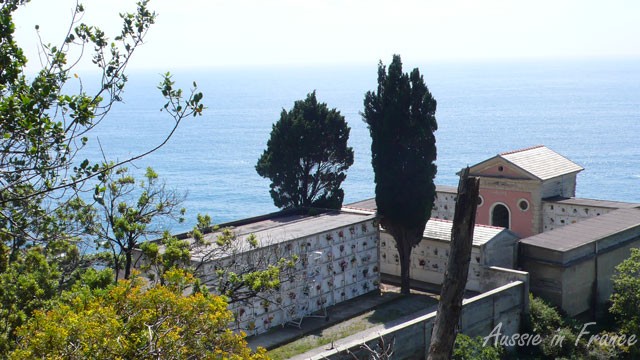
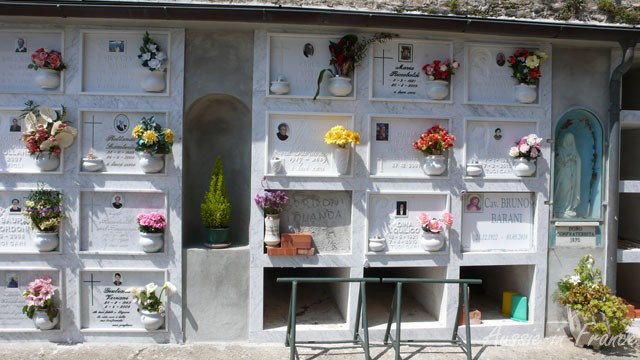
But I’m getting sidetracked. Another word used in relation to crématorium is columbarium from the word colombe which means dove. The columbarium is a wall with lots of little niches in which urns can be stored. The first time I heard the word was in the Cinque Terre where cremation is preferred to burial due to lack of space.

Columbarium in the Cinque Terrae overlooking the sea
Columbarium in the Cinque Terre on the Mediterranean Coast of Italy overlooking the sea

I don’t know about other countries but in France, you can’t just do anything with a person’s ashes (cendres). If you wish, you can disperse them in a site cinéraire in the crematorium, sometimes called a jardin de souvenir. If you’d like the ashes to be dispersed at the foot of a tree or shrub, it’s called mémorialisation.

Close-up of the columbarium in the Cinque Terrae

Outside the crematorium, ashes can’t be dispersed near a place of residence, so that rules out private gardens. Larger areas such as forests and meadows are possible, provided you have the owner’s authorisation. Dispersing them at sea is fine if you respect maritime law. You have to declare that the ashes have been dispersed at the town hall of the person’s birthplace.

You can bury the urn containing the ashes on private property if you obtain autorisation from the préfet first.

I found all that information in a little brochure at a crematorium in Greater Paris.

Weekly Blogger Round-Up: Galette des rois – The Cake of French Kings

For this week’s Blogger Round-Up and as a follow-up to my last Friday’s French post, I thought I’d find three different posts about the galette des rois or the French cake of kings, an increasingly popular tradition in France which starts on or about January 6th (feast of the Epiphany) and continues right up until the end of the month. Susan from Days on the Claise explains how to make your own galette, Mary Kay from Out and About in Paris reports on turning the tradition into a fund-raising initiative for maladies orphelines while Janine from The Good Life France gives us a very complete description of the galette and its various traditions. You might also like to read my own post on the subject written a couple of years ago. Enjoy!

Galette des rois, à peu près

by Susan from Days on the Claise, an Australian living in the south of the Loire Valley, writing about restoring an old house and the area and its history and running Loire Valley Time Travel.

galette_roi1Now, I know that this is stepping dangerously into Walt’s territory, but since we are approaching Epiphany, I’m going to talk about making galette des rois.

Well, sort of. I’m going to tell you how to make a quick and easy version, that, although it won’t be in the same league as Walt’s and your local pâtissière’s, is still a very acceptable addition to the post-Christmas table — and the real thing is getting very expensive, so homemade is an economical option! Read more

King Cake (Galette des Rois) and the meaning of “Maladie Orpheline”

by Mary Kay from Out and About in Paris, an American by birth, Swiss by marriage, resident of Paris with a Navigo Pass for the metro that she feels compelled to use

galette_roi_orphelineIn spite of having been married to a native French speaker for many years, I’m not fluent in French. But since we raised our children in a bilingual home, my comprehension is usually fairly accurate. All of this is just a roundabout way of admitting that I felt really foolish after incorrectly translating maladie orpheline on Twitter. Here’s the tweet:

Best pastry chefs in Paris sell King Cakes to fight childhood illnesses. Jan 4. Place Saint-Germain des Prés:quefaire.paris.fr/fiche/76201_la…

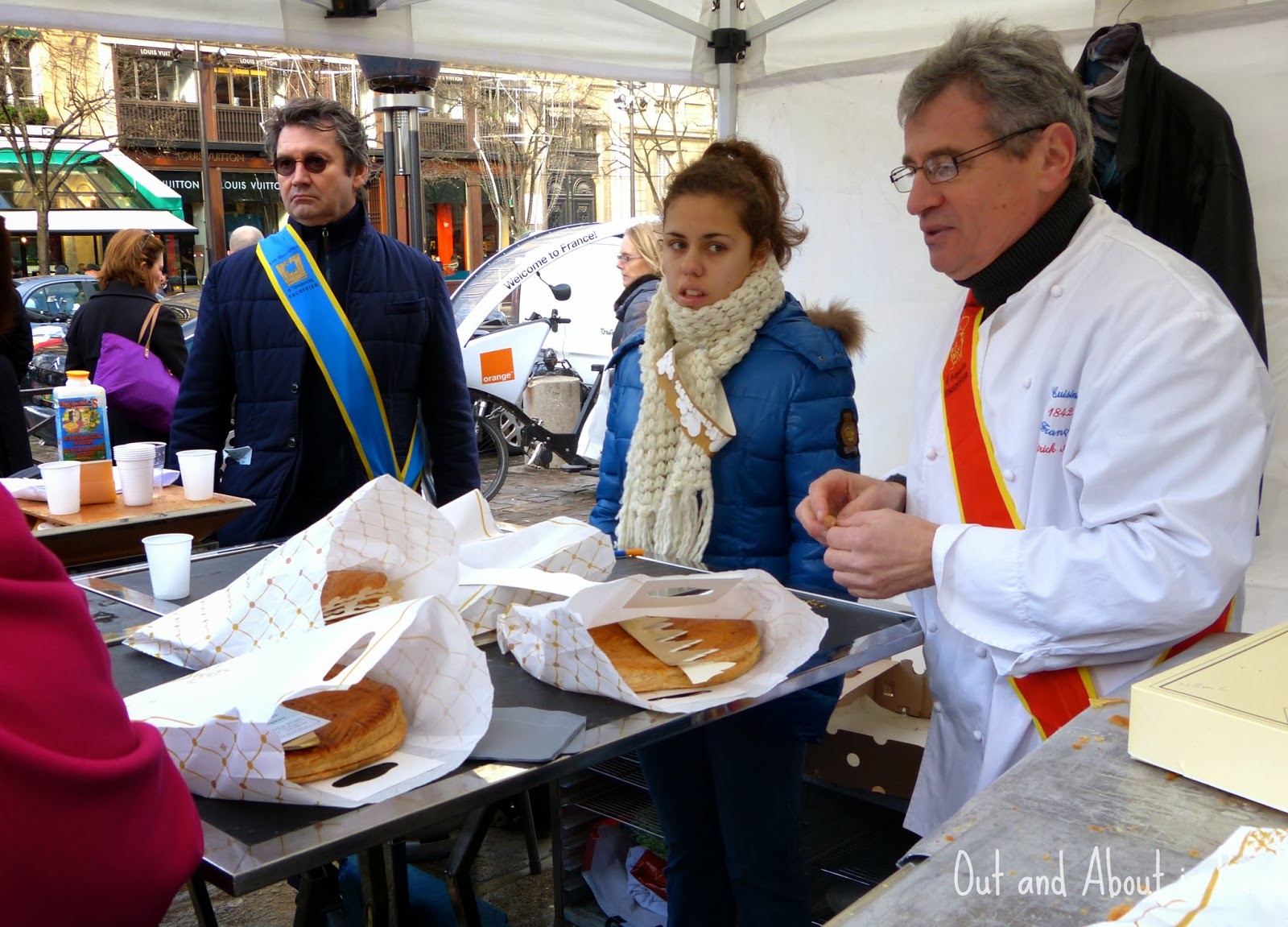
In a hurry to help spread the word about a fund-raising initiative by some of the top pastry chefs in Paris, I didn’t take the time to google maladie orpheline. Instead, I rapidly translated it as “childhood illnesses” and waited until my walking French dictionary returned home from work. “I’m confused about something.” Read more

Galette des Rois – The French Cake of Kings

By Janine Marsh from The Good Life France, an independent on-line magazine about France and all things French, covering all aspects of daily life including healthcare, finance, utilities, education, property and a whole lot more.

galette-des-roisThe 6th of January is a special day in France, it is the 12th day of Christmas, the date of the Epiphany and most importantly the day when all over France the cake known as galette des rois is traditionally served.

This flaky cake known as the King’s Tart is a piece of French gastronomic history which goes back several centuries.

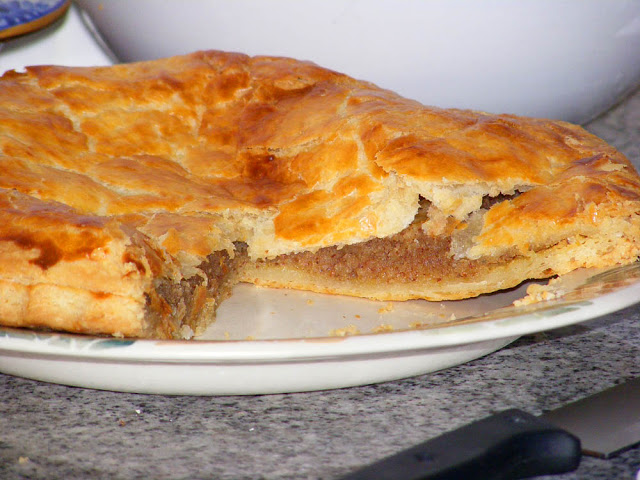
The cake is made of a seriously buttery puff pastry, filled with almond paste, baked and often decorated beautifully with candied fruit. Patisseries and boulangeries compete to create the most magnificent of cakes and supermarket shelves will be heaving with boxed galette des Rois from the end of December. Read more

Friday’s French – bonne année

I couldn’t resist the temptation to take a look at new year’s greetings in France particularly since I overheard my father-in-law explaining the tradition of mistletoe in France to Jean Michel and it didn’t seem very clear to me so I checked it out.

Mistletoe hanging from our 400-year old beam!

There are several different explanations but it seems that the Druids used to say o ghel an heu, meaning “may the wheat germinate”, when they cut the sacred mistletoe at the winter solstice. This seems to have gradually muted into kissing under the mistletoe at new year and saying au gui l’an neuf which is a corruption of the original Celtic expression and doesn’t have any obvious meaning on its own. I’ve never actually heard anyone say it.

Later, the expression became Bon an mal an, Dieu soit céans, i.e. good year, bad year, may God be with you. By itself bon an mal an means on average as in our expression taking one year with the other. Bon an mal an, l’immigration se maintient au Québec = Immigration in Quebec is about the same each year.

Nowadays the most common new year expression is bonne année ou bonne et heureuse année often followed by et la santé surtout as you get older and health becomes more of an issue. You wish people bonne année the first time you see them throughout the month of January. You can also say meilleurs vœux (best wishes), je vous souhaite une excellente année 2014 (I wish you an excellent 2014), que vos vœux les plus chers se réalisent (may your dearest wishes come true). Santé, joie and bonheur (health, joy and happiness) are usually in there somewhere as well. Jean Michel’s favourite is Bonne année et bonne santé physique et morale. He says that way he’s covered everything.

Note that you don’t say nouvel an except when you’re referring to new year’s eve or new year’s day e.g. je vous verrai au nouvel an : I’ll see you at New Year or nous avons fêté la nouvelle année en famille : we celebrated new year at home. A new year card is une carte de nouvel an or une carte du nouvel an but it’s probably more correct to say une carte de vœux de/du nouvel an. You don’t see them much any more but when I moved to France in 1975, people used to send tiny cards about half the size of a normal envelope.

Something I find interesting is that Jean Michel never bothers to contact his family at Christmas but makes sure that he talks to everyone on New Year’s day. For me and my Australian family, it’s quite the opposite. Christmas is more important.

And there is an unwritten rule that the younger members call the older members first. As Jean Michel’s the oldest, he only has to call his father.When I sent messages to both my children at midnight on New Year’s Eve this year, he was quite surprised that I didn’t wait until they contacted me.

Today the galette des rois or kings’ cake is probably the greatest symbol of the new year in France. A galette was originally a buckwheat pancake from the country of the Gauls (Gallois) and by extension any thick, flat cake or biscuit. I’ve described the tradition of the galette des rois in another post. Today I’m only looking at the linguistic aspect.

The youngest person sharing the galette goes under the table and indicates which piece is for whom to the person cutting and serving it.

A popular expression connected with the galette des rois is tirer les rois. Tirer means to draw stakes, so tirer les rois means that people are going to share a galette and see who gets the token or fève inside.

But each region of France is different so you may know of other new year traditions.


All_About_France_blog_linky_xmas
This post is a contribution to Lou Messugo’s All About France link-up. Feel free to pop over and have a look at the other posts this month by clicking here