Category Archives: French language

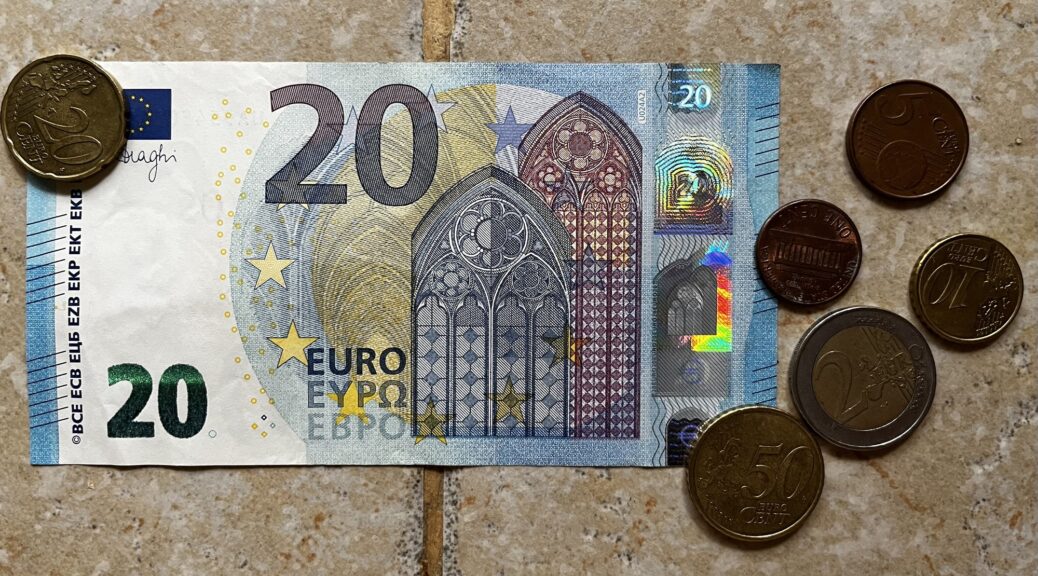
Friday’s French – monnaie, money, coins and currency

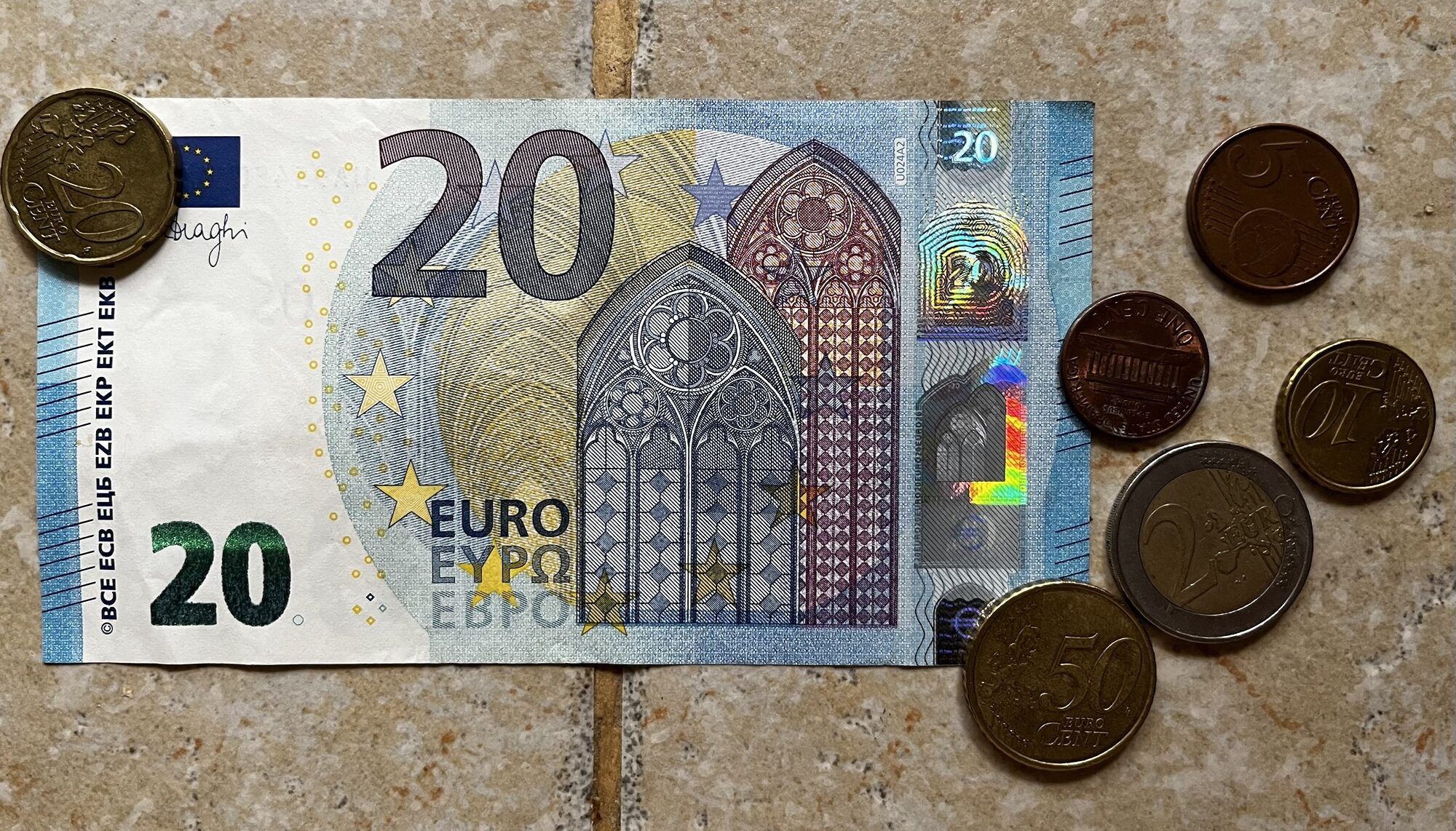
Last week I talked about liquide, espèces and cash. A reader’s comment has set me thinking about other money-related words, starting with money itself.

Monnaie

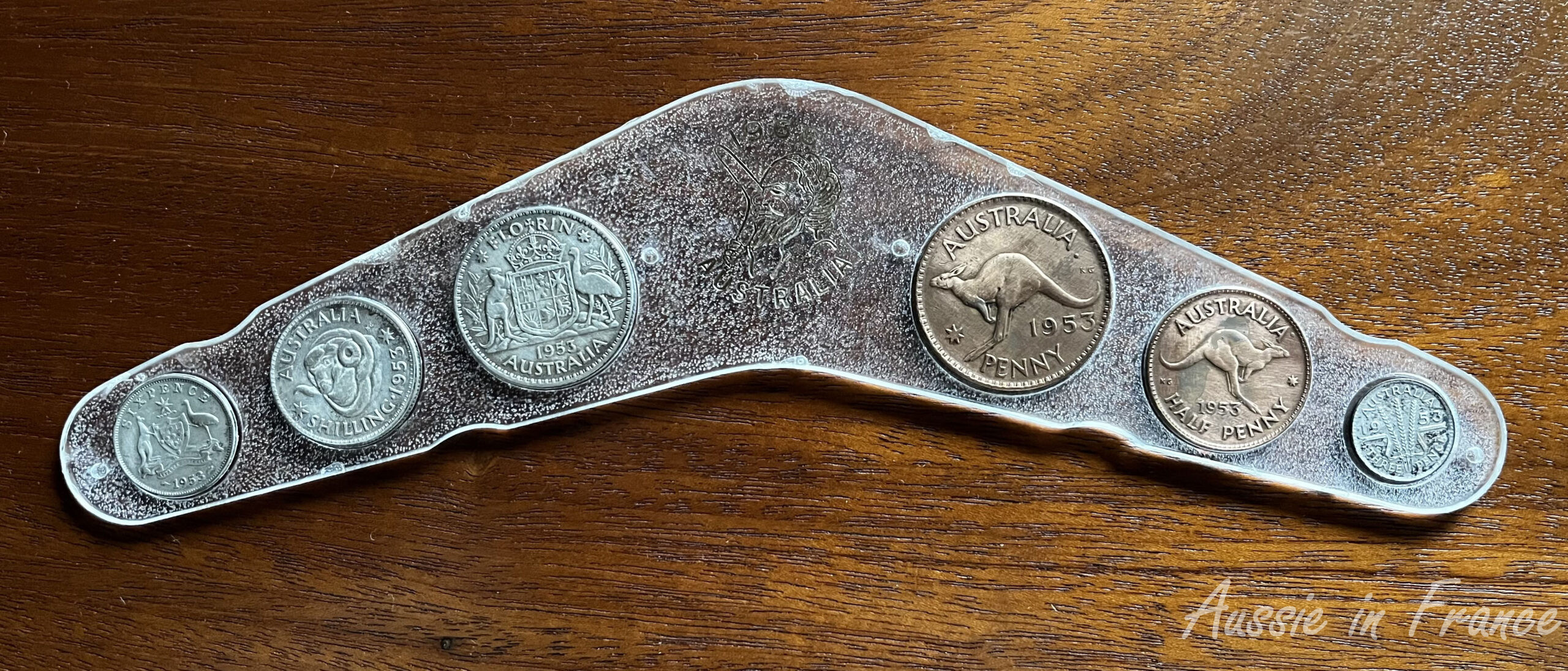
Both the French word“monnaie” and English “money” come from moneta, which initially referred to the goddess Juno in her aspect as Juno Moneta, in whose temple at Rome money was coined. The French“monnaie” refers to a coin or piece of stamped metal used as a trading medium, which is the exact meaning of money, only the words are not really synonyms and are not used in the same way.  

“Avez-vous de la monnaie?” does not mean “Do you have any money?” but “Do you have any change” i.e. coins. There is no one word in French for “a coin”. You have to say “une pièce de monnaie”.

Currency

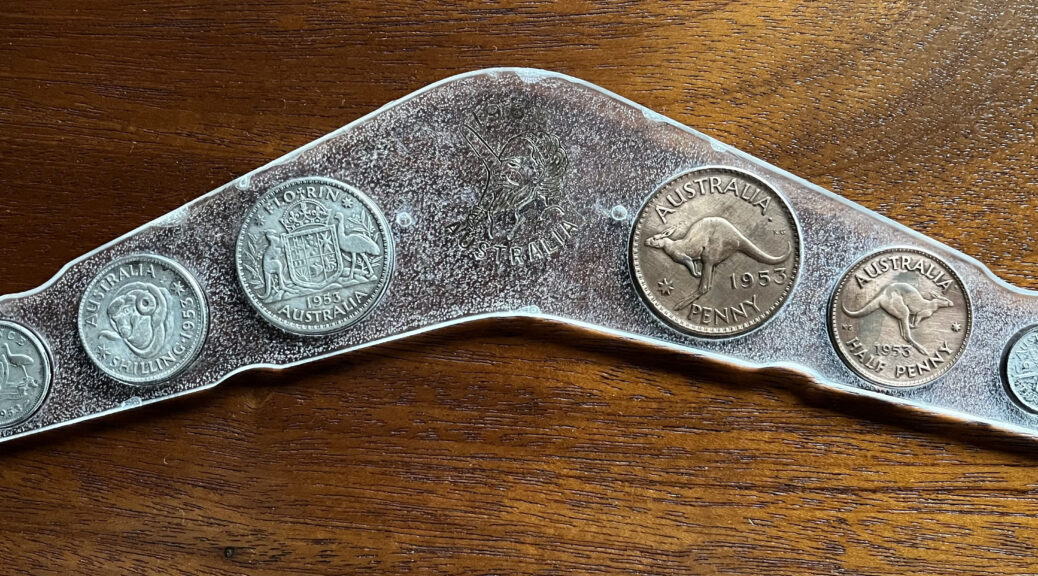
Monnaie also means currency, just as we can use money in English to mean currency. “Avant l’introduction du dollar australien en 1966, la livre australienne était la monnaie de l’Australie” = “Before the Australian dollar was introduced in 1966, the Australian pound was the currency of Australia”.

Interestingly enough, the word “currency” comes from the Latin currens, to run, i.e. money in circulation in a given country. The same origin can be found in the French expression “monnaie courante” (click here for information on the meaning of “courant“)which means the currency in circulation. It’s also a very common expression introduced by the encyclopedist Diderot in the 18th century “C’est monnaie courante” =  It’s normal practice.

Silver and gold

Let’s go back to “Do you have any money?” If the correct word in French is not “monnaie”, then what is it? Well, it’s “argent” (silver). “Avez-vous de l’argent?”

A very rich person in French is said to “rouler sur l’or”, the same idea as “being made of gold” or “rolling in money”. The expression developed in the 18th century, initially as “se rouler sur l’or”, that is, rich enough to roll in a pile of gold the way you might roll in the grass. However, a normally rich person “a beaucoup d’argent”, silver not gold!

Riche comme Crésus

If a person is really really rich, they are said to be “riche comme Crésus”. The expression dates back to the Renaissance, in reference to the legend of Croesus recounted by the Greek historian Herodotus and renowned for his immense wealth.

« Il peut être riche comme Crésus, avec beaucoup d’argent, mais jamais de la monnaie pour payer le parcmètre. C’est même monnaie courante ».

Your turn to translate this time!

Friday’s French – Liquide, espèces and cash

Although the word “cash” is widely used in French today, the real term is “argent liquide” or “espèces“.

The origin of the term “liquide

The term “liquide“, from the Italian meaning “fluid” came into use in the 14th century as a way of designating fully-paid up assets such as farming land and houses that could be easily transferred from one person to another.

Money also becomes “liquide

Then, in the 17th century, the term “liquide” started to be used for money that was readily available and in large quantities, a bit like water coming out of a fountain. Today, it is also used to mean coins and paper money

Au-tu assez de liquide pour le marché ? – Do you have enough cash for the market?

Les frais de notaire doivent être payés en liquide. – Conveyancing fees must be paid to the notaire in cash.

N.B. This doesn’t actually mean that you hand over thousands of euros but that you transfer them to the notaire‘s bank account i.e. they are not part of a mortgage.

Liquid assets

This soon led to the use of “liquidités” to mean money in a bank account that can easily be withdrawn, which is exactly the same meaning as “liquid assets” in English.

Espèces

So why are bank notes (billets) and coins (pièces de monnaie) also called espèces?

The expression goes back to the Middle Ages and comes from the Latin “specie” which means “spice” (épice). Back in those days, spices, and pepper in particular, were imported from foreign countries and were rare, and therefore valuable.

As a result, they were often used to barter. Venetian, Portuguese and Spanish merchants paid “en épices” which gradually became “en espèces” which has the same Latin root.

Lorsqu’on achète d’occasion, il faut souvent payer en espèces. = When you buy secondhand, you often have to pay in cash.

 The origin of cash

Our word cash to mean coins or paper money actually comes from the Old French casse, a box, which has evolved into the modern-day “caisse”, used to designate, amongst other things, a cash box or cash register. And the person at the check-out is called a “caissier” or “caissière“.

So the use of the word “cash” in French has come full circle!

Friday’s French – empêchement, prévenir, prevent

One of the most useful lessons I have learnt from Jean Michel is to give as few explanations as possible if there is something you can’t or don’t want to do and feel uncomfortable explaining why.

So, instead of making up a vague reason for not going somewhere you don’t want to go, you can just say “Ah, j’ai un empêchement“. And nobody will ask what it is!

Empêchement comes from the verb empêcher meaning “to prevent”, and from low Latin impedicare, to trap so the meaning is quite clear. However, we don’t really have anything in English that is quite so neat.

Speaking of “prevent”, there is a French word prévenir which sometimes means “prevent” but often has quite a different meaning. Prévenir, like prevent, comes from the Latin praevenire, meaning to anticipate or forestall.

Prévenir une catastrophe = to prevent a catastrophe

Cette mise au point préviendra toute objection = This clarification will prevent any objections

BUT

Elle ne va bien, il faut prévenir le médecin = She isn’t well. You need to call the doctor. 

Ils sont venus sans nous prévenir = They came without letting us know beforehand.

Il est attentif à prévenir mes moindres souhaits = He is very attentive and anticipates my slightest wishes.

On m’avait prévenu contre lui = I was warned against him.

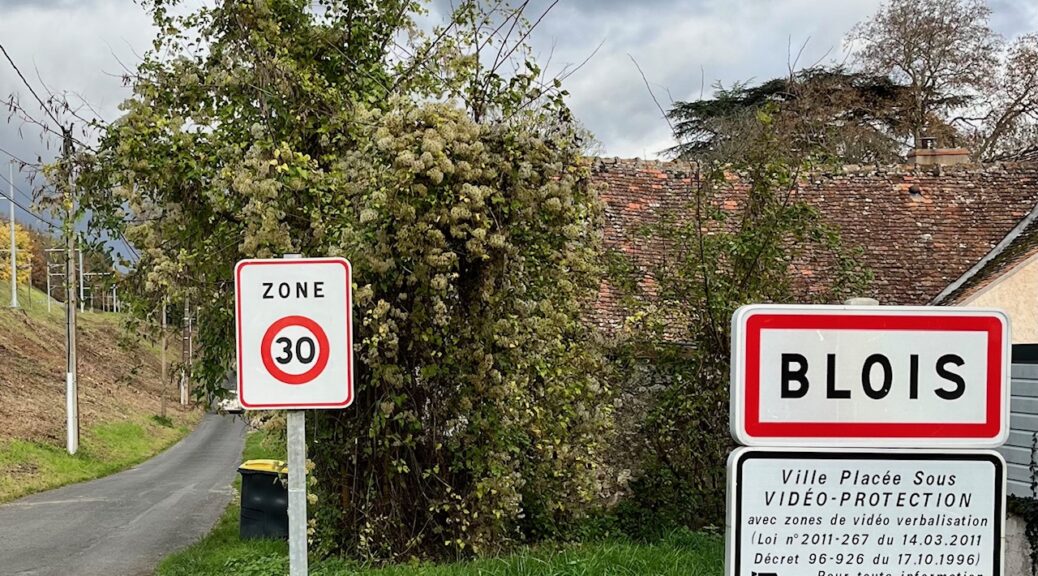
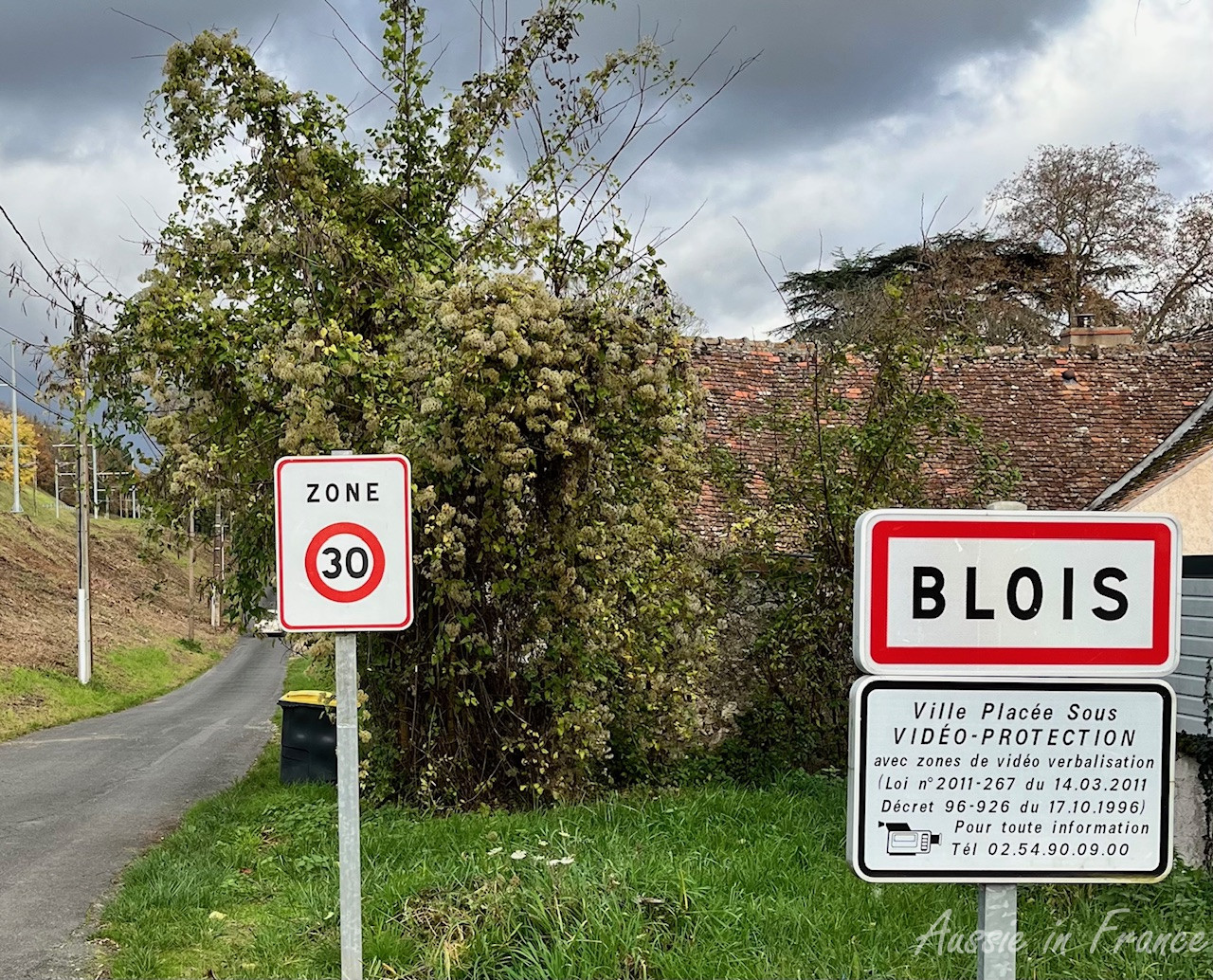
Un panneau doit prévenir les habitants de la présence de dispositifs de videosurveillance = The inhabitants must be warned of the presence of videosurveillance equipment.

These are all very different translations of the same verb but there is an underlying idea of anticipating what could happen in the future and forestalling the consequences.


Friday’s French: se rappeler, se souvenir, mémoire, souvenir – part #2

In 2014, I wrote a post about the difference between se rappeler and se souvenir which has remained very popular with readers. However, I have had to update the framework of my blog since then (WordPress) and the answers and comments have disappeared.

So here are possible translations of the four sentences in bold type:

I try to remenber not to use “de” with se rappeler = J’essaie de me rappeler qu’il ne faut pas utiliser la préposition “de” avec se rappeler OR J’essaie de penser à ne pas utiliser “de” avec se rappeler.

Which reminds me that rappeler has another meaning = ce qui me fait penser que rappeler a un autre sens OR ce qui me rappelle que rappeler a un autre sens [but the French don’t like repeating the same word in a sentence!]


You probably don’t need to remember that = vous n’aurez sans doute pas à retenir ce sens-là OR vous n’aurez sans doute pas à vous rappeler ce sens-là but retenir is more appropriate.

I could never remember whether the word memoire was masculin or feminine = je ne me rappelais jamais si le mot mémoire était masculin ou féminin

A little word about retenir which I forgot to mention the first time. The idea here is to keep something in mind or learn from experience.

Je n’ai pas retenu son nom = I can’t remember his name.

Je retiens de cette aventure qu’il faut toujours avoir un vêtement de pluie lorsqu’on fait du vélo = I’ve learnt from this experience that you should always take rainwear with you when you go cycling.

Retiens bien ce que je t’ai dit = Don’t forget what I told you. Make sure you remember what you were told.

Shared by readers in their comments:

aide-mémoire = memorandum

Q. What about (se) remémorer. When would one use these vs (se) rappeler.
* remémorer⇒ vtr (rappeler) remember, recall, look back on
La cérémonie avait pour but de remémorer les douleurs du passé.
* se remémorer⇒ v pron (se rappeler) look back on, recollect, recall, remember
Les anciens amis se remémorent les bons souvenirs.

A. In the first example, I think we’d be more likely to use commemorate, otherwise remember. “The aim of the ceremony was to commemorate the painful events of the past”. For the second example, I think I’d also use remember. We could say recollect or recall, but it’s on a higher register. “Old friends remember the good times together.”

Q. And the difference between remémorer qch and commémorer qch?

A. Well, commémorer is the idea of remembering something with a ceremony (commémorer l’armistice de 1918), as in our English commemorate whereas remémorer is only recall (ce village lui remémorait sa jeunesse). However, in all the years I have lived here (over 40) I have never heard anyone use the word remémorer.

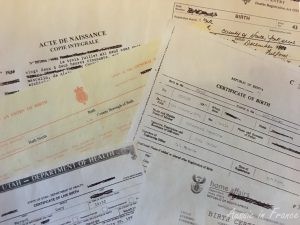
Friday’s French – acte de naissance, extrait d’acte de naissance, copie intégrale, birth certificate, entry of births

In my work as a sworn translator in France, the document I am asked to translate and certify the most often is the birth certificate.

In France, it comes by various names: acte de naissance, extrait d’acte de naissance, copie intégrale, extrait avec filiation, extrait sans filiation.

So first, what is an acte de naissance and why is it called an acte? An acte in French is a written document established according to certain rules. In this case, it is the official document written up by the officier de l’état civil (registration officer) in a register kept for this purpose following a declaration of birth. It corresponds to the British “entry of birth”.

Acte de naissance

An acte de naissance is thus called an “entry of birth” in the UK.

So an acte de naissance is an entry in a register. When you ask for a copy of what is written in a birth register in France, i.e. a birth certificate, you have three choices:

Acte de Naissance Copie Intégrale (or copie intégrale avec filiation) reproduces all the information in the birth register, including the following:
– surname, given names, sex, date and place of birth of the person concerned
– surname, given names, date and place of birth of the parents

THIS IS THE INFORMATION REQUIRED ON BIRTH CERTIFICATES USED TO APPLY FOR FRENCH NATIONALITY.

It can also have the following information, called mentions marginales (or endorsements) which makes it different from a regular British, American, or Australian birth certificate:

– Mention of marriage, divorce, legal separation, decease,
– Mention of French nationality (registered declaration, loss, reinstatement, naturalisation)
– Mention of the first issue of a French nationality certificate.

It is because of these endorsements that the French authorities always ask for a birth certificate of less than three months as it provides a record of a person’s civil status throughout their life. Since most of the English-speaking countries do not endorse their certificates, the date of issue of the certificate makes no difference. I used exactly the same birth certificate and its translation for all my resident visas, 2 marriages, 1 divorce and 1 naturalisation.

Extrait d’acte de naissance avec filiation

This is a summary of the information in the birth register:

– surname, given names, sex, date and place of birth of the person concerned
– surname, given names, date and place of birth of the parents
– mentions marginales if they exist

Extrait d’acte de naissance sans filiation

This is a summary of the information in the birth register:

– surname, given names, sex, date and place of birth of the person concerned
– mentions marginales if they exist

In Great Britain, the most common type of birth certificate is called “Certified copy of an entry” and provides the following information:

– NHS number (in the more recent ones)
– name, surname and sex of the person concerned
– year, date and place of birth
– names, surnames, dates and places of birth and occupation of the mother and father
– name of the informant

Its format and other details, however, vary according to the place and year of birth.

There is also a shorter version called a “Certificate of Birth” which only has the person’s given names and surname, sex, date and place of birth, corresponding to the French “extrait d’acte de naissance sans filiation”. IT IS NOT VALID WHEN APPLYING FOR FRENCH NATIONALITY, for example.

In the United States, birth certificates are county-issued documents and not standardised within a state.

In North Carolina and Utah, there is a “Certificate of Live Birth” and a “Standard Certificate of Birth” both containing the following information, with the Certificate of Live Birth being more complete:

– name, surname and sex of the person concerned
– year, date and place of birth
– names, surnames, dates and places of birth and occupation of the mother and father

Florida has a “Certification of Birth” with

– child’s name, date and county of birth and sex
– names of mother and father (but not their birth dates)

South Africa issues a document called a “Birth Certificate

– ID number
– name, surname and gender of the person concerned
– year, dates and places of birth and ID n° of the mother and father
– endorsements

Australia has different certificates for different states and years of birth, although the information is more or less the same. The document is usually called a birth certificate (sometimes just “Birth”).

– Child (given names, surname/family name, sex, year, date and place of birth)
– Mother and Father (given names, surname/family name, age, birthplace and occupation)
– Name of informant
– Witnesses at birth
– Previous Children of Relationship; Informant/s (name, address);
– Registration Officer (name, date)

Shorter versions exist which do not include the parents’ place and date of birth. THEY ARE NOT VALID WHEN APPLYING FOR FRENCH NATIONALITY.

There are a few idiosyncrasies. More recent ACT birth certificates use the term “Person furnishing particulars” to describe what previously concerned the informant. In Victoria, there is a section called “Endorsements” which is Queensland is called “Notes”. Both the ACT and Victoria include the marriage of the parents. Examples per state can be found on https://www.usi.gov.au/about/forms-id/birth-certificate-australian.

In Canada, it is called a Birth Certificate or Certificate of Birth and comes in two forms: short or long.

The short form gives the following information:

  • last name
  • given name(s)
  • date of birth
  • certificate number
  • birthplace
  • sex
  • date of registration
  • registration number, and
  • date issued

The long form  is a certified copy of the birth registration so contains details about
the parents, informants, witnesses, etc. depending on the state.

In Ontario it comes in a bilingual version called Birth Certificate/Certificat de Naissance.

In Quebec, it is called a certificat, copie d’acte ou attestation de naissance (birth certificate or a copy of an act of birth in English) and can be obtained in either English or French but not a bilingual version. The birth certificate is the short form and the copy of an act of birth is the long form.

So, to answer the question “What is a copie intégrale”?, it is a birth certificate that provides the following minimum information:

– given names, surname and sex of the person concerned
– year, date, hour and place of birth
– names, surnames, dates and places of birth of the parents

In the UK, it is called a “Certified copy of an entry of birth”.

In Australia and Africa, it is called a “Birth Certificate” or “Certificate of Birth”.

In the US, it goes by various names, usually containing the expression “Certificate of Birth”.

In English-speaking Canada, it is a long form birth certificate and in Quebec, a copy of an act of birth.

In France, birth certificates are issued free of charge (in a multilingual version* if requested) to:

– The person concerned by the certificate, their legal representative or spouse,
– An ascendant of the person concerned (parent, grandparent),
– A descendant of the person concerned (child, grandchild),
– Or a professional authorised to do so by law (lawyer for their client, for example).
– To any person provided the entry is more than 75 years old or the person has been dead for more than 25 years.

They are obtained from the townhall of the person’s birth, either in person, by post (include a stamped addressed envelope) or on-line.

*The multilingual version is never a “copie intégrale” but only an “extrait d’acte de naissance” and does not have the parents’ birth date or age, nor their profession. They are usually used within the European Union and not accepted by the US government, for example. 
Friday’s French – place, endroit, lieu

Place sounds like is would be an easy word to translate from French to English and vice-versa. Well, it isn’t. Only rarely does it mean the same thing in both languages.

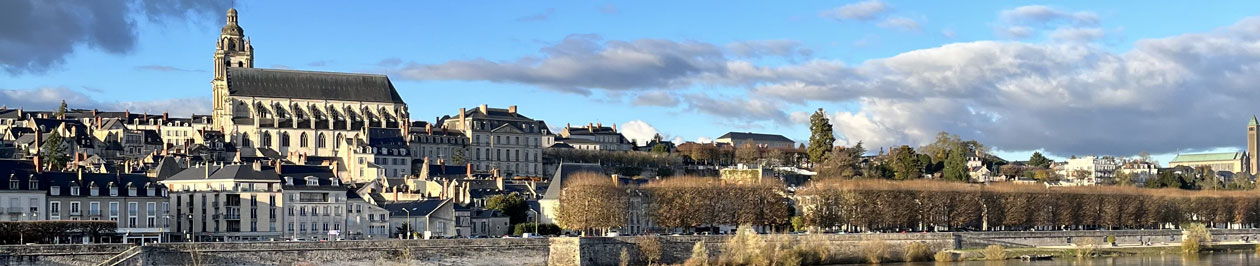
C’est mon endroit (OR lieu) préféré pour faire un arrêt en vélo en bord de Loire – It’s my favourite place for a bike stop along the Loire.

I can think of a couple of situations where the meaning is the same:

Si tu remets chaque chose à sa place, il y aura moins de bazar. – If you put everything back in its place, there will be less mess.

Ce parking a 600 places. – This parking lot has 600 places.

La musique tient une grande place dans sa vie.  – Music occupies an important place in his life.

But when it comes to using place in English to mean a physical spot, we no longer use place in French, but endroit.

This is an ideal place for a picnic – C’est un endroit ideal pour un pique-nique.

His coat is worn in several places – Son manteaux est usé à plusieurs endroits.

I put it in the same place – Je l’ai mis au même endroit.

BUT I put it back in its place – Je l’ai remis à sa place. Place here means where it belongs and not a specific physical location.

The word place in French can have all sorts of meanings in English.

Ce meuble prend trop de place. – This piece of furniture takes up too much room. (Note how neat the word meuble is. It literally means anything that is not fixed in place. In English, we would be more likely to say the name of the piece of furniture such as table or chair or sideboard).

Ce village a une jolie petite place. – This village has a pretty little square.

But place du marché can be either marketplace or market square.

And what if the place isn’t a square, but another shape? Sometimes we can use esplanade or piazza. You may have some other suggestions.

When place in French means an individual place in a car or an auditorium, we used seat in English.

J’ai une voiture de cinq places. – I have a five-seater car.

Ils ont un cinéma de 400 places – They have a cinema that seats 400 people or with a seating capacity of 400.

Place can also mean a job in a company.

Elle avait une bonne place mais elle a quitté la société. – She had a good job but she left the company.

Sometimes we don’t even use a noun in English:

Je ne me sentais pas à ma place dans cette soirée. – I didn’t feel comfortable at the party.

The same applies in French:

I’m not fussy. Any place will do – Je ne suis pas difficile. N’importe où fera l’affaire.

Surprisingly, place in English is sometimes rendered by part in French:

It must be some place in the house – Il doit être quelque part dans la maison.

I couldn’t find it any place – Je ne l’ai trouvé nulle part.

It must be some place else – Il doit être quelque part ailleurs.

Another word commonly used in French when we use place in English is lieu.

It’s my place of birth – C’est mon lieu de naissance.

It’s a place of pilgrimage. – C’est un lieu de pèlerinage.

The accident occurred in the workplace. –  L’accident est arrivé sur le lieu de travail.

I put it in a safe place – Je l’ai mis en lieu sûr.

So, what, you may ask, is the difference between lieu and endroit? Sometimes they are interchangeable:

This is an ideal place for a picnic – C’est un endroit idéal pour un pique-nique OR C’est un lieu idéal pour un pique-nique.

It’s my favourite stopping place. – C’est mon endroit OR lieu préféré pour m’arrêter. 

But you wouldn’t say:

His coat is worn in several places – Son manteaux est usé à plusieurs lieux. You have to use endroit.

Le lieu de rendez-vous n’est pas fixé. – The meeting place hasn’t been fixed. You wouldn’t say l’endroit de rendez-vous.

A lieu is a place where something is located physically. It comes from the Latin locus meaning location.

However, endroit comes from old French exactement. You could say it means in exactly that place.

Il se gare toujours au même endroit – He always parks in the same place/spot = in that exact same place.

Vous l’avez touché à l’endroit sensible – You trod on his corns = You got him exactly where it hurts.

And now, let’s have some suggestions from our readers!

Friday’s French – courant, current, actuel, actual

These are more of those look-alike words that the French call faux-amis.

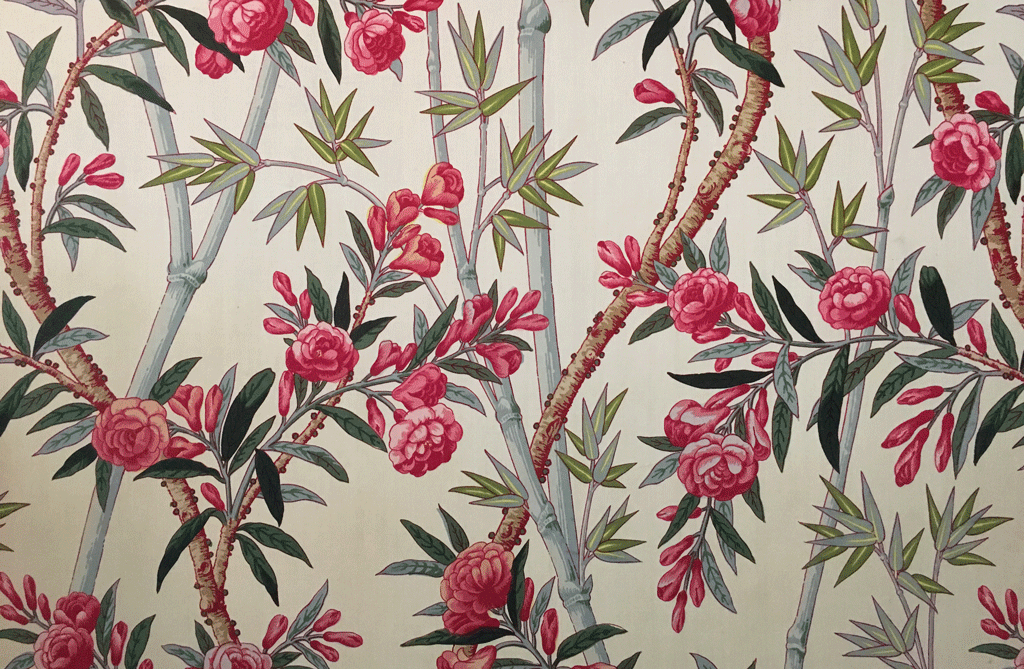
Ce type de papier peint était très courant au 18ème siècle en France – This type of wallpaper was very common in France in the 18th century

Courant

We’ll start with courant which has a few different meanings. We’re only going to look at adjectives here.

Les dépenses courantes d’une maison, for example, are ordinary or everyday expenses. Un mot courant is a standard or ordinary word.

Une pratique courante is standard practice and un travail courant is routine work.

Le recours aux intermittents est une pratique courante des chaînes de télévision – Employing contract workers is standard practice in television.

It can also mean common – Ce genre d’incident est très courant ici : This kind of incident is very common here or This kind of thing is a common occurrence here.

Current

Its English look-alike, “current”, has a different meaning.

Le cours actuel du dollar est plus élevé qu’au mois de mai : The current exchange rate of the dollar is higher than it was in May.

Current events are évènements actuels or, more commonly, l’actualité which is invariable except when used to mean the news on TV or radio which are called les actualités. Je l’ai entendu aux actualités ce soir : I heard it on the news tonight. Les dix sujets d’actualité les plus recherchés sur Yahoo! en 2016, en France, sont le Bréxit, les attentats, les Panama Papers et le crash d’Egyptair : Yahoo!’s top ten searches and news stories in 2016 in France were Brexit, the terrorist attacks, the Panama Papers and the Egyptair plane crash.

Copain & copine

The current month is le mois en cours while her current boyfriend is son petit ami du moment. I always think the expression petit ami or petite amie is very amusing. Translated literally, its gives “her little friend” which we would only use in English to describe a child. Copain or copine can also be used to mean boyfriend or girlfriend unless of the same sex in which case it means buddy. If a boy says C’est ma nouvelle copine, it means he has a new girlfriend. If he says J’ai un nouveau copain, it means he has a new buddy. However if he says, speaking about a particular girl, C’est une copine, c’est tout, then it means she’s just a buddy. Sort of confusing, I know, but it’s all about context.

Ordinary

Another meaning of the English word current revolves around the idea of being widely accepted or used. This can be translated in various ways in French, depending on the circumstances, and can include courant. Otherwise, use commun or en cours. A current account is a compte courant, that is, an ordinary account.

There is a current idea that up to 30% of the warming last century was due to solar effects – Selon une idée courante, jusqu’à 30% du réchauffement planétaire le siècle dernier est dû aux effets solaires.

Actuel

To go back to actuel, it also means at the present time, which gives expressions such as à l’heure actuelle (at present, at the moment), à l’époque actuelle (nowadays, in this day and age), le monde actuel (the world today, the present-day world) and even l’actuel Premier minister (the current Prime Minister).

Actual

So if actuel more or less corresponds to current or present, what does actual correspond to?  It’s most common meaning is real, that is,  something that exists, or is happening at the present time.

There is no actual contract : il n’y a pas vraiment de contrat.

An actual fact is un fait réel, actual size is grandeur nature (as in real life) or taille réelle (a specific measurement).

There is another slightly different meaning: the actual film doesn’t start until 8.55 – le film ne commence qu’à 20 h 55. This is the actual house (as opposed to the barn and garage): Voici la maison elle-même or if it’s something that has been mentioned previously, Voici la maison en question.

En fait

In actual fact corresponds more or less to en fait, which is not the same as in fact. You can tell me why after studying the following sentences.

In actual fact, I don’t like strawberries, but I eat them to be polite. En fait, je n’aime pas les fraises mais je les mange pour être polie.

He’s annoying, in fact, he’s very annoying indeed. Il est embêtant, il est même très embêtant.

Friday’s French – propre, clean, own, proper

I was talking to my Australian friend Susan from Days on the Claise recently and she mentioned the different meanings of propre in French. It does seems strange that the same word should mean both “clean” and “own”. My trusty Dictionnaire Historique de la Langue Française has come to the rescue.

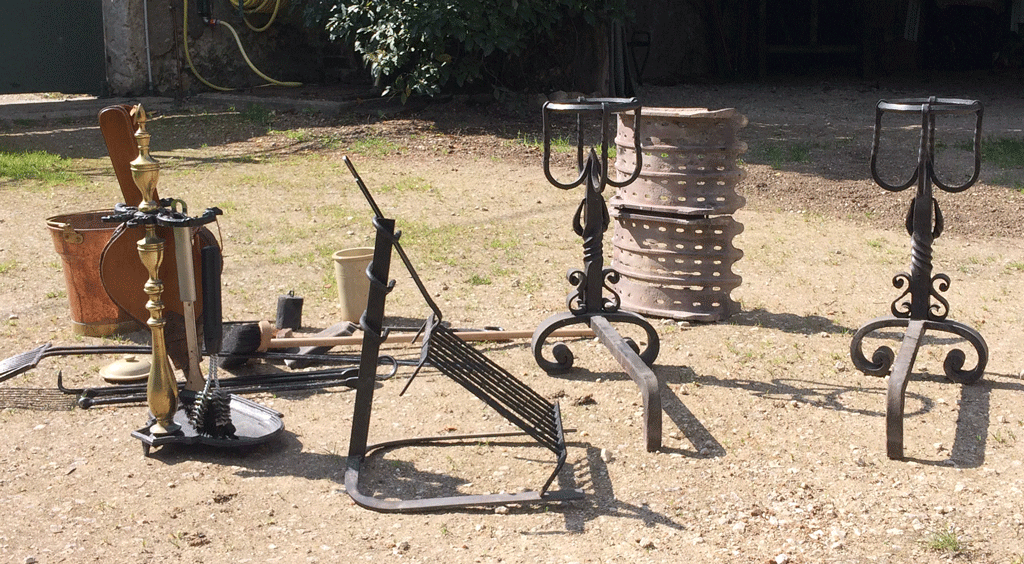
Les ustensiles propres à notre cheminée renaissance sont désormais propres – The utensils bought especially for our Renaissance fireplace are now clean.

Propre meaning “own” is derived from the Latin proprius “which only belongs to oneself, which cannot be shared with others”. So, it is the equivalent of “own” in English:

J’ai ma propre voiture – I have my own car.

Elle l’a vu de ses propres yeux – She saw it with her own eyes.

A similar meaning, but expressed differently in English, is illustrated by the following sentences:

C’est un trait qui lui est propre – it’s a trait that is peculier to him; it’s distinctive/specific characteristic of his.

Les coutumes propres à certaines régions – The customers characteristic of certain regions.

Another close meaning has given a similar word in English – proper:

C’est vraiment le mot propre – It really is the right/proper word.

This leads to the idea of “appropriate” which is also clearly a derivative in both languages:

Ce n’est pas un lieu propre à la conversation – It isn’t a suitable/appropriate place for talking.

Still with the same origin of meaning but slightly different is the following:

Un poste propre à lui apporter des satisfactions – A job like to bring him satisfaction

Un sport propre à développer les muscles des jambes – A sport that will develop the leg muscles.

Another expression is en propre or en nom propre as illustrated in the following sentences:

Avoir un bien en propre – To be the sole owner of a property.

Whence the word propriété ou property in English.

So what about the other meaning of  propre – “clean”? Where does it come in?

Believe it or not, the origin is the same! From the Old French, propre, meaning “worthy of a person, worthy of oneself” which is sort of based on the idea of “which only belongs to oneself”, it came to mean “well-organised, careful, elegant” (around 1280) until it finally became established in the 17th century as meaning “of accepted or decent appearance”, i.e. appropriate.

However, it was not until the middle of the 19th century that a personne propre was applied to someone who washed carefully and practised modern hygiene.

Propre, however, is not appropriate for all situations in which we would use “clean” in English. Can you provide some examples?

I’m contributing this post to Lou Messugo’s All ABout France linky. For other posts about France, click here.

Friday’s French – savoir-faire, savoir-vivre, savoir-être, know-how, expertise, interpersonal skills

Savoir-faire looks like a word that should mean the same in French and in English. But it doesn’t! Savoir-faire in English is the ability to act or speak appropriately in social situations.

What do you think is illustrated here? Savoir faire, savoir vivre or savoir être and in which language ?

Savoir-faire in French, however, means skills acquired by experience in various practical problems when doing one’s work.

Savoir-vivre in French is knowing and practising the rules of politeness and usages in social situations, which sounds suspiciously like the English savoir-faire.

Savoir-vivre in English is good breeding and knowledge of polite usages.

In French, but not in English, we then have savoir-être which is the capacity to adapt to different situations and adjust behaviour according to the characteristics of the environment, the issues involved and the type of person concerned.

That seems to correspond to some extent to our interpersonal skills in English which are the life skills we use every day to communicate and interact with other people, both individually and in groups. They are also called social skills and people skills.

How about a few examples to make it all a bit clearer.

We’ll start with savoir-faire in French and go from there. I’ve chosen “real-life” sentences from the web because the subject is a little complicated.

Les maîtres artisans expriment leur savoir-faire ancestral associant des prouesses techniques et des innovations dans leurs créations.

Rough diamonds are brought to life by master craftsmen using skill and artistry that has been passed down through generations.

So here, the French savoir-faire is rendered by skill and artistry in English.

Même s’ils ont récupéré du matériel hautement technologique, du matériel militaire américain en Irak, ils n’ont pas le savoir-faire pour mettre en place un missile.

Syria’s stockpile is potentially “like a gift from God” for militants since they don’t have the know-how to assemble such weapons, while some of Syria’s chemical agents are believed to have already been fitted into missile warheads.

Here, know-how is used in English, which is by far the most common equivalent of the French savoir-faire.

Now, savoir-faire in English.

It betrays your lack of savoir-faire, of good taste, of any sort of culinary judgement. You can almost hear the stifled gasps of fellow diners.

Il n’y a rien de pire que les chuchotements et autres bavardages à l’opéra, même si vous avez l’impression que personne ne vous entend. Vos voisins pourraient s’agacer de votre manque de savoir-vivre et vous décocher un rappel à l’ordre poli… dans un premier temps.

Certainly not know-how, skills or artistry, is it?

Next, savoir-vivre in French

Au travail, certaines interactions sociales peuvent mettre mal à l’aise. Et malheureusement, beaucoup de personnes se couvrent de ridicule car elles ne savent pas que les règles de savoir-vivre au travail sont différentes de celles qui s’appliquent dans d’autres contextes.

We all know that the essence of good manners and etiquette is to be respectful and courteous to all – all the time. But what about in the workplace, what’s expected of us? When it comes to workplace etiquette, there are written and unwritten rules.

So the French savoir-vivre corresponds to good manners and etiquette in English.

And what about savoir-vivre in English?

How can something as instinctive as the need to create your own nest or space be so unimportant to so many people? A futon just doesn’t do it. Some people have “it” — savoir-vivre — and some don’t.

Then we have savoir-être in French

La différence entre deux candidatures a priori égales se fait désormais sur le « savoir-être ». Plus le candidat est « adaptable », « optimiste », « créatif » ou « doté d’un esprit d’équipe », plus il séduira le recruteur.

To succeed in management you need good interpersonal skills, you need to understand how to deal with other people.

So savoir-être in French corresponds to interpersonal skills in English.

A little summary to end with:

French savoir-faire Savoir-vivre Savoir-être
English skills, artistry, know-how Savoir-faire, good manners, etiquette Interpersonal skills

Now, before you go, which of these concepts do you think are illustrated in the photo – don’t forget to specify the language and explain why!

Friday’s French – galette, galet, shingles, gâteau, cake, pancakes, crepes, biscuits

It’s galette des rois time again.  This is the cake used to celebrate the Epiphany in France, the 12th day of Christmas, January 6th, the day on which the three kings reached Bethlehem. It has become an essential part of New Year throughout the country and is practised in different forms that you can read about here and here.

galettes_with_crowns

But I want to talk about the word itself. A galette is a flat cake, based on the word galet or flat stone, the sort you get on beaches in Normandy when they don’t have any sand and which are called shingles in English. Galet is a diminutive of gal meaning rock in Gaul.

By analogy, a galet is also a small cylindrical or conical wheel used to guide or support a mobile mechanical part. Ah huh, I hear you say. We’d call it a roller or wheel in French. The photo will help you identify it just in case it might come in handy.

galet

A galette is also a buckwheat crêpe as opposed to one made of wheat flour. They are very popular in Brittany in particular and now used almost exclusively for savoury crêpes.

A ship’s biscuit is also a galette because of its shape, not to mention the tortilla which can be called a galette de maïs.

And talking about biscuits, that’s a word that doesn’t have quite the same meaning in French and in English. You can use it to mean our biscuit, which is also called a gâteau sec (literally dry cake). A biscuit salé (salty) is a cracker or cheese biscuit (which the French would never use with cheese, I might add – bread only is the rule!).

A biscuit pour chien is a dog biscuit but surprisingly a biscuit is also a sponge cake. If you want to be precise, you can say biscuit de Savoie. And those sponge fingers (or lady fingers as they say in the US) that you use to make tiramisu (my favourite dessert) are called biscuits à la cuiller because of the fact that you use a spoon to put the pâte à biscuit (cake mixture) onto the tray to cook them.

Cake exists in French but almost exclusively means a fruit cake, but not what we call fruit cake in Australia. A French cake is always cooked in a loaf tin, is quite dry and has a small amount of dried fruit scattered through it. If it is made with olives or something else savoury, it’s also called a cake, as in cake aux olives. The main ingredients are eggs, flour, butter and baking powder (plus sugar if it’s sweet).

Except for gâteaux secs as mentioned before or gâteaux apéritif which are appetizers, the word gâteau is used for all other sorts of cake and even for rice pudding (gâteau de riz).

If you are feeling confused, don’t worry! It takes many years to get it straight. I am still calling dog biscuits “gâteaux de chien” and immediately correcting myself. We bought some recently to try and stop the neighbour’s dogs barking. I’ve yet to test them but my brother swears it will work. He says training dogs is a piece of cake. (C’est du gâteau). Now the opposite of that – ce n’est pas du gâteau is apparently the equivalent of “it’s no picnic”.

AllAboutFranceBadge_bisI’m joining Lou Messugo’s AllAboutFrance link-up today. For other contributions, click here.