
Tag Archives: Friday’s French

Friday’s French – monnaie, money, coins and currency

Last week I talked about liquide, espèces and cash. A reader’s comment has set me thinking about other money-related words, starting with money itself.

Monnaie

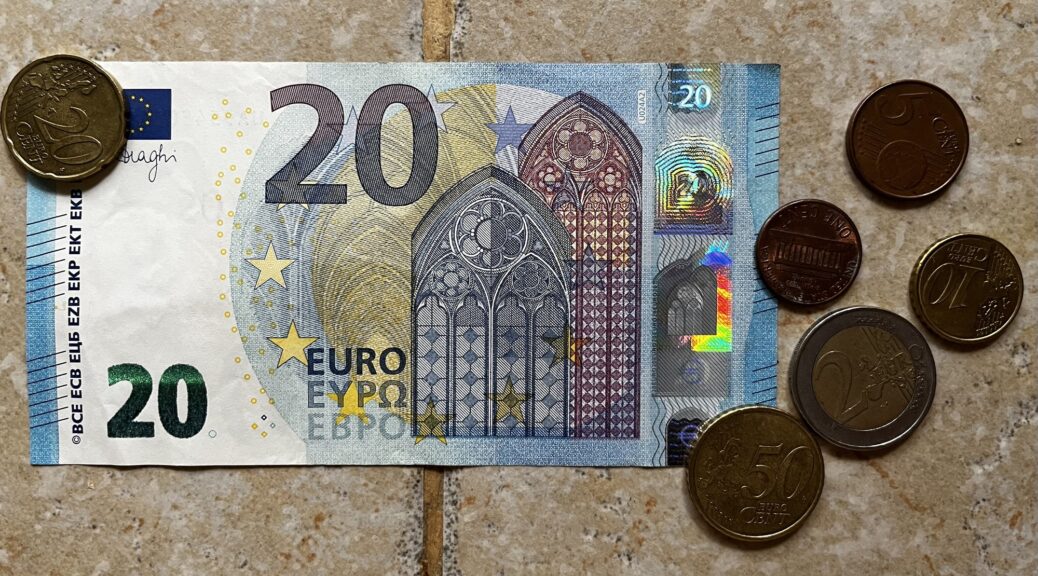
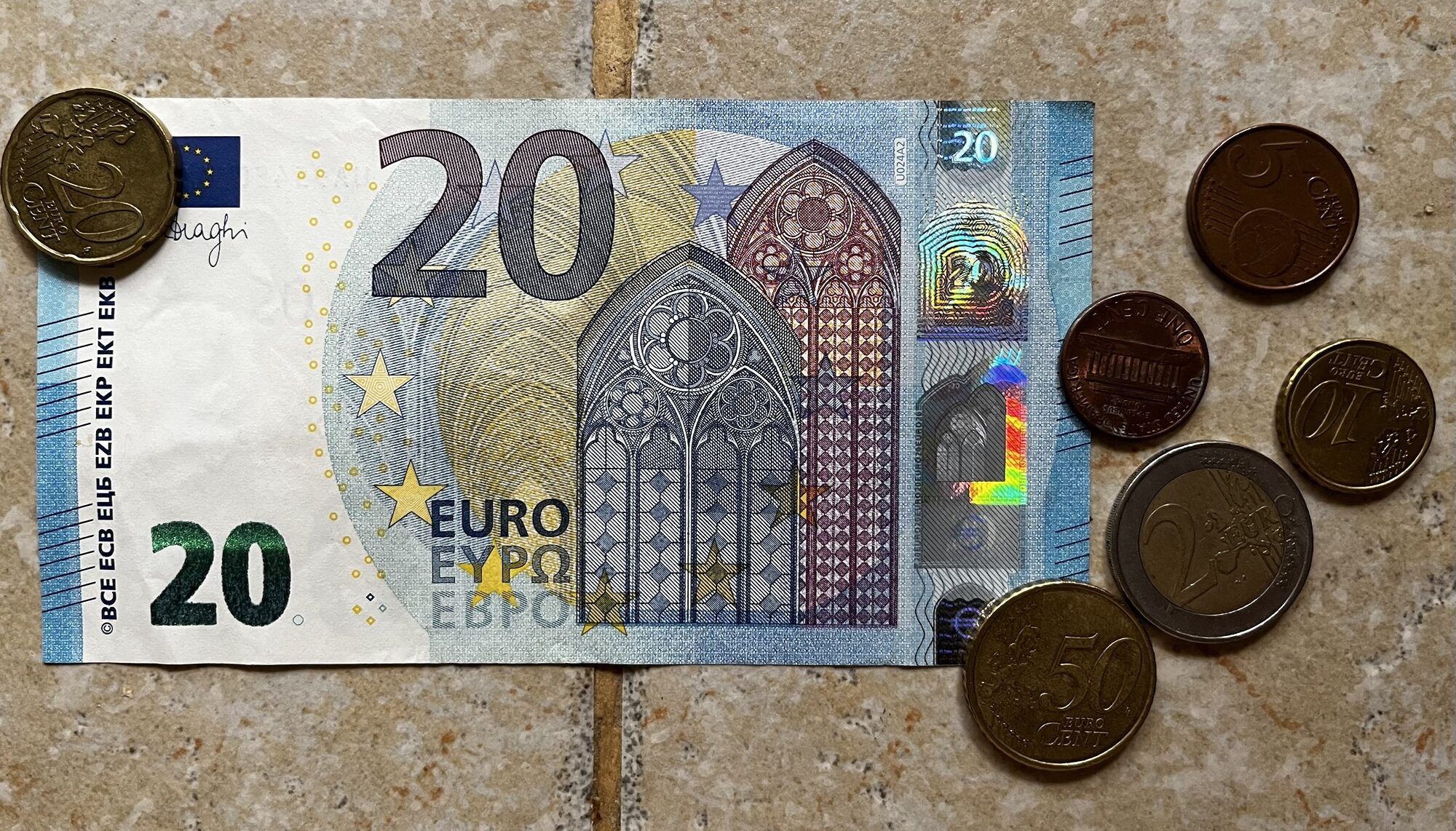
Both the French word“monnaie” and English “money” come from moneta, which initially referred to the goddess Juno in her aspect as Juno Moneta, in whose temple at Rome money was coined. The French“monnaie” refers to a coin or piece of stamped metal used as a trading medium, which is the exact meaning of money, only the words are not really synonyms and are not used in the same way.  

“Avez-vous de la monnaie?” does not mean “Do you have any money?” but “Do you have any change” i.e. coins. There is no one word in French for “a coin”. You have to say “une pièce de monnaie”.

Currency

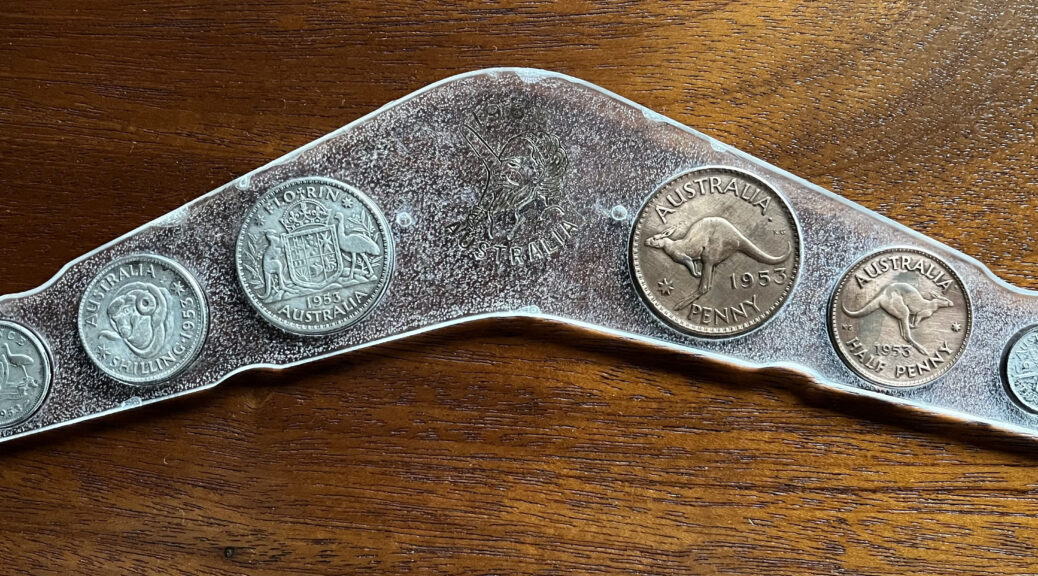
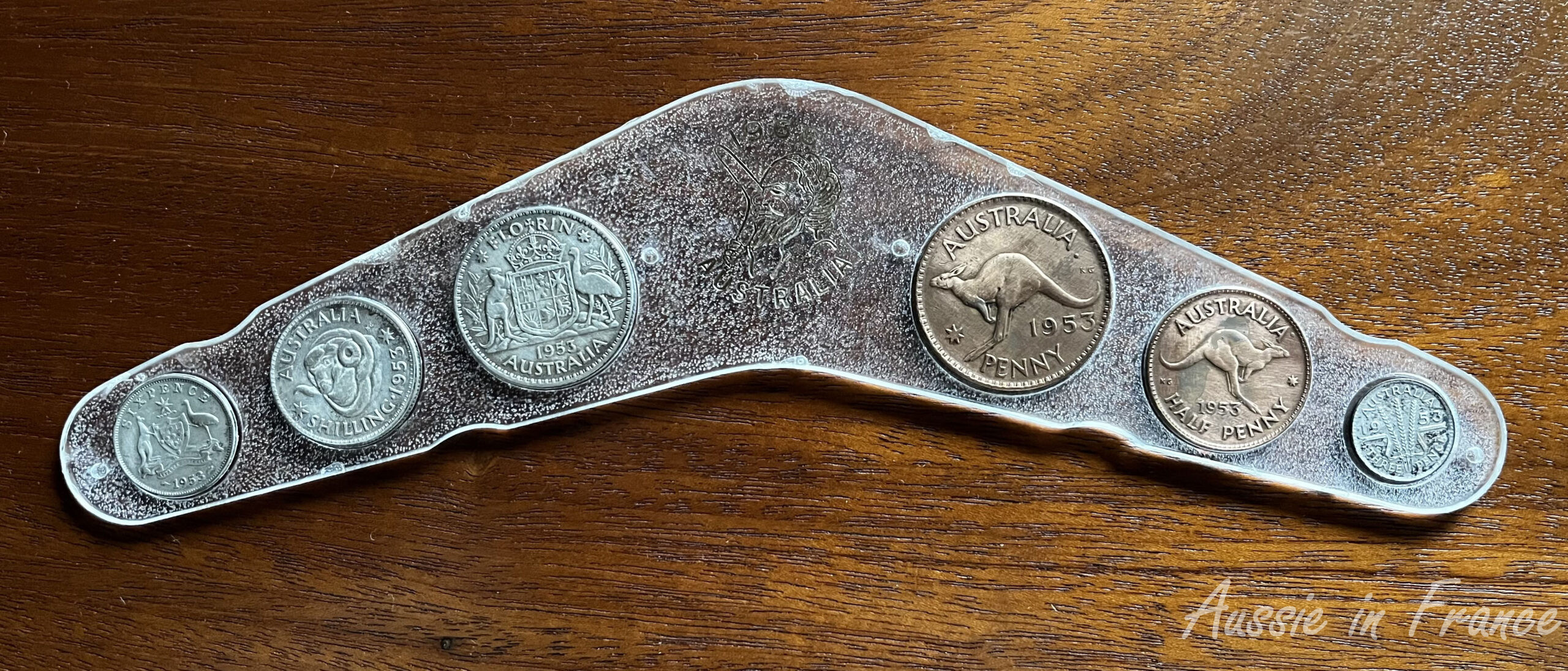
Monnaie also means currency, just as we can use money in English to mean currency. “Avant l’introduction du dollar australien en 1966, la livre australienne était la monnaie de l’Australie” = “Before the Australian dollar was introduced in 1966, the Australian pound was the currency of Australia”.

Interestingly enough, the word “currency” comes from the Latin currens, to run, i.e. money in circulation in a given country. The same origin can be found in the French expression “monnaie courante” (click here for information on the meaning of “courant“)which means the currency in circulation. It’s also a very common expression introduced by the encyclopedist Diderot in the 18th century “C’est monnaie courante” =  It’s normal practice.

Silver and gold

Let’s go back to “Do you have any money?” If the correct word in French is not “monnaie”, then what is it? Well, it’s “argent” (silver). “Avez-vous de l’argent?”

A very rich person in French is said to “rouler sur l’or”, the same idea as “being made of gold” or “rolling in money”. The expression developed in the 18th century, initially as “se rouler sur l’or”, that is, rich enough to roll in a pile of gold the way you might roll in the grass. However, a normally rich person “a beaucoup d’argent”, silver not gold!

Riche comme Crésus

If a person is really really rich, they are said to be “riche comme Crésus”. The expression dates back to the Renaissance, in reference to the legend of Croesus recounted by the Greek historian Herodotus and renowned for his immense wealth.

« Il peut être riche comme Crésus, avec beaucoup d’argent, mais jamais de la monnaie pour payer le parcmètre. C’est même monnaie courante ».

Your turn to translate this time!

Friday’s French – Liquide, espèces and cash

Although the word “cash” is widely used in French today, the real term is “argent liquide” or “espèces“.

The origin of the term “liquide

The term “liquide“, from the Italian meaning “fluid” came into use in the 14th century as a way of designating fully-paid up assets such as farming land and houses that could be easily transferred from one person to another.

Money also becomes “liquide

Then, in the 17th century, the term “liquide” started to be used for money that was readily available and in large quantities, a bit like water coming out of a fountain. Today, it is also used to mean coins and paper money

Au-tu assez de liquide pour le marché ? – Do you have enough cash for the market?

Les frais de notaire doivent être payés en liquide. – Conveyancing fees must be paid to the notaire in cash.

N.B. This doesn’t actually mean that you hand over thousands of euros but that you transfer them to the notaire‘s bank account i.e. they are not part of a mortgage.

Liquid assets

This soon led to the use of “liquidités” to mean money in a bank account that can easily be withdrawn, which is exactly the same meaning as “liquid assets” in English.

Espèces

So why are bank notes (billets) and coins (pièces de monnaie) also called espèces?

The expression goes back to the Middle Ages and comes from the Latin “specie” which means “spice” (épice). Back in those days, spices, and pepper in particular, were imported from foreign countries and were rare, and therefore valuable.

As a result, they were often used to barter. Venetian, Portuguese and Spanish merchants paid “en épices” which gradually became “en espèces” which has the same Latin root.

Lorsqu’on achète d’occasion, il faut souvent payer en espèces. = When you buy secondhand, you often have to pay in cash.

 The origin of cash

Our word cash to mean coins or paper money actually comes from the Old French casse, a box, which has evolved into the modern-day “caisse”, used to designate, amongst other things, a cash box or cash register. And the person at the check-out is called a “caissier” or “caissière“.

So the use of the word “cash” in French has come full circle!

Friday’s French – empêchement, prévenir, prevent

One of the most useful lessons I have learnt from Jean Michel is to give as few explanations as possible if there is something you can’t or don’t want to do and feel uncomfortable explaining why.

So, instead of making up a vague reason for not going somewhere you don’t want to go, you can just say “Ah, j’ai un empêchement“. And nobody will ask what it is!

Empêchement comes from the verb empêcher meaning “to prevent”, and from low Latin impedicare, to trap so the meaning is quite clear. However, we don’t really have anything in English that is quite so neat.

Speaking of “prevent”, there is a French word prévenir which sometimes means “prevent” but often has quite a different meaning. Prévenir, like prevent, comes from the Latin praevenire, meaning to anticipate or forestall.

Prévenir une catastrophe = to prevent a catastrophe

Cette mise au point préviendra toute objection = This clarification will prevent any objections

BUT

Elle ne va bien, il faut prévenir le médecin = She isn’t well. You need to call the doctor. 

Ils sont venus sans nous prévenir = They came without letting us know beforehand.

Il est attentif à prévenir mes moindres souhaits = He is very attentive and anticipates my slightest wishes.

On m’avait prévenu contre lui = I was warned against him.

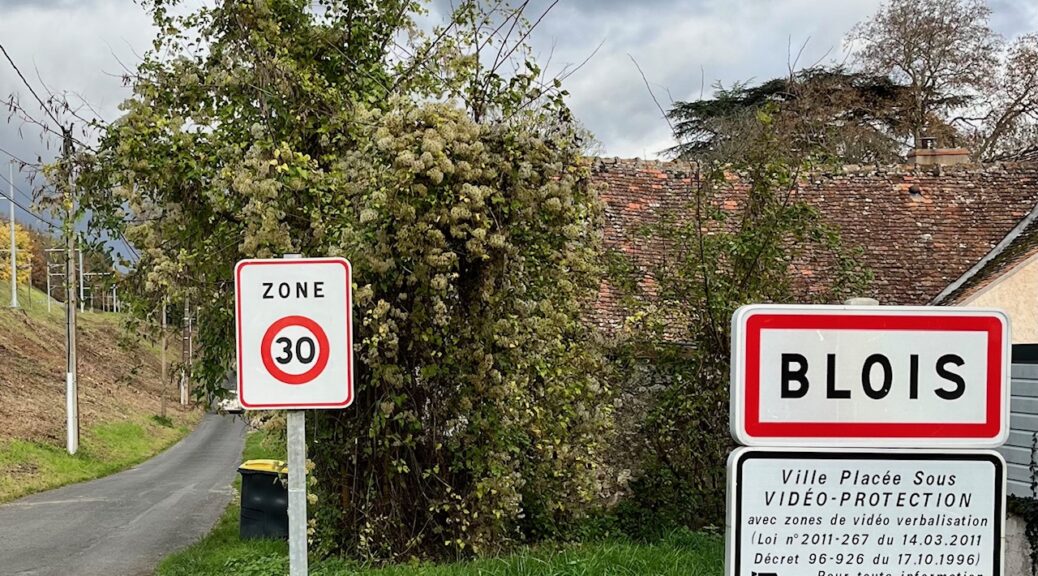
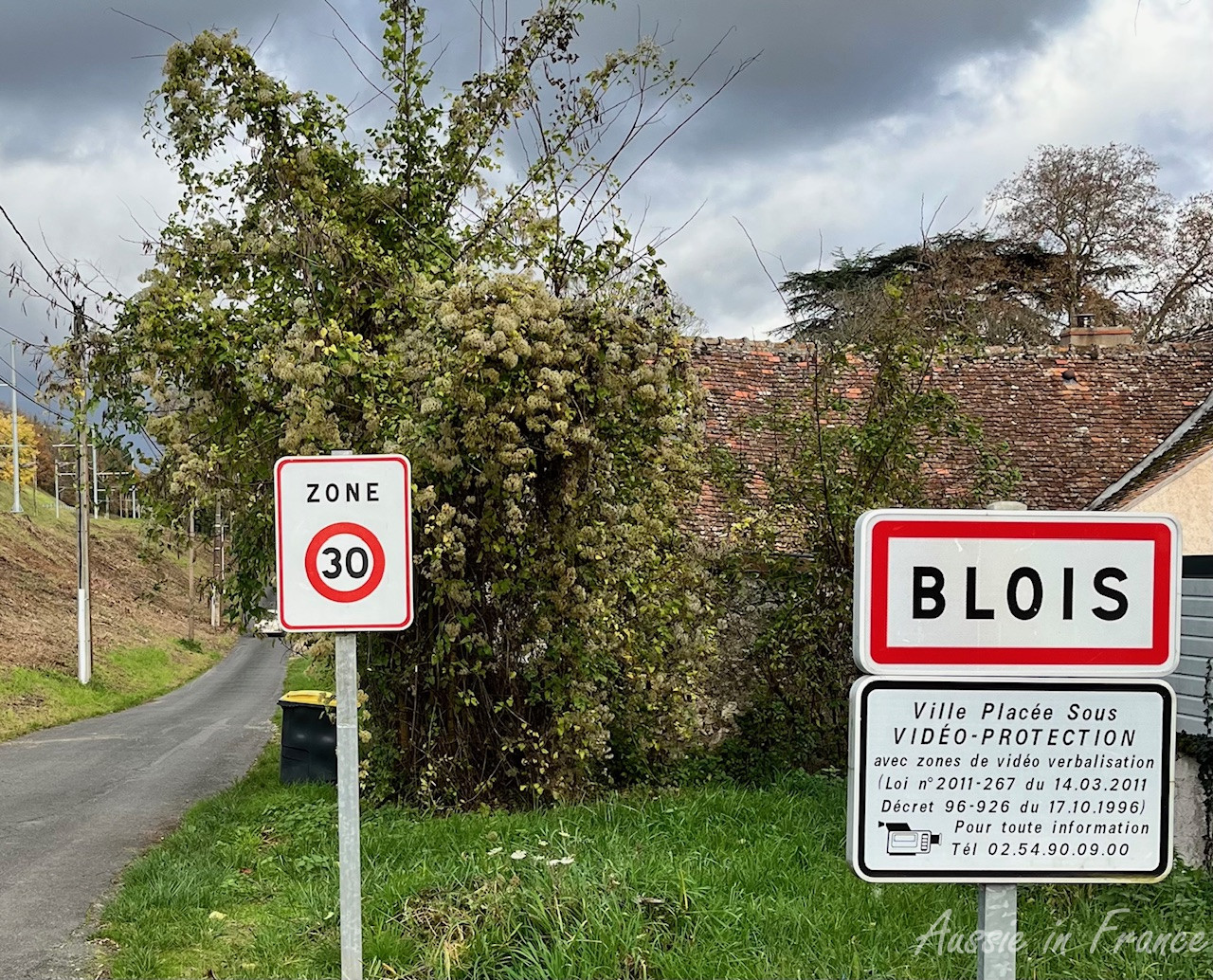
Un panneau doit prévenir les habitants de la présence de dispositifs de videosurveillance = The inhabitants must be warned of the presence of videosurveillance equipment.

These are all very different translations of the same verb but there is an underlying idea of anticipating what could happen in the future and forestalling the consequences.


Friday’s French – courant, current, actuel, actual

These are more of those look-alike words that the French call faux-amis.

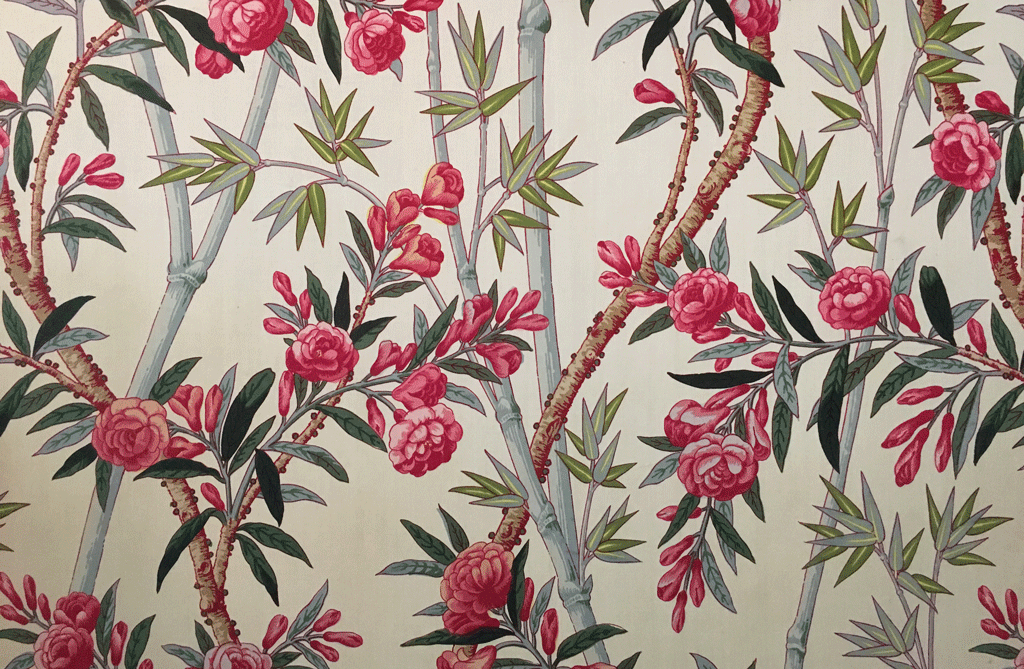
Ce type de papier peint était très courant au 18ème siècle en France – This type of wallpaper was very common in France in the 18th century

Courant

We’ll start with courant which has a few different meanings. We’re only going to look at adjectives here.

Les dépenses courantes d’une maison, for example, are ordinary or everyday expenses. Un mot courant is a standard or ordinary word.

Une pratique courante is standard practice and un travail courant is routine work.

Le recours aux intermittents est une pratique courante des chaînes de télévision – Employing contract workers is standard practice in television.

It can also mean common – Ce genre d’incident est très courant ici : This kind of incident is very common here or This kind of thing is a common occurrence here.

Current

Its English look-alike, “current”, has a different meaning.

Le cours actuel du dollar est plus élevé qu’au mois de mai : The current exchange rate of the dollar is higher than it was in May.

Current events are évènements actuels or, more commonly, l’actualité which is invariable except when used to mean the news on TV or radio which are called les actualités. Je l’ai entendu aux actualités ce soir : I heard it on the news tonight. Les dix sujets d’actualité les plus recherchés sur Yahoo! en 2016, en France, sont le Bréxit, les attentats, les Panama Papers et le crash d’Egyptair : Yahoo!’s top ten searches and news stories in 2016 in France were Brexit, the terrorist attacks, the Panama Papers and the Egyptair plane crash.

Copain & copine

The current month is le mois en cours while her current boyfriend is son petit ami du moment. I always think the expression petit ami or petite amie is very amusing. Translated literally, its gives “her little friend” which we would only use in English to describe a child. Copain or copine can also be used to mean boyfriend or girlfriend unless of the same sex in which case it means buddy. If a boy says C’est ma nouvelle copine, it means he has a new girlfriend. If he says J’ai un nouveau copain, it means he has a new buddy. However if he says, speaking about a particular girl, C’est une copine, c’est tout, then it means she’s just a buddy. Sort of confusing, I know, but it’s all about context.

Ordinary

Another meaning of the English word current revolves around the idea of being widely accepted or used. This can be translated in various ways in French, depending on the circumstances, and can include courant. Otherwise, use commun or en cours. A current account is a compte courant, that is, an ordinary account.

There is a current idea that up to 30% of the warming last century was due to solar effects – Selon une idée courante, jusqu’à 30% du réchauffement planétaire le siècle dernier est dû aux effets solaires.

Actuel

To go back to actuel, it also means at the present time, which gives expressions such as à l’heure actuelle (at present, at the moment), à l’époque actuelle (nowadays, in this day and age), le monde actuel (the world today, the present-day world) and even l’actuel Premier minister (the current Prime Minister).

Actual

So if actuel more or less corresponds to current or present, what does actual correspond to?  It’s most common meaning is real, that is,  something that exists, or is happening at the present time.

There is no actual contract : il n’y a pas vraiment de contrat.

An actual fact is un fait réel, actual size is grandeur nature (as in real life) or taille réelle (a specific measurement).

There is another slightly different meaning: the actual film doesn’t start until 8.55 – le film ne commence qu’à 20 h 55. This is the actual house (as opposed to the barn and garage): Voici la maison elle-même or if it’s something that has been mentioned previously, Voici la maison en question.

En fait

In actual fact corresponds more or less to en fait, which is not the same as in fact. You can tell me why after studying the following sentences.

In actual fact, I don’t like strawberries, but I eat them to be polite. En fait, je n’aime pas les fraises mais je les mange pour être polie.

He’s annoying, in fact, he’s very annoying indeed. Il est embêtant, il est même très embêtant.

Friday’s French – Minute papillon

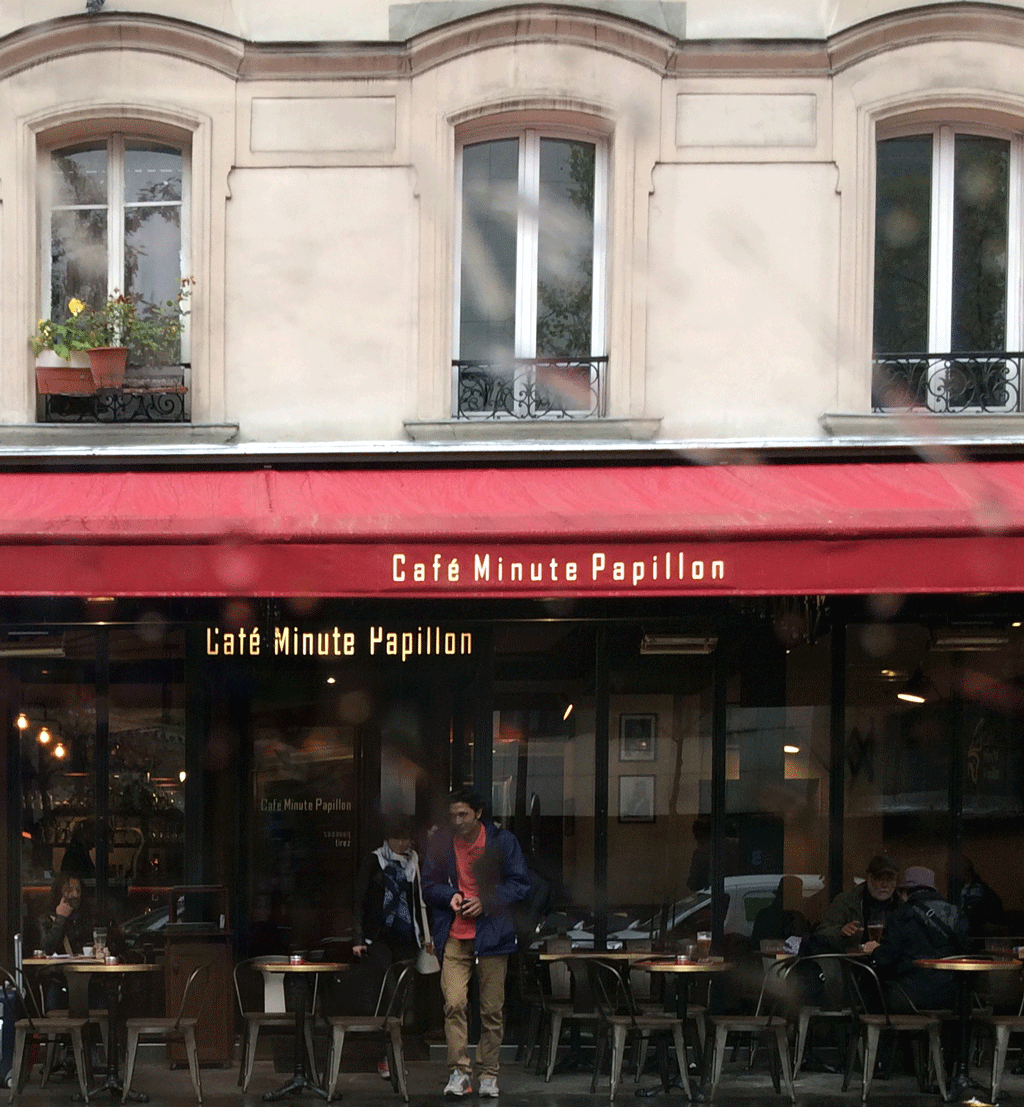
As we were driving through Paris recently in the rain, we saw a café called “Minute Papillon” which made me wonder about the origin of the expression which is roughly equivalent to our English saying “Hold your horses!”.

papillon

Some sources suggest it is simply a metaphor about butterflies which flit from flower to flower, which would also explain the verb papillonner which means to chop and change or flit from one thing to another.

Other sources also believe the expression came into use in the early 20th century but with a much more amusing origin. At the time, there was a café in Paris that was very popular with journalists. There was a waiter called Papillon who used to answer “Minute, j’arrive” when too many people were calling on his services at the same time.

So when customers wanted to tell him he could take his time, they would say, “Minute Papillon!” It seems the journalists spread the story.

Minute papillon has a second meaning which is an extension of the first i.e. I don’t agree, meaning that the other person has to stop talking so that they can place their argument.

Papillon by itself has several interesting meanings. It can apply to someone who is fickle. It also means a sticker and, by extension, a parking ticket on the windscreen (although I have never seen them in the form of a sticker).

Papillon is also used to designate a butterfly nut and butterfly stroke in swimming.

A noeud papillon is our bow tie. I much prefer the French expression.

However, you can’t have papillons in your tummy when you’re nervous the way you do in English. You have “le trac” instead.

And, by the way, there is no separate word for moth in French – it’s a papillon de nuit!

Do you have any other expression that revolve around butterflies and papillons?


Friday’s French – Important, importance, substantial, substantiel

Unlike English, important in French can indicate quantity where in English, it only means “of great import or significance”.

e.g. Il y avait un nombre important de demandes : there were a large number of applications.

Il y a un nombre important d'églises en France
Il y a un nombre important d’églises en France – There are a large number of churches in France

In English, we have to choose among a whole range of words such as large, considerable, substantial, big and extensive!

You sometimes see substantiel in French but it is often a loan translation or calque. Substantiel is used more restrictively in French.

Nourriture substantielle = nourishing food

Exposé très substantiel = An essay with a lot of substance

Only in sentences such as il a obtenu des advantages substantiels = he obtained a substantial number of advantages  is it used in the typical English meaning of the word.

My Chambers dictionary gives SIXTEEN different meanings for substantial :

  1. Of or having substance
  2. Being a substance
  3. Essential
  4. Actually existing
  5. Real
  6. Corporeal, material
  7. Solid
  8. Stable
  9. Solidly based
  10. Durable
  11. Enduring
  12. Firm, stout, strong
  13. Considerable in amount
  14. Bulk
  15. Well-to-do, wealth, influential
  16. Of firm, solid or sound value.

WOW! What a useful word. Unfortunately it doesn’t give examples but I’ll try and find some. You can see that the solution in French is different every time.

He sustained a substantial loss = Il a subi une perte considérable.

My father was a very substantial man in his heyday = Mon père était un homme imposant dans la force de l’âge.

That is a very substantial argument = C’est un argument de poids.

The house has a substantial structure = La maison a une structure solide.

He offered substantial proof of his innocence = Il avait des preuves convaincantes de son innocence.

They run a substantial business = Ils ont une grosse affaire.

They are in substantial agreement = Ils sont d’accord sur l’essentiel.

His objections were substantial = Ses objections étaient bien fondées.

She comes from a substantial Scottish family = Elle vient d’une famille prospère écossaise

Une modification substantielle d’un contrat  concerns the substance of an agreement i.e. an essential component such as remuneration or qualification. This is called a substantial amendment in English but un élément substantiel d’un contrat is an essential part of a contract and not a substantial part.

Substantial completion is a term widely used  in construction and applies when the contractor has substantially but not completely performed the contract requirements. In French this is known simply as achèvement but we’re getting into legal subtleties here!

Do you know any other examples in which important/important and substantial/substantiel have different meanings in English and French?

Friday’s French – poil, cheveux, hair, fur

You may remember a discussion about poêle a couple of weeks ago. Now there is another word that is pronounced exactly the same way (unless you come from the south of France and pronounce the “e” at the end of poêle) and seems to have resulted in a few embarrassing situations for some of our readers!

Poil, from the Latin pilus, means body hair and applies to both animals and humans. In the case of animals, of course, it’s what we call fur. Un chien à poil ras = A dog with short fur. It is also used for a man’s beard, what we sometimes refer to as bristles in English.

It is NOT used for the hair on your head which is cheveu in the singular and cheveux in the plural. J’ai trouvé un cheveu gris sur ma tête – I found a grey hair on my head ; il a des cheveux bouclés = he has curly hair.

But back to poil which is far more interesting because of all the many expressions that exist.

Etre à poil means to be stark naked, as in, you can see all the person’s hair.

Avoir un poil dans la main (literally, to have a hair in one’s hand) = to be lazy. Now why is a complete mystery.

Reprendre du poil de la bête = to pick up again, to regain strength. For example,  j’ai eu la grippe pendant une semaine, mais j’ai repris du poil de la bête : I was down with the flu for a week, but now I’m on top of things again.

The expression literally means to take fur from an animal because people believed that the fur of an animal that had just bitten you could be used to heal the wound. It seems there is an English expression “the hair of the dog” that means an alcholic beverage consumed to cure a hangover, but I have personally never heard of it !

Another expression is s’il avait un poil de bon sens :  if he had an ounce of good sense.

C’est pile poil ce que je voulais:  it’s exactly what I wanted. This comes from tomber pile (au) poil from the expression pile ou face which means heads or tails (or more exactly tails or heads) and au poil which means exactly, that is, to within a hair’s breadth.

Do you know any other expressions with poil?

Friday’s French – poêle, poeliste, fumiste, fumisterie

I would just like to point out straight away that poeliste is not a real word but it amused my Solognot neighbour Alain no end. We are thinking of putting a wood-burning stove in our downstairs living room (as I mentioned earlier this week) and the stove installer recommended by Alain came round to give us a quote.

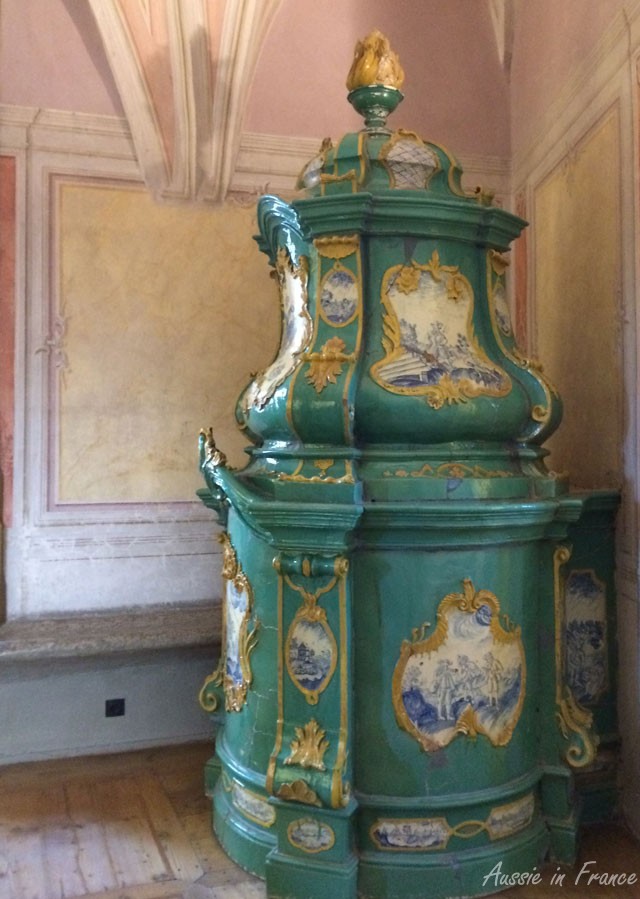
One of several porcelain stoves in Meissen in Germany - un poêle.
One of several porcelain stoves in Meissen in Germany – un poêle.

The French for wood-burning stove is poêle from the Latin pensilis, meaning suspended, from the verb pendere, to be suspended, which gave pendent and pendulous in English. Pensilis may seem far removed from poêle, but remember that an ê in French often indicates that an “s” dropped out. In this case, the “n” got lost as well.

Initially it designated baths suspended from vaults and heated underneath in all those rich Roman villas. After that it meant a heated chamber and eventually the cast iron or earthenware stove we know today.

When poêle means a stove, it’s masculine. But listen to this. When it means a frying pan, it’s feminine. Same spelling, same pronunciation and everything. But it doesn’t come from pensilis. It comes from patella meaning a small dish. Patella first became paielle then paele and maybe poesle (1579) which would explain today’s poêle. A small frying pan is a poêlon, which of course is masculine. How we’re supposed to remember that I don’t know.

Une poêle à crèpes
Une poêle à crèpes

I based my use of poêliste on fumiste (from fumée, smoke) which means heating mechanic and also chimney sweep, although the more usual word is ramoneur.

But fumiste has another meaning – a shirker. I asked Alain why but he didn’t know. Good old Wikipedia came to the rescue. Apparently it comes from a vaudeville show called La Famille du fumiste about a heating mechanic who wasn’t the sort of person you could really count on!

The noun fumisterie whose real meaning is a heating mechanic’s workshop now has the same derogatory meaning as fumiste. C’est de la fumisterie means it’s a fraud. So I’m hoping our poêliste is not a fumiste or I am going to be cold all winter …


Friday’s French – marmelade, confiture & jam

I was recently told a very plausible and fascinating story about the origin of the word marmelade.

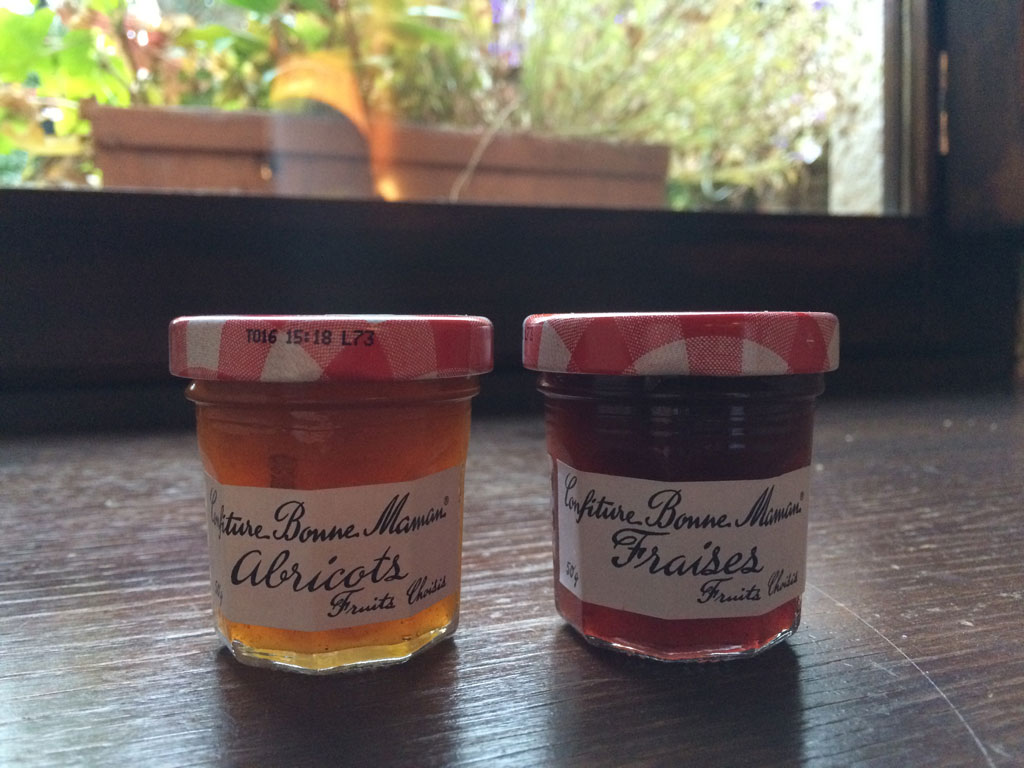
France's most popular jams: abricots et fraises
France’s most popular jams: abricots et fraises

The future Mary Queen of Scots was brought up in France, mostly in the Castle of Amboise just down the road from us. She was often sick because she had no appetite until someone finally came up with a special treat – a jelly called marmelade because it was made for Marie Malade (sick Mary).

Sad to say, the story is not true. Marmelada comes from the Portuguese marmelo meaning quince and is a sort of quince paste introduced into England in about 1480, and predates Mary Queen of Scots who was born in 1542. She may well have liked it but is not responsible for the name! Note the different spelling in French and English – the second “a” becomes an “e” in French.

I’m always amazed to hear how such stories can be perpetrated without any foundation other than a fertile imagination. Not that I have anything against fertile imaginations …

You don’t often see marmalade in France so for my Christmas Cake I use confiture d’écorce d’orange (écorce = peel) which seems to work just as well.

For some reason that I have never fathomed, the most popular jams in France are strawberry and apricot, neither of which I like. Even at Angelina’s, they are the only choice available!

The word confiture comes from the verb confire in French and the Latin conficere meaning to completely finish (past participle confectus which you will recognise in confectionery). Confiture, introduced into French in the late 18th century, initially meant fruit cooked in sugar (candied fruit, stewed fruit, etc.) before being limited to jam in the 19th century.

The English jam, on the other hand, derives from the verb “to jam” meaning to crowd, squeeze or block because the jam we eat is the result of a congestion or the resulting stoppage.

You may remember from reading Victorian novels that everyone used to make “preserves”. The French equivalent is conserves. And, just to avoid any future blunders, a préservatif is a French letter or condom as it’s called today. There is a little town in France called Condom, by the way.

I have only been able to find one expression containing the word confiture in French: Donner de la confiture aux cochons whose English equivalent, which I have never heard before (oh where is my general knowledge?) is “Throw pearls before swine” which refers to a quotation from Matthew 7:6 in Jesus’s Sermon on the Mount: “Do not give what is holy to the dogs; nor cast your pearls before swine, lest they trample them under their feet, and turn and tear you in pieces.” Should we read any significance into the fact that this has been translated as confiture in French? The country of gastronomie?

In English we have traffic jams which are embouteillages in French from bouteille meaning bottle, the equivalent of our bottlenecks.

I’m sure you know lots of other expressions using “jam”. Do you know their equivalents in French as well?

Friday’s French – L’été indien, l’été de la saint martin, l’été de Vireux

The exceptional warmth in France (and most of the northern hemisphere from what I can gather) this year has everyone talking – incorrectly as usual – about the été indien which is a literal translation of Indian summer.

A typical day in autumn this year, though technically not an Indian summer because we haven't had any frost yet and it's not November 8 yet!
A typical day in autumn this year, though technically not an Indian summer because we haven’t had any frost yet and it’s not November 8 yet!

The real meaning of l’été indien is a period of unseasonably warm, dry weather after the first frosts in autumn and just before winter. It occurs either in October or the beginning of November and can last from a few days to more than a week or not happen at all.

Most French people use été indien to mean the warm sunny days that we often get in September and then use été de la Saint-Martin or été de Vireux for what is known as an Indian summer, defined by the US National Weather Service as conditions that  are sunny and clear with above normal temperatures, occurring late-September to mid-November. It is usually described as occurring after a killing frost.

The Old Farmer’s Almanac has additional criteria:

“As well as being warm, the atmosphere during Indian summer is hazy or smoky, there is no wind, the barometer is standing high, and the nights are clear and chilly. A moving, cool, shallow polar air mass is converting into a deep, warm, stagnant anticyclone (high pressure) system, which has the effect of causing the haze and large swing in temperature between day and night. The time of occurrence is important: The warm days must follow a spell of cold weather or a good hard frost. The conditions described above must occur between St. Martin’s Day (November 11) and November 20. For over 200 years, The Old Farmer’s Almanac has adhered to the saying, ‘If All Saints’ (November 1) brings out winter, St. Martin’s brings out Indian summer.’ ” Much more strict than our current use.

Saint Martin actually died in Candes on November 8 but the fête de l’été de la Saint-Martin is celebrated on November 11 – don’t ask me why.

Vireux is more problematic. My Robert Etymological Dictionary is still in a carton somewhere (and I can’t find the notebook linking up the carton numbers with their contents …). Vireux normally means noxious but it also comes from virer meaning change, seen in expressions such as virer de tout vent – to be as changeable as a weathercock.

It sound like a plausible explanation, doesn’t it? The idea of changing over to winter.

What do you call an Indian summer in your country?