Category Archives: French language

Learning a Language with a Home Exchange

As you know, I am a keen home exchanger. We have just redeemed three home exchanges in Australia (Coff’s Harbour, Adelaide and Drysdale) and enjoyed hospitality in Melbourne with the home exchangers of French friends in Paris. Jean Michel, less of a linguist than I am, had been studying and practicing his English for a month or so before we left.
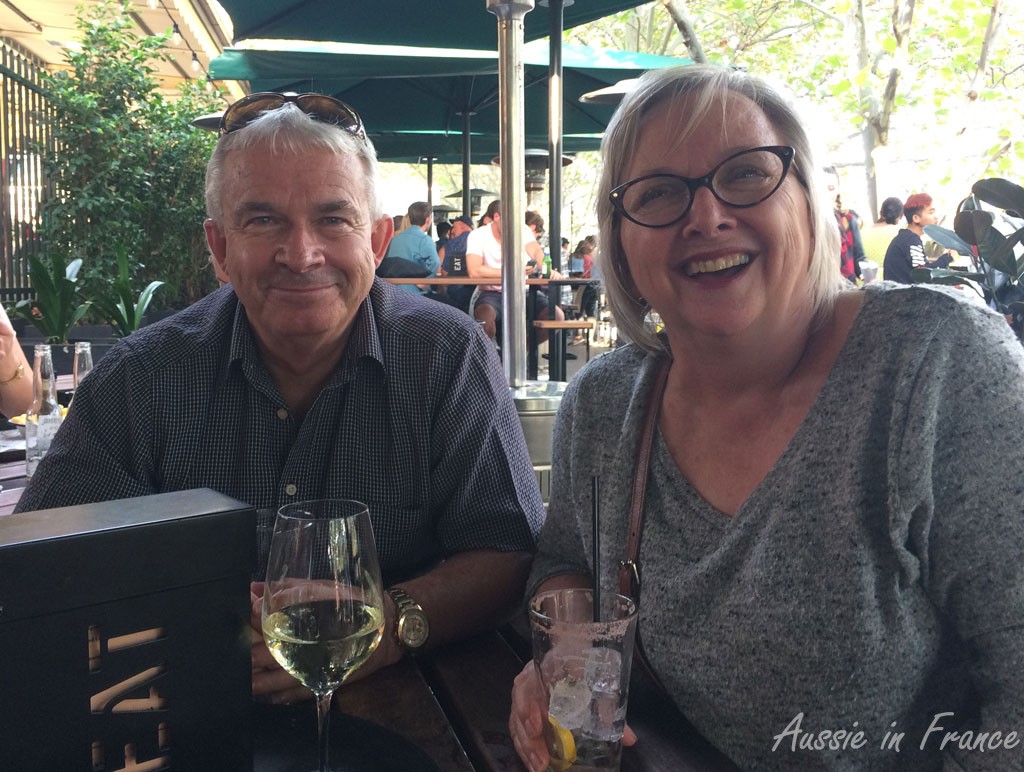
Irene and Paul, who kindly gave us hospitality in Melbourne

Although the basic aim of the trip was not to improve his English but to meet up with my friends and family and visit new places, I was able to observe his progress according to the different types of home exchange.

In Coff’s Harbour, we were in a resort and had very little contact with the people around us which offered little change of Jean Michel practicing his English. Although we had started speaking to each other in English before departure, we fell back into French in Australia.

In Adelaide, we were in a suburban setting which, once again, left little possibility of speaking English except to my nephew who came to see us in the evening.

Our beautiuful home exchange in Adelaide

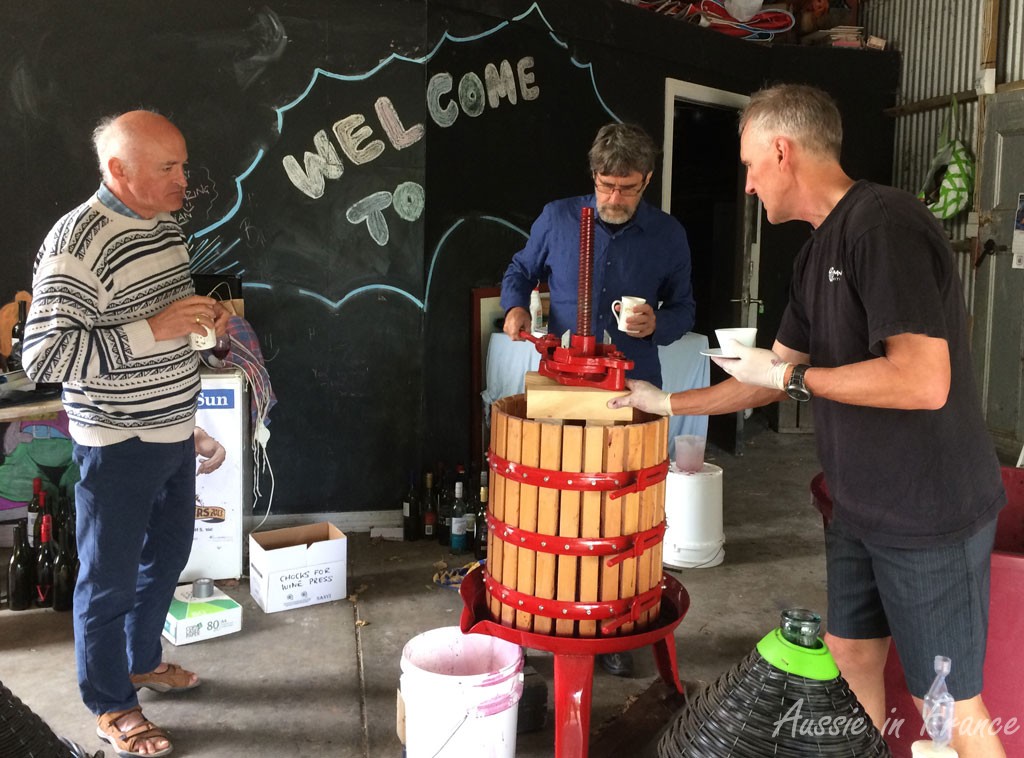
Our third exchange in Drysdale, about an hour from Geelong, could have been the same except that we had Australian friends join us while we were there and our hosts were also in the vicinity as it was a non-simultaneous exchange. We invited them for an aperitif one evening and also participated in their wine pressing!

But it was Melbourne where we were generously invited to stay with the home exchangers of the Parisian friends who triggered off our first exchange with Drysdale nearly four years ago that offered a real opportunity for Jean Michel to improve his English. We had never experienced hospitality and I was a little worried about spending 3 days with people whom I had only met once.

We needn’t have worried! Irene and Paul were with us the first and third evenings and away the second. While they were there, they took us for walks and meals in Melbourne and we also met up with our Parisian friends’ son. The rest of the time they continued their own lives while we visited other parts of Melbourne.
WIth our home exchangers in Drysdale

I would say that hospitality provides the ideal opportunity to improve one’s language skills. If the hosts are able to offer accommodation where the guests have their own bedroom and bathroom as we did in Melbourne, I think it’s an ideal situation.

If hospitality is not a possibility, I would suggest that you choose a downtown area with lots of opportunities to interact with people. Choose a local café and go there every day so you can establish a relationship with the people who work there. Go to the local market or a small shop every day to buy fresh food and buy from the same vendors. Plan a trip to the hairdresser’s.

If your language skills are already sufficient to hold a proper conversation, check beforehand on the existence of local home exchange meet-ups. Join a Facebook home exchange group and try and find other people in the area. Let your host exchangers know that you would like to practice your languages skills beforehand. They will probably be happy to organize meetings with their friends.
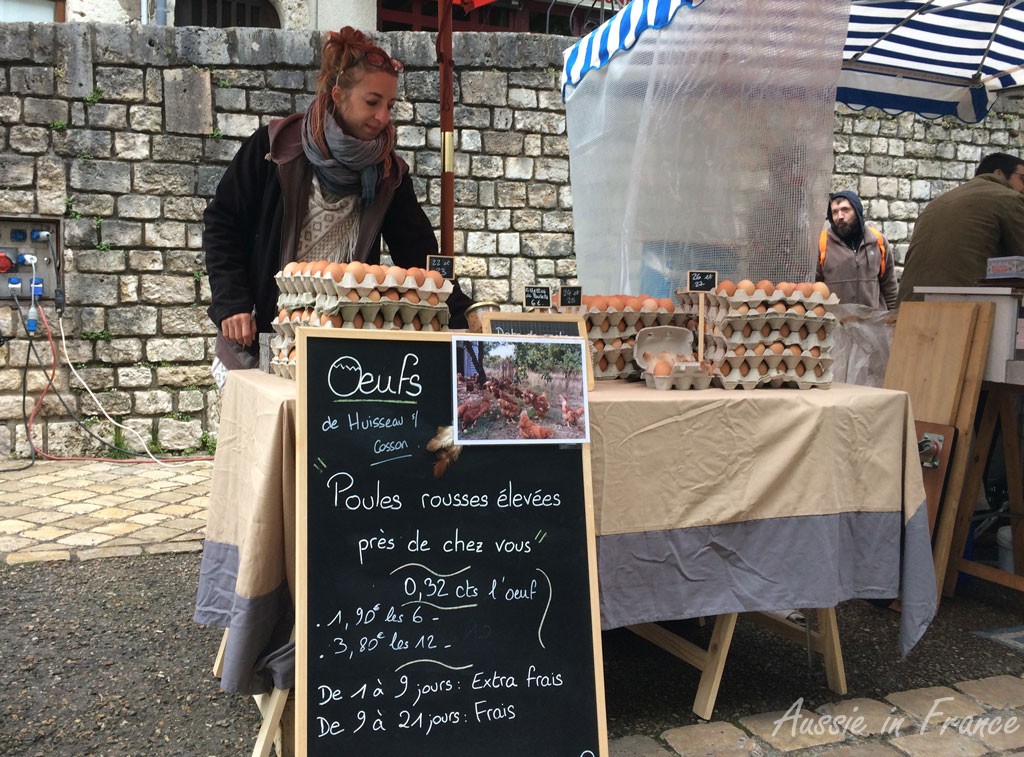
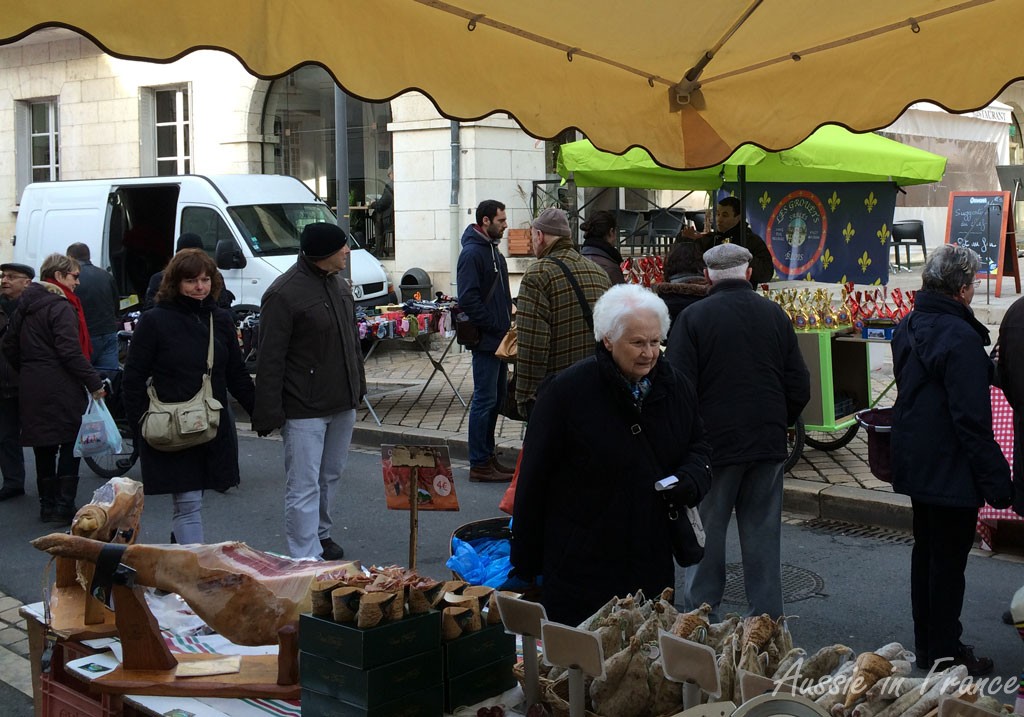
At the market, you can easily talk to the vendors

For example, I sent out a Twitter message when we went to Barcelona on a home exchange to get some insiders’ information on the city. As a result, we met up with Roser who looks after blogs & testimonials on the Home Exchange website and a friend of hers in a local café and we talked about things to do and see in Barcelona. When we were at Irene and Paul’s we talked about some of our previous exchanges and they spoke of a swap with Barcelona. I couldn’t believe it – they exchanged with Roser!!!

Otherwise, choose activities that will allow you to talk to people such as visits to wineries and cheese makers. See if there is a local walking group you can join. Throughout France, for example, there is a meet-up group called “On Va Sortir” which exists in London and New York under the name of Urbeez and is a wonderful way to meet people during your stay. Membership is free of charge. Our local group, whom we came across by accident, meets up informally at the open-air coffee stand at our Saturday market.
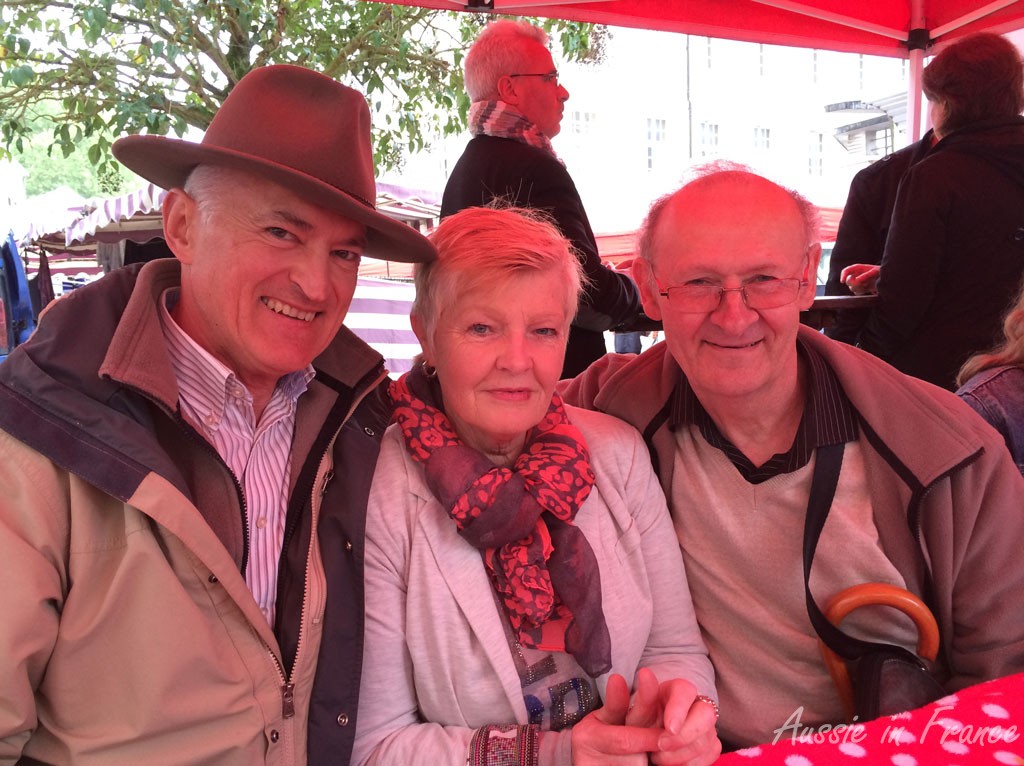
Having coffee on a Saturday at the market with members of On Va Sortir

Don’t forget to visit the local library where you can read the local paper and magazines. Remember – you can’t speak a language if you don’t know enough words and you need to spend at least an hour a day widening your vocabulary by reading, watching television or listening to the radio. In France, the France Info radio station is perfect because it repeats the same news and items of interest throughout the day. If you don’t understand the first time, you will the third time round!

If you prepare your home exchange with these various points in mind, I’m sure that you will get the most out of your stay language-wise. My dream is to spend a couple of months in Italy after I retire so that I can have a proper conversation in Italian but even two weeks would make a difference!
Friday’s French – Va te faire cuire un œuf ! and other eggy expressions

You’d wonder why “go cook yourself an egg” would have the meaning of “get stuffed” or more politely “go jump”, wouldn’t you? I googled it and am not convinced by any of the explanations.

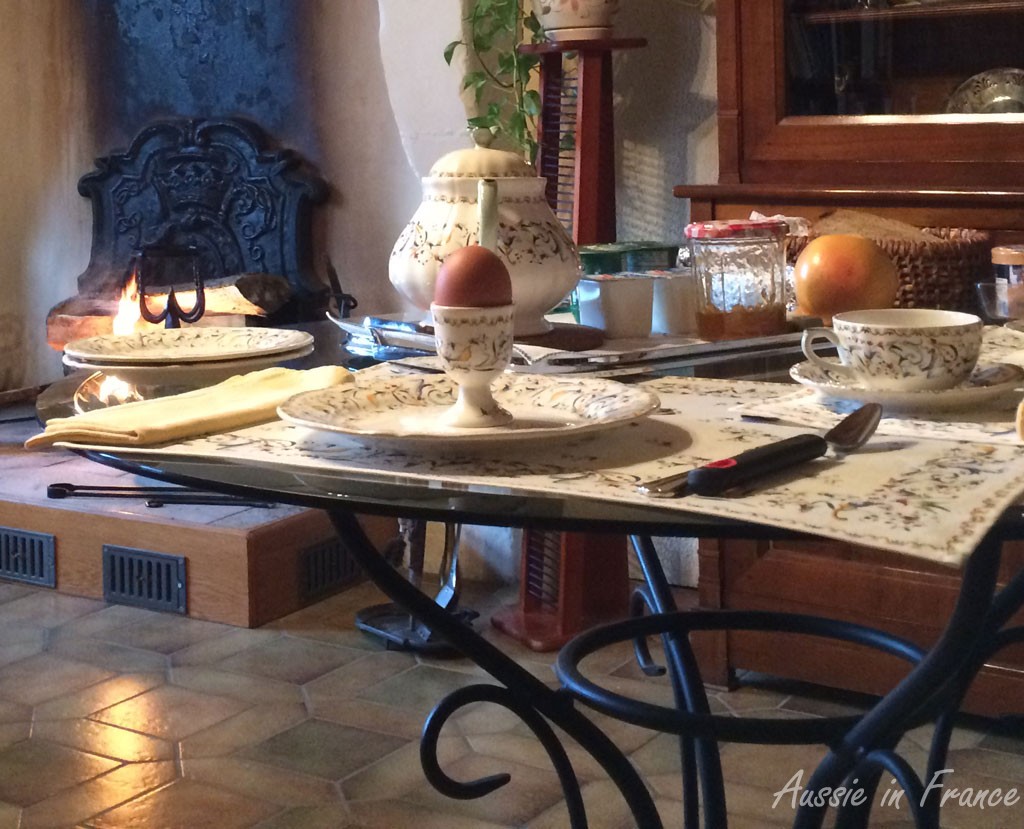
Oeufs à la coque en hiver

You can insult someone by calling them an egg: Quel œuf ce type as in “What a blockhead”. In this case, I guess it refers to a person’s egg-shaped head. An egghead, as we understand it in English, however, is an intello! Quite a different concept.

Very boringly, everyone seems to put their eggs in the same basket –  mettre ses œufs dans le même panier Now, I wonder which came first, the chicken or the egg ? or as the French say, c’est l’œuf et la poule.

And what do you think the English equivalent is of Il est à peine sorti de l’œuf  i.e. he’s only just come out of the egg?

We can have our eggs scrambled (brouillés), soft-boiled (à la coque or mollet), hard-boiled (durs), fried (sur le plat or au plat) or poached (pochés). An egg-flip is a lait de poule (literally hen’s milk which sounds a bit odd). Who would have guessed that one ?

Surprisingly, an egg-timer is minuteur or sablier (hour-glass – from sable = sand) with no reference to eggs at all.

However œufs de lump are lump-fish roe (useful, that one) and œufs en chocolat or de Pâques are chocolate or Easter eggs (now, that’s better).

Un blanc d’œuf is an egg white and un jaune d’œuf is a yolk. Nothing fancy there. Les blancs battus en neige are stiffly-beaten egg whites (neige = snow).

Just one more – our very colourful expression “to egg on”  comes out in French as pousser à or inciter à.

Do you have any more eggy expressions in English or in French ? And if you have a good explanation for the origin of “va te faire cuire un oeuf“, I’d love to hear it!

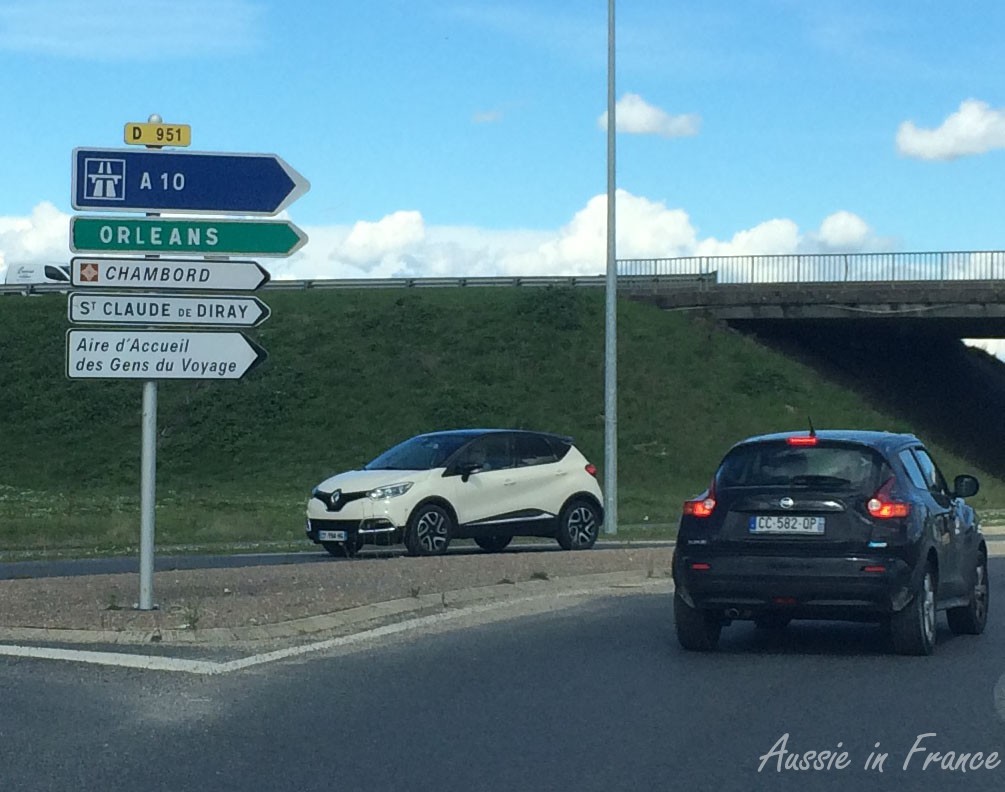
Friday’s French – gens de voyage, Roms, gitans, Romanichels, Tsiganes, bohémiens, Manouches, gypsies

Before I left Australia, gypsies for me were only characters in novels but in France, I learned that they were present in large numbers, lived in caravans (often large and expensive) and travelled around the country following seasonal work such as fruit picking, and mostly parked on otherwise vacant land on the outskirts of town. They were synonymous with begging and theft. I also heard them called nomades and forains, from foire (fair) as many were fairground people.

Sign pointing to an "aire d'accueil des gens du voyage"
Sign pointing to an “aire d’accueil des gens du voyage”

In 1969, a law was passed introducing a legal category called gens du voyage (travellers) concerning “the exercise of travelling economic activities and regulations applicable to persons in France without fixed abode”, often used in administrative circles and in the media to designate Roms, the now more politically correct term for Romanichels, Tsiganes, Manouches, gitans, etc., even though most of them are sedentary.

The law introduced a so-called livret de circulation and “home municipality”. The livret de circulation was a compulsory booklet for all persons over the age of 16, whether of French or foreign nationality, without a fixed place of abode for at least six months of the year. The livret was absolished in June 2015.

Another law was passed in 1990 making it compulsory for towns with more than 5,000 inhabitants to provide designated parking areas (aire d’accueil) for gens du voyage, which of course created complex situations for municipalities just below the limit. The rules are now defined by the law of 5th July, 2000.

In March 2003, the so-called domestic safety law increased penalties for the illegal occupation of land by gens du voyage to six months’ imprisonment and 3,750 euro fine, possible confiscation of vehicles and suspension of driving licences.

In 2005, the taxe d’habitation, a local tax paid by all French residents, was extended to people living in mobile land vehicles.

Roms are obviously a very touchy subject. My aim here is simply to present the vocabulary not to make a comment on their lifestyle.

In France they were originally referred to as bohémiens from Bohemia in today’s Czech Republic though it  is difficult to know why. The term has been used since the 15th century.

Gitan (originally gitain which first appeared in the 17th century) is the traditional word that corresponds to our gypsy. It comes from the Spanish gitano derived from Egiptano (Egyptian) because it was believed that the Spanish gypsies came from Egypt which is also the origin of the word gypsy. In fact, it would seem they came from India.

Romanichel, a derogatory term, actually comes from an erroneous transcription in 1828 of a German Tzigane word which literally means Tzigane people. The first part romani is derived from Rom meaning “man, husband”. The Tziganes are from Hungary.

The term manouche is a slang term that appeared around 1900 and was taken from the Tzigane manuch, man.

However, the French Tziganes claim that they are different from the Roms, who are no longer nomads, and their languages are different. The Roms, however, are migrants who want to move to countries with better economies where they can continue to live sedentary lives.

This post was inspired by the fact that several camps of gens du voyage have suddenly appeared in our area with the coming of spring.

Friday’s French – Content, contented, satisfait, satisfied, heureux, happy

Content is another one of those words that does not necessarily have the same meaning in French and in English.

Je suis contente de te voir = I am happy to see you. You can also say Je suis heureuse de te voir but I’d say it’s more emphatic. Heureux (heureuse) is usually reserved for expressing happiness: Je suis heureux d’être là = I’m happy to be here. Note that in this context, means “here “and not “there”. I’ve written another post about here and there.

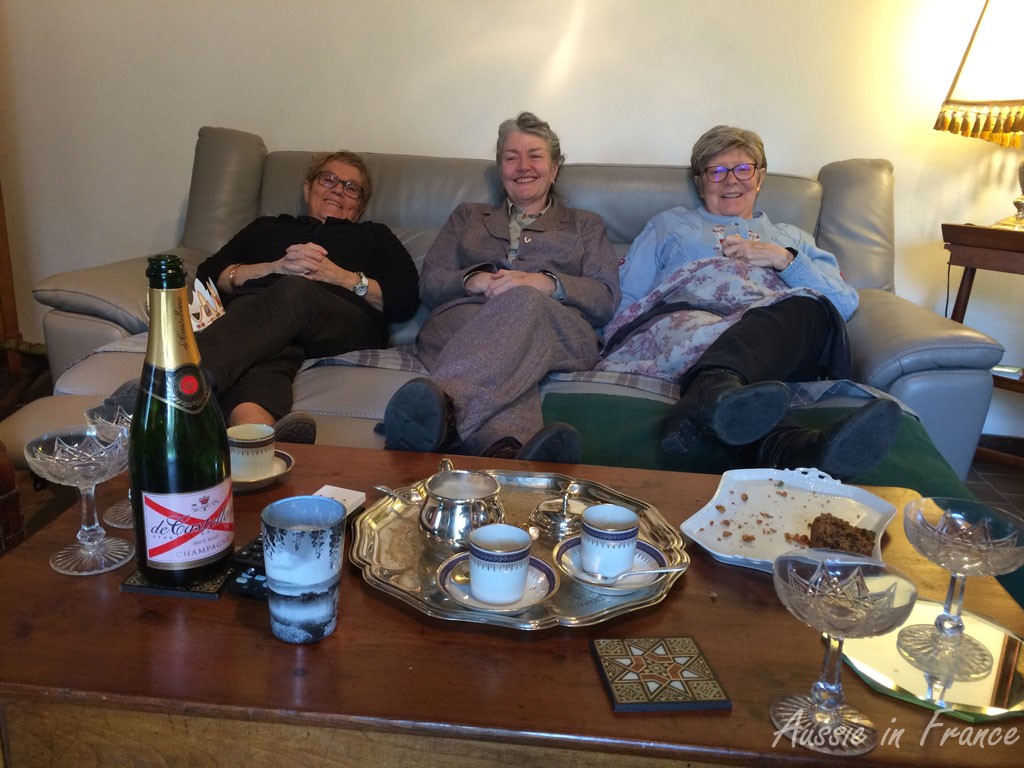
Trois amies bien contentes !

Content in French can also have the meaning of the English contented. Je suis contente de rester là = I am content to stay here or I am happy to stay here. Contentment can also be expressed by using satisfait. Je suis satisfait de mon choix – I am contented with my choice.

I just run not race, I am contented to just jog. – Je cours, je ne fais pas la course. Faire un jogging, ça me suffit.

The above sentence is a good illustration of how different French and English constructions can be be. Also, the English jog has been borrowed as jogging and not jog (like the old footing which doesn’t even exist in English!). J’ai mis un jogging actually means I put a track suit on!

Il a l’air content = He looks happy/pleased, but not “He looks content” which would be “Il a l’air satisfait” which can also mean “he looks satisfied”. 🙂 Are you confused? The trick is deciding when the meaning is the same. There is no real difference between “he looks happy/pleased”, is there? But “content” and “satisfied” in English have the added meaning of being quietly happy, of having achieved peace of mind which is not included in the French verb.

There is, however, an entirely different use of satisfied in English which needs a different verb in French i.e. to be free from doubt.

I’m satisfied that her death was accidental means that I’m convinced about it. You would not use satisfait in French but convaincu (from convaincre = to persuade) : je suis convaincu que sa mort a été accidentelle.

I’m satisfied that I’m right = je suis convaincue d’avoir raison. This is another example of a different construction. In English, we use the conjunction “that”. It’s possible to say Je suis convaincue que j’ai raison” but it wouldn’t really “sound” French. What do my French readers think?

Heureux and happy are fairly synonymous (isn’t that lucky?) except justement (in fact) when heureux means fortunate or lucky. Someone who is heureux au jeu or en amour is lucky at cards or in love. Heureusement qu’il est là = Lucky thing he’s here. A very popular expression in French is “Encore heureux” which means “Good thing” or “Luckily” and has nothing to do with being happy. An example would be “Encore heureux qu’il soit arrivé de bonne heure ou il aurait perdu sa place” which means “Luckily he arrived early or he would have lost his place”. Note the use of the subjunctive “soit” which is correct but you wouldn’t near many people using it.

Friday’s French: poireaux & oignons – leeks & onions

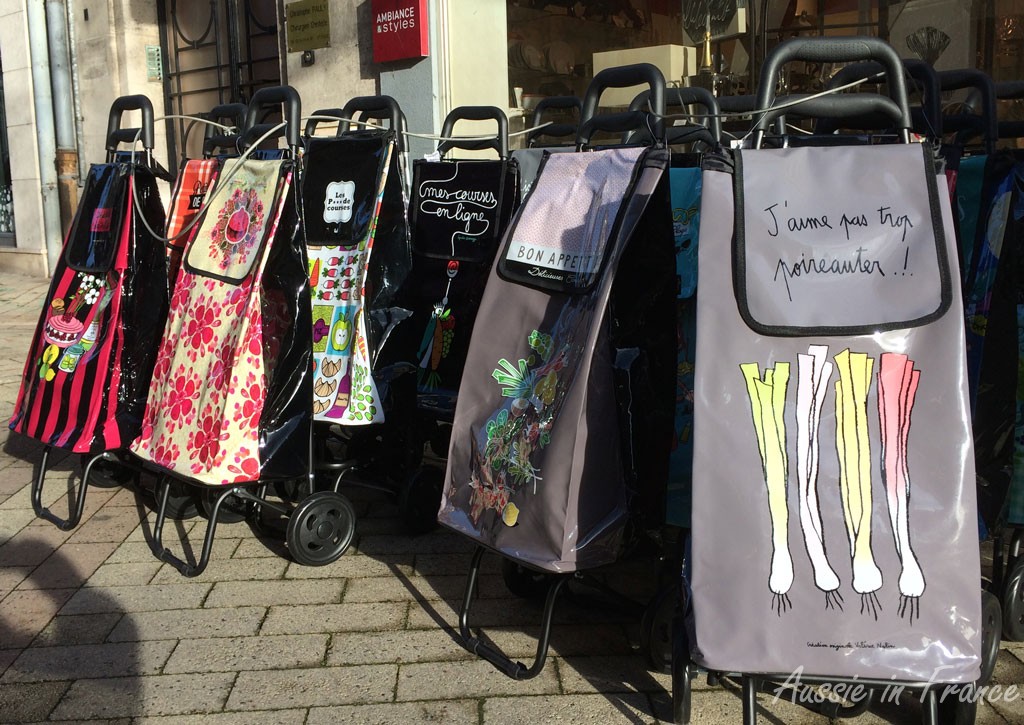
I was so excited at the market last Saturday when I saw this wonderful shopping trolley. In response to my post on navets (turnips), a reader suggested several expressions including arrête de poireauter from poireau meaning leek. And here is a wonderful example: j’aime pas trop poireauter, which means I don’t like waiting around, very appropriate for the type of trolley that most people take to the market where you often have to wait in a queue.

poireauter

So what is the connection with leeks which, incidentally, is the national emblem of Wales ?

It was in 1866 that planter son poireau meaning “to plant one’s leek” was first recorded. Although poireau means the male member (I’m using a euphemism to avoid attracting unwanted spam), the expression has no erotic connotations. It simply meant “waiting for a long time”, based on the image of the leek sticking up straight from the ground, and the influence of the expression rester planter (stay planted) meaning immobile or unable to move, like our English expression, “he planted himself next to her”.

About ten years later, the expression faire le poireau appeared as an extension to the one above and with exactly the same meaning. The verbal form – poireauter – was soon formed.

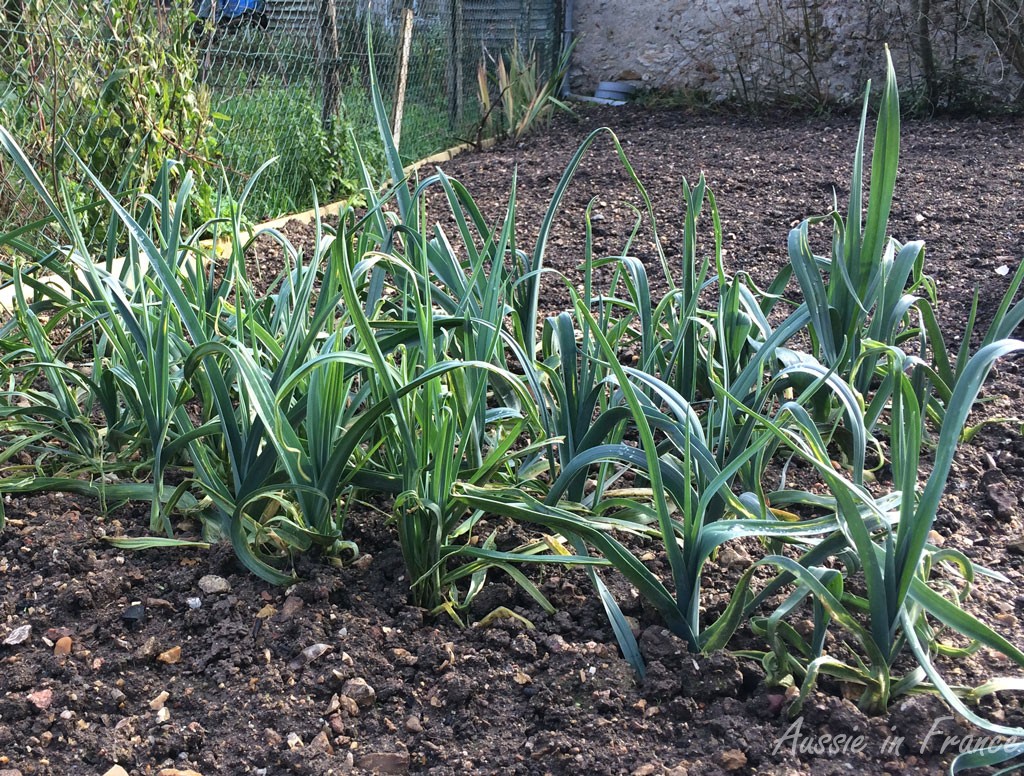
leeks

Now I don’t want to dispute this explanation given by expressio.fr, but I’d like to offer my own personal interpretation. We planted leeks this year for the first time. I grew them from seedlings and we then replanted them. They do not stand up straight as you can see from the photo. In fact they are very floppy. They do, however, seem to be taking absolutely ages to grow so maybe that is the origin of poireauter. We certainly seem to be hanging around waiting for them!

An expression mentioned by another reader is qu’il s’occupe de ses oignons meaning that he should mind his own business. I dropped in again at expression.fr which gives two explanations. I prefer the second one because it’s a little more elegant.

In the centre of France, one of the signs of a woman’s independence was her right to cultivate a corner of the garden where she grew onions to sell on the market and make some money of her own. Men were often heard to say to women who wanted to stick their noses in their husbands’ business occupe-toi de tes oignons (go look after your onions) or ce n’est pas tes oignons (they’re not your onions). Considering that you only get one onion for each little bulb you plant, I don’t think they could have made much money …

Friday’s French – Trêve des confiseurs

I heard a new expression on France Info this week – “l’entre deux fêtes” – which literally means “between two celebrations”, the first being Christmas and the second New Year. It’s the same construction as ‘l’entre-deux-guerres”, which is what the French call the interwar years.

We're spending the "trève des confiseurs" walking off the confectioners' ware at Chambord
We’re spending the “trêve des confiseurs” walking off the confectioners’ ware at Chambord

When I mentioned it to Jean Michel, he said it wasn’t new but I checked it out on google and “l’entre deux fêtes” only has 4,000 hits whereas “l’entre-deux-guerres” has 576,000 so it can’t be that popular. Then he told me something much more interesting. The period between Christmas and New Year is also called “la trêve des confiseurs“. “the confectioner’s truce”. Now that’s intriguing!

The expression first appeared in France around 1875 during a period of lively discussion in the National Assembly (lower house of parliament) between the monarchists, Bonapartists and republicans about the future of the constitution of the Third Republic. In December 1874, all the groups in the National Assemblee agreed that the New Year was not a good time for this sort of debate. To promote peace and harmony, they decided to go their separate ways and take a holiday until the New Year.

The confectioners were delighted and business boomed! As a result, the satiric press coined the expression “trêve des confiseurs”.

Today, the expression is also used to describe the traditional period of slack on the stock exchange and on the football field at the end of the year.

There is another meaning as well – the period in teaching hospitals when medical students devote their time entirely to caring for the sick and are dispensed from university classes.

I don’t know any similar expressions in English to describe the period between Christmas and New Year. Do you?

And just in case you didn’t know, there is no Boxing Day in France!

AllAboutFranceBadge_bisI’m contributing this post to Lou Messugo’s All About France Link-Up. Click here to find out more about Christmas in France! 

Friday’s French – navet

“What’s a navet?” someone asked on Facebook this week. “It’s a film that’s a flop”, I answered. But a navet is actually a vegetable – a turnip in fact. So how did we get from turnip to a dud film? Good old expressio.fr came to the rescue.

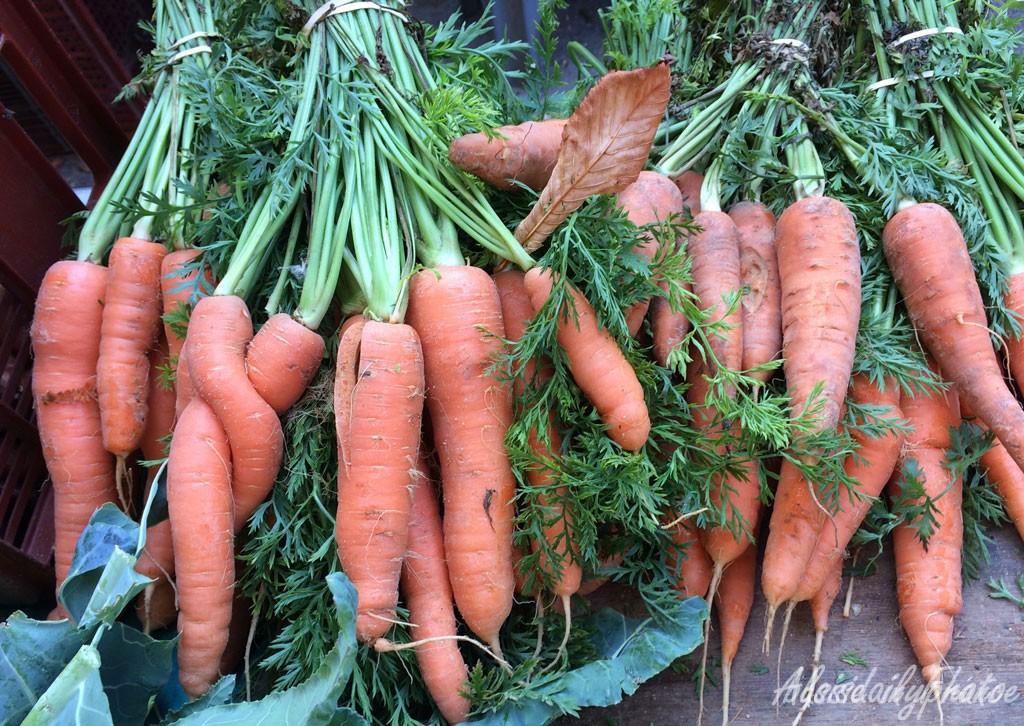
I know these lovey-dovey carrots aren't turnips but I don't have any turnip photos and I love this one!
I know these lovey-dovey carrots aren’t turnips but I don’t have any turnip photos and I love this one!

Certain sources say you have to go back to the 13th century when the word was already used figuratively to indicate something that wasn’t worth much, perhaps because turnips are cheap and plentiful.

The meaning was never completely lost. “Des naveaulx”, a variant of the word “navet” in the 16th century, meant “not likely” or “nothing doing” and it was not until the mid 19th century that a bad painting was first called a “navet”. The expression was later extended to plays and films.

The French writer and language historian Duneton gives another explanation that isn’t incompatible with the previous one, at least with regard to its 19th century meaning.

In the Belvedere gardens in Rome, there was a statue of Apollo, that was for a long time considered to be a symbol of perfection.

But at the end of the 18th century, a group of young French artists disagreed and nicknamed it “le navet épluché” (the peeled turnip) due to its paleness and the long, smooth form of the limbs which don’t seem to have any muscles.

When the statue was transferred to Paris by Napoleon in 1798 (it has since been returned to Rome), its nickname followed it. In the mid 19th century the term was applied paintings and drawings that didn’t pass muster.

When the cinema came into vogue, the term “navet” was quite naturally used for films that were slapdash, of little interest or didn’t come up to the audience’s expectations.

Fruit and vegetables are used in a lot of expressions in French. I’ve already talked about prunes and aubergines.

Do you know any metaphorical uses of vegetables in French?

Friday’s French – bis, ter and encore!

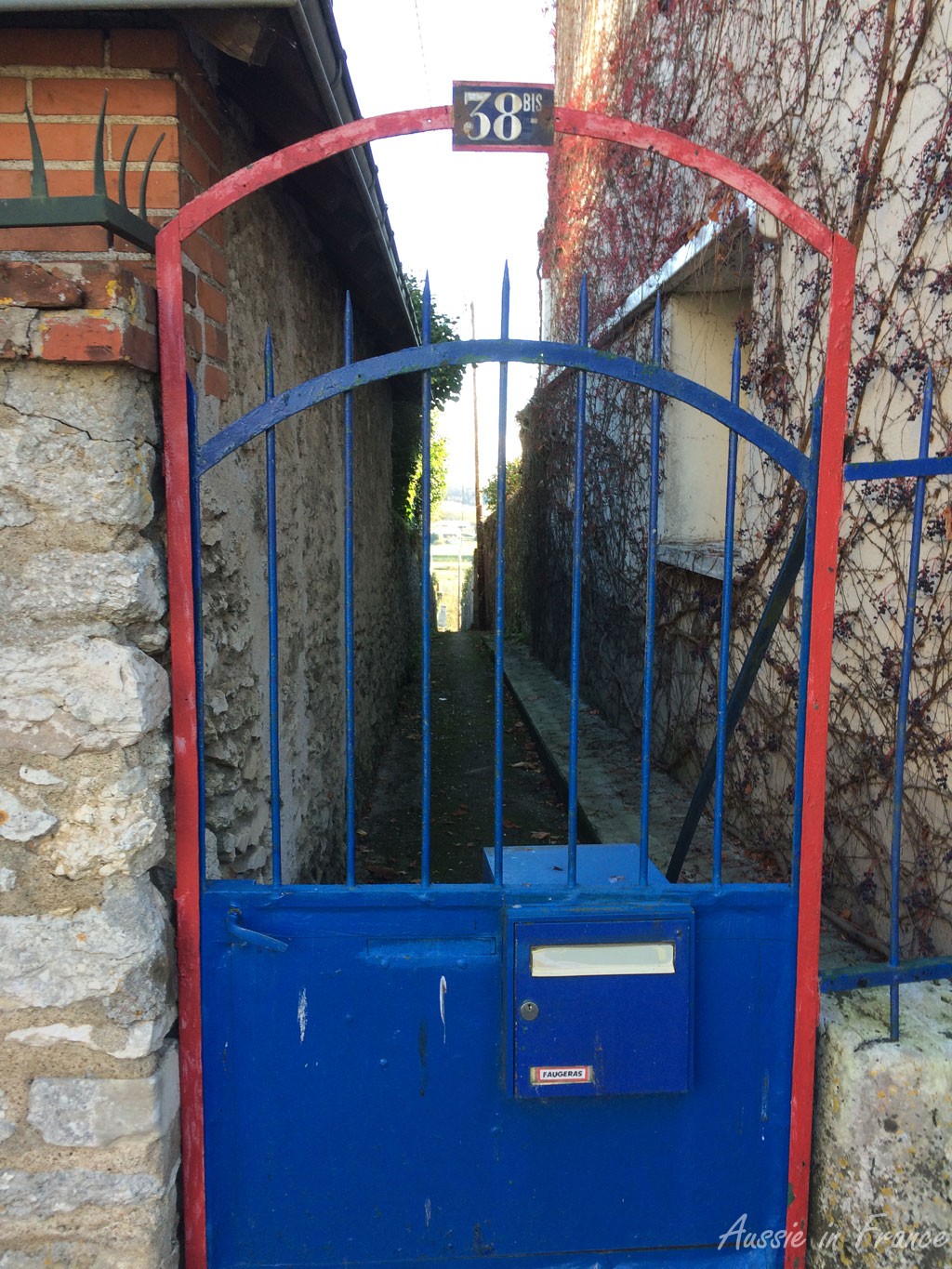
Have you ever noticed a number in France followed by bis or ter, particularly on an entrance or gate? Well, it means that a house or property has been divided up, so it’s like our a or b.  He lives at 3a = Il habite au 3bisBis comes from Latin – twice – while ter means three times.

photo_334_gate_with_view

An American friend living in France told me the following: “As far as I know, there is no equivalent in the States. Every property has its own street number. I guess this is possible because all the steets and properties are relatively “new” as compared to European ones. When a street is created, all the properties and their numbers are assigned (even if there are no buildings yet on them). And in some cases there may even be some gaps in the numbering to allow for properties being subdivided. But I can’t ever recall the same street number being “shared” as here with the “bis”. Of course, it’s a different matter with apartment numbers which may have a an “A” or “B” etc.”

An Australian friend living in Australia adds: “We have 3a as well as 3 when it is a battle-axe block i.e. a house built in the back half of the property. We have a lot in our street.” Don’t you just love “battle-axe block”?

Another friend, living in France this time, lives at 64a and not 64bis. When they bought their house a few years ago, the previous owner kept some of the land and wanted to keep the number 64 for practical reasons. The municipality assigned our friends the number 64a and not 64bis. However, this is most unusual.

What is the system in your country?

Bis is used in other contexts in French as well. At the theatre, bis means encore which is interesting because in English, we use the French word for again. You can also say rappel from rappeler ,to call back.

To call for an encore is bisser or crier “bis”. Elle a été bissé trois fois = She had three encores. To play an encore is jouer or faire un bis. The pianist gave several encores = le pianiste  donné plusieurs bis.

An itinéraire bis is an alternative route, not exactly a detour which is déviation, but a route to avoid peak traffic, for example.

To go back to encore in French. It doesn’t just mean again. It can also mean still, only, more, even and also – just to mention a few.

Elle s’est encore trompée de rue = She took the wrong street again.

Il restait encore du fromage = There was still some cheese left.

Ce matin encore, il me parlait de son petit fils = Only this morning, he was telling me about his new grandchild.

Encore un peu de thé ? = A little more tea?

Il est encore plus bête que je ne pensais = He’s even sillier than I thought.

Ce n’est pas seulement triste mais encore ridicule = It’s not just sad; it’s also ridiculous.

I’m sure you have lots of other examples with different words in English.

Friday’s French – Important, importance, substantial, substantiel

Unlike English, important in French can indicate quantity where in English, it only means “of great import or significance”.

e.g. Il y avait un nombre important de demandes : there were a large number of applications.

Il y a un nombre important d'églises en France
Il y a un nombre important d’églises en France – There are a large number of churches in France

In English, we have to choose among a whole range of words such as large, considerable, substantial, big and extensive!

You sometimes see substantiel in French but it is often a loan translation or calque. Substantiel is used more restrictively in French.

Nourriture substantielle = nourishing food

Exposé très substantiel = An essay with a lot of substance

Only in sentences such as il a obtenu des advantages substantiels = he obtained a substantial number of advantages  is it used in the typical English meaning of the word.

My Chambers dictionary gives SIXTEEN different meanings for substantial :

  1. Of or having substance
  2. Being a substance
  3. Essential
  4. Actually existing
  5. Real
  6. Corporeal, material
  7. Solid
  8. Stable
  9. Solidly based
  10. Durable
  11. Enduring
  12. Firm, stout, strong
  13. Considerable in amount
  14. Bulk
  15. Well-to-do, wealth, influential
  16. Of firm, solid or sound value.

WOW! What a useful word. Unfortunately it doesn’t give examples but I’ll try and find some. You can see that the solution in French is different every time.

He sustained a substantial loss = Il a subi une perte considérable.

My father was a very substantial man in his heyday = Mon père était un homme imposant dans la force de l’âge.

That is a very substantial argument = C’est un argument de poids.

The house has a substantial structure = La maison a une structure solide.

He offered substantial proof of his innocence = Il avait des preuves convaincantes de son innocence.

They run a substantial business = Ils ont une grosse affaire.

They are in substantial agreement = Ils sont d’accord sur l’essentiel.

His objections were substantial = Ses objections étaient bien fondées.

She comes from a substantial Scottish family = Elle vient d’une famille prospère écossaise

Une modification substantielle d’un contrat  concerns the substance of an agreement i.e. an essential component such as remuneration or qualification. This is called a substantial amendment in English but un élément substantiel d’un contrat is an essential part of a contract and not a substantial part.

Substantial completion is a term widely used  in construction and applies when the contractor has substantially but not completely performed the contract requirements. In French this is known simply as achèvement but we’re getting into legal subtleties here!

Do you know any other examples in which important/important and substantial/substantiel have different meanings in English and French?

Friday’s French – gens, personnes, monde, peuple, people

People learning French seem to find it difficult to know how to translate the word people! It’s because there are several different words that can be used depending on the context and meaning: gens, personnes, monde, peuple, people. Aïe!

Il y avait beaucoup de monde au marché. Il y avait plusieurs personnes habillées en noir. Les gens avaient l'air content parce qu'il faisait soleil.
Il y avait beaucoup de monde au marché. Il y avait plusieurs personnes habillées en noir. Les gens avaient l’air content parce qu’il faisait soleil. – There were lots of people at the market. Several people were dressed in black. People looked happy because it was sunny.

Let’s start with a few examples and see how they are used.

Les gens intelligents = clever people

Les personnes âgées = old people

Les jeunes (gens) = young people

Beaucoup de gens/monde = a lot of people

Il y avait beaucoup de monde = the place was full of people

Plusieurs personnes m’ont parlé de l’accident. = Several people told me about the accident.

Combien de personnes ? = How many people?

Ce sont de drôles de gens = They’re strange people.

Que vont penser les gens ? = What will people think

Le peuple australien = the Australian people

Les gens de la campagne = country people

Can you see a pattern emerging? Well I can’t !

Why don’t we say les personnes intelligentes and les gens âgés ? And why not les jeunes personnes ?

I checked my Larousse dictionary to see if I could find a difference

GENS :

  1. Personnes en nombre indéterminé – People when there is an indeterminate number [Les gens flânaient dans la rue – People were wandering in the streets]
  2. Les hommes en général – Men in general [Les gens sont influencés par la publicité – People are influenced by advertising]
  3. Telle ou telle personne, ou la personne qui parle – Such and such a person, or the person speaking [Vous avez une façon de recevoir des gens ! – You have a way of welcoming people!]
  4. Personnes appartenant à un état, à une profession – People belonging to a state or profession. [Les gens du spectacle – People in show business]

OK, it’s clear for n° 4 and maybe fore n°2 but it doesn’t really explain why we talk about personnes intelligentes but gens âgés.

So I asked the question on my French translators’ list and got some very different answers, some of which are contradictory which just goes to show that even the French don’t agree on usage!

1. It’s always better to use personnes when you can.

2. Les gens intelligents et les personnes intelligentes sont différents. Maybe, but if it is, it’s very subtle. I googled the two expressions and in most of the examples they seem pretty interchangeable to me, with 30,900 hits for personnes intelligentes and 165,000 for gens intelligents!

4. Personnes is used when it could be perceived negatively such as personnes âgées, personnes handicapées (yes, handicapped is politically correct in French!) and gens when it’s positive : jeunes gens, braves gens. Ok, but what about les gens tristes?

5. Semantically, when using personnes the human dimension is stronger while gens is a neutral term. Personnes âgées shows respect for the elderly.

6. Jeunes gens is the plural of jeune homme and excludes jeunes filles.

7. Jeunes gens can also mean jeunes filles.

8. Personnes is used to distinguish a particular group such as grandes personnes (adults), personnes sourdes (the hearing impaired).

9. Correct French always “sounds” right. Yes, but only if you are brought up hearing correct French in my opinion!

10. Maybe gens is more difficult to use with an adjective because it can be either masculine or feminine or both.

My personal feeling is that it is mostly a question of what people usually use. In French, personnes âgées is by far the more prevalent expression (17,300,00 hits on google as opposed to gens âgés).

If you’re talking about a nebulous group – sad people, happy people, clever people, people in the street, people who live alone – you would use gens: les gens tristes, les gens heureux, les gens intelligents, les gens dans la rue, les gens qui habitent seuls.

If the group is more specific (with the exception of personnes âgées which is the more usual term as state above), such as the people on my left, the people who arrived late, the people concerned, you would use personnesles personnes à ma gauche, les personnes qui sont arrivées en retard, les personnes concernées.

But despite all this, personnes and gens are not always interchangeable. I started writing this post after hearing an English speaker use the wrong one but now I can’t for the life of me remember what it was!

However, in the initial set of phrases, it is not possible to say plusieurs gens, combien de gens, que vont penser les personnes or les personnes de la campagne. It would just sound odd!

And one last word before I finish off. People is used in French to mean celebrities.

Any questions???