Meeting the Neighbours in Blois Part 2

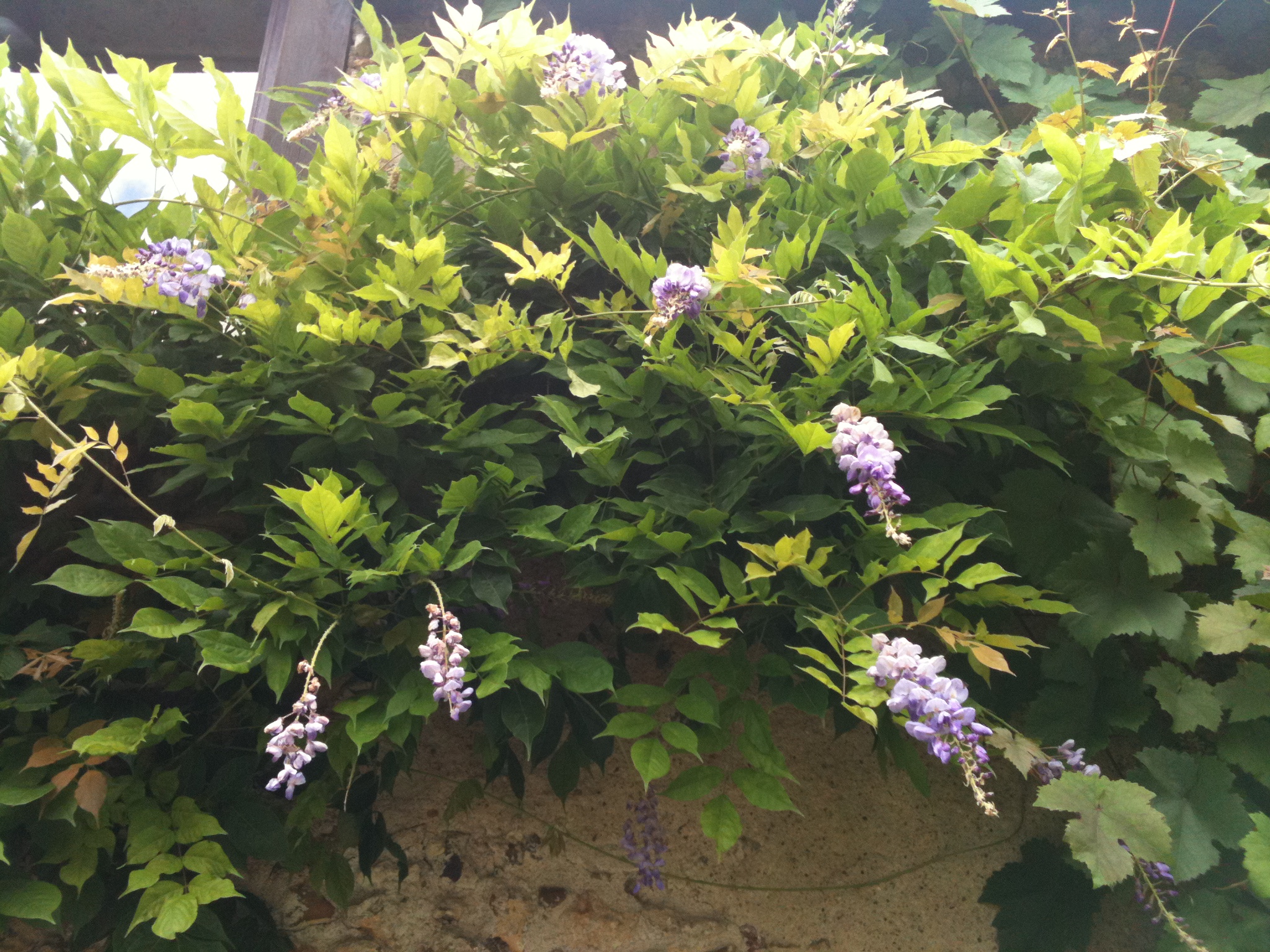
Each time we’ve come down to Blois since we signed the final papers in April, most of our waking hours have been spent getting the gîte ready and planting potatoes in the rain. So this time, we decided we’d have a holiday. Yesterday was our first “work-free” day so after a côte de bœuf cooked on the barbecue in the garden, admiring our reflowering wisteria, we cleared the table and set off for a walk in the twilight. These are the longest days in the year when it doesn’t get completely dark until 11 pm!

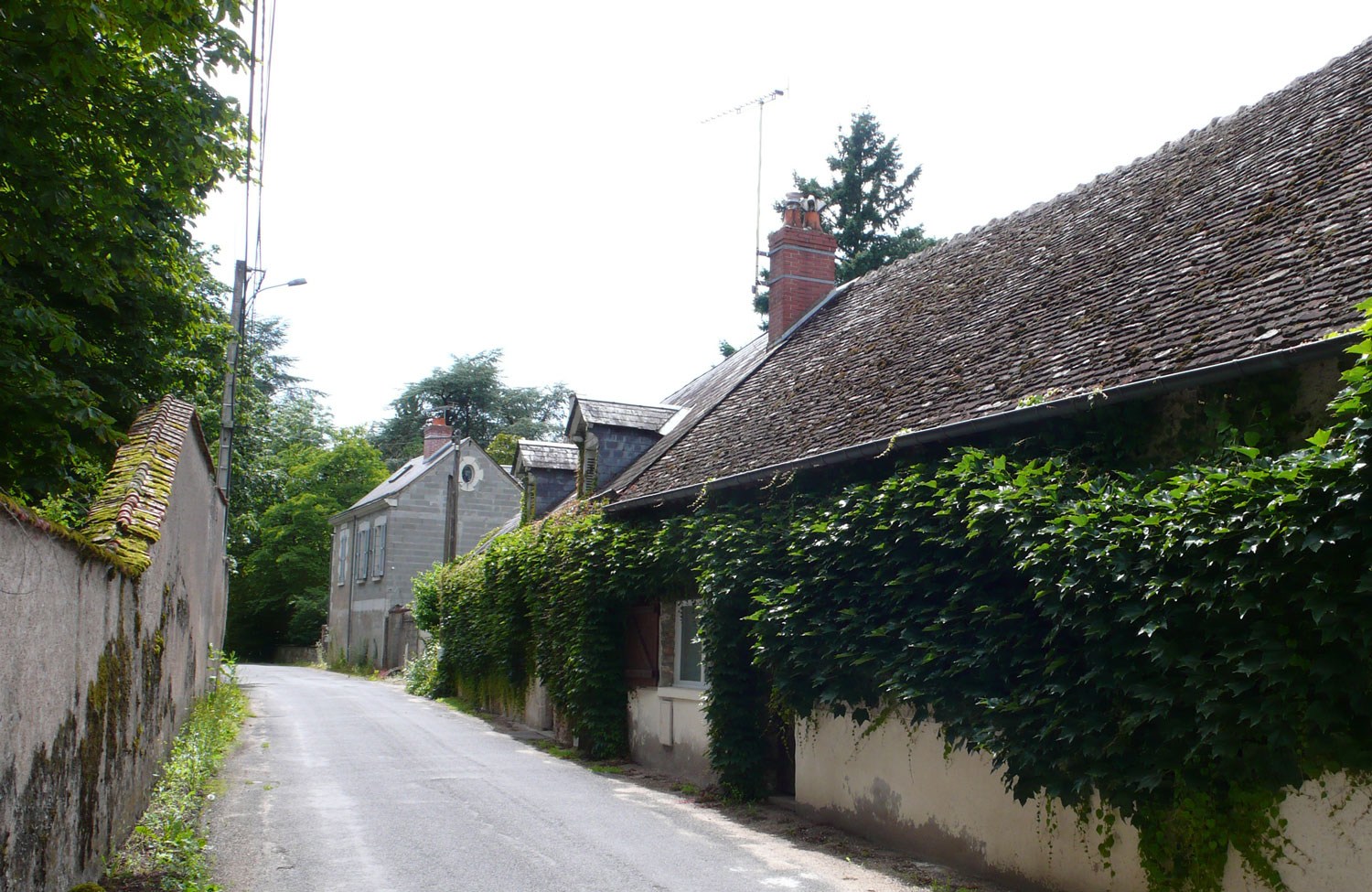
As we were walking up our road on the way back from a long ramble at about 10.30, we saw two couples about our age in front of a house whose ivy-covered front façade gives directly onto the road and could hear them laughing and saying, “Shh, not so loud. Don’t be so noisy” – in French of course. So as we got closer, I said, “Who are these people making so much noise in our street?”. Everyone laughed and I introduced us as their new neighbours. Relationnel chipped in, describing the house. “Oh, yes, then you must be the Australian!” came the reply! Once again, my fame had gone before me. Mr Previous Owner had obviously been paving the way for us.
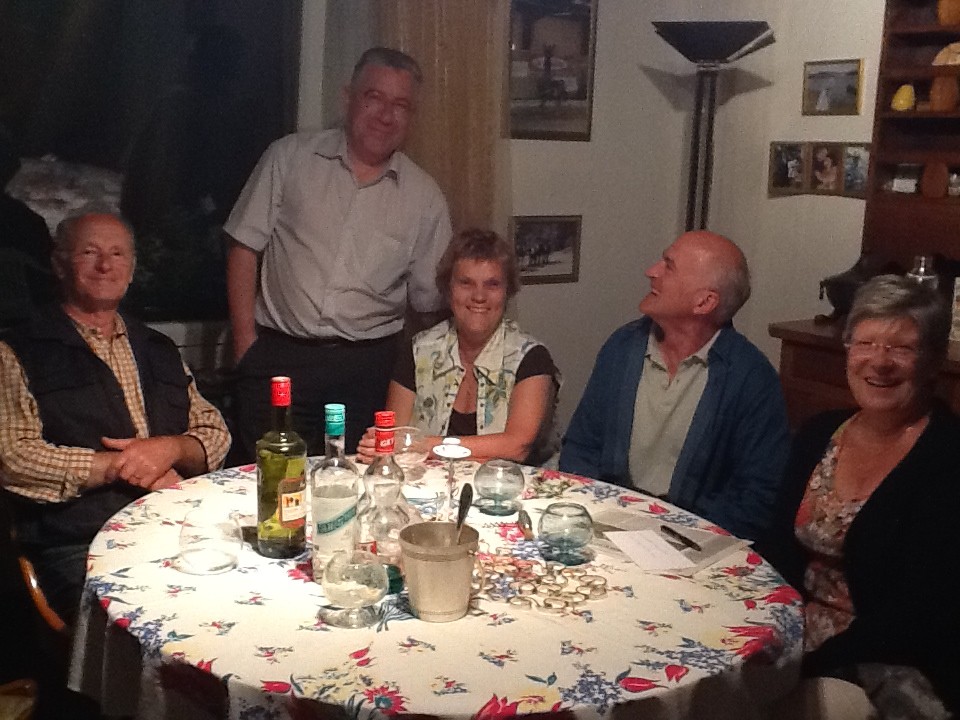
We chatted and joked for a few minutes, then Françoise suggested we all come inside for a digestif, explaining that they had been celebrating her husband’s birthday. We accepted with alacrity. Françoise and Paul arrived in Blois 24 years ago from the Paris area and found intergration into the local community difficult at first. Since Françoise has a degree in English and Paul works for an American company, they have hosted many English speakers over the years, mainly youngsters, but Françoise told us a very funny story about a 74-year old American who came to stay and was surprised at the lack of air-conditioning. She even wanted to change host families but in the end, Françoise was able to get her into the local bridge club and, from then on, things improved considerably.

Their neighbours from just a couple of doors down, Liliane and Alain, are real locals. Well, not quite. Lilian is, as she, her parents and grandparents were born in Les Grouets, which is the name of our neighbourhood. She knows all the local history and was able to fill us in on the area. I had noticed Alain’s accent but didn’t like to ask where he was from. Not that he would have minded. He’s a great wit and obviously the life and soul of any party.
It turns out he’s Solognot from the region called La Sologne, between the Loire and Cher rivers and only a stone’s throw from here. It’s known for its forests and lakes and was a favourite hunting ground of kings and princes. Its most famous châteaux are Chambord and Cheverny. You may remember that we went to a huge brocante at Chambord in May.

We learnt from Paul, who’s in IT, that we’ll be getting a fibre connection in 2014, which is wonderful news. Françoise brought out her iPad (oh, wasn’t I jealous!) and took photos so I told them about the blog and the Loire Connexion community for anglophones masterminded by Summer Jauneaud. Françoise was delighted because she doesn’t have a lot of opportunities these days to speak English.

The time slipped by incredibly quickly, no doubt helped along by some sort of mint on the rocks digestif and we didn’t leave until well after midnight! What a wonderful start to our holiday ! And very encouraging for our future life at Closerie Falaiseau.
Top 5 Lessons Learned Biking the Atlantic Coast – Taking to the Paris skies with Air de Paris – “Night of the Muses” at Château Vaux-le-Vicomte

Summer looks as though it’s really on its way at last. So in this Wednesday’s blogger round-up, Experience France by Bike shares 5 lessons learned biking the Atlantic Coast, Like Home in Paris takes us up into the skies of Paris and Mary Kay from Out and about in Paris tells us about a magical candlelight evening at Château Vaux-le-Vicomte.

Top 5 Lessons Learned Biking the Atlantic Coast

by Experience France by Bike

Traveling by bike is always a huge adventure.  No matter how well you plan, how organized you are, or how experienced of a cyclist you are, you never really know what you will encounter until you get there.  And, each trip seems to have its own unique adventures, so you don’t always benefit from your learning curve.  My latest trip along the Atlantic Coast of France was no exception.  It was full of adventure and challenges, but it was also full of new friendships, breathtaking scenery and an opportunity to see France in a way never experienced by normal tourists. Read more.

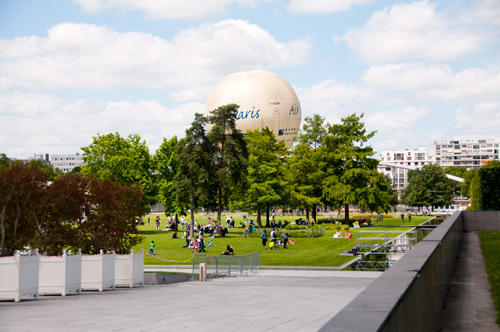
Taking to the Paris skies with Air de Paris

by Like Home in Paris

When I heard that you could go up in an air balloon in Paris to have some lovely views, I was determined to go and try it out. Forget fear of heights and all those other things instinctive things that tell me that going up 150 meters in the world’s largest air ballon – the de Mongolfier brothers would be proud. What a thrilling sensation (don’t ask me about the decent if you have a bit of trepidation). The ride lasts roughly 15 minutes and there is a flight every 15-20 minutes depending on the weather conditions. Thankfully if there is too much wind they are not going up. Read more.

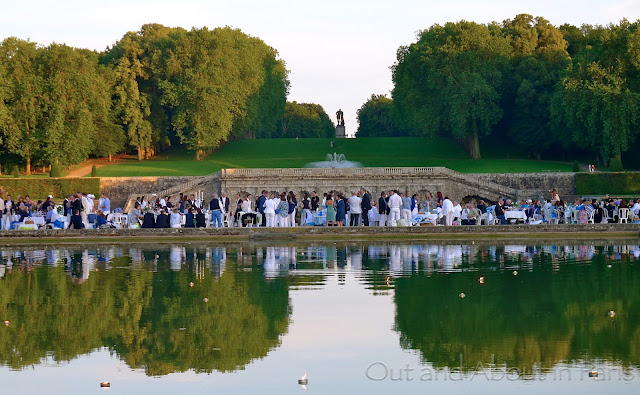
“Night of the Muses” – 2,000 candles, fireworks and champagne at Château Vaux-le-Vicomte.

by Mary Kay from Out and About in Paris, an American by birth, Swiss by marriage, resident of Paris with a Navigo Pass for the metro that she feels compelled to use

Decision, decisions, decisions. Perhaps one of the most difficult things about living in Paris is that there’s always so much going on that it’s hard to choose what to do. Take last Saturday as an example – the dilemma of the day was deciding if we should celebrate the 5th anniversary of theVelib bike sharing program on the Champs-Élysées, watch the Euro-Cup quarterfinal soccer game between France and Spain on the big screen at Trocadero, see the seven-time World Champion pétanque player in action at the Hôtel de Ville or go to the candlelight evening at Château Vaux-le-Vicomte. Read more.


Another Great Place to Dine in Blois

Up until now, most of the time spent in Blois at our beautiful Renaissance home, Closerie Falaiseau, has been devoted to getting the ground floor ready for holiday rental. Now that we have our first guests, we decided it was time for a bit of a holiday. We arrived quite late in Blois, having spent the day driving around Paris and over-estimating the time needed to do various errands such as stocking up on bread-making flour and buying another expresso machine.

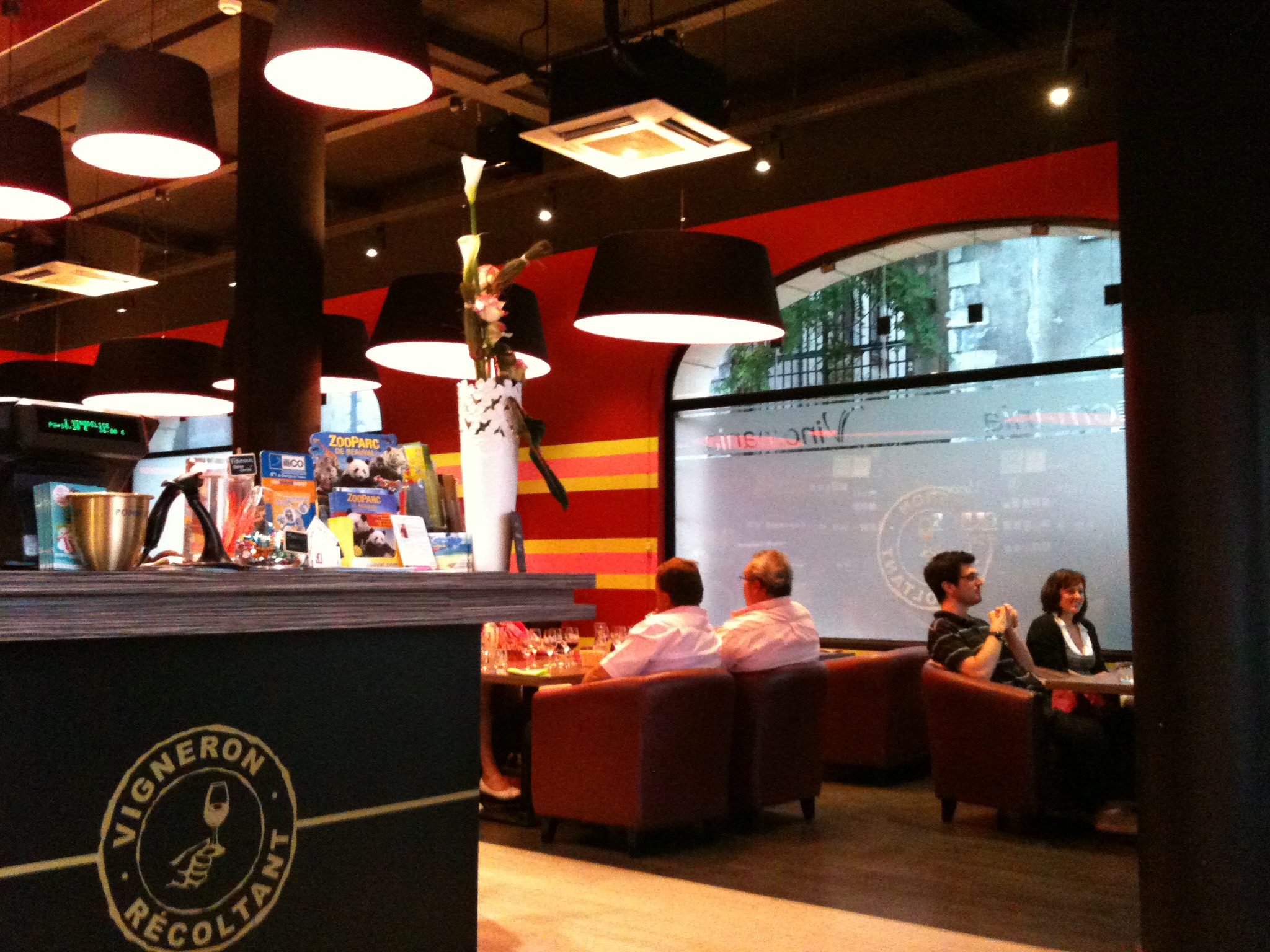
We debated where we would go for dinner on a Saturday night without a reservation at nearly 9.30 and thought we might try Vinomania since Femme Francophile and I had enjoyed our wine-tasting there so much. And we were not disappointed!

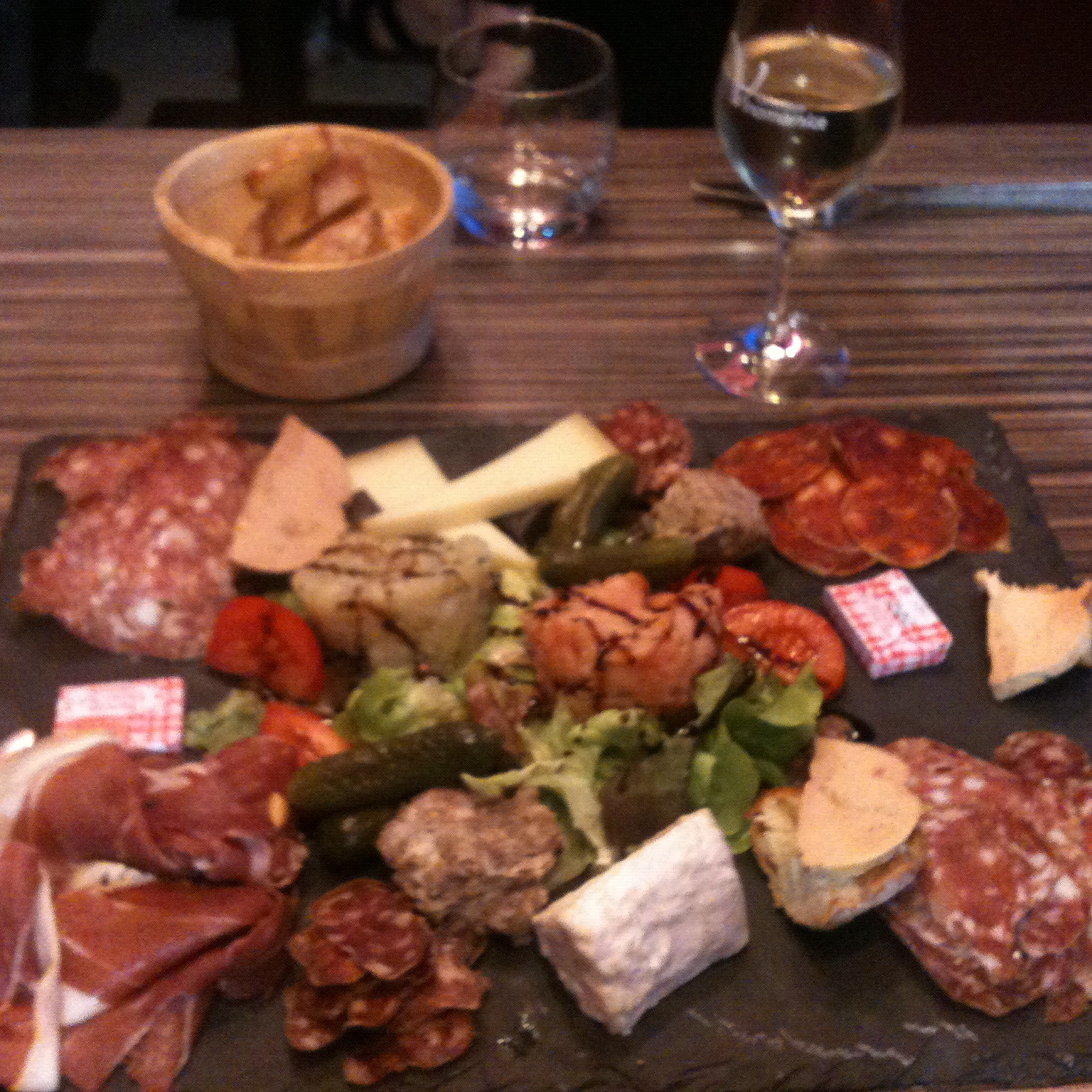
We chose the Vino Prestige menu, which is a platter for two including foie gras, various cold cuts, cod and salmon tartare, pâté and cheese. We had an excellent entre-deux-mers to go with it. A strange name for a wine (between two seas) particularly when you consider that it comes from the Bordeaux region, but the explanation is simple: it’s grown in the area in between two rivers, the Garonne and Dordogne.

Three grape varieties are blended – semillon, sauvignon and muscadelle. It’s a light wine, to be drunk young, and has a citrus fruit and pineapple nose. It goes well with oysters, fish, crustaceans and foie gras so was the perfect choice! We had an interesting chat with the owner who is just celebrating the first anniversary of Vinomania which is gradually gaining a regular clientele, not always easy in a small town.

I love its bright colours, comfortable armchairs and spacious tables. The service is cheerful and attentive and it’s excellent value for money. Our Vino Prestige platter was 19.50 and our bill, which included two glasses of wine each and an excellent café gourmand, came to about 40 euro. We’ll definitely be going back!

Vinomania Blois, 12 rue du poids du Roi, 41000 Blois. 02 54 90 17 66 http://www.vinomania-restaurant-blois.fr/ 

Sunday’s Travel Photos – Stein am Rhein in Switzerland

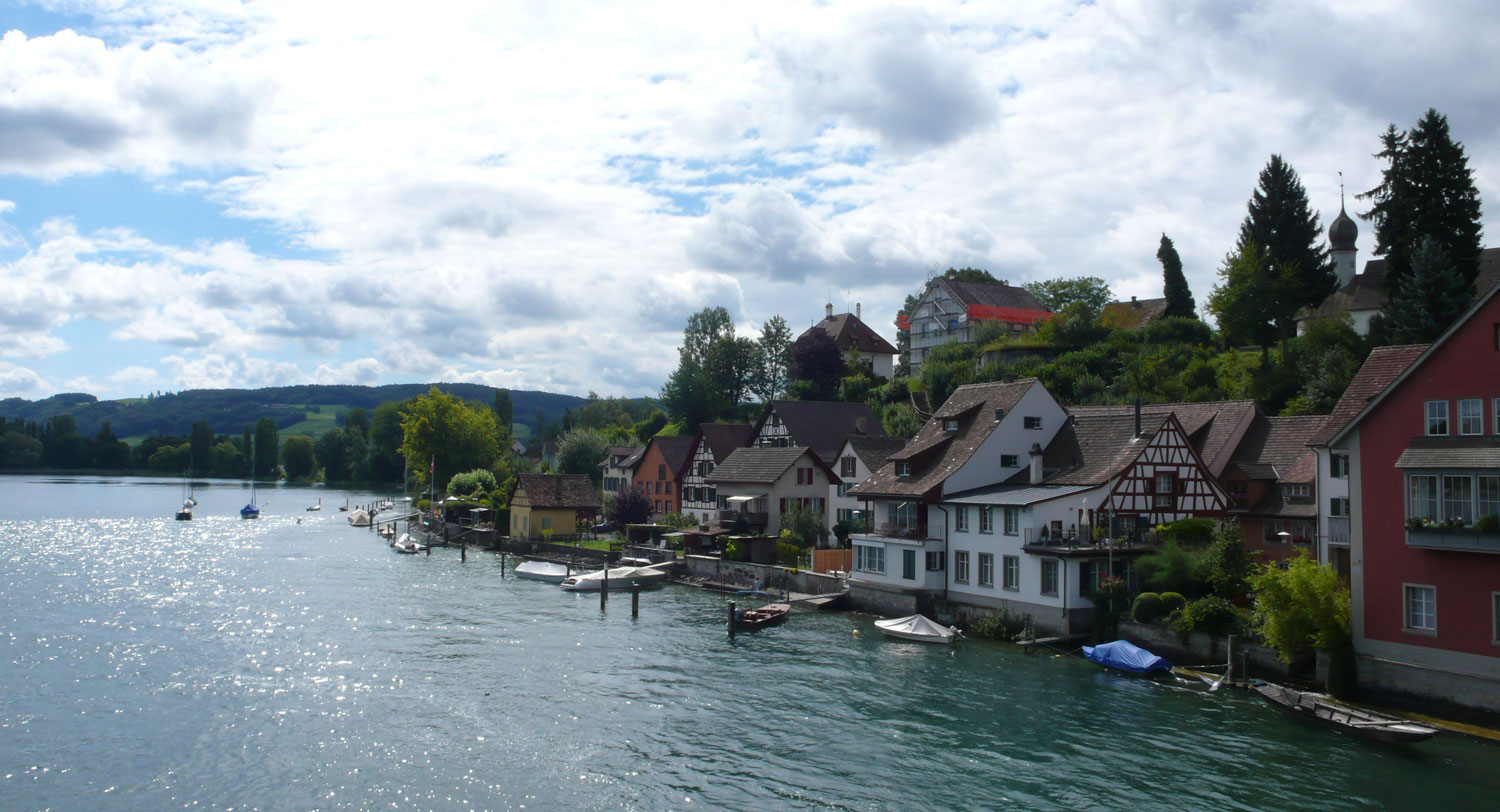
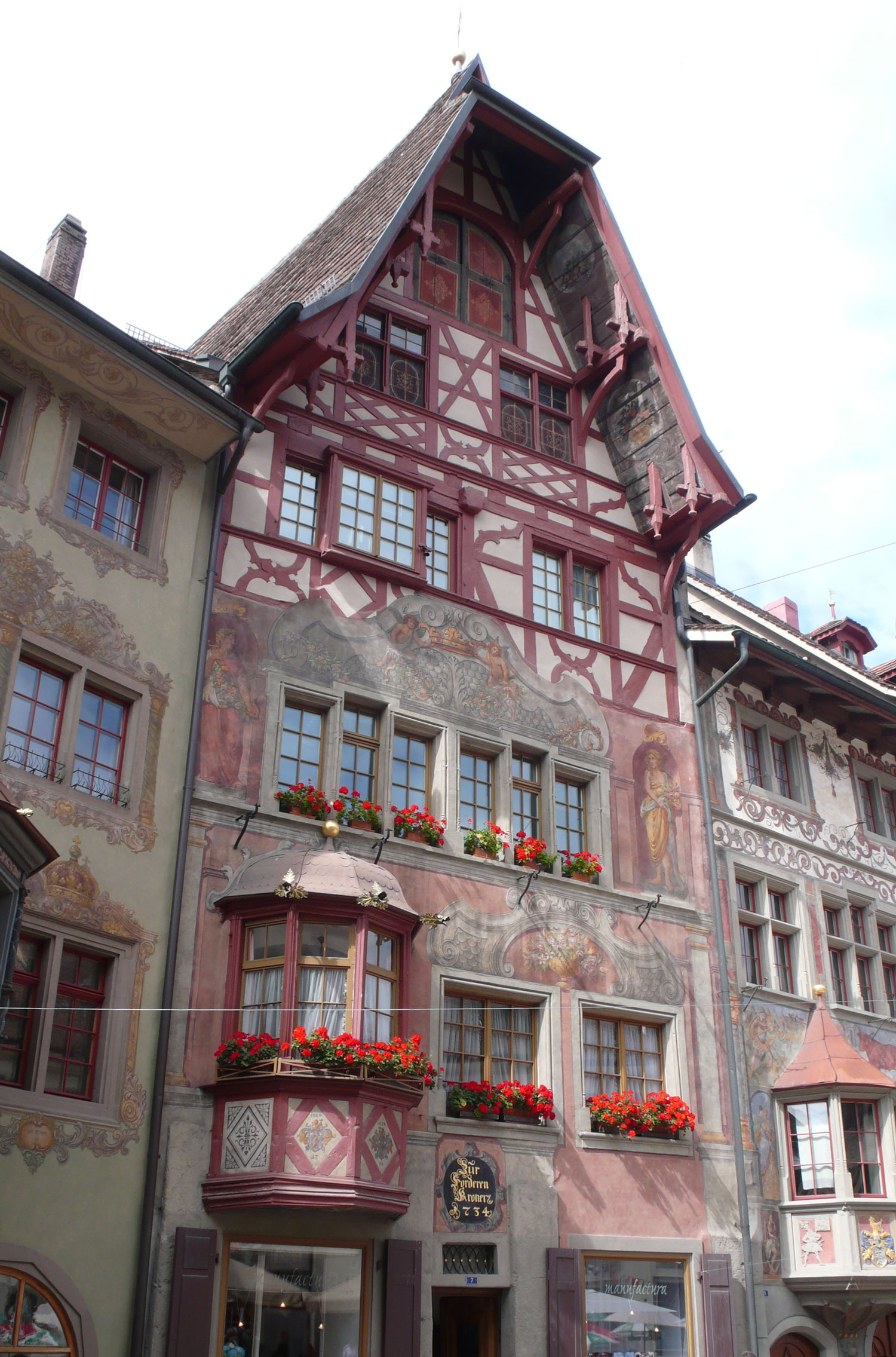
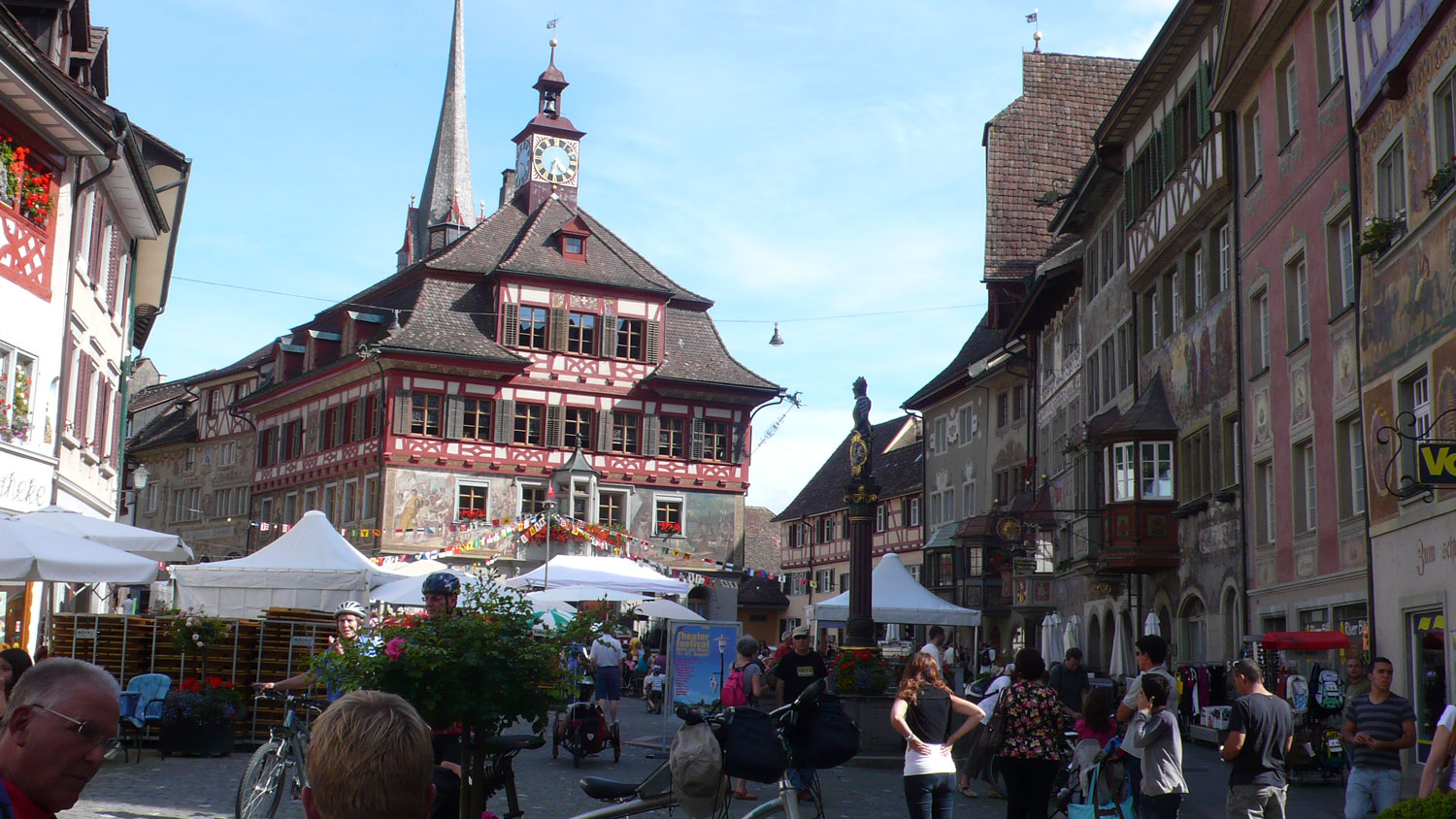
I have already posted photos of the Rheinfall, the beautiful natural waterfalls on the Rhein River. Stein am Rhein is a charming little village close by. The first two photos are taken from the bridge that we cycled across from the waterfalls, followed by some of the beautiful painted façades in the centre. Not easy to photograph, particularly with so many tourists but it was a Saturday in mid-August and Stein is a very popular venue. The last hoto shows the more mediaeval side of the little town.


La Fete de la Musique

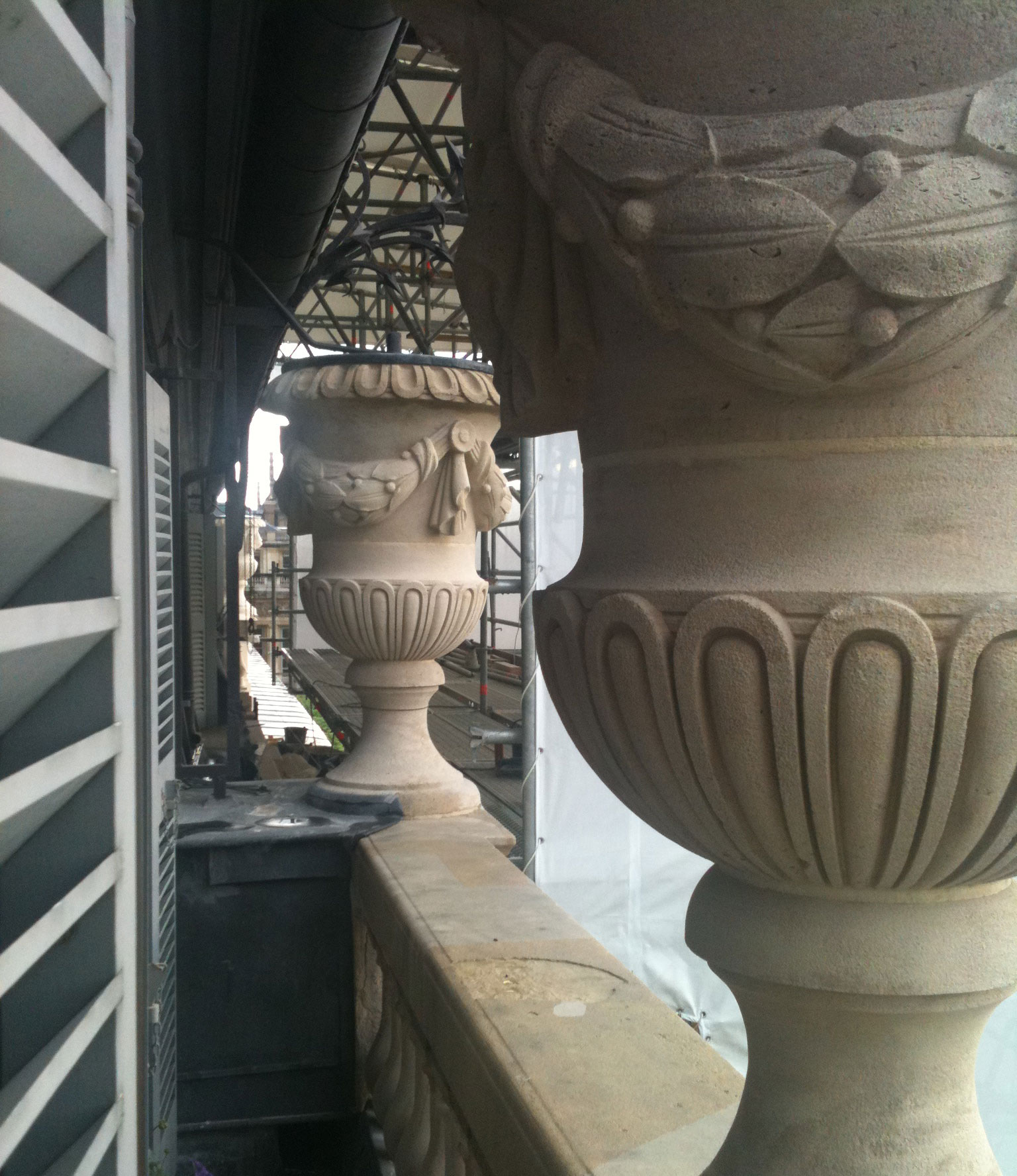
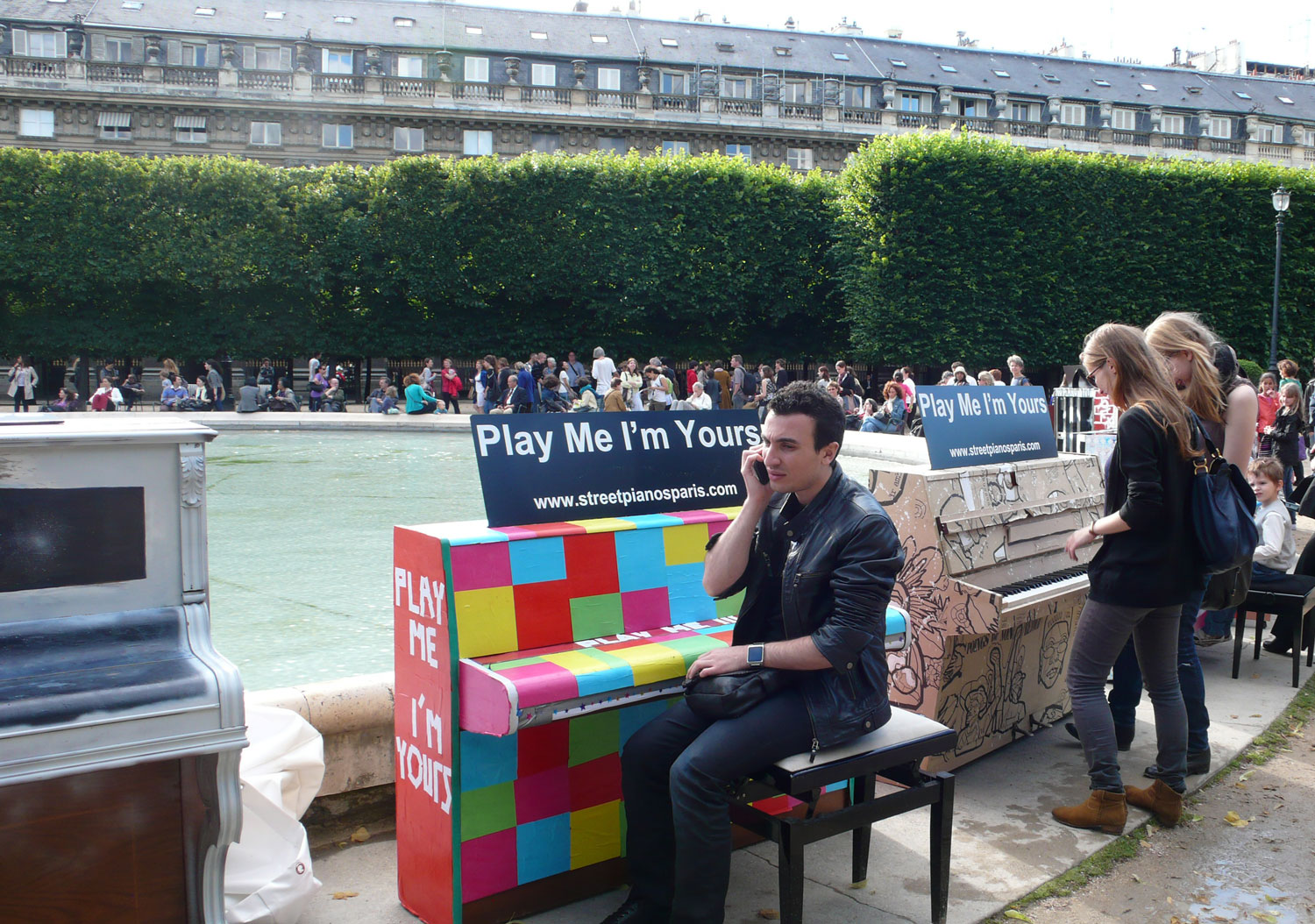
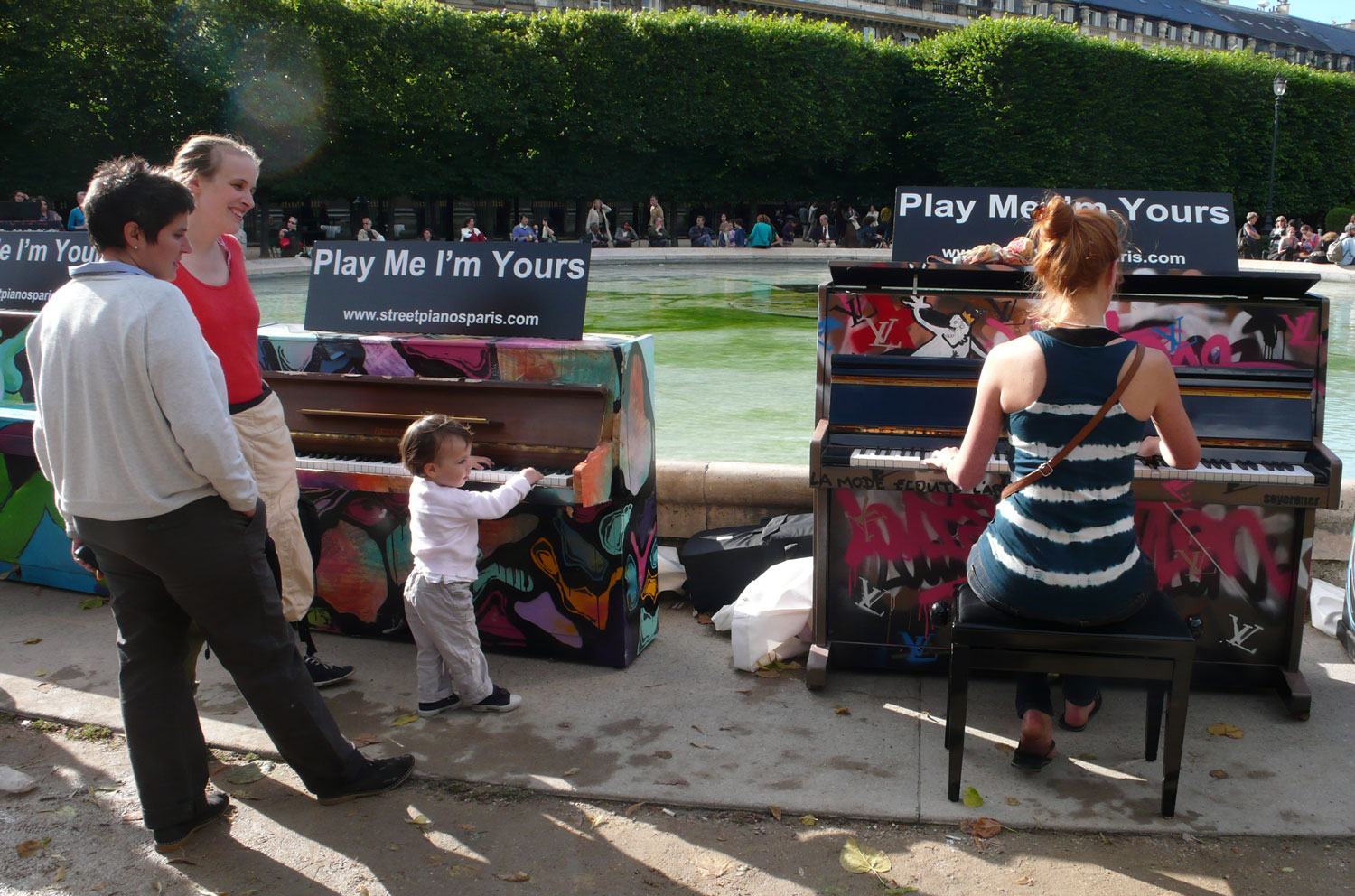
The music festival celebrated in France on the 21st June, which corresponds to the summer solstice in Europe, was created by French culture minister, Jack Lang, in 1982. It’s also celebrated in other parts of the world where it is known as World Music Day. Until we came to live in the Palais Royal seven years ago, we mainly went to local manifestations. Now we have one literally on our doorstep. Unfortunately, it is a little loud for my liking. Loud booming music from a stage down the other end of the gardens began this morning at 9 am, vying with the percussion tools of the workers renovating the balcony next door.

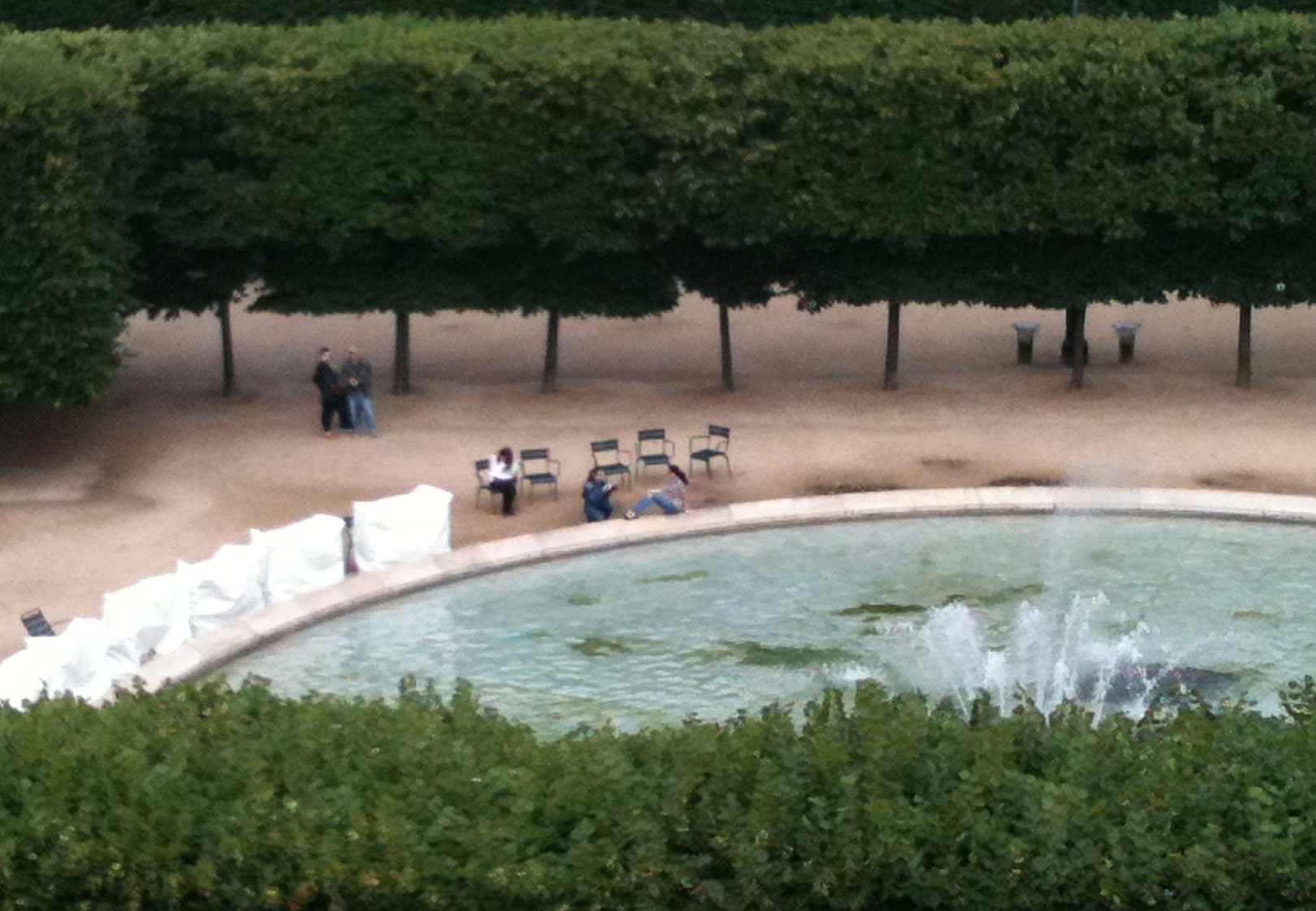
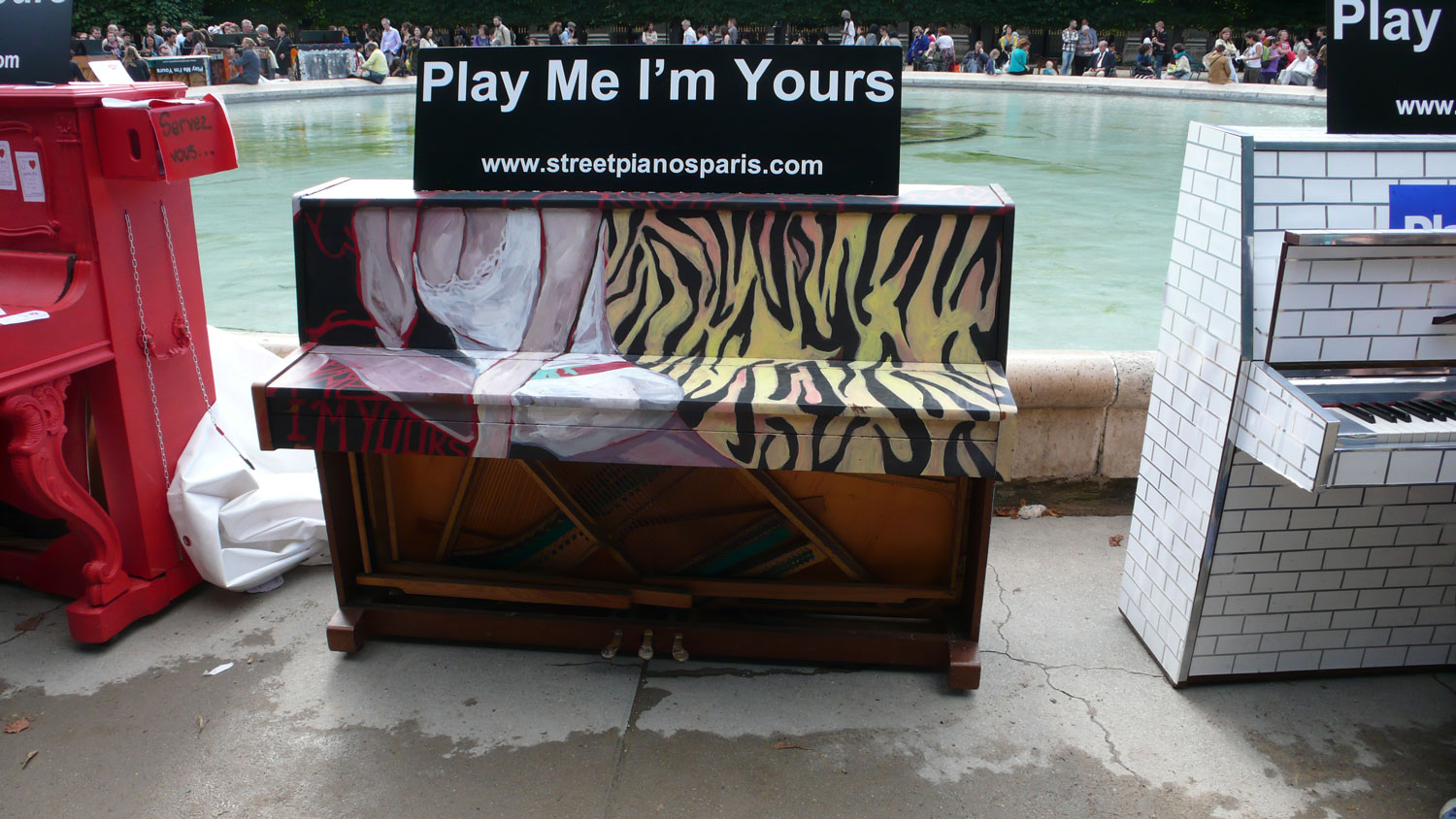
When I looked out the window later in the morning, however, I was surprised to see some large white objects around the newly cleaned up fountain. I took a photo and tweeted it. Mary Kay from Out and About in Paris (who’s been taking us to the Paris races recently) tweeted back “They’re 40 pianos! For the big concert this afternoon! “Play me I’m yours”. I plan to be there.” I am a little embarrassed to say I knew nothing about it! I checked it out though and phoned Brainy Pianist to check that he knew about it.  Mary Kay informed me that it was on from 4 pm to 7 pm. That was around lunchtime.

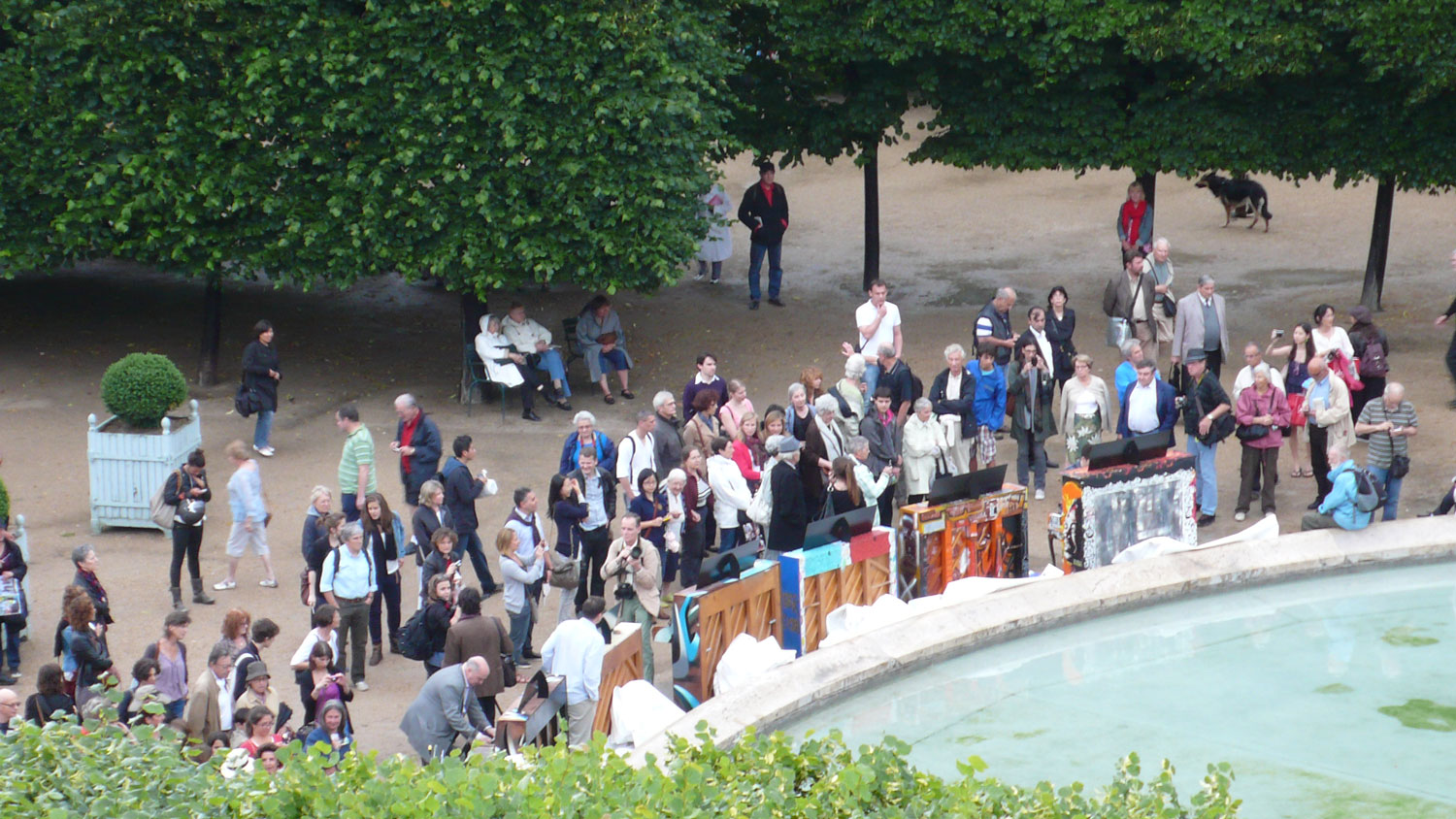
Until  4 o’clock, I had booming music interspersed with percussion tools, rain, occasional sonatas and concertos, rain, percussion tools and booming music. The percussion tools then went home for the day. The first three pianos were unveiled and the booming music disappeared. The sky gradually cleared and the sun came out intermittently. All the other pianos were uncovered and the music began for real!

Mary Kay dropped by around 5 and we both took lots of photos from the balcony. At 7 pm, however, they brought the booming music back which somewhat silenced the pianos. What a wonderful initiative! More information on Mary Kay’s blog: http://outandaboutinparis.blogspot.fr/2012/06/play-me-im-yours-40-street-pianos-in.html

Wine Tasting in the Loire Valley Part 2

I just sat down to write up my impressions of our recent wine tasting with Femme Francophile at Vinomania in Blois but, surprise, surprise, I’ve left my notepad at Closerie Falaiseau, and I don’t know how much I can rely on my memory to relate the details of a 3-hour session! But I’ll try anyway and then write another post when I get my notepad back.

Virginie, the sommelier, has various wine tasting themes to offer, but I chose one that links the history of the Loire Valley with the local wine production. Now, wine from the Loire Valley is not held in much esteem in France. Most people favour bordeaux and burgundies for red and Alsatian wines (particularly rieslings) and chardonnay for white, although sancerre does have a small following. There is actually an historical reason for this, but that’s one of the things I can’t remember!

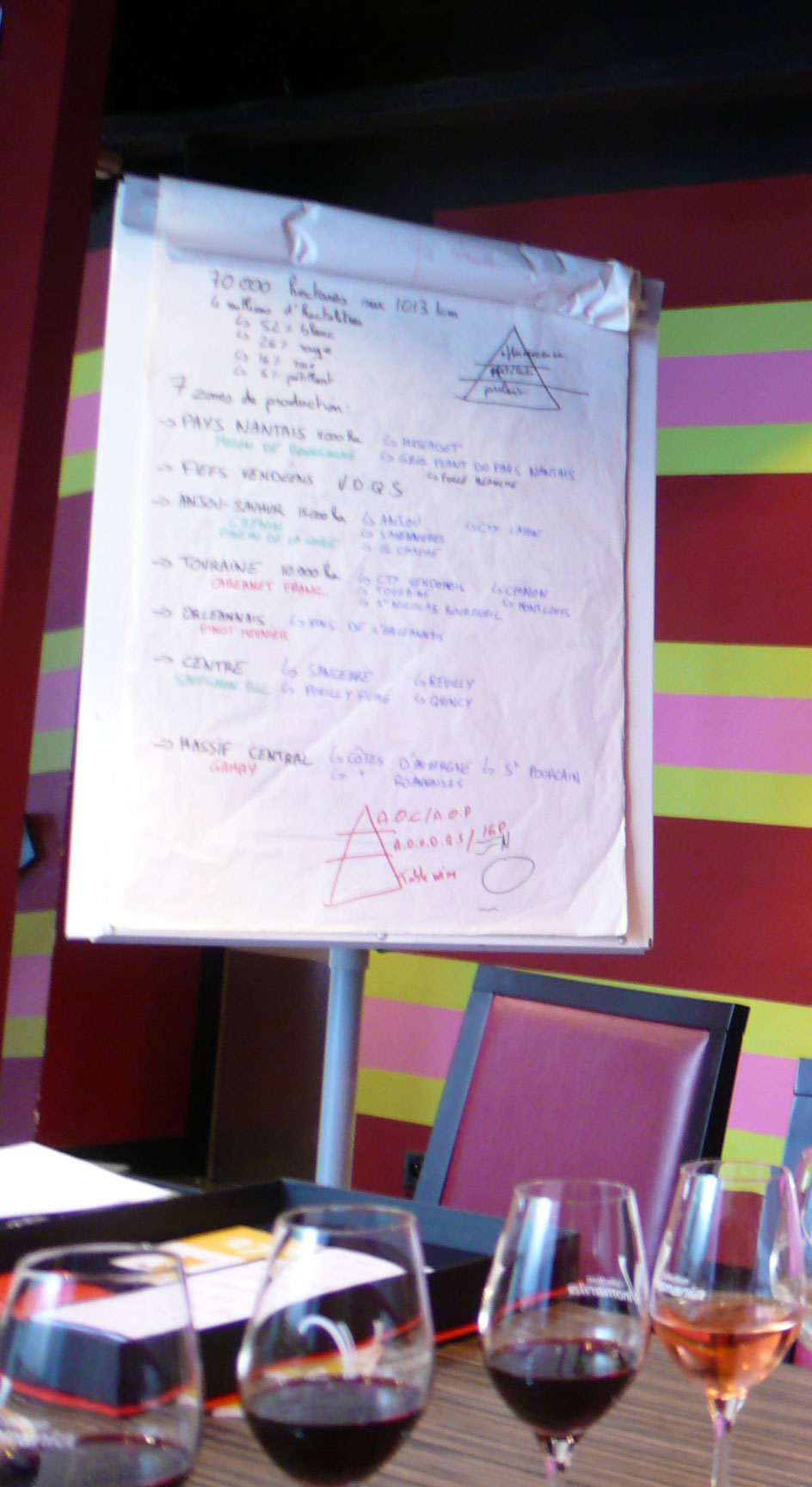
The Loire vineyard is 1013 kilometres long and covers 70,000 hectares. That’s about 170,000 acres. And they produce every type of wine: white (52%), red (25%), rosé (16%) and natural sparkling (6%). The grape varieties (or cépages as they’re called in French) are numerous but the names are often different from those used in other parts of France.

Melon de Bourgogne (brought over from Burgundy by monks in the 17th century), chenin (also called pineau de la Loire), sauvignon (which sancerre is made of), chardonnay (also called auvergnat), pinot gris (alias malvaise), chasselas and romorantin are the main whites – already quite a large collection. The reds are cabernet franc (known as bréton because it originally came from Nantes), gamay, pinot noir, cabernet sauvignon, grolleau (sometimes grollot), pinot d’aunis and cot (alias malbec). You may recognise cabernet franc and cabernet sauvignon from Bordeaux among those (the other variety down that way is merlot) and pinot noir and chardonnay from Burgundy. But that’s where any ressemblance stops.

The main production areas are Nantes, Anjou-Saumur, Touraine and the Centre. The most well-known appellations (that’s how they categorise wine in France) are probably chinon, bourgueil, saint nicolas de bourgueil, saumur and saumur-champigny for reds, sancerre, as I mentioned, for whites, and vouvray, which is  a sparkling wine. If you don’t live in France, you’ve probably never heard of most of them. So with all those different grapes (which can be blended of course!), how do you find your way around?

Each grape variety has a range of “noses” to choose from. For whites (and these are probably the easiest to detect), the main ones are “white blossoms” such as hawthorn and apple blossoms, briar roses and roses, citrus fruits, grilled almonds and hazelnuts, pears, pineapple, lychees, apricots, toast, honey and butter. Sounds like breakfast, doesn’t it? But fresh butter is the very distinctive smell of a French chardonnay from Burgundy. The list isn’t really that long and with a bit of training, you can learn to detect most of those, particularly if you practise with those little phials I told you about in a previous post. Our perception of smell is very personal so, as Virginie insisted, there’s no “right” or “wrong”.

The reds offer a lot more variety as far as “noses” go, but on the whole, you can look for berries such as red and black currants, blackberries and raspberries and dark stone fruit such as prunes and cherries. Some of the stronger reds might conjure up mushrooms, cedar, pepper, leather and musk. A smell of vanilla is a typical sign of oak. In the Loire in particular, green capsicum (bell pepper) is a sure  indication of cabernet franc or cabernet sauvignon, particularly when they’re young.

So knowing what to expect can be very helpful when you first begin wine tasting. Next time, we’ll get down to the nitty gritty!

Saint Denis Cathedral – The Mediaeval Cave that Helped Win a War – Prix de Diane 2012 – Hats & Horses

This week, young Australian blogger René de Valois from Cognac & Cigars (alias Brainy Pianist for those of you who regularly read this blog) takes us to one of my favourite places, the Basilica of Saint Denis, where most of the French kings and queens are buried. Another Australian, Francophoney, takes us to a cave near Arras where New Zealanders and British miners helped to win World War I and, on a more frivolous note, Out and About in Paris takes us to one of the big horse races in Paris, Prix de Diane.

La basilique cathédrale de Saint Denis

by René de Valois from Cognac & Cigars

After spending the last couple of weeks travelling around Portugal & Croatia (more to come on that later), I figured I really should start exploring a few more of the sights in and around Paris that I’ve neglected a bit towards the end of semester.

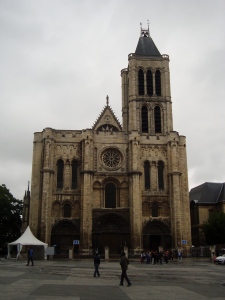
Today I decided to visit the Basilica Cathedral at Saint Denis, just outside of Paris, which is significant for a number of reasons. Not only is the monument an important example of early Gothic art, but it is also closely linked to the history of the French monarchy, having been the final resting place for the vast majority of kings and queens beginning in the 6th century. Read more.

The Mediaeval Cave that Helped Win a War

by Francophoney, all things French as seen by an outsider

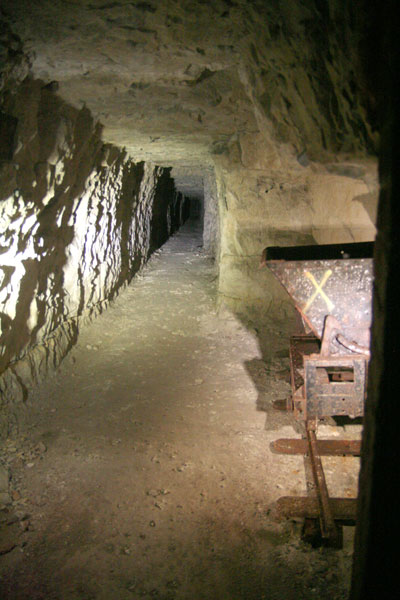
Fifteen metres underground in the French city of Arras, you’ll find lots of caves. They date back to medieval times, and were used as chalk quarries before they were commandeered during the First World War in 1916. New Zealand and British miners were enlisted to extend the cave network to the front line in an effort to surprise German soldiers. By the time they were done, the cave network extended to more than 20km.

Carriere Wellington (Wellington Quary) gets its name from the city in New Zealand, while neighbouring caves were also given New Zealand city names. This aided the 500 New Zealand miners navigate the cave system, while the British soldiers used names from British cities. The cave pictured is one of many built by the kiwis.  Read more.

Prix de Diane 2012 – Hats and Horses! (Part 1)

by Out and About in Paris, an American by birth, Swiss by marriage, resident of Paris with a Navigo Pass for the metro that she feels compelled to use

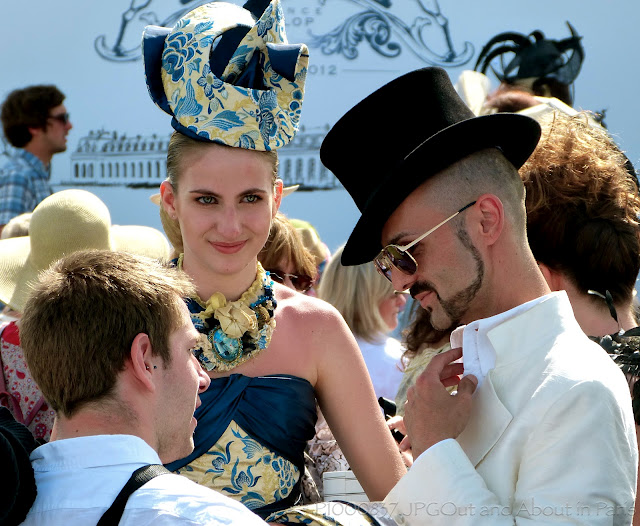
Whew! This is another one of those Mondays when I’m thankful that I don’t have a real job. I’m exhausted and suffering from sensory overload after marveling at all of the elaborate hats at thePrix de Diane yesterday. But I wouldn’t have missed a second of it because I’ve been looking forward to the famous horse race ever since Stéphane and I first went to Chantilly last year. Read more.


Wine Tasting in the Loire Valley Part 1

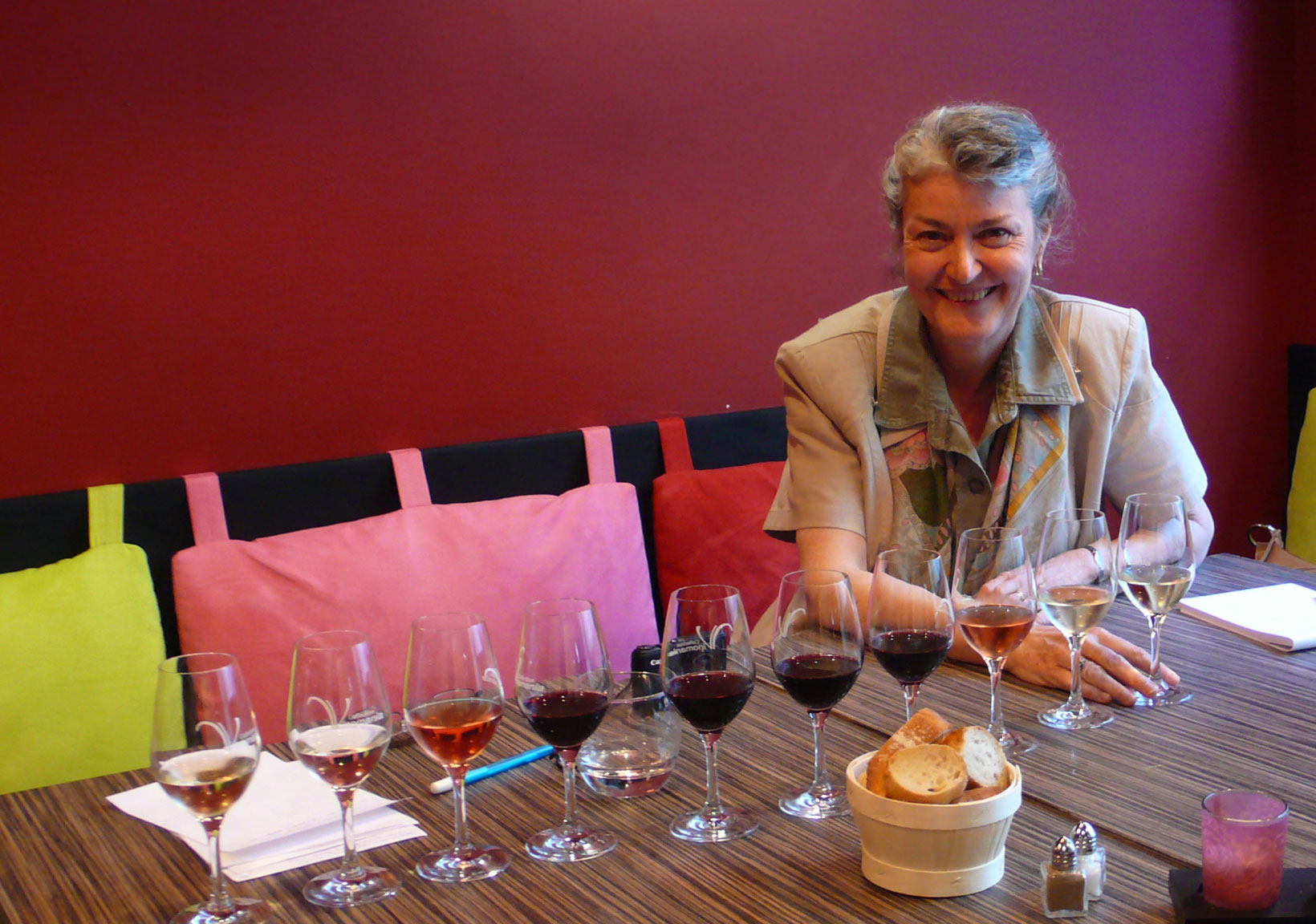
Yesterday, I explained how I became a wine lover. Before describing my best wine tasting yet at Vinomania, in the company of Kathy Standford from Femmes Francophiles, I thought you might like to read her post first, seen from the viewpoint of a newcomer to wine tasting. And don’t you just love the photo!

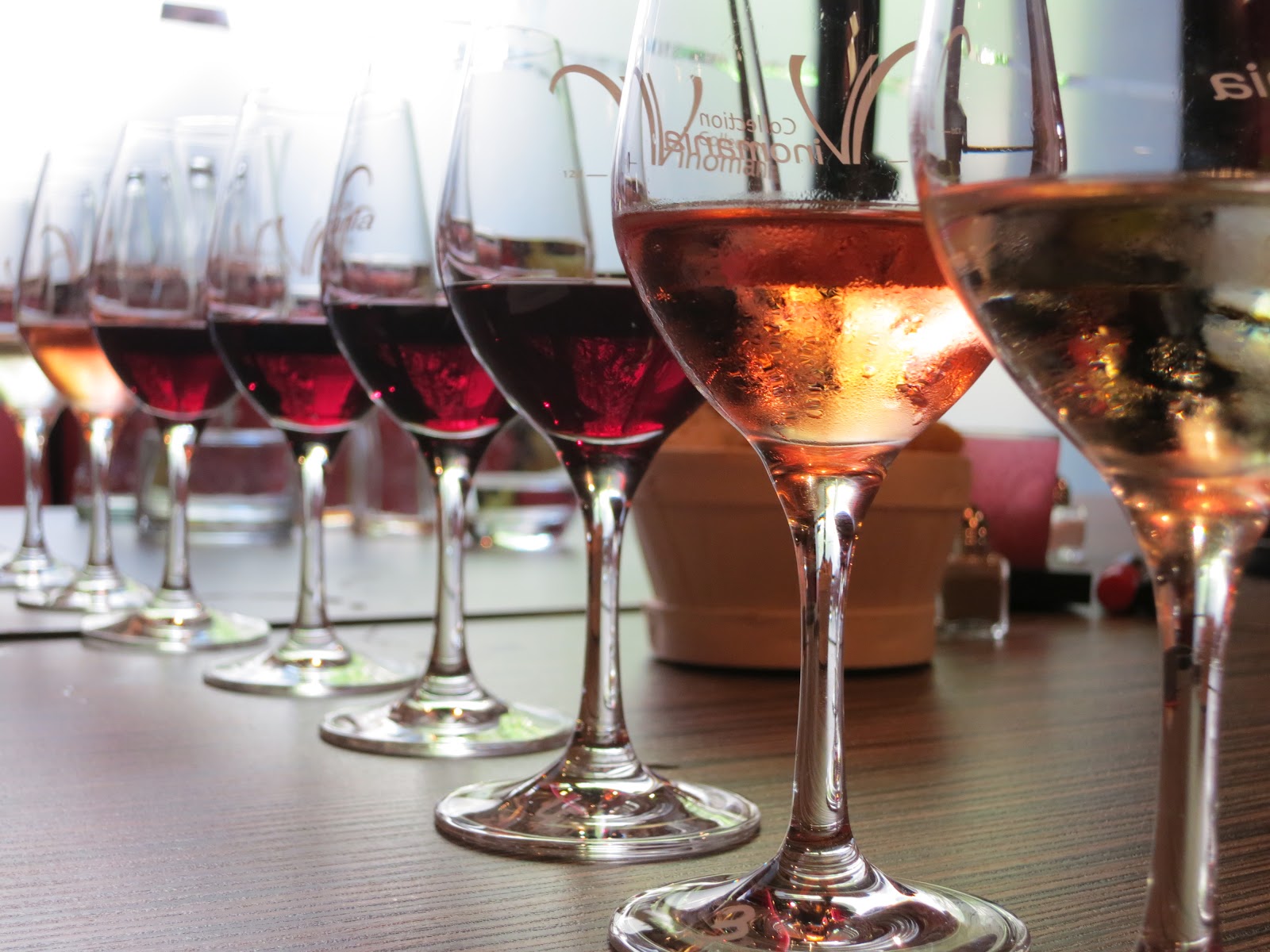
Fraussie, with whom I have been staying in Blois at Closerie Falaiseau, suggested that we do a wine dégustation at Vinomania in Blois. Knowing that my wine knowledge was very poor, I was only too happy to agree. Friday evening whilst the locals were making their way to bars to watch the latest football match we headed to the wine bar come restaurant. Virginie, our effervescent, knowledgeable sommelier, tailored a three hour comprehensive session for us in English that covered information about the various production areas in the Loire Valley, history of the winemaking in the area and the methodology of wine tasting.  Read more


Sunday’s Travel Photos – Innsbruck, Austria

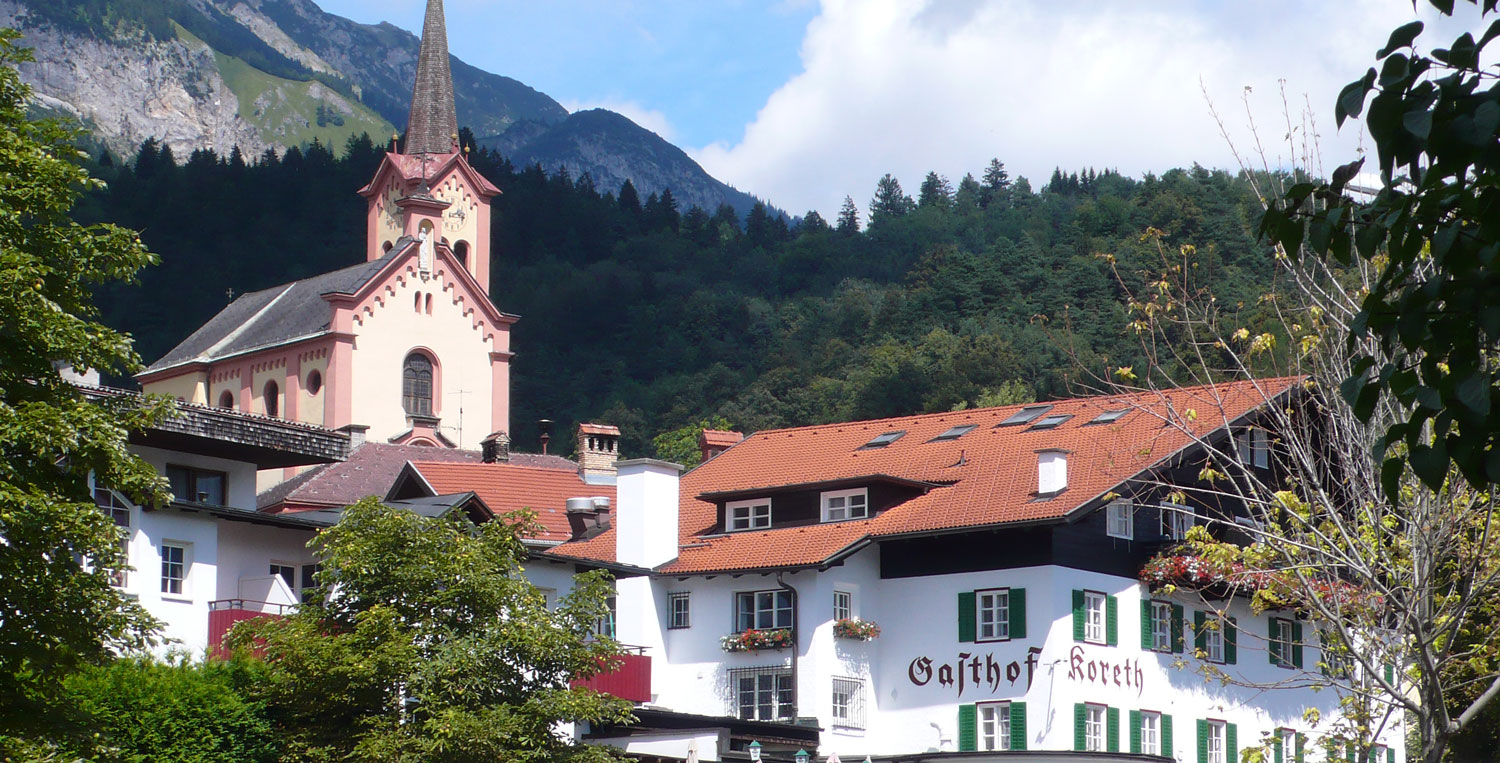
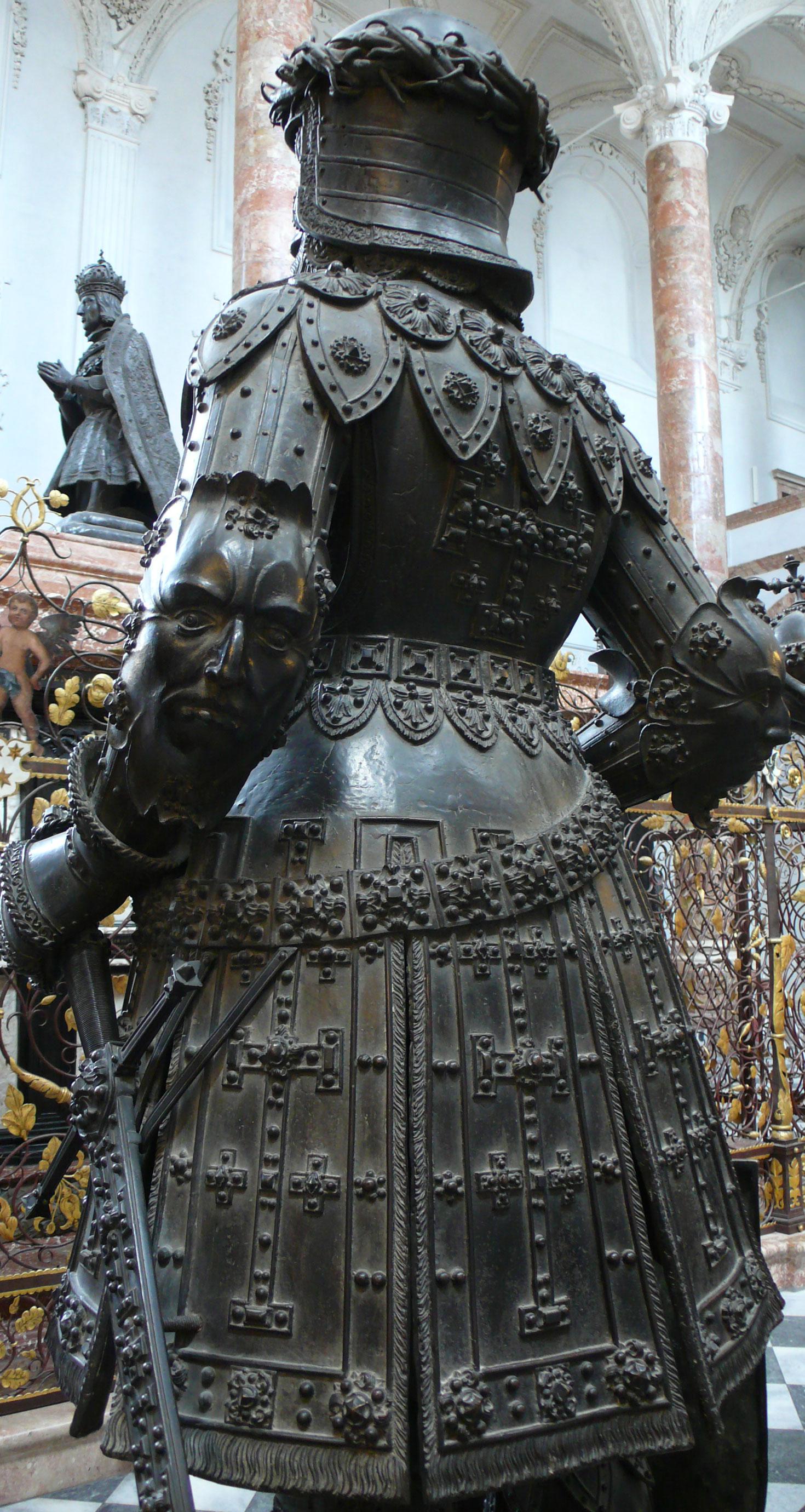
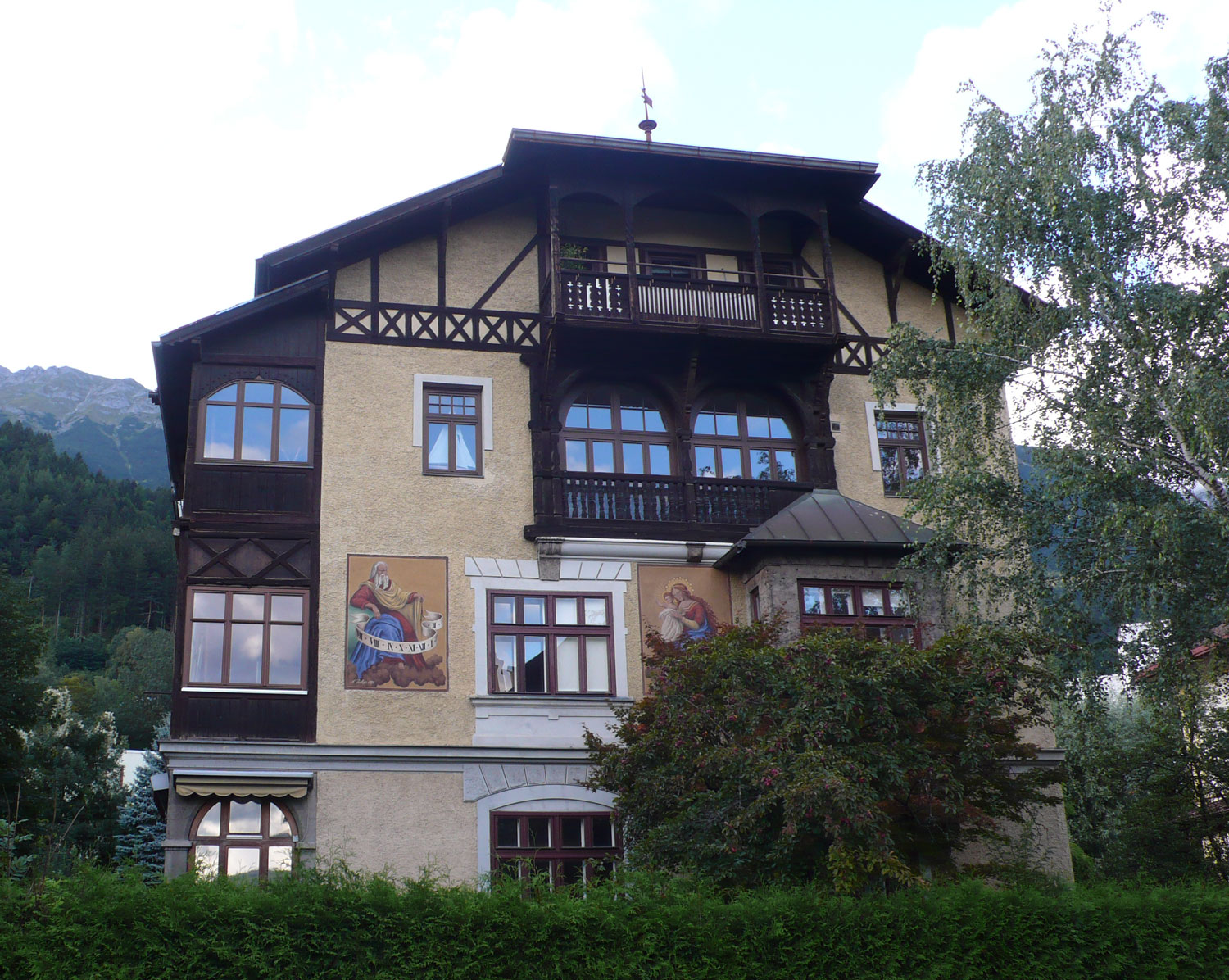
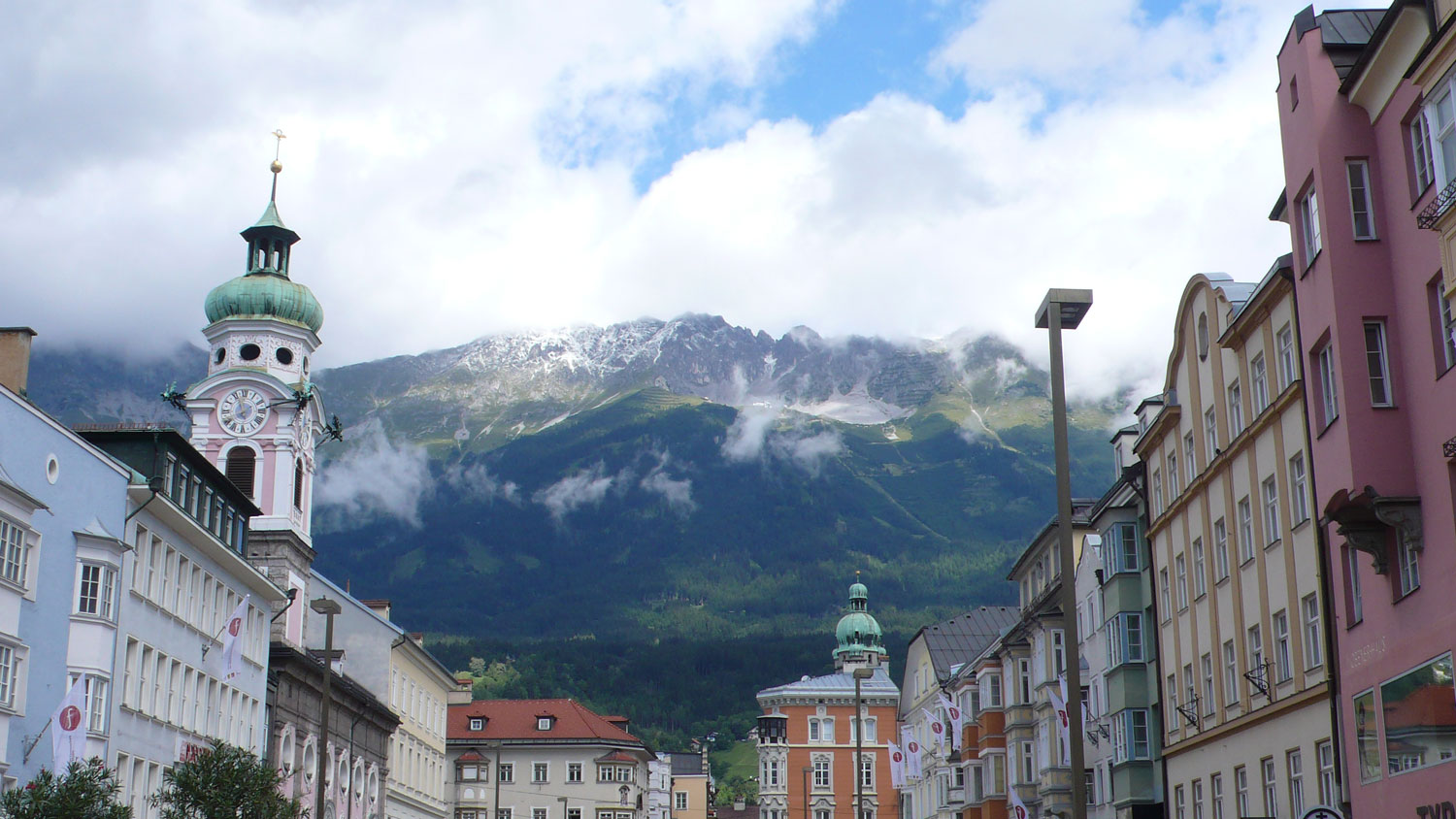
My mother used to rave about Innsbruck so we decided to go there on our way back from Croatia last year. Our hotel was up on a hill and close enough to the centre to walk or cycle down. The magnificent view from our Gasthof balcony, the famous Golden Roof, the Palace chapel with its incredibly intricate bronze statues, the façades of the houses on our street, the main street with the Alps in the background and the river views were definitely worth the visit. It also turned out to be one of our favourite cycling experiences which I’ve described in another post.

History of a Wine Lover

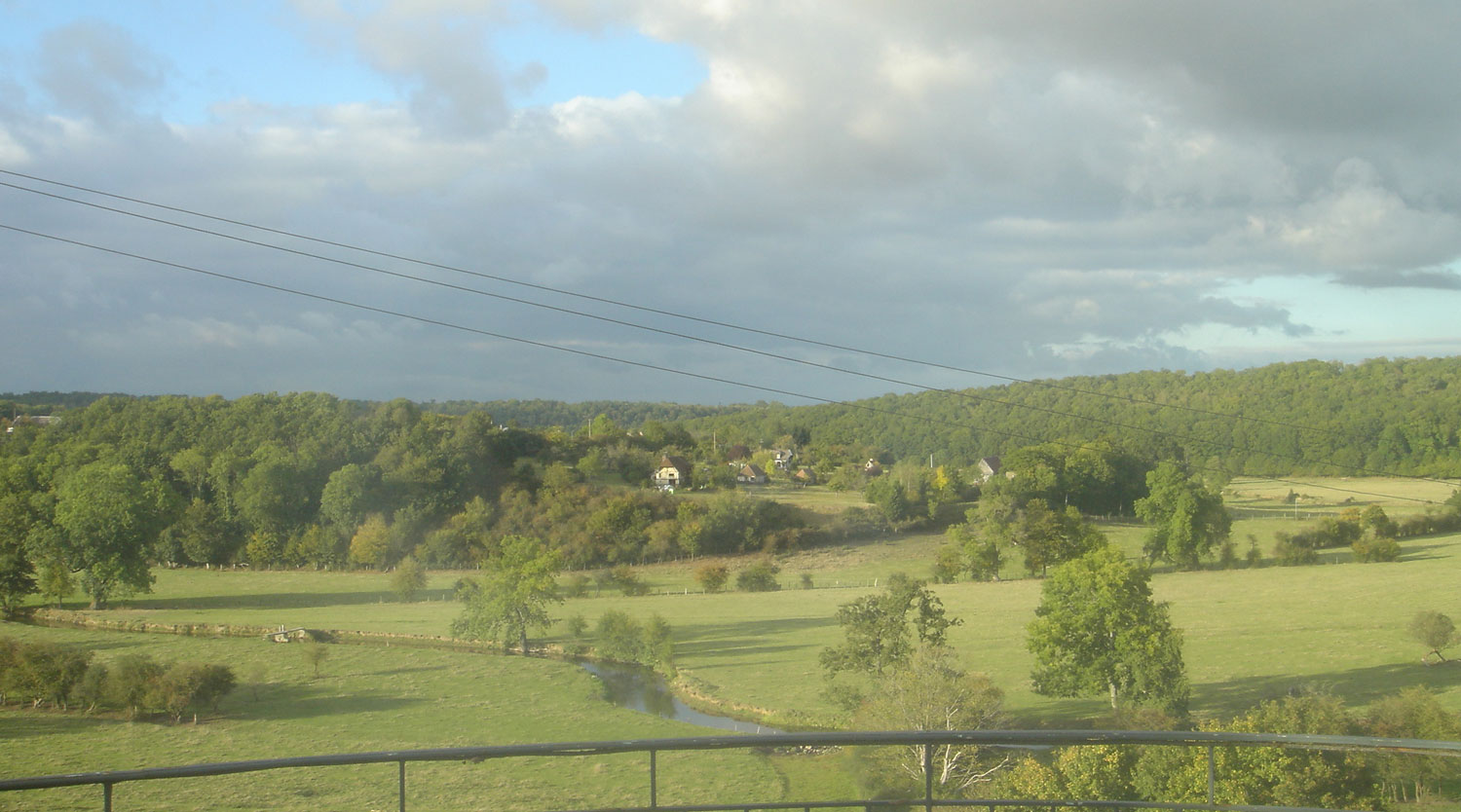
View from “La Hungerie” in Normandy

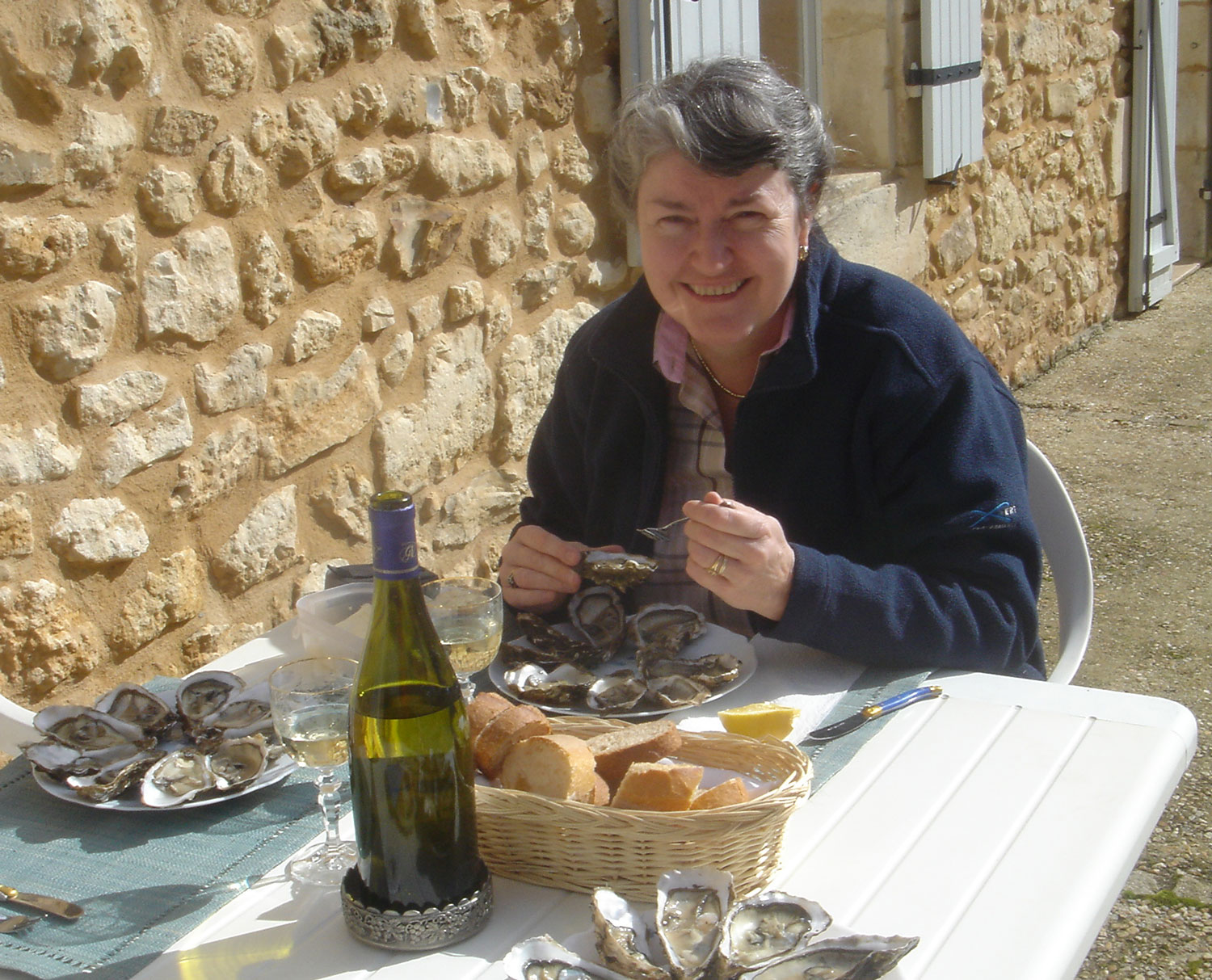
When Relationnel and I first met 16 years ago, he had a wonderful cellar but no one to share it with. Although I hadn’t done any serious wine tasting, I loved good wine. So I was delighted to help him taste some of the bottles he’d been keeping in reserve. I can still remember the taste of a wonderful bottle of Château le Bonnat 1988 that we sipped on a terrace with a bucolic view of the Norman countryside in front of a plate of oysters.

So when I was asked by a colleague at university to be part of the adjudication committee for a terminological dissertation on wine tasting, I didn’t hesitate. When the defence was finished and we’d given our mark, the student, who had studied to be a sommelier, gave us a mini tasting. What a revelation! When I got home, I told Relationnel that I wanted to go to wine tasting classes. “No problem”, he said, “we can join the oenological circle at work”.

Bergerac in February

Now why hadn’t he mentioned that earlier? So off we went and that was the beginning of a wonderful adventure into the realm of wine growing and wine tasting. We gradually learnt what to look for when tasting a new wine, helped along by the “Nez du Vin”, a collection of tiny bottles containing different “noses” which I have described in a previous post.

Our holidays from then on usually revolved around wine. We’d choose a region, find a gîte to stay in for a week or so and armed with the independant wine growers’ guide Gilbert et Gaillard, visit a couple of cellars a day. Depending on the time of year, we’d spend the rest of the time hiking, visiting, cycling or sipping wine in front of a log fire. Our first wine holiday was in Bordeaux in 1999 and we came back with the boot of the car chock-a-block, the prize possession being a 1964 bordeaux supérieur that cost us 50 francs. We certainly regretted not buying a couple of dozen but we weren’t sure how it would travel.

Loire Valley in May

I don’t remember the order of our visits, but we once had two unforgettable weeks in Alsace during harvest time. We’ve tasted wine in several parts of Burgundy and the Loire Valley, as well as Sancerre, Beaujolais, Cahors, Minervois, Bergerac, Gaillac, Jurançon and Nîmes. We’ve also toured vineyards in Italy and Luxembourg, not to mention the Hunter Valley and Orange in Australia where I came across an old school friend from Townsville running a vineyard with her husband! We’ve tasted wines in Switzerland, Germany, Croatia, Slovenia  and even Egypt!

As time passed, our cellar became overstocked and our wine consumption dropped, particularly when I decided that I needed to lose weight, so our holidays are much less focussed on wine these days. However, now that we’ve bought a house in the Loire, we feel we should get to know the local wines better. And to start off, I went to a wine tasting yesterday in Blois at Vinomania with fellow blogger Femme Francophile, based on the connection between the history of the Loire Valley and the local wines.

I could honestly say it’s the best wine tasting I’ve ever had. More tomorrow!