Category Archives: Home exchange

Life in retirement in France

I finally retired at the end of 2024 after semi-retirement 5 years earlier. I worked full-time for 40 years in France as a freelance technical and legal translator, in the days before AI. I also lectured in the Masters programme at ESIT, which for many years the only state-run translation and interpretation school. I was there for 15 years, including 6 years in a part-time position.

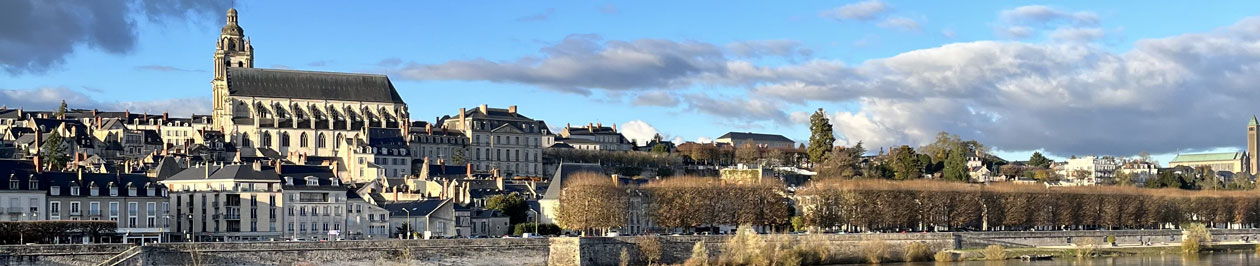
Our house in Blois

After I retired, I continued to work part-time as an auto-entrepreneur, mainly as a sworn translator. I loved my profession and the transition to part-time sworn translator kept me in contact with a lot of interesting people as my main work was translating documents such as birth certificates, naturalisation applications, driver’s licence exchanges and real estate transactions. Last year, I did two interpretations for property sales at the notaire’s. I am happy to be finally retired but I would still be happy to do the odd interpretation.

When I get up in the morning, I can take my time. It’s a wonderful feeling! No more deadlines to meet! And it’s surprising how much time it takes to do nothing in particular. Do I get bored, you may ask? NO!! I have plenty to occupy me. First, I have a long list of things I’ve been meaning to do for a long time such as updating this blog :). I am currently making digital photo albums to have them turned into a printed book.
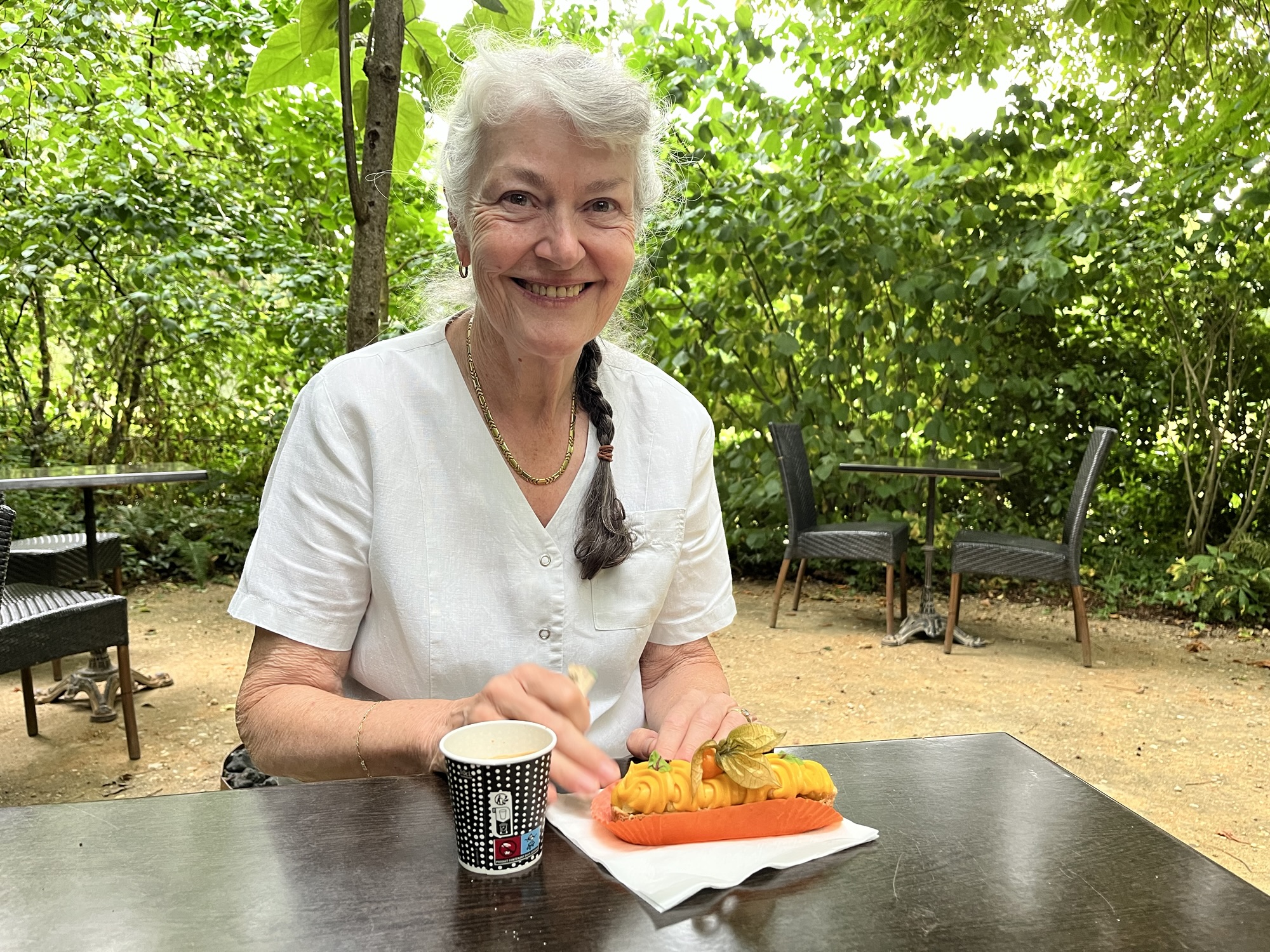
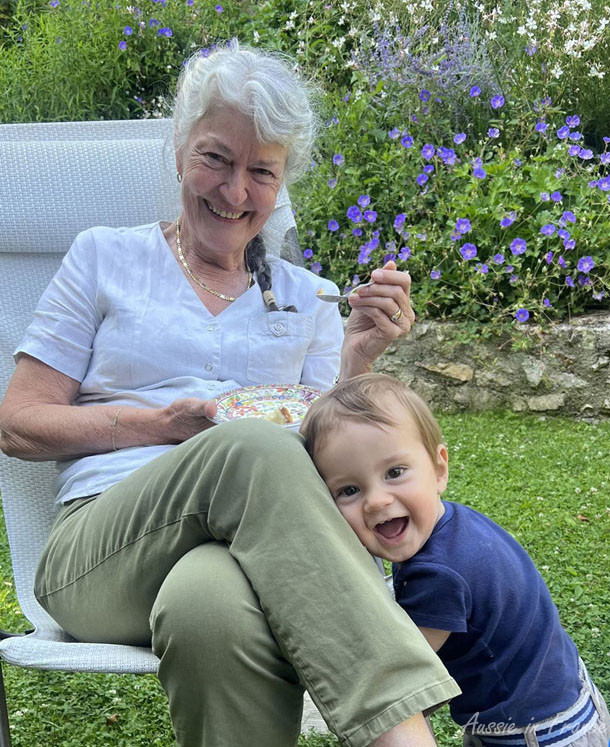
Enjoying a house-made cake at Château de Chaumont on a Sunday morning

One of our great pleasures is our daily wordle – 2 wordles and one quordle in French and the New York Times wordle for me, which I play with friends from my old school days in Townsville where I was born and brought up.

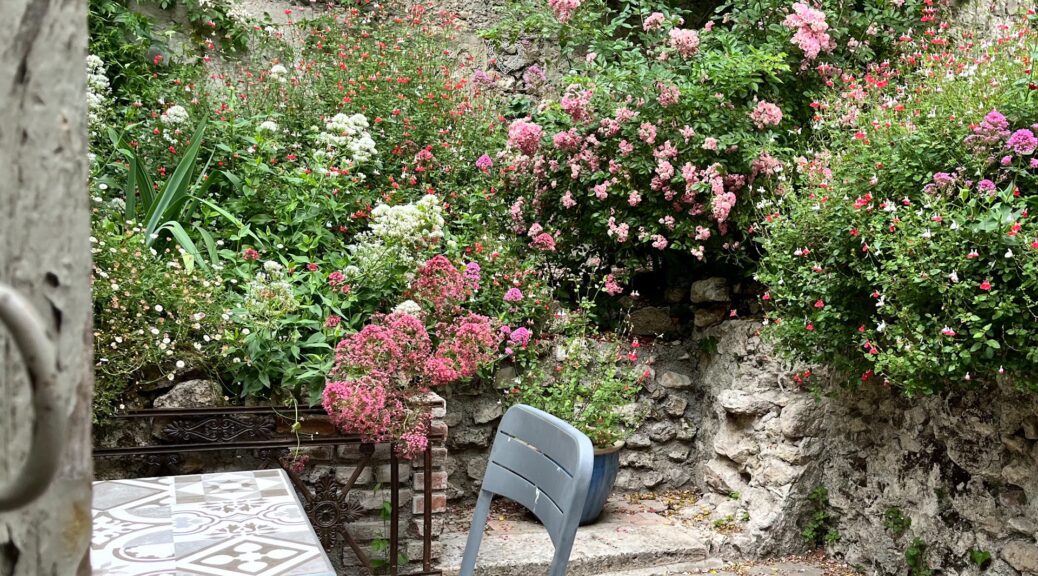
Apart from our own garden, I look after a shared garden that is attached to Châtel Rose, my holiday rental studio in Blois. It’s a very different sort garden – completely flat – unlike our own garden which is clay and mainly on sloping ground. I practically started the shared garden from scratch, with flowering perennials that need very little water as we don’t have a water supply. So far, it’s doing very well. It keeps me busy as I am virtually the only gardener! Our garden at home is practically a full-time job but I am working towards less maintenance as it becomes more established. We have a watering system from a well at the back of the house.

Jean Michel is an extraordinary renovator. We have added a paved terrace and wrought-iron pergola behind our house which will soon be covered in climbing roses. My talented husband has also made a laundry, added custom-built staircases to the garage and wood shelter and redone the entire rear façade of the house. His current project is renovating the barn and adding a greenhouse to the back of the non-functional little house on one side of our property. I help when I can but concentrate more on the garden.
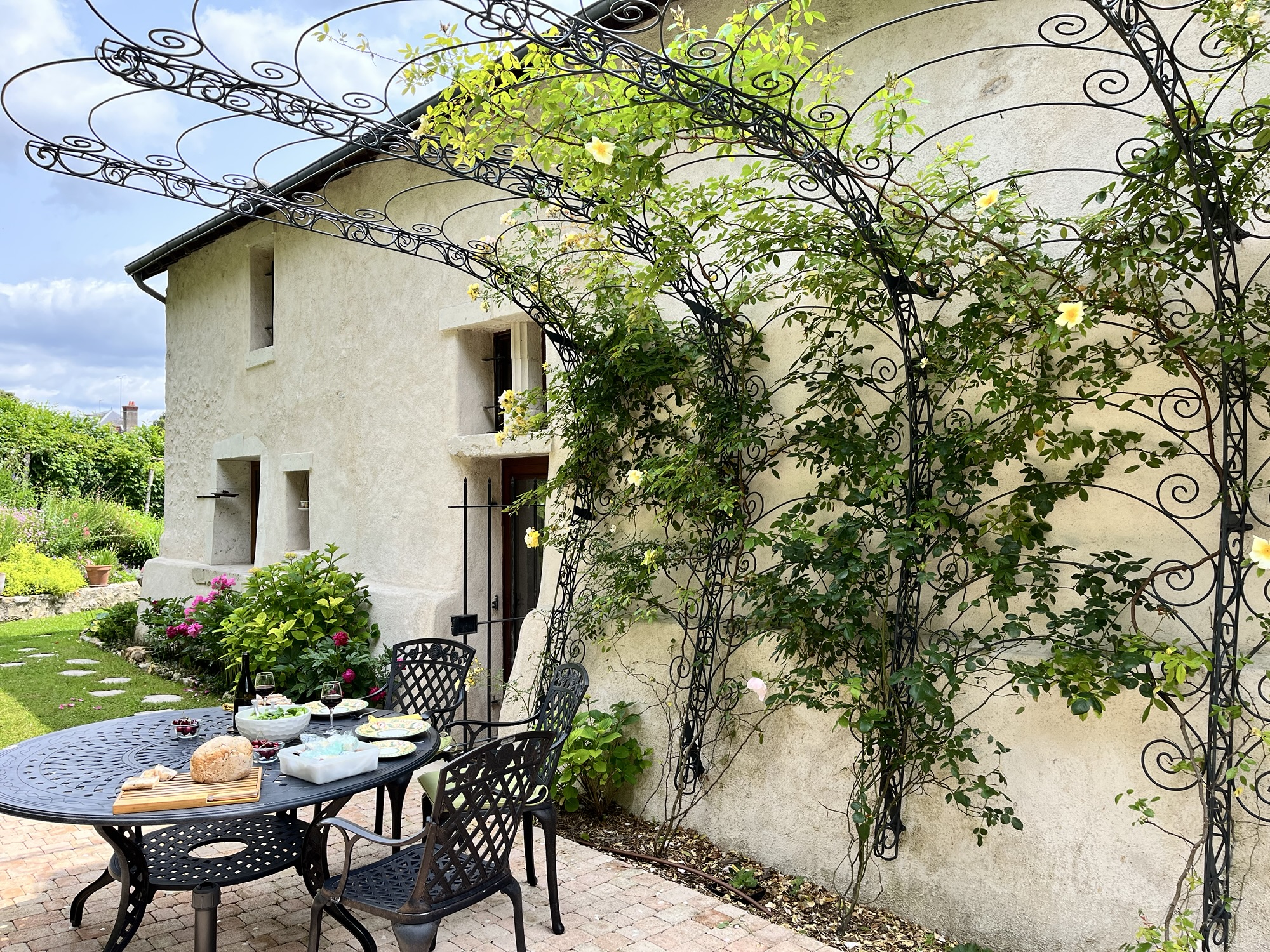
Lunch on the terrace in the summer

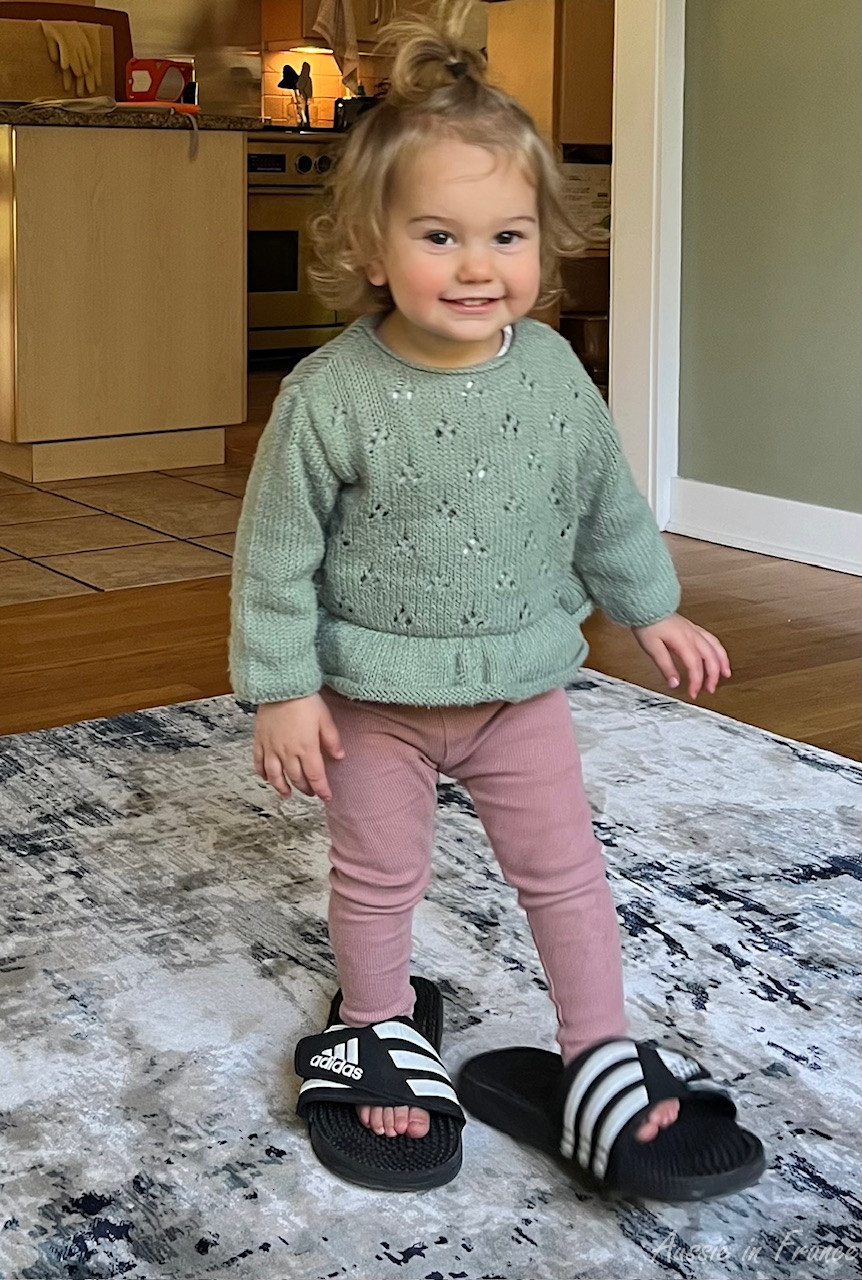
We do a lot of travelling, especially to Boston where my darling little grandson, Eric (five in August) and beautiful little granddaughter Sophie (2 in March) live with my son and his American wife. My daughter and her Dutch husband live in New York with Lucas who turned one in October. We have been doing a lot of home exchanges for which we are very thankful as it really the only viable way we can visit for three or four weeks at a time.

After living in the Palais Royal in the middle of Paris for ten years, we moved to a beautiful house in Blois in the Loire Valley when Jean Michel retired 11 years ago. The house, built in 1584, was in excellent condition on the whole. We (and this means mostly Jean Michel) have mainly renovated the monumental fireplace in the upstairs living room, completely redone the downstairs kitchen, adding a picture window, fitted out a small upstairs kitchen and added skylights.
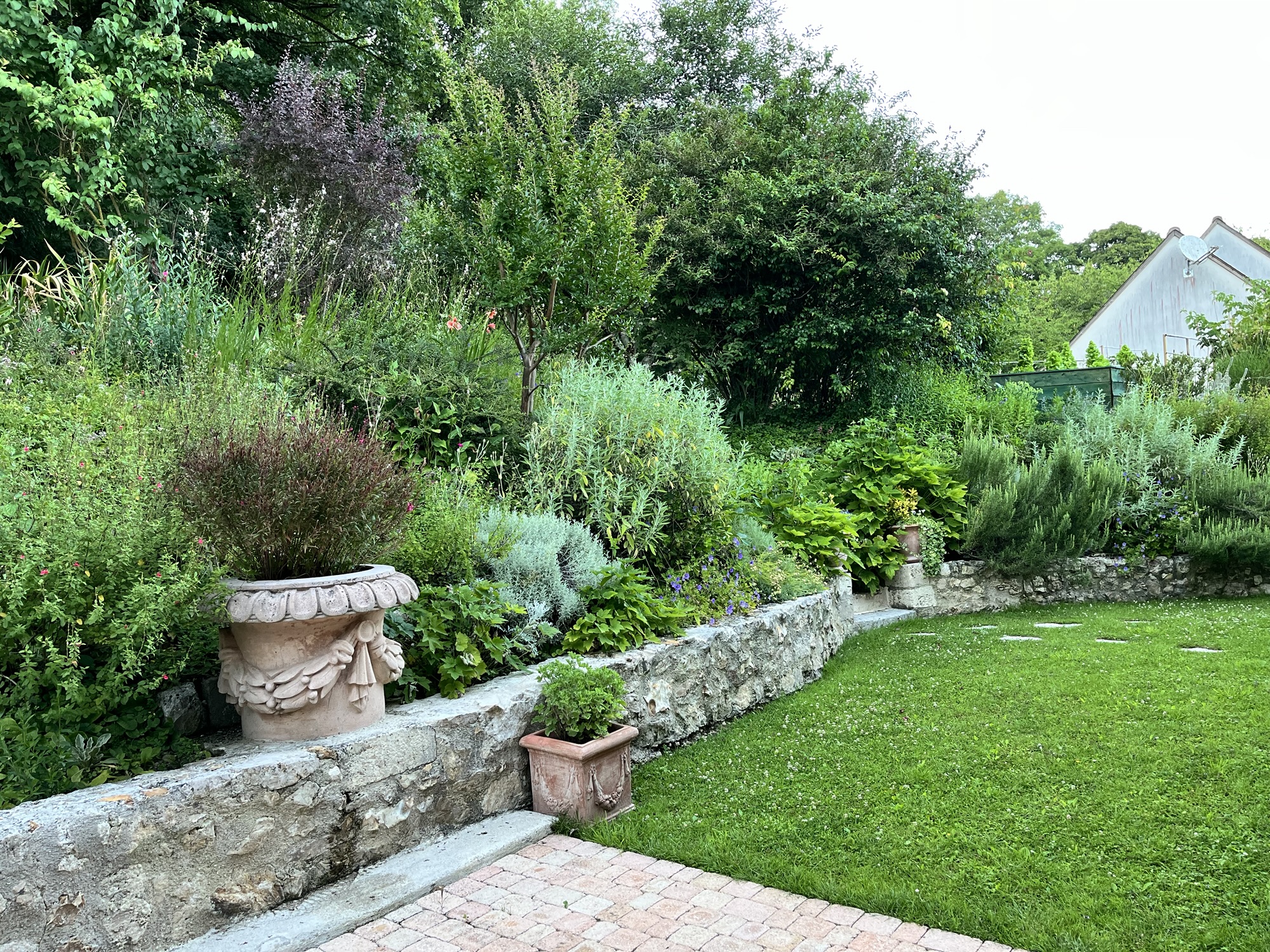
Our back garden

To keep fit and healthy, we both practice 5:2 intermittent fasting twice a week and I walk briskly for an hour every day. I try to get the household chores, including making my own yoghurts and bread, out of the way by 11 am. Fortunately I have a cleaner.

When the weather gets warmer, we cycle on our e-bikes as much as we can, sometimes driving to further locations with the bikes on a rack at the back of the car. We have now visited all the main châteaux in the region and most of the smaller ones. There are many bikes routes in the area but with our e-bikes, we are not limited. We have favourite places such as the rose village of Chédigny that we visit a couple of times a year.
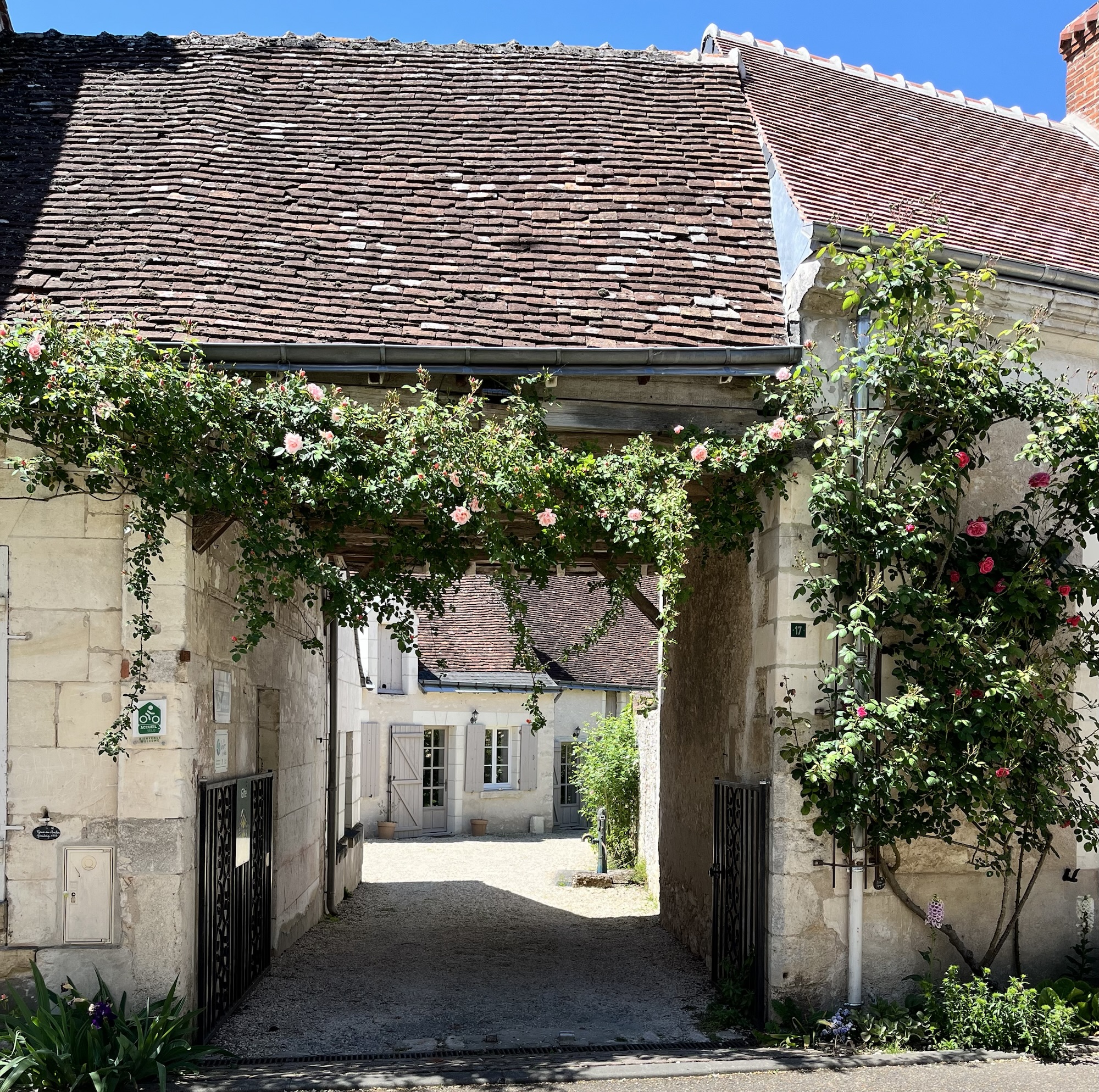
The rose garden in the village of Chédigny

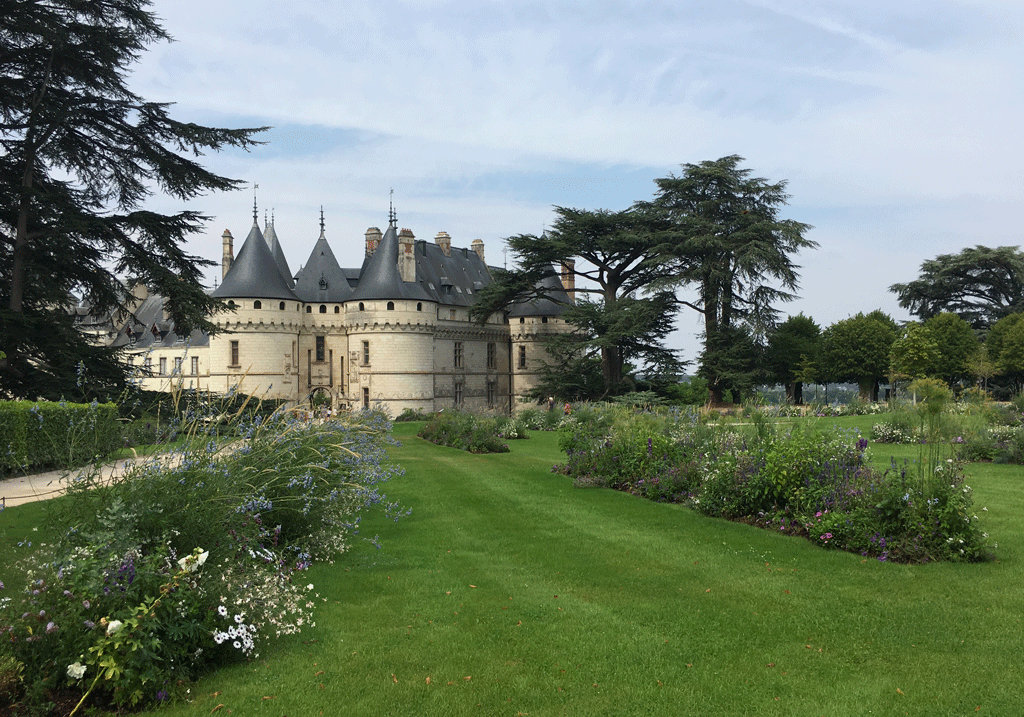
We have annual passes to Château de Chaumont and go there for coffee, cakes and a walk every Sunday morning we are in Blois. From April to the end of October, there is an annual garden festival in the château grounds which gives us endless variety from one season to the next. The château has frequent photography and art exhibitions.

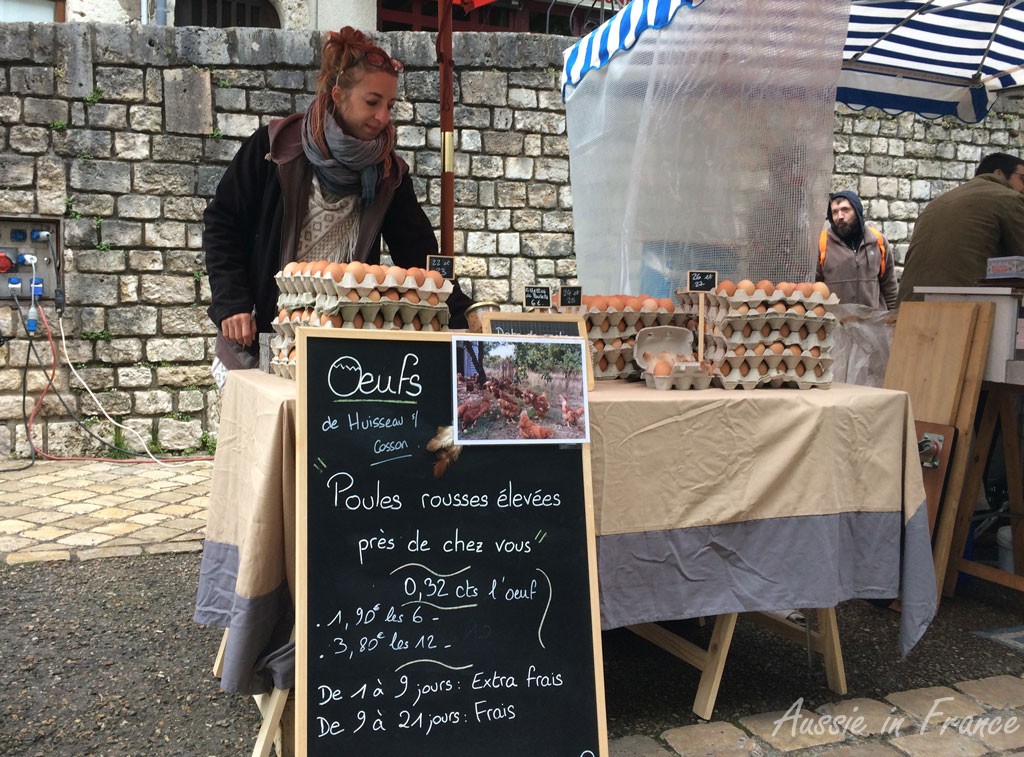
Every Saturday morning we go to the local produce market in Blois which gives us the opportunity to catch up with locals we have come to know over the years. We have coffee at Jeff’s outdoor stand in warmer weather and at Le Baroque on the corner of Place Louis XII the rest of the time. From October to April we buy oysters to take home for lunch.
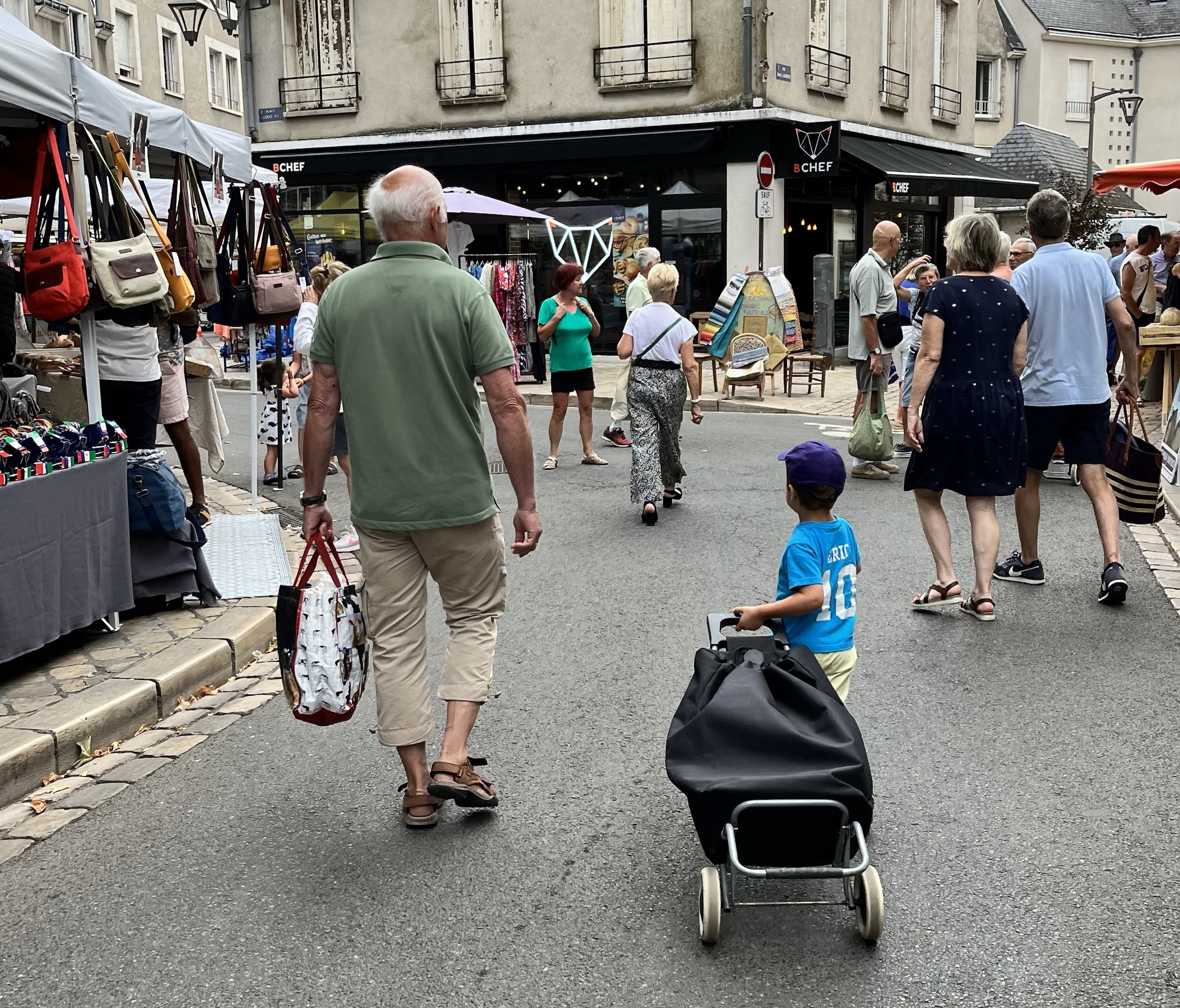
The Saturday morning market on Place Louis XII in Blois

As you can see, we are creatures of habit! We usually find a warmer destination in February or early March to spend a week exploring other European countries. In recent years, we’ve been to Rome, Cyprus, Malta, Sicily, Andalucia and Crete. We track the weather and book our airline tickets and accommodation at the last minute.

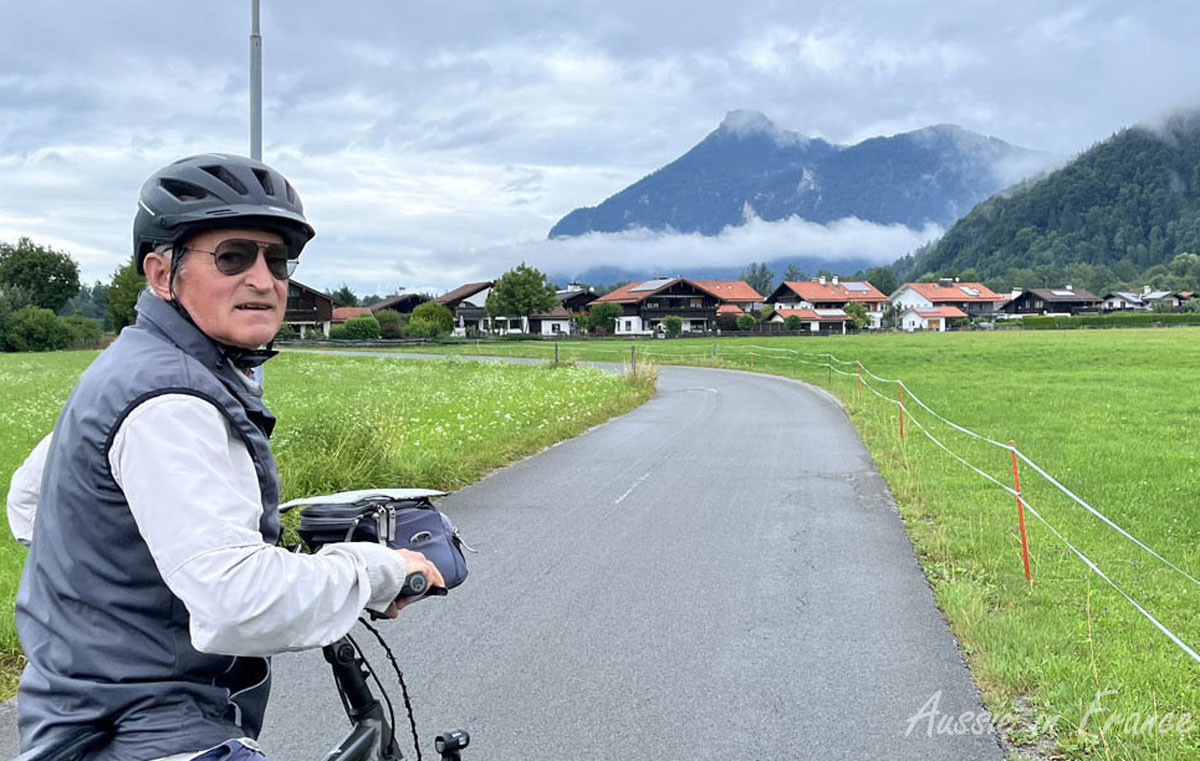
Towards the end of June, we usually set off on a 3 or 4-week cycling holiday, choosing the destination and departure date according to the weather, once again. We do not like cycling in the rain although an occasional rainy day can give us some R&R! We have now covered most of Europe. Our method is to rent an appartment for 3 or 4 nights and cycle in different directions.
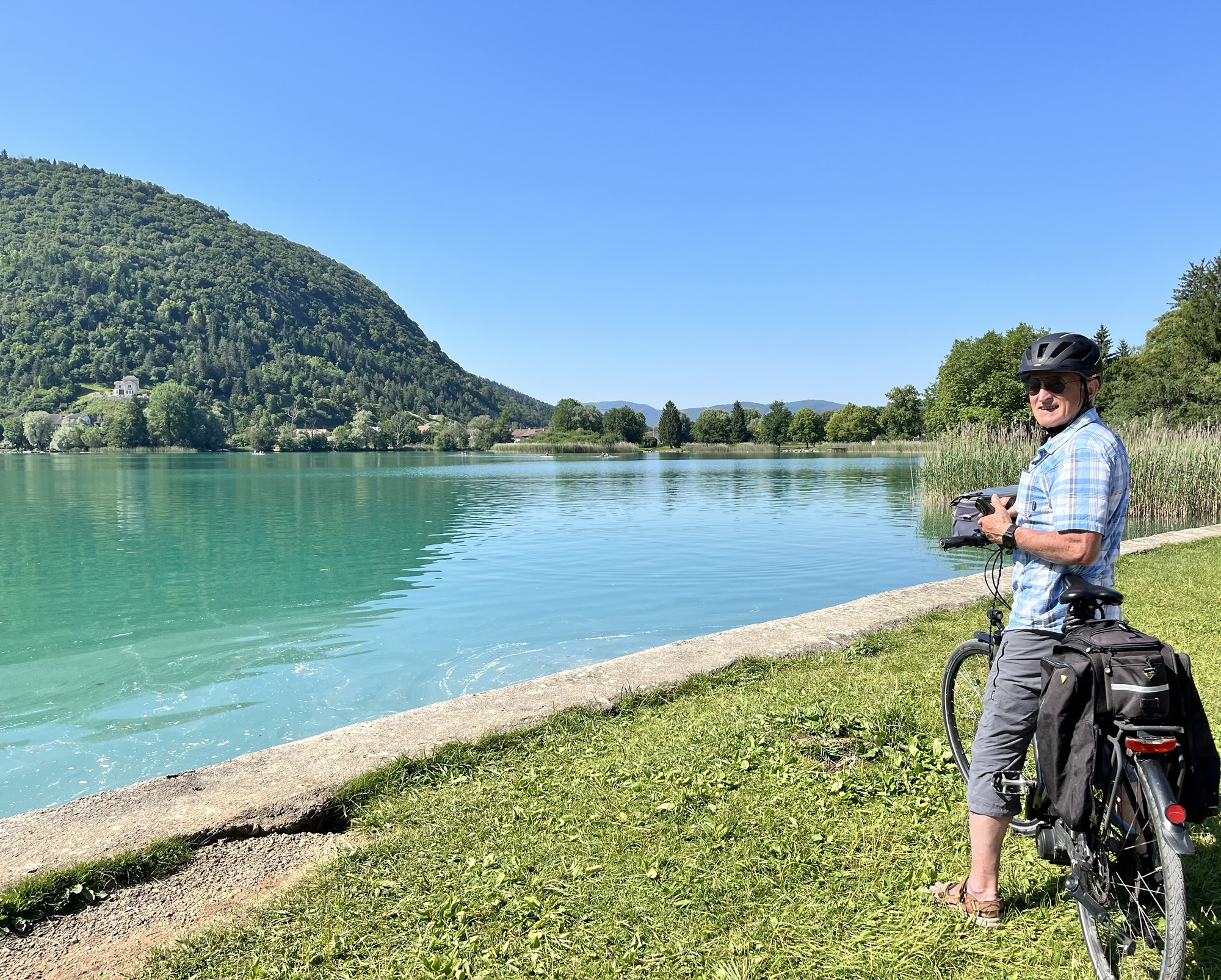
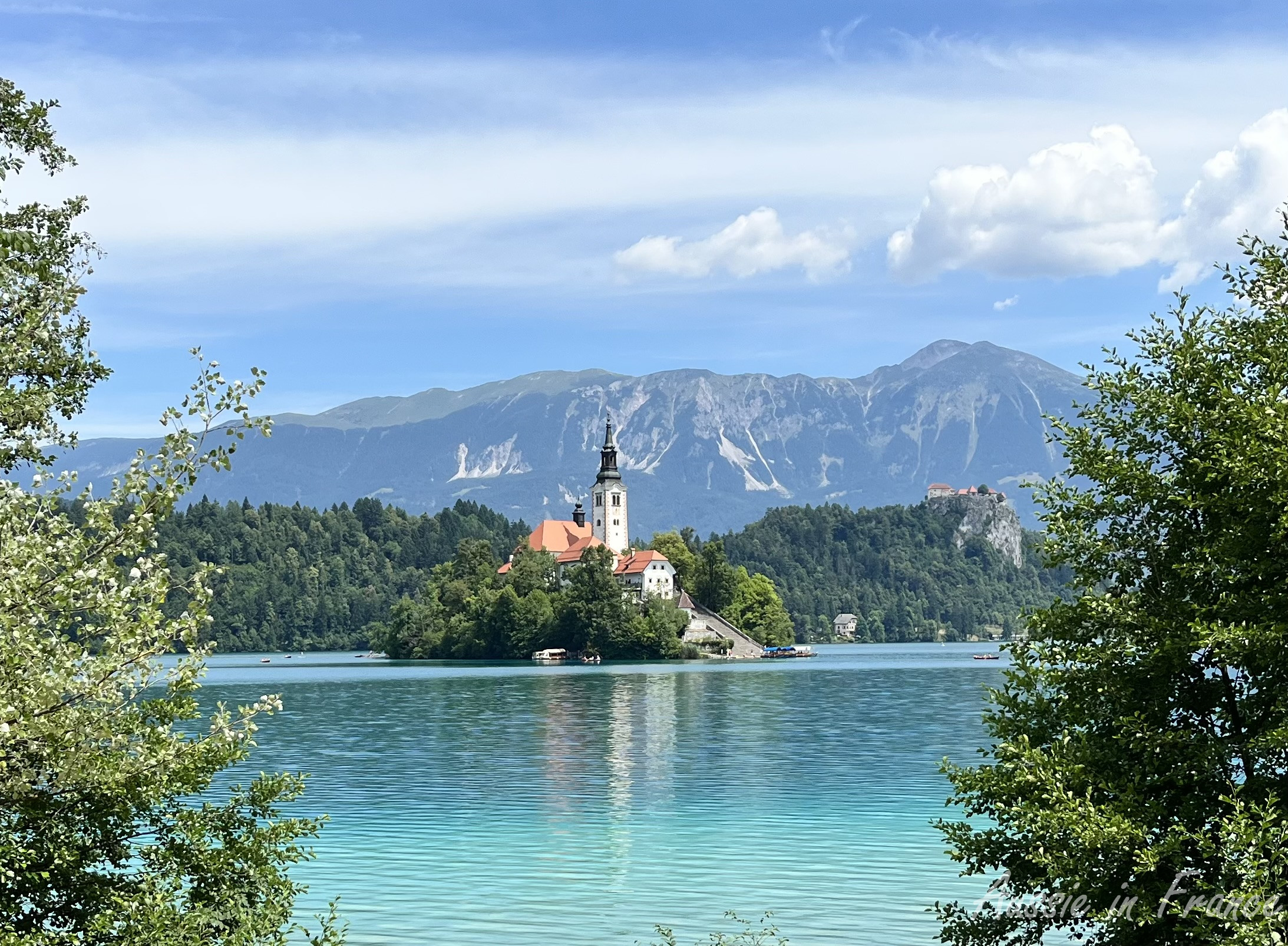
Cycling around Lake Bled in Slovenia

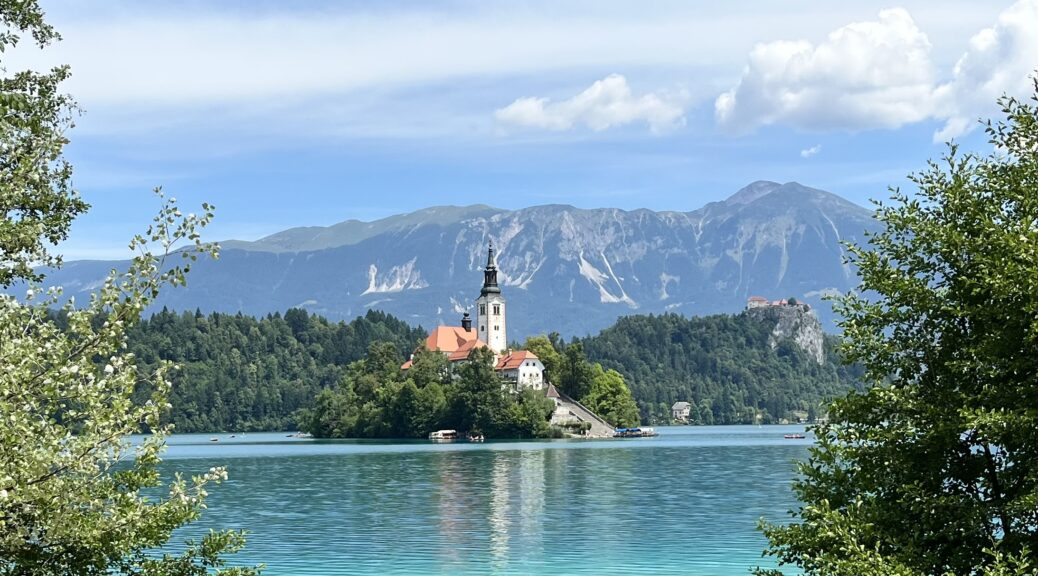
Last year, for example, the ultimate destination was Lake Bled in Slovenia. We went via Cerdon in the Jura mountains in France, Lake Iseo in Italy, Porec on the Istrian peninsula, then Lake Bled itself. We returned via Radovlijica in eastern Slovenia, Ebbs in Austria and Saint-Hippolyte in Alsace. We usually book the next apartment on the second day of our stay in each place. That way, we can make the best choice weather-wise!

The rest of the summer is spent making the most of our garden, interspersed with cycling excursions.

As there is a severe lack of medical practitioners in Blois, we go to Amboise or Tours if we need to see a specialist. We usually make a day of it to catch up with some shopping and take in a restaurant.
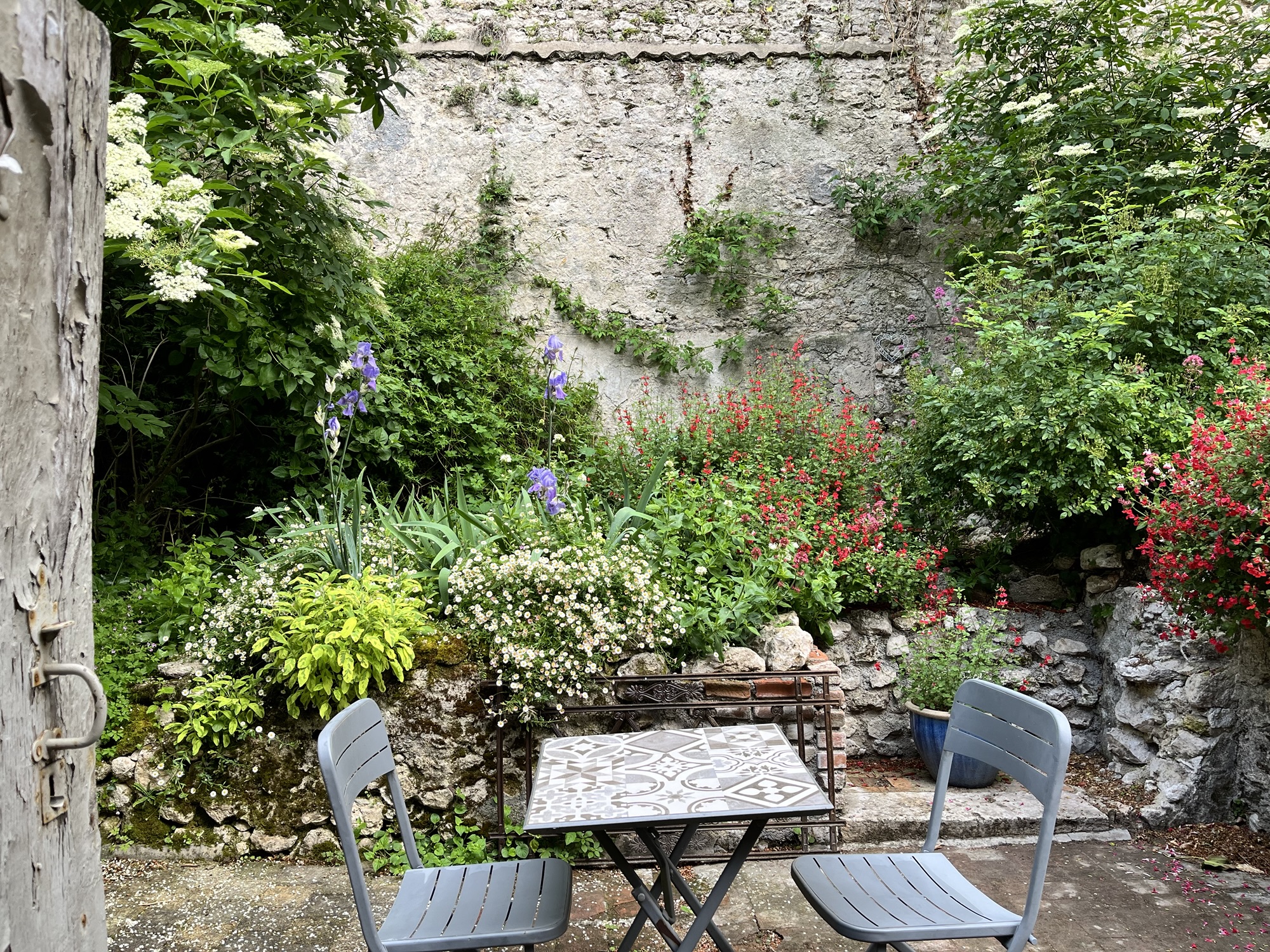
The shared garden of my holiday rental in Blois

One of our great pleasures is making the most of the local gastronomy. We choose a Michelin-starred restaurant in the area four times a year to celebrate our birthdays and anniversaries. Fortunately, they are well spaced out – April, June, October and December! At the other end of the scale, we go to “workers’ restaurants” when we are cycling. There are plenty of other occasions to enjoy all the other great restaurants in between!

I realise that overall, we are not very social beings but we do see friends from time to time and have had quite a few visits from our children and grandchildren in the last couple of years. I have a lot of virtual contact with friends as well, some from my childhood.

All I can say is that we are never bored and that our days are always full!
Happy New Year for 2026

I see that I have not published a New Year post since 2021! Life has kept getting in the way.

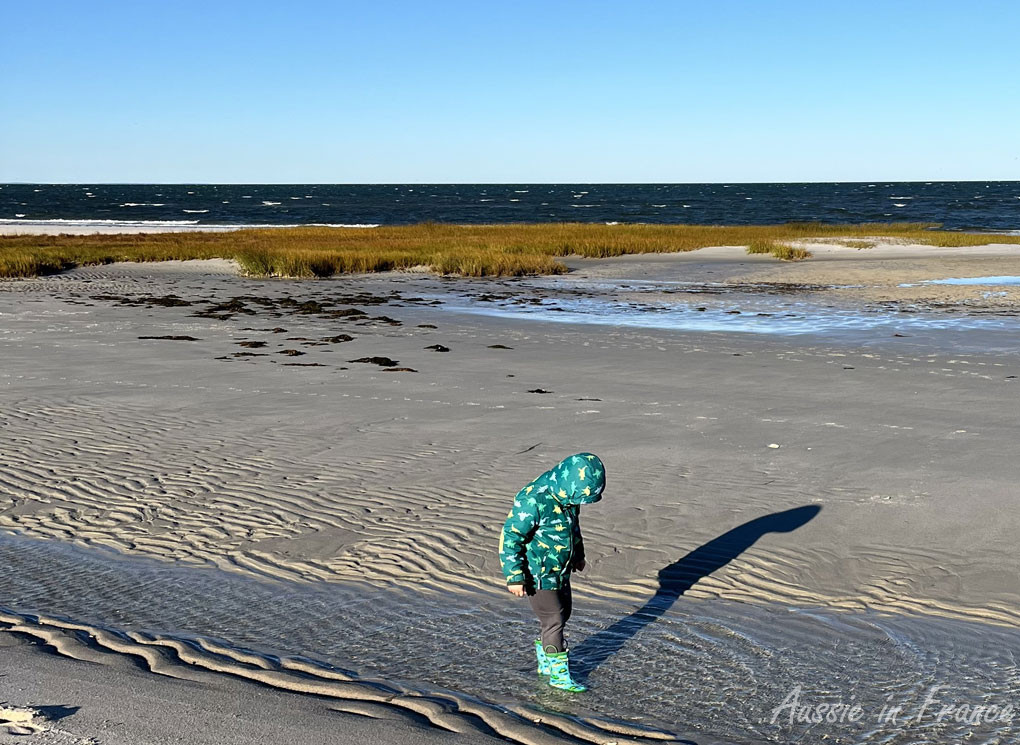
This, my first full year of retirement was very much focused on grandparenting with a 5-week visit in February/March from my baby Lucas and his mum, 3 weeks in Boston in April to visit my son, his Amercan wife and two children Eric (now 4) and Sophie (nearly 2). I was joined by Lucas and his parents for a week. Lucas and his mum came back to Blois at the end of July and stayed for 6 wonderful weeks! We then went back to Boston in October and looked after Eric in Cape Cod during his school holidays. We stayed a total of three weeks, during which time Lucas and his parents joined us for a week.

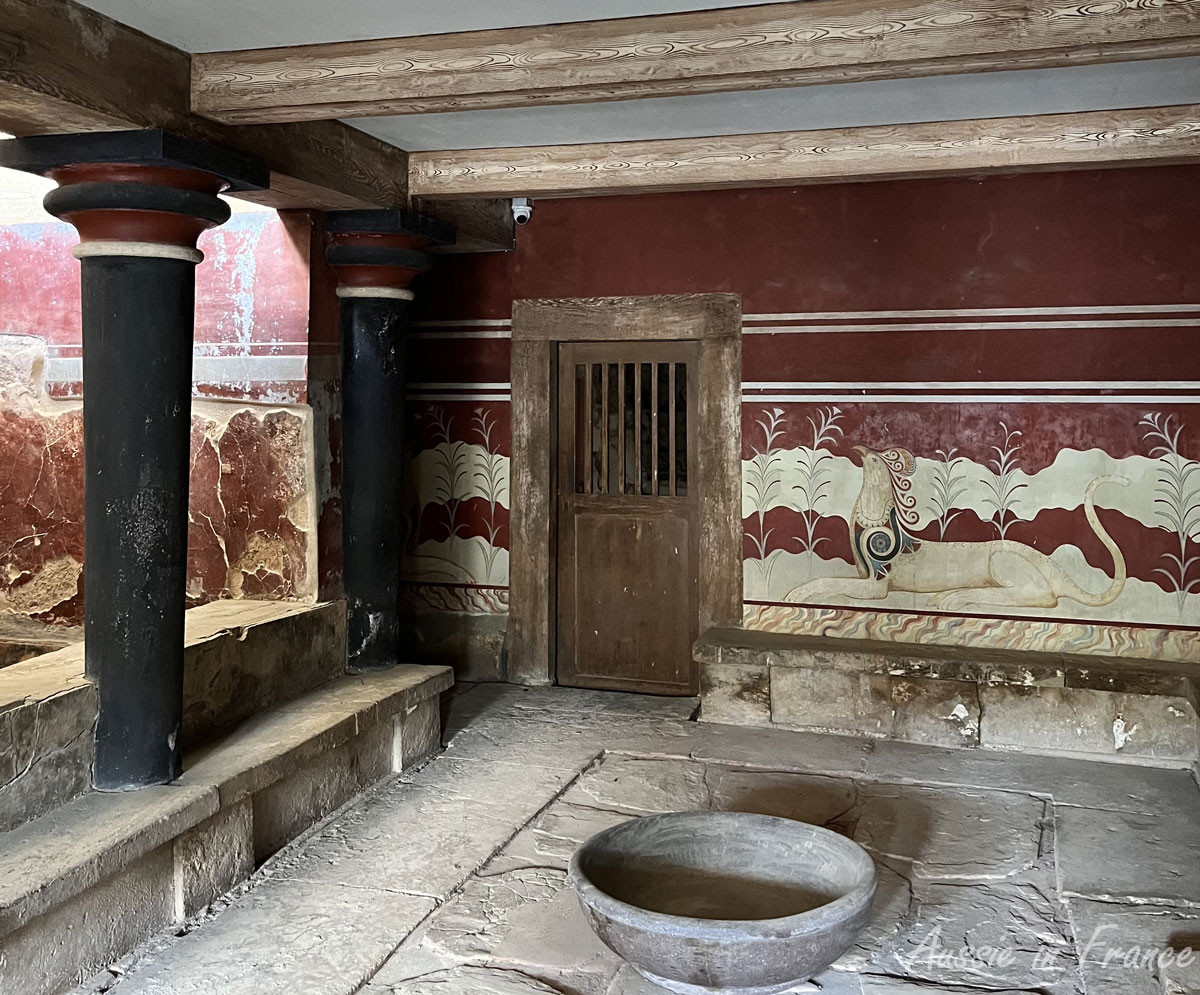
We still did some real travelling, starting with a week in Crete in February, where we took up from where we left off in February 2020, when we had to cut short our visit due to Covid. It was great to have a change of scenery and some sun but apart from the visit to Knossos, it seems that we had already seen the best of Crete the first time.

The end of June saw us heading off on our annual cycling holiday, with Lake Bled in Slovenia as the ultimate destination. We started in the Jura, followed by Lake Iseo in Italy and on to the Slovenian side of the peninsula of Istria (we had already been to Porec and Pula in Croatia on a previous trip). The weather was very very hot and we continued to have high temperatures throughout our stay. We restricted our cycling hours to the morning whenever possible. Fortunately we had air-conditioning in all the apartments we rented. We no longer stay in hotels, preferring this option with a 3 to 4 night stay each time. As we don’t like riding in the rain, we usually book the next accommodation on the second day of each stay. This may limit our choice, but we always suitable accommodation.

We had fond memories of Slovenia from our past trip fifteen years ago but it has now become a favourite tourist destination for Europeans and we were disappointed with the over-exploitation of the Lake Bled region. The lake itself, however, was picture-perfect and we had an apartment at the top end of the lake with a mountain and garden view. After visiting the Tomin Gorges, where we accidentally found ourselves in the middle of a marathon, we headed for Radece in the south east, on the Sava River, touted as having the country’s best cycling paths. Apart from the fact that we made the acquaintance of cvicek, a unique Slovenian red wine, which has a maximum alcohol content of 10 degrees and is always served chilled – perfect for the hot summer – and the best folk museum I have ever been to in Brezice, there was not much to see and the bike paths were way below German or Austrian standards, let alone Dutch!

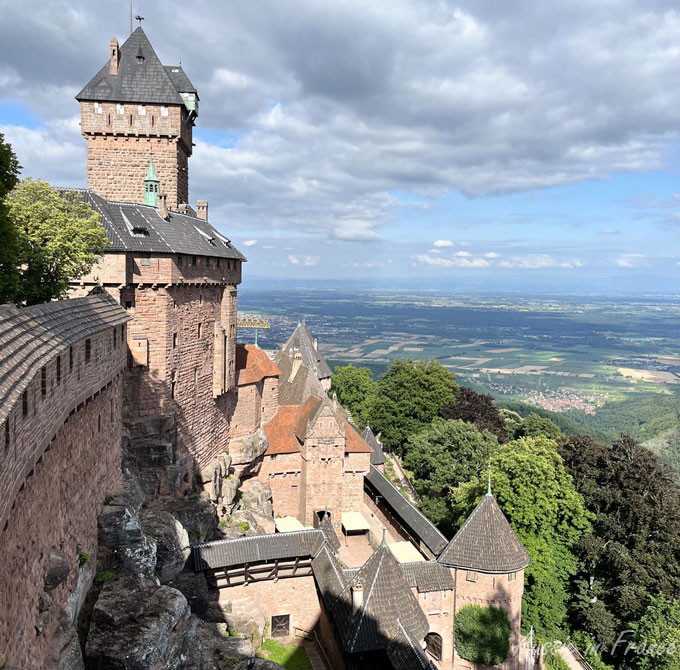
We left Slovenia and moved onto the Tyrol area of Austria. These were our best cycling days, drinking  in the beautiful mountain vistas, painted houses and baroque churches. Even the many climbs did not diminish our appreciation of the region. Our last stop was near Selestat in Alsace, where we cycled through vineyards and visited the amazing castle of Haut-Koenigsbourg.

After the constant heat, we were delighted to come home to our beautiful garden!

We have continued to be active members of Home Exchange, mainly so that we can visit the family in the US. We stayed for the sixth time with Matt and Jery in Belmont, near Boston. My son now has a new home with a guest room so we will not be staying with them anyone. We will however be visiting them as they have become good friends. We also took Eric to a wonderful home exchange on Cape Cod for four days. We will be returning there in April.

Healthwise, we spent most of January at the physotherapist’s – JM for a back problem and me for a shoulder problem, but I did manage to avoid surgery thanks to shock waves and physiotherapy. Unfortunately, 2 days before we left Boston in October, I tripped over a root and landed with my shoulder on another root, dislocating it very painfully. It was put back in place in the E&R– a pain far greater than childbirth: – and only now, more than two months later, am I pain-free. At least it didn’t make the existing problem any worse and I do not need surgery as the Boston specialist predicted. As a result, I am making sure that I walk briskly for at least one hour a day and doing senior stabilizing exercises so that this will not happen again!! I do not recommend getting older …

Our plans for the coming year are a week in Athens in February, a month in New York and Boston in April/May, a cycling holiday somewhere in Europe in the summer (Ireland or Portugal perhaps), and another visit to the US in October. The summer choice is very restricted theses days as we have now cycled extensively in France, Germany, Italy, Spain, Austria, Belgium, the Netherlands, Denmark, Czech Republic, Poland, Slovakia, Hungary, Slovenia, Croatia and Romania. I don’t know how much longer we will be able to have this type of holiday, but we will keep going as long as our energy and health permit. We no longer cycle all day, every day, and our e-bikes definitely help but we still find this is the best way to get to know a country and its people outside the main tourist areas.

I would like to wish everyone a healthy, happy and fulfilling 2026.

Happy New Year for 2020

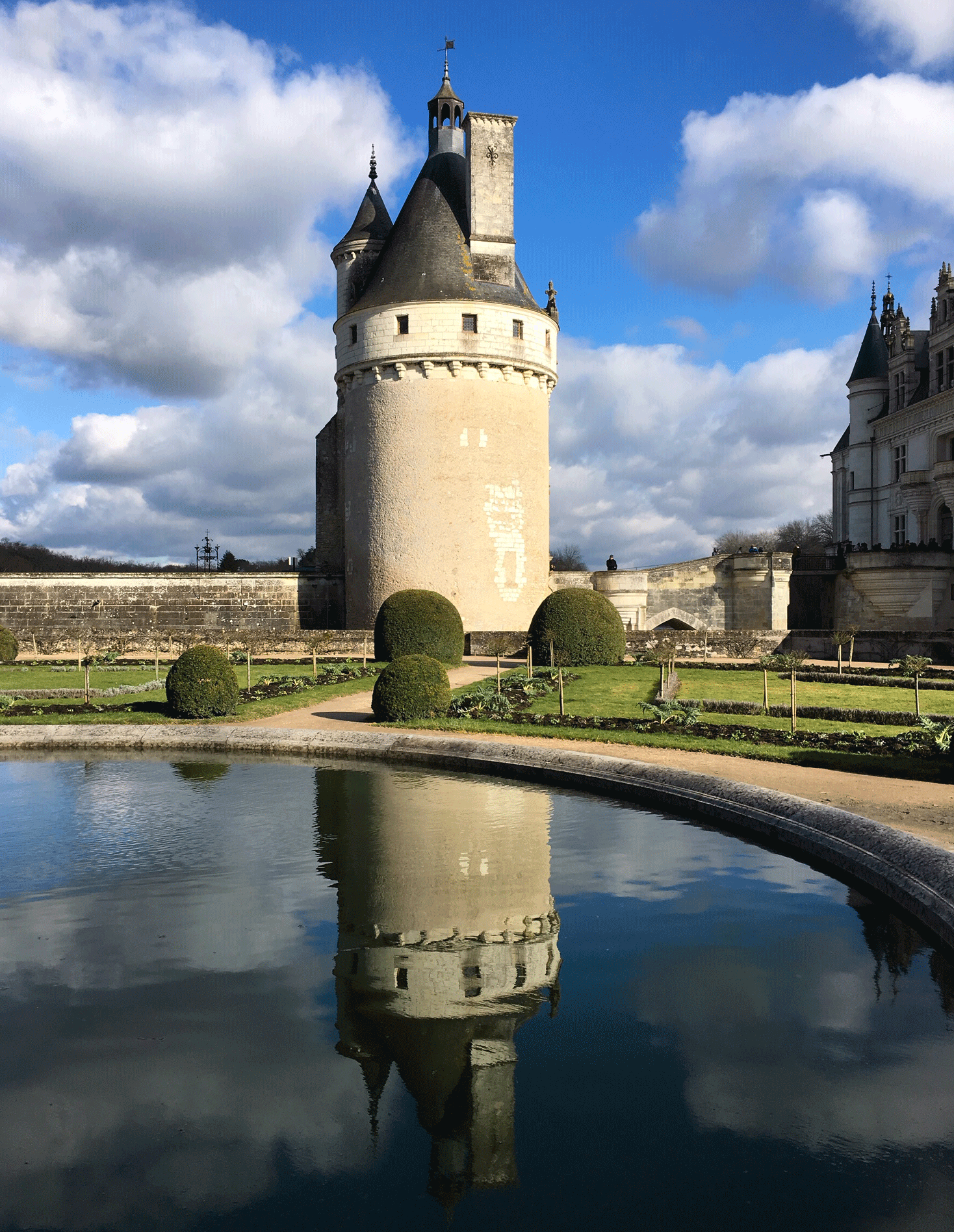
This post was written early January but somehow didn’t get published! It started by saying that I was earlier this year than I was last year in wishing you all the best for the coming but I was sad to say that my ideas of writing more blog posts have not come to fruition! I do have more spare time than before but it is mostly spent on welcoming family and home exchange friends, gardening, going on holidays, cycling and making the most of our yearly pass to Château de Chenonceau!

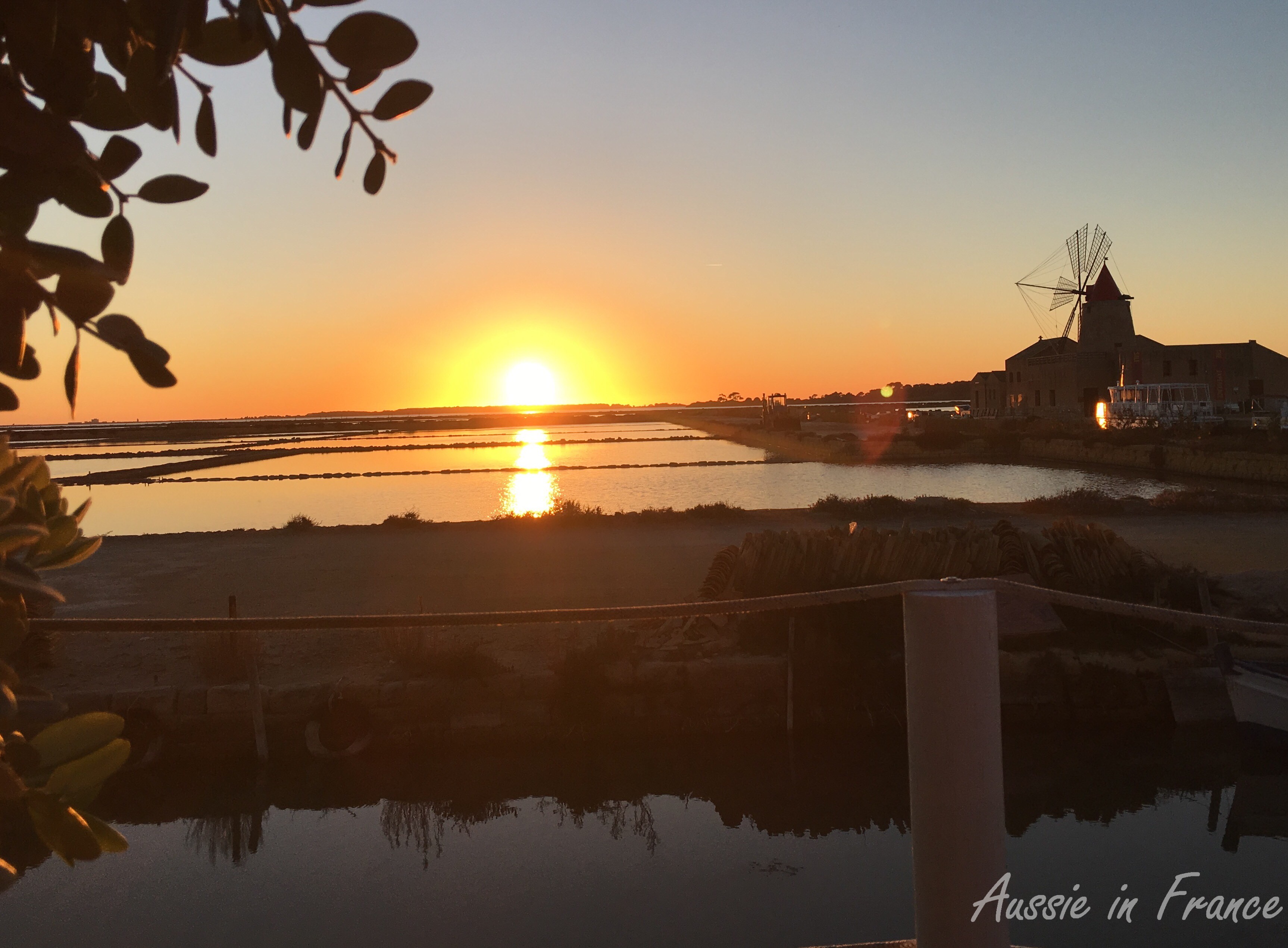
Our first trip of the year, in late March, was to Sicily which had been on my list for a long time. We rented a car and drove around the island, but I have to admit we were disappointed. On the whole we found the country very dirty and dilapidated and not particularly welcoming. We did have one wonderful evening though watching the sun set over the salt marshes near Marsala with good friends from my Fontenay days who just happened to be there at the same time.

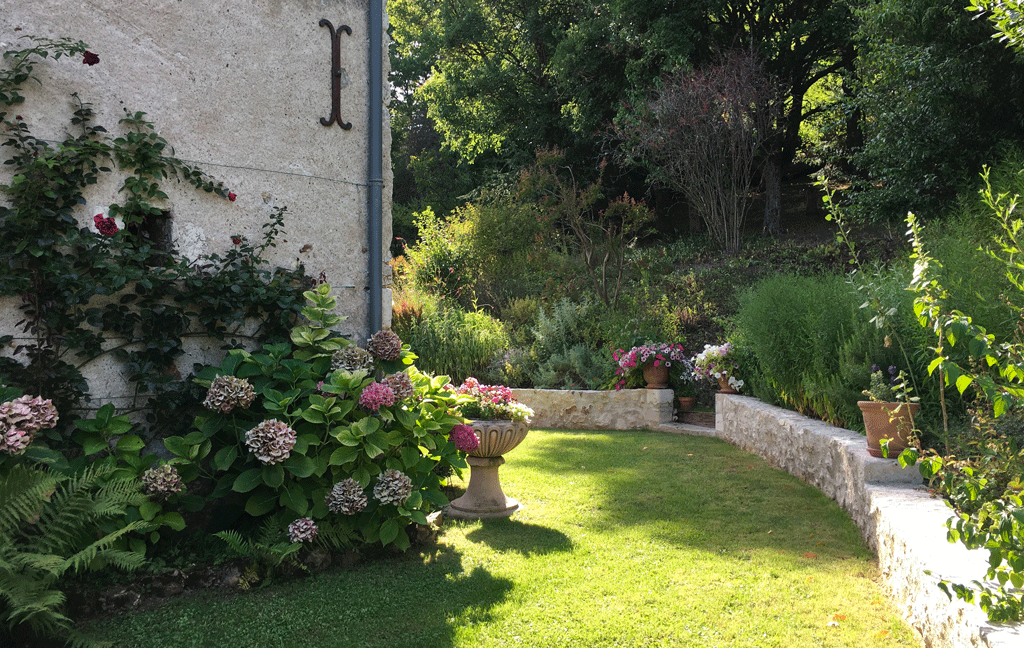
We then stayed at home in Blois until the end of June, getting in as much cycling as we could in preparation of our summer holiday. Jean Michel built a beautiful stone retaining wall in the back garden where we dine al fresco as often as we can during the fine weather to make up for all those indoor winter months. Gardening has become one of my great pleasures but we have clay soil and a large slope at the back to give us that extra challenge. I retired on 30th June from my main translation work but am still doing 10 to 12 hours a week of certified translations.

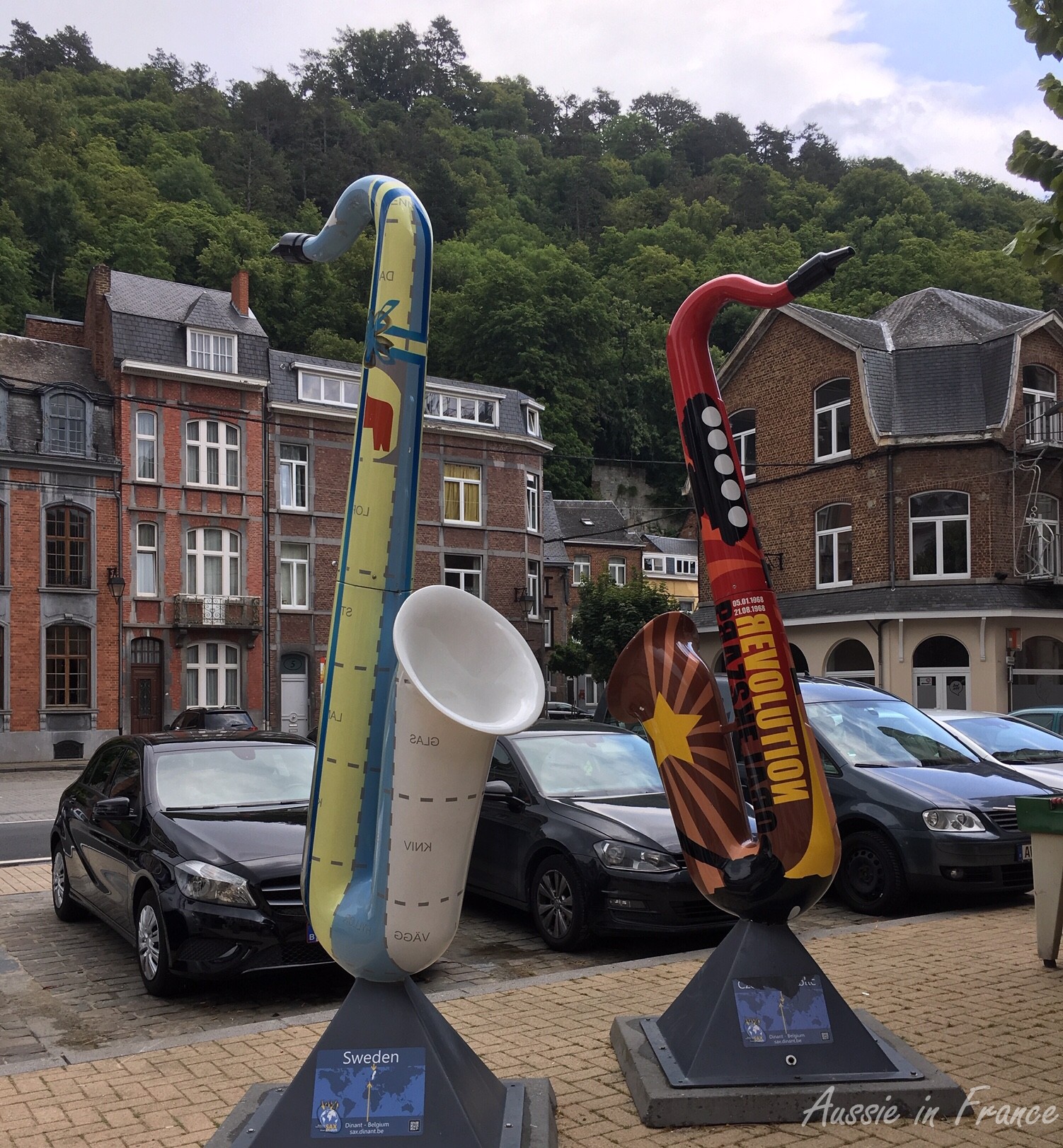
We began home-exchanging again this year after a break of two or three years. I was able to arrange a one-week exchange in the outskirts of Copenhagen through www.homeexchange.com quite easily. In mid-July we left for Denmark by car with our e-bikes behind us via Belgium with a first stop at Namur along the Meuse. It was the first time we’d cycled in Belgium. Our spirits were a little dampened by the awful weather but we managed to cycle every day and one of the highlights was Dinant, the birthplace of Adolphe Saxe with all its saxophones from different countries. The cycling paths in Belgium are of uneven quality and are often conspicuously absent.

We then headed for Germany, visiting Aix-la-Chapelle, Münster and Lübeck. Even the north of Germany, with its industrial reputation, has lots of pretty villages and towns and the entire country is truly a cyclist’s paradise. Wismar, for example, is a world heritage site on the Baltic Coast from which we cycled to the neighbouring island of Poel joined to the mainland by a levee where I had the best meal since we left France in a little restaurant next to a marina – a seafood platter with scallops, calamari rings and shrimp, all very fresh. We went to the tip of the island where people were swimming in the Baltic but we didn’t join them even though the outside temperature was a good 22 degrees

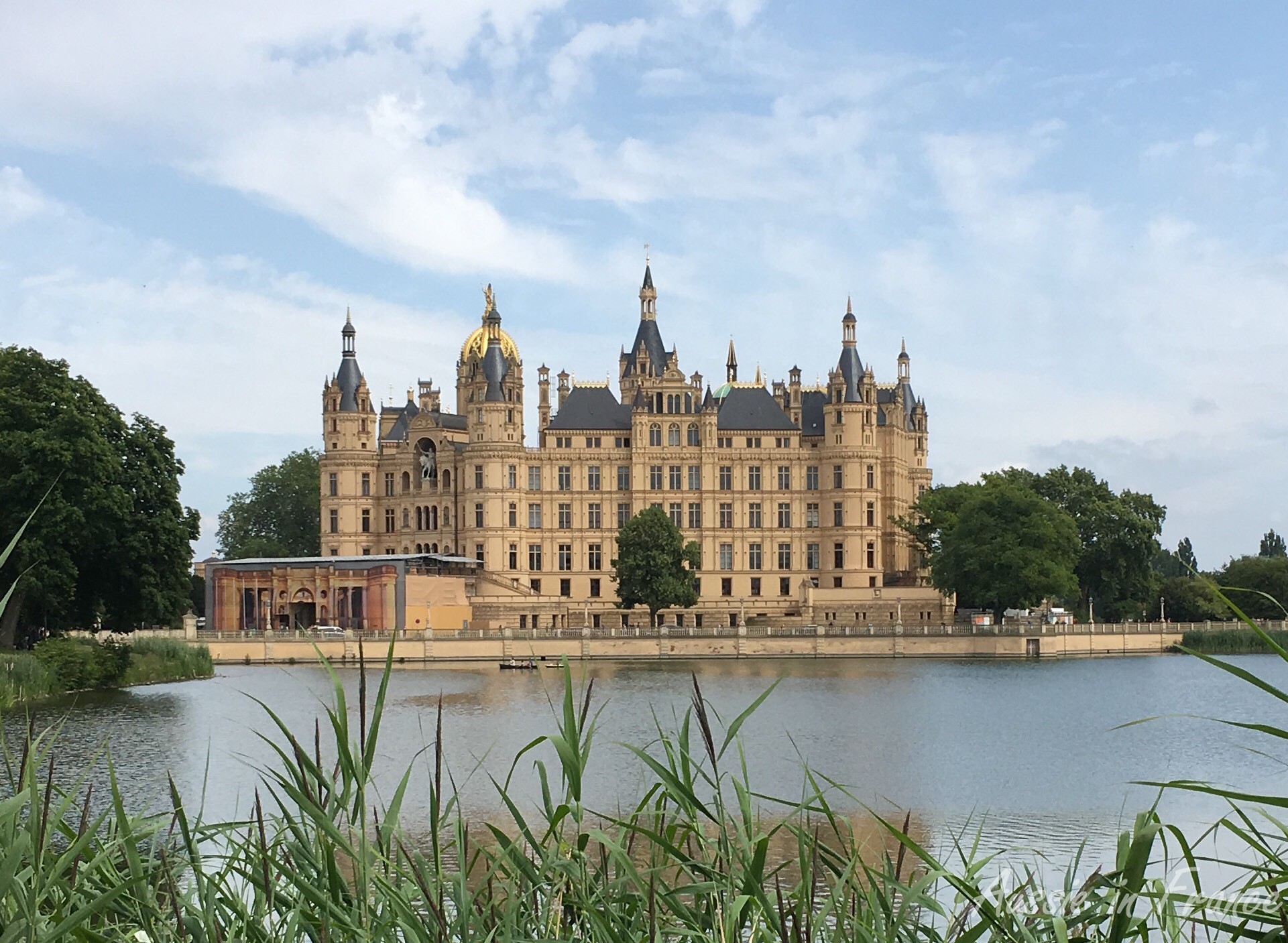
After a final stop in the north of Germany, during which we visited Lübeck and Schwerin Castle, inspired by our own château de Chambord but built much later, between 1847 and 1857 by Grand Duke Friedrich Franz II of Mecklenburg-Schwerin, we headed for Copenhagen. Because we had not thought to book ahead, we were not able to take the ferry  so went the long way adding an extra 200 km to our journey, 500 km in all, via the 18 k_long Storebaelt bridge with its 33 euro toll.

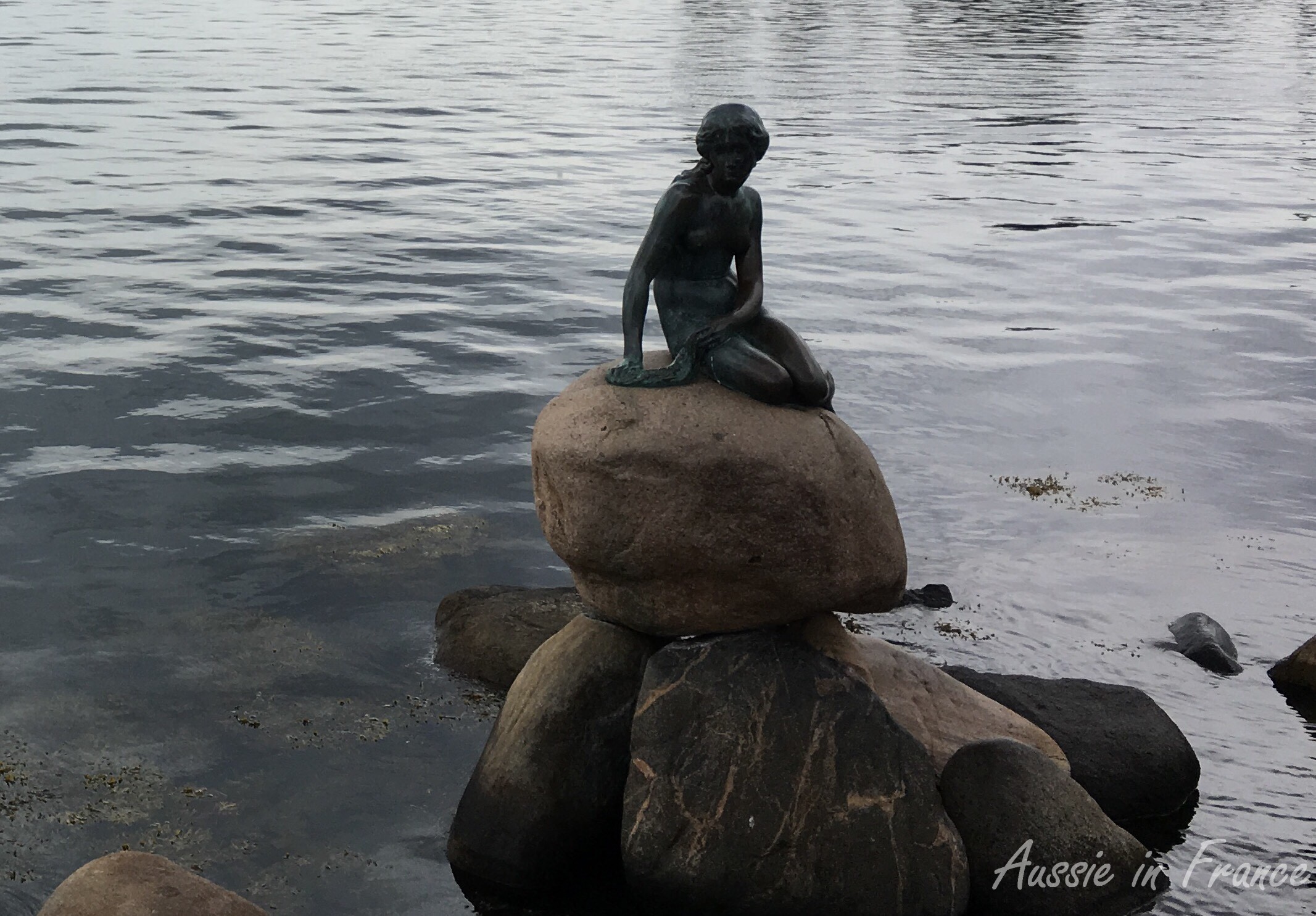
We were very happy with our home exchange despite the small bedrooms, but the living area downstairs was very spacious and we had a large garden and an enclosed winter garden. Our first day in Copenhagen was somewhat marred by the overcast sky and three short downpours but it was easy to cycle the 13 km from Bagsværd to the centre of the city as the bike paths are excellent, although a little busy and frightening at times. I counted 35 bikes waiting for a green light. We managed to photograph the Little Mermaid without too many tourists.

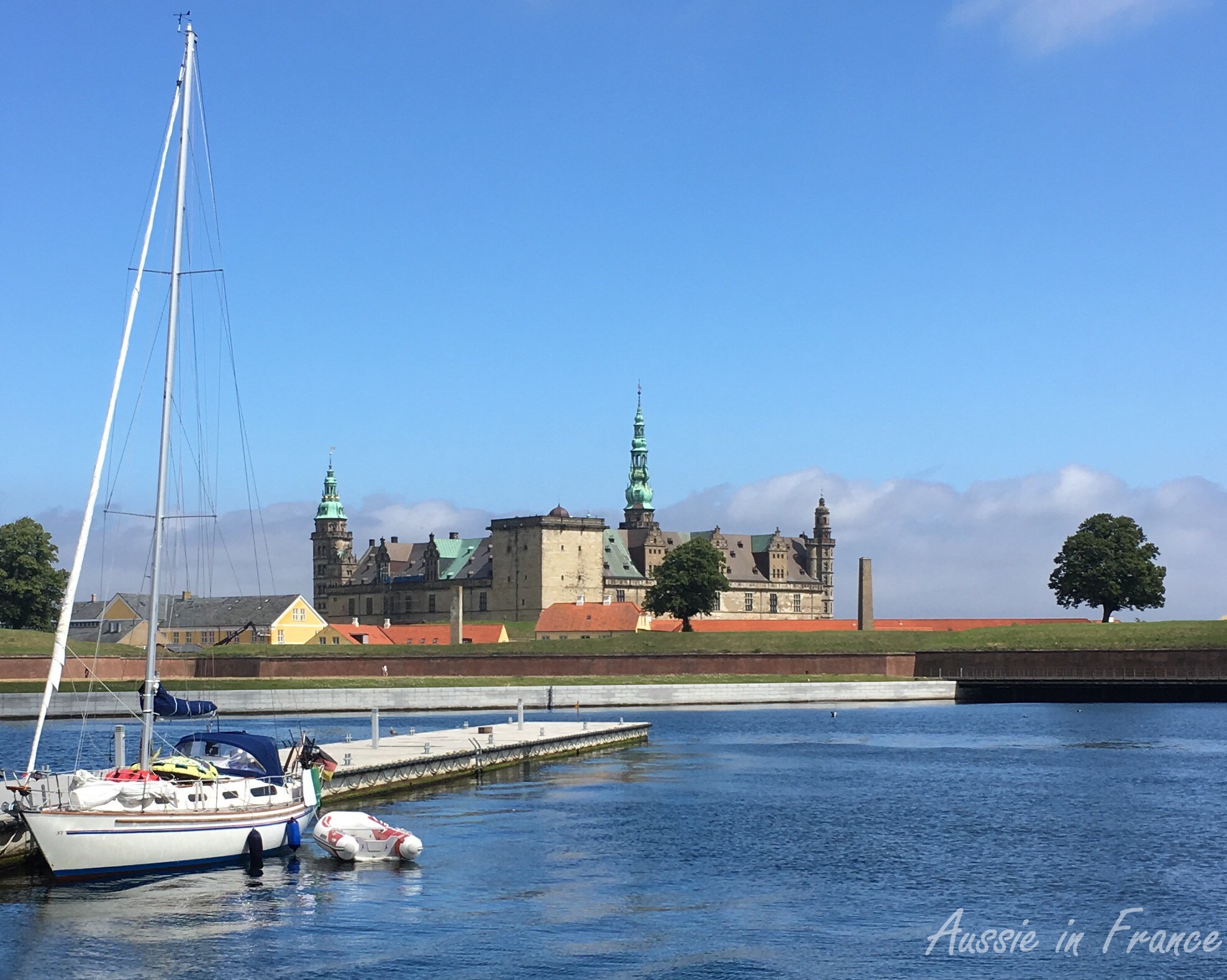
All in all, I have to say that Copenhagen and Denmark were disappointing. We did not find the architecture very attractive and the countryside, with a few notable exceptions, was flat and uninteresting. It was also generally unsuitable for cycling apart from Copenhagen itself. We did enjoy our ride up the coast to Helsingor, site of the Elsinor Castle of Hamlet fame, and Frederisksborg Castle was quite stunning.

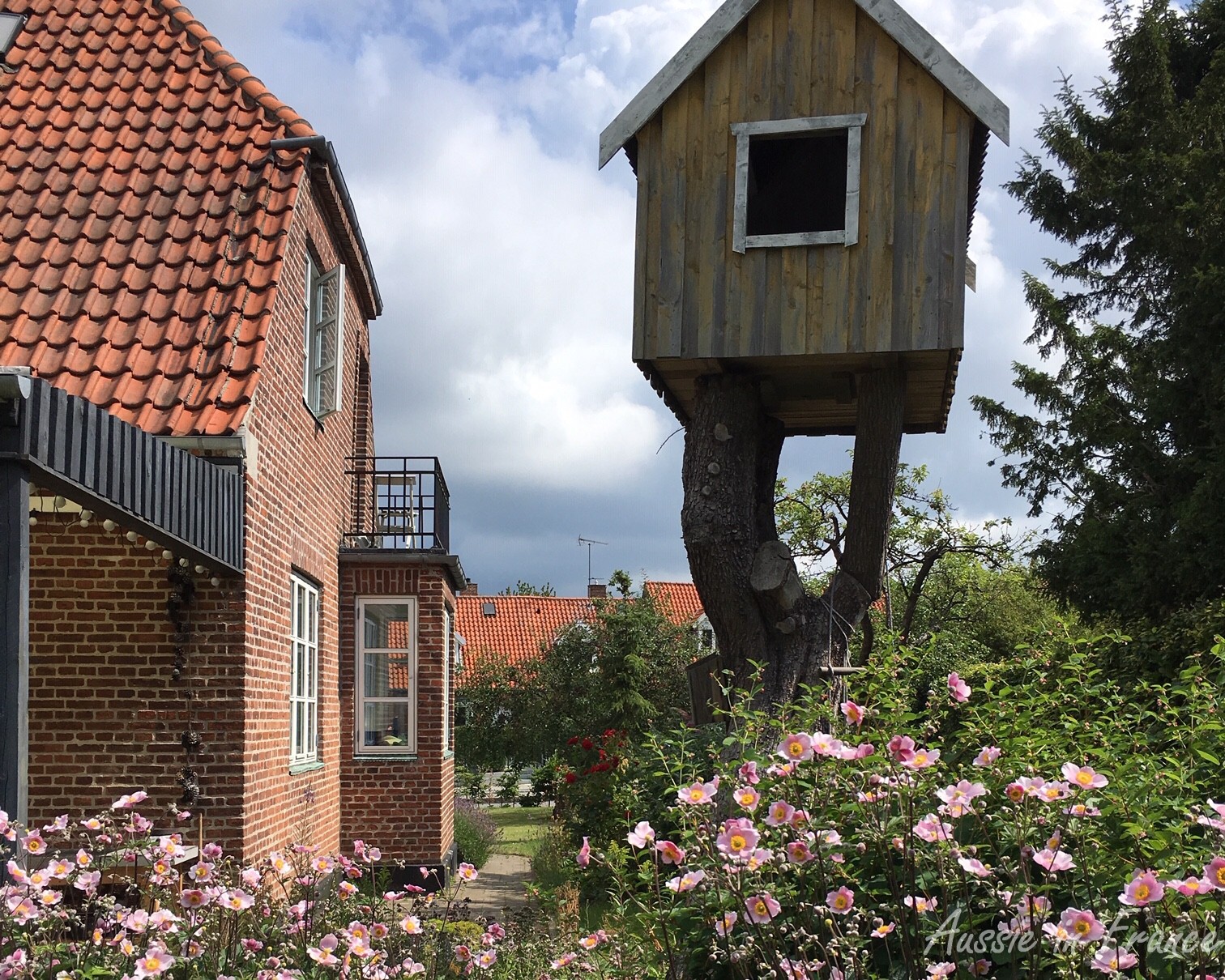
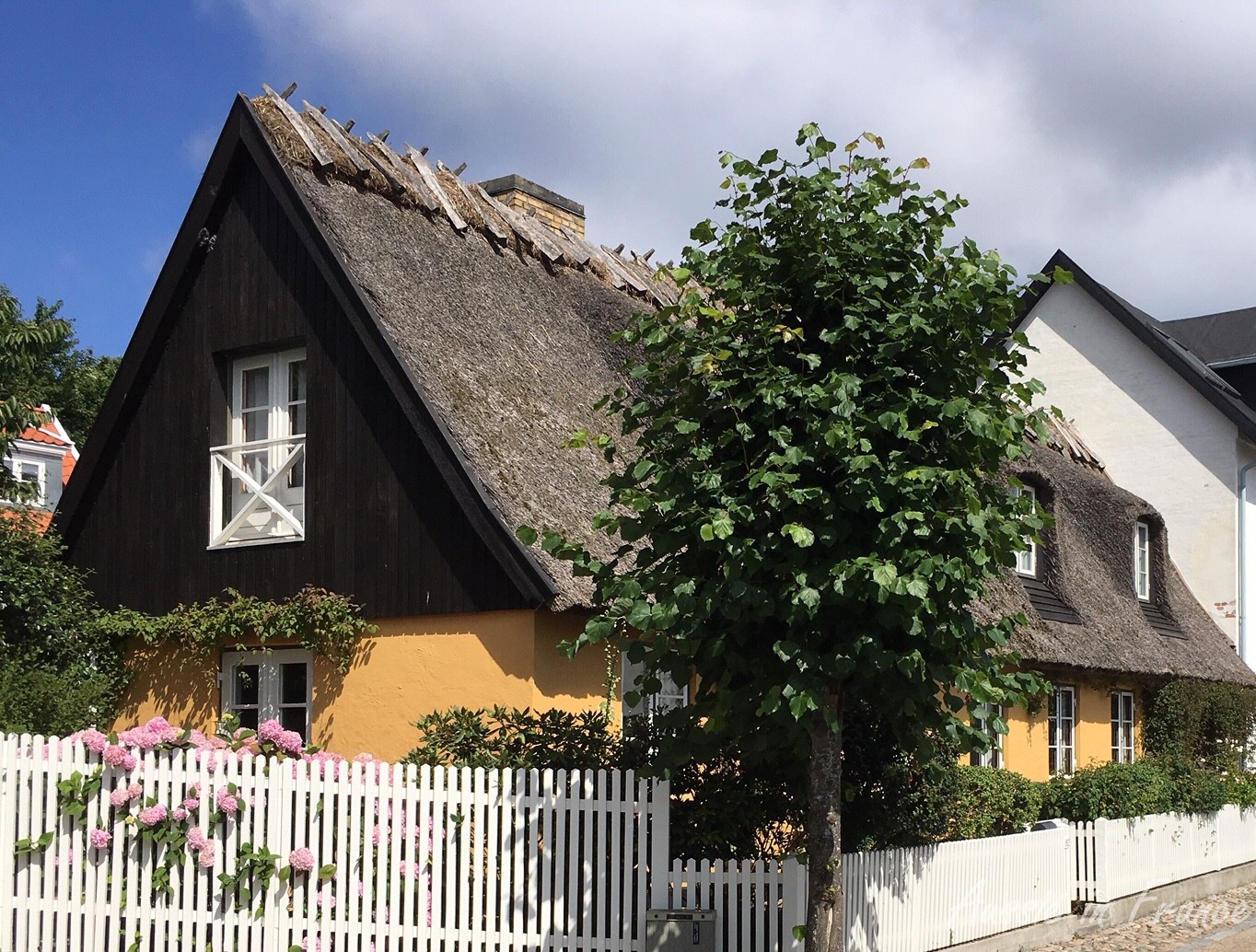
On the way, we went through a couple of little villages with quaint thatched cottages.

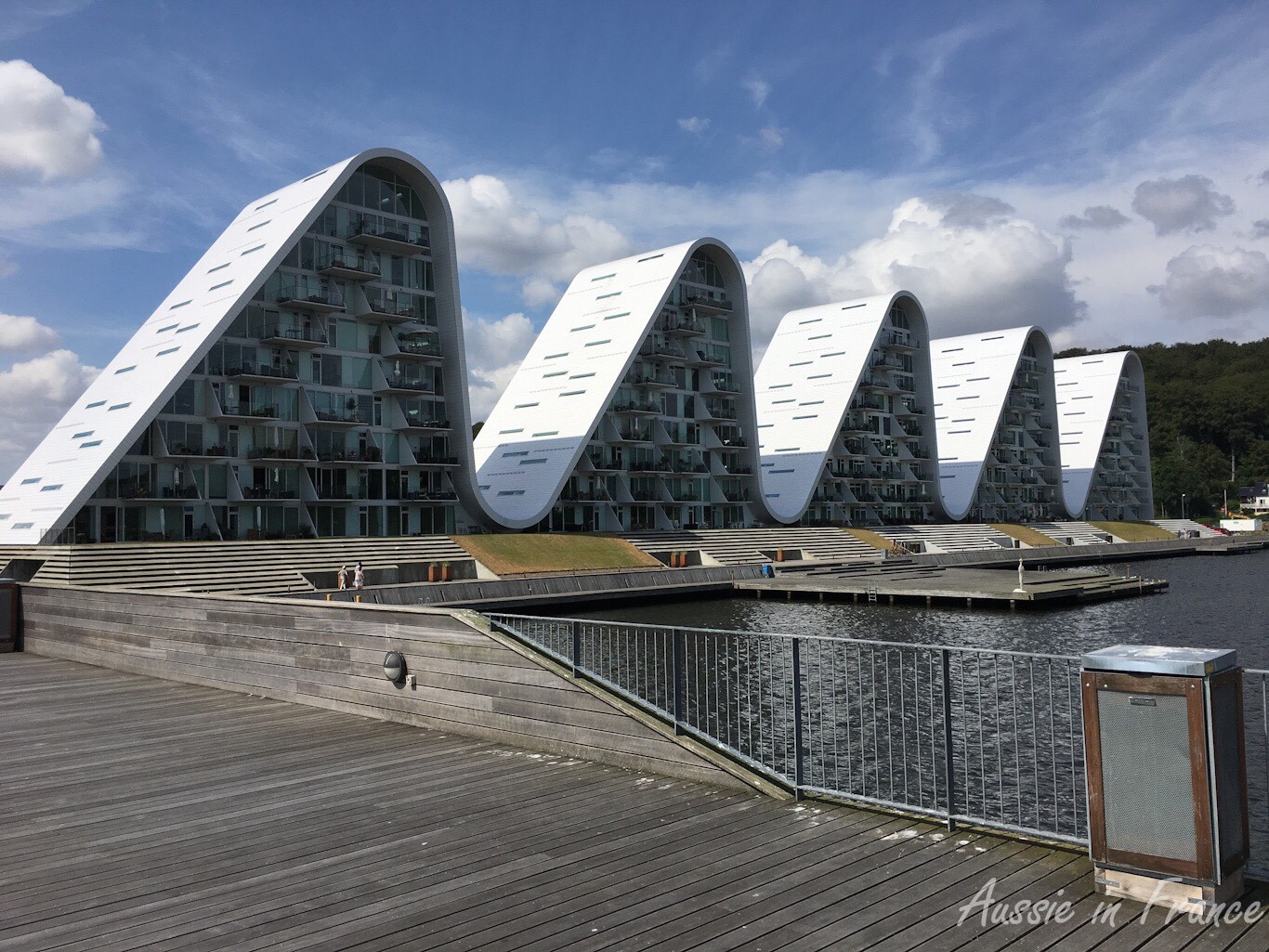
One of the policies in Denmark is to tear down old buildings and replace them with new ones rather than retore them. The town of Aarhus in Jutland houses an open-air museum called Den Gamle By (the old town) started by a teacher and translator, Peter Holm, in 1914, to save the mayor’s 16th century house (second photo) from demolition. Today there are 75 buildings from 20 towns, many furnished and often illustrating traditional services and trades. Not far away, in central Jutland, is my favourite modern building in Denmark – the Wave.

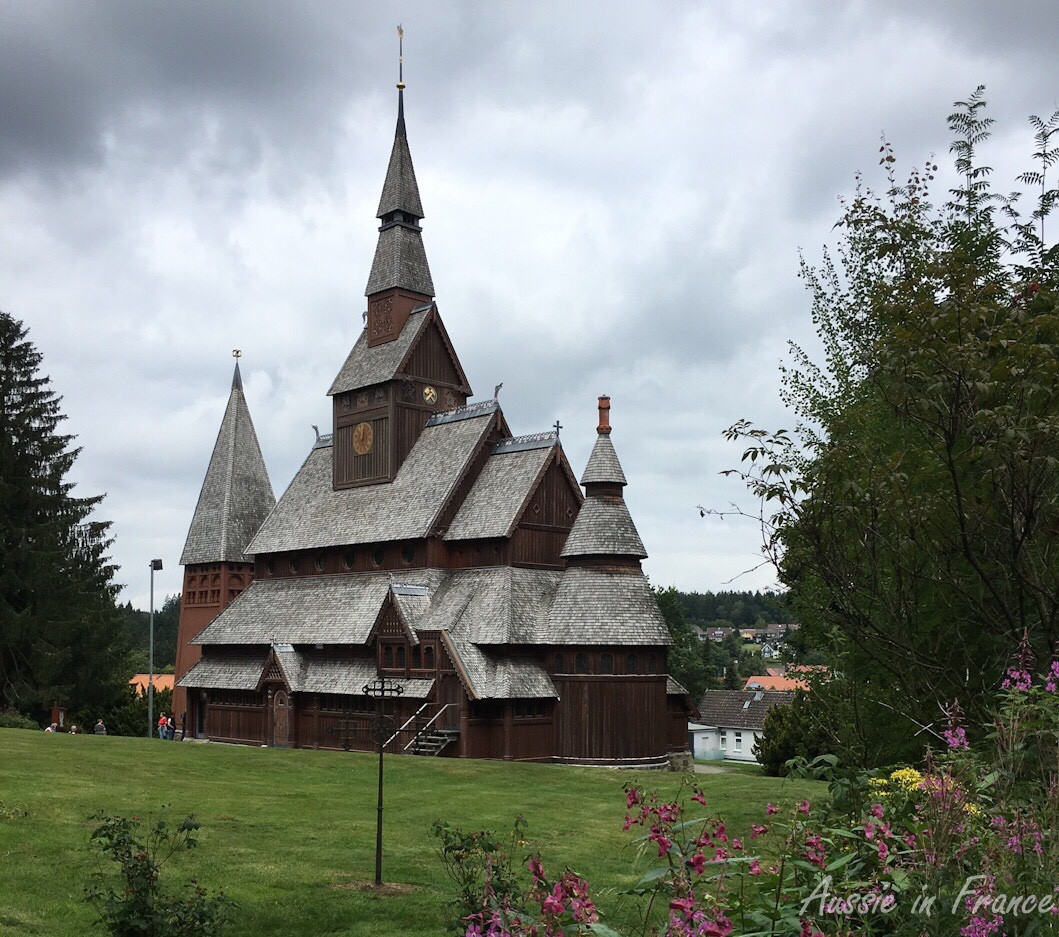
We decided to spend the next ten days in Germany, which is one of our favourite countries for cycling, visiting the Lake District, the spa town of Bad Bevensen where we treated ourselves to whirlpools every day, the Harz district with its stunning wooden churches, Marburg and Lahntal before returning to Blois via Sedan and Charleville Mézières where we cycled for an hour and a half in pouring rain!

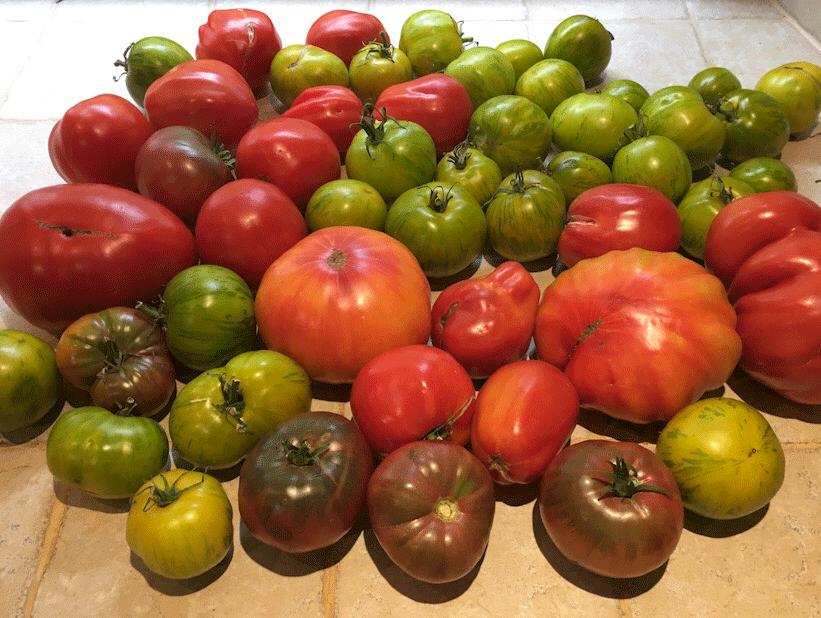
We came back to the hottest summer on record although we had escaped the worst of it. Our poor Danish home exchangers were not as lucky! We weren’t even allowed to use our well water so our lovely green grass slowly turned a sad brown. Since then, I have studied up on all the flowering shrubs that don’t need much water and am planting lots of them in the spring so that, if we have another hot summer, we will still have flowers. We had a bumper tomato crop though!

And after the sun came the rain. After a few days cycling in Brittany late September we weren’t able to cycle very much. But the grass turned green again ….

The new rental studio apartment in the historical quarter of Blois, Châtel Rose, got off to a good start and was occupied for several months by an Australian retiree who wanted to live the French life and improve her language skills. I think she had found more friends than I have in five years by the end of her stay!!! Our aim is to give holiday makers a near-perfect experience, offering top-level services and an in-depth French experience.

This coming year we are buying a yearly pass to Château de Chaumont ncluding its wonderful garden festival. The permanent garden is already a great  inspiration to me and the interior of the castle is richly furnished.

Our next travel project is Crete in March where we will be using our home exchange “guest points” to stay in Chania and Agios Nicolaos.

Thank you for remaining faithful despite my infrequent posting. I would like to wish you all a very happy new year – health, happiness and optimism!

Discovering Canal Saint Martin in Paris

We’ve come to Paris for a long week-end to celebrate a friend’s 60th birthday, organised by her daughter as a surprise. As usual, we’ve fitted in a few medical appointments, as there is a severe lack of specialists in Blois, and some pleasure time with friends. I have found a home exchange with an Australian/French couple like us who live in a house in the west of Paris and exchange a two-room flat near Canal Saint Martin on the 5th floor. It’s not an area we know very well but our friends Susan and Simon from Days on the Claise always stay in this part of Paris when they come.

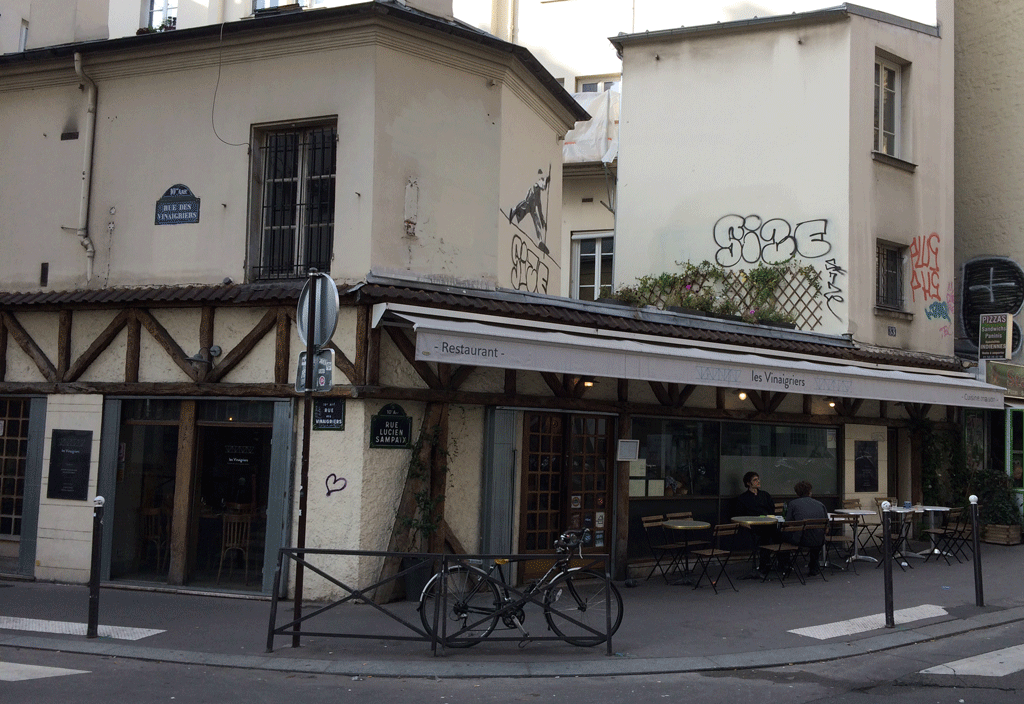
A tempting little restaurant on Rue des Vinaigriers

From what we can see, the area is very trendy. When we arrived last night, there were bars and restaurants open everywhere with people milling around the streets and pavements.

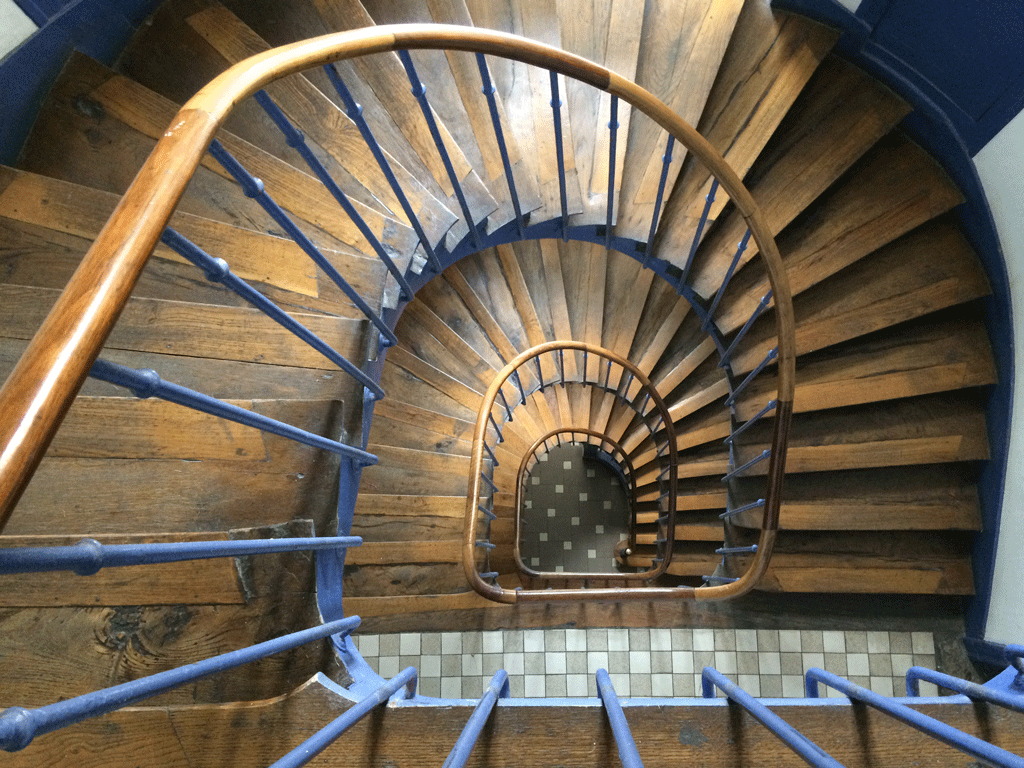
The spiral staircase in our apartment building

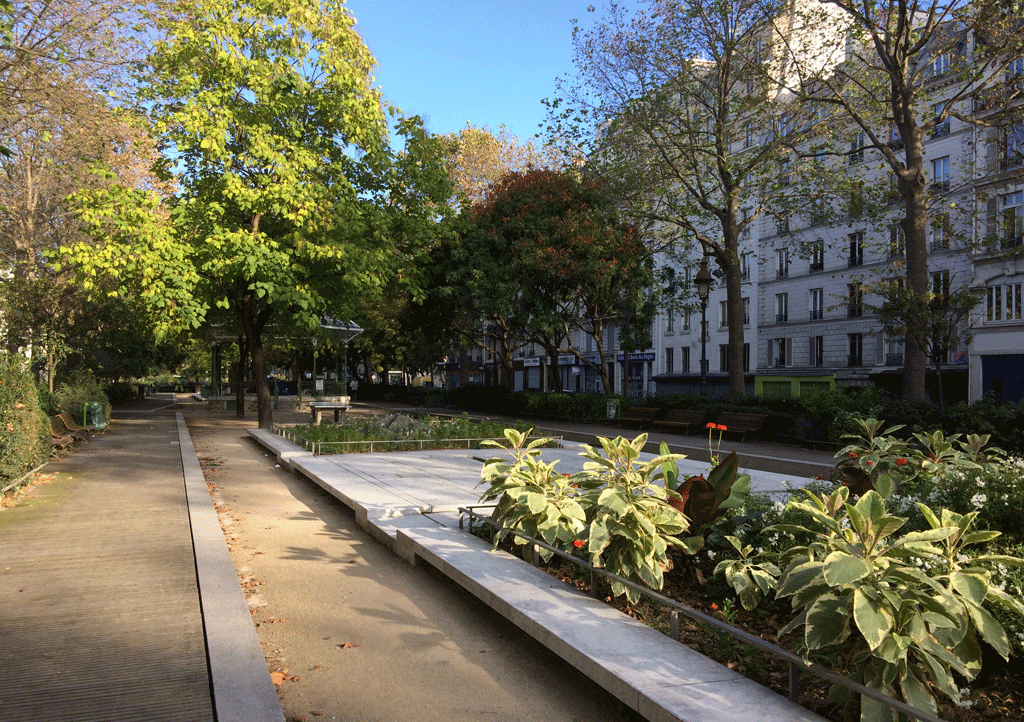
We’re in Rue des Vinaigriers just a short distance by foot from the canal so we set off to walk along it to the Bastille market where we’re going to buy oysters to take back to the flat for our traditional Sunday lunch.

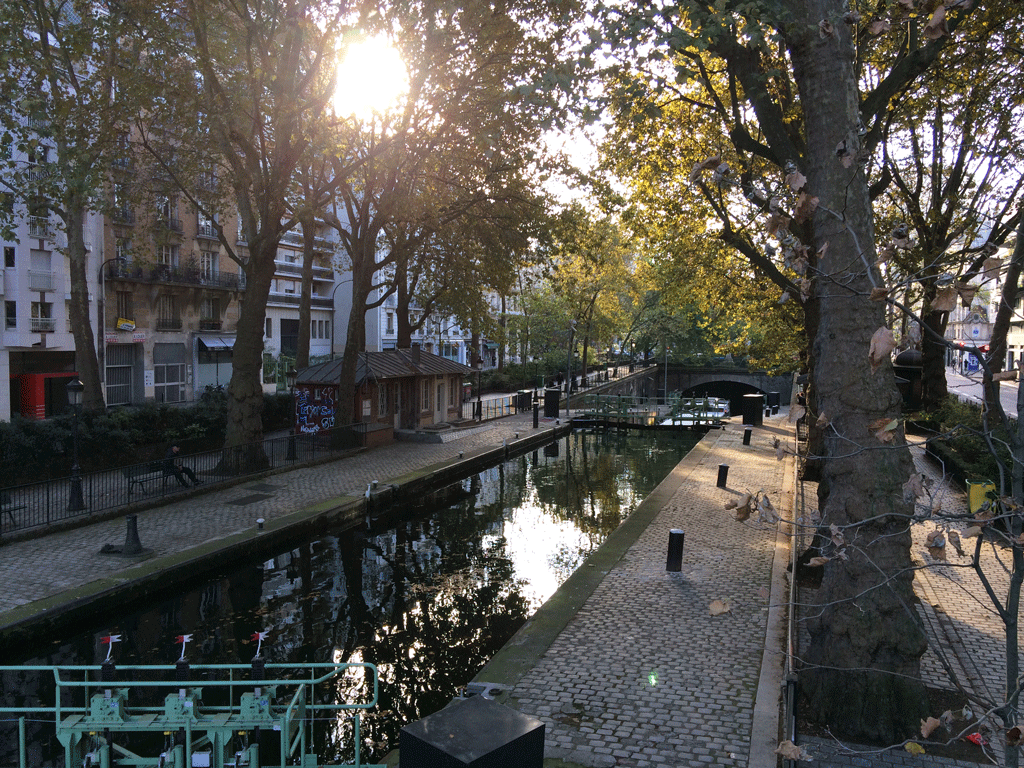
We arrive just as a barge is passing through the lock at the end of our street. There is also a swing-bridge for vehicles that opens to let the barge through. We’re not the only people watching. Several locals are enjoying the scene and there is a group of seniors on a walking tour.

View of the canal from one of the humpback bridges

There are several humpback pedestrian bridges that give us a bird’s eye view of the canal.

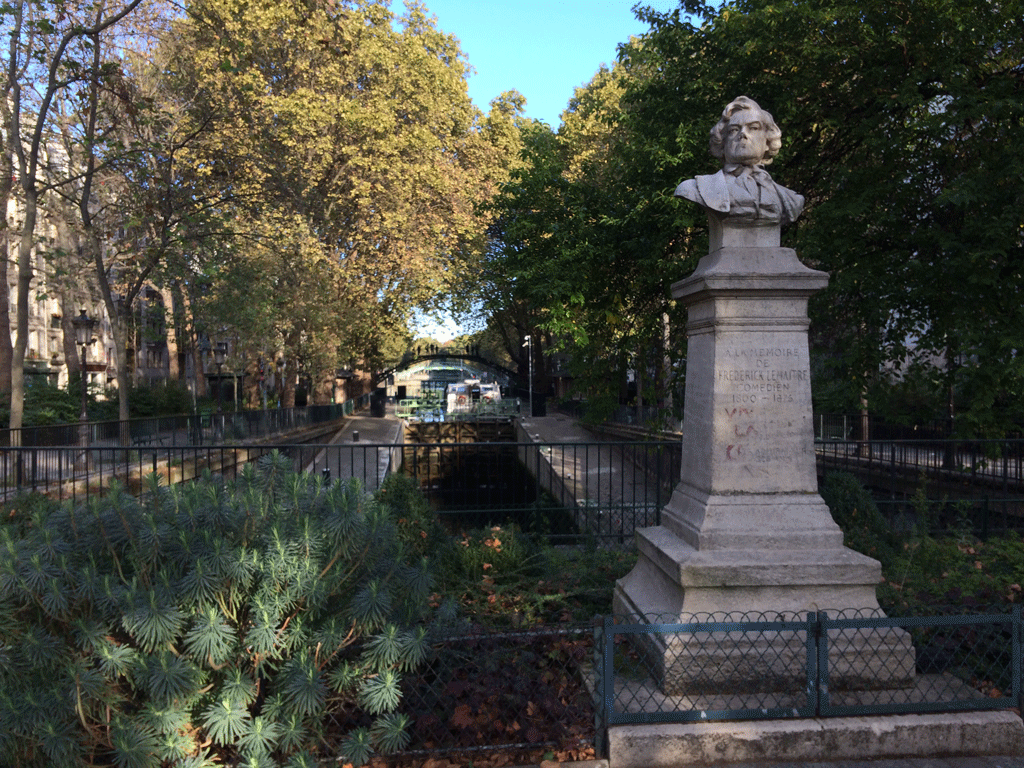
Statue of Lemaître, the comedian

We pass the statue of “Frédérick Lemaître, Comédien, 1800 – 1876”. The French actor and playwright was one of the most famous actors on the celebrated Boulevard du Crime, the nickname given to nearby Boulevard du Temple because of the many crime melodramas staged every night. It is notorious in Paris for having lost so many theatres during the rebuilding of Paris by Baron Haussmann in 1862.

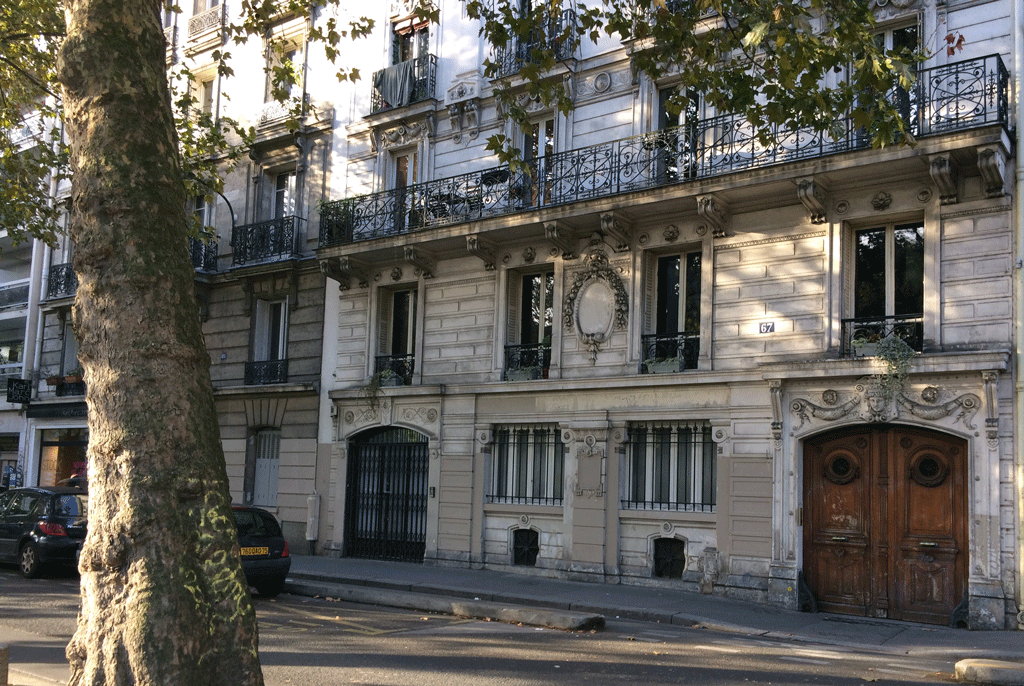
Just one of the beautiful buildings along the canal

We have already noticed the many beautiful Haussmann buildings with their finely sculpted doors and windows that line the street along the canal.

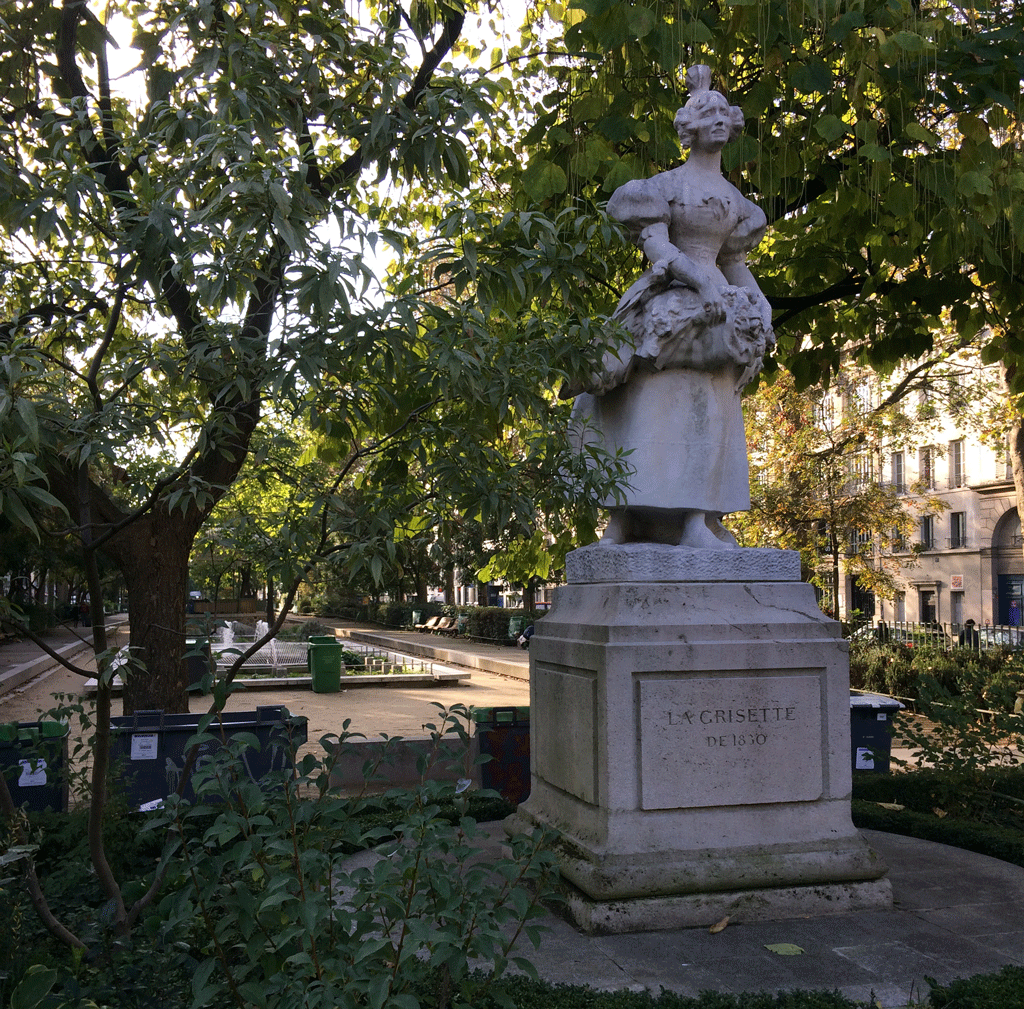
La Grisette
La Grisette

The next statue is La Grisette de 1830, sculpted in 1909 by Jean-Bernard Desomps. In the vocabulary of the 19th century, a grisette was a young seamstress who worked in soft furnishings and fashion, a flirt and coquette who occasionally sold her charms due to poverty rather than vice, so it would seem.

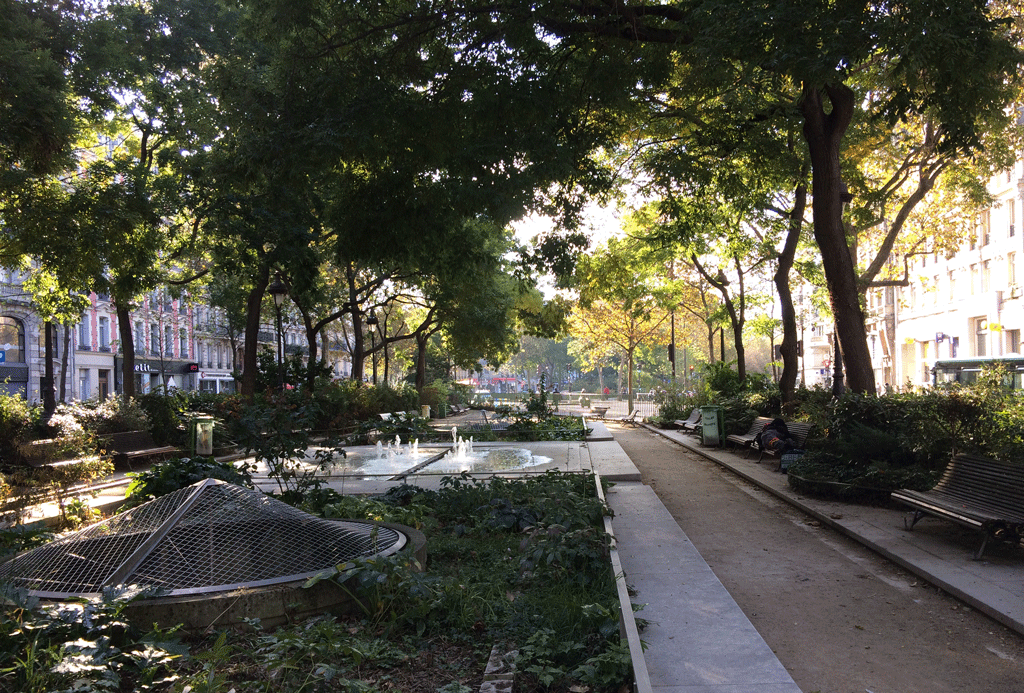
Richard Lenoir promenade above the canal

After a while, the canal goes underground and becomes a planted walkway called Promenade Richard-Lenoir. One of the four squares, Jules Ferry, is named after a French politician who drafted the 3rd Republic  bills that made lay education compulsory in France. Many schools in France are called Jules Ferry.

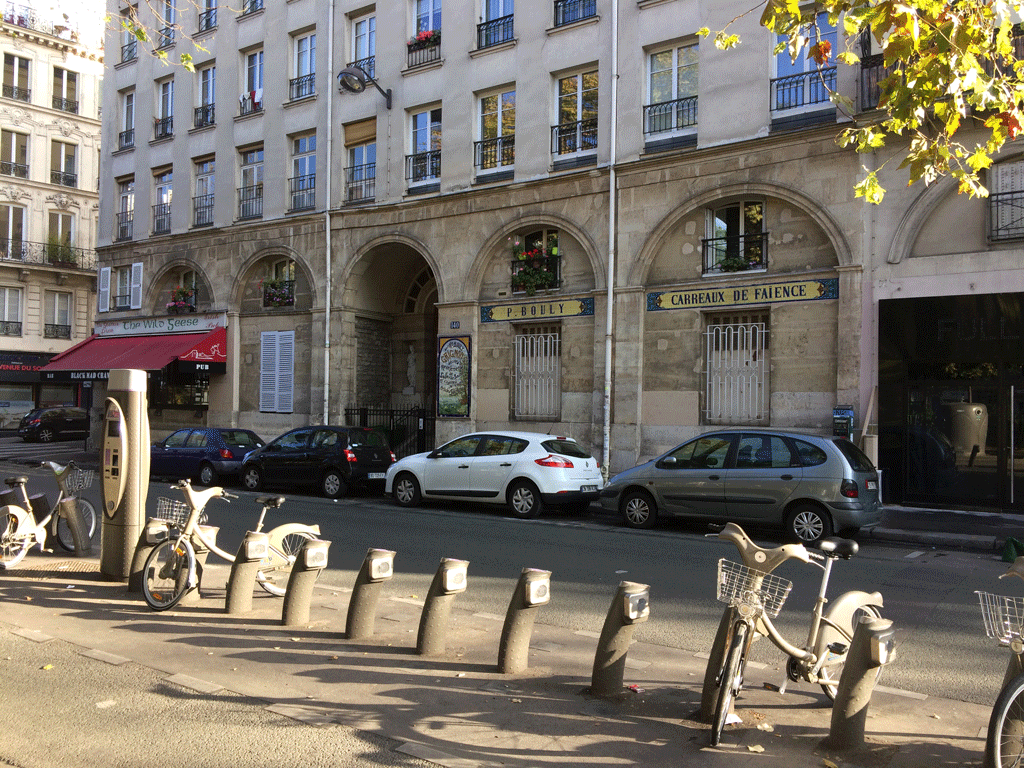
Bouly Ceramics
The former P. Bouly ceramic manufacture

P. Bouly, Carreaux de Faïence (ceramic tiles), on the left hand side is a reminder of the many factories that once flourished in the area.

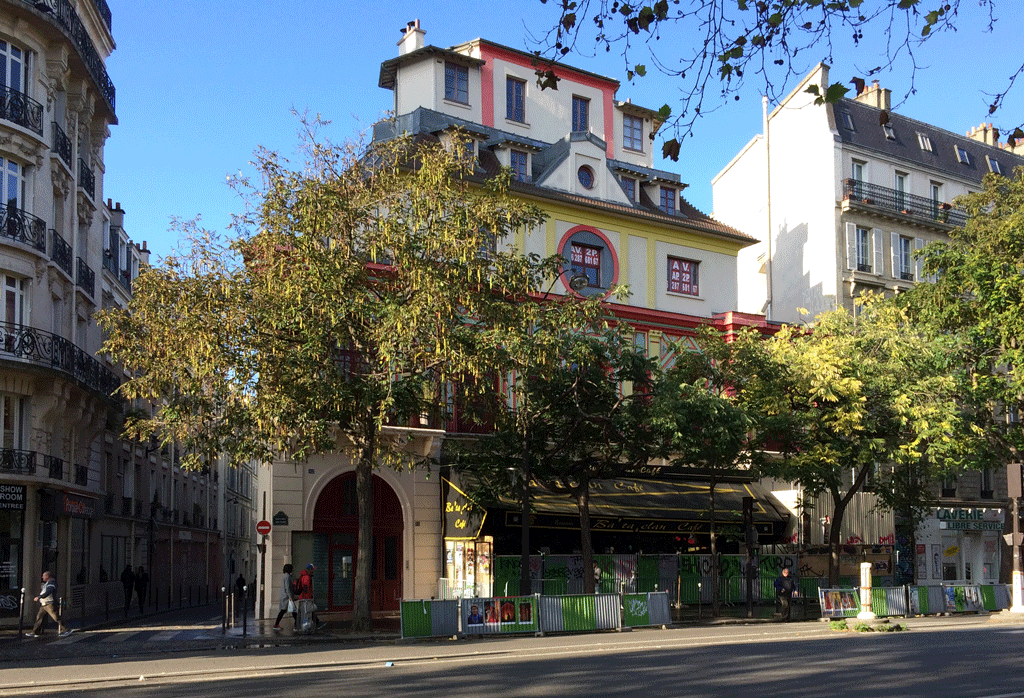
Le Bataclan concert venue
Le Bataclan concert hall

On the right is a colourfully trimmed building surrounded by a fence – Le Bataclan, sadly famous for the terrorist attacks that led to the killing of 90 people in the concert hall on Friday 13th November 2015.

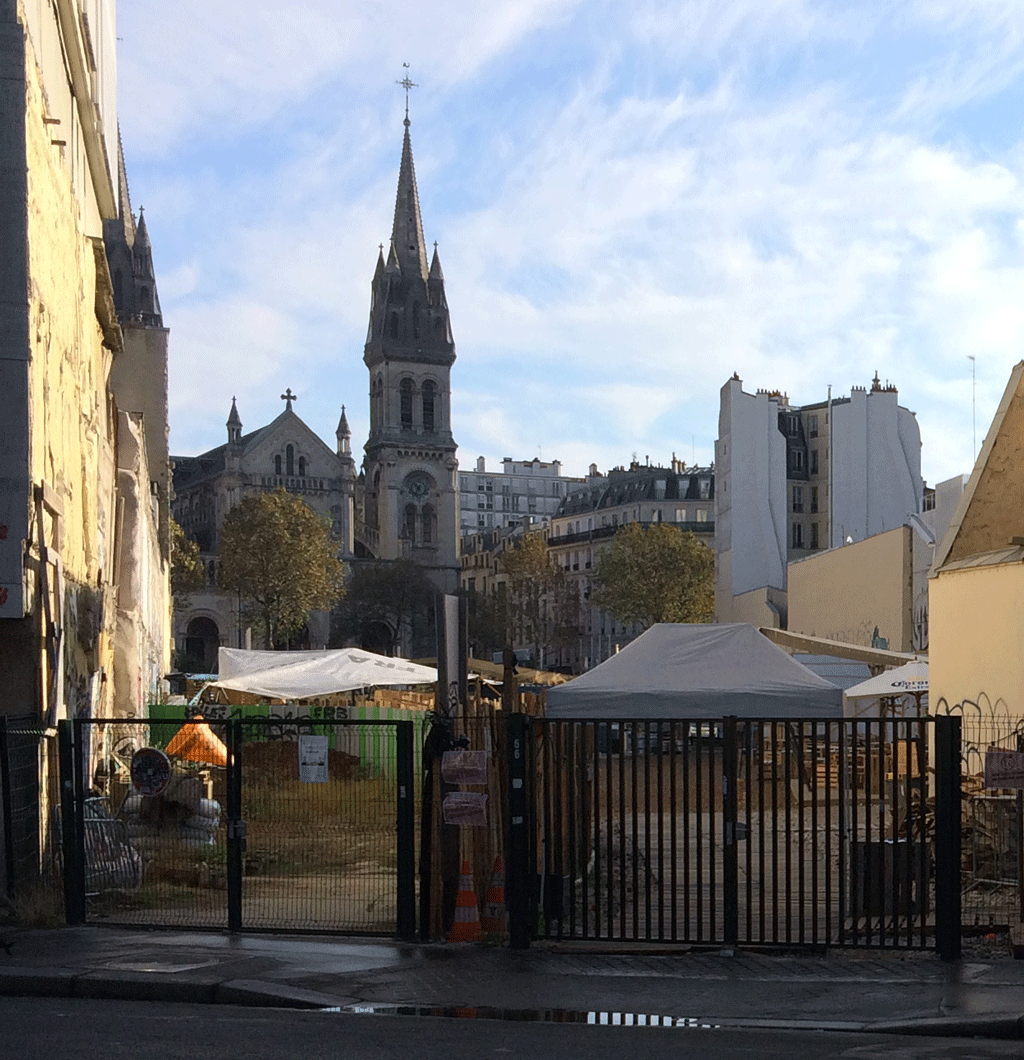
La Friche Richard Lenoir

As we get closer to Bastille, we see a church in the distance on the left that we’ve never noticed before. Just in front is a sort of fenced-in area with small wooden huts. A sign on the gate says “La Friche Richard-Lenoir”. (Friche means “wasteland”). When I check it out later I learn it is a pop-up bar and open-air entertainment area with refreshment stalls, games and music that appeared in Septeember this year.

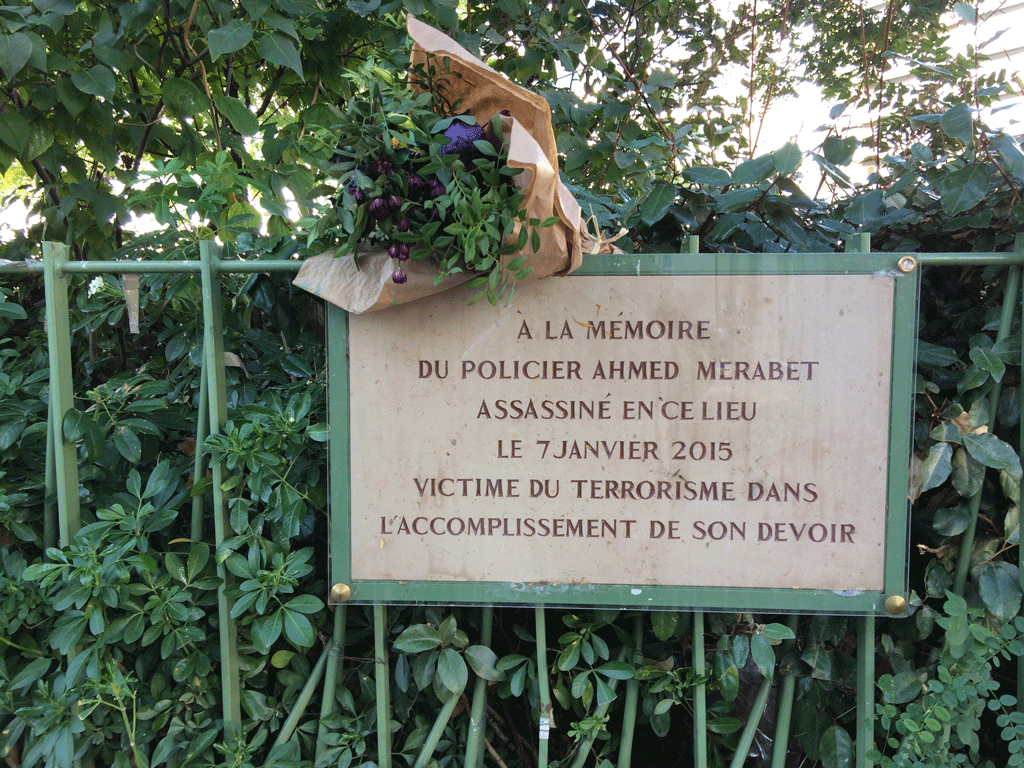
The memorial plaque to Merabet
The memorial plaque to Ahmed Merabet

A sobering sign on the promenade fence has a bouquet on top: “In memory of police officer Ahmed Merabet killee here on 7 January 2015 in the line of duty, a victim of terrorism.  He was shot after firing at the gunmen’s car during the Charlie Hebdo shootings during which 11 people were killed.

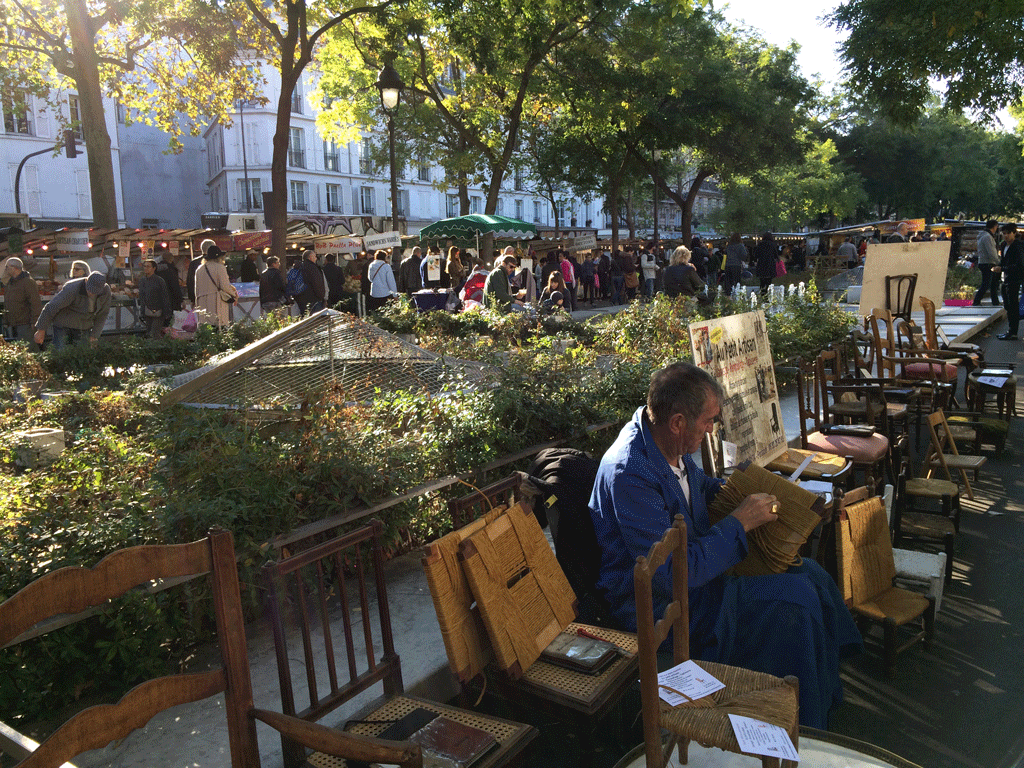
The Bastille market on a Sunday morning
The busy Bastille market on a Sunday morning

After more Haussmann buildings on the left and more modern constructions on the right, we come to the bustling market which is very colourful and pleasant under the trees along the promenade.

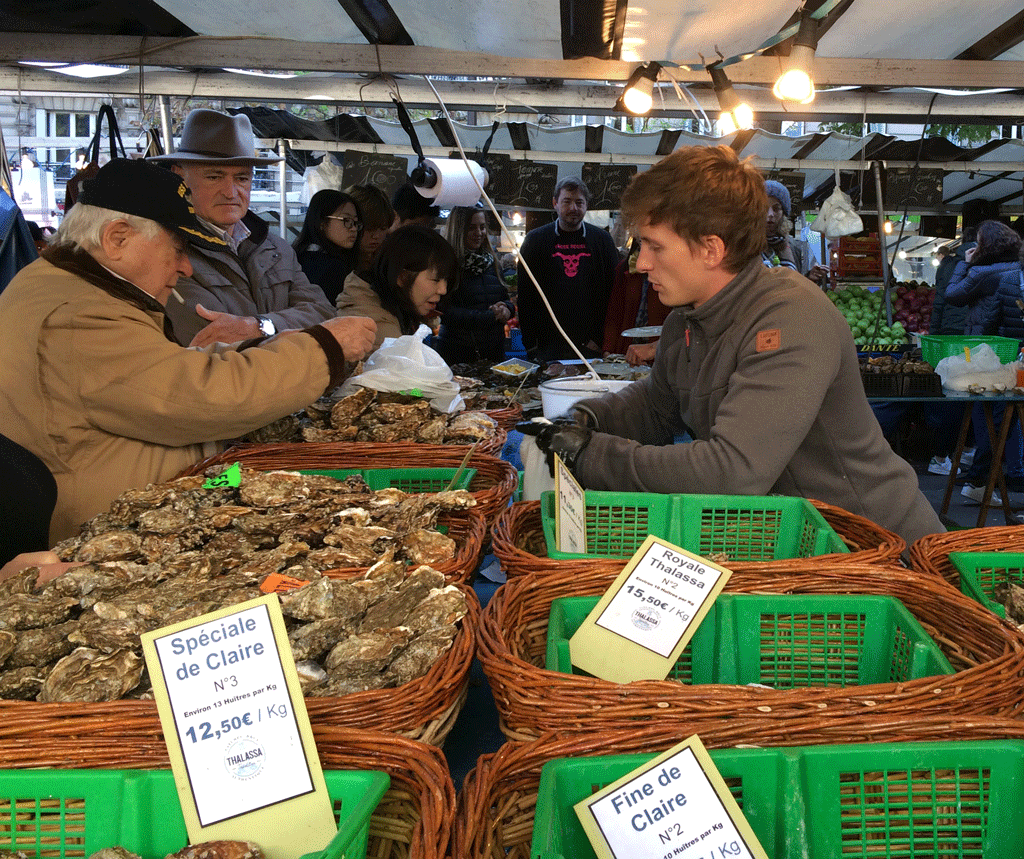
Buying oysters at the market
Buying oysters at the market. Jean MIchel watches as the man with the cigarette hand-picks the fattest oysters!

We find our oysters (from the same supplier as those we used to buy when we lived in the Palais Royal in the centre of Paris) and pick up some butter and baguette from two other stalls (we brought our Sancerre wine with us from Blois).

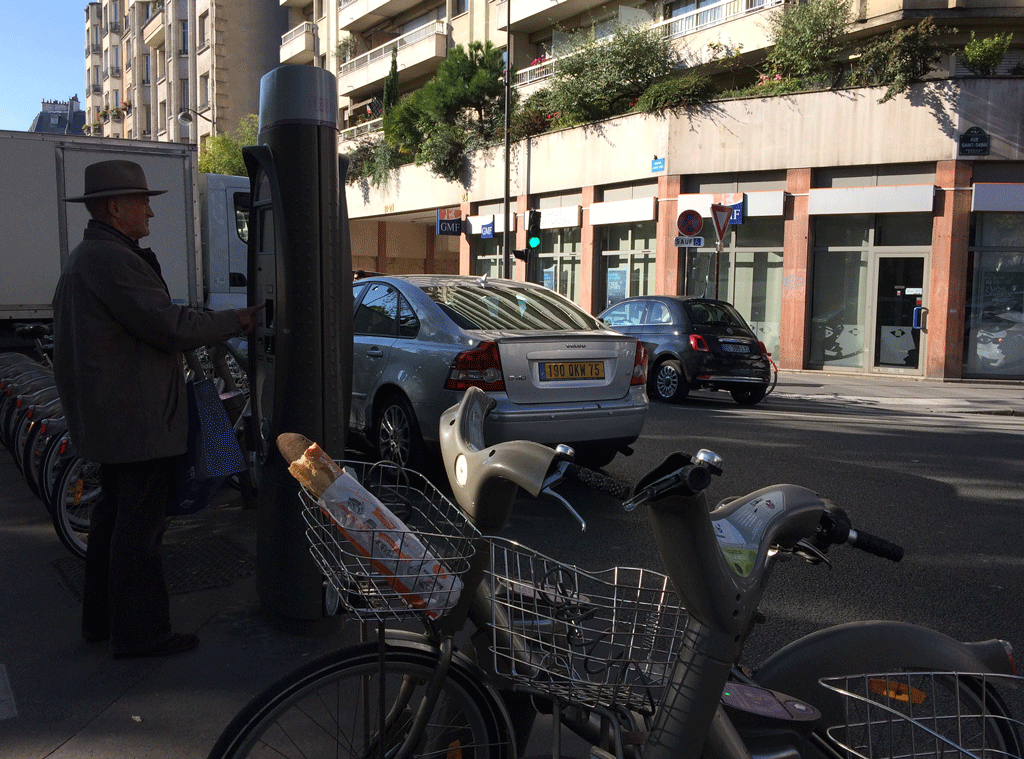
Vélib' and baguette
Vélib’ and baguette

Now for the Vélib’ city bikes. We’ve only ridden them once before but after cycling in New York City, we figure we are experts. Although Jean Michel assures me they are exactly the same bikes, I don’t find them as comfortable. They are infinitely cheaper though. As an occasional user, you pay 1.70 euro for a one-day ticket (8 euro for 7 days). The first 30 minutes are always free (you can swap your bike at a Vélib’ station every 30 minutes or pay 1 euro for every additional half hour). (More information here). Three-quarters of an hour’s cycling in NYC (with Black Cat’s City Bike subscription) cost us near 20 dollars each!

More buildings along Richard Lenoir promenade

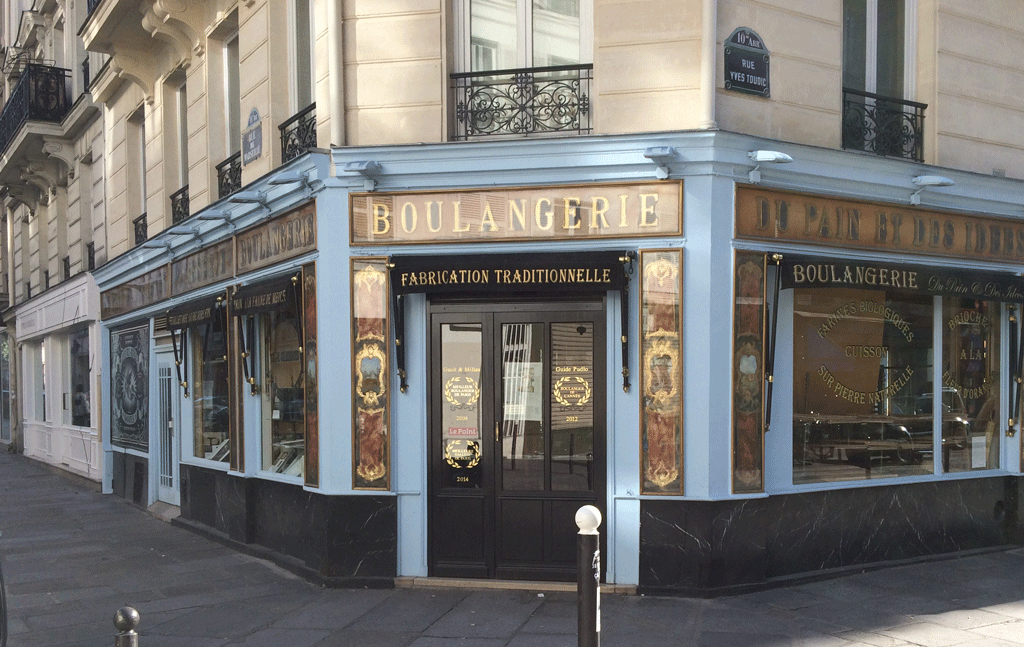
We follow the canal back up as far as Hôpital Saint Louis. As we walk back to our flat, I try the baguette and decide it’s not very tasty so we go looking for a traditional bakery called Du pain et des idées recommended by our home exchange hosts on Rue Yves Toudic. Unfortunately it’s closed on Saturday, like many of the other shops around us, most of which were open late last night.

The highly recommended bakery on rue Yves Toudic
The highly recommended Du Pain et des Idées bakery on rue Yves Toudic

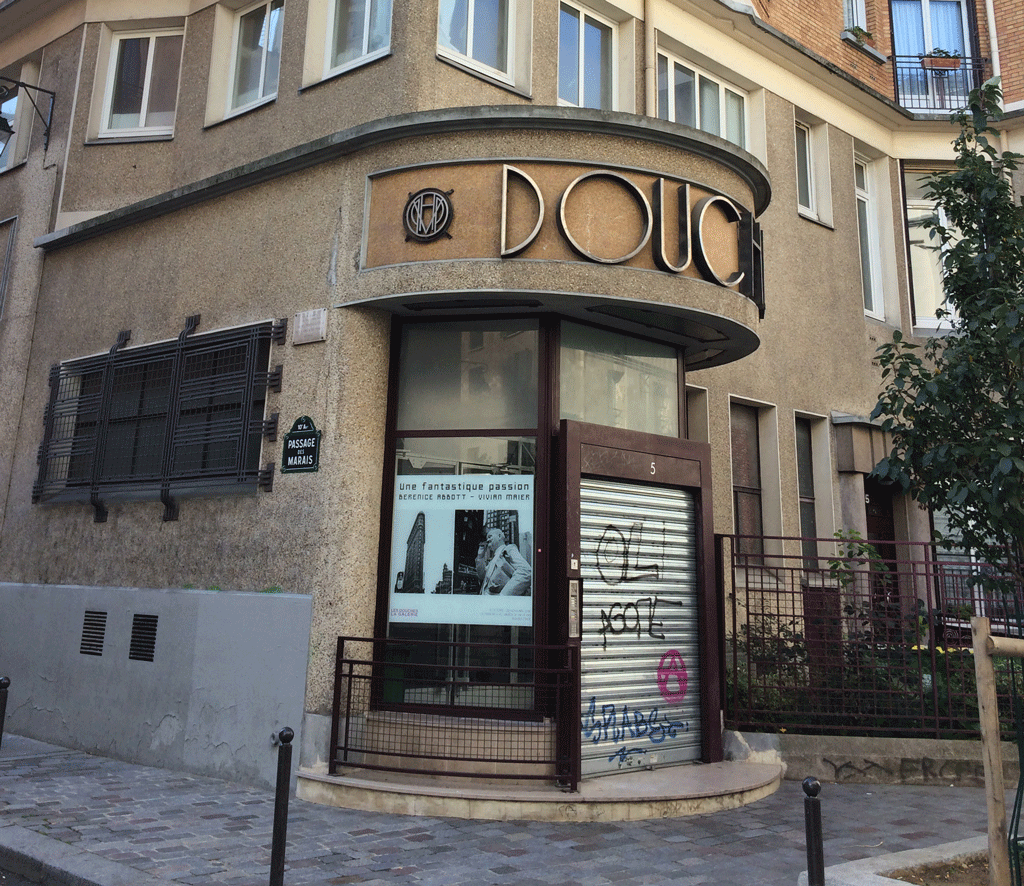
On the way we pass a building with Douches (showers) written on the front. I don’t know whether these particular ones are still in operation but there are still a half a dozen free public shower establishments scattered throughout Paris. You can find the list here. Take your own towel and soap :).

Public showers in Paris

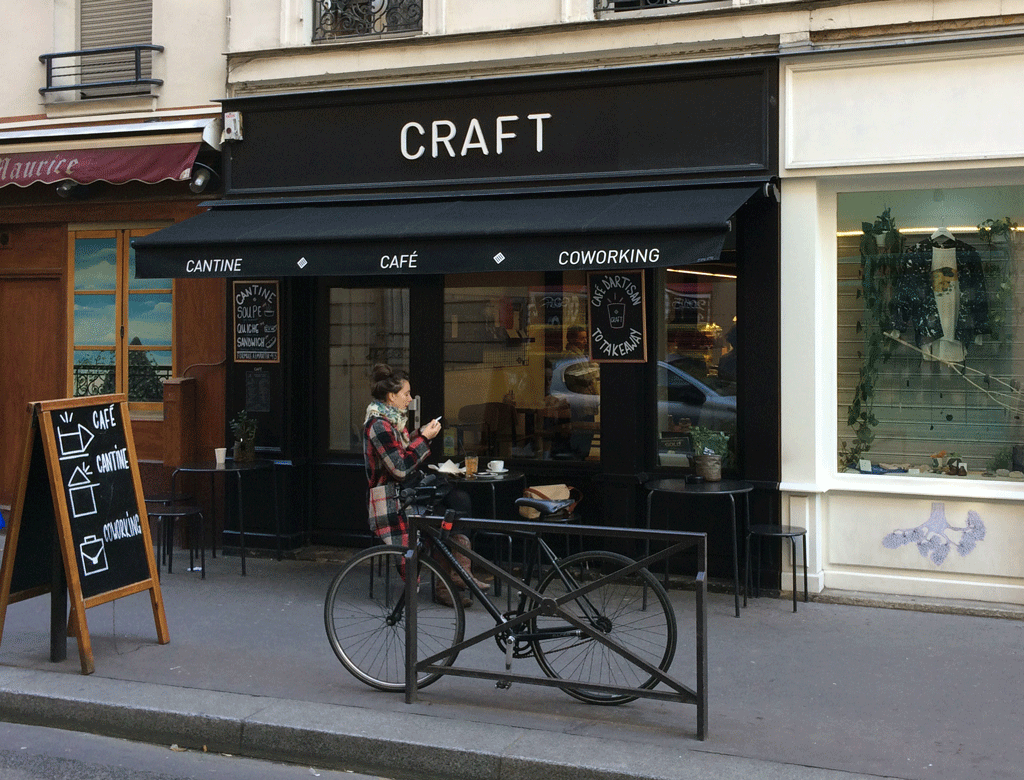
We go back to our flat, past Café Craft, a co-working space. I later learn that it caters to people without offices who need a space to work. It has fast internet, a comfortable working atmosphere and healthy food and drink and you can spend the entire day  there if you want. What a great idea! Next time I’ll check it out.

Café Craft - a coworking space
Café Craft – a coworking space

But for now, we are going to climb our five flights of stairs, open our oysters and our bottle of sancerre and enjoy our favourite Sunday brunch!

Learning a Language with a Home Exchange

As you know, I am a keen home exchanger. We have just redeemed three home exchanges in Australia (Coff’s Harbour, Adelaide and Drysdale) and enjoyed hospitality in Melbourne with the home exchangers of French friends in Paris. Jean Michel, less of a linguist than I am, had been studying and practicing his English for a month or so before we left.

Irene and Paul, who kindly gave us hospitality in Melbourne

Although the basic aim of the trip was not to improve his English but to meet up with my friends and family and visit new places, I was able to observe his progress according to the different types of home exchange.

In Coff’s Harbour, we were in a resort and had very little contact with the people around us which offered little change of Jean Michel practicing his English. Although we had started speaking to each other in English before departure, we fell back into French in Australia.

In Adelaide, we were in a suburban setting which, once again, left little possibility of speaking English except to my nephew who came to see us in the evening.

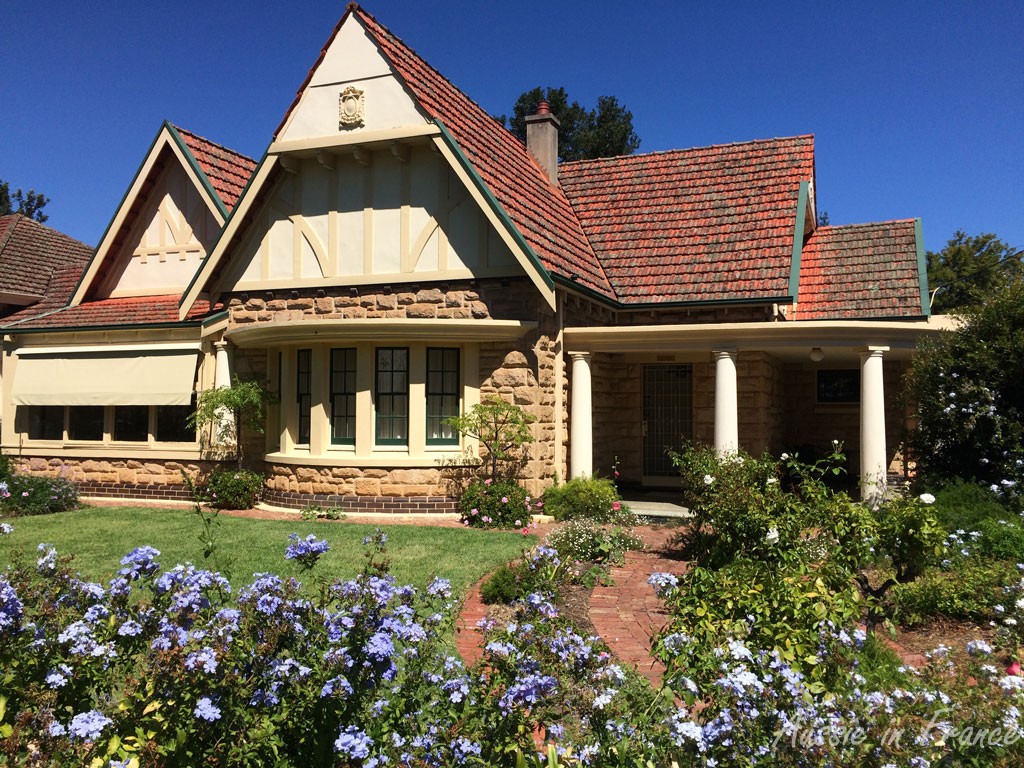
Our beautiuful home exchange in Adelaide

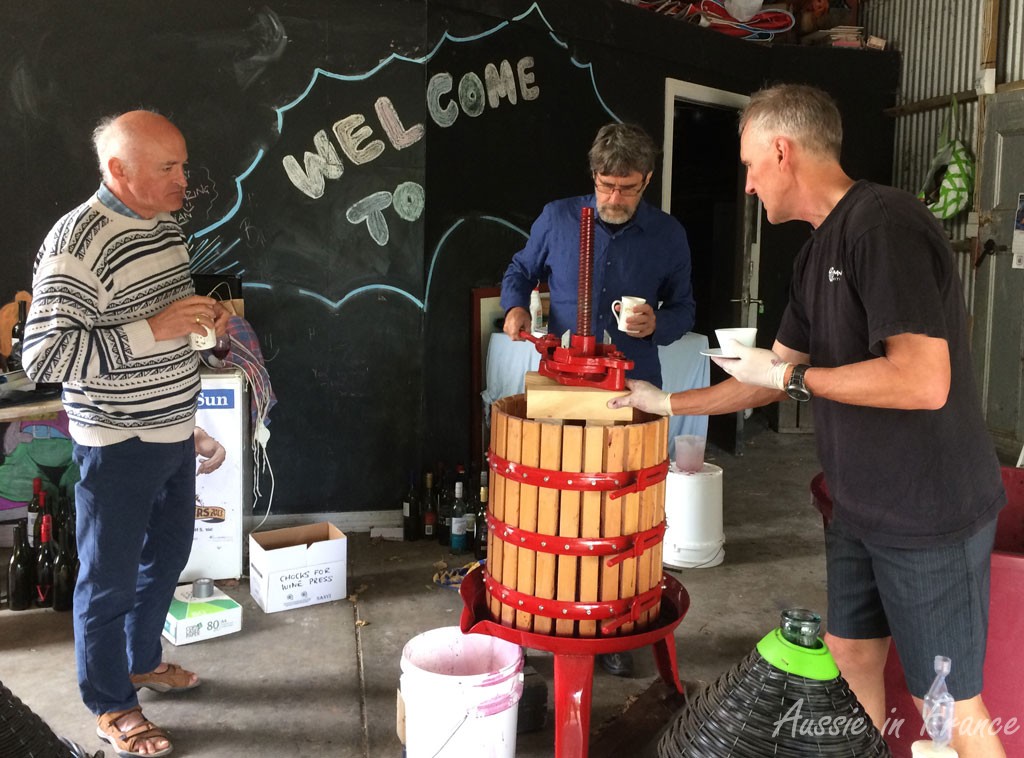
Our third exchange in Drysdale, about an hour from Geelong, could have been the same except that we had Australian friends join us while we were there and our hosts were also in the vicinity as it was a non-simultaneous exchange. We invited them for an aperitif one evening and also participated in their wine pressing!

But it was Melbourne where we were generously invited to stay with the home exchangers of the Parisian friends who triggered off our first exchange with Drysdale nearly four years ago that offered a real opportunity for Jean Michel to improve his English. We had never experienced hospitality and I was a little worried about spending 3 days with people whom I had only met once.

We needn’t have worried! Irene and Paul were with us the first and third evenings and away the second. While they were there, they took us for walks and meals in Melbourne and we also met up with our Parisian friends’ son. The rest of the time they continued their own lives while we visited other parts of Melbourne.

WIth our home exchangers in Drysdale

I would say that hospitality provides the ideal opportunity to improve one’s language skills. If the hosts are able to offer accommodation where the guests have their own bedroom and bathroom as we did in Melbourne, I think it’s an ideal situation.

If hospitality is not a possibility, I would suggest that you choose a downtown area with lots of opportunities to interact with people. Choose a local café and go there every day so you can establish a relationship with the people who work there. Go to the local market or a small shop every day to buy fresh food and buy from the same vendors. Plan a trip to the hairdresser’s.

If your language skills are already sufficient to hold a proper conversation, check beforehand on the existence of local home exchange meet-ups. Join a Facebook home exchange group and try and find other people in the area. Let your host exchangers know that you would like to practice your languages skills beforehand. They will probably be happy to organize meetings with their friends.

At the market, you can easily talk to the vendors

For example, I sent out a Twitter message when we went to Barcelona on a home exchange to get some insiders’ information on the city. As a result, we met up with Roser who looks after blogs & testimonials on the Home Exchange website and a friend of hers in a local café and we talked about things to do and see in Barcelona. When we were at Irene and Paul’s we talked about some of our previous exchanges and they spoke of a swap with Barcelona. I couldn’t believe it – they exchanged with Roser!!!

Otherwise, choose activities that will allow you to talk to people such as visits to wineries and cheese makers. See if there is a local walking group you can join. Throughout France, for example, there is a meet-up group called “On Va Sortir” which exists in London and New York under the name of Urbeez and is a wonderful way to meet people during your stay. Membership is free of charge. Our local group, whom we came across by accident, meets up informally at the open-air coffee stand at our Saturday market.

Having coffee on a Saturday at the market with members of On Va Sortir

Don’t forget to visit the local library where you can read the local paper and magazines. Remember – you can’t speak a language if you don’t know enough words and you need to spend at least an hour a day widening your vocabulary by reading, watching television or listening to the radio. In France, the France Info radio station is perfect because it repeats the same news and items of interest throughout the day. If you don’t understand the first time, you will the third time round!

If you prepare your home exchange with these various points in mind, I’m sure that you will get the most out of your stay language-wise. My dream is to spend a couple of months in Italy after I retire so that I can have a proper conversation in Italian but even two weeks would make a difference!

Lost in Australia

I can’t believe that we left Blois nearly a month ago! After our first brief stay in Delhi, we have been in Sydney, Armidale, Coffs Harbour, Adelaide and Melbourne. We are now in Kennet River on the Great Ocean Road on the southern coast of Victoria. We have been constantly on the go, visiting family and old friends and having to say goodbye, and making new friends whom we hope to see again. Although I have not been posting in Aussie in France, I have been posting every day (well, practically!) on my other blog, Loire Daily Photo, in the form of “postcards from Australia”. Sydney and Armidale, where I held a family reunion three years ago, are the only places I have been before.

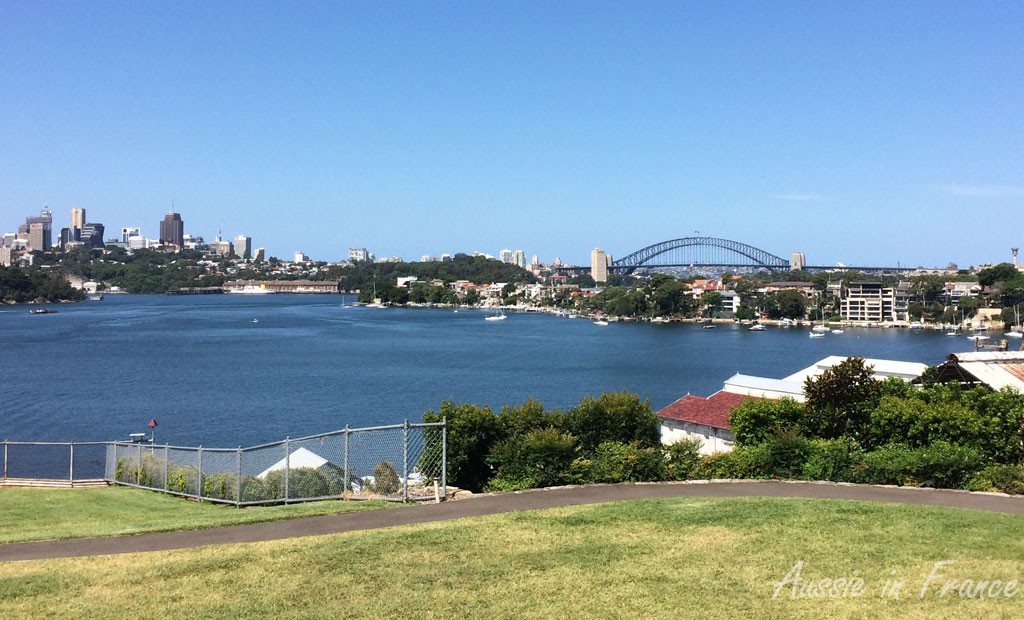
Sydney Harbour from Cockatoo Island

Sydney with its stunning harbour and laid-back style, remains, for me, one of the most beautiful cities in the world. We stayed with good friends in Redfern, caught up with my brother, wife and three lovely sons in Parramatta, had an unforgettable dinner with Brainy Pianist whom you may remember from 2012, and discovered Cockatoo Island with one of my many cousins.

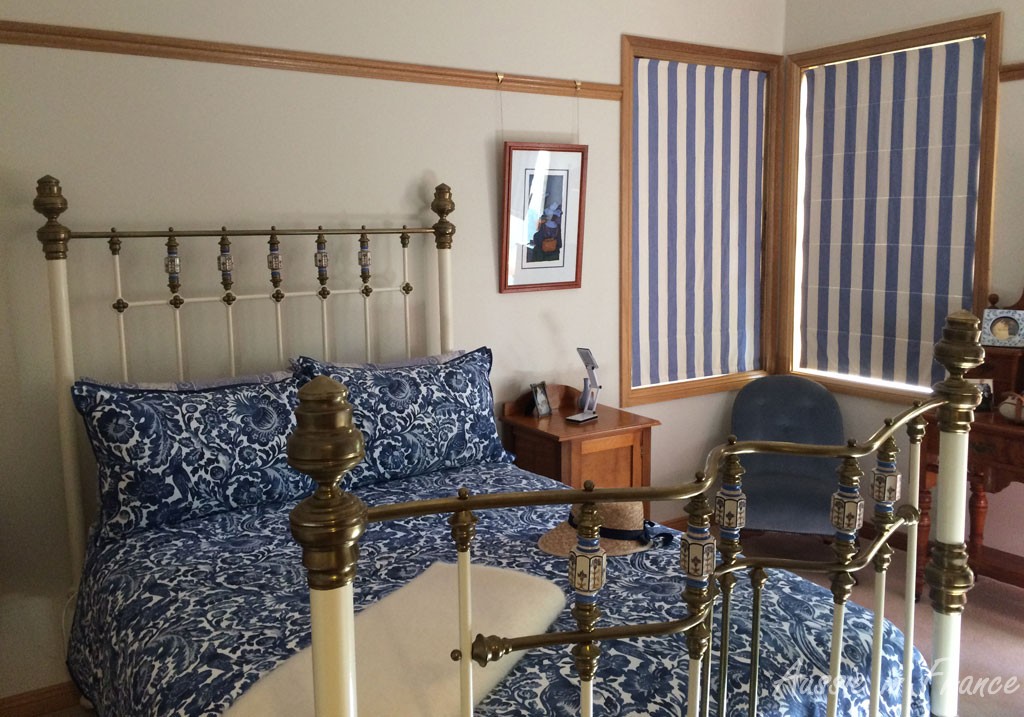
My grandmother's wedding bed
My grandmother’s wedding bed

Although I had been to Armidale before, I was able to better appreciate this lovely country town in the New England tableland, where buildings can’t be more than two storeys high. I stayed with my hospitable cousins and caught up with others, slept in my grandmother’s beautiful brass and ceramic bed, saw my elderly aunt who is still living in her own home every day, was invited to dinner, morning and afternoon tea with new and old friends alike and walked several kilometers every morning before breakfast with my fast-paced cousin.

A typical view from the ocean walk between Korora and Coffs Harbour

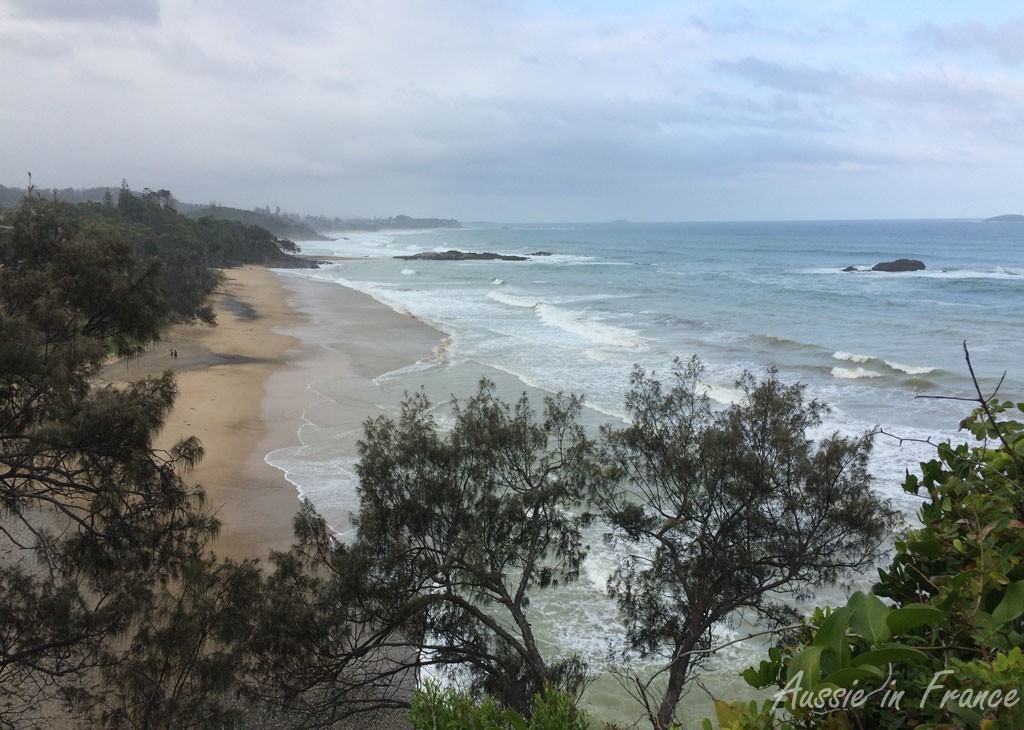
Coffs Harbour was a little too built up for me, although we enjoyed some lovely walks along the ocean front near our home exchange in Korora, but Sawtell, Nambucca Heads and the country towns of Dorrigo and Bellingen, had a different charm. I caught up with another elderly aunt and her son and was invited to dinner by friends of Armidale friends who have a stunning house overlooking the harbour.

The amazing botanical gardens in Adelaide

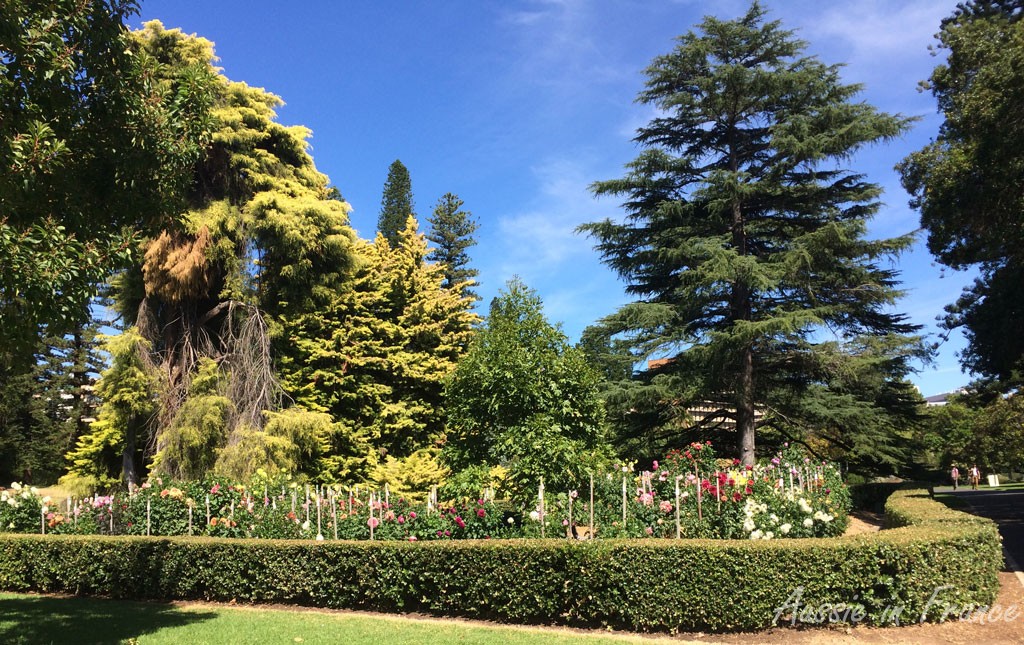
Adelaide, where we stayed in a lovely home exchange in the very attractive suburb of Toorak Gardens, has the most beautiful botanical gardens we have ever seen, but we found the city itself somewhat dry and dusty. The mythical Barossa Valley and McLaren Vale vineyards were sadly scorched due to an ongoing drought. but we tasted some fine wines and met up with retired friends from Brisbane who are making their way around the country in a mobile home. We loved the seafront suburb of Glenelg which we visited with my nephew. We met up with three Australian couples who have bought a house in the south of France and Jean Michel was delighted to be able to talk to them in French. I also had a wonderful visit with some old school friends whom I had not seen for 35 years!

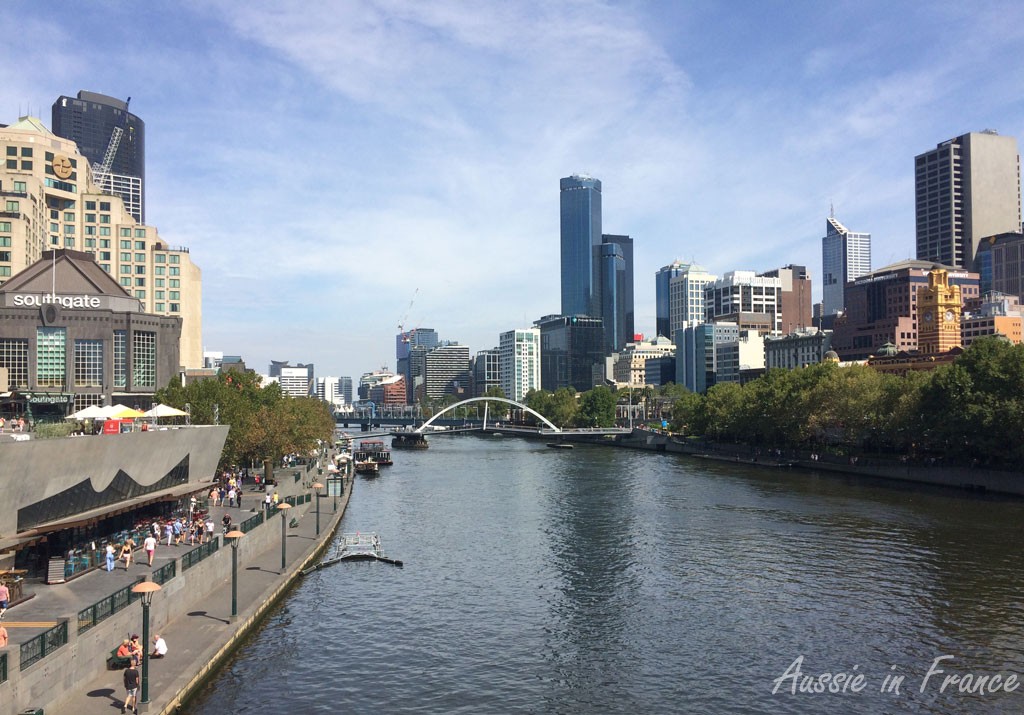
The Yarra River in Melbourne looking with Southgate on the left

But whenever we said we were going to Melbourne for the first time, we were told “You’ll love Melbourne!” And they were perfectly right. We loved it from the minute we saw it. We loved the atmosphere, the buildings and the people, but I won’t say anything more here, because our visit deserves to be described in detail. So, keep tuned!

Secret Venice – Carpaccio and Grande Scuola di San Marco

As this is our second time in Venice and we’re (almost) living like locals, the main attractions are not on our list. Our home exchange is in Castello, which is a working class area of Venice. Our host, Pierleone, is waiting at the vaporetto station, Ospedale, when we arrive from the airport. He takes us in light rain through a maze of streets that I will never remember. I hope Jean Michel will.

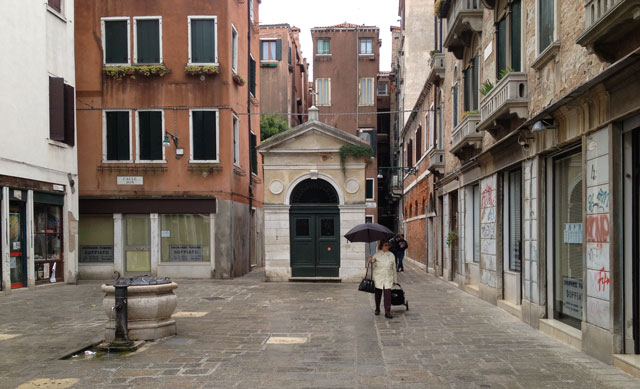
Madonna Chapel only open in May

Our first floor flat is on the a corner of two narrow streets. It is small but clean and appears to have everything we need. The windows give directly onto the street and we can see people walking past.  Pierleone, who speaks French, has set out a handful of brochures on the table and tells us about several places to visit that are off the beaten track.

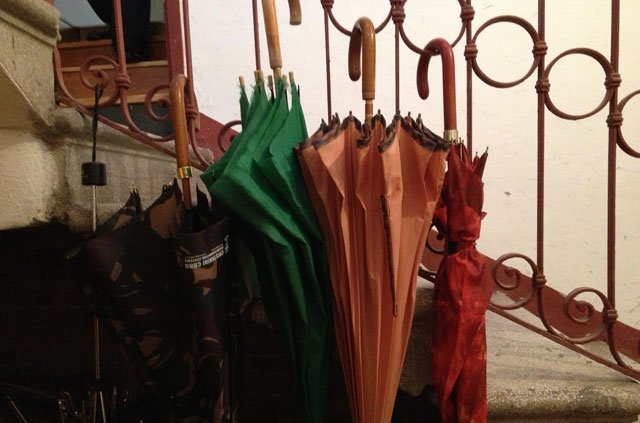
In our building at least, everyone hangs their umbrellas on the railing

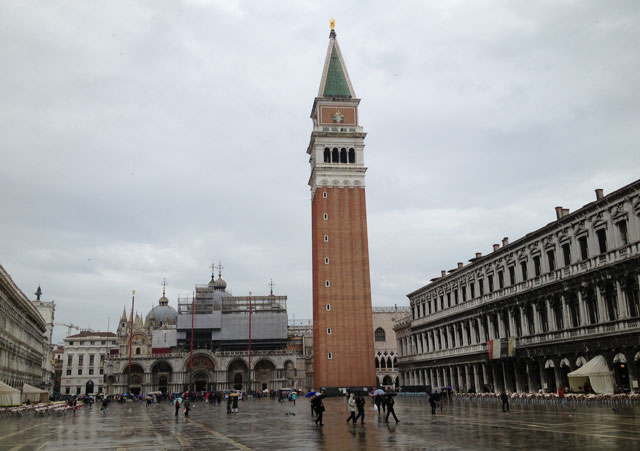
We leave our luggage but don’t unpack, eager to be outside. We set out for nearby Piazza San Marco, taking photos of each little bridge and palazzo on the way, despite the rain. Even if there is no sun, it’s still Venezia la serenissima and our accumulated fatigue seems to melt away.

A very wet Piazza San Marco

Strange as it may seem for people who know me well, we’re looking for Louis Vuitton near the Corer Museum on the corner of Piazza San Marco at Pierleone’s suggestion but don’t have the name of the street which turns out to be Salizzada San Moise. As we walk in, we’re given a long transparent plastic bag for our dripping umbrella. We head for the staircase, nodding at the shop assistants who all greet us with a friendly buon giorno. At the top floor, we browse through the books on display then enter a darkened room on the right.

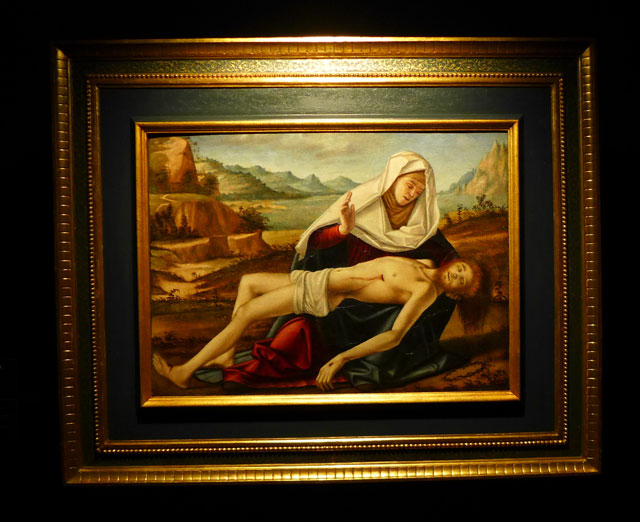
One of the two paintings by Carpaccio

There are two rather stiff-looking paintings by Vittore Carpaccio, a painter of the Venetian school (1465 to 1525), most of whose work remains in Venice, and two projections, one showing two women sitting on the ground on either side of a stone monument suffering some kind of angst, and the other depicting a diver splashing through the water with a sun in the background. We don’t find the artwork particularly interesting but we like the idea of a private exhibition!

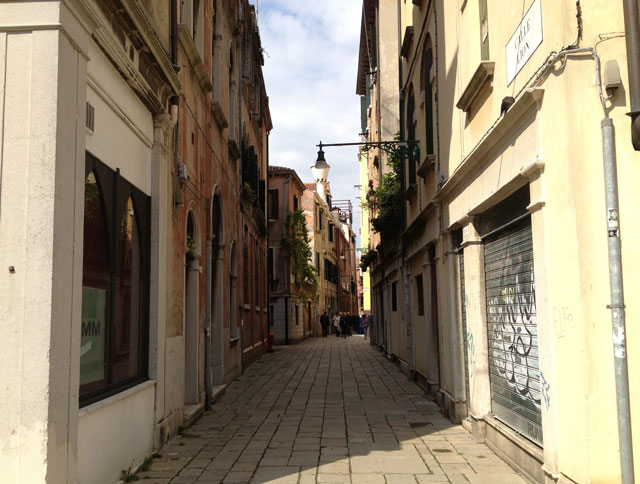
Our street, Calle Lion
Our street, Calle Lion in the sun

It’s next morning and we don’t feel very refreshed. It turns out there is a very bright street light just outside our bedroom window which only has Venetian blinds (of course!) and we’re used to almost total darkness from wooden shutters in Blois and opaque curtains in Paris.

We send an SMS to Pierleone because we don’t seem to have a single sharp knife and one of our lights isn’t working. He obligingly comes by immediately, fixes the light and asks what sort of knife we want. We explain we want to cut up fruit and vegetables (it’s a fast day) so he brings us back two serrated knives. When we express surprise, he explains that it’s almost impossible to get a smooth-edged knife in Venice. Could this be true?

Campo des Santi e with the Scuola
Campo dei Santi Giovanni e Paolo with the Scuola Grande di San Marco

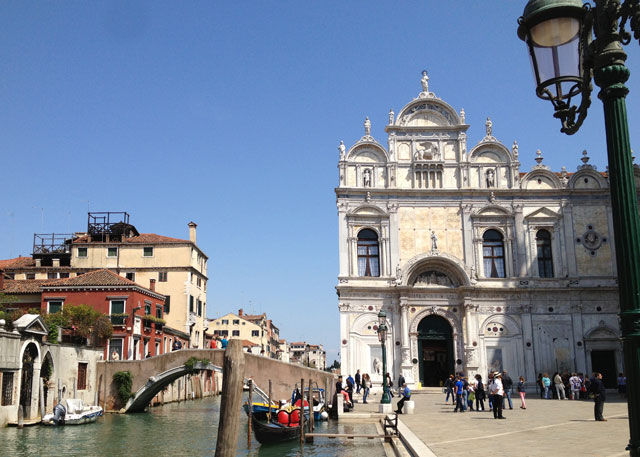
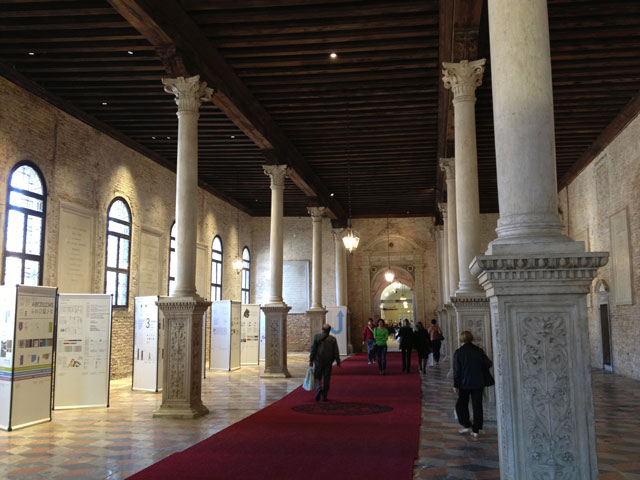
Following another of Pierleone’s suggestions, we go to nearby Campo dei Santi Giovanni e Paolo to visit the Scuola Grande di San Marco, originally a religious charity founded in 1261 and rebuilt in 1487. It is now a public hospital (Ospedale). The ground floor houses a majestic Renaissance hall but Jean Michel is sure there is something else to visit.

Main Hall of the Ospedale

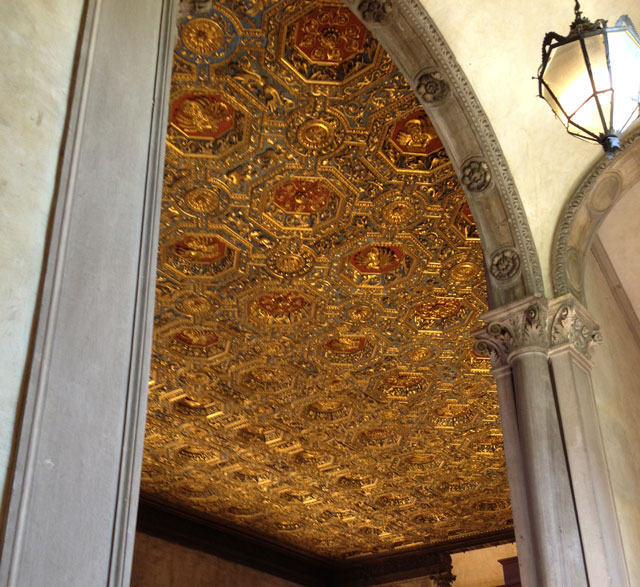
There are no signs to direct us and we are about to leave the building when a man in uniform indicates that we should take a flight of steps to the right. Halfway up we stop in amazement. Before our eyes is a magnificent gilt Renaissance caisson ceiling completed in 1519.

gilt_ceiling

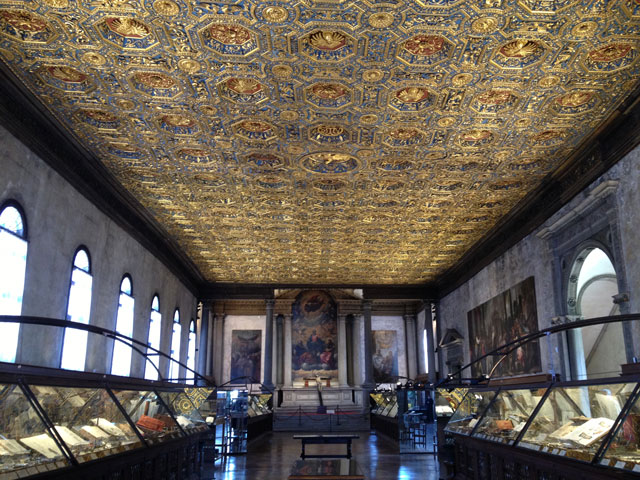
Glass cases around the wall contain primitive-looking antique surgical equipment all beautifully presented as part of the Museum of the History of Medicine.

The Sale Capitolare with its magnificent ceiling
The Sale Capitolare with its magnificent ceiling and cabinets of antique medical instruments

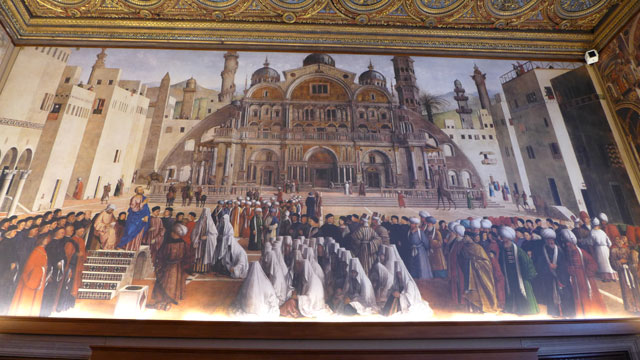
A smaller room contains books and paintings, mostly copies (some the originals are in the Accademia). The one that appeals to me most is by Gentile and Giovanni Bellini depicting Saint Mark preaching in Alexandria, Egypt, the original of which is in Galleria Brera in Milan. I later find further information on Venezia Blog where you can see a lot more (and better) photos.

Saint Mark preaching in Alexandria

We then have our first espresso for the day in the Campo to rest our weary feet and watch the gondolas and working boats plying the river. We sigh in contentment.

Opening Hours for Grande Scuola di San Marco
From Tuesday to Saturday, 9.30 am to 1.00 pm, 2.00 pm to 5.00 pm

Budapest – more accommodation problems

We’re driving along the motorway to Budapest pleased to have our Aschach and Bratislava accommodation experiences behind us.

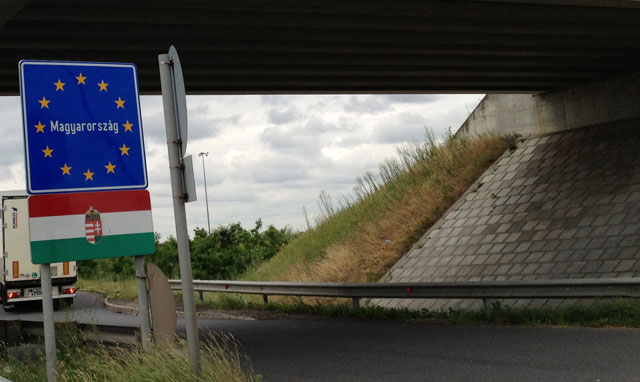
The Hungarian border

This time, there should be no problems. We have organised a home exchange with an American couple who have a well-located apartment in the centre of Budapest which they let and exchange. They have kindly agreed to our arriving ahead of schedule because of the bad weather in Aschach. We can arrive on Wednesday around noon and L. will be there to give us the key.

We leave Aschach on Tuesday and stay overnight in Bratislava which is a two-hour drive from Budapest. We arrive about fifteen minutes ahead of time, park right in front of the appartment, get some florints out the bankomat, buy a couple of things for lunch and feed the surprisingly expensive parking meter.

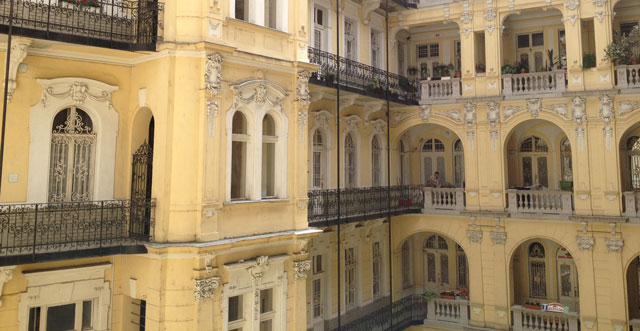
The appartment we almost stayed in!

L. arrives on cue, very apologetic. There is no electricity. His father has been looking after the apartment for A. but is now in hospital after major brain surgery and the last electricity bill has not been paid. He takes us up to the apartment, which is spacious and has everything we need, in particular a washing machine which is starting to become a major preoccupation.

Jean Michel goes into panic mode, much worse than in Bratislava and is looking furious. Neither L. nor I has A’s phone number unfortunately but L has sent her an email. Apologising profusely, L.  goes off to look after the electricity problem saying he’ll be back in an hour or so.

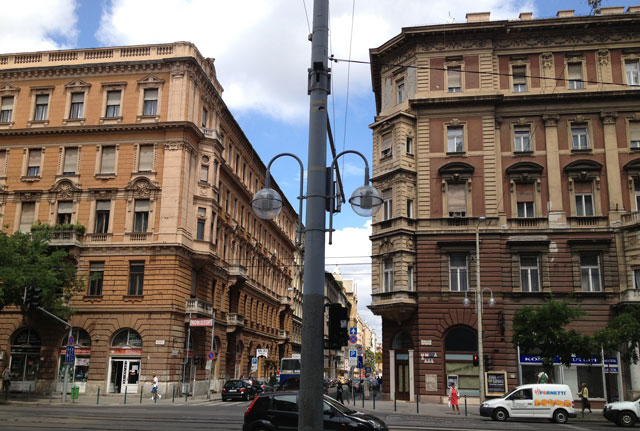
Our first view of Budapest

We decide to have lunch in the meantime. Jean Michel is very pessimistic but I try to stay calm and be as nice to L as I can be. It isn’t his fault, after all! He soon returns with bad news. Even if he pays the electricity bill in cash, the electricity company will not put the power back on unless the owner of the apartment is present. L’s father has an official proxy but he doesn’t and A. is in the US. We’re in Hungary, he says.
Jean Michel wants to get out of Budapest as soon as he can. He looks up the Routard and finds an appartment to rent in Esztergon, a small town on the Danube an hour’s drive away, where we will be able to do our washing*. I have a look but am not convinced. I suggest Szentendre which is closer to Budapest and seems more promising but no apartments are listed. Jean Michel is adament, particularly after he discovers he has left his photo-grey sunglasses behind in the appartment.

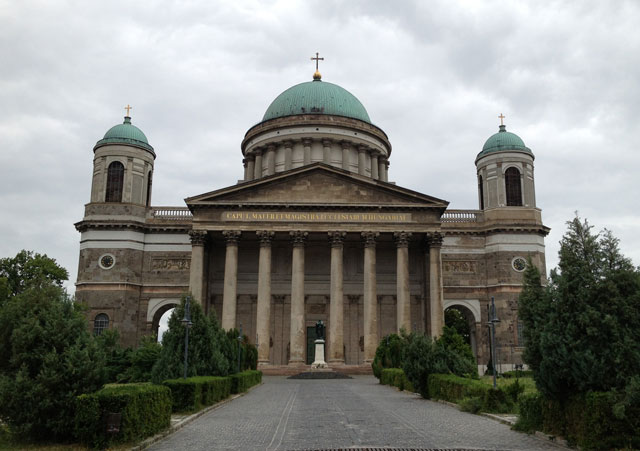
Basilica in Eztergon
Primatial Basilica of the Blessed Virgin Mary in Esztergon

About a half an hour out of town, we enter a forest and the road starts winding up a small mountain. We finally come down the other side and into the very dismal little town of Esztergon. We pull up at the address in the Routard and I have another look at the description. I quote, “We don’t know why anyone would possibly want to stay in Esztergon, but if you do, here are a few addresses.” Jean Michel had not read that bit.

I start laughing and Jean Michel at last joins me. We park the car near Hungary’s biggest building, the Primatial Basilica of the Blessed Virgin Mary, so we can visit it before going to Szentendre. It is certainly huge but not particularly attractive.

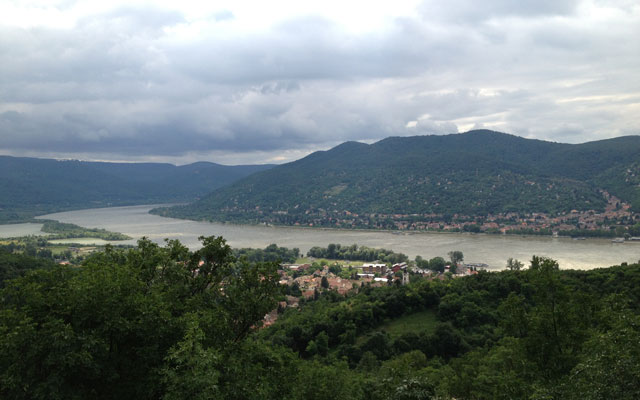
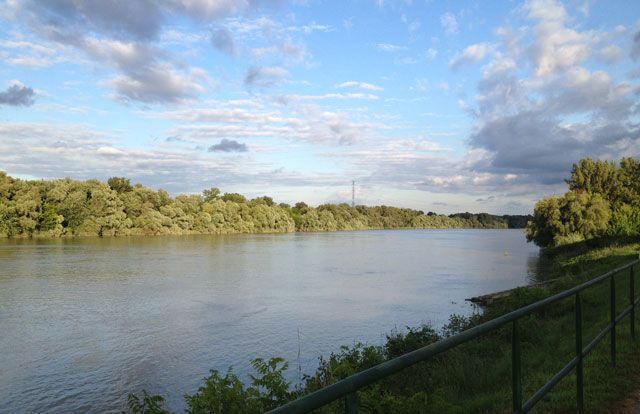
The Danube from Visigrad

We drive along the Danube to Szentendre, stopping off on the way at Visigrad and driving up a hill behind it from which there is a breathtaking view of the Danube.

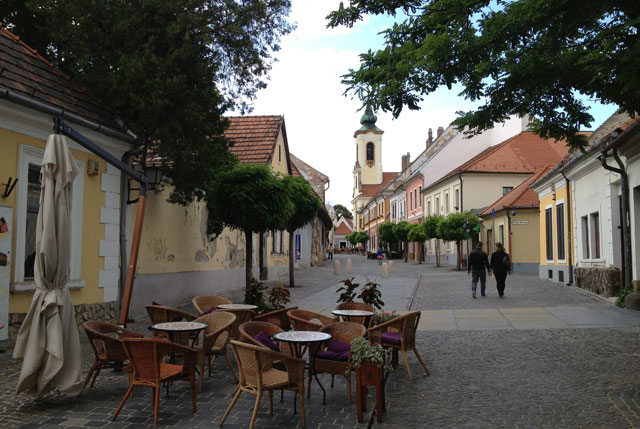
The main pedestrian street in Szentender

Szentendre turns out to be a pretty little town with a pedestrian area in the middle and no fewer than five churches. After calling in at the tourist office for local bike maps just before it closes, we go to Roz Panzio the first of two hotels listed in the Routard under the prix moyens et plus chics category. We are shown two rooms and choose the largest. Then I ask about washing. The lady takes us to the hotel laundry, then phones someone on her cell. “No, I’m sorry”, she says, “not possible”.

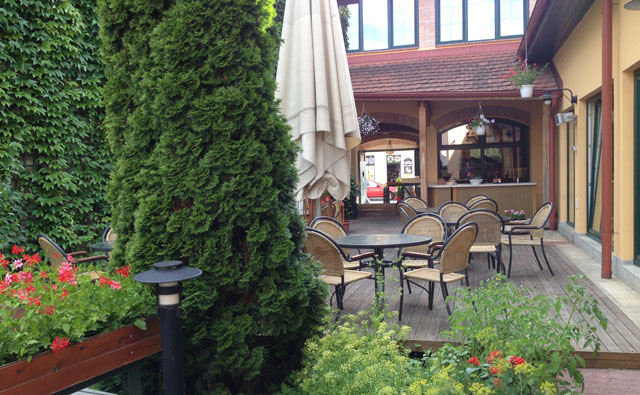
The terrace at Mathias Rex Panzio

We try the second address, Mathias Rex Panzio, which I actually prefer. Yes, there’s a double room for 50 euros including breakfast. Wifi? Yes. Parking? Yes. Washing? No. So I explain about the apartment falling through and our 10 days’ washing. “OK”, she says. “You can use our private washing machine.” I thank her profusely. The room isn’t very big, but it’s clean, it has a comfortable bed and a very interesting bathroom, that appears to be all moulded in one piece. We take it. Dinner? At Movies (actually Muvesz) down the road.

Aftermath of flooding of the Danube

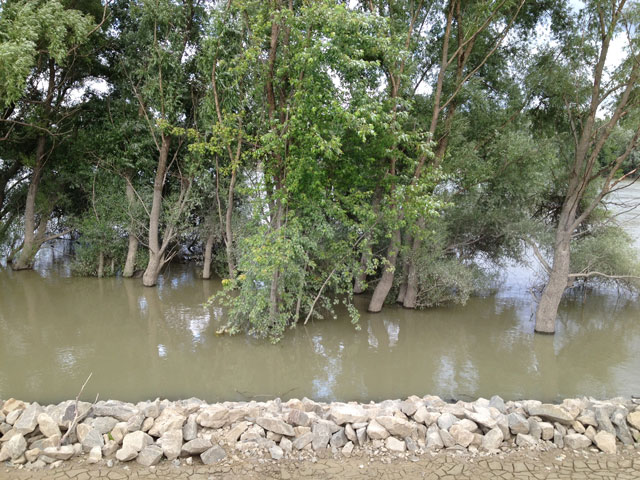
We change, take the bikes off the back of the car and off we go. It’s amazing how quickly the annoyances of the day disappear. From the height of the water in the Danube, we are lucky to be cycling at all. The whole area was obviously badly flooded.

The Danube at sunset

Muvesz turns out to be an excellent address and for the equivalent of 30 euros for the two of us, we have two courses and a glass of red and white wine each. Tomorrow, we’ll visit Budapest.

*We have been unable to find a laundromat in either Germany or Austria despite a lot of time spent following up non-existent addresses.
 
Mathias Rex Panzio, Kossuth Lajos utca 16, Szentendre 2000, Hungary. www.mathiasrexhotel.hu info@mathiasrexhotel.hu
 

10 Do’s and Don’t’s of Home Exchange

We’re now up to 8 home exchanges and ready for more but I’ve drawn up a little list of do’s and don’t’s. If I have been remiss in any of these areas in the past, I hope that my exchangers will forgive me. I now know better!
home_exchange

So, in addition to a good bed, a clean house and a decent shower, here are my personal suggestions.

Do wash new towels:  it’s great providing a set of new towels for guests, but remember to wash them first or your poor guests won’t be able to dry themselves.

Don’t leave perishables in the fridge or in the kitchen that won’t survive until your return. Not everyone eats the same food as you do. A bottle of wine, a vase of flowers or a frozen meal in the freezer will be appreciated more than fruit and vegetables that might end up in the bin.

Do leave a shelf in your pantry free: your guests may not be dining out every day and may prefer to be able to put their food away rather than leave it on the bench or table during their entire stay.

Don’t provide a washing machine that doesn’t work properly: you may know the trick of how to get your machine to spin properly, but your guests are not going to be happy if it takes 3 days to get their clothes dry.

Do leave hanging space with hangers: perhaps you don’t hang up any clothes yourself, but your guests may wear shirts every day – and don’t forget to provide enough hangers (count one shirt hanger per person per number of days’ exchange up to a week and two or three skirt/trouser hangers per person).

Don’t leave your fridge ¾ full: your guests need to have space to put their own food without having to shop every day. At least two empty shelves, including door shelves, should be left free.

Do provide a blanket as well as a dooner for the bed: you may be freezing at 15°C because you used to live in Africa, but your guests may prefer a light blanket at that temperature. Give them the choice.

Don’t use photos that don’t correspond to your listing, particularly as the cover photo: if you don’t live within walking distance of the sea, a picture of a fishing boat is not appropriate. Neither is a monument two metro stops away.

Do leave adequate instructions about your house: guests need to know when to put the rubbish out, how to work your expresso machine, and what the wifi code is (and why not change the original 26-character code to something easier for your guests?)

Don’t leave dirty sponges in the kitchen: provide a clean sponge for each new set of guests.

Do you have any other suggestions that will make your home exchange a more pleasurable experience?

Cycling on the Basque Coast #1 – Ups and Downs

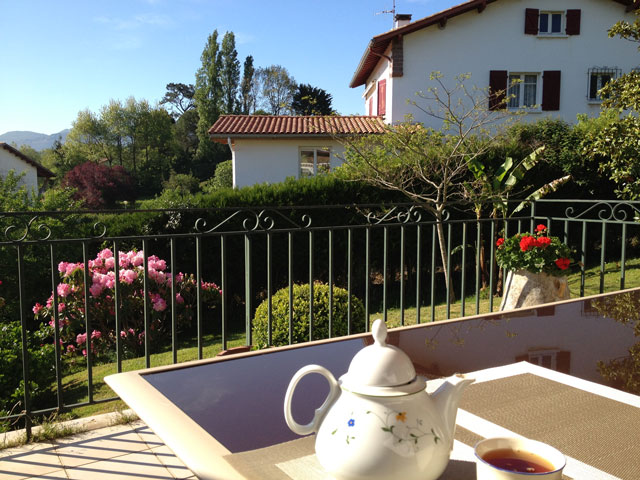
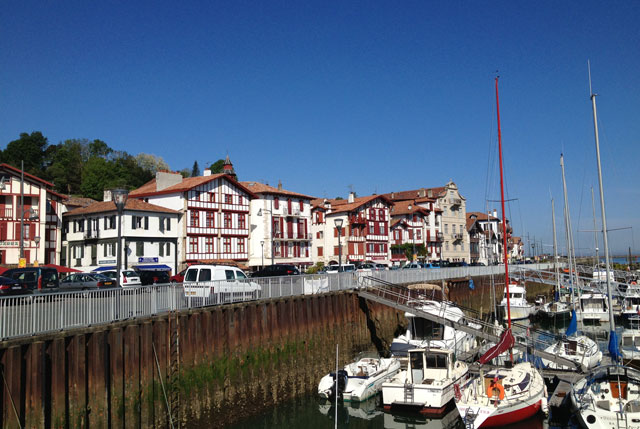
The first day in our home exchange in Ciboure on the Basque Coast gets off to a good start with breakfast on the terrace overlooking the Pyrenees. There’s so much sun we even have to open up the awning.

Breakfast on the terrace

After breakfast we go into the centre of Ciboure to buy fresh fish directly from the stalls representing the people who caught it. We choose a dorade rose (red sea bream) which is supposed to be the best of the sea bream family.

Ciboure
Ciboure

We then go to the Coopérative Maritime which sells clothing brands such as Saint James, Cap Marine and Armor Lux, very popular on the coast in France,particularly in the summer. I find a navy zippered cotton cardigan which will be perfect for cooler evenings by the sea.

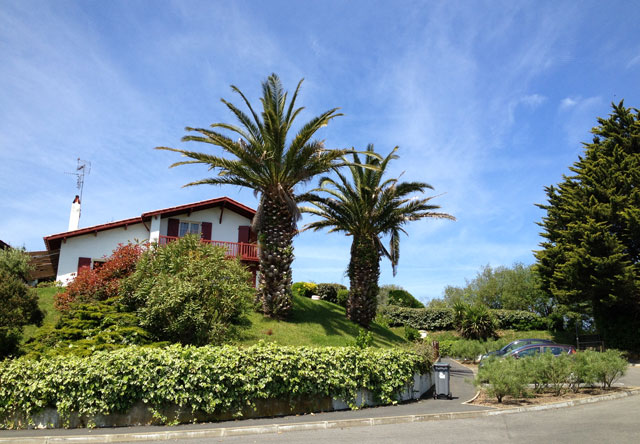
Typical Basque architecture, even for recent homes

We go home and change into our cycling gear and set off by car to join the cycle path to Bayonne, a nice easy ride for the second day of the holidays. Jean Michel tries a couple of different places and then decides it’s the right one. Theoretically we’ve cycled along this path before but I don’t recognise it. But that’s not surprising – I don’t remember a lot of places we’ve been …

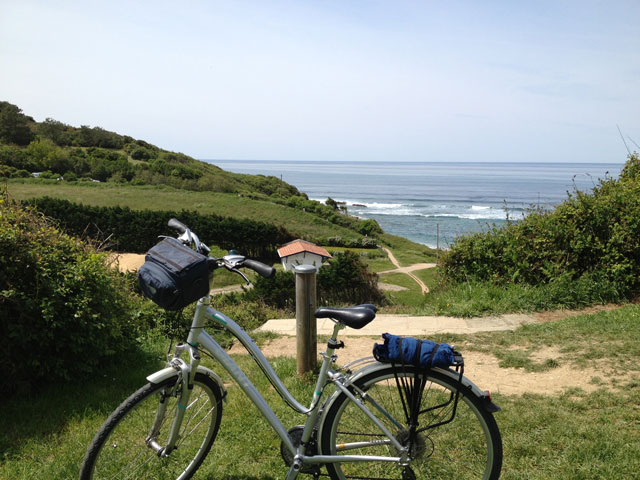
A stop along the hilltop cycle path

Instead of the flat path I thought we were taking, it starts with a steep hill. OK, I think, now it’s going to get flatter. But it doesn’t. We whizz downhill which is always worrying because there is inevitably a hill going up on the other side. Jean Michel then realises he’s somehow confused Saint Jean de Luz with Biarritz and the roller coaster bike path is not going to stop for quite some time. I groan inwardly.

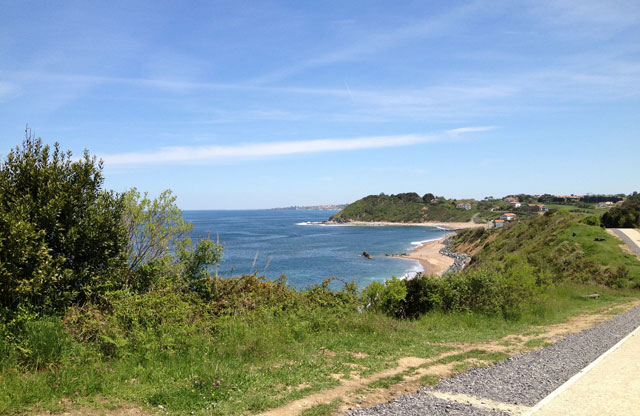
View from the hilltop path

The coastal scenery is admittedly very beautiful but I’m so busy changing gears that I can’t really take it in. I also can’t take many photos because there is no way I’m going to stop on the way up a slope or I’ll never get going again. Also, my first gear isn’t working which doesn’t make things any easier.

Le O restaurant, Plage de Cenitz, Guéthary
Le C restaurant, Plage de Cenitz, Guéthary

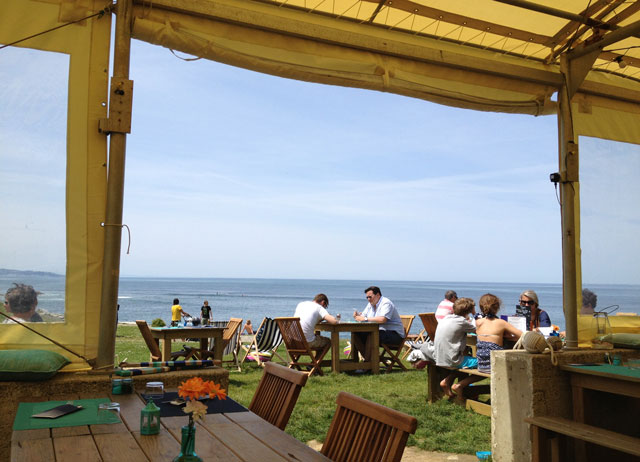
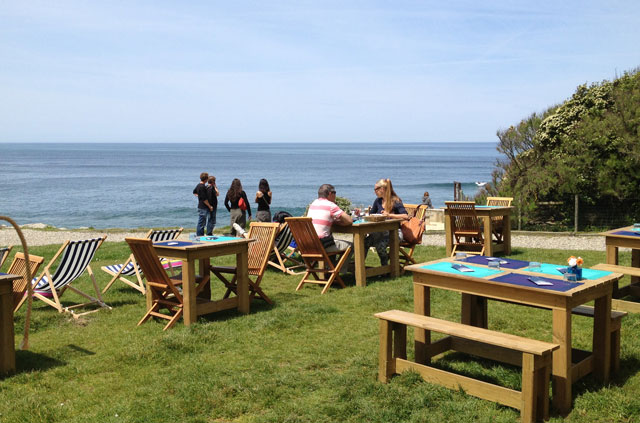
After a while, I realise that if we don’t stop soon, we’ll never get lunch. It’s already 1.30. I see a sign that says “restaurant” just before another hill. We’ve only done 6 ½ kilometers but I’m exhausted. The road goes downhill and we come to a concrete building with a sort of garden tent attached to it and tables and even deckchairs on the grass in front, with a stunning view of the sea.

Tables and deck chairs on the grass at Le O
Tables and deck chairs on the grass at Le C, Cenitz Plage Guéthary

We don’t hesitate. I go inside to find a table as there are no sunshades over the outside tables and it’s about 28°C in the sun. I gradually start to recover and my beetroot shade slowly disappears (I’m not burnt as I’ve slathered on sunscreen). I look at the menu. Twenty euro for harmburger meat and French fries seems a little exaggerated.

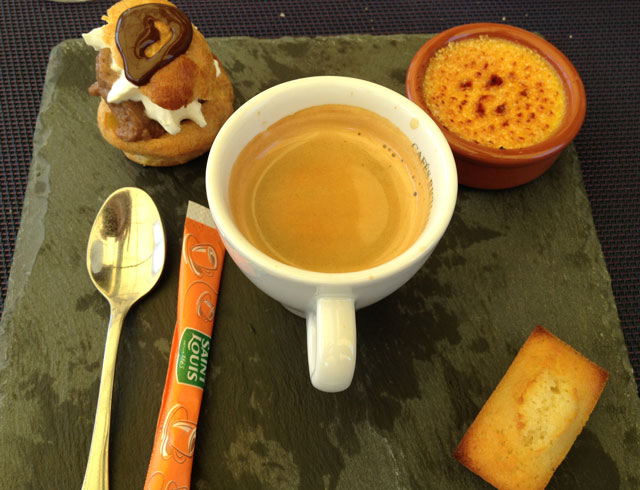
Café gourmand at Le O

Then I spy the set menu for 19 euros – dish of the day, a glass of wine (will I ever get up the slope?) and café gourmand. The dish of the day is Spanish: small sweet peppers stuffed with garlic cream and cod, served with rocket. Sounds perfect. The waiter very sweetly brings us bread and some sort of spread while we’re waiting.

Jean Michel congratulates me on all the hills and suggests we go back to the car, load the bikes again and go to the place he meant to go to in Biarritz in the first place. Sounds like a good idea to me. I manage to cycle back up and down the hills, only getting off and pushing the bike twice.

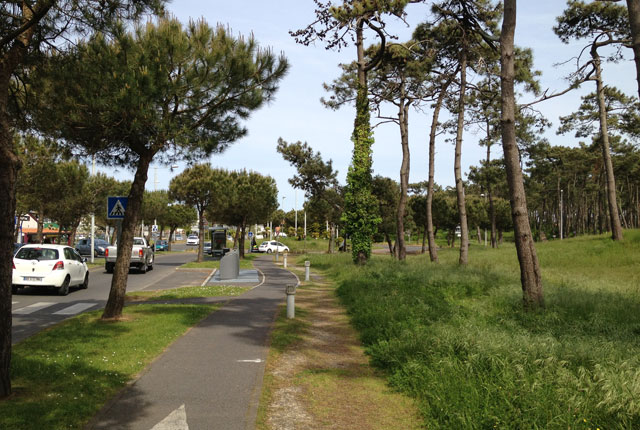
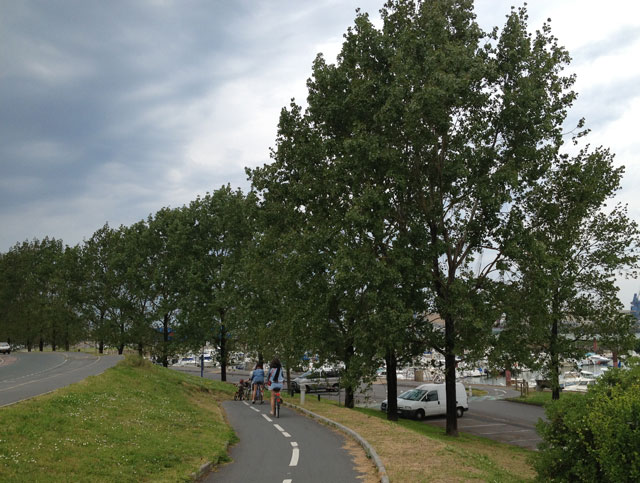
The flat path
The flat path

When we finally get to the flat bike path, I’m not sure my legs are going to cooperate. But apart from a few initial undulations, the bike path really is flat. It’s also shady and I begin to wonder whether I was right to leave our sweat shirts in the car. After those horrible hills, it seems dead easy though. The sky isn’t as blue as it was when we started out.

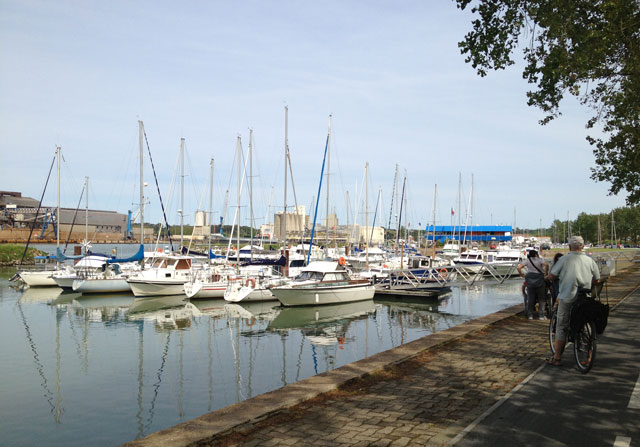
Along the Adour near Bayonne

At Bayonne, we find the café where we had a cold drink last time we cycled from Biarritz, next to the Adour River with a lovely view of the old town opposite. Afterwards we cycle around a bit. The sky is looking more and more threatening so we decide we’d better start making tracks.

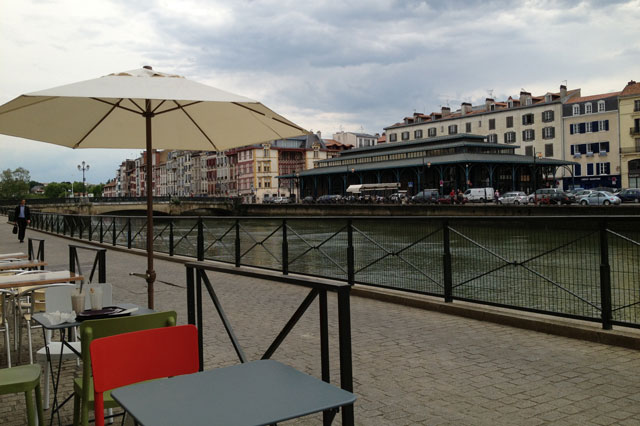
On the quayside in Bayonne
Having a drink on the riverside in Bayonne

We stop and put our jean shirts on. The tide is turning and the air is much cooler. We hope it won’t start raining before we get back to the car because we obviously don’t have our rain capes. About 3 K before we reach our destination, we feel the first drops. We’re nearly back at the car when they start getting heavier and, thankfully, IN the car when it really starts to rain.

Storm brewing on the cycle path

However, it doesn’t last that long and we follow the coast road back to Saint Jean de Luz, congratulating ourselves on not having to go up and down all those hills again.

AllAboutFranceBadge_bisThis post is part of the Lou Messugo monthly All About France blog link-up. For other entries, click here