Our New Office

It’s not really an office. That’s the word Jean Michel uses in French; it means a place next to the kitchen or dining room in which the table service is prepared. Well, it’s sort of that.  I would call it an upstairs kitchen but Jean Michel has names for all the rooms so I’m happy to call it an office. The bureau is downstairs.

upstairs_door

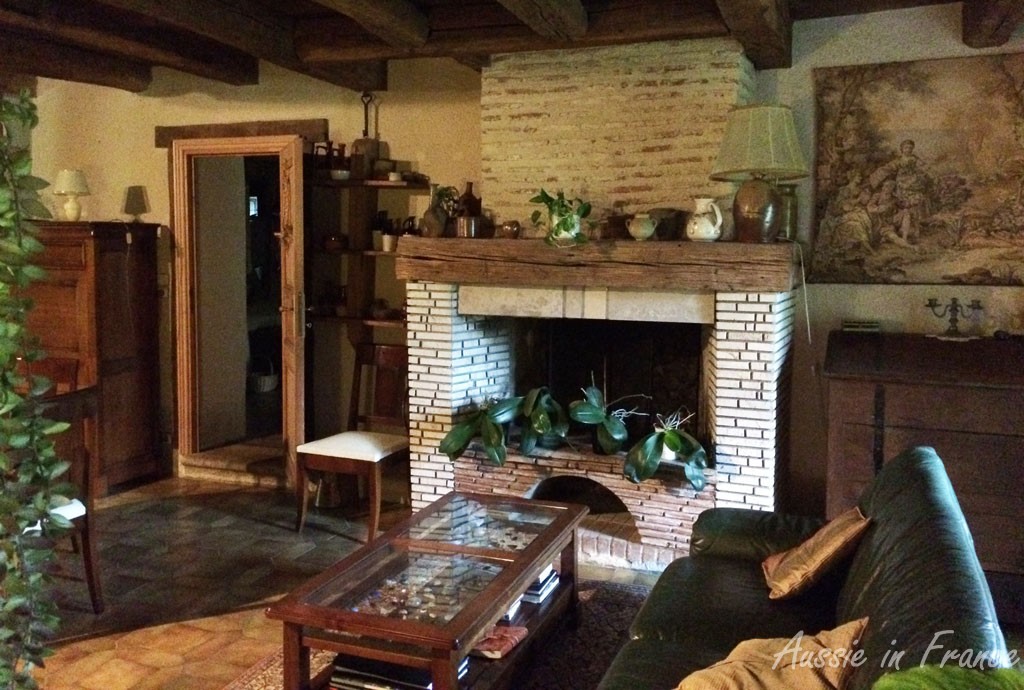
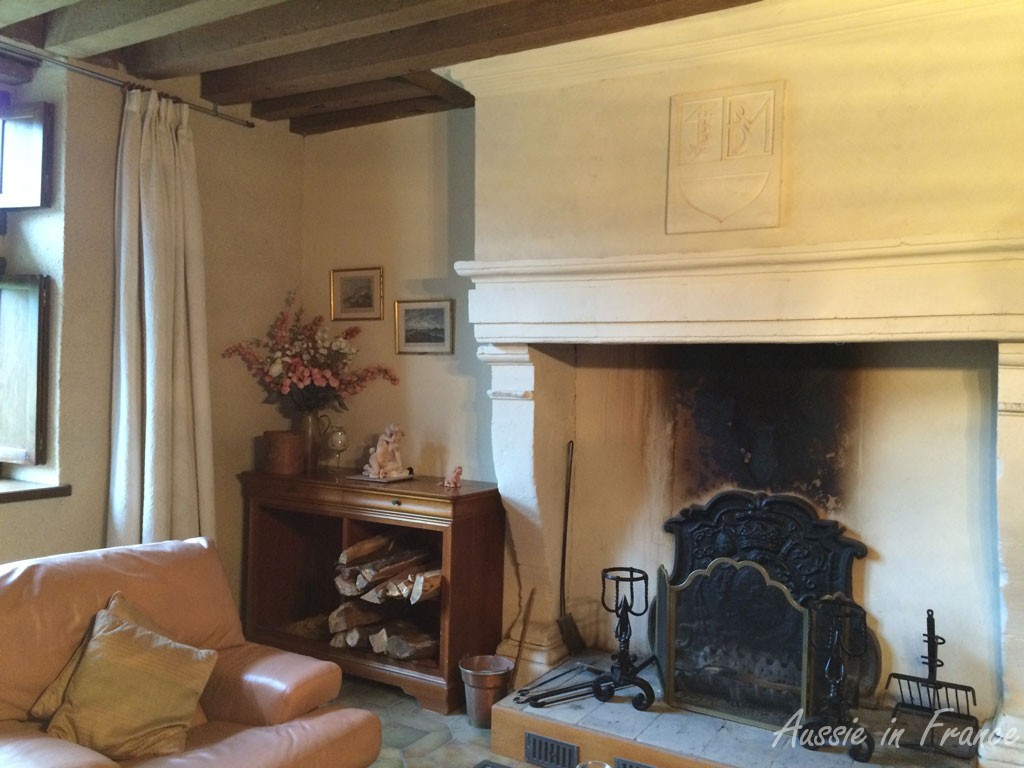
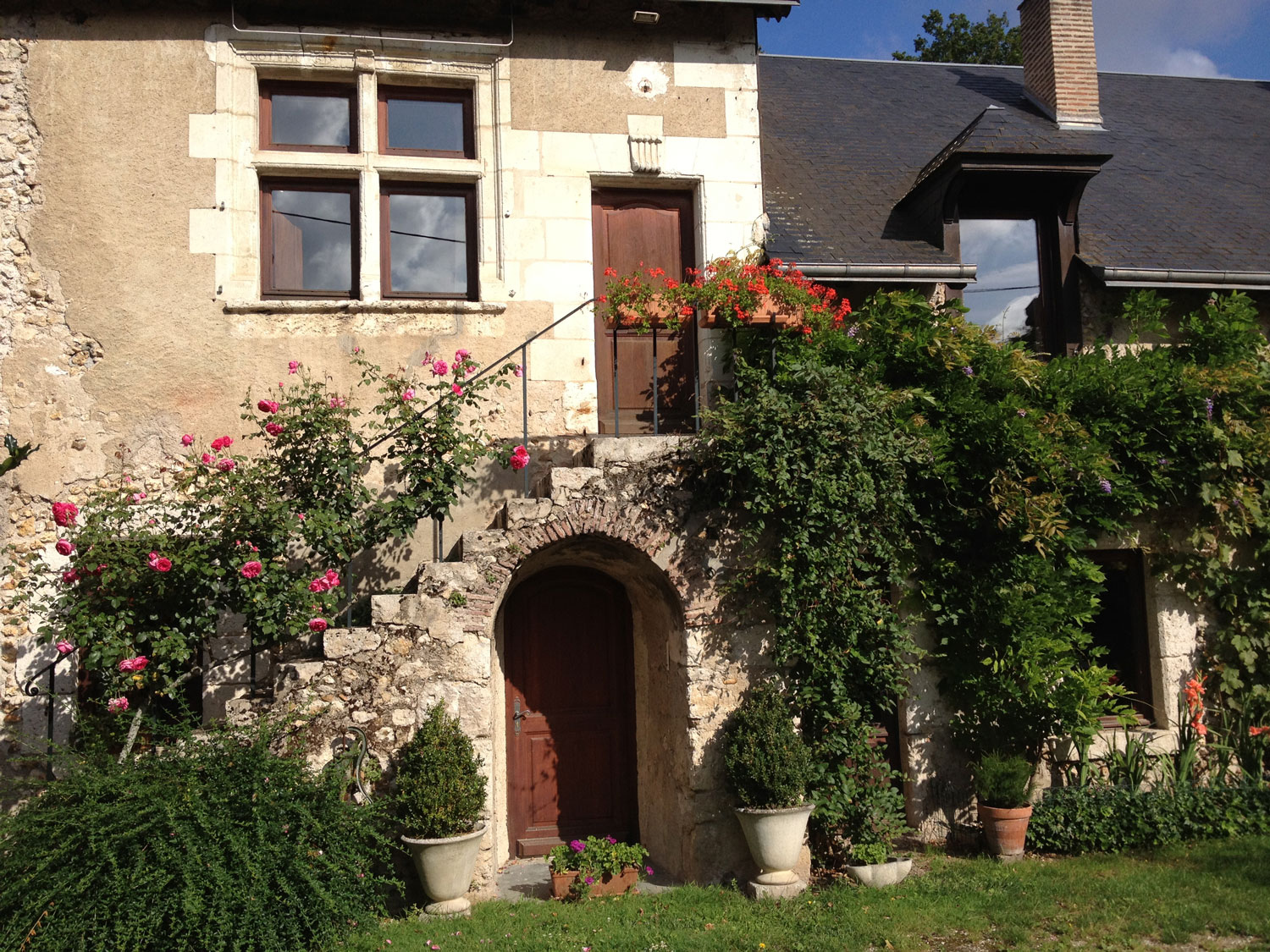
Closerie Falaiseau, our late 16th century house, has a funny layout. Despite its 200 square metres, it only has two bedrooms. The upstairs living room is where our Renaissance fireplace is and it is probably the most pleasant room in the house. It has large proportions, lots of light (and it will have even more when the solid door becomes a glass door), a view out the mullion windows and, of course, the fireplace.
day_bed

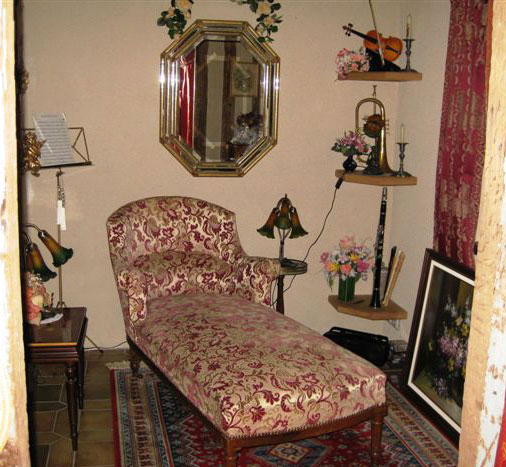
When we first saw the office, it was a sort of museum for musical instruments. There was also a daybed. Jean Michel thought of turning it into a small kitchen early on, when we turned the bottom floor of the house into a gîte, but I couldn’t see the point.

However, after we renovated the fireplace and started using it to cook côte de bœuf, it seemed it might be a good idea. One thing I was certain about though was that we’d block off the really low opening between the living room and the kitchen where I nearly killed myself the first year. We used a wrought-iron and glass console which doubles as a serving hatch.
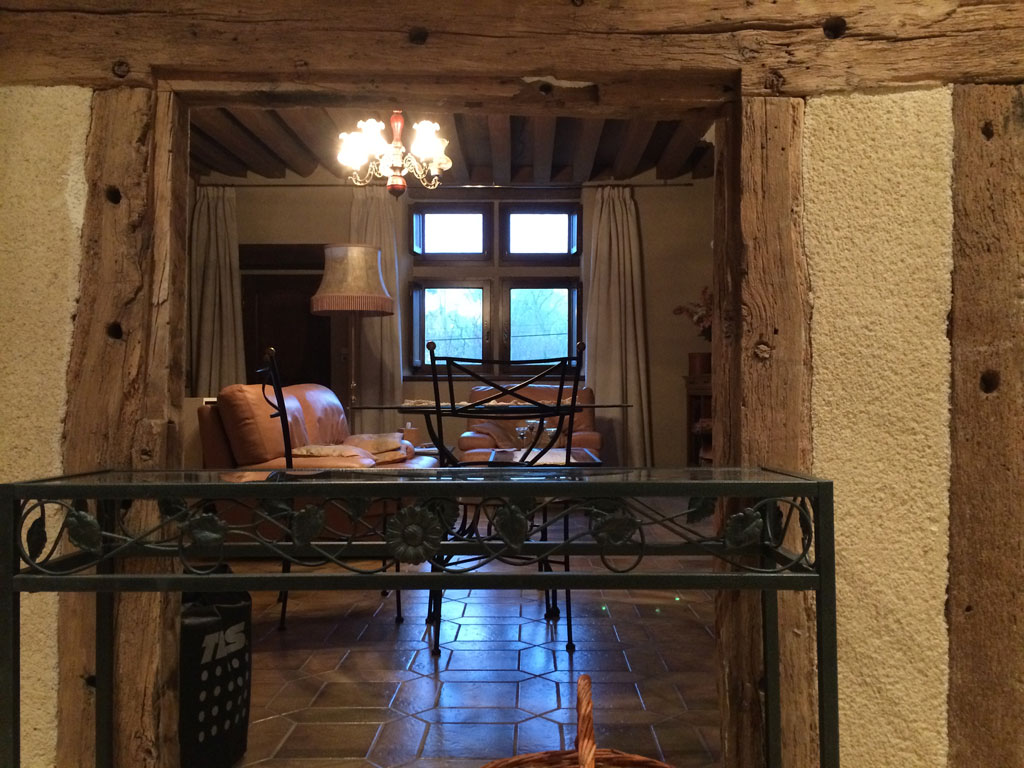
Looking from the office into the living room with the console protecting our heads

Then we used that neat Ikea on-line software to work out where to put all the kitchen appliances and cupboards. We finally fitted in a normal-sized fridge with a freezer, a dishwasher, a sink, a two-ring induction plate and a microwave with enough room on the table top for our espresso machine.
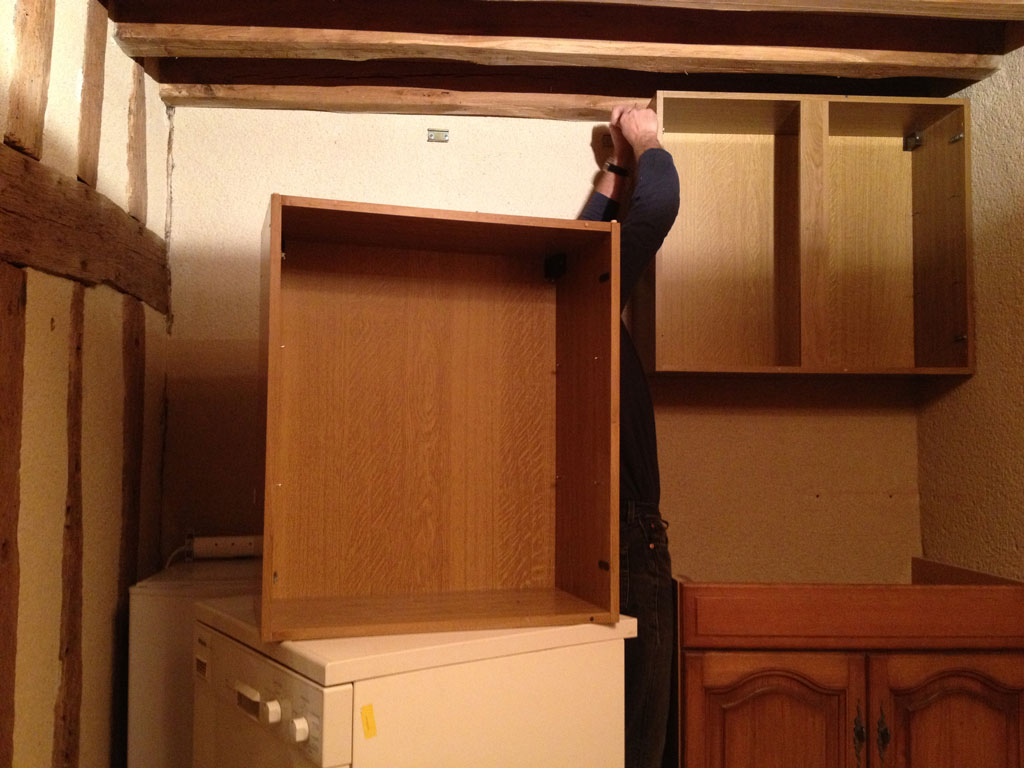
Jean Michel putting the cupboards up

We found some second-hand oak kitchen cupboards on Le Bon Coin to suit the style of our living room furniture because you can see them through the hatch. We picked them up miles away but it was difficult to find exactly what we wanted. I also spend quite a while removing decades of accumulated grease.

The induction plate also came from Le Bon Coin (never used) and we bought the sink from Leroy Merlin because the size meant it wasn’t standard and we didn’t want it to be chipped or anything.
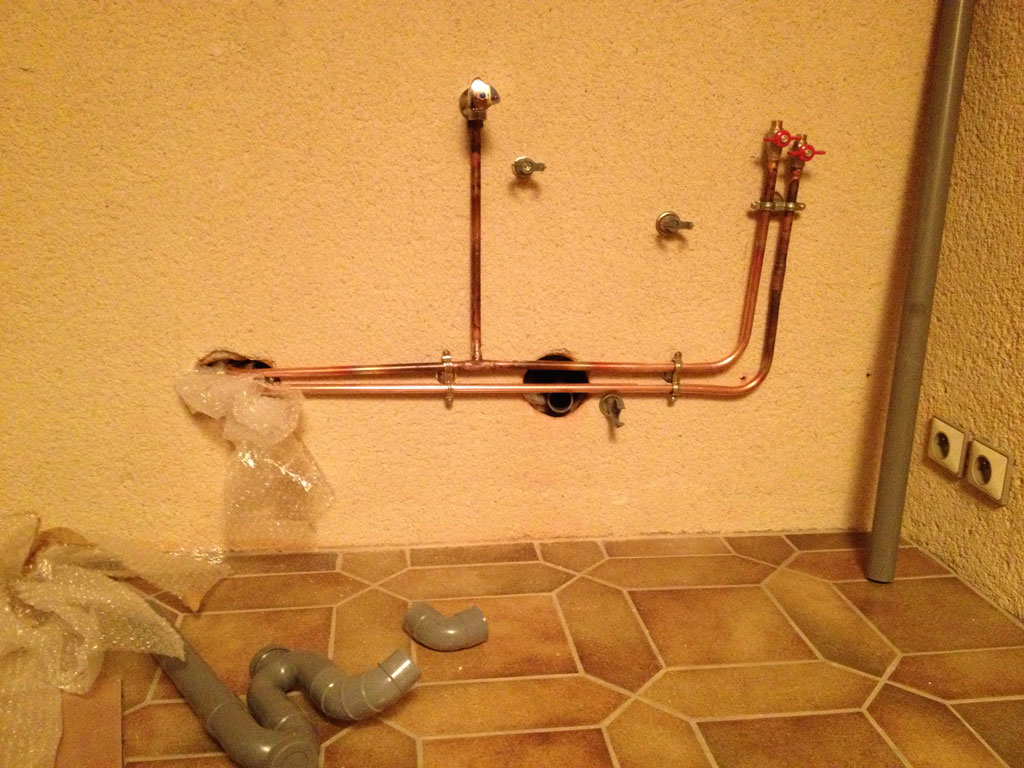
To bring water into the office required drilling through 70 cm walls

Jean Michel then started working on the plumbing, wiring and lighting. The plumbing was complicated, as usual, by the fact that the walls are 70 cm thick and the lighting by the visible beams.
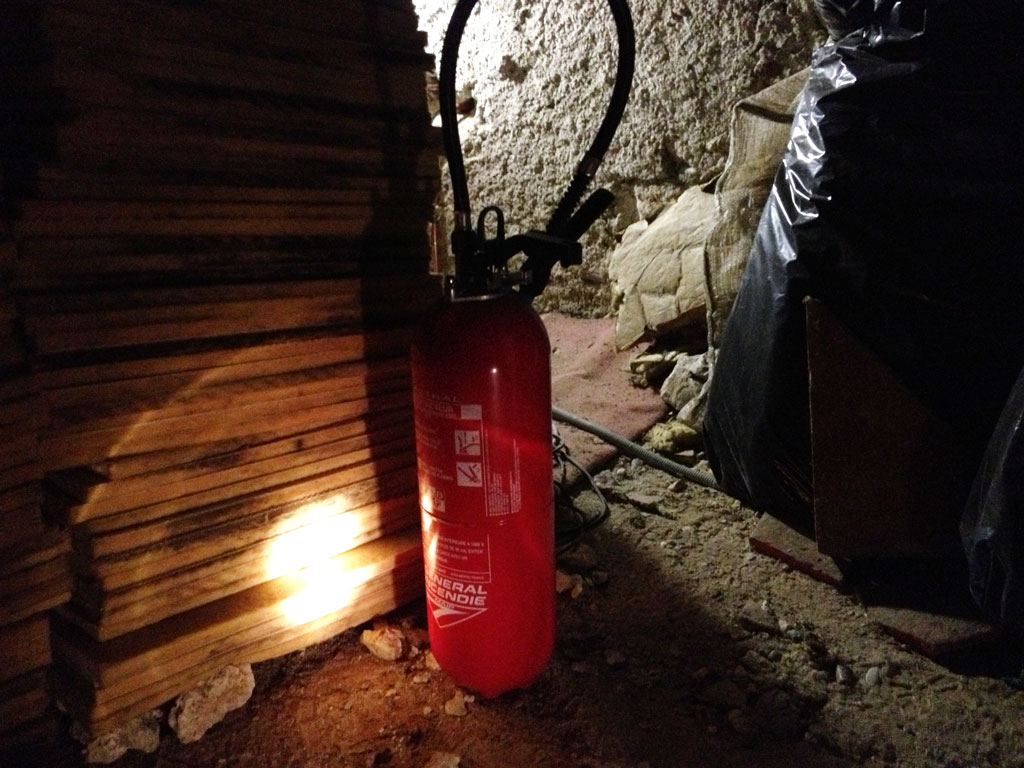
Extinguisher at the read just in case the insulation caught fire
Extinguisher at the read just in case the insulation caught fire during soldering

He spent quite a bit of time in the roof space doing the wiring for the little spotlights we finally decided upon. At one stage, I had to hold a torch and be ready with a fire extinguisher while he soldered the pipes in the attic on the other side of the kitchen.
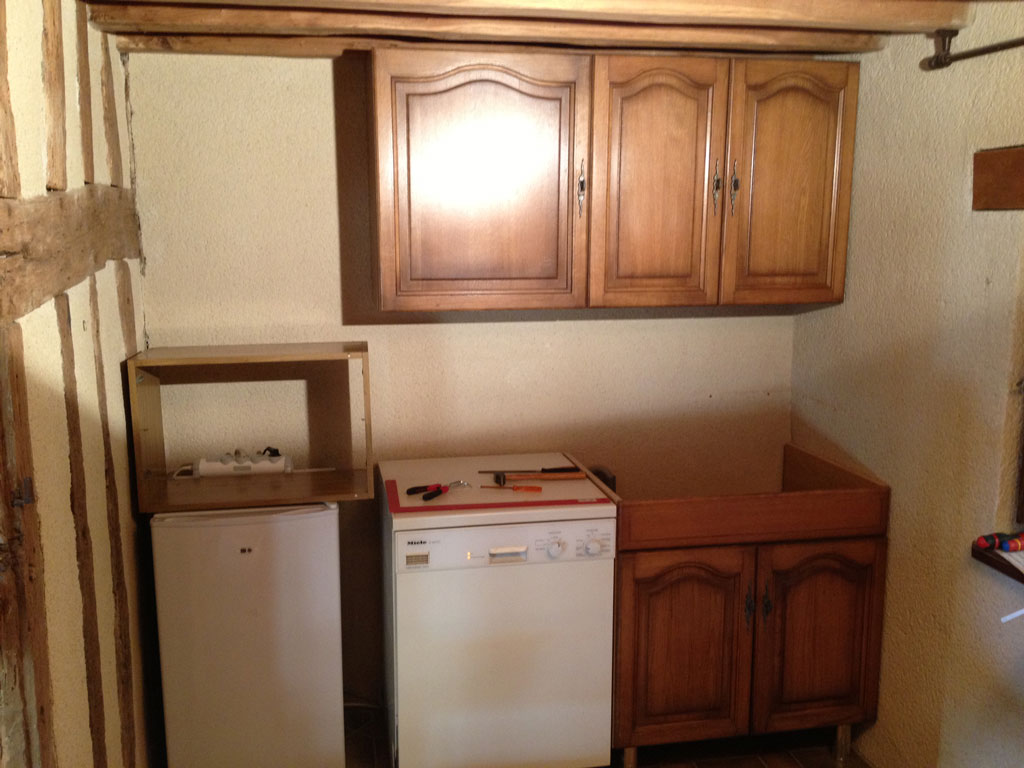
Little fridge and dishwasher in place

All this was done last winter while we still had the gîte and had the major advantage of providing us with a dishwasher. We used a small fridge we picked up at Troc de l’île while waiting for a larger one after we moved. But the final touches were still missing.
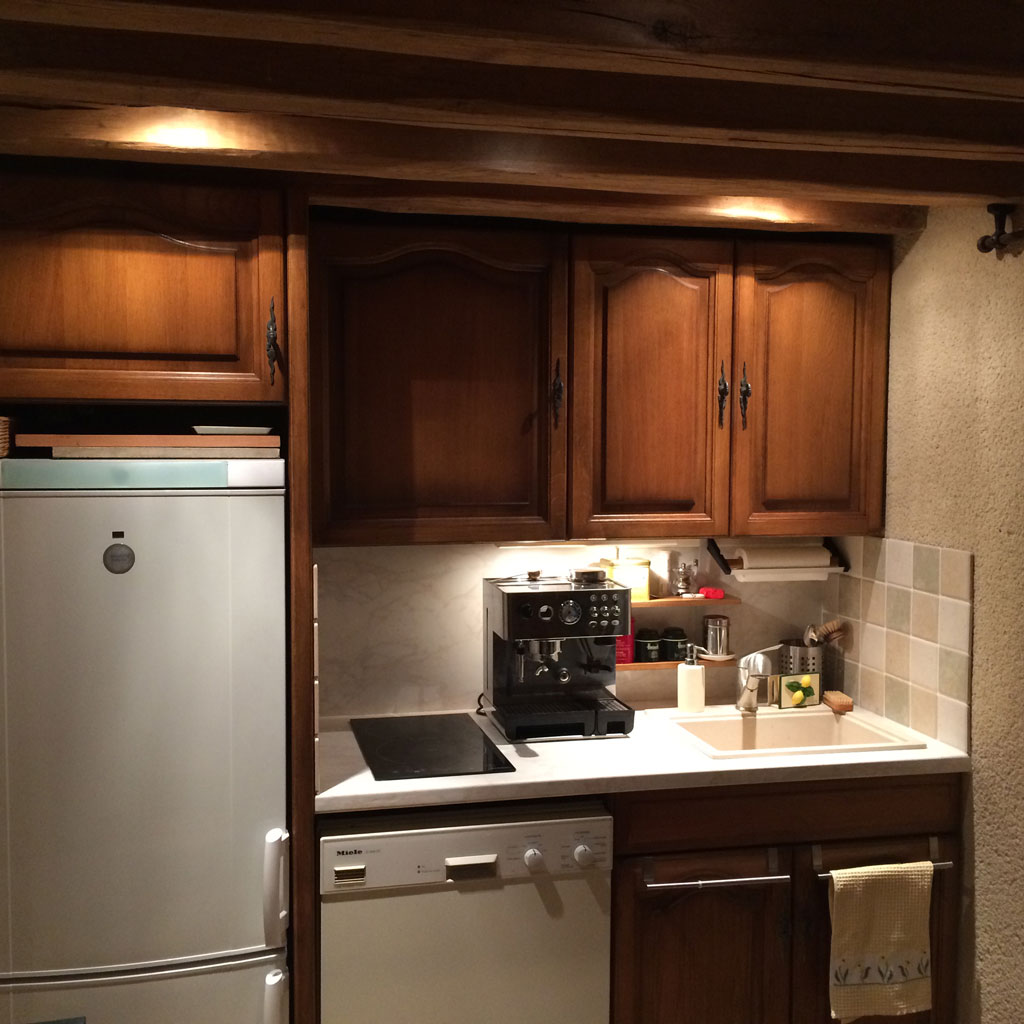
Normal fridge in place with sink induction plate and of course the espresso machine

Yesterday, Jean Michel finished it completely. He combined two corner shelves to provide somewhere to put the jug and toaster and made a wine bottle stand to put in the recess which now also houses the bread board & bread, the water jug and teapot.
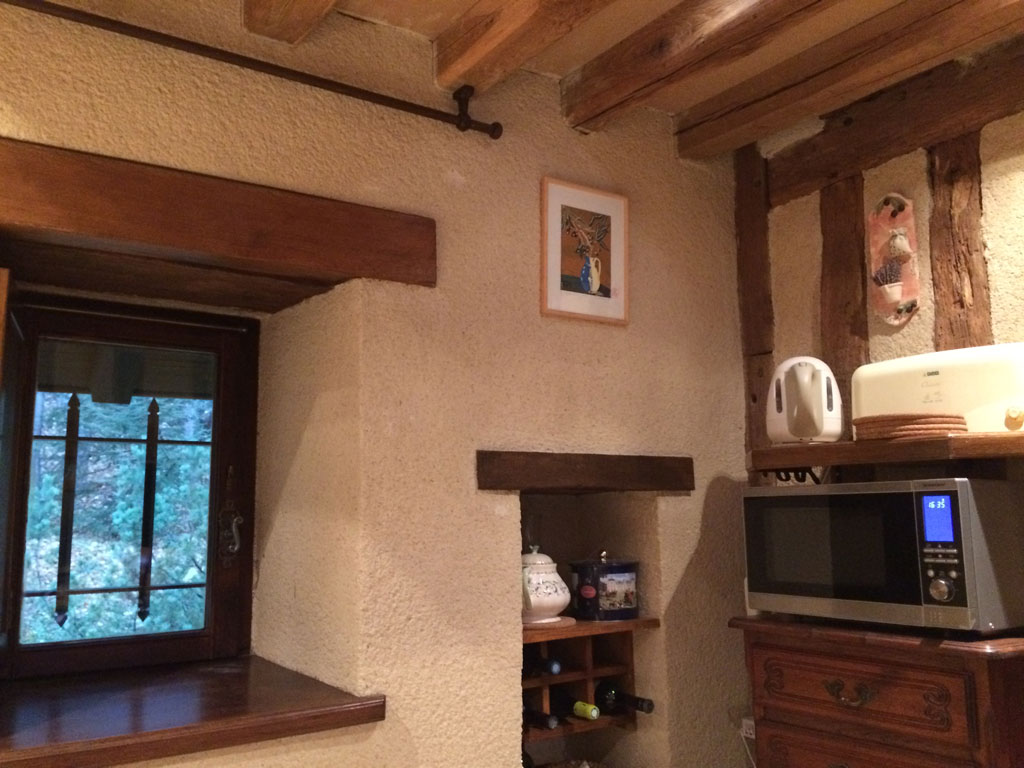
Niche with wine racks made by Jean Michel
Niche with wine racks made by Jean Michel with our Australian lithograph above

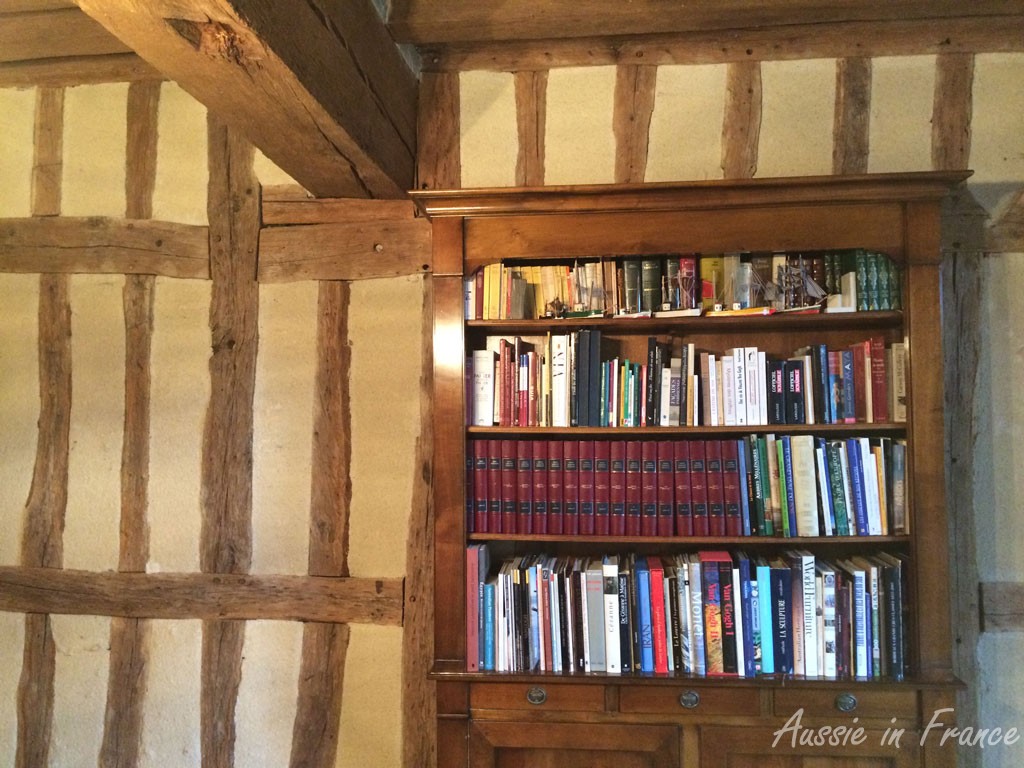
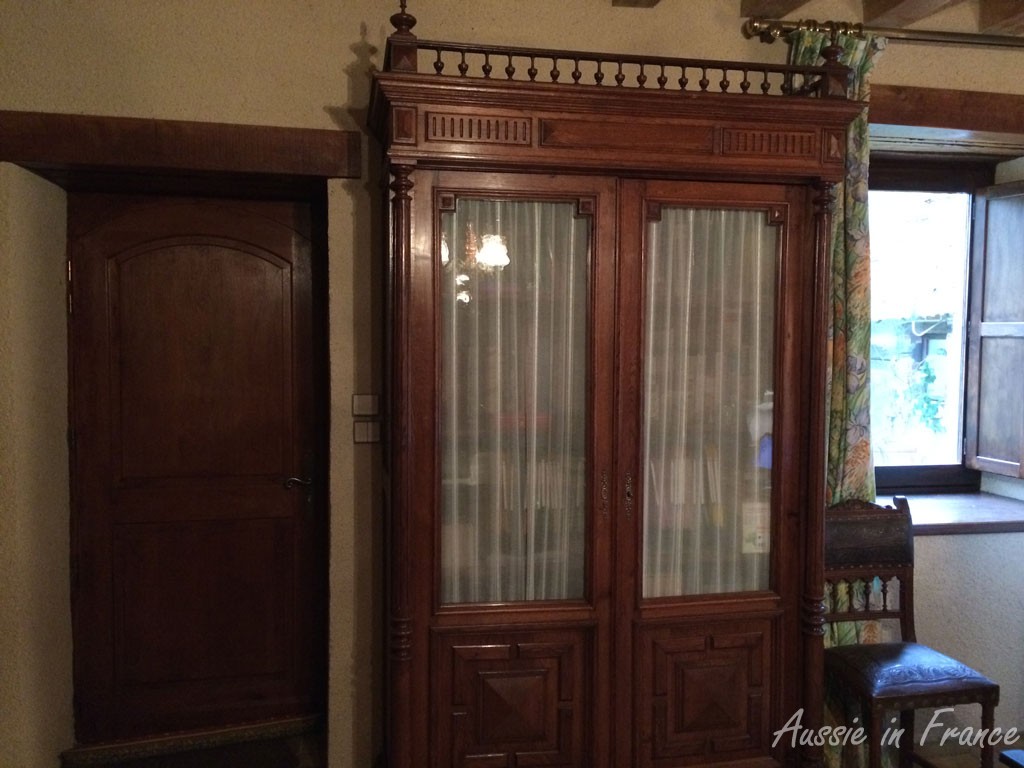
We have a chest of drawers for cutlery, utensils, tablecloths and teatowels and use the cupboard above the induction plate and sink for important things such as nibbles, tea and breakfast food. The glass-fronted bookcase in the living room takes the plates, cups and glasses.
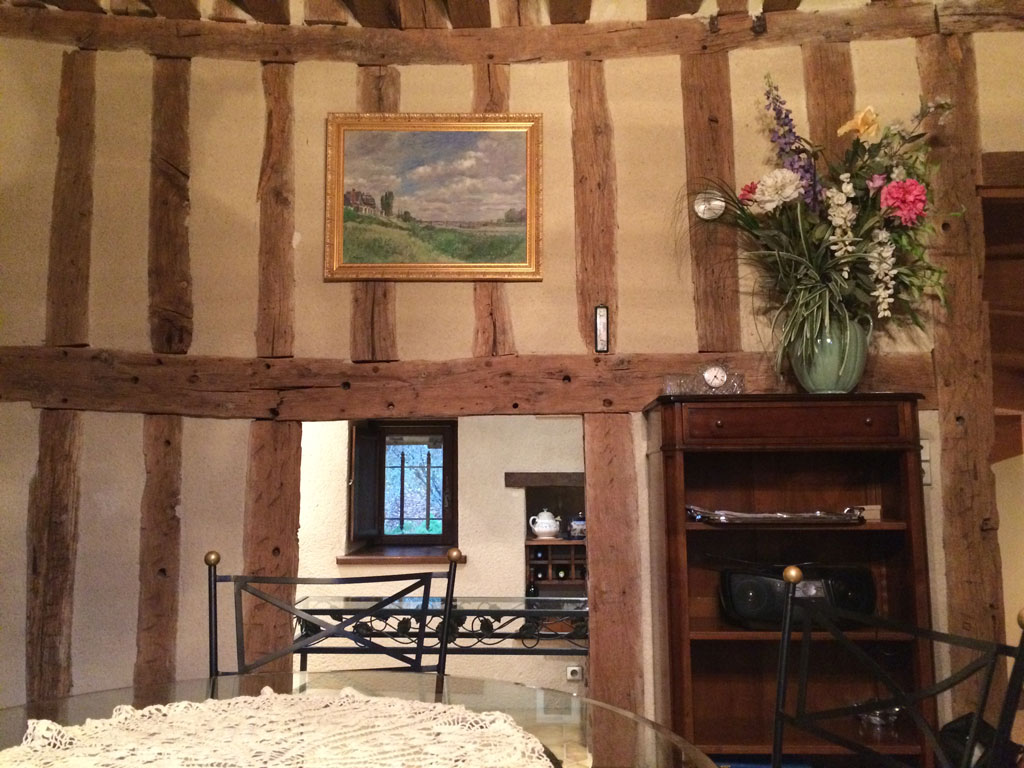
Looking from the living room into the office

So now we have the perfect place to prepare breakfast, apéritifs and coffee. We also have everything we need to have a barbecue in the fireplace.

Oh, and I nearly forgot. I framed and hung up the lithography that our very first home exchange guests from Australia brought us as a gift.

Who wants to join us?
Friday’s French – poêle, poeliste, fumiste, fumisterie

I would just like to point out straight away that poeliste is not a real word but it amused my Solognot neighbour Alain no end. We are thinking of putting a wood-burning stove in our downstairs living room (as I mentioned earlier this week) and the stove installer recommended by Alain came round to give us a quote.

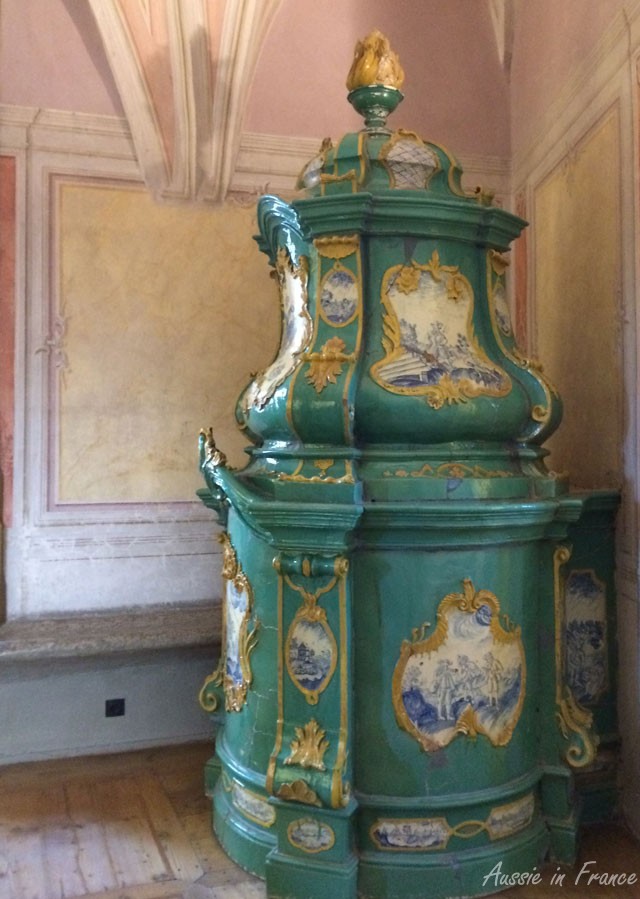
One of several porcelain stoves in Meissen in Germany - un poêle.
One of several porcelain stoves in Meissen in Germany – un poêle.

The French for wood-burning stove is poêle from the Latin pensilis, meaning suspended, from the verb pendere, to be suspended, which gave pendent and pendulous in English. Pensilis may seem far removed from poêle, but remember that an ê in French often indicates that an “s” dropped out. In this case, the “n” got lost as well.

Initially it designated baths suspended from vaults and heated underneath in all those rich Roman villas. After that it meant a heated chamber and eventually the cast iron or earthenware stove we know today.

When poêle means a stove, it’s masculine. But listen to this. When it means a frying pan, it’s feminine. Same spelling, same pronunciation and everything. But it doesn’t come from pensilis. It comes from patella meaning a small dish. Patella first became paielle then paele and maybe poesle (1579) which would explain today’s poêle. A small frying pan is a poêlon, which of course is masculine. How we’re supposed to remember that I don’t know.

Une poêle à crèpes
Une poêle à crèpes

I based my use of poêliste on fumiste (from fumée, smoke) which means heating mechanic and also chimney sweep, although the more usual word is ramoneur.

But fumiste has another meaning – a shirker. I asked Alain why but he didn’t know. Good old Wikipedia came to the rescue. Apparently it comes from a vaudeville show called La Famille du fumiste about a heating mechanic who wasn’t the sort of person you could really count on!

The noun fumisterie whose real meaning is a heating mechanic’s workshop now has the same derogatory meaning as fumiste. C’est de la fumisterie means it’s a fraud. So I’m hoping our poêliste is not a fumiste or I am going to be cold all winter …


Weekly Blogger Round-Up: Interview with Aussie in France – The Greek Island of Anafiotika – Spending Christmas in Europe

All my posts are a little late at the moment but here is my Weekly Blogger Round-Up starting with an interview by Anda from Travel Notes & Beyond our Eastern Europe expert with yours truly! Next the ever dynamic Jo from Frugal First Class Travel takes us to a Greek Island in the foothills of the Acropolis called Anofitika.  To finish off Carolyn from Holidays to Europe has lots of suggestions for spending Christmas in Europe. Enjoy!

Interview with Rosemary Kneipp from “Aussie in France”

by Anda from Travel Notes & Beyond, the Opinionated Travelogue of a Photo Maniac, is a Romanian-born citizen of Southern California who has never missed the opportunity to travel

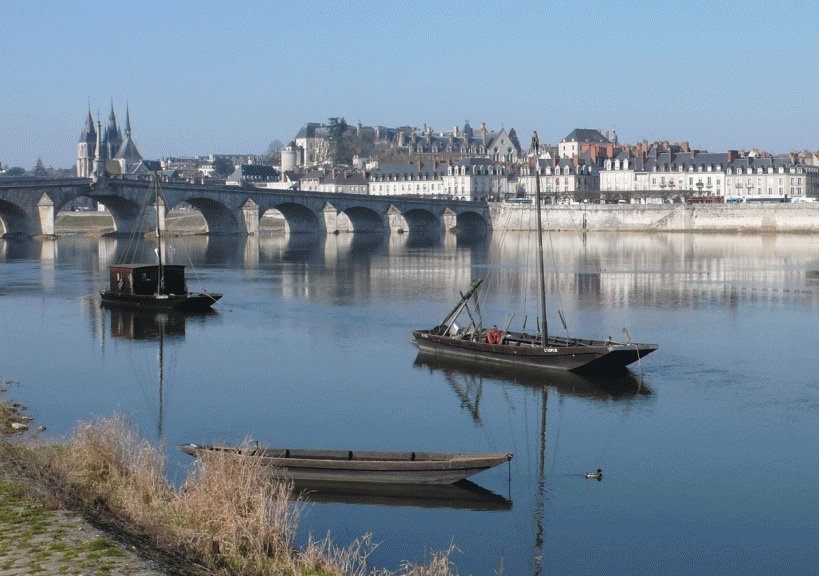
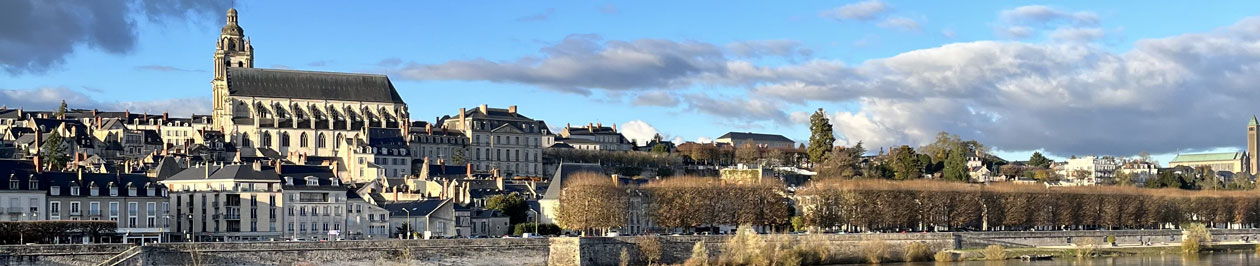
travel_notes_blois_with_boatThis week I am starting a new series of interviews with some of my favorite bloggers on the Internet. This is not a new concept, but I am following in the footsteps of other bloggers ahead of me who came up with this bright idea. I believe these interviews are a helpful tool in getting to know each other better and establishing new relationships with like-minded people.

I wanted to start this series with someone who served as my inspiration for my own travel blog, Rosemary Kneipp, the creator/writer/photographer of Aussie in France. Read more

ANAFIOTIKA: A GREEK ISLAND IN THE FOOTHILLS OF THE ACROPOLIS

by Jo Karnaghan from Frugal First Class Travel, an Australian who loves to travel – especially in Europe – and who has gradually learned how to have a First Class trip on an economy budget, without missing out on anything!

frugal_anafiotikaWhen I visited Athens recently I was disappointed that I didn’t have time to fit in a visit to the Greek Islands.  I’d sailed in the Cycladic Islands many years ago and had fond memories of those glorious blue and white houses festooned with bright bougainvillea and geraniums.  Then upon studying my guidebook (you can pick up a copy via the link) I discovered Anafiotika, a little slice of the Greek Islands right in the heart of Athens….

How to find Anafiotika

Anafiotika is on the north eastern slopes of the Acropolis, not far from Monastiraki and the Plaka.  Having said that, it is much easier to find from the main thoroughfare of Dionysiou Areopagitou.  Turn right at Thrasyllou (just past the Tourist Information centre) and just keep walking. Read more

Experiencing a White Christmas in Europe

by Carolyn from Holidays to Europe, an Australian based business passionate about sharing their European travel expertise and helping travellers to experience the holiday in Europe they have always dreamed of

holidays2europe_german-christmas-marketMany Australians dream of one day experiencing a white Christmas and there’s no better place to do so than in Europe.  As well as its famous Christmas markets, the snowy scenes and festive atmosphere make a European Christmas something really special. With long-practised traditions and traditional festive foods to enjoy, Christmas in Europe is very different to Christmas in Australia. Read more

News on the Home Front

It’s now four weeks since we moved to Blois. All the boxes are unpacked (except those in storage such as Christmas decorations and things that we’re not sure where to put or may never use again). I finally found the exercise book with the contents of the first lot of cartons by which time it was a little late.

Our half-timbered walls - not easy for paintings
Our half-timbered walls – not easy for paintings

The only thing we haven’t put up are our pictures but I now want to proceed one room at a time for the final decorative touches. Our half-timbered walls are not as easy to accommodate as our painted walls were in Paris! They are also much thicker which means you can’t just hammer in a picture hook and move it a couple of days later.

Full door in the office on the left

We have three major projects this winter. The first, which is the simplest, is to replace two timber doors with glass doors to let in some much-needed light (especially on a rainy day like today), one in the upstairs living room where the Renaissance fireplace is, and the other in our office downstairs. It’s wonderful having a 400-year old house but back in those days, the fewer the doors and windows the better because of the heating (and taxes).

The downstairs living room fireplace in which we want to put a wood-burning stove

The second is to put a wood-burning stove in one of the downstairs fireplaces. At present, we have gas-fired central heating with radiators downstairs and floor heating upstairs giving us a steady 19°C. That is fine if you’re physically active but if you spend a lot of time working at a computer as I do, your fingers start to get a little chilly! Last week, we went to Tours to buy some Damart thermal underwear and mittens but a stove in the next room is a more inviting proposition.

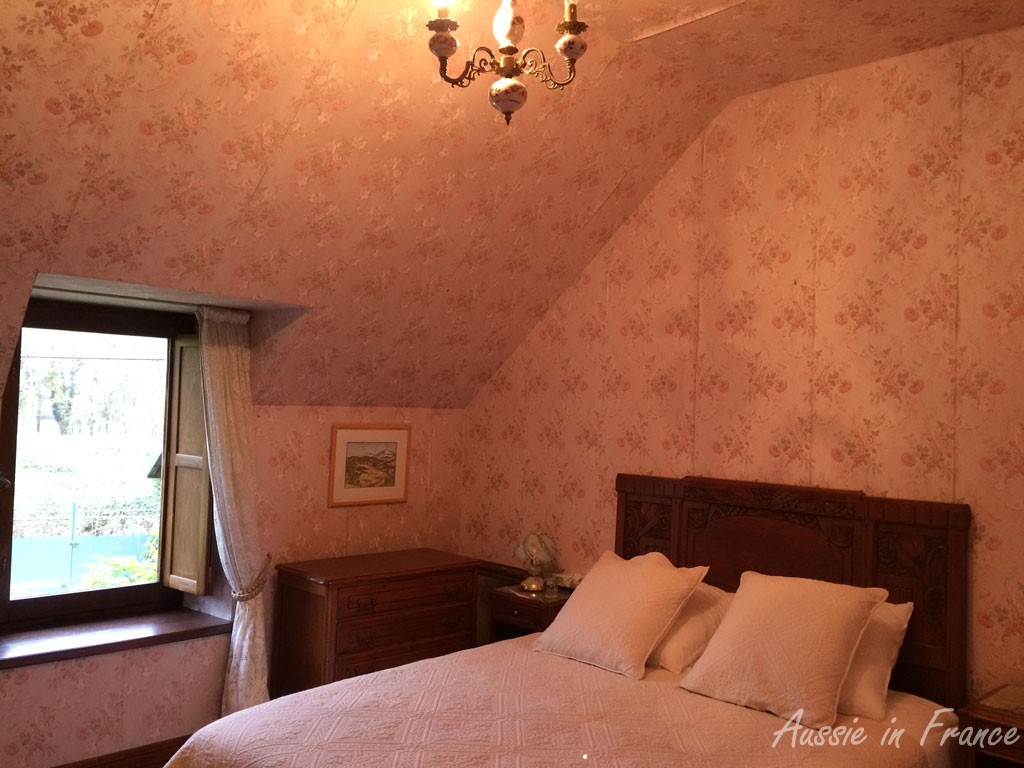
The peeling paper in the guest bedroom with its very high ceiling

The third, which is my project, is to strip the paper off the guest bedroom which has one of those attic ceilings and paint it instead. Apart from not being particularly attractive, the current paper is starting to come unstuck at most of the joins. The only problem is the height of the room in the middle and the possible state of the walls behind the paper …

The Renaissance fireplace we renovated in the living room

So much for the practical side of things. On the emotional front, it’s proving far more stressful that I thought. Chronic fatigue, of course, probably doesn’t help. Although we have already made good friends here – and are continuing to make new ones – it’s not the same as being surrounded by the friends I have known and felt comfortable with for years. Jean Michel and I also have to find a new modus vivendi which is proving difficult for both of us in different ways. I don’t know if it would be easier or not if I was retired too but I still have another 4 ½ years to go.

Second page in La Nouvelle République!

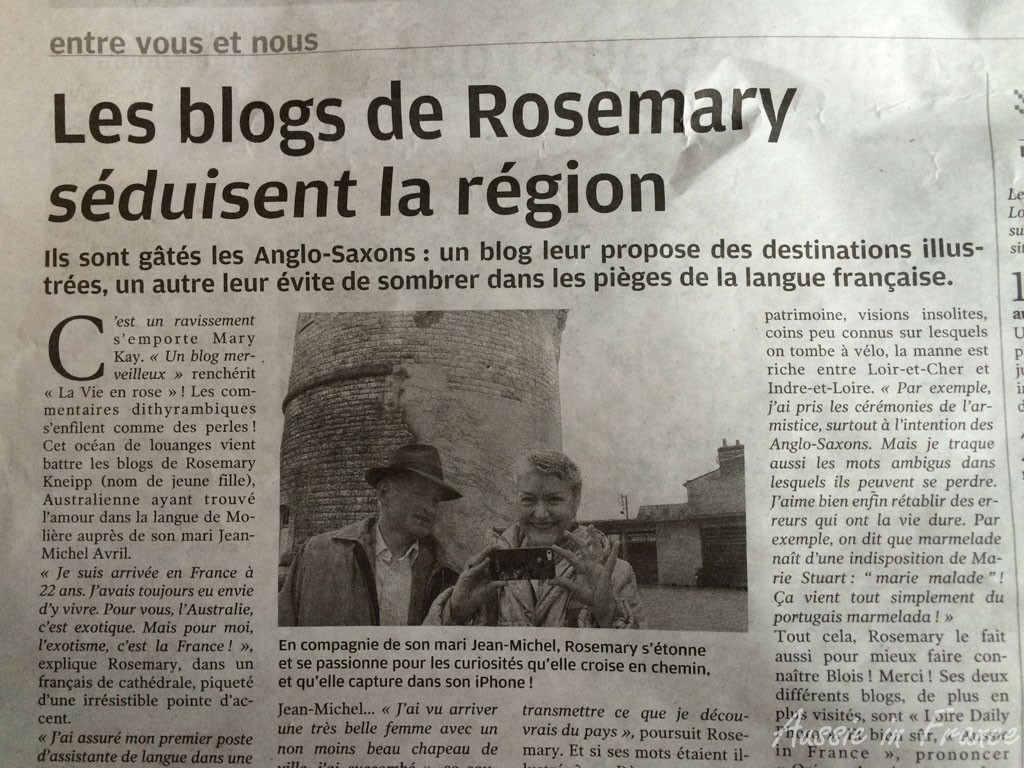
However, two things happened on Friday that have bucked me up no end. The first is that thanks to another “city daily” blogger, Stuart, from Amboise Daily Photo (Amboise is a half an hour down the river from Blois), the local paper, La Nouvelle République, interviewed us for Loire Daily Photo and the article was published on the second page under the title (in French of course) of “Rosemary’s Blogs Capture the Region”.

Closerie Falaiseau, with the two full doors from the outside

The second news was a phone call asking me to confirm my address to receive an invitation to be sworn in as a “traductrice assermentée”. In France, the translation for administrative purposes of many legal documents such as birth and marriage certificates as well as court rulings, judgments, etc. must be carried out and stamped by a “legal expert”. I first applied in the greater Paris area nine years ago and was refused, despite the fact that I had all the required skills and experience. However, I decided to apply to the local courts in January this year in view of our move and this time, I was successful.

It’s certainly a good start to feeling part of the local community.

Weekly Blogger Round-Up: Public Art on the French Riviera – Liguria in Italy

The weekly blogger round-up today takes us to the French Riviera, with an excellent report on public art by Australian Phoebe from Lou Messugo (which is your favourite?) while another Australian, Chrisse from Riveria Grapevine takes us across the border to Liguria to the Olioliva festival where everything tastes better (what do you think?). Enjoy!

Public Art on the Côte d’Azur

by Phoebe from Lou Messugo, a traveller, francophile, expat, mum and foodie now living in Roquefort les Pins where she runs a gîte after many years of travelling and living in Asia, Eastern Europe and Australia.

lou_messugo_public_artPublic art is everywhere in France, whether it’s a temporary installation for a particular occasion or something permanent, it’s all around.  Most towns no matter how big or small take pride in making their public spaces attractive; you can usually find fountains and sculptures alongside well tended flower beds and attractive borders even in the tiniest of villages.  There’s even art on the side of the motorways to brighten up your journey!  And it’s not all old by any means.  New commissions go up regularly, I’m forever spotting something I hadn’t noticed before and then realising that it’s because it’s new and wasn’t there the last time I passed by. Read more

OLIOLIVA, IMPERIA

by Chrissie from Riviera Grapevine, a Sydney girl living in Nice with an insatiable thirst for the wines of the Var, Alpes Maritimes and Liguria. She happily sells, drinks and blogs about wine.

riviera_grapevine_OliOlivaA Made-in-Liguria Celebration

Everything tastes better on the other side of the border.

It’s an opinion I formed pretty early on and one which really shows no sign of waning.

Granted, there are some things the French do better, like rosé (of course), but, as a general rule, everything tastes better in Italy.

I’m not just talking about the stereotypical things like pizza and ice cream, either. I mean everything, especially the basics like a simple green salad or tomatoes. Don’t get me started on them. I’m obsessed. How good are Italian tomatoes? An amazing bright red and so flavoursome. Read more

Lunch with Learners

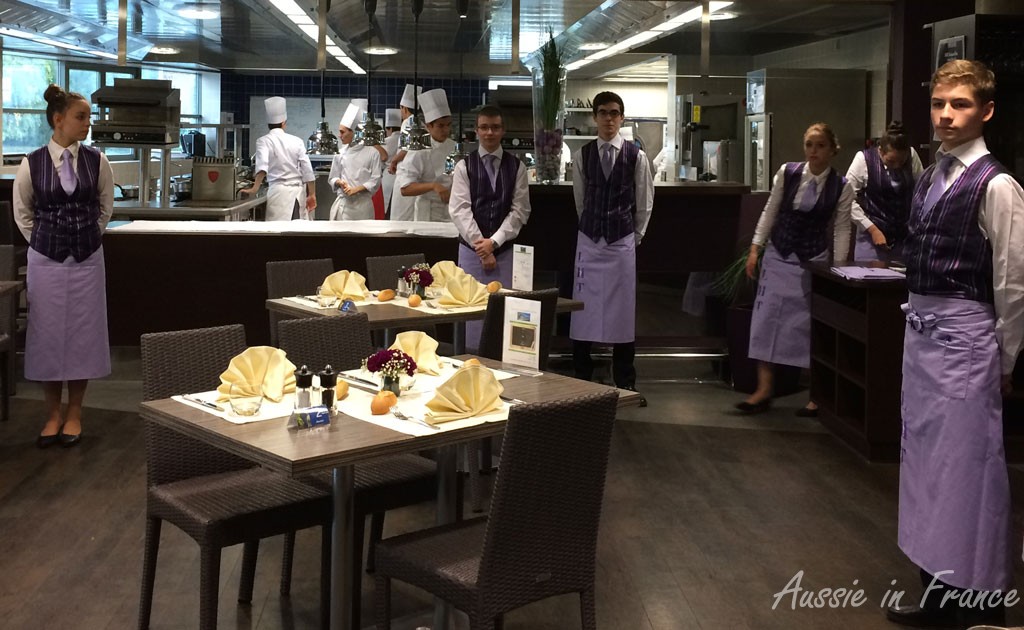
Our party of four arrives just before noon in front of the local hospitality high school in Blois. It’s important to be on time because class goes back at 1.30 pm. We enter the building and can see the students through the window of the restaurant on our left, all dressed smartly in white shirts, purple vests and lavender aprons, some looking a little anxious.  The door opens and we are greeted by a young man who checks our name against his reservation list.

photo_298_lycee_hotelier_2


A supervisor hovers discreetly, intervening when necessary. Two young girls offer to take our coats, one reciting her learnt phrase, the other a little less formal. They aren’t sure what to do with Jean Michel’s hat. I glance around and see there are no hooks so I explain that you always place a hat on its crown and not its brim. The supervisor tells them to put it on the shelf above the coats.

We are shown to our seats, just opposite the open-plan kitchen where we can see the students in their white coats and chefs’ hats.

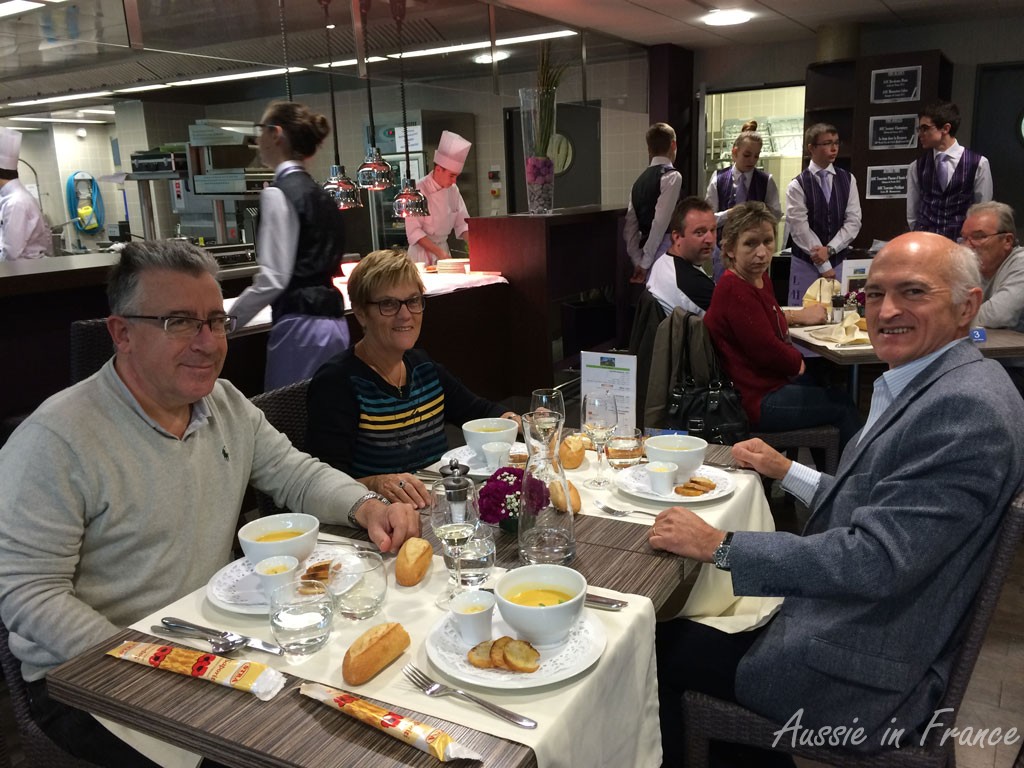
our_party

Our waitress asks if we’d like a before-lunch drink and gives us the list. Françoise tells us about a recent experience here. Two of her party had ordered the local vouvray sparkling wine and the young waitress came back to explain that it would be wasted if they opened a bottle and no one else wanted it. Only instead of saying pétillant, she used the slang péteux (from the verb péter, to break wind).

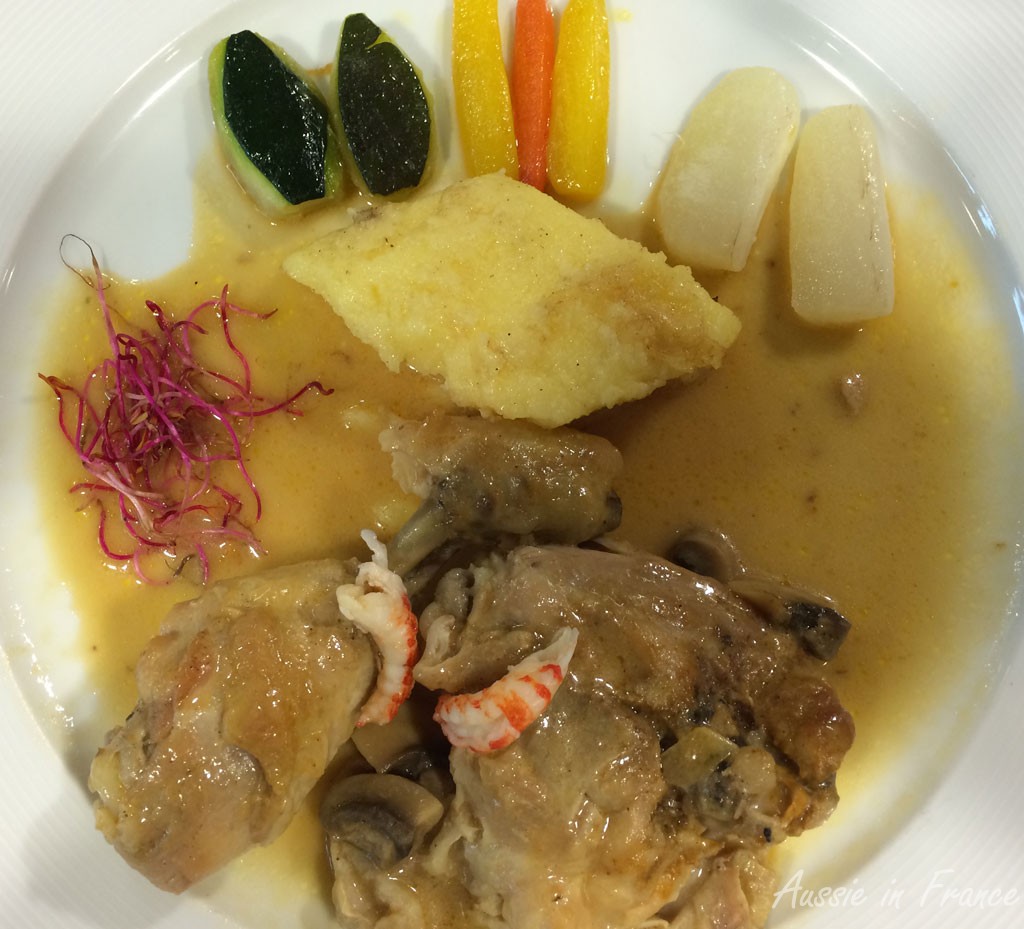
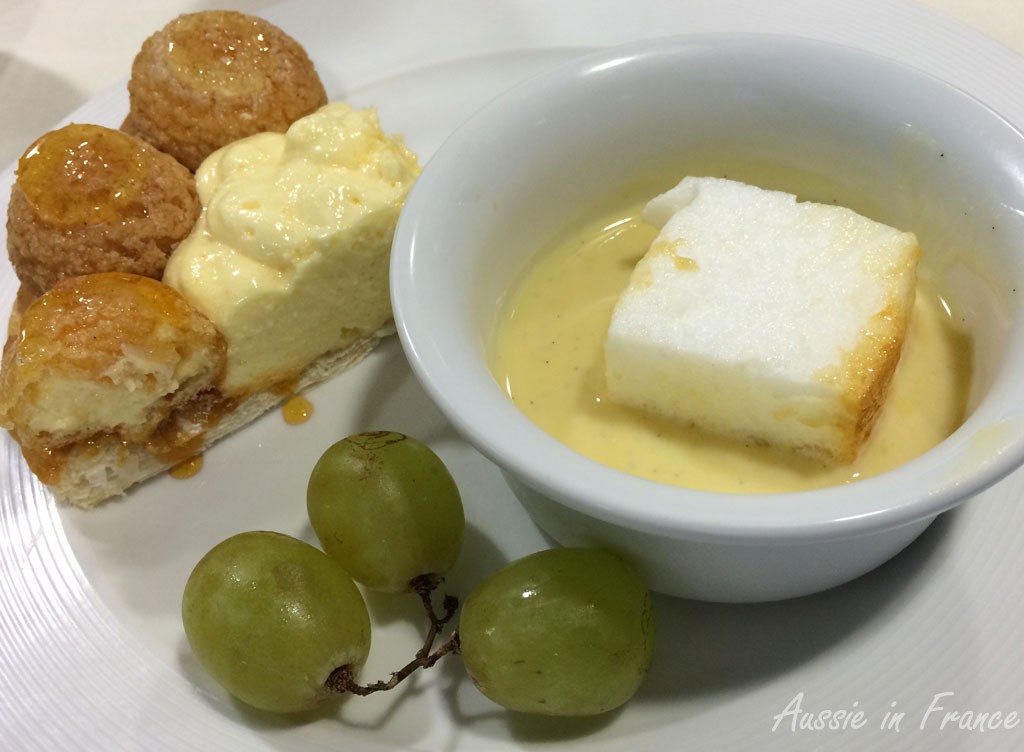
Today, the set menu , a bargain at €9.50, consists of a pumpkin, chestnut and cream soup, chicken with crayfish, and floating island with a choux dessert whose name I can’t remember.

All the students apply themselves, politely setting our places when necessary, bringing our dishes, asking whether we enjoyed them and taking them away.

chicken_ecrevisses

The wine seems to be the only problem. As the waitress is opening the bottle of red we have ordered, the cork breaks. “It would happen to me”, she says, disconsolately. I reassure her and say that she just has to check there is no cork in the glass when she pours it. She asks who will taste and Jean Michel is nominated.

After he has tasted and approved the wine, she then proceeds to top up his glass, but he explains that she must start with the others first and serve him last. She serves Françoise, then goes on to Paul, but is told “ladies first”. This throws her a bit – she obviously isn’t used to such subtleties.

All goes well however. The food is perfectly edible, but not very sophisticated. Last time we came, it was later in the school year so our young chefs had been practising for a bit longer!

dessert

We finish off with coffee and the total bill comes to 60 euros for 4 people, which is certainly excellent value for money.

The school also has a Thursday night Gourmet Brasserie that we haven’t tried yet (menu €20 not including drinks) and a Gourmet Restaurant called 17 4 on Friday night (menu €30) both of which we intend to try out.  We just have to check the dates, as the restaurants are closed during school holidays and exam periods.

LHT  Vallée de la Loire, 174 rue Albert 1er, 41000 BLOIS.  Open from midday to 1.30 pm Monday to Friday (closed during school holidays). Reservation at 0 55 51 551 54.

This post is part of the All About France Link-Up. Click here for other contributions.

All_About_France_blog_link_up_2

Friday’s French – marmelade, confiture & jam

I was recently told a very plausible and fascinating story about the origin of the word marmelade.

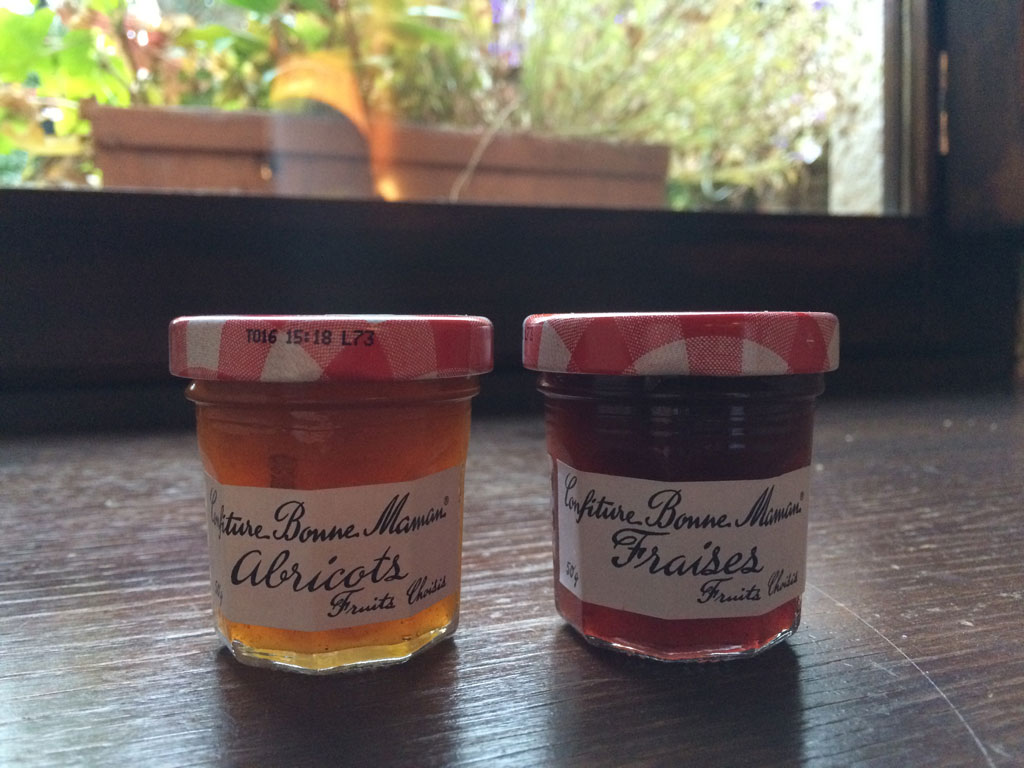
France's most popular jams: abricots et fraises
France’s most popular jams: abricots et fraises

The future Mary Queen of Scots was brought up in France, mostly in the Castle of Amboise just down the road from us. She was often sick because she had no appetite until someone finally came up with a special treat – a jelly called marmelade because it was made for Marie Malade (sick Mary).

Sad to say, the story is not true. Marmelada comes from the Portuguese marmelo meaning quince and is a sort of quince paste introduced into England in about 1480, and predates Mary Queen of Scots who was born in 1542. She may well have liked it but is not responsible for the name! Note the different spelling in French and English – the second “a” becomes an “e” in French.

I’m always amazed to hear how such stories can be perpetrated without any foundation other than a fertile imagination. Not that I have anything against fertile imaginations …

You don’t often see marmalade in France so for my Christmas Cake I use confiture d’écorce d’orange (écorce = peel) which seems to work just as well.

For some reason that I have never fathomed, the most popular jams in France are strawberry and apricot, neither of which I like. Even at Angelina’s, they are the only choice available!

The word confiture comes from the verb confire in French and the Latin conficere meaning to completely finish (past participle confectus which you will recognise in confectionery). Confiture, introduced into French in the late 18th century, initially meant fruit cooked in sugar (candied fruit, stewed fruit, etc.) before being limited to jam in the 19th century.

The English jam, on the other hand, derives from the verb “to jam” meaning to crowd, squeeze or block because the jam we eat is the result of a congestion or the resulting stoppage.

You may remember from reading Victorian novels that everyone used to make “preserves”. The French equivalent is conserves. And, just to avoid any future blunders, a préservatif is a French letter or condom as it’s called today. There is a little town in France called Condom, by the way.

I have only been able to find one expression containing the word confiture in French: Donner de la confiture aux cochons whose English equivalent, which I have never heard before (oh where is my general knowledge?) is “Throw pearls before swine” which refers to a quotation from Matthew 7:6 in Jesus’s Sermon on the Mount: “Do not give what is holy to the dogs; nor cast your pearls before swine, lest they trample them under their feet, and turn and tear you in pieces.” Should we read any significance into the fact that this has been translated as confiture in French? The country of gastronomie?

In English we have traffic jams which are embouteillages in French from bouteille meaning bottle, the equivalent of our bottlenecks.

I’m sure you know lots of other expressions using “jam”. Do you know their equivalents in French as well?

Weekly Blogger Round-Up – Wild Mushrooms – Fest Noz in Brittany – Napolitan Novels

This Week’s Blogger Round-Up starts with a logical follow-up to Monday’s post on Forbidden Mushrooms. Susan from Days on the Claise talks about what mushrooms are safe and explains how to pick them. Next on the list is a description of a Fest Noz in Brittany by Abby from Paris Weekender. If you’re intending to visit Brittany in the summer, you should make sure you include one of  these very traditional festivals. And to finish off, I’m including a book review by Claire from Word by Word, who is a constant inspiration for my insatiable reading habits. My Brilliant Friend is the first in a fascinating tetralogy of novels by Napolitan author Elena Ferrante. All available on your Kindle. Enjoy!

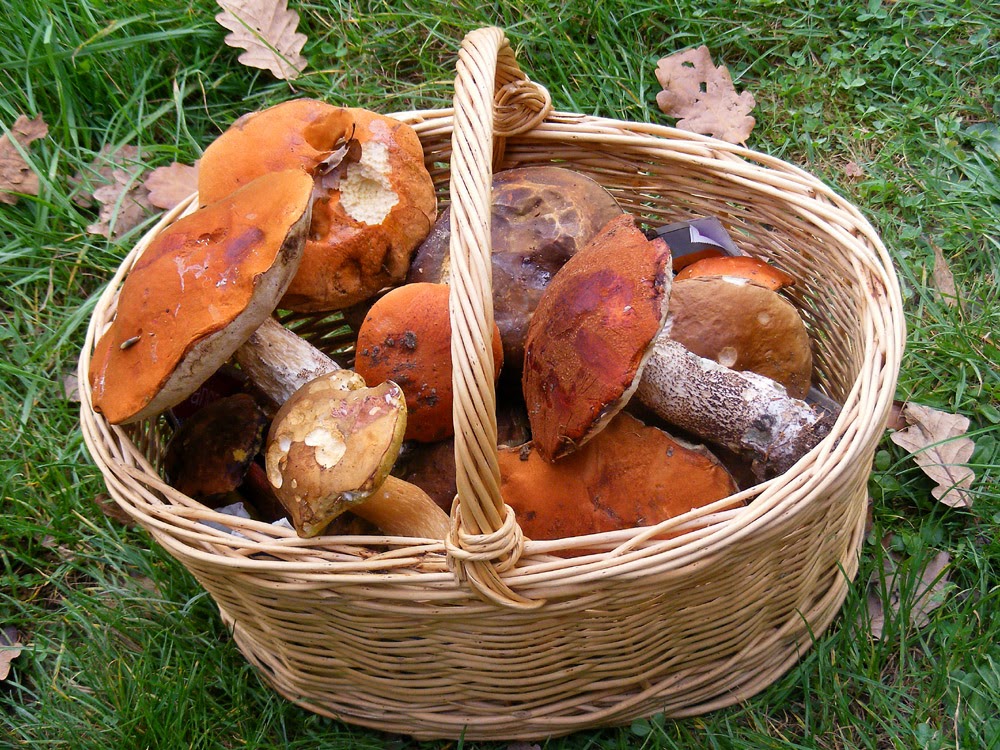
Would you eat these mushrooms?

by Susan from Days on the Claise, an Australian living in the south of the Loire Valley, writing about restoring an old house and the area and its history and running Loire Valley Time Travel.

days_claise_ceps_basketThe mushrooms in the basket are all edible. They belong to a group called boletes, of which the ceps are the best known and most prized. They grow in forests. There several species in the basket, mostly Orange Oak Bolete Leccinum aurantiacum, but also a few Bay-brown Bolete Boletus badius and Red-footed Bolete Boletus luridiformus. The person who picked them was only collecting for the table and has not touched anything they did not know to be edible. Boletes are the best beginners mushrooms here because they are safe — none are lethal and the couple that will give you a stomach ache are unappetising looking (coloured or staining luridly) and/or bitter to taste. Read more

Fest Noz in Malestroit

by Abby from Paris Weekender, an American dividing her time between New York, Paris and Brittany who offers suggestions for Paris weekends, either staying put or getting out of town

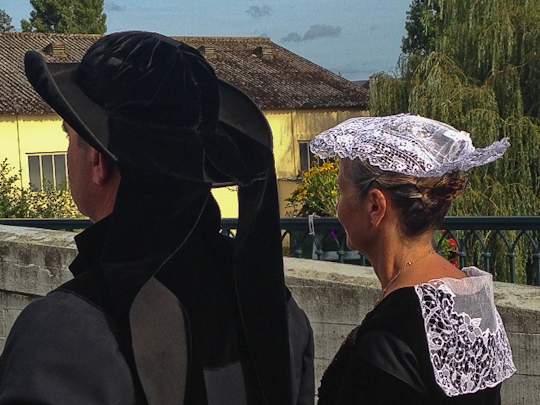
paris_weekender_Malestroit-Fest-Noz-4A Fest Noz, or night festival, is a traditional festival in Brittany, centered around dancing and music.

Just about every very town in Brittany holds its own festival, so especially if you’re visiting the region in the summer, it’s hard to find a single evening when there isn’t one somewhere within an hour’s drive. Read more

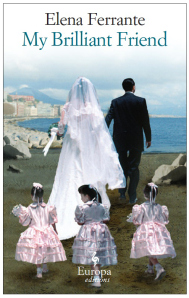
My Brilliant Friend, Elena Ferrante tr. by Ann Goldstein…Neapolitan Tetralogy Book1

by Claire from Word by Word, Citizen of Planet Earth, Anglosaxon by birth, living and working in France, who loves words, language, sentences, metaphors, stories long and short, poetry, reading and writing

wordbyword_my-brilliant-friendElena Ferrante is already something of an Italian legend. An author said to spurn interviews, her pen name fuelling speculation about her real identity. Her work is said to be autobiographical and already capturing the attention of English readers in a similar way to the autobiographical series of novels by the Norwegian Karl Ove Knausgaard …

In 2012, My Brilliant Friend, the first in the trilogy of Neapolitan novels was translated into English and the two subsequent books The Story of a New Name and Those Who Leave and Those Who Stay were published in 2013 and 2014 consecutively. Read more

Forbidden Mushrooms

The last few times we’ve been mushroom picking, we haven’t had much luck because of the unusually mild autumn. The last time we were in Blois State forest we came across a group of forest workers and one of them told us that we should go over to Lancôme where there are beech trees which are the usual habitat of chanterelle mushrooms.

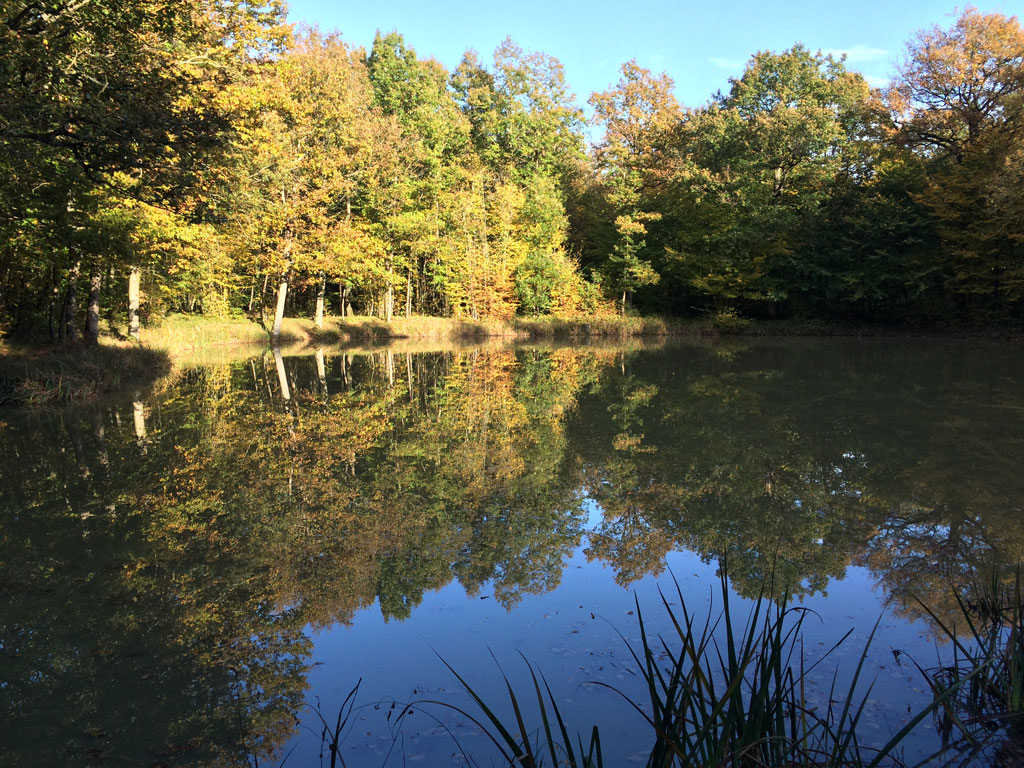
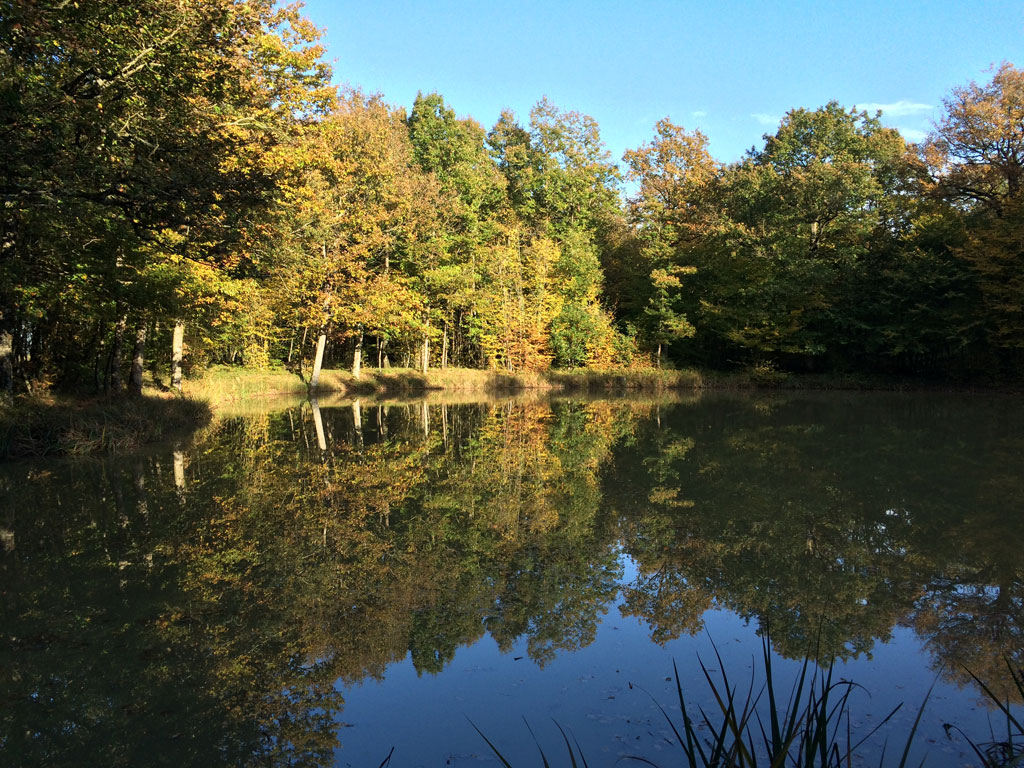
Autumn pond near Lancôme

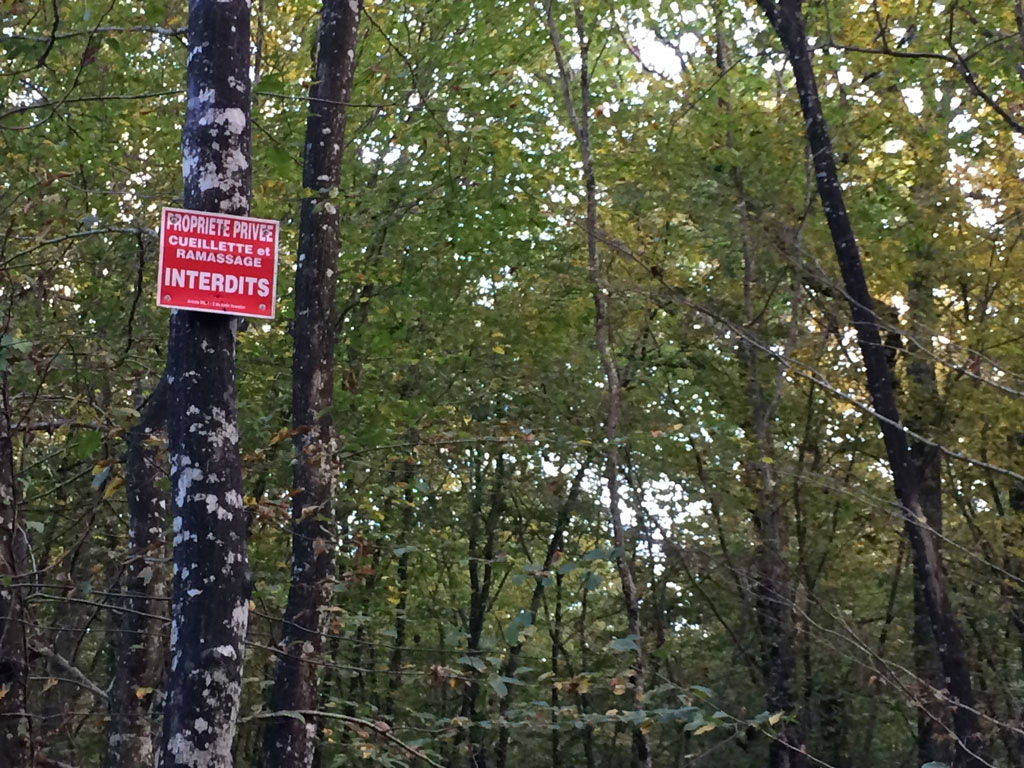
So one day, after some mushroom-producing rain, we drive the 25 minutes to Lancôme. We pull up at the first forest entrance where they is a lovely pond surrounded by autumn colours but also a large sign saying private – foraging and picking prohibited. We get back in the car and drive further. Each time, we find the same signs. In France, unless there is a sign saying keep out, you are allowed to walk in private woods and forests but not to remove anything.

Sign prohibiting the collection of mushrooms and other edibles

Finally, we pull up on the edge of a field just next to some woods and can’t see any warning signs so we change into our big walking boots. I get the baskets out of the car, but Jean Michel advises me just to take a plastic bag just in case it turns out we’re not supposed to be there.

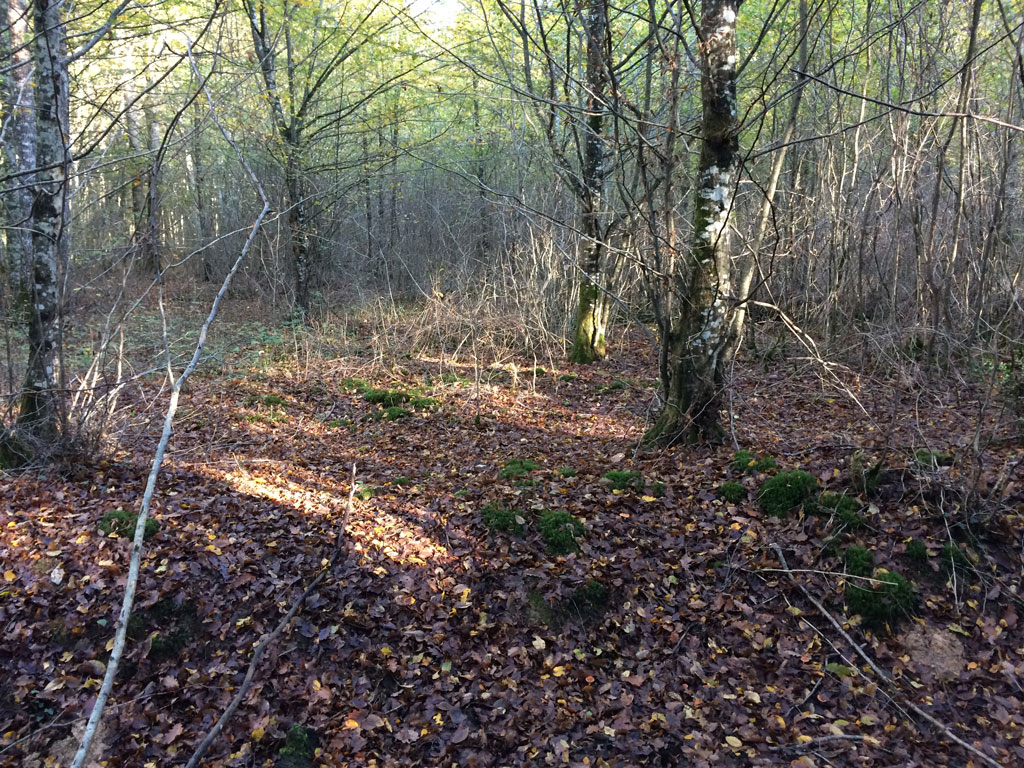
Forest floor with very little light not very good for mushrooms

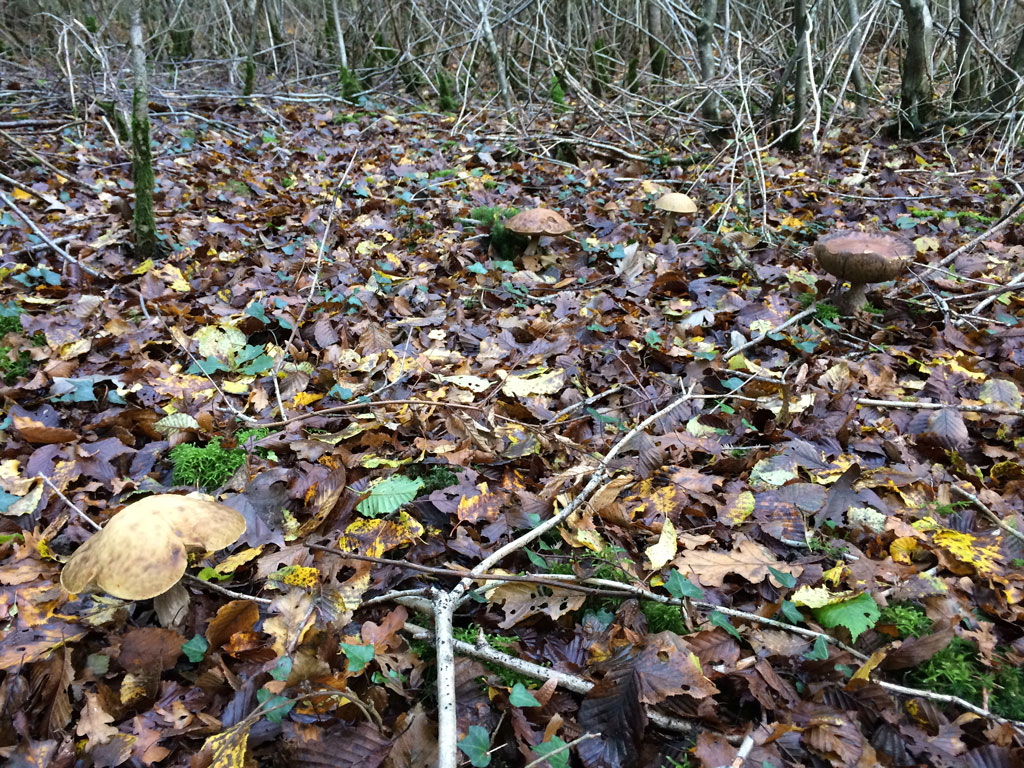
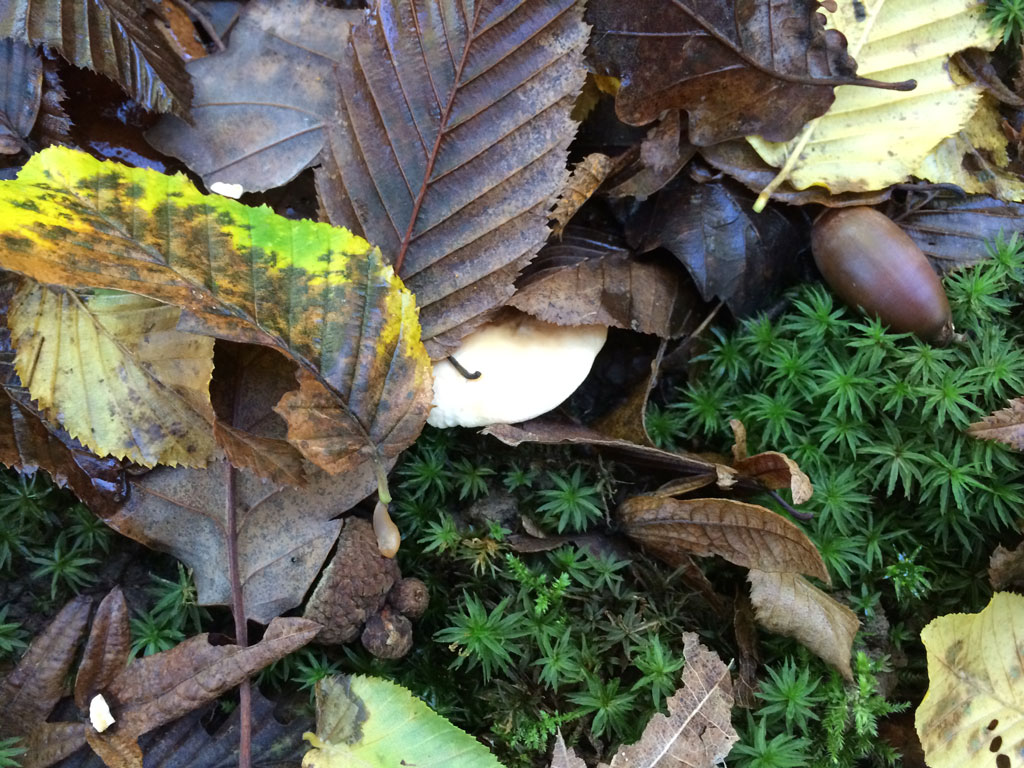
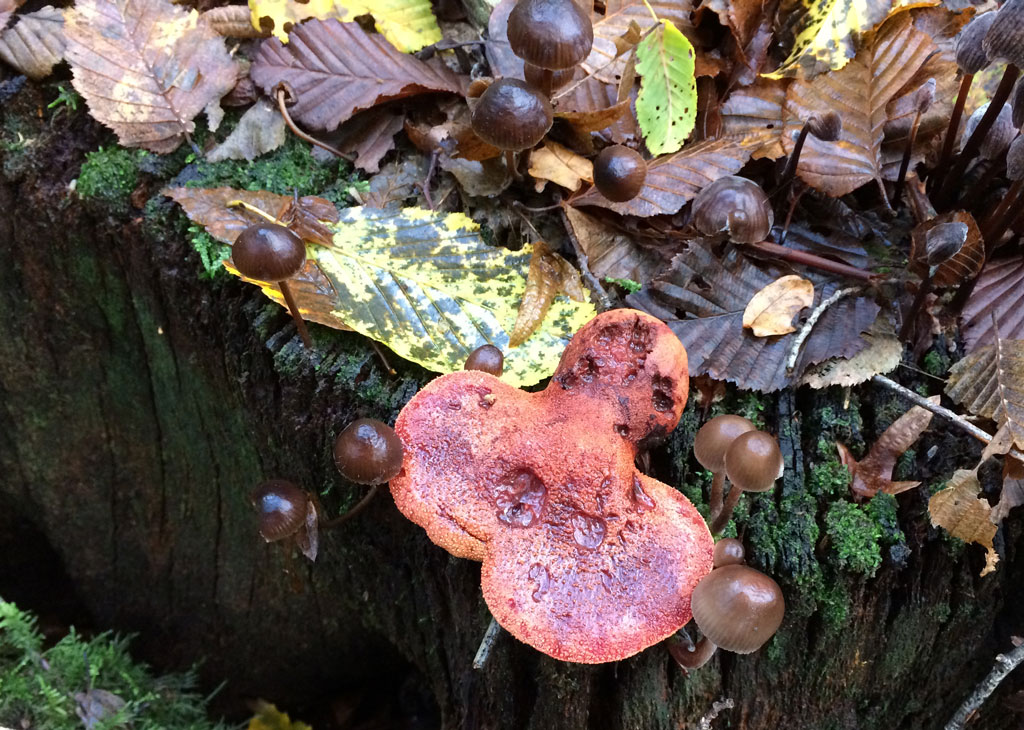
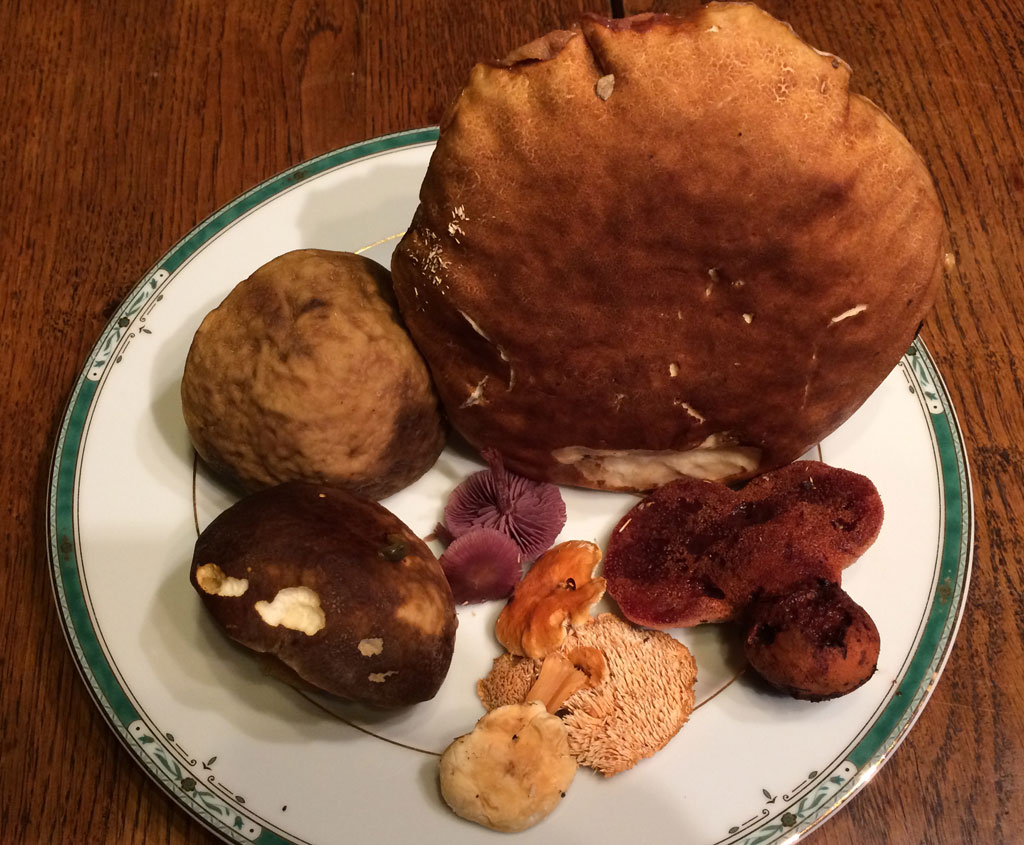
As we penetrate the forest, which has very little light, we gradually start to find hedgehog mushrooms, leccinum griseum, amethyst deceivers and even a beefsteak fungus and a cep de Bordeaux.

You can see the light grey caps of the leccinum griseum if you look closely.

We decide we have enough and head towards the car. As we reach the edge of the forest, we hear a car cruising along the road. Jean Michel immediately tells me to hide behind a large tree trunk and puts the plastic bag on the ground.

A hedgehog mushroom hidden under a leaf

We walk out onto the side of the road and the car stops. A man gets out. “Do I come and take things from your property”, he asks. I don’t say a word, because I don’t want him to hear my accent. Jean Michel takes a hail-fellow-well-met attitude. He explains about the forest workers but says that we’re not interested in going onto private property. We’re only there because there is no sign. “Oh I don’t want to put signs up”, he says.

Beefsteak fungus
Beefsteak fungus

“I suppose you’re looking for mushrooms”, he goes on. “Yes”, says Jean Michel. “Well, there aren’t any”, says the farmer. “Oh, there are”, replies Jean Michel, “but only leccinum griseum and hedgehog mushrooms. No chanterelles.” “I don’t pick mushrooms myself”, says the man. “My forest is for hunting. If I find anyone with mushrooms, I confiscate them and throw them away.”

“”I was looking for you, you know. I saw the car, but couldn’t find you.” “Well, we weren’t hiding”, says Jean Michel. “We’re parked in full view of the road. We won’t be back in any case. We only like to forage in State forests because we don’t like trespassing.”

Our five different mushrooms (we picked 2.2 kilos altogether)

The farmer gets back in his car and we return to ours, but he continues cruising very slowly. We change our shoes and Jean Michel makes a big show of clapping his together to get off the mud off, so the farmer will think we’re leaving. He eventually drives off and Jean Michel sprints into the forest and retrieves our bag.

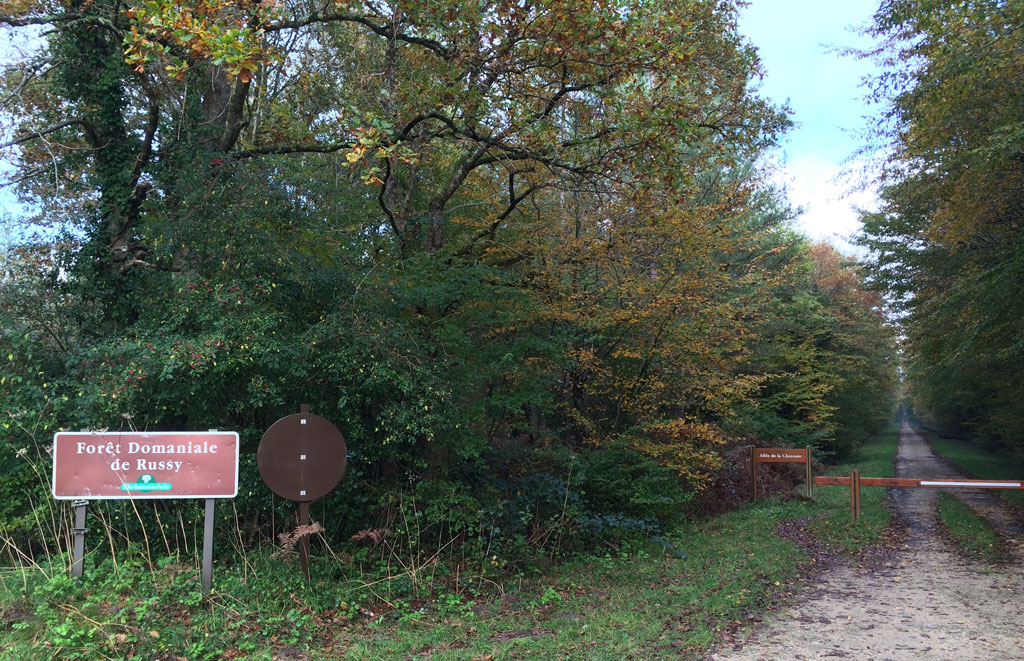
State forest or forêt domaniale where foraging is allowed

We quickly get back into the car and drive off. I can’t believe that anyone would be that devious. If he doesn’t want people on his property, all he has to do is put up a sign. But no, it’s obviously his favourite sport in autumn when he has no work to do on his cereal farm. We certainly won’t be back there again. We’ll make sure we go to a forêt domaniale next time.

Friday’s French – L’été indien, l’été de la saint martin, l’été de Vireux

The exceptional warmth in France (and most of the northern hemisphere from what I can gather) this year has everyone talking – incorrectly as usual – about the été indien which is a literal translation of Indian summer.

A typical day in autumn this year, though technically not an Indian summer because we haven't had any frost yet and it's not November 8 yet!
A typical day in autumn this year, though technically not an Indian summer because we haven’t had any frost yet and it’s not November 8 yet!

The real meaning of l’été indien is a period of unseasonably warm, dry weather after the first frosts in autumn and just before winter. It occurs either in October or the beginning of November and can last from a few days to more than a week or not happen at all.

Most French people use été indien to mean the warm sunny days that we often get in September and then use été de la Saint-Martin or été de Vireux for what is known as an Indian summer, defined by the US National Weather Service as conditions that  are sunny and clear with above normal temperatures, occurring late-September to mid-November. It is usually described as occurring after a killing frost.

The Old Farmer’s Almanac has additional criteria:

“As well as being warm, the atmosphere during Indian summer is hazy or smoky, there is no wind, the barometer is standing high, and the nights are clear and chilly. A moving, cool, shallow polar air mass is converting into a deep, warm, stagnant anticyclone (high pressure) system, which has the effect of causing the haze and large swing in temperature between day and night. The time of occurrence is important: The warm days must follow a spell of cold weather or a good hard frost. The conditions described above must occur between St. Martin’s Day (November 11) and November 20. For over 200 years, The Old Farmer’s Almanac has adhered to the saying, ‘If All Saints’ (November 1) brings out winter, St. Martin’s brings out Indian summer.’ ” Much more strict than our current use.

Saint Martin actually died in Candes on November 8 but the fête de l’été de la Saint-Martin is celebrated on November 11 – don’t ask me why.

Vireux is more problematic. My Robert Etymological Dictionary is still in a carton somewhere (and I can’t find the notebook linking up the carton numbers with their contents …). Vireux normally means noxious but it also comes from virer meaning change, seen in expressions such as virer de tout vent – to be as changeable as a weathercock.

It sound like a plausible explanation, doesn’t it? The idea of changing over to winter.

What do you call an Indian summer in your country?

from the Tropics to the City of Light