An Aussie in France at Berges de la Seine

We’re back in Paris with our heads to the grindstone but it promises to be a lovely evening so we have an early dinner at home (very light – it’s a fast day) and set off through the Palais Royal gardens for the new Berges de la Seine area which Jean Michel hasn’t seen yet.
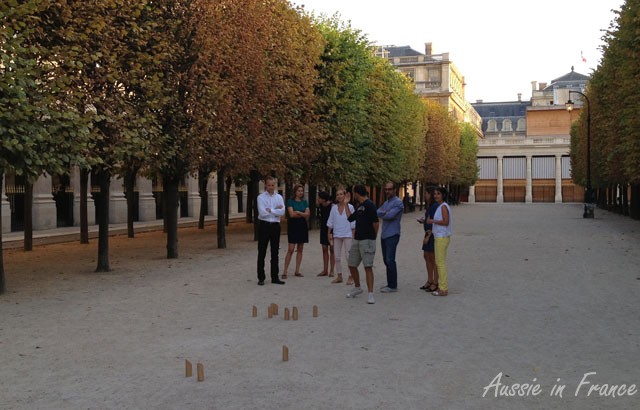
People in the Palais Royal Gardens playing an unknown game

Berge, which has the same origin as “verge” in English, actually means a natural river bank in areas where there are no embankments, but has come to be used in Paris to mean the embankment along the Seine. Up until recently, the berges on both sides of the river were used as an expressway but on 19th June this year, 2.3 km along the left bank between the Orsay Museum and Alma Bridge were officially closed to traffic.
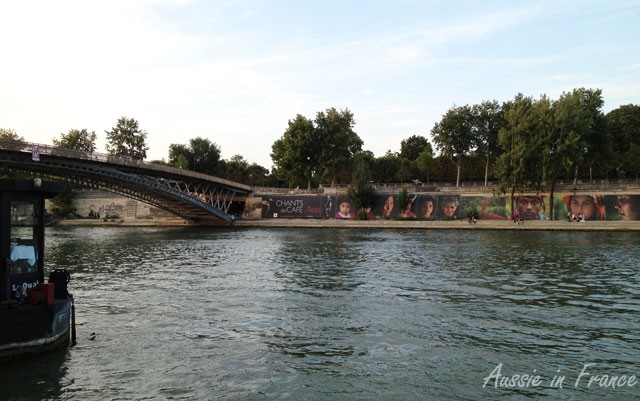
Photo exhibition along the Seine

Les Berges de la Seine are now dedicated to pedestrians and cyclists, with various sporting and cultural installations, river boats and barges, picnic areas, restaurants, bars and gardens along the promenade. And they are packed with people of every age.
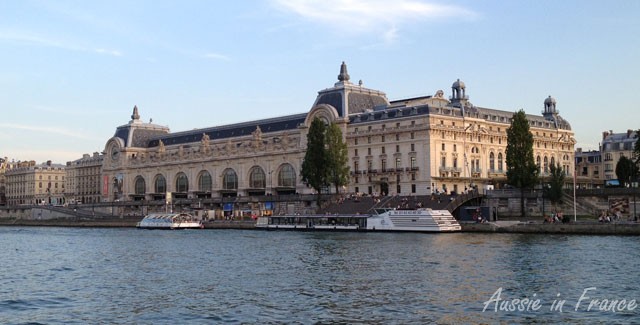
Orsay Museum from Solferino footbridge

Our first stop, after walking across the Solferino footbridge between the Tuileries Gardens and the Orsay Museum, is an enormous green world map. The first time I came, I had Mary Kay from Out and About in Paris take a photo of me standing in Australia.
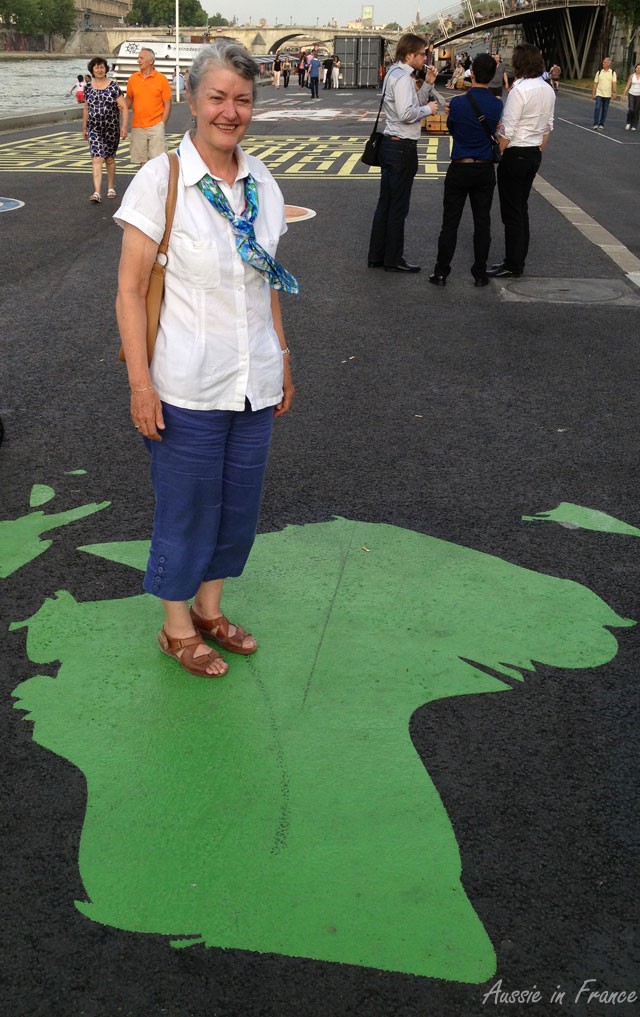
An Aussie in Australia

This time, I want to be an Aussie in France. Jean Michel has to take fourteen photos before I’m satisfied. I may have difficulty making my final choice.
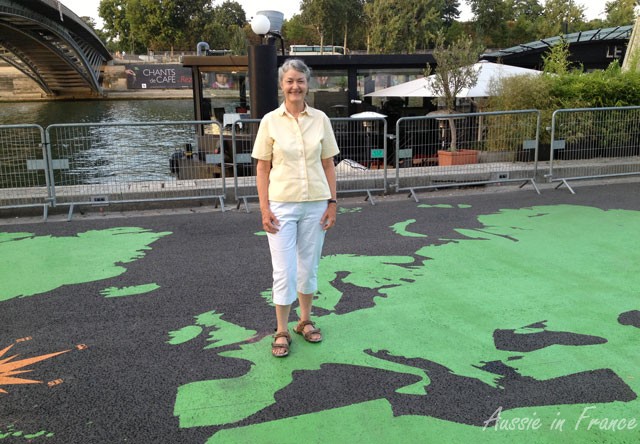
An Aussie in France
An Aussie in France

I love the way they’ve used salvaged beams and containers for the installations. Jean Michel is disappointed though. He says it looks cheapskate. But the people using them as picnic tables and seating obviously don’t care. It’s so much more comfortable than sitting on the ground and they can accommodate far more people than a few picnic tables would.
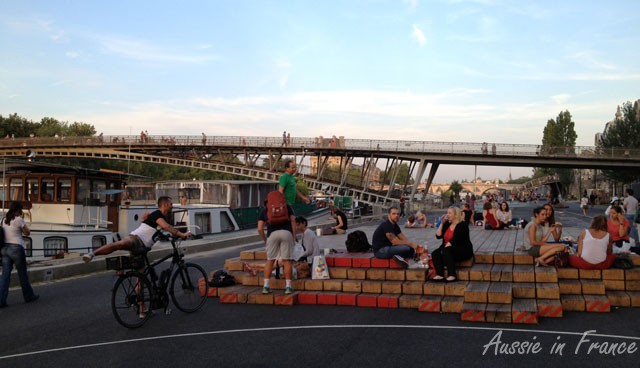
Beams provide seating and picnic tables

The grey containers can be reserved, free of charge, by the hour, as a place to relax or work in. Quite a few have an Occupé sign but we can’t see anyone inside.
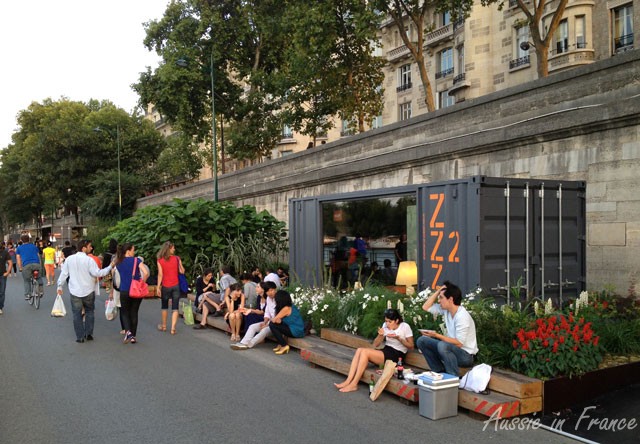
A container that you can book to relax or work in

I note that there are public toilets, but I don’t check them out. No one seems to be queuing though so perhaps there are enough for once. I don’t understand the lack of toilets in this country. Often in a restaurant you find yourself standing in line because there is only one and it has to be shared by men and women.
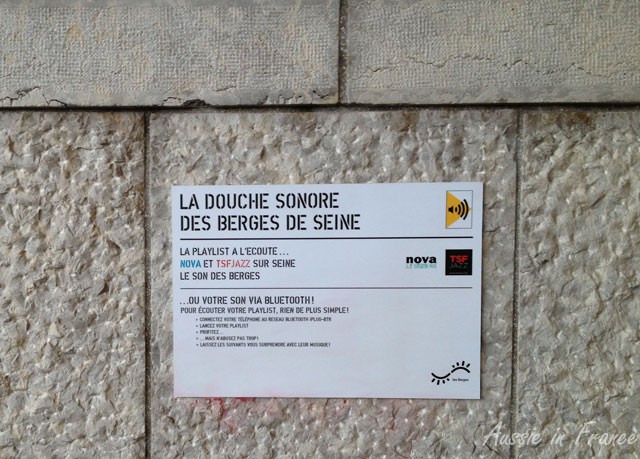
The "sound shower" under Pont de la Concorde
The “sound shower” under Pont de la Concorde

Further along, under Pont de la Concorde, there is a “sound shower” to connect your mp3 or smart phone via Bluetooth and fill the vault with your own music. It doesn’t seem to have caught on though because the only sound is the humming of human voices and the lapping of the waves as the tourist boats go by.
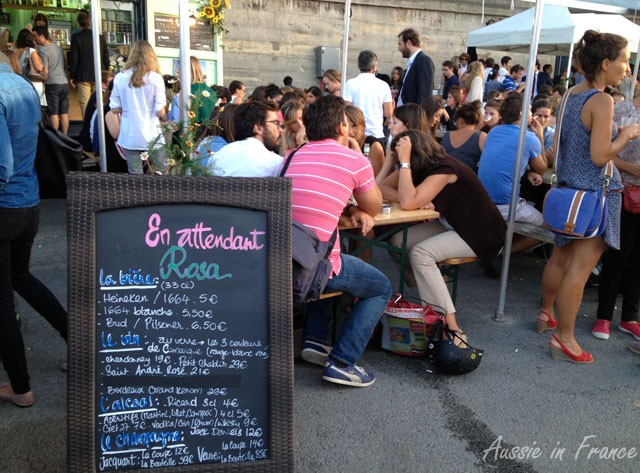
En attendant Rosa
En attendant Rosa

We walk past the main eating area where containers have been converted into kitchens and bars and see there’s a long queue in front of En attendant Rosa (While Waiting for Rosa). There’s no distinction in the seating between people buying from the stalls and those who have brought their own picnic.
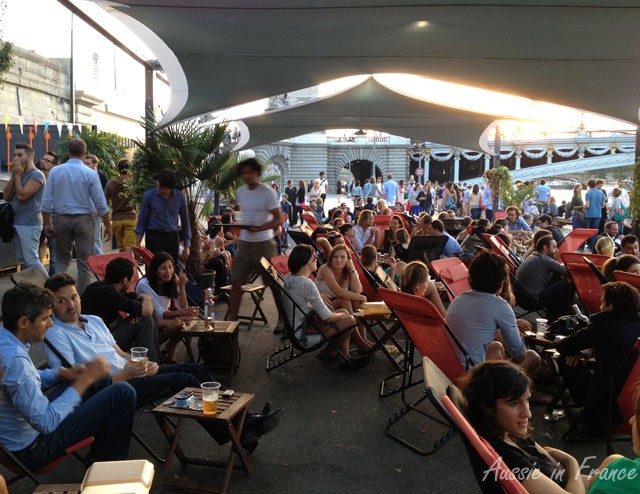
Deck chairs on the Berges

I like the covered deck chair area but it’s chockablock as well.
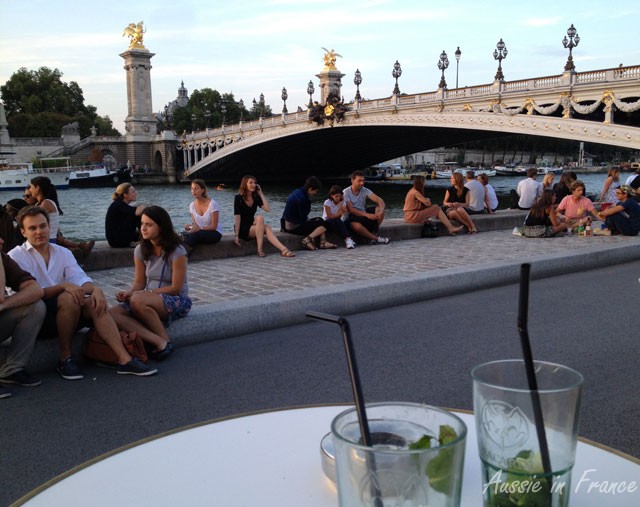
Having a drink at Faust's with a view of the Alexandre III bridge
Having a drink at Faust’s with a view of the Alexandre III bridge

We come out on the other side of the beautiful Alexandre III bridge and spy the last table at Faust’s. We sip our Coca Zero (remember, it’s a fast day) and watch the sun set peacefully over the Seine.
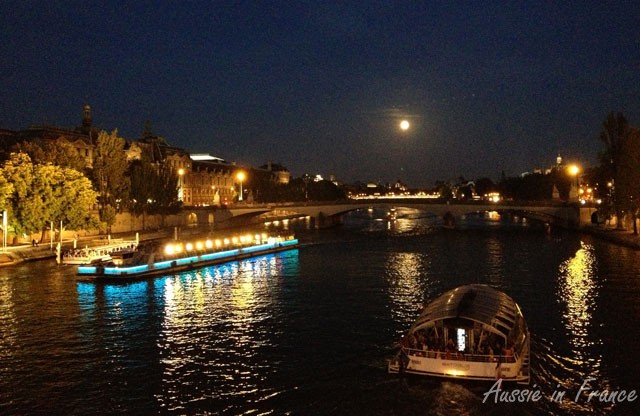
Full moon over the Seine on the way home
Full moon over the Seine on the way home 

“I’m going to buy one of those flat-bottomed boats so we can glide along the Loire after dinner”, says Jean Michel as we’re walking home with an enormous full moon in front of us. “I’ll make sure it’s big enough for you to have a deck chair so you’ll be comfortable.” I love my husband.
Stinky Cheese – Provence: Expect the Unexpected – Rambling through Riquewihr and the Alsace Wine Route

I’ve showcased three Australian blogs on this Wednesday’s Bloggers’ Round-up. Susan from Days on the Claise explains about stinky French cheese, while Kathy from Femmes Francophiles recounts a very exciting experience in Provence. Carolyn from Holidays to Europe takes us on a brief tour of the beautiful region of Alsace. Enjoy!

Stinky Cheese

by Susan from Days on the Claise, an Australian living in the south of the Loire Valley, writing about restoring an old house and the area and its history and running Loire Valley Time Travel

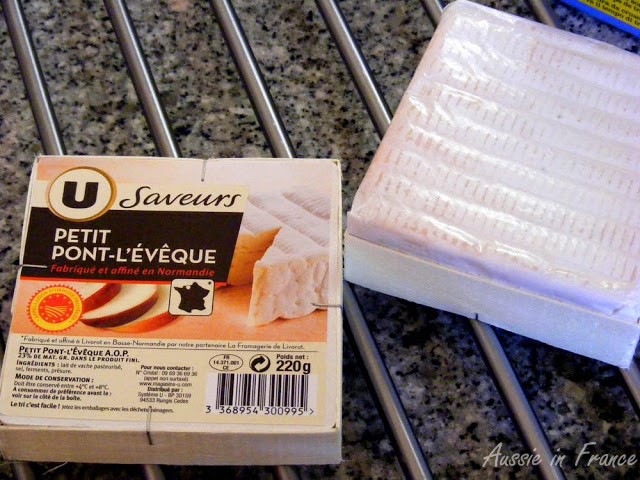
pont_levequeFrance is famous for its cheese, and quite a few French cheeses are distinctly aromatic. One of the stinkiest comes from the area between Deauville and Lisieux in Lower Normandy. Simon loves to tell people the story of us spending Christmas in the area and taking a block of the local Pont l’Eveque cheese home on Eurostar.

The other day he announced that the fridge smelled, as if there was stinky cheese in there, but he couldn’t see the source of the aroma and was mystified. Read more

Provence: Expect the Unexpected

by Kathy Stanford from Femmes Francophiles, an Australian who has an ongoing passion for France and the French language currently on holiday in Europe

expect_unexpectedLast week I returned to Catherine’s large home near the village of Sarrians in Provence having spent a week in her Paris apartment. I met Catherine earlier this year to arrange a home exchange in 2014. I consider myself extremely fortunate to house and cat sit for her for her. Catherine picked me up from the very modern Avignon TGV station which reminds me more of an airport than a railway station.

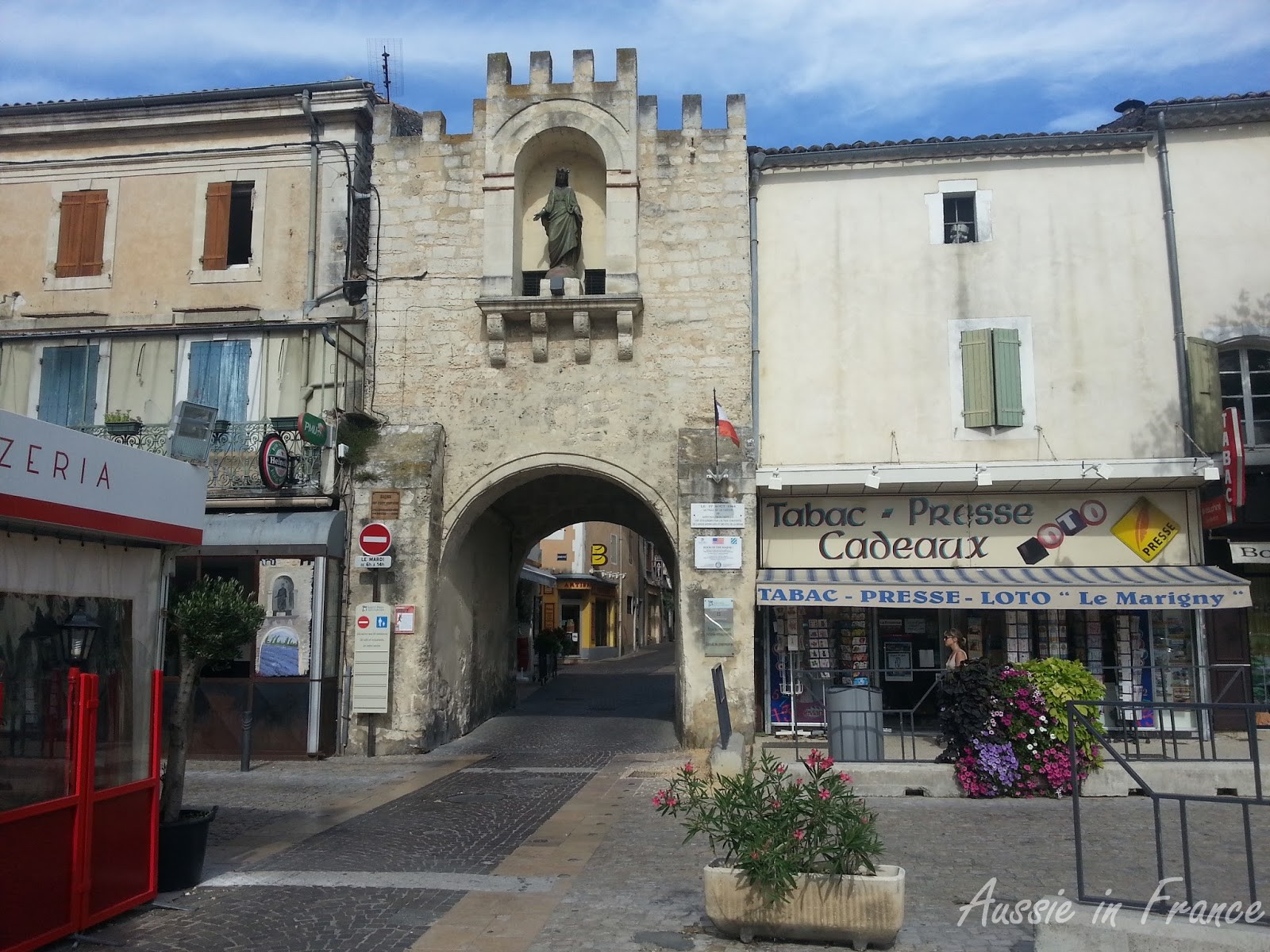
We drove directly to the village of Saint-Paul-Trois-Châteaux where she had an appointment. I was looking forward to exploring the village’s picturesque historic centre. Read more

Rambling through Riquewihr and the Alsace Wine Route

by Holidays to Europe, an Australian based business passionate about sharing their European travel expertise and helping travellers to experience the holiday in Europe they have always dreamed of

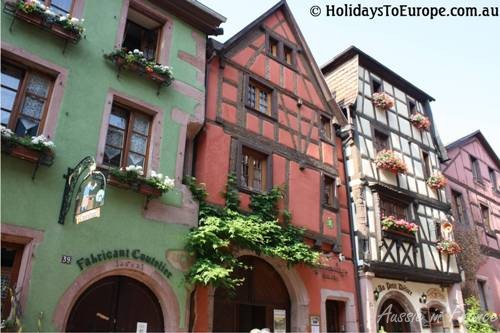
riquewihr-buildingsLakes or mountains (and often both) are usually essential reasons that make me fall in love with a town or region and include it on my ‘absolute favourites’ list. On my most recent trip to the UK and Europe, however, two regions without either a significant lake or mountain have knocked me for six and stolen my heart. The first region is the Cotswolds in England and the second, France’s stunning Alsace region. Read more

Last of Summer in Blois and Stendal

Today was our last day of summer in Blois. And, despite the sun, there was a slight chill in the air. We know that the next time we go there, in mid-September, autumn will be on its way. We had hoped that waiting until Monday night to go back to Paris after the Assumption weekend would mean less traffic, but we’re not so sure.

Morning view at Closerie Falaiseau

Before we left the house this morning, we chatted with our current guests at Closerie Falaiseau, Karin and Lothar from Stendal in Germany which is a mere 2,200 kilometers from Blois. They drove 1500 K the first day and 700 K the second , which sounds very Australian, doesn’t it? Karin explained that their home town of Stendal has a French connection. The well-known French author, Henri Beyle, author of Le Rouge et le Noir and La Chartreuse de Parme (1783 to 1842), is believed to have chosen the pseudonym of Stendal  in hommage to  the German writer Winckelmann from the town of Stendal.

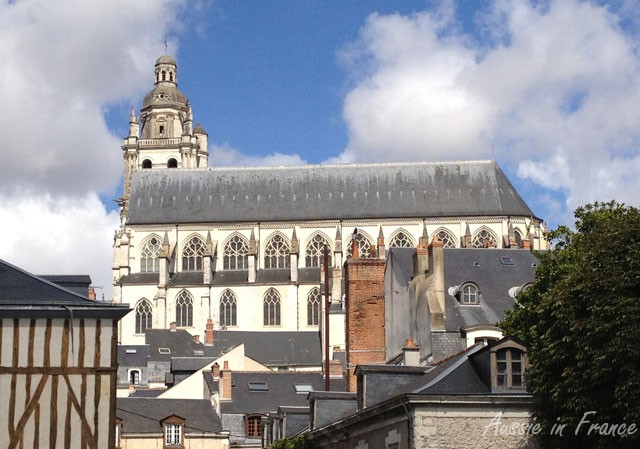
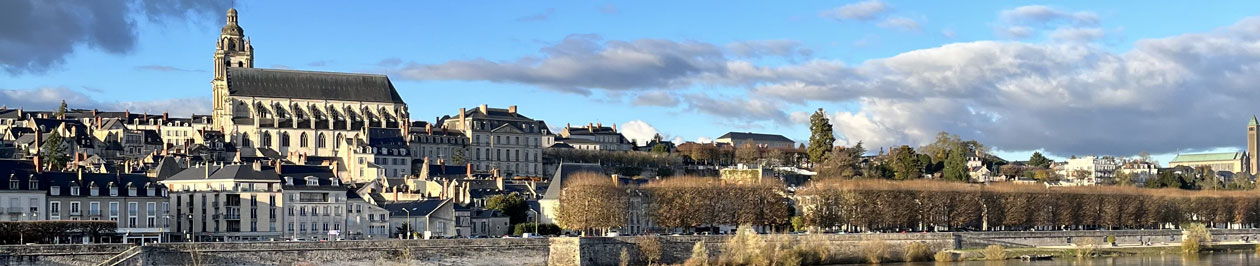
Blois Cathedral seen from the esplanade along the river

The first thing on the programme for the day was a photo shoot in Blois as we wanted to take enough photos for Blois Daily Photo to last until we come back again. I just took my iPhone but Jean Michel took his Canon 1DS 24/36 which has a special lens that takes photos of buildings without distorting them, unlike mine where I have to stand as far back as I can.

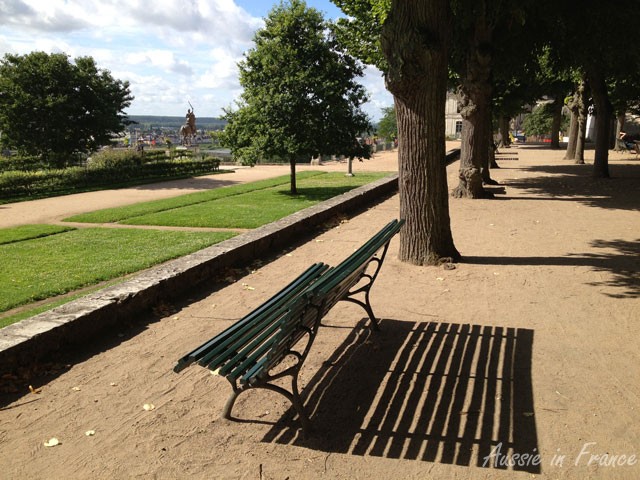
A bench casting shadows in Jardin de l'Evêché in Blois
A bench casting shadows in Jardin de l’Evêché in Blois

We parked along the Loire on the Mail which is what they called the Esplanade here and wandered up the hill to the Jardin de l’Evêché (Bishop’s gardens) behind the Cathedral, feeling very much on holidays. I love the shadows cast by the morning light.

Saint Jacques fountain in Blois

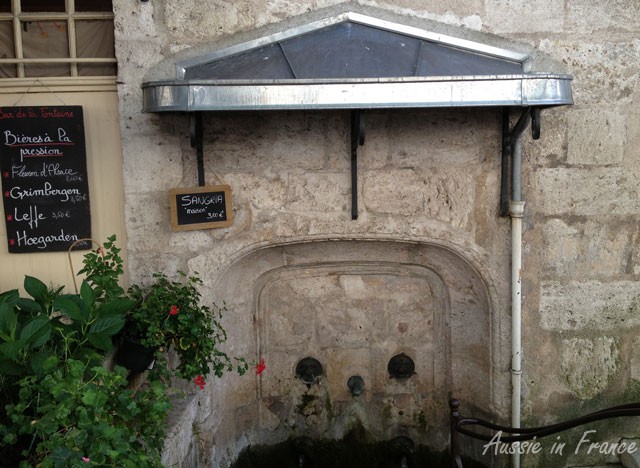
Our last port of call was the Saint Jacques fountain which I had discovered on a previous occasion. It’s just next to the Restaurant de la Fontaine Saint Jacques. I asked the waiter if it would be alright if we momentarily took down the Sangria sign and he very kindly removed it until we’d finished our photos.

My favourite photo in the Blois photo competition

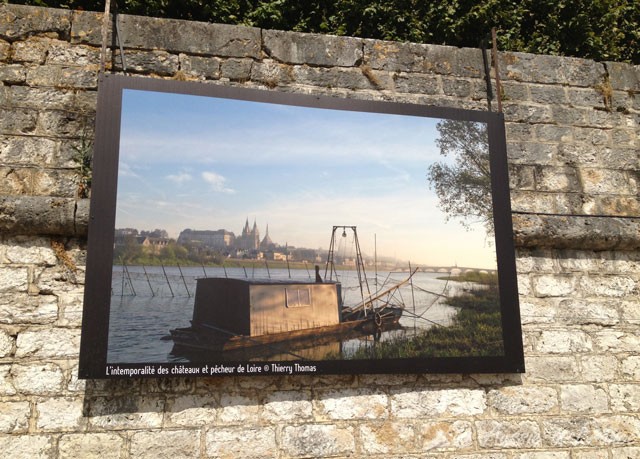
Before leaving Blois, we checked out this year’s amateur photo competition on the banks of the Loire. Next year, we hope we’ll be able to enter it. This year’s theme was “L’insolite” – the unexpected. My favourite photo was an old gabarre flat-bottomed fishing boat by Thierry Thomas.

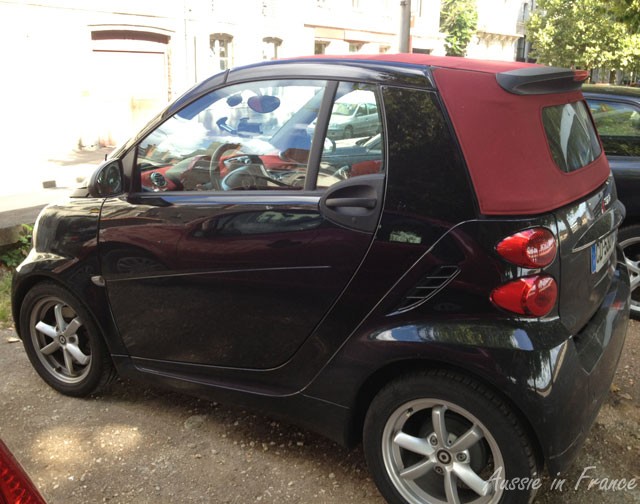
A snazzy red and black Smart car

And, coincidentally, what should be parked just next to us on the Mail? This very snazzy rouge et noire Smart Car!

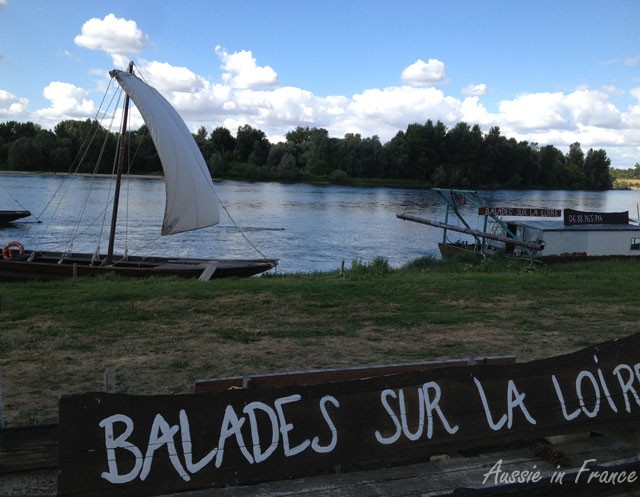
A gabarre flat-bottomed boat ready to take tourists on the Loire at Château de Chaumont

After a late lunch, we packed the car and drove to Chaumont to try out a new cycling itinerary, upriver a short distance, then down to Valliers les Grandes, across to Souvigny en Touraine, up to Mosnes, then along the river again to Rilly sur Loire and back to Chaumont.

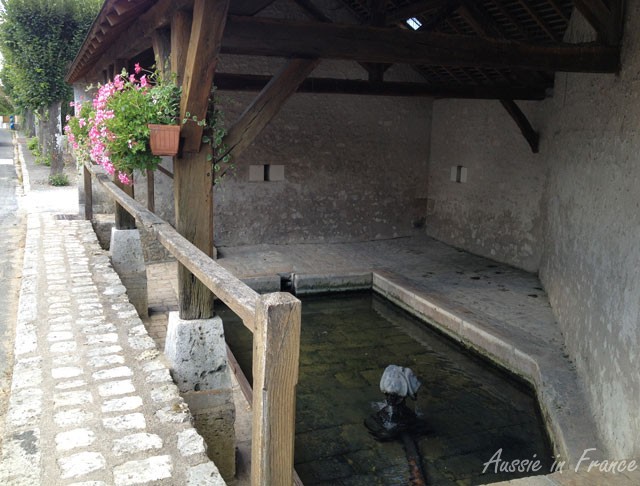
A lavoir with an interesting fountain head in Valliers les Grandes

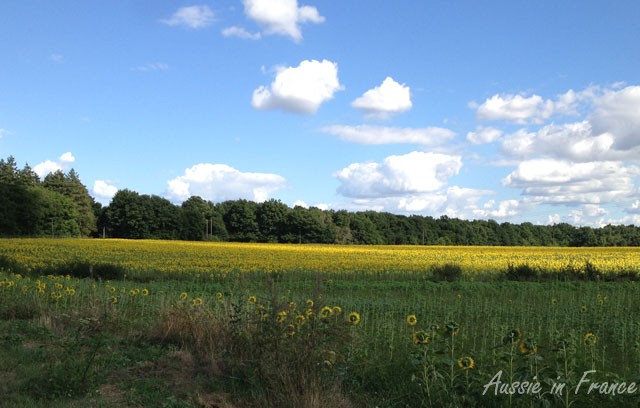
It turned out to have lots of hills, especially quite a steep one at the beginning. We saw two lavoirs, four churches and several historical homes and lots of sunflower fields which in French are called tournesol . I always thought they turned in the direction of the sun. However, these were facing east and not west. Perhaps someone has an explanation.

Sunflowers facing away from the sun!

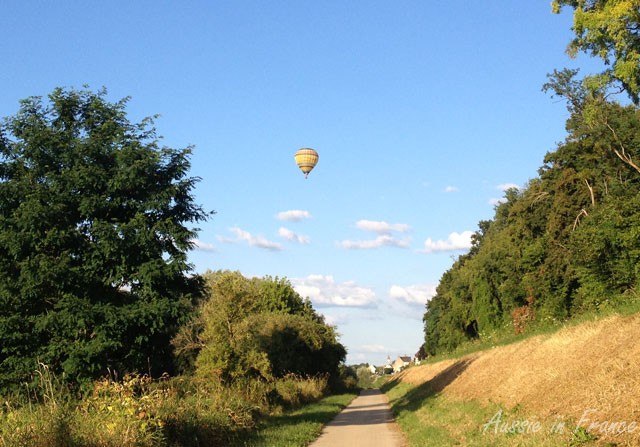
I had just remarked that we hadn’t seen any hot air balloons – you can usually see a half a dozen in the sky at once late afternoon and early morning – when we saw one just ahead of us and quite low down, travelling very quickly towards Chaumont and no doubt on to Chenonceau.

A hot air balloon on the bike path near Château de Chaumont

The original 25 kilometers somehow turned into 35 because we changed the starting point and took a wrong turning at one stage and it was 8.30 by the time we got back to the Little House for our last barbecue of the season. And now we’re sadly on our way back to Paris and work.

Monday’s Travel Phots – Krems an der Donau, Austria

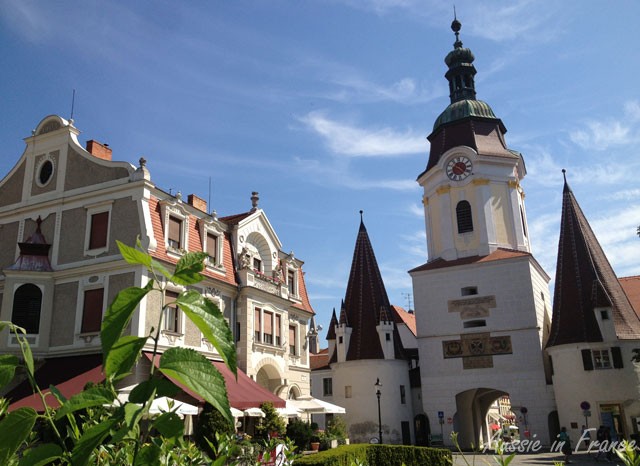
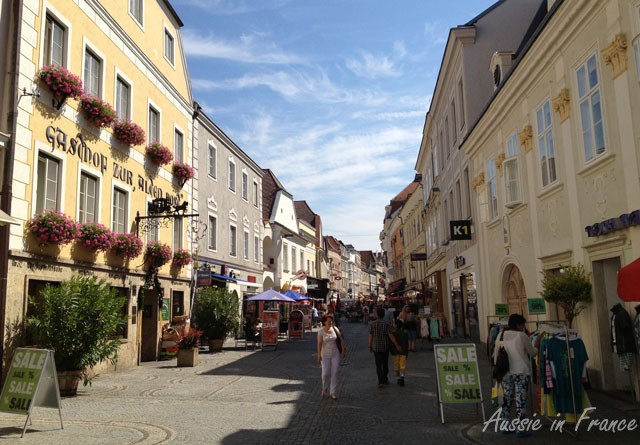
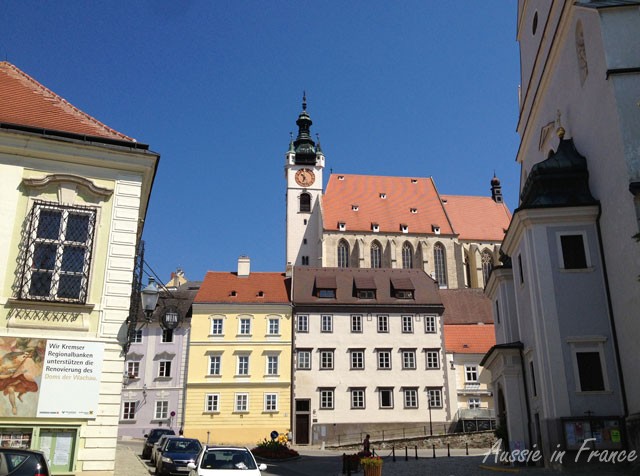
Krems is a pretty town of 24,000 inhabitants at the confluence of the Krems and Danube Rivers at the eastern end of the beautiful Wachau Valley in Austria, and about 70 kilometers from Vienna.

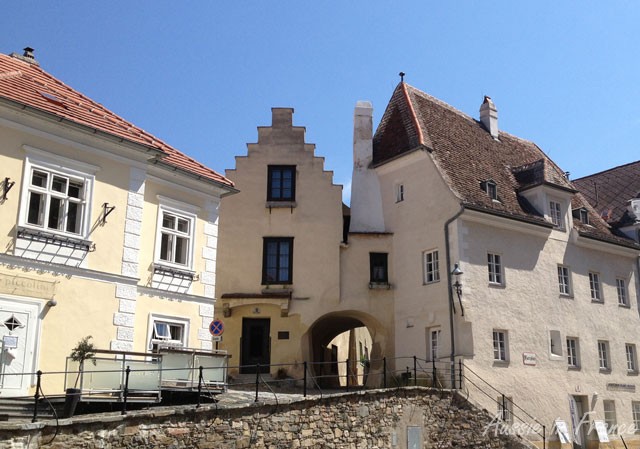
Steiner Tor at the entrance to the old town
Main street of Krems
Piaristenkirche gothic church in Krems
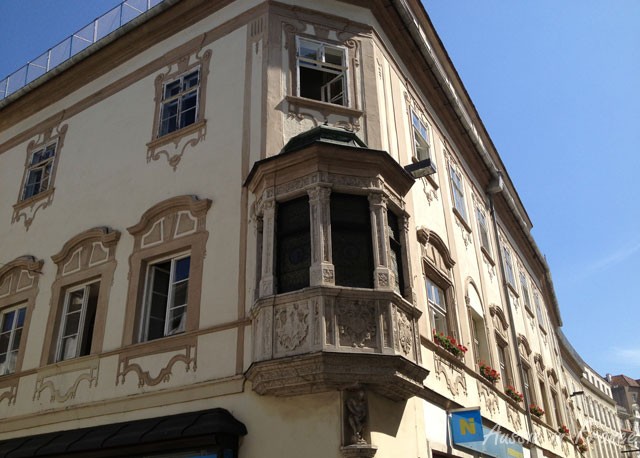
Typical oriel window
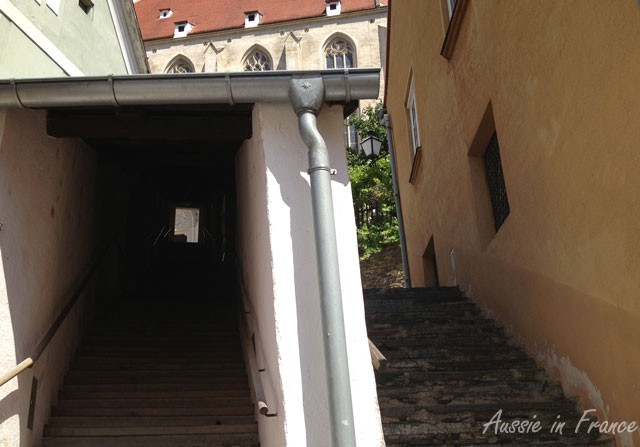
Covered stairs leading up to the church, very typical in the Wachau Valley
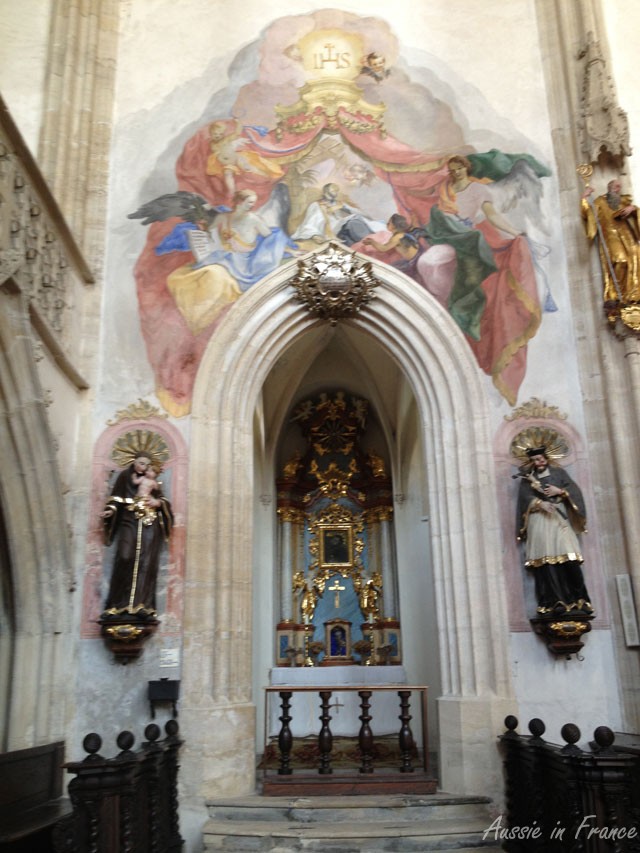
Wall painting in the Piarist church
Houses in the old town
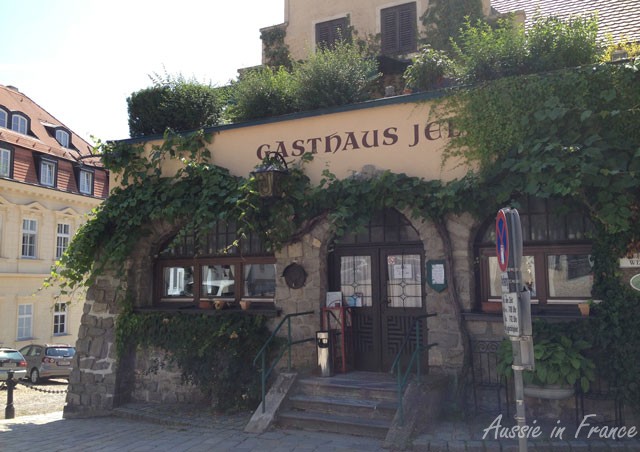
An old gasthaus in Krems
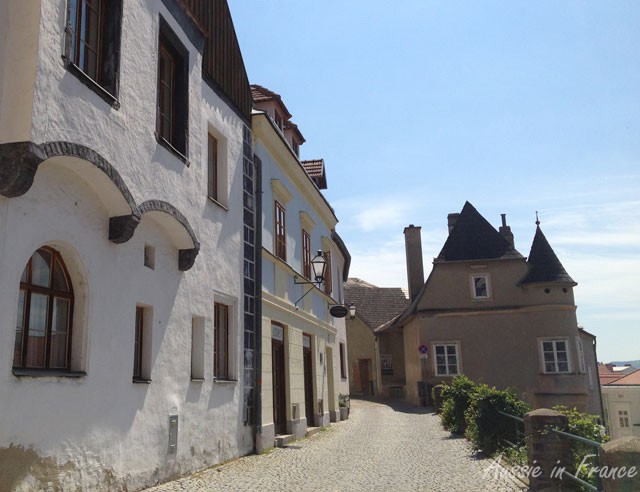
Turrets and white washed walls


French wine in cans – what is this?

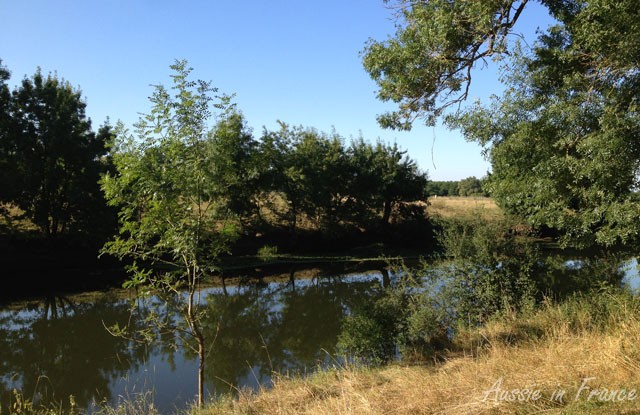
We’ve just cycled from Château de Chaumont to Candé sur Beuvron, a lovely little path through shady woods along the Beuvron River on the Loire à Vélo circuit.

Beuvron River from the cycle path between Chaumont and Candé

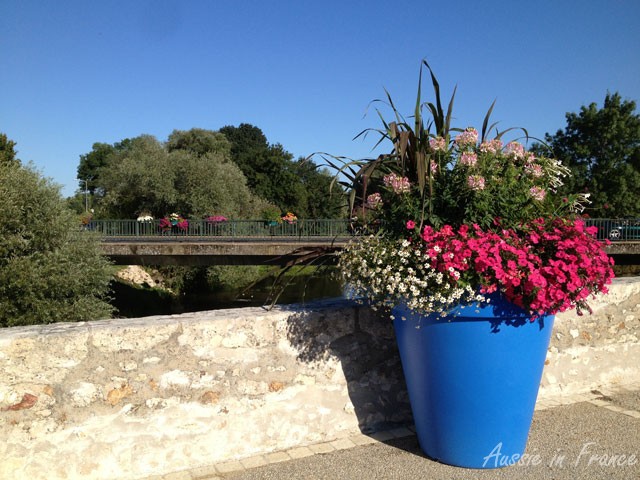
We reach the village and discover that renovations on the  pedestrian bridge are finished and that it’s decorated with enormous brightly coloured flower pots.

Giant flower pot on the pedestrian bridge at Candé sur Beuvron

We’ve already been here and have only found one bar open. Another cycling couple (French) are already having a beer. Jean Michel goes inside to ask for a Coca Light (Diet Coke) and comes back to say that there only have normal Coke.

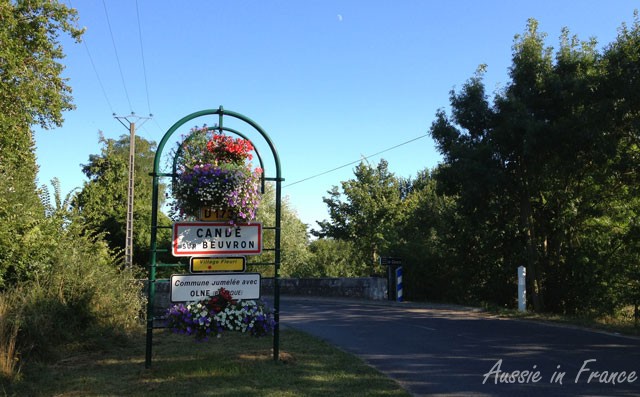
Road entrance to Candé sur Beuvron

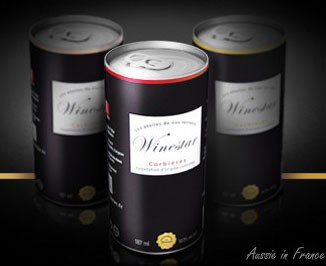
We’re in a wine-growing region and Candé is in the AOC (appellation d’origine contrôlée) area of Cheverny so I say, “Un verre de vin local“. The lady comes out with a CAN OF WINE. I look at it askance. Winestar, it says.

“You can look like that”, she says, “it’s excellent wine”. Yeah, in a can … It isn’t even local wine but corbières from the south of France. I have never heard of WHITE corbières, what’s more.

Canned wines - photo taken from WineStar website
Canned wines – photo taken from WineStar website

The beer-drinking man at the other table says, “It’s a French invention. It’s just come out. Very popular.” “Eu, they’ve had it in Australia for years”, I reply.

We taste the wine which is drinkable, but that’s about all. The lady returns, “So, what do you think?”. I don’t trust myself to reply but Jean Michel says “c’est buvable mais ce n’est pas un vin local.” “C’est un vin excellent“, she says huffily and walks off. An excellent wine indeed! “Caractérielle“, says Jean Michel when she’s out of earshot. “Elle est caractérielle cette femme” which roughly means that she has personality problems.

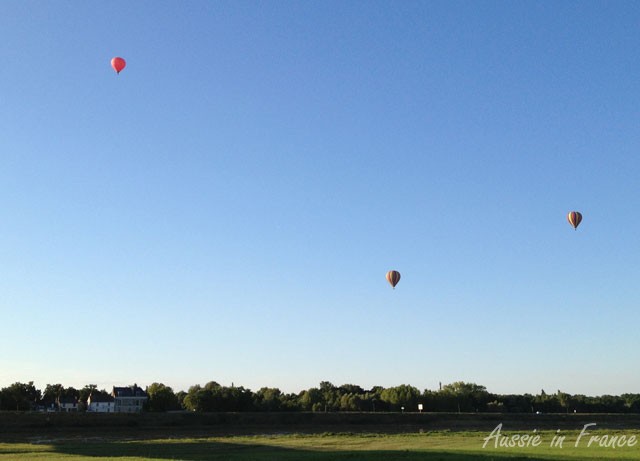
Three air balloons near Chaumont

We finish our little glasses and cycle back to Chaumont, just in time to see a half a dozen air balloons taking off from the other side of the Loire.

I check out Winestar on the Internet when I get home. You guessed it, Winestar* is a wholly-owned subsidiary of WineStar Pty Ltd. based in Melbourne!

*I’ve since learnt that Winestar in France has nothing to do with WineStar in Melbourne, which is strange considering intellectual property law.

Friday’s French – feu

A Facebook comment by an Australian cousin currently living in France has inspired this post:

Dear smokers of France,
Although I have an odd accent, I will understand you if you ask me for a lighter. Making expansive gestures and asking “Do you ‘ave zee fire?” is only going to result in me busting out some sweet dance moves to prove that yes, I do indeed ‘ave zee fire.

Vous avez du feu?” is a well-known opening gambit in French among cigarette smokers. It’s a classic example of how a word in one language can have an entirely different meaning in another.

Feu is used in a large number of French expressions, starting with cars and traffic lights.

feu antibrouillard = fog light or lamp

feu arrière = tail or rear light

feu clignotant = flashing light/blinker/indicator

feux de croisement = dipped headlights, low beams

feux de détresse = hazard (warning lights), usually called warning in French, pronounced waa-ning.

feux de recul = reversing/back-up lights

feu vert/orange/rouge = green/amber/red light, traffic lights and feu rouge is more specifically used to mean traffic lights in general e.g. tournez à gauche au prochain feu rouge = turn left at the next set of traffic lights, which is a bit odd if you think about it because you should really be turning at the green light!

Bonfire is interesting, because it’s called a feu de joies in French in reference to the fact that it provides a warm place that people can gather around at nighttime and enjoy themselves. Despite appearances, the “bon” in “bonfire” does not mean “good” but “bones”, originally denoting a fire on which bones were burnt, or for burning heretics. Much nicer in French!

Not surprisingly, a coup de feu is a gunshot, like our gunfire.

The hot plates on the stove are also called feux which means that a stove with three burners or rings is a cuisinière à trois feux though this is probably dying out as more ceramic cooking tops come into use, giving trois plaques.

An expression that’s really expressive is Il a le feu au cul, because it so exactly describes drivers that tear past you on the motorway, flashing their headlines for you to get out of the way when you’re already sitting on 130 kph. It has sexual meaning as well. Cul is a three-letter word for backside. I could probably do a whole post on it alone but the blog would be inundated with spam as a result! Suffice to say that there are a whole lot of expressions connected with the word.

After 500 Years, Tour Saint-Jacques Temporarily Opens to the Public – Lavender fields of Haut Provence: a photo essay

Three very different posts have caught my eye this week for Wednesday’s Blogger Round-up. Mary Kay from Out and About in Paris informs us that the recently restored 500-year-old Tour Saint-Jacques in Paris, the starting place of the San Diego de Compostela pilgrimage, is open temporarily to visitors. Phoebe from Lou Messugo takes us through the stunning lavender fields of Haute Provence. And to finish off, the inimitable Bread is Pain talks about the question of changing personalities when you speak another language. I couldn’t agree more! Enjoy.

After 500 Years, Tour Saint-Jacques Temporarily Opens to the Public

by Mary Kay from Out and About in Paris, an American by birth, Swiss by marriage, resident of Paris with a Navigo Pass for the metro that she feels compelled to use

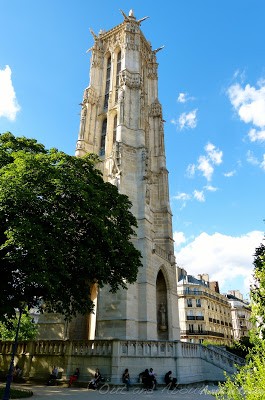
saint_jacquesWhile Stéphane and I were sipping glasses of Perrier menthe and rosé on the terrace of Café Nemours on Friday evening, my ears perked up when I overheard an American couple at the table behind us talking about the 360-degree panoramic view of Paris from “that tower”. When the woman added that the vista of all the famous Parisian monuments was well worth the climb even though it had been hard on her knees, I nudged Stéphane in the ribs and whispered, “They’re talking about the Tour Saint-Jacques, the one I want to visit this weekend. We’re going to have to get up really early on Sunday morning to make reservations.”

After being closed to the public for most of its 500 year history, the Tour Saint-Jacques received permission to temporarily open its doors to visitors from July 5 until September 15, 2013.Read more

Lavender fields of Haut Provence: a photo essay

by Phoebe from Lou Messugo, a traveller, francophile, expat, mum and foodie now living in Roquefort les Pins where she runs a gîte after many years of travelling and living in Asia, Eastern Europe and Australia

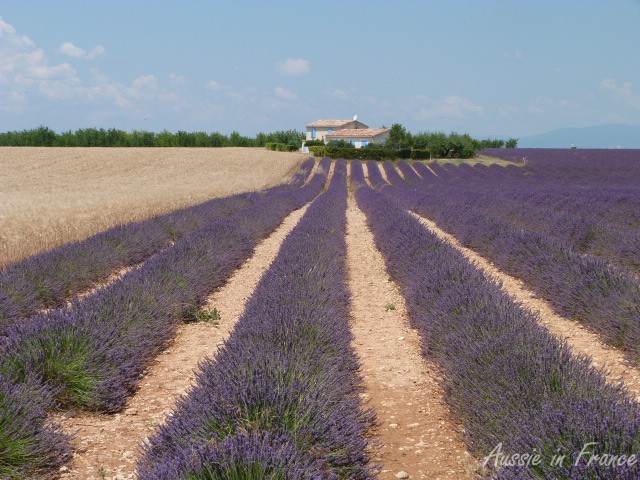
lvndr5Last weekend we went to see the lavender fields in Haut Provence, something that’s been on my bucket list for a while now and I wasn’t disappointed.  That was a typically British understatement; I LOVED it! It was absolutely gorgeous.  The views, the smells, the colours, the bees, everything was just sublime. It was so great that I now want to go back and stay over night to be able to photograph the fields in the early morning and evening light.  Read more

Schizofrenchia

by Bread is Pain, a 30-something American living in the Rhone-Alps, getting her master’s degree, learning French and slowly eating and drinking herself through the country

From the corner of my eye I see my Mother watching me with a wry expression on her face.  I give her a look as if to say “quoi?!” and return to my conversation.  I am discussing, in French, the various differences between French culture and American culture with MB’s family; nothing out of the ordinary is being said so I am perplexed by my Mother’s seeming amusement.  Finally the conversation comes to an end and I stalk over to her in the corner.

“What was that, Mom?”  I ask, while mimicking the face she was giving me during the conversation. Read more


Paris in August – where have all the people gone?

At the Sainte Eustache market on Sunday, there were only two regular stalls – fruit & vegetables and fish and certainly no oysters! There were a couple of other people selling jewellery and scarves. When we arrived, there was absolutely no one at the fruit & vegetable stall and the three vendors were looking very glum. They expect next Sunday to be even more deserted and probably won’t be there.

Free parking spaces in our street in the middle of Paris

As we walked down our street on the way back, I was pleasantly surprised to see that there were not only free parking spaces but that the cars weren’t bumper to bumper as they usually are. Sometimes we can hardly get the trolley through the spaces in between.

Rue Viledo looking completely deserted
Rue Viledo (Telescope coffee shop on the left) looking completely deserted

I can imagine that visitors must be very disappointed to find half the restaurants and shops closed, except in the very touristy areas, and the markets more than half empty.

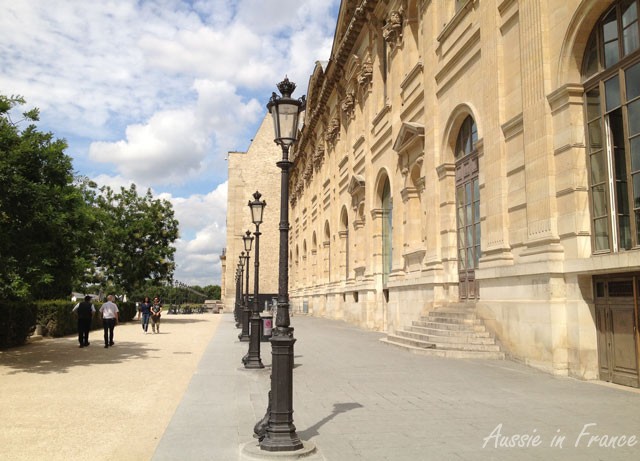
Back of the Decorative Arts museum next to the Louvre
Back of the Decorative Arts museum next to the Louvre on a hot August day

The first half of August, up until the public holiday of the Assumption on 15th August, is traditionally the quietest part of the year in Paris, particularly if 15th is a Thursday and makes a very long weekend. It’s all due to the weather of course. This year, we had an exceptionally hot July but most people prefer to go to the coast or country in August when they’re more likely to get some sun and decent temperatures.

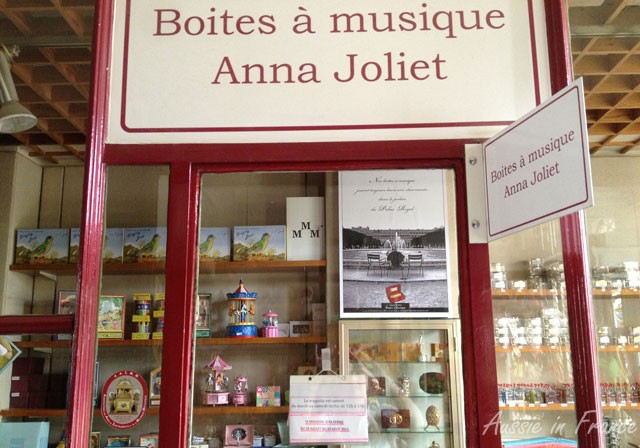
Closed until 19th August - the music box shop in the Palais Royal
Closed until 19th August – the music box shop in the Palais Royal

There’s a saying that after 15th August, le temps se gâte – the weather deteriorates. Last year was not the case; we were painting the front gate and cycling in Blois in a heat wave. But with the rentrée not far away at the beginning of September, most people prefer to be back home getting ready for the new school year during the last week or so of August.

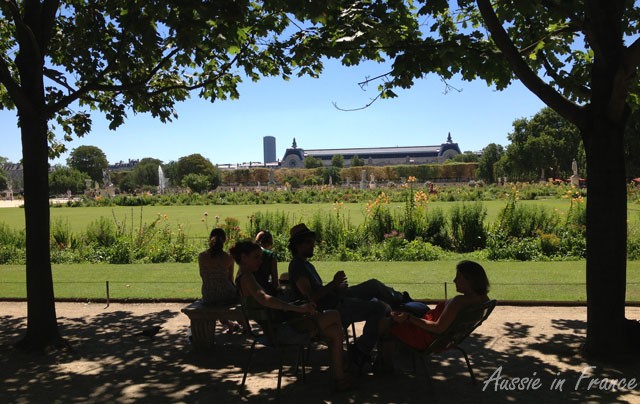
Under the shady trees in the Tuileries with Orsay Museum in the distance

For the people who live here permanently though, it’s nice to have some peace and quiet. Life goes at a different pace. It’s warm (most of the time) so you can wander down to the river or eat in Tuileries Gardens and feel you’re still on holiday.

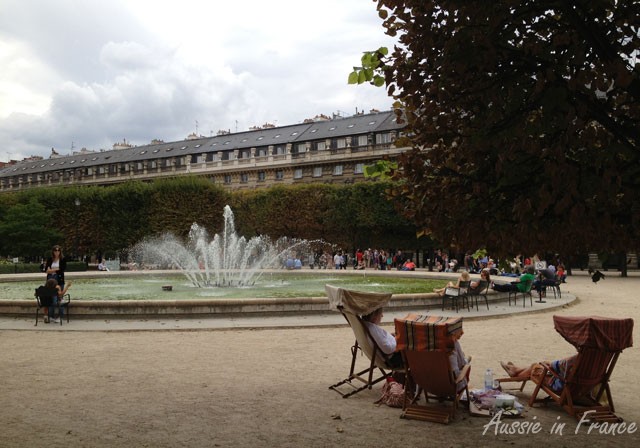
Deck chairs in the Palais Royal Gardens

You can even take your deck chairs down and enjoy a picnic near the fountain in the Palais Royal gardens and stay there for the rest of the afternoon!

The Marne river near Pont de Bry

You can visit your friends in the suburbs or drive to the Marne to go cycling without having to spend hours in the car. We could hardly believe it last Sunday when we drove along the quays. There was not a soul. We wondered for a minute whether the road had been cordoned off and we had somehow got onto it by mistake!

Café next to the bakery on Place des Petits Pères that's closed in August
Café next to the bakery on Place des Petits Pères that’s closed in August

Fortunately, the fact that about 90% of the city’s bakeries are closed is not a problem for us, because we make our own bread. But if you’re really desperate, you can consult the list on the Paris City Hall’s website (scroll down to find the pdf file). However, I’ve had to wait for two weeks to get a new pair of contact lenses !

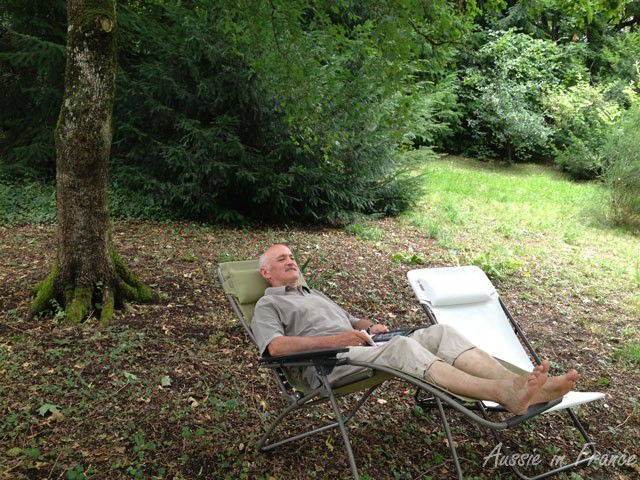
Resting in our little wood during our lightening visit to Blois two weeks ago

So how are we coping with an empty city? Tomorrow, we’re off to Blois for week to make the most of the rest of the summer. Let’s hope the weather is fine enough to go cycling every day. And if it’s too hot, we’ll take our deck chairs up into our own little private wood.

Monday’s Travel Photos – Melk in Austria

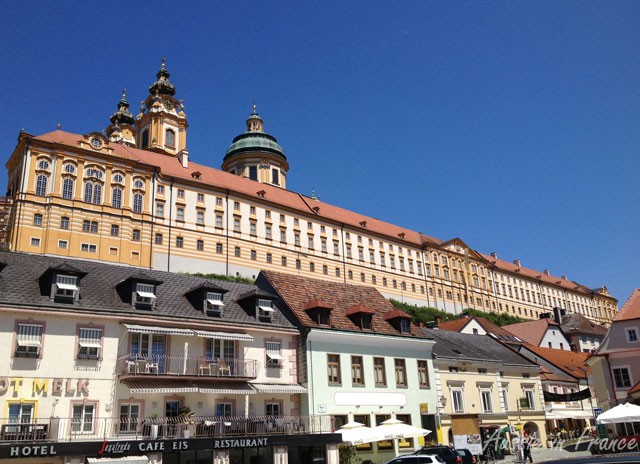
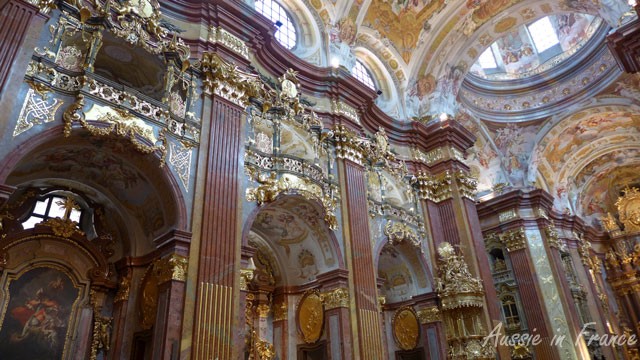
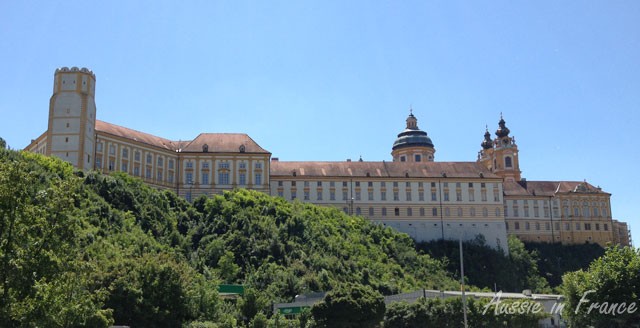
Melk, a pretty little Baroque town of 5,000 people in Austria, is famous for its Benedictine Abbey built in the early 18th century on the site of an earlier abbey dating back to 1089 and affording a stunning view of Wachau Valley and the Danube. The abbey library contains numerous mediaeval manuscripts, including 750 incunables, while the church, completely renovated thirty years ago, is splendidly baroque.

The first view of Melk Abbey
The first view of Melk Abbey on the cycle path 
The Abbey dominates the town wherever you go
The Abbey dominates the town 
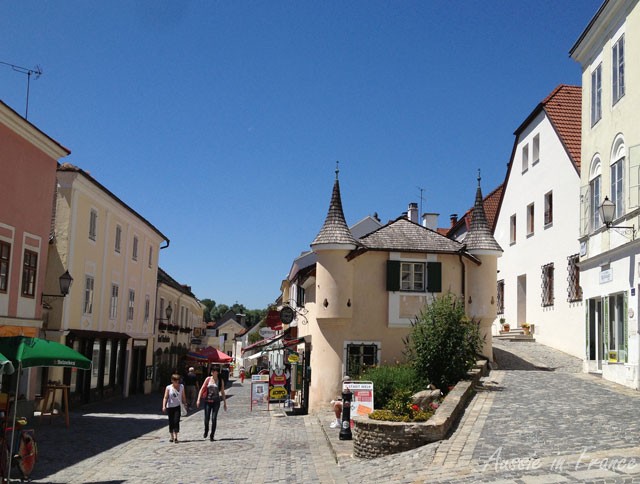
Mediaeval part of Melk
Example of mediaeval architecture in Melk 
Typical baroque building in Melk
Typical baroque building in Melk 
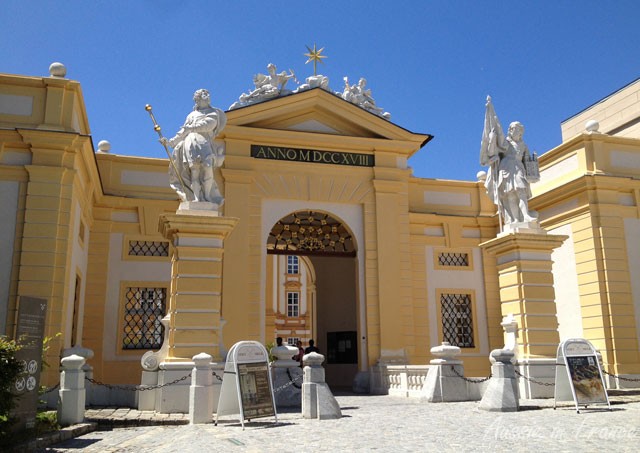
The entrance to Melk Abbey
The entrance to Melk Abbey 
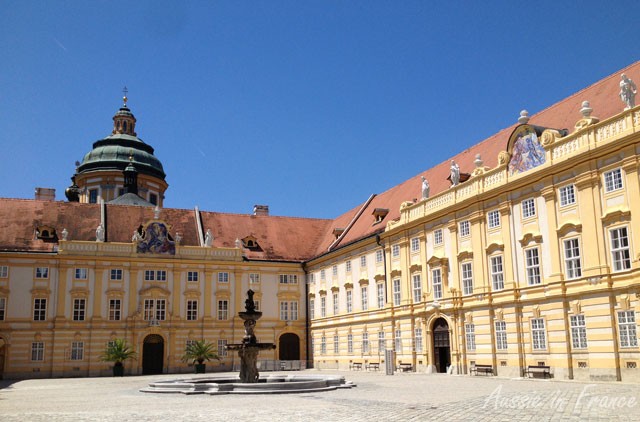
The inner courtyard of Melk Abbey
The inner courtyard of Melk Abbey 
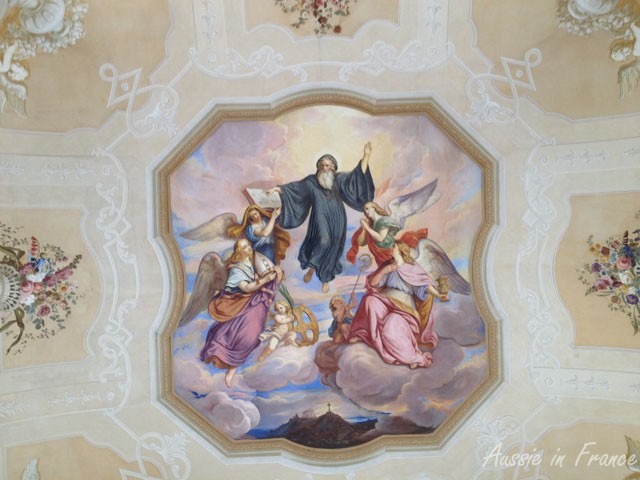
One of the beautiful painted ceilings in the Abbey
One of the beautiful painted ceilings in the Abbey 
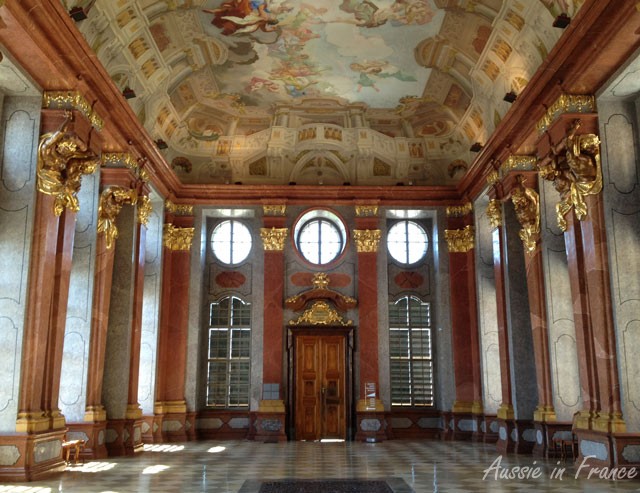
Main room in the Abbey
The marble room where important visitors were always taken 
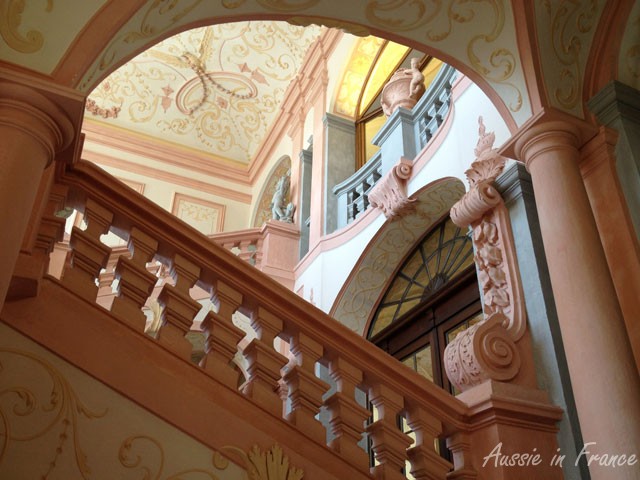
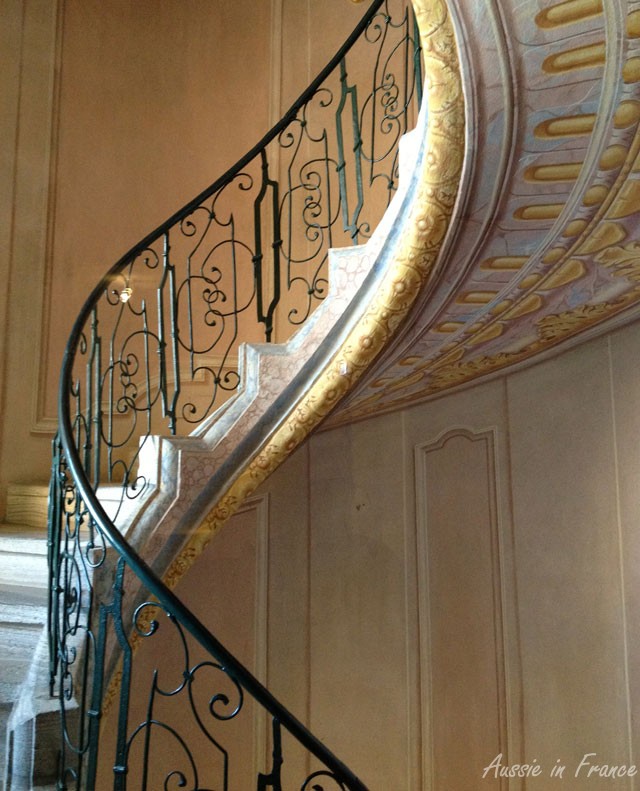
Staircase showing painted ceilings inside the Abbey
Elegant staircase inside the Abbey
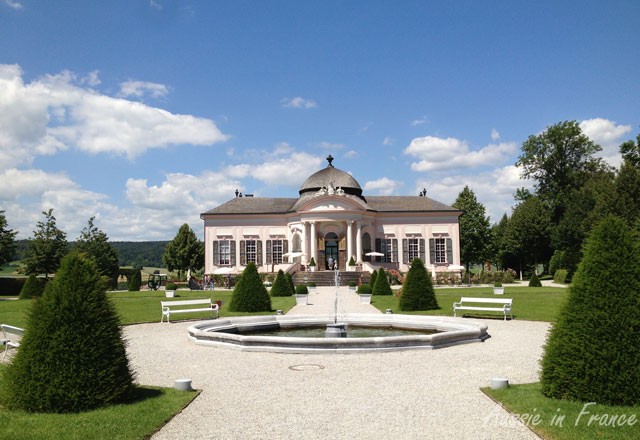
The Orangery at Melk Abbey
The Garten Pavillion at Melk Abbey 
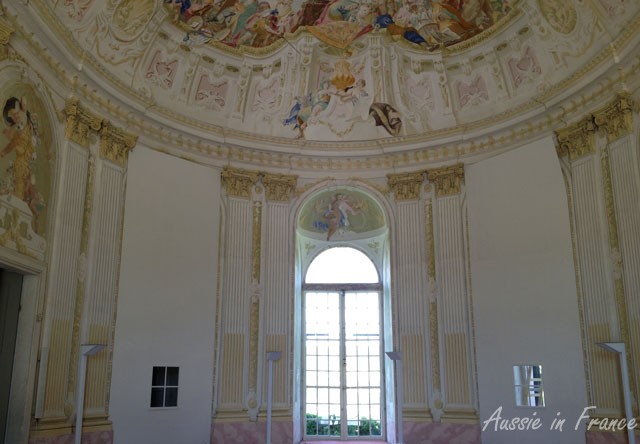
Inside the Orangery
Inside the Garten Pavillion 
Inside the Abbey church
Interior of the Abbey church 
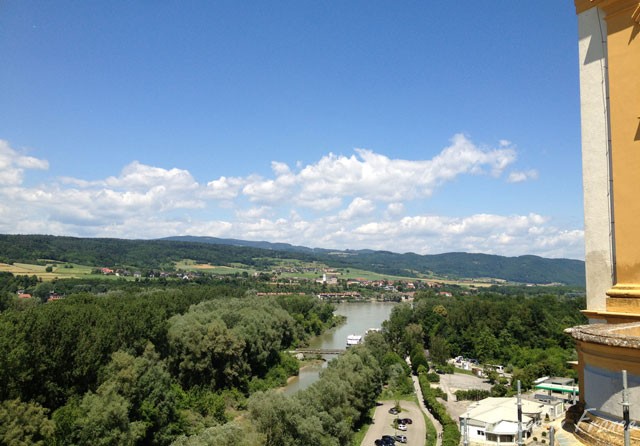
View of Wachau and the Danube from the Abbey
View of Wachau and the Danube from the Abbey 

Friday’s French – offrir

You’ve probably heard of faux amis, literally “false friends” or “false cognates”, which are words that look the same in two languages but have different meanings. The word blocage which I talked about last week is an excellent example. Sometimes the meaning is totally different while in other cases, it’s quite subtle.

Take offrir and “offer”. Maybe you think they mean the same thing, but they are really not interchangeable at all.

We’re walking along, looking at the market stalls. I see something I like, but hesitate to buy it. Je te l’offre, says my husband. That means that he’s going to pay. We wouldn’t say in English “I’ll offer it to you”, but something more along the lines of “Why don’t I get it for you?” or “My treat”.
If I want to tell someone that my husband bought me a watch for my birthday, I’d say, Mon mari m’a offert une montre pour mon anniversaire rather than Mon mari m’a acheté une montre pour mon anniversaire which is perfectly correct but not nearly as elegant. Jean Michel would certainly not say it!

If I were to say, “my husband offered me a watch for my birthday”, it doesn’t necessarily mean that that’s what he ended up buying. What it really means is that he “offered to buy me a watch” and I could say yes or no.

valentine_flowers

In English, we talk about offering flowers and it’s the same in French : il m’a offert des fleurs.

We also offer someone a drink in English; in French we would say proposer à boire or offrir à boire when there is no danger of confusion. When there is a possibility of refusal, proposer is usually the appropriate  term. Note the use of boire (to drink) for “a drink”. Even a toddler will say à boire if he’s thirsty or à manger if he’s hungry and not boisson or nourriture.

“Il m’a proposé deux vins différents” is quite different from “il m’a offert deux vins différents”. In the first case, he gave me a choice of two different wines while in the second case he gave them to me as a present.

“I offered to help him” = J’ai proposé de l’aider whereas Je lui ai proposé de l’aide could mean that I offered him financial help.

And here’s another time we say “offer” in English but not offrir in French. “I’ll raise the subject when a suitable occasion offers itself” = Je lui en parlerai lorsque l’occasion se présentera. And there’s that very annoying future tense that you have to use in French when we use the present in English. Remember the rule: when future is implied, future must be used and especially with quand and lorsque.

To offer one’s sympathy is faire/présenter/offrir ses condoléances. And while we’re on the subject, an American friend asked me recently what she should say to her neighbour whose wife had just died. The answer is very simple. You shake the person’s hand and simply say Toutes mes condoléances or Je vous/te présente toutes mes condoléances. In English, we would say “I’m very sorry about your wife”,”You and your family are in my thoughts”, “I am sorry for your loss” “You have my deepest sympathy” and so on.
from the Tropics to the City of Light