Category Archives: French language

Friday’s French – gigue, gigot, gigoter, jig, leg

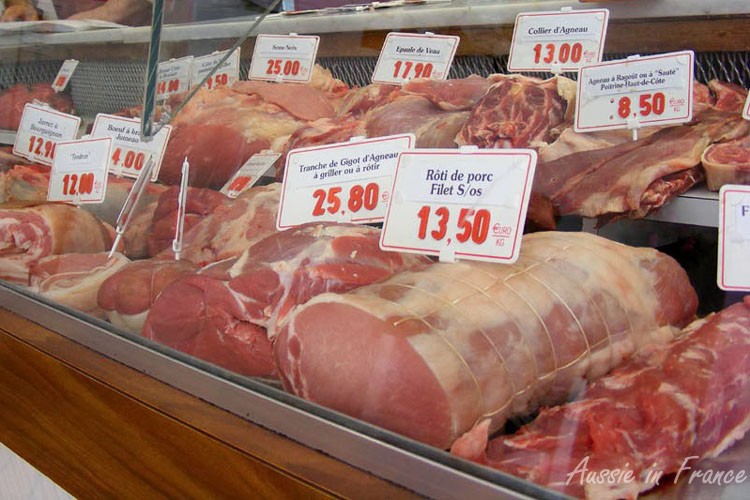
Susan Walter from Days on the Claise was wondering recently about the use of gigue and gigot when referring to a leg of venison or lamb.

Photo courtesy of Susan Walter

I was not aware of the term gigue as I don’t often buy venison! So I checked on the etymology and learnt that it comes from Old French gigue (1120-1150) meaning a musical instrument with 3 strings, which in turn comes from high German giga, a stringed instrument.

The shape of the instrument appears to have led to the use of gigot to describe a leg of deer or lamb which was then used jokingly to describe a person’s leg, particularly when dancing as in remuer le gigot, literally to shake a leg which, in English, of course, means to get a move on.

There seems to be no real explanation for the modern use of gigue instead of gigot in the case of venison (gigue de chevreuil), first attested in 1838, while gigot is reserved for lamb and mutton.

The term gigot also appears in the expression manches à gigot to describe mutton-leg sleeves which were first seen in the 1820s and early 1830s. By the time Queen Victoria ascended to the throne in 1837 however, they had completely disappeared in favour of a more subdued style. They came back in again towards the end of her reign in the 1890s more overblown than ever – much to the ridicule of the media – until 1906 when the fashion once again changed.

Although it looks very similar, gigoter is a bit more complicated. Gigoter means to wriggle around. You’d use it for a baby moving its arms and legs all the time, for example, or a little child who can’t stay still:

Il n’arrêtait pas de gigoter dans mes bras – He wouldn’t stop wriggling when I picked him up.

Arrête de gigoter. Il faut manger maintenant. – Stop wriggling about. It’s time to eat now.

Etymology-wise, there are two possibilities. It is either a derivative of gigot or it  comes from the Old French verb giguer meaning “to kick” (1694) or “to move its legs around” (1718, when speaking of an animal in agony). It also used to mean “to dance” but has lost that meaning now. Guincher, which is slang for “to dance”, may be derived from the same word though.

Which (naturally) makes you think of jig, a form of lively folk dance which developed in 16th-century England, and was quickly adopted on the Continent where it eventually became the final movement of the mature Baroque dance suite (from French gigue; Italian and Spanish giga).

My apologies to Susan for not coming up with a better explanation!

Friday’s French – Chantier, mess, roadworks, construction work

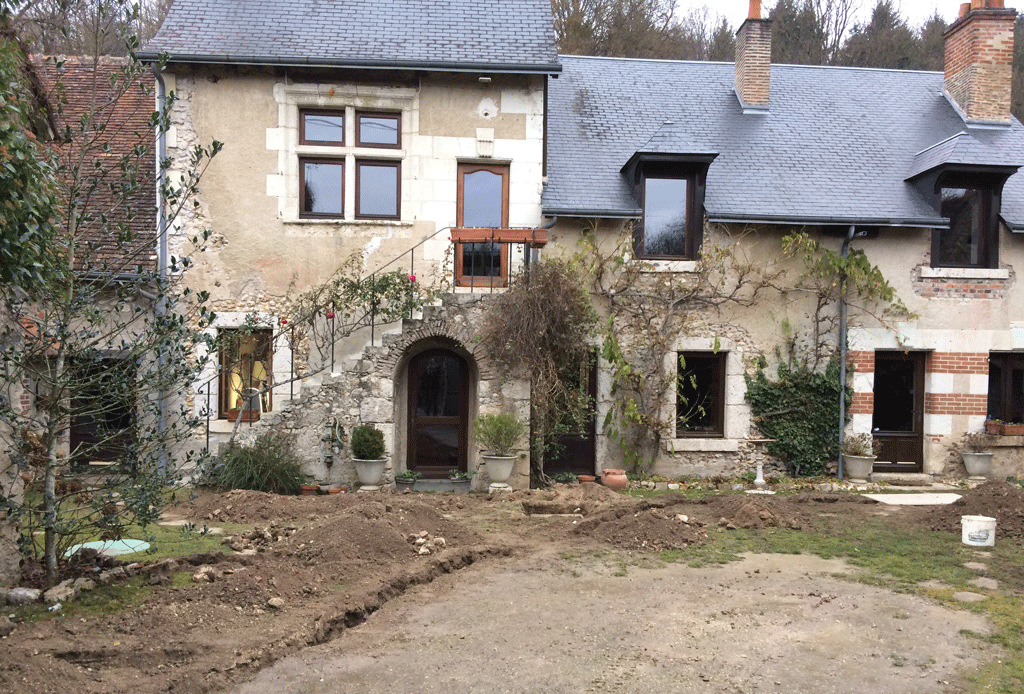
Chantier is an interesting word. The photo below is a perfect illustration of its three main meanings. Un chantier is a place where some sort of construction work is going on. It is also the construction work itself while the third meaning is related to the mess produced by the construction work.

The work being carried out here is for the installation of an automatic watering system - Le chantier en cours est l'installation d'un arrosage automatique
The work being carried out here is for the installation of an automatic watering system. What a mess!  Le chantier en cours est l’installation d’un arrosage automatique. Et c’est un vrai chantier!


So what would we call a chantier in English? If it applies strictly to where the construction work is being carried out, then we can talk about a worksite or building site. That’s the most straightforward.

Il y a deux grues sur le chantier – There are two cranes on the building site.

If you’re talking about the place where you were doing a job, you’d probably say “on the job”.

J’ai oublié mes outils sur le chantier – I forgot my tools on the job.

When you’re talking about the construction work itself, you can no longer call it a worksite.

Ils ont démarré le chantier il y a deux semaines – They started construction two weeks ago.

By extension, the expression en chantier means that work of some sort is going on:

La maison est en chantier depuis trois mois – We’ve been fixing up the house / having the house fixed up / having alterations done on the house for three months.

J’en ai marre du chantier – I’m sick of alterations.

Elle a deux livres en chantier – She’s working  on two books at the moment.

Quand est-ce que tu vas te mettre en chantier – When are you going to get going?

Chantier meaning a mess is not just restricted to construction work.

Ta chambre est un vrai chantier – Your room is a complete mess.

There are other specific uses of chantier such as chantier naval which is a shipyard and chantier d’exploitation forestière which is a lumber site.

There is also chantier interdit au public which literally means worksite prohibited to the public but in English we would probably just say “No entry” or “No admittance”.

Although roadworks are usually just travaux, when they are finished – when we would say “road clear” or “end of roadworks” -the French signs usually say “Fin de chantier”.

Chantier used in a wider sense means the start of a major project. A famous example is Chantiers de jeunesse, an organisation created in 1940 by the Vichy government  to occupy newly drafted recruits. For more, very interesting reading on the subject, click here.

The origin of the word is also interesting and very complicated. It comes from the Latin cantherius meaning gelded horse or a poor work horse. By metaphor, it came to mean “support”, particularly (1261) the pieces of wood on which barrels were placed and by 1611, it also meant the wedge supporting a piece to be crafted, which gave the expression mentioned above mettre en chantier meaning to start work.

By the second half of the 17th century, chantier had come to mean a place where building materials were stocked and then an open-air construction or demolition site. The shipyard meaning comes from the fact that chantier was used to designate the wooden support used when boat-building.

I hope this explanation is comprehensible. My sources are a bit confusing and use lots of linguistics terminology.

Now, over to you – what other uses of chantier do you know?

Friday’s French – pêche, nectarine, brugnon, peach

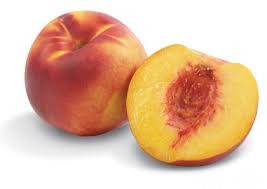
There is a popular belief in France that nectarines and their cousins, brugnons, are combinations of peaches and other fruits such as plums and apricots. Jean Michel was quite adamant before I was able to prove the contrary. He even flatly refused to accept the definition in the Larousse dictionary but he says that he has always been told that they were a hybrid.

nectarine_open

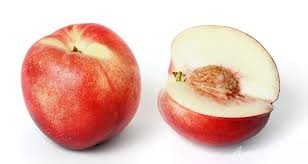
The Larousse dictionary says that a nectarine is a peach with a smooth skin whose stone does not adhere to the flesh. A brugnon is a variety of peach with a smooth skin whose stone adheres to the flesh. My personal experience is that nectarines have a yellowish-orange flesh and are sweeter than brugnons whose flesh is pale and tastes a bit tart. I don’t actually like peaches because of their fuzzy skin but I can eat nectarines if there isn’t anything else.

The adherence/non adherence of the pit has given the terms “clingstone” and “freestone” in English.

brugnon

It’s the wrong time of year to be able to use one of my own photos so I’m borrowing them from Wikipedia.

So where do the words pêche, peach, nectarine and brugnon come from?

Peach (and pêche) come from Old French pesche meaning “peach, peach tree” (Old North French peske), and directly from Medieval Latin pesca, from Late Latin pessica, a variant of persica “peach, peach tree,” from Latin malum Persicum, literally “Persian apple,” translating Greek Persikon malon, from Persis “Persia”.

In ancient Greek Persikos could mean “Persian” or “the peach.” The tree is native to China, but reached Europe via Persia. By 1663 William Penn observed peaches in cultivation on American plantations.

Its meaning in English of “attractive woman” is attested from 1754; that of “good person” from 1904. Peaches and cream in reference to a type of complexion is from 1901. Pêche in French does not have any of these meanings. The most common metaphorical meaning is avoir la pêche which means to be full of beans or in top form.

The word nectarine dates from the 1660s and means “of or like nectar”. It was probably inspired by German nektarpfirsich “nectar-peach.” It first appeared in English as nectrine before becoming nectarine.

Brugnon, on the other hand, is borrowed from the Occitan (southern French) prunhon from vulgar Latin “prunea” meaning plum. It first appeared in French as brignon (1600) then brugnon (1680). Maybe its origin partly explains the hybrid belief I mentioned earlier.

In the middle of the 19th century, brugnon was used for all smooth peaches and the stone-adhering/non-adhering was introduced later on. 

Did you know about the brugnon/nectarine hybrid belief?

Friday’s French – châtaigne, chestnut, marron, brun, brown

It’s roast chestnut season. If you come from Australia, you probably think there is only one kind – the edible sort you read about in English novels. Not so! In French, there are two different words: marron and châtaigne and the distinction is rather complicated.

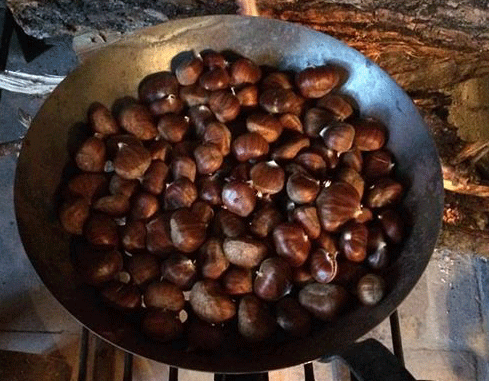
Des marrons dans une poêle à châtaignes

There are basically two sorts: an edible sweet chestnut that is easiest to spot if it is still in its husk, which is spiny and needle-sharp. Its scientific name is Castanea sativa. It’s very distant relation, the toxic, inedible chestnut, also called the horse chestnut, has a husk that is much smoother, with only a few warts. Horse chestnuts are the ones commonly found in forests and backyards. Its scientific name is Aesculus hippocastanum.

So you would imagine it would be easy in French. Let’s start with the horse chestnut (Aesculus hippocastanum). The tree is called a marronier d’Inde or marronier commun. It actually comes from the Balkans and has nothing to do with India. The fruit is also called a marron.

That’s the easy bit. Now we have the tree called châtaignier whose edible fruit is called une châtaigne. But people talk about eating marrons chauds and marrons glacés. Why? It’s because there are two kinds and the larger (and (tastier) cultivated châtaigne is called a marron!

The cultivated marron only contains one fruit in each husk whereas the wild ones have two or more, with an annoying skin called a pellicle between them. The ones in the photo as the wild ones. We had to discard half of them because they were too hard to eat. Next time we’ll make sure we buy marrons!

Marron is also the usual word for the colour brown.

Marron has, of course, given the colour maroon in English, which is not brown at all, but a dark brownish red colour, what the French call bordeaux. It you have ever seen a 20-year old bordeaux wine, you’ll understand where the colour comes from!

What about brun? I can hear you saying. Yes, you’re right, it also means brown. You say des cheveux bruns (brown hair), des yeux bruns (brown eyes), une peau brune (a swarthy skin), le tabac brun (dark tobacco), un ours brun (a brown bear) and bière brune (brown ale).

But brown shoes are chaussures marrons and a brown shirt is une chemise marron. Marron can also be used for eyes and hair. Some people argue that les yeux marrons and les yeux bruns are the same thing but others disagree. The same applies to les cheveux marrons and les cheveux bruns.

I’ve even heard les yeux noisette used to mean brown eyes, even though une noisette is a hazel nut. The problem with hazel eyes is that they are a mixture of green, brown and amber and the mix can vary according to the person, so two people can have hazel eyes that are very different.

What other examples can you think of? How do we say a brown dog in French? What about a brown horse and a brown coat? Or a brown car?

Friday’s French – horloge, pendule, clock, réveil, watch, montre

We get up on Sunday morning after going back onto winter time and all the clocks are an hour out. “Il faut remettre les pendules à l’heure, c’est le cas de le dire”. “Resetting the clocks” is an expression in French which means to put the record straight or put things in their right place.

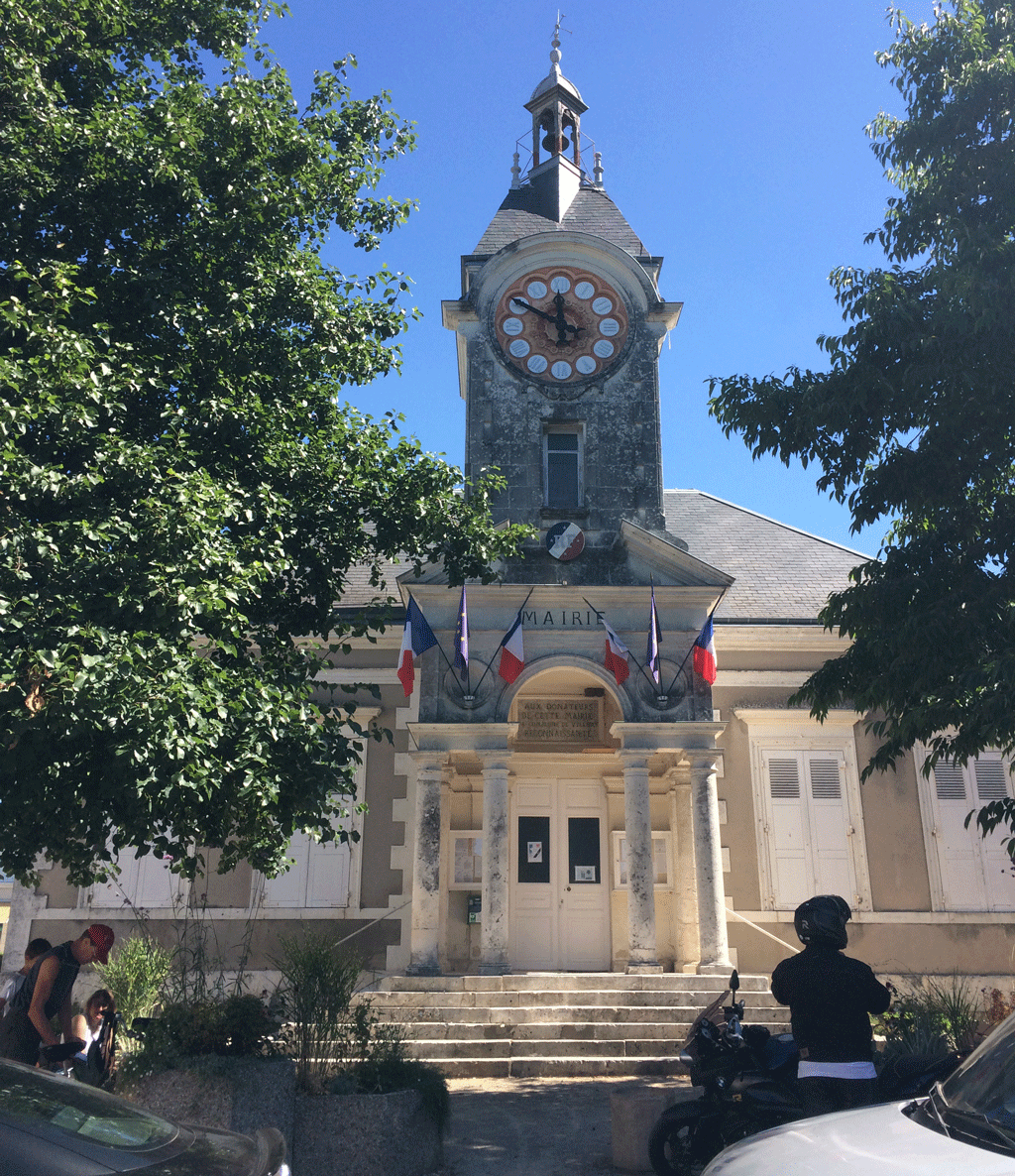
The town hall in Villiers-sur-Loir with its 2-metre diameter monumental clock
L’horloge de la mairie à Villiers-sur-Loir

Ce garçon devient impossible. Son succès lui monte à la tête. Il faudra remettre les pendules à l’heure. – That boy is getting impossible. Success has gone to his head. He needs to be brought down a peg.

Ce débat devient stérile. Il faut remettre les pendules à l’heure. – This discussion is getting out of hand. We need to get back on track.

So where does the French expression come from? Well, you know all those war and spy films where the characters all synchronise their watches so that their mission will be a success? That’s all it is!

Talking about pendules, the French have several different words for time-pieces: horloge, pendule, réveil, montre come to mind.

Horloge is used when it’s a big clock: l’horloge de la gare (station clock), horloge de l’église (church clock), horloge normande or de parquet or comtoise (grandfather clock), horloge astronomique (astronomical clock), etc.

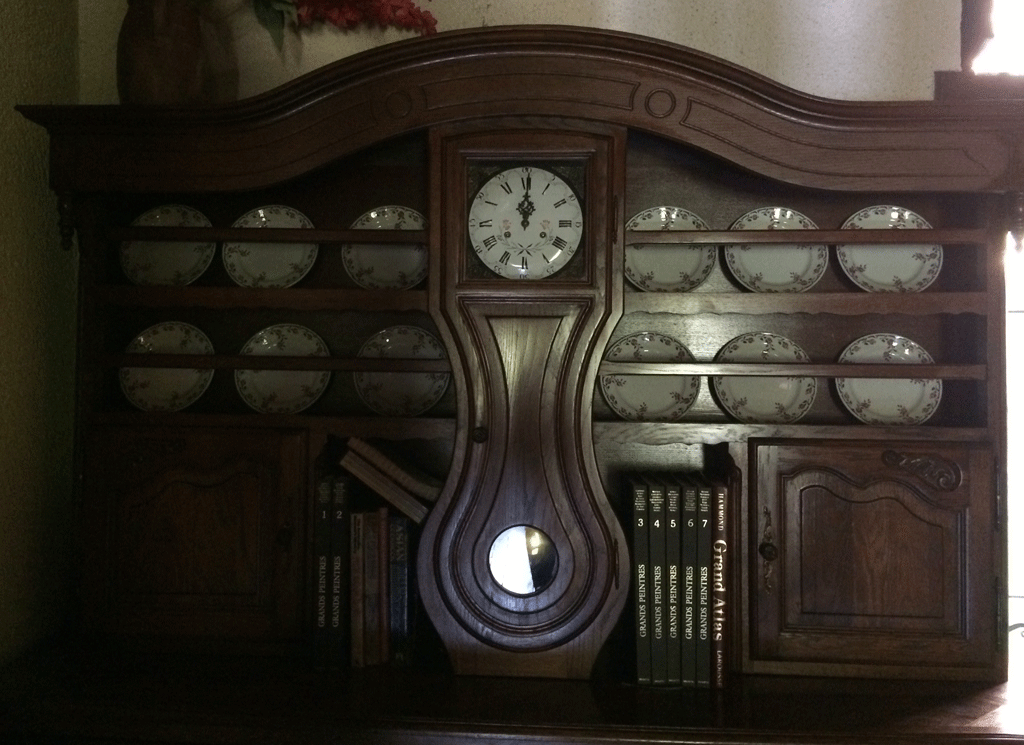
Le buffet à horloge qui en fait est une pendule !

Pendule obviously corresponds to pendulum so is used for a pendulum clock and a cuckoo clock (pendule à coucou), for instance, but can also be used for any clock (except an alarm clock) as in remettre les pendules à l’heure. But when the pendule is in a grandfather clock, it’s becomes horloge!

An alarm clock is always called a réveil or réveil-matin (a morning wake-up clock). Il faut mettre le réveil à 8 heures – you’ll have to set the alarm for 8 (o’clock). A travel alarm clock is a réveil de voyage.

Watch and montre indicate the same object with a few variations according to type. A wrist watch is a montre-bracelet, a fob watch is montre de gousset (which gave our word gusset), a watch with a winder is a montre à remontoir and a diver’s watch is a montre de plongée. The others are vitually the same: montre analogue/digital/numérique/de précision/à quartz/à répétition = analog/digital/precision/quartz/repeating.

There are all sorts of expressions that revolve around the word clock that are sometimes rendered by montre in French and sometimes by horloge or heure or something else again!

A race against the clock = une course contre la montre

To keep your eyes on the clock = surveiller l’heure

To work around the clock = travailler vingt-quatre heures d’affilée

To do something by the clock = faire quelquechose en respectant l’horaire

To turn the clock back = revenir en arrière

I’m sure you have lots of other examples of time-related expressions to share!

Five Years of Blogging

I missed my 5th anniversary of blogging! My first post was published on 11th October 2011 just before my son went to live in Australia. He helped me set it up and regularly comes to the rescue when I have a problem. He also hosts me. I started my second blog, Blois Daily Photo (now Loire Daily Photo) in July 2013 in anticipation of moving to Blois. When I first started blogging, I posted nearly every day. I had a lot to say!

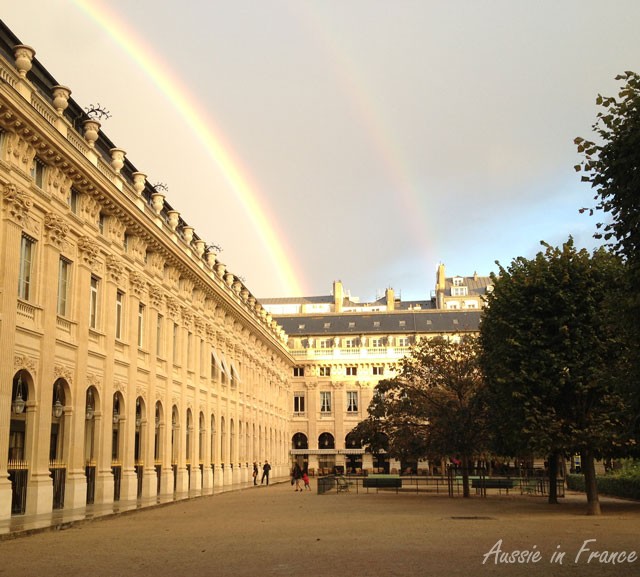
rainbow_palais_royal

I then started posting every second day with regular features such as Monday’s Photo of the Week and Wednesday’s Blogger Round-Up where I featured 3 posts I had read during the week that I wanted to share. These days I don’t seem to have time to read many other blogs at all.

In fact, since we moved to Blois two years ago, I seem to have little time and energy to do much blogging apart from Loire Daily Photo. I still occasionally write a Friday’s French post (two this month!) and am currently trying to write a series on Secret Blois (two so far – it seems to be my magic number). During our cycling holidays, however, I have more inspiration and time and usually manage to give a fairly full  report.

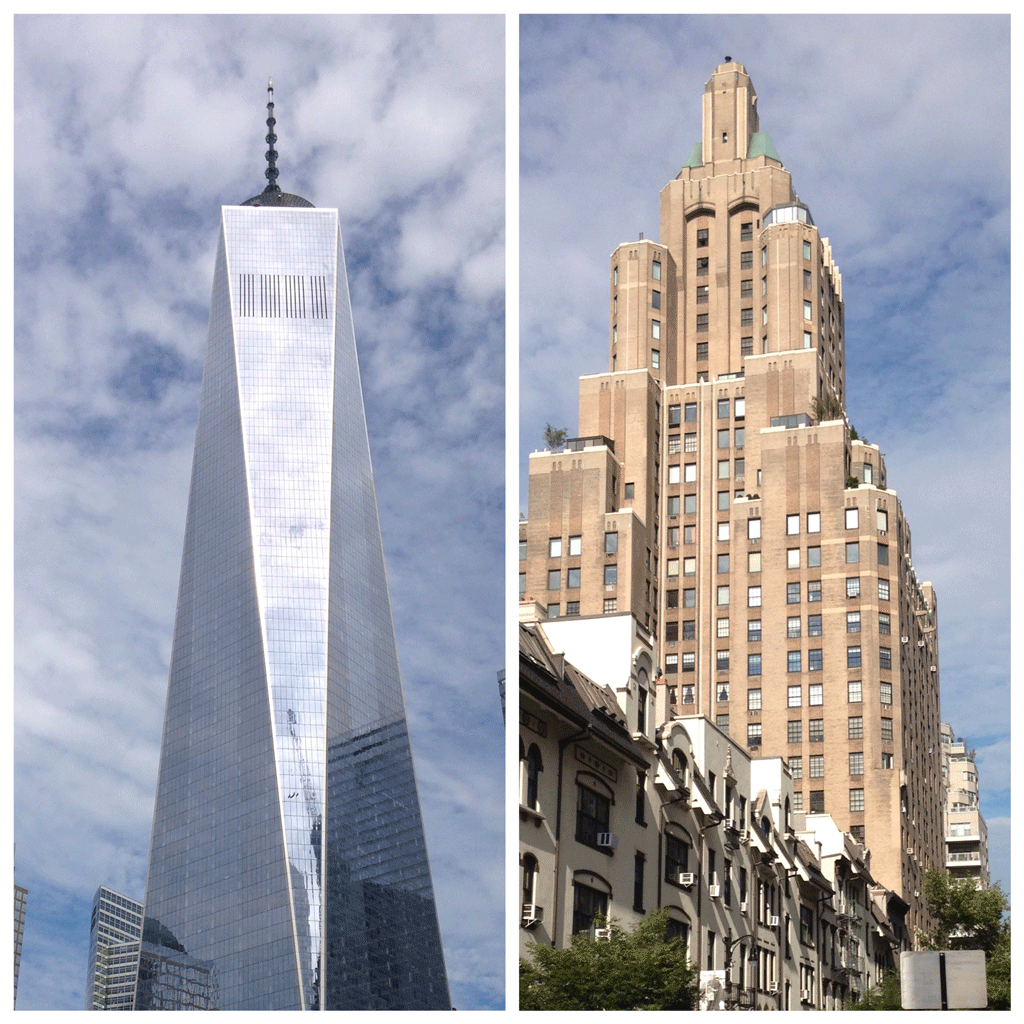
Two contrasting skyscrapers - the new One World Trade Center and one of the "wedding cake" skyscrapers from the 1930s
Two contrasting skyscrapers – the new One World Trade Center and one of the “wedding cake” skyscrapers from the 1930s

I would like to write more about our trip to New York and to Boston in September to see my son and daughter but after a full day’s translation I don’t seem to have much energy left!

My basic interests remain the same but have taken on different dimensions. Reading is still my favourite activity but not something I blog about very often. I like to read ALL the works of a given author plus a couple of biographies and my Kindle usually makes that possible. I am currently working my way through the Victorian novels and am now onto the lessor known writers such as Wilkie Collins and Elisabeth Gaskell.

The iconic photo in front of the Taj Mahal

Travelling is at the top of the list too and we’ve certainly done a lot this year – a total of twelve weeks in Australia, the Golden Triangle in India including the Taj Mahal, cycling in Italy and Germany, especially along the Romantic Road, and New York & Boston, not to mention a few short trips. And, believe it or not, I have nothing else in the pipeline at the moment, for the first time that I can remember! I need a break from holidays. And we are up to 13 home exchanges in 4 years which isn’t bad going.

Next comes cycling but unfortunately it stops from about mid-October until March. Mushroom picking usually takes over but there has been so little rain this year but there are no mushrooms. We’re hoping that next week’s expected Indian summer will have them popping up all over the place.

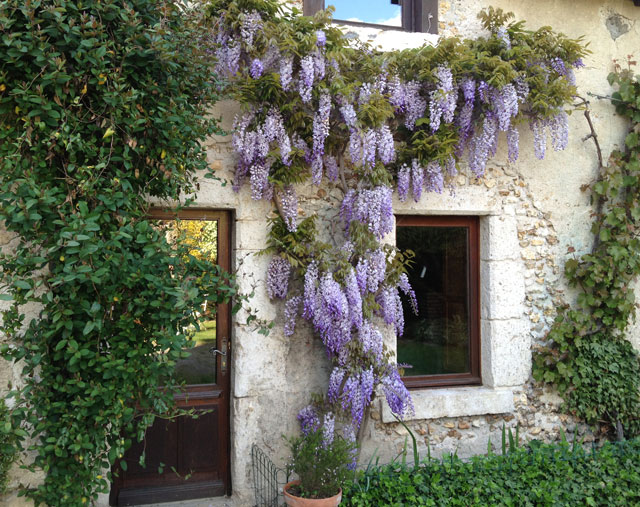
Wisteria on our house in Blois

I love gardening but I have discovered it is almost as humbling as being a parent – so much to learn and those plants have a mind of their own! One year the petunias run riot and the next year they get leggy. The clematis that bloomed beautifully one summer sulk the next. Fortunately we seem to have mastered the wisteria, the roses, the hollyhocks and the raspberries which is more than we can say for the bignomias and the lettuces!

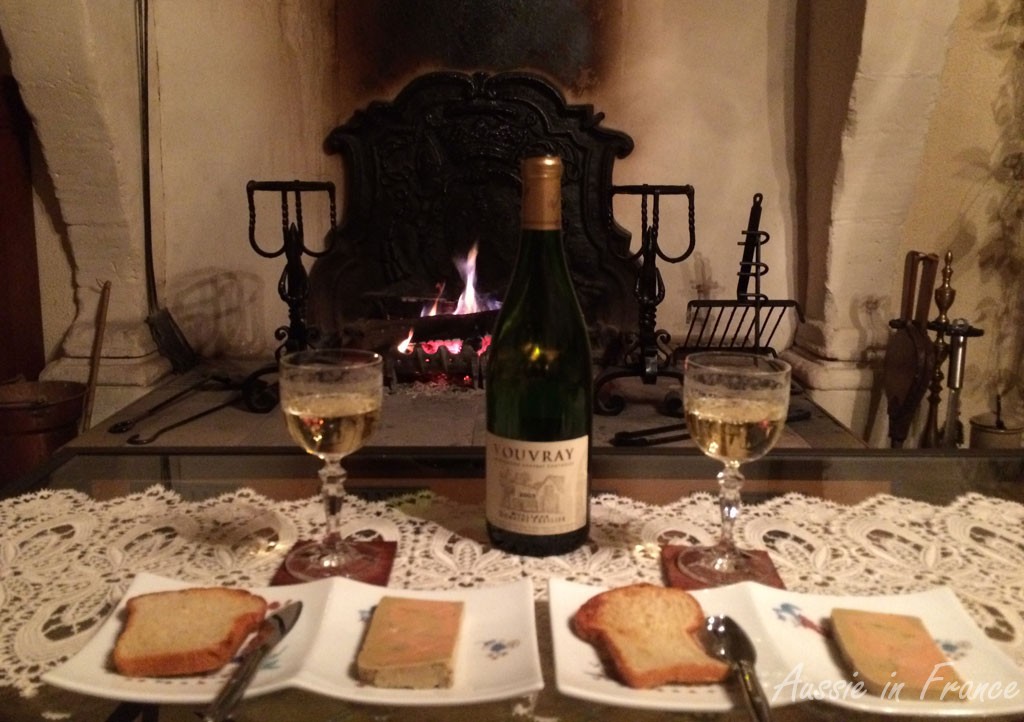
We still enjoy wine-tasting but have a tendency to stick to our favourites, particularly the local Loire Valley wines and our favourite chianti, especially in front of the fireplace!

Homemade foie gras and vouvray to see the New Year in before the fire

I love taking photographs with my iPhone 5S because it’s a great way to remember places and people and makes me look at things in a different way. I wouldn’t call it a hobby though because I know nothing about lenses and photographic techniques and I usually just take photos because something catches my eye. My iPhone isn’t very good at night or when there isn’t much light but the rest of the time, it’s perfect for my purposes.

But back to blogging. My most popular post remains “The Best Area to Stay in Paris” with about 3,000 clicks a month. Next, a long way behind, are “Friday’s French – biche, chevreuil & deer“, “Ten Top Châteaux in the Loire“, “The Oldest House in Paris” and “Visit the Loire without a Car Based in Blois“.

Chenonceau, undoubtedly the most beautiful of all the châteaux

Over one quarter of my readers live in Australia, followed by France and the US, each about 1/5, then the UK, Canada, Singapore, Germany, India, Italy and Malaysia. The last 1/5 is made of up a surprising 90 countries which means that people from about 100 countries read Aussie in France.

The thing I like best about blogging are the wonderful friends I’ve made among my readers, people whom I would never have been in contact with otherwise. Some comment regularly, others from time to time, while some write to me personally. Others have become close friends. I love to feel connected in such a unique way. So I think I shall keep blogging for a few more years yet …

Friday’s French – Tout un fromage and other cheesy expressions

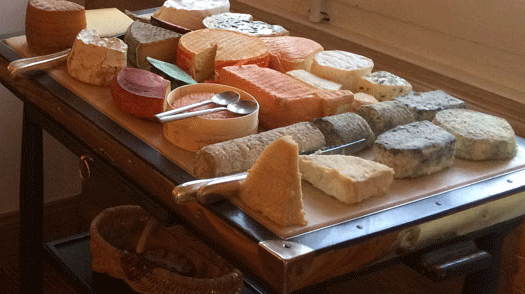
You would imagine that a country with more than 400 different cheeses would have a certain number of expressions involving the word fromage, but surprisingly, there are more cheesy expressions in English than in French.

cheese

I was rather disappointed recently to learn that Il en fait tout un fromage only appeared in the 20th century. The explanation for its origin seems a little doubtful to me. Starting with nothing (a bit of milk), you can produce something as elaborate as a perfect camembert. Yet the expression in French is negative and corresponds to the English “to make a mountain out of a molehill” so I don’t really see the connection.

However, it set me thinking about other expressions involving cheese. J’ai trouvé un (bon) fromage means I found a cushy job which is sort of self-explanatory but not really.

On the English side, we have “say cheese” which obviously doesn’t work in French but dites cheese or even dites fromage for people in the know will bring about a smile or two. It is more common to say ouistiti which is a little monkey (a marmouset) and sometimes sexe!

To be cheesed off with something is less metaphorical in French. J’en ai marre is the most common expression you will hear, or simply j’en ai assez.

And what about “cheesy” as a derogatory term? Meaning cheap or inferior, it was first attested in 1896, perhaps originally U.S. student slang, along with cheese, meaning an ignorant, stupid person. In the late 19th century, in British slang, cheesy meant fine or showy (1858). The modern derogatory use may be an ironic reversal of this.

I used to have a translation student from Canada who was always coming up with amusing equivalents to French which she would qualify as “cheesy”. It’s translation into French varies enormously with the context. A cheesy song could be une chanson ringarde with the idea that it’s outdated. A cheesy grin = un large sourire. Perhaps a cheesy film might be un film de mauvais goût.

A big cheese in French is not a gros fromage but a gros bonnet. The French expression was developed in the 17th century in reference to the 4-cornered hat worn by doctors, ecclesiastics, judges and other VIPs of the time. So why “big cheese” in English? It comes from a British expression meaning the best or correct thing, the best, a corruption of the Persian or Urdu chiz (or cheez), meaning “thing” that the British brought back from India in about 1840.

I think it’s very amusing that a pie chart in statistics is a camembert in French. So very appropriate!

Did you ever go to a French wine and cheese party? We used to have them all the time in the French department at my university in Australia. They don’t exist in France of course. About the closest thing is a buffet campagnard but it includes pâtés and other cold cuts as well.

One last expression: fromage de tête is pork brawn of all things!

Do you know any other cheesy expressions?

Friday’s French – Minute papillon

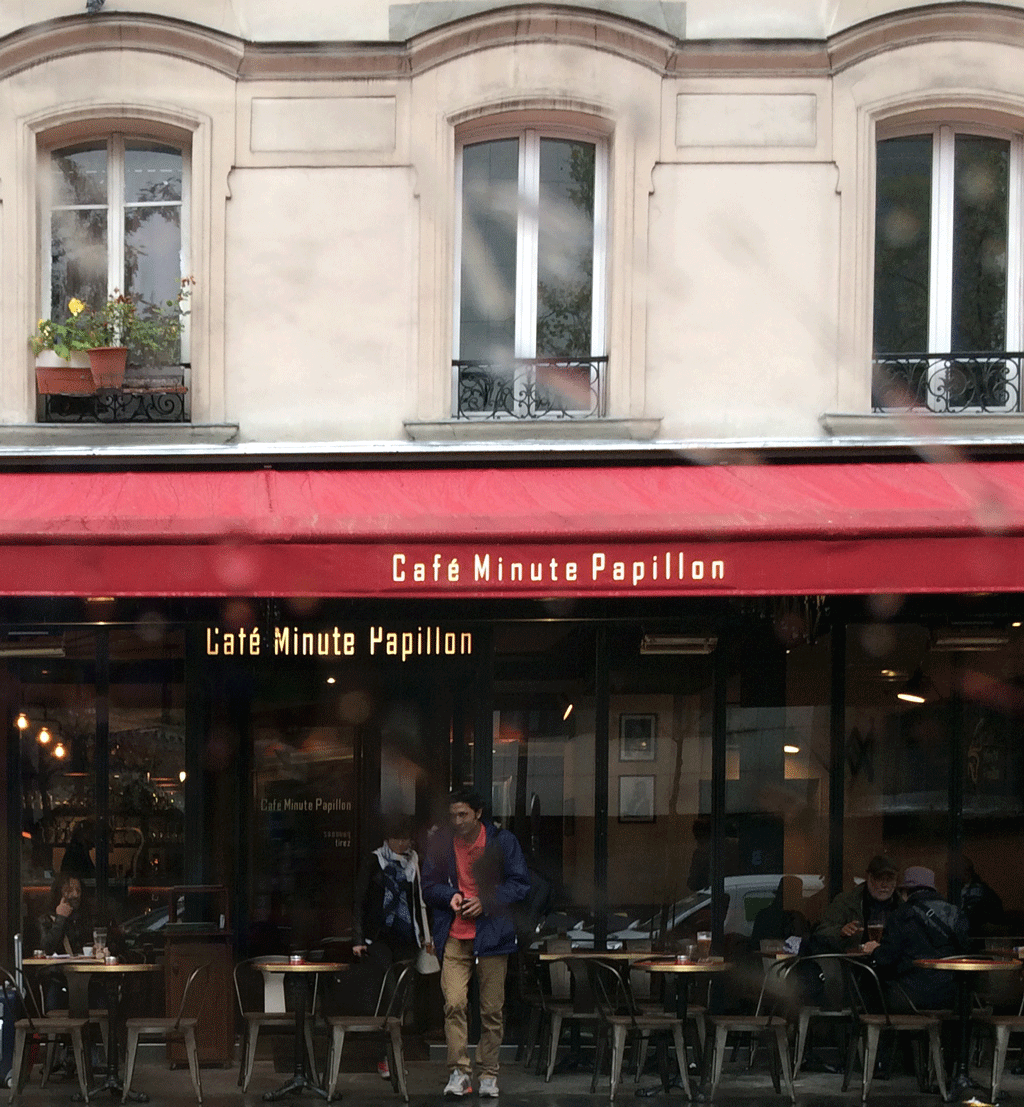
As we were driving through Paris recently in the rain, we saw a café called “Minute Papillon” which made me wonder about the origin of the expression which is roughly equivalent to our English saying “Hold your horses!”.

papillon

Some sources suggest it is simply a metaphor about butterflies which flit from flower to flower, which would also explain the verb papillonner which means to chop and change or flit from one thing to another.

Other sources also believe the expression came into use in the early 20th century but with a much more amusing origin. At the time, there was a café in Paris that was very popular with journalists. There was a waiter called Papillon who used to answer “Minute, j’arrive” when too many people were calling on his services at the same time.

So when customers wanted to tell him he could take his time, they would say, “Minute Papillon!” It seems the journalists spread the story.

Minute papillon has a second meaning which is an extension of the first i.e. I don’t agree, meaning that the other person has to stop talking so that they can place their argument.

Papillon by itself has several interesting meanings. It can apply to someone who is fickle. It also means a sticker and, by extension, a parking ticket on the windscreen (although I have never seen them in the form of a sticker).

Papillon is also used to designate a butterfly nut and butterfly stroke in swimming.

A noeud papillon is our bow tie. I much prefer the French expression.

However, you can’t have papillons in your tummy when you’re nervous the way you do in English. You have “le trac” instead.

And, by the way, there is no separate word for moth in French – it’s a papillon de nuit!

Do you have any other expression that revolve around butterflies and papillons?


Friday’s French – Globalisation, mondialisation, global, overall

There is a perfectly good word for “globalization”in French – mondialisation which comes from monde meaning “world” – but they seem to be set on using globalisation instead.

approche_globale_personnes_ageesIn English, global is mainly used in the sense of worldwide, particularly in economic fields, in which case it is usually rendered by mondial in French:

on a global scale: à l’échelle mondiale 

global capitalism: le capitalisme mondiale

There is one important exception: global warming is réchauffement de la planète.

In French, however, global has many different meanings, all revolving around the idea of total, comprehensive, overall.

Ils pratiquent un prix global: they have an all-inclusive price

Ils proposent une offre globale : they offer a package

Il faut adopter une approche globale à la question: a comprehensive approach to the issue is needed

La stratégie globale concerne toute l’entreprise: The corporate strategy concerns the entire company.

You can of course have a global strategy in English which corresponds to a stratégie mondiale in French.

When my children were small, there was considerable debate in France about using the méthode globale de lecture corresponding to the word recognition method to teach reading, which is perfectly logical in English where many of the basic words follow no set pattern in terms of spelling and pronunciation: were, where, once, their, there, etc. In French, however, although there are exceptions, most words are pronounced according to syllabic rules which makes the word recognition method a very slow and confusing way of learning to read. I understand that it has been dropped in favour of the méthode syllabique.

Enough digression

Globalement means overall/on the whole, and not globally.

Je suis globalement contente du résultat: On the whole, I’m happy with the result

Globalement nous sommes tous d’accord: On the whole we agree

Globalement, nos ventes ont augmenté: Our overall sales have gone up.

Je dirais que globalement c’est la même chose: I would say that, all in all, it’s the same thing

And the much-used “holistic” in English today can also be rendered by globalement:

Il faut traiter le problème globalement – A holistic approach to the problem is needed.

Holistique does exist but I’ve only ever heard it used in a therapeutic context:

Les thérapies holistiques sont souvent fondées sur des connaissances empiriques et des enseignements traditionnels de la naturopathie : Holistic therapies are often based on the naturopath’s empirical knowledge and traditional teachings.

Back to my initial comment on globalisation. The sentence I heard recently on France Info (my favourite radio station because it keeps repeating the same news all day which means I can listen to it while I’m cooking without having to concentrate), was:

La globalisation des constructeurs a poussé les équipementiers à se restructurer : The globalisation of car manufacturers has forced car parts manufacturers to restructure.

I really don’t see why they can’t say “La mondialisation des constructeurs a poussé les équipementiers à se restructurer”. It’s just a simple. But then, I’m not French !

Friday’s French – Ecole Normale, normal, standard, norme, norm

The first time I heard the expression école normale was when I took up a post as an assistant English teacher in Nantes many moons ago. I soon discovered that it was a teacher training college. I then heard about the école normale supérieure which is one of the most prestigious and selective university and research institutions, in both the arts and sciences.

photo_213_clocheville_primary_school

The école normale supérieure is run and financed by the State with the aim of training researchers, university lecturers, teachers of grande école preparatory classes and secondary school teachers.

So I was somewhat astonished when reading Thomas Hardy’s Jude the Obscure to learn that Sue Brideshead had enrolled in a Normal School to become a teacher. It was the first time I had thought about the word “normal” used in this context.

Ecole normale was the term given to the institution set up in French in 1794 to provide teacher training to students selected by means of competitive examinations. Normal in this context refers to the fact that it was to serve as a model for other schools of the same type i.e. to establish teaching standards or norms. The English institution was modelled on the French école normale. The name “Normal School” was gradually replaced by “teachers college” or “teacher training college,” so called because almost all collegiate level education programs are sub-departments of larger colleges and universities.

In France, there are now 4 écoles normales supérieures (ENS) and admission is highly selective: 218 places à Lyon, 205 à Cachan, 191 à Paris Ulm et 50 à Rennes en 2014.

The ordinary école normale no longer exists. Both primary and secondary school teachers are now trained at an E.S.P.E. (Ecole supérieure du professorat et de l’éducation) which replaced a previous institution, the I.U.F.M. (Institut universitaire de formation des maîtres), in 2013. And, incidentally, a primary school teacher is now called a maître des écoles (literally school master) and not an instituteur or institutrice which is amusing when you consider that in English, the old school master has been replaced by teacher.

The word norm or norme in French comes from the Latin norma, meaning a set square in the concrete sense and a rule or standard in the figurative sense.

Norme is the basic word for standard in French:

normes de fabrication – manufacturing standards

normes de sécurité – safety standards

normes françaises (NF) – French standards

Hors norme(s) literally means something that isn’t standard, what we would call unconventional or unusual in English. C’est une voiture hors norme(s) – it’s no ordinary car.

The use of “norm” in English does not usually include the idea of an official standard but rather something that is usual or typical. Its use is more restrictive and much less common than the French norme.

Strikes were the norm – Les grèves étaient la norme.

The norms of good behaviour in the civil service – Les normes de bonne conduite dans le service public

Many teachers themselves believe that 70 hours a week is the norm. – Beaucoup d’enseignants pensent que 70 heures par semaine est la norme.

The French normal can often be rendered by the French “normal”, but not always.

De dimension normale – normal-sized, standard-sized

C’est tout à fait normal – It’s quite normal/usual.

Il n’est pas normal – he’s not normal/there is something wrong with him.

On the other hand, in the case of “ce n’est pas normal“, we would be more likely to say “there must be something wrong”.

Ce n’est pas normal qu’ils aient droit aux soins gratuits – It’s not right that they get free treatment/They shouldn’t be getting free treatment.

Revenir à la normale – to get back to normal

Ses notes sont au-dessus de la normale – His marks are above average.

Similarly, in the other direction, normal in English is not always normal in French.

She bought it for half the normal price – Elle l’a acheté à moitié prix.

Classes will be as normal – Les cours auront lieu comme d’habitude.

Do you have any other examples?