10 Do’s and Don’t’s of Home Exchange

We’re now up to 8 home exchanges and ready for more but I’ve drawn up a little list of do’s and don’t’s. If I have been remiss in any of these areas in the past, I hope that my exchangers will forgive me. I now know better!

home_exchange

So, in addition to a good bed, a clean house and a decent shower, here are my personal suggestions.

Do wash new towels:  it’s great providing a set of new towels for guests, but remember to wash them first or your poor guests won’t be able to dry themselves.

Don’t leave perishables in the fridge or in the kitchen that won’t survive until your return. Not everyone eats the same food as you do. A bottle of wine, a vase of flowers or a frozen meal in the freezer will be appreciated more than fruit and vegetables that might end up in the bin.

Do leave a shelf in your pantry free: your guests may not be dining out every day and may prefer to be able to put their food away rather than leave it on the bench or table during their entire stay.

Don’t provide a washing machine that doesn’t work properly: you may know the trick of how to get your machine to spin properly, but your guests are not going to be happy if it takes 3 days to get their clothes dry.

Do leave hanging space with hangers: perhaps you don’t hang up any clothes yourself, but your guests may wear shirts every day – and don’t forget to provide enough hangers (count one shirt hanger per person per number of days’ exchange up to a week and two or three skirt/trouser hangers per person).

Don’t leave your fridge ¾ full: your guests need to have space to put their own food without having to shop every day. At least two empty shelves, including door shelves, should be left free.

Do provide a blanket as well as a dooner for the bed: you may be freezing at 15°C because you used to live in Africa, but your guests may prefer a light blanket at that temperature. Give them the choice.

Don’t use photos that don’t correspond to your listing, particularly as the cover photo: if you don’t live within walking distance of the sea, a picture of a fishing boat is not appropriate. Neither is a monument two metro stops away.

Do leave adequate instructions about your house: guests need to know when to put the rubbish out, how to work your expresso machine, and what the wifi code is (and why not change the original 26-character code to something easier for your guests?)

Don’t leave dirty sponges in the kitchen: provide a clean sponge for each new set of guests.

Do you have any other suggestions that will make your home exchange a more pleasurable experience?
Original souvenirs from Paris – A hymn – Last minute change of plans from Burgundy to Belgium and from wine to beer

This week, in my bloggers’ round-up, Pierre from Paris on Demand suggests some original souvenirs from Paris, Sylvia from Finding Noon takes us to a Chagall exhibition in Paris that is on until 21st July and Mary Kay from Out and About in Paris describes her last-minute trip to Belgium, especially Ghent and Antwerp, instead of a boat trip along a canal in Burgundy, cancelled due to severe flooding. Enjoy!

Original souvenirs from Paris…

by Pierre from Paris on Demand, aimed at helping tourists and Paris lovers to get to know the city of Light under a different perspective, offering news and updates on exhibitions, museums, restaurants, off-the-beaten-track addresses, events and tips to prepare their trip and understand the Parisian way of life.

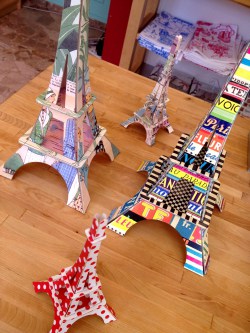
souvenir-from-parisIf you’re looking for chic and trendy souvenirs from Paris, look no further, “Les Parisettes” is for you! “Les Parisettes” is a concept store specialized in different types of products: kitchen accessories, stationery, tote bags, jewelry, candles, games, cushions and home decoration ideas. Everyone can find an original gift, in the colors of Paris and the Eiffel Tower. Maryse Bazzoli and Sophie Ollé-Laprune, the creators of the store, pay a lot of attention to select refined, Eiffel-Tower fashioned, quality items, only for you! Read more


A hymn…

by Finding Noon, an American living in Paris who appreciates fine art, good music, succulent food, and breath taking scenery

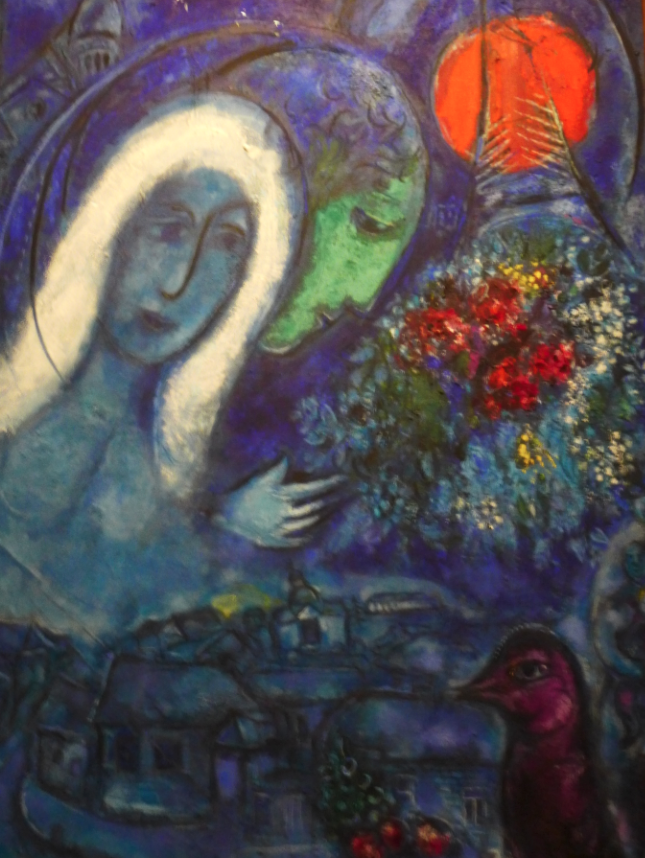
chagallRich blue sapphires, golden topazes, apple red rubies…. No, I did not go jewelry shopping this weekend, rather I spent a lovely hour (or so) with a fairly dense crowd at the Musée du Senat in the Luxembourg gardens diving into the sumptuous colors at the Chagall exhibit.

I like Chagall. I am aware that he is not for everyone. Upside down chickens and flying musicians do not reflect classical realism, nor modern abstract purity and it all requires a willing suspension of disbelief. But I love his gem stone palette, and I find his fantastical characters, often dancing, kissing, playing music absolutely delightful. His work has been known to make my make heart do a little jig. I suspect I am not the only one and that this is perhaps why he was chosen to paint the ceiling at the Opera Garnier. His stained glass windows add the perfect counterpoint of colorful light to the cold grey stones at the Cathedral of Notre Dame in Reims, making it my favorite cathedral in France. Read more

Last minute change of plans from Burgundy to Belgium and from wine to beer…

by Mary Kay from Out and About in Paris, an American by birth, Swiss by marriage, resident of Paris with a Navigo Pass for the metro that she feels compelled to use

ghent“I just spoke with someone at Le Boat. They had to cancel our reservation because the water level in the Nivernais Canal is too high. Can you find somewhere else for us to go?”

My heart sank when Stéphane called last Monday to tell me that our much anticipated boating trip in Burgundy with our daughter had been cancelled. Gone were visions of the three of us cycling to quaint villages for lunch and leisurely sipping red wine on the deck in the evening. Instead, I was charged with the task of finding an affordable last minute alternative during one of the busiest travel weeks in Europe. Even after hours spent scouring the internet, Sara and I couldn’t find a getaway that cost less than 1,790 euros per person. In desperation, I called Stéphane and told him that we were going to have to get creative, to think outside the box. “How about driving to Belgium?” I proposed. Read more

Why Elizabeth and Stuart Came to France

When I met Americans Elizabeth and Stuart, who have chosen to spend their retirement in France, at a get-together of the Loire Connexion, I was immediately fascinated by their story and wanted to share it on My French Life as an inspiration for other Anglophones who would like to live the French dream.

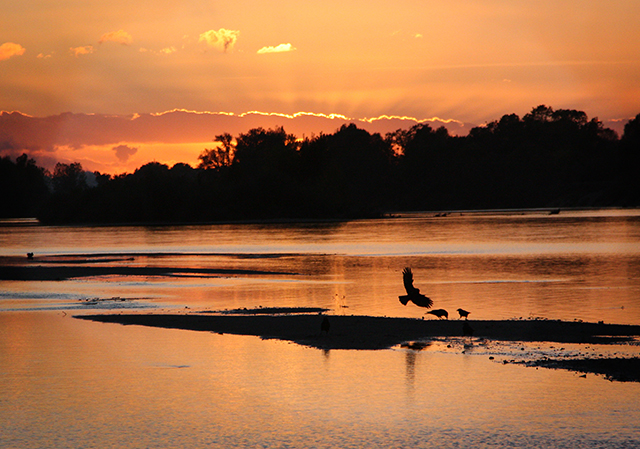
Sunset on the Loire, photo by Stuart Byrom

We’re at ‘The Shaker’ on l’Ile d’Or, the little island in the middle of the Loire River, with its stunning view of Amboise Castle, at the monthly meet-up of the Loire Connexion. Two newcomers arrive. We start chatting and I learn that Elizabeth and Stuart, both retired Americans, divide their time between their small apartment in Paris where they’ve been living for four years, and their bigger and more recently acquired house in Amboise. Read more


Monday’s Travel Photos – San Sebastian, Spain

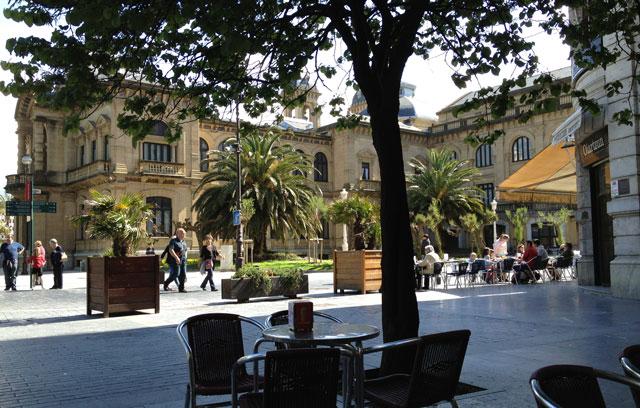
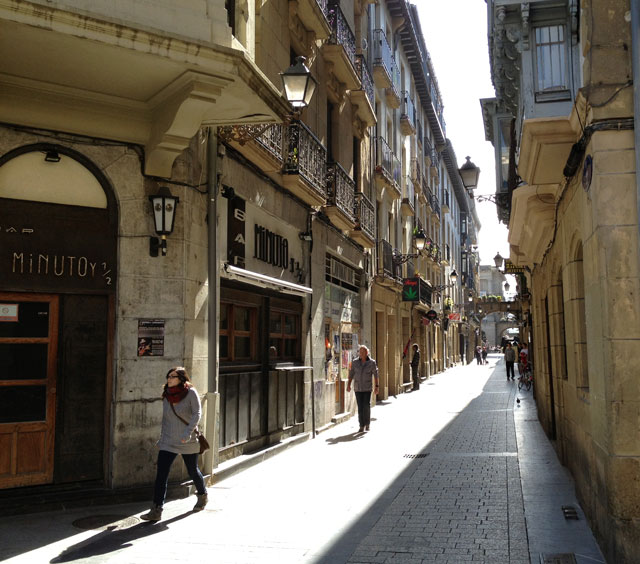
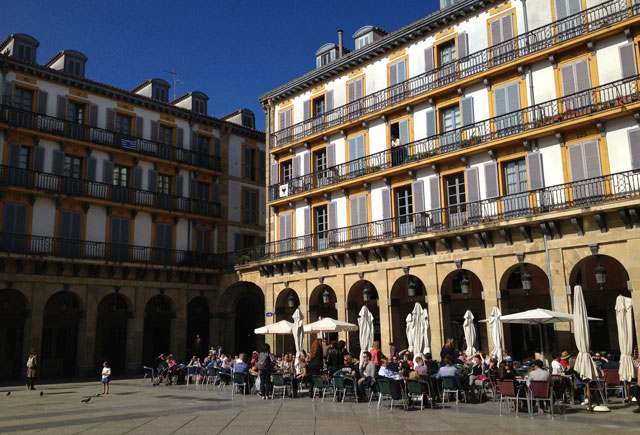
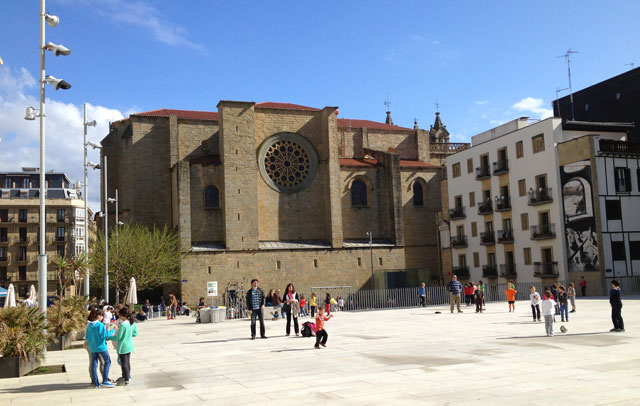
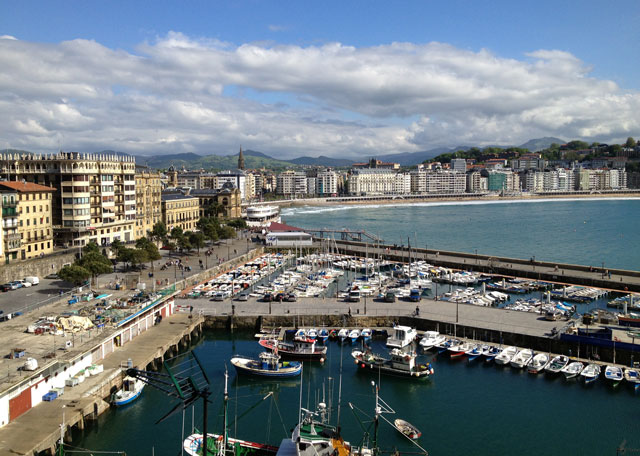
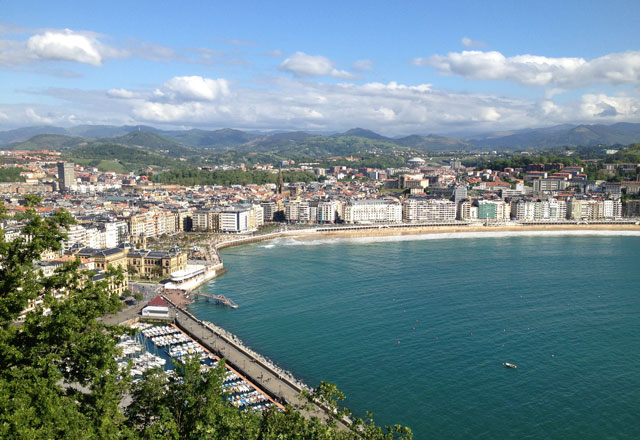
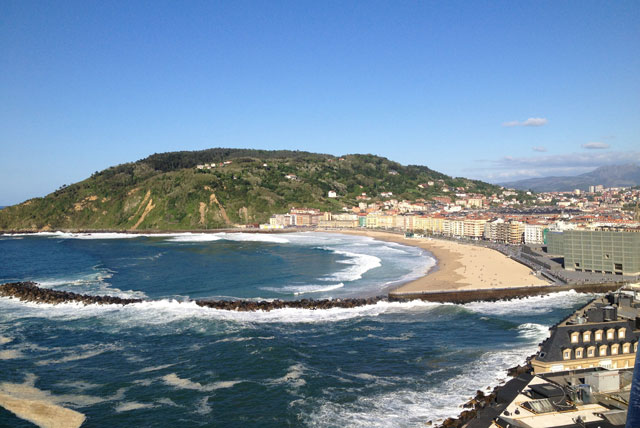
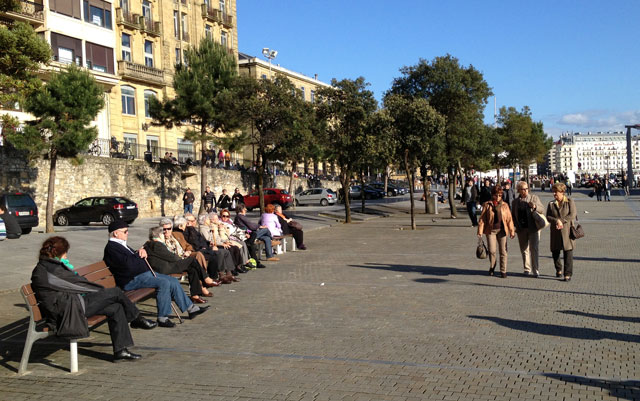
San Sebastian is an attractive city in the north west of Spain on the Bay of Biscay, 20 K from the French border in the Basque Country. Known as Donostia in Basque, it has an old part that mainly dates back to the 19th century when the town was rebuilt after being destroyed in 1813 during the Napoleonic wars. Its main appeal is its incredible location which can be seen best by mounting Urgull Hill on which the ruins of Napoleon’s military fortress still stand. Its second attraction is its ambiance of small bars serving pintxos (not as good as Barcelona though) and many cultural events. I was impressed by how many people of every age joined in the paseo in the late afternoon sun.

Square on Alameda Boulevard just outside the old part of San Sebastian
Typical Square on Alameda Boulevard just outside the old part of San Sebastian 
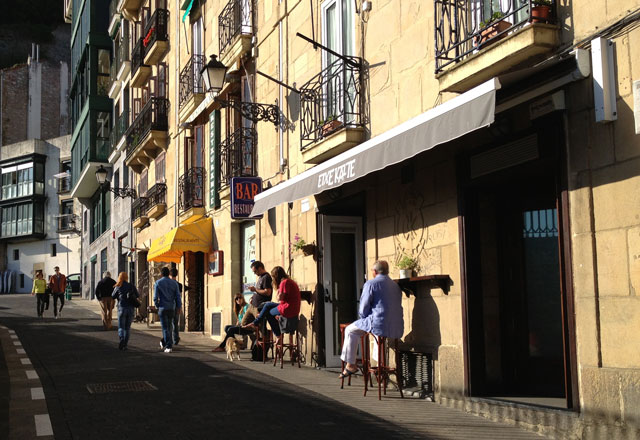
Typical street in the old part of San Sebastian
Constitution Square - the numbers on the windows are a reminder of when it used to be an arena
Constitution Square – the numbers on the windows are a reminder of when it used to be an arena
Church in the old part of town
The fishing port from Urgull Hill
The fishing port from  Mount Urgull
View as you climb Urgull Hill
View as you climb up Mount Urgull
View as you climb down Urgull Hill
View as you climb down the other side of Mount Urgull
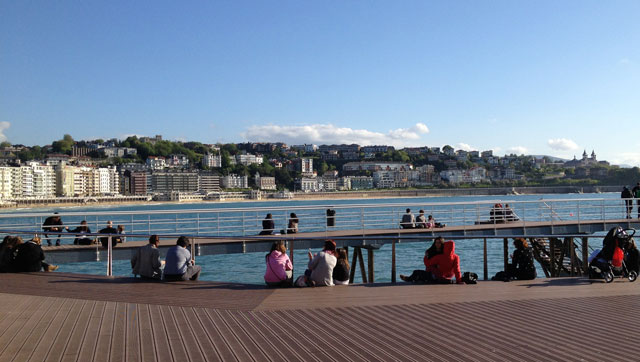
Soaking up the sun at a little bar at the end of the day
Having a drink on the waterfront
Relaxing on the waterfront
Paseo time along the waterfront

Friday’s French – S’il vous plait

Last week, I talked about the use of bonjour in French. This week, I want to comment on another very common expression – s’il vous plaît (or s’il te plaît in the familiar form). It literally means “”if it pleases you but, like bonjour, it is not necessarily used under the same circumstances as please.

To start off with, the so-called magic word is not used as frequently in French as it is in English. A child asking for an ice-cream should say s’il te plaît maman or s’il te plaît papa. However, if he is asked if he wants an ice-cream, the answer is more likely to be oui, je veux bien and not oui, s’il te plaît. This is particularly so in the case of adults who would never say oui, s’il vous plaît but simply oui or oui, je veux bien when offered something to eat or drink. Veux is from the verb vouloir “to want” so je veux bien literally means “I want well” and is not directly translatable.

If you want to ask someone politely to help you do something, you’d say est-ce que tu veux bien m’aider and not aide-moi s’il te plaît which is much more abrupt and corresponds more to “help me, will you”.

The very frequent “yes thanks” used in English is not possible in French. You can say non, merci or just merci WHICH MEANS NO unless the context indicates otherwise, but never oui merci. I can remember when my father was in France once and we went to visit friends who didn’t speak English. He understood he was being asked if he wanted a beer and replied merci. I decided not to say anythng until he expressed surprise at not being given anything to drink!v

You’d never see a sign saying S’il vous plaît, ne mangez pas dans le bus instructing people not to eat in the bus but Veuillez ne pas manger dans le bus, veuillez being the polite command form of the verb vouloir mentioned above, which isn’t translatable either. It very roughly means “would you”. You’ll see veuillez in several contexts such as Veuillez faire l’appoint which means that you should give the exact change.

In Belgium and in the north of France, s’il vous plaît is also used when someone gives you something. For example, a waitressr will say s’il vous plaît when she sets down your plate in a restaurant. It is also used instead of je vous en prie (you’re welcome, literally I pray you) in response to thank you.

Attracting the waiter's attention
Attracting the waiter’s attention

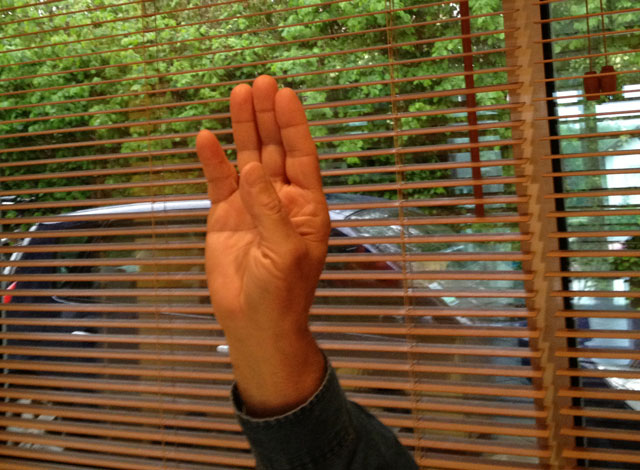
And while we’re talking of restaurants, you can use s’il vous plaît to attract the attention of a waiter, raising your hand at the same time with your fingers together (as opposed to apart when you wave).

Do you know of any other differences between the English use of please and French use of s’il vous plaît?
Architecture on the Basque Coast

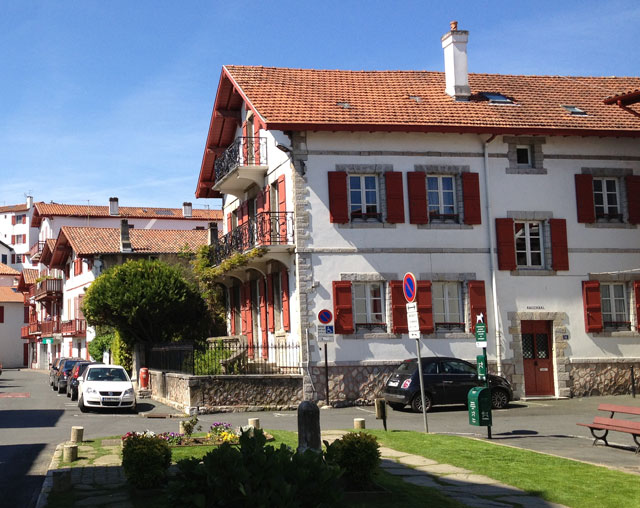
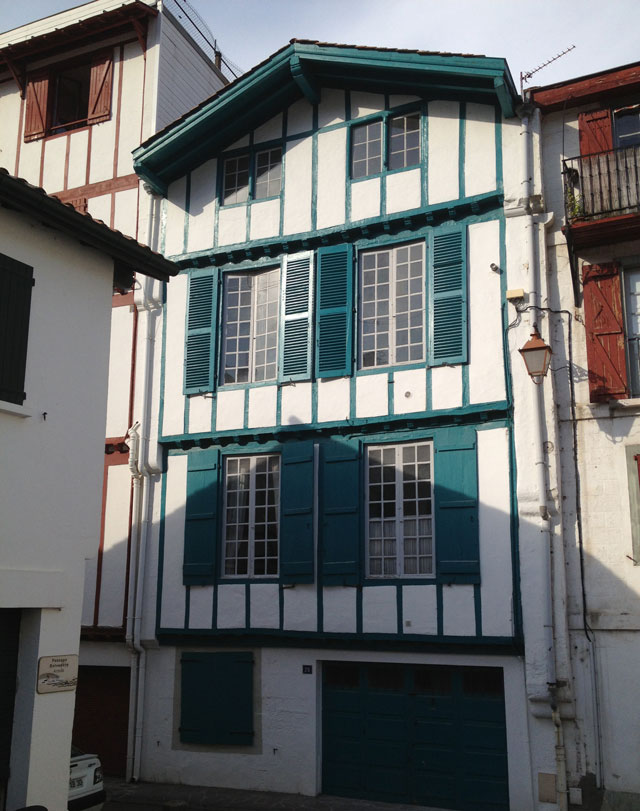
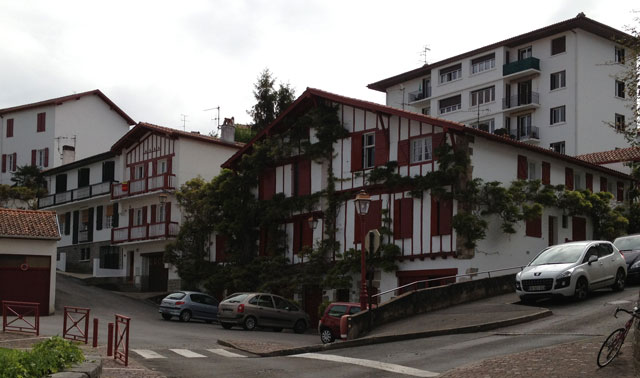
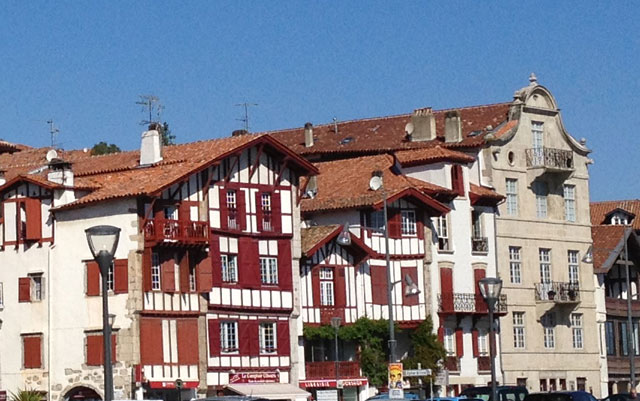
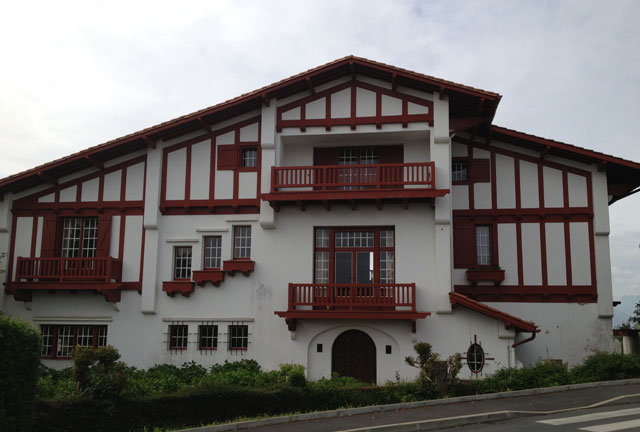
One of the things I like best about the Basque Coast is the architecture. The typical Basque home in the Saint Jean de Luz area where we’re staying is the Labourdine – white with dark red, dark green or blue half-timbering and shutters and red roof tiles. Although each house is different, it gives an overall coherence that appeals to my sense of the aesthetic.

Traditional architecture in Ciboure

The dark red was initially produced by coating the timber with ox blood reputed to protect it from insects and rot. The blue apparently was paint left over from the fishing boats but I haven’t been able to find out where the green comes from.

Blue details in Ciboure

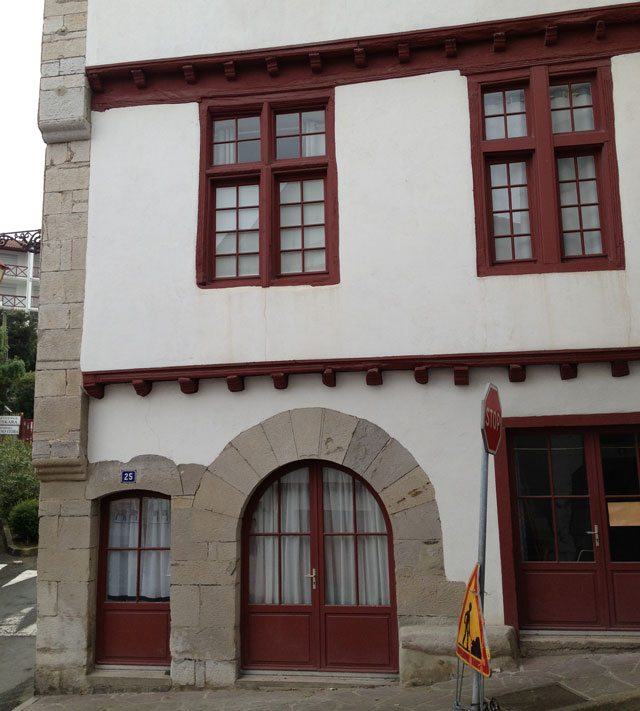
The houses are usually quite big and built directly on the ground without cellars. The older ones have mullion windows, stone door surrounds and no shutters. The bottom floor was usually used as a stable.

One of the oldest houses in Ciboure with no shutters and mullion windows

There are very few houses older than the 16th century because of the many wars that raged in the area.

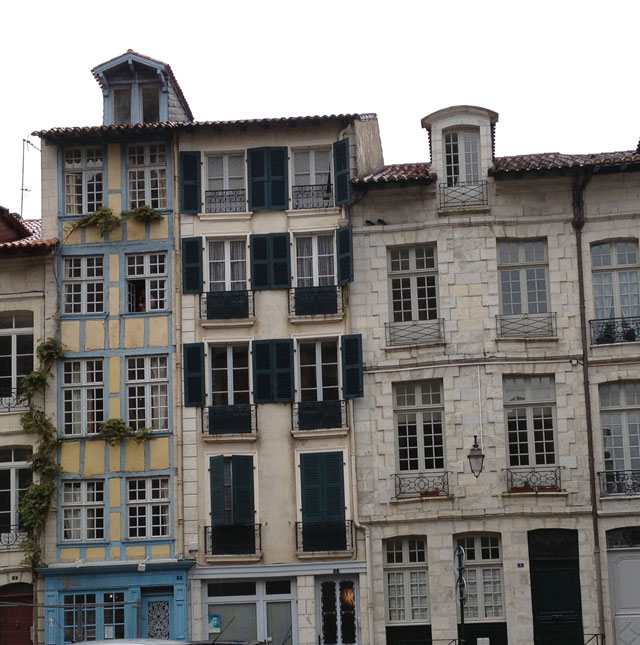
Narrow apartments in Bayonne

There are also a lot of very tall apartment houses, just one room wide, often separated from each other by stone columns to prevent fire.

Apartments in Ciboure with traditional details

Even the modern buildings are based on traditional architecture and are usually white with red, green or blue details. Railings and lampposts are often red too.

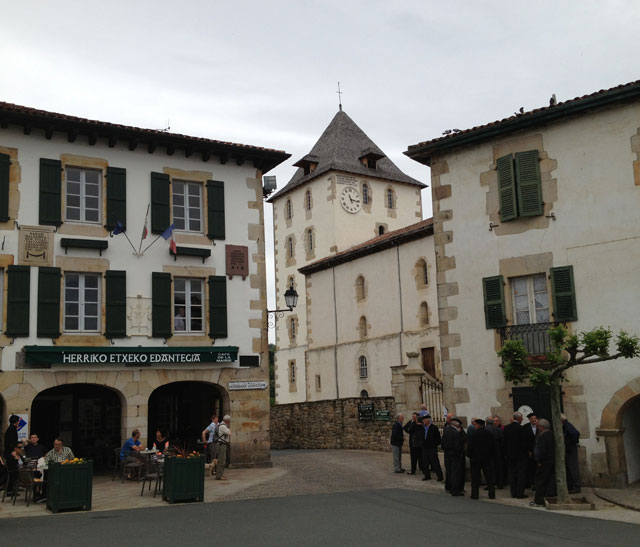
Traditional houses in Sare with more stone and green details
Traditional houses in Sare with greater presence of stone and green details

As you go further inland, stone is more present but the white and red combination is still very popular.

Ravel's birthplace is on the right
San Estebenia, Ravel’s birthplace, is on the right

In Ciboure, there are two notable exceptions : San Estebenia and Villa Leihorra.

San Esebenia is the Dutch-style housebuilt by shipowner Esteban d’Etcheto where the composer Maurice Ravel was born in 1875. Cardinal Mazarin was also a guest there when Maria Teresa of Spain married Louis XIV in 1660 in the nearby church of Saint Jean de Luz. Today, it houses the tourist office.

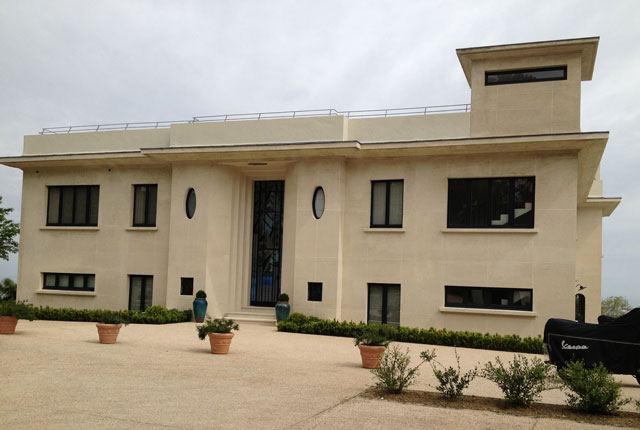
Art deco Villa Leihorra

Villa Leihorra, now a listed monument, was built by the architect Joseph Hinart in 1926 on Bordagain hill overlooking the Atlantic ocean, and is a prime example of Art Deco. It is now a luxury hotel and it’s worth taking a virtual tour.

Modern house with traditional details

Top 5 beautiful parks in Paris – Details at the Fete des Gardians – An Archipelago of Floating Gardens on the Banks of the Seine

In this week’s bloggers round-up, fellow Aussie Andrea from Rear View Mirror shares five beautiful parks to visit in Paris, Heather Robinson from Lost in Arles brings us some stunning photos from the Fête des Guardians in Arles and Mary Kay from Out and About in Paris gives us an update on an archipelago of floating gardens soon to be opened on the banks of the Seine. Enjoy!

 Top 5 beautiful parks in Paris

by Andrea from Rear View Mirror (formerly Destination Europe), a fellow Australian who, after 6 years of living in France, has given up herParis apartment to live a nomadic life slowing travelling around Europe, experiencing each destination like a local

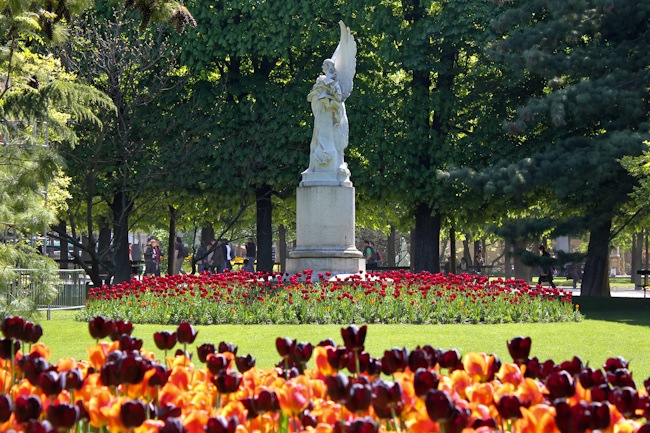
paris-parks-26Spring has finally arrived in Europe and it’s currently rewarding us with gorgeous pink cherry blossoms, sweet-smelling wisteria and orange blossoms as well as beautiful spring flowering bulbs like tulips and hyacinths. It’s times like this I miss living in Paris and being able to visit my favourite French parks and gardens like the Jardin du Luxembourg.

I’ve never met a garden in Paris I didn’t like but here are my top 5 parks when it comes to spring flower displays. Read more

Details at La Fete des Gardians

by Heather Robinson from Lost in Arles, an American writer and photographer living in Arles who offers us meanderings through all that makes life in a small town in Provence worth while

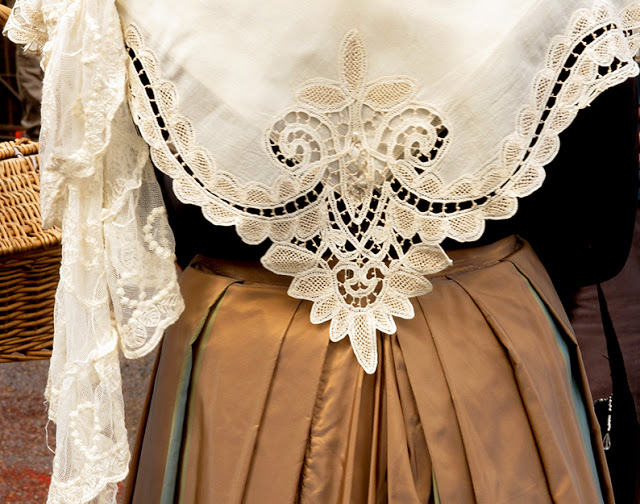
arlesHow I am entranced by the swish of silk and shine of satins at the Fête des Gardians, held each year on the First of May in Arles. The women sway like tender reeds under the weight of their finery while the men clench their jaws as they guide their horses through the maddening crowds. We all gather and pull to catch glimpses of a past and present mingling, sighing wishes just for a little bit of better, a mist of more mystery. Our everyday garb says much of the times we are in–of uncertainty, of fatigue. So how wonderful to get lost in this particular dream. Read more

An Archipelago of Floating Gardens on the Banks of the Seine

by Mary Kay from Out and About in Paris, an American by birth, Swiss by marriage, resident of Paris with a Navigo Pass for the metro that she feels compelled to use

port_du_gros-caillou-jardin_flottant“Paris is the most beautiful city in the world, n’est–ce pas?”, announced the driver of bus number 62 as he eased to a stop behind the rush hour traffic on Pont Mirabeau. Pointing towards the Eiffel Tower in the distance, he let out a long sigh that was clearly audible over the public announcement system. Like a group of jet-lagged tourists visiting Paris for the first time, all of the passengers automatically swiveled their heads in unison to admire the sweeping view of their city. It is stunning. I can’t fault Parisians for being so proud. And thanks to Mayor Delanoë’s plan to “reclaim one of the most beautiful urban and river landscapes in the world”, the cityscape is about to become even more remarkable. Read more

Cycling on the Basque Coast #1 – Ups and Downs

The first day in our home exchange in Ciboure on the Basque Coast gets off to a good start with breakfast on the terrace overlooking the Pyrenees. There’s so much sun we even have to open up the awning.

Breakfast on the terrace

After breakfast we go into the centre of Ciboure to buy fresh fish directly from the stalls representing the people who caught it. We choose a dorade rose (red sea bream) which is supposed to be the best of the sea bream family.

Ciboure
Ciboure

We then go to the Coopérative Maritime which sells clothing brands such as Saint James, Cap Marine and Armor Lux, very popular on the coast in France,particularly in the summer. I find a navy zippered cotton cardigan which will be perfect for cooler evenings by the sea.

Typical Basque architecture, even for recent homes

We go home and change into our cycling gear and set off by car to join the cycle path to Bayonne, a nice easy ride for the second day of the holidays. Jean Michel tries a couple of different places and then decides it’s the right one. Theoretically we’ve cycled along this path before but I don’t recognise it. But that’s not surprising – I don’t remember a lot of places we’ve been …

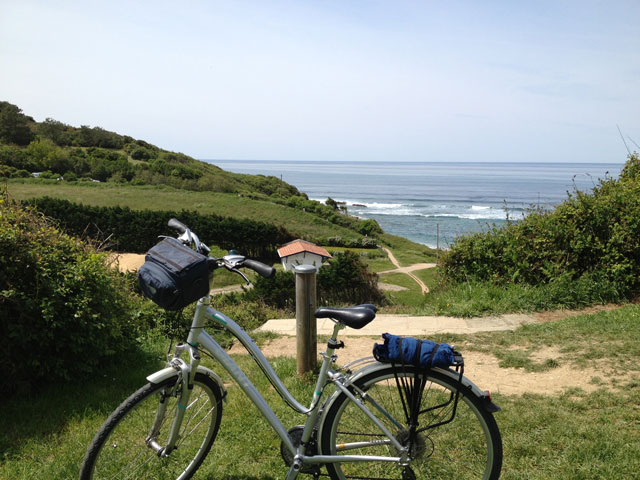
A stop along the hilltop cycle path

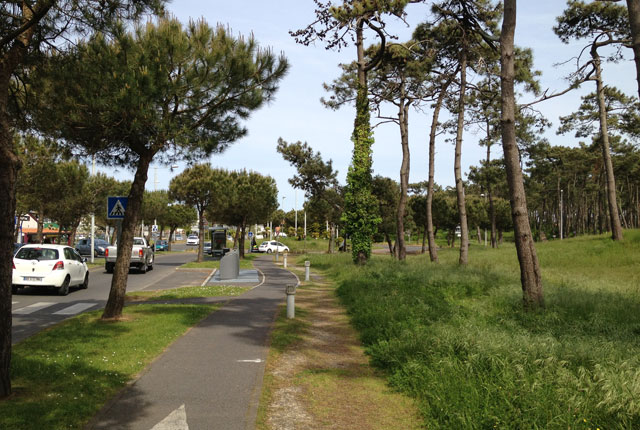
Instead of the flat path I thought we were taking, it starts with a steep hill. OK, I think, now it’s going to get flatter. But it doesn’t. We whizz downhill which is always worrying because there is inevitably a hill going up on the other side. Jean Michel then realises he’s somehow confused Saint Jean de Luz with Biarritz and the roller coaster bike path is not going to stop for quite some time. I groan inwardly.

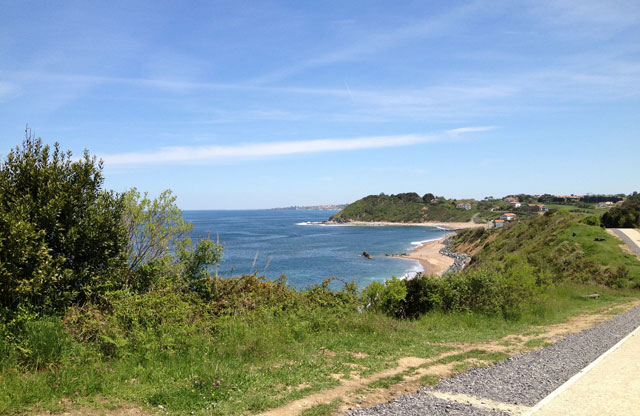
View from the hilltop path

The coastal scenery is admittedly very beautiful but I’m so busy changing gears that I can’t really take it in. I also can’t take many photos because there is no way I’m going to stop on the way up a slope or I’ll never get going again. Also, my first gear isn’t working which doesn’t make things any easier.

Le O restaurant, Plage de Cenitz, Guéthary
Le C restaurant, Plage de Cenitz, Guéthary

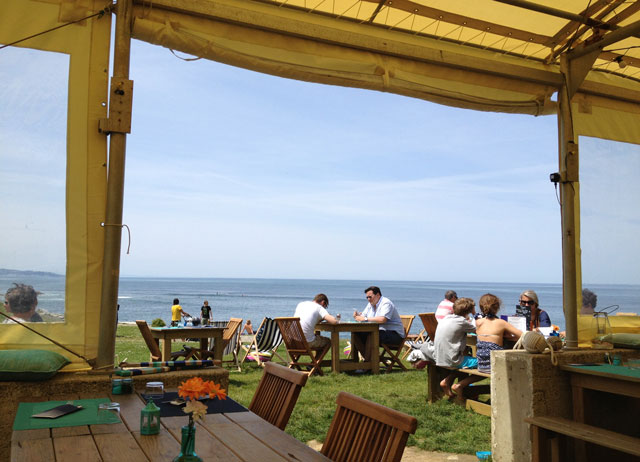
After a while, I realise that if we don’t stop soon, we’ll never get lunch. It’s already 1.30. I see a sign that says “restaurant” just before another hill. We’ve only done 6 ½ kilometers but I’m exhausted. The road goes downhill and we come to a concrete building with a sort of garden tent attached to it and tables and even deckchairs on the grass in front, with a stunning view of the sea.

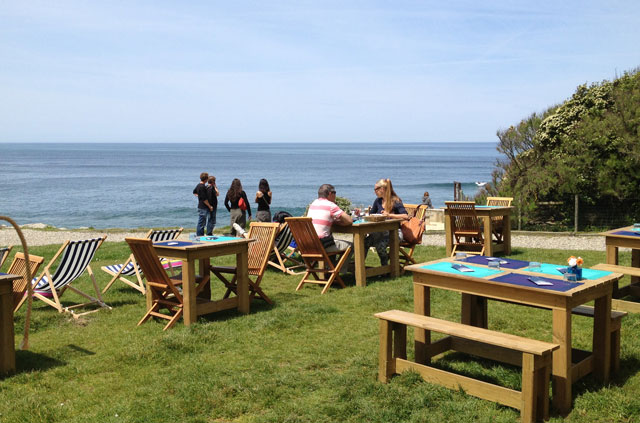
Tables and deck chairs on the grass at Le O
Tables and deck chairs on the grass at Le C, Cenitz Plage Guéthary

We don’t hesitate. I go inside to find a table as there are no sunshades over the outside tables and it’s about 28°C in the sun. I gradually start to recover and my beetroot shade slowly disappears (I’m not burnt as I’ve slathered on sunscreen). I look at the menu. Twenty euro for harmburger meat and French fries seems a little exaggerated.

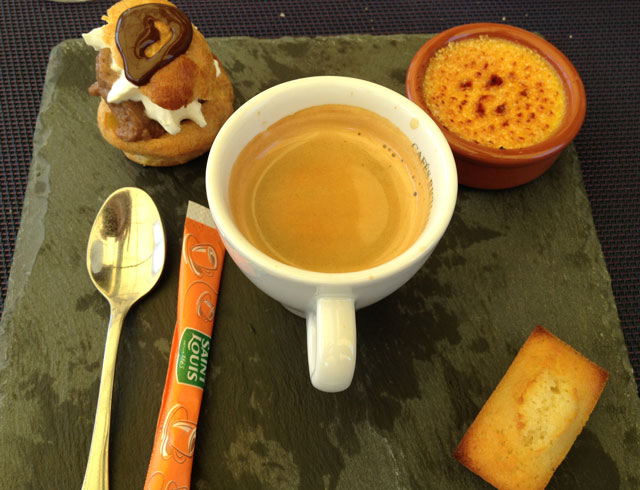
Café gourmand at Le O

Then I spy the set menu for 19 euros – dish of the day, a glass of wine (will I ever get up the slope?) and café gourmand. The dish of the day is Spanish: small sweet peppers stuffed with garlic cream and cod, served with rocket. Sounds perfect. The waiter very sweetly brings us bread and some sort of spread while we’re waiting.

Jean Michel congratulates me on all the hills and suggests we go back to the car, load the bikes again and go to the place he meant to go to in Biarritz in the first place. Sounds like a good idea to me. I manage to cycle back up and down the hills, only getting off and pushing the bike twice.

The flat path
The flat path

When we finally get to the flat bike path, I’m not sure my legs are going to cooperate. But apart from a few initial undulations, the bike path really is flat. It’s also shady and I begin to wonder whether I was right to leave our sweat shirts in the car. After those horrible hills, it seems dead easy though. The sky isn’t as blue as it was when we started out.

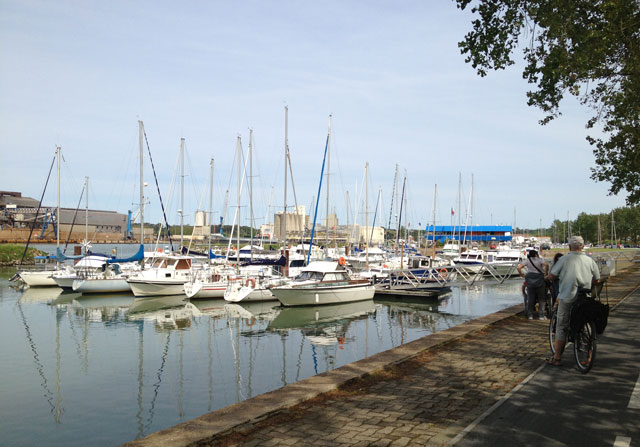
Along the Adour near Bayonne

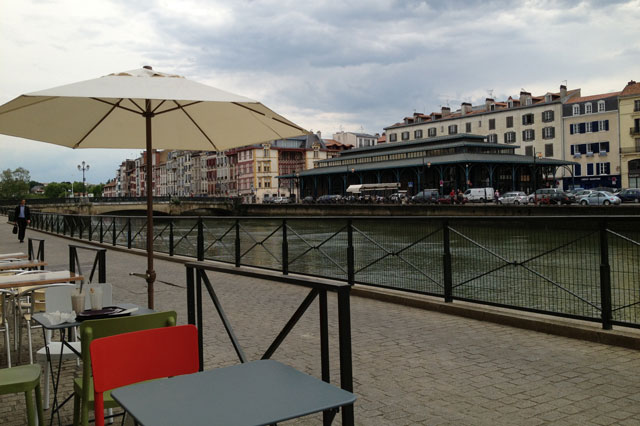
At Bayonne, we find the café where we had a cold drink last time we cycled from Biarritz, next to the Adour River with a lovely view of the old town opposite. Afterwards we cycle around a bit. The sky is looking more and more threatening so we decide we’d better start making tracks.

On the quayside in Bayonne
Having a drink on the riverside in Bayonne

We stop and put our jean shirts on. The tide is turning and the air is much cooler. We hope it won’t start raining before we get back to the car because we obviously don’t have our rain capes. About 3 K before we reach our destination, we feel the first drops. We’re nearly back at the car when they start getting heavier and, thankfully, IN the car when it really starts to rain.

Storm brewing on the cycle path

However, it doesn’t last that long and we follow the coast road back to Saint Jean de Luz, congratulating ourselves on not having to go up and down all those hills again.

AllAboutFranceBadge_bisThis post is part of the Lou Messugo monthly All About France blog link-up. For other entries, click here

Deer and Orchids in Our Little Wood in Blois

This morning when we got up, Jean Michel called me from the bathroom whose first floor window overlooks the little wood behind our house which is part of our property. “Un chevreuil à côté du neflier”. Mr and Mrs Previous Owner told us we could see deer in the wood at dawn and dusk but this was 8.30 and unexpected. By the time I got to the window, it had disappeared behind the nearby apple tree.

Cherry blossoms
Cherry blossoms in our little wood

I dashed off to get the binoculars and was rewarded by seeing quite a large animal sprint past the medlar tree and out of sight. By the time we tried to pick our medlars last year, there were none left on the tree, but I certainly don’t mind. I’d much rather the deer ate them. Maybe next time I’ll be quick enough to get a photo.

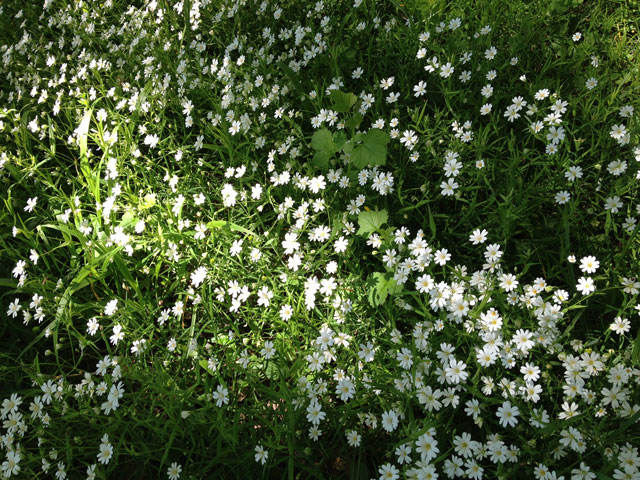
Daisies in our wood
Daisies in our wood

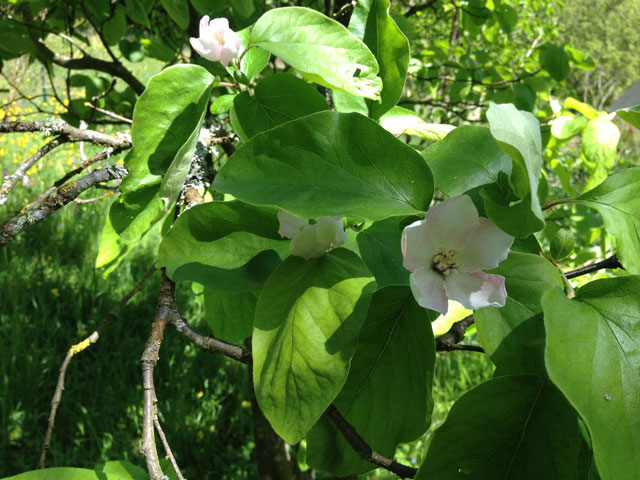
We love our little wood. Last time we were here, it was covered in daffodils. Now there our flowering apple, cherry, quince and lilac trees and decorative broom.

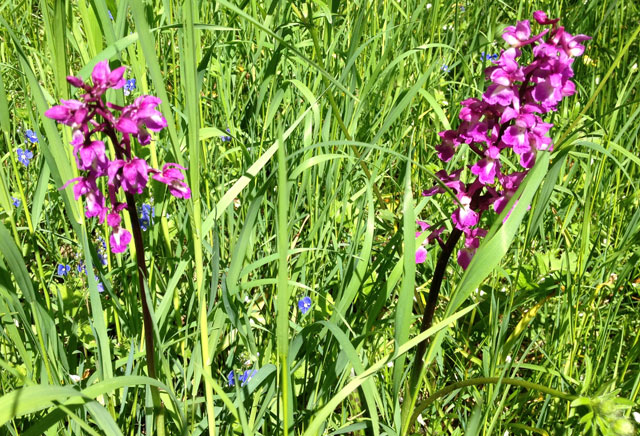
Touraine orchids
Touraine orchids

On the ground are wild Touraine orchids (two colours), bluebells, tiny white daisies, buttercups, dandelions and periwinkles. Mr Previous Owner had told us about the orchids but we didn’t see them last year probably because we didn’t know what they looked like. But thanks to Susan from Days on the Claise, this year, I’ve observed three species.

Lilac in bloom at Closerie Falaiseau
Wisteria in bloom at Closerie Falaiseau

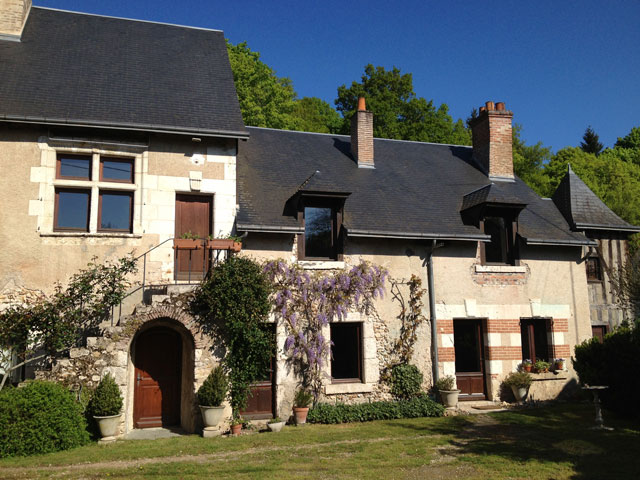
At the front of the house, the wisteria is in bloom, much more impressive than last year. We’re both relieved and delighted because we were worried that we’d pruned it too late. The drive into Blois along the Loire is sheer delight at the moment with masses of wild lilac and lots of beautiful wisterias which remind me of Venice in the spring time.

Lilac outside the gate

We have an enormous lilac opposite the house on the vacant land leading down to the Loire. We often park the car next to it and the scent is overwhelming. I hope it will still  be in bloom next weekend so I can take some back to Paris.

Water on the bike path along the Loire from Blois to Saint Dyé

After spending the day mowing and weeding yesterday, we finally found time to go cycling along the Loire to Saint Dyé late afternoon. Wild broom and apple trees dotted our path. Halfway along, though, our bike path suddenly came to a stop. Jean Michel had been noticing how high the river is this year after all the rain and our path was completely under water so we had to turn back.

Wild broom along the Loire

As it turned out, I think 20 K was probably enough for our first bike excursion since last September. My sore thighs and rear end are appreciating the rest today as we drive from Blois down to Ciboure on the Basque coast, just across the estuary from Saint Jean de Luz.

Air ballon near Vallères

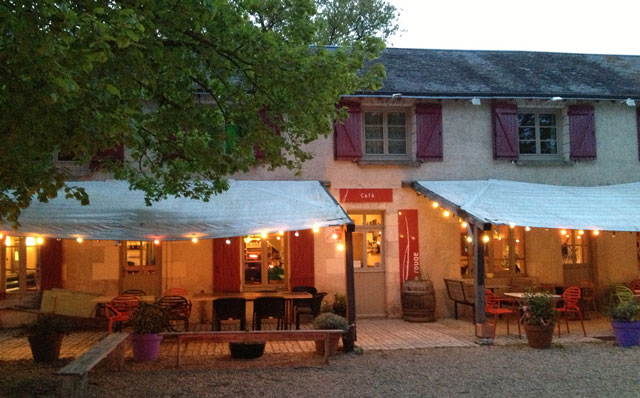
As a fitting end to the day, we went to a restaurant we’d seen in Valaire (15 minutes by car from Blois) when cycling on another occasion and on the way, spotted the first air balloons of the season. L’Herbe Rouge is just the sort of restaurant I like – unpretentious, frequented by the locals with fresh food, a touch of originality and friendly service. The waiter turned out to be English but has been here for many years.

L'Herbe Rouge
L’Herbe Rouge

I had candied capsicums with fresh Corsican cheese while Jean Michel had avocado and prawns, followed by sirloin steak and French fries for Jean Michel and fennel purée for me as I am need to lose a couple of winter kilos to fit into my summer clothes again! Then we shared a serving of cheese cake for dessert. We chose a local chinon which we bought by the glass, followed by a decaff each. The bill came to 65 euro.

L'Herbe Rouge in Vallères
L’Herbe Rouge in Vallères

I’m looking forward to going back there when the weather is warmer to eat on the terrace.

L’Herbe Rouge, restaurant and wine bar, Valaire 41120, 02 54 44 98 14. Open from 12 to 2 pm and 6 to 9.30 pm Tuesday to Sunday. Closed Sunday night (except July and August) and Monday.

Friday’s French – Bonjour

Now you might wonder why I am writing a post about something as basic as bonjour which everyone knows means “hello”.

However, Black Cat and I were having a discussion the other day about WHEN and HOW it is used in French which is quite different from the English use of hello.

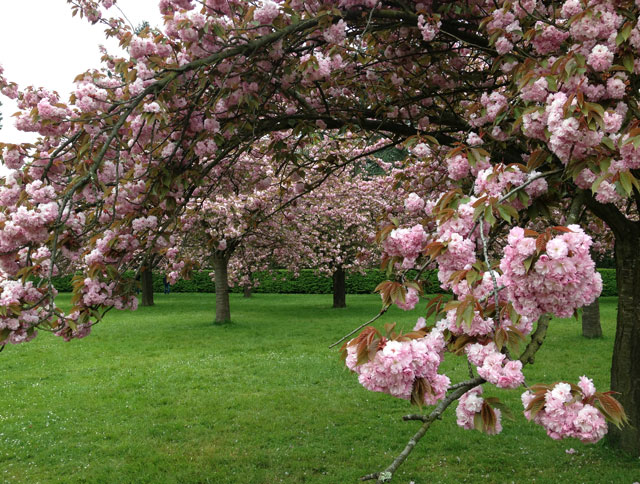
Japanese cherry blossoms at Parc des Sceaux. Absolutely nothing to do with bonjour but we finally got there on Wednesday and it was breathtaking
Japanese cherry blossoms at Parc des Sceaux. Absolutely nothing to do with the subject but we finally got there on Wednesday and it was breathtaking so I wanted to share

If I am in a supermarket in Australia and want to ask the man filling the shelves where the coffee is, the most polite way is to go up to him and say, “Excuse-me, but can you tell me where the coffee is”.

Now, if I do that in France: “Excusez-moi de vous déranger, mais savez-vous où se trouve le café?“, I am likely to get a nasty look. The person will say, “Bonjour” and wait for me to reply “Bonjour“, then I have to ask the question again and will get a helpful answer.

If you go into a bakery or a butcher’s shop or even a doctor’s surgery, you should always say bonjour to the people present, and it’s even more polite to follow it with messieurs, or mesdames or messieurs dames depending on who’s present. You can also walk in and say messieurs dames without bonjour.

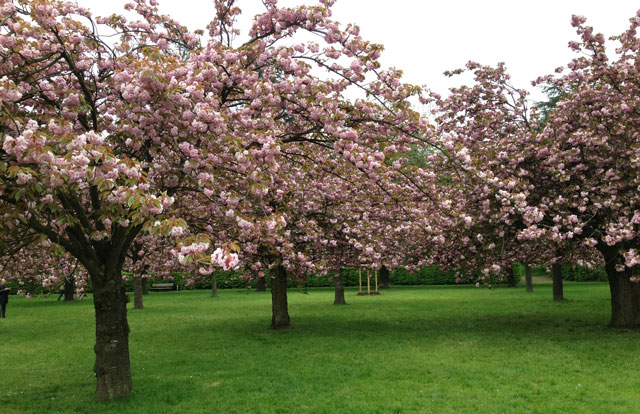
Just one tiny section of the Japense cherry tree grove

There is no equivalent to our good morning or good afternoon . Bon matin doesn’t exist, although bon après-midi  does (or bonne après-midi because après-midi is one of the rare words that can be both masculine and feminine and keep the same meaning) but that is something you say on leaving and  it means “have a good afternoon” which, of course, is quite different.

You can start saying bonsoir instead of bonjour from about 5 or 6 pm onwards, particularly when it’s dark in winter. Bonne nuit is only used when someone is going to bed.

So if bon après-midi means have a “good afternoon”, how to you say “have a good day?” The answer is bonne journée, as opposed to bonjour because the ée ending indicates something that is ongoing. Very occasionally, you might hear passez une bonne matinée (have a good morning) but never bonne matinée by itself ! Bonne soirée means have a good evening (or what’s left of it). Saying Au revoir. Bonne journée when you leave a shop will be very much appreciated.

The cherry blossoms form incredible bunches

Every morning when I wake up (provided we wake up at the same time) Jean Michel wishes me bonne journée. I really miss it when he gets up before me. Just before we begin to watch a film at the cinema, he says bon film and at the beginning of a holiday or weekend, he says bonnes vacances  or bon weekend.

Now what about salut? This is an informal way of saying both hello and goodbye and is not used to greet the butcher, for example.

Another thing while we’re on the subject is introducing yourself. If you’re invited to dinner and there are people you don’t know, it’s perfectly acceptable to shake their hand and say, “Bonjour, je suis David“, but it’s practically unheard of to give your name otherwise unless asked.

For example, when I wasn’t strong enough to help Jean Michel get a very heavy wardrobe up the front stairs once, he went looking for help and found a man picking up his son from a birthday party next door. Neither he nor the man introduced themselves and to this day, we still don’t know his name. That, in France, is perfectly normal, but would be considered very rude in Australia.

And, I nearly forgot: you only say bonjour once to the same person the same day. After that, you say rebonjour et even just re!

I’d be interested to hear other people’s experience under similar or different circumstances.

If you want to know how to pronounce bonjour and salut, there’s a great You Tube video by French Sounds.

Next Friday: s’il vous plaît which also holds some surprises!


FURTHER READING

AllAboutFranceBadge_bisThis post is part of Lou Messugo’s All About France montly blog linky. For other posts on France, click on the link.


from the Tropics to the City of Light