Nice celebrates May – Paris to Mont St-Michel By Bike – Real life one bag travel

Welcome to Wednesday’s Blogger Round-up, on 1st May this time, so very appropriately, Phoebe from Lou Messugo introduces us to the May Day celebrations in the city of Nice. Maggie LaCoste from Experience France by Bike reports on the Paris to Mont St-Michel bike route while Jo from Frugal First Class Travel gives us a packing list for spring travel in Europe that goes into a rolling backpack. Enjoy!

Lu Festin de Nissa – Nice celebrates May

by Phoebe from Lou Messugo, a traveller, francophile, expat, mum and foodie now living in Roquefort les Pins where she runs a gîte after many years of travelling and living in Asia, Eastern Europe and Australia.
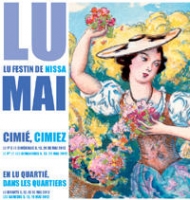
Lu-Festin-de-NissaOn the 1st of May and then every Sunday throughout the month, Nice celebrates the arrival of spring.  This custom dates back to Roman times when a “Mai” (a large pine tree felled in the nearby forest) was displayed in a temple and decorated with garlands of flowers and laurel leaves.  Over the centuries the celebrations evolved to include dancing around the Mais placed in symbolic locations in the old town, while eating local specialities and playing “pilou” or “vitou” (two traditional Niçois games).  A May Queen is usually elected too. Read more

Veloscenic Cycle Route Update: Paris to Mont-St-Michel by Bike

by Maggie LaCoste from Experience France by Bike, an American who loves biking anywhere in Europe, but especially France, which has the perfect combination of safe bike routes, great food, great weather and history

veloscenicIf you are planning to be near Paris or Mont St-Michel this summer, and you are looking for a challenging bike adventure, look no further than the Veloscenic, one of the newest long distance bicycle routes.  The resources for the Veloscenic have improved a lot since the last time I updated the route last summer.  The main benefit for those interested in the route is that the website is finally available in English, and it is full of helpful information on stages of the route and other information to help with trip planning. Read more

Real life one bag travel – my packing list for spring in Europe

by Frugal First Class Travel, an Australian who loves to travel – especially in Europe – and who has gradually learned how to have a First Class trip on an economy budget, without missing out on anything!
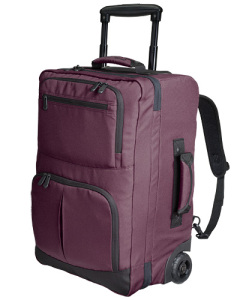
rolling-backpackI’m always working on ways to refine my packing and work out how to take even less on my travels.  So I’m approaching things a bit differently on my upcoming trip.  It’s early spring and things are still pretty cold so I need to pack warm.  I’ve bought a new bag (a rolling backpack).  It’s much lighter than my old international carry on, but on the downside it’s quite a bit smaller.  So, I need a tight list of multitasking clothing that will take me from a week in London for a work conference, to a weekend in the South of France and four days of walking in the Cinque Terre with perhaps a day trip to posh Portofino.  All that will need to fit into my new, tiny bag. Read more
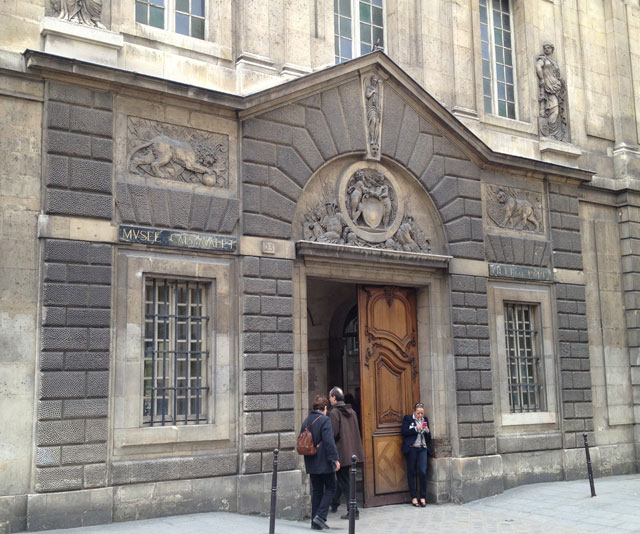
Musée Carnavalet – an exceptional museum in Paris

I can’t believe that I have lived in Paris for 35 years and never been to one of its best museums. Musée Carnavalet in the Marais had always been described as a  museum of French history which seemed very dry to me but someone posted a photo on FaceBook recently which made me think that it was perhaps worth going to.

Musée Carnavalet façade

Jean Michel had a day off on Tuesday and the weather still wasn’t condusive to going to Parc des Sceaux to see the Japanese cherry blossoms so I suggested Carnavalet instead. He didn’t seem convinced, so I dug out the trusty Routard : “One of Paris’ finest museums not only because of its setting, its proportions and intimate character, but also its excellent permanent collections.

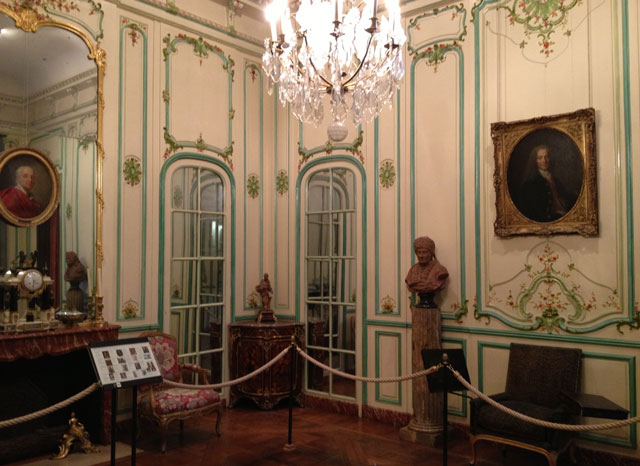
Beautiful wood panelling with Voltaire's chair on the right
Beautiful wood panelling with Voltaire’s chair on the right

The French Capital is brought to life in paintings, sculpture, furniture, everyday and decorative objects. Carnavalet is often considered to be a secondary museum that you only visit if you have a bit of time left over after doing the Louvre and Orsay – a most unfortunate opinion. Nothing could be more passionate and amusing than discovering the many faces of Paris in the Middle Ages, the Revolution, the Reign of Terror, the romantic era or the sixties.

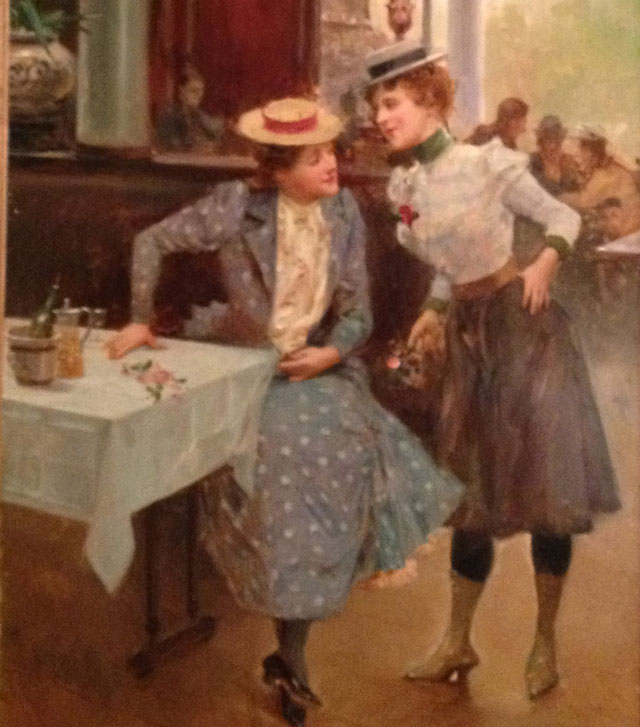
I was surprised the skirts were so short - they're cyclists!
I was surprised the skirts were so short – they’re cyclists!

It’s like walking into a picture book where you can let your imagination wander from one era to next, like in a dream, fascinated by the powerful evocation of scenes from the daily life of Parisians in days gone by. Carnavalet: a must!”

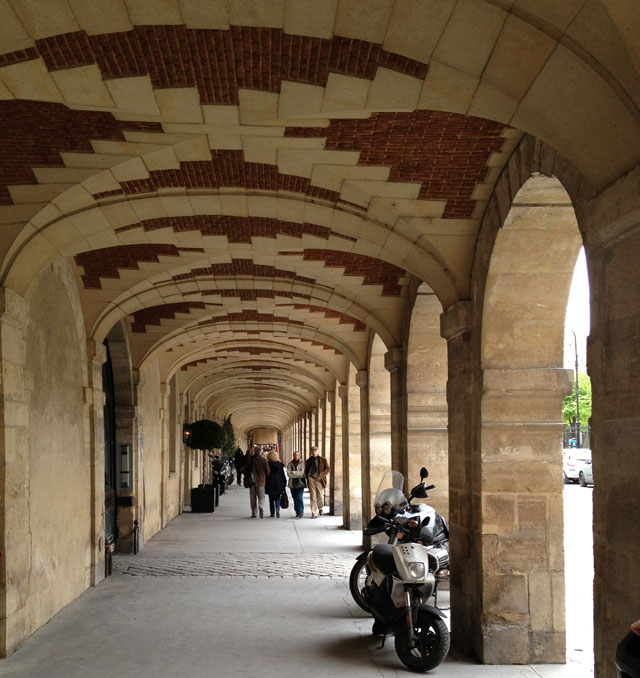
Vaulted arcades, Place des Vosges

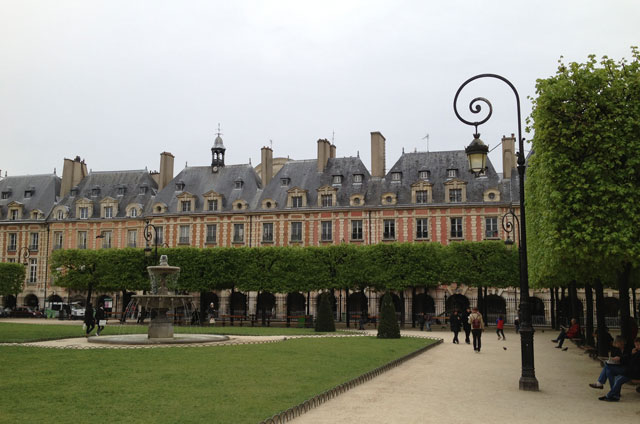
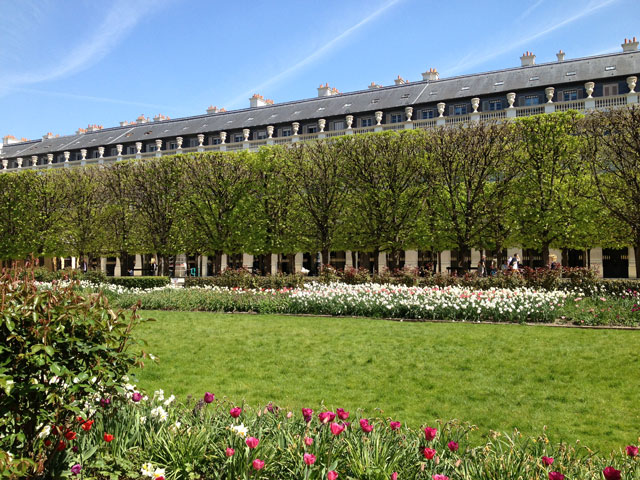
Well, that convinced him and we set off on metro line 1 to Saint Paul and walked through Hôtel de Sully with its flowering lilacs and onto. Place des Vosges. I’d forgotten how attractive it is, with its brick and stone vaulted arcades, terrace cafés and leafy garden surrounded by early 17th century apartment buildings with uniform façades, somewhat similar to Palais Royal which, however, has the added advantages of not having any cars.

Place des Vosges
Place des Vosges

There was no queue when we got to the Museum, mainly because it’s free like all the other museums owned by the city of Paris. The building itself is very large and consists of the original town house built in the mid 16th century and purchased by the city of Paris in 1880 and Hôtel Le Peletier Saint-Fargeau connected by a gallery on one side.

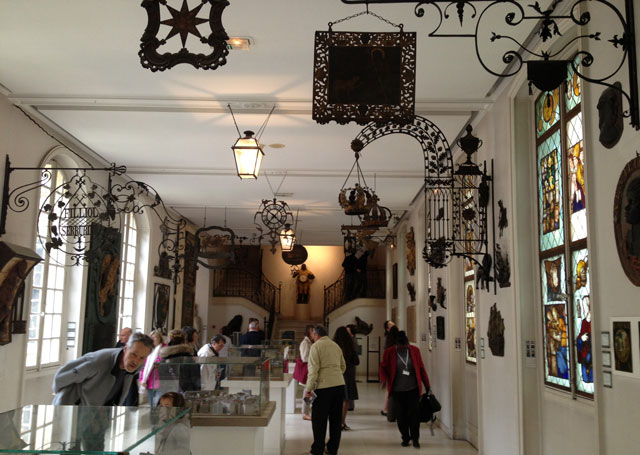
Shop signs at Musée Carnavalet

The first room was totally unexpected and I knew immediately that I was going to enjoy the visit. It was full of wrought iron shop signs and lead light windows. In the following room, the façade of an old apothecary’s had been reconstructed.

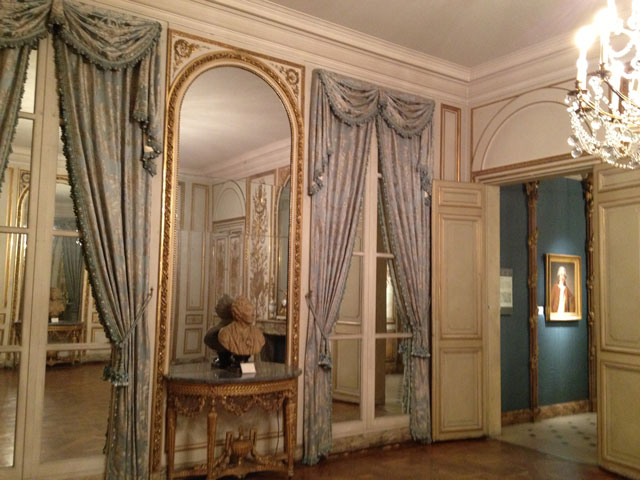
Reception room from Hôtel d'Uzès
Reception room from Hôtel d’Uzès

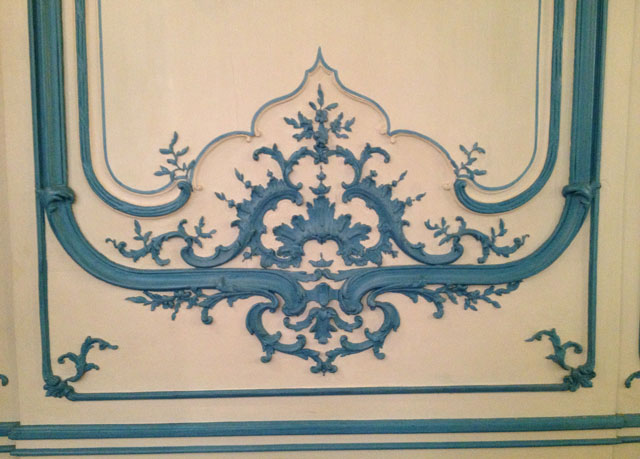
The late 18th century reception room in the next section comes from Hôtel d’Uzès in rue Montmartre and  is quite magnificent. Its beautiful wood panelling is an original example of the neoclassical style.

Detail of wood panelling

Many more reconstructed interiors followed, with painted and sculpted wood panelling and matching furniture, all in beautiful condition. A fellow visitor, who seemed to know the museum intimately, told us it was the best collection of furniture outside the Louvre.

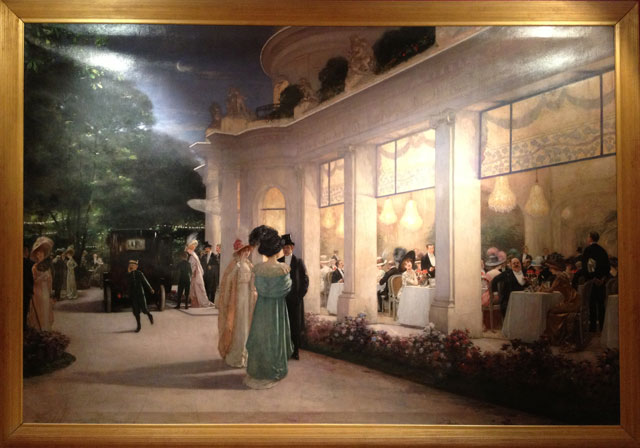
Soirée at the Pré-Catalan by Henri Gervex

We didn’t see the whole museum, which is very extensive. I particularly liked the gallery connecting the two hôtels which houses the Seligmann donation depicting French society during the Belle Epoque at the turn of the 20th century.

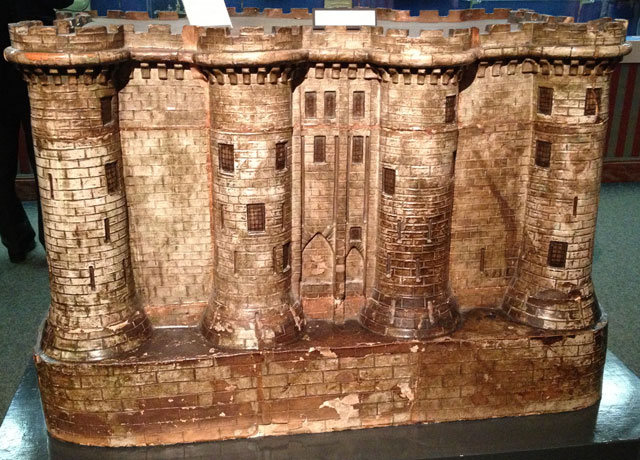
Wood-stove in the shape of the Bastille Prison

There is practically an entire floor given over to the French revolution and I saw a painting and mock-up of the Bastille prison for the first time – not to mention a ceramic wood-stove in the shape of the huge fortress-like prison.

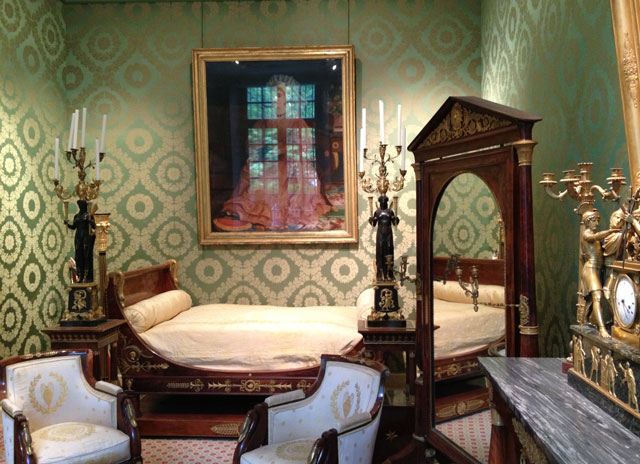
Reconstructed bedroom in the Napoleon section

We didn’t see Paris in the 16th century or Marcel Proust’s bedroom or the Second Empire collection which was closed for renovation. There is also an archeological section including neolithic dugout canoes that are about 4,000 years old so there will be plenty to see for future visits.

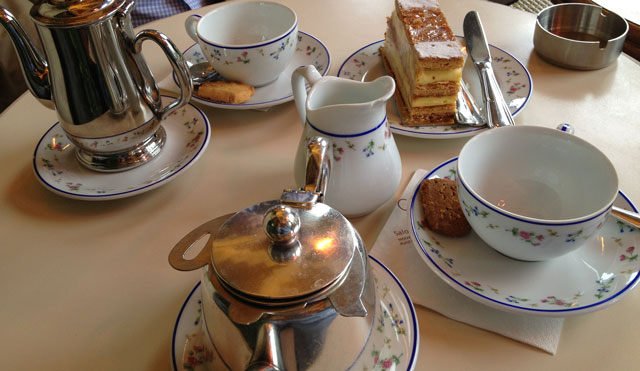
Afternoon tea at Carrette's, Place des Vosges
Afternoon tea at Carrette’s, Place des Vosges

After leaving the museum we went back to Place des Vosges and had a wonderful afternoon tea at Carette’s served in Limoges porcelain with exquisite cakes and very friendly service. I saw they serve breakfast and lunch as well so we might be going back there as well!

Musée Carnavalet, 23 rue de Sevigné, 75003 Paris. Open Tuesday to Sunday, 10 am to 6 pm except public holidays, Easter Sunday and Whitsunday. Free of charge.
 
Carette, 25 Place des Vosges, 75003 Paris. 

A Just Reward – The Macchiaioli

Saturday was set aside to do my professional tax declaration, never something I enjoy and I expected it to take all day as there is inevitably something that I haven’t done according to the book despite the fact that I use accounting software and do my VAT (GST) declaration once a month.  As it turned out, it didn’t take as long as we expected and by 4 o’clock we were ready to do something more interesting.

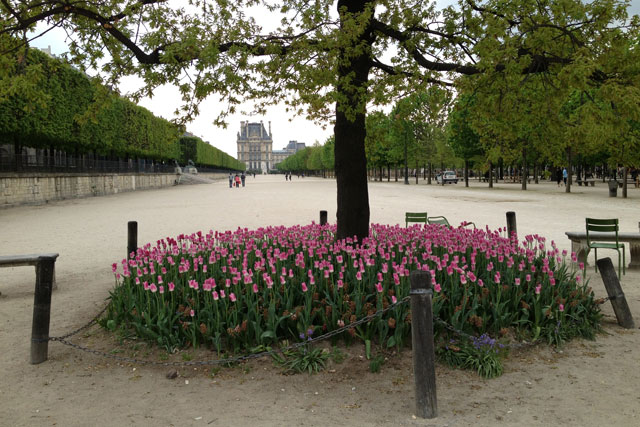
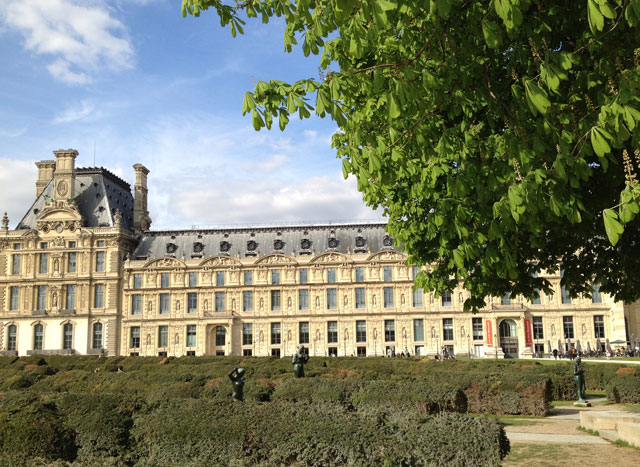
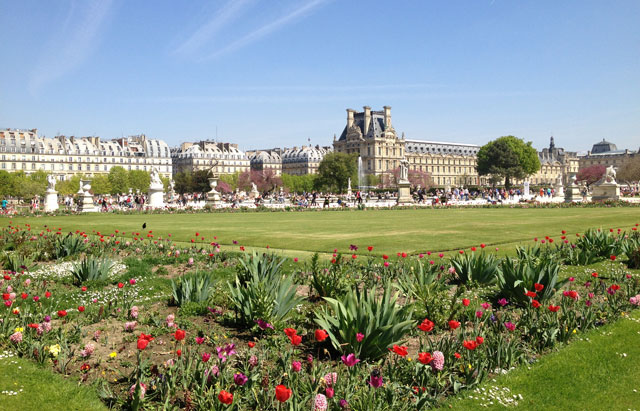
Tulips in the Tuileries with the Louvre in the background

My first idea was to go and see the cherry blossoms in Parc de Sceaux, but it was cold and overcast which made the venture a little risky. I suggested instead that we walk down to the Orangerie Museum near Concorde and if there was no queue, we could visit the permanent exhibition. The museum was completely remodelled a couple of years ago and we hadn’t been there since.

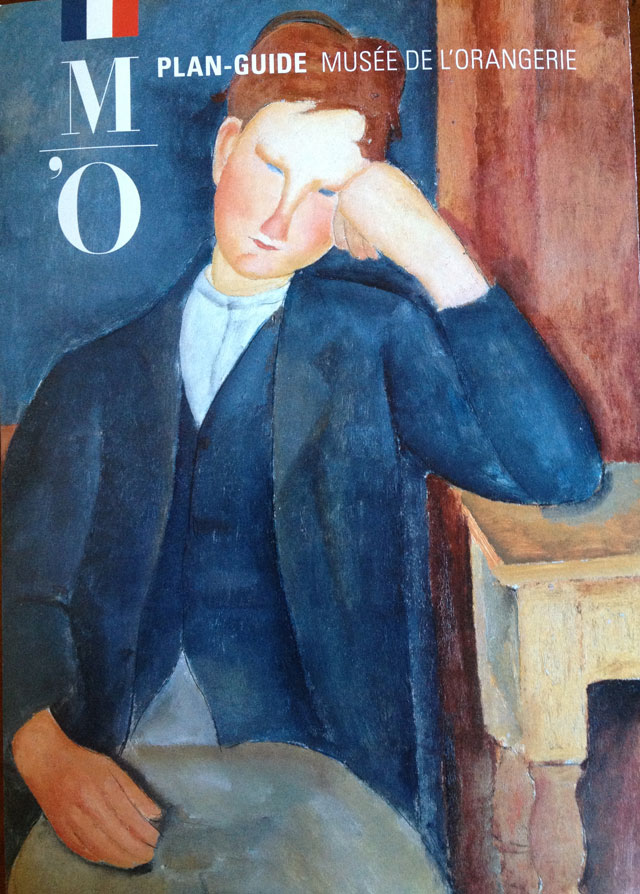
Modigliani's Le Jeune Apprenti on the cover of the museum brochure
Modigliani’s Le Jeune Apprenti on the cover of the museum brochure

Probably because it was about 4.30 pm by the time we got there and the museum closes at 6 pm, the queue was very short. L’Orangerie used to be one of my favourite museum, particularly the two oval rooms with Monet’s nympheas, but it also has large collections of paintings by Renoir, Matisse and Derain, with smaller collections of Cézanne, Rousseau, Modigliani, Laurencin, Picasso, Utrillo and Soutine.

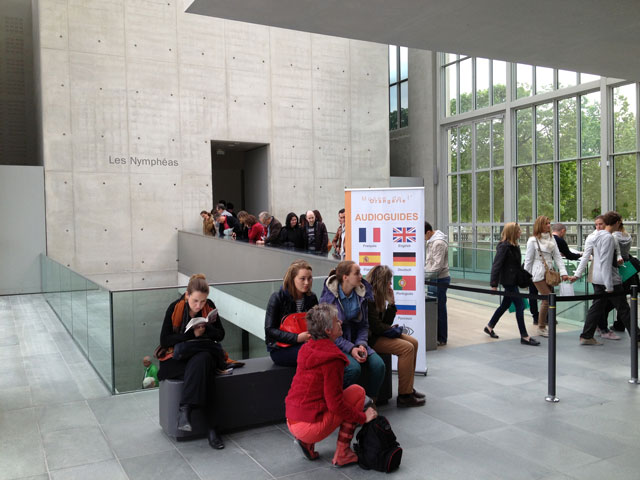
Very stark museum entrance

I was somewhat disappointed with the renovations, very stark, with lots of steel and concrete, which I found unappealing when compared with the beautiful 19th century rooms that used to contain most of the paintings. However, there is more space now and the Picasso, Utrillo and Derain collections, in particular, are much bigger. Also, perhaps because I have seen them so often over the years, the oval rooms didn’t have their usual effect on me. I remember the first time I saw them nearly 40 years ago, I wanted to lie down on the floor and go to sleep!

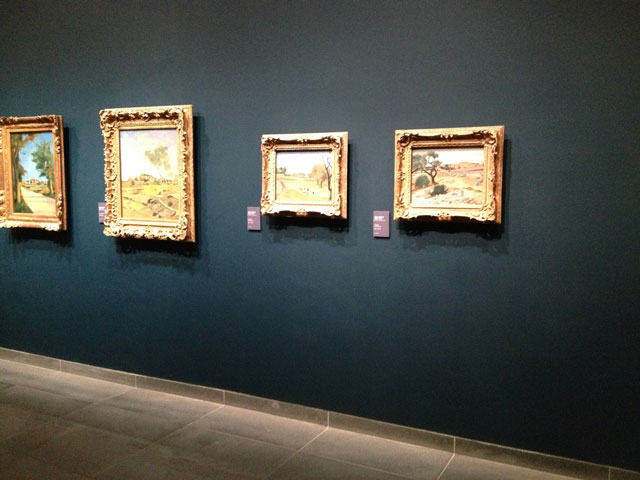
Paintings from the permanent collection on the wall inside the museum

However, I did learn the story behind the collections in the Orangerie this time. Paul Guillaume started his working life in a garage and eventually became a wealthy art dealer and collector, quickly becoming a respected figure in artistic and literary circles in the 1920s. He died in 1934 while still in his forties. His wife completed and modified the collection which was donated to the Louvre in 1959.

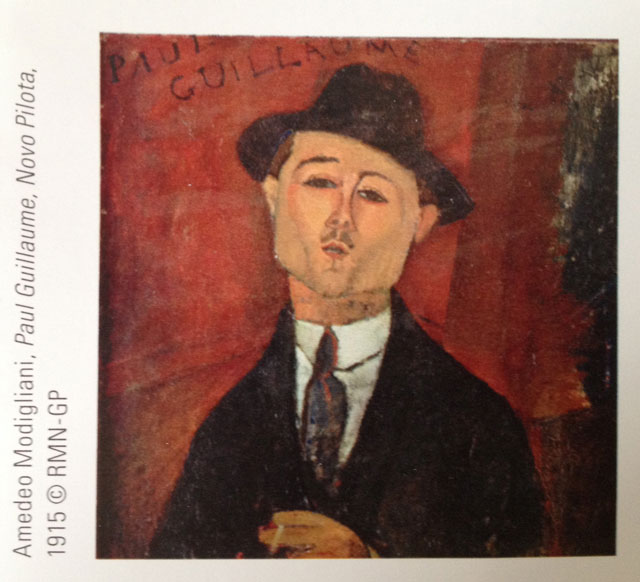
Paul Guillaume by Modigliani - photo taken from museum brochure
Paul Guillaume by Modigliani – photo taken from museum brochure

As we were leaving, we noticed a temporary exhibition called Les Macchiaioli. As soon as I walked in, I fell in love with everything I saw. I loved the extraordinary light that emanated from all of the paintings, the precision of the lines, the subjects, the colours, the detail.

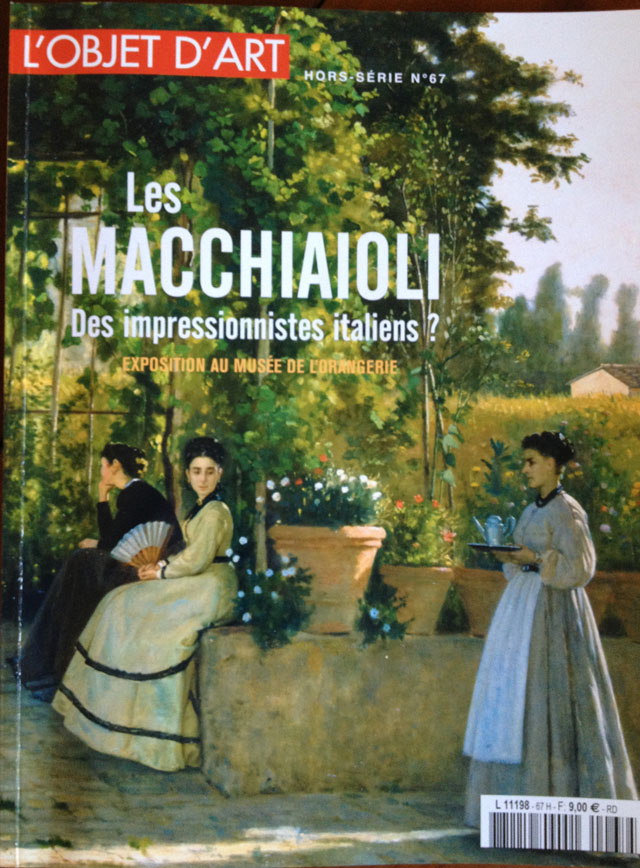
Les Macchiaioli published by L'Objet dArt, excellent value at 9 euro
Les Macchiaioli published by L’Objet dArt, excellent value at 9 euro

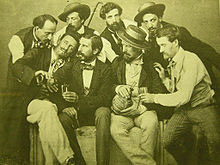
The Macchiaioli date from 1850 to 1874 and are sometimes referred to as the Italian impressionists.  They were a small group of artists from Tuscany, many of them revolutionaries, who used to meet in a café called Michelangiolo. They were the first painters in Italy to break with the traditional academic style of painting.

Much of their work was done outdoors to capture natural light, shade and colour. The most prominent artists, represented in the exhibition, are Odoardo Borrani, Guiseppe Abbati, Giovanni Boldini, Odoardo Borrani, Vincenzo Cabianca, Giovanni Fattori, Silvestro Lega and Telemaco Signorini.

Macchiaioli at Caffè Michelangelo (courtesy of Wikipedia)

Macchiaioli was originally a derogatory term invented by a art critic in 1862. Macchia not only means patch or spot but also sketch or sketchy. Macchia denotes a forest as well,  in reference to the fact that the artists painted outdoors. In any case, the idea of patches or spots, denoting areas of light and shadow, corresponds well to what they believed was the essential component of a work of art.

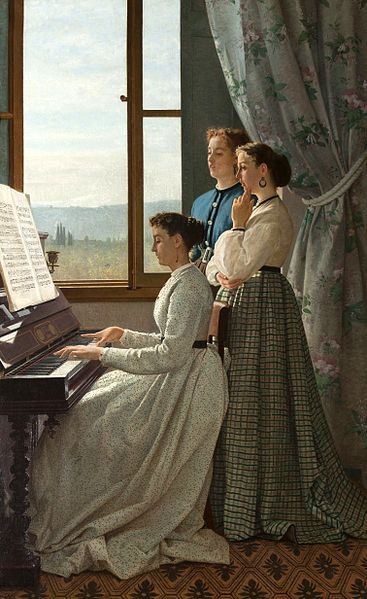
Silvestro Lega "Il Canto di uno stornello"
Silvestro Lega “Il Canto di uno stornello”

Jean Michel noticed that in two of the portraits the eyes followed you, no matter where you stood: Antonio Puccinelli’s Portrait of Nerina Badioli and Odorardo Borrani’s Portrait of a Young Man. We were both particularly taken with a large light-filled portrait of three women: Silvestro Lega’s Il canto di uno stornello.

It’s definitely one of the best exhibitions I’ve seen in many years. It has just started and will be on until 22nd July 2013 in Paris, then in Madrid at the Mapfre Foundation from 20th September 2013 to 5th January 2014. I hope you enjoy it as much as I did. I know I’ll be going back to see it again.

Monday’s Travel Photos – Château de Montpoupon

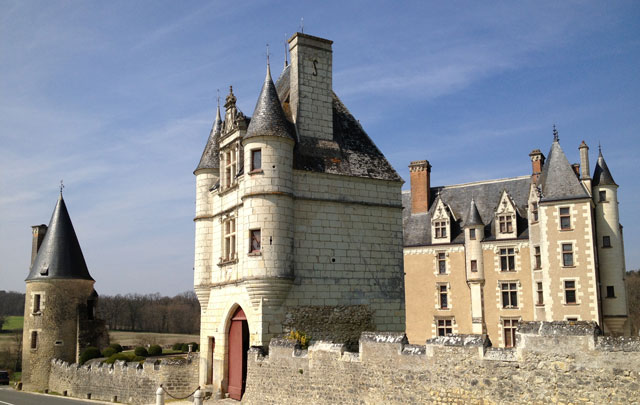
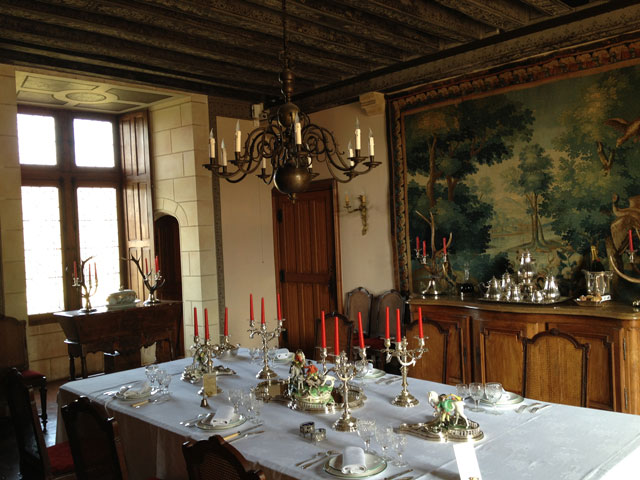
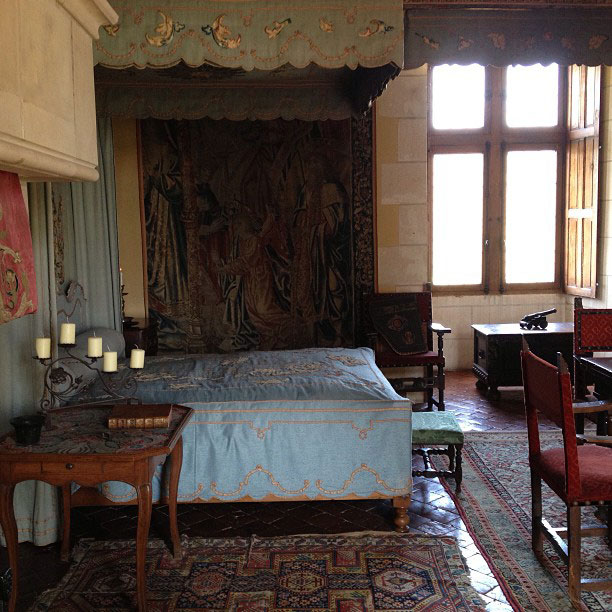
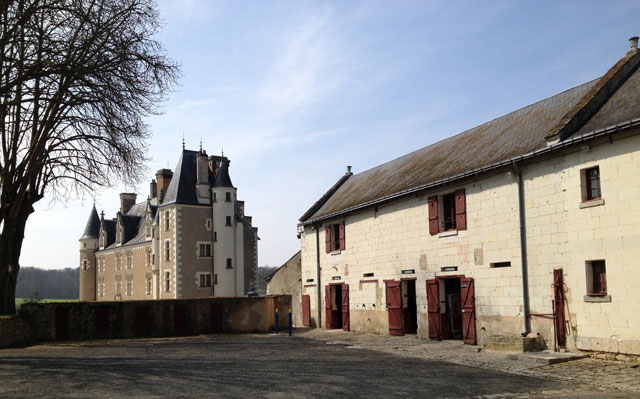
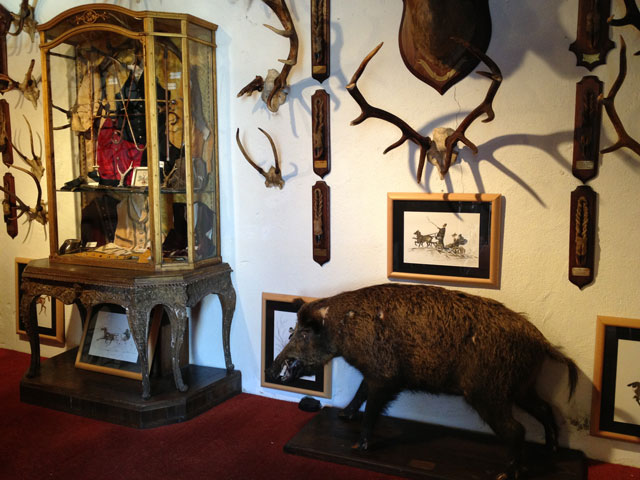
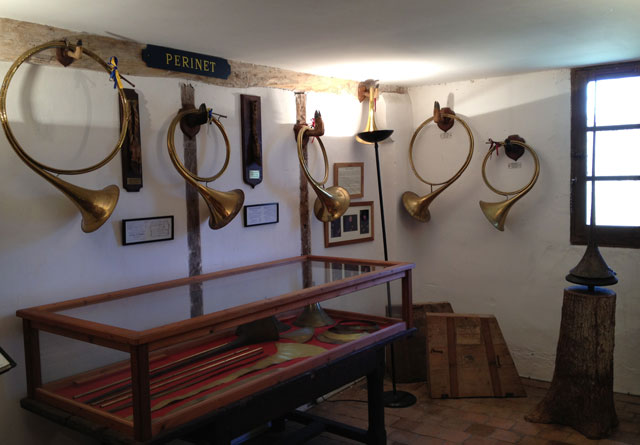
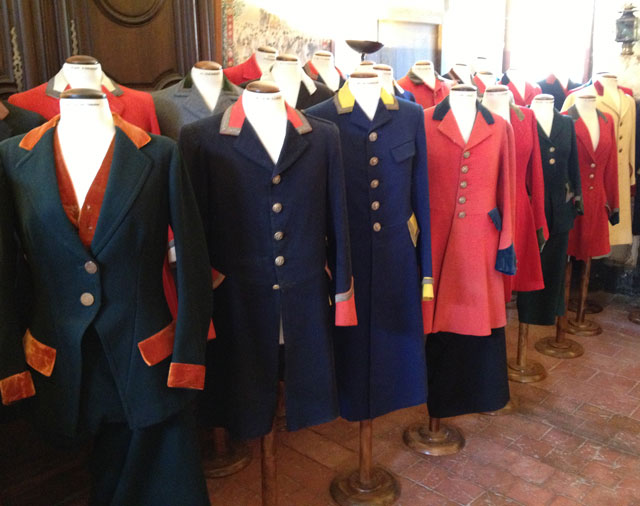
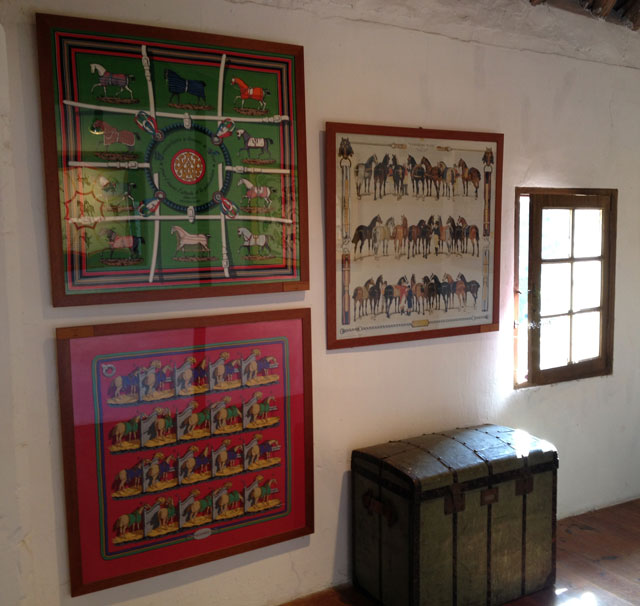
Château de Montpoupon in the Loire Valley, just 10 minutes from Château de Chenonceau, is an excellent example of what can be done to make a small family château attractive to the public. A recorded conversation between a young girl and her father, for example, is used to take the visitor through the living and dining rooms downstairs and the bedrooms upstairs. The extensive 19th century outbuildings contain several exhibitions relating to the Hunt, which was and still is, one of the main activities of the various owners. In particular there is a large display of Hermès scarves which were originally part of the hunting scene.  Definitely worth a visit.

Château de Montpoupon


Dining room
Dining room


The king's bedchamber
The king’s bedchamber


Extensive outbuildings of Château Montpoupon


Extensive outbuildings of Château Montpoupon


Hunting tropheys
Hunting tropheys


Collection of hunting horns


A wonderful collection of riding coats for the Hunt


Framed Hermès scarves
Château de Montpoupon 37460 Céré-la-Ronde, tel 02 47 94 21 15
Open every day from April to September, 10 am to 7 pm; October to 11th November, 10 am to 1 pm and 2 pm to 5 pm; 16th February to 31st March, weekends and school holidays from 10 am to 1 pm; closed in January and December.

Friday’s French – hôte

Hôte is the strangest word because it has two opposite meanings: guest and host! So chambre d’hôte, which means Bed & Breakfast in French, is literally “guest room” while table d’hôte is the host’s table.

Le Clos Postel, one of the my favourite chambres d'hôte in the Cotentin
Le Clos Postel, one of the my favourite chambres d’hôte in the Cotentin

So, je suis votre hôte, vous êtes mes hôtes means “I am your host and you are my guests”. Of course, to avoid the ambiguity, you can say, je suis votre hôte, vous êtes mes invités, which is what most people doThe problem only exists in the masculine, by the way, because hôtesse can only mean hostess and not guest.

Now how did this come about? The reason is simple. There are two different etymologies: one comes from the Latin hospes meaning guest, which also gives hôpital and hôtel, and the other from the Old French hostage (lodging) which also comes from hospes. Now, to make things more complicated, hospes is derived from hostis (stranger, enemy). This explains the meaning of our modern word hostage (otage in French). It was the place where enemies were lodged. Have I lost you?

On another track, have you noticed that the ô in French corresponds to “os” in English: hôte: host, hôpital: hospital, hôtel: hostel? The “os” reappears in the corresponding French adjectives: hospitalier. A circumflex nearly always indicates an “s” that fell out of the language in French, so we have château: castle, bête: beast, août: August. I’m sure you can think of a few examples.

The Tuileries Gardens in Spring and a Chess Tournament

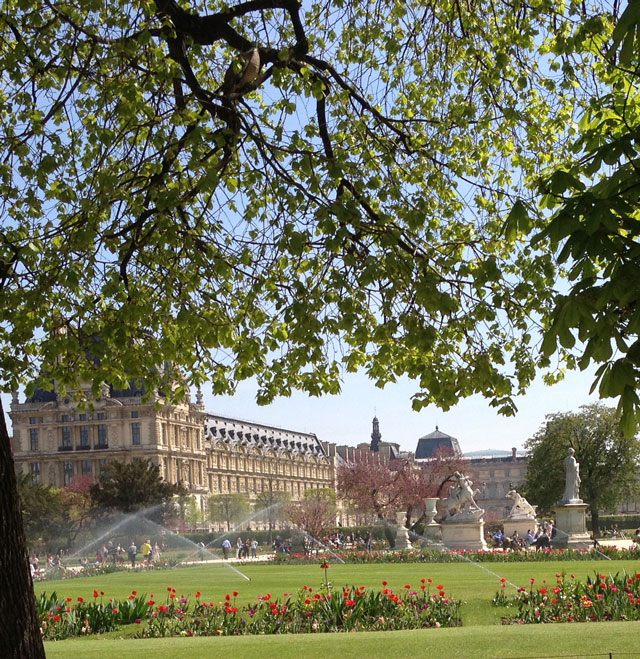
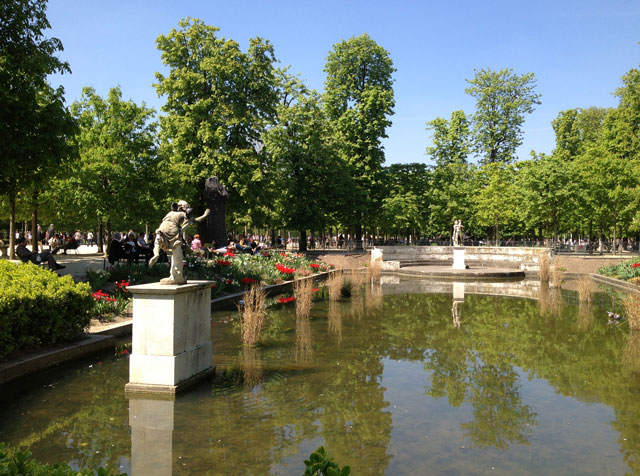
Jean Michel and I have just had lunch at Café Diane in the Tuileries Gardens for the first time this year. It was wonderful sitting under the trees on the edge of the duck pond lined with sweet-smelling pink hyacinths and vibrant red tulips.

View of the Louvre from Café Diane in the Tuileries Gardens

Spring has been a long time coming this year, but I’m sure it makes us appreciate it even more. It was even warm enough at 20°C to take off my sweat shirt. Our Australian friends Redfern and Saint Vincent are visiting Versailles today, experiencing sun and warmth at last.

Chestnut trees with their thick leaves

On Monday, I went powerwalking in the Tuileries around 5 pm. The first thing I noticed were the chestnut trees which are one of the earliest to sprout new leaves, along with the linden trees.

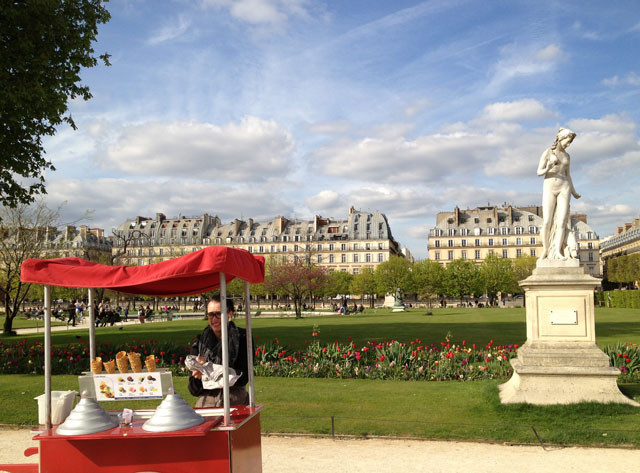
Ice-cream vendor in the Tuileries Gardens

There were enormous beds of multi-coloured tulips and purple hyacinths. The ice-cream vendors had appeared around the fountains, but surprisingly, no sailing boats for the kids.

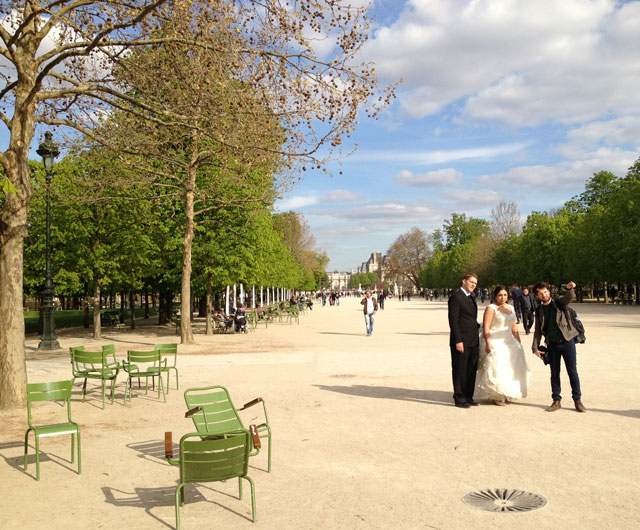
Bridal party in the Tuileries

I saw several  photo shoots of bridal parties all speaking foreign languages. Getting married in Paris in the spring is definitely romantic!

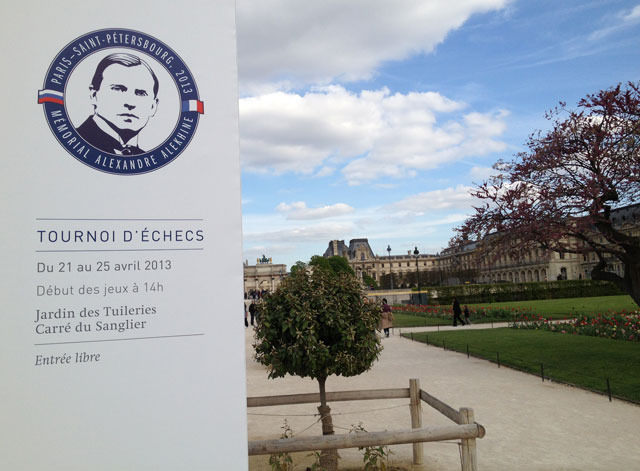
Chess tournament in Carré des Sangliers in the Tuileries Gardens

On Monday, I noticed a sign indicating the Paris-Saint Petersburg 2013 chess championship in the Carré des Sangliers from 21st to 25th April, so after lunch, we wandered down towards the Orangerie to a temporary pavilion to see what it was all about.

Tulips with the Louvre as a backdrop

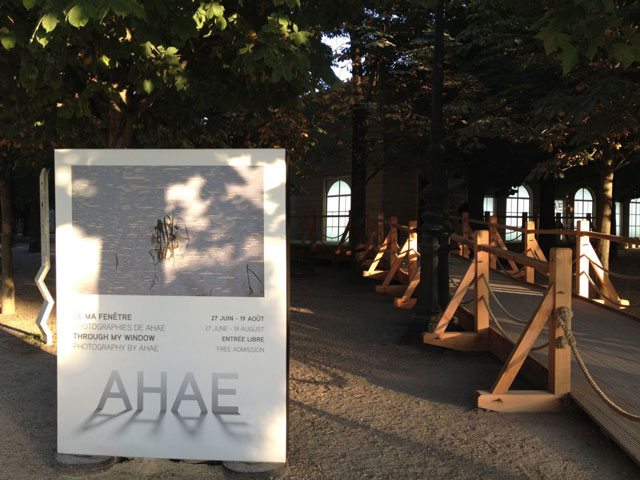
It’s the same spot where the Ahae photographic exhibition was held last year that I loved so much. We went through a lobby first where we were asked to turn off our phones, then into a second room with two commentators but no players. An usher came over and took us into a small dark corridor where we were given headsets and sent into the next room.

Ahae exhibition last summer in the Carré des Sangliers

About six tables with chess boards were lined up on a podium, five of which had only one player. I don’t know where the others were. Our headsets meant we could hear the commentators next door and a screen above the players showed a projection of each board. It was all very hush-hush.

Linden trees in the Palais Royal gardens

We didn’t stay long, first because we’re not chess players and second because it seemed criminal to be inside when there was so much sun outdoors!

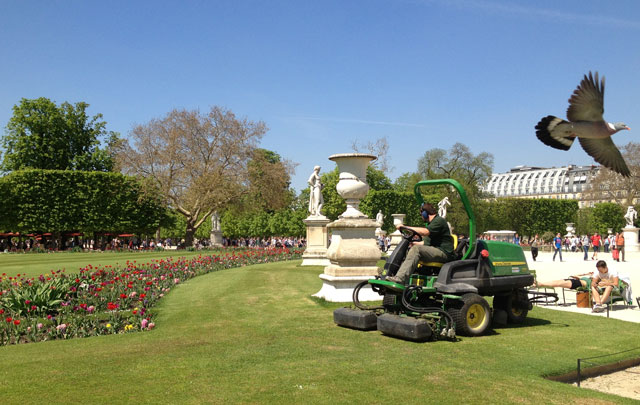
Super-duper grass cutter

As we strolled back up the gardens, we saw a very sophisticated-looking lawn-cutting machine that rolls the grass at the same time. Nothing like the basic electric model I use to mow the grass at Closerie Falaiseau in Blois!

View from Café Diane looking towards the pond

And now Jean Michel is back at work and I’m about to attack my professional tax declaration which means finishing off the accounts first. Not one of my favourite activities at the best of times and definitely not on a perfect spring day. Sigh.

Paris kiosks celebrate 150 years – An excellent fortress: Chinon

Only two posts on this Wednesday’s Bloggers Round-up (I’m a little pressed for time). Mary Kay from Out and About in Paris, brings us a very interesting interview with a kiosquier as Paris celebrates 150 years of newsstands. Niaill and Antoinette from Chez Charnizay take us on a visit of Chinon castle in theL oire Valley. Enjoy!

Paris kiosks celebrate 150 years. My interview with “kiosquier” Jacky Goubert.

by Mary Kay from Out and About in Paris, an American by birth, Swiss by marriage, resident of Paris with a Navigo Pass for the metro that she feels compelled to use

kioskFrom April 17 until April 21, Paris is celebrating the 150th anniversary of one of the most iconic symbols of the French capital – its kiosks. On Friday, I had the pleasure of interviewing Jacky Goubert and his daughter Gaelle, who operate the kiosk on the Boulevard Saint-Germain between Café de Flore and Les Deux Magots. It’s where I buy the International Herald Tribune whenever I’m in the neighborhood.

MK: This has to be one of the best kiosks in Paris. How were you able to get the concession for it?
Jacky: Normally, it’s not possible to pass a kiosk from parent to child because they are only licensed and not purchased from the city. But somehow my mother arranged for me to take it over when she retired. She started working here in 1972. Read more
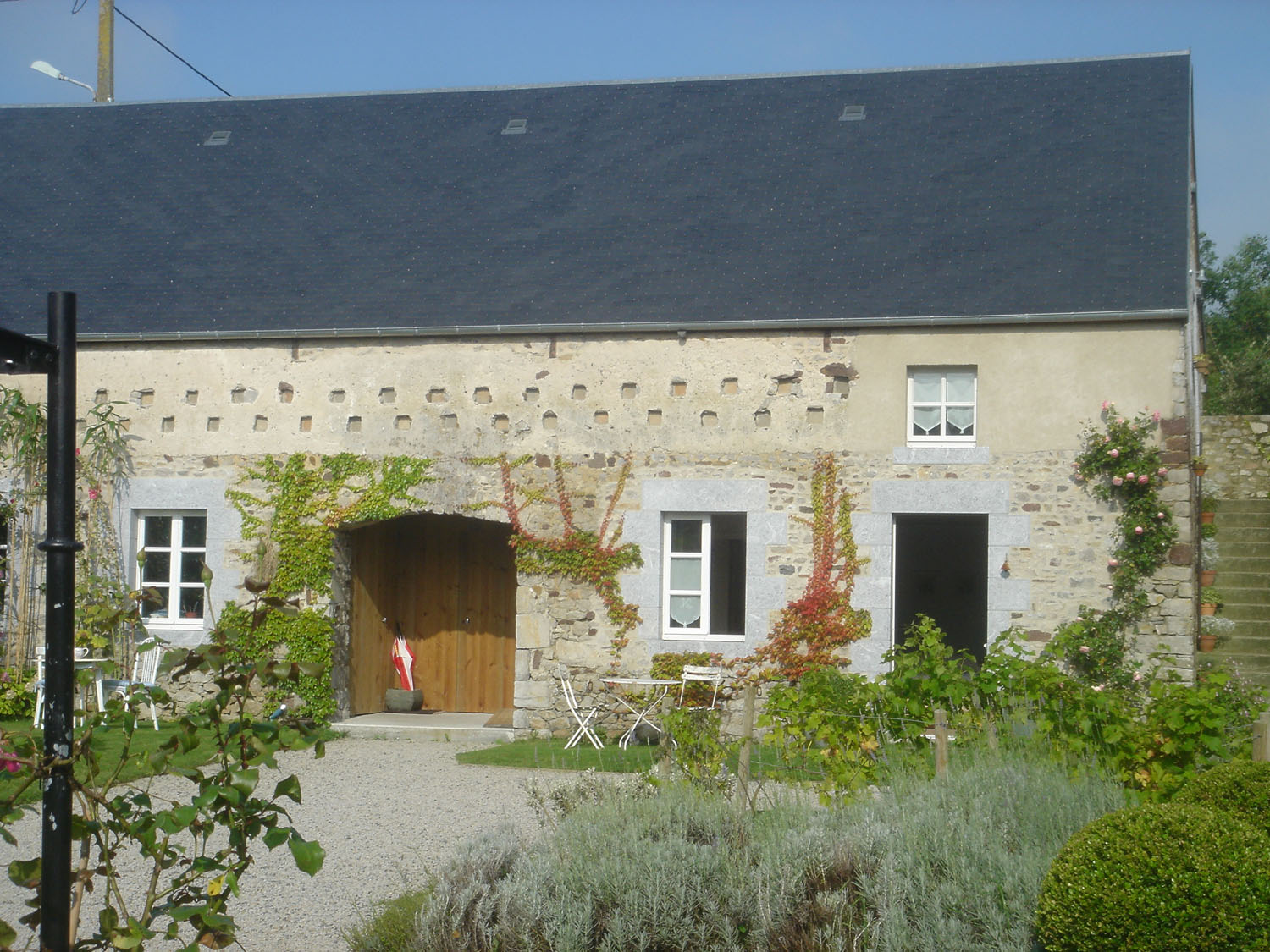
An excellent fortress: Chinon

by Niaill, a Scotsman, and Antoinette, a Dutch American, from Chez Charnizay, who live in the village of the same name in southern Touraine  and blog about their adventures in the Loire Valley

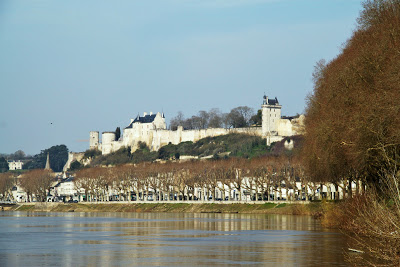
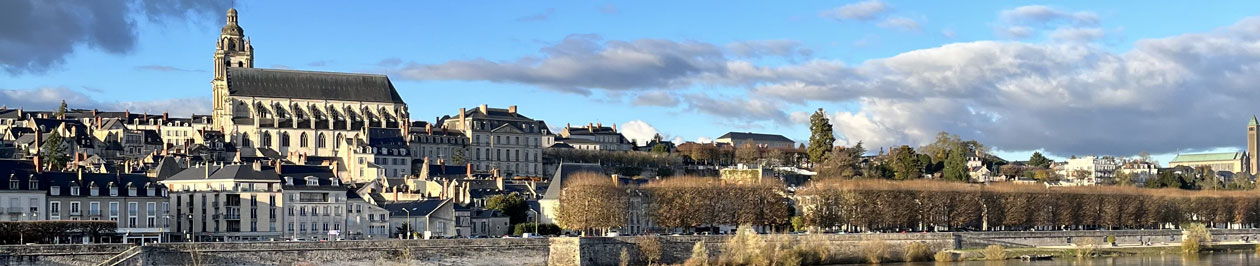
chinonWe like Chinon and we stopped by again earlier this month. We’ve always liked Chinon from our very first forays into the Loire Valley as tourists in the early 1990’s. This despite the fact that every time we approach it from the south side of the river Vienne and pass the SuperU [it wasn’t a SuperU then but some other chain] on the left-hand side of the road where it runs between huge plane trees we’re reminded of our failure at the time to get to grips with the French custom of closing on the dot of noon for lunch. At least 3 times we were doomed to disappointment at that supermarket, arriving just as the doors were firmly closing.

The fortress walls as we see them today are mostly due to Henry, Count of Anjou, later King Henry II of England. It was one of his favourite fortresses, which is hardly suprising given its strategic location on the crossroads between 3 regions: Anjou, Touraine and Poitou. Read more
The Truth about Making Cappuccino Part 2

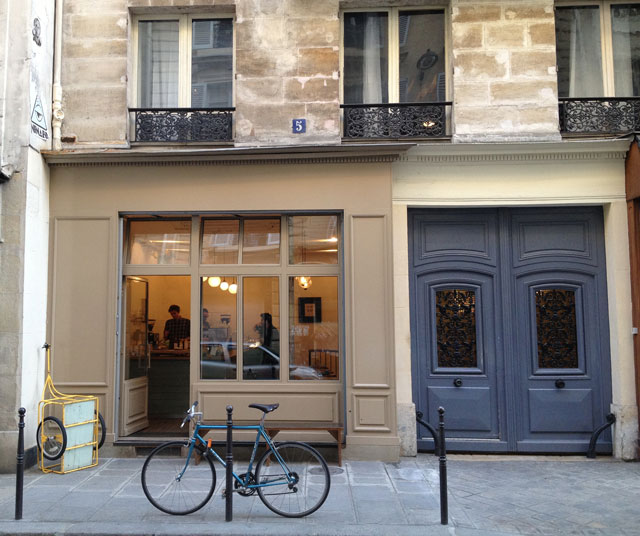
The first time I went to Telescope in rue Villedo near the Palais Royal about a year ago, it felt like an insiders’ club. No one greeted me. The only thing written on the blackboard was café, there was no menu and I had to ask someone if they could remove their books from the only available chair and table. When I asked for a cappuccino, I had the impression I had committed sacrilege.

Telescope 5 rue Villedo

However, after reading an article in Le Monde about the new coffee scene in Paris, I decided to give Telescope another chance. To quote Le Monde*, “Over the last few months, scores of coffee bars have appeared in Paris, to the great satisfaction of students and foreign tourists, delighted to be able to have a decent coffee at last, and not those horrible petits noirs with their bitter smell of soot that leave a taste of cold tobacco in your mouth”. Telescope was on the list.

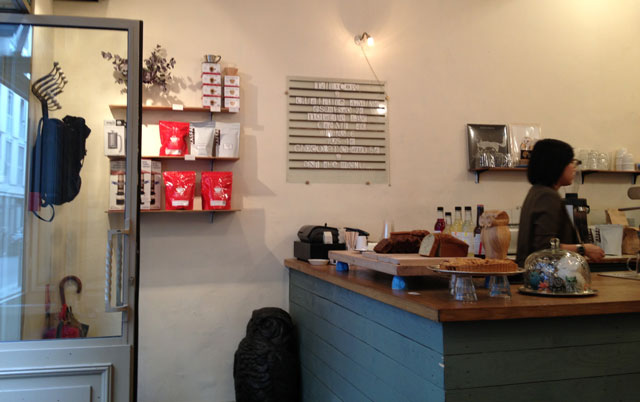
Inside Télescope
Inside Télescope

It’s a beautiful sunny day, an unbelievable 24° after a terrible cold rainy spring. I see a couple of people sitting on the ledge outside. When I walk in, I can see some changes. The blackboard has acquired a few more entries, there are lots of cakes and the waitress greets me. I ask if I can have a latte and sit down.
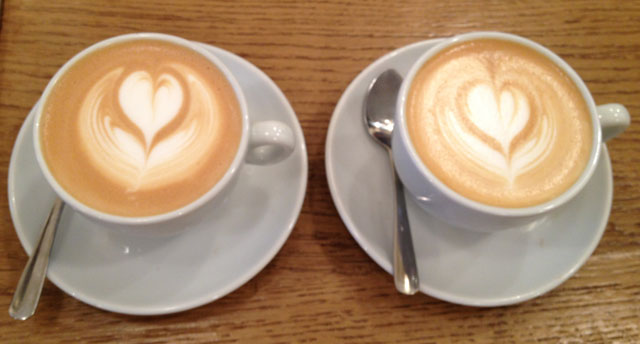
Tom's signature cappuccinos

I watch what the barista is doing and he gives me a friendly smile. My latte is ready so I go to the counter to get it. “Bonjour“, I say, “I’m just wondering exactly what the difference is between a latte and a cappuccino”, I continue in French. He starts to answer and I hear his accent so I switch to English. “Oh, Australian”, he says. I laugh. “Kiwi then?” “No, Australian”.

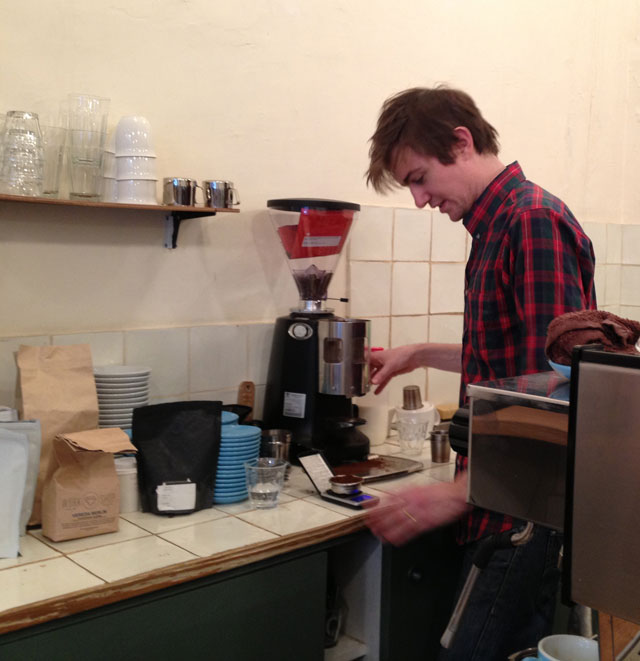
Weighing out the coffee

He explains that lattes differ from one coffee bar to another and that the only thing that really has a definition is cappuccino. I’m relieved. What I encountered in Australia under the name of latte seemed to be what I had been ordering in Italy as a cappuccino. So, it has one shot of coffee and the rest is foamed milk. Lattes usually have more less milk.
Tom, it turns out, comes from Nambour, just north of Brisbane, so he’s a fellow Queenslander, who trained in Dublic as a barista and has been at Telescope for about six months. I start telling him about my espresso machine adventures.

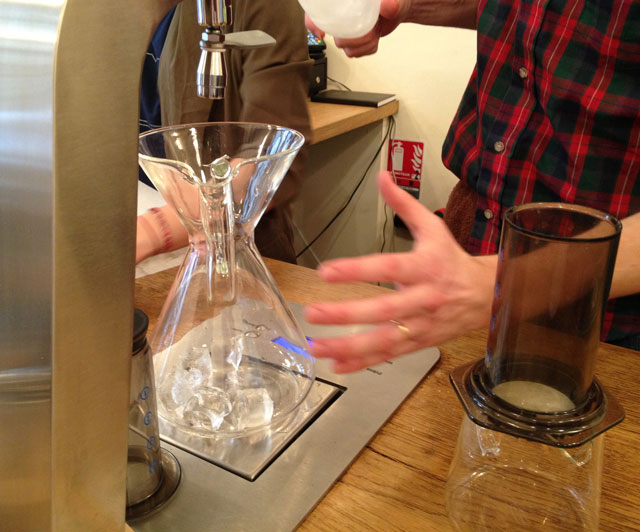
Filtered ice coffee step 1

Three people come in and order a filtered ice coffee and an espresso. I am surprised to see that Tom is weighing everything – the beans, then the ground coffee, and later the espresso itself. He explains it’s an exact science. So what happens if the weight of the final coffee (the “yield”) is wrong? He throws it out and starts again !

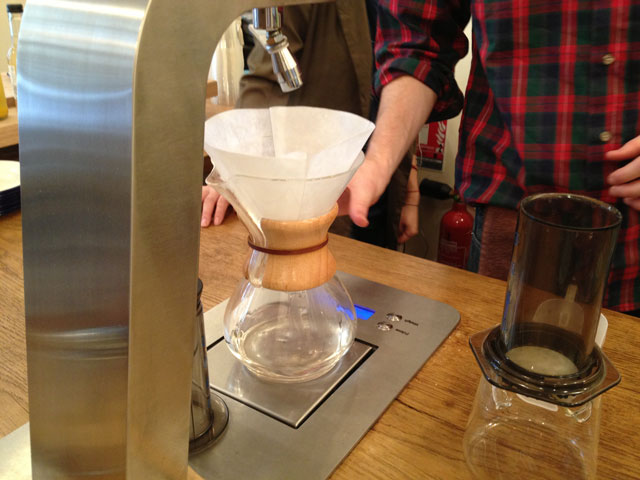
Filtered ice coffee step 2

The filtered ice coffee is even more intriguing. The machine consists of a bottom scale and a top drip system whose coffee pot looks like an hourglass-shaped wine carafe. First he puts ice cubes in, checking their weight. Then he puts a filter in the neck of the carafe and adds the weighed ground coffee which is more concentrated than for an espresso.
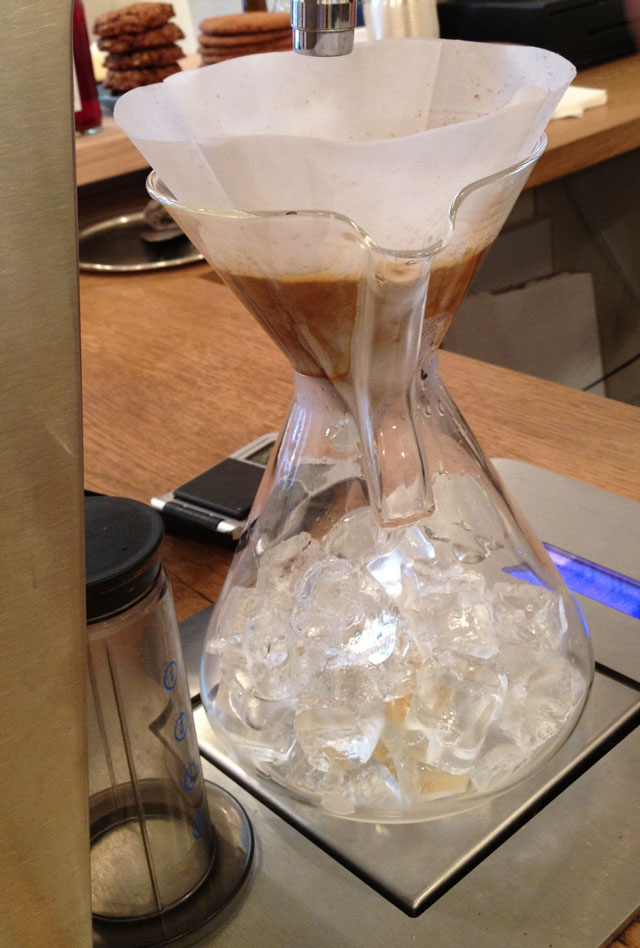
Filtered ice coffee step 3

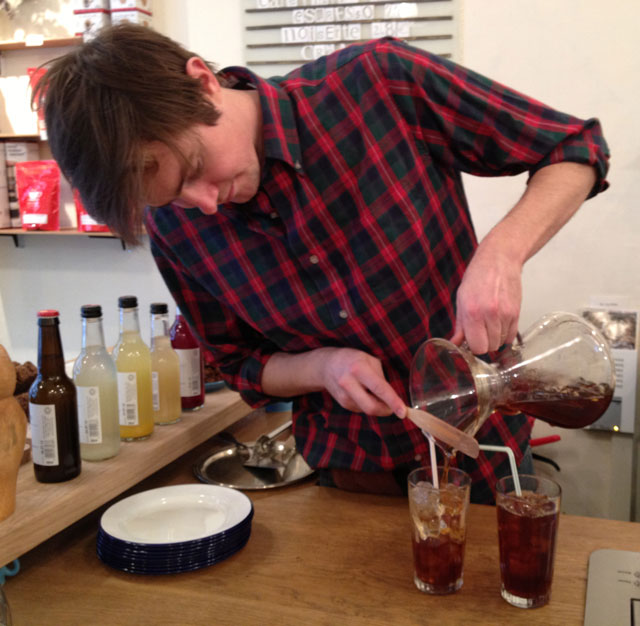
The water starts dripping through the filter; the resulting coffee drips into the carafe and onto the ice cubes. Tom puts a weighed amount of ice in the two glasses, tips out any melted water then pours in the coffee, making sure that the ice cubes don’t escape. Ready to go! I’m intrigued. Do French people order that? No, just English speakers!

Pouring the iced coffee into the glasses

I ask whether there are any chances of a barista lesson and I am delighted to hear that several other people have also expressed there interest  and that when they have at least five, they’ll run a class on Sunday morning. All I have to do is “like” their facebook page and watch for the announcement.

I walk out entirely satisfied with my visit and eager for my first barista class. Who wants to join me?

*A Paris, la revanche du petit noir by Emmanuel TresmontantLE MONDE,13.04.2013

This is a follow-up to The Truth about Making Cappuccino Part 1

Télescope, 5 rue Villedo, Paris 75001, Monday to Friday, 8.30 am to 6.30 pm, Saturday and Sunday, 9.30 am to 6.30 pm. http://www.telescopecafe.com/https://www.facebook.com/telescopecafe (you don’t have to have a Facebook account to access the page)

Birthday Parties I Have Known

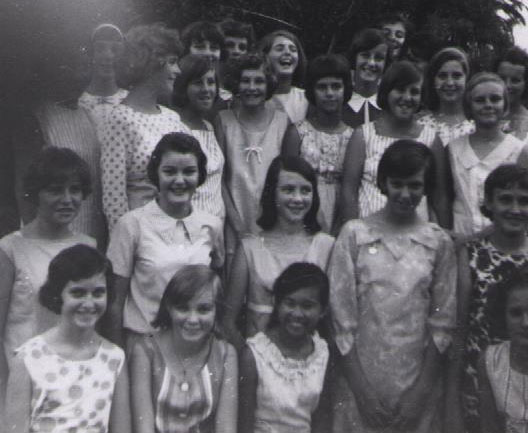
The first birthday party that stays in my mind was my 13th birthday celebration. It took place just 11 days after my older sister died in an accident and must have cost my mother enormous courage and effort because I only have happy memories of that day. It was a “movie party”. I invited the whole class and we went to see Mary Poppins at a matinee then spent the rest of the afternoon in the garden, playing party games and eating cake.

My thirteenth birthday party. I'm in the second row, second from the left.
My thirteenth birthday party. I’m in the second row, second from the left.

Hardly the sort of party a thirteen-year-old would want today! But we didn’t have the same sophistication back then. One of my friends gave me a little gold cross on a chain. I think it was the first necklace I ever had and I loved it. I’m still in regular contact with six of the girls in the photo.

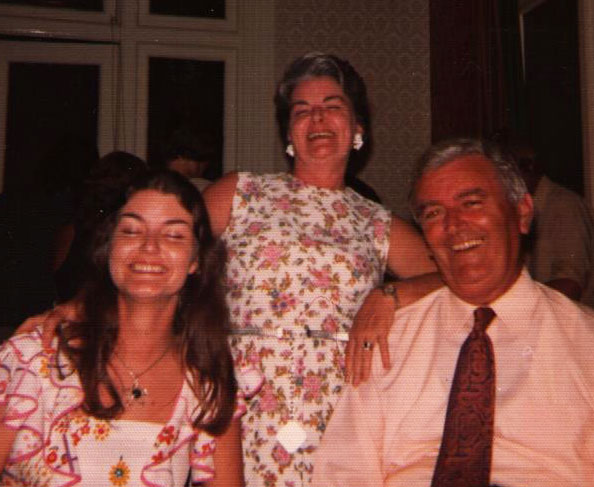
With my parents on my 21st birthday

The next memorable birthday party was my 21st, the age at which we reached our majority in those days, and was held in a hotel down on the Strand in Townsville whose name escapes me. As you can see from the photo taken with my parents, it was a fun evening!

My favourite present on that occasion was a red velvet jewel case and matching alarm clock to take on my journey to France, which was already in the planning stage, even though I wasn’t to leave for another year.

Skip a few years during which birthdays were always strictly family occasions spent with my children and husband and once or twice with my parents when they were visiting France.

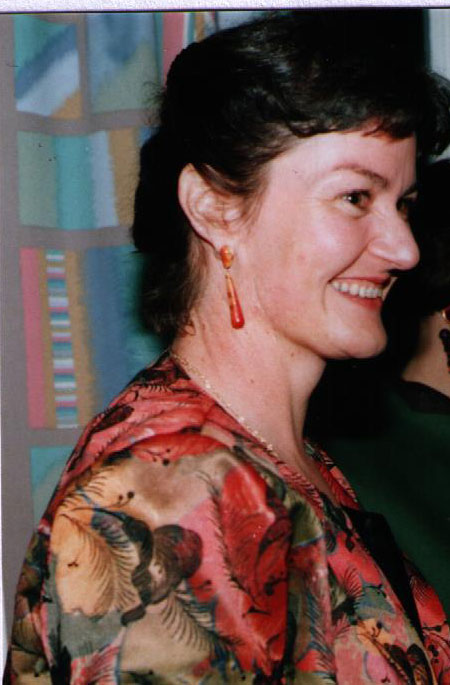
At my 40th birthday party

By the time I was about to turn 40, I was divorced and living alone with my children, Black Cat and Leonardo. I decided to have a party and celebrate in style. A very good Swedish friend offered her house, which had a spacious living room, and I told everyone to reserve the date. Then my father died. When I got back from the funeral, my friend said that I wasn’t to cancel the party. So I didn’t.

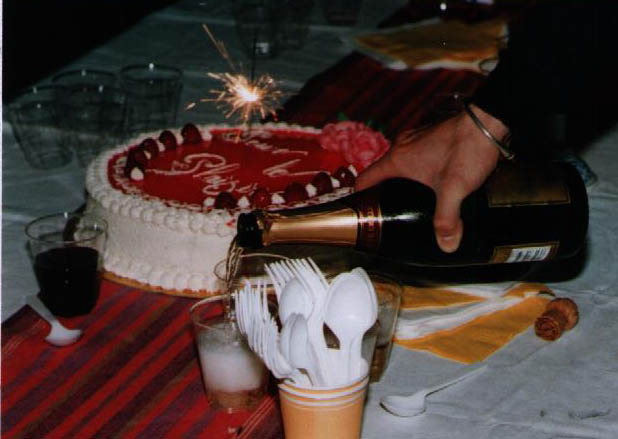
My fortieth birthday cake - Pour le plaisir
My fortieth birthday cake – Pour le plaisir

I ordered a cake and instead of candles, I had “Pour le plaisir” (just for the pleasure) written on it! I really enjoyed the party and was grateful to my friend for encouraging me to celebrate despite my grief. It took me three years to get over my father’s death.

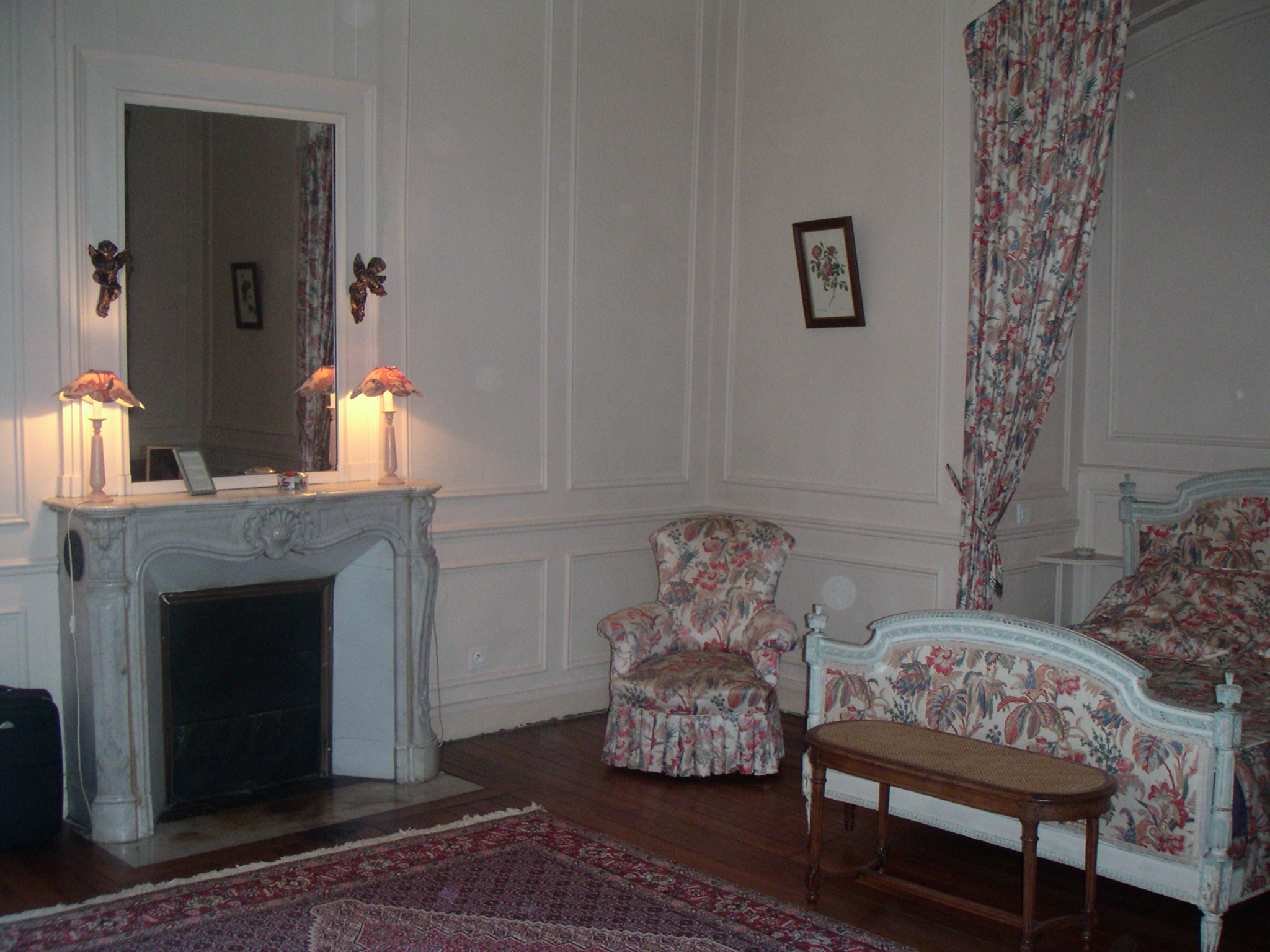
Our château bedroom on my 50th birthday

I didn’t want a party for my 50th birthday. By then, I had met and married Jean Michel and I wanted something intimate so we went to stay in a château in Champagne for the weekend. I remember every minute of it! My children and stepsons gave me my first digital camera.

Lunch at the Ritz with Jean Michel

On each of my birthdays since we met in 1996, Jean Michel has taken me to a Michelin-starred restaurant, including The Ritz, Le Carré des Feuillants, La Grande Cascade and Hélène Darroze and has spoiled me with many lovely presents.

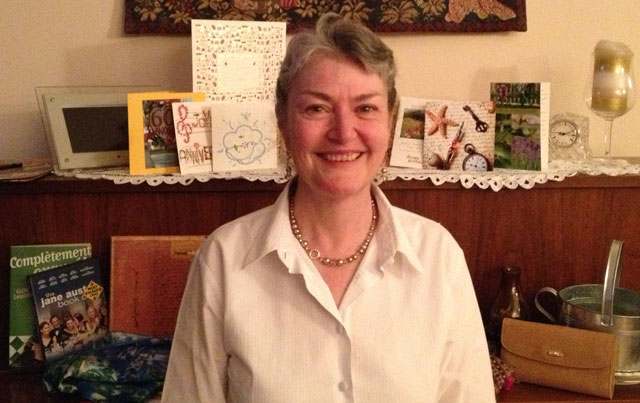
With my sixtieth birthday approaching, my daughter Black Cat kept asking me how I wanted to celebrate. I liked the idea of a party but didn’t have the energy to do anything about it. “How about I organise it then?” she said. “Just give me the list of the people you want to invite.” She is a communications and events manager so I knew it was in good hands. What a wonderful birthday present!

In front of my cards and presents on my 60th birthday

I said I’d be happy to help with preparations on the day of the party, so after shopping with her late Friday, including a new outfit for me, we spent Saturday afternoon putting various morcels of her invention on skewers while she organised all the rest.

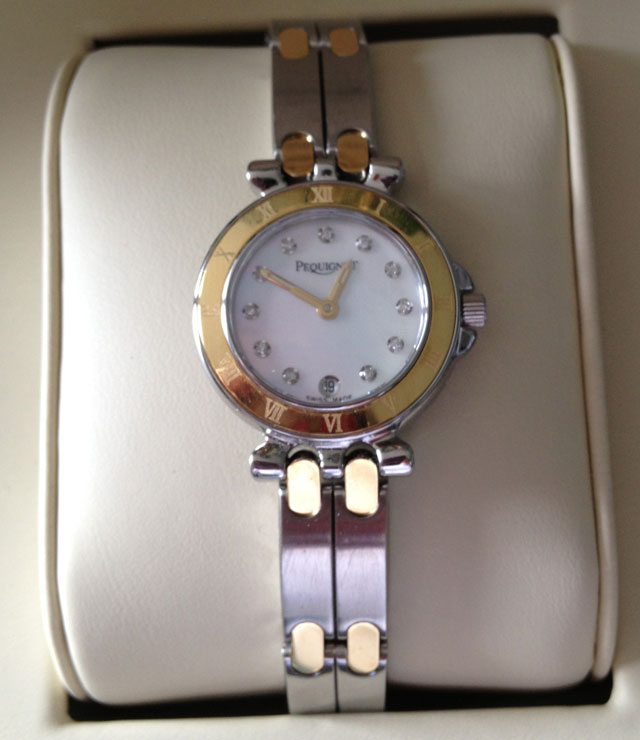
My 60th birthday watch

I had a wonderful evening. Black Cat, with the help of Jean Michel and his two sons looked after everything and I could devote myself entirely to being with all my lovely friends. Leonardo was in Australia but there in spirit. And Jean Michel gave me a beautiful new watch to replace the one I so sadly lost 16 years ago.

Friday’s French : Vide-greniers, vide-armoires, brocante

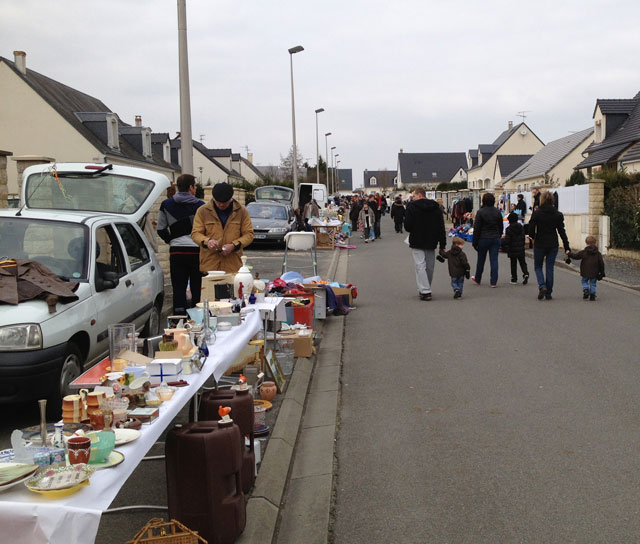
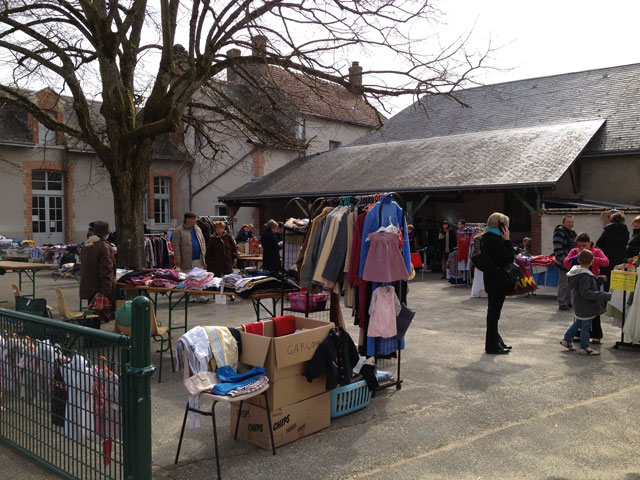
Until recently, I had never heard of a vide-armoires, which literally means “wardrobe emptier”. I have been to many vide-greniers (grenier means attic) and brocantes and had worked out the difference for myself. The vide-greniers provides the occasion for people to get rid of all the stuff they don’t want any more. A lot of towns hold one once a year. Sometimes they are combined with food stalls, but not always.

Vide-greniers
Vide-greniers

The term brocante comes from brocanteur who, according to the Larousse dictionary, is someone who buys and then sells (or swaps) secondhand goods. However, brocante is sometimes used to mean vide-grenier and the two can be combined. So you can find householders selling children’s hand-me-downs and old lamps next to a professional selling old furniture.

The etymology is not certain. There is a French expression de bric et de broc which means “made of bits and pieces”, maybe related to the German gebrochen or Italian brocco. It could also come from a broc repairer where brocs are the metal staples that used to be used to hold old pottery together.

Real antiques are usually sold at a “foire des antiquaires” but sometimes you find them at brocantes as well.

Vide-armoires
Vide-armoires

So I wasn’t sure what we’d find at a vide-armoires When we arrived in Bracieux, we discovered it was being run by the local tennis club. It turned out to be strictly private individuals – no professionals – and only clothing, mostly children’s. So not of much interest to us.

And before I finish, the correct spelling is vide-greniers and not vide-grenier and the singular and plural are the same.

from the Tropics to the City of Light