Flying into Sydney – one day late!
It’s about 6 am and I wake up in our hotel room in Hong Kong with a strange feeling. I look at my iPhone and see there is a message from Leonardo. Panic! Why is he ringing me? I see there is another call coming in (I’ve turned off the sound during the night) so I answer it. “Leonardo, what’s the matter?” “Hi Mum, where are you? I’ve been waiting for you for two hours!” “I’m in Hong Kong. I’m coming on Wednesday”. “Mum, it IS Wednesday”. “No, it can’t be! I’m still in Hong Kong”.

Butterfly on Wellington Hotel

I frantically wake up Relationnel. “Leonardo’s at the airport in Sydney waiting for us. Have we missed the plane?” Relationnel finds the paper and checks the dates. No, thank goodness, we haven’t missed the plane. I have just got the arrival dates mixed up. I apologize profusely to Leonardo who very sweetly says “Don’t worry Mum. The important thing is that you’re OK. I was worried when I didn’t see you.”

Breakfast the Chinese way – almost

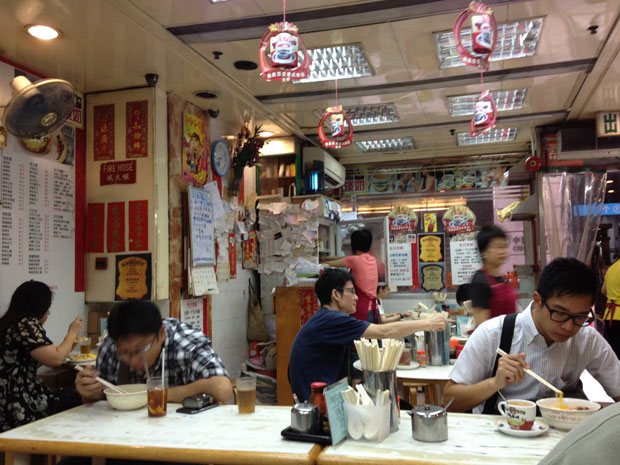
After writing emails to all the people who are expecting us on Wednesday and trying to reschedule our already overloaded schedule, we decide to go and have breakfast which is not served at the hotel. The streets around the hotel look deserted and naked in the early morning. We are given a strange omelette and ham sandwich served with milk tea in a little Chinese eatery. Everyone else is eating noodles!

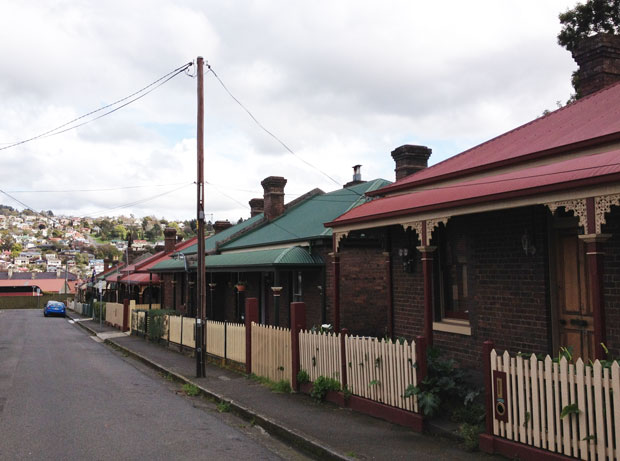
Early morning in Hong Kong

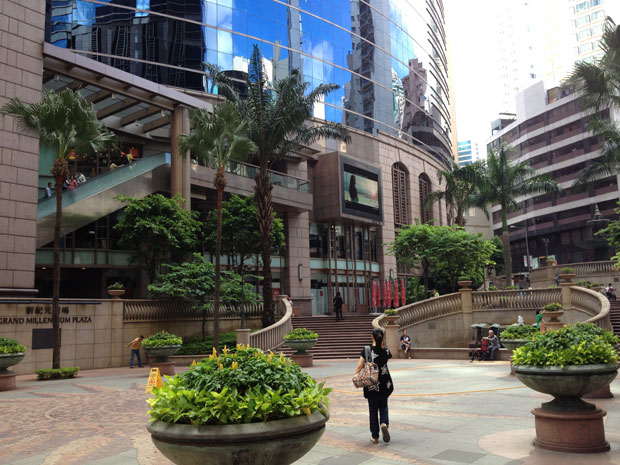
We go back to the hotel to sleep for a couple of hours and check out at 12. We have lunch over the pier at “The Carvery”, obviously frequented by Hong Kong’s young executives from the offices nearby then do the shopping we didn’t do the day before and head off for the airport before anything else goes wrong!

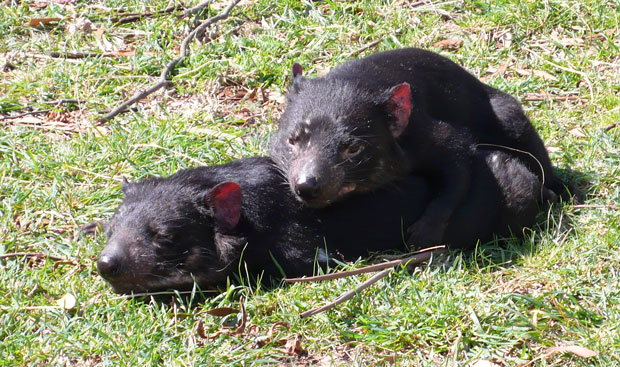
This leg of the journey is only 9 hours, a whole two hours shorter than Paris-Hong Kong. I haven’t got any more episodes of Friends to watch so I watch an Australian film called The Hunter about a man hunting the Tasmanian Devil for a pharmaceutical company and The Best Exotic Marigold Hotel, strongly recommended to me by Brainy Pianist, by which time they are serving breakfast.

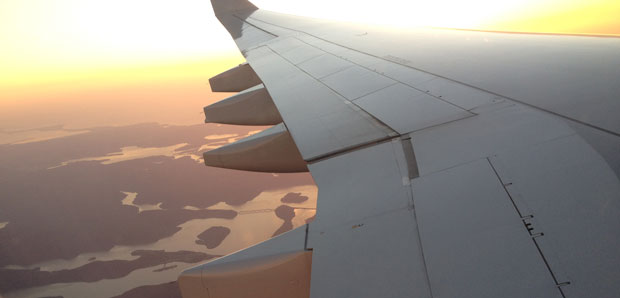
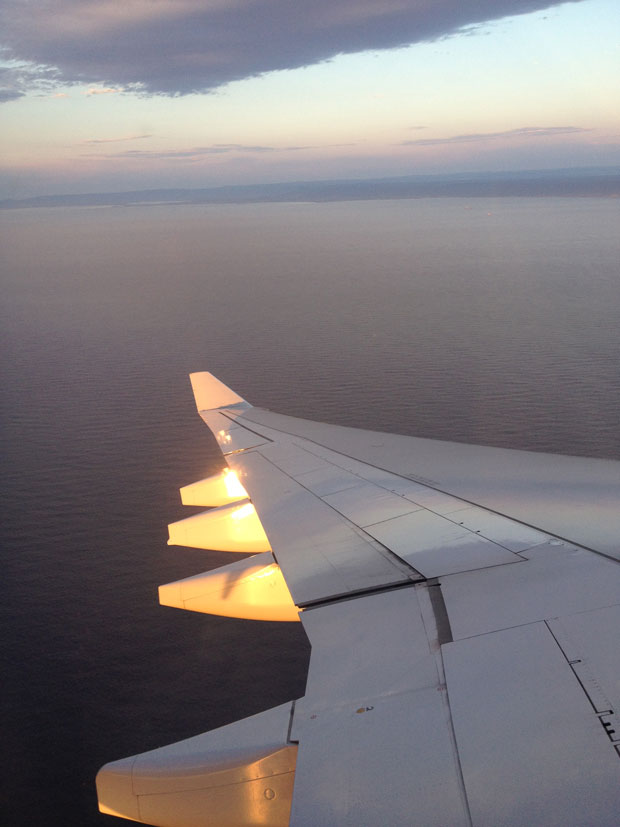
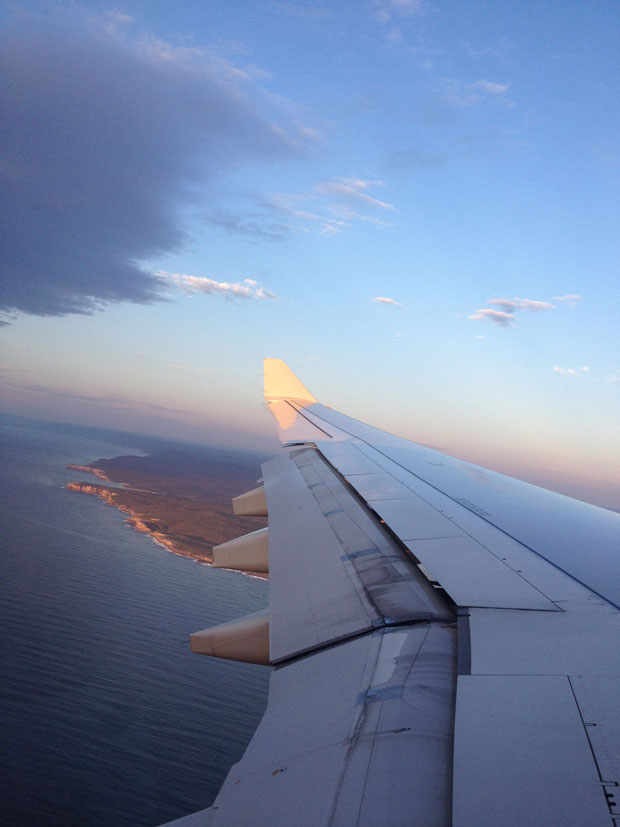
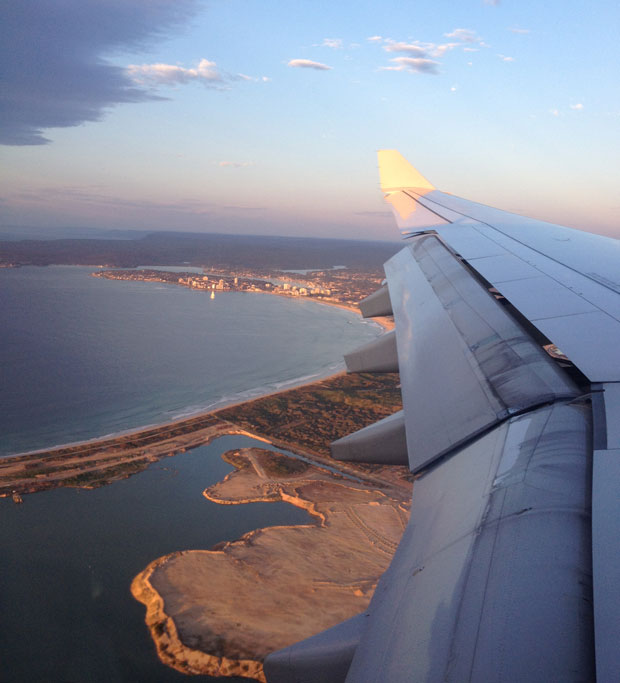
I open the cabin window and see the first light of dawn. Unfortunately, we’re just next to the wing, but it’s still quite magical to watch the sun come up as we fly into Sydney.

Everything goes smoothly. We go straight through passport control and customs. Our luggage has arrived without any hitches and there is Leonardo, waiting for us!


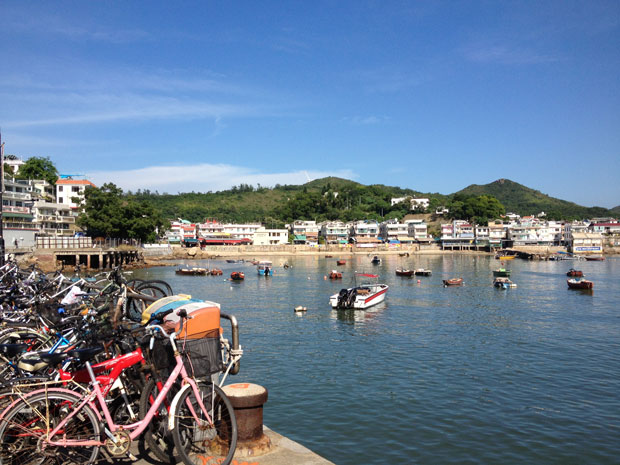
Lamma Island – Hong Kong

The last time we went to Australia, we stayed in Hong Kong on the way there and the way back so we have already visited most of the sights. After touching down at about 7 am, we went to our hotel, Butterfly on Wellington, a so-called boutique hotel (I’ve yet to really understand what a boutique hotel is) highly recommended by Trip Advisor. Well, you have to start somewhere, don’t you? Book-in time is normally 2 pm, but we decided to take our chance.

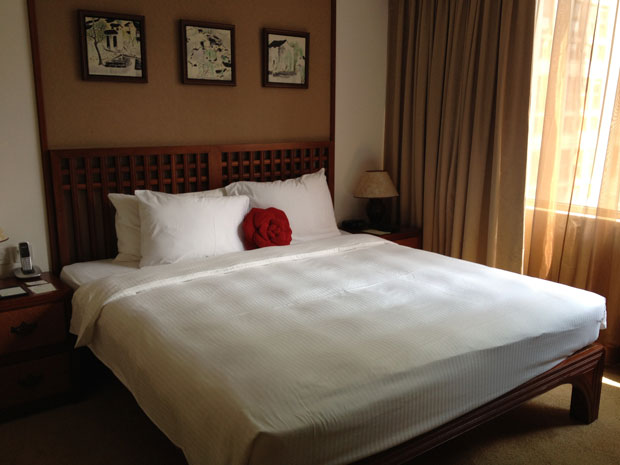
Executive suite, Butterfly on Wellington Hotel, Hong Kong

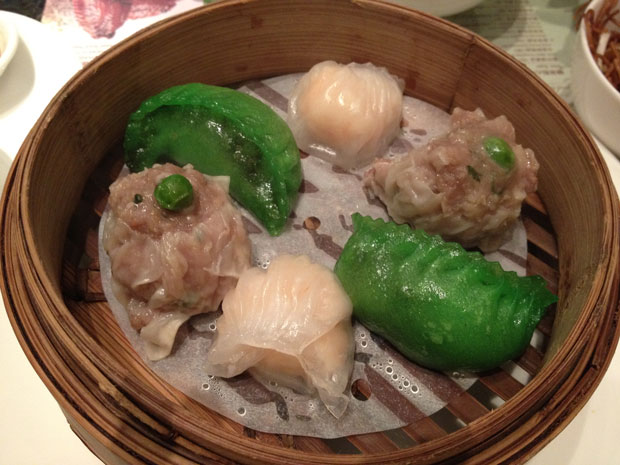
The staff were very friendly and for an extra 30 euro, we took an excecutive suite we could use straight away. Considering that we’d hardly slept during the 11 hour flight, it seemed worth it. The room was spacious and attractive, with an expresso coffee machine and bathrobes as extras. After sleeping for a while, we ventured out for lunch about 1 pm. I love dim sum but I’d never seen these green ones which turned out to be spinach.

Delicious dim sums, including a spinach one

We then headed for Kowloon to do some shopping but as we neared the ferry, I saw signs for “outlying islands”which seemed far more attractive than the crowded streets of Kowloon. We studied up the guide book and decided to go to Lamma Island, about ½ hour by boat from Hong Kong Island and a favourite with ex-patriots because it’s cheaper than living in Hong Kong. We found the right pier and changed our notes to get 160 Hong Kong dollars each in coins to feed into the turnstile. You’d wonder why they can’t install a ticket system !

Arrival at Yung Shue Wan on Lamma Island

There are no cars on Lamma because there are no roads, just concrete paths and the occasional long very narrow vehicle full of workers. The eponymous main street has a little temple and lots of shops and restaurants catering to both Chinese and ex-pat customers. You see the occasional bike  but not really that many. We followed a sign to an old village but there wasn’t much to see so we went in the other direction and did the « family walk » to Sok Kwu Wan – 1 hour 15 minutes on a concrete coastal path that wound up the hill and down again.

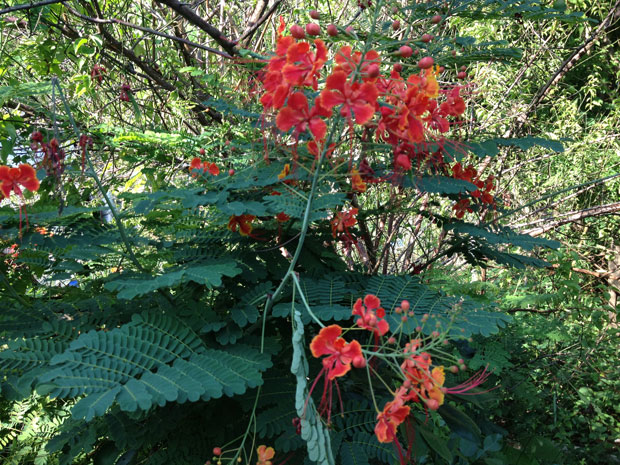
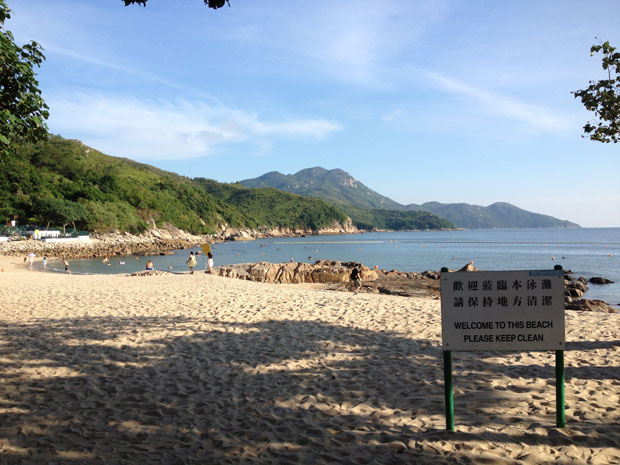
We saw lots of tropical trees, flowers and birds very reminiscent of North Queensland. After a while, I noticed that all the teenagers coming towards us appeared to have been swimming. We soon came across an attractive little beach with surprisingly few people. Unfortunately, we didn’t have our swimsuits with us because they even had showers and changing facilities further along. We had a freshly made watermelon juice at Hung Shing Ye instead, refreshed by a fine overhead mist  that floated down on us from time to time.

Hung Shing Ye beacuh

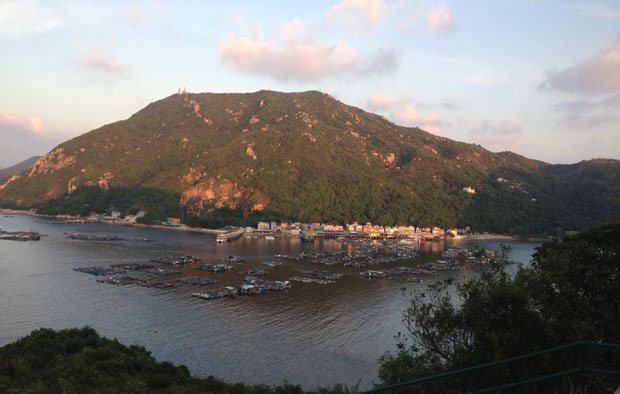
When we set off at about 6 pm, we still had 50 minutes to go. We got to Sok just as the sun was setting. We’re so used to the long summer twilights in France that we could easily have been caught in the dark ! We walked along the main street which was really just a series of restaurants and chose the Rainbow. We had  a delicious bug called squilla, some tasty little geoduck clams and a somewhat insipid fish called garoupa. After filling in our customer satisfaction form (they have them everywhere in Hong Kong), we discovered that our restaurant had its own “Rainbow ferry” whose price was included in the meal.

Hillside view overlooking villlagd

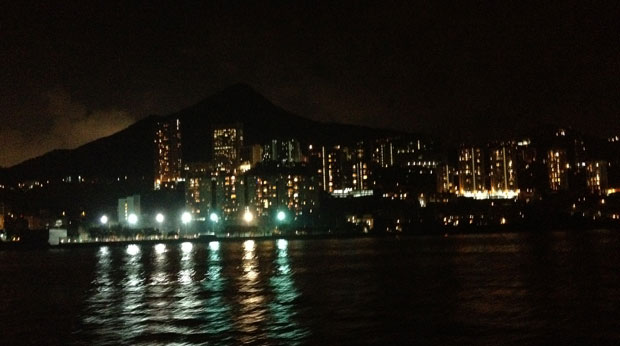
The most spectacular part of the day was the view of Hong Kong on the way back. Unfortunately, the boat moved a little too much to take photos that would do it justice. We were up on the upper deck and I was afraid that I was going to lose my iPhone, particularly when I had to keep changing sides. We walked back to the hotel  via the extraordinary network of passenger walkways a couple of floors above street level, very pleased with our impromptu day in Hong Kong.

Hong Kong Bay

Sorting out the vines – Visiting some of the major champagne houses: Taittinger, Pommery and Moet & Chandon –

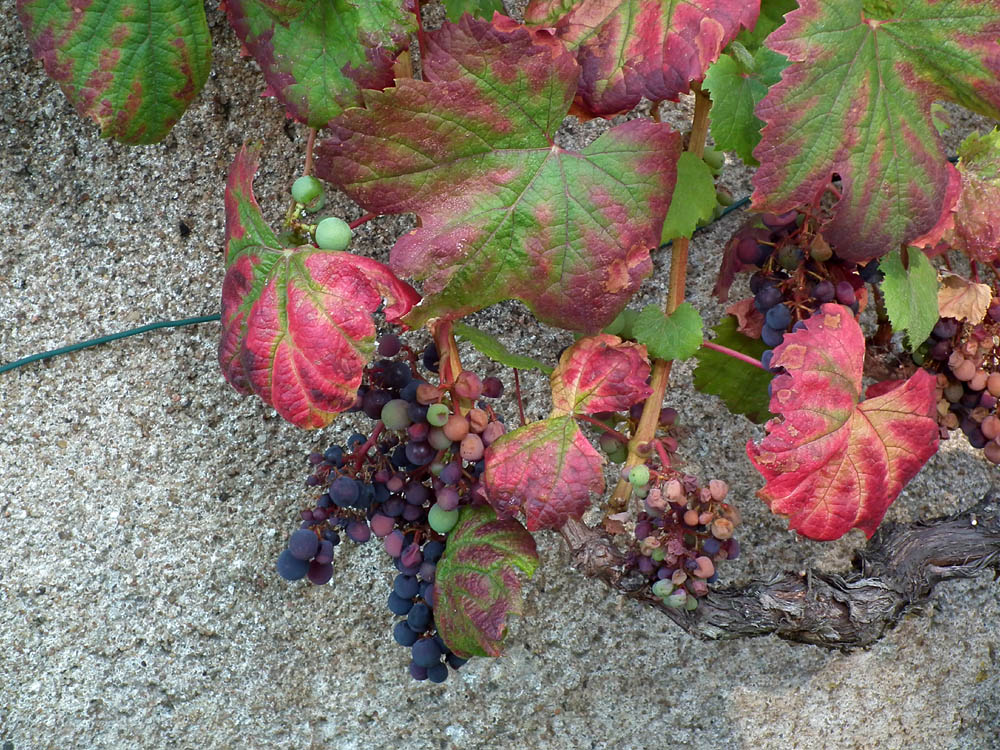
This Wednesday’s blog round-up introduces a new blog from a fellow Australian living in the Loire Valley, Susan, author of Days on the Claise, explaining how to recognise the different grape varieties in the Loire. Thanks to her post, I was able to identify the grapevine at Closerie Falaiseau as gamay. Mary Kay from Out and About in Paris also explores a wine-related topic – a visit to some of the major champagne housse in  Reims – just one of her recent posts on the world’s favourite beverage!

Sorting out the vines

by Days on the Claise, a fellow Australian living in the south of the Loire Valley, writing about restoring an old house and the area and its history

On a recent visit with clients to la Domaine de la Chaise in Saint-Georges-sur-Cher the owner and winemaker Christophe Davault gave us an impromptu primer on how to tell grape varieties apart in the field.
Grape varieties are notoriously difficult to tell apart, but people like Christophe, who have worked with them all their lives, can do so at a glance. He says you need to look at the leaves and the wood. By wood he means the annual growth above the graft. Below the graft is the rootstock and will look much the same for all the varieties. He has planted examples of 5 varieties along a barn wall in his farmyard, and he explained the differences to us as follows: Read more

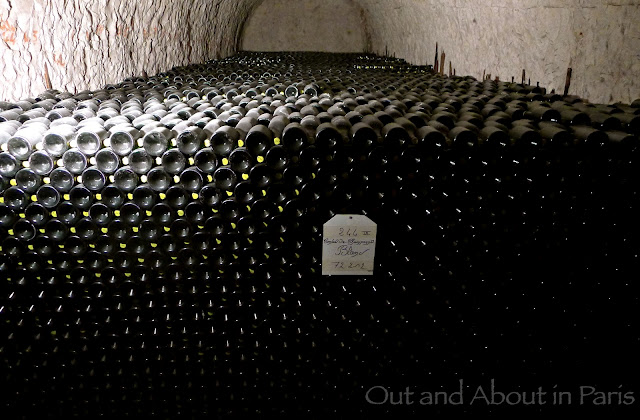
Visiting some of the major champagne houses: Taittinger, Pommery and Moet & Chandon

by Mary Kay from Out and About in Paris, an American by birth, Swiss by marriage, resident of Paris with a Navigo Pass for the metro that she feels compelled to use

Just as I was dropping off to sleep last night, Stephane nudged my shoulder and asked if I was planning to write a blog post today. Rather surprised by his question, I mumbled that I was and started to return to that luxurious state when you’re just about to…. “What are you going to write about?” Jolted awake, I collected my thoughts and responded that the post would probably feature the major champagne houses. “Are you going to mention that the Cathedral of Reims is where 33 kings of France were crowned?” was the next question that he fired at me. When I replied that I wasn’t intending to write about it because we hadn’t seen it, Stephane chuckled and said that was the point he wanted to make. Read more

Flying Across the World Today

I mentioned in a previous post that the time it takes today to go from Paris to Sydney has shortened considerably over the last 30 or 40 years, going from 36 hours to about 20. And that’s not the only thing that has changed ! The inflight amenities have gone ahead in leaps and bounds. When I first started travelling, you got to see an occasional movie on a large screen at the front of the cabin. Sometimes there was a problem with the video and you certainly couldn’t choice your programme. You could get 7 different music channels but no TV.

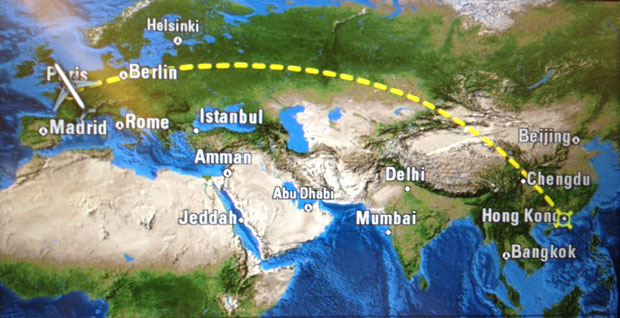
Individual monitor journey map

Here we are today, on a Cathay Pacific B777-300ER aircraft, each with our own individual monitor. I have a choice of 41 different movies. I have 24 TV channels with goodness knows how many choices of programmes and more movies (a rough guess would be 300 to 400). I can play chess, solitaire or sudoku. If I were a kid, I’d have my own movies, TV shows and games. I do have to speak English of course. Poor Relationnel has a very limited choice. But that’s OK, he can read the guide book to Hong Kong instead.

Headrest with wings to lean your head on

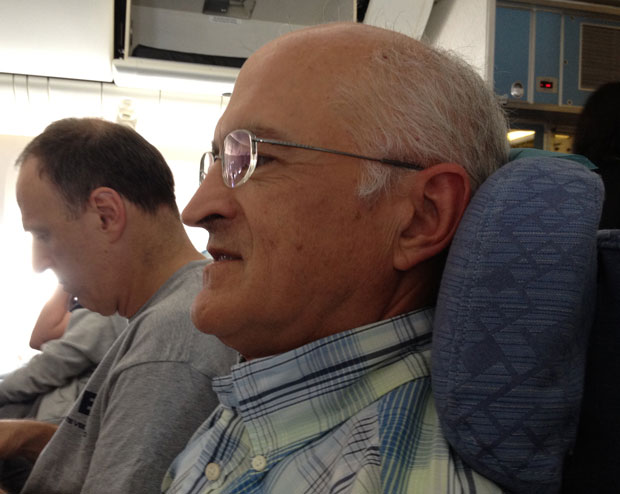
The back of the seat has a head rest with “wings” for extra comfort though the very loud lady on the other side of the aisle has her own version of comfort. There is less leg room, regrettably, but the seat is comfortable, unlike some I travelled on when I was younger when the springs seem to have been the worse for wear. Sleeping was a challenge.

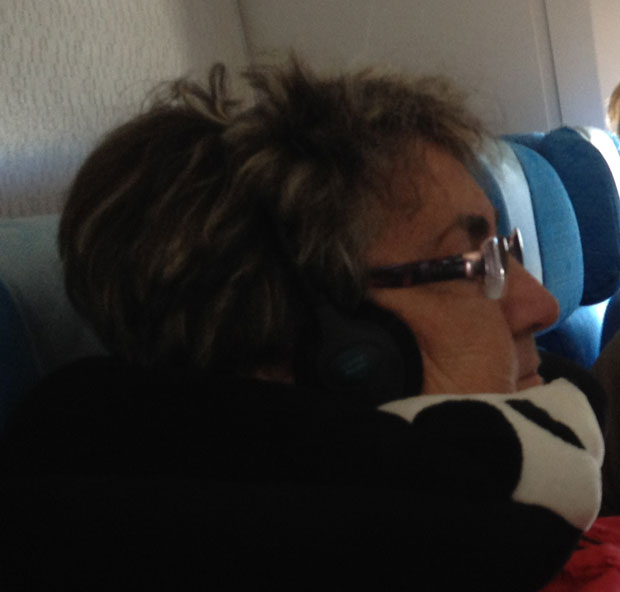
Neighbour’s neck pillow

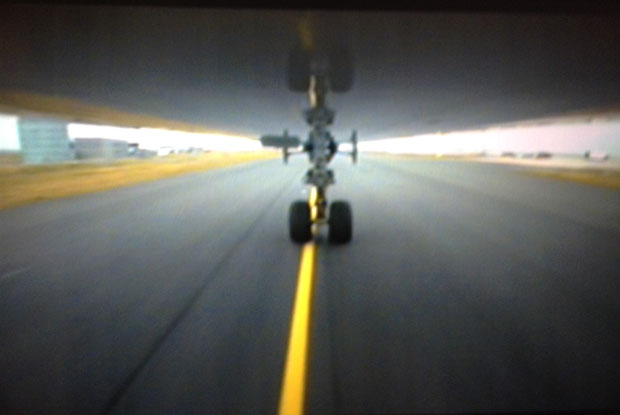
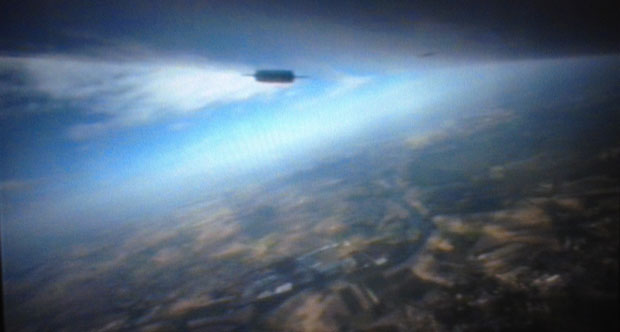
But the great novelty today is an “outside camera” under the belly of the plane that allows us to see beneath. On the runway, we could see the wheel whizzing along a yellow line. As we took off, we could see the fields below. Now that we’ve reached cruising speed, we can see clouds beneath us. I’m hoping we’ll have this as we fly over the Australian desert on the next leg of the journey.

Outside image of undercarriage

Another thing that has changed drastically over the years – fortunately in my view – is the unlimited alcohol that used to be served on board, with the obvious excess that made travelling difficult if you were anywhere near the over-consumers. Not to mention the state of the toilets … On Cathay Pacific you get a before-dinner drink and a glass or two of wine or beer with your meal and nothing alcoholic in-between.

Outside image showing land beneath

I’ve been travelling across the world since 1975 and have had a few unfortunate experiences along the way. The worst was probably in 1980 when Leonardo was 13 months old and crawling. It took us 50 hours to go from Paris to Townsville. When we were near Muscat in the Sultanate of Oman, we had a problem with the landing gear and had to backtrack to Bahrain to get it fixed. We spent long hours in the airport , a hotel room and on the tarmac. We couldn’t land in Sydney because of the curfew so had to go to Melbourne. There the ground staff was on strike so we had to wait for hours to get our baggage. The only one not in a frazzle when we reached our destination was Leonardo ! Fortunately I was still breastfeeding him at the time so didn’t have to worry about finding suitable food and water. All I needed were enough nappies !

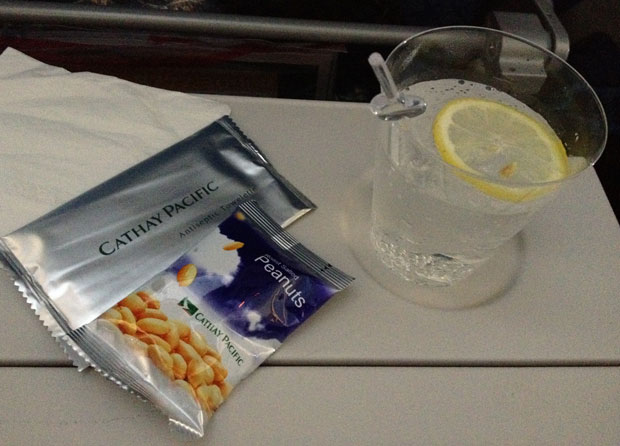
Our traditional gin & tonic and peanuts when flying

Time to go! Our traditional on-board gin and tonic with peanuts is about to arrive!

Monday’s Travel Photos – Hong Kong Island

Three years ago, we had a stopover in Hong Kong on our way to Australia. Our hotel – Causeway Bay – was on Hong Kong Island and that is where we mainly stayed. There are very few traditional buildings left on the island now, unlike my first experience 30 years ago!

Punging view from our room at the top of Causeway Bay Hotel
View from our rooftop pool. An unforgettable experience.
Tim Hau Temple
Typical shop entrance
Lin Fa Temple
Nighttime stroll – quite a challenge
Breathtaking view from The Peak reached by funicular
Fish market near ferry to Kowloon

View of Kowloon from ferry

View of Hong Kong Island Convention Centre from ferry

A Tapestry Shop and a Tea Room in Blois

I’m in the train again, going back to Paris and my shuttered-up apartment. But on Fridays, the workmen go home early so I won’t have to put up with the pneumatic drill for too long. Then on Monday, we leave for Australia for five weeks. We haven’t been for three years. Australia is a long way away! We’re having a stopover in Hong Kong on the way there and back. I can no longer do the 20-hour journey in one stretch. When I first left, 37 years ago, it took over 30 hours, with a one-hour stop in an airport every three hours so they could fuel up. The airports all look the same;  only the people behind the counters of the duty-free stores give any indication of the local population and customs. Now it’s a mere 20 hours.

Blois Castle on the street side

But yesterday afternoon I was still in Blois so I went into the city for some last-minute shopping. It was a glorious day. The beautiful weather is holding up, just as we are about to go, of course. My first stop was a little souvenir shop in the street next to the castle recommended to me by my friend Françoise, who tells everyone she found me in the street – which is quite true, as you may remember from an earlier post. The woman behind the counter and another woman who seemed to be overseeing the shop in some way kept up a constant banter. It always amazes me to see how sales assistants ignore you completely. At least it gave me time to decide what to buy …

My next stop was quite a different experience – a family-owned tapestry shop called Langlois just a few doors on. I wandered in and could see no one about but a very pleasant and helpful man soon arrived and gave me information about the tapestries. What I thought to be a very modern collection of cushion covers is actually based on details from the beautiful mediaeval Apocalypse tapistry in Angers. Another series are long Art Deco panels, selling for about 500 euros. Some beautiful traditional panels go for around 1000 euros. There are also carpet bags, purses, jewellery and ornamental items of various shapes and sizes. I could have bought a lot of things in that shop had money not been a consideration!

My last visit was to « Les Forges du Château », a lunch/tea room/cellar/local speciality shop where my gîte guests, Sandy and Will, had had a very positive lunch experience the day before. Newly opened in June, it has a a small outside eating area and an upstairs area that ressembles a private living room and looks out onto the castle opposite, a shop with many original items and produce, a cellar in two parts – one that stocks local wines (free tasting on request) and a wonderful 15th century cellar downstairs with vintage bottles behind iron grids.

The restaurant/tea room, which is open until about 8 pm, offers an interesting selection of sandwiches, salads and hot dishes, at prices ranging from 5 to 15 euros, with desserts to follow. I will definitely be trying it out when we go back to Blois in October.

Langlois Tapestries, 1 rue de la Voûte du Château, 41000 BLOIS, + 33 (0)2 54 78 04 43,                  langlois-blois@waadoo.fr
 Opening Times
Monday to Saturday 10am  until noon
& 2.30 pm until 6pm
Sunday and public holidays – by appointment
 
Les Forges du Château
21 Place du Chateau
41000 Blois

Pigeon Houses in France

When we were cycling in the Loire Valley last weekend, we stopped in the little town of Thenay, just in front of an unusual pigeonnier which is a place where you keep pigeons so the name varies in English according to the type of abode. It’s not really something I knew much about in the north of Australia where I was more familiar with parrots, parakeets and bower birds.

Pigeon house in Thenay in the Loire Valley

Pigeonnier is actually a more recent word in the French language and came into vogue in the 19th century. Before that, they were called colombiers although a colombe is really a dove but it comes from the Latin columbarium. It seems the Romans brought the tradition to France. Now why, you might ask, would anyone want to breed pigeons ? I naively thought they were all carrier pigeons but it’s really because they produce excellent fertilizer. When the crops were being sown, though, they had to be closed into the pigeon house to stop them eating all the seeds.

Inside, there were niches, one per couple. Now, isn’t that romantic? In some parts of France, such as Normandy and Brittany, only the nobles and clergy could have pigeon houses. But that was before the French revolution. After that, they became an important adjunct to any self-respecting farmhouse, signifying the end of feudal rights. Smooth walls and a row of varnished tiles were designed to stop rodents and other predators from getting in. When there were two stories, only the second floor was used for the pigeons.

Our first real experience of pigeonniers was in the south-west of France, near Gaillac, also home to an excellent wine. Once we had seen a couple of pigeon houses, we started “collecting” them and would walk for miles to visit a new one. That was in our pre-cycling days. As you can see from the photos, the variety is astounding. Some are stand-alone, often in the middle of a field, while others are part of the house. Some are in a state of decay while others have been beautifully restored.

There were a few safety rules to be followed. They had to be built away from large trees to keep birds of prey at bay and out of the prevailing winds. The largest could house over 2000 pigeons! We started our own little collection of miniatures but haven’t got very far.

Our nascent collection of pigeon houses

Which Travel Money Card is best? – Getting to and from the Paris Airports – Road Trip Paris to Berlin

On this week’s list are two very pratical posts for those who will be travelling to France shortly. Holidays to Europe looks at the question of the best travel money card to take with you while Abby from Paris Weekender explains the best way to get to and from the different airpots in Paris. And, on a very different subject, Andrea from Rear View Mirror (who is also the author of Destination Europe) and taken to living the life of a nomad, describes a road trip to Berlin.

Which Travel Money Card is best?

by Holidays to Europe, an Australian based business passionate about sharing their European travel expertise and helping travellers to experience the holiday in Europe they have always dreamed of.

I’ve written previously about the various ways of accessing your spending money whilst overseas but after my most recent trip to Europe and a report by CANSTAR, I thought it timely to provide some more information about travel money cards. Read more.

Getting to and from the Paris Airports

by Abby from Paris Weekender, an American living in Paris who offers suggestions for Paris weekends, either staying put or getting out of town

Unfortunately there is no perfect way of getting to and from the Paris airports, but below are my suggestions.  Note that for the Air France bus (Car Air France) to and from Charles de Gaulle and Orly you can now purchase tickets online, and doing so will save you 10%. Read more

Road Trip Paris to Berlin

by Andrea from Rear View Mirror (formerly Destination Europe), a fellow Australian who, after 6 years of living in France, has given up herParis apartment to live a nomadic life slowing travelling around Europe, experiencing each destination like a local.

Driving directly from Paris to Berlin would normally take around 10 hours but there are so many fantastic places worth visiting along the way that you can make a great one to two week road trip out of it or even more if you prefer to travel slowly. I took around 15 days for the trip and stopped in seven cities between Paris and Berlin. The road trip looked like this:

Paris – Trier – Bacharach – Heidelberg – Schwabisch Hall – Nuremberg – Leipzig – Dresden – Berlin. Read more


Troglodytes in the Loire Valley and Vouvray wine

The first time I heard someone use the word troglodyte in France, I was a little surprised. It conjured up cave dwellers for me. But apparently I was going to be shown their houses – cave dwellers have houses? However, it turns out that in French, it also means a house dug out of a cliff.

Typical troglodyte cellar along the Cher River

The Loire Valley is very old and in many places both the Loire and Cher rivers are flanked by tufa hills. If someone needed a house or a cellar, they simply dug into the tufa, which is a fairly soft stone. It was then relatively easy to add doors and windows. Ventilation is a problem of course but not insurmountable. I really was intrigued when I saw them. It reminded me of Peter Pan and Wendy and their underground house.

Troglodyte house with a cellar in the middle

The photos here were taken as we rode from  Montou along the Cher River to Montrichard. Don’t you just love the details? One even has a TV antenna. And the doors are so low. They weren’t very tall in those days of course.

A troglodyte house with a TV antenna!

Another area in the Loire Valley well-known for its troglodyte houses is Vouvray, the home of a very good natural sparkling wine made with a local grape called chenin blanc. It may not be champagne but it’s still very palatable – and much cheaper. Most of the cellars have been dug out of the tufa cliffs. We once visited the most extraordinary vouvray cellar with very, very old wines, that seemed to go on forever. The label on the bottle shows the door of their troglodyte cellar. Vouvray is also a very pleasant sweet wine made with the same grape.

Sparkling and sweet vouvray from Domaine Freslier

After the visit, we went for lunch in a troglodyte restaurant, which is also a local speciality! Very atmospheric with its rough-finished walls and candles in their niches. Unfortunately, it was a few years ago, so I don’t remember the name …

Vouvray wine
Domaine Freslier Jean Pierre
90 – 92, rue de la Vallée Coquette – 37210 Vouvray 02.47.52.76.61

Monday’s Travel Photos – Abu Simbel, Egypt

The French love Egypt. They study it at school several times during their scolarity which means that they end up knowing quite a lot about it. Ancient Egypt, I mean, with the mummies and pharoahs. As a result, Black Cat had her heart set on going to Egypt so when she was about 12, I promised I’d take her there for her 18th birthday. Due to the political situation at the time, we didn’t go until the following year but when we did, she absolutely loved it.

The Great Sphinx of Giza and the Pyramid of Khafre

We started in Cairo with the Pyramids, which disappointed me a little – I found them overrated – then went to Abu Simbel which I thought was absolutely magnificent. The absolutely collossal statues suddenly appeared out of nowhere on the edge of Lake Nasser.

One of the twin temples originally carved out of the mountainside during the reign of Pharaoh Ramesses II in the 13th century BC for his queen Nefertari.

However, not knowing anything about Egyptian history at all, it took me a while to soak it in. After a week on the lake which was created as a result of the construction of the Aswan High Dam across the waters of the Nile between 1958 and 1971, visiting many historical sites that had been relocated when the valley was flooded to form the lake, I was ready to go back to Abu Simbel and see it all again. But we were scheduled to go to Luxor then up the Nile to the Valley of the Kings and Queens. Abu Simbel remains my favourite, particularly in the late afternoon when there are fewer tourists. I’m sure you can see why from the photos.

A close-up of the Nefertari temple in Abu Simbel
The temple built by Pharaoh Ramesses II as a lasting monument to himself to impress his southern neighbours. I’m sure they were!
Close-up of the Ramesses II temple which along with the rest of the complex was relocated in 1968, on an artificial hill made from a domed structure, high above the Aswan High Dam reservoir.
Crops growing on the banks of Lake Nasser. From the 6th century until 1815, the temples were entirely covered by sand.

from the Tropics to the City of Light