A Rose Garden in a Priory

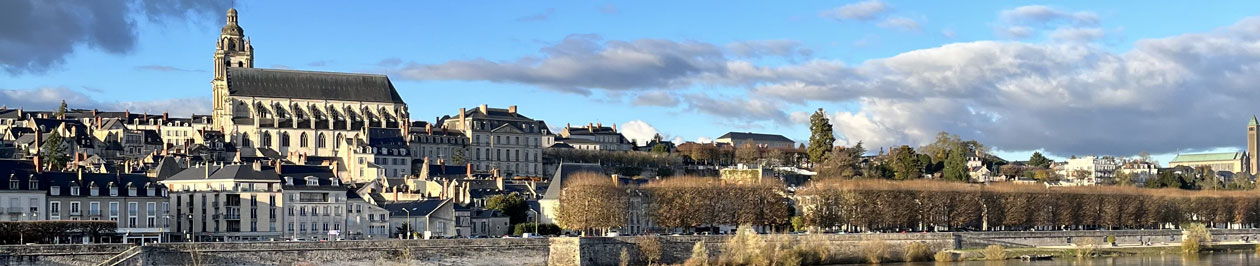
June is a wonderful month in the Loire Valley because all the roses are out. I’ve already told you the story of our Madame Meilland or “Peace” roses and our Pierre Ronsard climbing roses.  Yesterday morning, as we were having breakfast in the kitchen, which looks out into the courtyard in front of the house, I realised that the stone wall next to the front gate was looking a little bare. We discussed the possibilities and decided climbing roses would be the perfect solution.
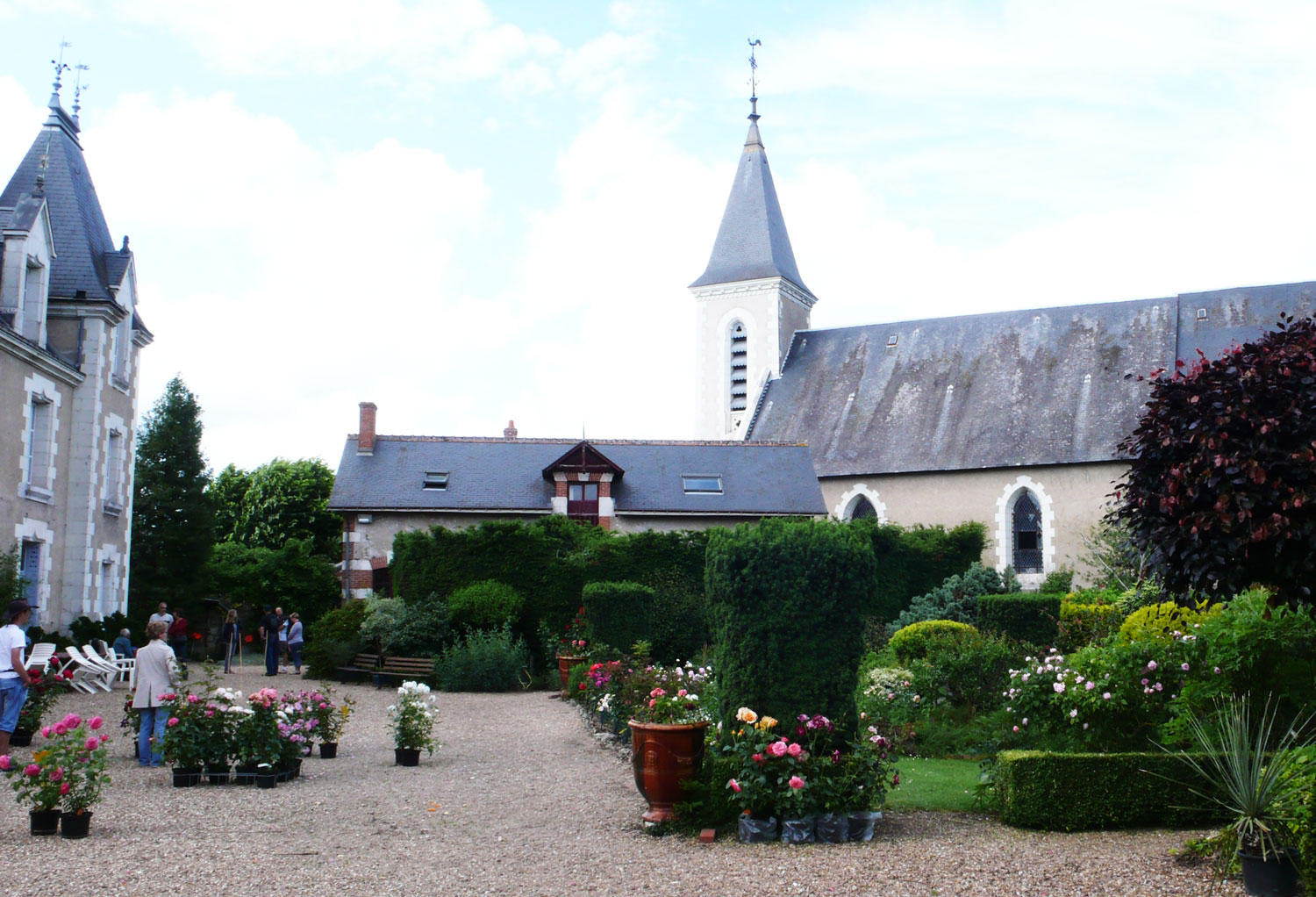
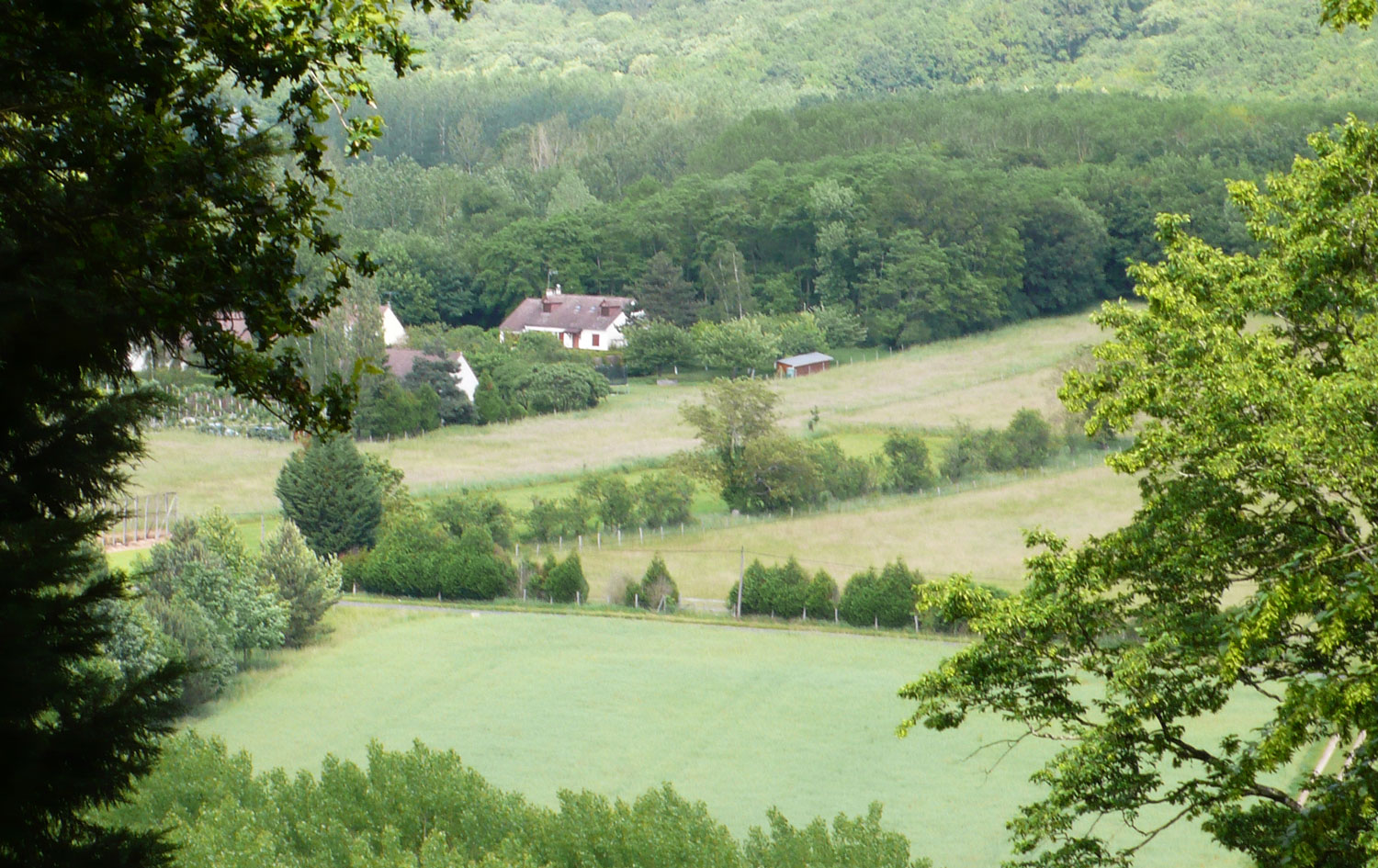
So in the afternoon we went to visit the botanic gardens at Prieuré d’Orchaise, only 11 kilometers from Blois, who were selling rose bushes this weekend. This delightful 3 hectare park overlooking the luxuriant Cisse Valley, is next to a Romanesque bell-tower built in 1060 by monks from Marmoutiers. The garden’s founder, Hubert Treuille, has collected more than 2,000 varieties of plants from across the globe.

When we got there, we spoke to the very friendly and helpful gardener and told him what we wanted – a hardy climbing rose that would have lots of flowers very quickly. He suggested a variety called Saharan whose flowers change from pink to abricot as they mature. I didn’t find the potted example he showed us particularly appealing so he sent us to look at a well in the garden where the roses were growing.  It was so stunning that we immediately went back and bought it as it was the only one left!

We thought we should also have a climbing rose outside the front fence (well, it’s a stone wall really) on the second disused gate that we’ve just repainted. We initially thought we’d had to replace it altogether but after treating it for rust, repainting it and removing the black plastic from behind, it is as good as new and ready for our new Pierre Ronsard. We then got the gardener to explain how to prune our different rose bushes so that they would be as lovely as his.

I knew you had to cut off the faded roses but wasn’t sure exactly how. So he showed us that below the flower, you first have a cluster of three leaves, then five, so you should always cut just (on a slant) above the cluster of five. That way, you’re encouraging the new wood to grow. When you’re pruning in the spring, you have to cut off the dead wood and prune drastically.
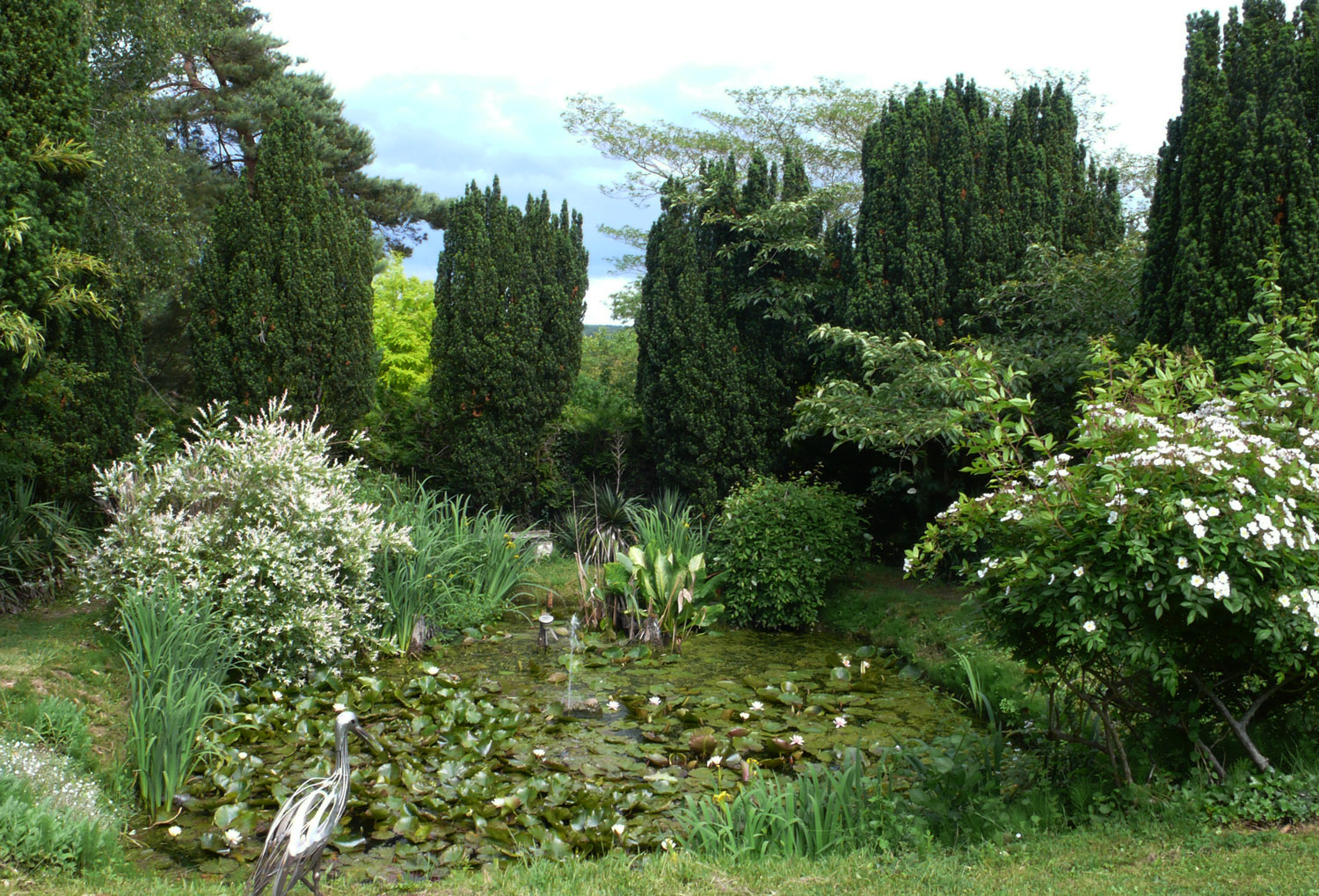
After we’d bought our roses we then went to visit the rest of the garden which is very lovely and has a beautiful waterlily pond with cypresses in the background. We had just missed the peonies but will make sure we go there earlier next year during the peony weekend and buy a few bushes. And we’ll definitely be visiting regularly to get helpful advice from the gardener who even gave us his phone number!
Jardin Botanique du Prieuré d’Orchaise
Place de l’Eglise
41190 Orchaise
Video (in French) of the gardener talking about his peonies
http://prieure.orchaise.free.fr/
Open from 3 pm to 7 pm from 1st April to 31st October
Adults: €6 (free for children under 12).

Summer Mushrooms in the Loire

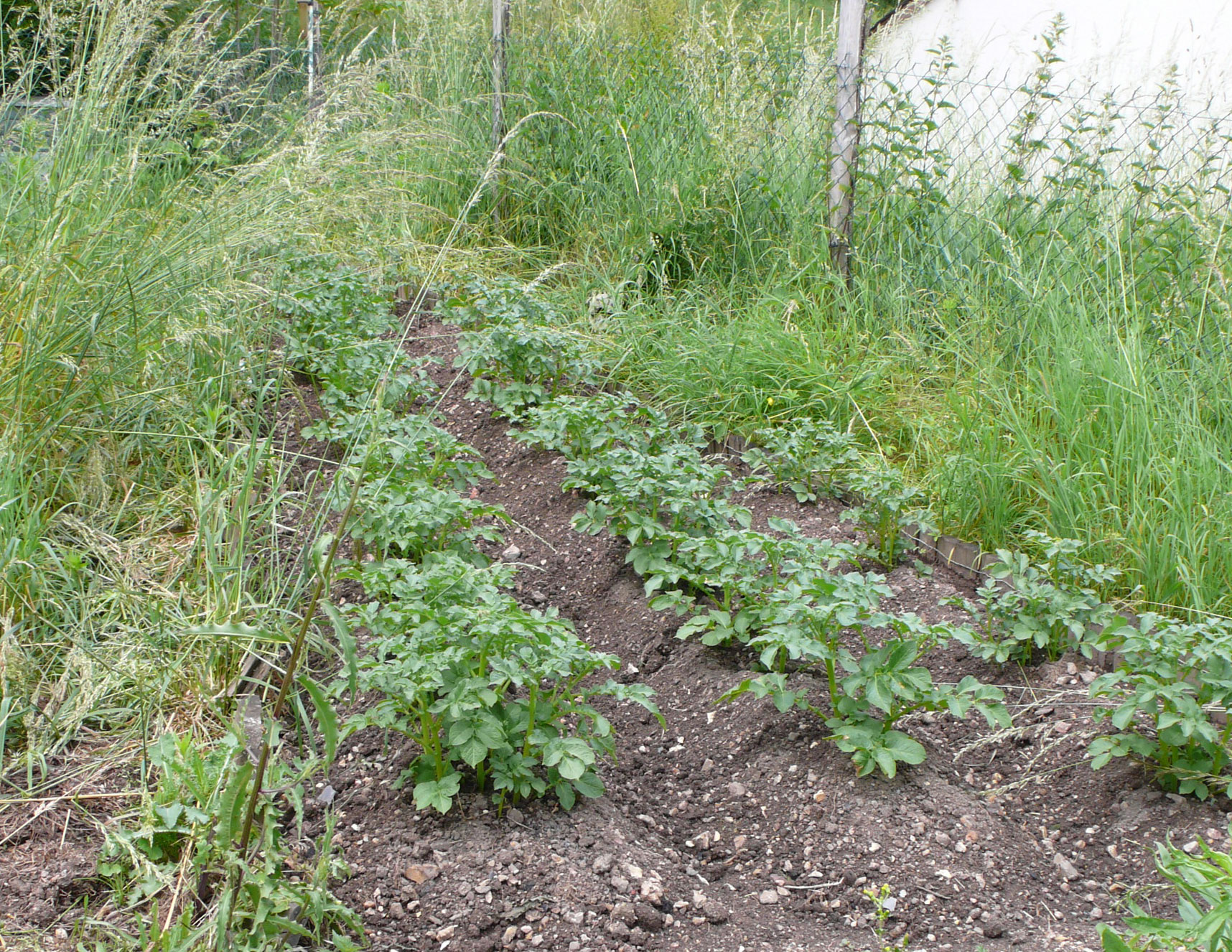
We really have had a beautiful week in the Loire. Everyone in France this year, particularly in Paris, has been complaining about the awful spring weather and it was no better in Blois. But when we came back last week, the potatoes we’d planted in the rain two weeks before were looking very happy (and so were the surrounding weeds of course!) and the vegetation, especially the roses, was flourishing.

The good weather stayed with us and as a result, we were able to go cycling several times. Our last excursion was to the nearest village, Chouzy sur Cisse, about 5 kilometers away, in the opposite direction from the centre of Blois. Being on our bikes, we were able to take a dirt road running parallel to the main highway along the Loire, thus avoiding the 70 kph road I’m not so keen on.

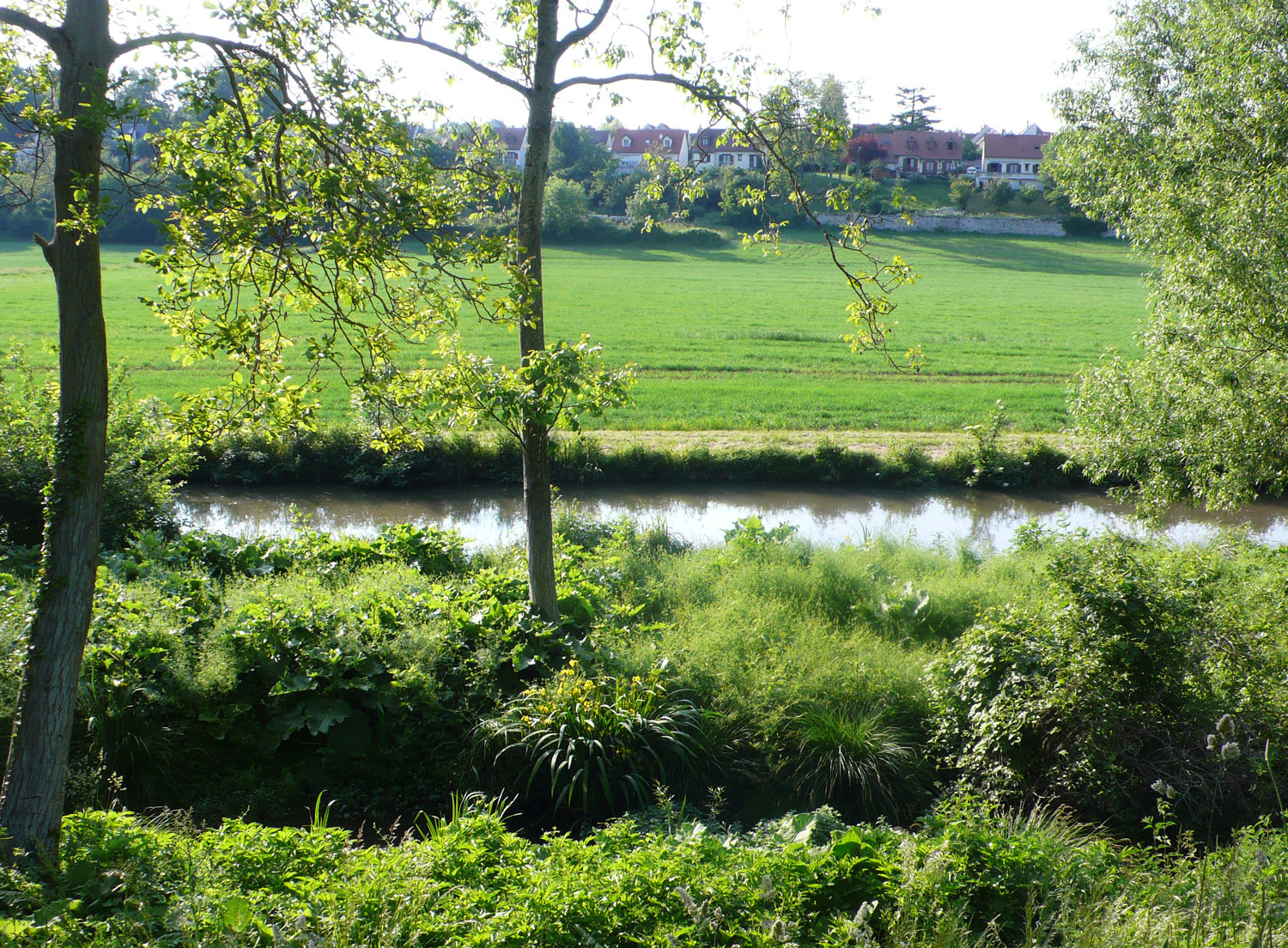
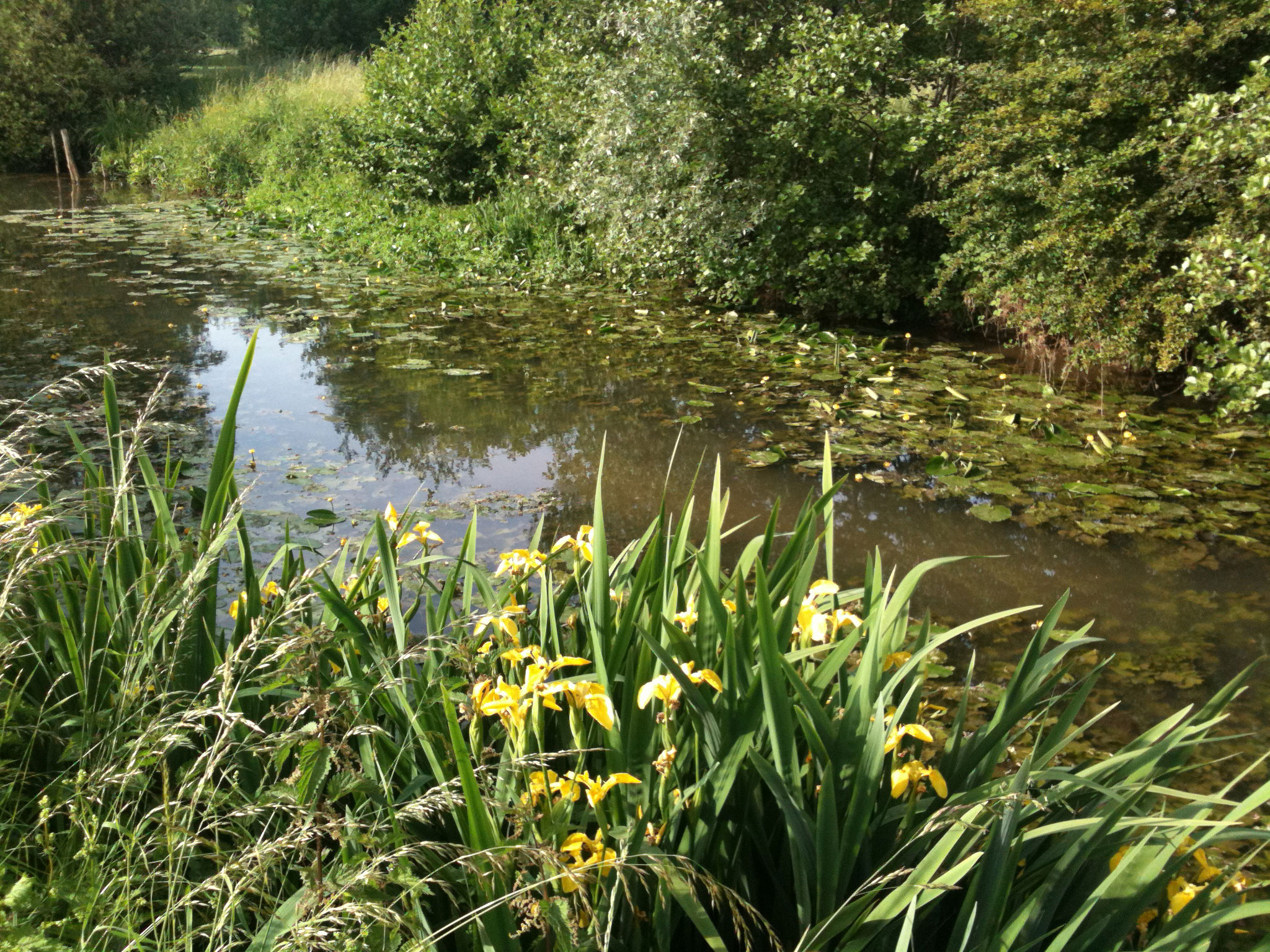
The entrance to the village is not particularly attractive, but in the centre there’s a butcher (very handy for barbecues), a baker, a little supermarket and a hairdresser. I had seen a sign saying “plan d’eau” which generally means a small lake so we kept going and, to our surprise, came across a lovely little stretch of water next to the Cisse. The river itself is very picturesque with yellow waterlilies and water irises.

We followed the path along the edge and found ourselves cycling along the river past lots of small market gardens. One even had a whole row of lilies-of-the-valley. Relationnel consulted the map and said we could take Rue Beaumont. I groaned inwardly because the name means “beautiful rise” which obviously means cycling uphill. We were rewarded though because it took us onto a flat though bumpy road through the forest.

Suddenly Relationnel stopped and said, “Not sure what it is but maybe … “. I continued cycling but soon realised he wasn’t following. I looked back to see him waving frantically. “You should get out the camera”, he said as I got closer. What a find! Several large fresh summer cep mushrooms. Now one of the reasons we chose Blois for our retirement is its proximity to a state forest so we can pick mushrooms in the autumn, so finding such wonderful specimens in summer is extremely promising! We cooked them in the frypan and ate them with our côte de boeuf!

Sunday’s Travel Photos – Rheinfall near Schaffhausen in Switzerland

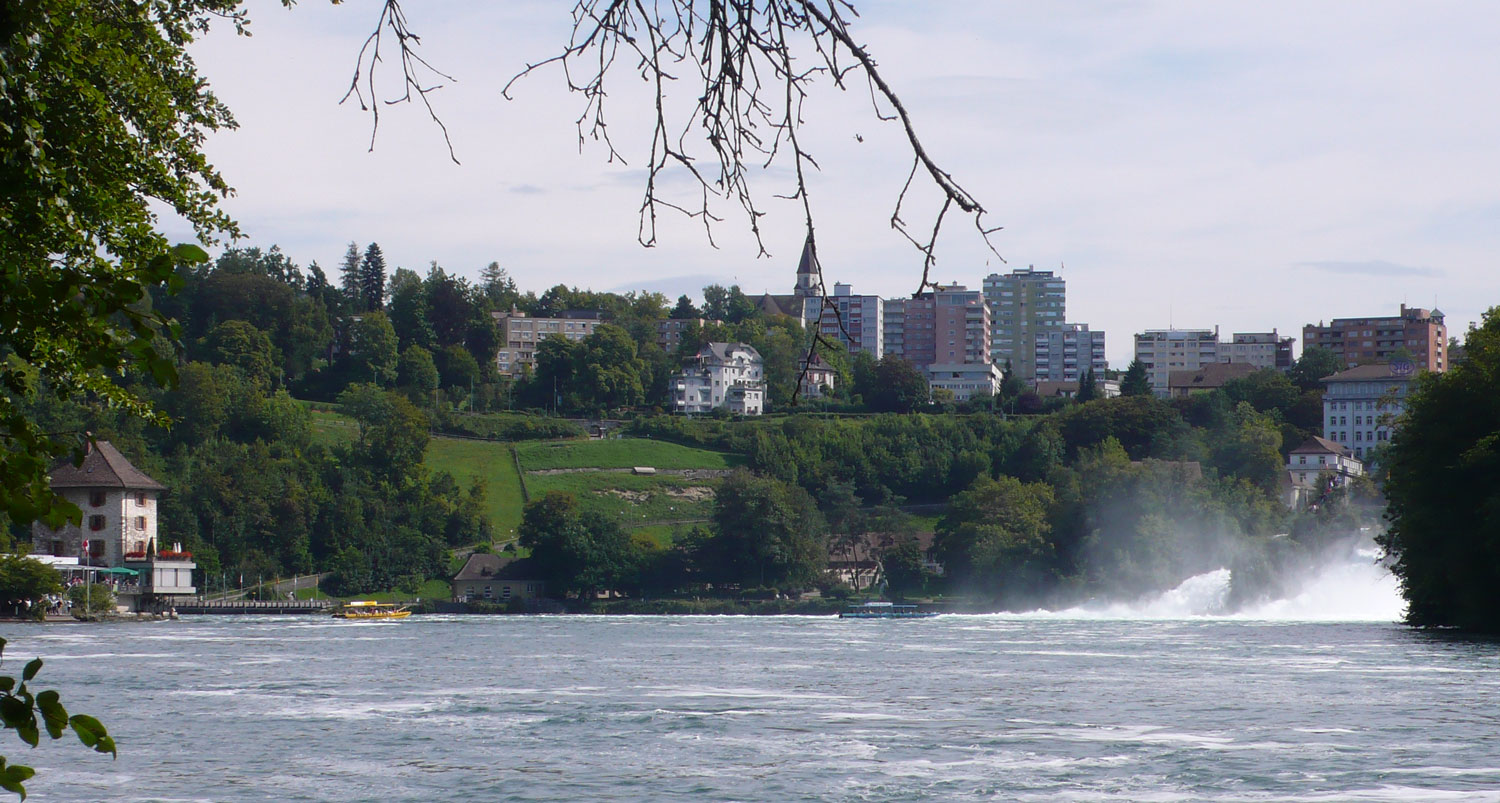
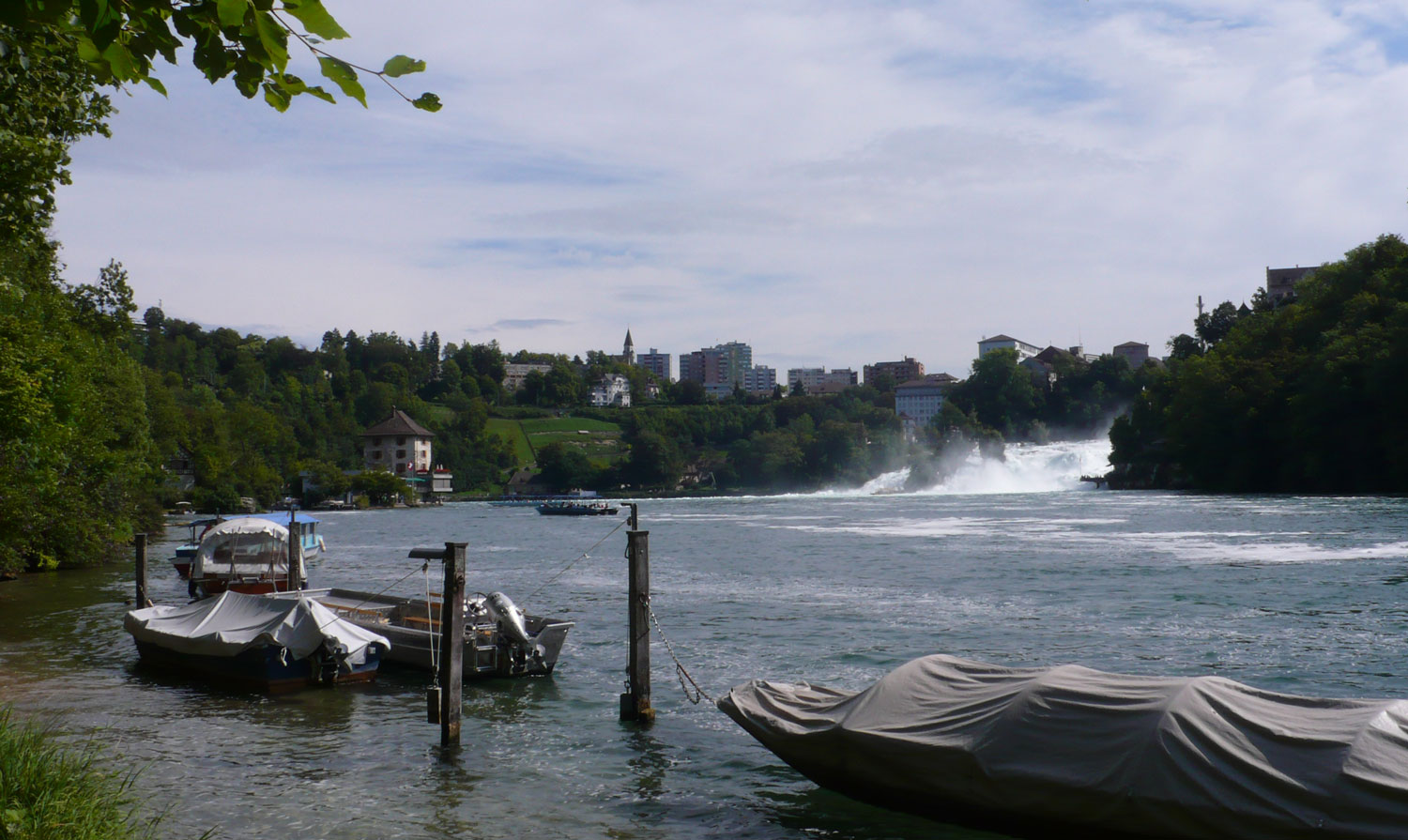
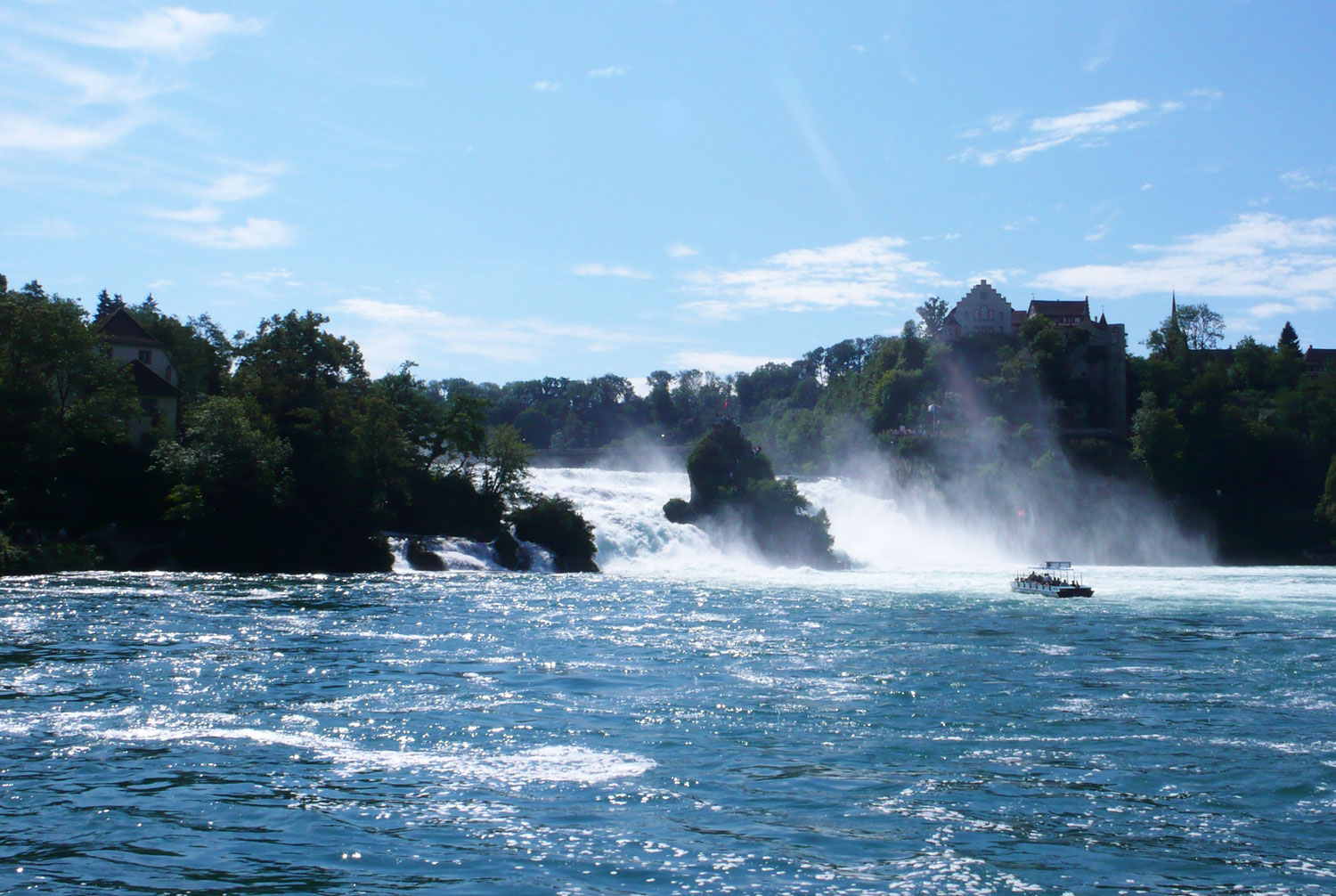
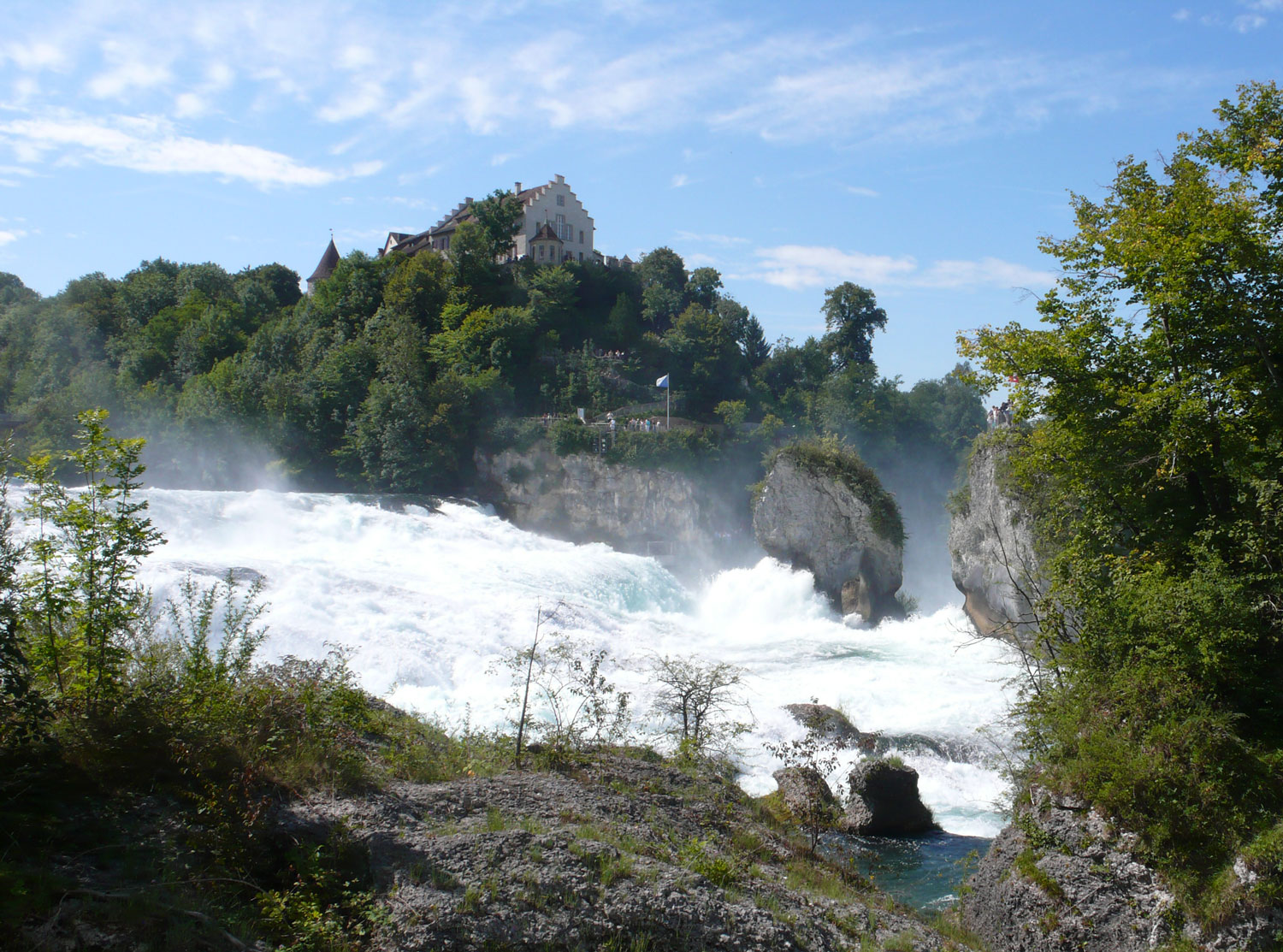
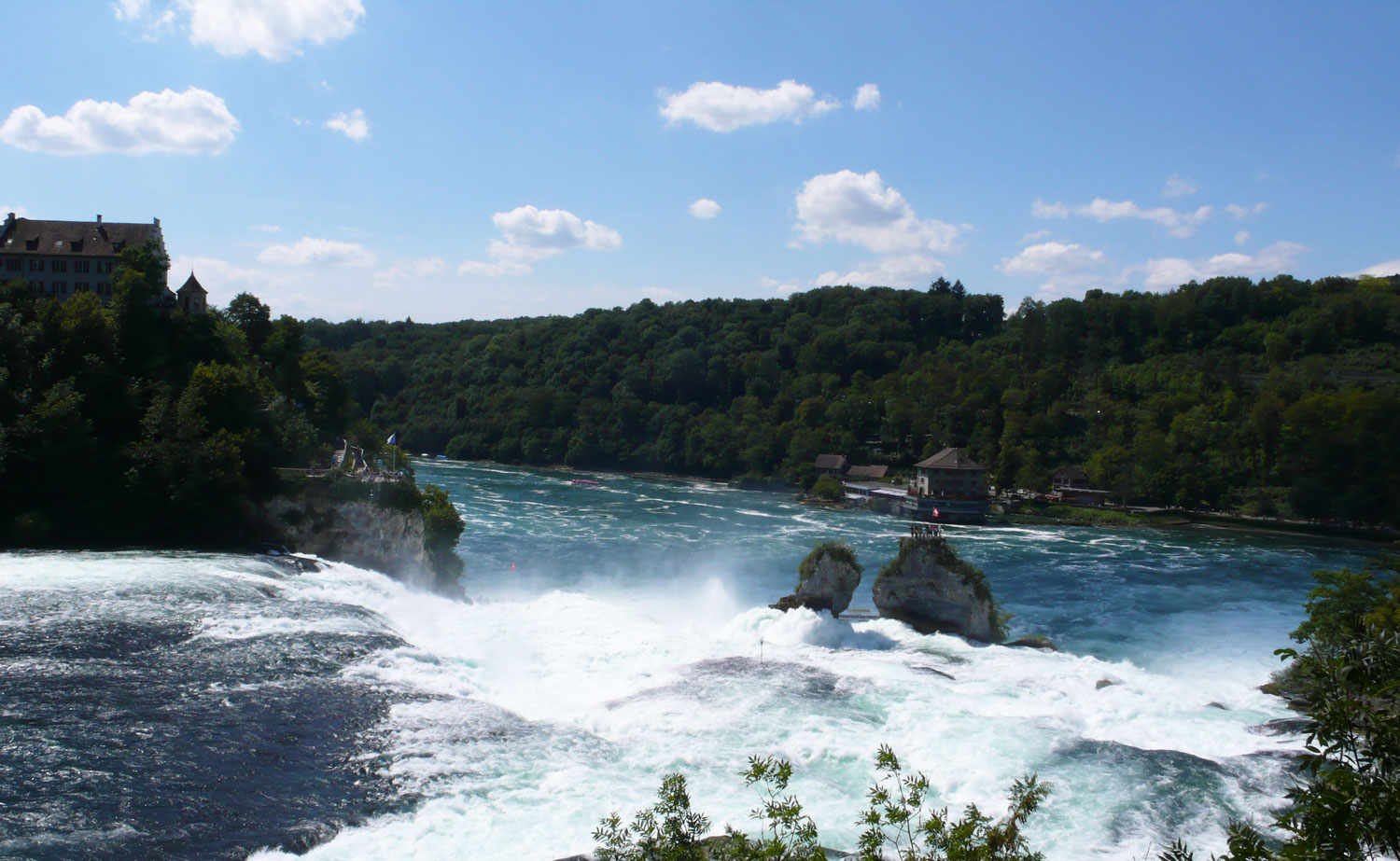
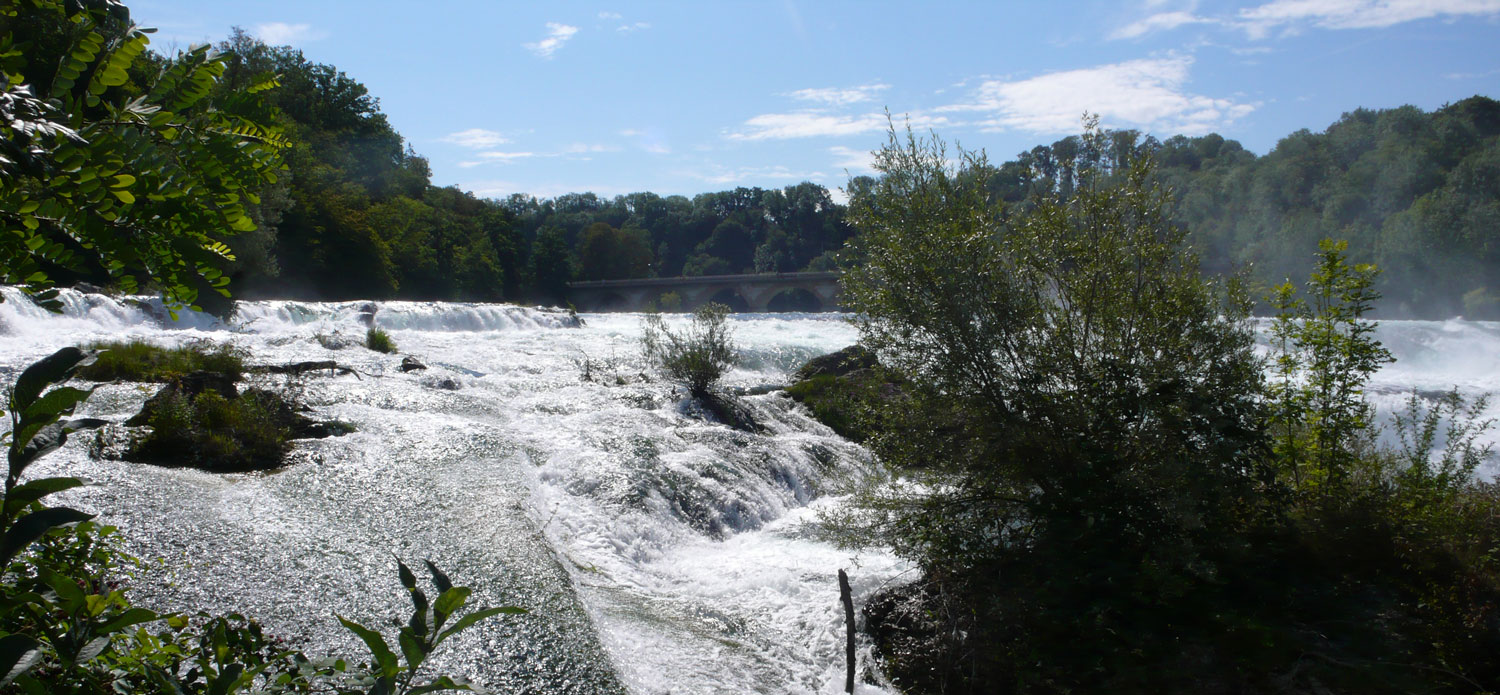
Last summer, we spent three days in Germany and Switzerland cycling along part of the Eurovelo 6 bike route. The highlight was definitely the natural waterfalls on the Rhine river near Schaffhausen in Switzerland, the largest in Europe – 150 m wide and 23 metres high. When they came into view on our cycle path, the effect was stunning. It was a little overcast but when we came back again after lunch, the sun had come out, making the water dance and sparkle. We didn’t take the boat out to the falls because it looked as though you could get pretty wet!

Our Pierre Ronsard Roses

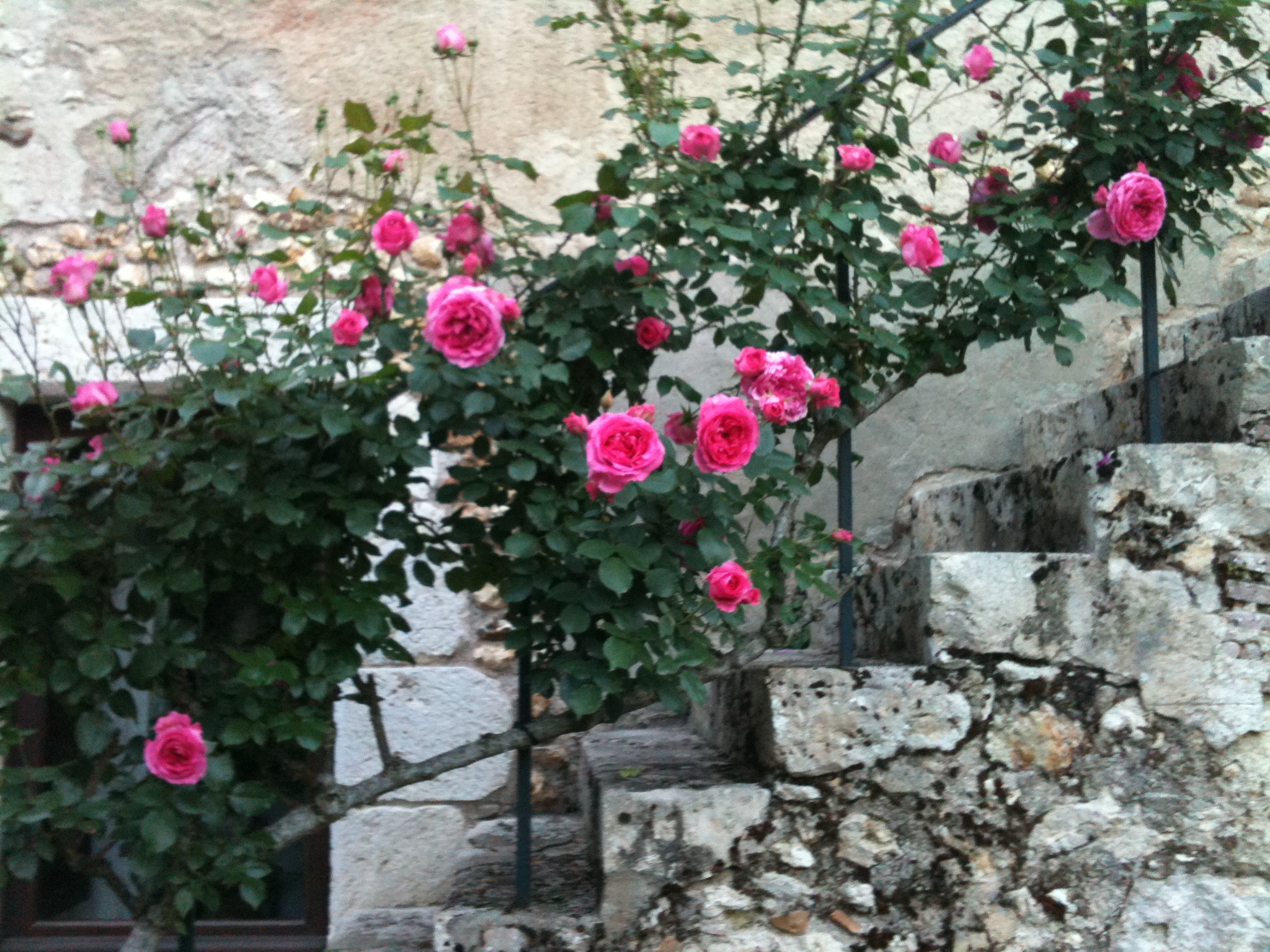
Yesterday, we went to visit Mr and Mrs Previous Owner in their new modern home about 20 minutes from Closerie Falaiseau and I learnt that the climbing roses on our original Renaissance railing are called Pierre Ronsard after one of France’s most famous poets who was born in 1524 and died in 1585 in the Loire Valley, the year after our house was built. One of his best known odes begins “Mignonne, allons voir si la rose …”

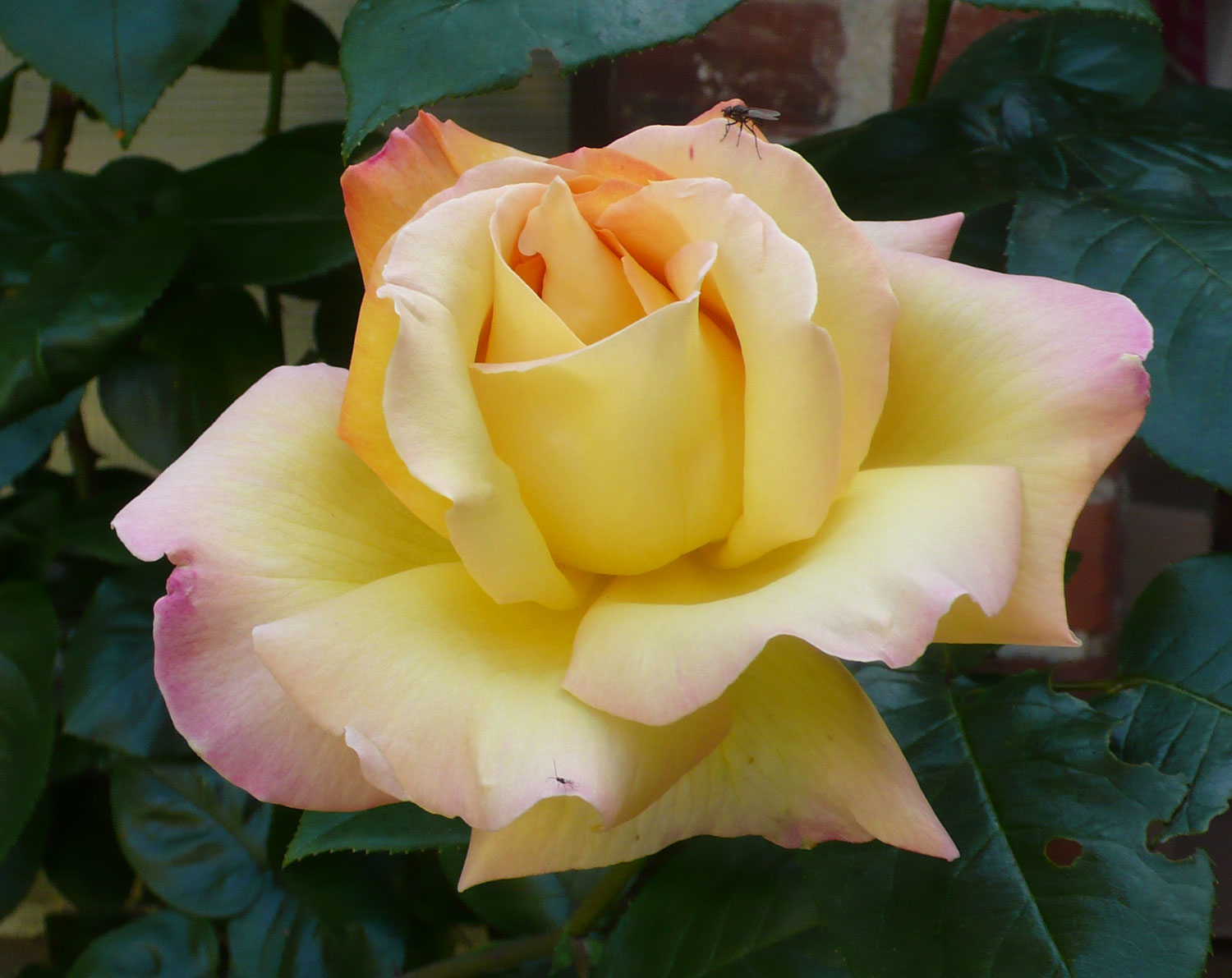
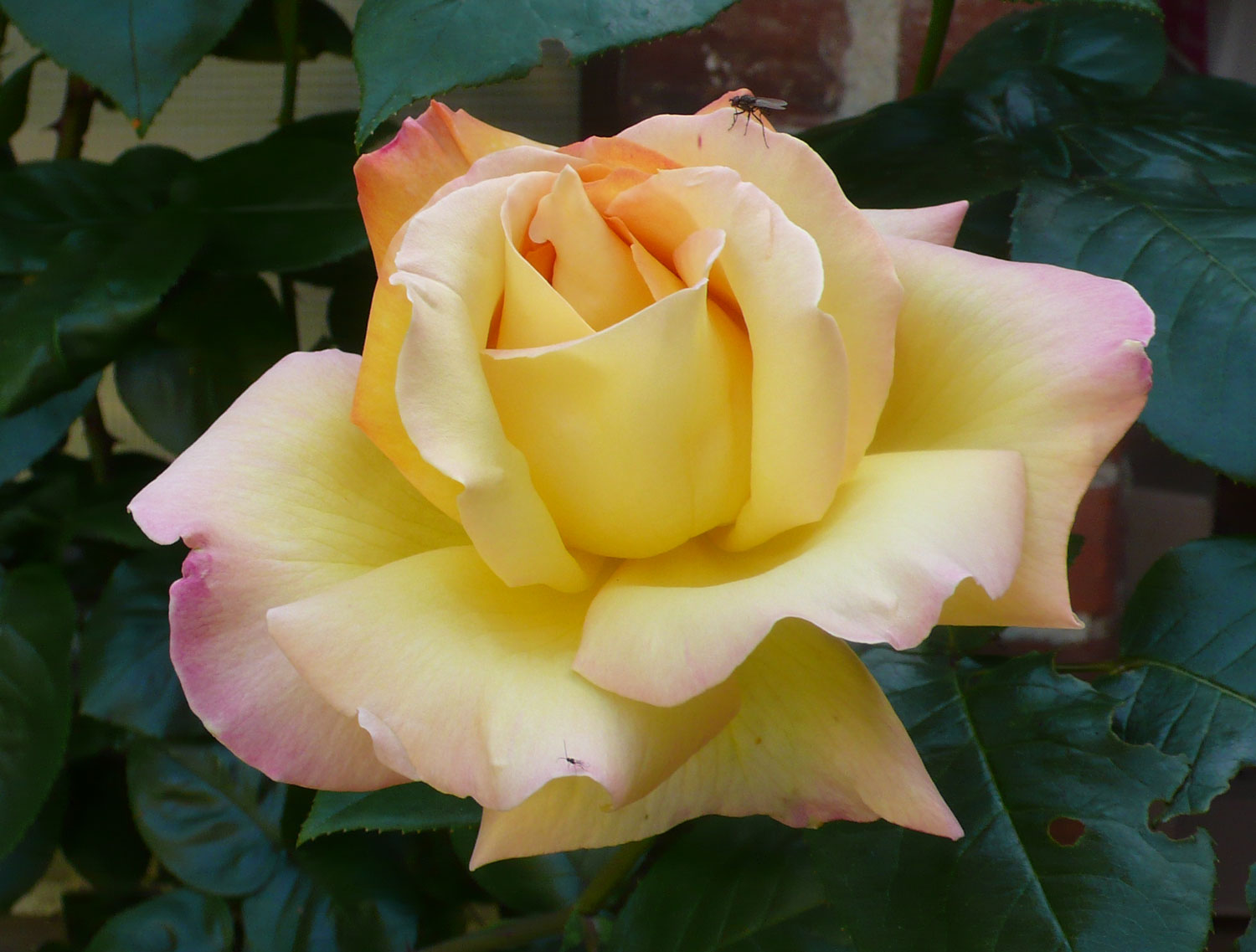
The yellow rose in yesterday’s post is called Madame Antoine Meilland developed by a French rose cultivator, Francis Meilland, in the late 1930s and named after his mother. It’s better known as “Peace” in English and is an interesting story. To quote Wikipedia:

In early 1945 Meilland wrote to Field Marshal Alan Brooke (later Viscount Alanbrooke), the principal author of the master strategy that won the Second World War, to thank him for his key part in the liberation of France and to ask if Brooke would give his name to the rose. Brooke declined saying that, though he was honored to be asked, his name would soon be forgotten and a much better and more enduring name would be “Peace”.

The adoption of the trade name “Peace” was publicly announced in the United States on 29 April 1945 by the introducers, Messrs Conard Pyle Co.. This was the very day that Berlin fell, officially considered the end of the Second World War in Europe. Later that year Peace roses were given to each of the delegations at the inaugural meeting of the United Nations in San Francisco, each with a note which read:

“We hope the ‘Peace’ rose will influence men’s thoughts for everlasting world peace.”


La Loire à Vélo – Loire by Bike #1

Loire by Bike is part of the EuroVelo bike route from the Atlantic to the Black Sea. We’ve already covered quite a bit of the Loire route as well as a small portion in Germany, in the Rhine Valley, between Basel and Lake Constance, on our way back from Croatia last year. In another post, I talked about cycling around Angers and crossing the river on barge, which I thought was rather exciting!

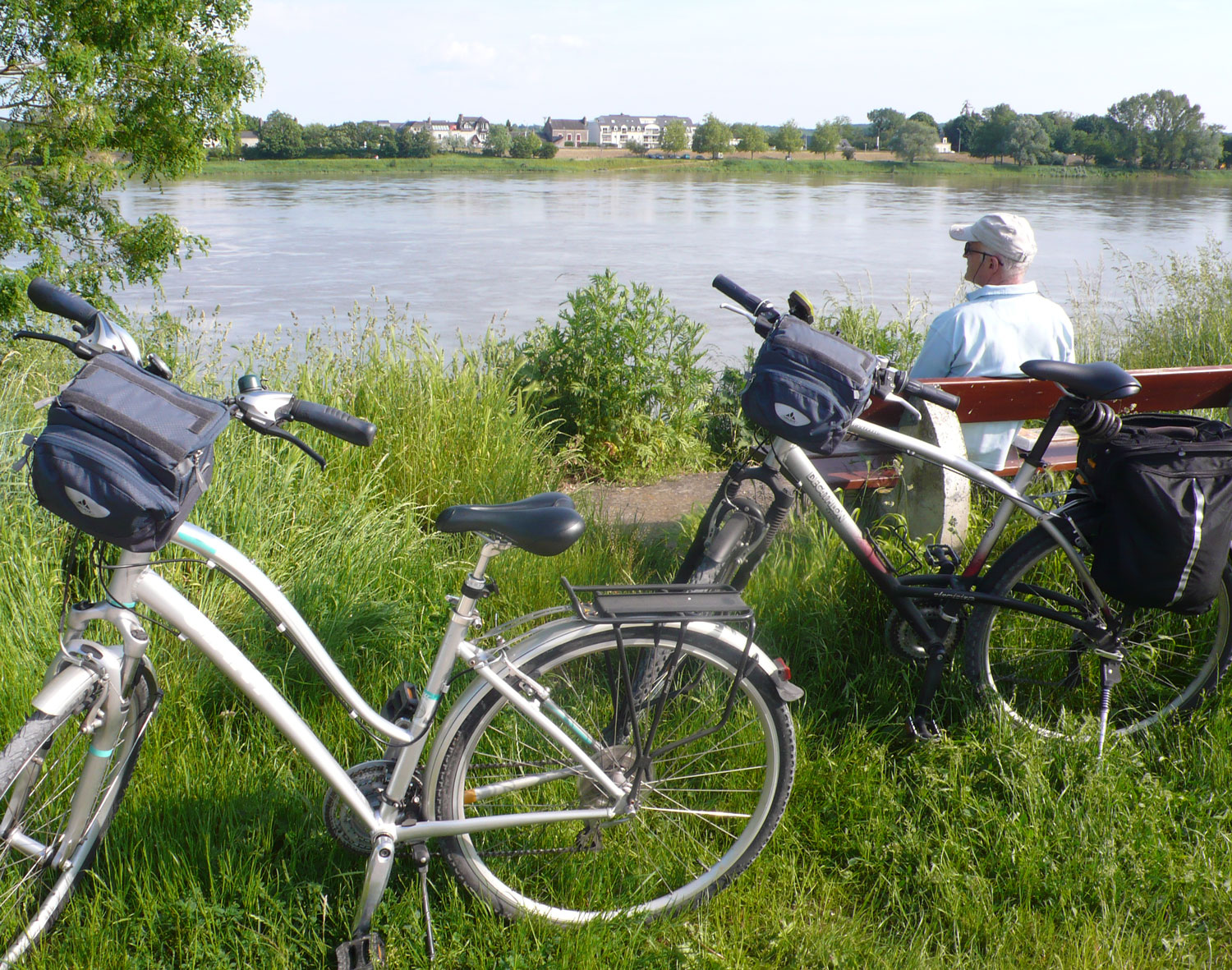
Yesterday, we did a portion closer to home, setting out from Closerie Falaiseau and going as far as Menars, a 30 K round trip altogether. The first 7 kilometres are not too wonderful, as you have to take the main road that runs along the Loire Valley, with the first 3 K at 70 kph. After that, the speed limit drops to 50 kph but it probably takes the cars another couple of kilometres to  really drop speed. After that, you can take the “mail” as they call the esplanade used as a parking lot on the waterfront in Blois and Amboise.

Next, you have another couple of kilometres along a “shared bike/car route” with very little traffic, flanked by houses with climbing roses on one side and a grass verge on the other. Then once you reach the riding school, motorised traffic is prohibited and you cycle along a bitumen road mainly through a lovely shady forest. Next time, we’ll put the bikes on our Thule bike carrier on the back of the car and start at the end of the “mail”.

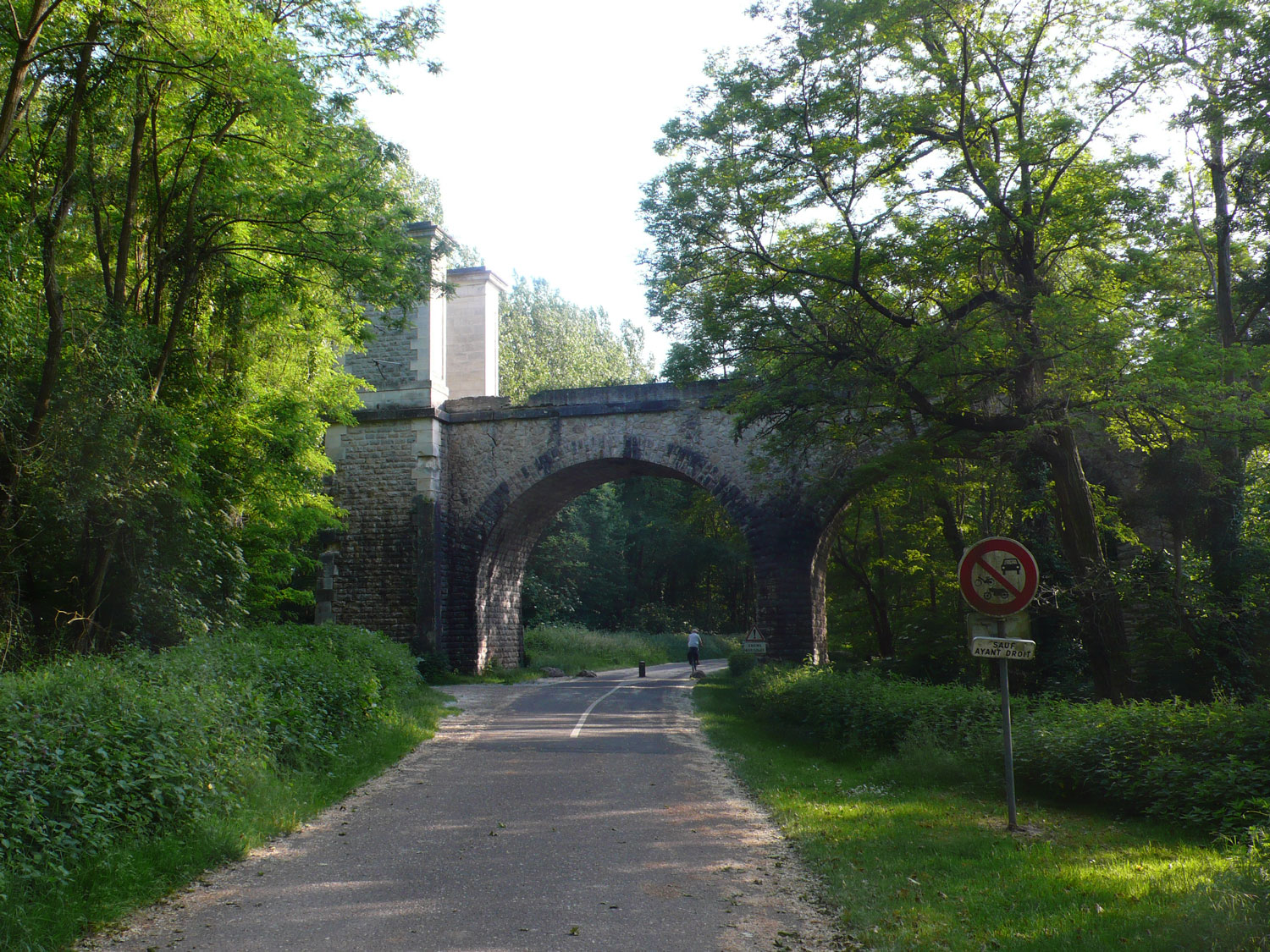
At one stage, we cycled under a lovely old stone railway bridge no longer in use (it’s cut off completely at one end) and many clusters of water irises in the little stream on the left of the cycle path. The path wasn’t over busy, but we still passed other cyclists, often with children and lots of joggers and strollers. There are also benches along the way to rest.

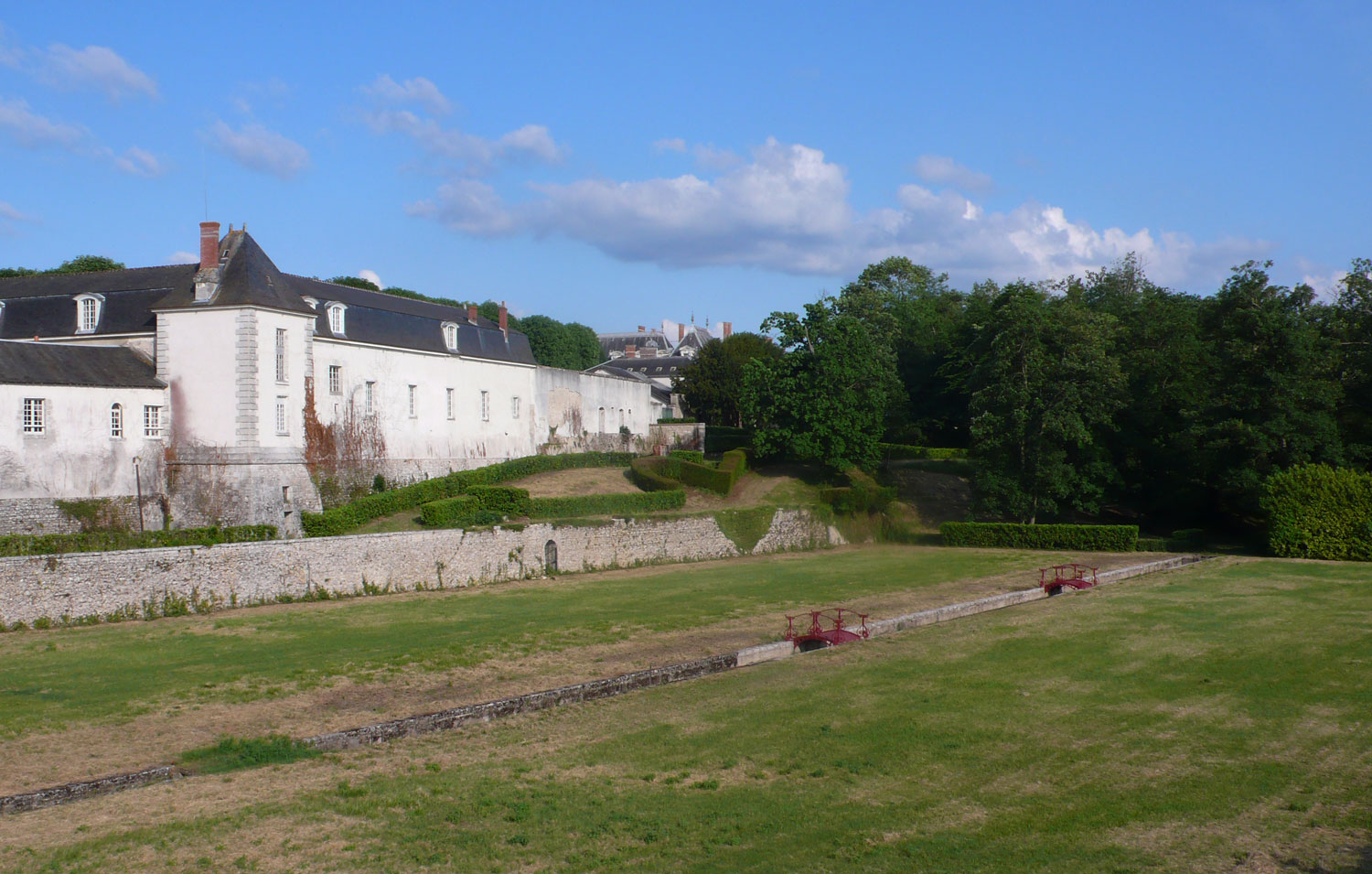
When we got to Menars, we rode into the village, which has a very large castle built in the 17th and 18th century with very dry looking grounds. Unfortunately, since it was Monday and a public holiday to boot, there were no bars open so we had to make do with our usual water and biscuits then ride all the way back to Blois for an apéritif at Le Penalty. After that, we rode home, stopping on the way at L’Embarcadère to reserve a riverside table.

When we got back, our first yellow rose was out!

Exploring Saint Germain des Prés – Mary Cassatt’s Greater Journey – Cycling France’s Atlantic Coast

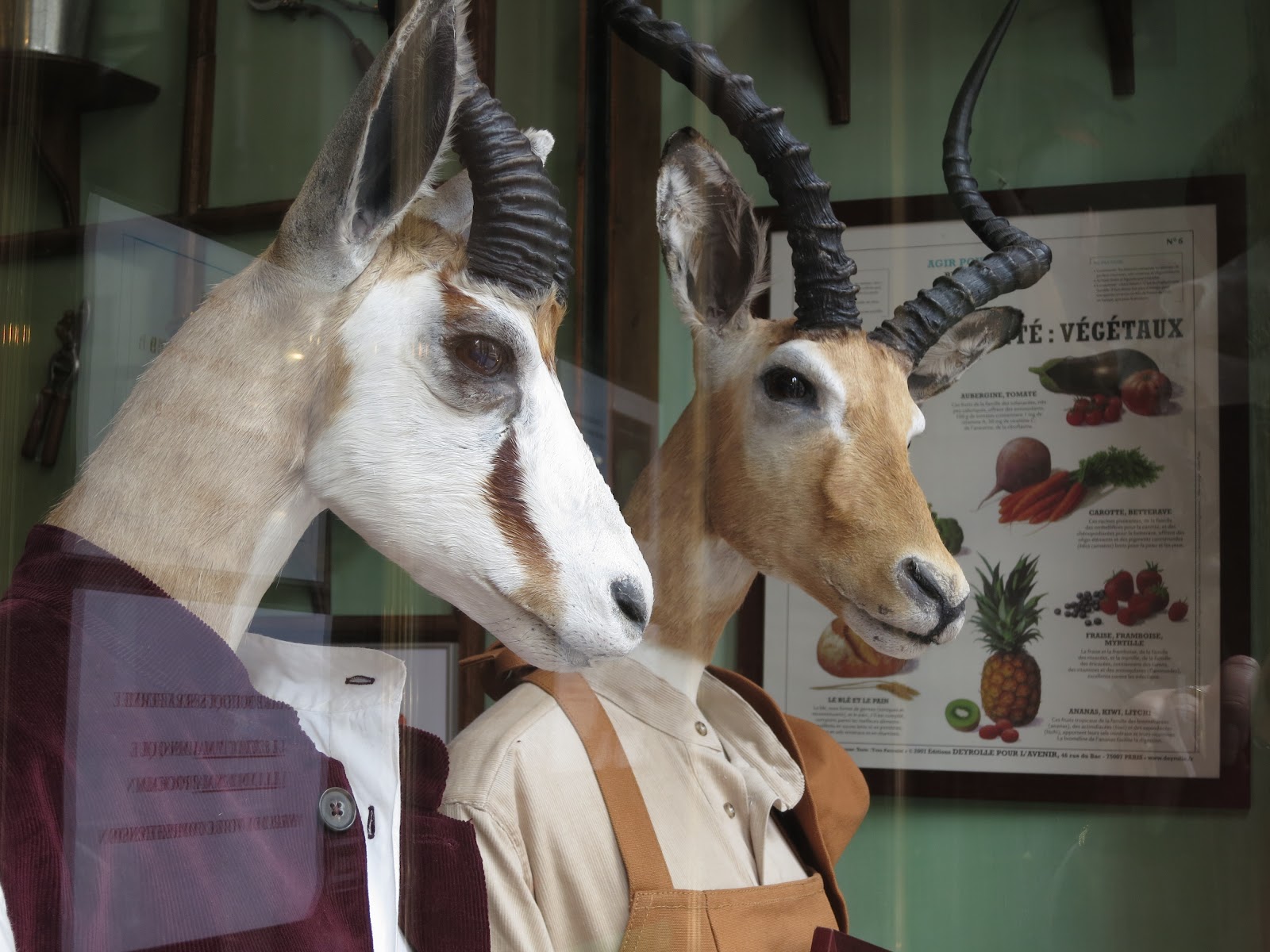
Wednesday again and more great posts from other people’s blogs. Fellow Australian Kathy Stanford from Femmes Francophiles is making the most of her stay in Paris and has come up with some more unusual visits, including Deyrolle’s taxidermy shop. The American Girls’ Art Club in Paris reviews “The Greater Journey” featuring the story of impressionist Mary Cassatt among others while Experience France by Bike takes us cycling in Basque country, perhaps one of the most scenic cycle paths on the Atlantic Coast.

Exploring Saint Germain des Prés – Deyrolle and Un Dimanche à Paris

by Kathy Stanford from Femmes Francophiles

Things don’t always turn out as you expect when on holidays. I hadn’t noticed that the Balabus tourist bus between La Defense and Gare de Lyon only operates on Sunday afternoons and public holidays. Having already walked to La Defense from my apartment I decided to take bus 73 to Musée d’Orsay. I wasn’t planning on visting the museum but the bus takes much the same route as the Balabus past some of Paris’s well known locations. Read more

Mary Cassatt’s Greater Journey

by The American Girls’ Art Club in Paris – Exploring Paris In The Footsteps of The Artists and Writers Who Came Before

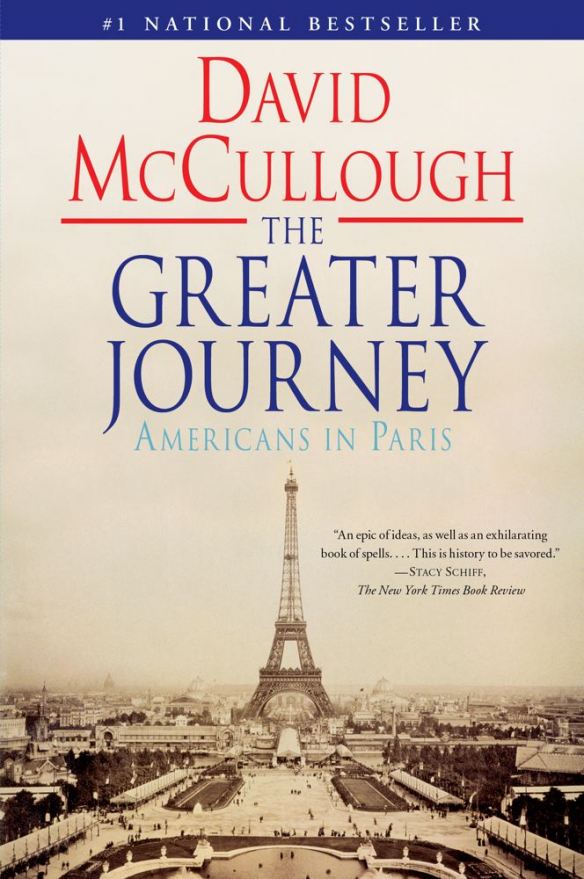
In The Greater Journey (Simon & Schuster U.S. paperback edition available May 15), McCullough turns his storytelling gifts to the multiplicity of Americans who came to Paris between 1830 and 1900.

As McCullough says, “Not all pioneers went west.”

Among these pioneers were young men and women who would come to study art in Paris, including George P. Healy (who would go on to paint Abraham Lincoln’s portrait), John Singer Sargent, Mary Cassatt and Augustus St. Gaudens (whose Civil War sculptures and monuments can be found in parks all over the United States). Read more

Cycling France’s Atlantic Coast: The Coastal Path From Bayonne

by Experience France by Bike, an American in love with cycling in France who tries to come here as often as she can

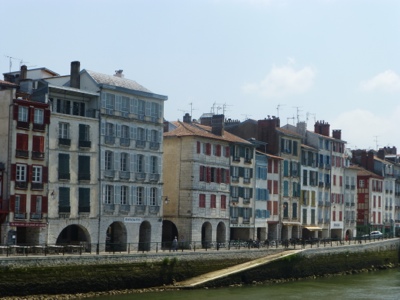
If you love history, Bayonne is definitely a town that you will want to explore. Situated on the Nive and Adour Rivers, Bayonne has thrived both as a military stronghold and a bustling port, and both have contributed to the town’s history. The town is very unique and charming, dominated by its rivers and military fortifications. Bicycling along the quaysides, through the narrow streets of the old city, and along the town walls, you quickly get a sense of the history of this place. Read more


Cycling Through the Forest in Blois

Yesterday, we finally managed to go cycling despite the weather forecast. We took our capes but didn’t need to use them. I love being able to cycle straight out the gate and onto a country road. To go to the forest, you have to go up a little hill, but that’s OK now that I have a bike with lots of gears and suspension. Training helps too! I can still remember pedalling as far as I could beforehand to get up enough speed to save my knees.  But it’s worth it when you get up the top.

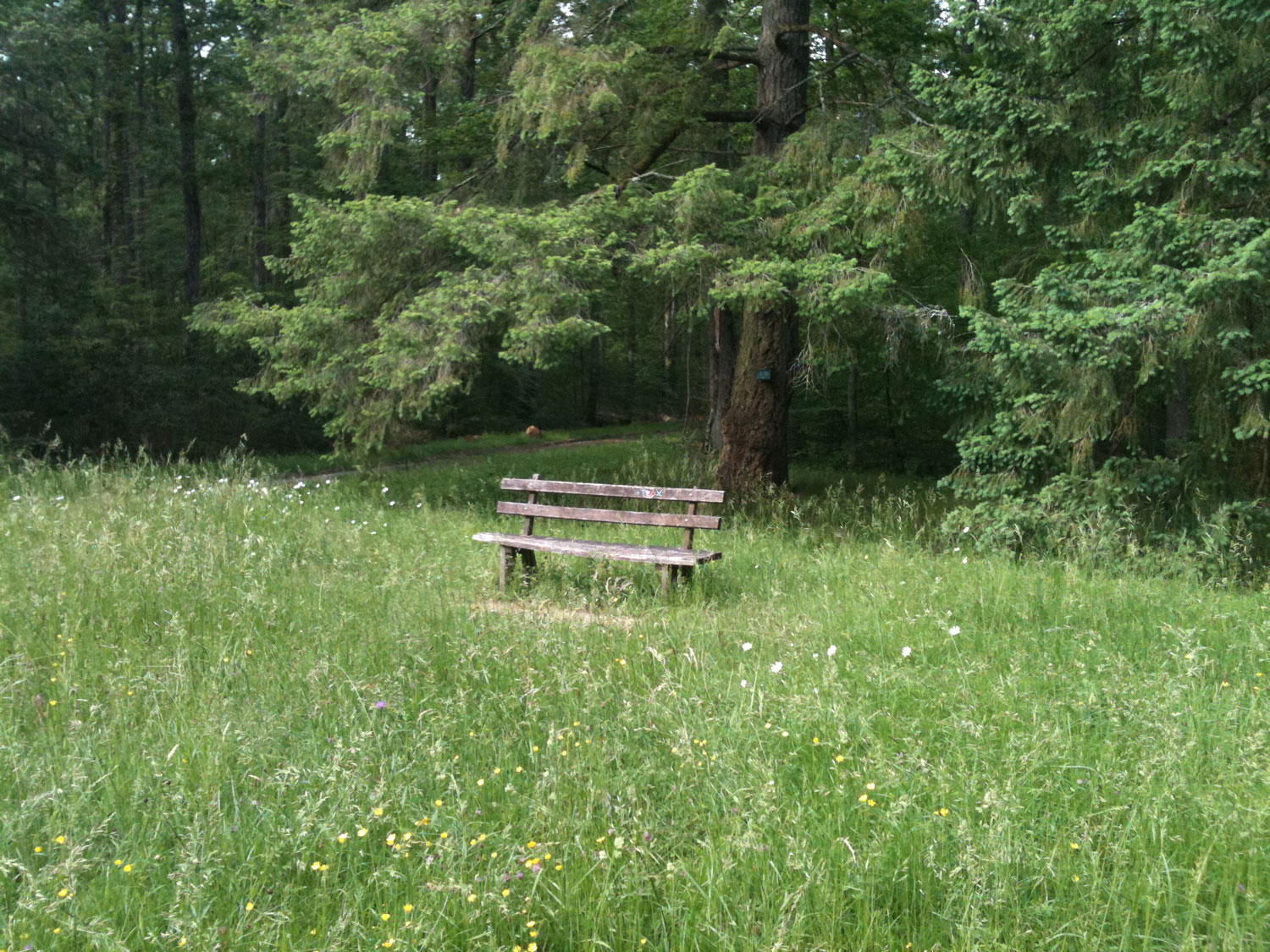
And you can take a break on this lovely bench surrounded with wild flowers – daisies, buttercups and clover.

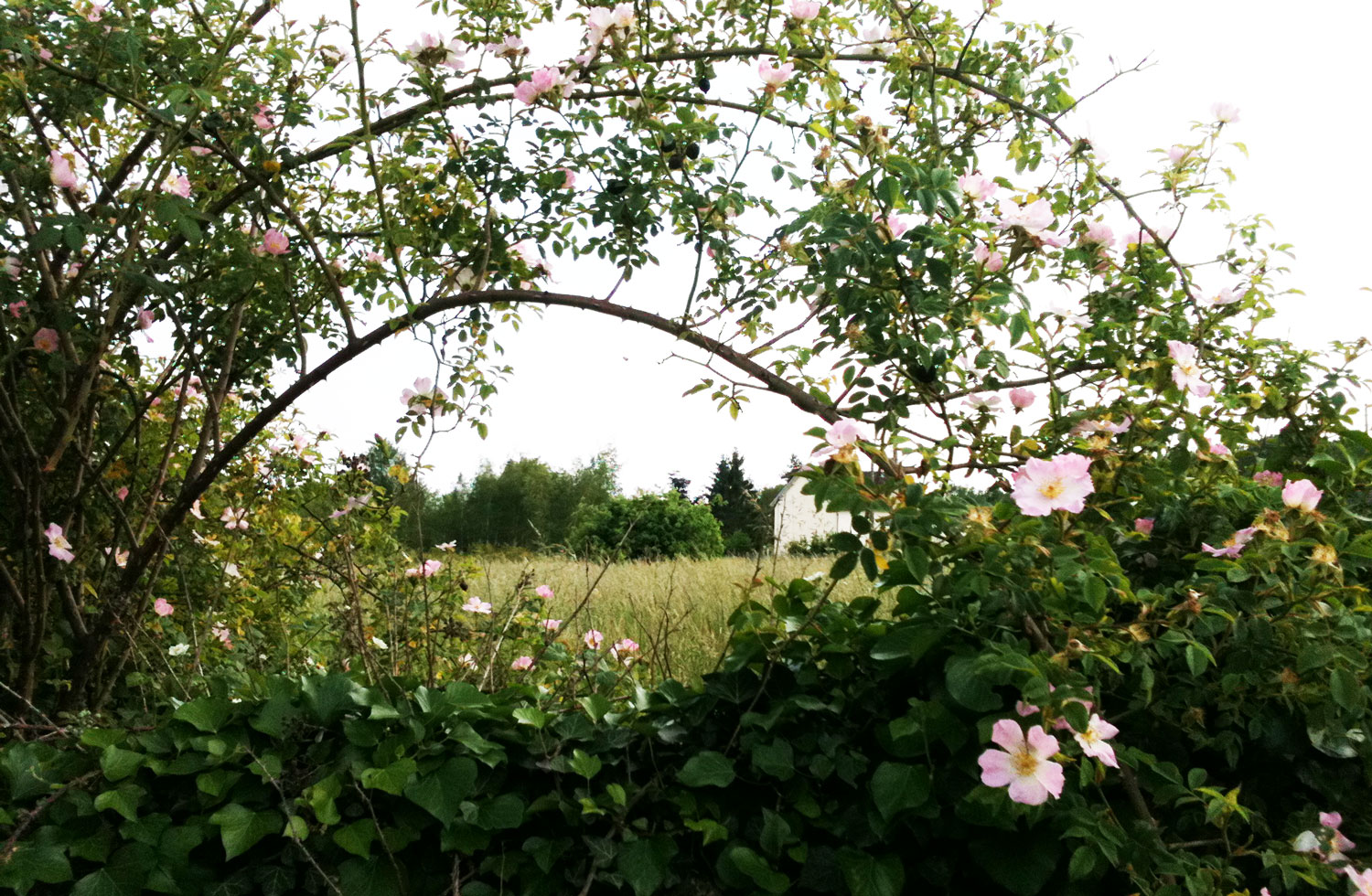
There are briar roses out everywhere. Don’t you just love this bush that forms a natural arch.

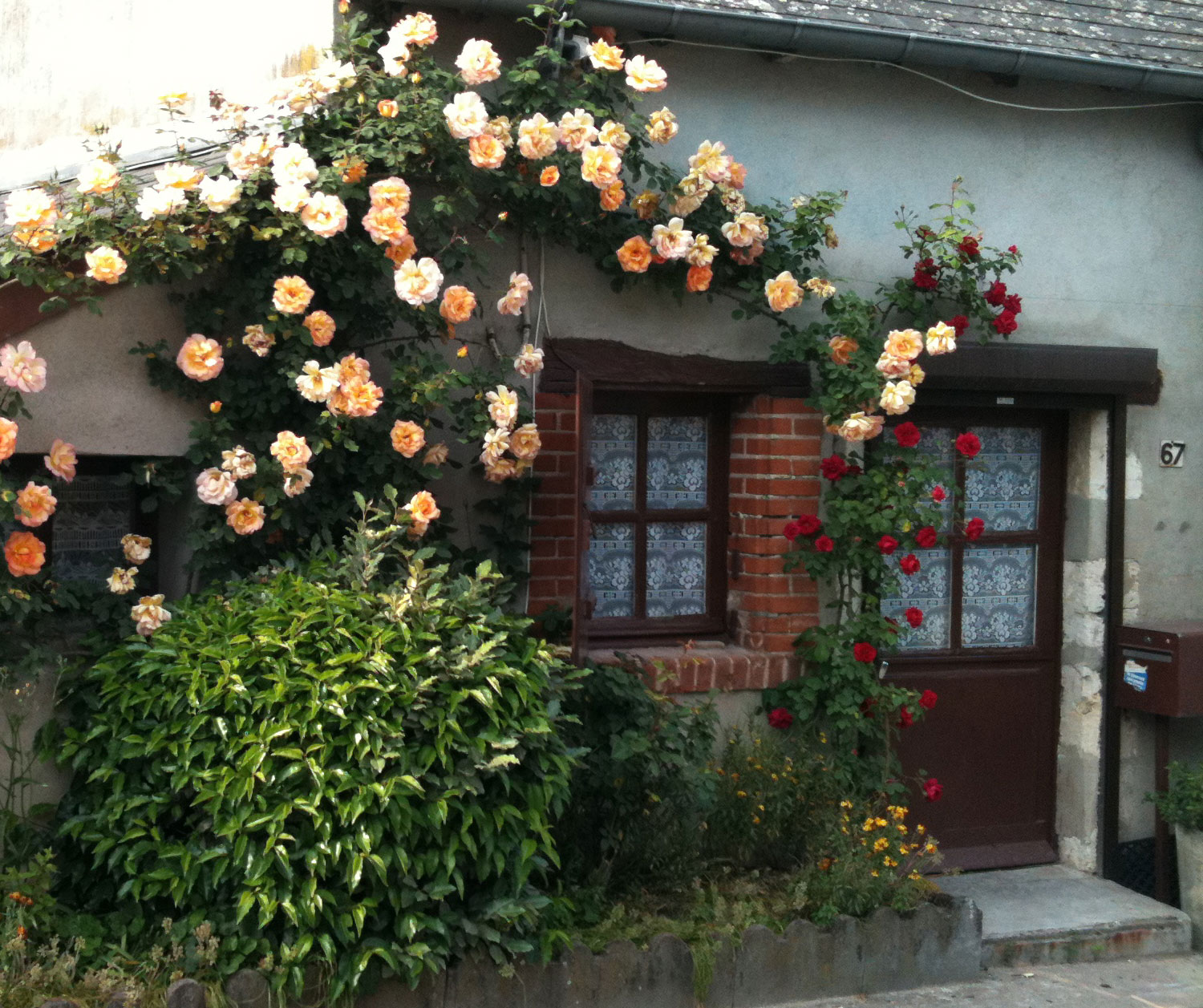
Then back through the village past delightful little houses with roses over the front door. Can’t wait for our yellow roses to bloom too!

Small Town Fame

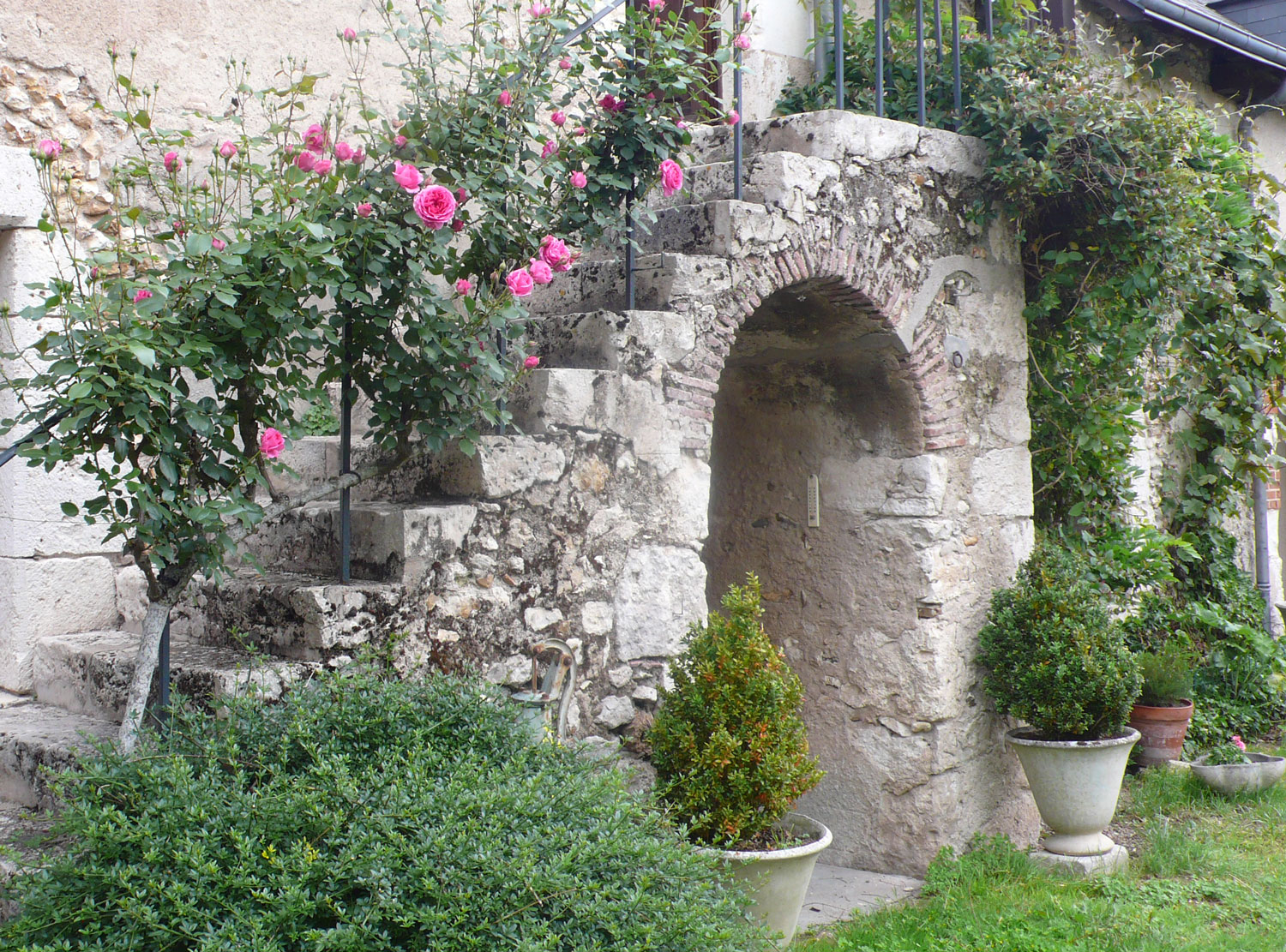
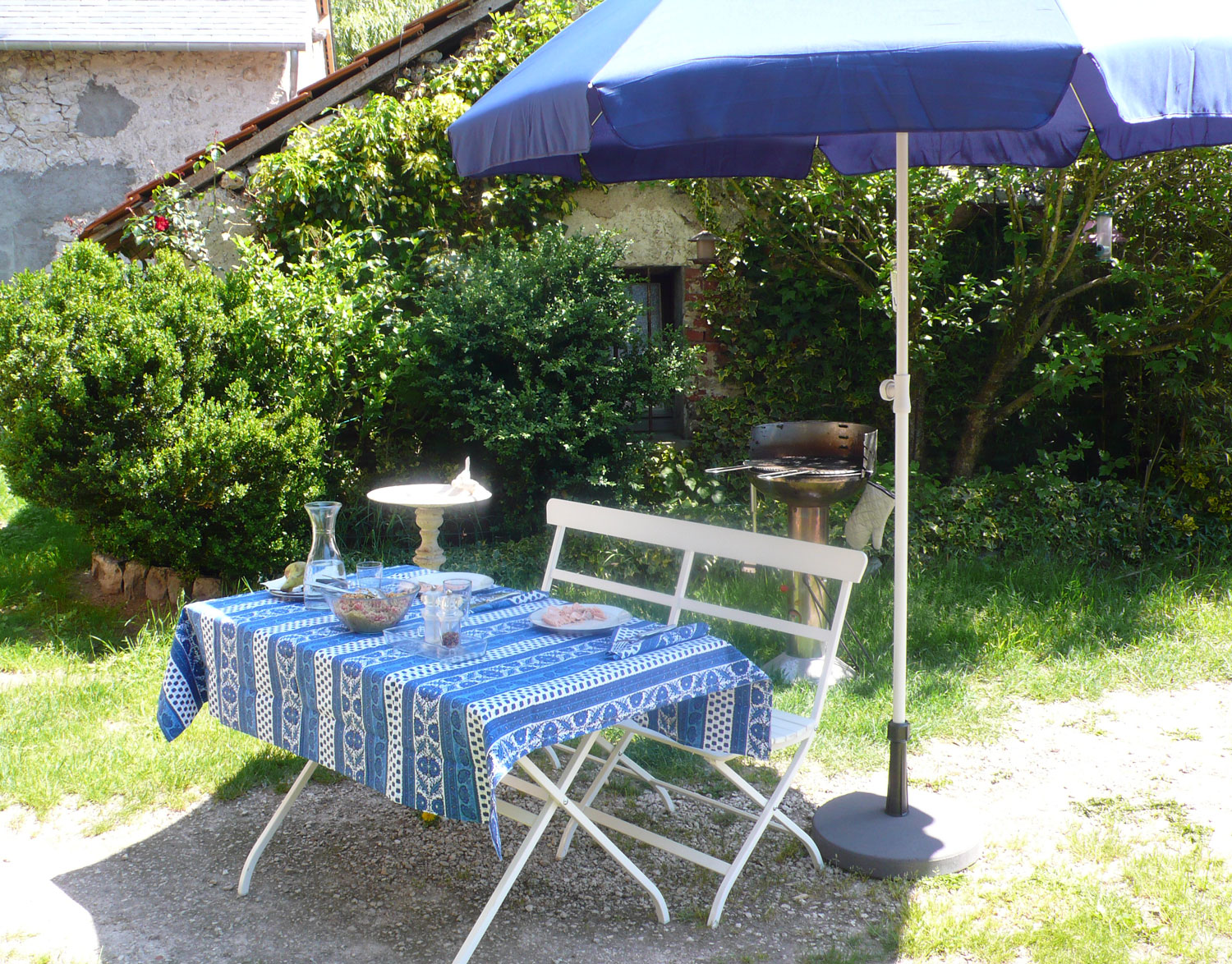
I’ve finally cleaned up the honeysuckle that’s been nagging me since we got to Closerie Falaiseau in Blois. It’s just beginning to flower and is a wonderful complement to the climbing roses on the stair rail. We’ve had our barbecue and eaten outside in the garden comfortably for the first time since we bought the house. Well, comfortably except for the mosquitos who adore me. We’re going for an after-dinner walk so that I can show Relationnel how I want our front courtyard/garden to look in the future.

It’s still light, despite the fact that it’s after nine thirty. We’re walking briskly along the road, not a car in sight. We go round the bend and a large dog rushes out behind a fence, barking madly. I dutifully say “T’es beau, t’es beau” as Relationnel has taught me.  It seems that telling dogs they are beautiful is two syllables is what you do in France to calm them down. I’m not sure it works but I have no comparison.

Suddenly, we hear frantic yapping and a tiny ball of fur comes hurtling down the open sloping garden opposite and onto the road. A man about our age appears  lumbering after the dog, telling it to come back, to no avail. He explains that it’s a pup, only 6 months old.

“Oh, so that’s its problem”, I say. Relationnel introduces us as his new neighbours.

“Then you’re the people who’ve bought the big house around the bend.”

“Yes, do you know Mr and Mrs Previous Owner?”

“No, I only moved here two years ago myself. I only know the neighbours on each side of the house and across the road.”

“We’re not living here permanently yet. Relationnel isn’t retiring for another two years”, I explain.

“Yes, you’re going to turn it into a gîte or a chambre d’hôte or something”, he says to Relationnel.

“That’s right.”

And turning to me, “And you’re Australian”.

My fame has gone before me.

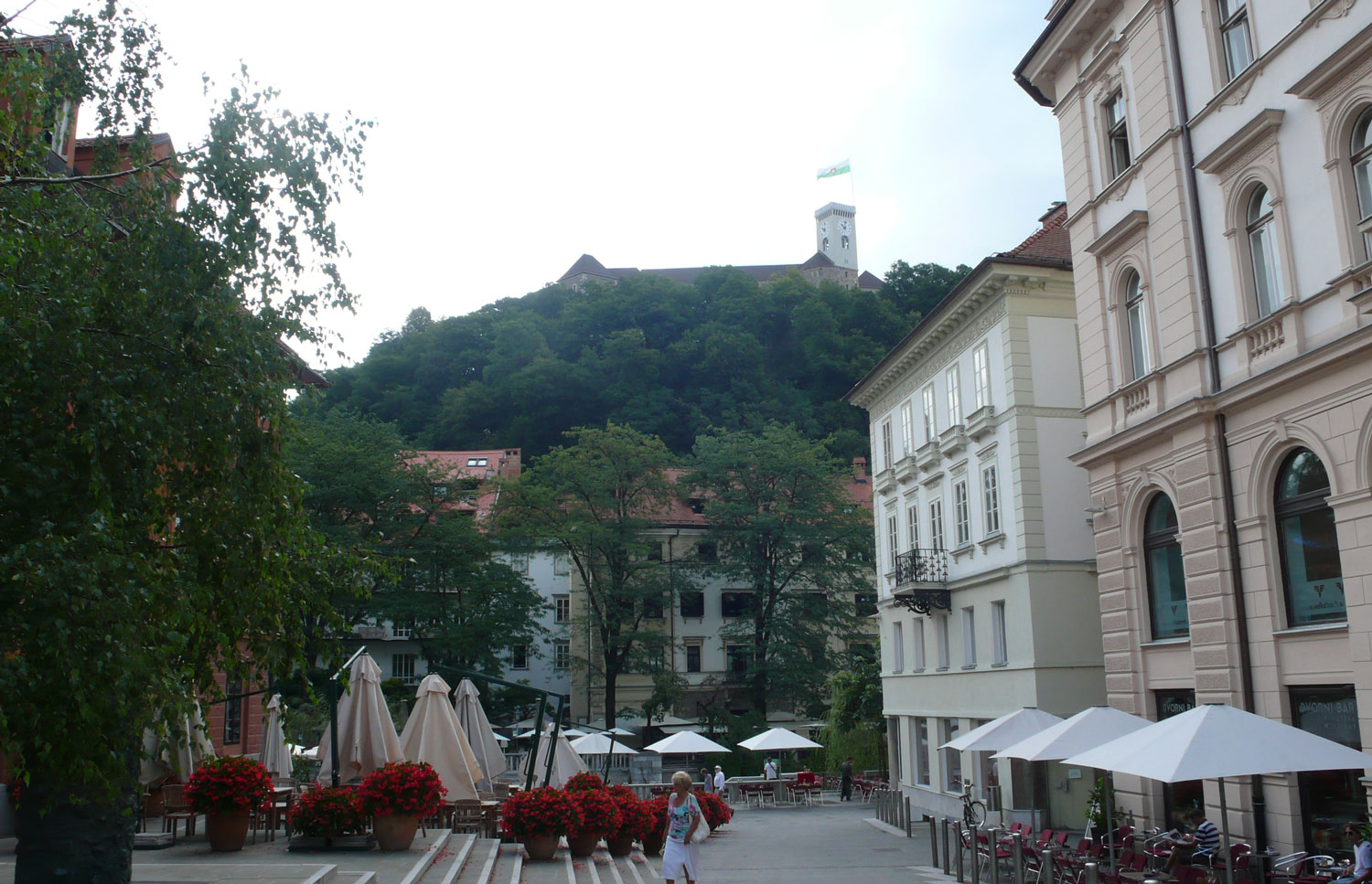
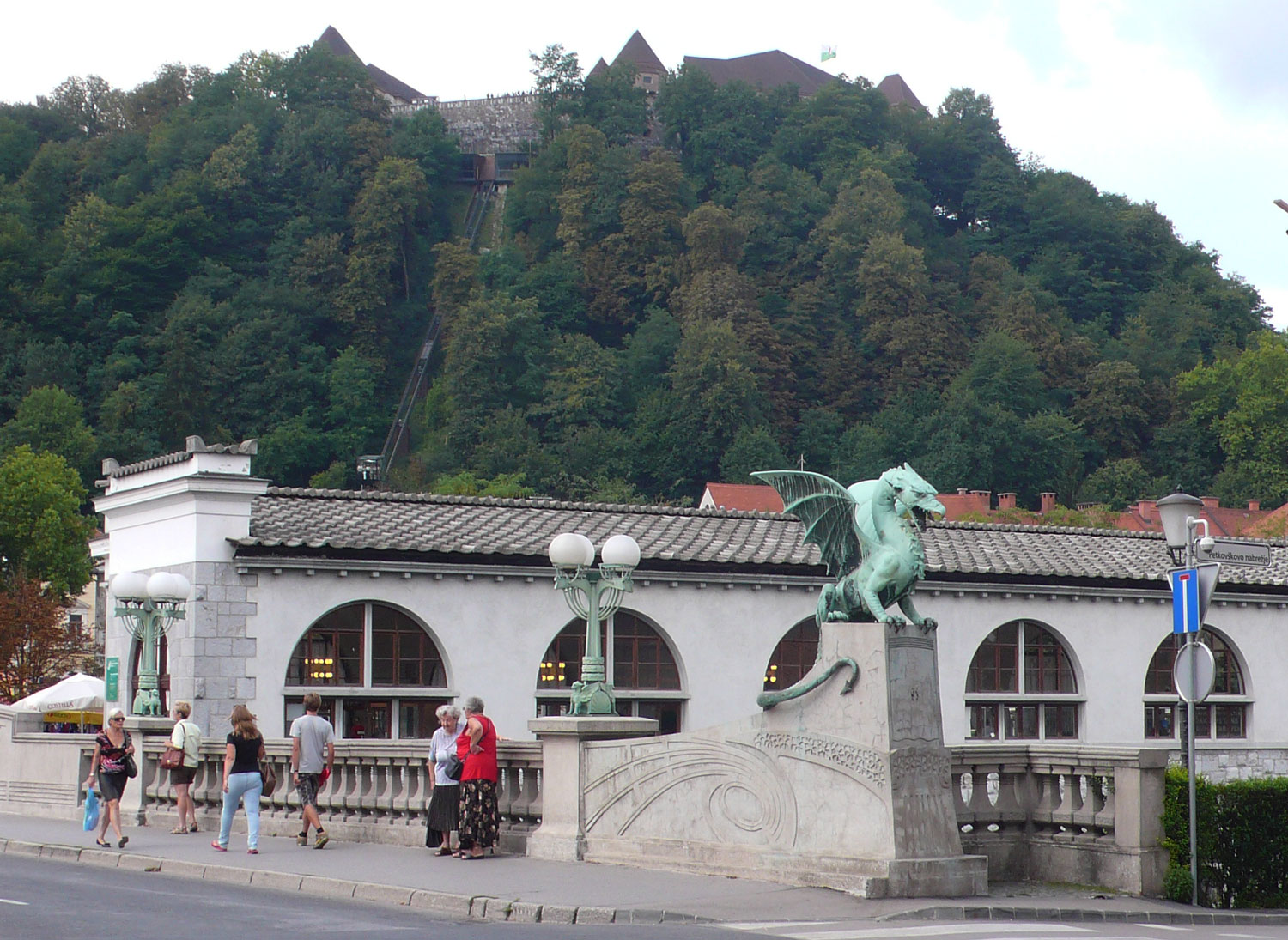
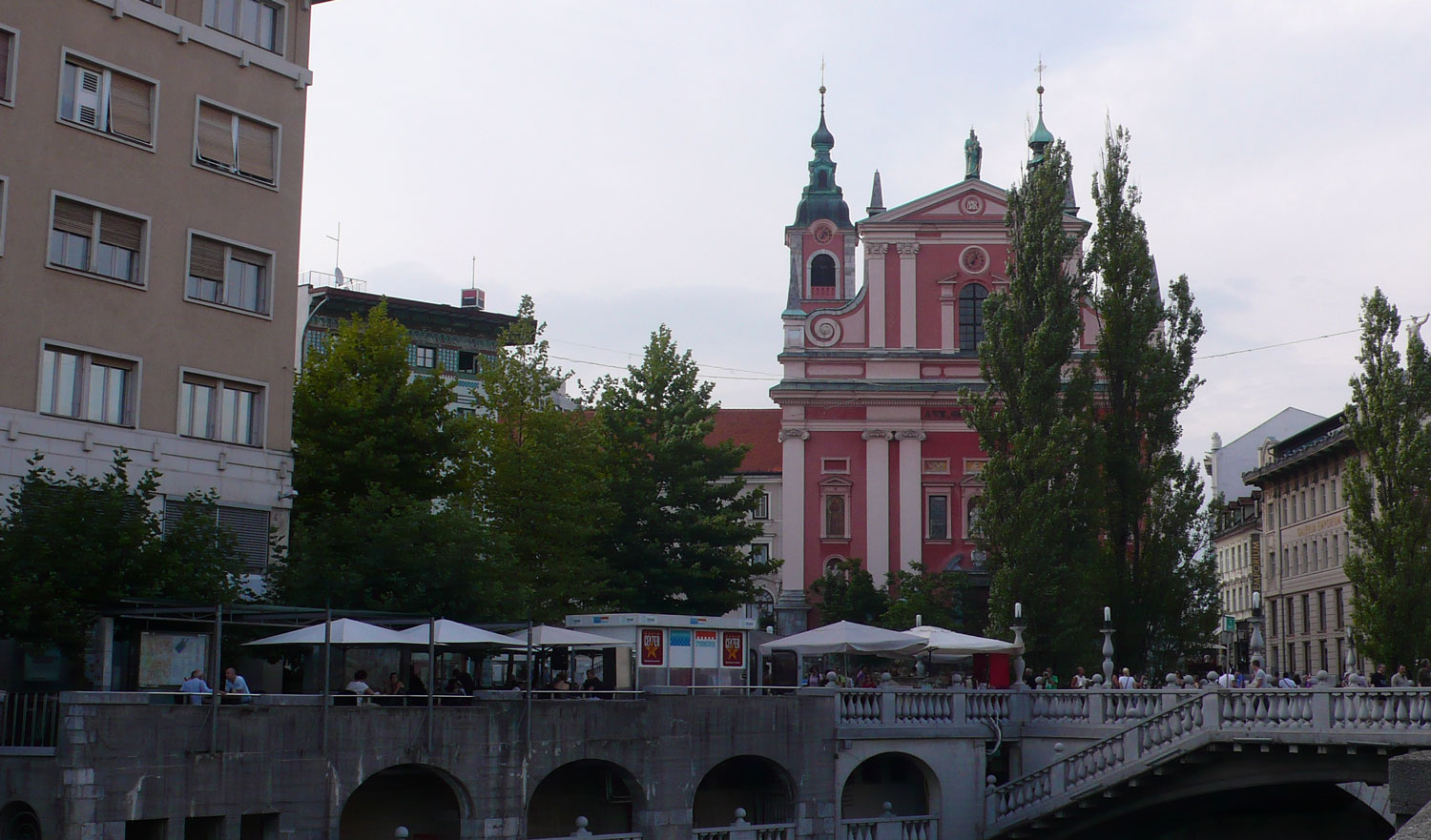
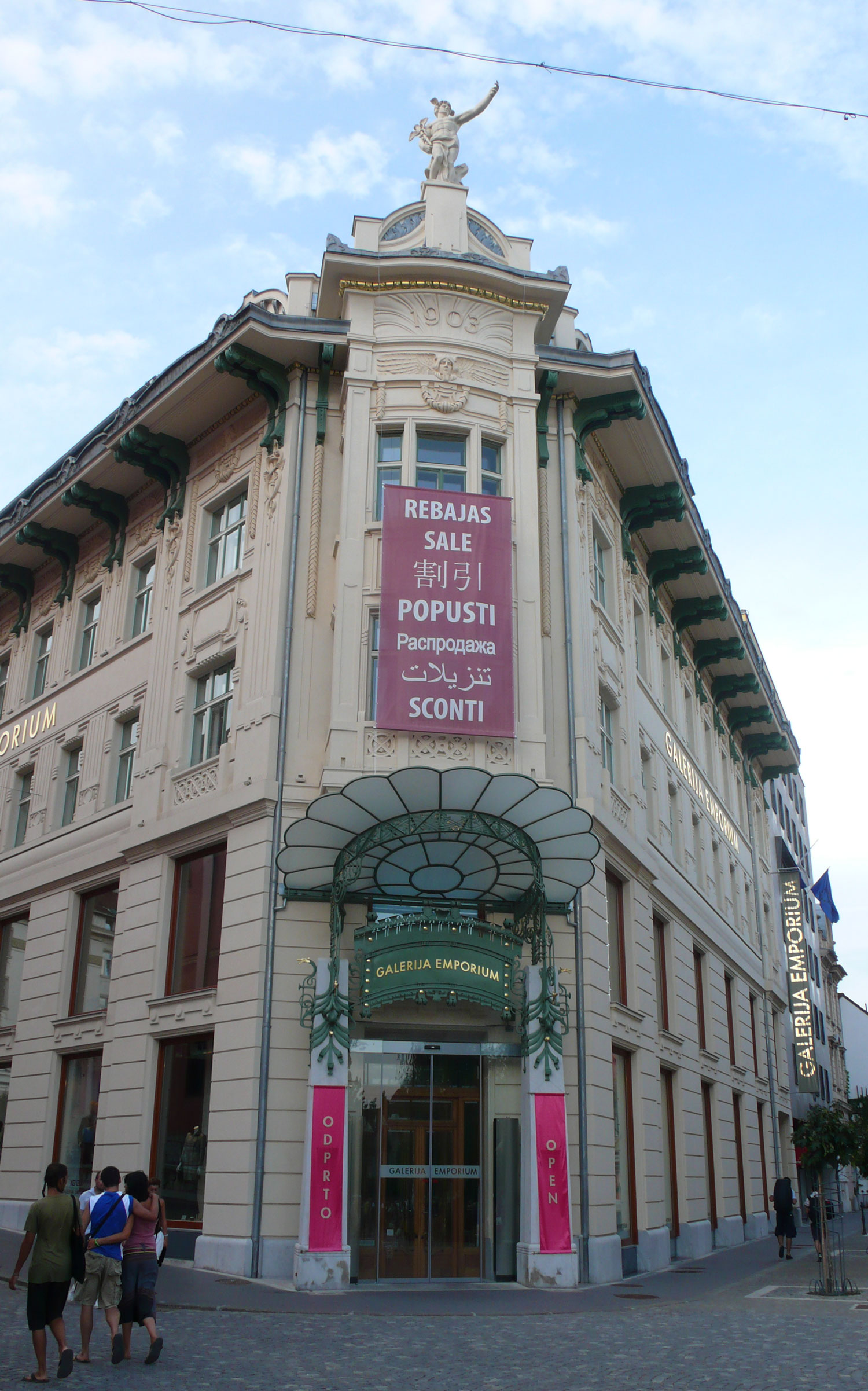
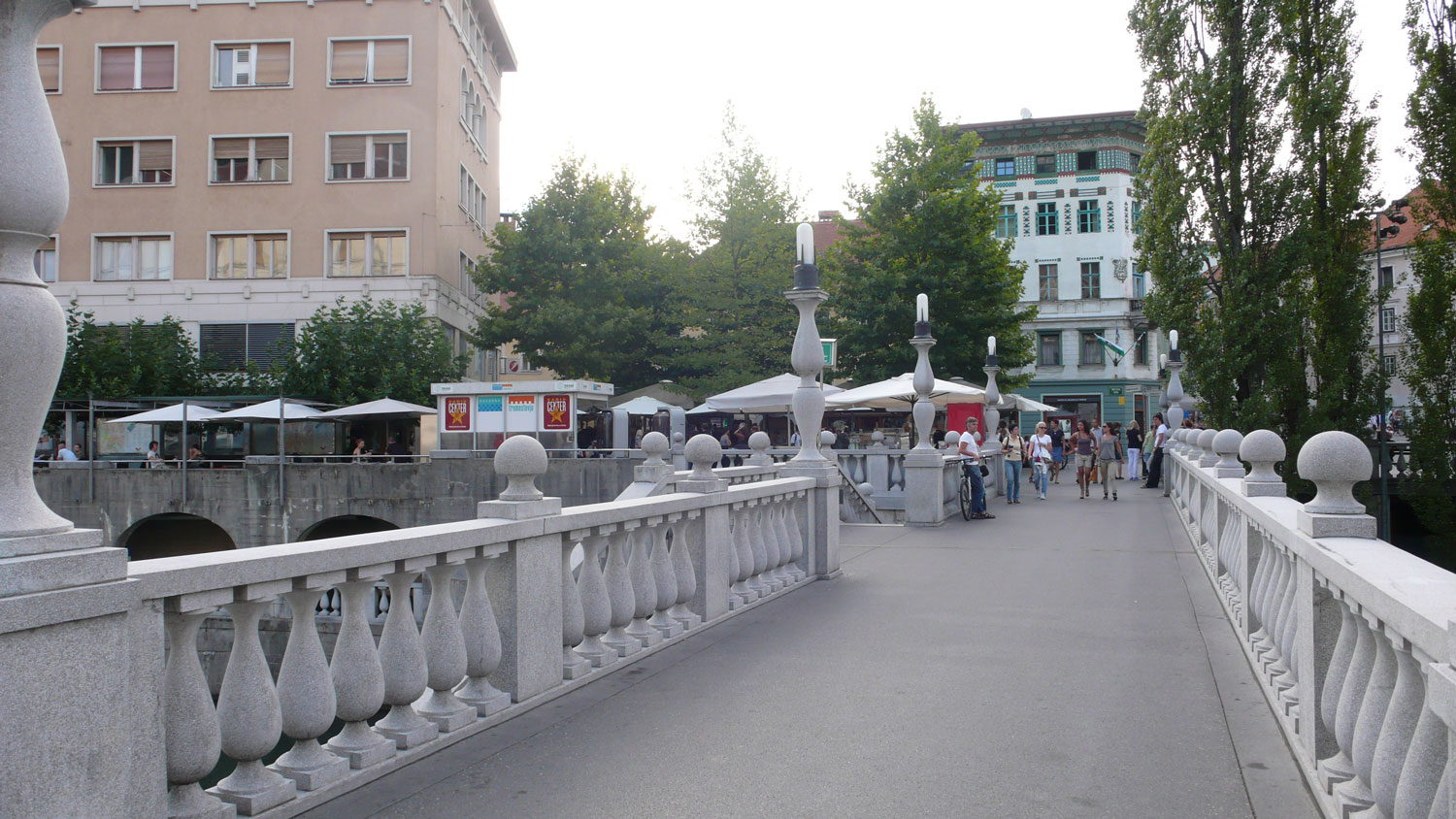
Sunday’s Travel Photos – Ljubliana, Slovenia

I loved everything about Ljubljana – the city itself, the atmosphere, the people, the restaurants, the countryside – but I found it hard to photograph successfully. The weather wasn’t particularly good either which probably didn’t help. We had a wonderful bike ride through the suburbs and out into the country which I have described in another post.


Profile: Regina Ferreira – Petite Paris B&Bs

My monthly guest post on My French Life, the Australian-based online magazine & global community of French & francophiles, has just been published. This time, it’s an interview in two parts with Regina Ferreira, from Petite Paris B&Bs. As you know, I love staying in B&Bs and only discovered recently about their existence in Paris. I love the idea, particularly when you hear Regina explain the concept.

Profile: Regina Ferreira – Petite Paris B&Bs

Regina, it’s great to meet you on Skype, with me in Blois and you in Sydney.

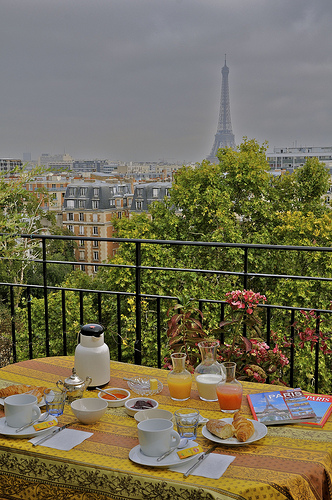
Your website, Petite Paris, is an Australian-based specialist booking service with a select network of charming bed & breakfast accommodations in the romance capital, Paris bien sûr!  

Can you tell me a little bit about yourself, on a personal level to start with?
I’m Portuguese, although my family moved to Australia when I was very young so I’m really Australian having grown up and studied here. Read more

from the Tropics to the City of Light