Fried Onion Rings on a 5:2 fast diet feast day

Apparently fried onion rings are an important part of Thanksgiving in America but most people buy them in cans which I can’t even begin to imagine. It would be like buying tinned battered fish surely. But I checked it out on the Internet and would you believe it, one of the popular brands is called French’s and they are called French fried onions which I have never seen in France …
canned_onion_rings

I got the Thanksgiving information from the Bread is Pain Food blog but more importantly, I also learnt how to make them. Now in the past, this is not the sort of thing I would have even thought about making because of the calories. However, now that we practise intermittent fasting, I don’t have any qualms.

I want to give Jean Michel a surprise which is easier in a large house than in an apartment. He’s in the workshop trying to flush out the sludge from our in-floor heating system which has not been working very well this winter.
baked_vegetables

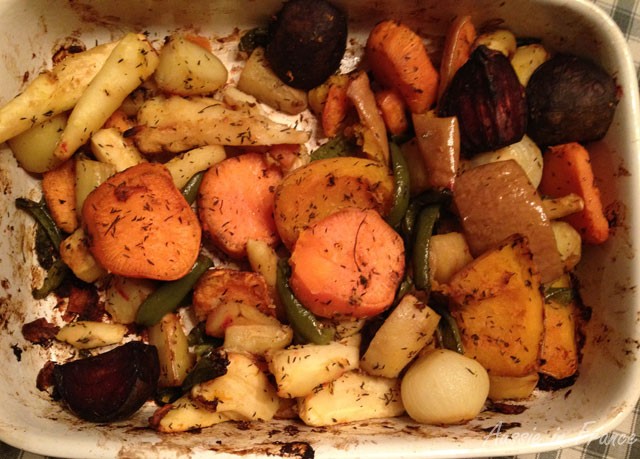
I’ve already prepared the baked vegetables – potatoes, sweet potatoes, sliced green pepper, parsnips,  butternut pumpkin and beetroot. Yes, beetroot, bought raw and baked. I’d never heard of it until I had lunch at Susan and Simon’s from Days on the Claise. Delicious.

I’ve sliced the onion (you only need one for two people) and beaten the egg yolk and milk together in a soup plate. Bread is Pain’s recipe helpfully says “a little milk” so I put the equivalent of an egg yolk. I’ve put flour in another plate.
cote_boeuf

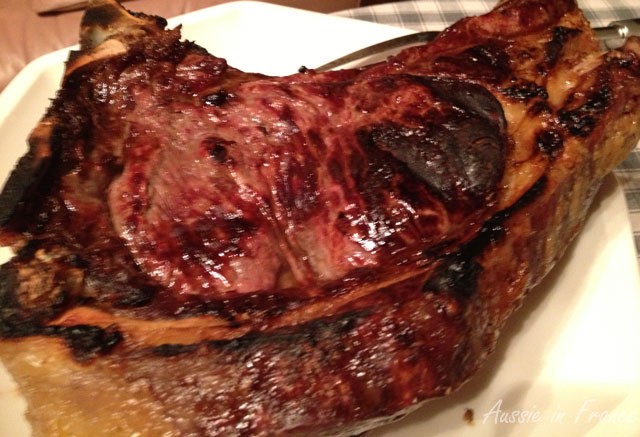
As soon as I hear Jean Michel raking the embers in the fireplace upstairs  in order to grill the côte de bœuf, I put a centimeter of oil in a deep frypan (sauteuse) and turn on the heat.  I dip the onions in the egg mixture and then roll them in flour after which I put everything in a zip lock bag and shake to get rid of any surplus flour as per Bread in Pain’s recipe.

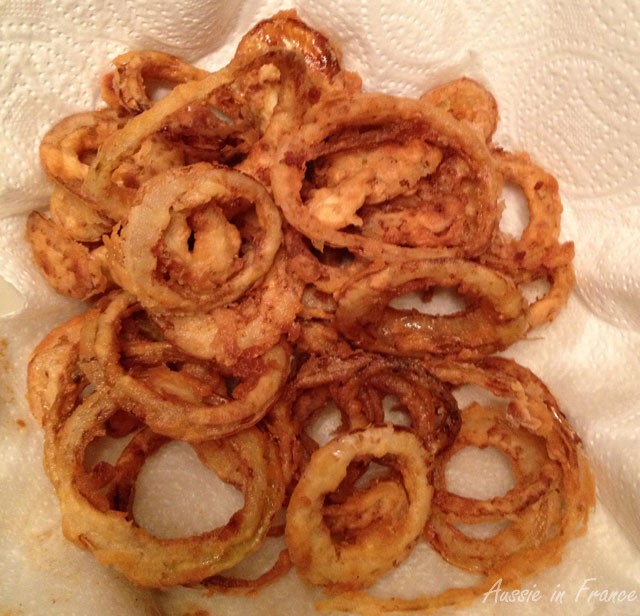
When the oil is hot (I test with a small onion ring to see if it sizzles), I add a layer of rings to the pan. I turn them over and start to get a bit worried. They do not look like the photo in the recipe. I turn them again and lo and behold, they are starting to be golden. I had turned them too soon.
onion_rings

I scoop them all out when they’re done and put them on a paper towel then proceed with the next batch. This time, I am more expert. I try one. Out of this world! When they are all done, I take them triumphantly upstairs to an amazed Jean Michel. He doesn’t know they are onions and it takes him a couple to identify what they are!

I had thought they would be a bit greasy and heavy but they’re not. The taste is actually quite delicate. I’m going to make them for Christmas and stun the kids as well.

I love the 5:2 fast diet!
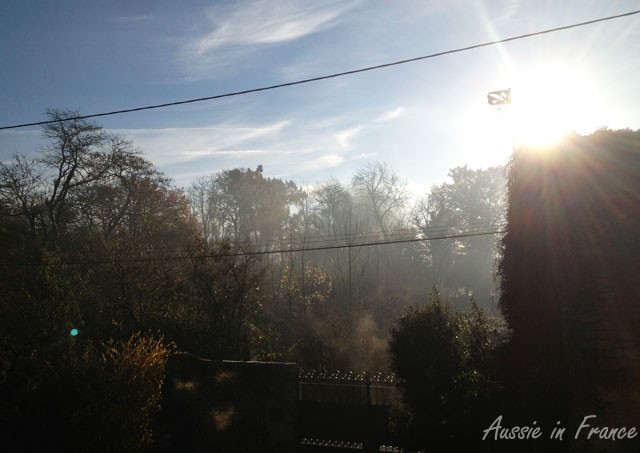
Photos of the week – Through my window in Blois

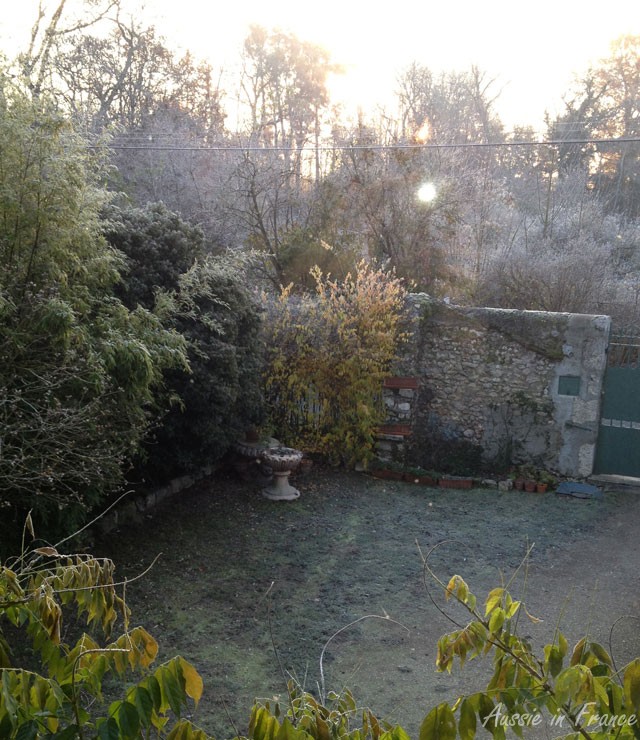
Sunrise from my office window in Blois
Morning frost from the same window
Late afternoon suj
Late afternoon sun

We’ve been having lovely weather in Blois – very cold, with minus temperatures at night and sometimes throughout the morning followed by bright sun and blue skies. The view from my office window is unfortunately marred by those horrible cables. They’re supposed to go underground in a couple of years’ time.

For more photos of Blois, you can visit my photo site Blois Daily Photo.

Friday’s French – gîte

Even French people confuse gîte and chambre d’hôte. I know this for certain because when I tell people I have a gîte they often start talking about le petit déjeuner which, of course, is only served in a B&B.

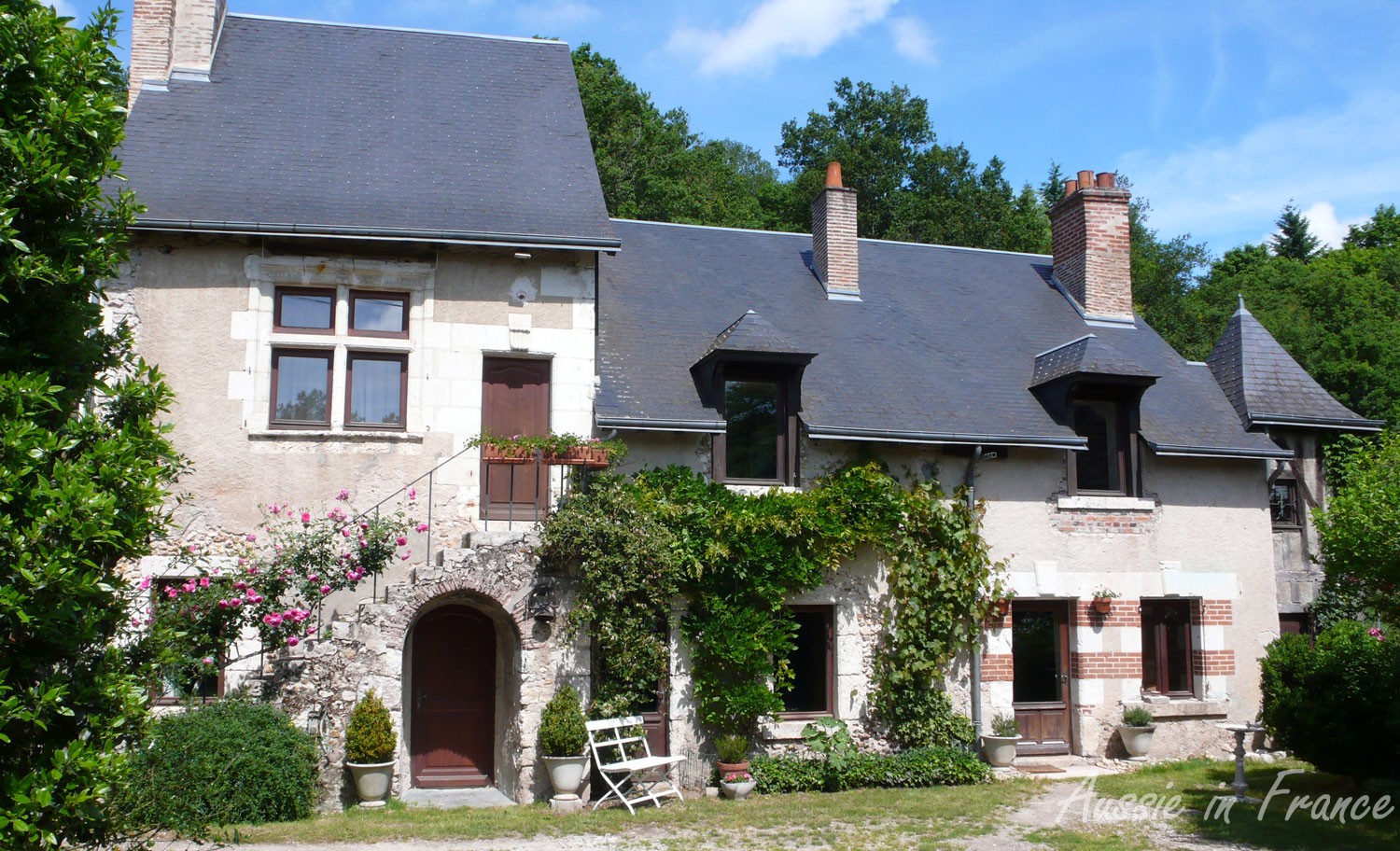
Our gîte and future permanent home

Before it came to mean a self-catering cottage in the country, gîte, which comes from the verb gésir, derived from the Latin jacere (to lie down), meant any place to sleep either permanently or temporarily.

Offrir le gîte et le couvert, for example, means to offer board and lodging.

A gîte, I have just learnt, is also a resting place for hares. Ten points to anyone who knows the equivalent in English! I certainly didn’t. “Hares do not bear their young below ground in a burrow as do other leporids, but rather in a shallow depression or flattened nest of grass called a form. All rabbits (except the cottontail rabbits) live underground in burrows or warrens, while hares (and cottontail rabbits) live in simple nests above the ground, and usually do not live in groups.” Thank you Wikipedia. And thank you Susan from Days in the Claise who has posted a photo of a form.

A mineral deposit is also called a gîte, as in gîte de zinc but an oil deposit is a gisement de pétrole. And pétrole is not petrol as we say in Australia for gasoline – you fill your car with essence in France. Pétrole means oil or petroleum. Diesel engines take gas-oil or gazole (pronounced gaz-well, don’t ask me why!)

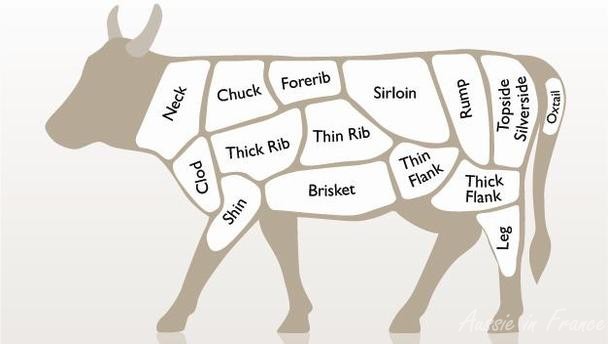
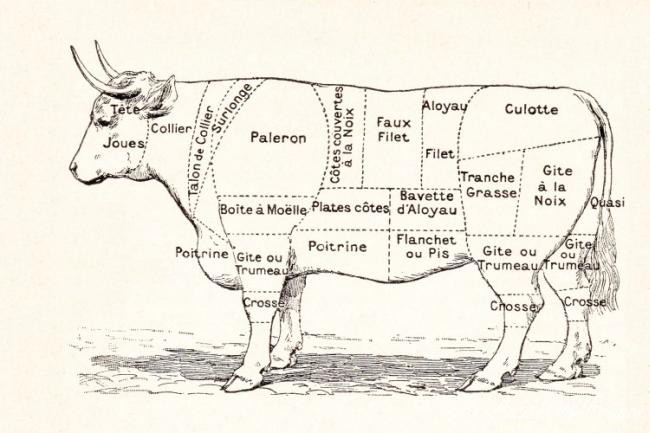
beef_16x9 Boeuf

Gîte (short for gîte à la noix) is also a cut of beef corresponding more or less to what we call topside (UK) or bottom round (US). French and English butchers don’t cut up beef in the same way so quite often there is no real equivalent (entrecôte, côte de boeuf, T-bone, etc.), as you can see from the drawings. You can read more on the subject in Posted in Paris.

Another expression with the verb gésir is Ici gît le roi d’Espagne (here lies the King of Spain). Other examples are: un trésor qui gît au fond des mers = A treasure lying on the bottom of the sea and ses vêtements gisaient sur le sol, a somewhat literary way of saying that his clothes were strewn all over the floor.

So now you know the difference between a gîte and a chambre d’hôte – and a lot more useful things besides!

Weekly Blogger Round-Up: A Provençal Christmas village – European Christmas Foods – The Notre Dame Christmas Tree

With Christmas approaching, the theme for this week’s Blogger Round-Up was easy to find! Phoebe from Lou Messugo takes us to the Provençal village of Lucéram famous for its Christmas cribs, while Carolyn from Holidays to Europe introduces us to various European Christmas foods; meanwhile Mary Kay from Out and About in Paris explains why the lights on the Christmas tree in front of Notre Dame are vertical. Enjoy!

Lucéram, the Christmas village

by Phoebe from Lou Messugo, a traveller, francophile, expat, mum and foodie now living in Roquefort les Pins where she runs a gîte after many years of travelling and living in Asia, Eastern Europe and Australia.

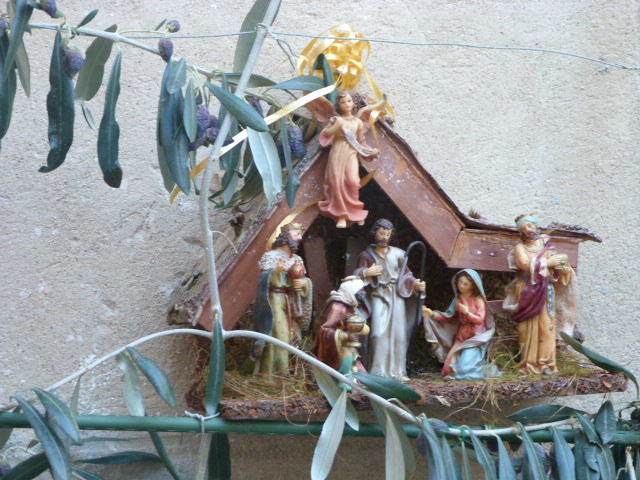
luceram_8In our quest to get into the Christmas spirit, we recently spent a day in Lucéram, a pretty medieval hill village north of Nice and less than an hour from Lou Messugo.  Why?  Because it comes alive in December with its “Circuit des Crèches”.  Literally every tiny alley, every balcony, every doorway and every nook and cranny is decorated with pine branches, red and gold ribbons, and nativity scenes in every conceivable shape and size.  These scenes (the creches) are made out of wood, paper, glass, pinecones, traditional santons (earthenware figurines), clothes pegs, matches, wool, twigs and even bread.  They come in every size from minute tucked into holes in the wall to a 10m long replica of the village and everything in between.  Even the village’s numerous fountains and old wash-houses are all decked out with their own floating creches. Read more

European Christmas Foods

by Carolyn from Holidays to Europe, an Australian based business passionate about sharing their European travel expertise and helping travellers to experience the holiday in Europe they have always dreamed of

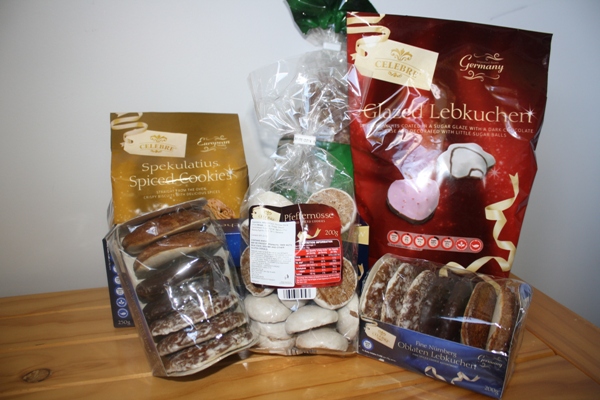
german-christmas-foodsThe lead up to Christmas can be one of the best times to travel to Europe, not only to visit the amazing Christmas Markets that are held each year but also to sample the delicious food that plays a big part in the festivities.

Marrying into a German family many years ago, I’m now well accustomed to some of the German Christmas treats and I always look forward to indulging in my favourites when the festive season comes around. Read more

Love, tenderness, understanding and unity: lessons learned from the men responsible for Notre-Dame’s symbolic Christmas tree

by Mary Kay from Out and About in Paris, an American by birth, Swiss by marriage, resident of Paris with a Navigo Pass for the metro that she feels compelled to use

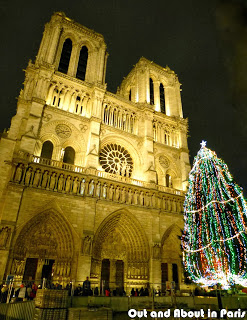
notre_dame_treeFor a bi-cultural couple, celebrating Christmas and other holidays can be liking walking through a cultural minefield. Christmas stockings, decorations and traditional foods can all provoke heated debates. If your spouse is from Switzerland, he may claim that Baby Jesus delivers presents to the good little girls and boys around the world when you know for a fact that it’s a jolly man dressed in a red suit. As an American, I find it somewhat hard to believe that a tiny baby could handle the stress of landing a sleigh on a steep Parisian rooftop without bursting into tears. After all, Santa has a hard enough time maneuvering through the city traffic, and he’s a robust man accustomed to managing an entire village of elves. Read more 

An Anniversary Celebration at La Maison d’à côté in the Loire Valley

Last year Jean Michel and I also celebrated the anniversary of our meeting in the Loire and were very disappointed with the restaurant we chose. This year, we were much luckier.

biscuiterie_chambord

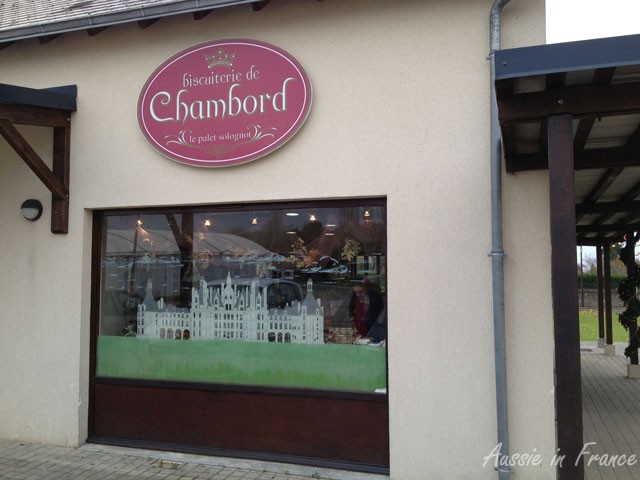
We arrived early too early for lunch at Montlivaut which is about 20 minutes from Blois in the direction of Saint Dyé sur Loire and on the way to Chambord so Jean Michel had the excellent idea of going a bit further on to Maslives where there is a shop that sells our favourite biscuits de Chambord. After stocking up, we went back to La Maison d’à côté (the house next door) in Montlivault and were the first patrons.

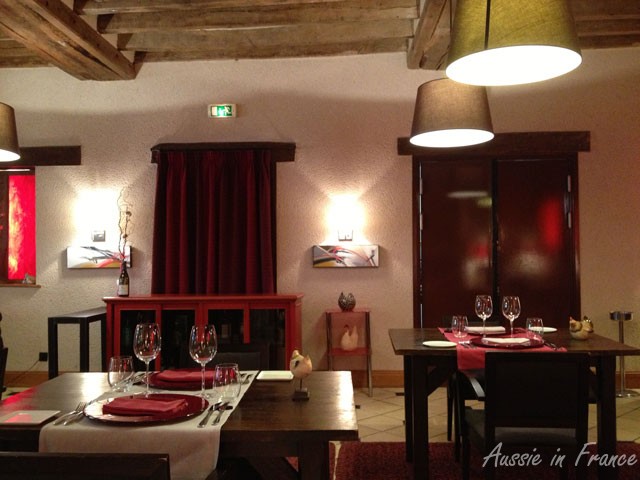
inside

Jean Michel made his usual joke about reserving the whole restaurant, I took a few photos and we sat down. We admired the resolutely modern decor with its beautiful wooden beams.

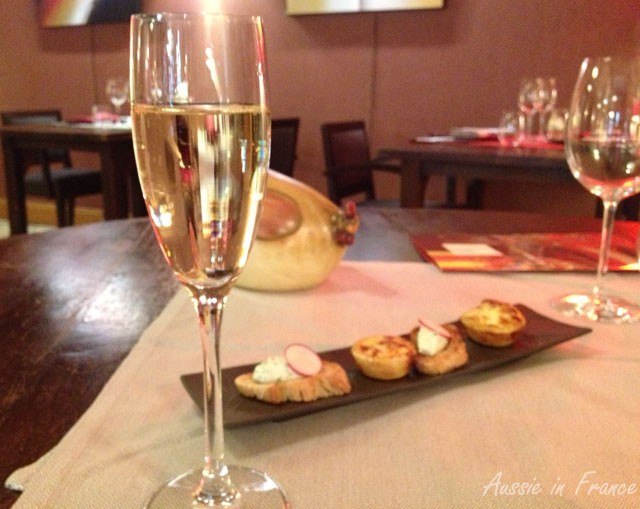
champagne

We started with champagne, forgetting we were in Touraine (we should have remembered to order vouvray), but it was excellent and accompanied by some delicious little nibbles so we had no regrets. There is a weekday midday menu at 19.50 (dish of the day and dessert) but we were celebrating after all so we chose a starter, main dish and dessert for 39 euro. We had a choice of three dishes each time. You can also have a starter + main or main + starter for 29 euro or an Expression Menu chosen by the chef for 50 euro (including cheese) or 65 euro (including a second starter).

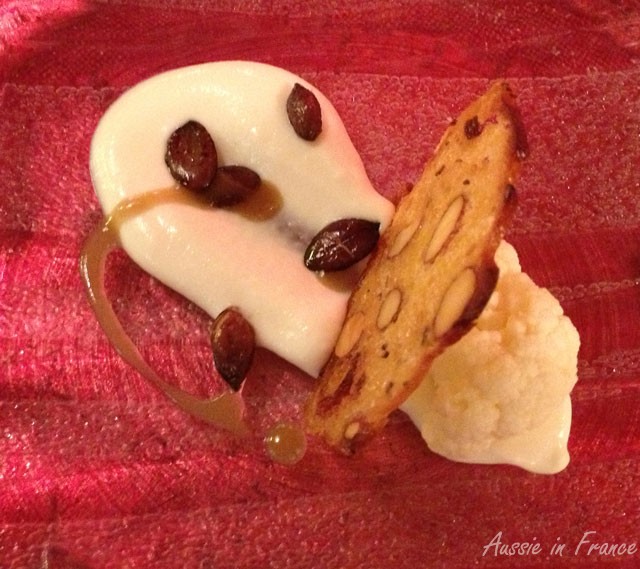
patience

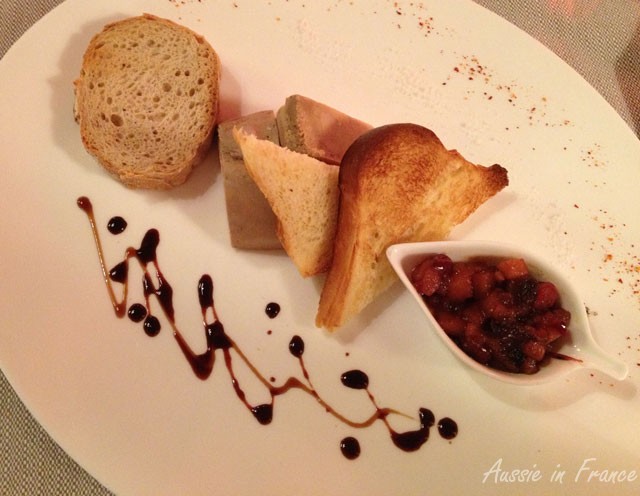
We were brought a patience on a cauliflower theme with an almond biscuit while waiting for our foie gras served with compote.

foie_gras

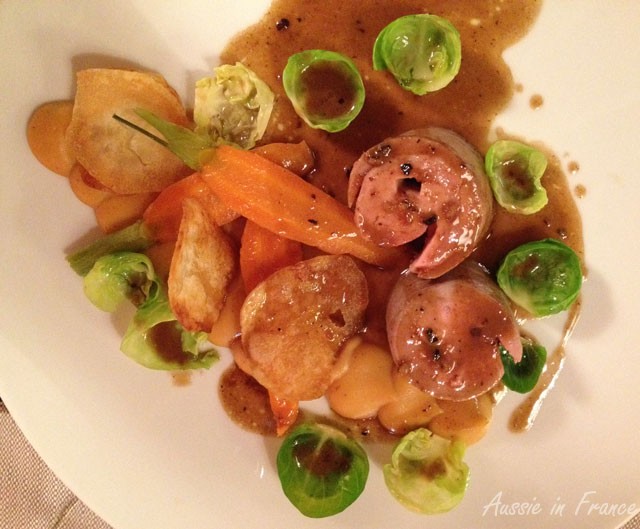
I then had veal with “forgotten vegetables” while Jean Michel had pintade (guinea fowl) with potatoes.  Both were delicious. I chose a glass of local cour cheverny while Jean Michel had a glass of burgundy.

veal

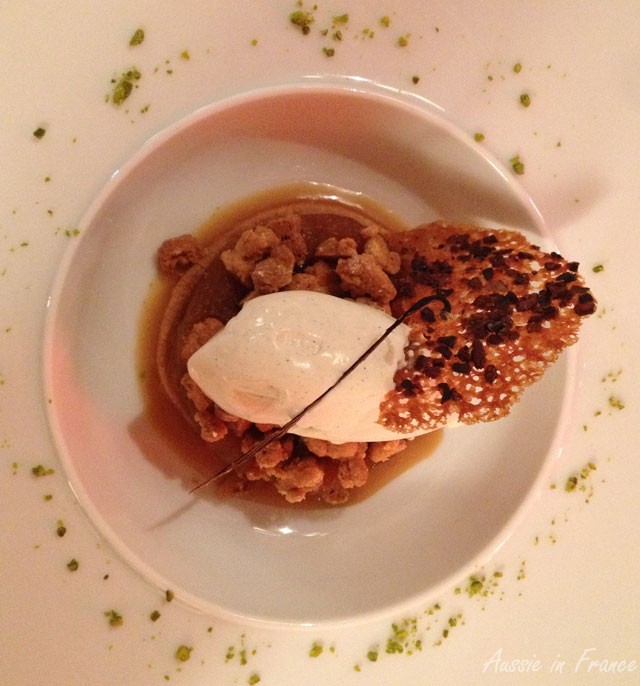
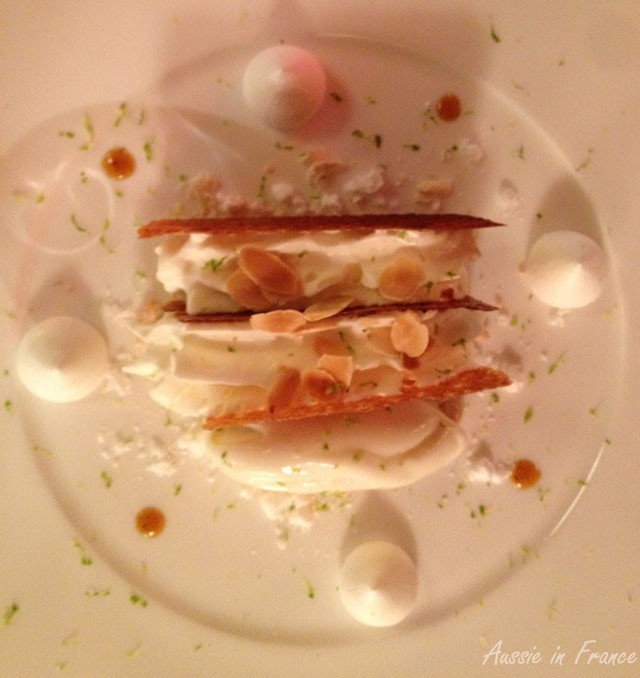
For dessert we had apple crumble and icecream and a lemon and almond dessert. Not very specific, I know, but unless I write them down (which I didn’t), I never remember the details.

crumble

In any case, everything was delicious. The products were of excellent quality and very fresh.

lemon_dessert

Madame Laurenty,the chef’s wife, told us that her husband buys from small producers all year round. We explained that as we are new to the area, we are still finding our way around. She recommended various markets, particularly Amboise on a Friday and the market at the Halles aux Grains in Blois on a Saturday and Montrichard.

chef

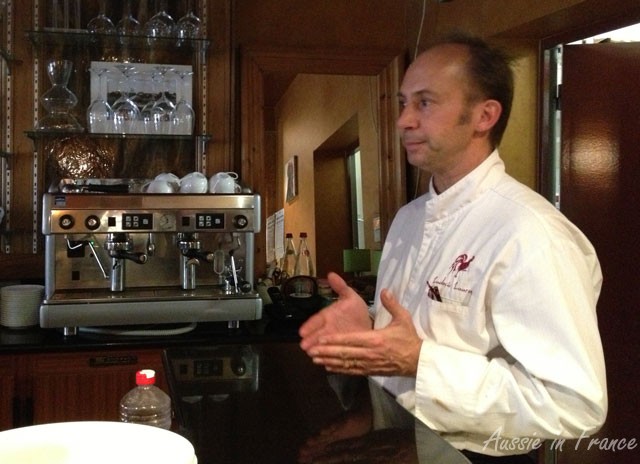
When we talked about our difficulty in finding fresh foie gras to make our foie gras for Christmas while we are in the Loire this year, she suggested we talk to the chef. Ludovic Laurenty is passionate about his profession and generous in sharing his knowledge. He buys his foie gras from a producer in the south-west of France where they sing to the geese while they are force-feeding them so that they won’t be stressed.

outside

We are going back to Montlivault next Thursday because Monsieur Laurenty is expecting a delivery of fresh foie gras and has offered to provide us with one. This year we want to try the coarse salt method so I’m hoping the Mesturet Restaurant will share its recipe on FaceBook. I’ll keep you posted !

La Maison d’à côté, 25 route de Chambord, 41350 Montlivault. Tel 02 54 20 62 30. 
Closed Tuesday and Wednesday all year round. Open Friday evening, Saturday midday and evening and Sunday midday only from 17th November to 6th December.

Friday’s French – raisins

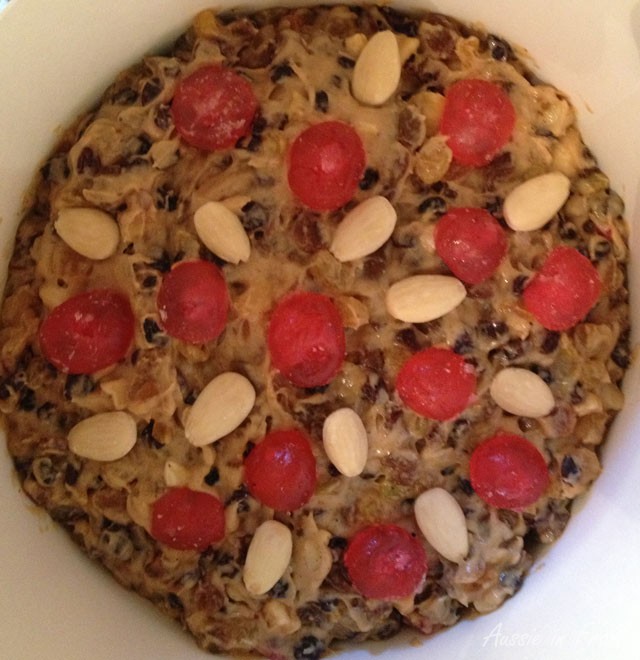
I made my Christmas cake this week using the recipe handed down to my mother by her mother. For the last 8 years, I’ve been able to buy all the dried and candied fruit (peel) at my local market but the stall has closed so I’ve been chasing around Paris for such simple ingredients as currants and raisins.  Not so simple in France however.

xmas_cake

The word raisin is an interesting one. In French, it means grape and what we call raisins are raisins secs (dried grapes). However, in Australia (and apparently the other Commonwealth countries), raisin describes a particular sort of large dried grape.

The most common raisins secs in France are what we call sultanas in Australia, except that they are darker. However, you can buy sultanines here which are usually a golden colour and sometimes called raisins blonds.

Our currants, which are very small black raisins secs are raisins de Corinthe – currant is a degradation of the word Corinth.

As far as I know, there is no generic term in Australian English for dried grapes though raisin would seem to cover the lot in American English.

When hunting for my currants, sultanas and raisins, I came across other varieties of raisins secs: raisins de Malaga (in Spain), raisins de Muscat (like our muscatelles), raisin de smyrne, .

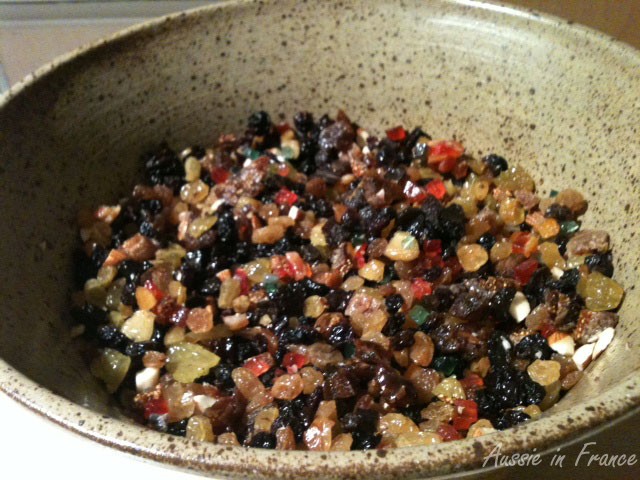
christmas_cake_dried_fruitIf you buy mélange de fruits secs, you’ll find yourself with a mixture of raisins secs and nuts, whereas dried fruit in English only includes dried grapes, figs, abricots, etc.

Now, that’s  a word that doesn’t exist in French – nuts. You have to specify the type: walnut  = noix, hazelnut = noisette , cashew nut = noix de cajou, peanut = cacahuète, almond = amande. They all come under fruit sec, but that’s not very satisfactory, is it?

Weekly Bloggers’ Round-Up: How to make a Christmas log – Favourite places in the Marais – Limone in Piemonte

A little bit of Christmas to start this week’s Blogger Round-Up with a recipe for French Christmas Log from French Moments, followed by Paris Weekender‘s favourite haunts in the Marais. To finish off, fellow Aussie Chrissie from Riviera Grapevine takes us on a visit to Limone in Piemonte in Italy. Enjoy! 

French Christmas Log – Bûche de Noël

by French Moments, a Sydney-based organisation with an international focus which promotes the French language and culture to English-speakers worldwide. Their French team is all about the language, culture and experience

christmas_logChristmas log is the traditional dessert for the French Christmas meal on the 24th of December. It is a rolled sponge / Genoese sponge in the shape of a log, most often with chocolate ganache inside or chestnut cream and icing on the outside to make it look like a log ready for the fire. In Provence there is an entire ritual revolving around a wooden log in the chimney that is carried three times around the table by the youngest and the oldest members of the family, sprayed with wine and meant to burn for several nights. It is believed the Christmas log is originated from this custom. Read more

The Best of the Marais (So Far)

by Abby from Paris Weekender, an American living in Paris who offers suggestions for Paris weekends, either staying put or getting out of town

Marais-ORL-Abby-Gordon-8It’s been a little over a year since I  moved from Saint Germain to the Marais. Here is a sampling of my “favorites” so far. I admit they are a bit 4th arrondissement-centric, as that’s where I live! Read more

Warming up for Winter in Limone

by Chrissie from Riviera Grapevine, a Sydney girl living in Nice with an insatiable thirst for the wines of the Var, Alpes Maritimes and Liguria. She happily sells, drinks and blogs about wine.

Limone-CentreTime to let you in on a little secret. If you’re a fan of the wonderful Italian region Piemonte, as I am, you don’t have to head all the way to Alba for your fix of Barolo, Moscato d’Asti and my personal favourite, Arneis (not to mention the food, THE FOOD!!). The closest corner of Piemonte is a mere hour and a half away from Nice, and has a cute-as-pie village centre with some great value restaurants. What’s more turns into a veritable winter wonderland come snow season.

Yep, I’m talking about Limone. More often referred to Limone, Piemonte, to avoid confusion with Limone, Lake Garda. Read more


The 2013 Independant Wine Growers’ Fair in Paris

It’s Friday and we’re making our yearly trip to the Independant Wine Growers’ Fair in Paris at Porte de Versailles. We are surprised to find plenty of empty parking spaces in the back street we usually use to avoid the large crowds waiting to take the lift to the underground parking area. For once, there isn’t another fair at the same time.

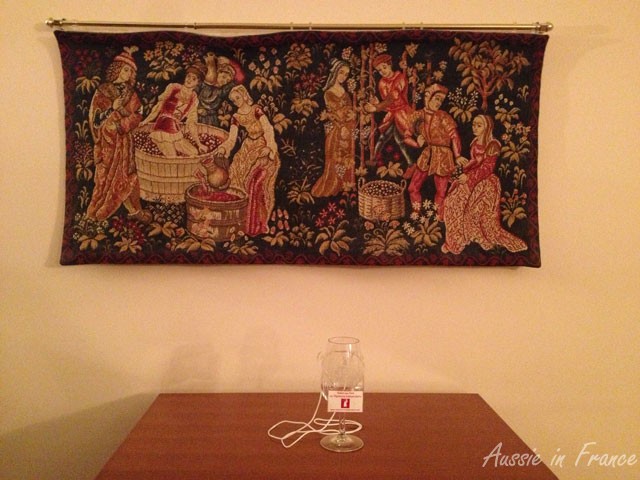
Inao glass with its holder. In the background is a tapestry based on one in the Cluny mediaeval museum in Paris
Inao glass with its holder. In the background is a tapestry based on a 16th century taspestry in the Cluny mediaeval museum in Paris

We trade our free invitation for two glasses celebrating the 35th anniversary of the fair. We have a very large stock of these INAO glasses now, which is great for parties. We snap them into our nifty glass holders so we have our hands free.

Having checked out our wine list beforehand, we know we need sancerre, a Loire Valley sauvignon, for our spéciales oysters, quincy, another, less well-known Loire Valley sauvignon for fish and corbières from Languedoc-Roussillon in the south of France for lamb grilled on the open fire. We’ve run out of minervois in the Carcassonne area which is also great with lamb but our wine grower seems to have disappeared to our dismay.

We use the list of wines and growers on the wall to work out the order in which we are going to make our purchases because the Fair is enormous.

François and  Cherrier from Domaine de la Rossignol
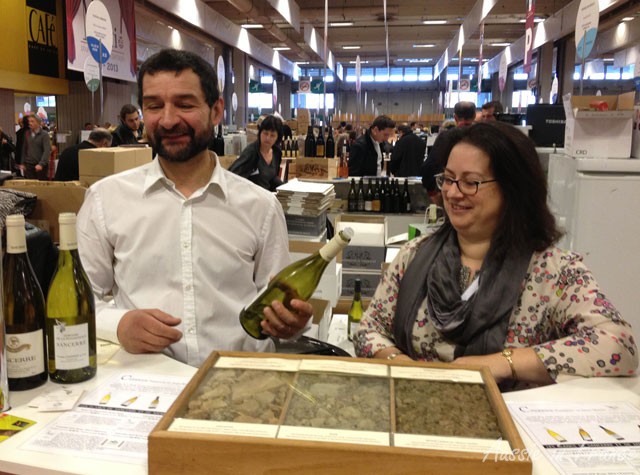
François Cherrier  and his wife from Domaine de la Rossignol

François Cherrier is first on the list. We have been buying his sancerre since we first visited his vineyard ten years ago. He and his wife welcome us and we taste their range of whites but settle, as usual, for their delicious Essentiel at 9.60 euro / bottle. We explain we are moving to the Loire and learn that they have close family in Blois so will be able to stock up again very easily. What wonderful news!

Domaine Jacques Rouzé

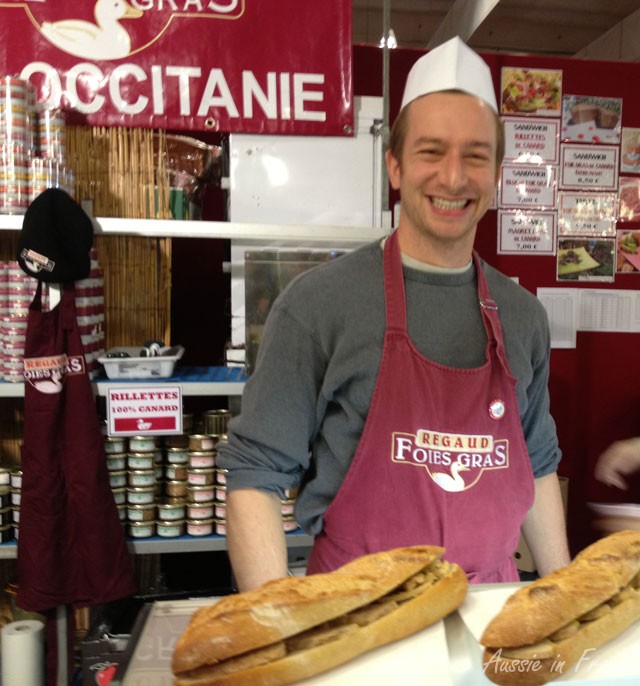
We buy our quincy Cuvée Tradition from Domaine Jacques Rouzé at 7.30 euro a bottle and decide it’s time for our traditional foie gras sandwich.

Foie gras sandwiches
Foie gras sandwiches from Foie Gras Occitanie

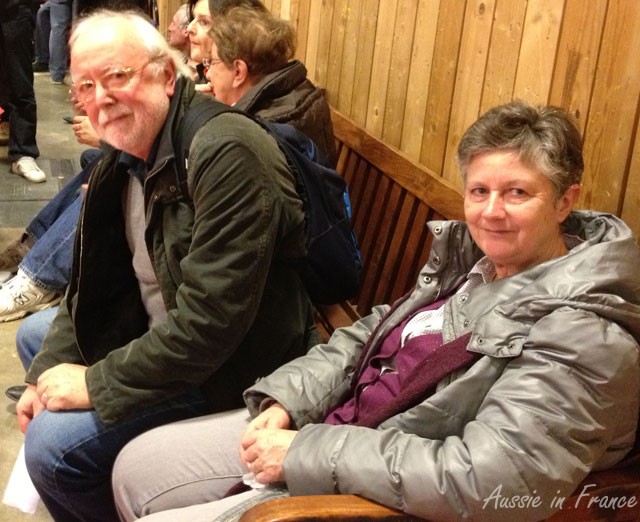
Jean Michel parks the trolley near a bench at the far end where other people are eating sandwiches as well and says I can sit on it. How very useful ! It’s just the right height. We notice that our neighbours have a very strange carton so I ask them if it’s a special wine. No, it’s just the box that is unusual.

Brian and his French wife

It turns out that Brian is Irish and that he and his French wife live near the Marne in an area where we have often cycled. We have an enjoyable discussion about children and bilingualism and the different countries they have lived in.

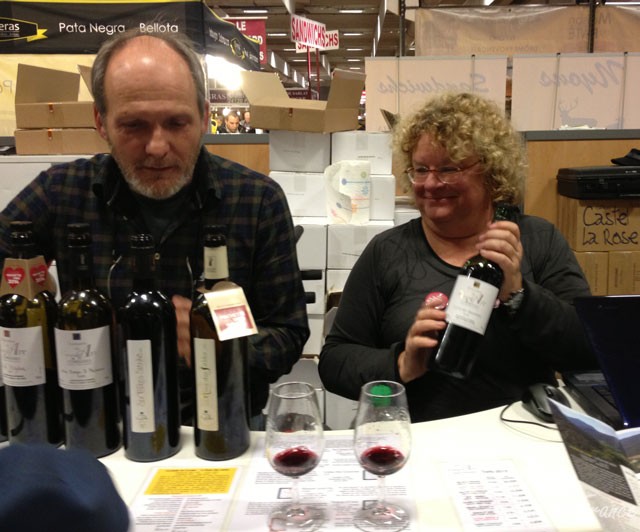
Domaine de l'Arc for corbières
Domaine de l’Arc for corbières

The last wine grower on our list is Domaine du Grand Arc. We buy two types of sun-drenched corbières – Cuvée des Quarante which we bought last time (7.90 euro), a combination of 45% carignan, 35% grenache noir and 20% shiraz and En sol majeur (11.50 euro) which is 60% grenache noir and 40% shiraz. We see it has a “heart” in the 2014 Hachette wine guide.

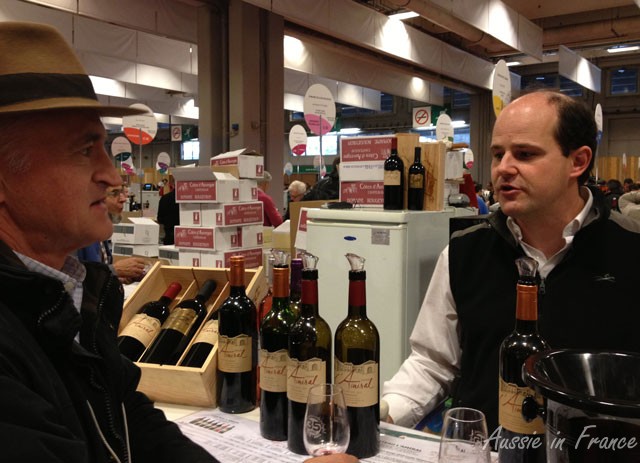
As we are leaving, I spy a sign for minervois. Shall we try ? Château de l’Amiral turns out to be a lucky stab in the dark. The 7th generation wine grower is a woman whose praises are sung by her husband who is running the stand. She uses a special process he calls macération carbonique for her Cuvée Prestige.

Château de l'Amiral
Château de l’Amiral

We both look at him in amazement while he explains that the historical grape varieties of minervois, carignan and grenache are vinified  together using carbonic maceration. The whole bunches are placed carefully in a closed vat so the grapes don’t burst which means that the juice ferments inside the grape expressing its unique, typical aromas. The air in the tank is replaced with CO2 from the fermentation taking place in other vats to prevent the wine from oxidising. This mini-vintage is limited to 3,400 bottles.

We love the result with its red berry nose, dense, rich tanins and very nice balance. At 18 euro a bottle,  it’s excellent value for money!

Domaine de la Rossignole, rue de la Croix Michaud, 18300 Verdigny, Tel 02 48 79 34 93 cherrier@easynet.fr 
 
Domaine Jacques Rouzé, 18120 Quincy. Tel +33 248 513 561 rouze@terre-net.frhttp://www.jacques-rouze.com 
 
Domaine du Grand Arc, Fabienne et Bruno SCHENCK, Le Devez, 11350 CUCUGNAN, Tel/Fax: 0468450103, domaine.grandarc@gmail.com, http://www.grand-arc.fr
 
Château l’Amiral 14, avenue de l’Amiral Gayde 11800 AIGUES-VIVES  06 83 51 68 88 contact@chateaulamiral.fr http://www.chateaulamiral.fr/

from the Tropics to the City of Light