The hottest new pop-up bar in Paris with a stunning view of the Eiffel Tower – Top 12 Patisseries in Paris – Scallops & St Peter

This week, in Wednesday’s blogger round-up, Mary Kay from Out and About in Paris takes us to a pop-up bar (a new concept for me) in Paris where she was tempted by the sin of gluttony. I can’t wait to try it out! Andrea from Rearview Mirror shares her top 12 patisseries in Paris from a host of wonderful neighbourhoods while Niall and Antoinette from Chez Charmizay explore an intriguing “monument historique” in the Loire Valley. Enjoy!

The hottest new pop-up bar in Paris with a stunning view of the Eiffel Tower: 180 Restaurant and Bar at the Pullman Hotel

by Mary Kay from Out and About in Paris, an American by birth, Swiss by marriage, resident of Paris with a Navigo Pass for the metro that she feels compelled to use
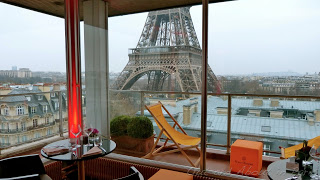
pop_up_barBetter hurry! The clock is ticking and there are only 126 days, 13 hours and 26 minutes left to enjoy one of the most spectacular views of city from the hottest new pop-up bar in Paris.

Situated on the 10th floor of the Pullman Hotel, the bar offers an intimate encounter with the Eiffel Tower in all its sparkling glory. Watching the day fade into night as we sipped glasses of Veuve Clicquot champagne with friends visiting from the States yesterday evening, Stephane and I regretted that we hadn’t reserved a table for dinner. In keeping with the theme, the pop-up bar has specially concocted drinks and menu items honoring the seven deadly sins. With offerings like le Charnel (the carnal), a savory cheesecake, and le Sensual (the sensual) a sweet cheesecake, I was sorely tempted by the sin of gluttony. Read more

Top 12 Patisseries in Paris

by Andrea from Rear View Mirror (formerly Destination Europe), a fellow Australian who, after 6 years of living in France, has given up herParis apartment to live a nomadic life slowing travelling around Europe, experiencing each destination like a local
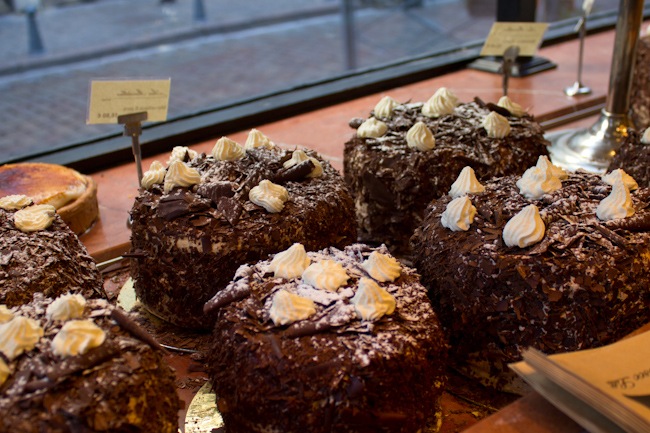
lille-france-17I naively thought I could list my top 10 favourite patisseries in Paris but there are too many great places to choose from so I decided to share my top 12. All are located in fantastic neighbourhoods ideal for a city break in Paris. If you’re planning a visit to Paris and want to live like a local, Go with Oh have a number of apartments perfect for a short stay. Read more

Scallops & St Peter

by Niaill, a Scotsman, and Antoinette, a Dutch American, from Chez Charnizay, who live in the village of the same name in southern Touraine  and blog about their adventures in the Loire Valley.

scallops_saint_peter

The town of L’Île-Bouchard straddles the river Vienne and we’ve written about the capitals of the ruined Prieuré de Saint-Léonard there before. On the south side of the Vienne river, just before you reach it, is a small village called Parçay-sur-Vienne.

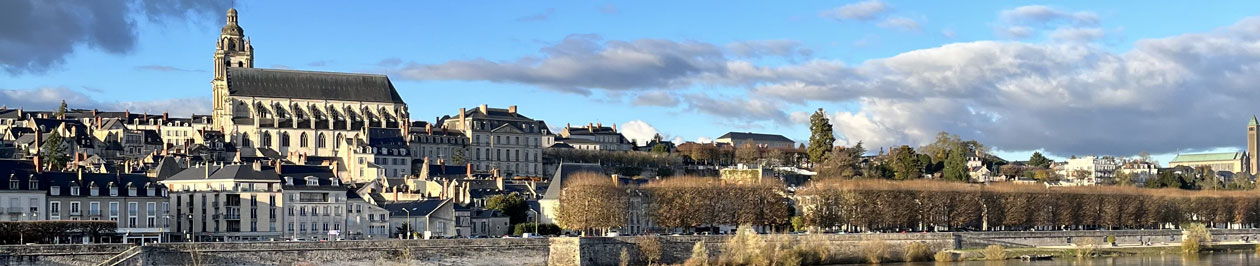
We decided to have a quick look to see if the village church was of interest before heading on towards L’Île-Bouchard and Chinon: it was a another case of one of those slightly battered and faded ‘monument historique’ signs which intrigued us. Read more
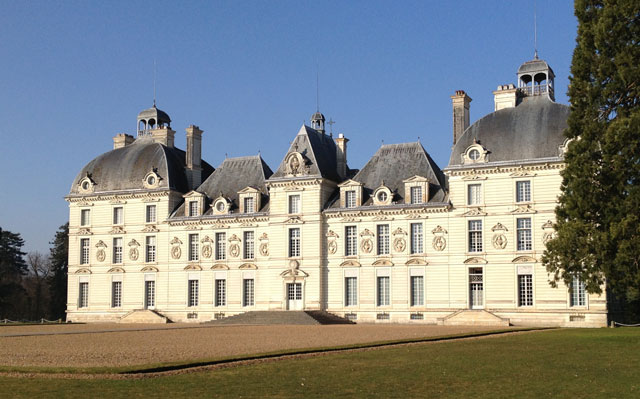
Monday’s Travel Photos: Chateau de Cheverny, Loire Valley

When we visited Cheverny today, I was amazed at how beautiful it is inside. I did not remember any of the state rooms, only the bedrooms which I found disappointing during my last visit over ten years go. The domaine has been in the same family for six centuries and open to the public since 1922. The château as it stands today was built between 1624 and 1640 by Count Henri Hurault and his wife Marguerite Gaillard de la Marinière. The sumptuous interior decoration is by Jean Monier from Blois. It is the only major château to have retained its original furniture. Fifteen thousand bulbs are planted in the gardens each year, so if you can, time your visit for spring!

Front façade
Front façade
Painted ceiling in the Grand Dining Room


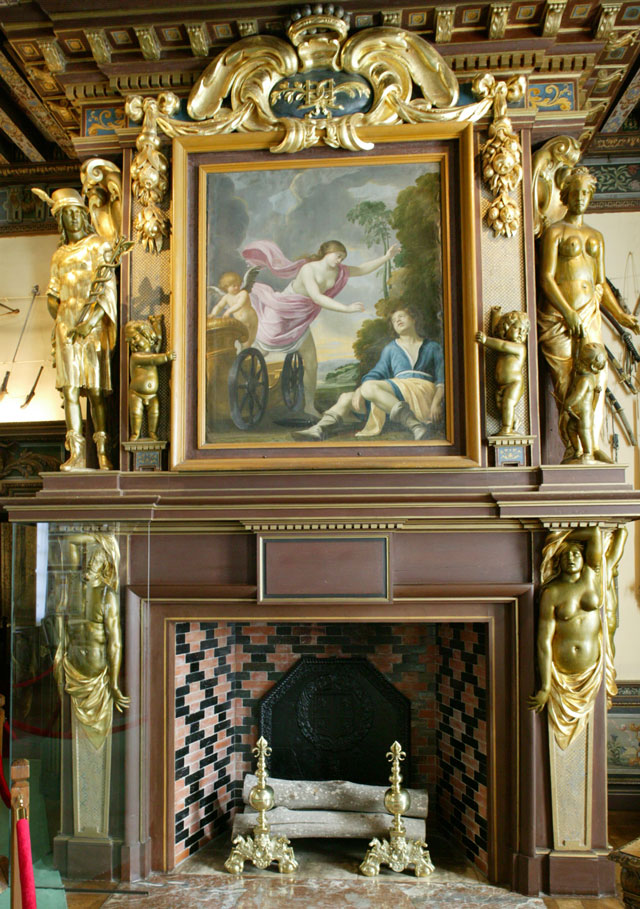
Fireplace in the Arms Room


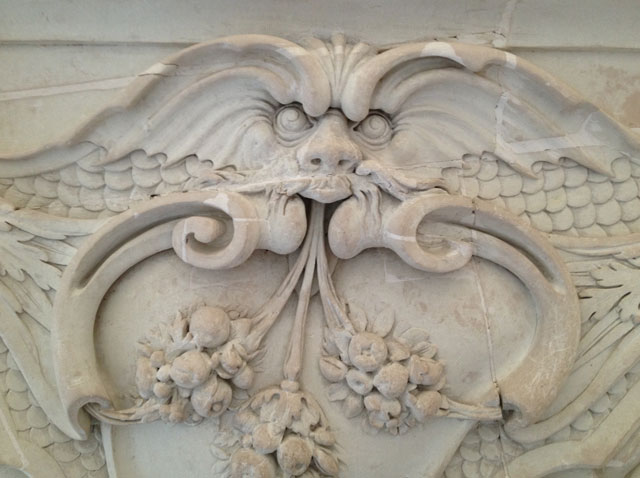
Stone sculpture on main staircase


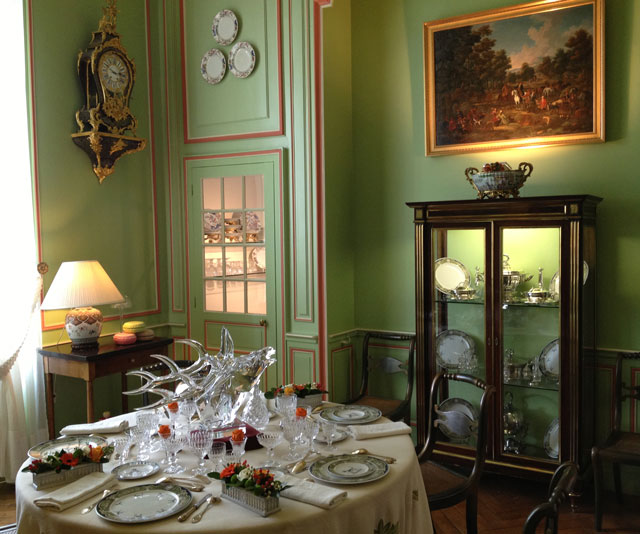
The family dining room with its matching table cloth and porcelain with the family arms


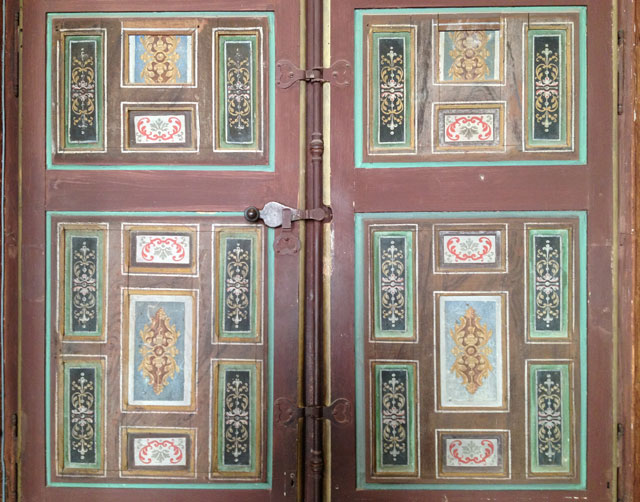
Painted shutters in the Arms Room


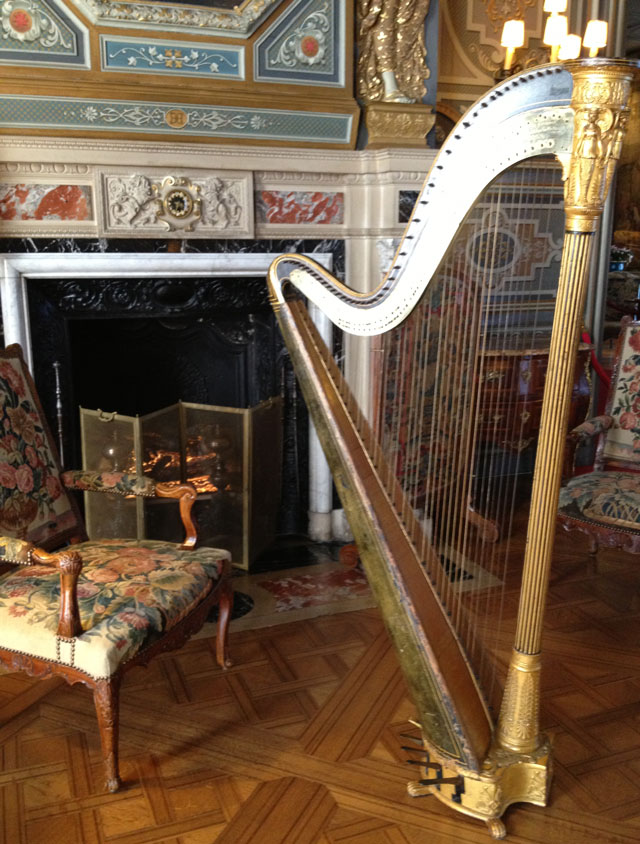
Late 18th century Erard harp in perfect working order


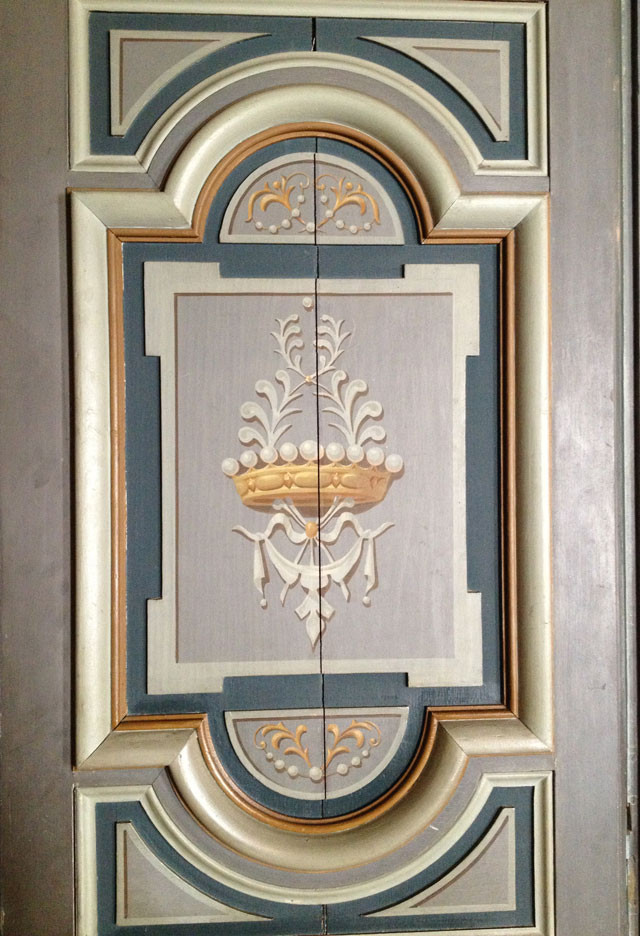
Painted door in the Grand Drawing Room


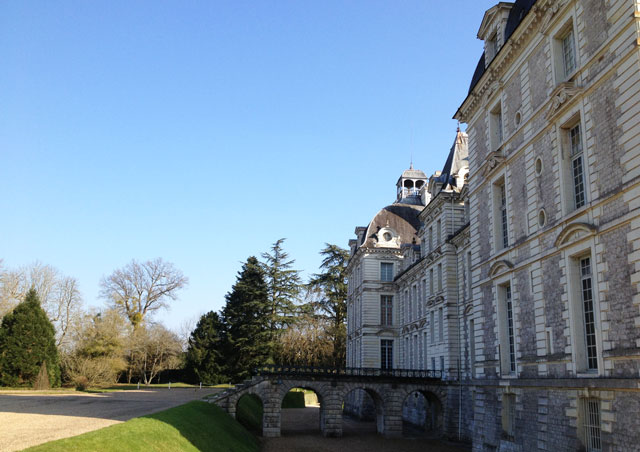
North façade of Cheverny


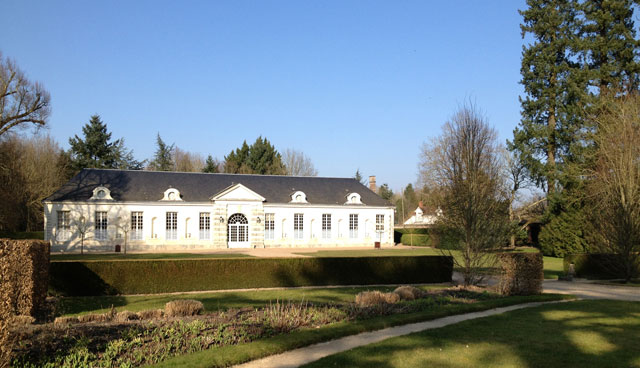
The Orangery
The Orangery


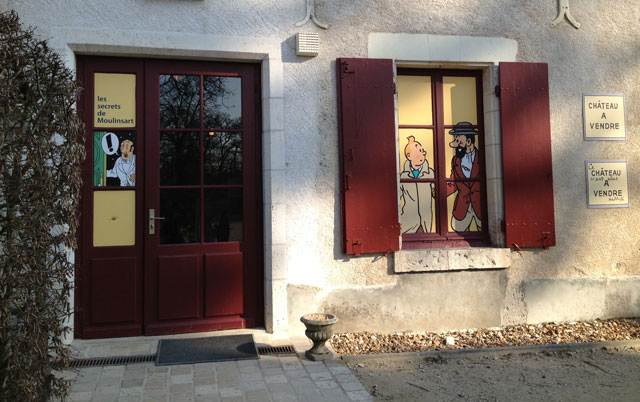
Rin Tin Tin & Rusty exhibition - Cheverny was the "model" for Moulinsart Château in several comic books
Tintin exhibition – Cheverny is the “model” for Marlinspike Hall (Moulinsart in French), Captain Haddock’s residence in the Tintin comics, created by the Belgian author and illustrator Hergé


First Fire in the Fireplace

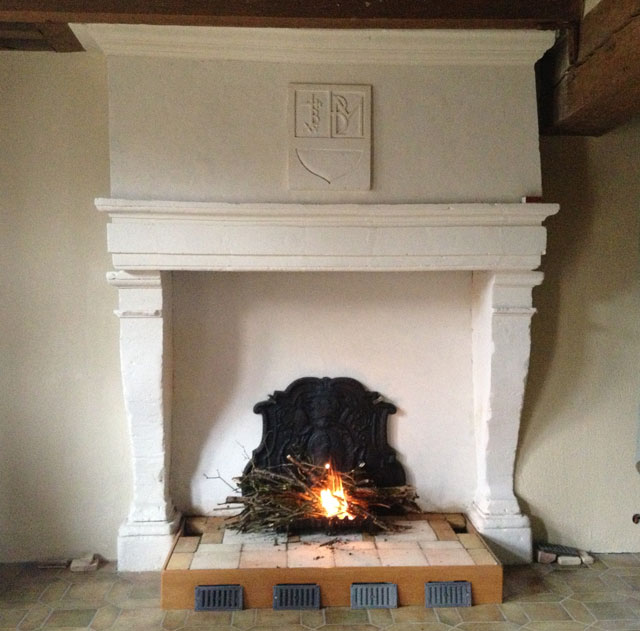
We’re at Closerie Falaiseau. We’ve had dinner and are sitting on the sofa in front of the non-operational fireplace downstairs . Why, you may ask, are we not upstairs, drinking champagne and eating foie gras in front of our beautifully renovated Renaissance fireplace. Well, the answer is simple. We’ve lit the first fire and discovered it smokes.

First fire
First fire

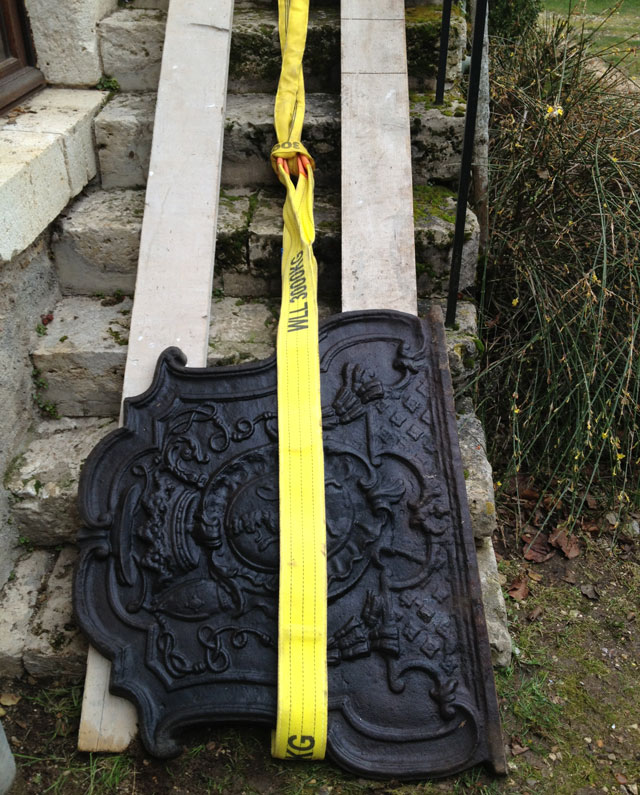
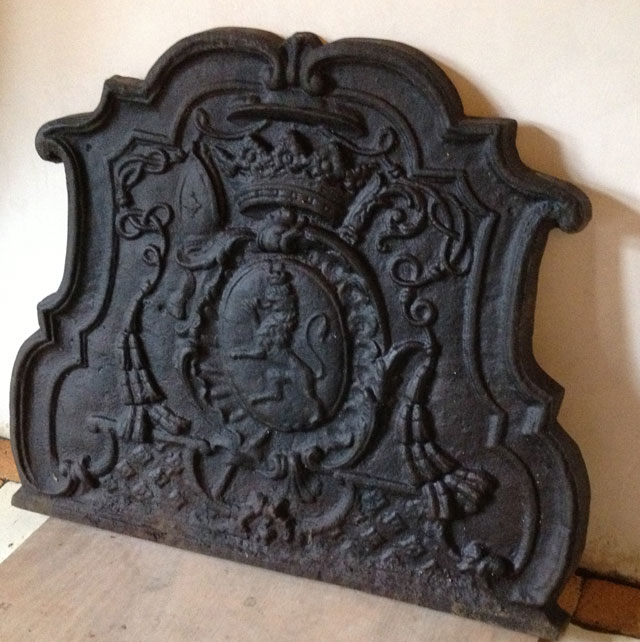
Mr and Mrs Previous Owner came over this afternoon after lunch so that Mr PO could help Jean Michel take the 150 kg fireback upstairs. It was an amazing operation and I have finally understood how a chain hoist works.

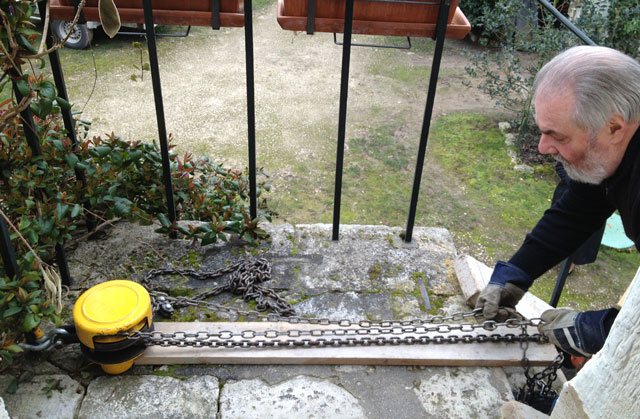
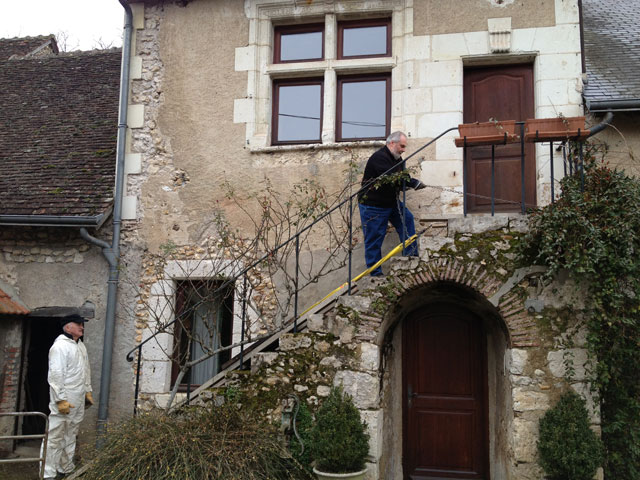
The manual chain hoist at the top of the landing

First, Jean Michel attached the chain hoist horizontally to the railing at the top of the steps (chain hoists are usually used vertically). Then he put a plank under the chain. After that, he put two thin planks on the steps.

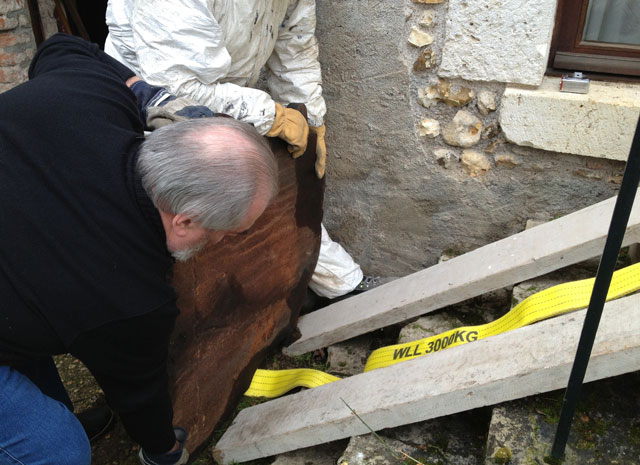
The fireback being placed on the planks

Mr PO and JM then lifted the fireback onto the first planks. JM put a super strong strap around it and attached it to the hook on the end of one of the two chain loops.

The fireback is now attached to the chain hoist

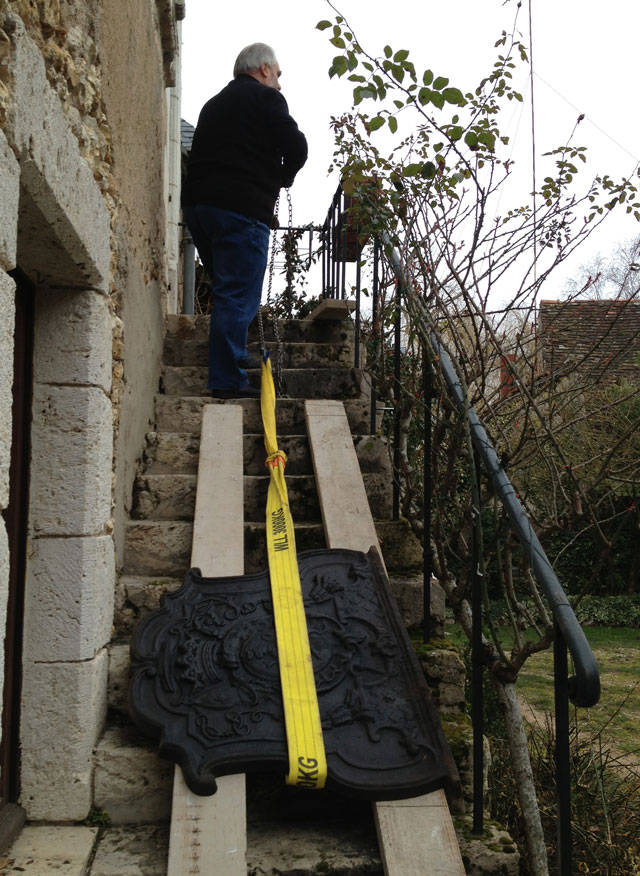
Mr PO, on the landing, started pulling one side of the other chain loop.  This turns a pulley mechanism inside the chain hoist housing. When the pulley turns, it lifts up the end of the other chain loop with the hook on the end. Pulling on one chain enables the hoist to increase the mechanical work that is being done. Now isn’t that clever?

The fireback starts its journey

It was amazing to see Mr PO pulling on the chain loop while the 150 kg fireback slid effortlessly upwards. He did tell me not to stand at the bottom of the steps though, just in case the whole load crashed back downwards and crippled me forever.

Mr Previous Owner effortlessly pulling up the 150 kg fireback

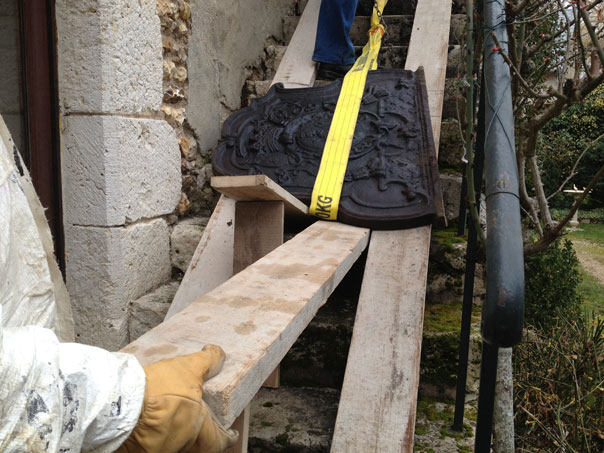
The planks weren’t quite long enough, so a little adjustment was needed halfway up and again when the fireback reached the top of the stairs.

Adjustment halfway up

JM and Mr PO then had to lift it onto the landing. Using another set of planks they lifted and slid it upright into the room. I could see by this time that Mr PO needed a break so I forced JM to go downstairs and get the trolley so they wouldn’t have to lift it all the way across the living room to the fire.

The fireback in place

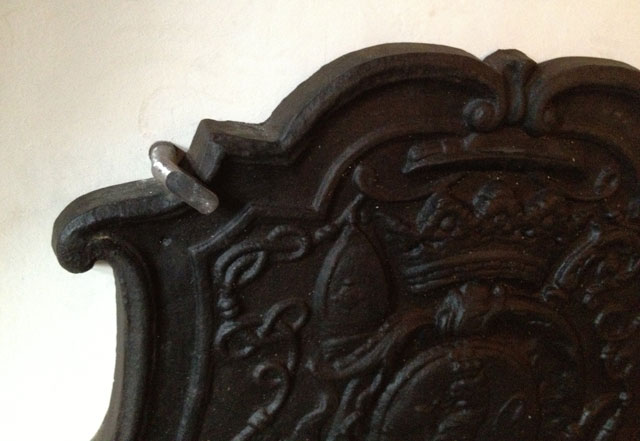
Just then, one of our neighbours went past on his bike so we called him up to help. That way, there were three men to carry the fireback across to the fireplace. Once it was in place, JM drilled a hole in the wall and screwed in the bracket he had made previously to stop the fireback falling forwards.

Home made bracket
Home made bracket

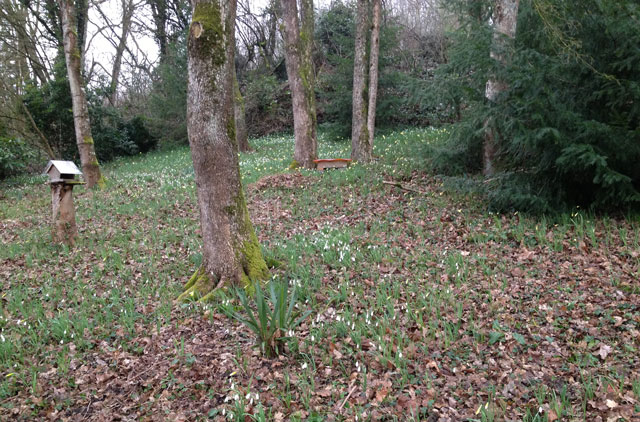
He then brought up some firewood from our little wood, which incidentally is now full of snow drops and budding daffodils, laid the fire and lit the first match.

Our wood with crocuses and daffodils
Our wood with snow drops and daffodils

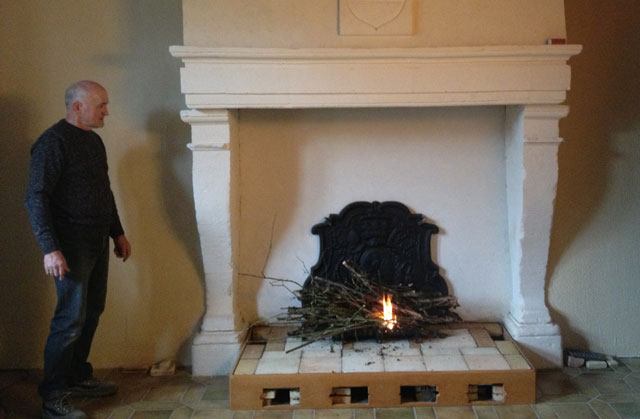
It was a very moving moment and we were about to cheer when we realised that the room had started to fill with smoke. We opened the door to let it out, hoping it would soon go up the chimney. But it didn’t.

Jean Michel had suspected this might happen but thought we would just have to have a smaller fire, not no fire at all. You may remember the story of the delinquent owner who removed the crest stone when he had to sell the house. Well, the exact same person bricked up the top of the chimney, reducing it by one-third (we don’t know why), thus preventing the smoke from going up the chimney properly.

Jean Michel sadly surveying the smoke

The next step in the operation is to have the chimney opened up again. Tomorrow, we’re phoning the roofer so he can come and give us a quote. But I think the champagne and foie gras in front of the fire might have to wait until next winter! Sigh.

Why Inge Came to France

One of my greatest pleasures in teaching at the university in France was meeting young people from English-speaking countries across the world and learning about their hopes and aspirations. My French Life, the global community of French and francophiles connecting like-minded people in English & French, has just published my interview with Inge Laino, who is both tour guide and translator and manager of Paris Muse which gives private guided tours of Paris art museums. Enjoy!

Why Inge Came to France

inge_laino_2_myfrenchlife_maviefrancaise“I can say that I have accomplished most of what I set out to do: join the Peace Corps, go to Africa, live in France and master a foreign language.” I don’t think many people of Inge’s age could say the same thing!

A New Yorker from Queens; Italian on her father’s side and Flemish on her mother’s, Inge went with her parents and four older siblings on holiday to Belgium every year.  “I HATED it… I didn’t speak Flemish and I hated being in linguistic exile. Read more
 

Hotel Dieu: The unexpected inside of Paris’ oldest hospital – Itinerary Planning 101 – Map of Literary French History

Three very different posts in this Wednesday’s Bloggers Round-Up: Yetunde from Like Home in Paris takes us on a guided tour through an unexpected venue: Paris’ oldest hospital, Jo Karnaghan, in her usual practical way, gives excellent tips on how to plan an itinerary (part 3, so don’t miss the others) while Stephanie, the Llamalady from Blog in France, has found a wonderful French site connecting up geographical locations and famous French writers. Enjoy!

Hôtel Dieu: The unexpected inside Paris’ oldest hospital

by Yetunde from Feels Like a Home in Paris, local Paris holiday rental specialists, who blog on tips, happenings & lots of food & drink from the city they love.

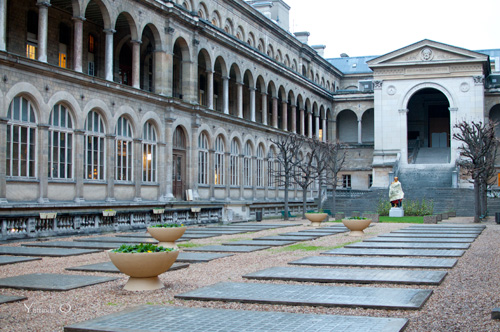
hoteldieuVisiting Notre Dame on Ile Saint Louis in Paris, you can’t help but notice the rather large Hôtel Dieu hospital close by. It has maybe even shown up on a few of your photos but have you ever been inside?

It would never strike me as a normal part of my day to enter into a hospital unless I really have to. I have only ever visited two emergency rooms in Paris and needless to say that I hope to never have to do it again. But when you consider a hospital that was built between the 7th and 17th century you have to take pause and notice it. Read on

Itinerary planning 101: Part 3 – the finishing touches to your travel plan

by Frugal First Class Travel, an Australian who loves to travel – especially in Europe – and who has gradually learned how to have a First Class trip on an economy budget, without missing out on anything!

greatistanbul-comHow are you going with your plans for your latest itinerary?  Have you got a good outline of where you are going, your budget and how you are planning on getting about?  In the final installment of this short series we fill in the blanks with all the special moments that will make your trip one to really remember……

1.  List all the things you want to do in each of your destinations

Taking into account the length of time you have in each destination, make a list of all the things you want to do for each of your destinations and prioritise them. Read on

Map of Literary French History

by Stephanie, the Llamalady, from Blog in France, an Irish llama and alpaca breeder living in the centre of France, who also runs a carp fishery and a holiday gite

Here’s something rather interesting – it’s a crowdsourced interactive map of France that allows you to discover quotations or descriptions about various destinations in the country by famous French writers.

Zoom in to the area of France that you’re interested in on the Google map in and you’ll see little blue flags. The quotations are linked to these. I was of course interested to see what’s been written about my local area. As I suspected, George Sand had a lot to say about the place. Here’s her (George Sand was the pen name of Amantine Lucile Aurore Dupin) view of Boussac. Read more
Fabulous Gaudi Interiors – Casa Batllo

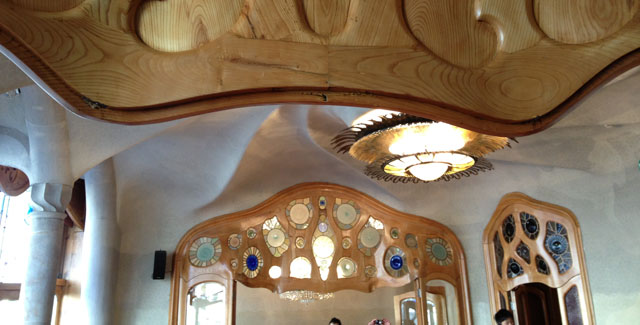
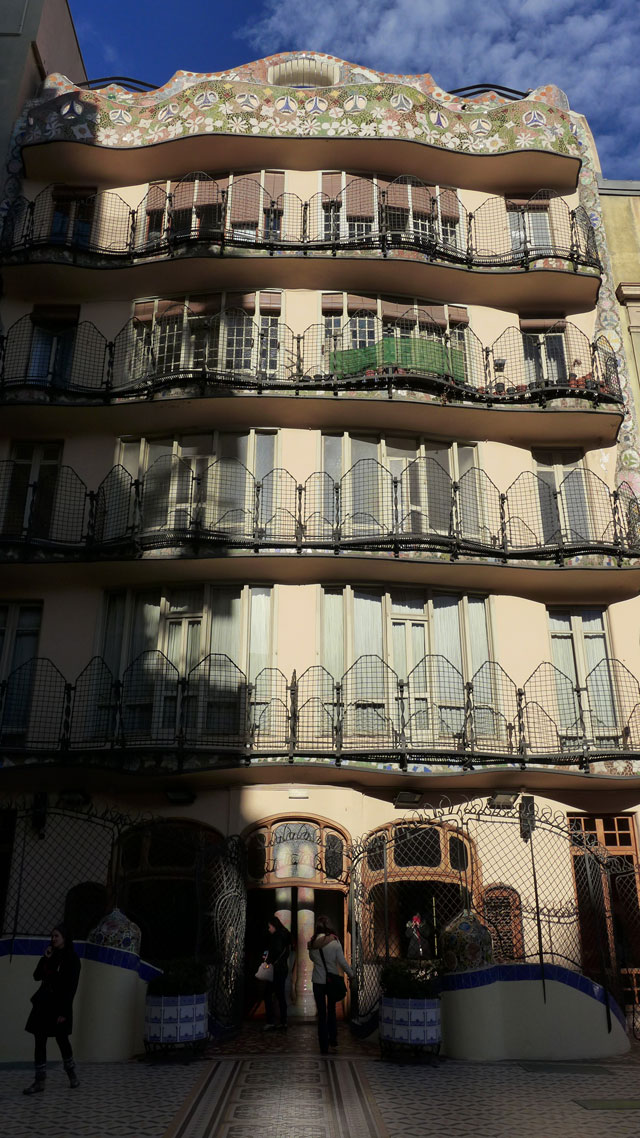
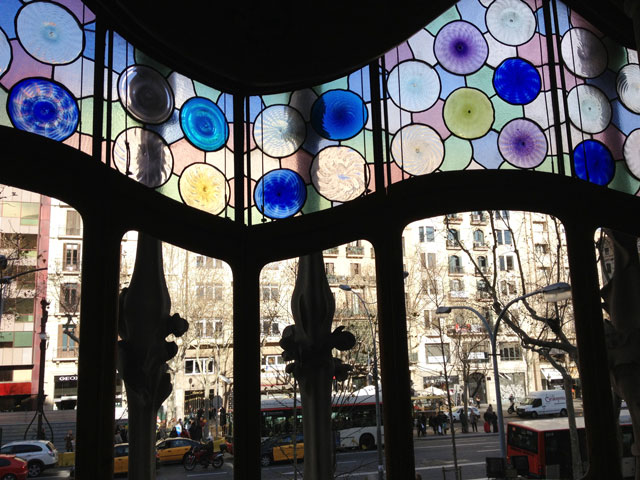
I loved Casa Batlló as soon as I saw it. All those lovely mauves and blues and pinks on the façade. I’m a romantic at heart and my favourite painters are the impressionists and art deco artists such as Mucha and the Nancy school. The inside has soft curves and beautifully coloured ceramics. This is Gaudi without being gaudy. To get a really good idea of the façade, click on the official website.

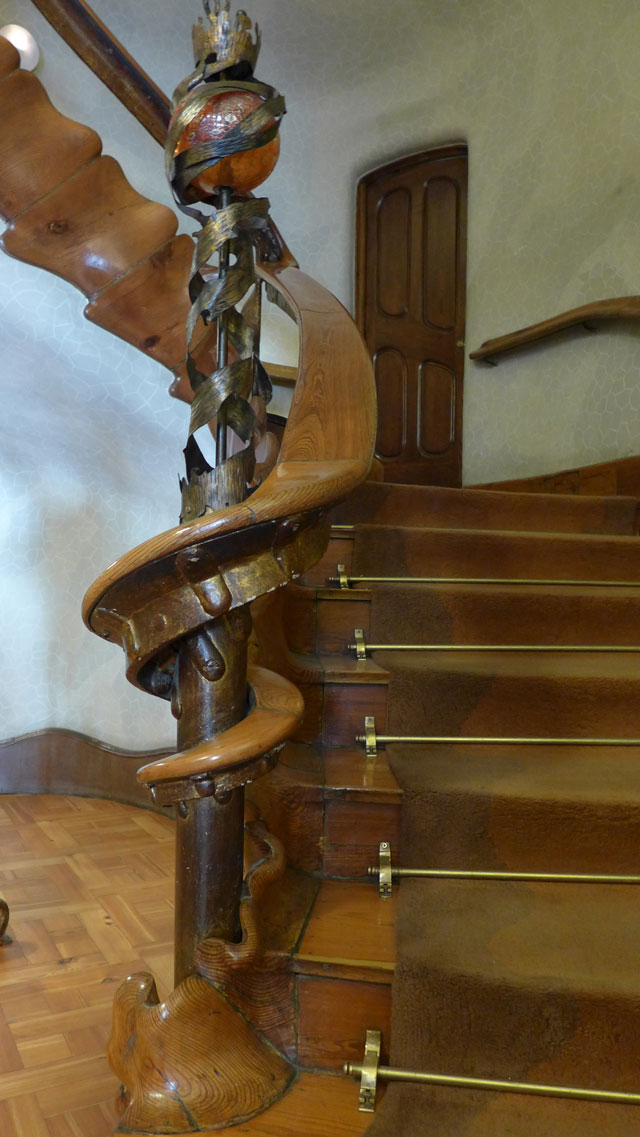
One of the beautiful staircases

I loved the lovely wooden doors with their curved shapes and lead lights.

Door and window detail

Top of double doors

Top of double doors 

Like Guell Palace, Casa Batlló also has a gallery overlooking the street below.

Front gallery overlooking the street


Front gallery overlooking the street

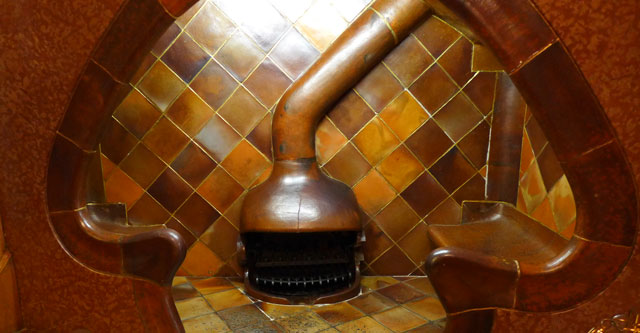
This wood stove and benches must have been a favourite sitting area.

The lovely wood stove in its alcove


The lovely wood stove in its alcove

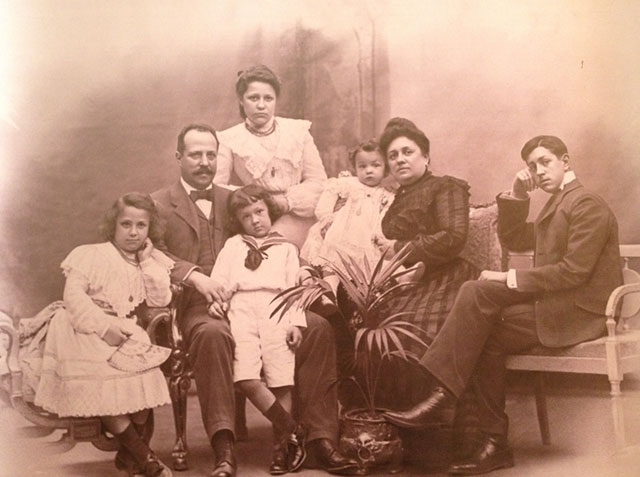
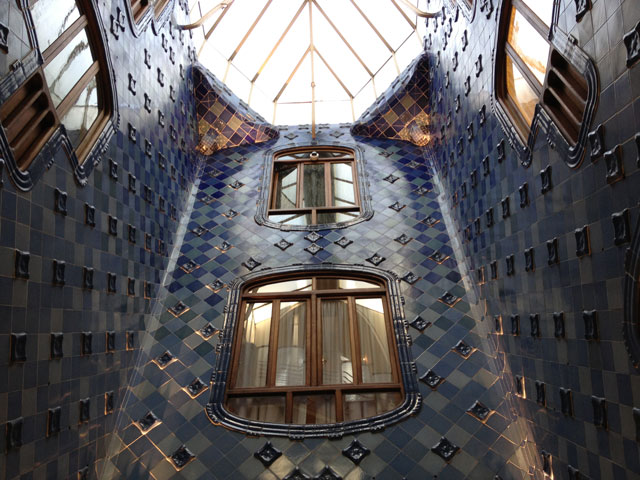
The Battló’s had five children and I’m sure they all loved the appartment, particularly the cobalt-blue tiled inside stairwell which can be seen from the different rooms built around it.

Batllo family
Batllo family

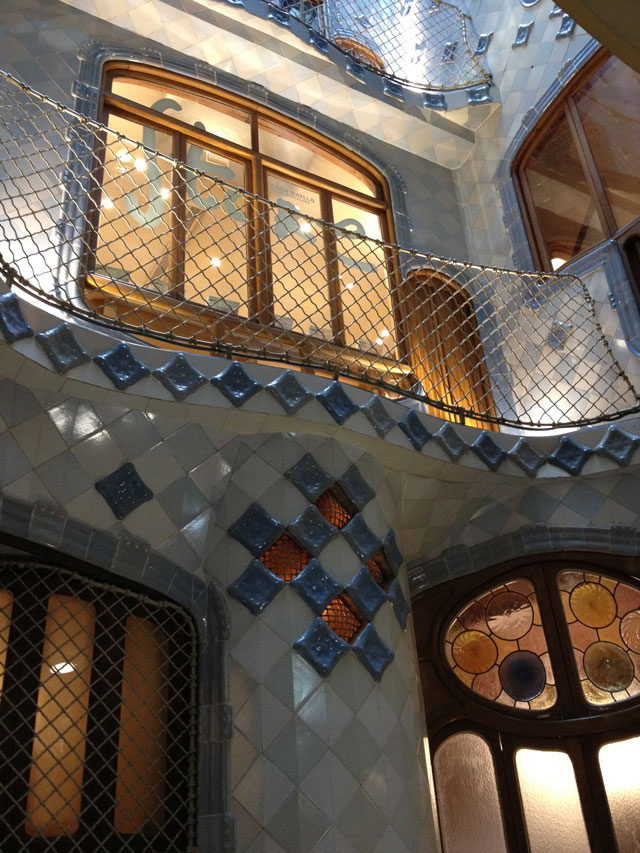
Gaudi extended the inner courtyard to add more light and ventilate the rooms. It is big enough to take a lift. The azulejos tiling consists of 5 different shades that get darker as you go up the stairs to achieve a uniform colour. The darker tiles, which are closer to the roof, reflect less light, while the white tiles reflect more.

The stairwell looking up to the skylight
The stairwell looking up to the skylightStairwell wall
Stairwell wall

The elevated terrace at the back, with its ceramics and mosaics, is much more attractive than that of Guell Palace. I love the details up the top.

Back façade seen from terrace

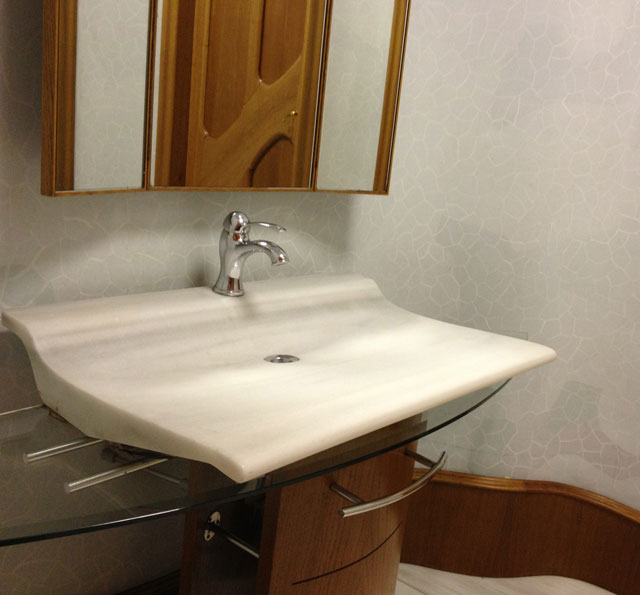
The house is no longer furnished but this wash basin looks extremely modern, doesn’t it?

A very modern-looking wash basin

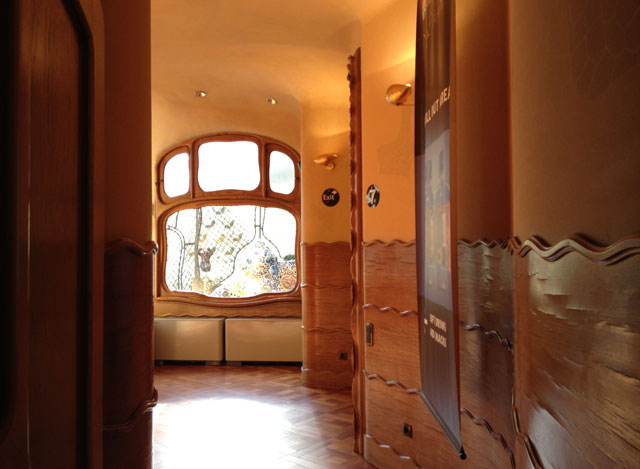
Don't you love the wavy walls?

Don’t you love the wavy walls?

When you keep going up the stairs, of course, you get to the roof with its wonderful chimneys that I described in a previous post.

Monday’s Travel Photos – Carnival in Barcelona

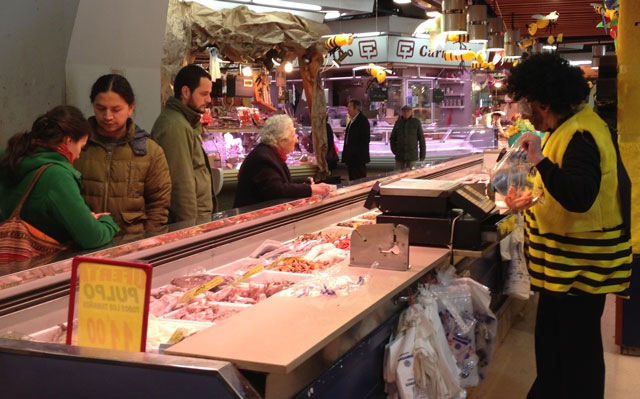
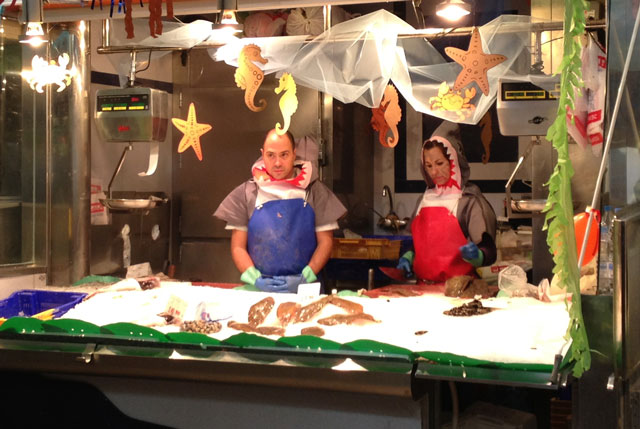
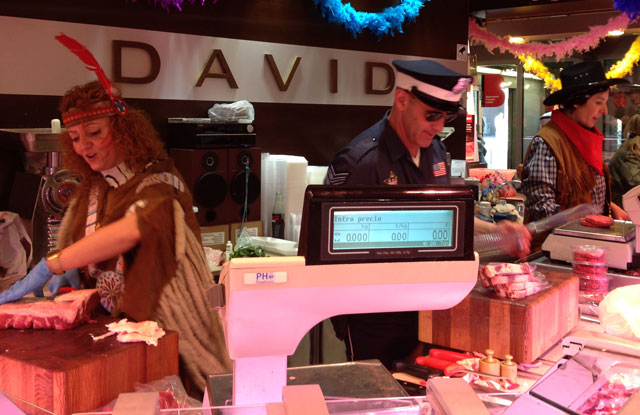
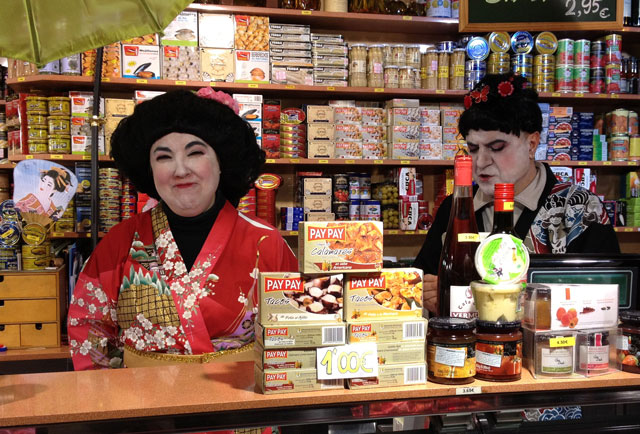
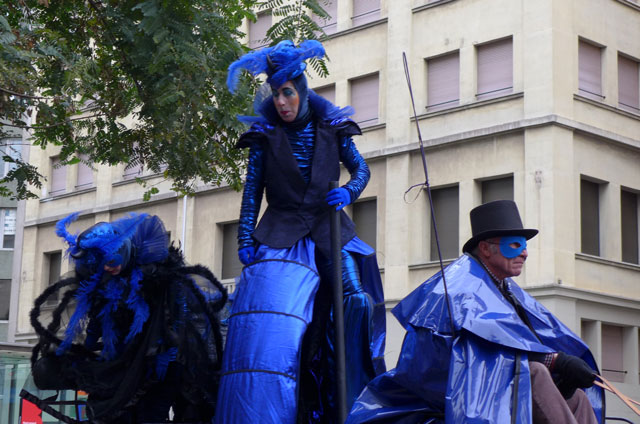
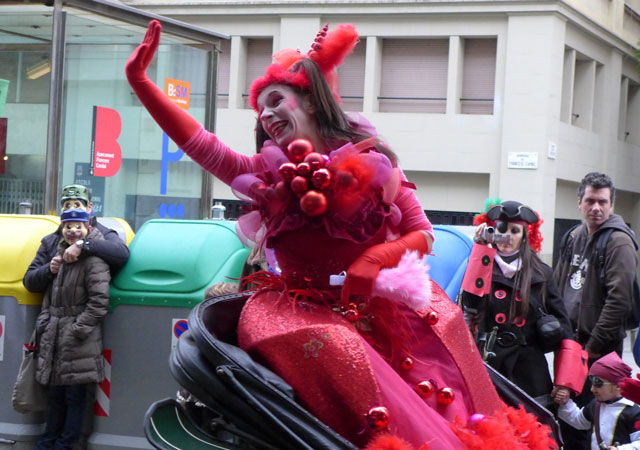
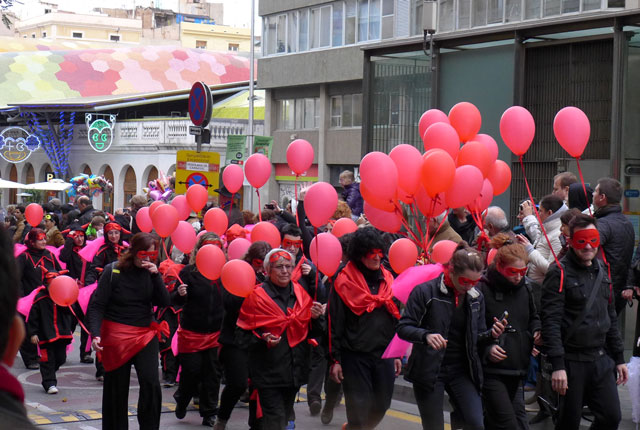
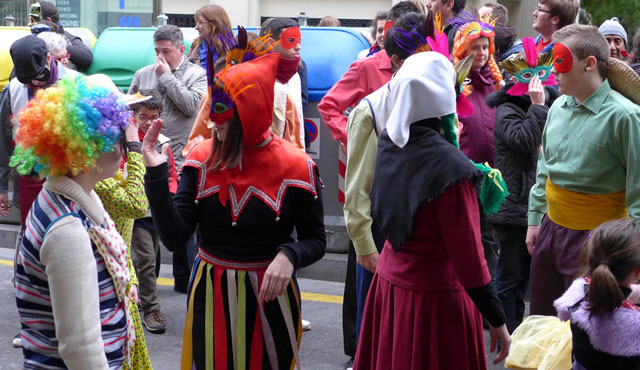
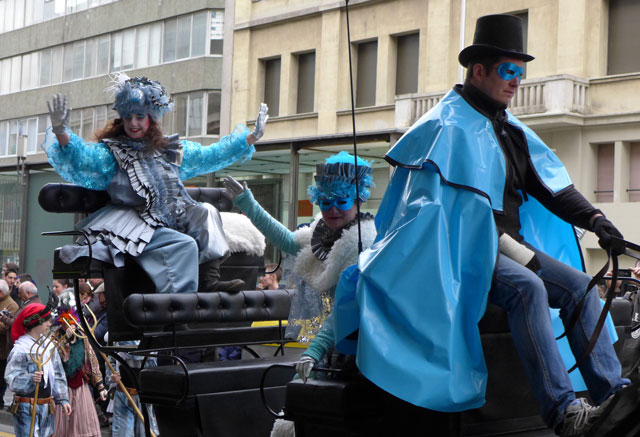
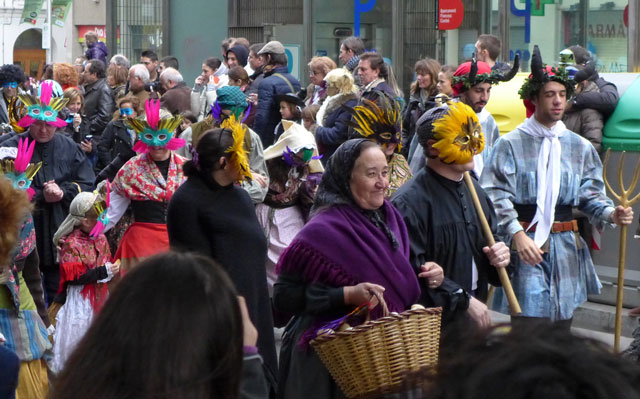
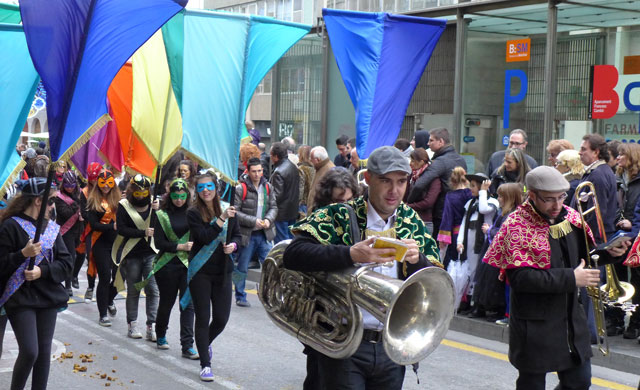
When we arrived in Barcelona on the Thursday before Ash Wednesday, we had no idea it was the start of carnival. Our first inkling was when we saw lots of school children in costumes near our appartment, but we dismissed it as some sort of very local festivity. However, when we went to the main food market next day – Santa Caterina – and saw geishas and cowboys selling fruit and vegetables, we realised it must be something bigger! On Saturday, we ran into Freddy Flintstone and Superman pushing strollers with diminutive Princes and Zorros. On Sunday, we happened to run into the parade as it left Santa Caterina.

A bumble bee in Santa Catarina market
My fishmongers in Paris would never dress like this!
This group was singing country & western songs with great gusto
But these were my very favourite of all!
Each float had a colour theme
A woman and masked driver lead each "colour"
A woman and masked driver lead each “colour”
The carriage was usually followed by a group carrying balloons of the same colour
But sometimes they were completely disparate
Sky blue this time
Sky blue this time
More followers
More followers
Inbetween the carriages were various bands and flags

Our Home Exchange in Barcelona

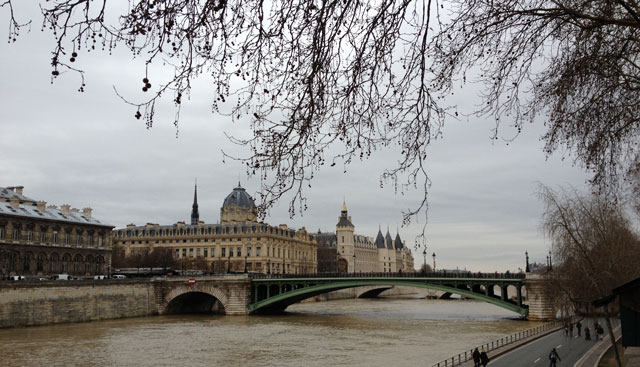
I didn’t realise when I started looking for a home exchange in Barcelona that Paris might not be a peak time from people used to a warmer climate – particularly since our main motivation for going to Spain in February was to get away from the grey skies and cold of Paris! Home exchanges can be either simultaneous or non-simultaneous, depending on various factors. Considering the other home exchanges we were planning this year, a non-simultaneous exchange didn’t seem possible. However, I shall take this factor into account in the future.

grey_skies_paris

I received several refusals but Pep, who lives outside Barcelona and has a one-bedroom flat near Sant Pau Hospital and the Sagrada Familia, fortunately agreed to the swap, although he wasn’t sure until the last minute that he would be able to come to Paris and then, it was only for 2 nights as opposed to our 6 nights. Having a second home definitely makes it easier to juggle with dates.

When Pep saw our listing, he immediately said that his flat was “modesto”. It’s true that we usually try to find equivalent accommodation, but the most important thing is that it is comfortable and clean and has an internet connection. That was certainly the case and we felt very welcome. We weren’t intending to do any cooking so not having a dish washer was not a problem, for example. When we stayed with my brother, sister-in-law, 3 kids and my son in a home exchange on the Gold Coast in Australia, it was a necessity!

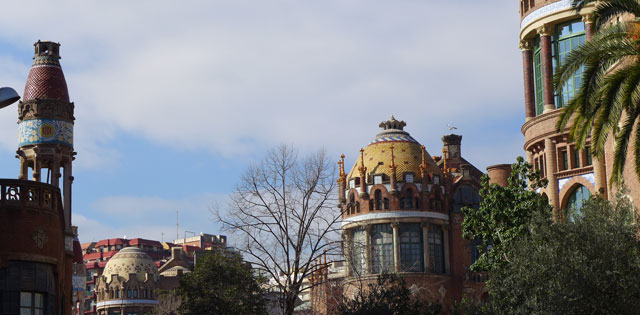
Back of Sant Pau, well worth a visit

When we arrived, Pep was waiting for us with a French-speaking friend in case we had difficulties communicating. But Pep’s French is more than adequate. He told us his favourite places to wander around and where to have pintxos. He also said that the neighbourhood eating places weren’t very interesting although we had a very “local” experience one evening in the bar opposite when we didn’t feel like going into the centre. It’s true that the food wasn’t anything special, but it was certainly authentic and the staff were extremely friendly and helpful. The ambiance more than made up for the quality.

The only drawback was the distance from the centre but, as I mentioned in previous post, Jean Michel worked out the buses and we probably got to see more of the city than we would have otherwise. Since we had 6 nights, it was not really a problem but for a shorter period it would have been less convenient.

key_box

Pep reached our appartment in Paris without mishap and was able to take the key from our code box next to the front door. These boxes are common pratice in Australia, but little known in Europe, although you can buy them in France without difficulty. It’s absolutely impossible to open the box without the code. Even if you managed to pull the box off the wall you still wouldn’t be able to get into the box. We find it’s a perfect solution.

When we were preparing for our holiday, I tweeted about off-the-beaten track places to visit in Barcelona and received an answer from Roser who lives in Barcelona and works for www.intercambiocasas.com, the Spanish version of the www.homeexchange.com website I use, inviting us to meet up for a coffee. I was delighted!

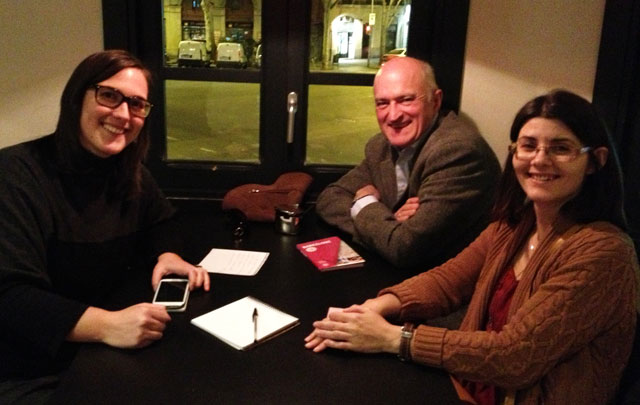
Roser, Jean Michel, Isabel

The very dynamic Roser came along with her blogger friend Isabel (http://www.diariodeabordoblog.com), about to embark of her first home exchange. We were able to ask all the questions that had been building up about Catalan and Barcelona over the previous few days and since Roser speaks excellent English and French, Jean Michel was able to launch a very interesting discussion about Catalan independence. Roser also has a blog (http://www.sempreviaggiando.com).

Roser and Isabel gave us lots of suggestions for places to eat but we ran out of days before we could use them all! Roser is also very interested in improving the website and service of homeexchange.com so would love to have feedback. In particular, she would like to know what is the most important thing when looking for a home exchange – location, size of the home, nearby attractions, etc.

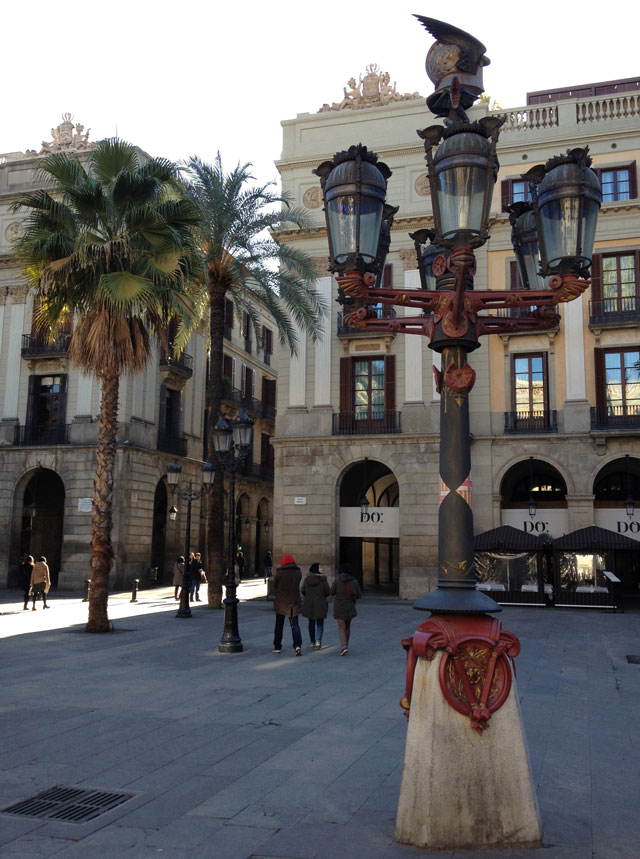
Gaudi's lamppost in Plaça Reial
Gaudi’s lamppost in Plaça Reial

The day before we left Barcelona, we were sitting outside at a terrace café in Plaça Reial admiring Gaudi’s lampposts when I received a message from Pep who had just got back from Paris, suggesting we have a coffee. We were soon able to exchange our impressions of Barcelona and Paris and talk about what we’d be doing in our respective cities. Pep had enjoyed being right in the centre of Paris even though he found it a little cold!

Now we’re busy organising our next set of home exchanges – one in France in May then a series in Germany, Austria and Hungary for June/July as we’re going to cycle along the Danube. It’s proving a little difficult to find people outside large cities who are interested in coming to Paris, where we can only provide accommodation for two people. So if anyone has a two-person swap in Ulm and Linz, let me know!

Fabulous Gaudi Interiors – Guell Palace

Judging by the somewhat austere façade of Guell Palace, what would you expect to find inside?

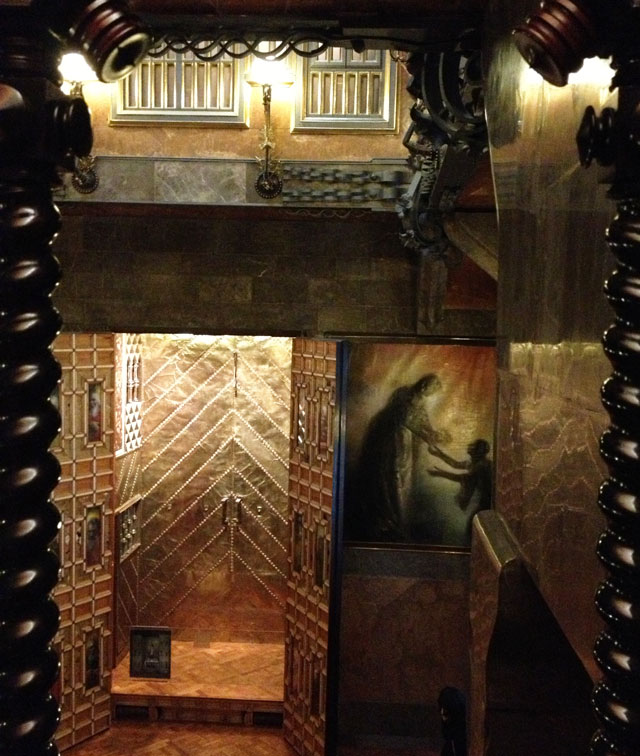
Entrance
Entrance

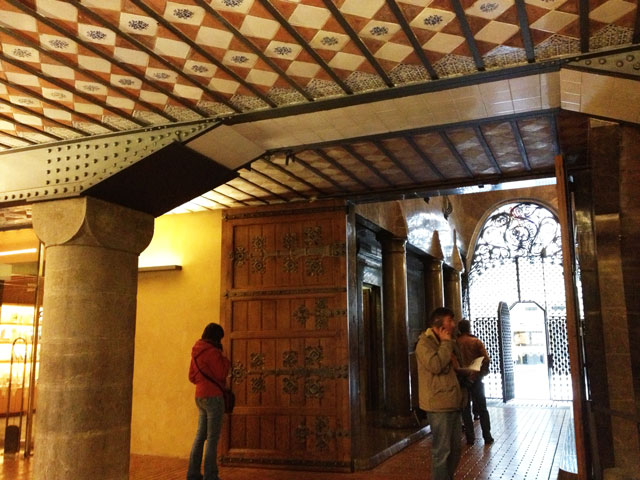
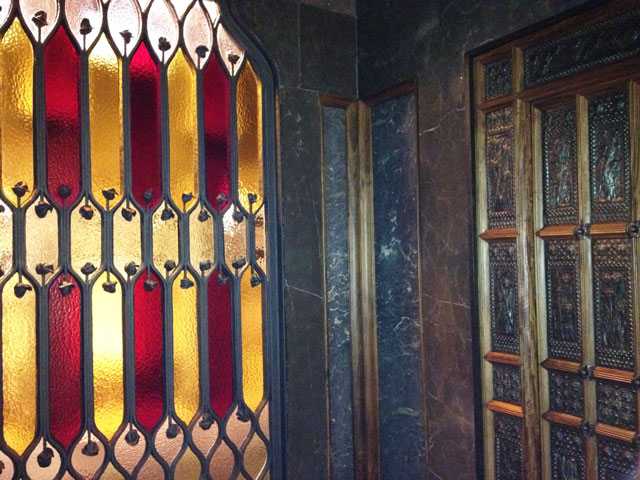
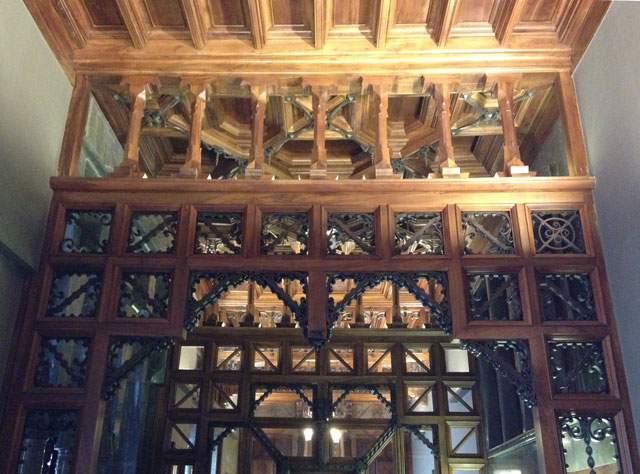
As soon as you walk into the double vestibule designed to make it easier for carriages to go in and out, you are struck by the juxtaposition and opulence of the different materials: stone pillars, steel beams with visible rivets, wooden ceilings with intricate caissons and incrustations, massive doors with beautiful wrought iron work, coloured leadlight windows and embossed leather chairs.

Lead lights and embossed door

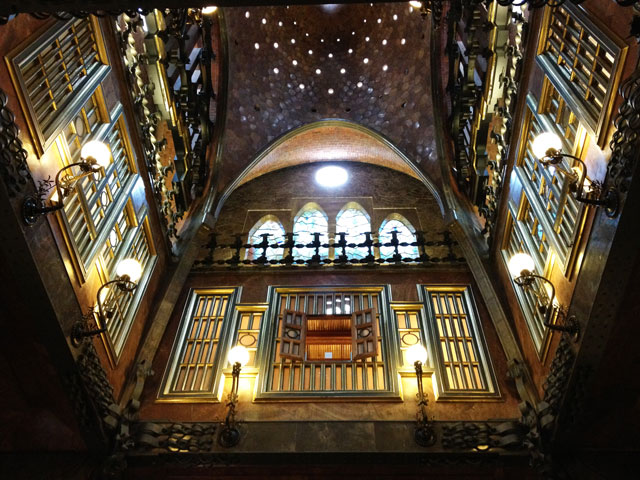
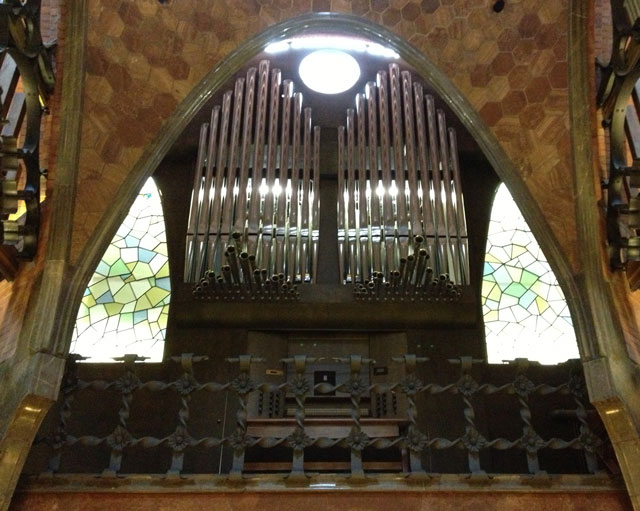
A horse ramp takes you down into the basement with its stunning vaulted ceilings that once housed the stables. You walk up the stairs and find yourself in an antechamber from which you can see the central room with its parabolic dome and real organ! Gaudi had ten children, who were all very musical and he himself was a great lover of music. His daughter, Isabel, was a well-known composer and musicians often played in the palace.

Central room
Central room

Natural and artifical light penetrates the room through circular openings in the dome. While we were there, the organ suddenly burst into life, taking visitors by surprise. It was a magical experience.

Guell's private organ
Guell’s private organ

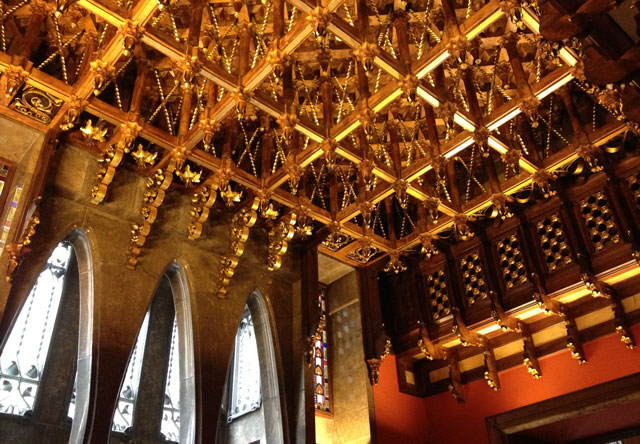
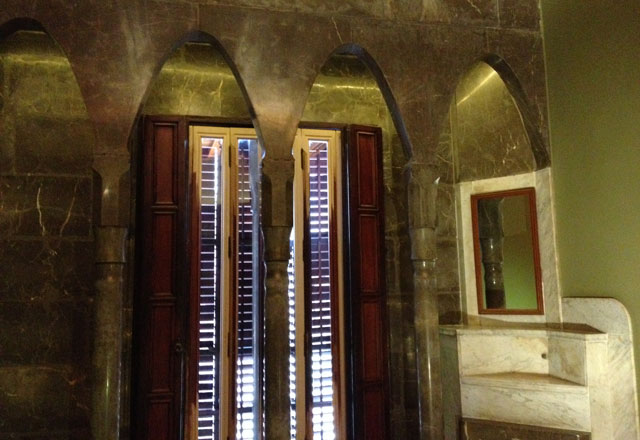
On one side of the central room is the lobby in the centre of the gallery overhanging the street, with its parabolic windows.

Lobby with its oblong arches and caisson ceiling

There’s a chapel on one side that could be closed off to form an oratory or opened up for services. The walls are covered in sheet brass and the doors are decorated with slivers of bone and turtleshell.

The oratory
The oratory

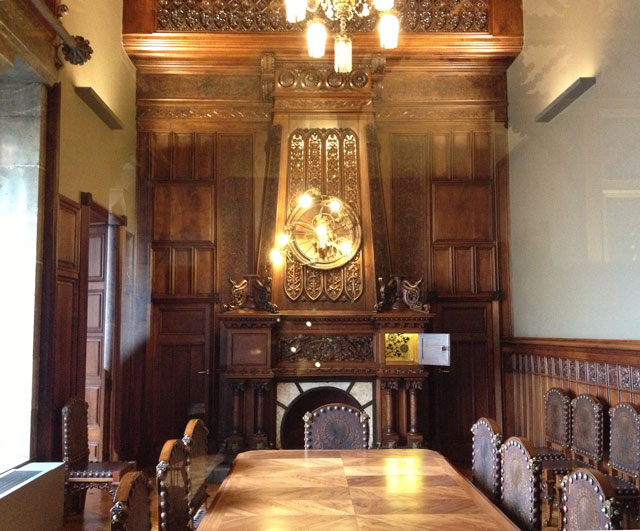
All the furniture in the dining room with its beautiful polychrome leather backed chairs is original. The décor was designed by Camil Oliveras, who worked with Gaudi.

Dining room
Dining room

Upstairs are the bedrooms. Count Guell  and his wife Isabel each had their own bedroom with an en-suite bathroom, most unusual for the time. Apparently they didn’t often live in the palace because Isabel didn’t like it very much. I can understand why. Even though the architecture is very avant-garde, it seems more like a showpiece than a home. I personally wouldn’t have liked to sleep in her bedroom.

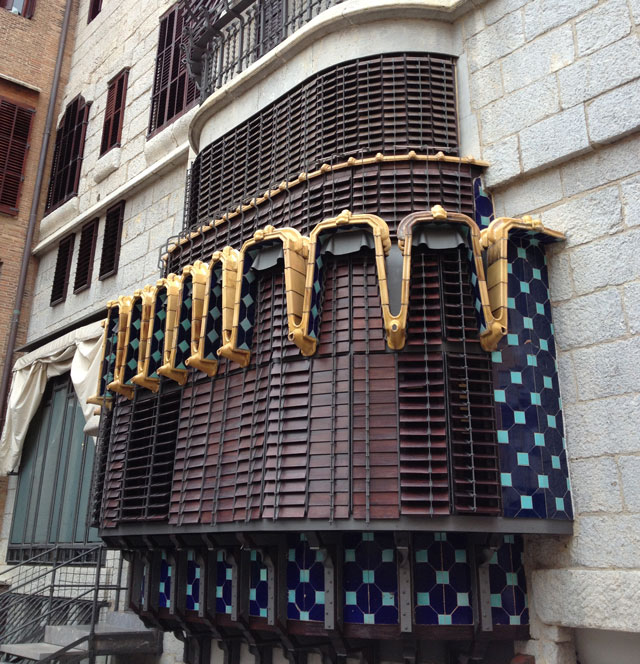
Oriel window from terrace

There is a back terrace with a rather unattractive oriel window with louvres to protect the inside from the sun. There are several other small rooms that I haven’t mentioned, including the younger Isabel’s bedroom which is surprisingly on the main floor behind the oratory.

Main bedroom
Main bedroom

The other rooms are not open to the public and I described the chimneys on the roof in a previous post. Guell’s oldest daughter Mercé inherited the house but eventually turned it over to the State because she couldn’t afford the upkeep. It was declared  a National Monument in 1969 and added to the World Heritage list in 1985, the first modern building to receive that distinction.

Cloister screen
Cloister screen

The most original Valentine’s Day chocolate in Paris! – Getting a French Driver’s License – Part 1 – European Capital of Culture 2013

A break from Barcelona for this week’s bloggers’ round-up, starting with Mary Kay from Out and About in Paris, who ferreted out the most original Valentine’s Day chocolate in Paris.  Abby from Paris Weekender tells us how to go about getting a driver’s licence in France. Don’t forget to read Part 2 as well!  Andrea from Rearview Mirror takes us to Marseilles, one of the European capitals of culture for 2013. Enjoy!

The most original Valentine’s Day chocolate in Paris!

by Mary Kay from Out and About in Paris, an American by birth, Swiss by marriage, resident of Paris with a Navigo Pass for the metro that she feels compelled to use

valentine_lovelocksFor the past couple of weeks, I’ve been pounding the pavement and scouring the city for the most original Valentine’s Day chocolate. Peering through store window after store window, all the while trying to keep my cravings at bay, I’ve seen chocolate hearts, shoes, dresses, cigars, wafers with “I Love You” written in multiple languages, hearts appearing to be on fire, Eiffel Towers, birds with heart-shaped nests, and, did I mention, hearts?

Just when I was about to throw in the towel and give up on finding anything truly innovative, I paused in front of A la Mère de Famille on rue de la Pompe to look at what I thought would be more chocolate hearts. Studying the window, I noticed some chicken wire festooned with red roses, white hearts, and …. what’s that? Read more
Getting a French Driver’s License – Part 1

by Abby from Paris Weekender, an American living in New York and Paris who offers suggestions for Paris weekends, either staying put or getting out of town

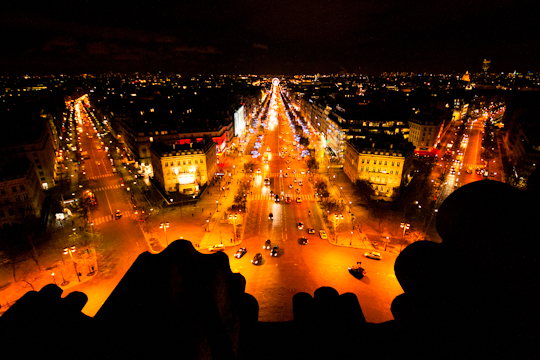
Arc de Triomphe, ParisIf you have been residing in France for more than 1 year, you are required to get a French driver’s license. There are two ways of doing this. The first and easiest option is to trade your current driver’s license in for a French one – but this route is only available for EU license-holders, license-holders of select other countries and holders of licenses from a handful of the 50 United States. (When I last checked, the list included: Arkansas, Colorado, Connecticut, Delaware, Florida, Illinois, Kansas, Kentucky, Michigan, New Hampshire, Ohio, Pennsylvania, South Carolina, Texas and Virginia.) The second way is to re-do driver’s ed. Read more
European Capital of Culture 2013

by Andrea from Rear View Mirror (formerly Destination Europe), a fellow Australian who, after 6 years of living in France, has given up herParis apartment to live a nomadic life slowing travelling around Europe, experiencing each destination like a local.

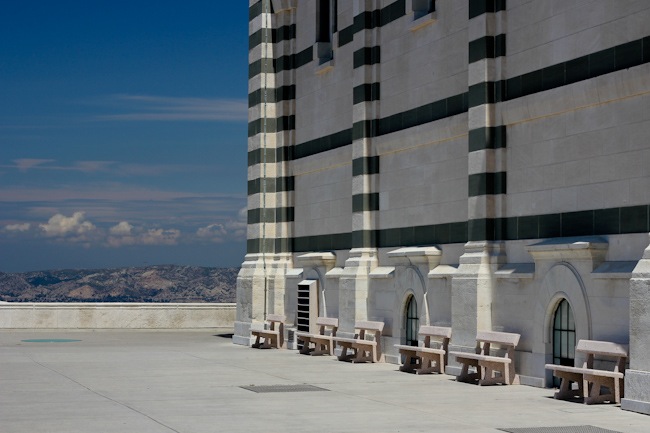
marseille-6It used to be that there was one European Capital of Culture per year until 2000 when they went a little crazy and made 9 different cities the ‘capital’. In recent years there have been two or three per year and last year was the first time I got to visit one of the capitals when I went to Guimarães in northern Portugal. The title of European Capital of Culture 2013 is held by both Marseille, France and Kosice, Slovakia.

European Capital of Culture 2013: Marseille-Provence

It’s not just the city of Marseille which is the Capital of Culture but also the surrounding area including Aix-en-Provence, Arles, La Ciotat, Martigues and Aubagne. Read more
from the Tropics to the City of Light