The Best Area to Stay in Paris

Knowing where to choose accommodation in Paris often poses a problem for first time visitors. If you’ve never been to the City of Light, it’s difficult to imagine exactly what it’s like and what area to choose. I’m always surprised when I learn that travel agencies have recommended hotels near the Eiffel Tower or Montmartre, for example, because they’re so far from anything else.
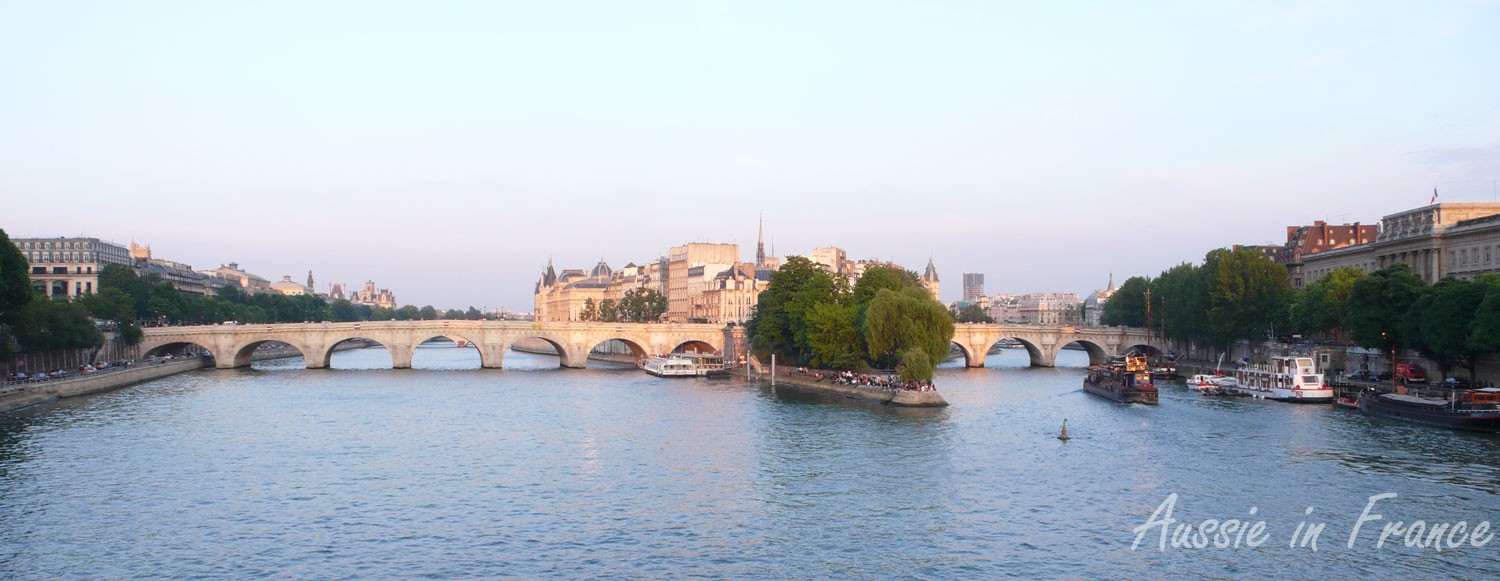
Ile de la Cité, the historical centre of Paris, in the middle of the Seine

The main artery in Paris is the Seine. The city “intra muros” as the French say (within the walls) is in the shape of a rough oval with the Louvre more or less in the centre. The historical centre, with Ile de la Cité, the main island in the Seine and home to Notre Dame Cathedral, is slightly to the east. South of the Seine is the artistic Left bank, while the more shopping-oriented Right Bank is north. The oval is divided into twenty districts called arrondissements, forming a spiral starting in the middle.

First-time visitors often only come for a few days and want to see a maximum number of sights so it’s important not to spend half the time on the metro, efficient though it may be. Also, the best way to soak up the atmosphere of Paris is on foot. You may need to downscale your sightseeing list. You’ll enjoy the City of Light much more if you leave plenty of time for just wandering around the smaller streets, enjoying the sidewalk cafés and watching the sunset.
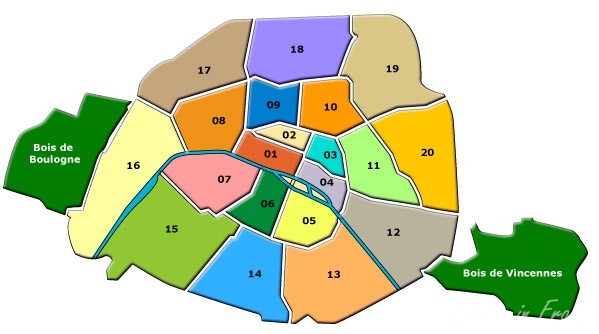
The 20 arrondissements in Paris forming a spiral

To decide where to stay, you should first make a short list of the places you want to see. The Eiffel Tower, Notre Dame and Sainte Chapelle, the Louvre, Orsay and Orangerie Museums, the Latin Quarter, the Sacré Cœur, Montmartre and perhaps the Moulin Rouge, the Marais and the Champs Elysées will probably be high on your list. If you’re only staying three or four days, two museums will probably be enough and even then, you’ll have to select the main works or you’ll soon suffer from museum fatigue. If you want to go to Versailles, you’ll need to set aside an entire day.

Once you’ve drawn up your list, take a look at a map and see where they are. You’ll find that Notre Dame, the Louvre, Orangerie and Orsay Museums and the Latin Quarter are all more or less clustered around the same central area with the Marais slightly to the east. The Moulin Rouge, Sacré Coeur and Montmartre are up in the north on a hill called Butte Montmartre and the Eiffel Tower is off to the west.
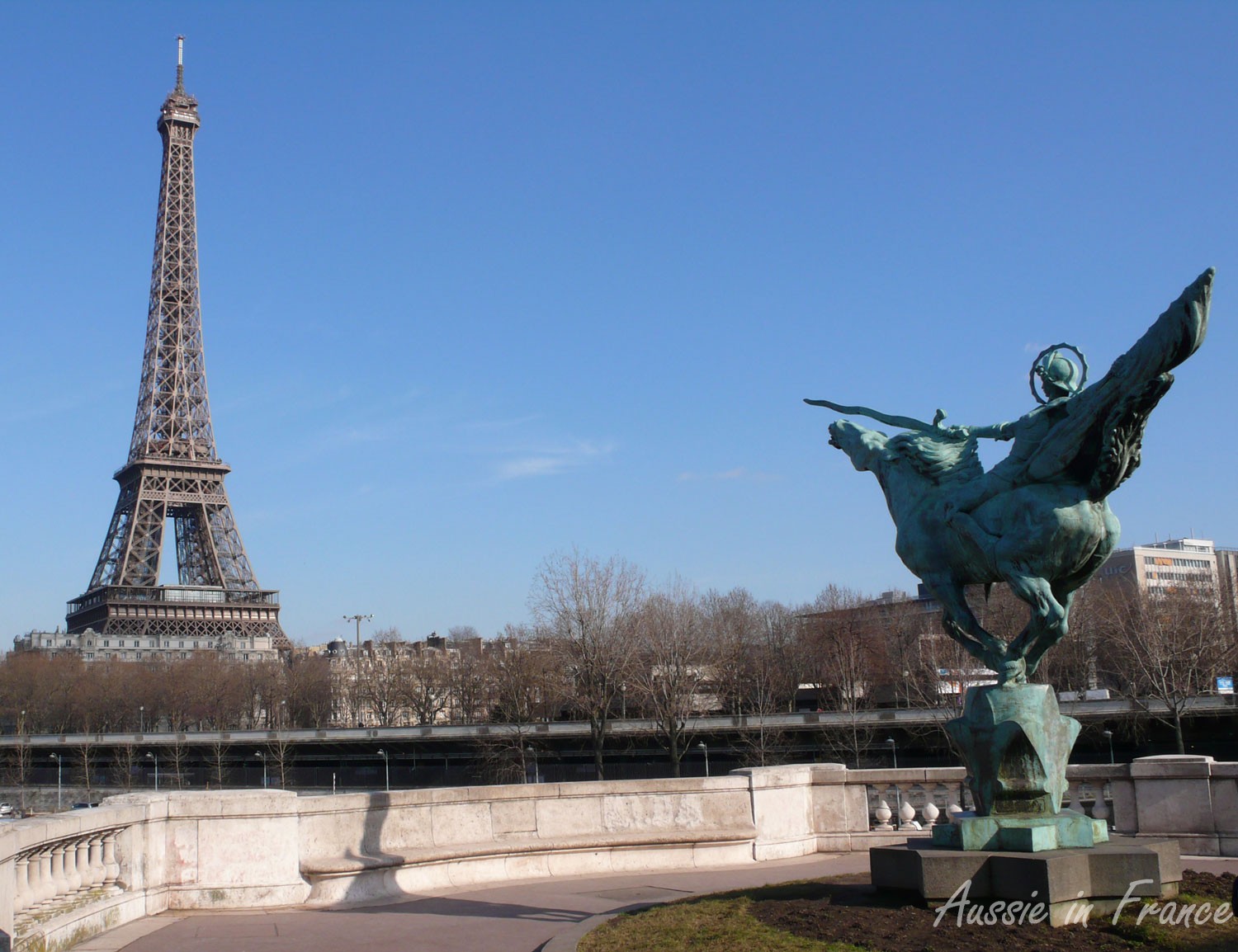
The Eiffel Tower from Bir Hakeim bridge

One important thing to remember in Paris is that, unlike large US and Australian cities, a block on the map is only a couple of hundred metres. The walking distance between two metro stops is quite short, often only ten minutes. I can powerwalk from the Louvre to Concorde in ten minutes, yet there is a metro stop inbetween.

If the Moulin Rouge is on your list, it will no doubt be at night so you can visit Montmartre and the Sacré Cœur before the show. If you stay in that area on your first visit to Paris, you’ll be spending quite a lot of time on the metro, often at peak hour, if you want to see the other sights. The same applies to staying near the Eiffel Tower. You certainly won’t be able to walk everywhere.

Paris metro map
Paris metro map

Now look at the metro map. You’ll see there is a yellow line (n° 1) running west from Nation, through Bastille and along the Seine to Concorde, with Notre Dame, the Louvre, the Tuileries and Orsay museums along the way. It then goes underneath the Champs Elysées to the Arc of Triumph (Charles de Gaulle-Etoile). From line n° 1, you can get to most other places in Paris with a single metro connection.

There is a second red line (RER express line) that also runs from Nation to Charles de Gaulle via Opéra where the big department stores are (Galéries Lafayette, Printemps) that you can use to go quickly from one point to another when your destinations are further apart. Several buses run along the Seine, in particular bus 72 from Hôtel de Ville down to the Eiffel Tower. Bir Hakeim bridge probably affords the best view of the tower which is at its most attractive when it’s scintillating at night.

The Louvre Pyramid in winter

My personal experience from living in Paris for many years is that staying in the 1st or the 4th arrondissements, on the right bank, within a 10 minute walk of metro line n°1 is the most convenient solution as you will be able to walk to most places and take a quick trip on the metro to others. The 1st is more central and the 4th is more atmospheric.

You may have to pay a little more for your hotel, but you may find that it’s worth it in the long run particularly at night as you will have so many restaurant choices within walking distance, on both sides of the Seine, and you can stroll along the river afterwards.
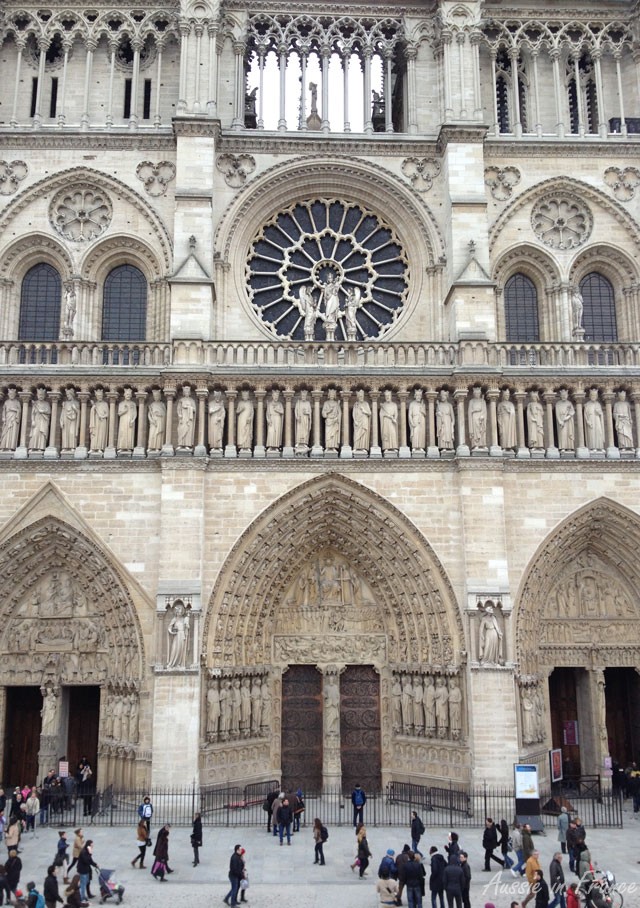
Notre Dame Cathedral

If it’s typical French ambiance you’re looking for, rather than sightseeing, you may prefer the 5th or 6th on the Left Bank, which are touristy but lively. If you want to be off the beaten track but still get the feel of Paris, go for the 10th, 11th, 17th or 20th. And if you’re on a tighter budget, add the 18th and 19th, with access to a park like Buttes-Chaumont or around the Canal St Martin for instance, which is more ‘normal residential’ and very popular with trendy Parisians at night. You are still only a few stops from the centre and won’t spend too much time on the metro.

You might like to check out Lisa Czarina’s post on Young Adventuress for more details about each arrondissement, particularly if you’re in your twenties. And if you have more than a couple days up your sleeve, you might like to consider renting a typical Parisian flat, a barge on the Seine or airbnb (for useful tips see Simply Sara Travel’s post on choosing the right accommodation).

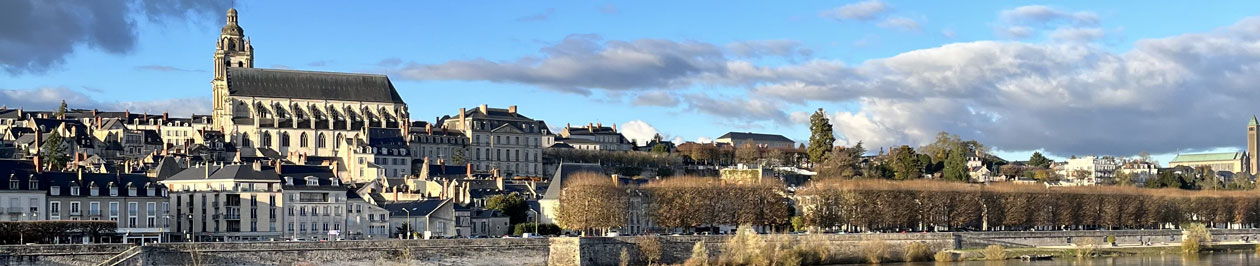
And while you’re in Paris, why not take a side trip to the beautiful Loire Valley with its many châteaux. You can even do it easily without a car by staying in Blois. Click here for more information.

Enjoy your trip and do let me know if you think this post is useful by liking it on facebook. Also, don’t forget to read the comments as well as they contain some very useful suggestions.

Date Night: Patisserie des Reves – Resting in the shadows of the Chartres Cathedral – How I paid just $925 for my first class airfares and railpass for Europe

Three completely different subjects for this Wednesday’s bloggers’ round-up: Sylvia from Finding Noon invites us along for ice-cream at La Pâtisserie des Rêves; fellow Australian Jo Karnaghan from Frugal First Class Travel explains how she managed to pay only $925 for her firstclass airfares and railpass for Europe; while Heather Robinson from Lost in Arles shares the magic of Chartres Cathedral with us. As some of you may know, we have a little leadlight window in our house in Blois containing a blue cabuchon from a renovated stained glass window in Chartres Cathedral. Enjoy!

Date Night – Pâtisserie des Rêves

by Sylvie from Finding Noon, an American living in Paris who appreciates fine art, good music, succulent food, and breath taking scenery

patisserie_revesIf there is anything that Mr French loves nearly as much as me and his family, it would have to be ice cream. Every night after dinner he asks what flavours ice cream are in the house. And almost every night I have to inform him that there is an ice cream shortage chez nous, I’ve prepared strawberries. Or watermelon, or any other fruit that happens to be in season. Read more

Resting in the shadows of the Chartres Cathedral

by Heather Robinson from Lost in Arles, an American writer and photographer living in Arles who offers us meanderings through all that makes life in a small town in Provence worth while

chartres_cathedralThe longevity of awe…and the quietude buried within peace. These were the two thoughts echoing in my mind with the gentleness of passing a feather from one palm to the other while I was sitting in the Chartres Cathedral. We were in town for a wedding, a new beginning but I couldn’t stop thinking about the past.

I had sat in these pews years ago. Then, I was buoyed by the weight of the beauty surrounding me but this visit I realized that something far heavier was at play. How must the cathedral have loomed above the fields to the pilgrims that spied its spiers from afar, starting in the 12th century. Read more

How I paid just $925 for my first class airfares and railpass for Europe

by Jo Karnaghan from Frugal First Class Travel, an Australian who loves to travel – especially in Europe – and who has gradually learned how to have a First Class trip on an economy budget, without missing out on anything! 

etihad-first-bed-new-1I’m off to Europe in October.  I’ve organised to spend 10 days in France, and then I’m heading to Istanbul for 4 nights before I come home.  It’s a bit of a special trip – in celebration of a significant birthday, so I want the best possible I can afford.  But I still want it to be frugalfirstclass all the way.

My itinerary includes a First Class Suite on Etihad Airways from Sydney to Europe.  Then I need a four day France Railpass.  I’ve done my sums and have worked out that a four day Railpass will be cheaper than individual point to point tickets, or a three day pass and a point to point for my shortest leg. Read more


Monday’s Travel Photos – Regensburg, Germany

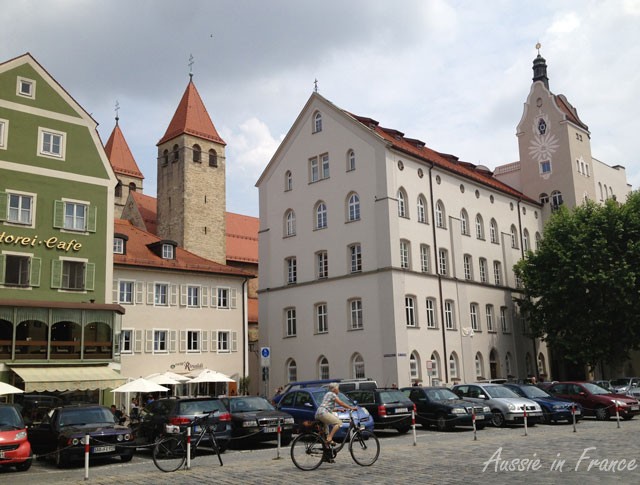
The medieval town of Regensburg at the confluence of the Regen and Danube Rivers in Bavaria, is on the Unesco World Heritage list. Its many buildings of exceptional quality include ancient Roman, Romanesque and Gothic constructions and reflect its history as a trading centre and to its influence on the region from the 9th century. Regensburg’s 11th- to 13th-century architecture – including the market, city hall and cathedral, medieval patrician houses and towers, a large number of churches and monastic ensembles and the 12th-century Old Bridge –  defines the character of the town marked by tall buildings, dark and narrow lanes, and strong fortifications. You may remember our unforgettable meal in its most famous restaurant, Historische Wurstkuchl, when we were cycling along the Danube.
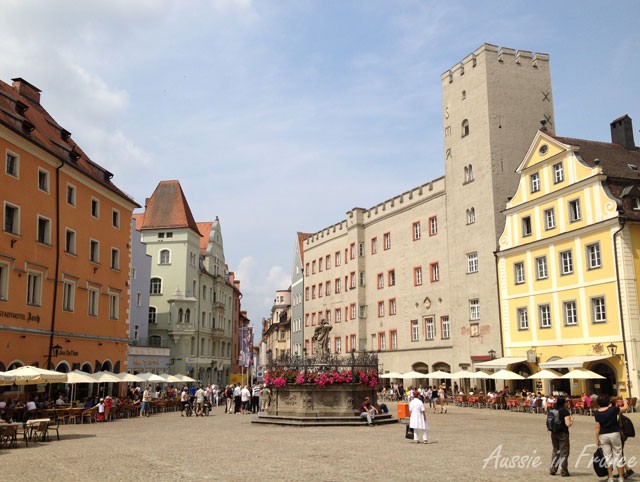
Main square
Haidplatz, the Old Town market square with the Fountain of Justice 
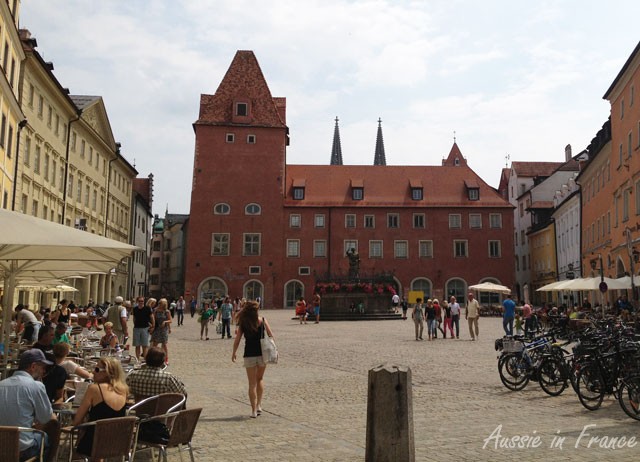
Other side of main square
The other side of the market square 
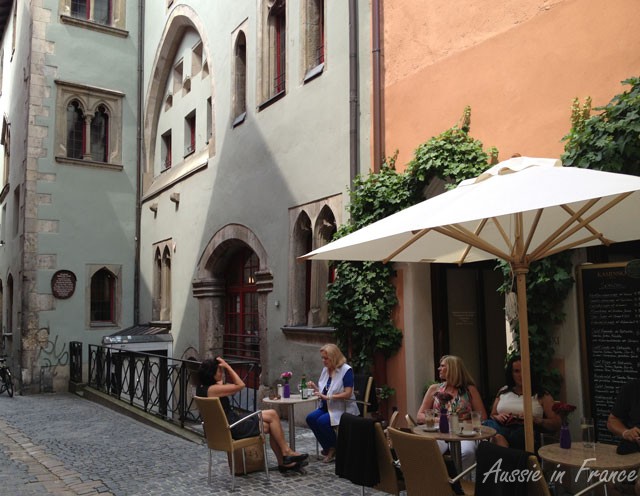
mediaeval houses
A typical mediaeval street
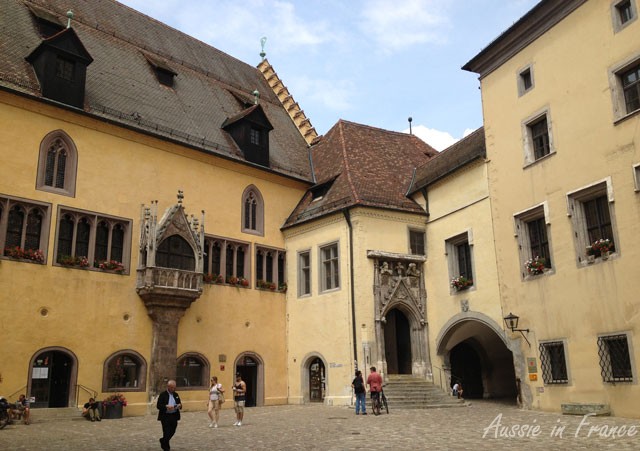
The 14th century rathaus (town hall)
The 14th century rathaus (town hall) 
A wedding in the xxx church
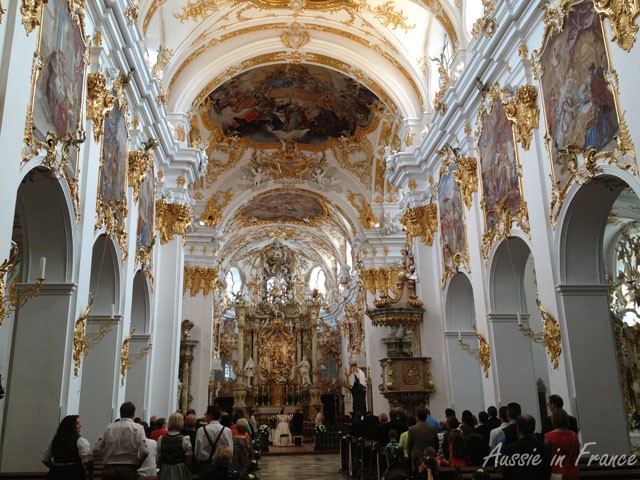
A wedding in the Alte Kapelle with participants in typical Bavarian dress 
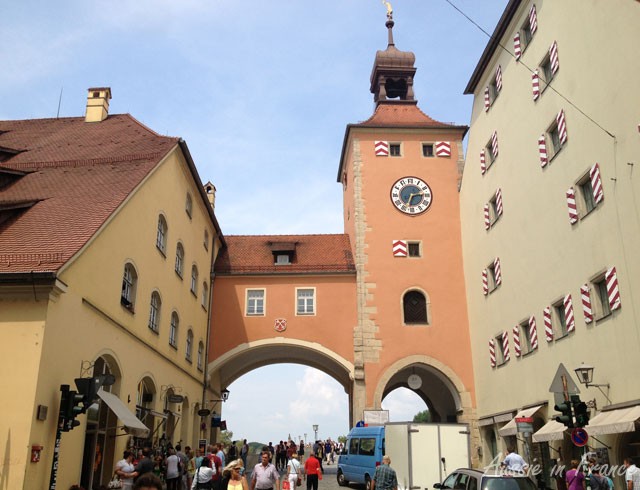
Town gate leading to the Old Bridge
Town gate leading to the Old Bridge 
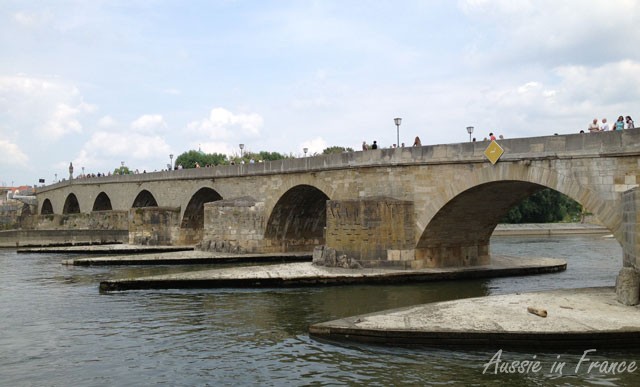
The Old Bridge
The Old Bridge 
Part of the city wall
The remains of the east tower of Port Praetoria from Ancient Roman times 
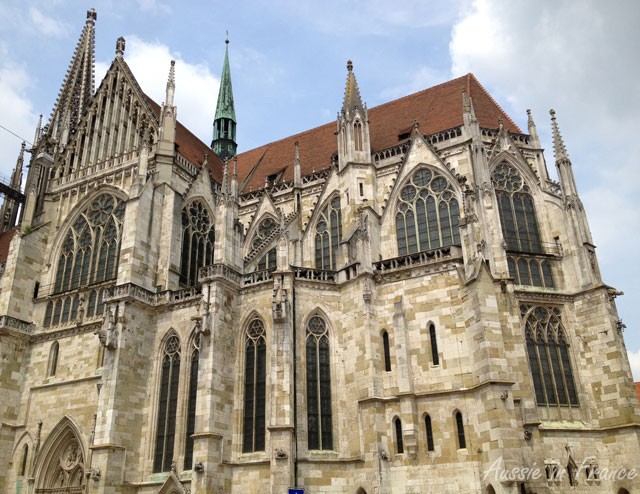
Regensburg Cathedral - Dom Saint Peter
Regensburg Cathedral – Dom Saint Peter
Clock towers
Everywhere you go, you see clock towers


Plastic Art

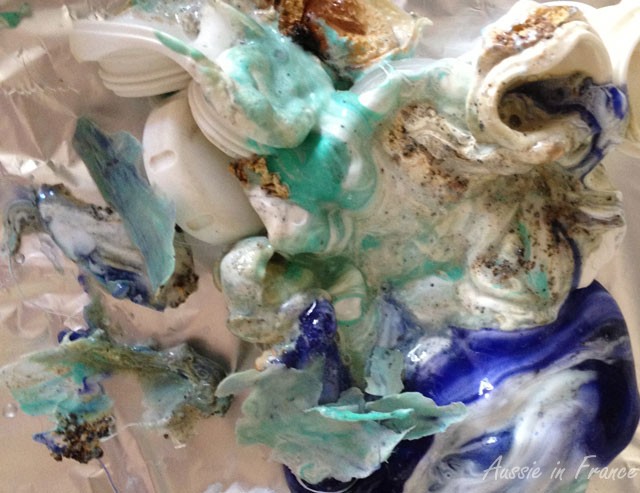
Facebook fans and friends may have already seen the photo below. Take a good look and tell me what you think it is.

Plastic Art
Plastic Art

Suggestions so far are “art”, “a nat. Or maybe two nats” (what is a nat?), “plastic bottle sculpture”, “gelato”, “cake icing”, “melted plastic bottles” and “weird-flavoured icecream”.

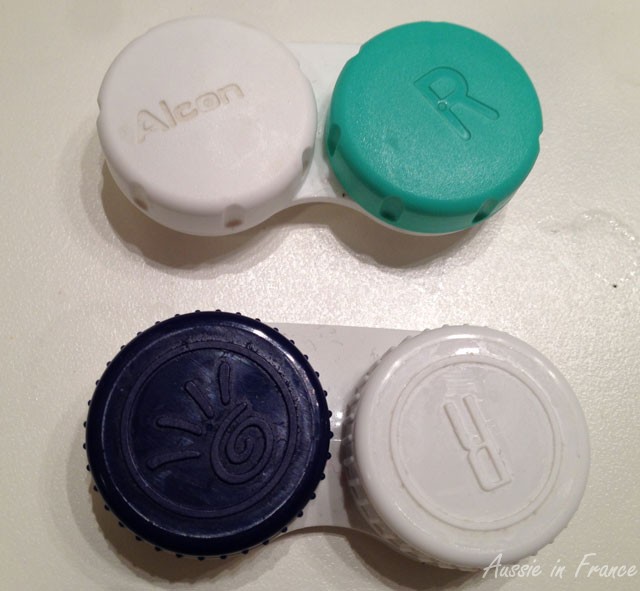
Lenses cases
Lenses cases

If you look at the second photo, you’ll see the answer.  Jean Michel and I both wear contact lenses and because we like to keep spare cases in our bike bags, toilet cases, glove boxes, etc., we regularly sterilise the free ones you get with the lens solution. I have a very bad habit of putting things on the stove and forgetting about them.

I’m working away  and can smell something burning. I think it must be my laptop so I turn it off and go to the kitchen to make some tea. That’s when I see (and smell) the saucepan. Here is this molten mass in pretty shades of blue and green. I yank the saucepan off the stove then wonder what I should do with it.

I refrain from pouring it down the sink and clogging it up again the way I did last week with the contents of another burnt saucepan. Jean Michel spent quite some time getting that fixed. I put the saucepan down again and quickly get some alfoil out the drawer, tear off a sheet and pour the mess onto it. I then use a spoon to dig the rest of the molten plastic out of the saucepan. That’s a stupid move as the spoon becomes coated. I put my thumb on it to clean the spoon and burn my thumb. I discover we have no burn cream, well, not that I can locate anyway.

However, I see that once the plastic sets, you can peel it off. That’s OK for the spoon but doesn’t help the triple-bottom stainless steel saucepan. Usually when I burn saucepans, I pour bleach in (eau de javel) which is not at all environment-friendly, I know, but saves hours scouring the saucepan. It works remarkably well. The thing I burn the most is the meat sauce for lasagna. Spinach comes a close second.

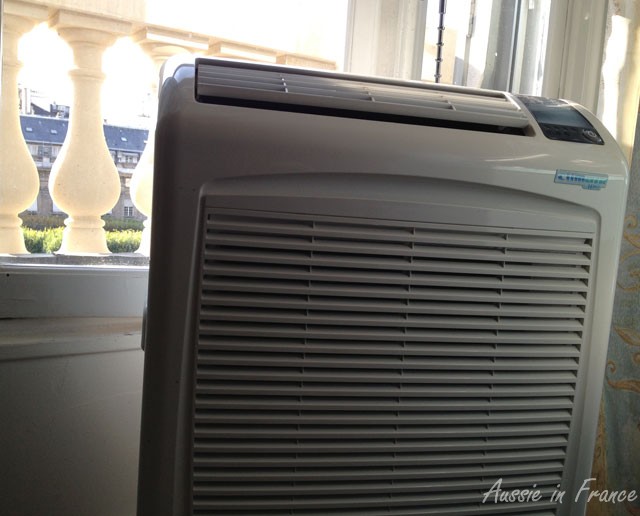
The bleach doesn’t make much difference so I open all the windows to try and get rid of the smell and go back to work. In the meantime, Jean Michel had been repairing the portable airconditioner which I may or may not have been responsible for breaking. It has a second half to it that sits on the balcony and is attached by an unwieldy umbilical cord that contains little tubes with refrigerated liquid and air inside a metal sheath that musn’t get twisted or they’ll break.

Outside  air-conditioning unit
Outside air-conditioning unit

Well, they did get twisted somehow and the air-conditioning gave up the ghost  so he’s spent quite a few hours shortening and repairing the tubes and soldering the metal sheath with the help of a friend. Although he has expertise in air-conditioning and refrigeration he hasn’t used it for many years so he’s been reading up on it. The air-conditioner’s been recharged with gas and he calls me to tell me the friend’s going to help him carry it up the stairs.

Inside air-conditioning

I’m worried about the smell but Jean Michel doesn’t notice it and the friend is probably too polite to say anything. I do, however, confess to the saucepan as we’re cycling along the Marne towards the old chocolate factory.

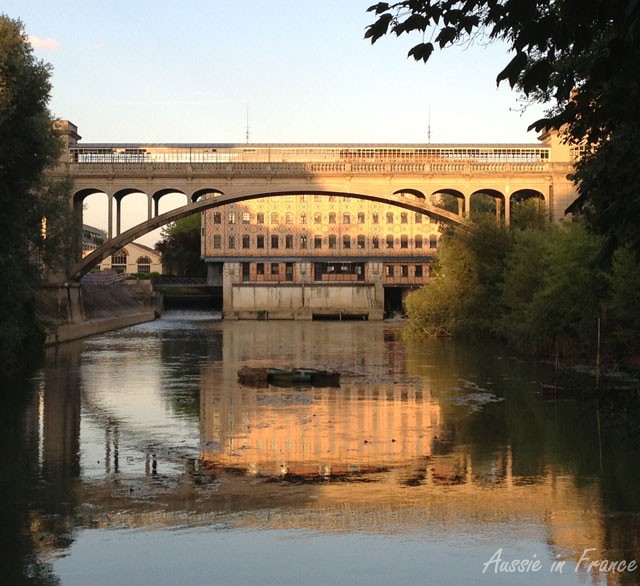
The old chocolate factory at Champs sur Marne

He says I should use a razor blade but it doesn’t seem to have any effect. He has a go and eventually gets some of the plastic off and I take over from there, using a lot of elbow grease and steel wool until the saucepan’s finally clean.

I’d like to be able to say that it’s the last time I’ll burn a saucepan but can you really teach an old dog new tricks?

Friday’s French – merde

When kids start to learn a foreign language, the first thing they do is to find out how to say all the four (or five) letter words they know. They’re called gros mots or coarse words in French.

I never say “shit” in English but I do occasionally say merde because for some unknown reason it isn’t nearly as vulgar in French as it is in English. I guess that explains the English expression “excuse/pardon my French”.

The equivalent of “sugar” is mercredi (Wednesday) and a softer variant is merdum with the emphasis on the last syllable.

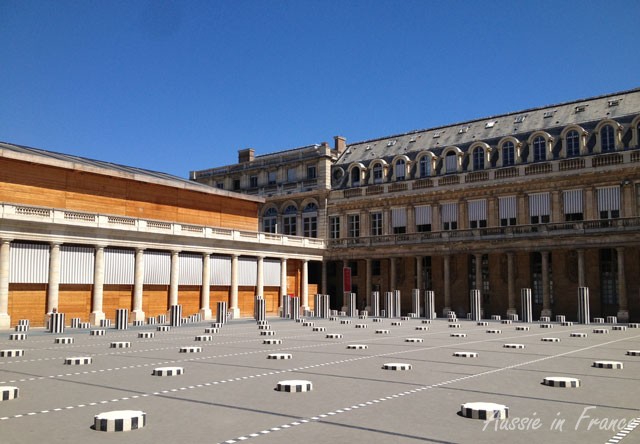
Buren columns with the temporary Comédie Française theatre on the left

But that isn’t actually the subject of this post. Merde is what you say to an actor or singer before a performance pour conjurer le sort, just as we say “break a leg” because wishing someone good luck might bring exactly the opposite.

It seems that the use of merde in French comes from the time when people drew up in front of the theatre in horse-drawn carriages, thus littering the pavement with horse dung. Since the amount deposited was directly proportional to the number of people attending the play, it was the done thing to wish the actors beaucoup de merdes.

And while we’re on the subject of superstition and actors, you can give an actress roses but never carnations. It seems that when actors were employed permanently, the director used to give a bouquet of roses to the actresses whose contracts were renewed but only cheaper carnations to the others.
You’re not supposed to whistle on stage or in the wings either as it could bring bad luck. There are two possible explanations for this. Back in the old days, stage hands used to whistle instructions to each other when changing scenery which meant that if the actors started whistling too, it could create confusion.  Or it could come from the time when gas lighting was used in the theatre. If the pilot light went out when the lights were dimmed, gas could escape causing an explosion. The escaping gas made a characteristic whistling sound which could be overridden by any other kind of whistling.

Another word you can’t use is corde (rope) which is replaced by guinde. Depending on the time and place, saying corde was considered “fatal” and could lead to death while in others, you had to buy drinks for everyone within hearing distance. It seems it’s a navy superstition where a rope is considered to be an instrument of torture. The only corde present in a theatre is a corde à piano which has nothing to do with music but is made of steel and used to open and close the curtain.

Which brings me to rideau which is the normal term for curtain and is prohibited in the theatre because it’s supposed to bring bad luck. Pendrillon is used instead or the more recent term taps. I don’t know why.

The colour green is considered bad luck too, except for clowns. There are several explanations here: green was not an attractive colour under 19th century lighting; the copper or cyanide oxide used to dye clothing is poisonous; and Molière, one of France’s most famous actors/playwrights, was wearing green at his last performance at the Comédie Française before he died.

Thank you, French Wikipedia, for all these little tidbits.

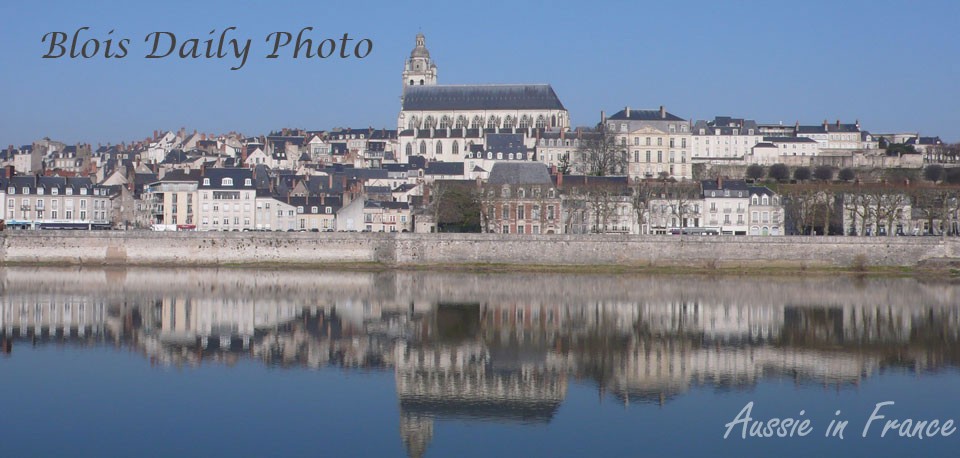
Blois Daily Photo

The first time I saw a “daily photo” site, I didn’t understand that it was part of a worldwide community called CDP (City Daily Photo), but I have seen several since then which have inspired me, and in particular Stuart’s Amboise Daily Photo site. I thought, too, that it would provide the occasion for Jean Michel, who’s also interested in photography, to publish some of his photos.

header_1_title

I especially liked Korean photographer Ahae‘s idea of taking photos all year round from the same window. You obviously need a better camera than an iPhone 4 to do so, but Jean Michel will be able to use his telephoto lens to get some better close-ups, of nature in particular. We have deer in our little wood and in the vacant land between Closerie Falaiseau and the Loire River. We also have lots of different birds and plants.

header_june_2012

So I bought the domain name www.bloisdailyphoto.com from Go Daddy, which cost me 21 US dollars for 2 years and while Leonardo, my son and IT expert was here last week, I got him to set up the WordPress site and host it on his server, along with my other websites (Aussie in France, Closerie Falaiseau and my professional website Kneipp Traduction).

Go Daddy also offers hosting and you can have free hosting with WordPress. Stuart uses Blogspot which offers the same services. The only real advantage to having a domain name is that you can choose the extension e.g. .com or .fr or whatever without having blogspot or wordpress in the URL address. It also makes your site independant.

I chose WordPress and not Blogspot simply because I already use it for Aussie in France and Closerie Falaiseau but I don’t think there’s really much difference.

With WordPress (and I assume Blogspot), you get a choice of different formats (templates) which you can change once you’ve set up the site. You’re not restricted to the template you initially downloaded so you can play around with a few and see what you prefer. Once you really get going though, it’s better not to change or you might have to spent time re-organising the layout.

After that, it’s fairly self-explanatory. The section up the top (Aussie in France and the photo on this blog) is called the header. The bits and pieces on the right are called Widgits and can be changed more or less at will (although I had to get Leonardo to tidy up the Facebook, RSS and Tweet buttons for me).

You also have things called plug-ins which can be used to add various functions. Some of them become widgits (LinkWithin, popular post, Loire Valley Accommodation, Sign up for the latest posts) while others remain behind the scenes such as Akismet which protects your blog from comment and trackback spam. You can find and download them easily most of the time. I simply avoid the more complicated ones!
Jean Michel and I will gradually improve the layout, colours, graphics, etc. on Blois Daily Photo, but for the moment, we’re just trying to put up a photo every day. As we’re not in Blois at the moment, we’re drawing on our stock from the last 18 months. We haven’t made any comments on the photos either yet, but that will come. We also thought it would be a good idea to make it bilingual but that requires a little more time and organisation.

So why don’t you come over to Blois Daily Photo and tell us what you think!

5:2 Diet – Navigating the Metro – Double Giratoire

This Wednesday’s Bloggers’ Round-up brings three completely different subjects. First, on the subject of fasting and dieting, Jacqueline Meldrum from Tinned Tomatoes, introduces the documentary behind the 5:2 fast diet I’ve been talking about recently. You’ll be interested in her recipes as well. Australian B&B website Petite Paris gives a very practical tutorial on how to use the metro for newcomers to Paris while Abby from Paris Weekender explains how to navigate the confusing French double giratoire roundabout, which I have yet to experience. Enjoy!

5:2 diet

by Jacqueline Meldrum, from Tinned Tomatoes, a self-taught cook and baker, who has been cooking and baking for over 24 years and whose interest in food really developed when she became a vegetarian 22 years ago.

If you live in the UK, you may have seen the Horizon documentary on BBC2, that aired on Monday night.  

Eat, Fast and Live Longer.

If you haven’t seen it, then you may have heard people talking about it on twitter or facebook. It’s a hot topic right now.

michael mosleyThe documentary featured medical journalist and tv exec Michael Mosley, as he set himself the challenge to live longer, stay younger and lose weight. Three things that I am sure we would all like to achieve. During the one hour documentary Mosley spoke to many people including scientists and found out that a low calorie diet is the secret to these three elusive goals. Read more

Back to Paris Basics – Navigating the Metro

by Petite Paris, an Australian-based service for Australian travellers and fellow Francophiles

metro_tutorialWith so many new ‘Petite’ friends and first timers heading to Paris we have to remember to re-cap the basic essentials and practicalities of Paris … to help you plan, prepare and book for a smooth arrival and overall experience. So…no better place to start or over than the Metro System!

 The Paris Metro System – Becoming familiar with the Paris Metro and a Paris Metro map is essential to any Paris visitor. However the map of the Metro may as well be in Greek, if you don’t know basic facts about taking the Paris Metro. Read more

The Perplexing Phenomenon of the Double Giratoire

by Abby from Paris Weekender, an American living in Paris who offers suggestions for Paris weekends, either staying put or getting out of town

Double-GiratoireI was on my way to Nostang, a small town in the Morbihan north of the ria d’Etel, and I came across my second double giratoire.

As many of you know, I passed my French driver’s exam in the fall, and I’m proud. Ask me anything about the French rules of the road, and I can tell you. I was certain I had seen it all — either on the road or in the practice exams.

But there seems to be a new creature in the array of options for the French intersection. At least the two examples I have driven through (and survived) were clearly new constructions. Read more
 

Post-Holiday Depression and Miscellaneous Holiday Photos

I’m not really sure how much sympathy I’ll get on this one – obviously the best way to avoid post-holiday depression is not to go on holidays, particularly month-long ones.
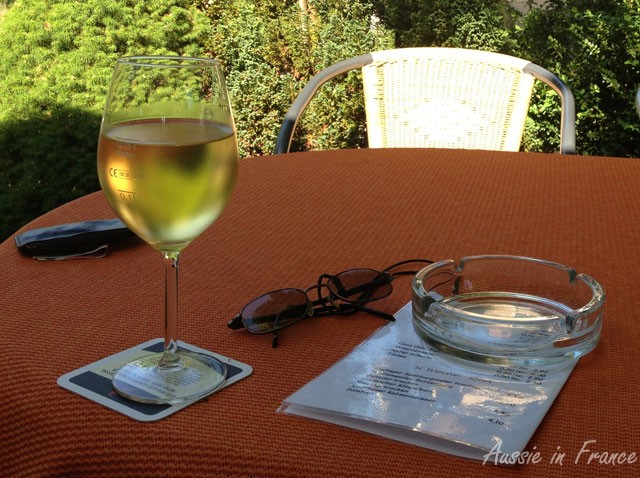
You can see how cold the wine is! Typical German 20 cl glass.

It’s amazing how quickly you get used to not working and being stress-free. No boring mundane activities either.

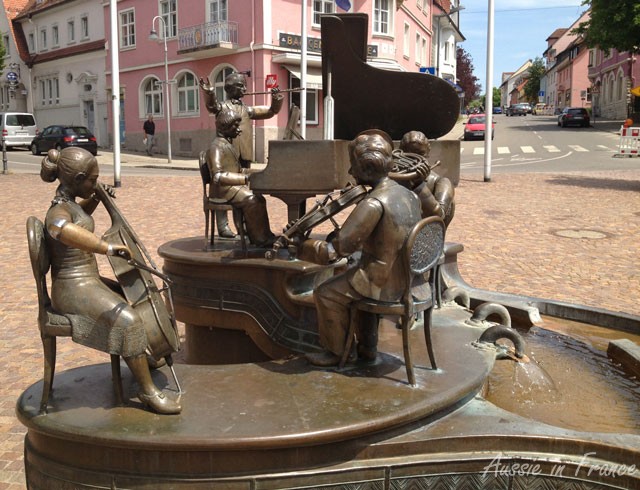
A quartet fountain in Germany at the source of the Danube
A  quintet fountain in Germany at the source of the Danube

A typical day during our cycling holiday was to get up around 8.30, get dressed, straighten the hotel room (after we discovered the cleaners usually came during breakfast) and go to the breakfast room. We would then put what we needed for the day in our sac de liaison and go out/down to the car. Jean Michel would take the bikes off the rack (unless we drove to our starting point first) while I would get the bags and paniers ready. Then we put on sunscreen plus insect screen for me and donned our caps.

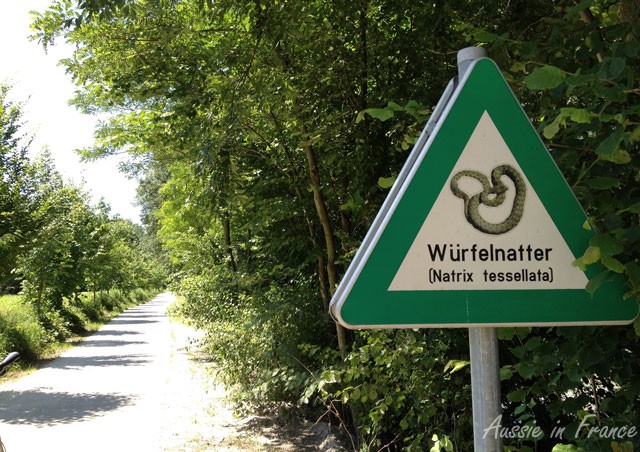
Watch out for snakes on the bike path, particularly this one. I wasn't game to put my feet down.
Watch out for snakes on the bike path, particularly this one. I wasn’t game to put my feet down.

After cycling about half the day’s distance, we’d stop somewhere for lunch, then cycle the remaining distance, visiting various places along the way and picking up something for dinner towards the end of the journey. Sometimes we got back to the hotel around 5, but it was usually 7 or 8, because we wanted to make the most of the long twilight.

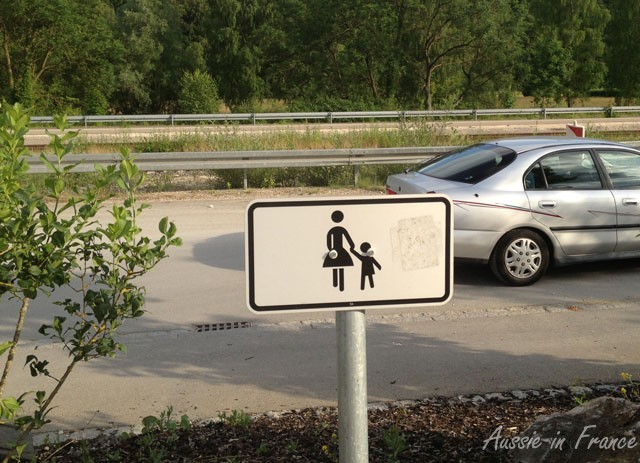
Reserved parking for mothers with small children in a supermarket car park

We then had an apéritif (except on fast days), followed by a light dinner in our room or on the balcony if we had one. After that, Jean Michel would write up the travel diary while I answered emails and wrote a blog post. We eventually got to bed around eleven or twelve, then read for a while. We usually fell asleep pretty quickly.

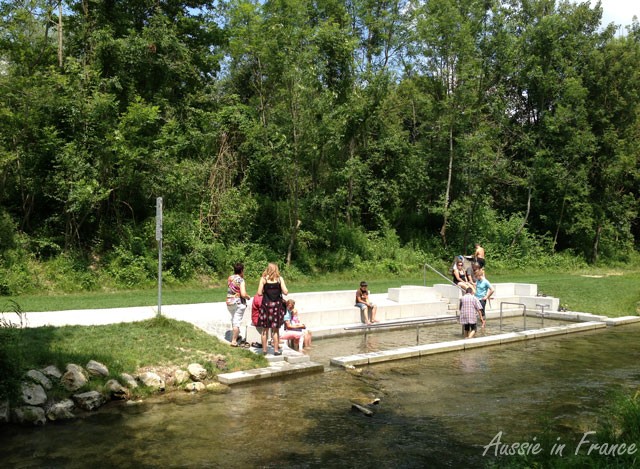
A foot bath along the Danube in Germany

Now, I can’t say there is really a typical day at home because I freelance and weekends and weekdays are different as well. Jean Michel usually gets up earlier than I do to go to work so we don’t have breakfast together during the week so I wake up when I’m ready.

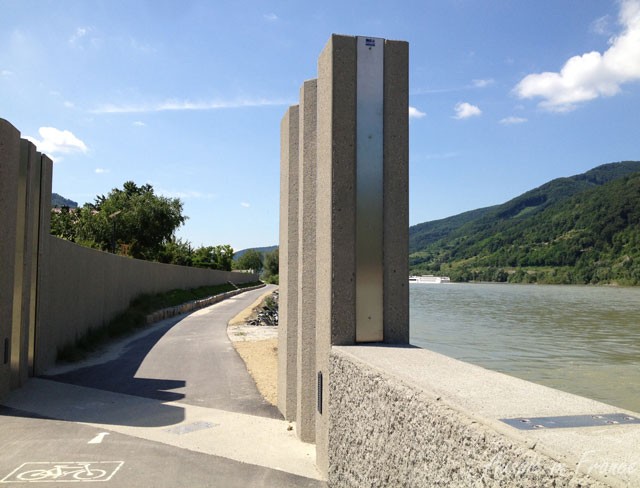
A flood gate to be used when the Danube is in spate in Austria

I prefer to work as much as I can in the mornings though because that is when I am the most efficient, but other things often get in the way. Also with the unusually hot weather we’ve been having so I would much rather stay in my air-conditioned office in the afternoon.

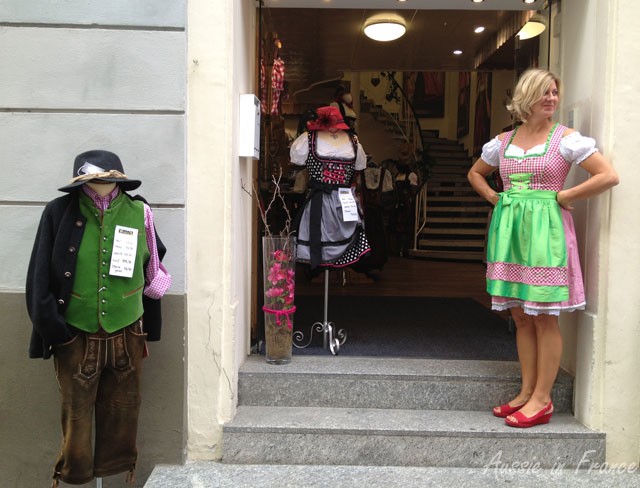
A traditional clothes shop in Austria with a traditional sales assistant

I came home to two very boring translations – one about a patent for an eye dropper that’s designed to use up the last drops in the bottle (I thought they purposely made droppers so you’d waste half the contents to tell you the truth) and another, much longer one, consisting of often cryptic messages in a software program for a company that sells industrial gas cylinders.

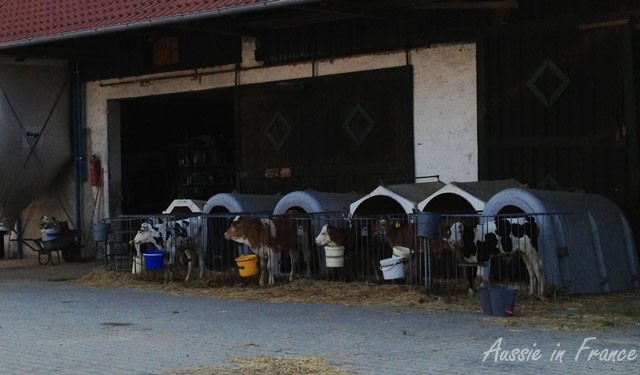
Calf kennels in Germany

My work is not usually THAT boring but my most interesting clients all seem to be on holidays now (state-of-the-art bridges, cosmetics, contracts, etc.). Fortunately I’ve had some light relief for the last couple of days translating IT security recommendations. At least there are real sentences! But now I have to go back to the messages.

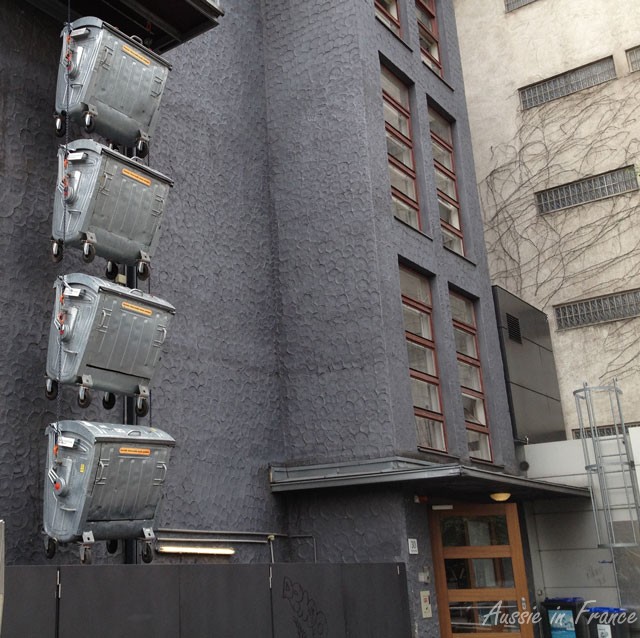
Vertical rubbish bins in Linz in Austria

We went down to Blois for the weekend so that we could do something about the jungle that had developed during our 7-week absence. It’s amazing how quickly the vegetation takes over. Virginia creeper was completely covering the number of the house,  which isn’t very useful for the guests renting Closerie Falaiseau.

Bike parking in Germany

Apart from spending an hour cycling to and from the mushroom wood to no avail, and a couple of hours with our friends and neighbours on Saturday, the two days were completely taken up with gardening. On the Saturday evening, our lovely young German guests invited us to a most enjoyable barbecue!

Special bike locks at Melk Abbey in Austria

So today I’m feeling very depressed, particularly since Leonardo’s now gone to Berlin to work for a few months and I have to get back to the software messages. Looking at the photos has made me even more nostalgic. I selected some I thought were typical.

Berlin at Last!

Leonardo’s come back to Paris. Well, not for good. He’s just spending a few days here before he goes to Berlin which is really just a stepping stone for San Francisco while he sorts out his US working visa.

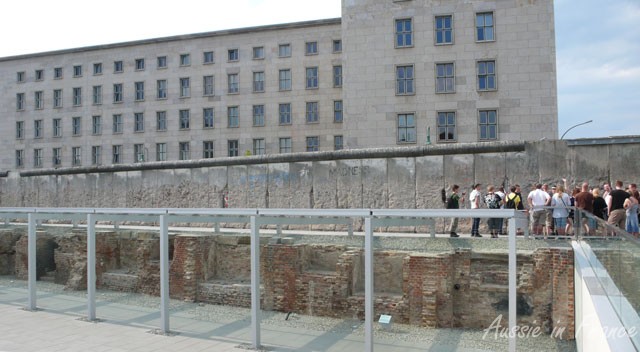
The most moving moment in Berlin - one of the last remaining sections of the Berlin Wall
The most moving moment in Berlin – one of the last remaining sections of the Berlin Wall

We’ve been to Berlin before. One of Jean Michel’s sons, Forge Ahead, was doing an exchange at the faculty of medicine there for six months so we decided to all go and pay him a visit at the same time – my two children, Leonardo and Black Cat, and Jean Michel’s other son, Thoughtful.

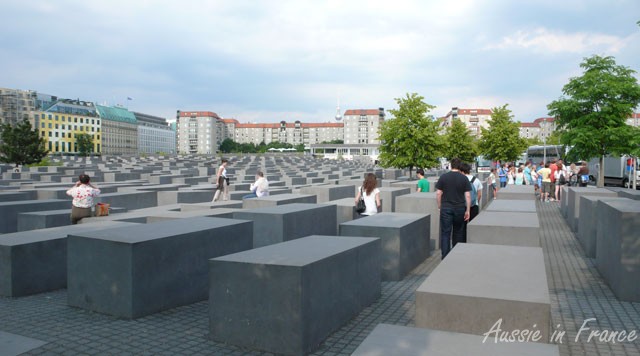
The Memorial to the Murdered Jews of Europe

After consulting with the German exchange student who was staying with us, the first thing we did was to book online for a hotel in the Mitte district for a long weekend and reserve our flights, with the exception of Thoughtful, who wanted to take the train and stay longer with his brother.

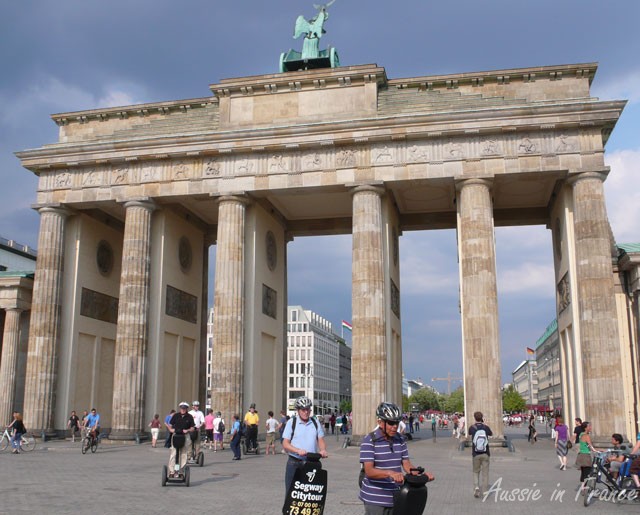
The Brandenburg Gate is the trademark of Berlin. The main entrance to the city, surrounded by the wall for thirty years, was known throughout the world as a symbol for the division of the city and for the division of the world into two power blocs.

Do you remember that volcanic cloud from Iceland that hovered over Europe and caused havoc with European flights in 2010 for five weeks? Well, it was exactly then.

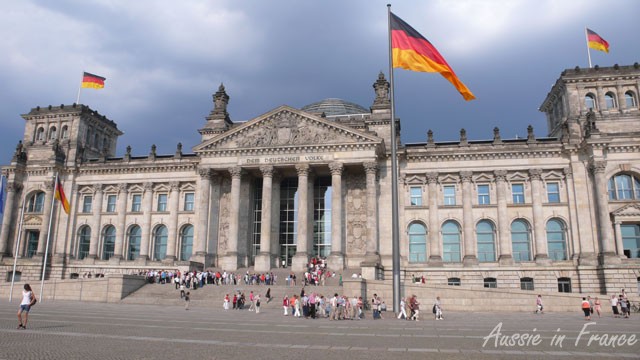
The Berlin Parliament or Reichstag Building

Like the Australian that I am, I suggested we could drive there, but Jean Michel pointed out that it would take us so long to get there and back that it wouldn’t be worth it. So, with the exception of Thoughtful, we had to cancel everything, hoping that we would be able to postpone our bookings and not lose them altogether.

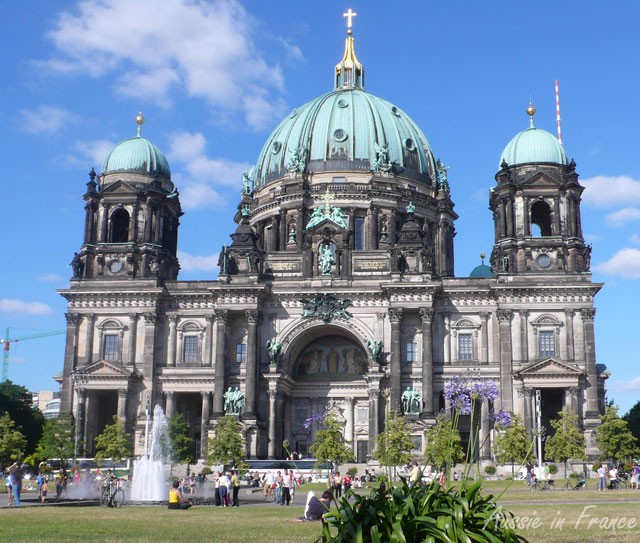
Berlin Cathedral
Berlin Cathedral

We finally found another date that suited everyone in May – not an easy task – and re-scheduled our flights. Unfortunately we lost the hotel booking as there was no room left on the weekend we chose. Thoughtful took another overnight train ticket.

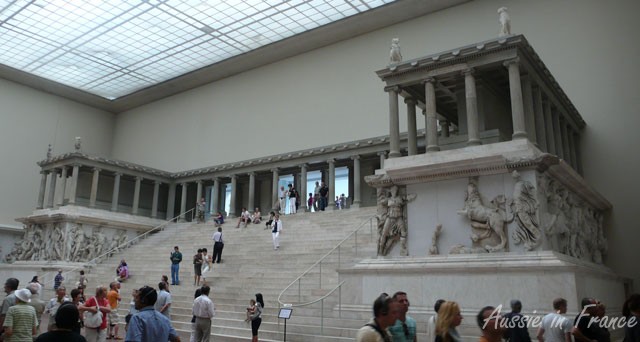
Inside the stunning Pergamon Museum

The day he was to leave, there was a massive train strike in France and his train was cancelled. We jumped on the Internet to find a flight for the next morning. Our plane was full, but we found an earlier one for him. I didn’t double-check the departure date and had pressed the button before realising I had bought a non-reimbursable return ticket for the following day.

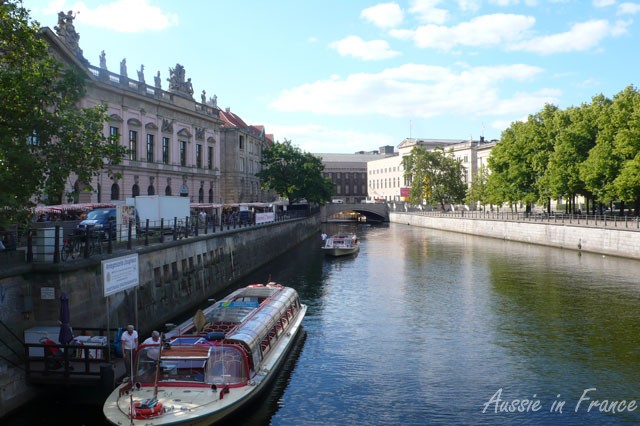
The Spree River
The Spree River

Thoughtful then reminded us that he would be coming back by train as planned so we found another one-way ticket and I let Jean Michel press all the buttons this time …

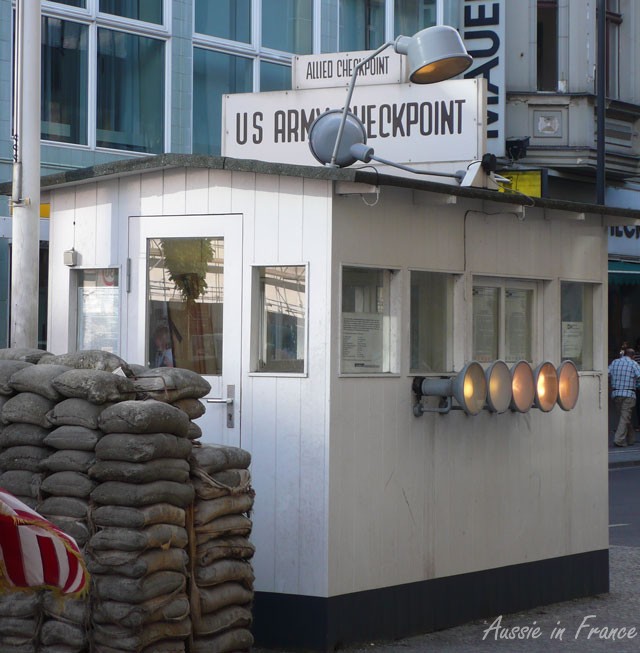
Checkpoint Charlie
Checkpoint Charlie

Leonard, Black Cat, Jean Michel and I got to Orly airport next morning in good time (Thoughtful had already taken off) and checked our flight on the board. “There’s a problem with our flight, Mum”, said Black Cat, “It’s been cancelled”.

By then, I was beginning to wonder if the whole thing was jinxed.

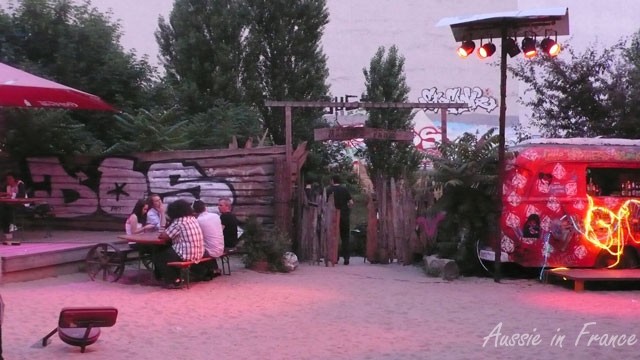
A squat in Berlin - a most unusual experience
A squat in Berlin – a most unusual experience

We made a beeline for the airline information counter. It turned out there was a strike in Madrid and our plane hadn’t been serviced. We finally managed to find another flight to Berlin via Amsterdam that would only make us 3 hours late but we would have to hurry to make it. Fortunately, we all had carry-on luggage only otherwise they wouldn’t have taken us!

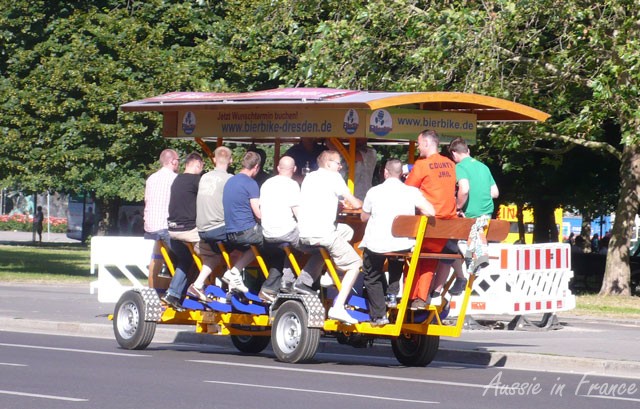
A beer bar  bike
A beer bar bike

When we finally touched down in Berlin, I heaved an immense sigh of relief! And as you can see from the photos, we had a most enjoyable weekend. You’ll also be pleased to hear that we arrived home without any further mishaps.

Friday’s French – blocage

I’m introducing an Australian acquaintance to Jean Michel. “Bonjour”,  she says, then turning to me, somewhat flustered, “I’m tongue-tied. How do I say that in French?”

“Langue coupée”, I say rather doubtfully. “No, I know, je suis bloquée, j’ai un blocage.” “Ah, then it doesn’t mean the same as the English word ‘blockage'”, she laughs.

Definitely not!

Bloquer et blocage are actually used quite a lot in French and are often rather annoying to translate into English.

La porte est bloquée : I can’t get the door open.

Il s’est garé trop près, il a complètement bloqué la sortie : he parked too close to me and stopped me getting out.

Bloquer la vis: turn the screw until it won’t go any further.

Il faut bloquer la porte avec une chaise : you have to keep the door open with a chair.

So how do you say “blockage” in French? In the medical sense, it’s obstruction except when it’s intestinal and then it’s occlusion.

You can sometimes use boucher as well e.g. l’évier est bouché: the drain’s blocked.

I should also mention that people are often intimidated about speaking French in front of me, but they shouldn’t be. I’m always so grateful that they can talk to Jean Michel who is a victim of the atrocious French language teaching system and has a poor memory for vocabulary. Remember – I was once a beginner too!

from the Tropics to the City of Light