Category Archives: Life in France

Life in retirement in France

I finally retired at the end of 2024 after semi-retirement 5 years earlier. I worked full-time for 40 years in France as a freelance technical and legal translator, in the days before AI. I also lectured in the Masters programme at ESIT, which for many years the only state-run translation and interpretation school. I was there for 15 years, including 6 years in a part-time position.

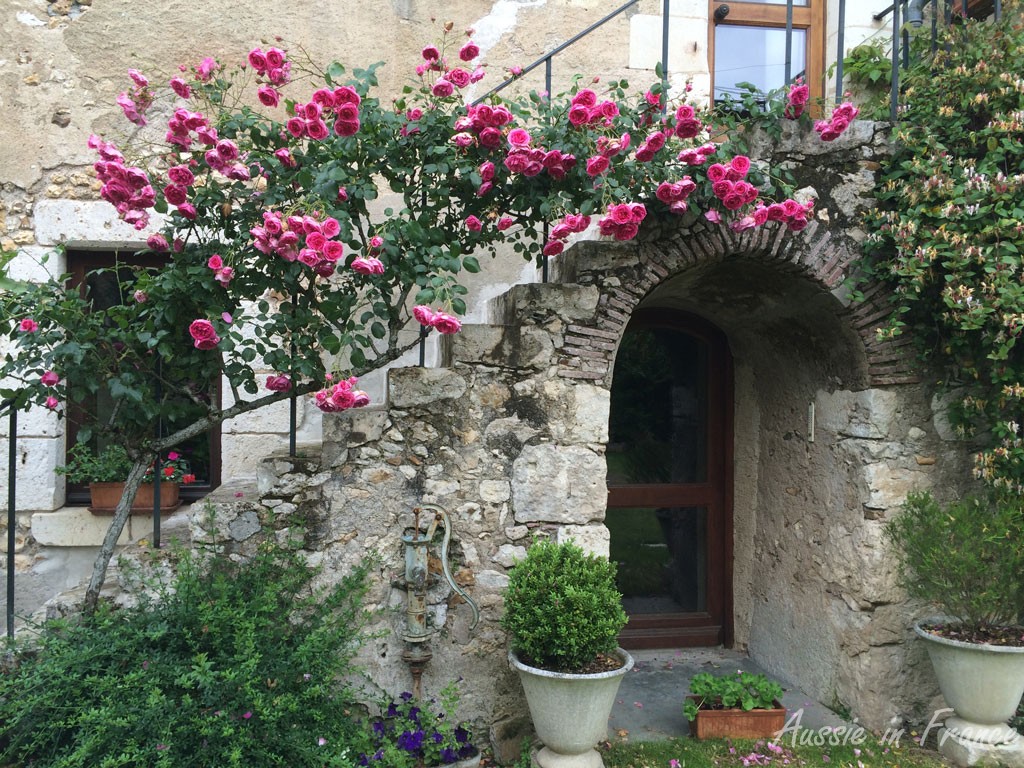
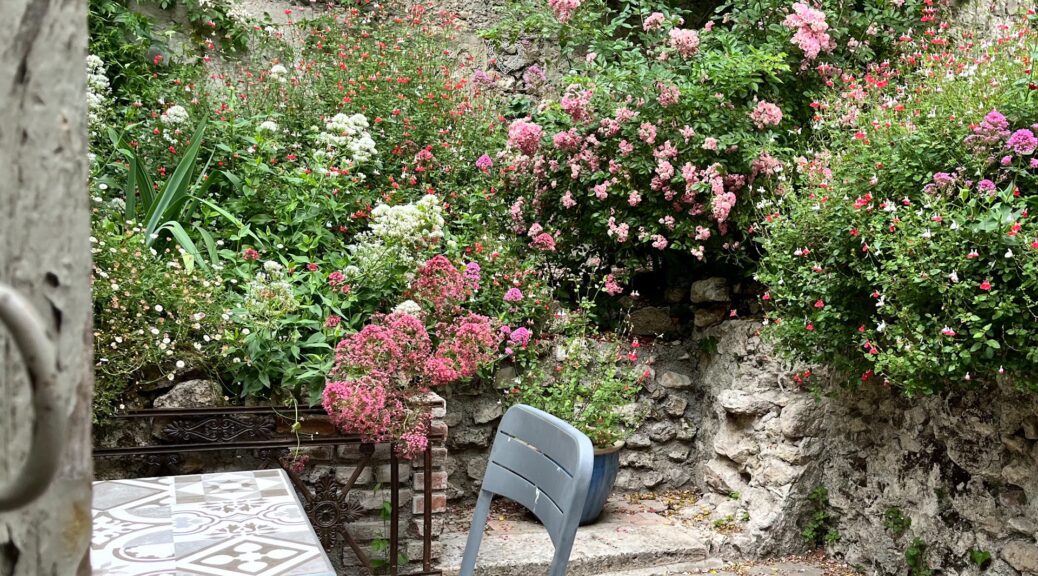
Our house in Blois

After I retired, I continued to work part-time as an auto-entrepreneur, mainly as a sworn translator. I loved my profession and the transition to part-time sworn translator kept me in contact with a lot of interesting people as my main work was translating documents such as birth certificates, naturalisation applications, driver’s licence exchanges and real estate transactions. Last year, I did two interpretations for property sales at the notaire’s. I am happy to be finally retired but I would still be happy to do the odd interpretation.

When I get up in the morning, I can take my time. It’s a wonderful feeling! No more deadlines to meet! And it’s surprising how much time it takes to do nothing in particular. Do I get bored, you may ask? NO!! I have plenty to occupy me. First, I have a long list of things I’ve been meaning to do for a long time such as updating this blog :). I am currently making digital photo albums to have them turned into a printed book.
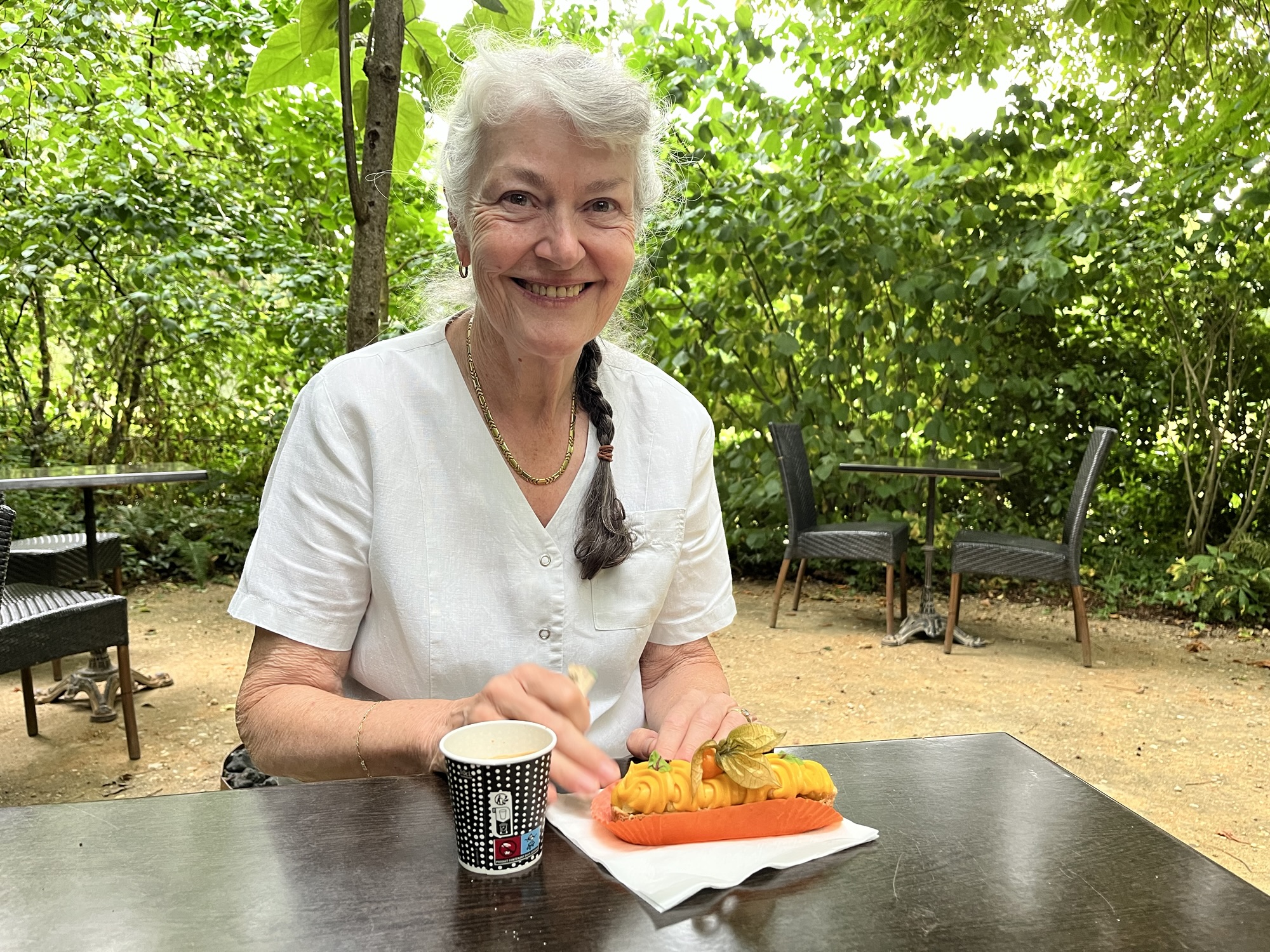
Enjoying a house-made cake at Château de Chaumont on a Sunday morning

One of our great pleasures is our daily wordle – 2 wordles and one quordle in French and the New York Times wordle for me, which I play with friends from my old school days in Townsville where I was born and brought up.

Apart from our own garden, I look after a shared garden that is attached to Châtel Rose, my holiday rental studio in Blois. It’s a very different sort garden – completely flat – unlike our own garden which is clay and mainly on sloping ground. I practically started the shared garden from scratch, with flowering perennials that need very little water as we don’t have a water supply. So far, it’s doing very well. It keeps me busy as I am virtually the only gardener! Our garden at home is practically a full-time job but I am working towards less maintenance as it becomes more established. We have a watering system from a well at the back of the house.

Jean Michel is an extraordinary renovator. We have added a paved terrace and wrought-iron pergola behind our house which will soon be covered in climbing roses. My talented husband has also made a laundry, added custom-built staircases to the garage and wood shelter and redone the entire rear façade of the house. His current project is renovating the barn and adding a greenhouse to the back of the non-functional little house on one side of our property. I help when I can but concentrate more on the garden.
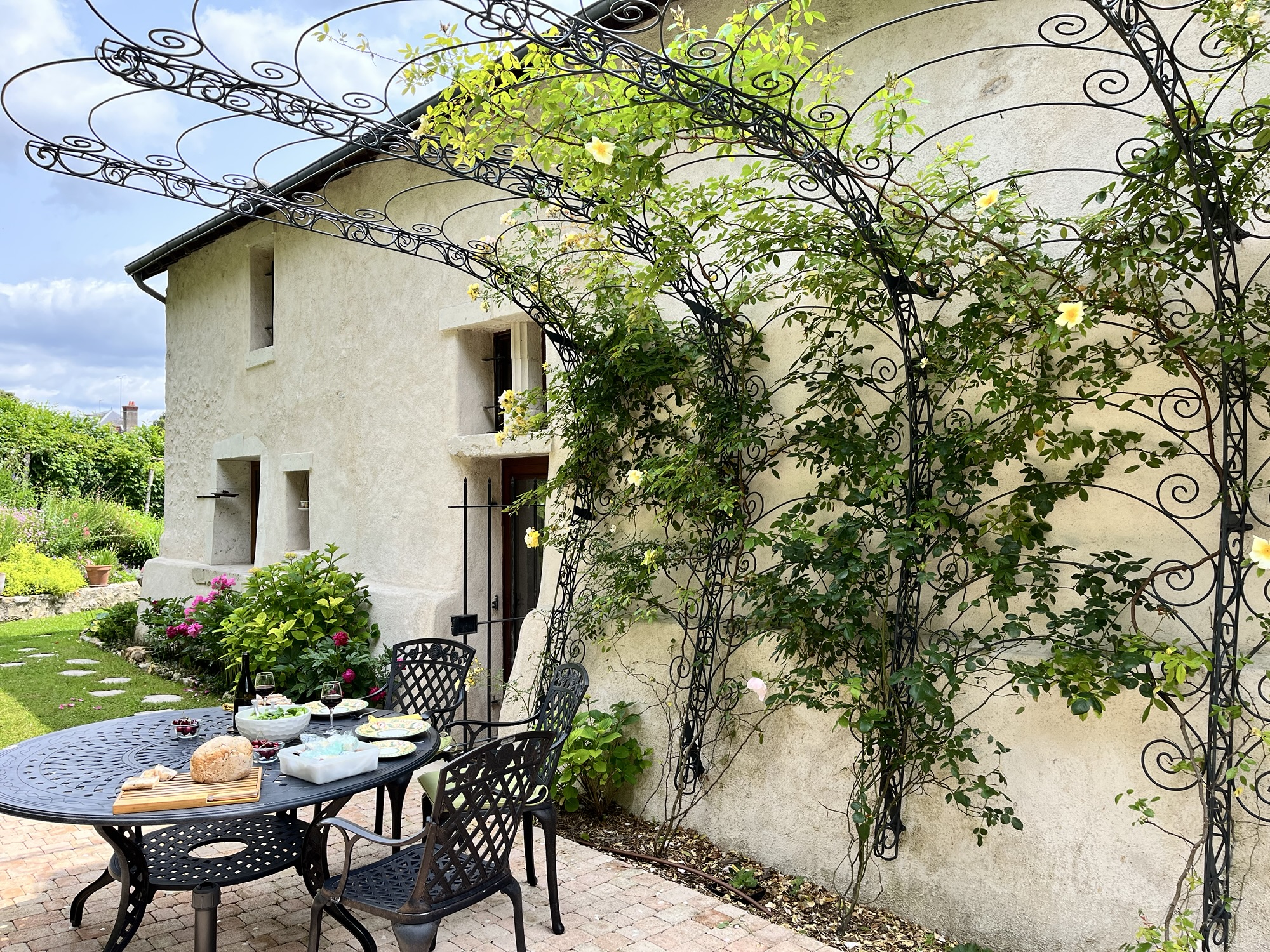
Lunch on the terrace in the summer

We do a lot of travelling, especially to Boston where my darling little grandson, Eric (five in August) and beautiful little granddaughter Sophie (2 in March) live with my son and his American wife. My daughter and her Dutch husband live in New York with Lucas who turned one in October. We have been doing a lot of home exchanges for which we are very thankful as it really the only viable way we can visit for three or four weeks at a time.

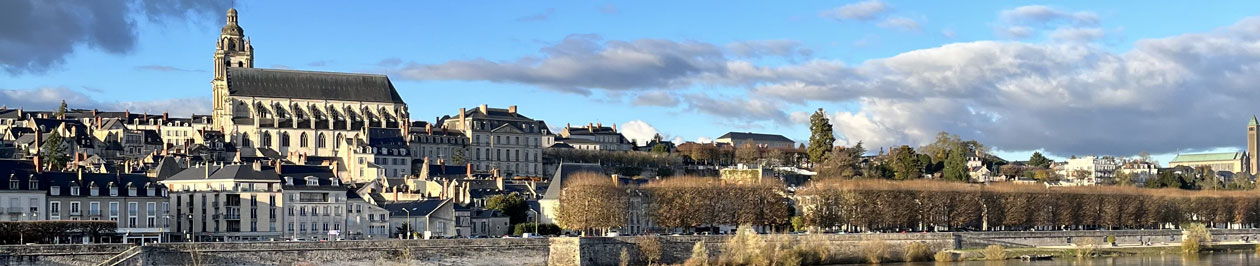
After living in the Palais Royal in the middle of Paris for ten years, we moved to a beautiful house in Blois in the Loire Valley when Jean Michel retired 11 years ago. The house, built in 1584, was in excellent condition on the whole. We (and this means mostly Jean Michel) have mainly renovated the monumental fireplace in the upstairs living room, completely redone the downstairs kitchen, adding a picture window, fitted out a small upstairs kitchen and added skylights.
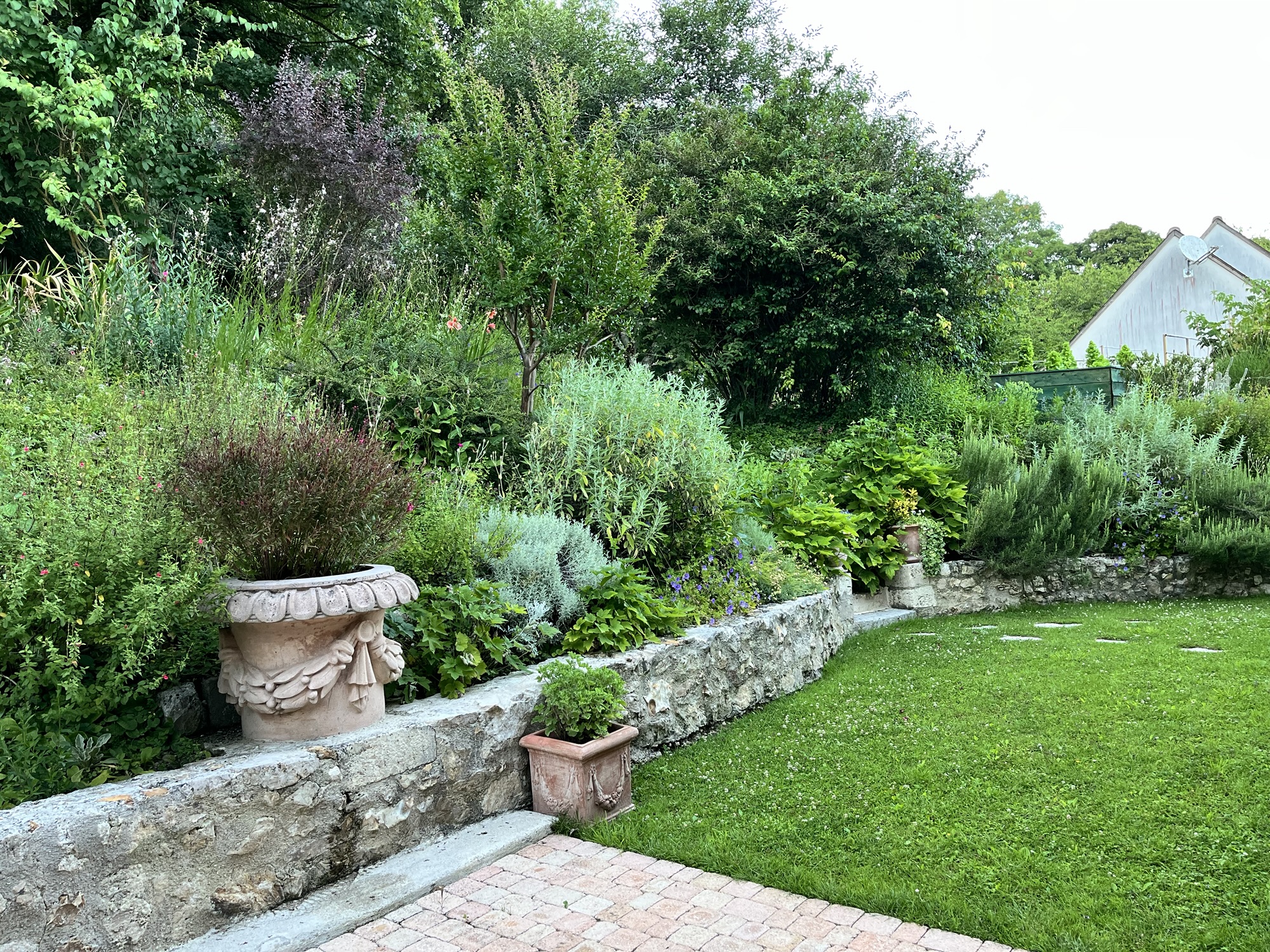
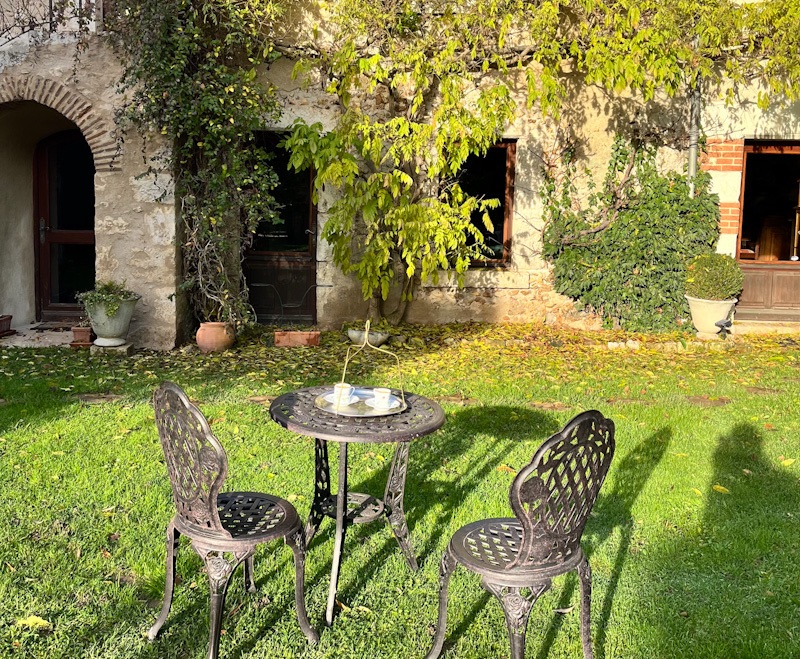
Our back garden

To keep fit and healthy, we both practice 5:2 intermittent fasting twice a week and I walk briskly for an hour every day. I try to get the household chores, including making my own yoghurts and bread, out of the way by 11 am. Fortunately I have a cleaner.

When the weather gets warmer, we cycle on our e-bikes as much as we can, sometimes driving to further locations with the bikes on a rack at the back of the car. We have now visited all the main châteaux in the region and most of the smaller ones. There are many bikes routes in the area but with our e-bikes, we are not limited. We have favourite places such as the rose village of Chédigny that we visit a couple of times a year.
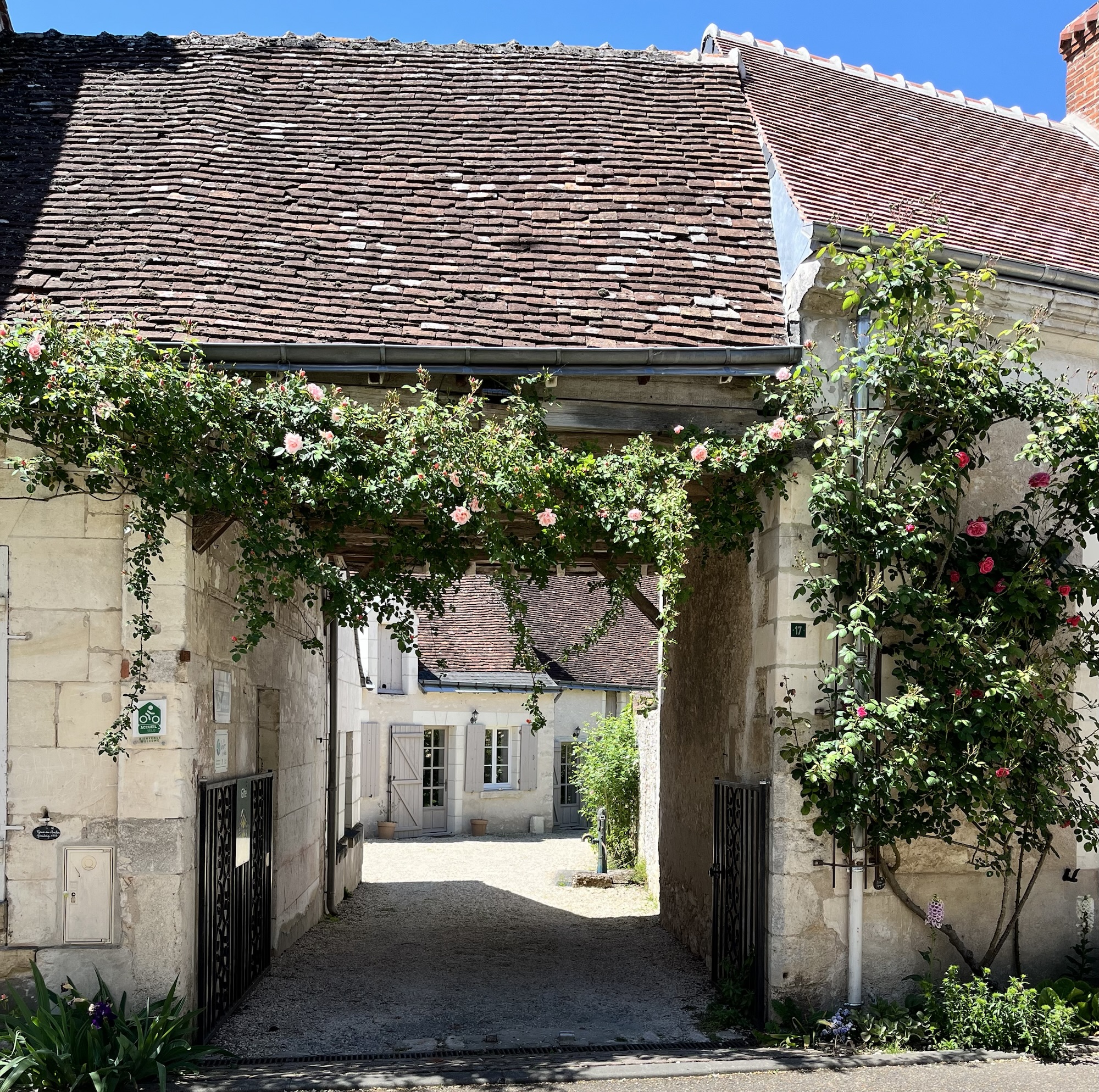
The rose garden in the village of Chédigny

We have annual passes to Château de Chaumont and go there for coffee, cakes and a walk every Sunday morning we are in Blois. From April to the end of October, there is an annual garden festival in the château grounds which gives us endless variety from one season to the next. The château has frequent photography and art exhibitions.

Every Saturday morning we go to the local produce market in Blois which gives us the opportunity to catch up with locals we have come to know over the years. We have coffee at Jeff’s outdoor stand in warmer weather and at Le Baroque on the corner of Place Louis XII the rest of the time. From October to April we buy oysters to take home for lunch.
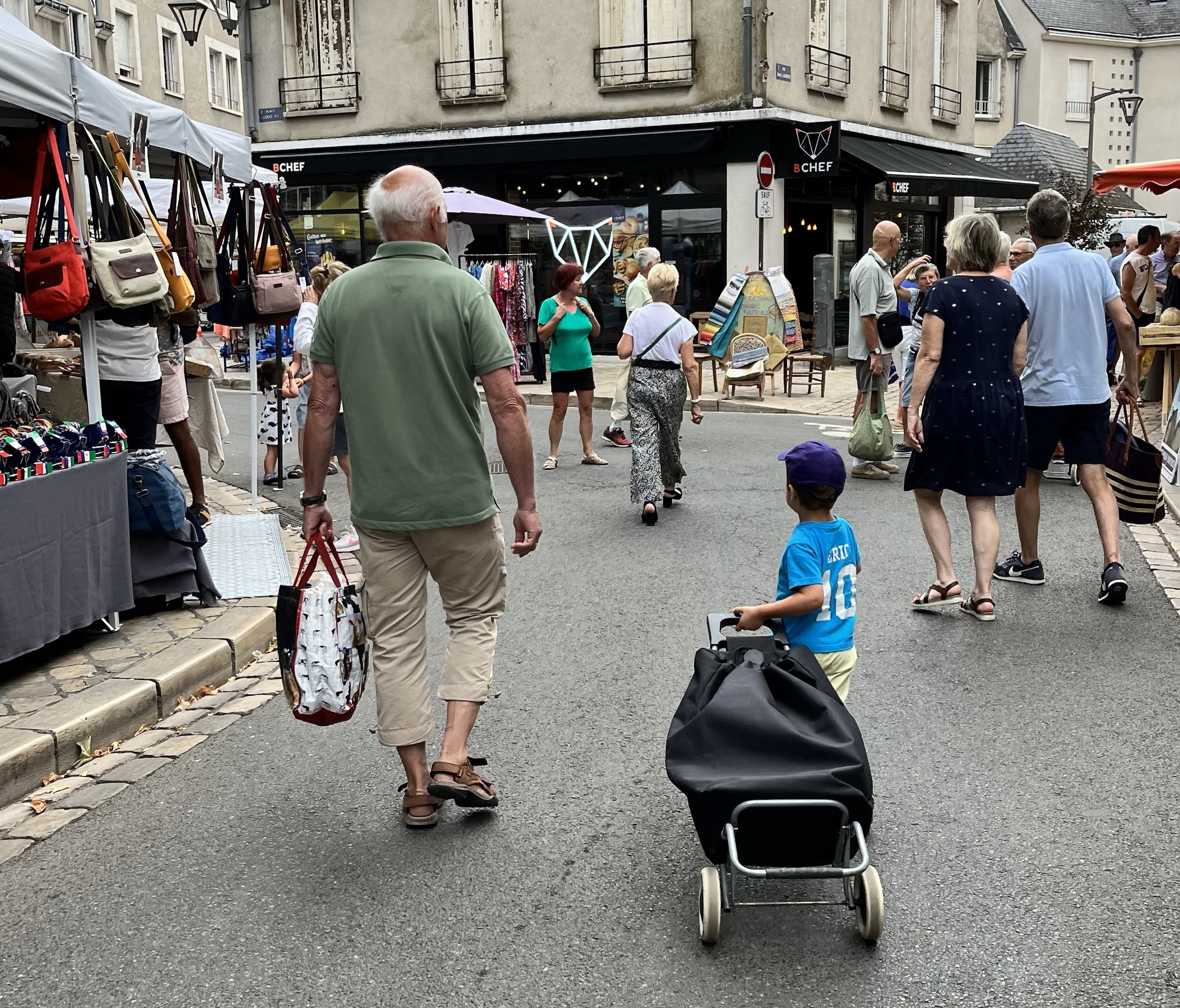
The Saturday morning market on Place Louis XII in Blois

As you can see, we are creatures of habit! We usually find a warmer destination in February or early March to spend a week exploring other European countries. In recent years, we’ve been to Rome, Cyprus, Malta, Sicily, Andalucia and Crete. We track the weather and book our airline tickets and accommodation at the last minute.

Towards the end of June, we usually set off on a 3 or 4-week cycling holiday, choosing the destination and departure date according to the weather, once again. We do not like cycling in the rain although an occasional rainy day can give us some R&R! We have now covered most of Europe. Our method is to rent an appartment for 3 or 4 nights and cycle in different directions.
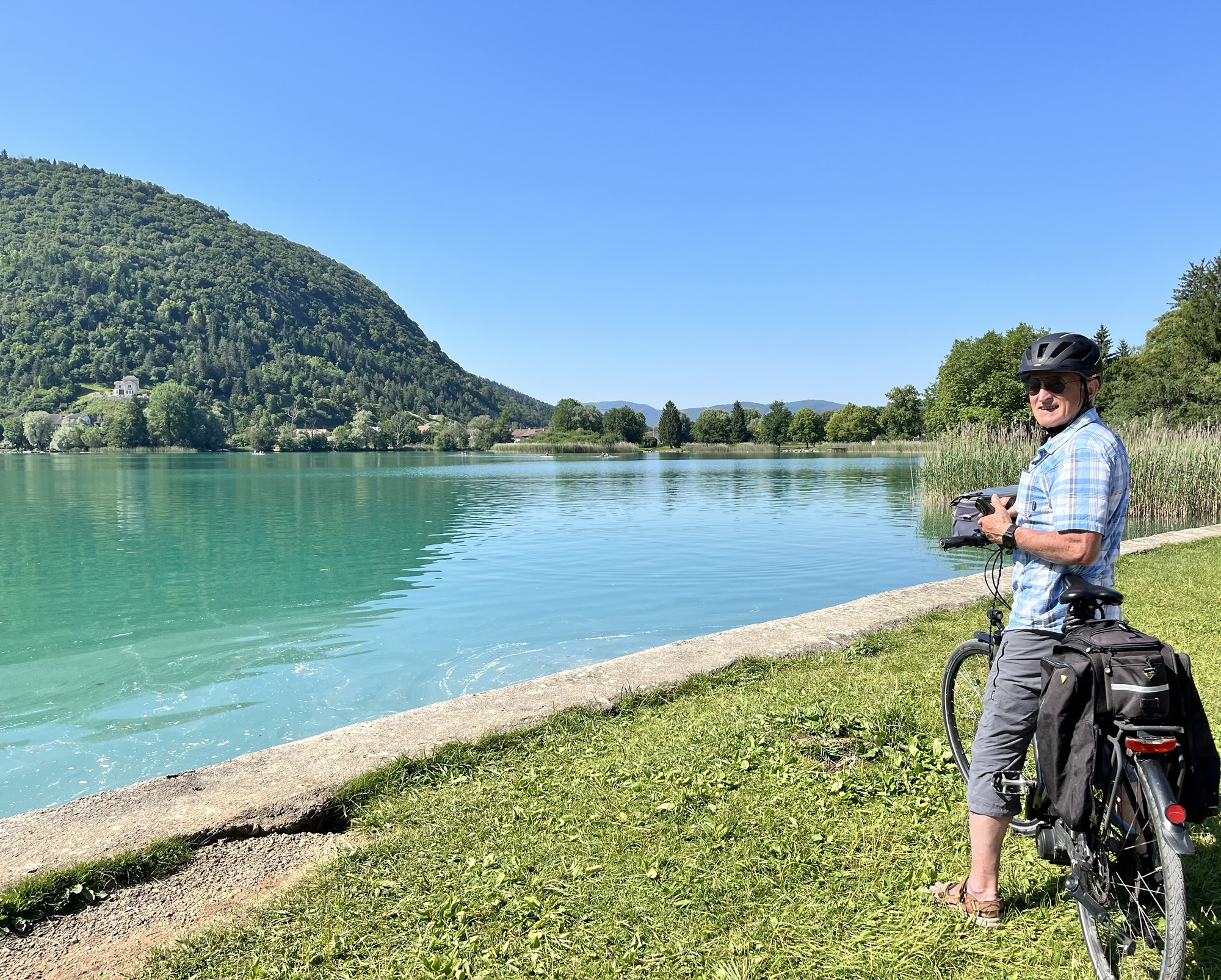
Cycling around Lake Bled in Slovenia

Last year, for example, the ultimate destination was Lake Bled in Slovenia. We went via Cerdon in the Jura mountains in France, Lake Iseo in Italy, Porec on the Istrian peninsula, then Lake Bled itself. We returned via Radovlijica in eastern Slovenia, Ebbs in Austria and Saint-Hippolyte in Alsace. We usually book the next apartment on the second day of our stay in each place. That way, we can make the best choice weather-wise!

The rest of the summer is spent making the most of our garden, interspersed with cycling excursions.

As there is a severe lack of medical practitioners in Blois, we go to Amboise or Tours if we need to see a specialist. We usually make a day of it to catch up with some shopping and take in a restaurant.
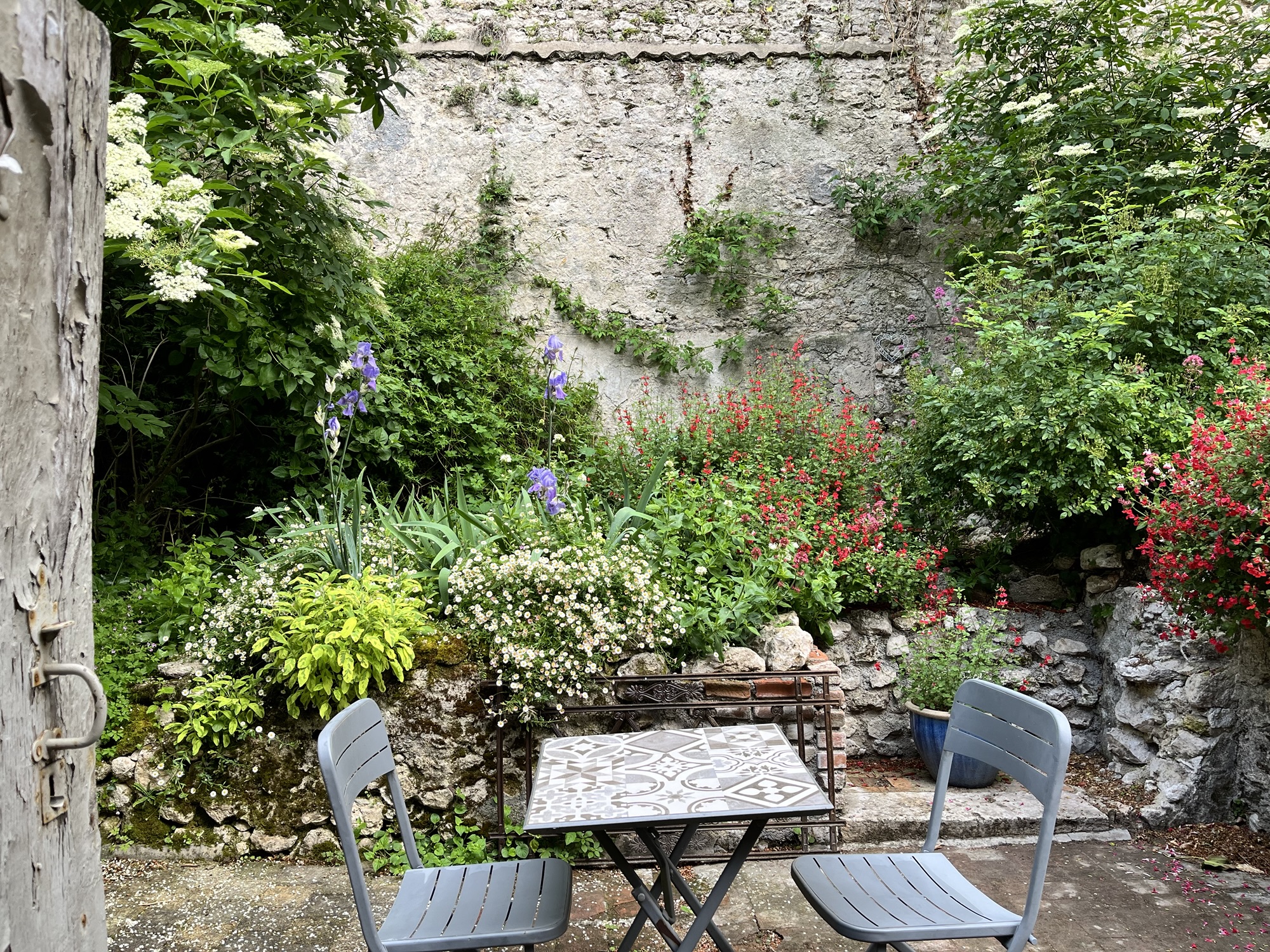
The shared garden of my holiday rental in Blois

One of our great pleasures is making the most of the local gastronomy. We choose a Michelin-starred restaurant in the area four times a year to celebrate our birthdays and anniversaries. Fortunately, they are well spaced out – April, June, October and December! At the other end of the scale, we go to “workers’ restaurants” when we are cycling. There are plenty of other occasions to enjoy all the other great restaurants in between!

I realise that overall, we are not very social beings but we do see friends from time to time and have had quite a few visits from our children and grandchildren in the last couple of years. I have a lot of virtual contact with friends as well, some from my childhood.

All I can say is that we are never bored and that our days are always full!

Promesse de vente vs compromis de vente

Our house in Blois

All property transactions in France take place in two steps: first, after the seller has agreed to the price offer, the seller and buyer sign a promise to sell in the form of either a promesse de vente (unilateral promise to sell) or a compromis de vente (bilateral promise to sell). This can take place privately, in a real estate agency or in a notaire’s office. Then, usually about 3 months later, when all the conveyancing has been done, both parties sign the acte de vente to close the sale.

Which is better?

The first time I purchased a property in France, in the early 1980s, I was told that it was better to sign a compromis de vente rather than a promesse de vente so I was surprised to learn recently, when asked to interpret during the signing of a promise to sell in a notaire’s office that it was a promesse de vente and not a compromis was better.

An estate agent can only process a compromis de vente

Despite my research I was not able to really determine the difference between the two so I asked the notaire, who told me that he only used the promesse de vente agreement. His explanation did not fully satisfy me, apart from the fact that the promesse de vente would appear to be in the purchaser’s favour and the compromis in the seller’s favour. Also, a real estate agent can only use a compromis de vente agreement which probably explains why I was told it was preferable. Real estate agents who have obtained the corresponding certification can prepare the compromis without going through a notaire and the price of drawing u p the agreement is included in their commission. The promesse de vente is which is called an acte authentique which means that it is always signed in front of a notaire.

After looking at my own records (my husband and I have bought or sold 8 times, 3 times with a real estate agent and 5 times privately), I discovered that there was a compromis de vente each time a real estate agent was involved and a promesse de vente all the other times. However, I have since attended a training course on the subject for court sworn translators and have updated my knowledge on the subject. Here are my conclusions.

Promesse d’achat or purchase offer

This must not be confused with a promesse de vente or compromis de vente!

Whether referred to as a purchase offer, unilateral promise to purchase, or simply a price offer, this document presented by some estate agents should be treated with caution. Its main feature is that it is binding only on the buyer, not the seller. It is certainly not compulsory.

Promesse de vente or unilateral promise to sell (the least common)

The seller promises to sell the property to the future buyer at a price agreed upon by the parties thus giving the future buyer exclusivity for a pre-determined period (usually two to three months).

During this time, the seller cannot promise to sell the property to anyone else whereas the future buyer can cancel the sale if they wish to, the only drawback being that they will lose the indemnité d’immobilisation or reservation fee (which roughly corresponds to non-refundable earnest money) if they do not go through with the sale. The reservation fee is usually 10% of the sales price.

If the future buyer does go through with the sale, the 10% is deducted from the price still to be paid.

To be valid, the promesse de vente must be registered with the tax department within ten days of signature. The registration fee, paid by the future buyer, is 125 euros. The notaire does not charge a fee for drafting the agreement – it is included in the fee for the sale as a whole.

Compromis de vente or reciprocal promise to sell (the most common)

Also called a promesse synallagmatique de vente. The seller and the future buyer both undertake to conclude the sale at a price determined jointly. Legally, the compromis is therefore tantamount to a sale. If one of the parties wants to pull out of the transaction (except if the one of the conditions precedent is not met), the other party can take them to court and force them to do so, in addition to claiming damages. However this can be a very lengthy process.

When the compromis is signed, the purchaser pays earnest money (dépôt de garantie) corresponding to 5% to 10% of the sales price. The earnest money is deducted from the final sales price.

The compromis de vente does not have to be registered with the tax department so there is no fee. However, if there is a dispute about the conditions precedent, the parties will both be bound by the agreement, unless the dispute is settled amicably between the parties or by a court decision.

In the case of a promesse de vente, both parties are released from the agreement if the future purchaser decides not to buy. The vendor cannot change their mind and the agreement is immediately enforceable without going to court.

Cooling off period for purchasers – promesse de vente et compromis de vente

Whether you sign a unilateral promise to sell (promesse) or a reciprocal promise to sell (compromis), you have ten-day cooling-off period (délai de retractation) during which you can decide not to purchase the property. The letter stating your intent must be sent by registered letter with acknowledgement of receipt to the seller. If you go through a notaire, this can be done electronically.

Whatever the reason for cancelling the sale, any amount paid by way of reservation fee (indemnité d’immobilisation) or earnest money (dépôt de garantie) during the cooling-off period will be reimbursed. The 10-day cooling-off period starts on the day following the day on which the promise to sell is signed at a notaire’s office or, if a private promise to sell is signed, at the first presentation by the postman of the registered letter with acknowledgement of receipt containing the agreement.

For example, if the letter is sent on 10th of the month and the first presentation is the 12th of the month, the cooling-off period will begin on the 13th and end on 22nd at midnight.

Conditions precedent – promesse de vente and compromis de vente

I mentioned the question of conditions precedent (conditions suspensives) earlier on. These are conditions that must be met for closure of the sale to take place.

Whether the promise to sell is unilateral (promesse) or reciprocal (compromis), the seller and buyer can agree to insert one or more conditions precedent in the agreement. This means that if events defined as conditions precedent do not take place before the final sale, the agreement is null and void.

  • Examples: the purchaser’s bank loan is refused; the municipality has a pre-emption right; a serious town planning easement is discovered. In these cases, the amounts paid by the purchaser are refunded.
  • A compromis de vente can also contain a clause called a “clause de dédit” (retraction clause) which enables the seller and/or the purchaser to cancel the sale without giving a reason, in return for leaving the other party an agreed-upon amount. However, this practice is very rare.
  • The above clause must not be confused with the penalty clause, which exists in most compromis de vente according to which the purchaser must pay the seller a fixed amount in damages if the purchaser refuses to go through with the sale.

To sum up, if you are purchasing a property in France and you want to be able to cancel the sale without giving a reason (and are prepared to lose the 10% reservation fee!) or if you want to guarantee the date of sale, then you will need to sign a promesse de vente at a notaire’s office.

If you are selling a property in France and the purchaser needs to get a mortgage loan, it is also better to sign a promesse de vente because if the loan has not come through on the stipulated date, you can simply walk away from the sale and find another buyer. If you have signed a compromis, you will have to go through the court to have the sale cancelled which can be a lengthy process.

In all other cases, you can choose either a promesse de vente or a compromis de vente, but if you are going through a real estate agent, then it will be necessarily be a compromis de vente unless you specifically ask for a promesse de vente through a notaire.

Whatever you choose, you will have to sign the final deed of sale at the notaire’s office. I strongly advise choosing your own notaire (in which case the fees are split between all the notaires involved), not because of any possible dishonesty on the part of a notaire, but simply because you will always have an unbiased opinion. If the notaire also draws up the promesse or compromis, the cost will be included in the cost of the deed of sale.

My second recommendation is to make sure you understand EVERYTHING in the compromis or promesse and the deed of sale (all of which you can request before the day of signature). It can be too late if you wait for the deed of sale, which is virtually the same as the compromis or promesse. Some real estate agents are competent to explain all the details but always remember that they want the sale to go through or they won’t get their commission. Otherwise you can call on a sworn translator who can also be present during signing of the compromis or promesse and the deed of sale.

Must a birth certificate really be less than three or six months old?

Most foreigners living in France are asked at some stage to deliver a full birth certificate that is less than 3 (and sometimes 6) months old. Why three or six months?

If you’ve even seen the French birth certificate of someone who has been married, you will understand why.

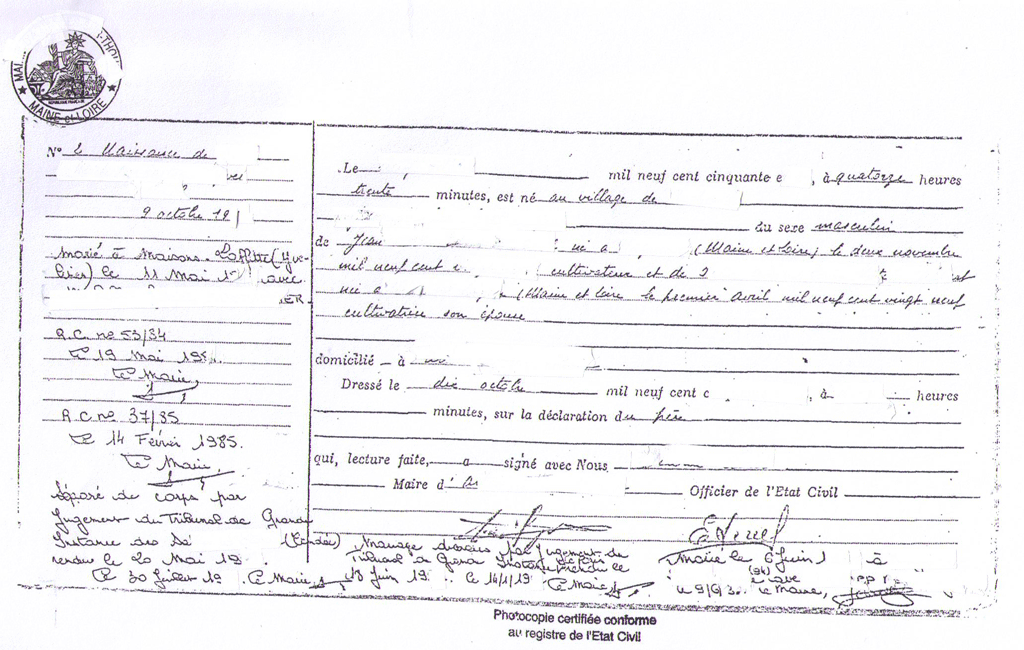
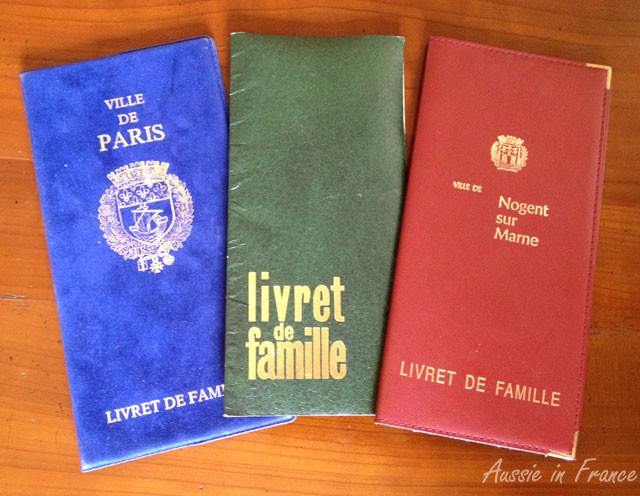
French birth certificates are “annotés” which means that any change in civil status is recorded on the birth certificate itself – marriage, civil union, separation, divorce, remarriage, death … It’s like a personal history rather than a record of a single event. This is also the purpose of the livret de famille*.

French annotated birth certificate

As a result, the French authorities always ask for a recent certificate, which is defined as less than 3 months old in the case of French certificates. Birth certificates are obtained from the town hall of the place of birth and are free of charge. You simply send a photocopy of your identity card and a stamped addressed envelope with a cover letter saying who you are and what you want and they usually arrive in a few days. You can also go to the town hall in person or order them online in larger towns. Since February 15th 2019, birth certificates can also be obtained in multilingual versions (i.e. all the languages of the European Union).

French birth certificates are annotated

In most countries other than France, birth certificates are not annotated. As a result, there is no reason to submit a certificate of less than 3 months, nor a translation of less than 3 months even if the time frame is sometimes extended to 6 months. Unfortunately, a lot of authorities are not aware of this.

I have personally used the same Australian birth certificate for countless cartes de séjour, two marriages, one divorce and a successful application for French citizenship. Each time, I explained that “les actes de naissance en Australie ne sont pas annotés.”

On the French official website service-public.fr, it says:

Un acte de naissance, de mariage ou de décès demeure valable tant que les éléments qui y figurent n’ont pas été modifiés.  https://www.service-public.fr/particuliers/vosdroits/F10449.

If the certificate is issued by a foreign authority, it must be a maximum o f 6 months old for a marriage or PACS. However, there is no time limit if the country concerned does not update its certificates which is the case of Australia i.e. a birth, marriage or death certificate remains valid as long as the information given in the certificate has not been modified.

So that, theoretically, unless your name has been officially changed, all you have to do is quote the above to an authority that asks for a certificate less than 3 months old. Good luck!

*livret de famille: this is a little booklet you are given when you marry. It is added to each time you have a child. It also records divorces and deaths.

Concubinage, PACS and Marriage in France

A few statistics to start with. The population in France at the end of 2025 was 69 million. In 2025, 251 000 marriages were celebrated (7 000 same sex) and 197 000 civil solidarity pacts (PACS) were signed (10 400 same sex). The PACS was created 25 years ago, mainly to protect the rights of same sex couples.

Co-habitation or concubinage

Cohabitation (or concubinage) is a free union, characterised by a stable life together, between two people who live as a couple. Taxation is separate and no procedure is required to break up the relationship. On death, the surviving cohabitant is a third party who can only inherit if a will has been made, with an inheritance tax of 60%. Even with a will, the normal French rules of inheritance apply, with ascendants and descendants receiving the bulk of the inheritance.

PACS or civil solidarity pact

The civil solidarity pact (PACS) is a contract in which the partners owe each other mutual and material assistance. It is registered  at the Town Hall or with a notaire. They can choose between separation of property (the default system) and joint ownership. They submit their tax declaration together. The PACS can be terminated by a simple declaration. On death, the surviving partner may become an heir if a will has been made, with exemption from inheritance tax. Once again, even with a will, the normal French rules of inheritance apply, with ascendants and descendants receiving the bulk of the inheritance.

Marriage

Finally, marriage is a solemn union with duties and rights. It has four regimes. It can only be dissolved by divorce either through a notaire or a court if the partners do not agree on the terms of divorce. In the event of death, the surviving spouse is an heir, benefiting from exemption from inheritance tax, the lifetime right to live in the house occupied by the couple and the survivor’s pension.

Who can be PACSed?

Each partner must be of age. If one of the partners is a foreigner, he or she must have reached the age of majority in his or her country.

The partners must not be married or in another civil union.

They must not have any direct family ties to each other.

How do you go about getting PACSed?

The two people must register a joint declaration of civil partnership either with the civil registrar (at the town hall) of the town in which they live (free of charge) or with a notaire (about 250 euros). If you have your will made at the same time (VERY IMPORTANT if you have any property), the typical cost is 400 euros.

The future partners must appear in person and together.

Note: if one of the partners is unable to attend for a very serious reason, the notaire may come to the couple’s home or hospital to register the PACS.

For further information, click on https://www.service-public.fr/particuliers/vosdroits/F1618

The document you need to fill in can be found on https://www.service-public.fr/particuliers/vosdroits/R51271

You will need of full extract of your birth certificate and its translation by a certified translator.

For information on getting married in France

https://www.service-public.fr/particuliers/vosdroits/F930

If you do not speak French, you will need to have a certified translator present or other approved person during the ceremony at the Town Hall which is the only place you can be married in France. You must have some connection to the Town Hall in question (at least one of the future spouses must be domiciled there).

If you wish to have a religious wedding, it will be in addition to the town hall wedding.

Some town halls require that you have an interpreter present when you submit your pre-marriage documents.

Winter Depression Hits Again

This year in France, autumn has been particularly rainy and lacking in sunshine. Despite the fact that I have lived here for more than fifty years, my North Queensland origins make me particularly prone to SAD or Seasonal Affective Disorder, commonly known as winter depression. This is a mood disorder in which people who have normal health most of the year exhibit depressive symptoms at the same time each year. It is commonly, but not always, associated the reduction or increase in the total daily sunlight hours that occur during winter or summer.

As we are approaching the winter solstice, which is the shortest day of the year (around 21st December), I am making sure that I force myself to go outside and get what little light there is.

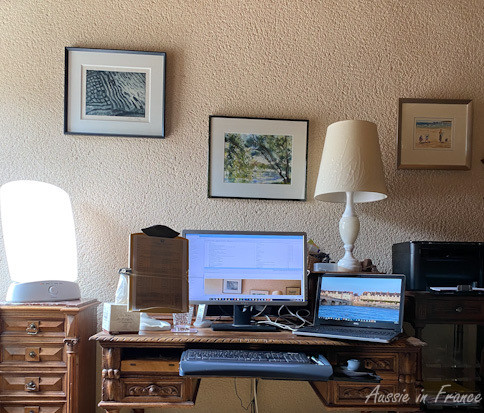
While I was working as a translator and spent many hours at my desk in front of a computer, I used a daylight simulation or phototherapy light which my son had the brilliant idea of sending me many years ago. Used for a maximum of 4 hours a day, it works wonders!

Now that I have retired, I am less static indoors so the phototherapy light is not very practical. This means I need to make a conscious effort to go outside several times a day, even if the weather is not very enticing. The aim is to walk briskly for at least half an hour, especially between 10 am and 3 pm when the light is strongest.

One of the reasons for SAD is a lack of vitamin D whose major source is sunlight on the skin. Vitamin D levels are hard to keep up in the European winter so it’s a good idea to ask your doctor for supplementary vitamin D at the beginning of winter. Women are particularly prone to vitamin D deficiency. Vitamin C is the anti-depression vitamin and kiwi fruit and fresh citrus fruit (not juices unless freshly pressed) are the best sources.

And to cheer you up, watch out for the first snowdrops!

Five Years of Blogging

I missed my 5th anniversary of blogging! My first post was published on 11th October 2011 just before my son went to live in Australia. He helped me set it up and regularly comes to the rescue when I have a problem. He also hosts me. I started my second blog, Blois Daily Photo (now Loire Daily Photo) in July 2013 in anticipation of moving to Blois. When I first started blogging, I posted nearly every day. I had a lot to say!

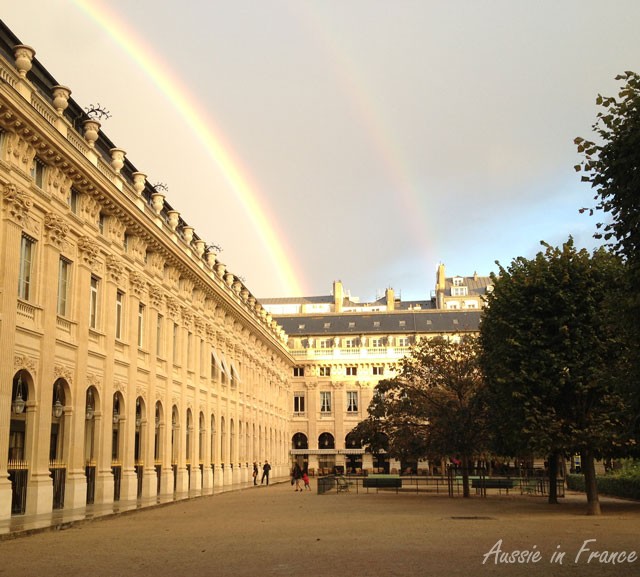
rainbow_palais_royal

I then started posting every second day with regular features such as Monday’s Photo of the Week and Wednesday’s Blogger Round-Up where I featured 3 posts I had read during the week that I wanted to share. These days I don’t seem to have time to read many other blogs at all.

In fact, since we moved to Blois two years ago, I seem to have little time and energy to do much blogging apart from Loire Daily Photo. I still occasionally write a Friday’s French post (two this month!) and am currently trying to write a series on Secret Blois (two so far – it seems to be my magic number). During our cycling holidays, however, I have more inspiration and time and usually manage to give a fairly full  report.

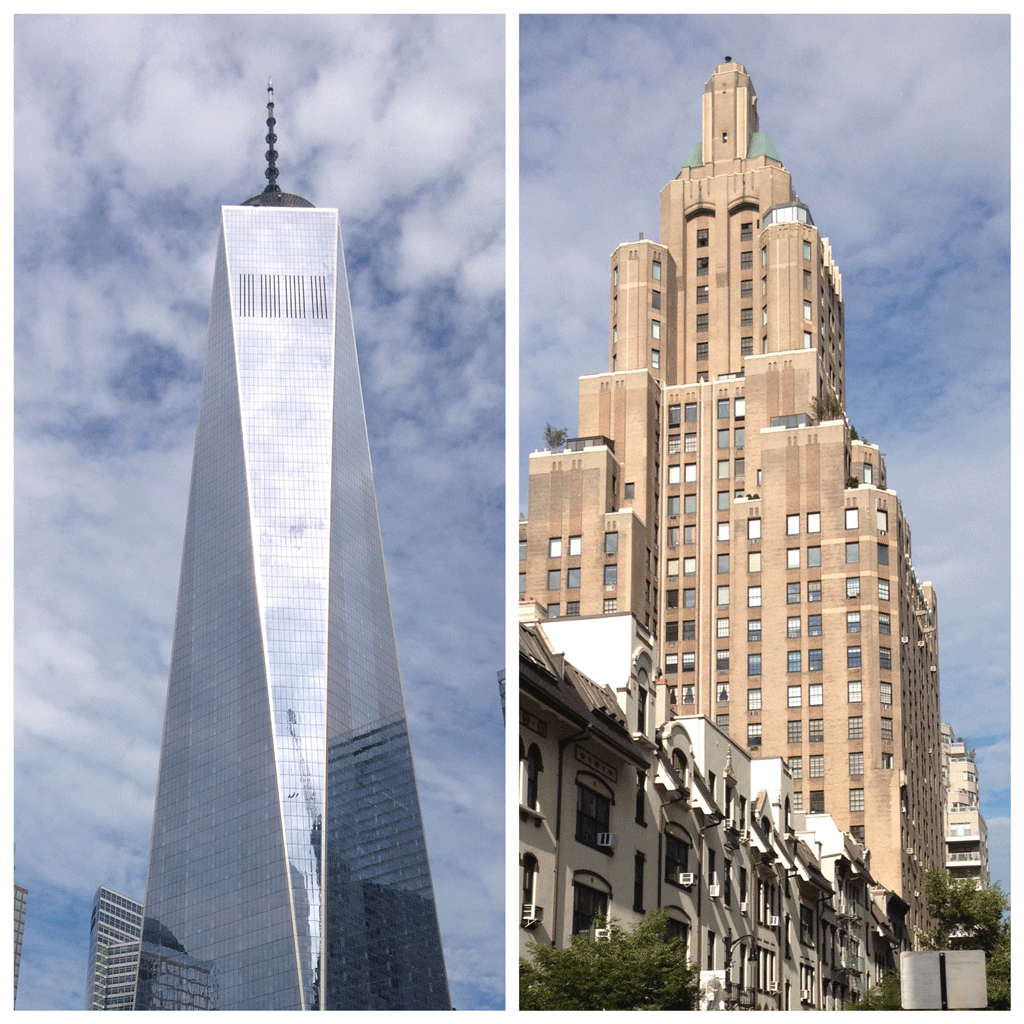
Two contrasting skyscrapers - the new One World Trade Center and one of the "wedding cake" skyscrapers from the 1930s
Two contrasting skyscrapers – the new One World Trade Center and one of the “wedding cake” skyscrapers from the 1930s

I would like to write more about our trip to New York and to Boston in September to see my son and daughter but after a full day’s translation I don’t seem to have much energy left!

My basic interests remain the same but have taken on different dimensions. Reading is still my favourite activity but not something I blog about very often. I like to read ALL the works of a given author plus a couple of biographies and my Kindle usually makes that possible. I am currently working my way through the Victorian novels and am now onto the lessor known writers such as Wilkie Collins and Elisabeth Gaskell.

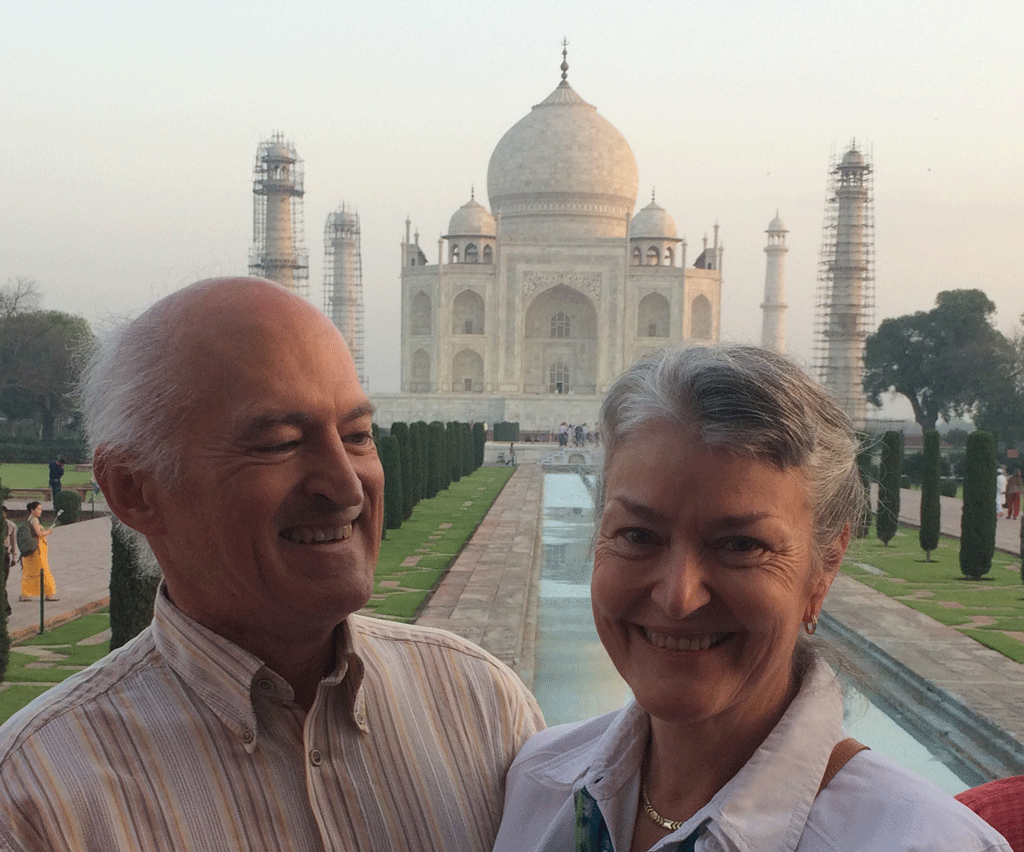
The iconic photo in front of the Taj Mahal

Travelling is at the top of the list too and we’ve certainly done a lot this year – a total of twelve weeks in Australia, the Golden Triangle in India including the Taj Mahal, cycling in Italy and Germany, especially along the Romantic Road, and New York & Boston, not to mention a few short trips. And, believe it or not, I have nothing else in the pipeline at the moment, for the first time that I can remember! I need a break from holidays. And we are up to 13 home exchanges in 4 years which isn’t bad going.

Next comes cycling but unfortunately it stops from about mid-October until March. Mushroom picking usually takes over but there has been so little rain this year but there are no mushrooms. We’re hoping that next week’s expected Indian summer will have them popping up all over the place.

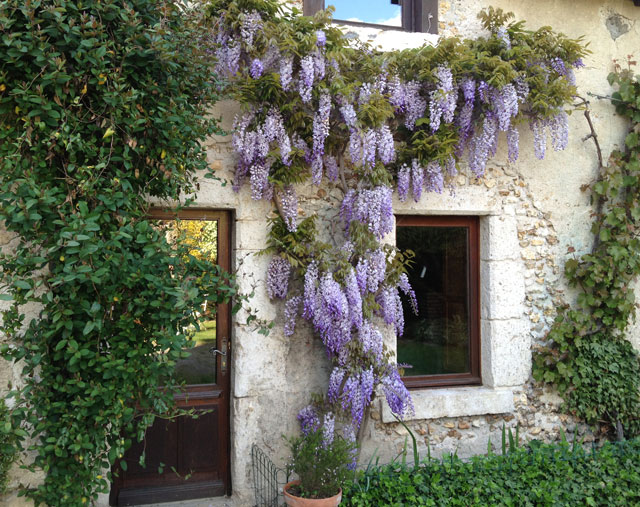
Wisteria on our house in Blois

I love gardening but I have discovered it is almost as humbling as being a parent – so much to learn and those plants have a mind of their own! One year the petunias run riot and the next year they get leggy. The clematis that bloomed beautifully one summer sulk the next. Fortunately we seem to have mastered the wisteria, the roses, the hollyhocks and the raspberries which is more than we can say for the bignomias and the lettuces!

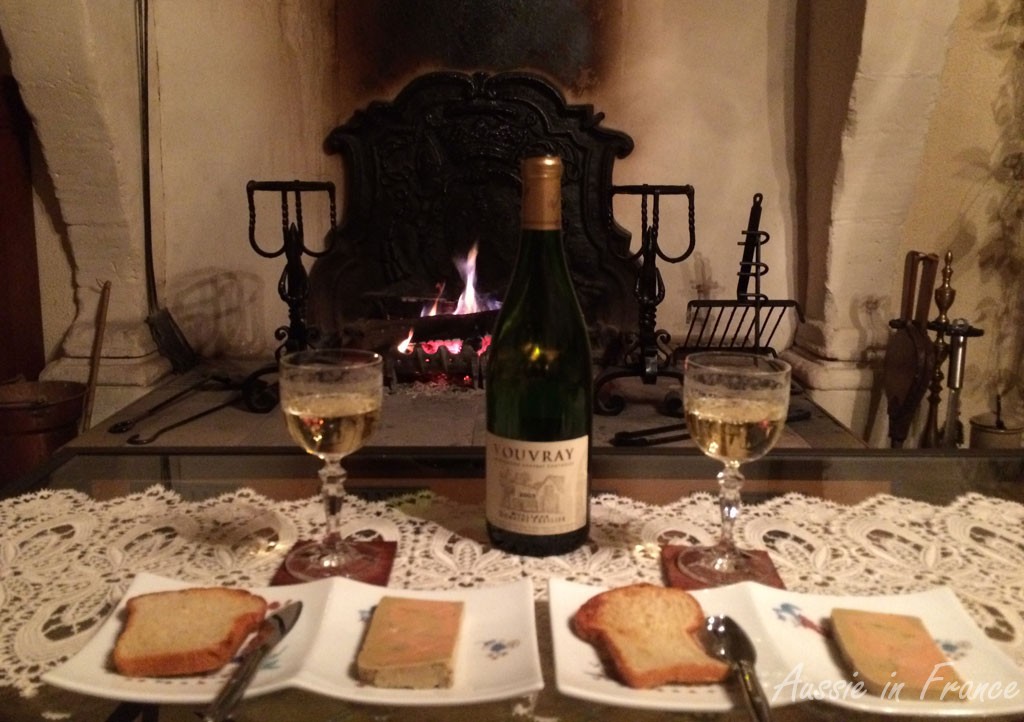
We still enjoy wine-tasting but have a tendency to stick to our favourites, particularly the local Loire Valley wines and our favourite chianti, especially in front of the fireplace!

Homemade foie gras and vouvray to see the New Year in before the fire

I love taking photographs with my iPhone 5S because it’s a great way to remember places and people and makes me look at things in a different way. I wouldn’t call it a hobby though because I know nothing about lenses and photographic techniques and I usually just take photos because something catches my eye. My iPhone isn’t very good at night or when there isn’t much light but the rest of the time, it’s perfect for my purposes.

But back to blogging. My most popular post remains “The Best Area to Stay in Paris” with about 3,000 clicks a month. Next, a long way behind, are “Friday’s French – biche, chevreuil & deer“, “Ten Top Châteaux in the Loire“, “The Oldest House in Paris” and “Visit the Loire without a Car Based in Blois“.

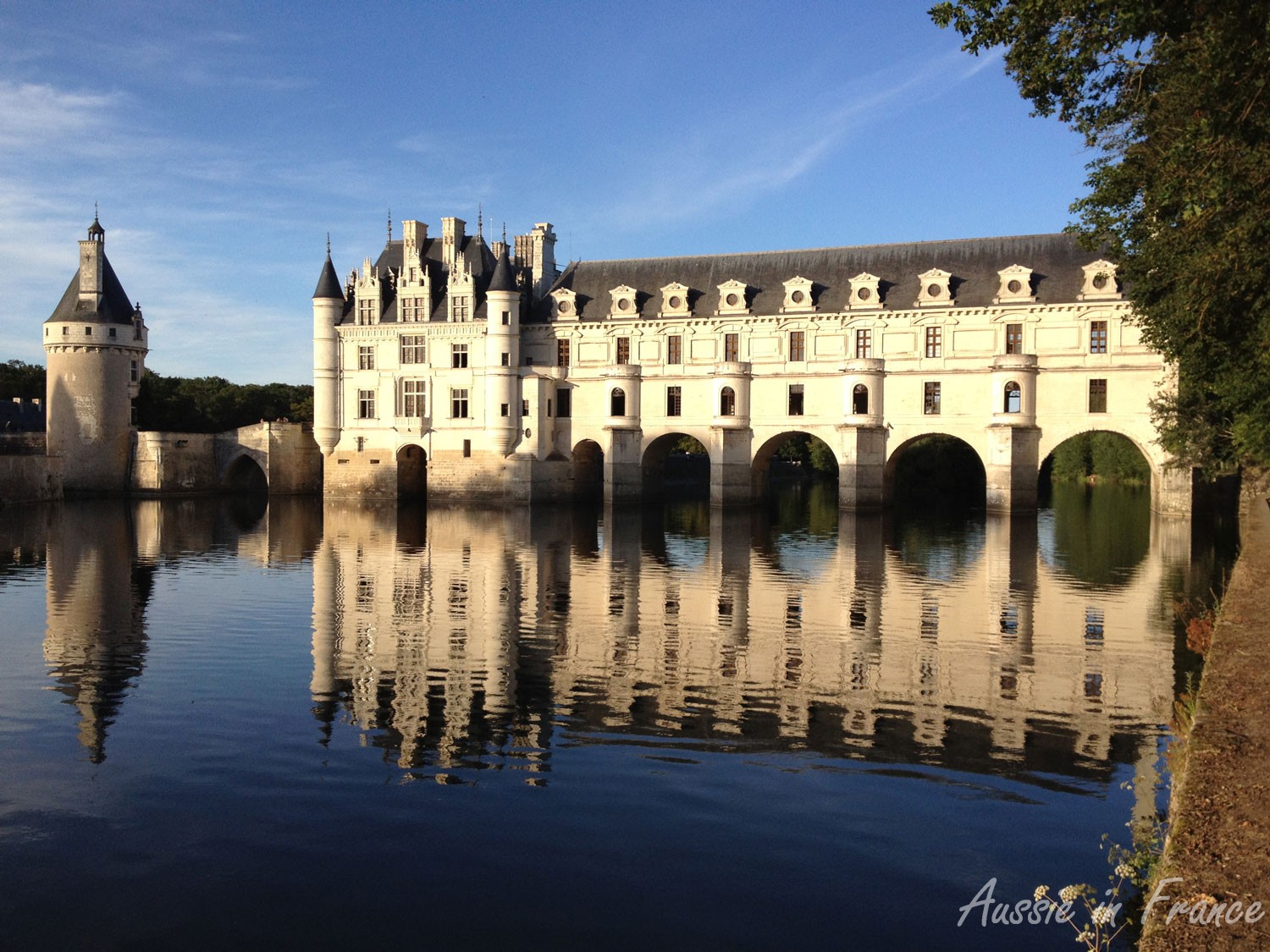
Chenonceau, undoubtedly the most beautiful of all the châteaux

Over one quarter of my readers live in Australia, followed by France and the US, each about 1/5, then the UK, Canada, Singapore, Germany, India, Italy and Malaysia. The last 1/5 is made of up a surprising 90 countries which means that people from about 100 countries read Aussie in France.

The thing I like best about blogging are the wonderful friends I’ve made among my readers, people whom I would never have been in contact with otherwise. Some comment regularly, others from time to time, while some write to me personally. Others have become close friends. I love to feel connected in such a unique way. So I think I shall keep blogging for a few more years yet …

I Have Not Disappeared

I do not understand where all my time goes. When I lived in Paris, I had lots of time for blogging. Now that we live in Blois, I don’t seem to have any spare time at all! I do keep up with Loire Daily Photo though.
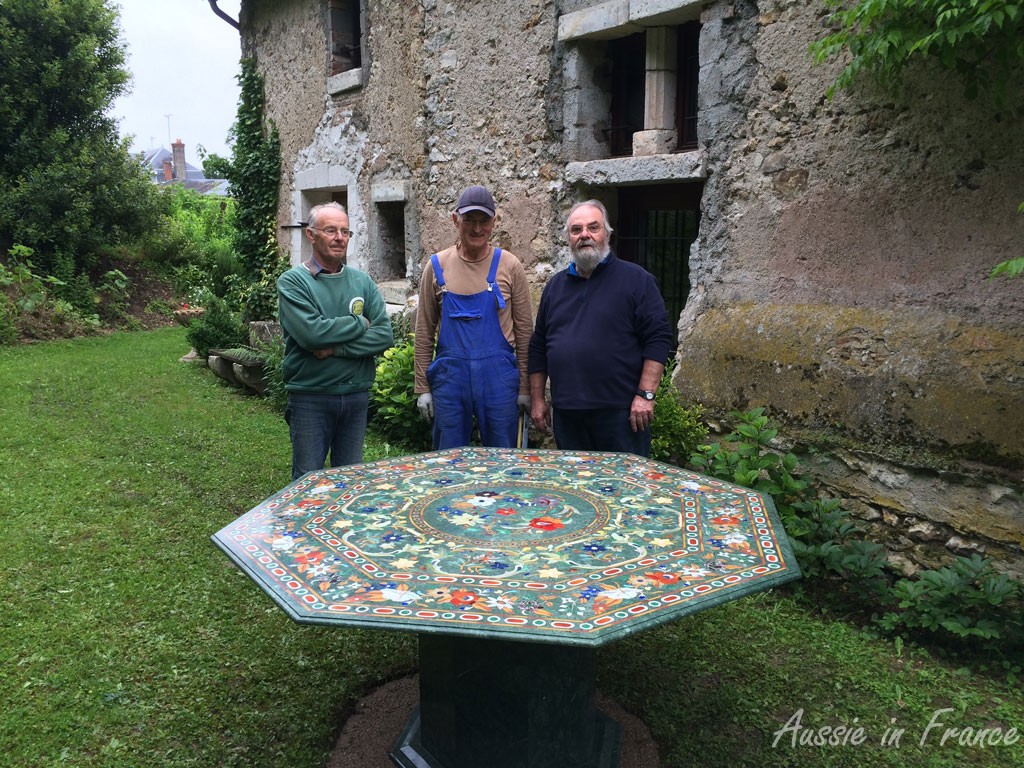
Our marble-inlay table iinstalled n its final position in the garden with the help of our neigjbour Alain and Mr Previous Owner
Our marble-inlay table iinstalled n its final position in the garden with the help of our neighbour Alain and Mr Previous Owner

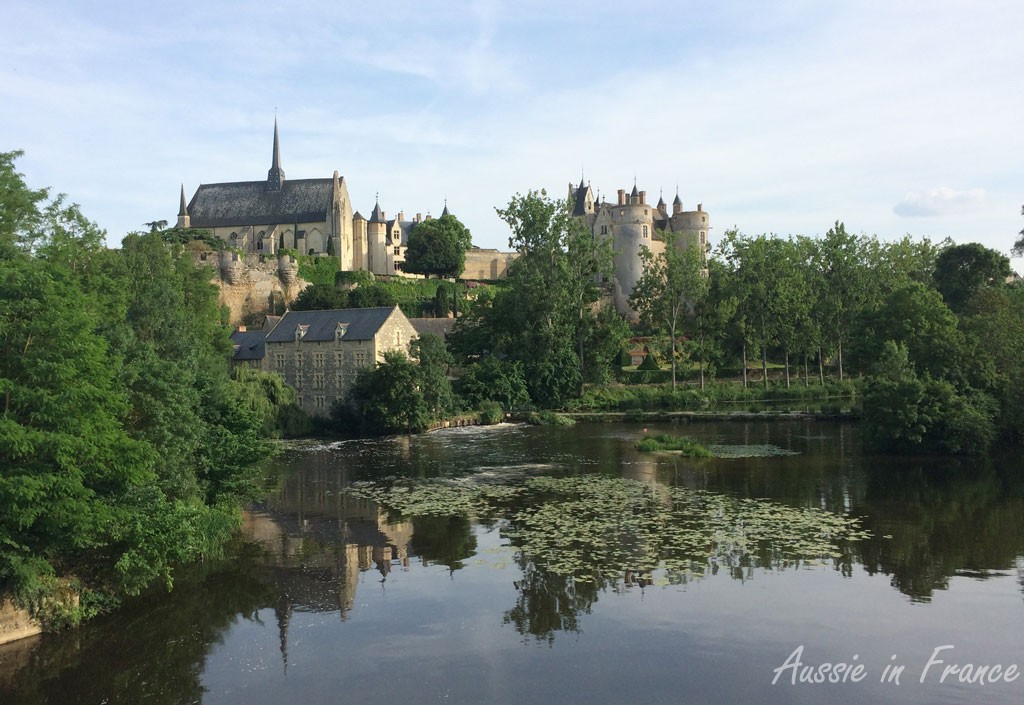
I have several posts in the making: Secret Blois, the arrival of our inlay marble table from India, flooding in the Loire, Montreuil Bellay …. but don’t seem to be able to finish them.

Montreuil Bellay from the bridge

We personally did not suffer from the flooding. There was a flash flood in our street but it disappeared within a couple of hours. There is still a lot of water on the low-lying areas around us and the mosquitos have arrived in droves.

Our smewhat soggy though still beautiful Pierre Ronsard roses at their zenith
Our somewhat soggy though still beautiful Pierre Ronsard roses at their zenith

Our roses were momentarily lovely but most have succombed to the rain. It seems to rain most days but tomorrow, the sun is supposed to come out and from a maximum of 20°C today it will be 30°C. We are hoping to go cycling. We should also mow the garden as everything is hopelessly overgrown.

The view from our front steps

We are currently debating about where to go on our next cycling holiday in 9 days time. We had thought of going to Saarland in Germany but it has also been flooded which means the bike paths will be a little worse for wear. At the moment, we think we’ll go to the south of France – I have never been to either Marseilles or Toulon – then to the new bike path in Italy that goes from San Remo to San Lorenzo al Mare. We hadn’t cycled in Italy until last year in Padua because 1) there are a large number of hills and 2) there are not a lot of bike paths but at least there is sun! Stay tuned.

Blogger Round-Up: Choosing accommodation with airbnb – Luggage transfer when cycling – History of potatoes in France

In recent times, I have sadly neglected my once-weekly blogger round-up due to my very busy life since moving to Blois last October but three posts caught my eye recently that I would like to share. The first is Simply Sara Travel‘s method for selecting the perfect airbnb accommodation which I’m sure you’ll find helpful not only for Airbnb but also for home exchanges. The next is Experience France by Bike‘s excellent report on luggage transfer when cycling, particularly in the Loire Valley. The third is a very interesting history of New World vegetables in France – potatoes, tomatoes, aubergines, chillies and peppers – by Days on the Claise that I’m sure you’ll find fascinating. Enjoy!

My Method on How to Select the Perfect Airbnb Accommodations

by Simply Sara Travel, a girl from New Jersey who traded in her bagels for baguettes and moved to Paris. The aim of her blog is to inspire readers to travel, embrace a new culture, and open their minds to new perspectives.

simplysaratravel_LondonHow people travel is shifting. With sites like Airbnb, more and more people are moving away from staying in traditional hotels and towards a more local experience of renting apartments/houses or shared spaces with residents. There are lots of pros to using Airbnb for lodging – it’s often less expensive than a hotel (especially when split among a larger party, and if there is a kitchen that allows self-servicing some meals) and allows for a more local-feeling experience. There’s a lot of great material already written on this – like Adventurous Kate’s How to Use Airbnb and Have a Great Experience for a detailed explanation of the site, or Expat Edna’s post on 6 Airbnb’s I Loved Around the World to give some inspiration on the cool places you could stay worldwide. Read more

Luggage Transfer – A Great Bicycling Indulgence

by Maggie LaCoste from Experience France by Bike, an American who loves biking anywhere in Europe, but especially France, which has the perfect combination of safe bike routes, great food, great weather and history

experience_france_bike_panniers1No matter how much you love bicycling in Europe, you’re probably not a big fan of carrying all your clothes in panniers.  But for cyclotourists, panniers are a necessary evil, a small price to pay for complete independence on the road.  Despite how carefully I choose every piece of clothing and technology that I pack, my panniers still end up weighing between 32-35 pounds, something I curse every time I go up a hill!
This summer, for the first time in 20+ years of bicycle touring, I used a luggage transfer service for 4 nights along the Mosel River.  It was a fantastic indulgence, enabling us to easily bicycle the 200 km in 4 days with lots of stops during the day. Read more

Monsieur Parmentier versus Deadly Nightshade

by Susan from Days on the Claise, an Australian living in the south of the Loire Valley, writing about restoring an old house and the area and its history and running Loire Valley Time Travel.

DCF 1.0When potatoes and other New World members of the Solanaceae family (tomatoes, aubergines, chillies, peppers) were introduced to Europe they were treated with great suspicion. The intrepid explorers who brought them reported that the South American natives they encountered ate freely of these exotic plants.

But French peasants weren’t convinced. These plants were clearly related to Henbane, Deadly Nightshade and worst of all, Mandrake. No one in their right mind would eat these dangerous plants, associated with witchcraft and capable of killing or sending you mad. Due to a curious twist of evolution, many Old World Solanums are amongst the most poisonous of all plants, but many New World Solanums are safe, nutritious and delicious. It’s true the New World species also contain some dubious compounds, but they are easily dealt with by simple everyday culinary techniques and pose no serious risk to consumers. Read more

Our First Neighbours’ Day Party

I’ve been wanting to have a neighbourhood party since we bought Closerie Falaiseau three years ago but it was a little tricky while we were still living in Paris … I check the date – 29th May – and ask what my oldest and dearest friends in the street think about it. Great  idea, they say, but neither will be able to attend.

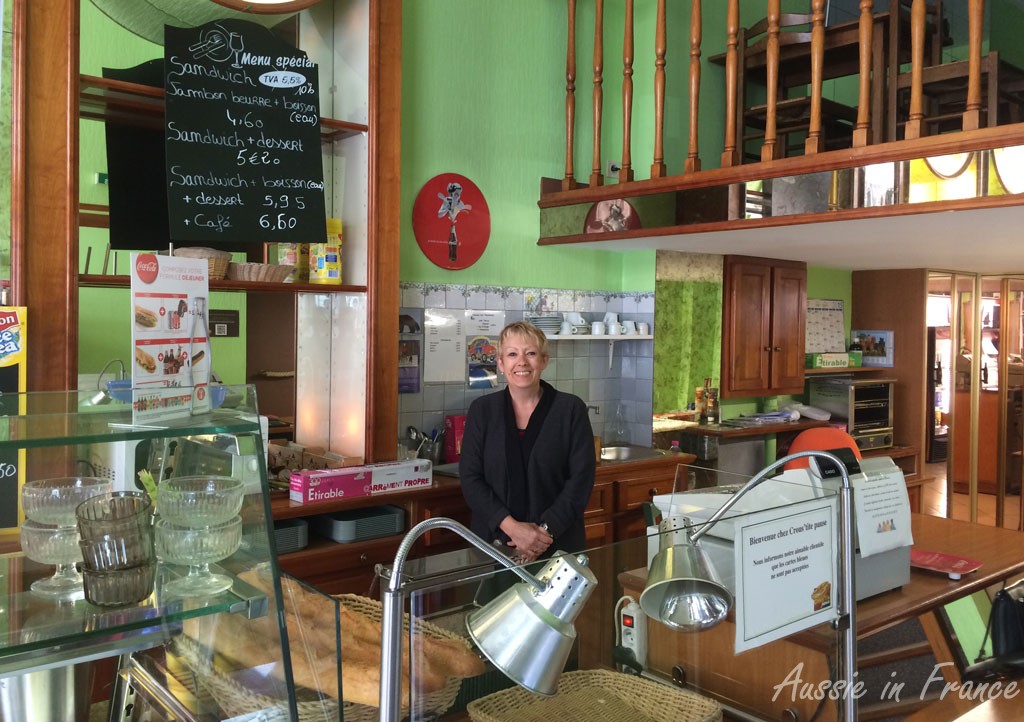
Our neighbour Chantal at her snackbar Crousti'Pause, rue Denis Papin.
Our neighbour Chantal at her snackbar Crousti’Pause, rue Denis Papin.

I call in to see my next door neighbour (the one that ISN’T going to have a poultry yard) at her snackbar in Blois and she thinks it’s a wonderful idea. “We’ll come”, she says, “and so will our friends down the road that I knew from high school.” I ask for advice about food and she suggests that I simply tell people to bring a picnic basket with what they need.

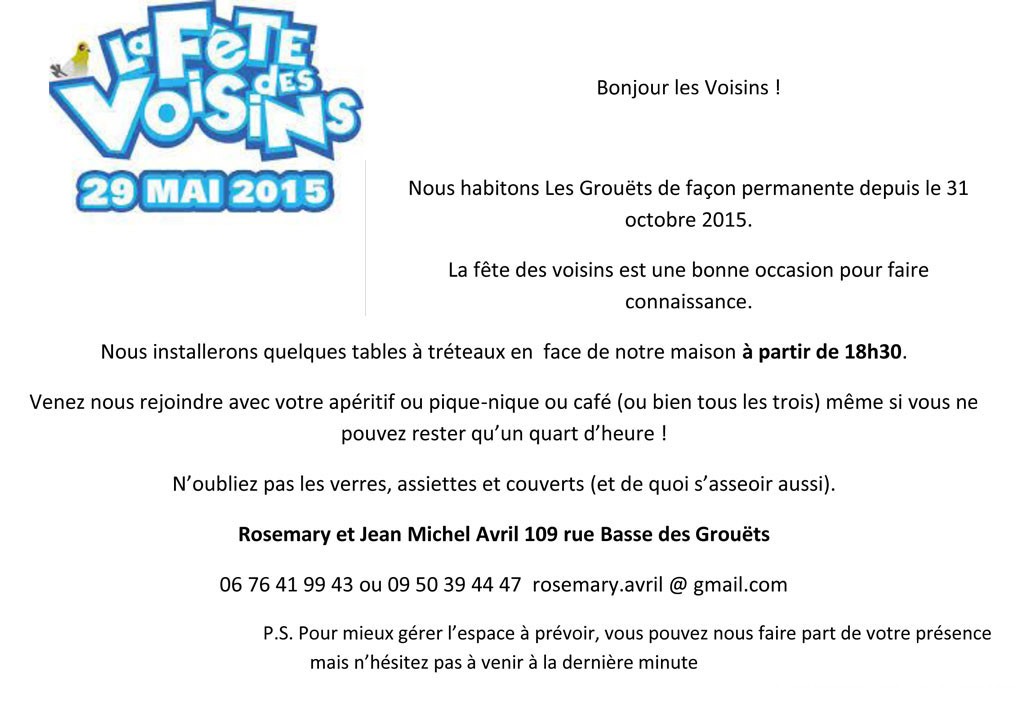
The flyer presenting ourselves and inviting our neighbours to the party
The flyer presenting ourselves and inviting our neighbours to join us

Jean Michel and I spend some time finding the right wording for the flyer and I add a logo I find on a website. La fête des voisins also called Immeubles en fête (which roughly means “partying flats”) was created at the turn of the century (this one!), at the initiative of one Atanase Périfan in the 17th arrondissement in Paris. It was promoted by the mayors of Paris (all twenty-one of them) and low-income housing owners and its popularity rapidly spread to the rest of France. It is now held on the last Friday of May or the first Friday of June. It became Europe-wide in 2004.

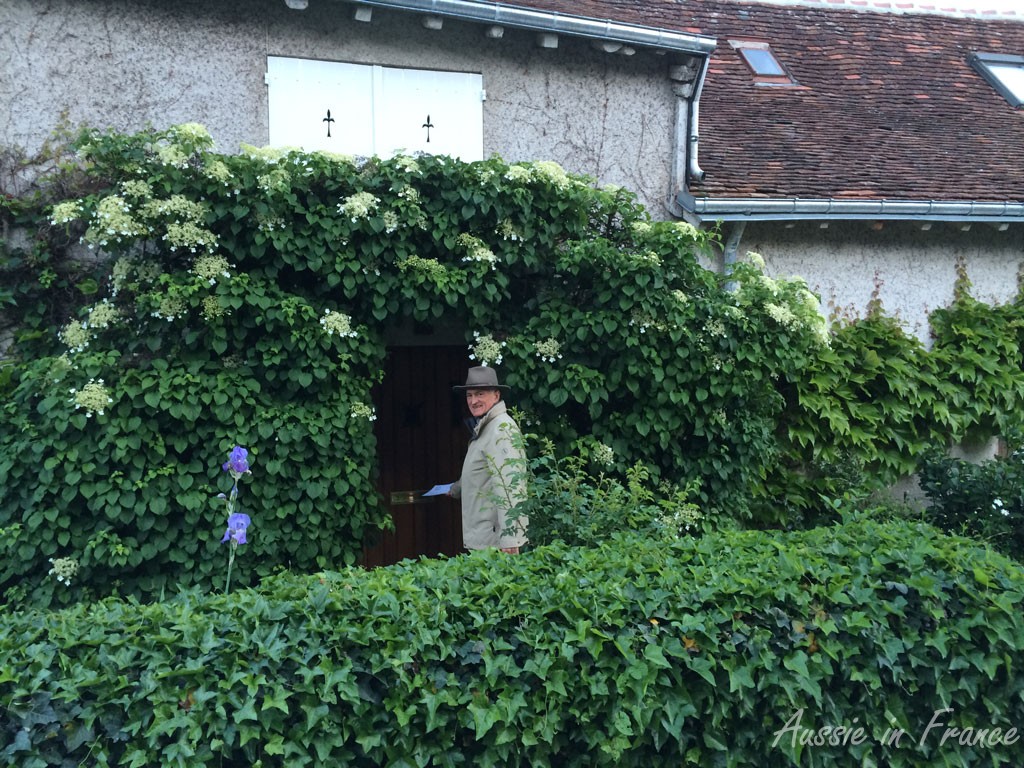
Jean Michel putting a flyer in one of the letterboxes

I print out 70 copies (two flyers per page) because the last house in the street is 132 (it’s a long street) and we set out after dinner on the Monday 18th to put them in everyone’s letterboxes. We have lots left over so I can only surmise that many people have two numbers (like our neighbours on the other side).

At the end of the road, we see the Harley Davidson man whose wife’s car we ran into the first night we ever slept at the Closerie. He thinks it’s a wonderful idea and will come with his wife.

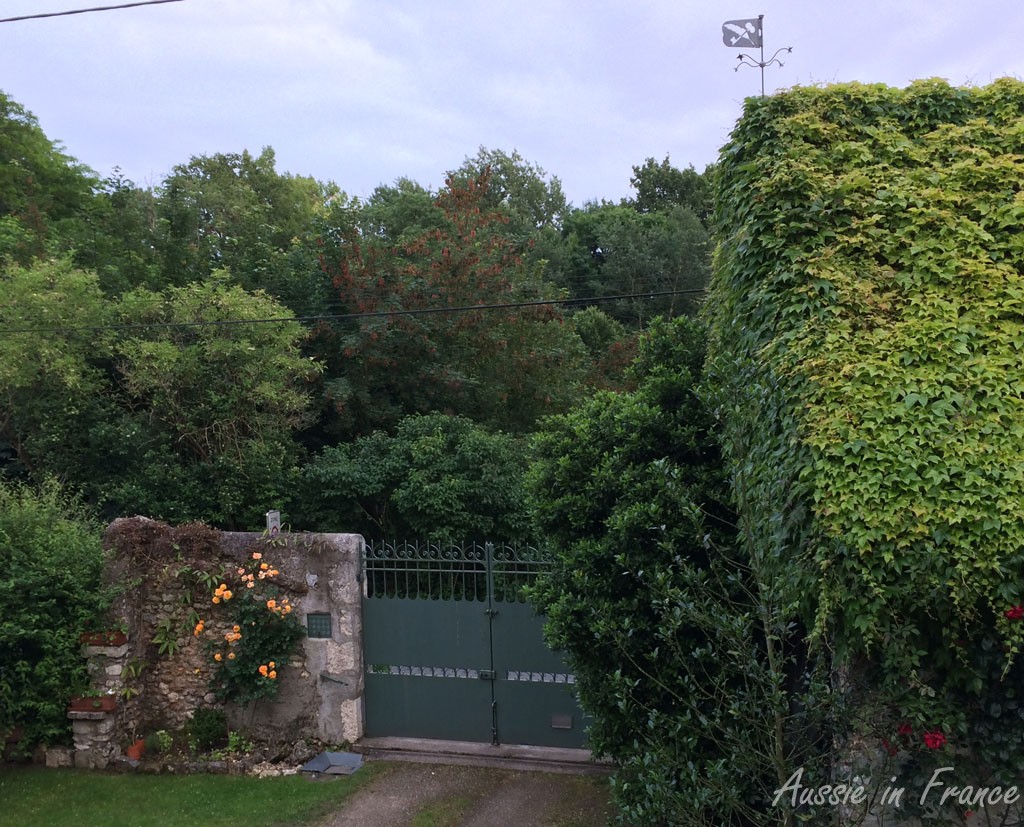
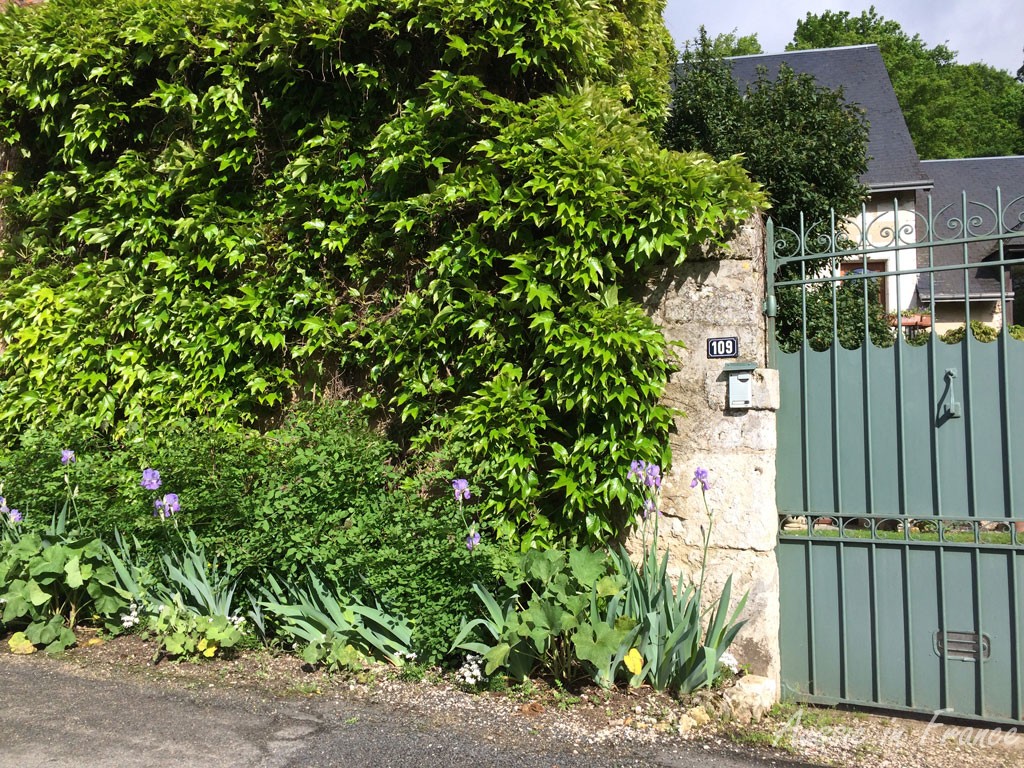
Outside our front gate

Next day, a lady walks past while I’m weeding on the footpath and we chat for a while. She says her husband has a pétanque game but they will try to come afterwards. Another neighbour we know also calls by to say he’s coming. We’re up to  12 which seems a decent number.  I invite Mr and Mrs Previous Owner and they are delighted to come.

We keep checking the weather and although it will be a little chilly and overcast, no rain is predicted. Responses trickle in and it looks like we might make it to twenty.

Balloons with "fête des voisins" written on them
Balloons with “fête des voisins” written on them

Jean Michel is going to set up a couple of trestle tables and a banner made of balloons saying “Fête des Voisins”.

Friday dawns and to my dismay, I am too sick to get out of bed. My terrible January flu seems to be back. I make my way to the sofa and finish off the two translations due that morning, then drag myself back to bed. I am feeling very miserable and very disappointed to say the least.

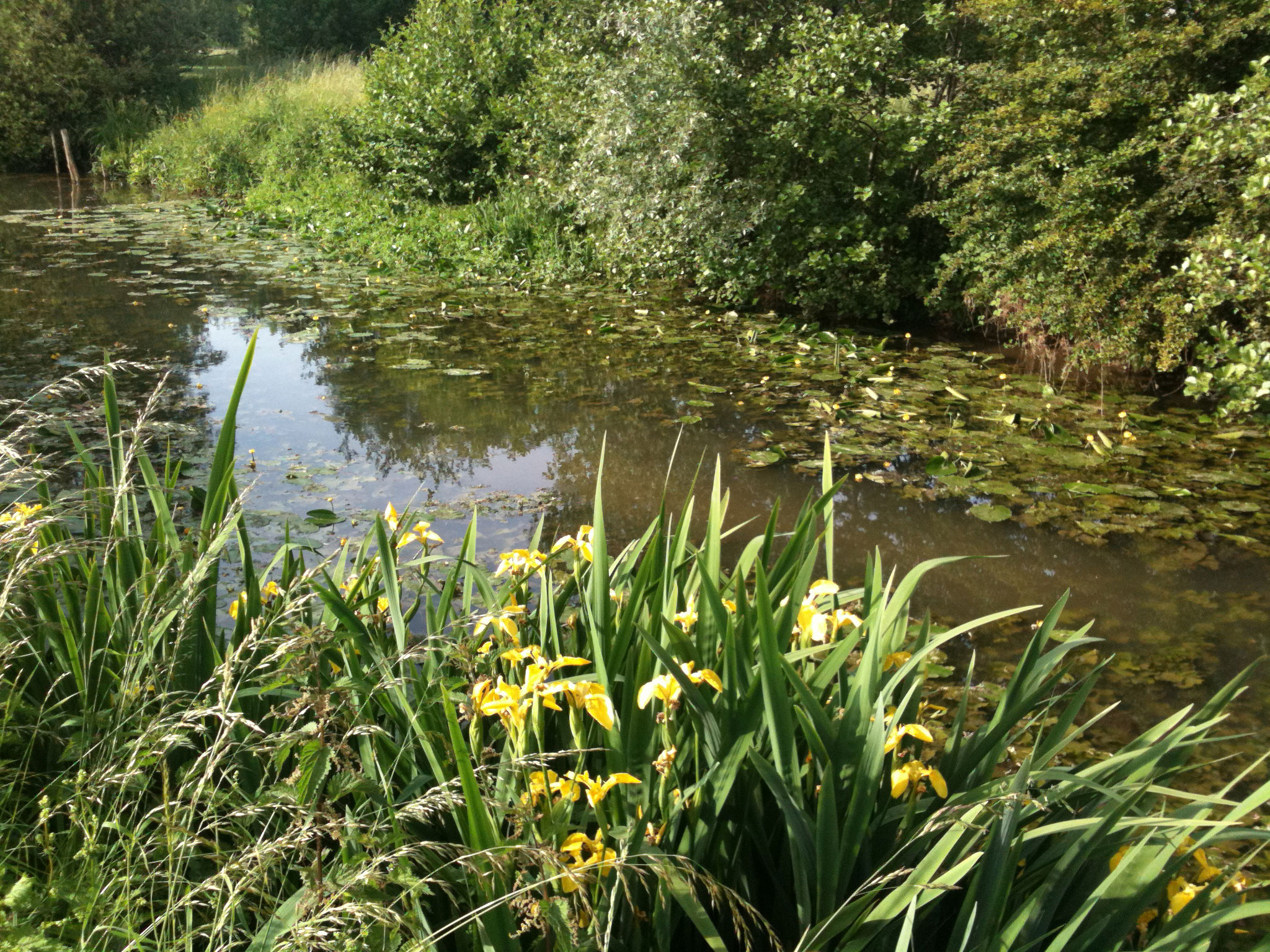
Waterlilies and irises in Chouzy-sur-Cisse

Jean Michel goes off and buys the balloons and at 5 pm is setting up the first trestle table in the area opposite where we park trailer. By then, I am feeling even worse than I did during my first flu so ask him to ring the doctor (whom I incidentally do not like). The doctor says to bring me straight over so I clutch my sick bag as we hurtle over to Chouzy-sur-Cisse.

The doctor reassures me that I don’t have Lyme’s disease from a recent tick bite, nor a urinary infection, nor encephalitis or meningitis from all my recent mosquito bites. We go home and I collapse into bed again fully clothed.

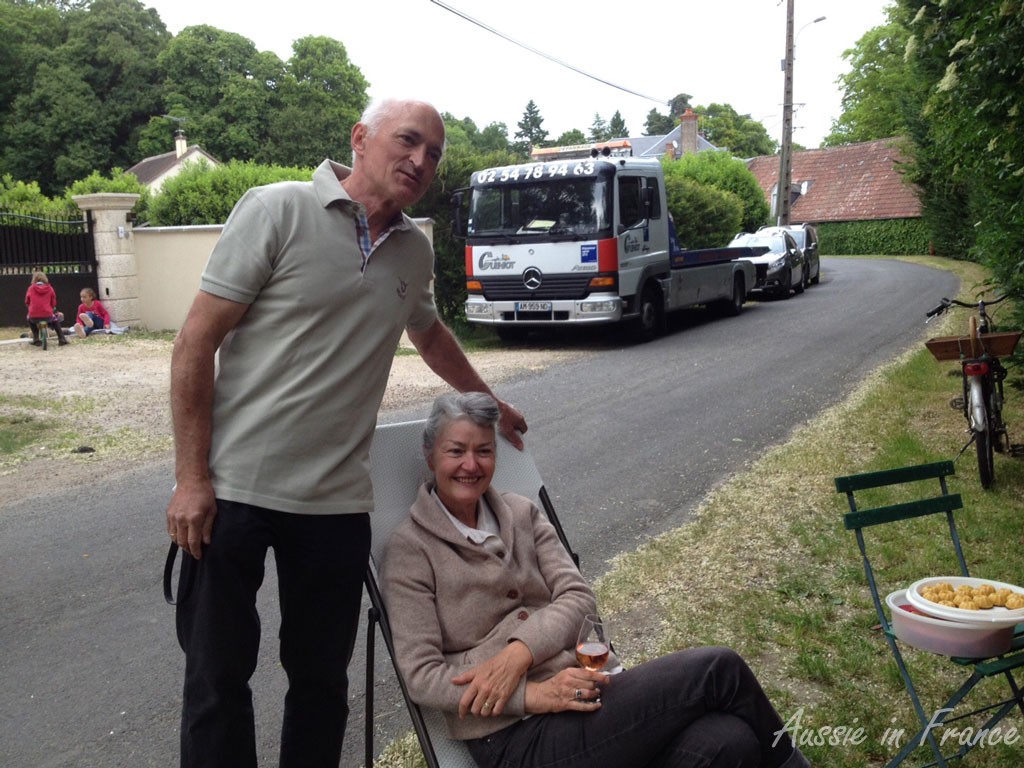
Being restored with a glass of rosé
Being restored with a glass of rosé (photo by Mrs Previous Owner)

At 8 pm, I wake up and take some aspirin, feeling slightly better. I can hear joyous voices wafting in from the outside. I go down and get my deck chair and wander across the road. Someone spies me and starts clapping. A loud “hourray” goes up !
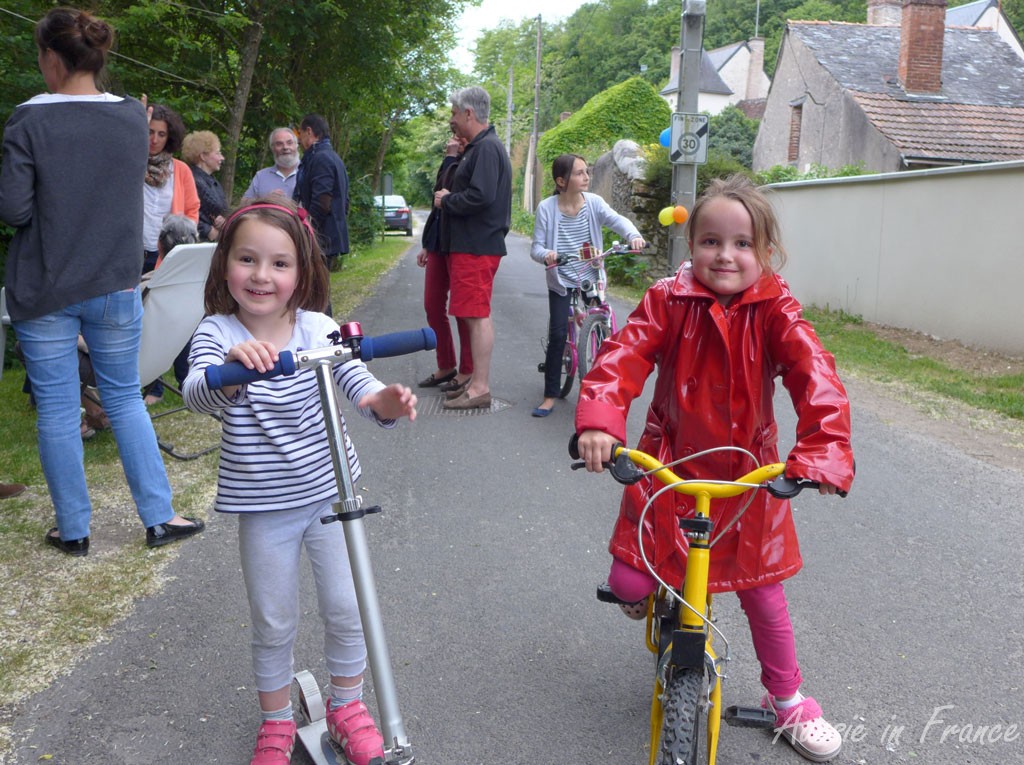
Two new friends on their scooters

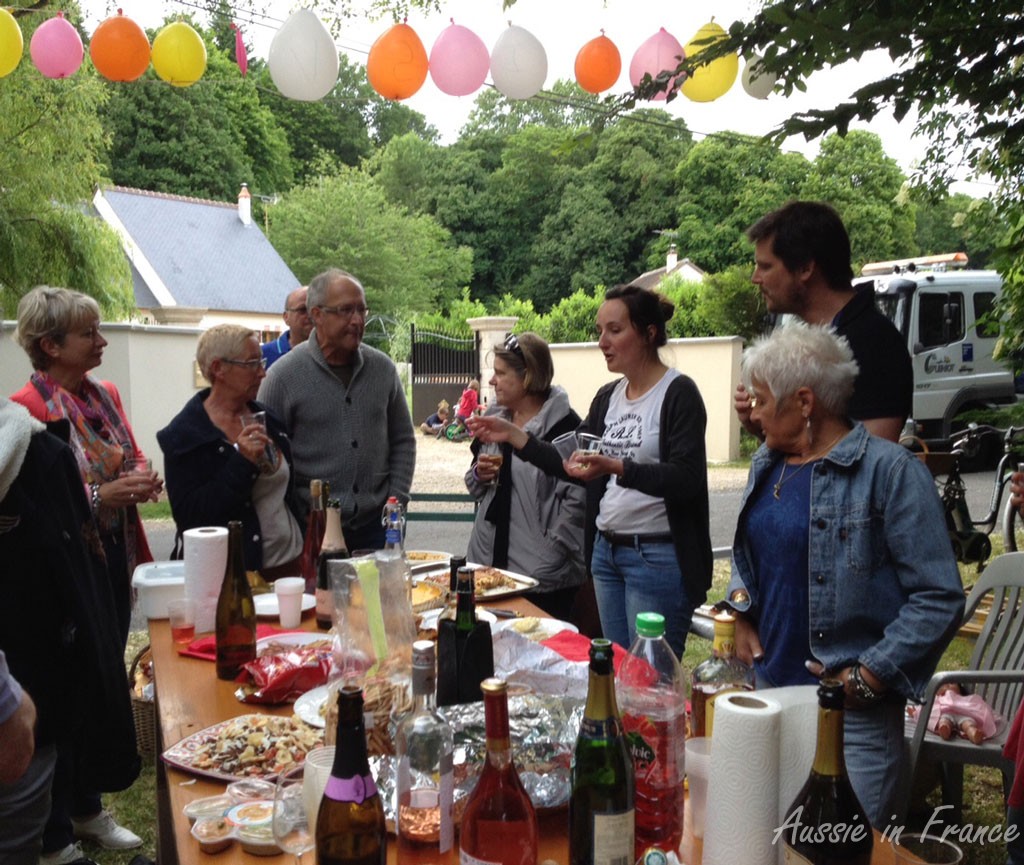
I am amazed to count a total of 31 adults and 5 children. Everyone comes to talk to me in my deck chair and I can see they are all enjoying themselves.  There is plenty of food and I end up having a glass of rosé bought from the Cheverny Cooperative the day before. I slowly start to feel better and after an hour or so and a second glass of wine with a sandwich can actually get up and mingle.

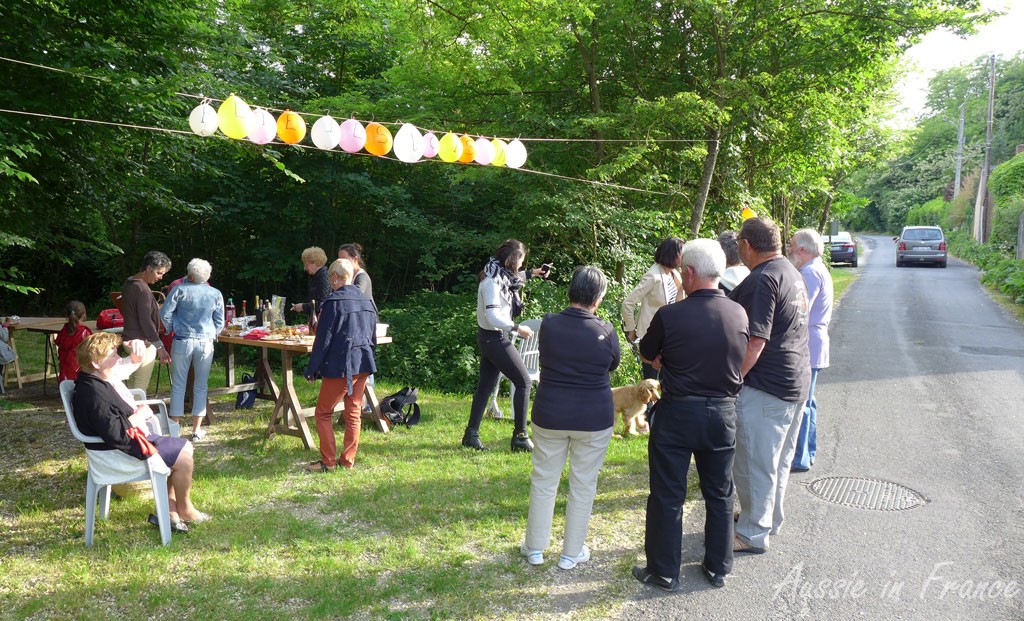
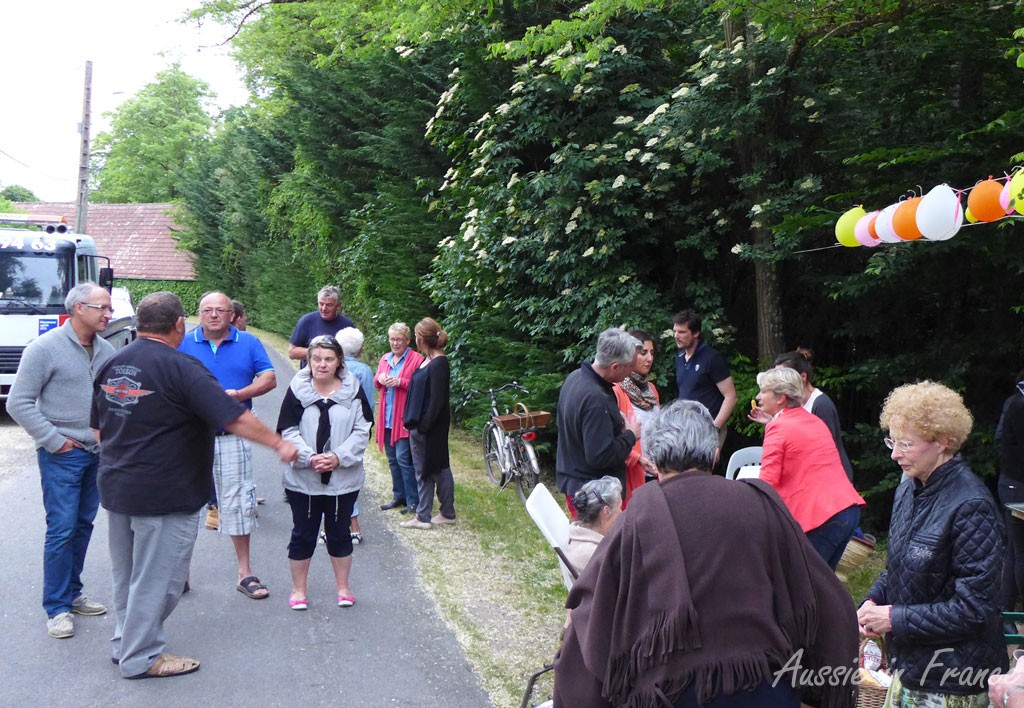
The party soon moved into the street

Most of the people present are our neighbours who are geographically the closest, although lady comes from the top of the street.  She tells me she felt a little shy at first so drove past. One of the other neighbours recognised her and called out so she stopped and joined us.

I’m told by another neighbour that she once tried to initiate a fête des voisins and met with little enthusiasm. My principle is that when you hold a party, even if only one person comes, then it’s worth it because that person wants to be there !

Most of the people didn't know each other before the party, but the conversation never stopped
Most of the people didn’t know each other before the party, but the conversation never stopped (photo by Mrs Previous Owner)

Another lady tells me she and her husband are moving away in a couple of months’ time because they have never managed to establish a social network in Blois. How lucky we are !

About 10.30 pm, as night falls, the party spontaneously breaks up and everyone helps to clean up. Next morning only the balloon banner still remains. At the market, we meet no fewer that three of our neighbours present at the fête. All repeat how much they enjoyed themselves.

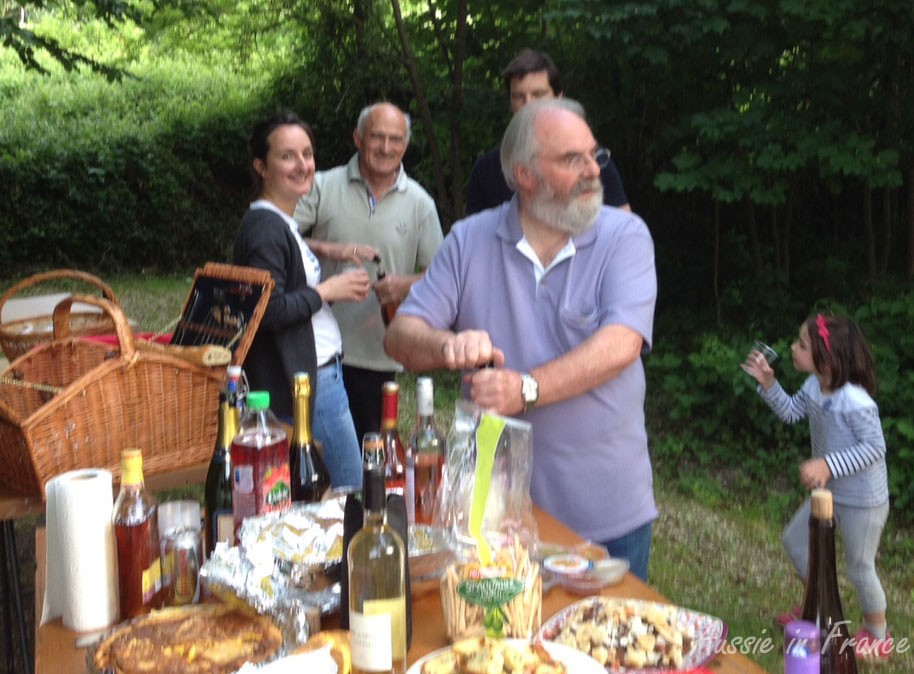
And off comes the cork! (photo by Mrs Previous Owner)

So we’ll be on the ball next year for the 2ème fête de voisins (and I won’t be sick because spending three days in bed is no fun!)

All About France #5

All_About_France_blog_link_up_2I would like to dedicate this post to Phoebe Thomas from Lou Messugo, who’s neighbour day party two years ago inspired me, and at the same time participate in her All About France #5 blog link. For other contributions, click here.

Why I love the market even when it’s cold or rainy #1

We go to the fresh produce market in Blois every Saturday in Place Louis XII no matter what the weather. You never know what you’ll find! We arrive any time between 10 am and 11 am and park in the underground parking lot nearby.

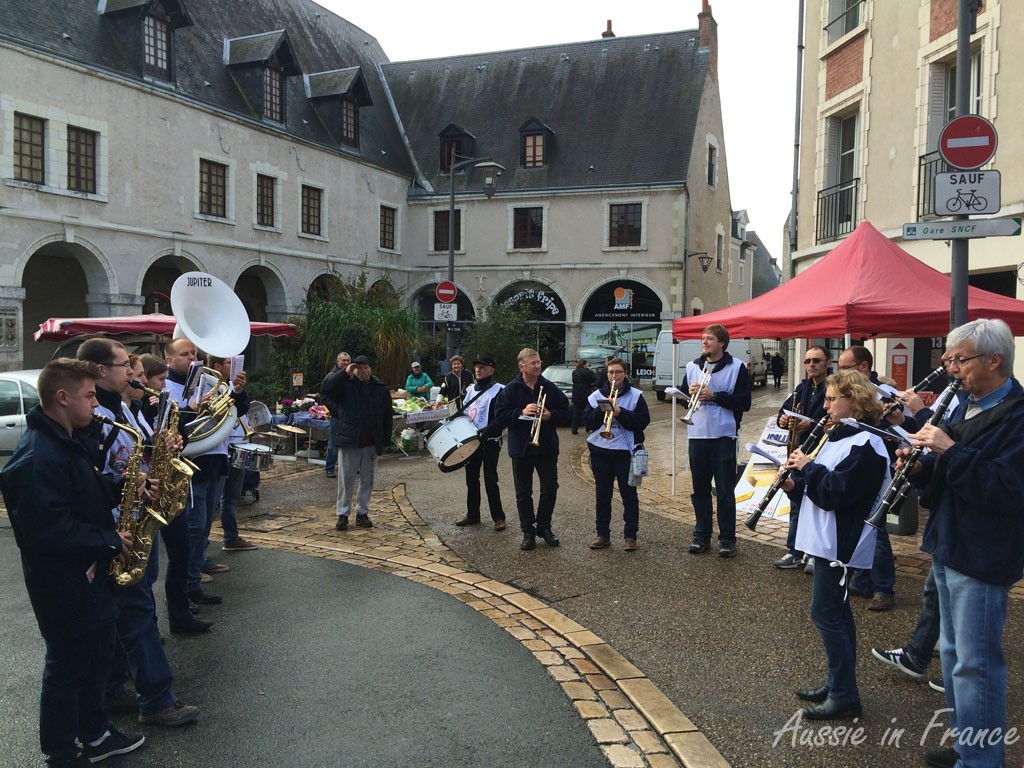
A brass band in winter

Over the last 3 years and particularly since we moved here permanently six months ago, we have developed a set routine to include our favourite vendors.

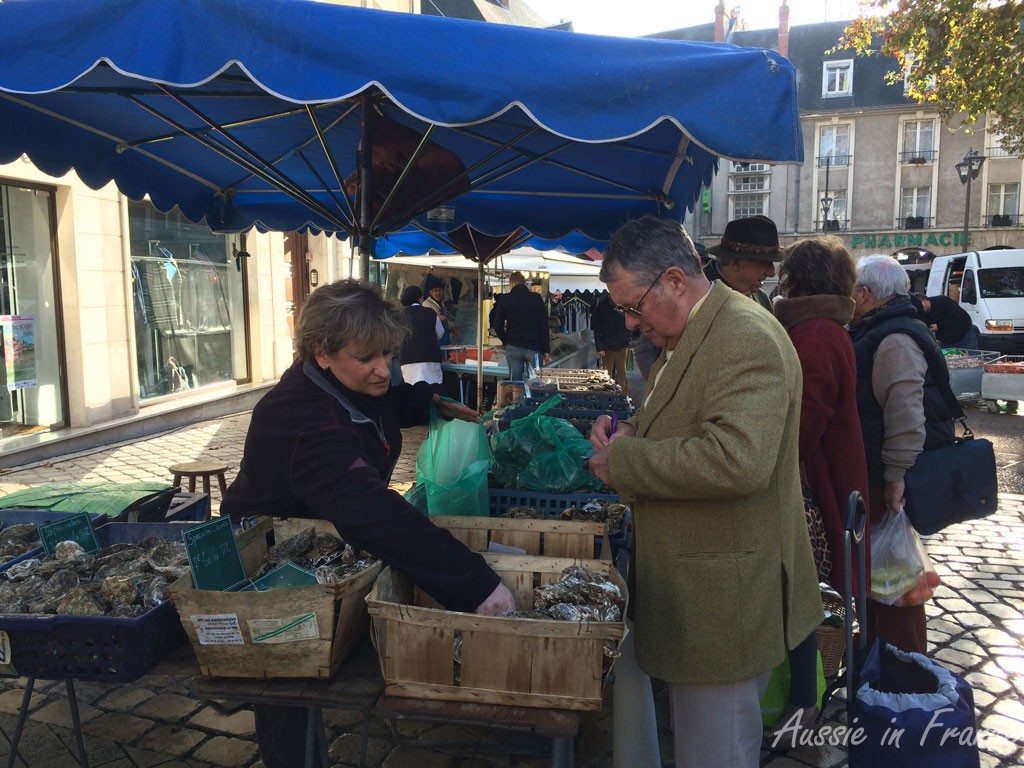
oysters

In winter, we start with the oyster vendor and buy two dozen spéciales as these are our favourites. At 7.20 euro a dozen, they are considerably cheaper than the ones we used to buy in the 1st arrondissement in Paris. Our vendor and her husband live and raise their oysters in Charentes and come to Blois three days a week. Between them, they cover the Amboise market on Friday and Sunday mornings, two markets in Blois on Saturday morning and various selling points on Friday and Saturday afternoon, from the beginning of September to the end of April.

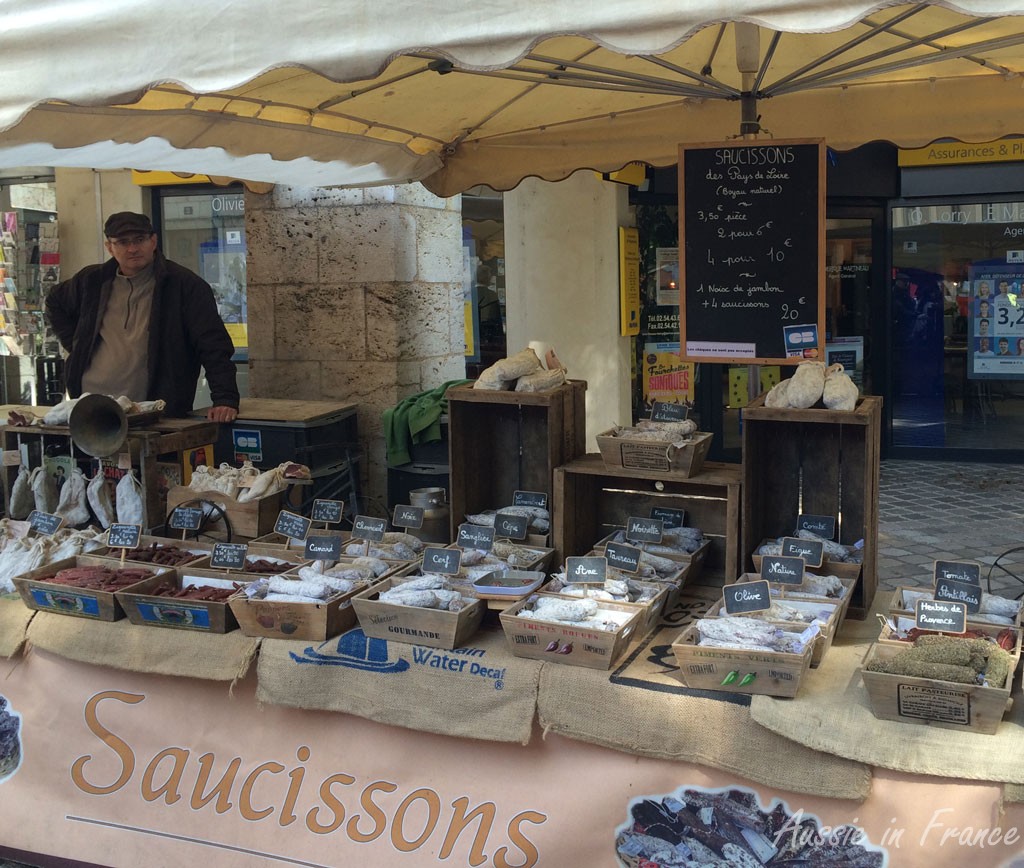
The saucissons vendor on the market with local varieties such as deer and wild boar.

Next stop is the saucisson seller with local varieties such as deer and wild boar. Saucisson in French corresponds to dry sausage of the salami type as opposed to saucisse of the frankfurter type. Saucisson is one of our favourite appetizers.

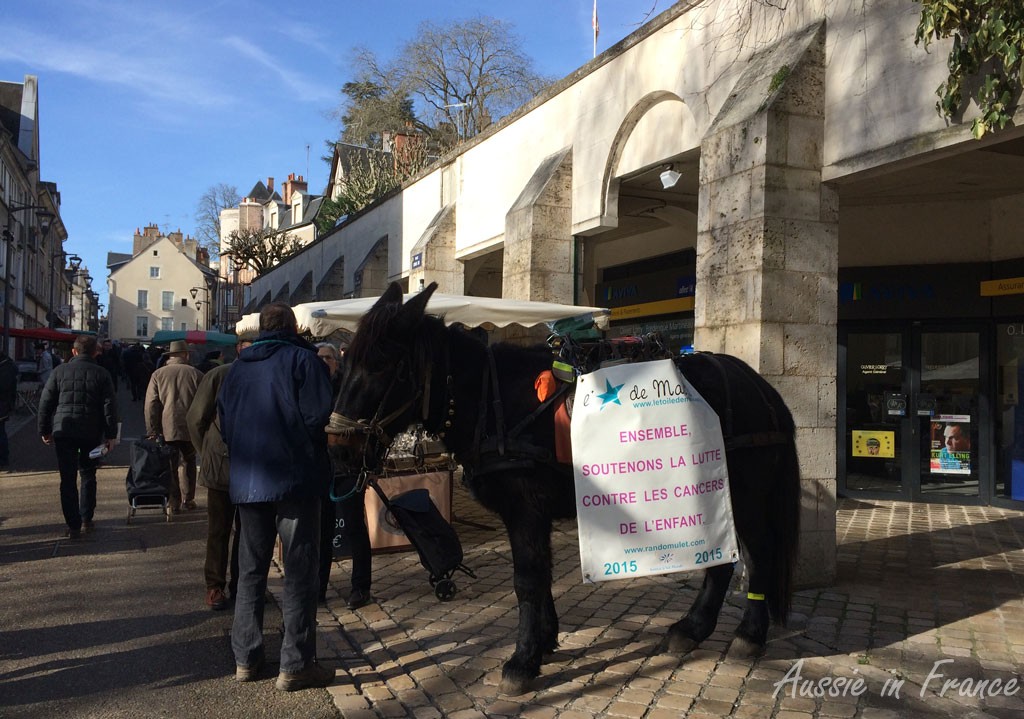
One day there was even a donkey to attract donations for children with cancer

The chicken and rabbit vendor  comes next. Rabbit is one of Jean Michel’s specialities that we buy from time to time and have with chasselas grapes or prunes depending the season.

The mushroom vendor who sells button mushrooms, oyster mushrooms and Japanese shitake

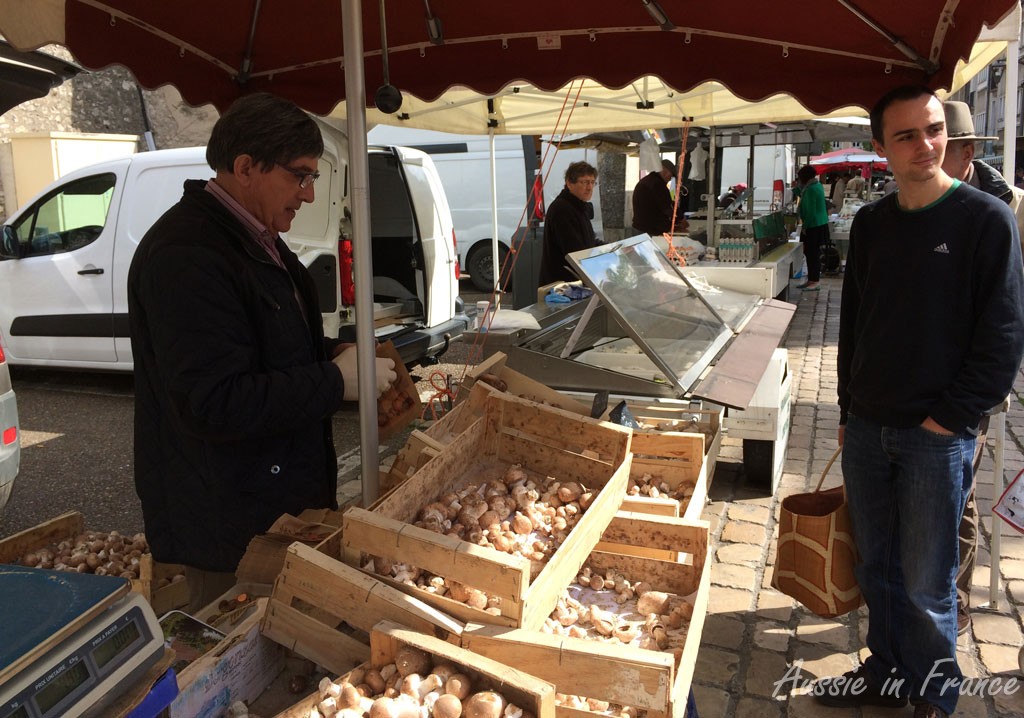
After that, we have the mushroom man. He works with a partner who grows button mushrooms (called Parisian in French) , shitake and oyster mushrooms. He loves joking and talking to each customer. He always wants to know what you are going to do with the mushrooms and selects them accordingly – very firm to be eaten uncooked, large if they are to be sliced, tiny to accompany a roast.

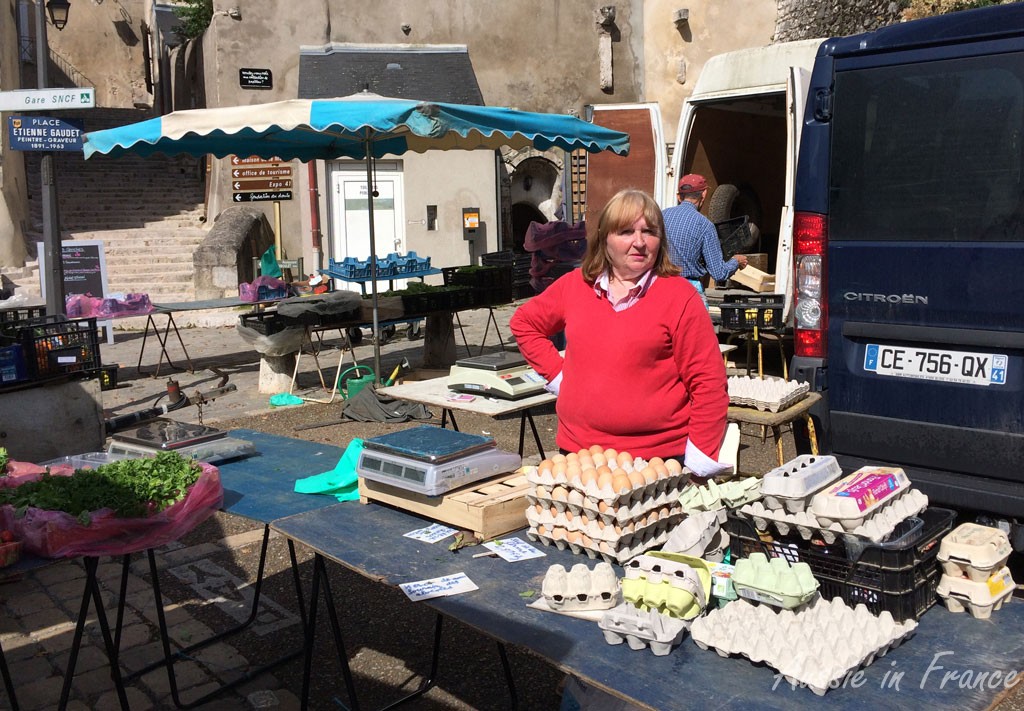
The egg lady who is part of the fruit & vegetable stall

The next vendor is the organic baker. The vendors (a young man or a young woman) are not very friendly, but Jean Michel prefers their baguette with his oysters – I prefer the multi-grain bread I make myself.

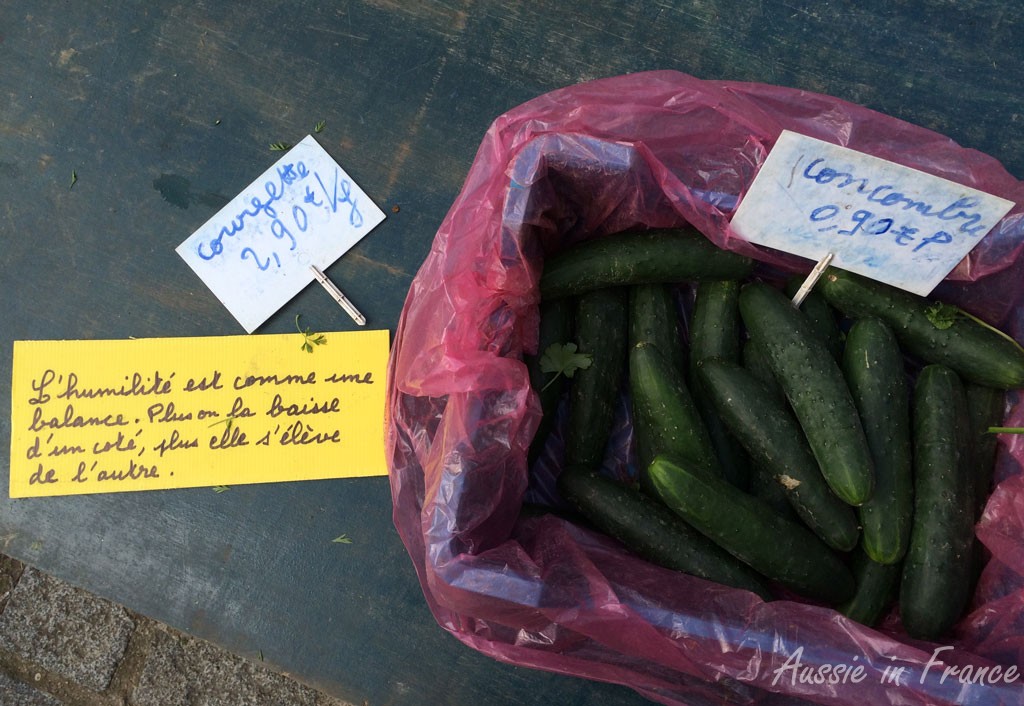
one of the philosophical signs on the fruit & vegetable stall
One of the philosophical signs on the fruit & vegetable stall

A large self-serve fruit and vegetable stall comes next. The owner of the stall is a farmer himself and all the produce he sells is fresh and local. In between the cardboard boxes are little signs with philosophical quotes such as “Humility is like a pair of scales. The more you make it go down on one side, the higher it goes on the other”. The lady behind the scales writes everything down on a piece of xcrap paper and then adds it up. They also sell free-range eggs so we take along our empty cartons.

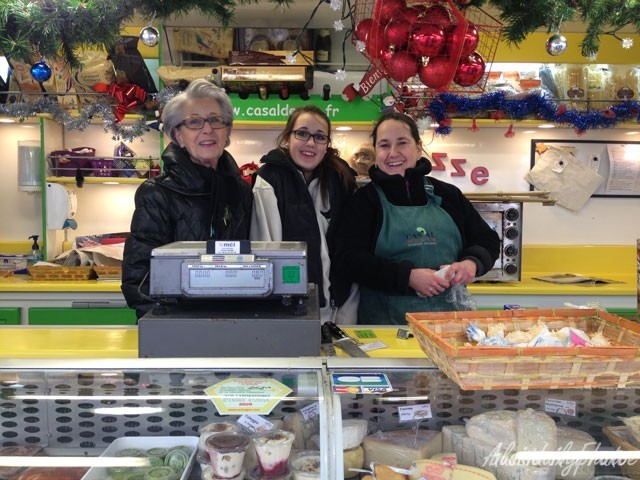
Three generations of Italians run the stall

Next on the list is the Italian stall. It’s very popular so we always buy four types of ravioli and some tagliatelle and freeze them so we won’t have to queue as often. You can plunge the pasta directly into boiling water still frozen and cook it like fresh pasta. The stall is run by three generations and their produce comes directly from Italy.

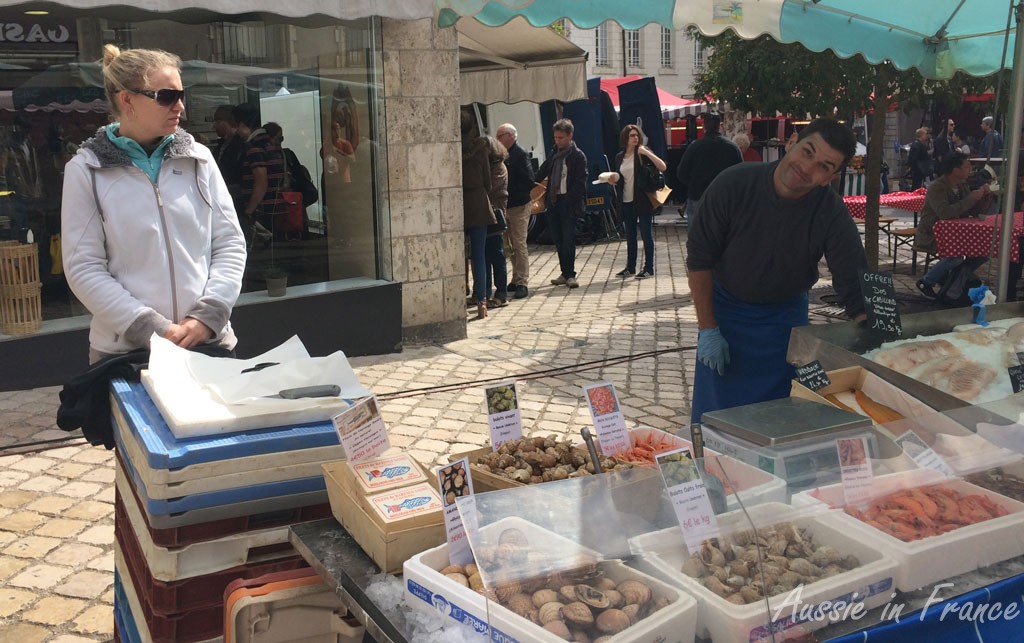
When it's no longer scallop season, they sell fresh fish, shells and prawns
When it’s no longer scallop season, they sell fresh fish, shells and prawns

In winter, we often buy scallops (coquille Saint Jacques in French) from a stall run by two young men. Their hands must be frozen by the end of the morning, after opening literally hundreds of scallops. For the last two or three weeks, a young woman has been present, cooking scallop kebabs on a gas-fired griddle plate. She has a little sample plate cut into small pieces with a couple of whole scallops. Jean Michel thinks they are for sampling too ! I explain to the woman but she just laughs and says “don’t worry”.

The red & black coffee stall

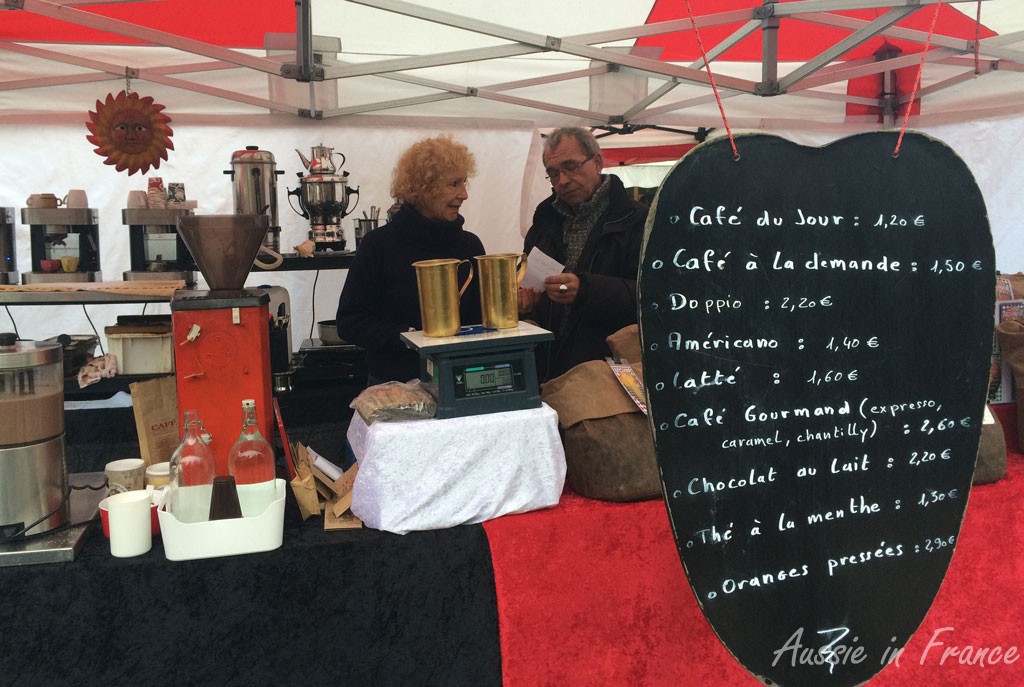
Now comes the best bit. The coffee stand. Not only can you buy coffee grains, you can also buy fresh espresso, tea and hot chocolate. We order our two cups of black espresso and hand over our empty packets to be refilled with colombie and déca (decaffeinated coffee). There’s the usual banter between the lady who serves the coffee and the man who owns the stall. He pitches in when it get busy but spends the rest of the time talking to all his mates who stop by.

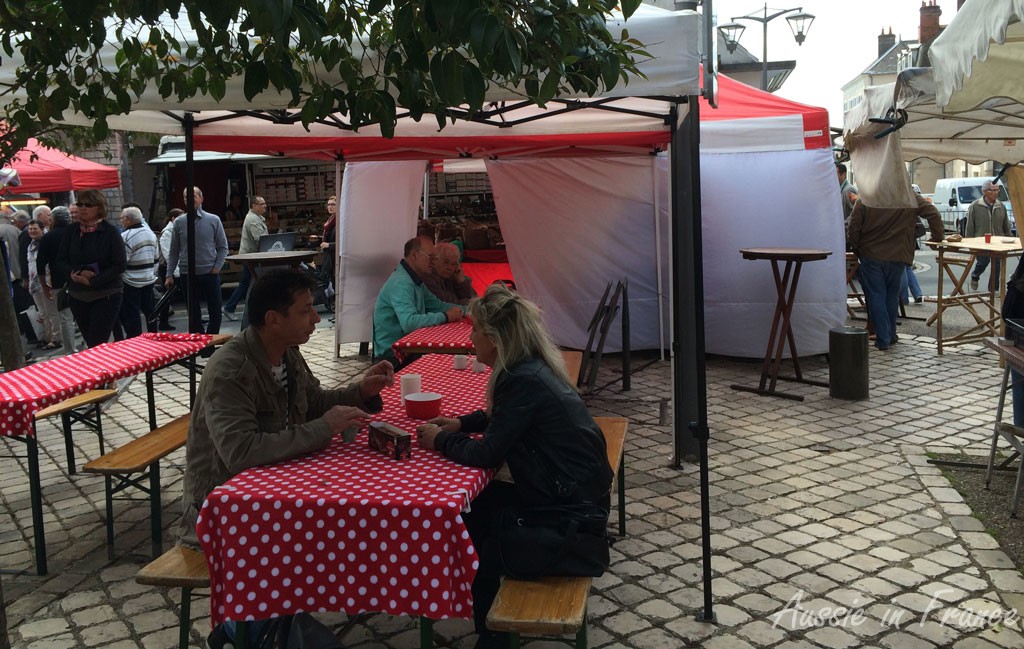
The make-shift coffee tables behind the stall, also red and white.
The make-shift coffee tables behind the stall, also covered with red and white table cloths.

We take our coffee to the trestle tables and benches behind the stall. It’s just started to rain so we appreciate the awning. By now the tables have filled up as it’s the weekly meeting place for a group called “On Va Sortir” (let’s go out) but there are still a couple of places left. We say hello to the others at our table and listen in on a conversation about the famous Chambord brocante held the day before during which it rained solidly.

Jean Michel and the Chambord vendor

They have a friend who had a stall. She suddenly arrives with her daughter and sits down in the space next to  Jean Michel. We were very keen to hear about her “wet” experience. Rendez-vous in my next post to hear her story!