Category Archives: Croatia

Happy New Year for 2026

I see that I have not published a New Year post since 2021! Life has kept getting in the way.

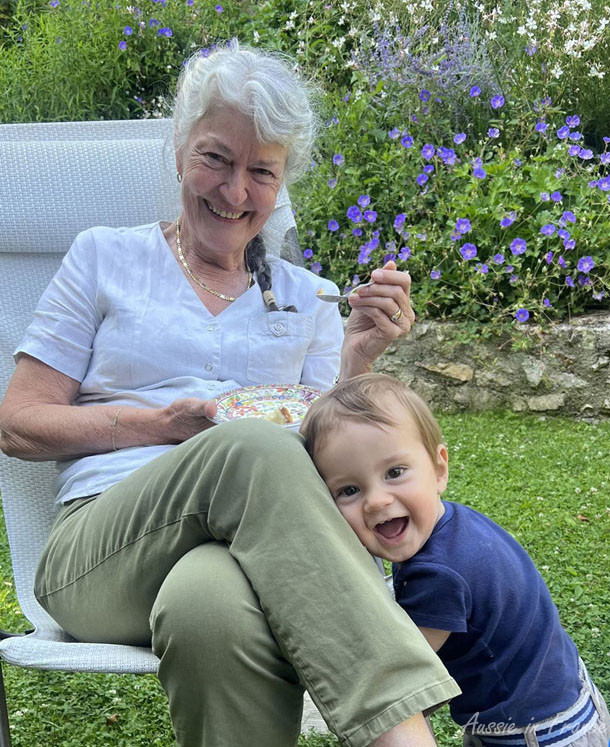
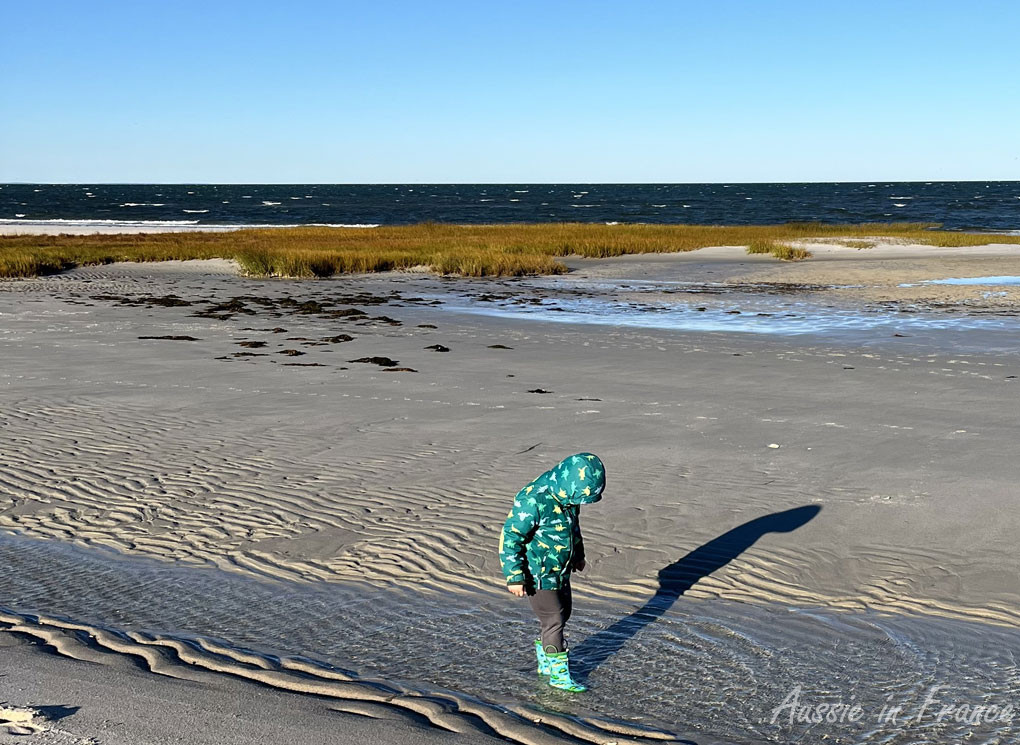
This, my first full year of retirement was very much focused on grandparenting with a 5-week visit in February/March from my baby Lucas and his mum, 3 weeks in Boston in April to visit my son, his Amercan wife and two children Eric (now 4) and Sophie (nearly 2). I was joined by Lucas and his parents for a week. Lucas and his mum came back to Blois at the end of July and stayed for 6 wonderful weeks! We then went back to Boston in October and looked after Eric in Cape Cod during his school holidays. We stayed a total of three weeks, during which time Lucas and his parents joined us for a week.
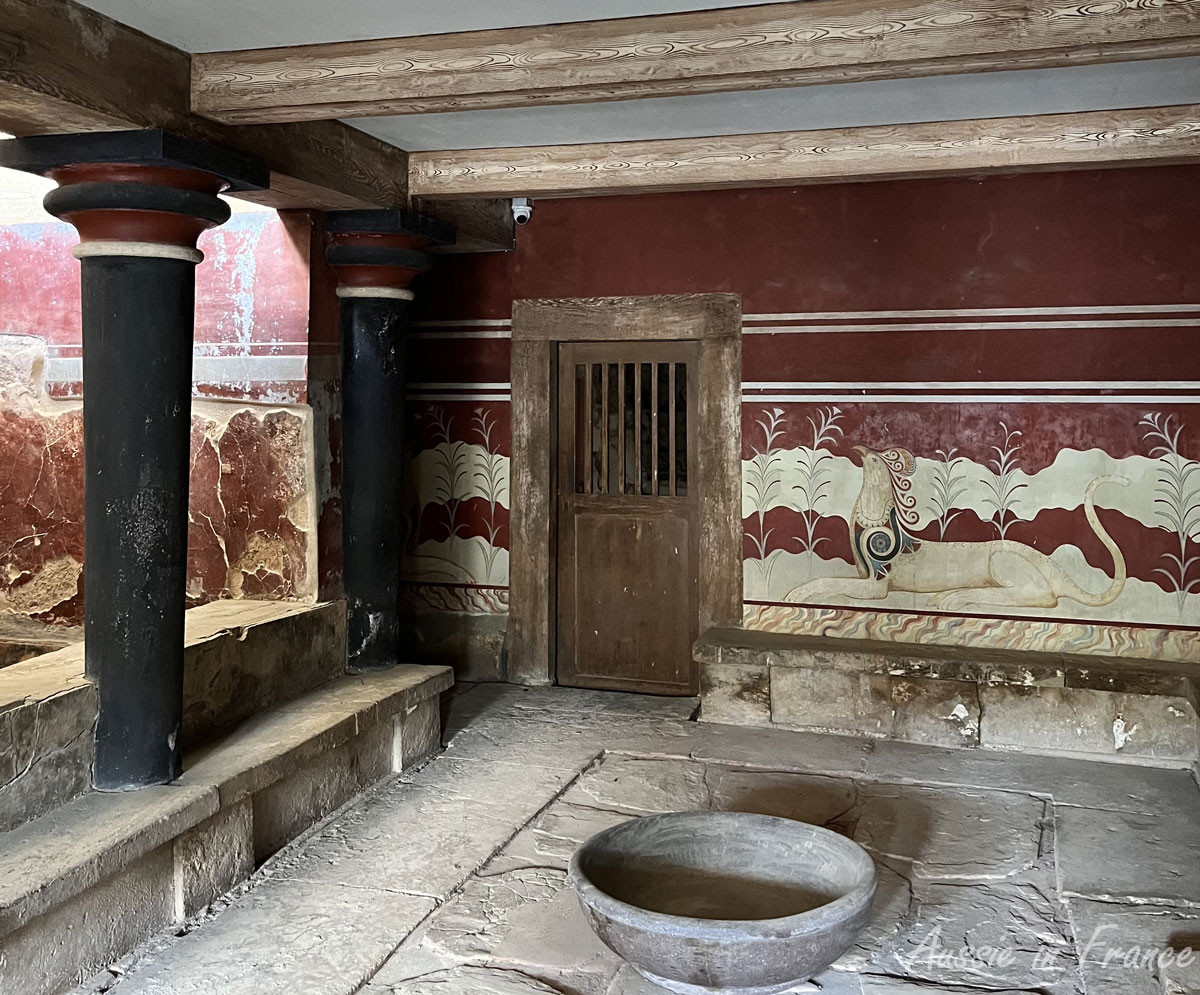
We still did some real travelling, starting with a week in Crete in February, where we took up from where we left off in February 2020, when we had to cut short our visit due to Covid. It was great to have a change of scenery and some sun but apart from the visit to Knossos, it seems that we had already seen the best of Crete the first time.
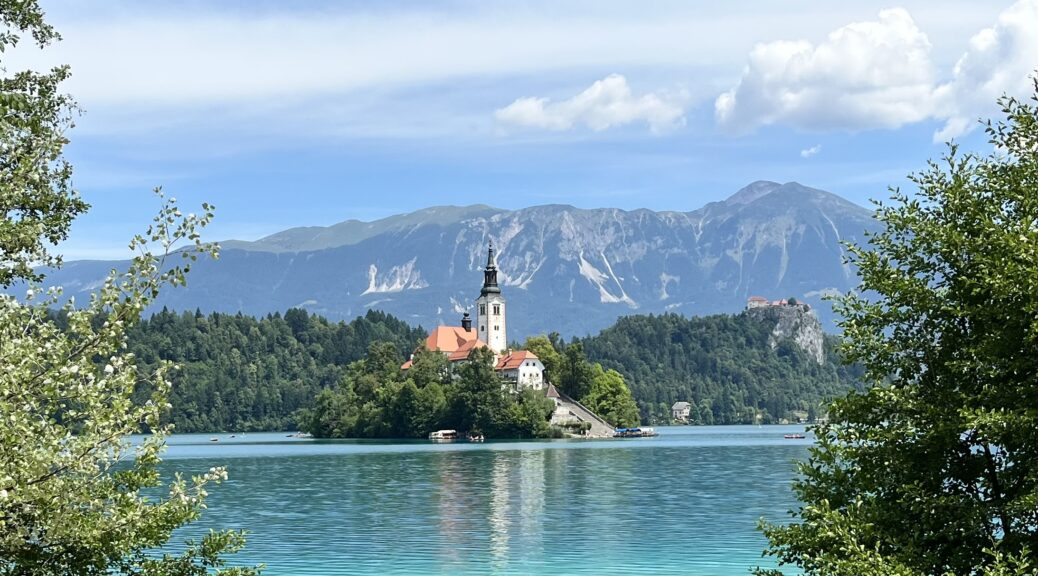
The end of June saw us heading off on our annual cycling holiday, with Lake Bled in Slovenia as the ultimate destination. We started in the Jura, followed by Lake Iseo in Italy and on to the Slovenian side of the peninsula of Istria (we had already been to Porec and Pula in Croatia on a previous trip). The weather was very very hot and we continued to have high temperatures throughout our stay. We restricted our cycling hours to the morning whenever possible. Fortunately we had air-conditioning in all the apartments we rented. We no longer stay in hotels, preferring this option with a 3 to 4 night stay each time. As we don’t like riding in the rain, we usually book the next accommodation on the second day of each stay. This may limit our choice, but we always suitable accommodation.
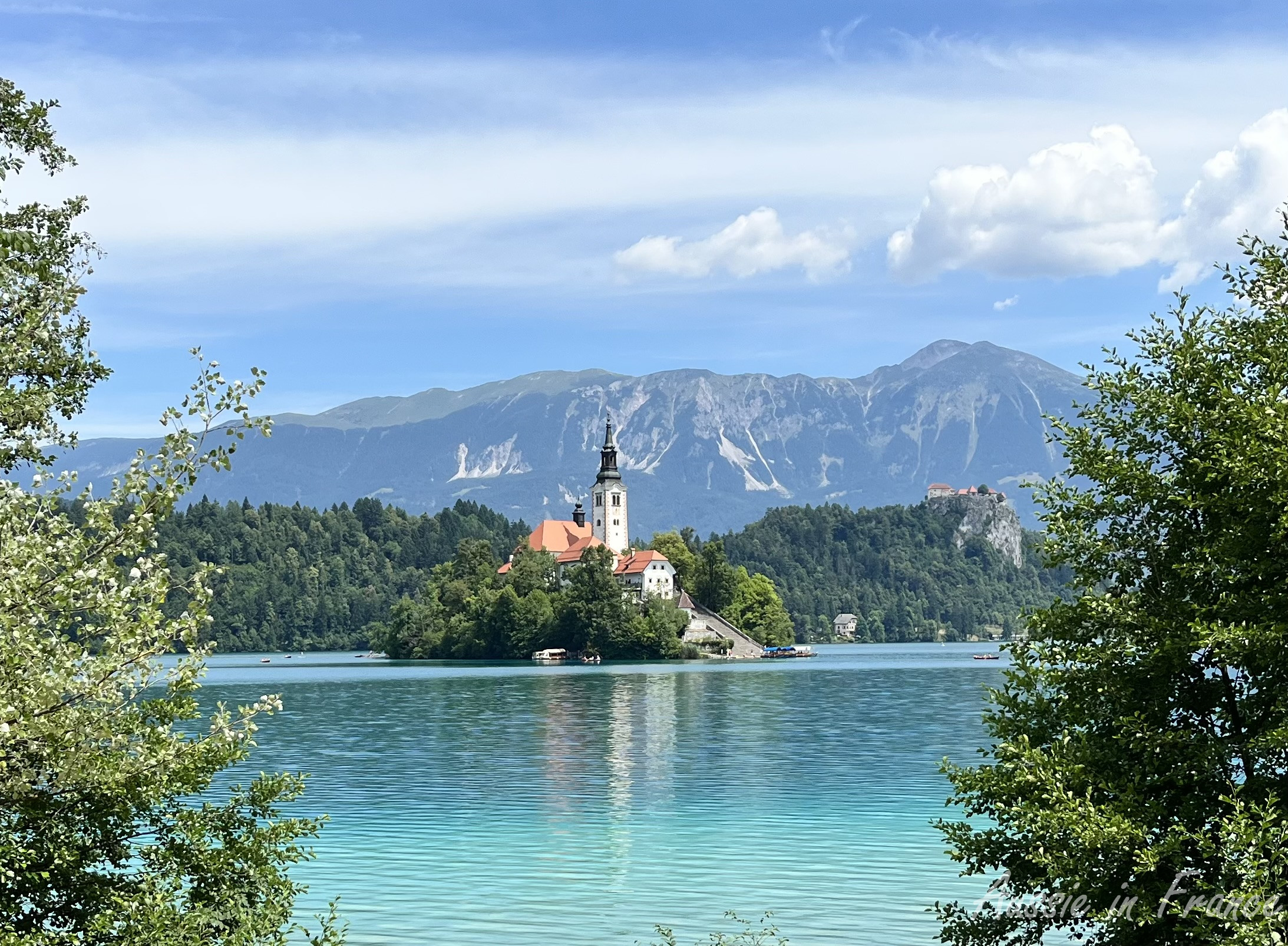
We had fond memories of Slovenia from our past trip fifteen years ago but it has now become a favourite tourist destination for Europeans and we were disappointed with the over-exploitation of the Lake Bled region. The lake itself, however, was picture-perfect and we had an apartment at the top end of the lake with a mountain and garden view. After visiting the Tomin Gorges, where we accidentally found ourselves in the middle of a marathon, we headed for Radece in the south east, on the Sava River, touted as having the country’s best cycling paths. Apart from the fact that we made the acquaintance of cvicek, a unique Slovenian red wine, which has a maximum alcohol content of 10 degrees and is always served chilled – perfect for the hot summer – and the best folk museum I have ever been to in Brezice, there was not much to see and the bike paths were way below German or Austrian standards, let alone Dutch!
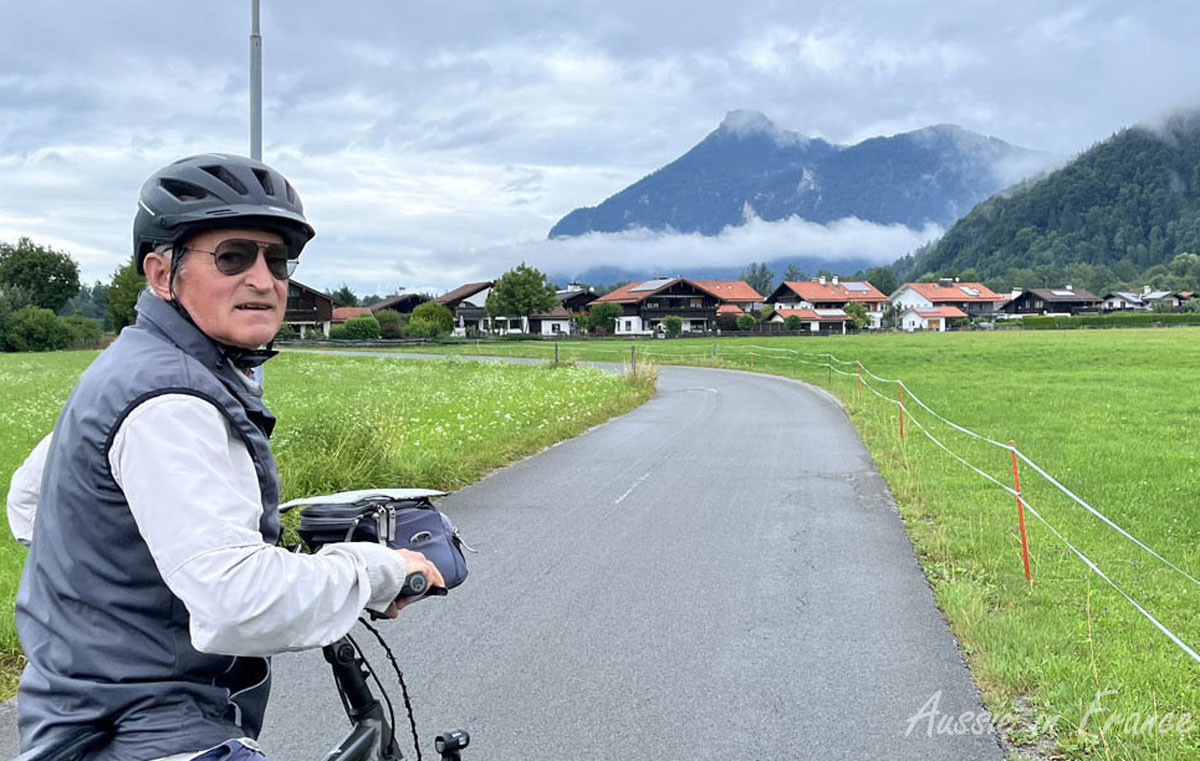
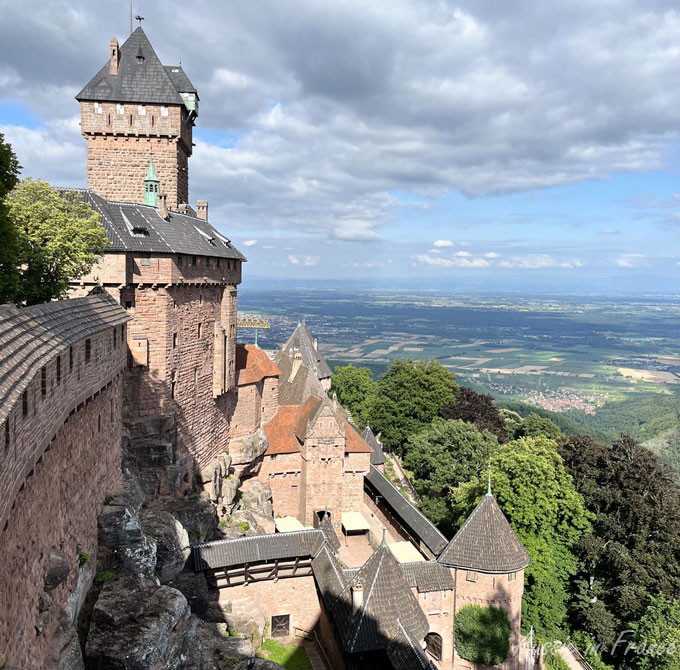
We left Slovenia and moved onto the Tyrol area of Austria. These were our best cycling days, drinking  in the beautiful mountain vistas, painted houses and baroque churches. Even the many climbs did not diminish our appreciation of the region. Our last stop was near Selestat in Alsace, where we cycled through vineyards and visited the amazing castle of Haut-Koenigsbourg.
After the constant heat, we were delighted to come home to our beautiful garden!

We have continued to be active members of Home Exchange, mainly so that we can visit the family in the US. We stayed for the sixth time with Matt and Jery in Belmont, near Boston. My son now has a new home with a guest room so we will not be staying with them anyone. We will however be visiting them as they have become good friends. We also took Eric to a wonderful home exchange on Cape Cod for four days. We will be returning there in April.
Healthwise, we spent most of January at the physotherapist’s – JM for a back problem and me for a shoulder problem, but I did manage to avoid surgery thanks to shock waves and physiotherapy. Unfortunately, 2 days before we left Boston in October, I tripped over a root and landed with my shoulder on another root, dislocating it very painfully. It was put back in place in the E&R– a pain far greater than childbirth: – and only now, more than two months later, am I pain-free. At least it didn’t make the existing problem any worse and I do not need surgery as the Boston specialist predicted. As a result, I am making sure that I walk briskly for at least one hour a day and doing senior stabilizing exercises so that this will not happen again!! I do not recommend getting older …

Our plans for the coming year are a week in Athens in February, a month in New York and Boston in April/May, a cycling holiday somewhere in Europe in the summer (Ireland or Portugal perhaps), and another visit to the US in October. The summer choice is very restricted theses days as we have now cycled extensively in France, Germany, Italy, Spain, Austria, Belgium, the Netherlands, Denmark, Czech Republic, Poland, Slovakia, Hungary, Slovenia, Croatia and Romania. I don’t know how much longer we will be able to have this type of holiday, but we will keep going as long as our energy and health permit. We no longer cycle all day, every day, and our e-bikes definitely help but we still find this is the best way to get to know a country and its people outside the main tourist areas.

I would like to wish everyone a healthy, happy and fulfilling 2026.
Zagreb – a City of Contrasts

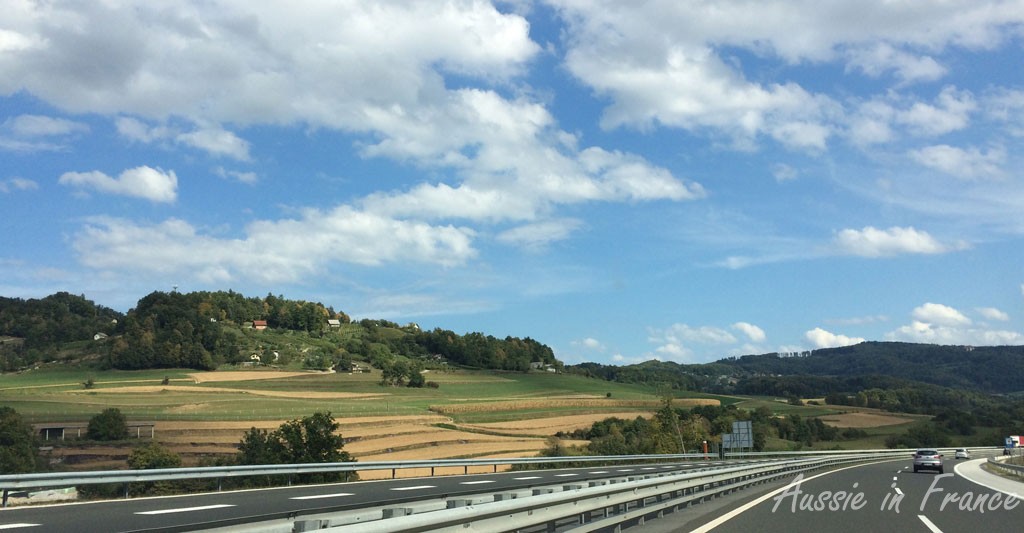
We’ve been to Croatia before – in 2011 – but didn’t get as far as Zagreb so it’s been on my list for a while. We mainly visited the coast: Split, Dubrovnik (with an excursion into Mostar in Bosnia Herzegovina), Zadar, Sibenik and Plitvice Lakes (which is one of my top sites in the world) and Pula and Porec in Istria. We then went to Ljubljana, which I loved so it’s a bit frustrating to be whizzing through Slovenia on the motorway without stopping especially as the sun’s come out.

Whizzing past typical Slovenian countryside on the motorway

We’re staying two nights in an apartment in Zagreb because there are practically no hotels in the centre. Parking also seems to be a problem but there is a cheap covered parking lot less than 10 minutes walk from the apartment which is another 10 minute walk in the other direction from the historical centre.

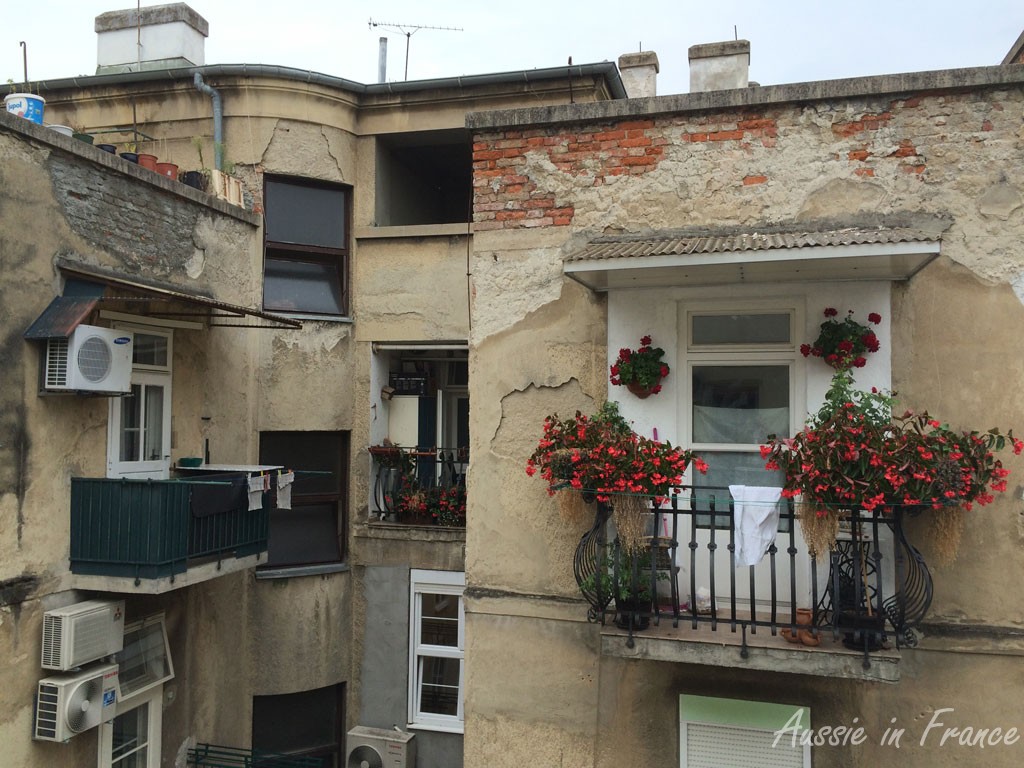
Our view from the little balcony of our apartment

This is not Italy as far as apartments go, but it’s not the same price either. In Arqua Petrarca, we paid 100 euro a night against 66 euro here. Our Aba Zagreb apartment is spacious and clean (except for the windows), the bed is comfortable, the shower head needs soaking in vinegar to unplug the clogged holes, the floor between the bedroom and bathroom is warped and cracks at night when you walk on it and there is only two or three of everything (cups, plates, etc.) but otherwise it’s fine because we have our own vegetable peeler, kitchen knives and bread knife. I’m not quite sure how the apartment got it’s 9+ rating on booking.com!

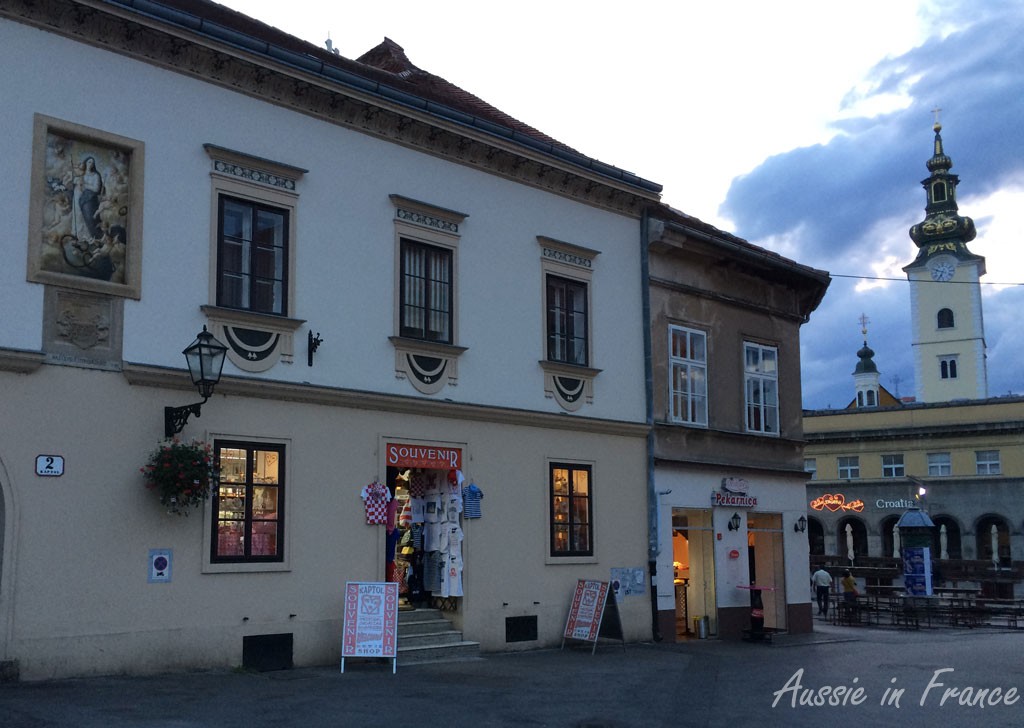
Zagreb at dusk
Zagreb at dusk

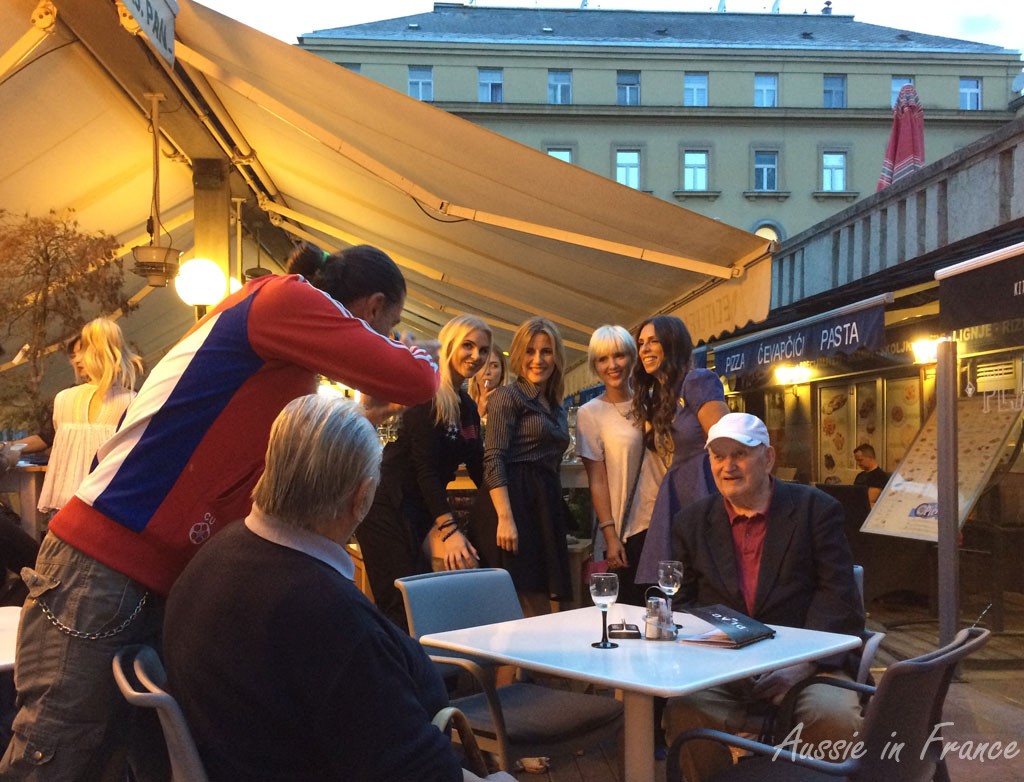
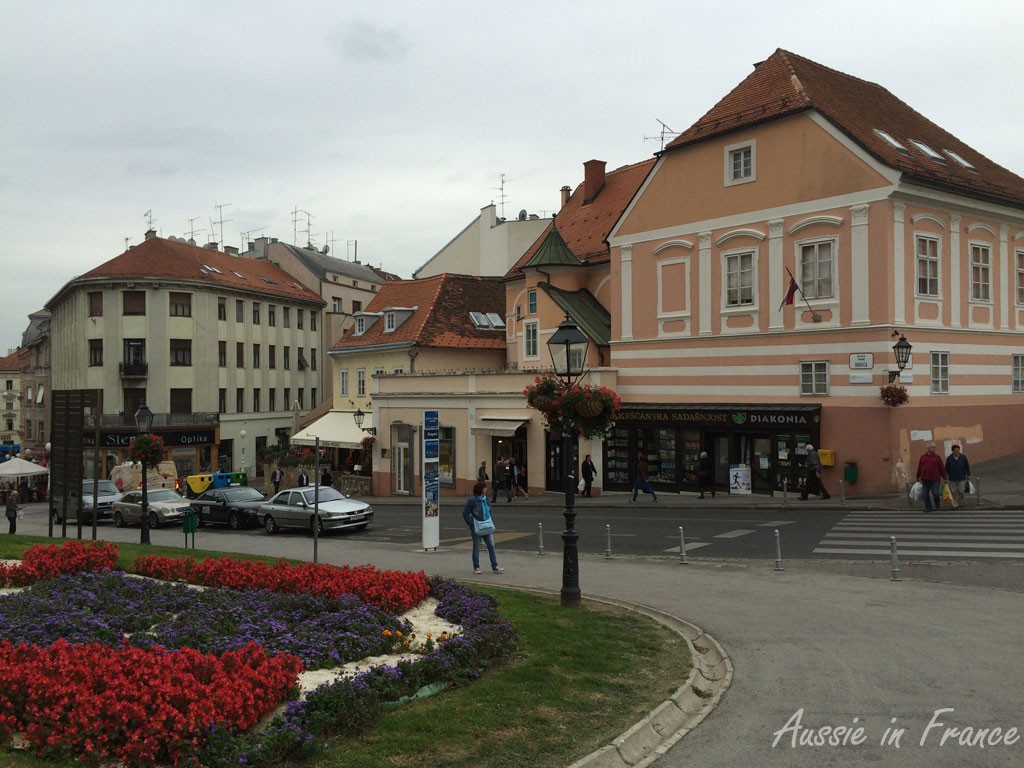
By the time we get settled, it’s dusk so we make for the old town. I always find that a bit of an adjustment is needed when we enter a former eastern block country because of the many contrasts between old and new, delapidated and renovated. Zagreb is no exception The historical centre is appealing though and we have a glass of wine near the market. – the glasses are 0.10 l and there are no nibbles to go with them. Next to us, a dozen or so young women are obviously celebrating something and have a photographer with them.

Maybe a hens' party?
Maybe a hens’ party?

We make a mistake about dinner and end up paying 60 euro in a restaurant recommended by Le Routard (Balthazar) as being “medium priced” and serving local dishes. My entrée is frankly awful but Jean Michel has delicious pasta and freshly picked boletus mushrooms. We then have a small entrecôte with grilled vegetables accompanied by a house wine.

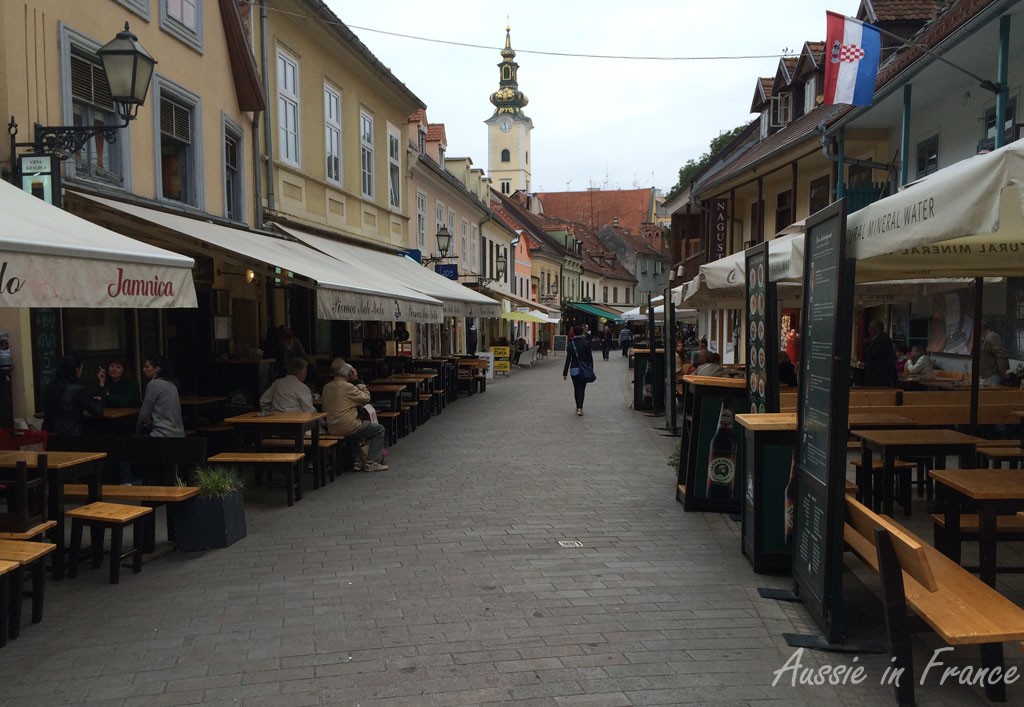
The "café" street, Tklaciceva
The “café” street, Tklaciceva

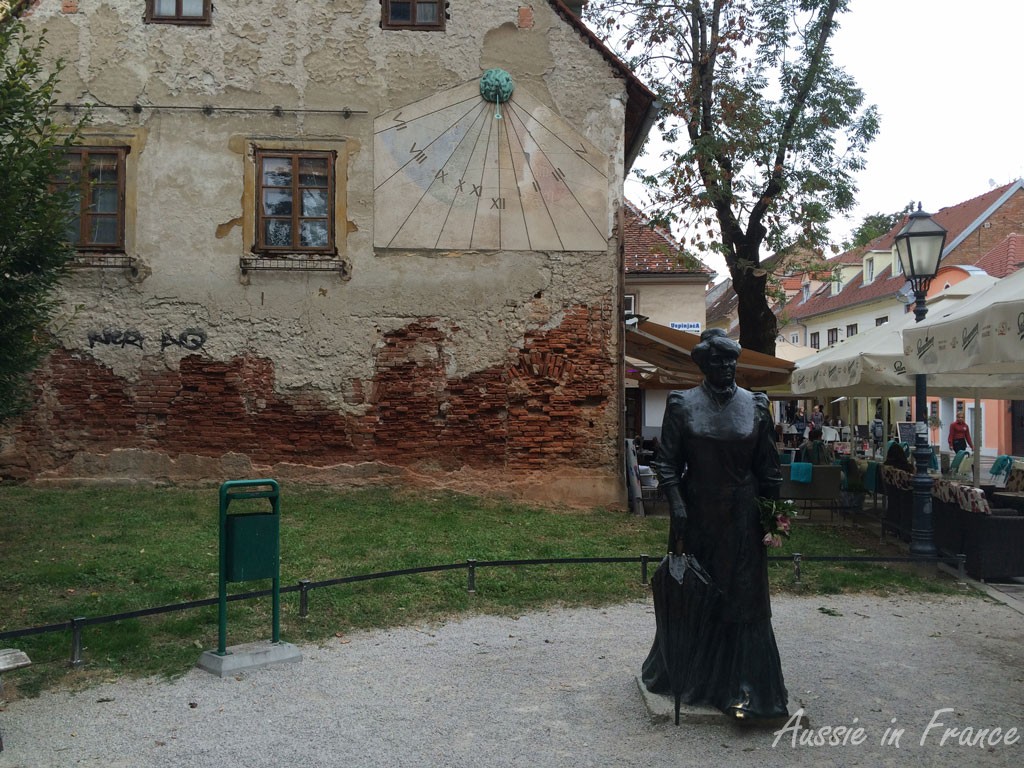
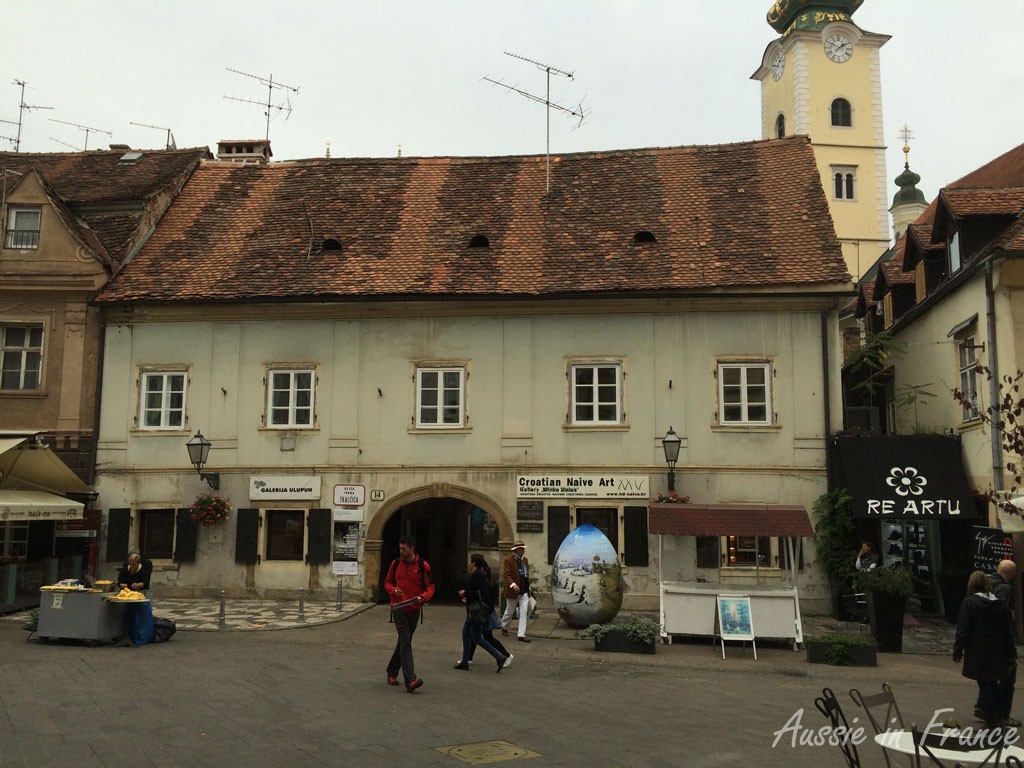
It’s next morning and we start with a cappuccino in the “café” street , Tklaciceva, which was once a river separating the Kaptol and Gradec quarters.

The first female journalist in Croatia, Marija Juric Zagorka, 1887-1957

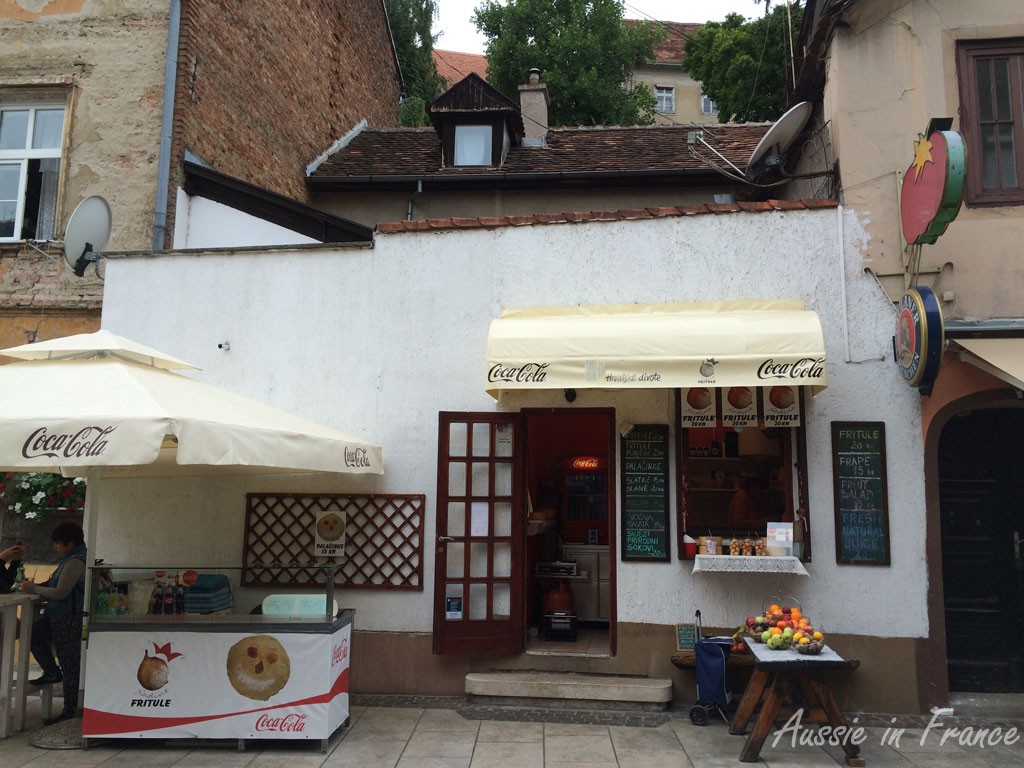
I love this little café
I love this little café which seems to have grown out of the wall

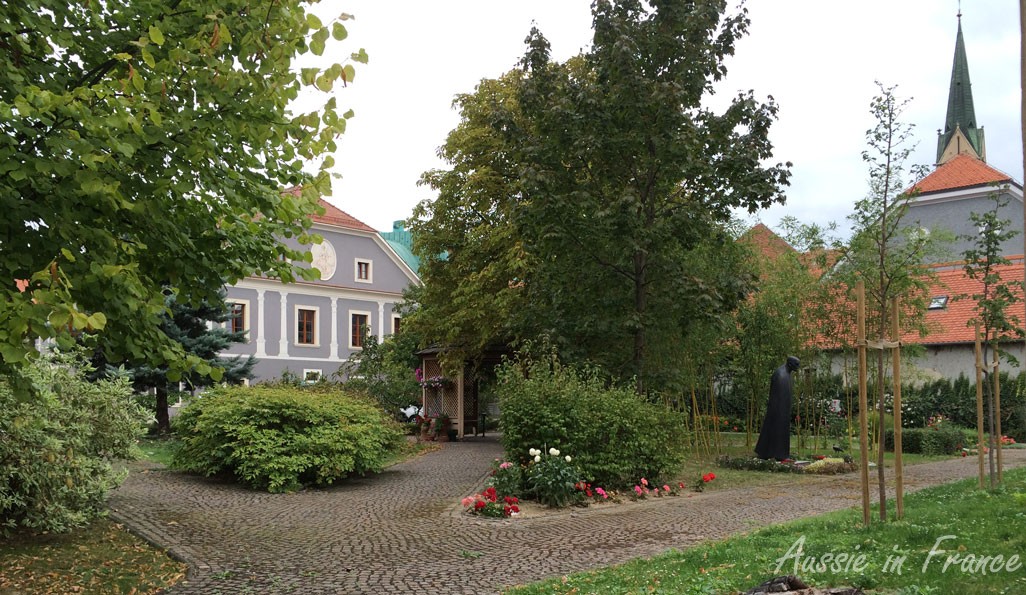
A house and chapel just next to the cathedral
A house and chapel just next to the cathedral hidden behind an iron fence

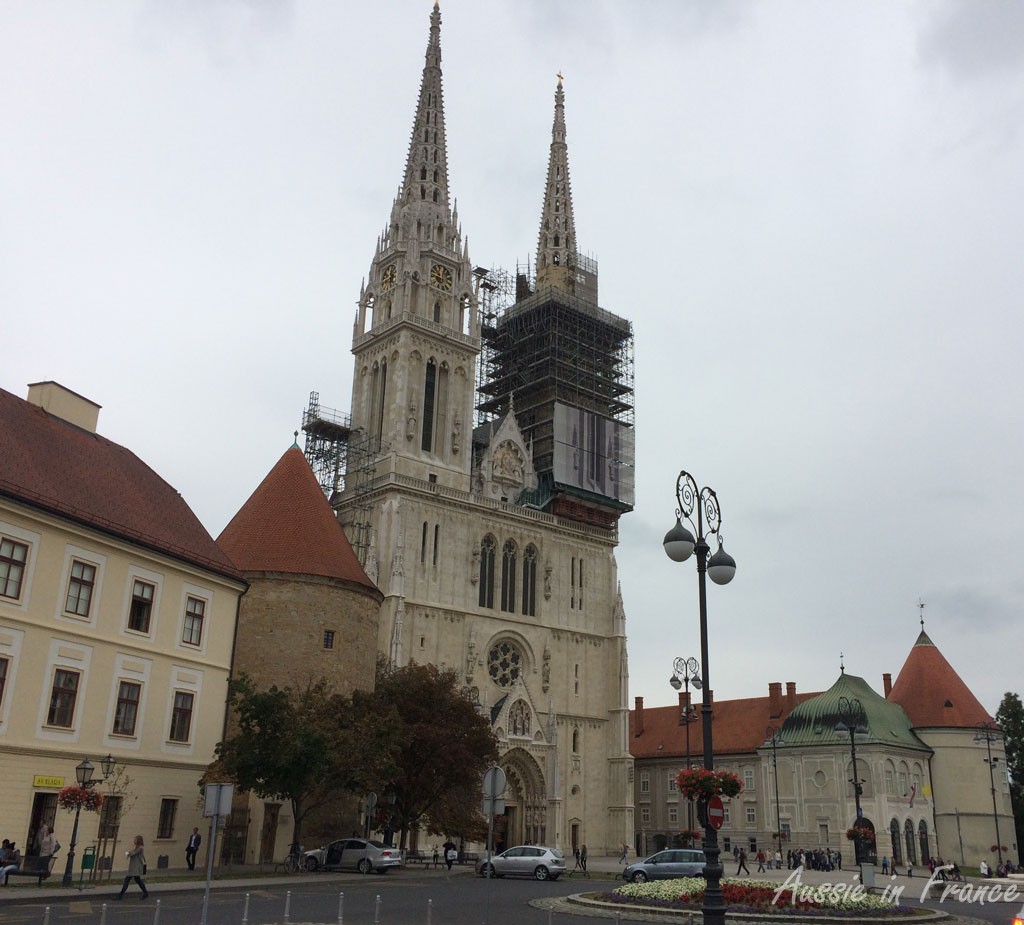
Zagreb cathedral
Zagreb cathedral

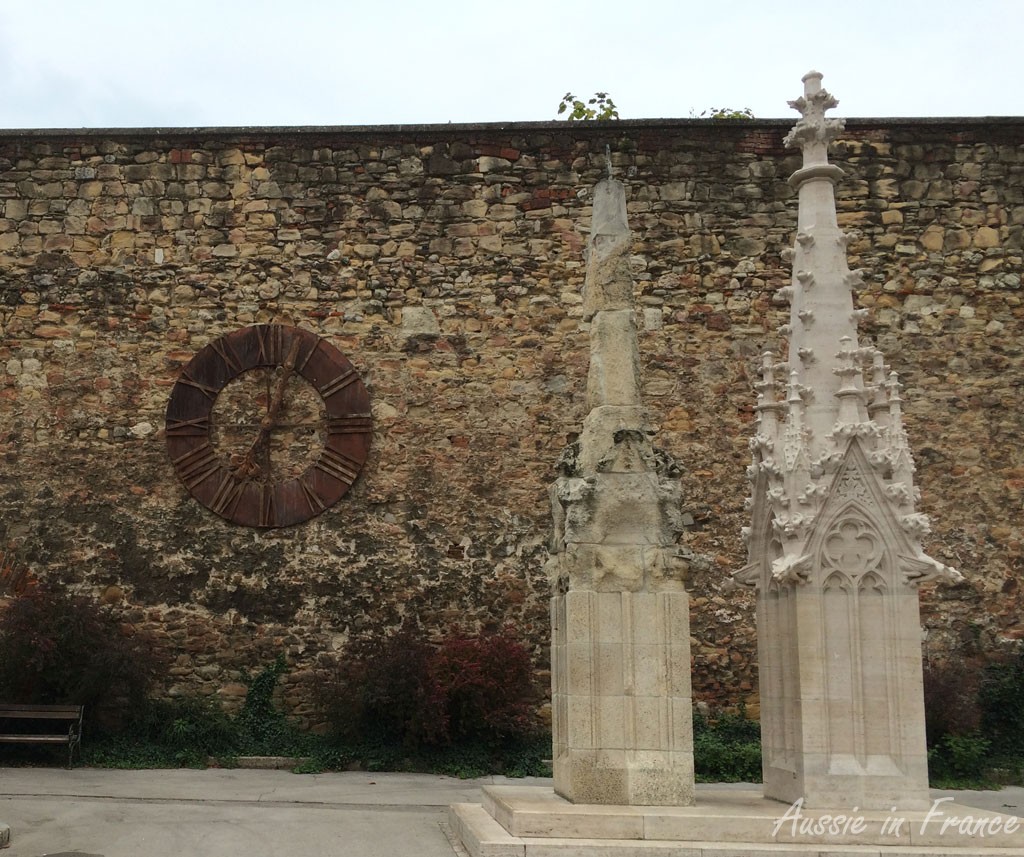
We go back to Zagreb Cathedral to visit the inside. It has led a chequered existence and was once at the mercy of the Ottaman invaders, which explains the towers on each side which are part of a fortified wall , the front part of which has been demolished.

The buildings on the other side of the cathedral square

Comparison of renovation and non-renovation

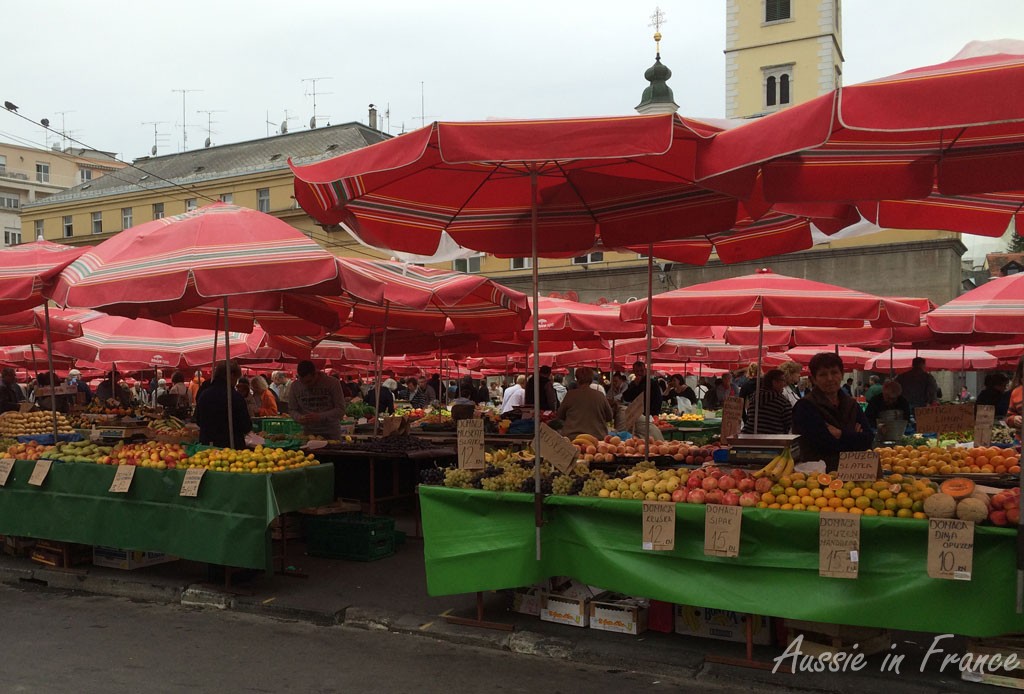
We return to Dolac market and are surprised to see so many local producers selling their own fruit and vegetables, We buy some figs, grapes and green beans from three different vendors.

Dolac market
Dolac market

We find a place for lunch called Nokturno that costs a quarter of last night’s meal and is just as satisfactory. It’s certainly “local” in any case.

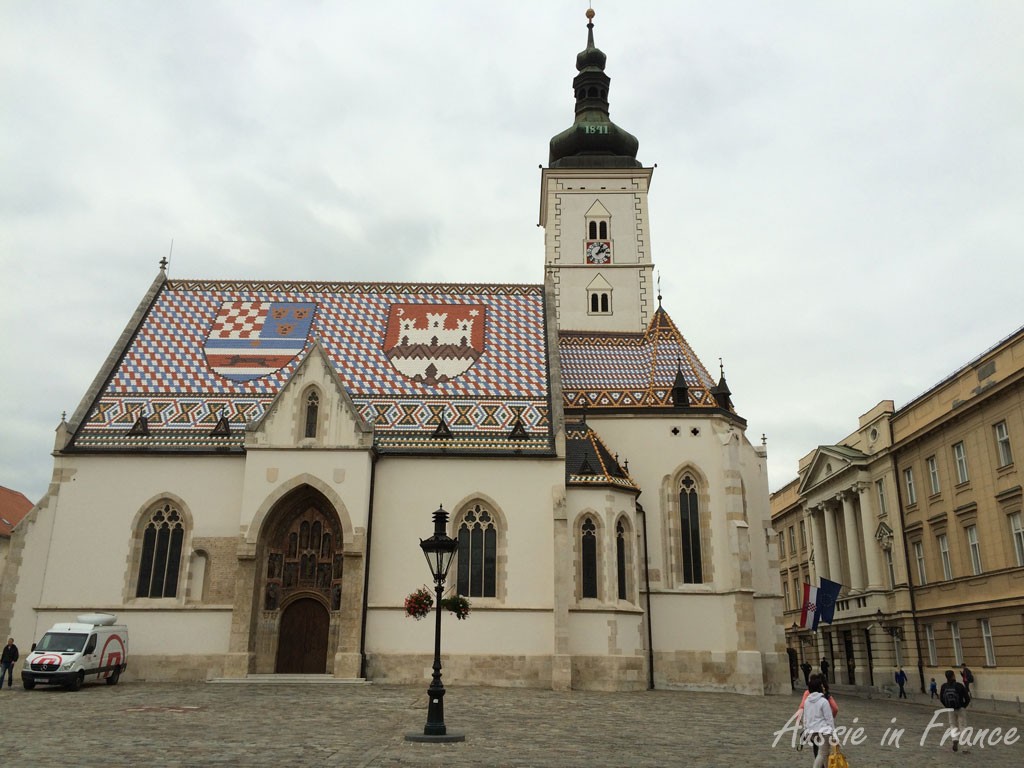
Markov Church
We Markov Church

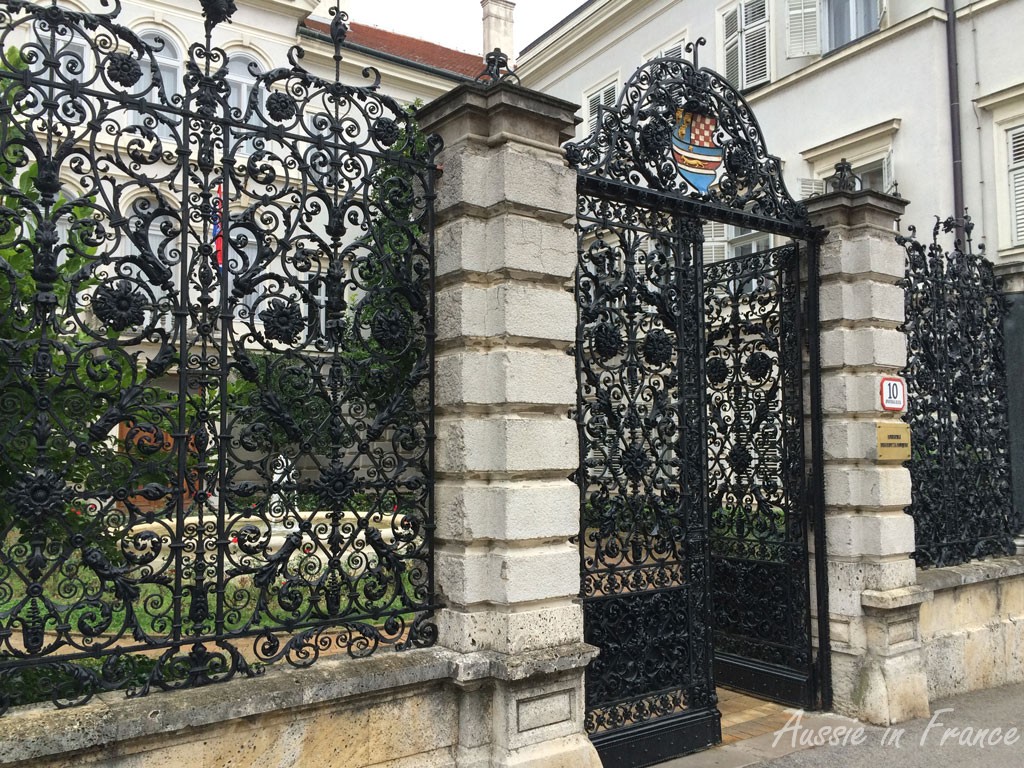
We walk up the hill to Saint Mark’s with Parliament House on one side and Ban Palace on the other. Something is going on. There is a TV reporter and a small group of demonstrators. I hear the word “discrimination”. We go in search of a wrought-iron gate mentioned in our guide book and designed by Herman Bollé. Just then a downpour begins and we duck under a porch. The weather forecast said overcast but no rain so we don’t have an umbrella. Sigh.

The wrought iron gate designed by Herman Bollé

Sweet corn sellers at the end of Tkalciceva street

We make a dash for a café and have an espresso while waiting for the rain to stop. We talk about our next destination. This morning we had decided to drive to Split on the Adriatic and take the ferry across to Ancona in Italy, because of the current immigrant problems and the large number of border controls being restored in this part of the world but we now think we should go to Serbia anyway and resume our cycling itinerary along the Danube.


The outside of our apartment building

We go home and check the weather forecast. We learn that the temperatures are going down in most places along the Danube in this area over the next few days, then going up again next week. So we book a hotel for a night on the Danube in Belgrade for an astonishing 31.50 euro. The Serbian capital is only about 3 hours away so we’ll be able to cycle along the river and visit Belgrade by bike in the afternoon then move on further the next day, perhaps to Vidin where it’s supposed to be warm and sunny. Keep tuned!

Five Unforgettable Places I Have Visited

When we discovered Jeronimos Monastery in Lisbon recently, I added it to the list of places that have left an indelible mark on me because they were totally unexpected and totally overwhelming. At the same time, I was asked to participate in the Booked.net  Top Destinations to Go challenge by Anda from Travel Notes and Beyond. Choosing just five places was a hard task so Jean Michel and I pooled our favourites, which include both man-made and natural wonders.

The Sagrada Familia in Barcelona

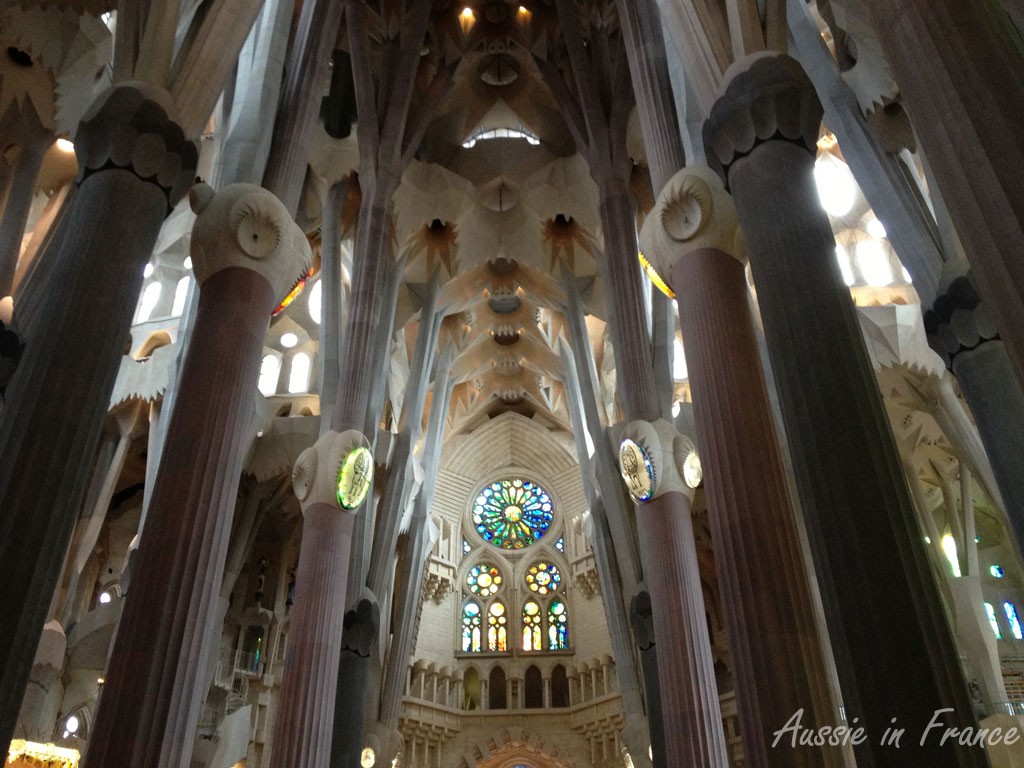
The interior of Gaudi’s Basilica of the Holy Family is absolutely dazzling, breathtaking, overwhelming. There are no words to describe it and no photo to do it justice. It is the most amazing well of light imaginable. The brightly coloured stained glass windows that would be gaudy anywhere else are quite superb.

sagrada_familia

Gaudi was only 31 when he began working on the cathedral in 1883. It evolved considerably during his lifetime, becoming more and more audacious. Sadly, he was run over by a tram at the age of 73 and nearly all the plans destroyed by fire during the Civil War in 1936.
The pillars, which split into two halfway up to remove the need for flying buttresses, represent trees in a forest with leaves at the top. The pillars themselves have a special spiral design with fluting that increases in number as it gets higher and take us soaring up to the highest point, 45 metres above the ground. An unforgettable moment.
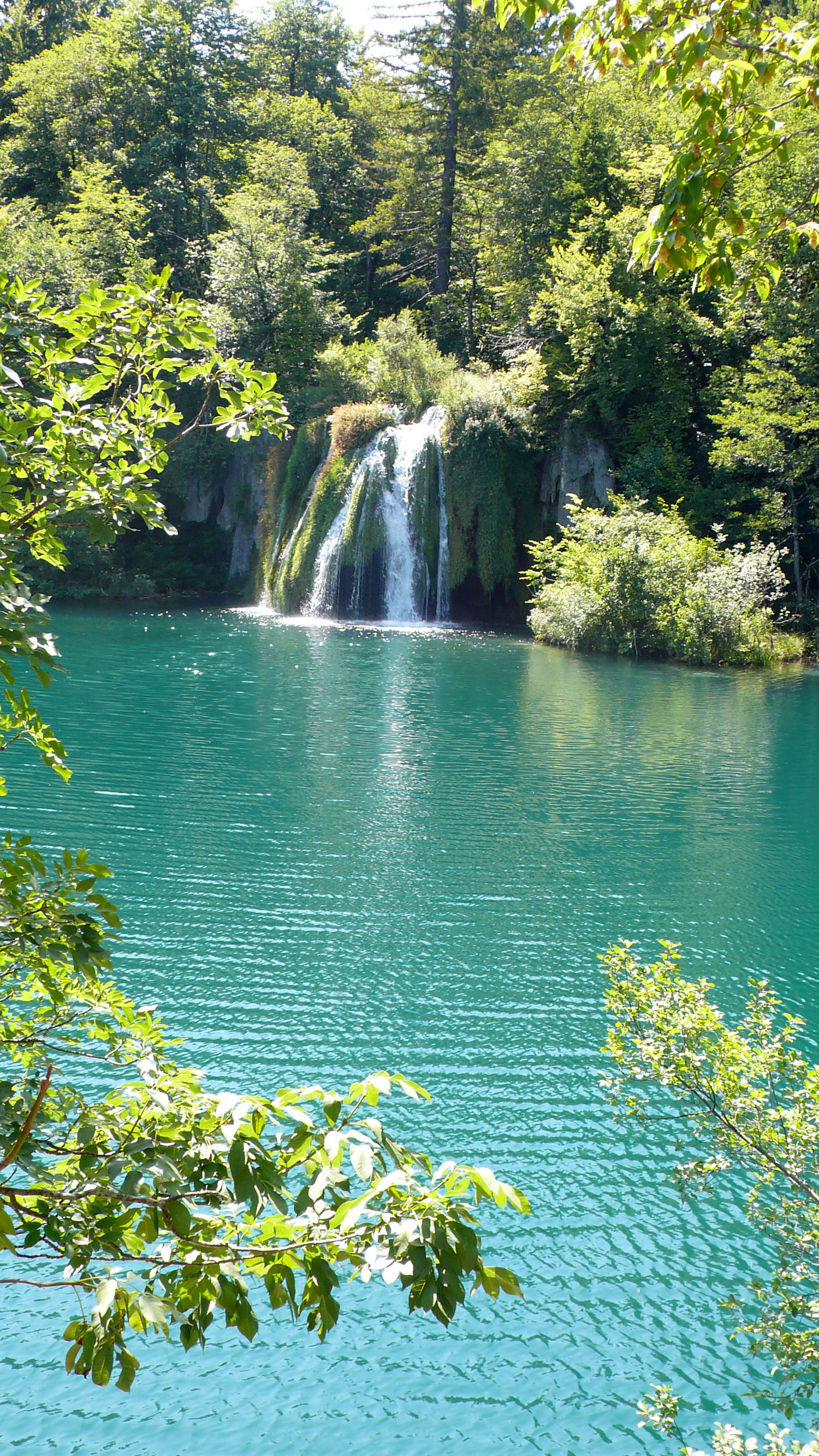
Plitvice Falls in Croatia

And to think that I nearly missed Plitvice Lakes National Park as a result of eating tainted prawns in Dubrovnik!

croatia_plitvika_2

Never had I seen colours like those in the Plitvice Lakes. Each view was more marvellous than the one before!

At 10 am, before the floods of tourists arrive, the upper path is simply an hour of magic to remember forever.

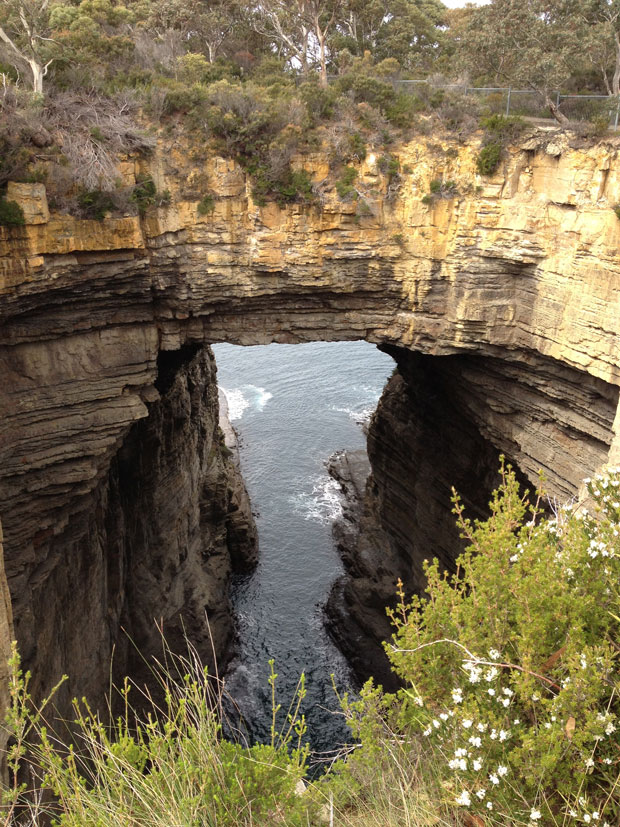
Tasman National Park in Australia

Our trip to Tasmania was somewhat disappointing, due to cold rainy weather. But the sun came out at last and we set off for Port Arthur. On the way, we followed a sign saying Blow Hole, Devil’s Kitchen and Tasman Arch.

Tasman's Arch
Tasman Arch

And what we saw was mind-blowing.

These natural formations along the rugged coastline about an hour and a half south of Hobart are dramatic and grandiose, leaving a impression of immensity that you will never forget.

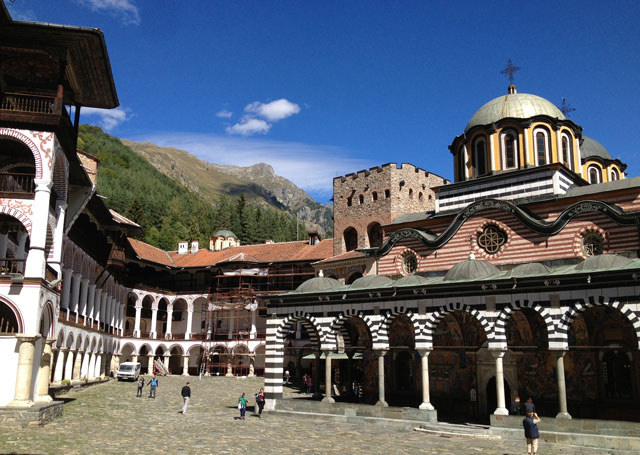
Rila Monastery in Bulgaria

The initial impression of Rila Monastery built halfway up a mountain and surrounded by forest is quite fabulous.

View of Rila Monastery as you walk in

Founded in the 10th century by the hermit St John of Rila, it was destroyed by fire in the 19th century and rebuilt between 1834 and 1862. Although characteristic of the Bulgarian Renaissance (18th-19th centuries), which symbolises the awareness of a Slavic cultural identity following centuries of occupation, it is quite unique.

The monastery museum contains the most fabulous carved cross I’ve ever seen produced painstakingly by a monk called Rafail, with 104 religious scenes and 650 miniature figures and 12 years in the making. It was hardly surprising that Rafail lost his sight in the process. Just one more reason to remember Rila.

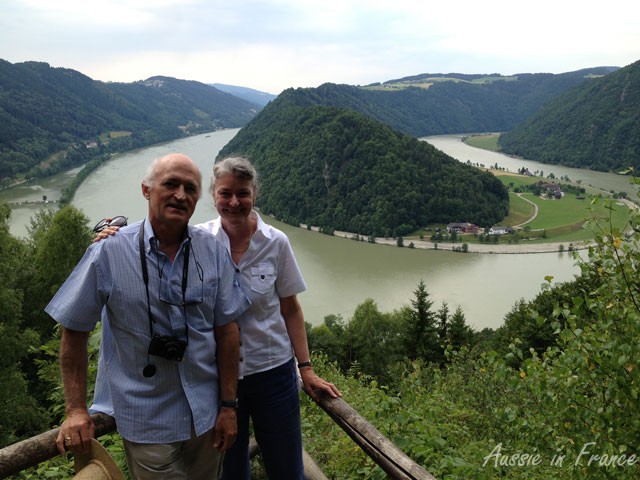
The S-Bend in Austria

Cycling along the Danube from its source in Donau-Eschingen to Budapest was a magical experience in itself. One areas stands out in particular, the Wachau world heritage site in Austria between Linz in Austria and Passau in Germany and the S-Bend in particular.

The S-bend in the Wachau in Austria

The single most remarkable moment of the trip was the view of the S-bend from Schlogen blick.

We had spent the day cycling along tranquil car-free paths, going back and forth across the Danube on a series of little ferries, and now we could see our day’s journey spread out in majesty before us. A truly unforgettable moment.

So tell me, if you were asked to name your five most unforgettable places, what would you choose?

And if you’re a blogger, why don’t you join the To Destinations to Go challenge (and the chance to win an iPhone 6)? Click here for more information.

Weekly Blogger Round-Up: Colmar in Alsace – Zadar in Croatia – Saint Valentine’s Day in Paris

In this week’s Blogger Round-Up, Carolyn from Holidays to Europe takes us to Colmar, which is one of my favourites places in Alsace, with its picturesque canals while Chasing the Donkey gives us an insider’s tour of Zadar in Croatia with it’s famous Sea Organ. To finish off, Mary Kay from Out and About in Paris gives us lots of unique ideas for Saint Valentine’s Day in Paris. Enjoy!

A Short Guide to Colmar, France

by Carolyn from Holidays to Europe, an Australian based business passionate about sharing their European travel expertise and helping travellers to experience the holiday in Europe they have always dreamed of

colmar-franceWith only a couple of days in the Alsace region of France, I didn’t have much time to spend in Colmar but in the few short hours I was there, I quickly realised why it is such a popular town with tourists from all over the world – it is absolutely gorgeous!

Thanks to its history as a major trading post and river port in the 16th Century, Colmar is one of the prettiest cities in France. Wealthy merchants built spectacularly colourful houses alongside the canal, and even today, centuries later, they ooze charm. With a mix of French (the window shutters) and German (half-timbered facades) architecture, the houses of the former trading areas of Colmar are a reminder of the heady days when wine from the neighbouring Alsatian vineyards was shipped along the canal. Read more

What to see in Zadar

By Chasing the Donkey,  a Mum & wife, now Australian expat who packed up her very typical Aussie life in May 2013 and shifted it along with her Croatian Husband and Son to rebuild the old house they inherited in Croatia & make it their home.

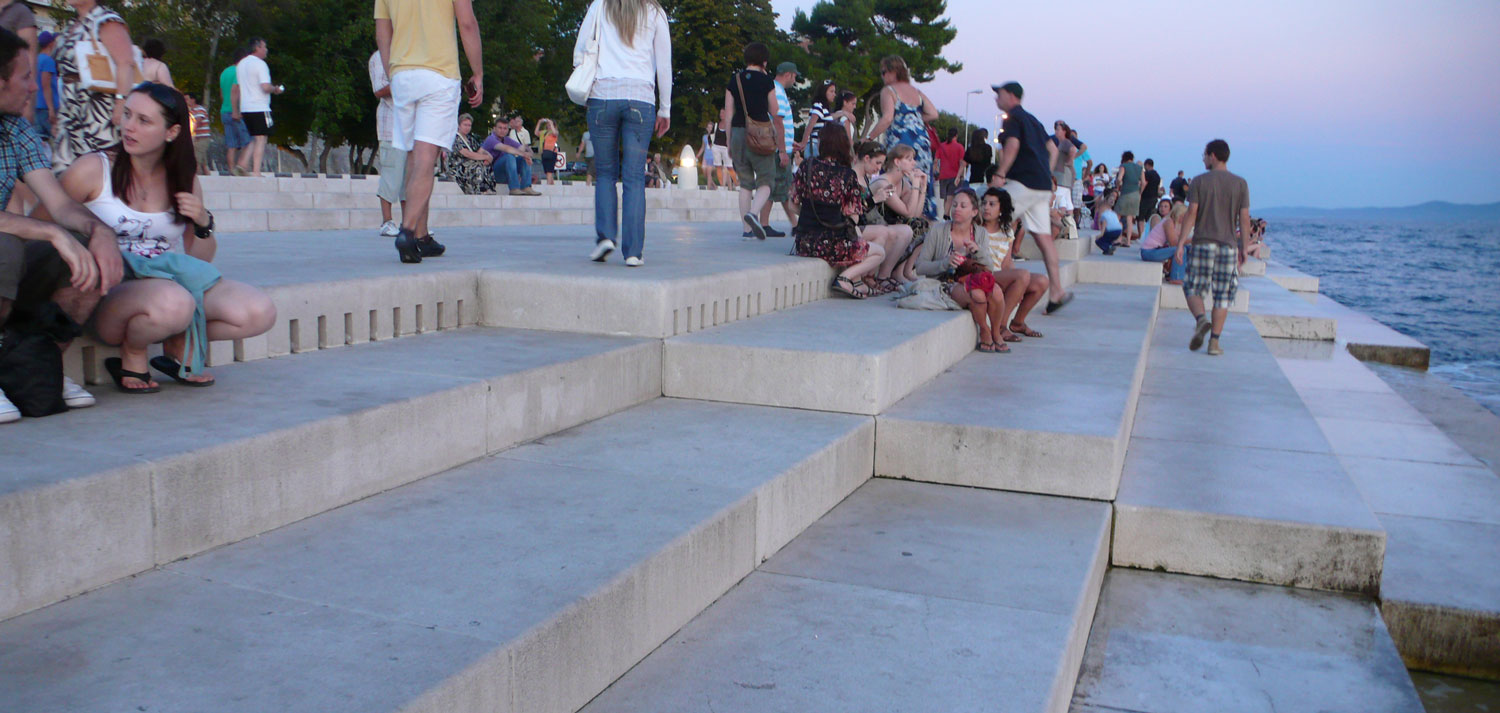
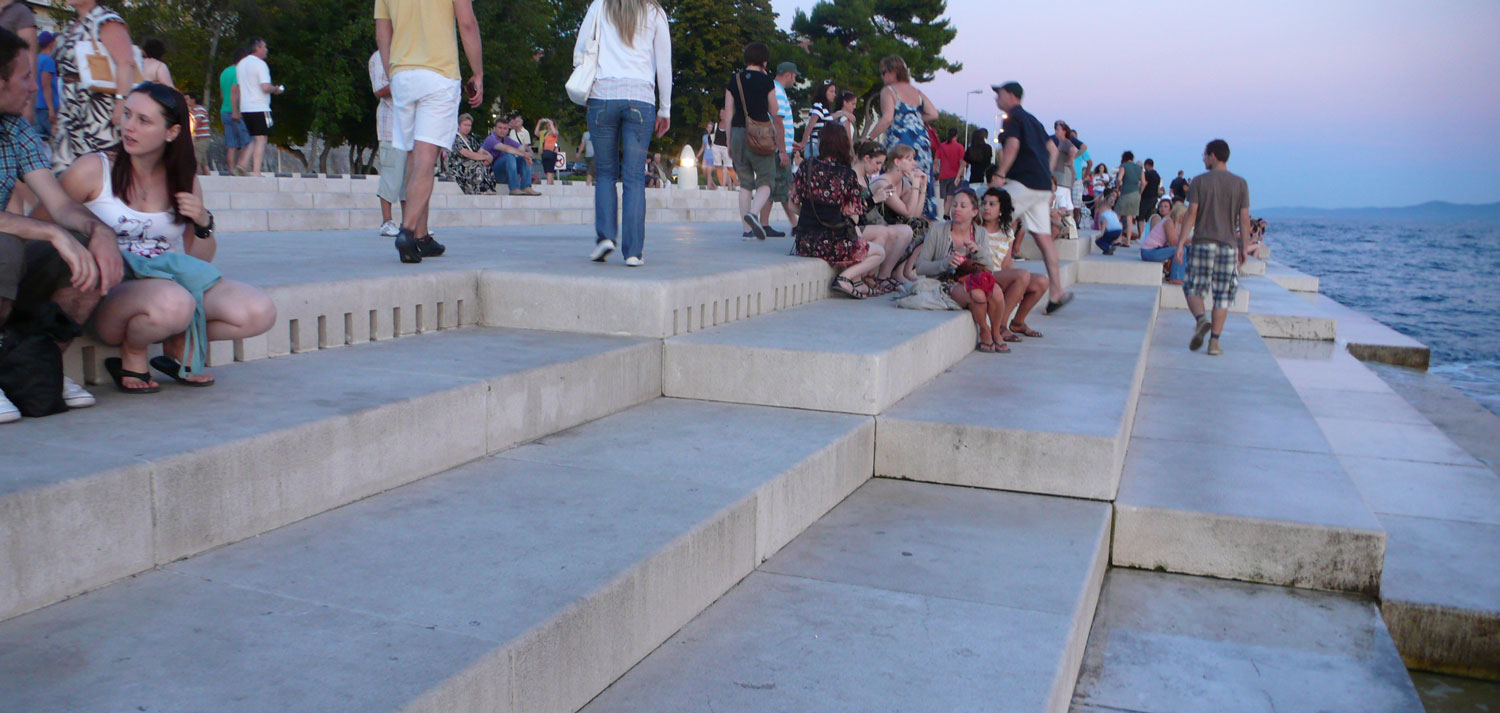
sea_organ_zadarBe sure to to make a stop in Zadar if you plan to explore Northern Dalmatia, it’s a great destination to spend  time in, its a great choice to use as a base to see Plitvice, Paklenica or Krka National Parks. So, what should you see while you’re in Zadar?  We’ll there is no doubt that you’ll enjoy drinking coffee overlooking the Grand Roman Forum that is over 2,000 years old and the Church of St, Donatus among the many sights – but I guarantee you’ll end up being drawn to 2 of Zadar’s most unique attractions. The Sea Organ & the Greeting to the Sun. Read more

Love is in the air: lots of unique ideas for Valentine’s Day in Paris

by Mary Kay from Out and About in Paris, an American by birth, Swiss by marriage, resident of Paris with a Navigo Pass for the metro that she feels compelled to use

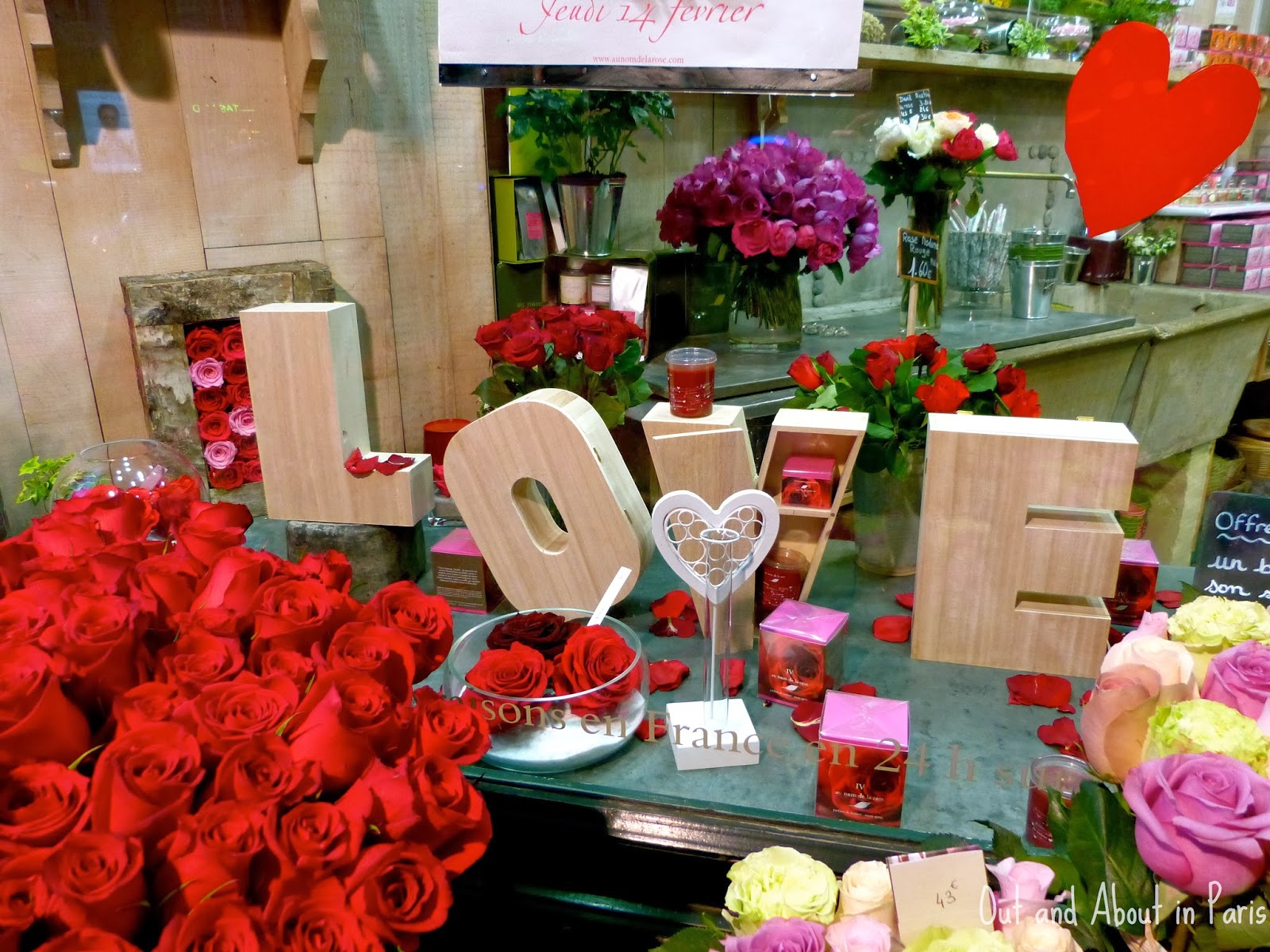
valentineWhether you’re single, married or divorced, there’s a lot happening in Paris on February 14:

Feel like a star – For Valentine’s Day, the RATP is offering you and the person of your choice a FREE glamor shot. Five Harcourt Studio photo cabins will be available from 12:00 – 6:00 pm at the following stations: Gare de Lyon, Denfert-Rochereau, Villejuif-Louis Aragon, La Motte Picquet-Grenelle and Jaurés.

One minute to “spread the love” at the Louvre: At precisely 14h14 (2:14 pm) on February 14, a flashmob will gather in front of the pyramid at the Louvre to kiss their lover, best friend, stuffed animal, dog or bicycle. Couples, families, friends – everyone is invited to share a minute of love. KISS Flashmob in Paris event page. Read more

My Croatian Itinerary – Part 7: Ljubljana in Slovenia

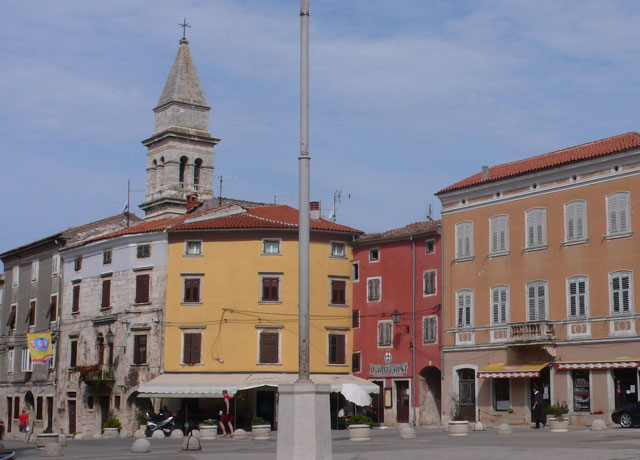
In part 6 of my Croatian itinerary, published way back in June last year, I recounted our stay in the Istria Peninsula. The next day we left Croatia for Slovenia. We stopped at the little mediaeval town of Vodnjan (Dignano) with its somewhat dilapidated Venitian Gothic Renaissance buildings to write our last postcards.
The main square of Vodnjan in Istria
We then worked our way up the coast, skirting round Trieste where we had intended to have lunch, but the traffic was so bad that we headed for Slovenia instead.
Inside the Proteus Restaurant
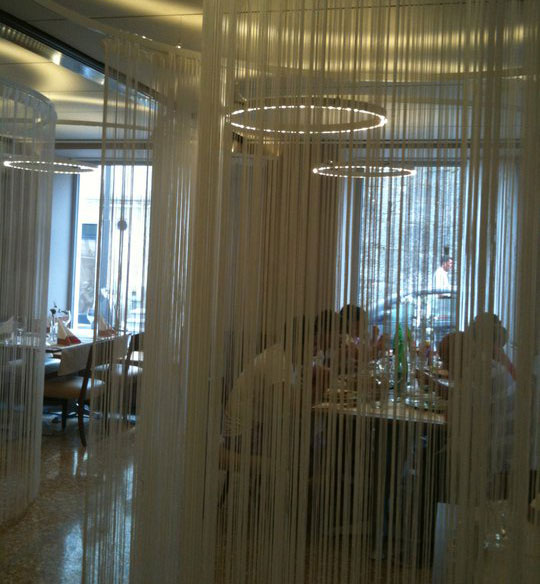
Inside the Proteus Restaurant in Postojnska
Our first stop was the town of Postojnska where we had a very cheap three-course meal for ten euro at the Proteus. Inside the restaurant, the people were sitting around tables surrounded by strip curtains. They obviously like their privacy! After Istria, everything seemed very neat and clean.
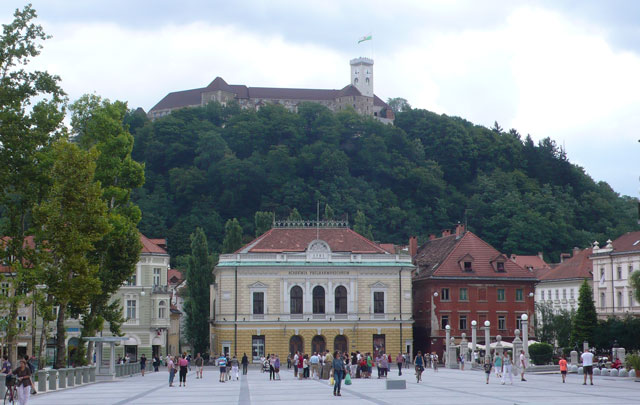
Philharmonic Hall in Congress Square
Our arrival at Ljubljana at 5 pm was a little traumatic even though the town seemed very pretty. There was nowhere to park near our hotel so we lugged our bags in the rain to Hotel Emonce. It turned out I had made a mistake with the booking and they were not expecting us until the next week! Jean Michel, who had been driving all day, was not impressed.
Along the Ljubjanica River
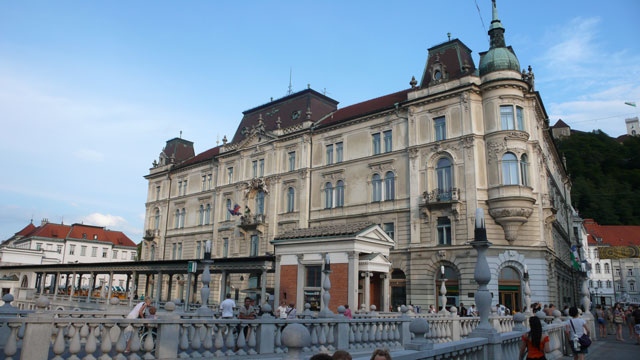
We went to the tourist office where they found us a much classier hotel called the Central Union which was offering a cheap mid-week rate and had underground parking. We dropped off our luggage and went in search of an apéritif. We sat down gratefully to a glass of lovely cold Slovenian wine at the Divine along the Ljubjanica River just near the Triple Bridge.
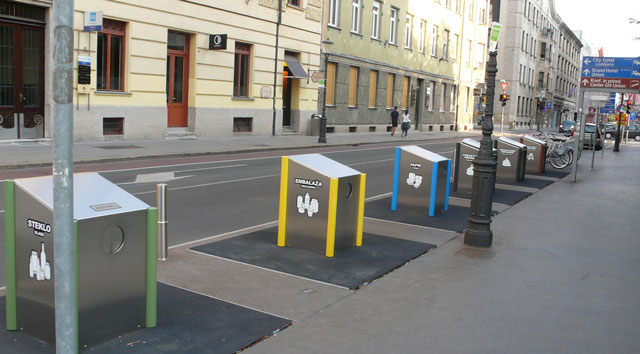
Recycling bins in Ljubljana
I immediately took to Ljubljana, the only large city in Slovenia, with a population of about 270,000 people. I found it clean and friendly. I liked the people, the architecture and the atmosphere. There are five different sorts of recycling bins that are emptied directly into the ground below, electric cars, city cycles and lots of bike paths.
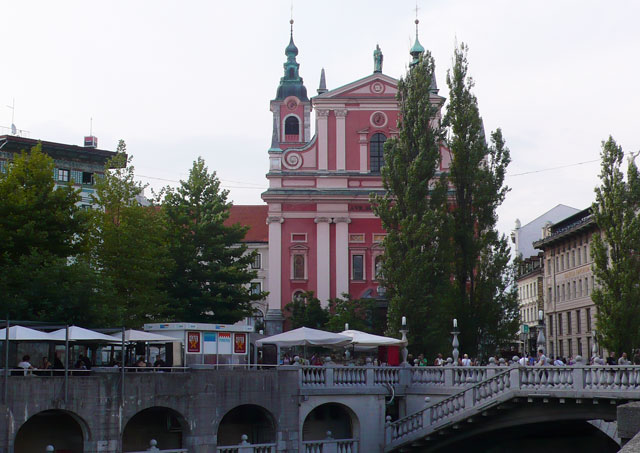
Triple Bridge
Triple Bridge
It was a little difficult to choose somewhere to eat, but I always find that’s the way when you go to a new country. It takes a while to know how everything works. We settled for al fresco eating at the Abecedarium where we had lamb cutlets and veal medallions with dumplings. Nothing special but pleasant. Afterwards we wandered round the city a bit before walking back to the hotel.
Saint Nicolas Cathedral
Next morning after a good sleep despite the sheet system (the same size as the bed!) and an excellent breakfast, we visited the market which was rather sparse and went back to the cathedral with its lovely frescoes outside and beautiful baroque interior.
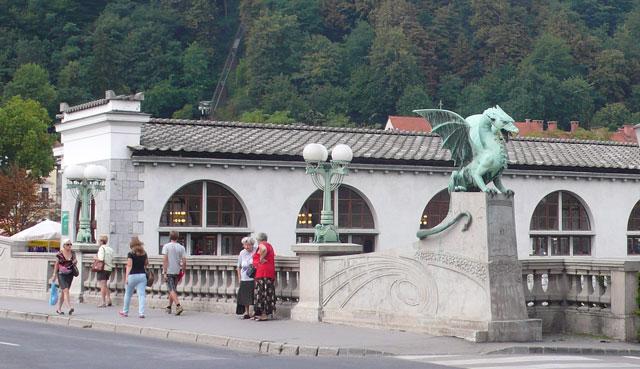
Dragon Bridge
Dragon Bridge
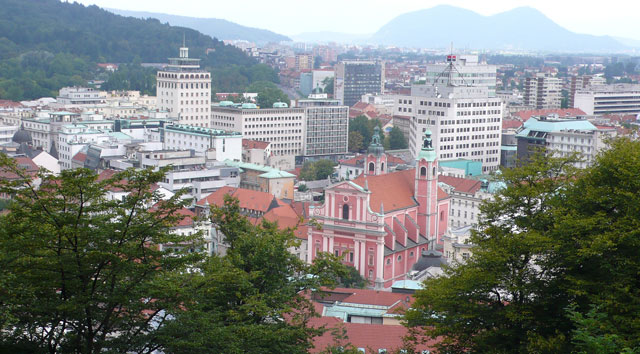
We visited the famous dragon bridge, which has given the city its emblem. We then hiked up to the castle on the hill overlooking the city and got there just as the rain started pelting down. The mediaeval castle is nothing out of the ordinary but the panoramic view from the top is stunning. You can take the funicular if you don’t feel up to walking.
View from the castle
We then went past the strange façade of the university and into the Krizanke Summer Theatre, once the monastery of the Holy Cross, and wandered about Congress Square before buying bureks (a filo pastry snack with a savoury filling) at Dvor and having coffee at Solist.
Krizanke Theatre which houses the Summer Festival
After a little nap, we decided to risk the possibilty of rain and go cycling. You can read all about our adventure in another post. It took a somewhat surprising turn!
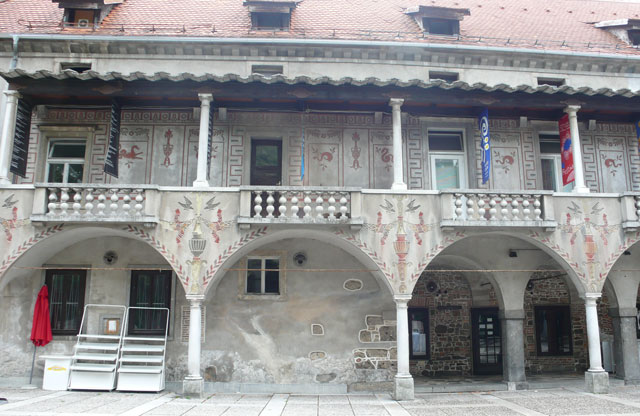
Collage above a basement clothing shop
We didn’t get back to the hotel until 9 pm, but after a quick shower, found a restaurant in Juricidece Trg. called the Okrepceurlnioa where we felt we really deserved our tagliata and Slovenian wine ! The next day, we were off on the next leg of our journey – Innsbruck. Next instalment – Innsbruck. The itinerary so far: Paris – Annecy – Milan – Ancona – Split – Mostar – Dubrovnik – Sibenik – Zadar – Plitvice Lakes – Porec and Pula – Ljubljana.
My Croatian Itinerary – Part 1: Paris to Milan My Croatian Itinerary – Part 2: Milan My Croatian Itinerary – Part 3: Ancona My Croatian Itinerary – Part 4: Split, Mostar & Dubrovnik My Croatian Itinerary – Part 5: Sibenik, Zadar & Plitvice My Croatian Itinerary – Part 6: Porec & Pula in Istria My Croatian Itinerary -Part 7: Ljubljana in Slovenia My Croatian Itinerary – Part 8: Innsbruck, Austria

My Croatian Itinerary – Part 6: Porec and Pula in Istria

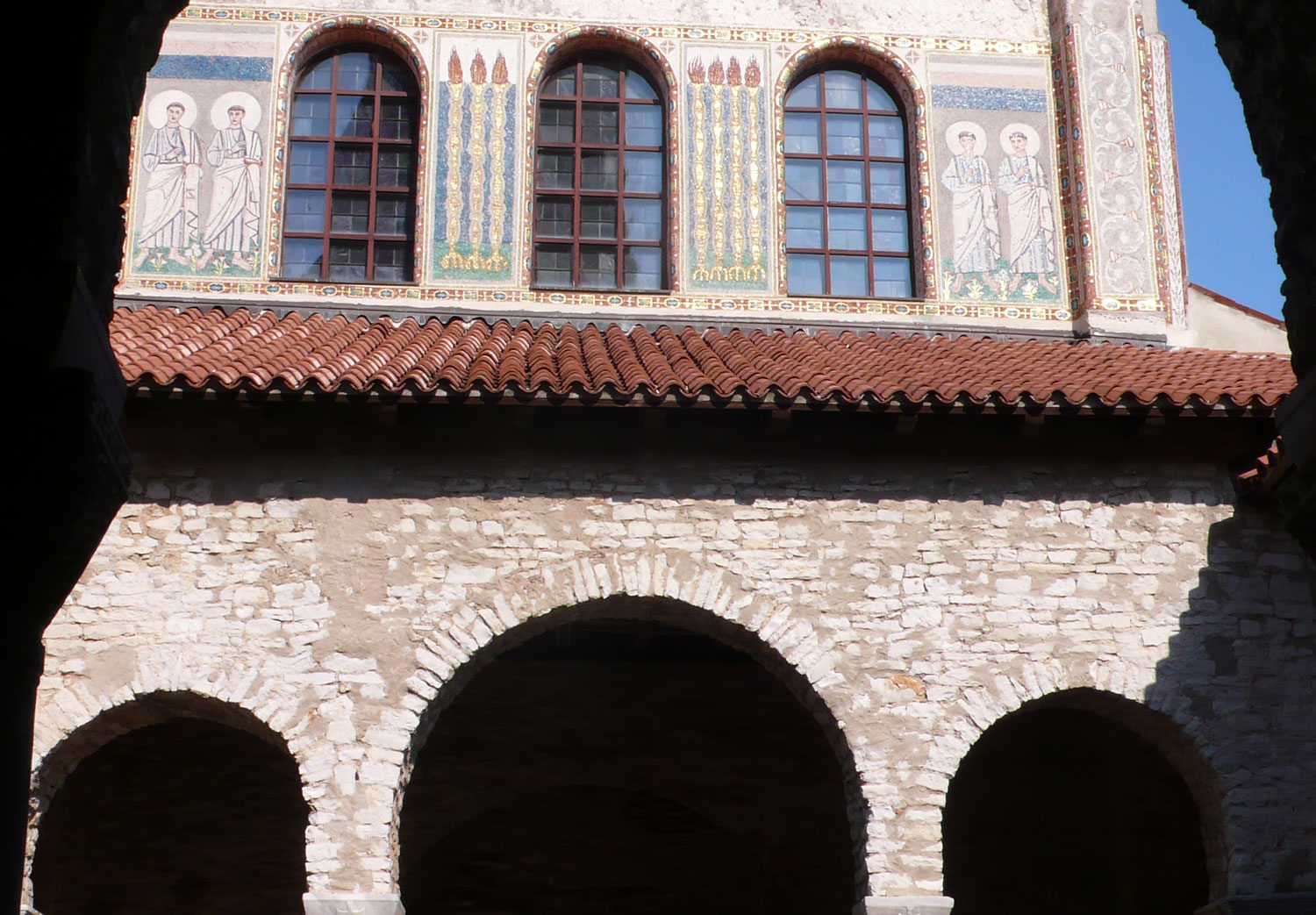
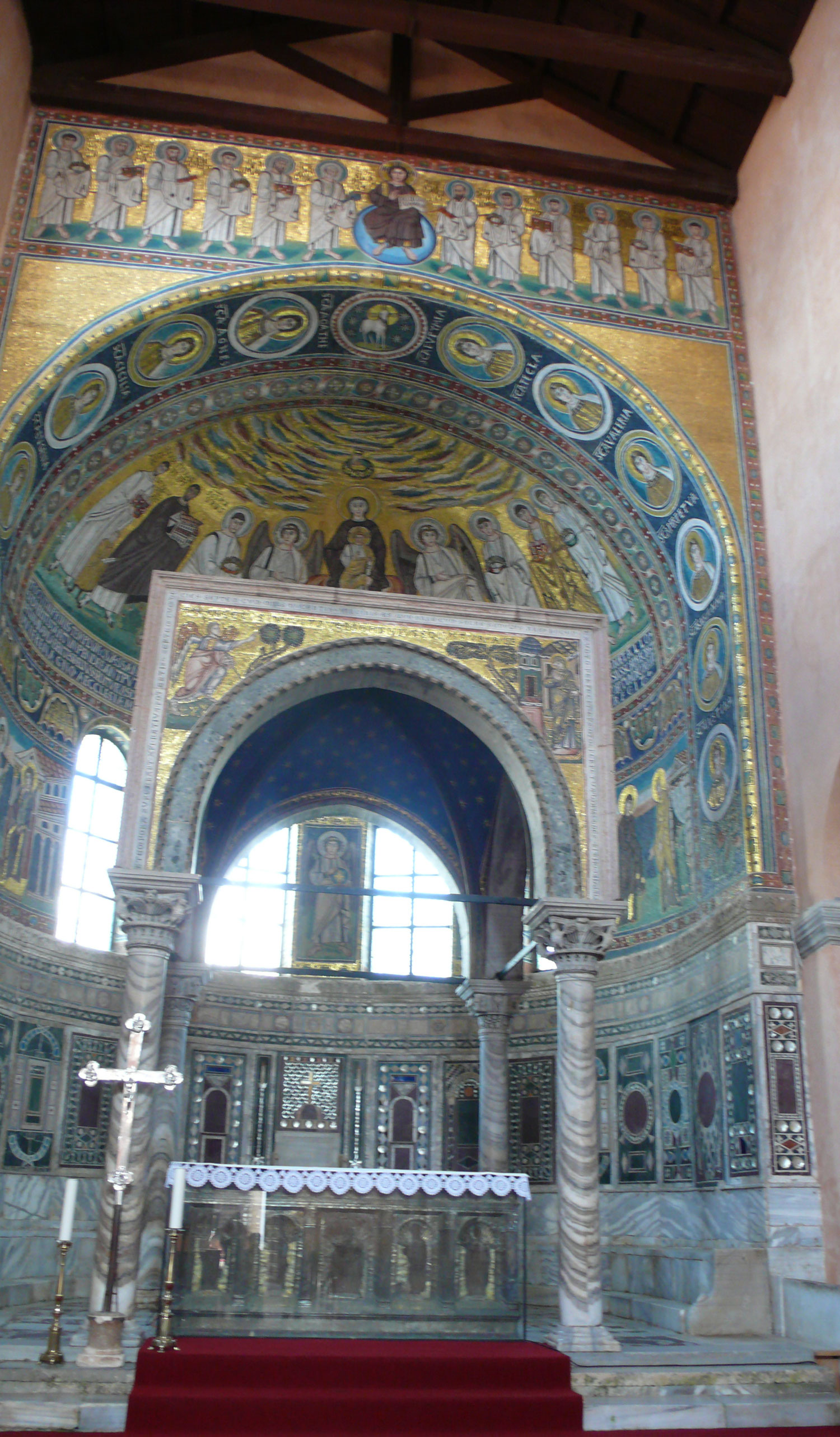
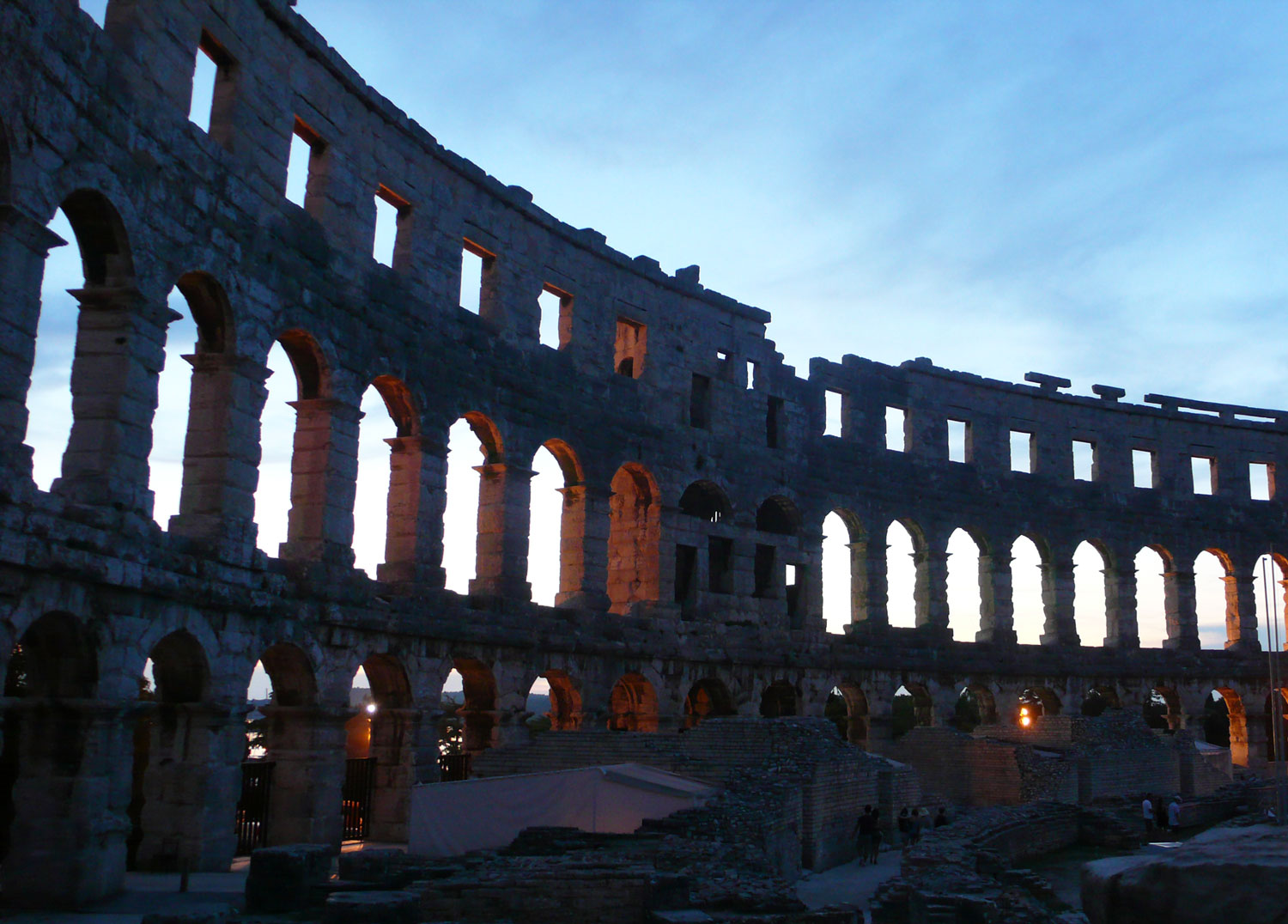
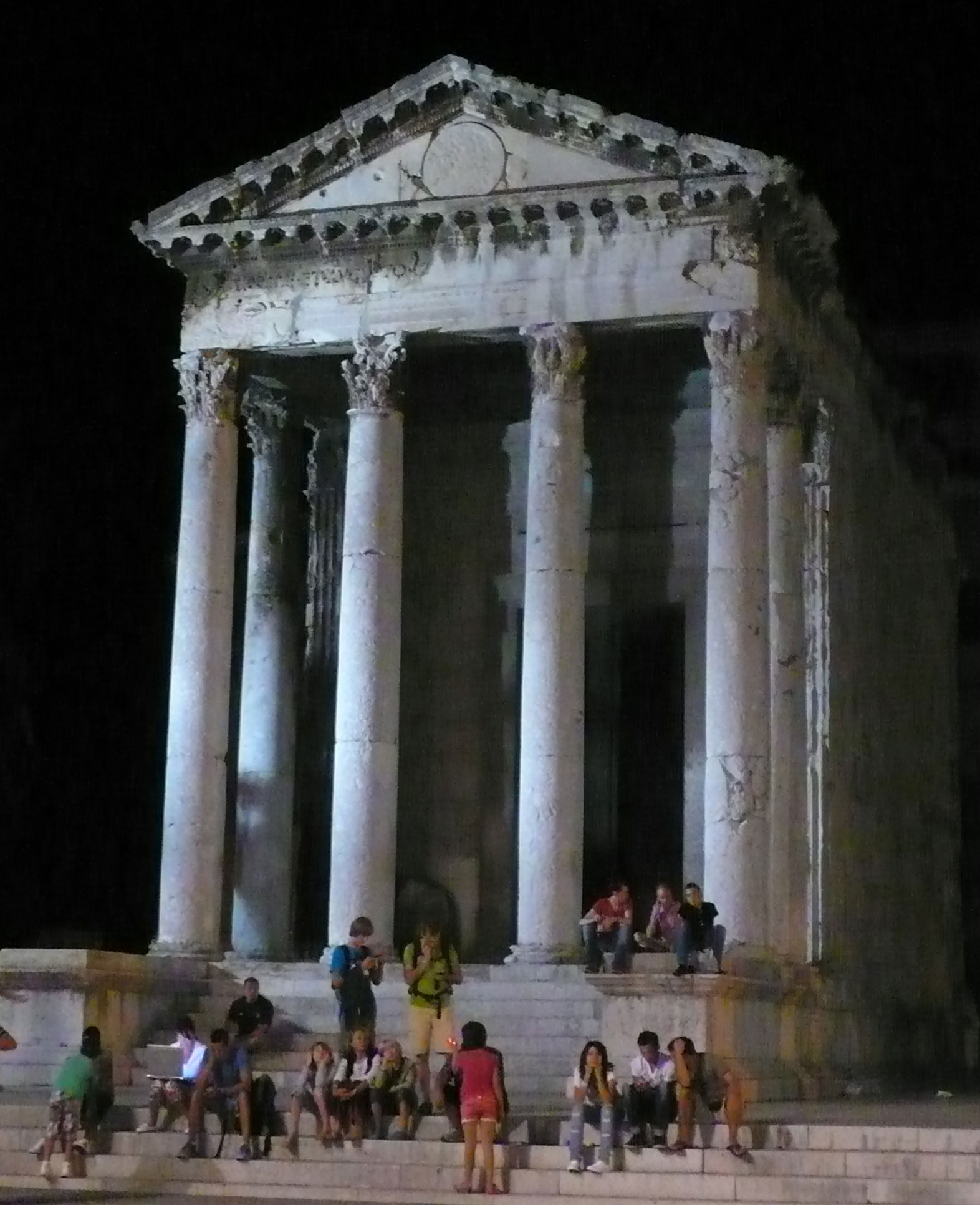
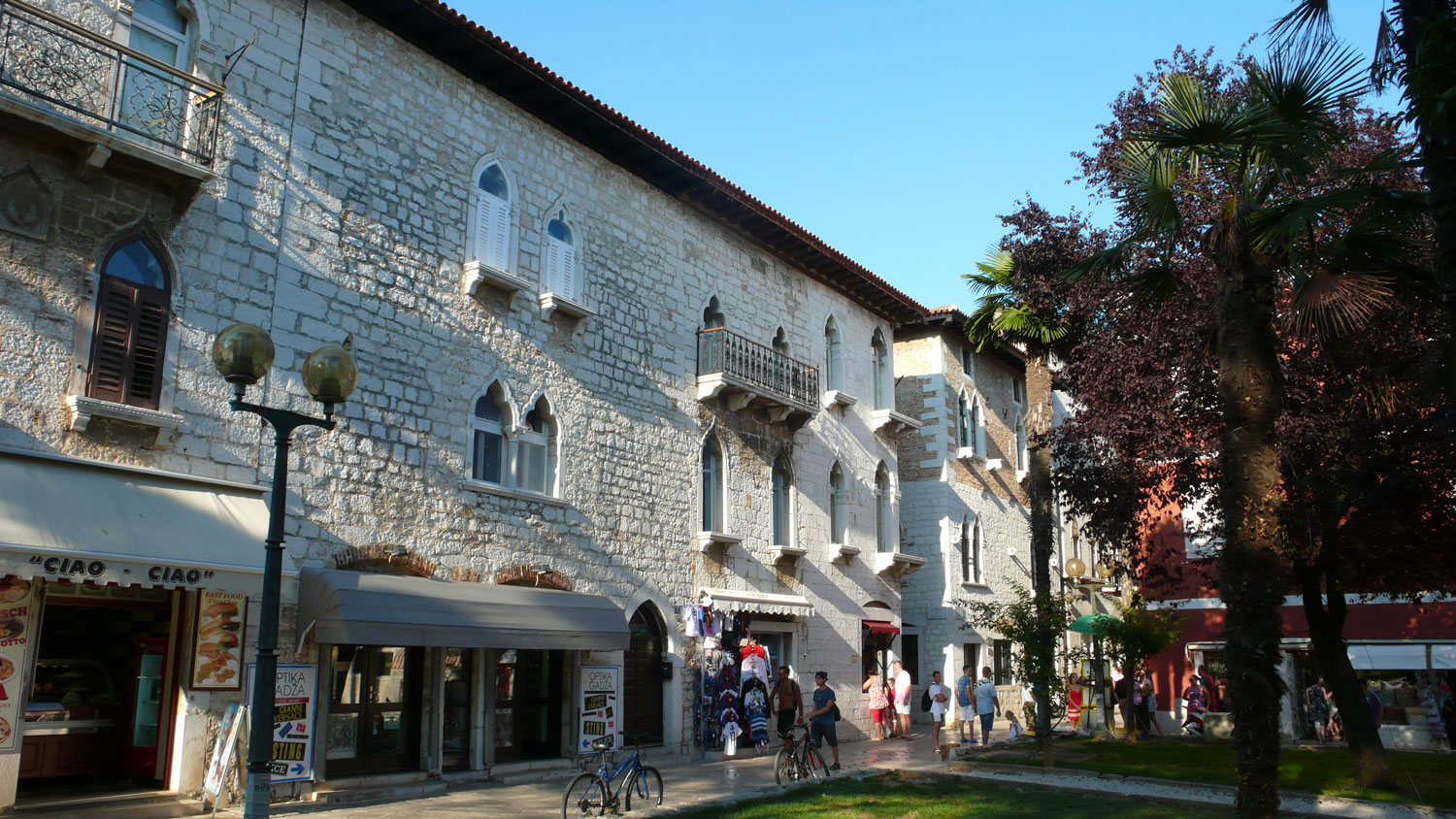
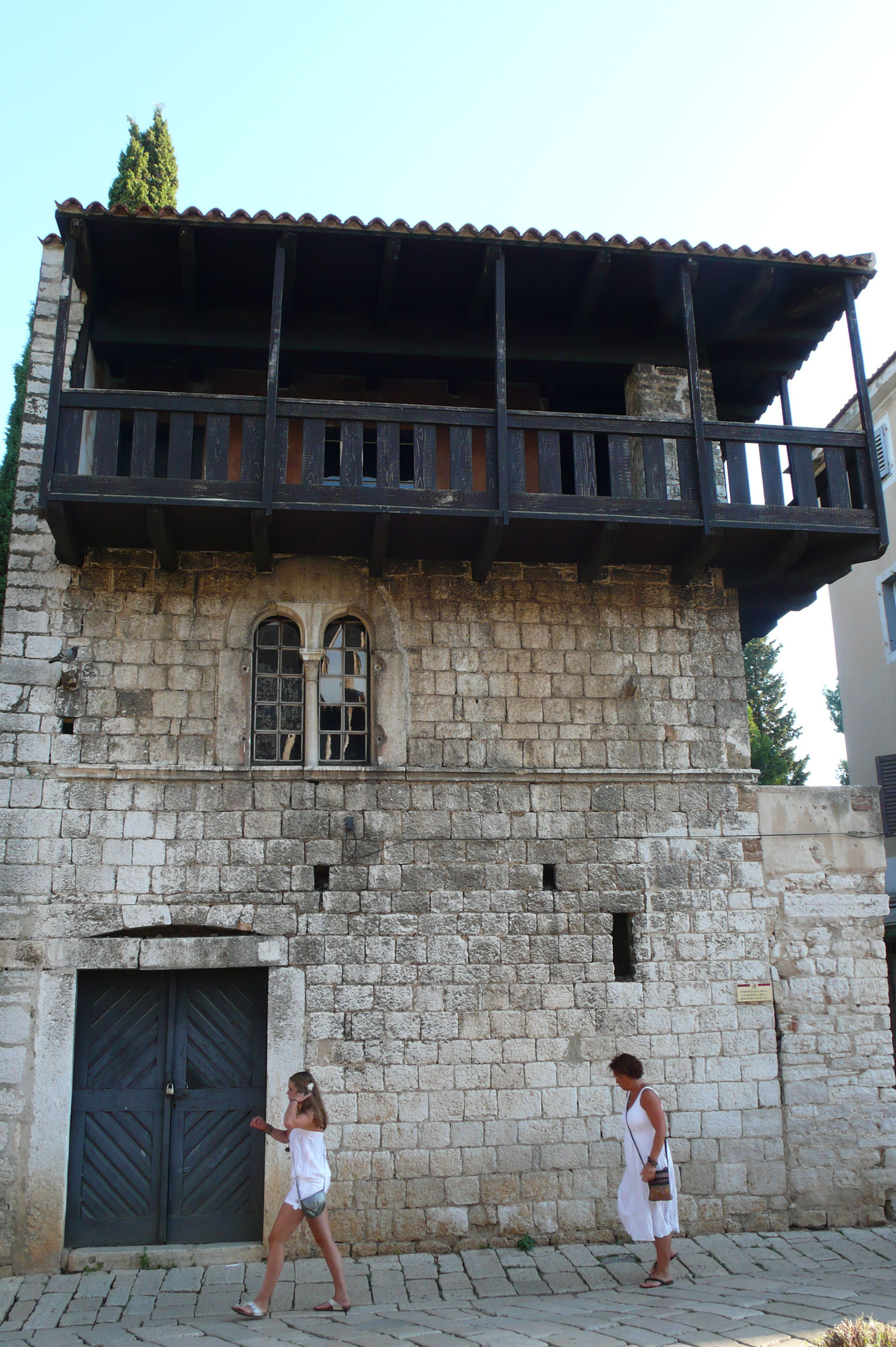
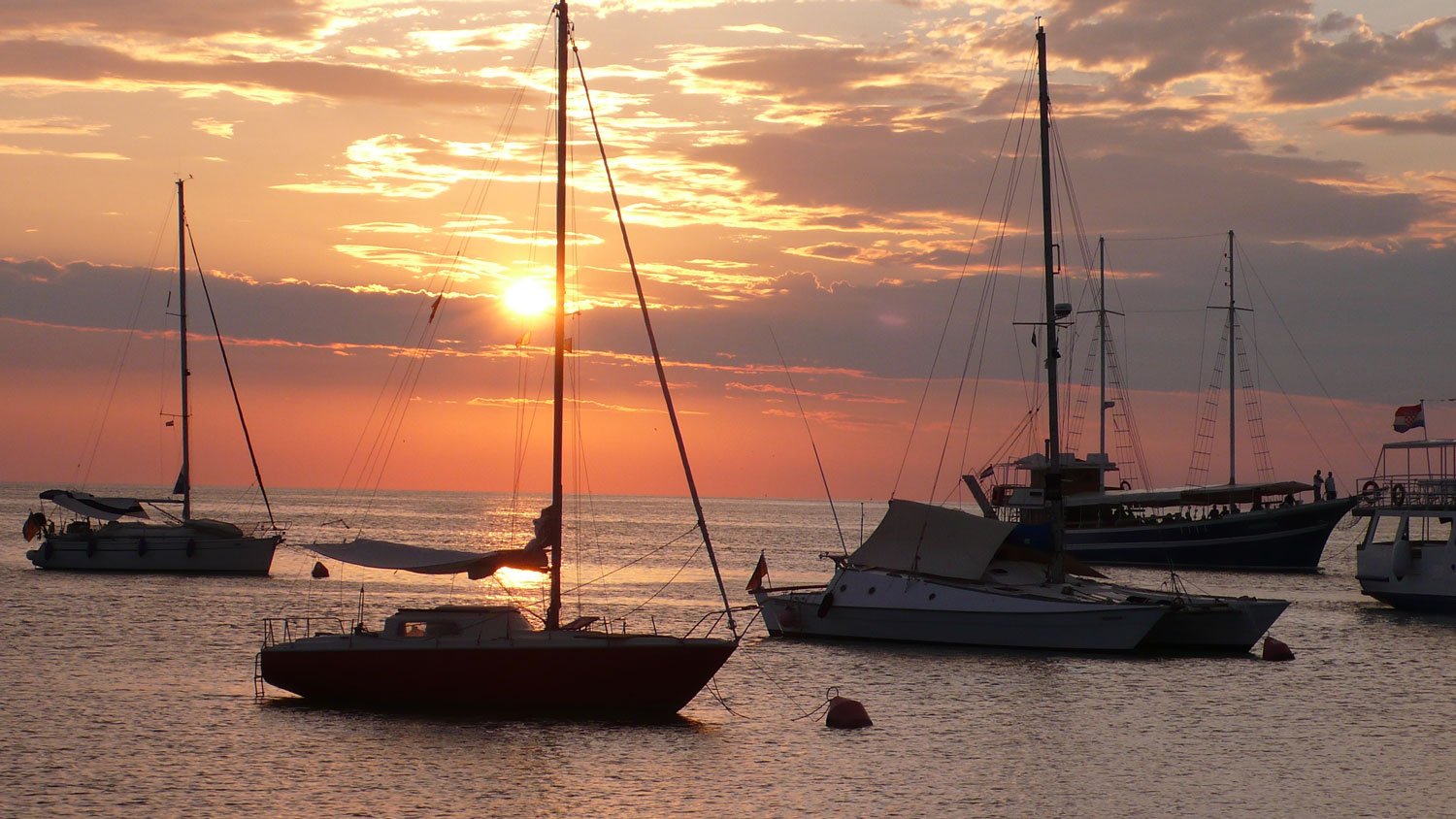
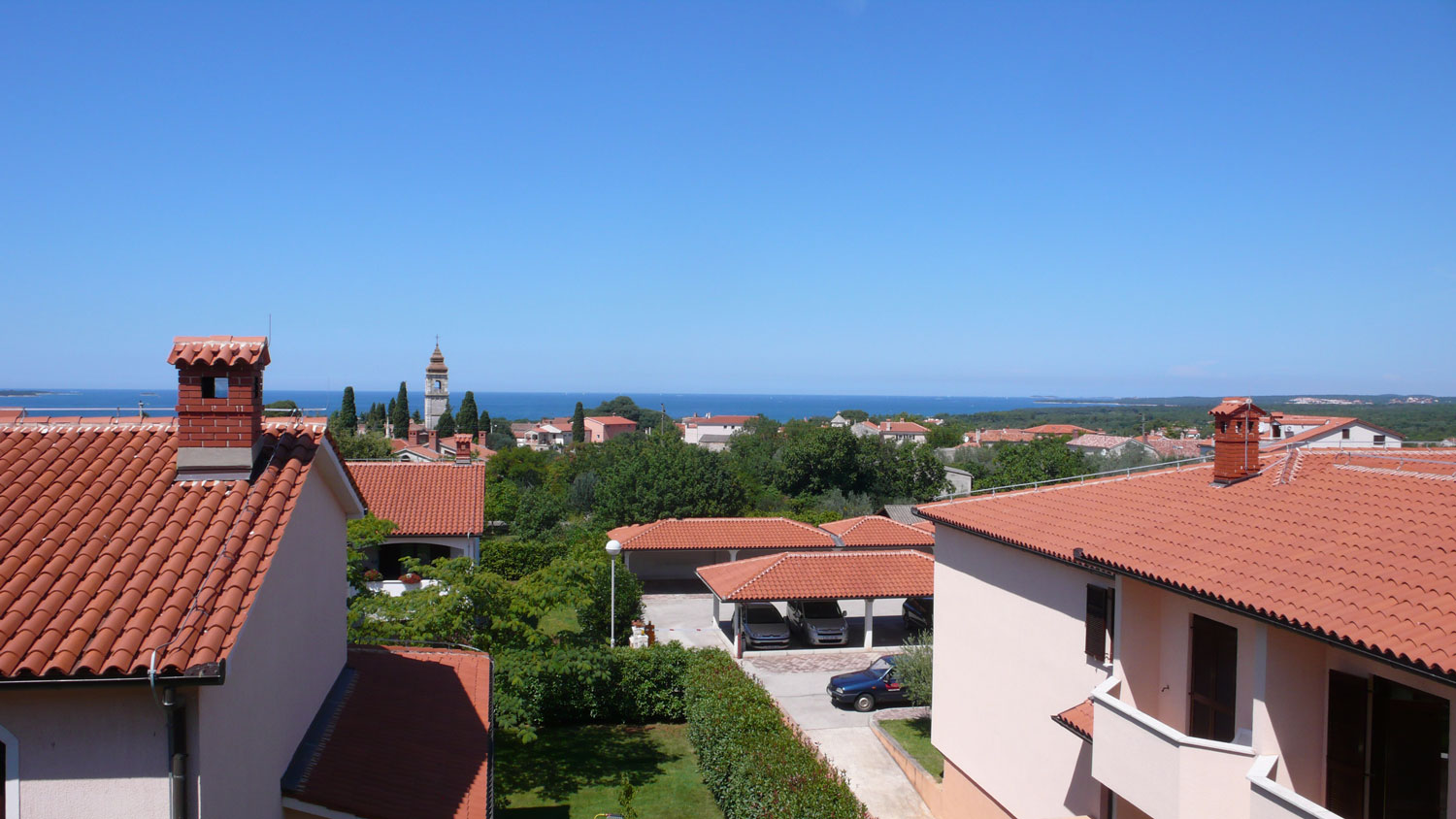
The previous leg of our Croatian itinerary (Part 5) ended at Plitvice lakes which were truly the highlight of our trip. The next stage of our journey took us to Porec in the very Italian peninsula of Istria. We arrived at Hotel Filipini, 7 or 8 K from Porec, around 3.30 pm. First problem – they didn’t have our reservation, despite the fact that it had been confirmed. They also only spoke Croatian and Italian! They eventually found us a room downstairs on the other side of the kitchen that turned out to be opposite a room full of noisy children. The bed was awful and I was bitten by mosquitoes. We had hoped to cycle from the hotel to Porec but it was very hot and the cycle path proved to be of no interest whatsoever so we ended up driving there. We found free parking not far from the centre, just next to the post office and went off to visit the Euphrasian Episcopal Complex, a world heritage site and the town’s most important attraction. In addition to the architectural interest of the mainly Byzantine basilica, baptistry, palace and chapel, there is a 16th century bell-tower that affords a panoramic view of the old town. We strolled through the streets which, despite the tourists, seemed very typical with several well-preserved mediaeval houses of obviously Venetian influence. We decided to go to the little village of Novrigrad for dinner. There was some sort of festivity going on which seemed to include food, drink and handicrafts but we had no idea what it really involved. We later saw they were selling mussels and other seafood that you ate standing up. In the meantime, we found a restaurant by the seafront appropriately called “Café del Mar” and had an enjoyable meal watching the sun set over the little harbour. Lots of shops were open so we purchased swimming shoes for next day because we had already seen that there is no sand on the beaches, just sharp rocks. Despite the excellent breakfast, we left the hotel next morning because of the bed, noise and mosquitoes. Their Visa card machine was “broken” so we had to drive into Porec to get cash. We then left for Pula. After a half an hour, I realised the hotel hadn’t returned our IDs, so back we went! We evenutally arrived in Fanzana at about 11.30 and immediately found a hotel more to our liking, the Villa Letan, in Peroj. It was a bit more expensive, but had a good bed, a balcony with a great view and air conditioning. I was even able to have my clothes ironed at a very reasonable price! After lunch at a very friendly portside restaurant in Fanzana called the Batana and some well-deserved R&R at the hotel, we went swimming in the Adriatic for the first time. Thanks to our swimming shoes, we finally managed to get out far enough to enjoy ourselves before staggering back over the rocks. We arrived in Pula at about 8 pm and were delighted to find the famous amphitheatre still open. It was wonderful to visit in the setting sun with hardly a soul in sight. I’m told it is packed during the daytime. They were preparing for some sort of show and it was easy to imagine the Romans occupying the 23,000 seats and milling in and out of the stores and shops beneath its 72 arches.  The old town was very animated and after strolling past the Temple of Augustus, the Town Hall built in 1296 and various gothic and renaissance buildings, we found a very friendly outdoor restaurant called Angulus on Hermana Dalmatina. Breakfast next morning was nothing special but at least we’d had a good night’s sleep.  We had initially planned to visit some of the nearby islands, but they are very protected and you can’t take your own bikes so we decided to work out our own cycling itinerary around the tip of the peninsula west of Pula. It proved to be an excellent choice that I have already described in a previous post. Next day, we headed for Slovenia. Next instalment – Ljubjana. The itinerary so far: Paris – Annecy – Milan – Ancona – Split – Mostar – Dubrovnik – Sibenik – Zadar – Plitvice Lakes – Porec and Pula. My Croatian Itinerary – Part 1: Paris to Milan My Croatian Itinerary – Part 2: Milan My Croatian Itinerary – Part 3: Ancona My Croatian Itinerary – Part 4: Split, Mostar & Dubrovnik My Croatian Itinerary – Part 5: Sibenik, Zadar & Plitvice My Croatian Itinerary – Part 6: Porec & Pula in Istria My Croatian Itinerary -Part 7: Ljubljana in Slovenia My Croatian Itinerary – Part 8: Innsbruck, Austria

My Croatian Itinerary – Part 5: Sibenik, Zadar & Plitvice

We left Dubrovnik for Zadar on a Sunday morning at the end of July and it was already very hot. Along the way there were countless vendors selling fruit and vegetables, often with makeshift showers to keep their watermelons cool! We stopped and bought figs, grapes, tomatoes, capsicums and olive oil.
Waterfront café at Zadar
We ate our lunch at a covered picnic table in a very modern service station with a stunning view of the surrounding hills and reached Sibenik mid-afternoon.
Some of the sculpted heads on Saint James' cathedral
Some of the sculpted heads on Saint James’ cathedral
None of the tourist frenzy here. The town is built directly on the edge of the water with boats moored next to the waterfront cafés which all have an excellent view of the islands opposite. We walked up the hill in the heat through a maze of little streets to Saint Michael’s castle then down again to Saint James’ Cathedral, Croatia’s most important example of Renaissance architecture with its lovely portal, beautifully carved baptistry and 71 sculpted heads. Black Cat later told me this was one of her favourite places in Croatia.
Waterfront café at Zadar
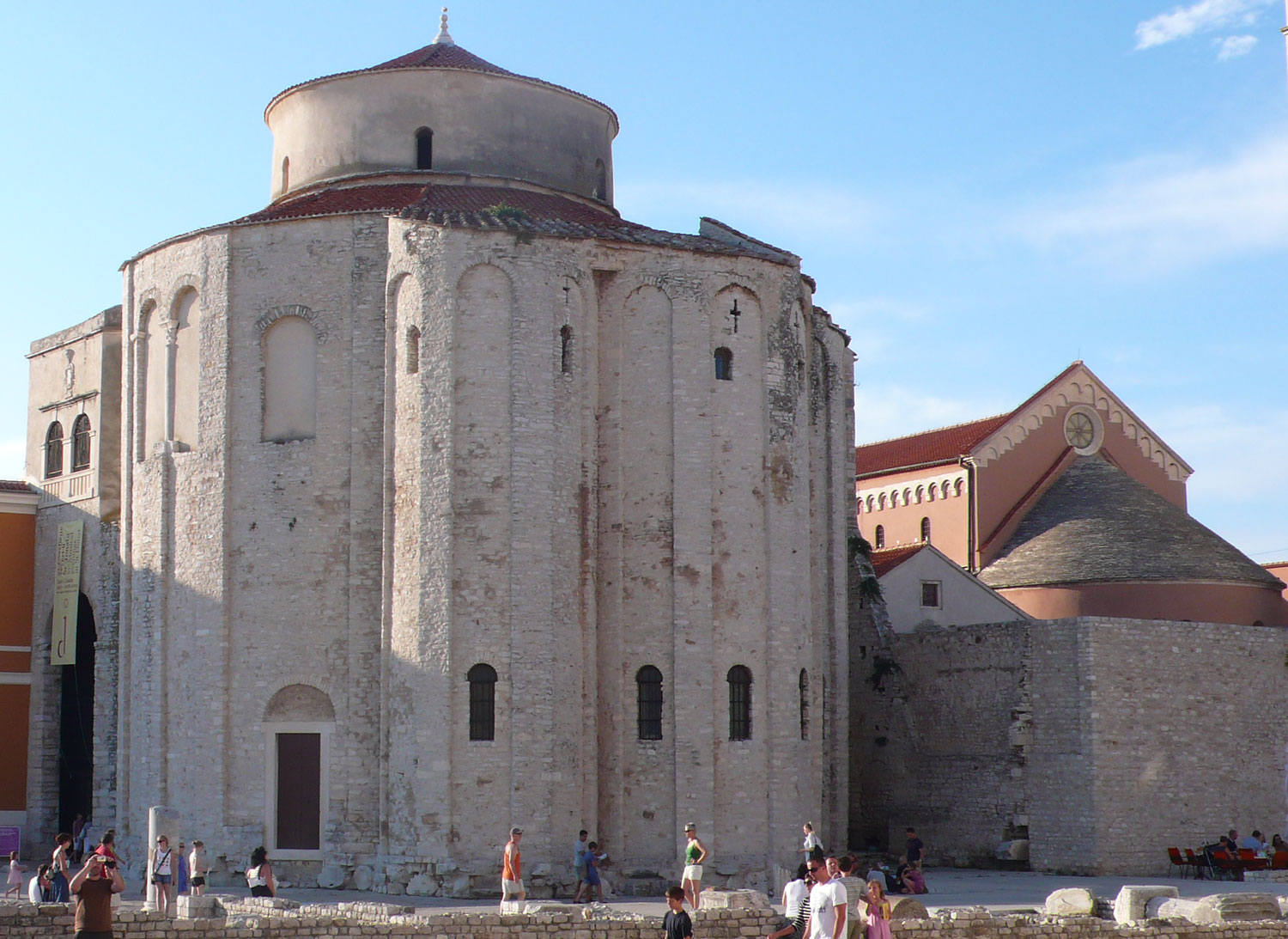
Our next port of call was Zadar where we had booked an apartment with easy parking and a terrace, just opposite Saint Donat’s. However, as luck would have it, when we arrived, the parking lot was entirely cordoned off for a major music festival that night! We waited in the car for the owner and envied the people in their arm chairs on the waterfront arrived but when she finally got there, she talked to the policeman and in the end we were able to park just in front of the building for the two nights we were there. The terrace turned out to be at the rear of the apartment looking out over everybody’s washing and cars! The inside however was very modern and spotless. It also had wifi.
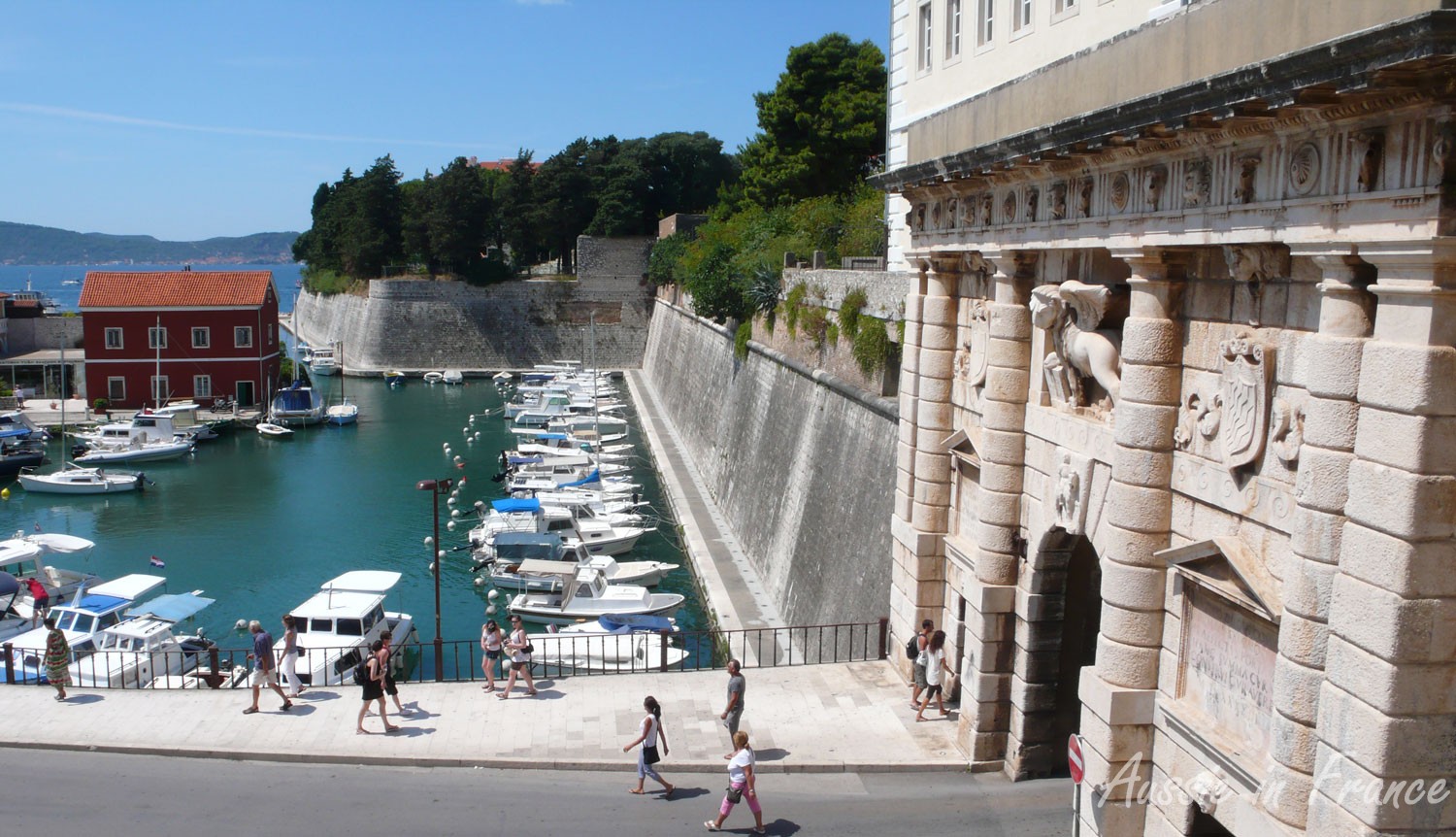
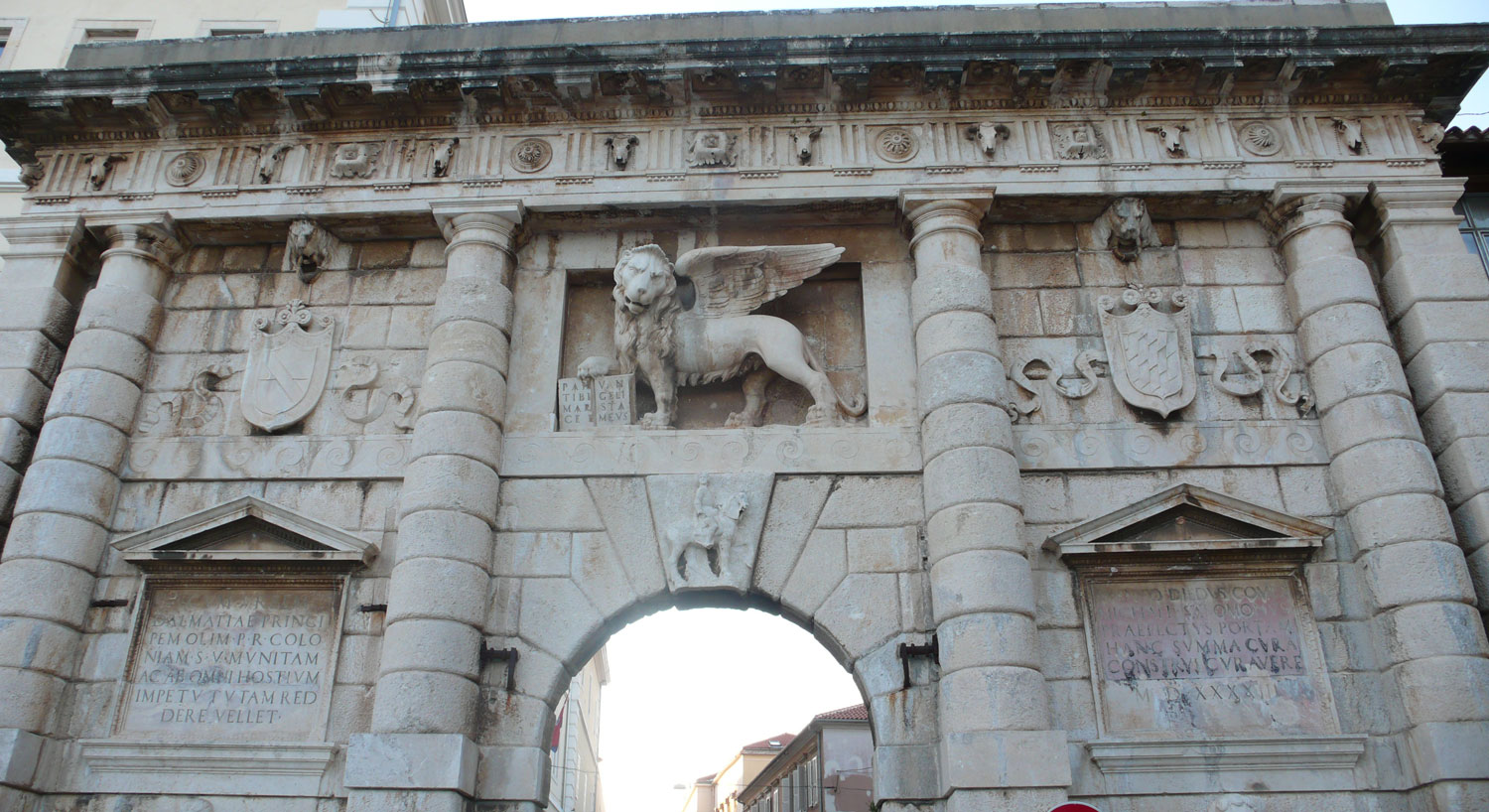
Land gate and lions in Zadar
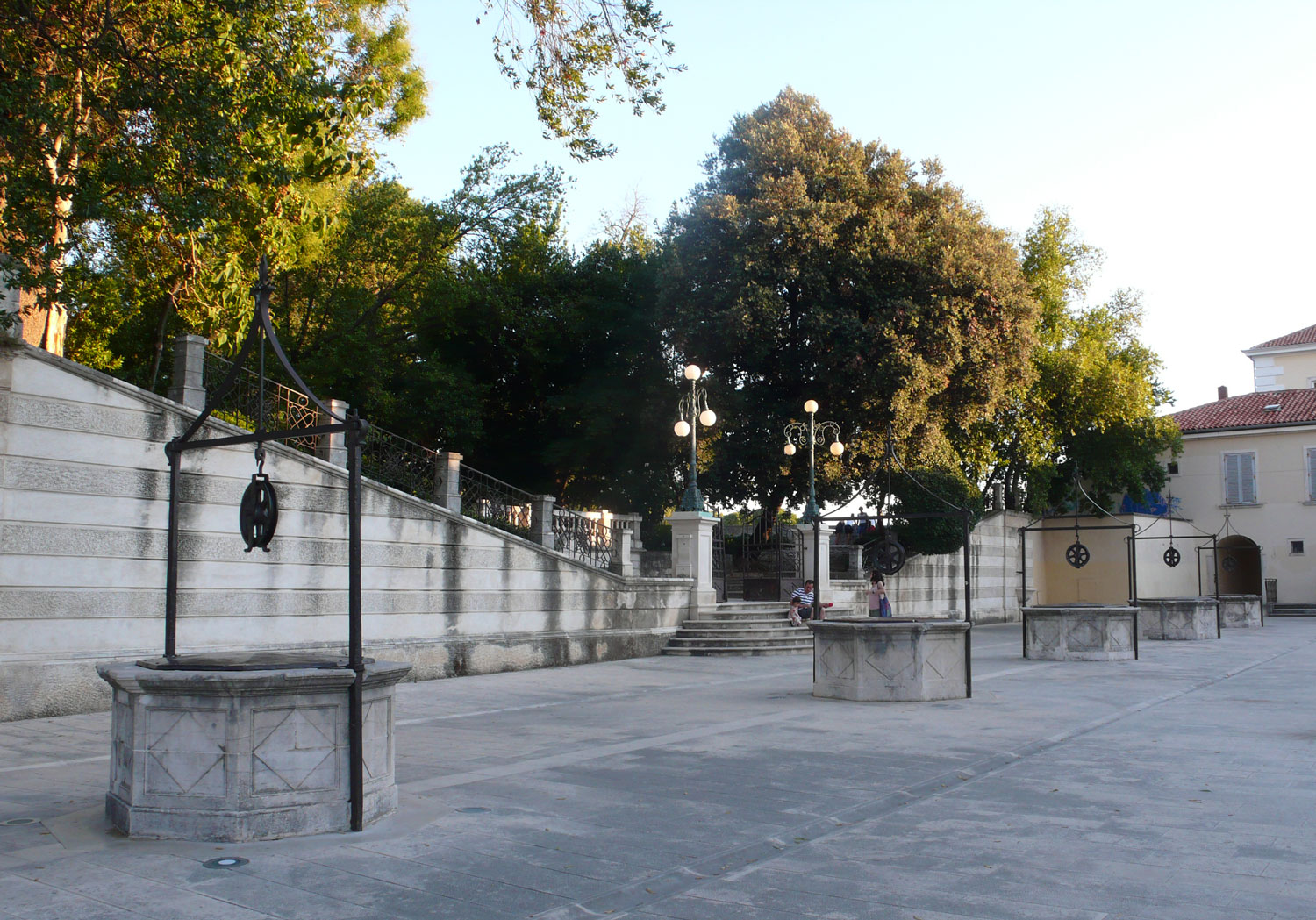
We had dinner in a restaurant called Bruschetta near the water front recommended by the owner which was very pleasant. We had intended to go cycling on the islands opposite, Pasman and Ugljan, but the return of my turista meant that I spent most of the next day inside while Jean Michel checked out the sites and did some food shopping. In the evening, we visited the beautiful 9th century Saint Donat Byzantine church, the “land gate” with its lion and five wells. Apparently I’d missed the tourists and found it very pleasant and family-oriented.
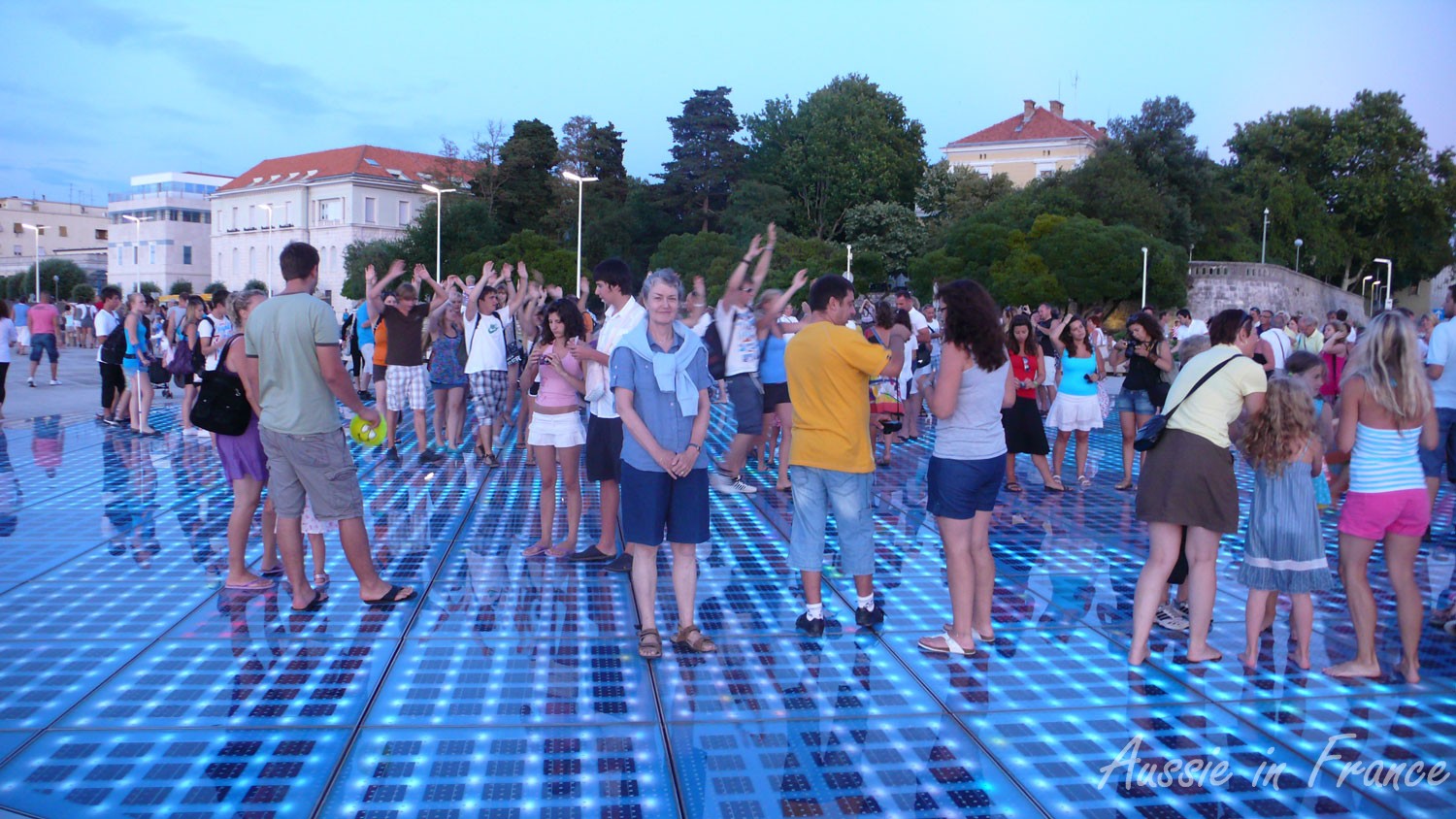
The Greeting of the Sun which changes colour as the light waxes and wanes
After an aperitif, we joined the local population of Zadar to watch the sun set over the Sea Organ and check out an intriguing attraction by the same architect just next to it called The Greeting to the Sun, consisting of multi-layered glass plates and silicon cells and forming a marine compass which changes colours as the light waxes and wanes. It’s actually a small power plant that is also used to light up the entire waterfront.
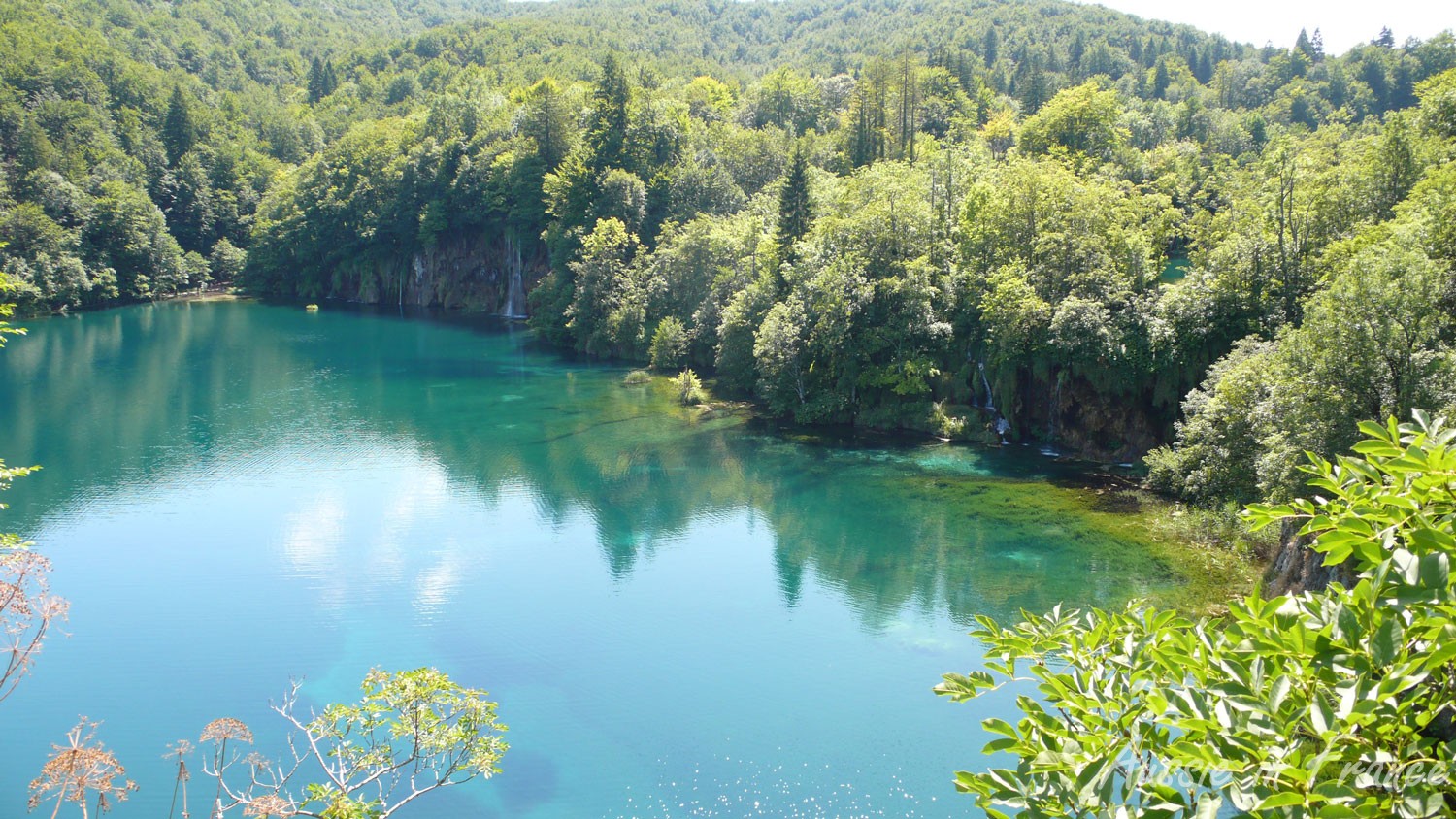
Stunning upper lakes at Plitvice
The next day, we headed for Plitvice Falls, one of the highlights of our trip, which I have described in two previous posts (Sunday’s Travel Photos and Cycling in Croatia). We stayed in a lovely and very reasonably priced apartment up in the hills (it even had a barbecue!) with a very convenient access to the lower lakes which enabled us to avoid the crowded car parks and hordes of tourists. I didn’t visit the higher lakes because of my turista, but Jean Michel took the boat and bus next day and joined the crowds of visitors. Having seen both, he said that he definitely preferred the lower lakes so we visited them again before we left the next day for Porec.
Bruschetta Restaurant, Mihovila Pavlinovica 12, 23000 Zadar
Zdravka Evceg, Vjekovslava Mastrovika 4, 23000 Zadar
Stanislav Mihinjac, Apartmani Lipa, Plitvice Selo 6, Plitvicka Jezera 
My Croatian Itinerary – Part 1: Paris to Milan My Croatian Itinerary – Part 2: Milan My Croatian Itinerary – Part 3: Ancona My Croatian Itinerary – Part 4: Split, Mostar & Dubrovnik My Croatian Itinerary – Part 5: Sibenik, Zadar & Plitvice My Croatian Itinerary – Part 6: Porec & Pula in Istria My Croatian Itinerary -Part 7: Ljubljana in Slovenia My Croatian Itinerary – Part 8: Innsbruck, Austria

Sunday’s Travel Photos – Zadar, Croatia

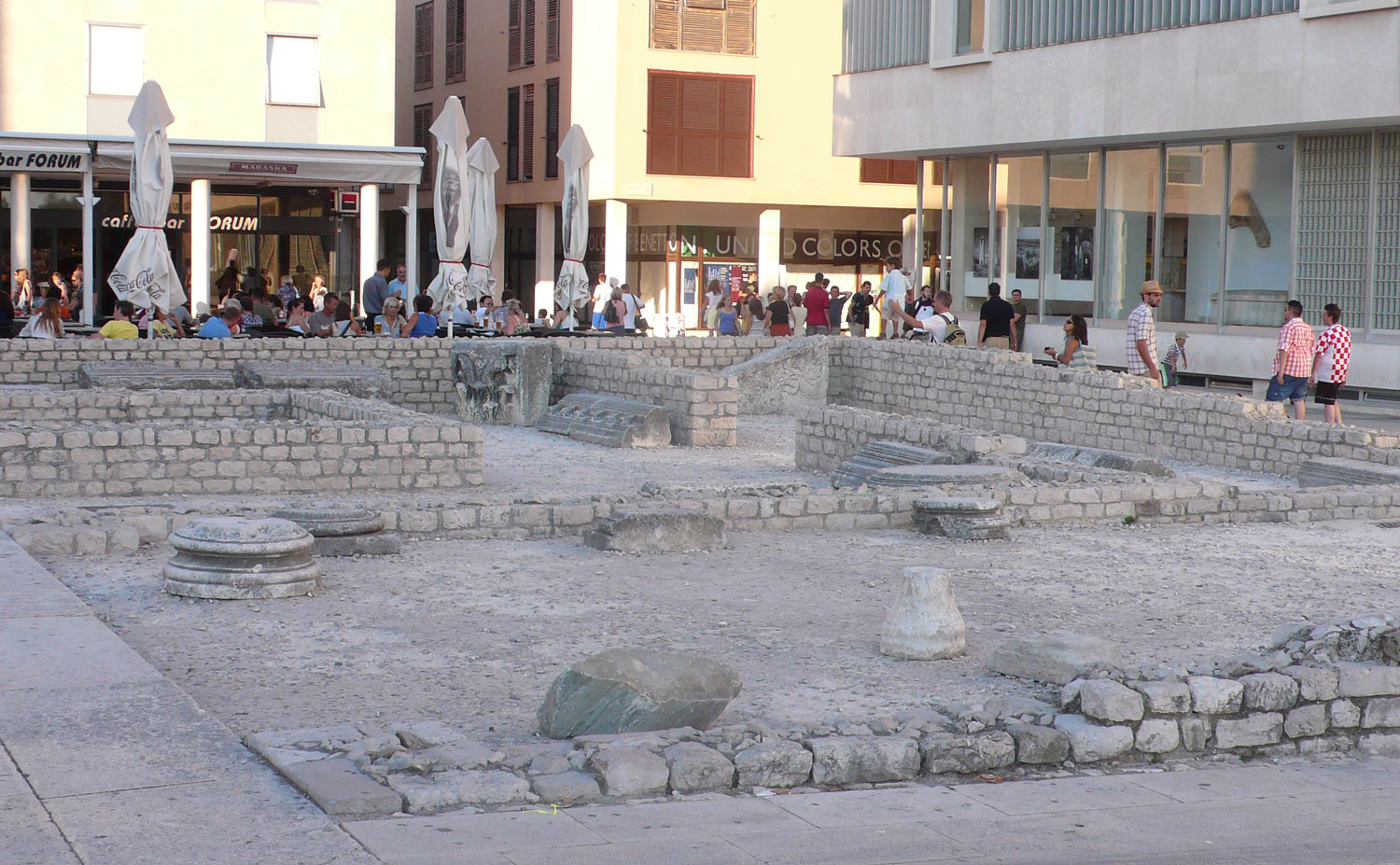
Zadar is a fascinating mixture of old and new, including the Church of Saint Donat built in the 9th century, the remains of a Roman forum from the 1st century, modern shopping streets and the famous sea organ. The sea organ is a musical instrument consisting of tubes located under a set of large marble steps along the waterfront. As boats go by, the waves rush into the pipes and create random but harmonic sounds. It was made by the architect Nikola Bašić as part of a project to rehabilitate the waterfront and was inaugurated on 15th April 2005. It’s a very popular venue for the locals at sunset.