How I lost 20 kilos after 50, for good – Part 4

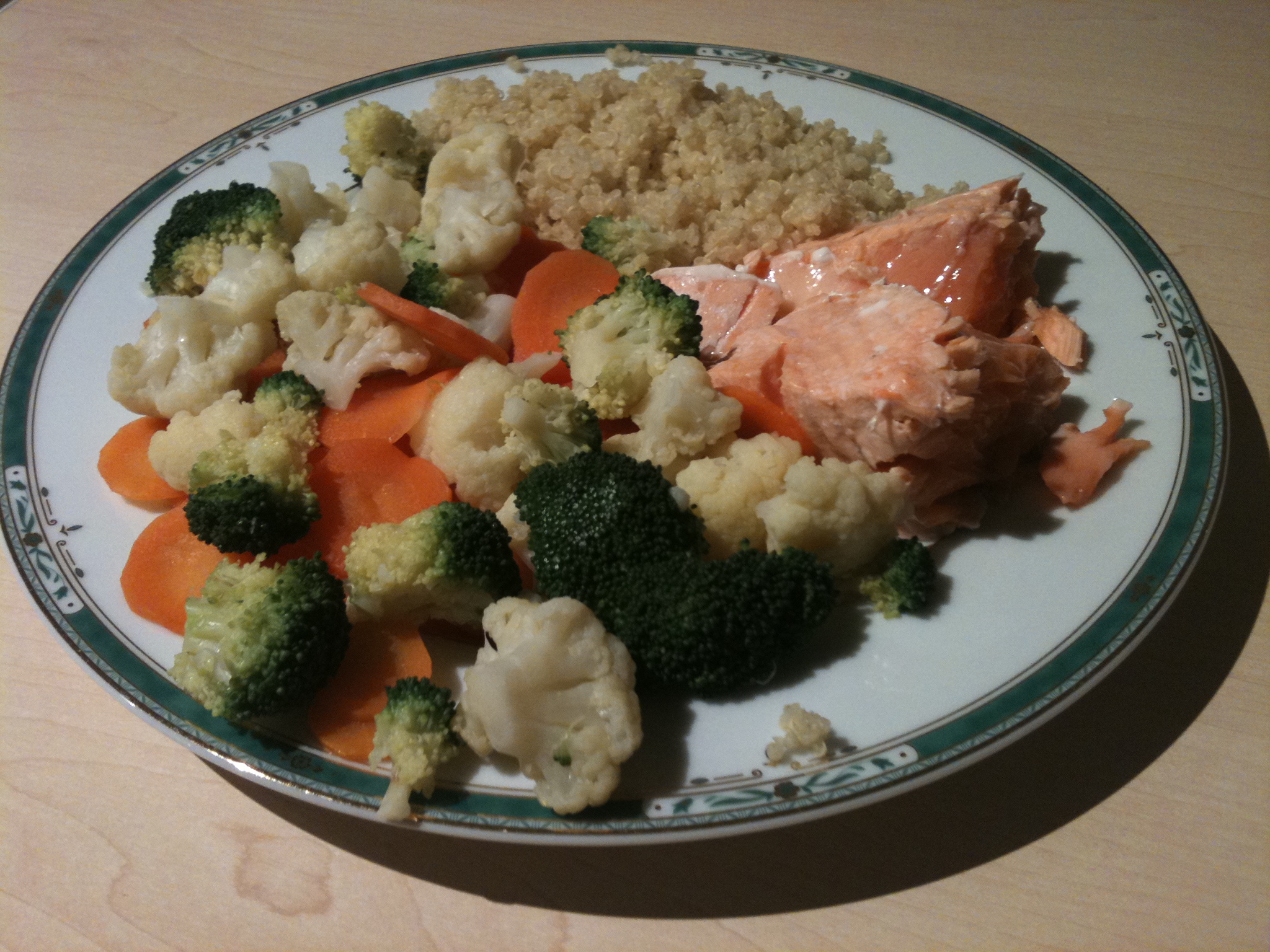
Two weeks ago, in part 2, I told you about my visit to Dr Séjean, a touchy-feely encouraging nutritionist from Martinique. She basically told me to cut out all wheat-based products for three weeks and divide my plate into four: ½ protein, ½ carbs (the contents of a Chinese bowl) and ½ cooked vegetables (cooking and storage tips in part 3). The result was astonishing.  I’d lost 2 ½ kilos and 4 cm from my waist and tummy! She’d also told me to note down everything I ate. Of course, this in itself caused me to modify my diet. What’s more, it hadn’t seemed difficult at all because there wasn’t anything I wasn’t allowed to eat (apart from wheat). I could still have côte de boeuf and oysters on Sunday.

Many of you have talked to me about your weight problems since the last post and one of the main concerns seems to be binge eating. Once I started the diet, I no longer had a problem with that, but as I explained in part 1, I had been listening to hypnosis tapes for a few months and I’m sure they were extremely effective. However, it does seem that making sure you get enough protein, particularly at breakfast, can definitely help.
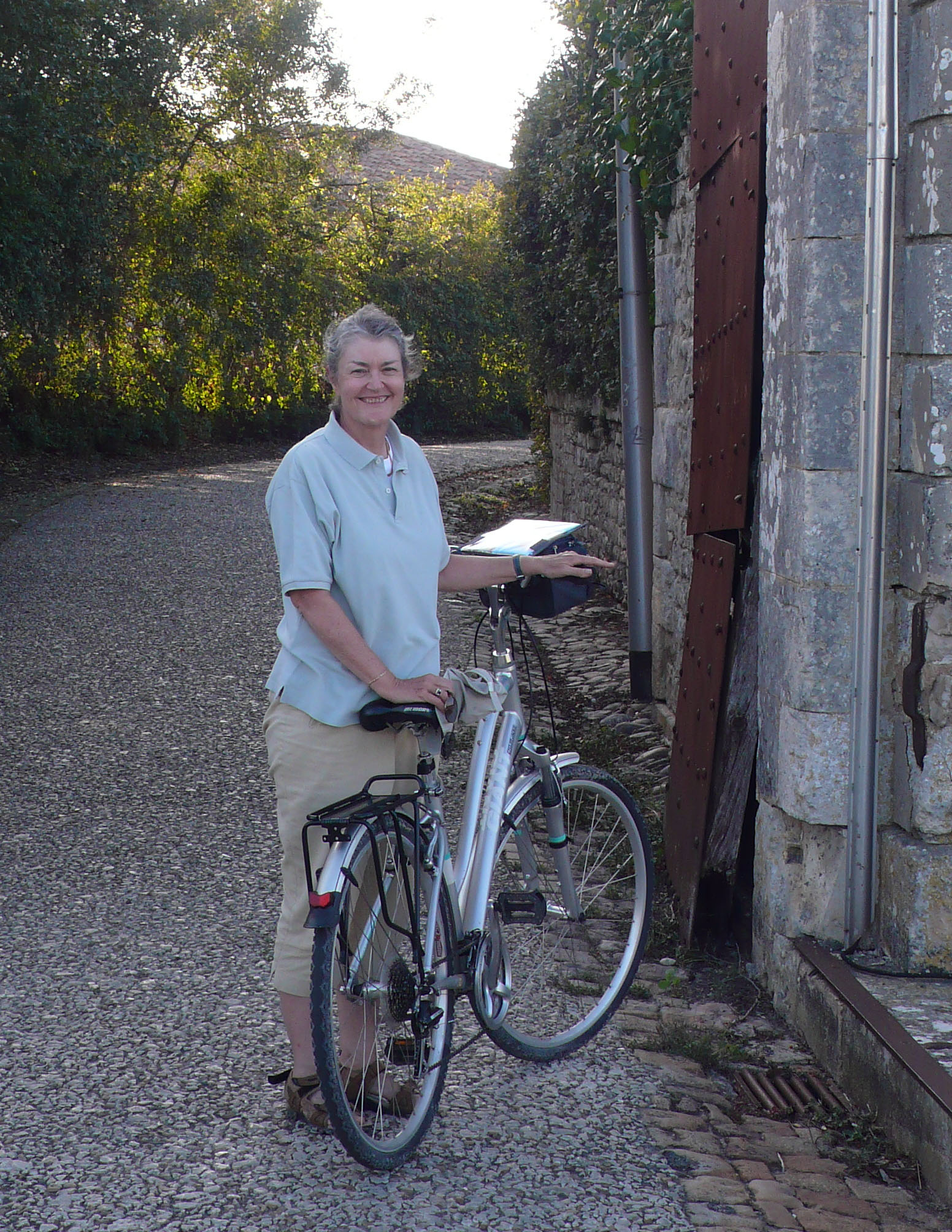
There are various ways to combat the urge to binge. First, you need to analyse what’s causing the problem.  Most people binge from stress so you need to find a way to destress yourself. Relaxation cassettes, yoga, exercise, cycling, soaking in a hot bath, having a shower, going on a buying spree, having a cup of tea – there are all sorts of things you can do instead of eating. It takes one month to change a habit, Leonardo tells me, so if you can get past that first month, you’re halfway there. One method that I had found useful in the past was to go and sit in a comfortable chair if I felt the urge to raid the fridge. I’d close my eyes and breathe deeply, thinking zen thoughts. After a few minutes, the urge would disappear. Most of the time.

And one thing to remember – it’s not because you binged one day that all is lost. If you really want to lose weight and not put it back on, you have to be nice to yourself. OK, so today you ate all those biscuits or foie gras or whatever. But tomorrow’s another day. In fact, tomorrow is the first day of the rest of your life! Pretty good, huh? It means you can always begin again.
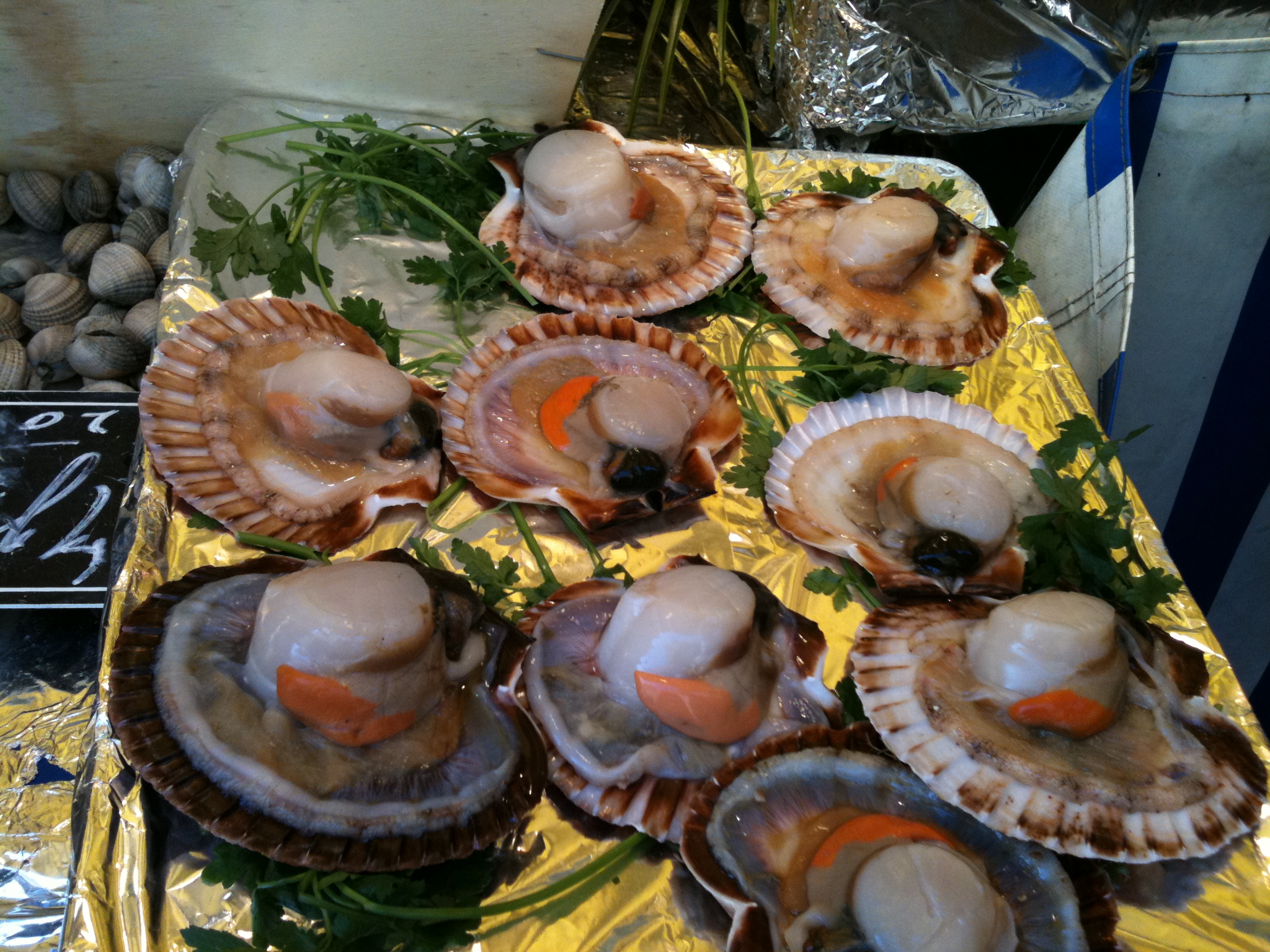
Coquilles Saint Jacques

Doctor Séjean looked at the list of what I’d eaten during the previous two weeks and noticed that I didn’t eat much fish. What I like is seafood (especially oysters on Sunda and coquilles Saint Jacques), reef fish and salmon, not those insipid white fish you find in France. If you have to add beurre nantais, there doesn’t seem to be much point in eating bar (bass) instead of entrecôte. However, I had tasted raw fish in the form of capaccio in Venise the year before and figured I could give it ago.

Fresh fish at the market

I soon discovered that most fish is overcooked, particularly in restaurants and that when it’s raw, it’s delicious. Also, it doesn’t smell out the kitchen. I’d ask the fishmonger on the market each week for the freshest fish and had soon tasted practically everything tartare, sprinkled with a bit of lemon and olive oil. And after about a year, I started liking it lightly cooked as well. Now we buy different types of fish on the market on Sunday that we eat at each lunch and dinner until Tuesday night. I mainly like mackerel, limande (lemon-sole), rouget (red mullet), carrelet (plaice), lotte (monk-fish) and turbot, and I dislike colin (hake) and cabillaud (cod).  I prefer bar (bass), dorade (sea-bream) and tuna uncooked. I deep-freeze fresh salmon and defreeze it and cook it in the microwave. It’s really easy and delicious when it’s not overcooked. So I guess that I now eat fish at about half my meals.

Foie gras with toast

But Christmas was coming up and I was a bit worried about putting back on my newly-lost kilos. Dr Séjean told me not to worry, that I should just make sure that if I drank alcohol, I always ate something with it. That was a surprise but she explained that the food absorbs the sugar whereas if you just have a glass of wine by itself, you store the calories immediately.  She said that if I ate foie gras (as if I wouldn’t!) I should have it with toasted bread and, generally speaking, if I was going to have bread, I should have it toasted whenever possible because that way, it doesn’t have a bloating effect.
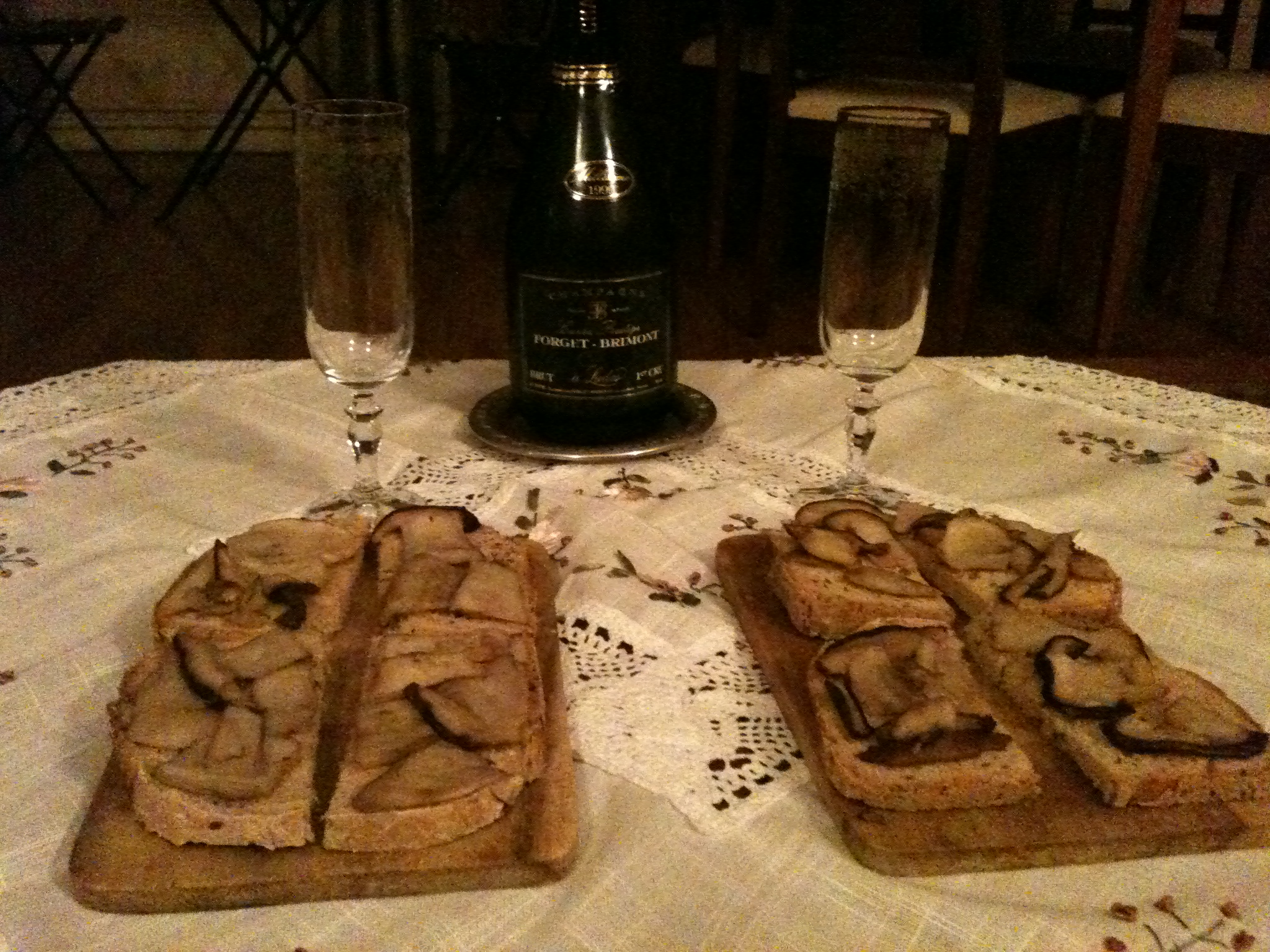
Wild mushrooms on toast for apéritif

We were planning a few côtes de boeuf of course but she advised me to eat them with vegetables and not just potatoes, for example.  She reminded me not to forget the carbs and said I could re-introduce wheat-based foods after another week. But in the meantime, I’d got used to eating quinoa and polenta so I wasn’t really missing the wheat very much except for home-made fresh bread. Another thing she told me is that I should have at least 2 tablespoons of oil a day.

Having recharged my batteries, I took another appointment for a month later. Watch out for Part 5 and let me know how it’s going!

Polenta recipe
 
Polenta is really simple to make. You boil 2 cups of water in a saucepan then add 1/2 cup of polenta stirring quickly with a whisk. It thickens almost immediately. Pour into a recipient (such as a Ziploc) until it’s solid then put it in the fridge for a couple of hours. Tip out onto a board and slice horizontally so that it’s about 1 ½ cm thick. Cut into large squares. Cook in a little oil until the outside is brown and crisp. 
 
The Natural Skinnies and Us
How I lost 20 kilos after 50 – for good: Part 1
How I lost 20 kilos after 50 – for good: Part 2
How I lost 20 kilos after 50 – for good: Part 3
How I lost 20 kilos after 50 – for good: Part 5
How I lost 20 kilos after 50 – for good: Part 6

Don’t forget to subscribe to new posts – that way you’ll get them directly on your smart phone or in your mail box! And I love to hear your comments!
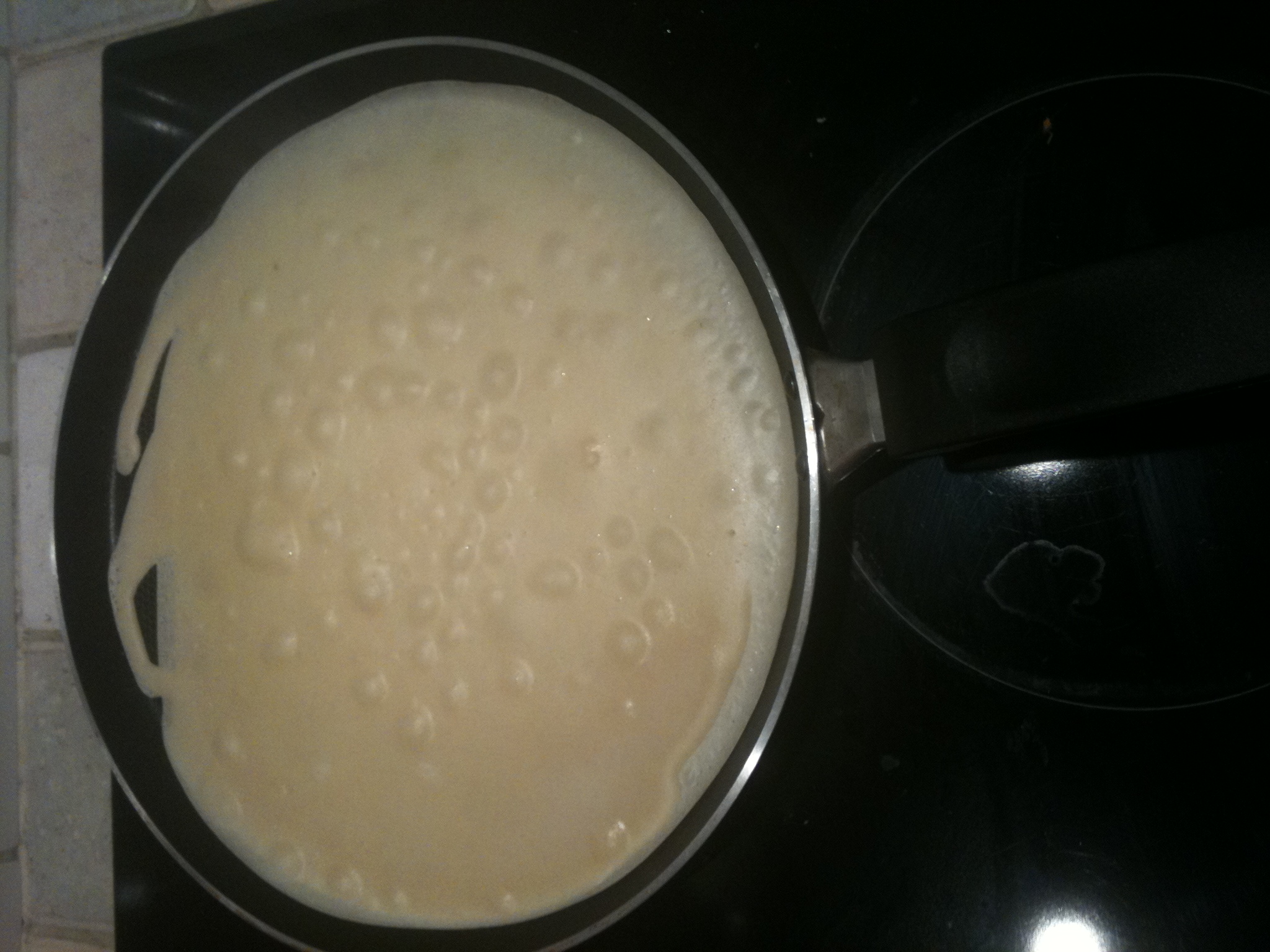
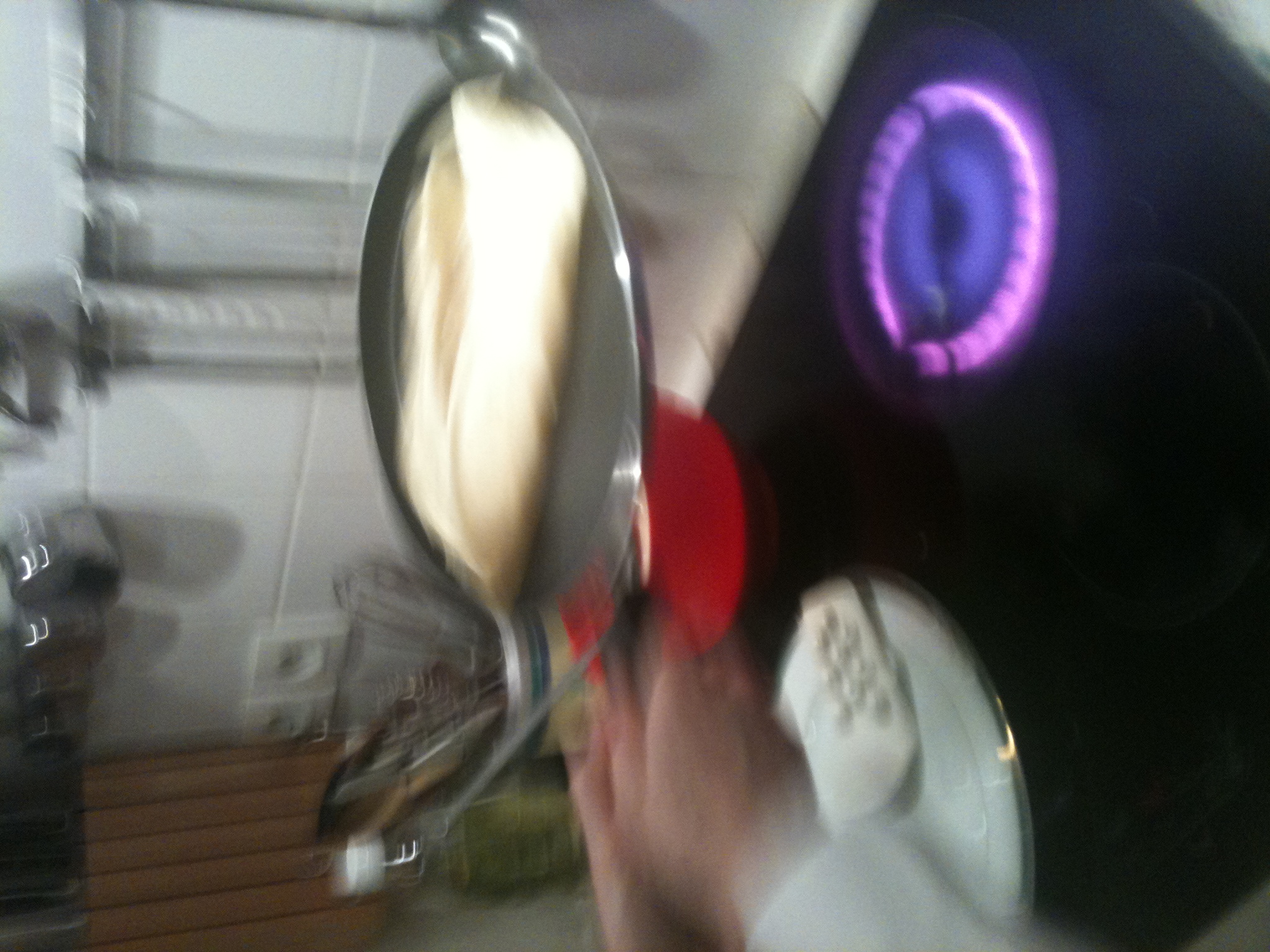
Crepes Recipe for Chandeleur

A little bit late, but here it is! Chandeleur or, more popularly, “la fête des crèpes” is held on 2nd February, 40 days after Christmas. One explanation is that it celebrates the presentation of Christ at the temple of Jerusalem but it seems there are pagan origins as well. Its name derives from the expression “festa candelarum”or “candle day”. It seems there’s also a tradition of holding a coin in your hand when flipping the crèpe that will guarantee prosperity for the coming year.

In any case, everyone loves crèpes so any excuse is good!

Ingredients:

250 g of flour (I use wholemeal)
2 or 3 eggs 
1/2 litre of milk

The trick for not getting lumps in the mixture is to put the flour in first, then the eggs. With a wooden spoon, break the yolks and mix the eggs a bit, then add enough milk to be able to mix it all to a thick, but not dry, paste, then add the rest of the milk in stages. If you don’t add enough milk the first time, you get lumps. I don’t add sugar to the mixture, but some recipes do (about 100 g sugar for 250 g flour).

Add a teaspoon of oil and stir. Then add a bit of water so that the consistency is right. This will depend on your flour and number of eggs. It has to be thick but runny at the same time. You can readjust the texture after the first crèpe. A lot of people in France think the mixture has to “rest” for hours beforehand but it’s only because they don’t know how to make it without lumps. Leaving it for hours takes the lumps out.

It’s best to use a flat crèpe pan but a frypan still works. I now buy Teflon because it’s so much easier even though it gets a lot of flak these days. You just have to replace it when it gets scratched, which won’t happen if you flip the crèpes. One of the problems with the regular pans is that the bottom has a tendency to to rise up in the middle after a while and the crèpe doesn’t cook evenly.

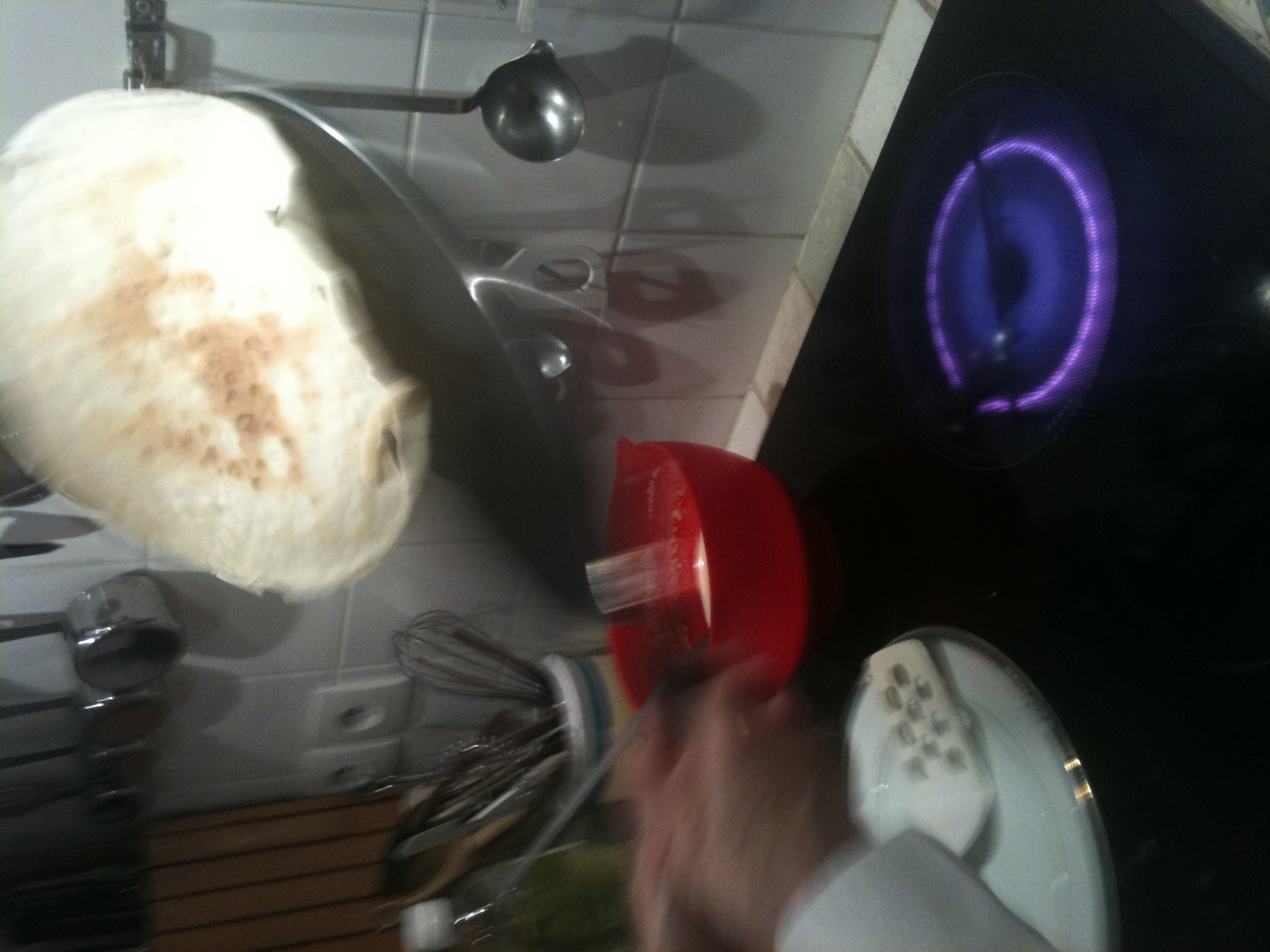
In any case, you need to have the pan very hot to start with. We specifically bought a cooker top with a halogen ring so we could cook crèpes! I used to have gas which is much better. So, you add a little oil to the pan and spread it on the bottom with a paper towel. Using a ladle, pour in just enough mixture to cover the bottom of the pan. This will obviously take practice but, don’t worry, the crèpes will get eaten anyway, even if they’re too thick or too thin! Swirl the mixture rapidly around the pan by tilting it a bit. Some people use wooden scrapers to make them very thin but I’ve never tried. Maybe I should. When the bubbles burst on the top and you can see that the crèpe has shrunk away from the sides, use a spatula to make sure it isn’t stuck to the pan. When the crèpe can slide around easily, it’s ready to flip. With a deft flick of the wrist (don’t you like that description), preferably using two hands, flip the crèpe. Of course, you should make sure that if it misses the pan on the way down, it doesn’t fall into the rest of the mixture.

Otherwise you can turn it with a spatula and when the other side is cooked, you can practice flipping. That way, if you don’t throw it up high enough, it won’t stick to itself on the way down.

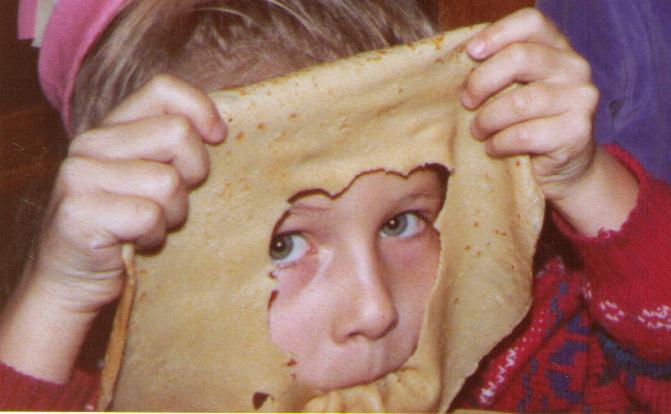
When my kids were small and invited their friends over, I used to keep making crèpes until no one wanted any more. They loved the ones with holes. One of Black Cat’s friends used to eat bits out at eye level and pretend it was a mask then eat it bit by bit. I once made them for 2 hours straight at a school fête. It was the most popular stand!


Enjoy!

Don’t forget to subscribe to new posts – that way you’ll get them directly on your smart phone or in your mail box! And I love to hear your comments!
Freezing cold is relative!

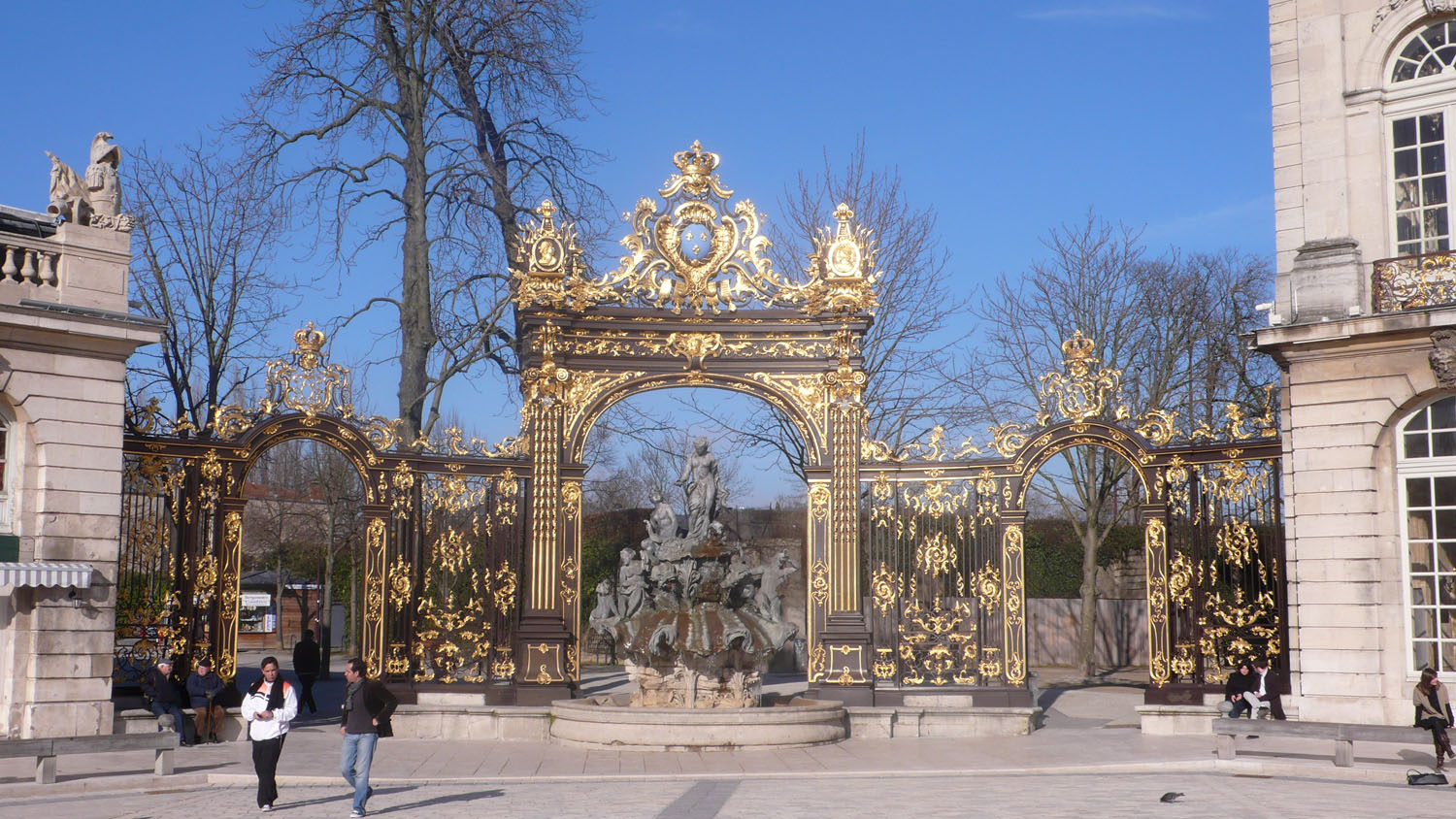
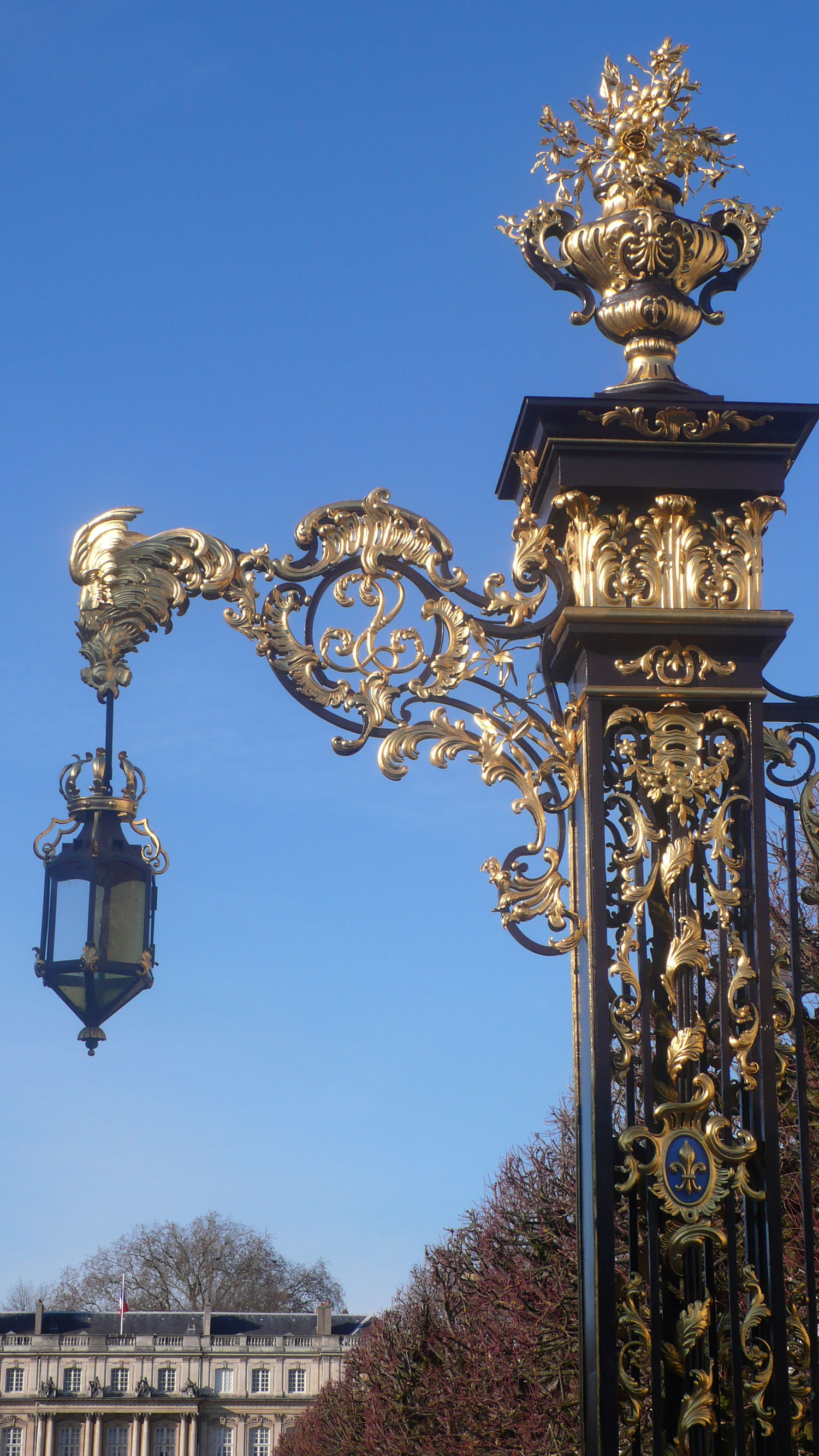
Place Stanislas, Nancy

As I’ve already mentioned, when a Queenslander says they’re freezing cold, it means that it’s 15°C at night and all the windows are open (can’t close the windows! gotta have fresh air, you know). When the French say it’s freezing, it actually is zero degrees outside. All the windows are closed and the heating’s up as high as it’ll go. It’s all very relative, isn’t it?

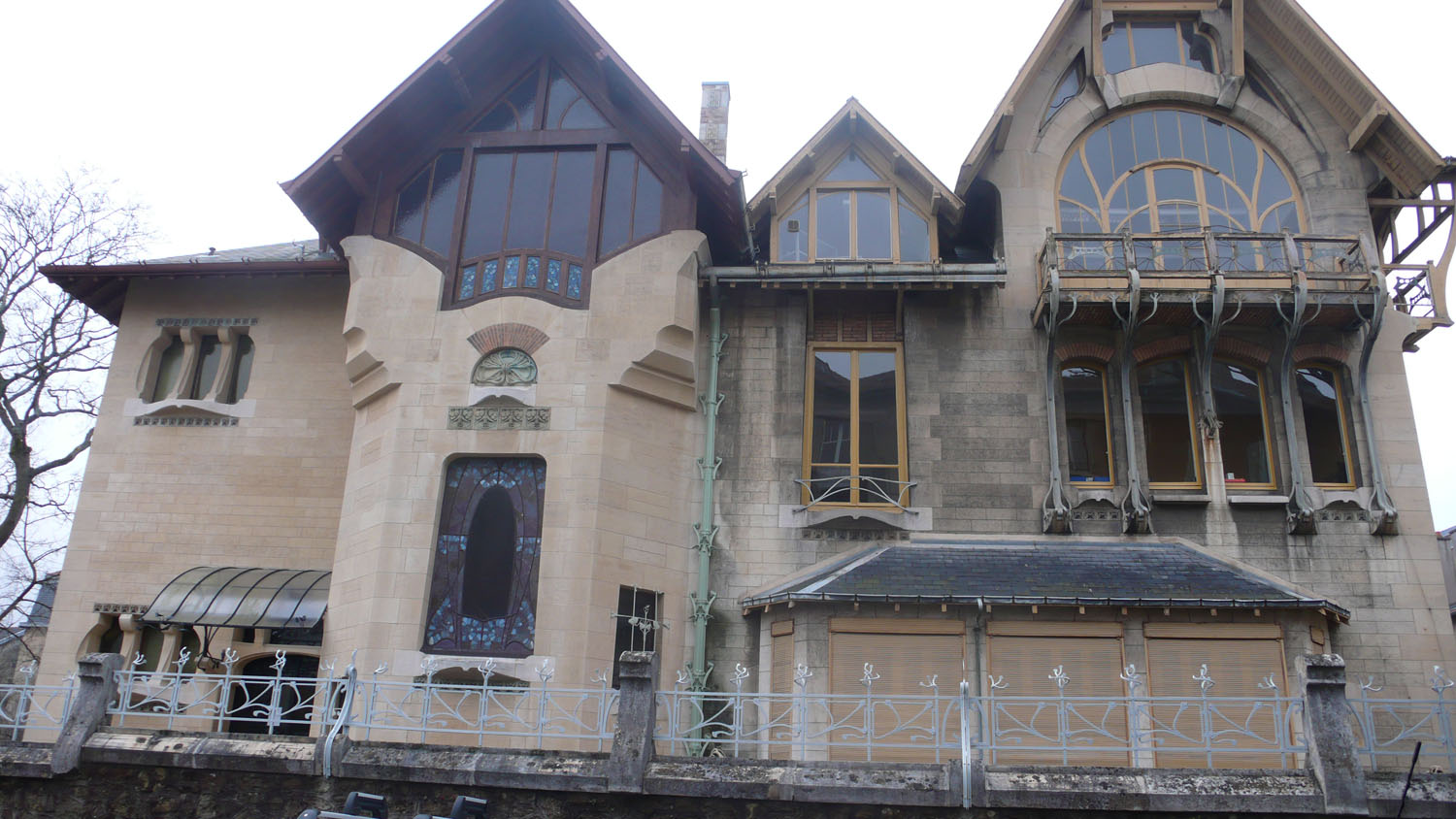
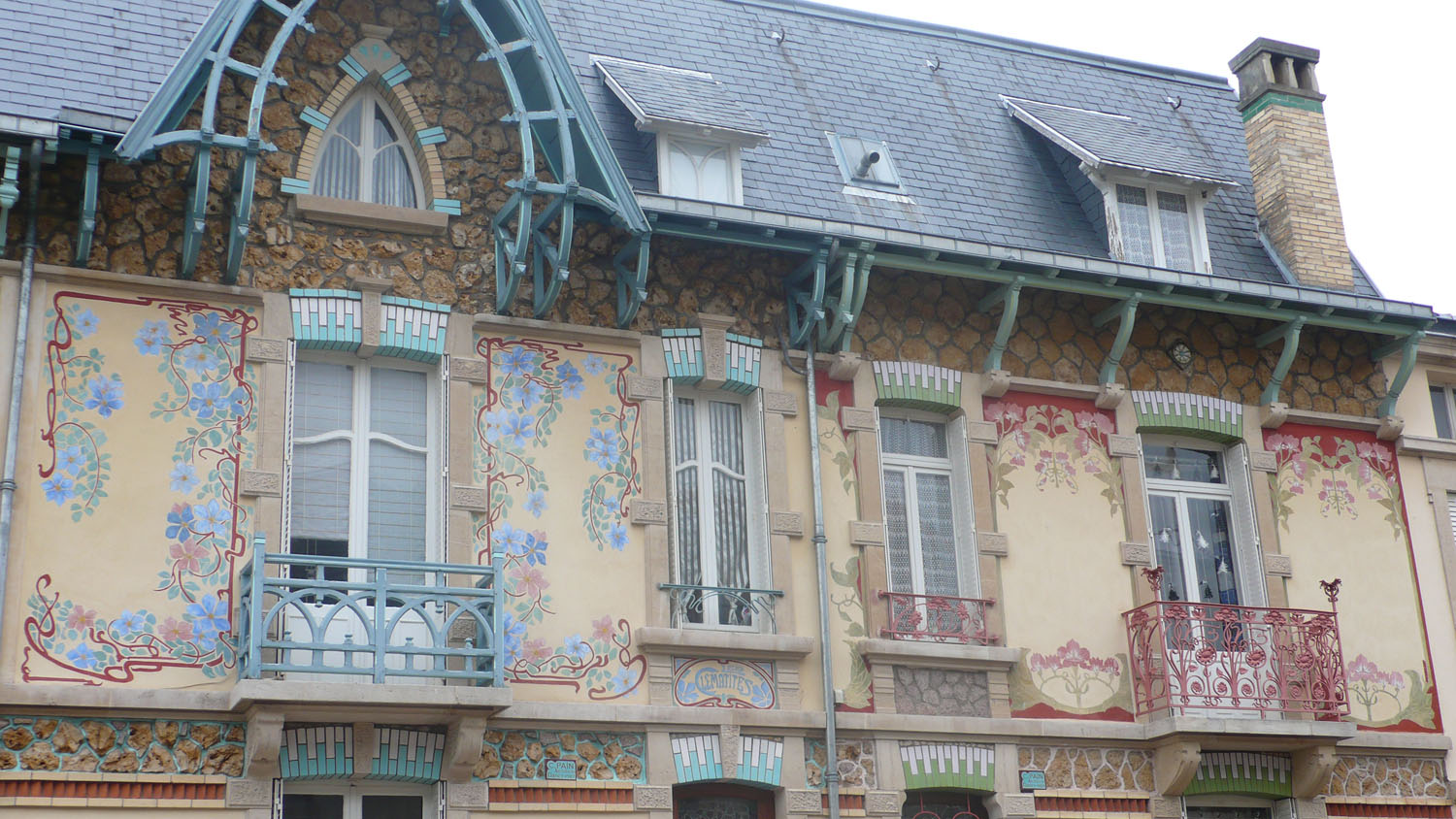
A couple of years ago in February, we decided to spend a week in Lorraine, best known for its quiches of course, but also the home of Nancy, one of France’s best examples of art nouveau.  We found an 18th century gîte to stay in about 15 minutes out of the city. It was a bit bigger than we needed (4 bedrooms) but it looked lovely from the photos.

When we got there, it had been snowing and it all looked very pretty. Inside, however, I immediately noticed the cold but sometimes it takes a day or so for a gîte to heat up, especially if no one has been in it for the last week or so. The bedroom layout upstairs was a bit strange – the only en-suite had two single beds, not exactly our idea of a romantic get-away.

The hoped-for warming-up never happened. The kitchen reached a steady 15°, the living room reached a ceiling of 19° and sometimes 20° when the fire was going full blast and we managed 17 or 18° in the en-suite bedroom where we ended up putting a double mattress on top of the two single beds so I wouldn’t have to freeze in the middle of the night going down two steps and across the unheated landing to the other bathroom.

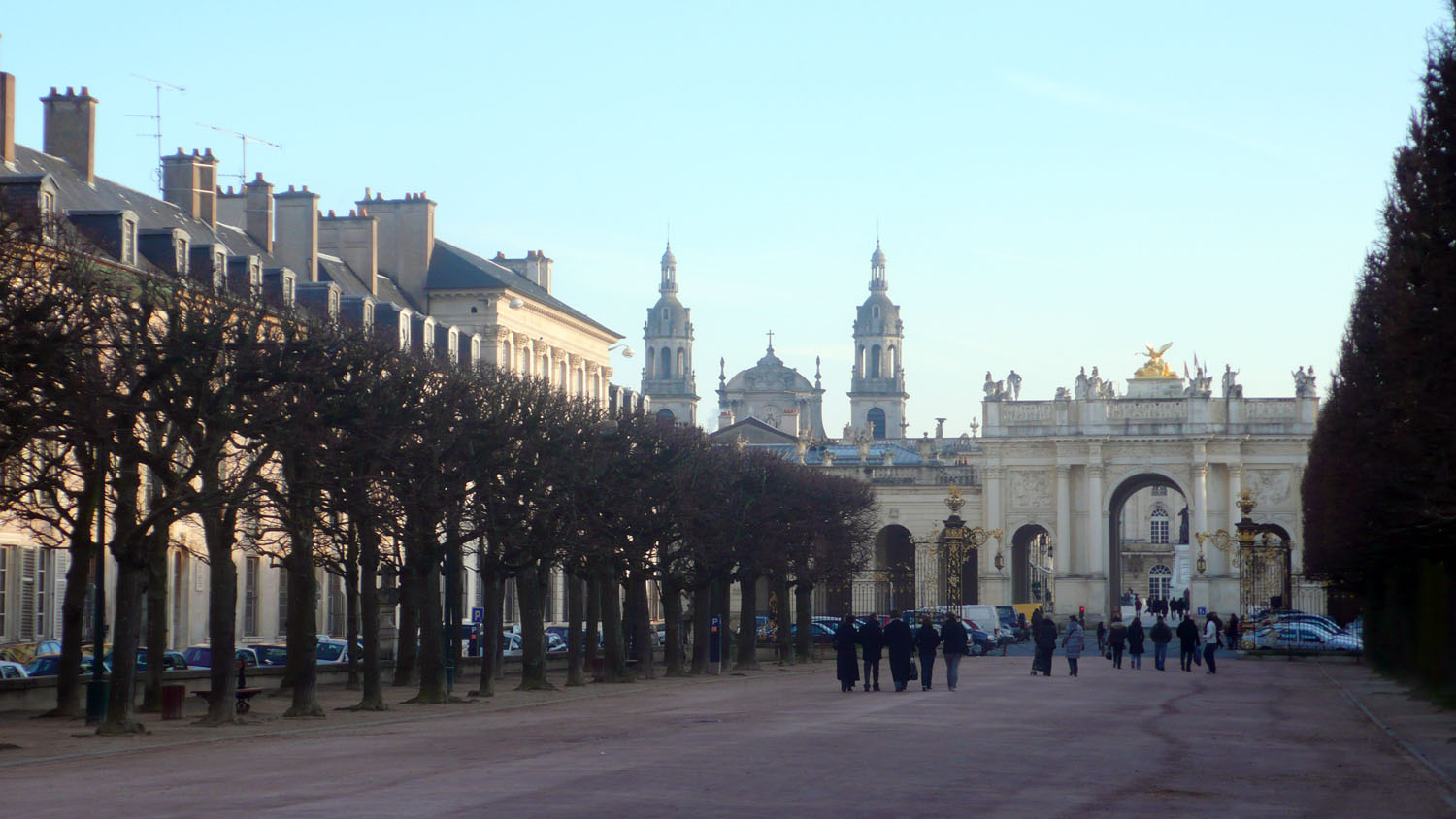
Porte Héré, Nancy

But the coldest place in the house was the corridor between the kitchen and the living room. No matter how high we put the one radiator, it never went above 8°C. Now, 8°C indoors is cold by any standards. We later discovered that the corridor used to be a street running between two houses, one containing the present kitchen, downstairs bathroom and upstairs bedrooms and the other containing what are now the living room, dining room and entrance. It had been covered with a roof to join the two houses together but the question of heating had obviously not been taken into consideration.

Villa Majorelle, rue Louis

When I mentioned to the owner that guests should be warned about the lack of heat, she said huffily that it was the country, after all, what did I expect? Well, certainly not 8°C. We had another problem in the en-suite bathroom, where cold water started to drip directly over the toilet during the night. The owner’s husband came to have to a look then brought a plumber. It turned out that it was caused by condensation due to the fact that we were heating the bathroom (well, wouldn’t you?) when the rest of the upstairs floor was cold!

Rue Félix Faure

That did not however detract from the beauty of Nancy, starting with the very beautiful Place Stanislas, its old quarter with the 12th century Porte de la Craffe and 16th century ducal palace, its 18th century cathedral, its turn-of-the-century Basilica inspired by Sacré Coeur in Montmartre,  and all the lovely art nouveau buildings in the Quartier Saint-Léon, especially Villa Majorelle. The Musée de l’Ecole de Nancy is one of the few museums dedicated to a school of art and is a definite must.

Musée de l’École de Nancy, 36-38, rue du Sergent Blandan, 54000 Nancy, Wednesday to Sunday 10 am to 6 pm
 
Don’t forget to subscribe to new posts – that way you’ll get them directly on your smart phone or in your mail box! And I love to hear your comments!

Sunday’s Travel Photos – Chenonceau

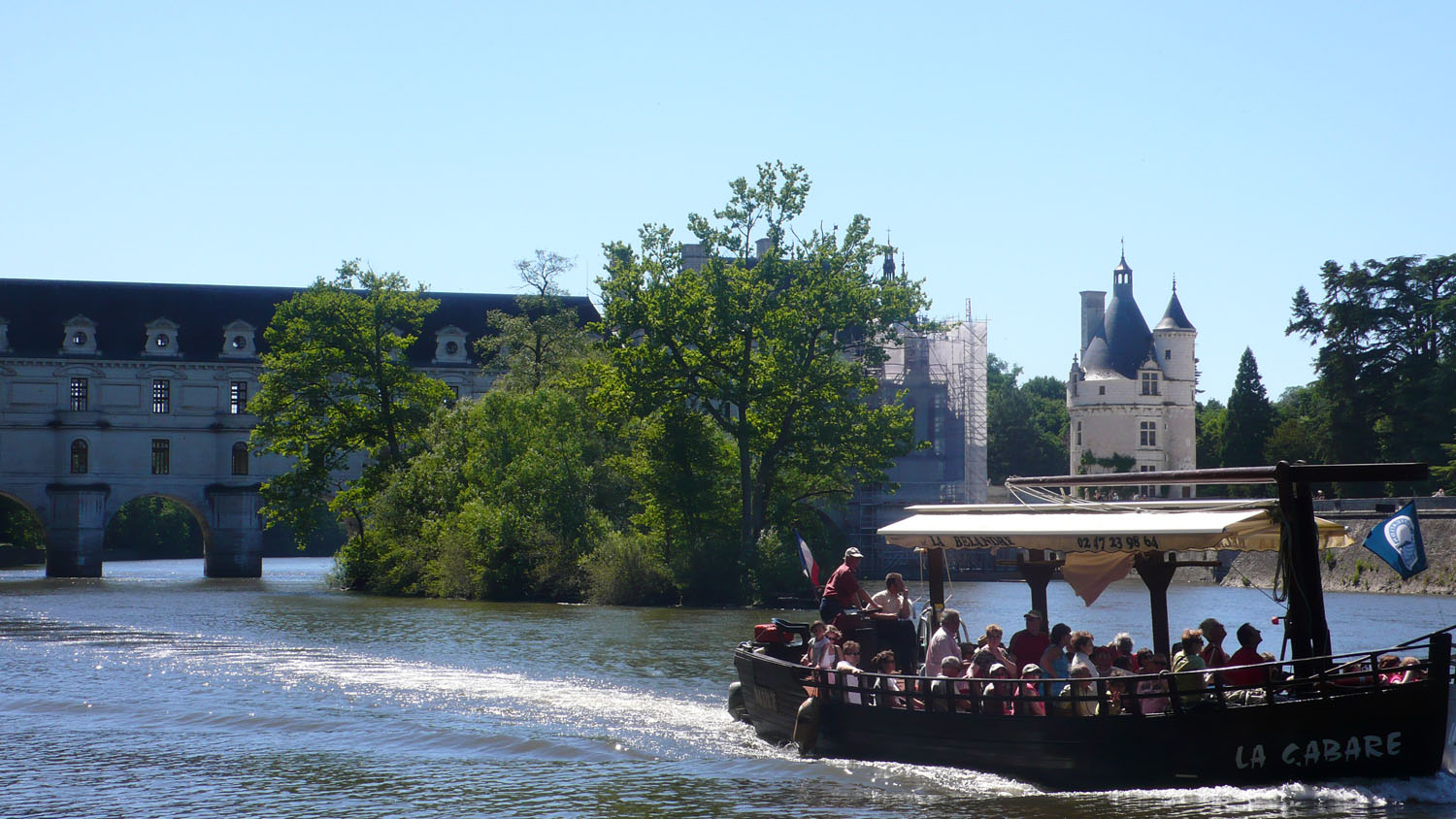
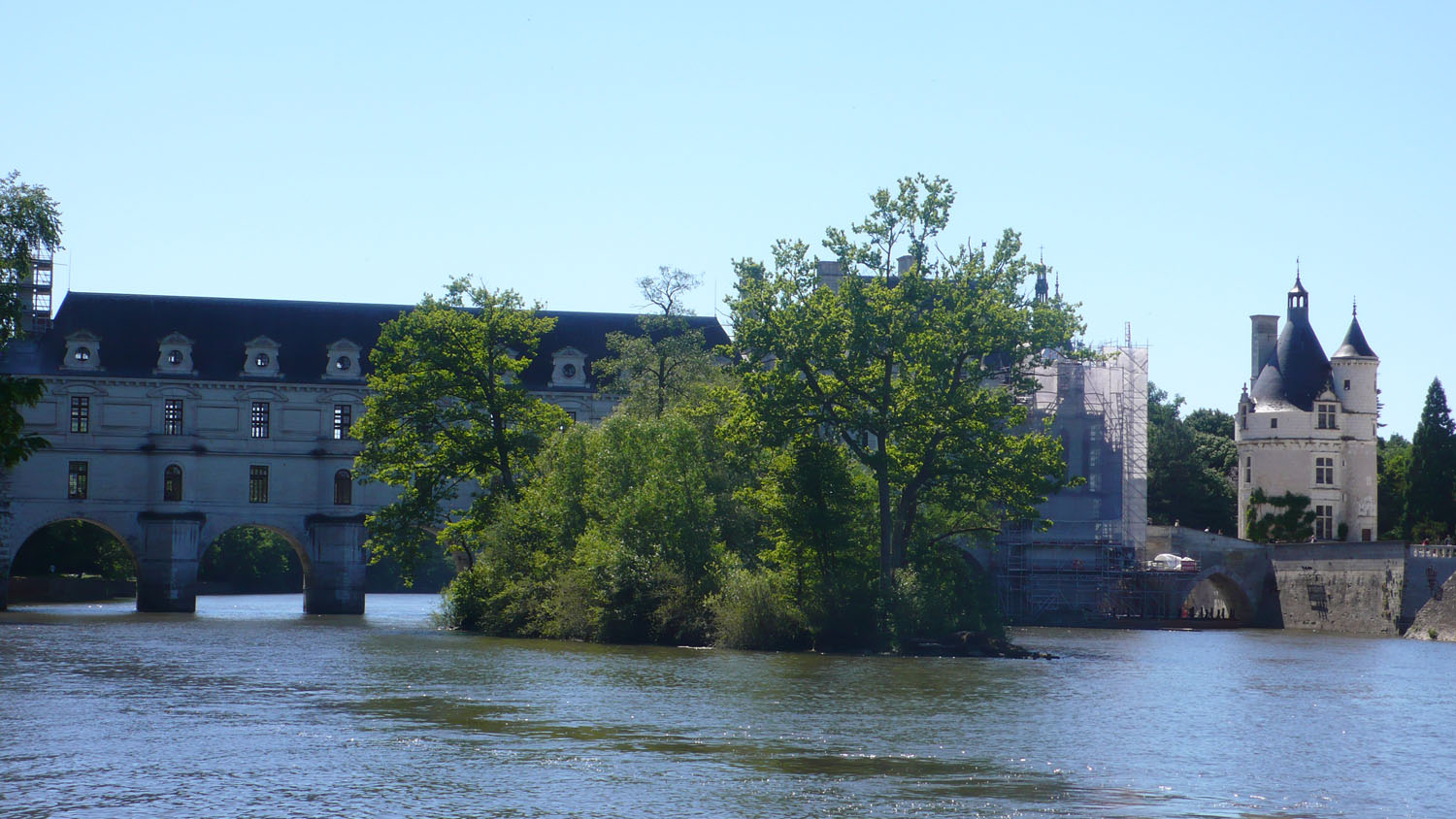
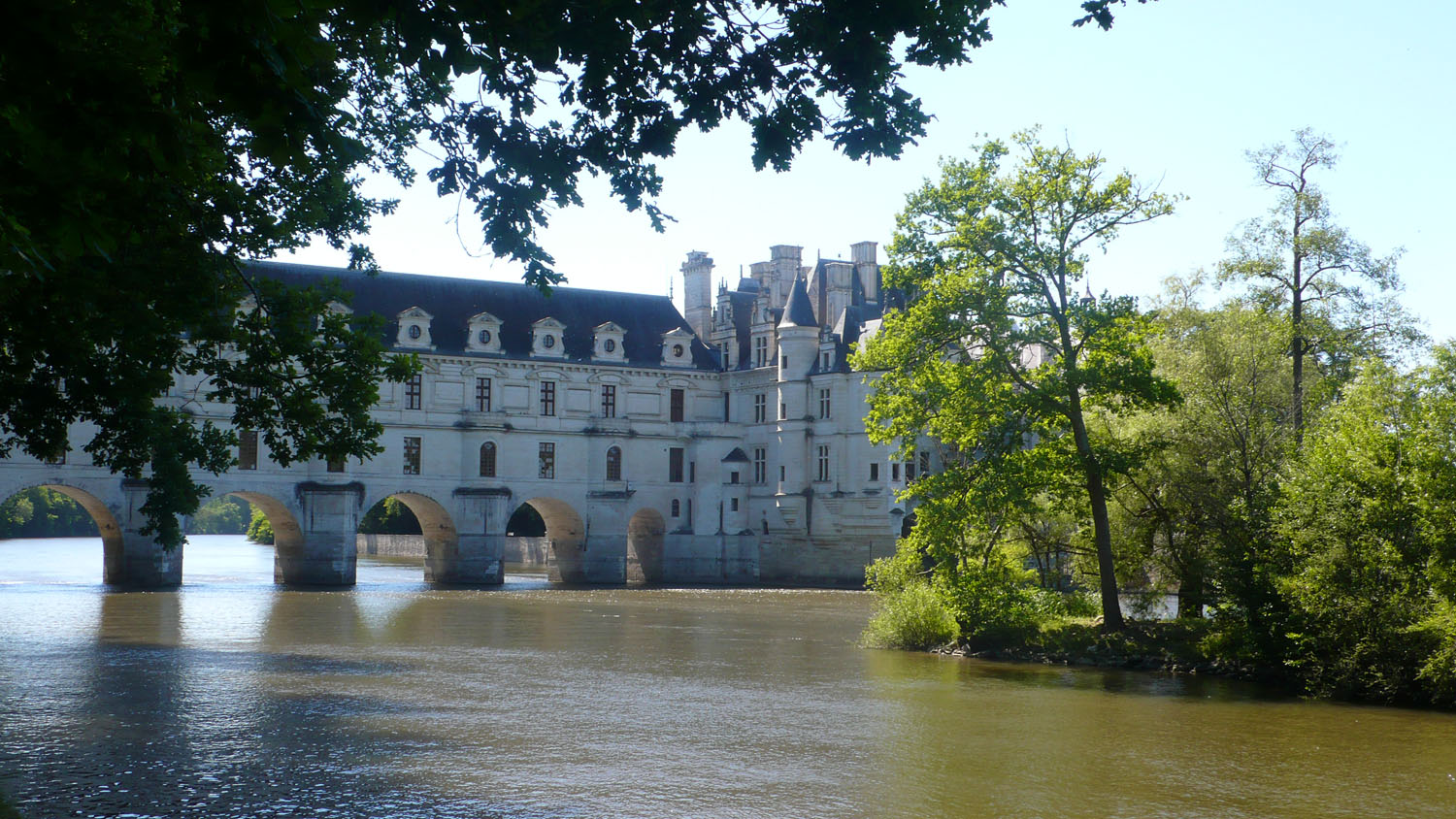
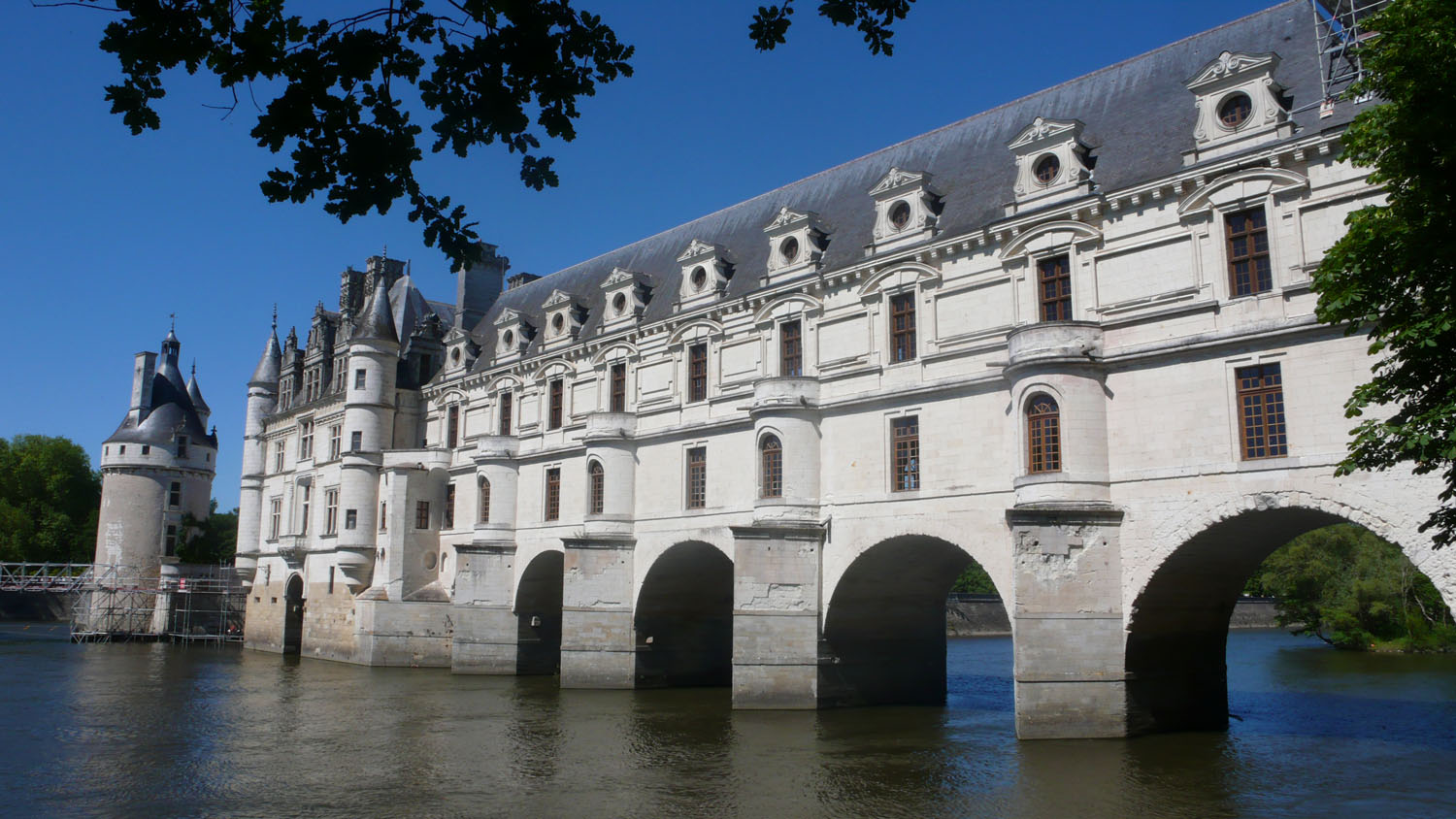
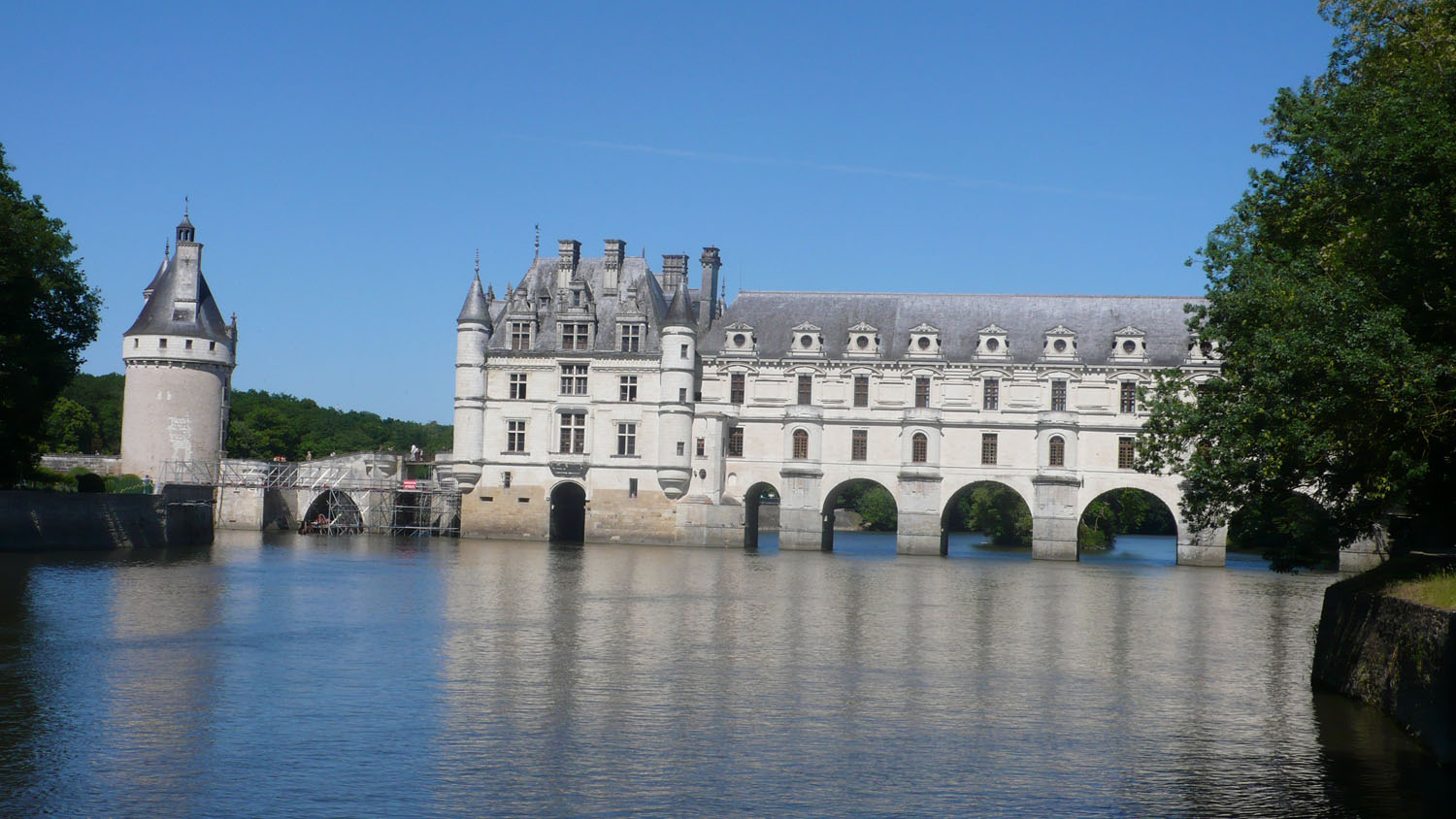
Chenonceau castle is one of the 3 Big C’s in the Loire Valley – Chenonceau, Chambord and Cheverny – and it’s definitely my favourite. A ladies’ castle, built in 1513 by Katherine Briçonnet, decorated by Diane de Poitiers, extended by Catherine de Médicis,  and saved by Louise Dupin during the French Revolution!

We have discovered a wonderful cycle path that runs behind the castle and definitely gives you the best view. On leaving the castle, take the main road in the direction of Montrichard, take the first turn on your right and just over the bridge, you’ll see a path on your right that runs along the south bank of the Cher river. You may have to get off once or twice, but you’ll be able to get through and continue over to the other side of the château. These photos were taken in May, a perfect time to visit.

Don’t forget to subscribe to new posts – that way you’ll get them directly on your smart phone or in your mail box! And I love to hear your comments!
Three More Reasons to Live in Blois

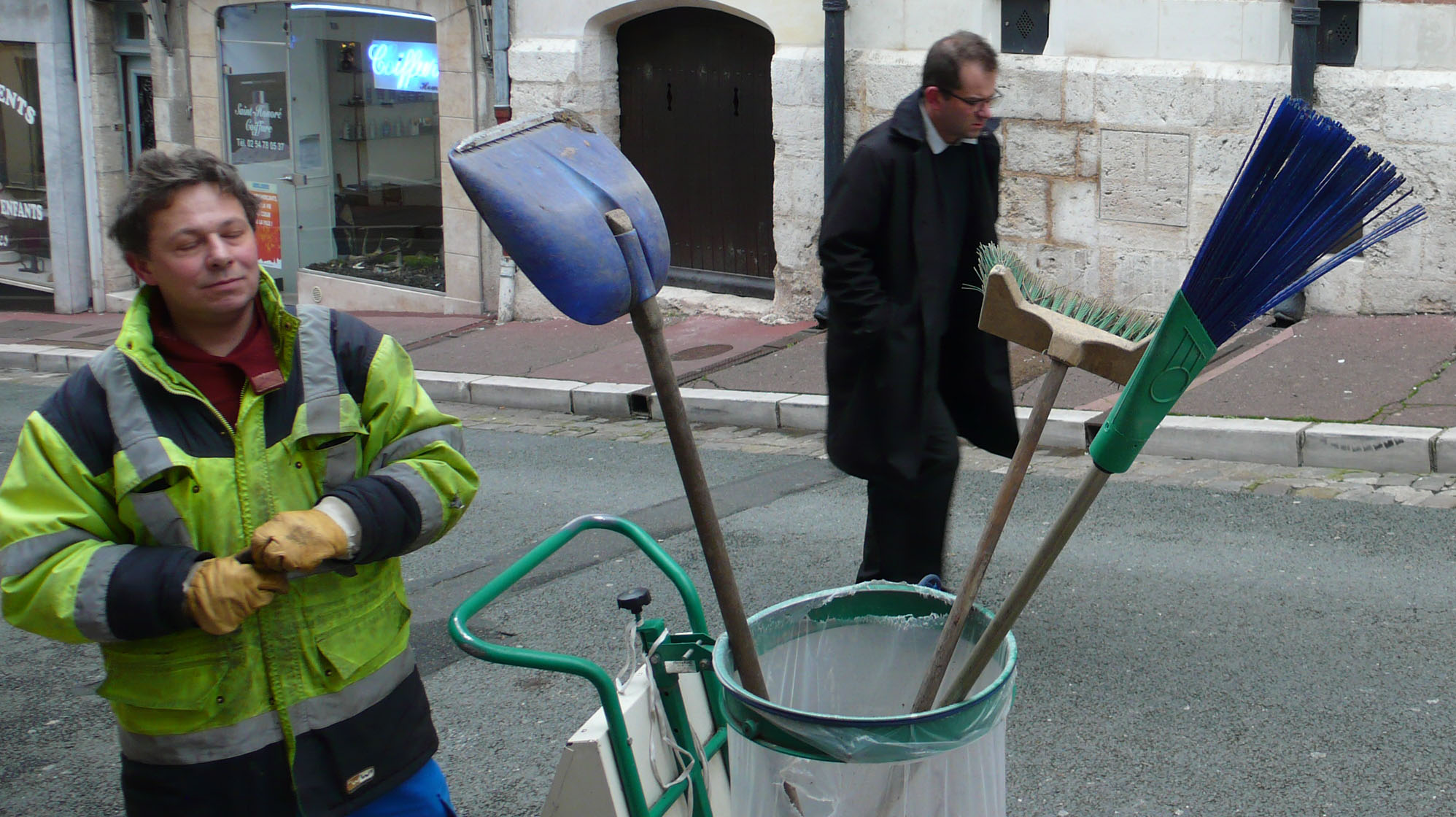
There we were, two Aussies, a Southern Californian and two Frogs, standing in a street in Blois, talking ten to the dozen in French and English, just opposite a beautiful Renaissance building called Hôtel d’Alluye built in 1508. Next to us, there was this street sweeper with one of those plastic birch brooms they have here. And he started telling us, in basic English at first, then in French once he saw we all understood, about the history and architecture of the building. He really knew his stuff! So friendly and hospitable!

The owner was Florimond Robertet and he was the treasurer for three kings – Charles VIII, whose emblem was the blazing sword, Louis XII with his porcupine and François Ier symbolised by the salamander. Behind the façade is a courtyard with Italian-style galleries. We’ll visit it next time.

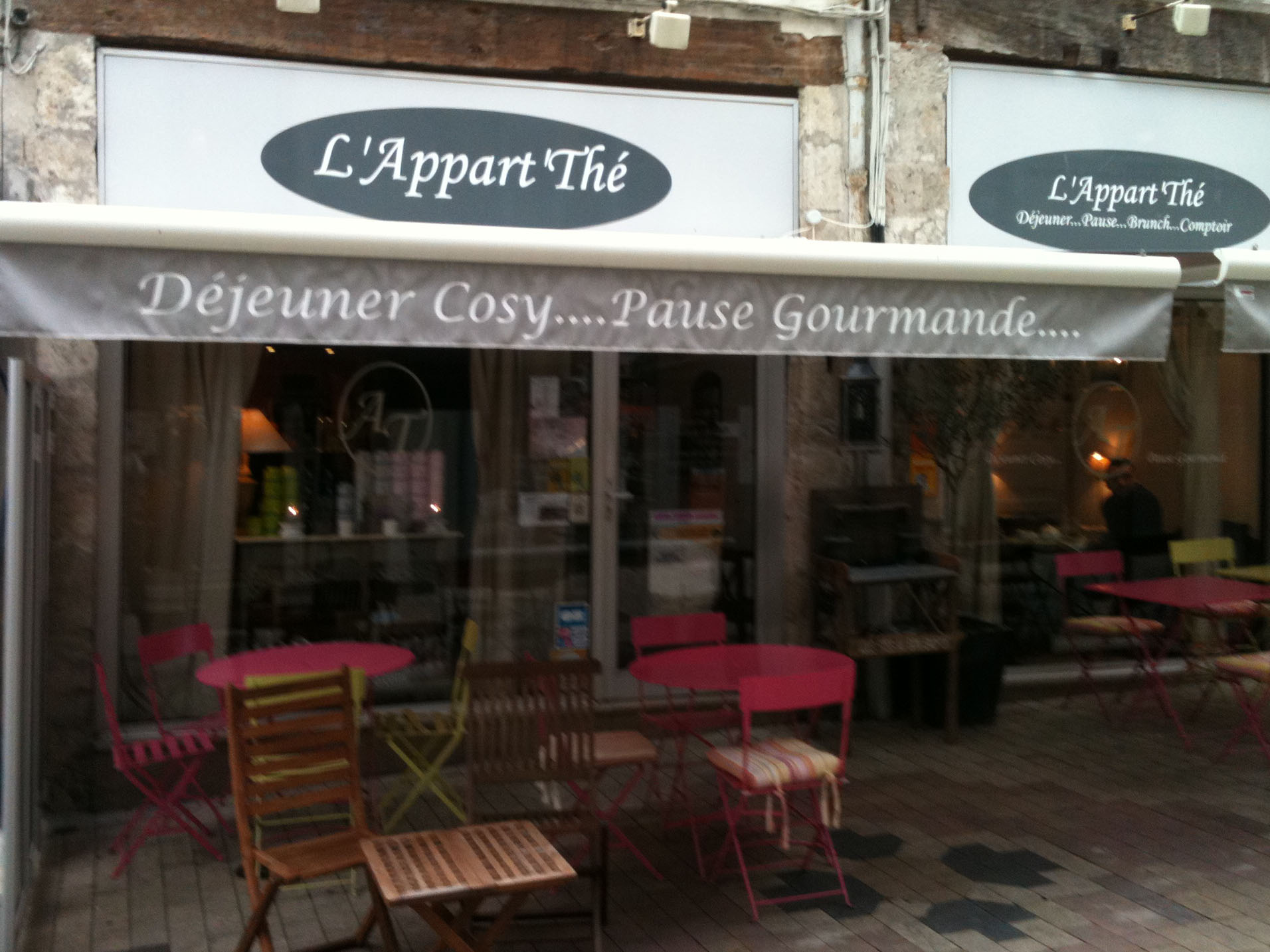
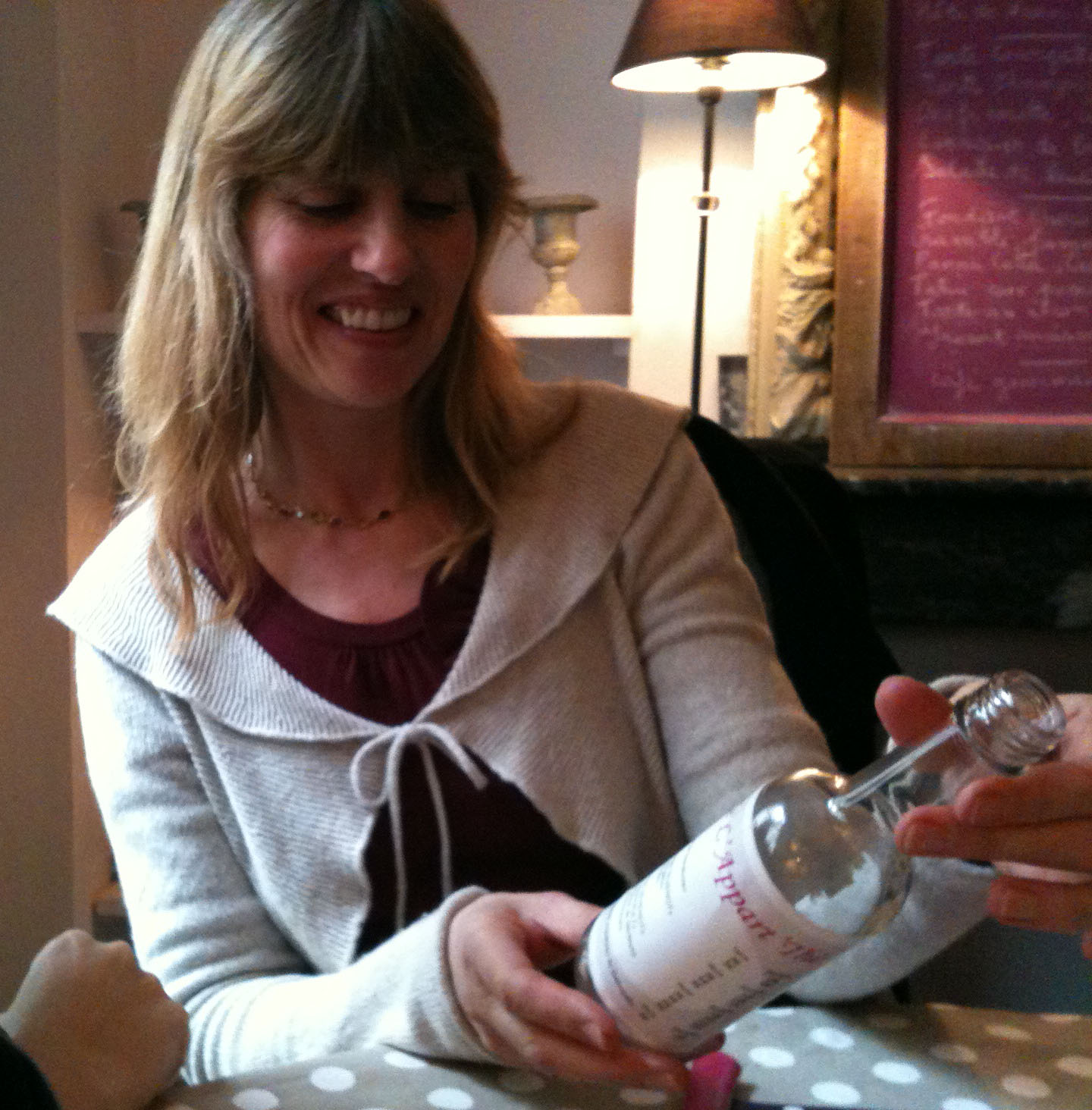
We had just come from lunch at L’Appart’ Thé, which is a double play on words. Appart’ is short for “appartement“, “thé” means “tea” and combined, you have “aparté” which means a private conversation. And that’s exactly what it is, an appartment converted into a very cosy place to have lunch, brunch, morning or afternoon tea. When you walk inside, the American-style kitchen is right in front of you and there are lots of comfy chairs and tables inside and out. Since there were six of us, we had a table upstairs.

If I remember correctly, the dishes on the slate perched on the fireplace included veal stew, lentils and duck fillets and zucchini and goat’s cheese quiche, all at about 9.50 euros. The wine list was written on a bottle label and we could choose wine by the glass. We mainly went for local cheverny which comes in red and white. The white is mainly sauvignon with sometimes a bit of chardonnay or menu pineau and the red is gamay and pinot noir.

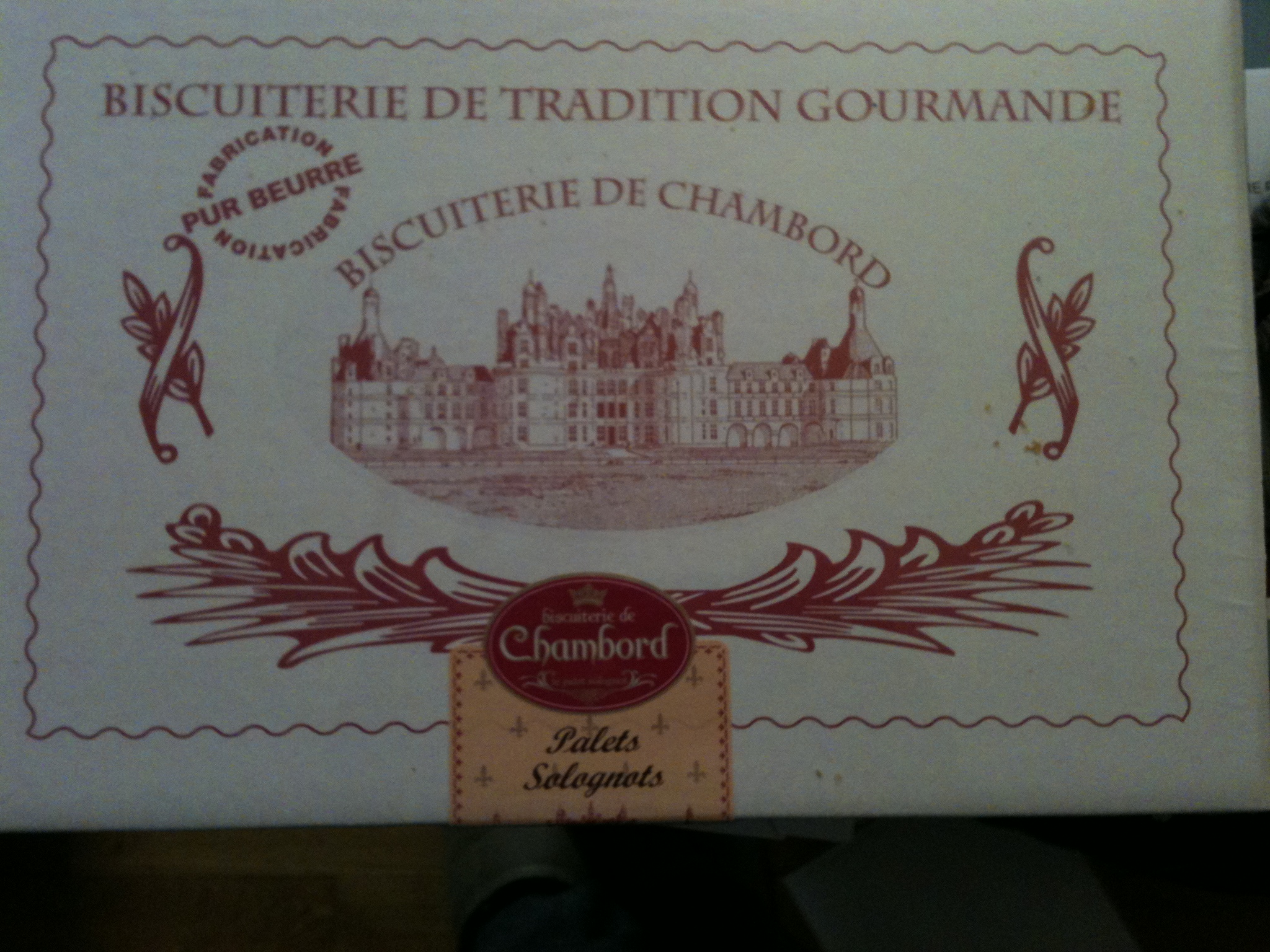
I’m not sure what the others had for desert (maybe they can help me out!), but I had a very delicious café gourmand for 6 euros with panna cotta, moelleux au chocolat with French custard, a raisin biscuit called a palet solognot which is a speciality of Chambord, a cupcake, a piece of “cake” which is a French version of fruit cake and a heart-shaped shortbread biscuit. After that, we were ready to face the cold!

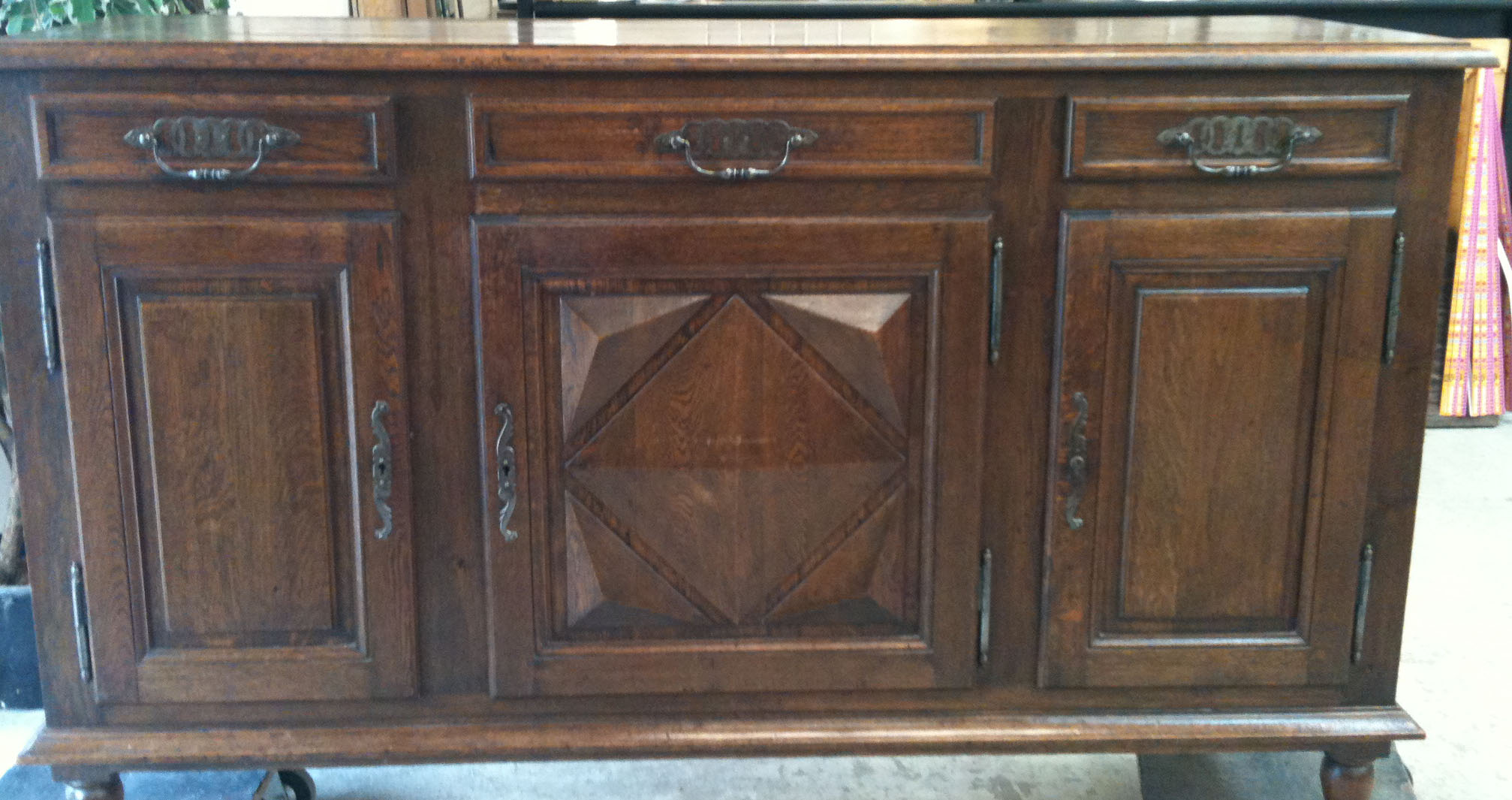
Our next stop was Troc de l’Île, a dépot-vente on the outskirts of Blois which, despite the cold –  there’s no heating in these enormous places – was great fun. We came away with an antique oak wardrobe, matching bed and bedside tables, a sideboard and a very large wicker basket to put the firewood in. Not to mention very cold feet and hands from lashing it all onto the trailer in the Siberian wind.

When we got it all to the new house, where the current owners are providing storage for all this new furniture and other bits and pieces until we sign on March 16th, there was lovely hot tea – and palets solognots – waiting for us! And that night, we went back to stay at one of our two favourite B&Bs in France – Le Moulin du Mesnil.

 
Hôtel Alluye 8 Rue Saint-Honoré 41000 Blois 
L’Appart’ thé, 12-14 rue Basse, 41000 Blois, 02 54 74 26 73
Troc de l’île 144bis avenue de Châteaudun, 41000 Blois, open 10 am to 12 noon and 2 pm to 7 pm
 
Don’t forget to subscribe to new posts – that way you’ll get them directly on your smart phone or in your mail box! And I love to hear your comments!
What Language Do You Dream In?

Sometimes people ask me what language I dream in. I’m not sure that I really dream in any language but I guess it depends on what the dream’s about.  I’m a translator by trade and when you’re working with two languages all day, you don’t necessarily know which one you’re speaking, let alone dreaming. I can remember once being asked by the tax department to come and fix up my GST  cheque which contained an error. I went in and looked at the cheque carefully for a few minutes but still couldn’t see what the problem was. They pointed out that the amount was written half in English and half in French!

When I chose to leave Australia and live in France, I didn’t really know what I was going to. I only knew what I was leaving. I’ve never looked back and never been homesick. That doesn’t mean that I don’t miss my family. I do, especially now that I have four nephews in Australia. But I love living in France. One of the things I like best is that you have greater freedom to be yourself when you live in another country and speak another language. You’re not bound by the same traditions and restrictions. To start off with, you don’t necessarily know that you’re doing something different.

I don’t mean that I want to be outrageous. I just want to be able to act spontaneously without having to worry about what other people say. Once I was in Townsville in the summer and was wearing a fuschia-coloured dress. I was told that it was not a summer colour and that I shouldn’t wear it! I was told in France that I had could only serve rice or potatoes with fish and that rice was never served with red meat, only with veal.  In a meeting or a class in France, you’re supposed to put your hand up when you want to talk. None of this spontaneous discussion that goes on in Australia. But I’ve noticed in staff meetings now that some of my French colleagues are following my example.

Expressing emotion is very different here. If something goes wrong, everybody gets excited about it. They drop everything else they’re doing and try to solve the problem together. Leonardo who’s just moved to Australia was telling me about an incident in his first job there. A problem occurred and his team was supposed to be looking after it. Two hours later, the boss called them in and got very angry because they hadn’t found a solution. Leonardo didn’t even know there was a problem. He was mystified because he hadn’t felt any vibes despite the fact that he was working in the same room as the other people involved.

Yet, at the same time, people never interfere in other people’s lives. I once hadn’t seen my neighbour for several days yet her cat seemed to be prowling around. Since she was depressive, I was worried. I went to see the real estate agent who was selling her flat and he came and checked there was nothing wrong. As it turned out, she’d just gone away for a few days. Relationnel thought I was interfering but I was relieved to know nothing had happened to her.

Another thing I like is that when there are differences in customs and attitudes, you ask yourself why. And that must surely help you gain a better understanding of people and life in general. It certainly makes you more tolerant and open-minded. Some traditions were developed for reasons that are still valid today, while others no longer make any sense. When you have the experience of two different cultures, you can choose the best of both worlds!

Don’t forget to subscribe to new posts – that way you’ll get them directly on your smart phone or in your mail box! And I love to hear your comments!
Powerwalking to Pont Neuf – Part 1

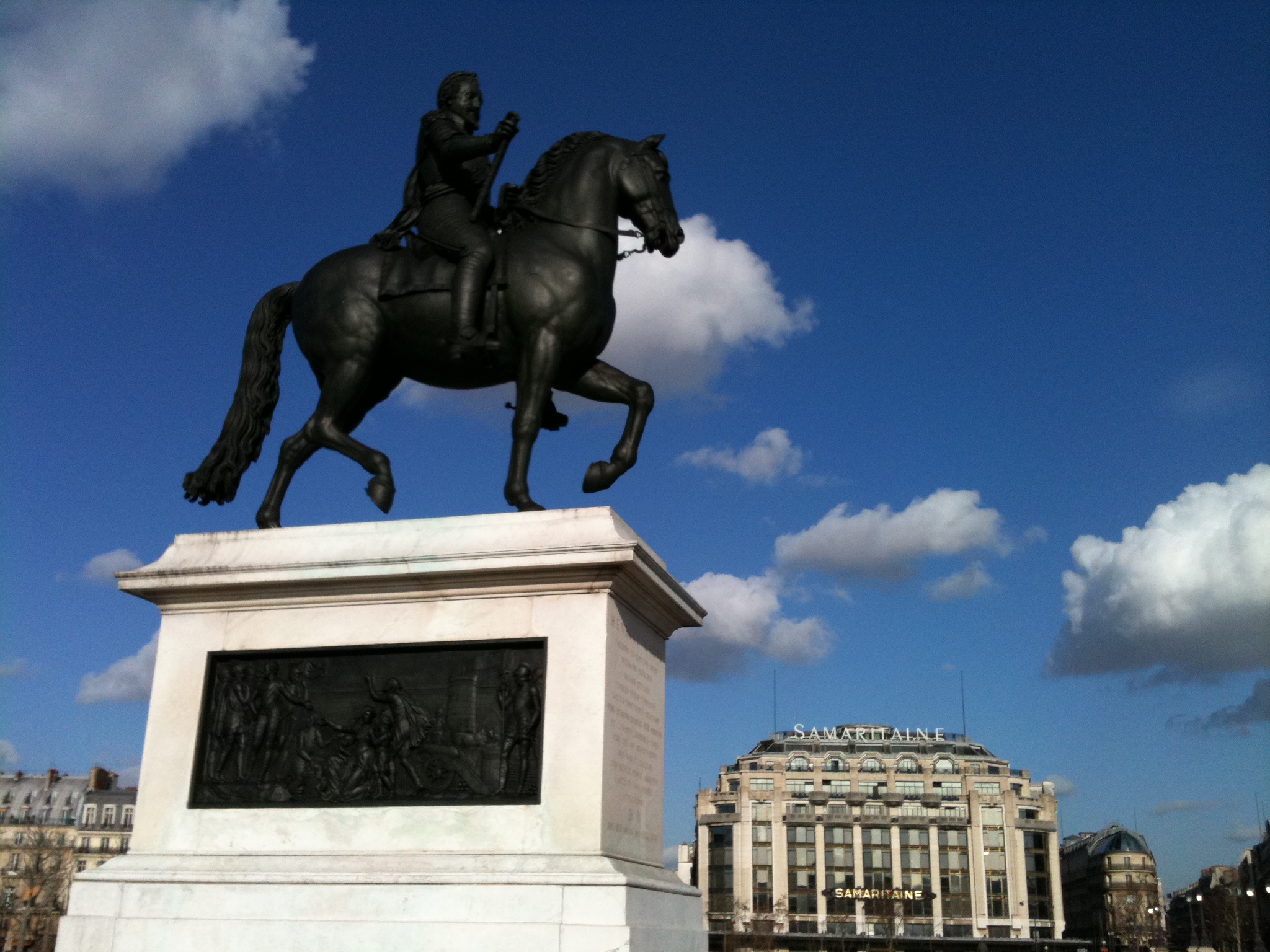
Not that the Pont Neuf’s really new – in fact it’s the oldest remaining bridge in Paris – but it was new at the time so that was what it was spontaneously called. If you’ve ever been to Venice and seen the Ponte Vecchio, you’ll have an idea of what most bridges used to look like in mediaeval days. The Pont Neuf, completed in 1607 during the reign of Henri IV (which is why there’s a statue of him halfway across) was the first bridge not to be covered. It was recently renovated and is now nice and new again.

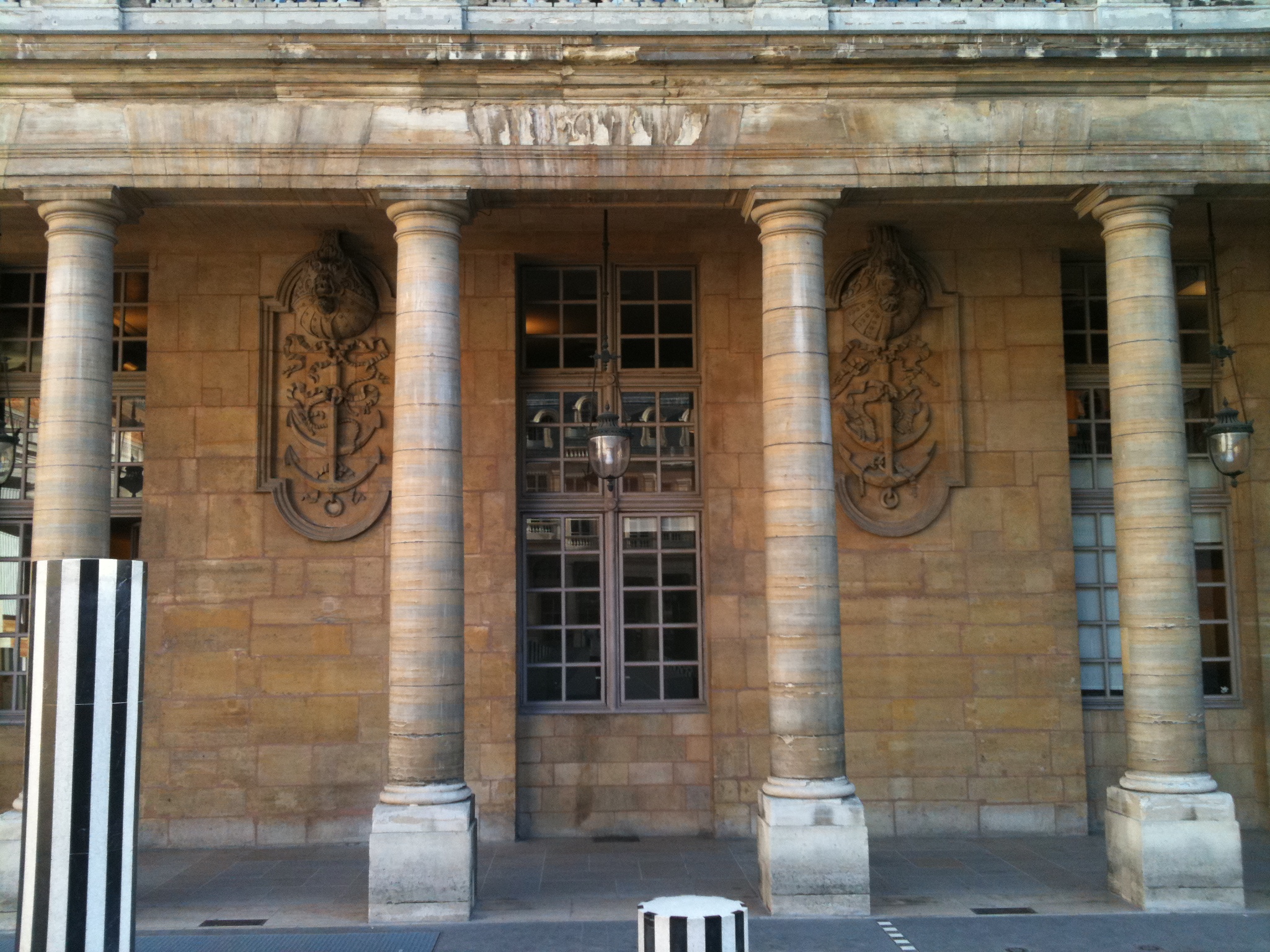
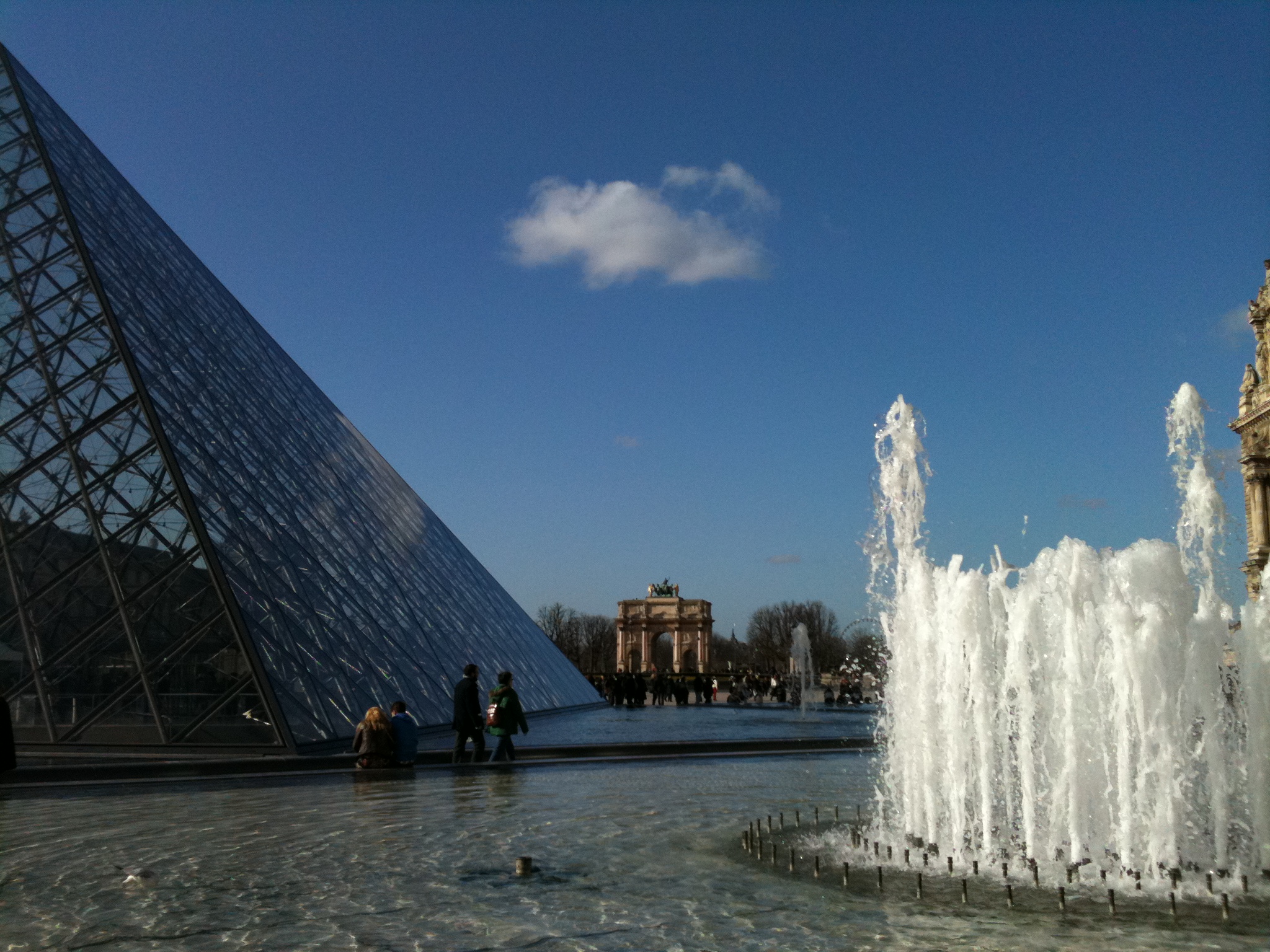
Anyway, I decided to go in the opposite direction today, starting with the Galérie des Proues (as in prow ergo all the anchors) which is the only remaining part of Richelieu’s palace which is how the Palais Royal all started. Then past the Buren columns and Arago’s meridian plaque, across Rue de Rivoli and through the first part of the Louvre until I reached the glass pyramids which are stunning on a sunny day. Down to the left and into the Place Carrée with another fountain. Right towards the river, opposite the Pont des Arts where they have the padlocks and left down towards the Hôtel de Ville.

I think everyone’s heard the jokes about tourists mistaking the town hall (Hôtel de Ville) for a place to stay, but Actor Brother, who’s a country boy at heart, went one better. It was his first time in France and he’d rented a car and headed south (with his 12-year old son sitting in the back chanting his mantra “Dad, right is right, left is wrong”). It was getting late and he couldn’t find a hotel. Being Australian, he was expecting to see a motel appear at any time. Finally, he saw a big sign, “Hôtel de Police”. He headed off the highway, followed the directions and found himself in front of an unlikely looking building but, you know, it was France, and you could expect anything.

As he walked in, with his son close behind him, he realised something was wrong. “Euh, un hôtel?” he said in his basic French. The gendarme looked at him rather blankly but fortunately, a very helpful lady realised what was wrong and directed him to a more suitable place to spend the night than in the police lock-up!

But the one I was walking towards is not the “mega hôtel de ville” as Leonardo so aptly used to call the palatial building opposite Notre Dame that is home to the Mayor of Paris, but the town hall for the 1st arrondissement. It’s still not bad as far as neo-renaissance buildings go. Black Cat has got her heart set on getting married there, but she’ll have to get a move on because once Relationnel retires and we move to Blois, it’ll be too late.

In France, there’s none of that getting-married-in-a-garden-or-on-the-beach business that goes on in Australia. Here, you can only get married in the town hall of the place of residence of one of the spouses (or their parents if you can claim you’re still living at home). And having a church wedding doesn’t do away with the civil ceremony either which can complicate the logistics a bit.

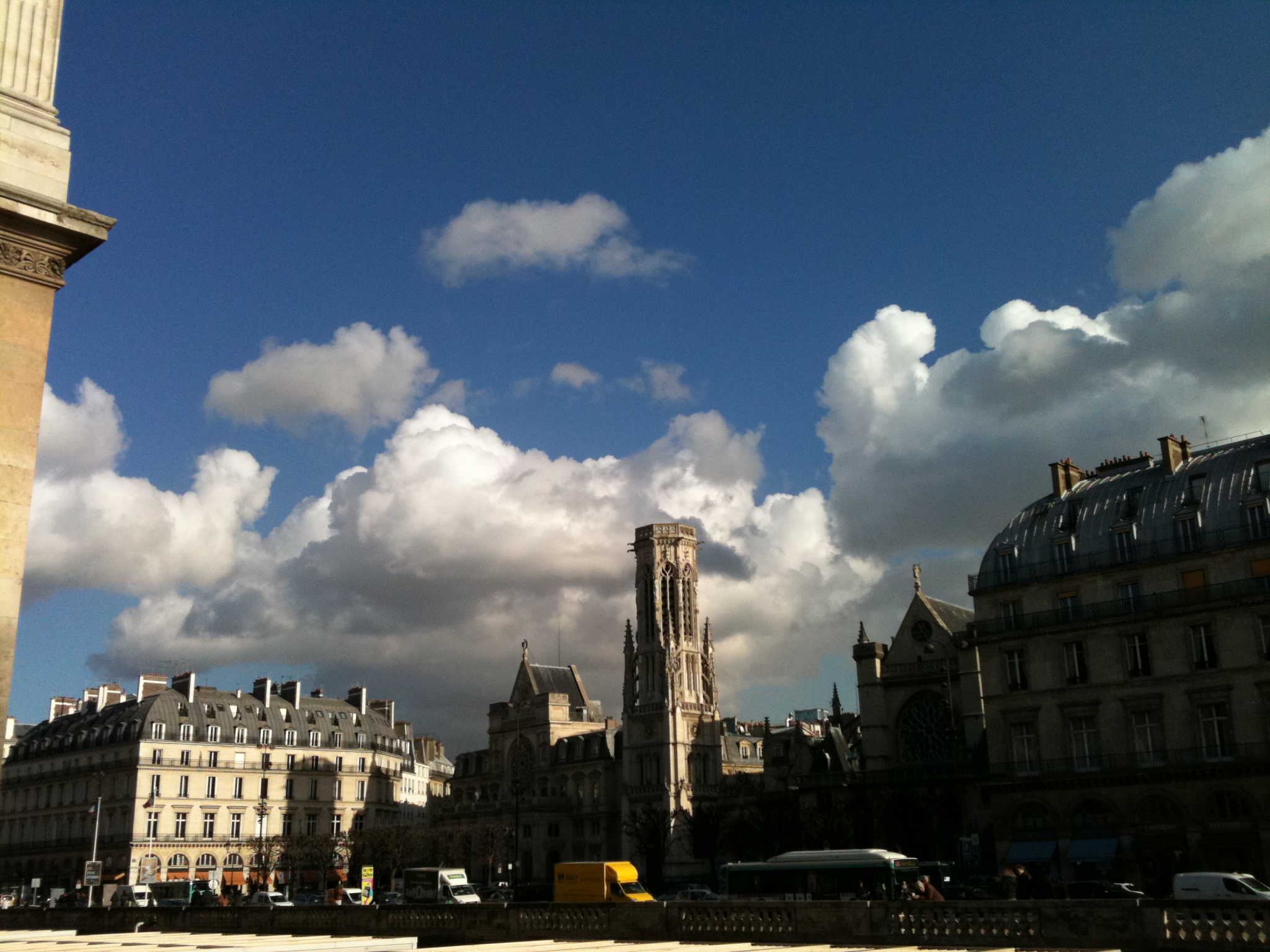
I was going to tell you about the church of Saint Germain l’Auxerrois next door, a favourite with Valois royal family in Renaissance times, but I got a bit distracted and I wouldn’t like leave out any of the interesting bits so it’ll have to wait for next time.

Don’t forget to subscribe to new posts – that way you’ll get them directly on your smart phone or in your mail box! And I love to hear your comments!
How I lost 20 kilos after 50, for good – Part 3

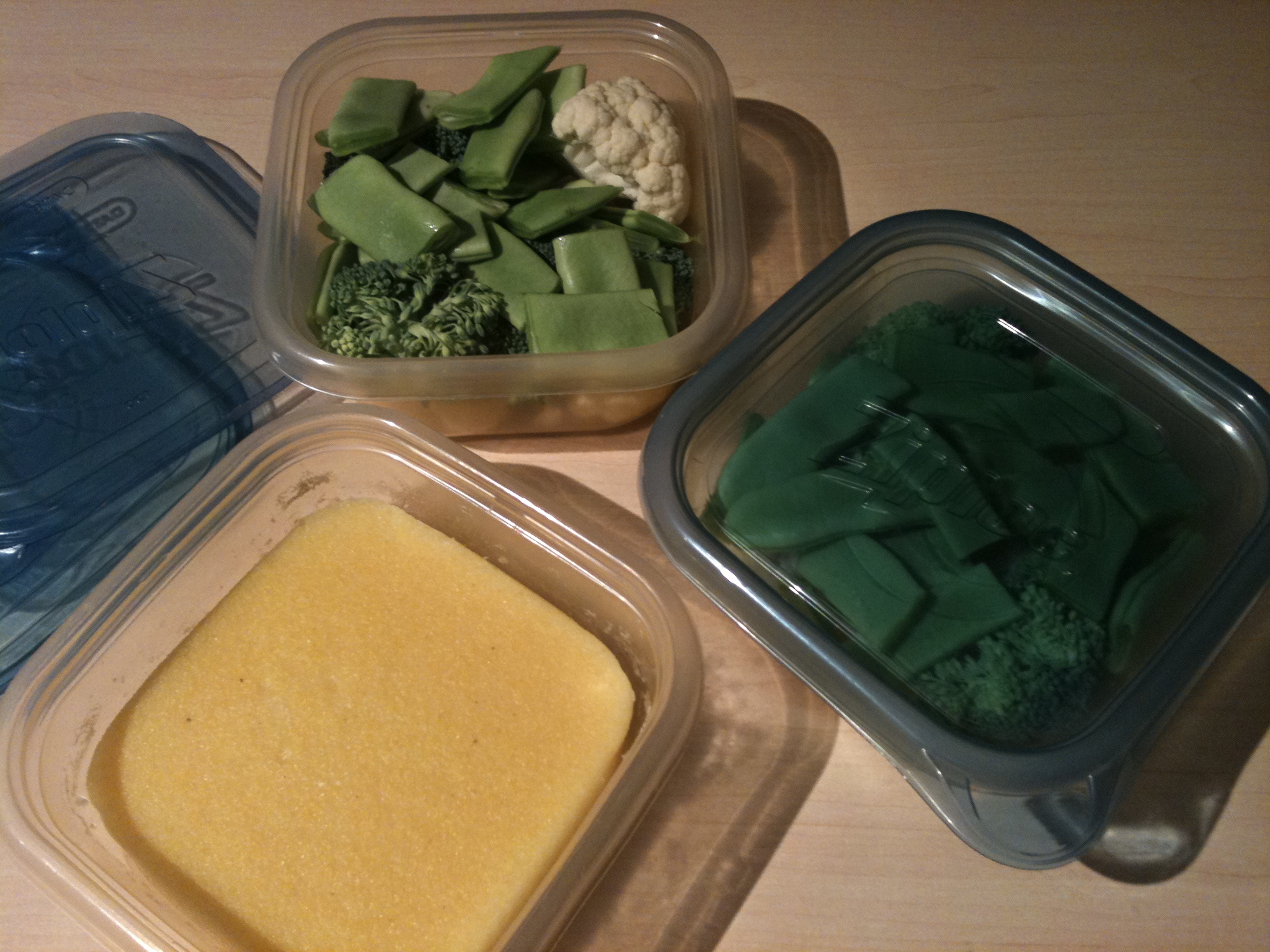
Fresh vegetables and polenta in zip locks

Do you remember in Part 2 that my nutritionist said that I should divide my plate into 4, with ¼ protein, ¼ carbs and ½ cooked vegetables? Well, I haven’t heard anyone say, “I don’t like vegetables” or “It’s too much of a nuisance to make vegetables”, which is surprising when you see what most people actually eat. And restaurants are certainly not into serving vegetables, not in France anyway unless you also go to the more expensive restaurants.

I like good food and will occasionally get pleasure out of spending hours in the kitchen, but it’s not something I like doing two or three times a day. Everyday cooking, in my opinion, is boring. But vegetables obviously don’t appear out of nowhere. In France, we have Picard, of course. This is a concept that doesn’t seem to exist in Oz, to Leonardo’s great disappointment because he’s very keen on whole leaf spinach. It’s a frozen food supermarket where you can buy practically anything, including unadulterated vegetables, and that’s where I got my best vegetable idea from.

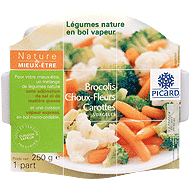
They have these plastic bowl affairs, a bit bigger than a Chinese bowl, containing three or four different vegetables e.g. broccoli, cauliflower and carrots, or peas, zucchini, broccoli and cherry tomatoes, or carrots, green beans and cauliflower. It has a transparent plastic seal so you can just put it in the microwave for a few minutes and, lo and behold, there are your vegetables, all ready to eat.


Doesn’t sound very appetising? You’d be surprised how tasty they actually are. One of the problems with vegetables is that they’re often over-cooked. And a half a plate of carrots or zucchini or green beans is sort of boring. Combining a small number that you can vary at each meal and cook to perfection solves that problem. Buying them from Picard though is expensive and time-consuming at 1.40 euro for 250 grammes so I looked around to see what else I could find.

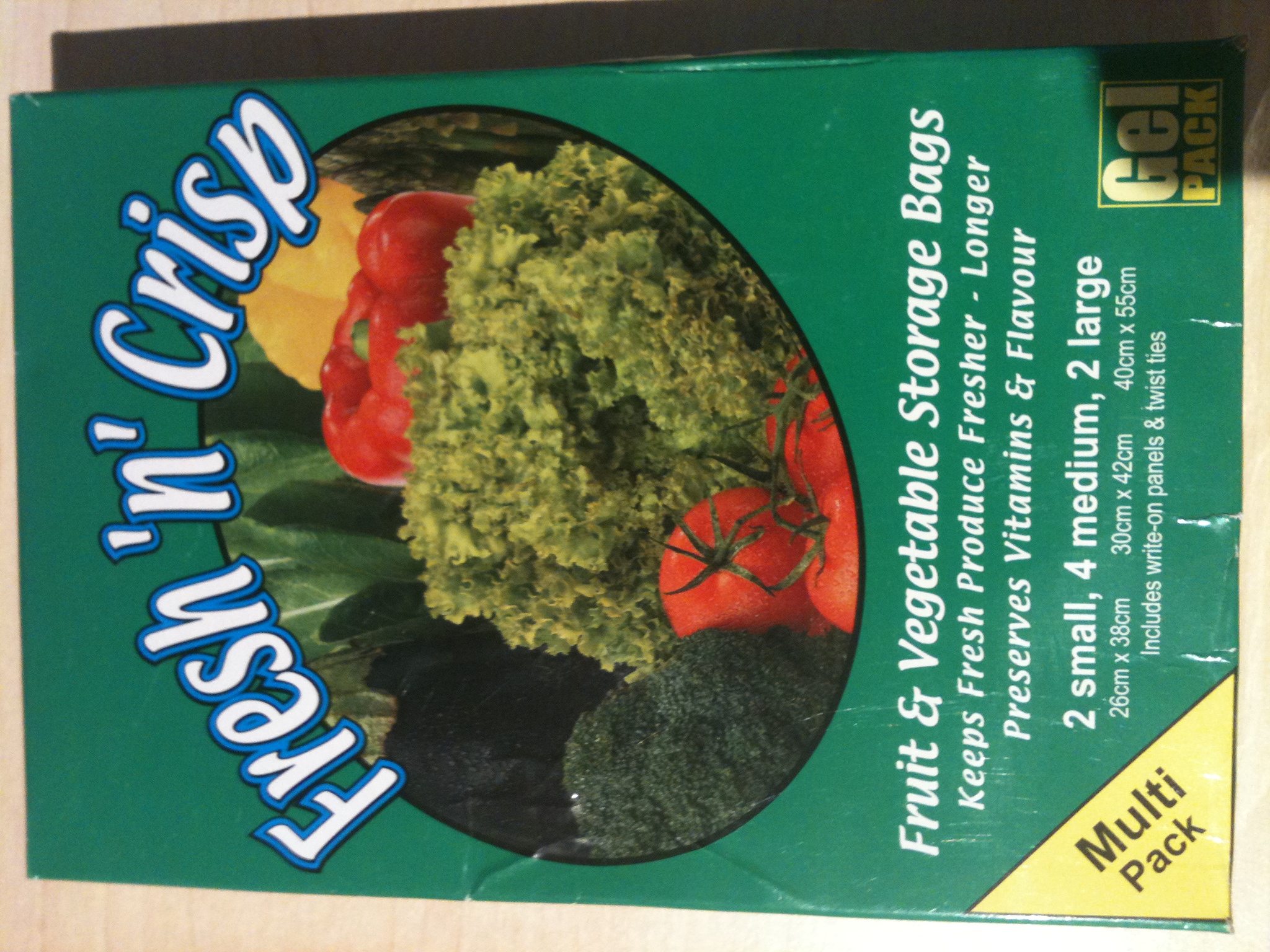
And I did! Ziploc freezer containers by Albal are the answer. These are square plastic containers with expandable lids that contain just the right amount of vegetables for one person and can be washed in the dishwasher. On Sundays at the market, I buy a range of vegetables (whatever’s available) and store them in my green bags. I bet you don’t know what they are. My mother discovered these many long years ago and I stock up on them whenever I go back to Australia because you can’t buy them in France. The funny thing is, I haven’t found any Australians who know about them!

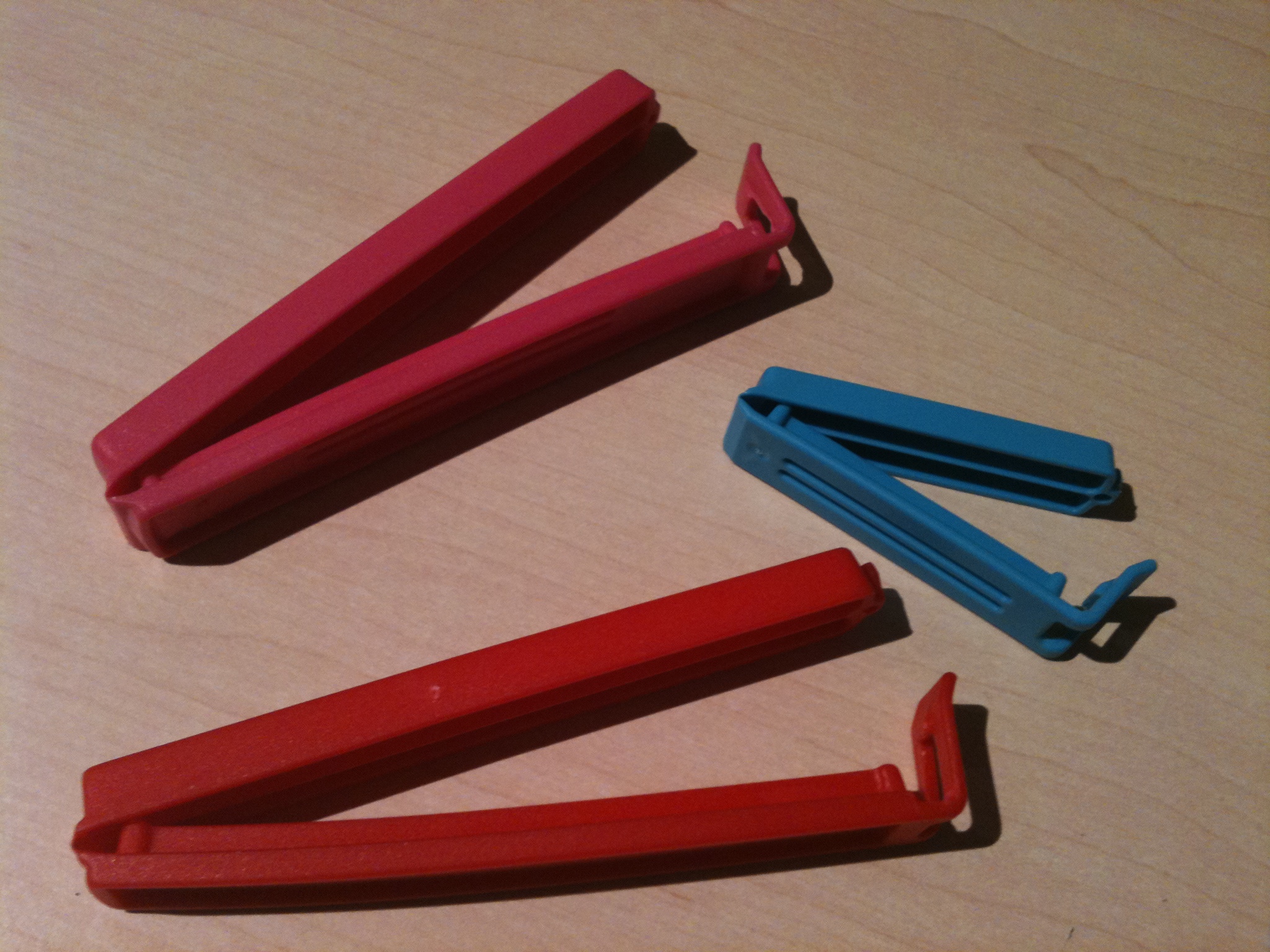
According to the blurb, they “contain natural ingredients which slow down the ageing process of fruit and vegetables by allowing them to breathe more easily. This process decreases the rate of ripening and preserves freshness, vitamins and flavour”. You use a different bag for each type of vegetable. You then expell the air by pressing on them and seal with a twist though I prefer those coloured clip-things you buy from Ikea. You can also wash out the bags after use and keep using them until they get holes in them. This is important if your stock comes from the other side of the world!

I could do one of those with and without ads, but I wouldn’t like to waste my broccoli. You know how broccoli goes brown then yellow almost as soon as you buy it? Well, you can easily keep it in a green bag for a week without it changing colour. It’s quite amazing. That way you only have to shop every 8 or 10 days and still have a store of fresh vegetables in your fridge. By the way, it takes about 4 minutes in the micro-wave to cook one container of cut-up vegetables. You have to slice carrots very thinly, zucchini into 1/2 cm slices and the cauliflower and broccoli into 2/3 cm pieces.

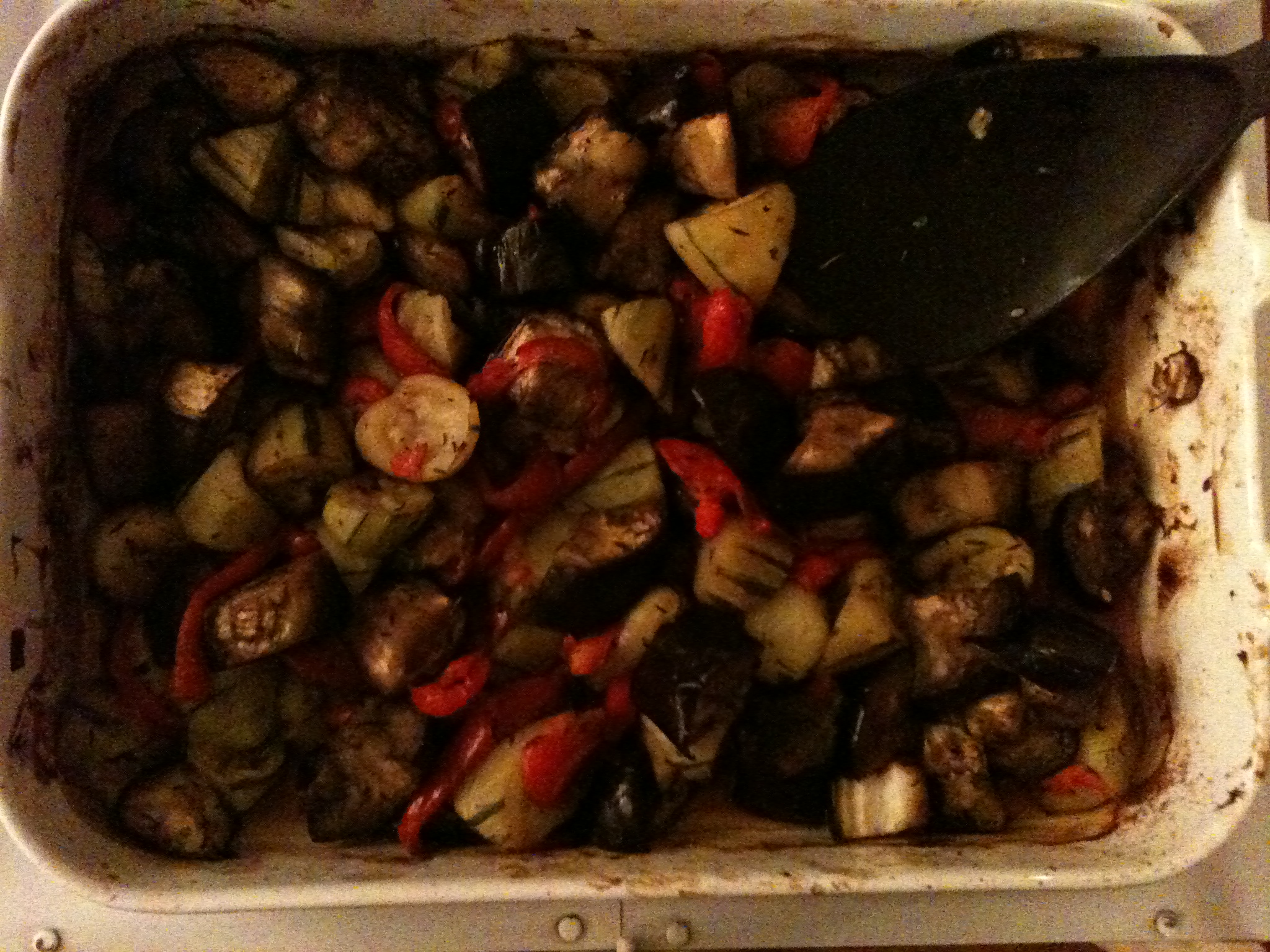
These taste better than the photo would have you believe

The other way I like cooking vegetables is in the oven. For example, I cut up a couple of eggplants, a few zucchini and and two or three capsicums into chunks (aubergines, courgettes and bell peppers for the non-Aussies), put them all in a large baking dish with a few teaspoons of olive oil and lots of thyme, then into in a 200° C oven. After half an hour, I stir well, then  put the dish back in the oven, stirring every 10 minutes (usually another 30 minutes) until the vegetables are cooked.  Delicious hot or cold. Also works for potatoes, sweet peas and real pumpkin (as opposed to the sort you find in France).

Happy vegetable cooking!

The Natural Skinnies and Us
How I lost 20 kilos after 50 – for good: Part 1
How I lost 20 kilos after 50 – for good: Part 2
How I lost 20 kilos after 50 – for good: Part 4
How I lost 20 kilos after 50 – for good: Part 5
How I lost 20 kilos after 50 – for good: Part 6

A to Z in the Life of an Aussie in France

Enjoy my A to Z and don’t forget to click on the links for more …

A – Aussie: How else could I begin? Aussies come from Oz or the Land Downunder where I was born and bred.

B – Blois: In the middle of the Loire Valley, where we’re in the process of buying a house built in 1584 which we’ll be renting out as self-catering holiday accommodation until the NEW ADVENTURE in my life starts in June 2014.

C – Cycling: Our favourite activity from April until October in France and wherever. Next trip: Paris to London once they’ve completed the bike route for the London Olympic Games.

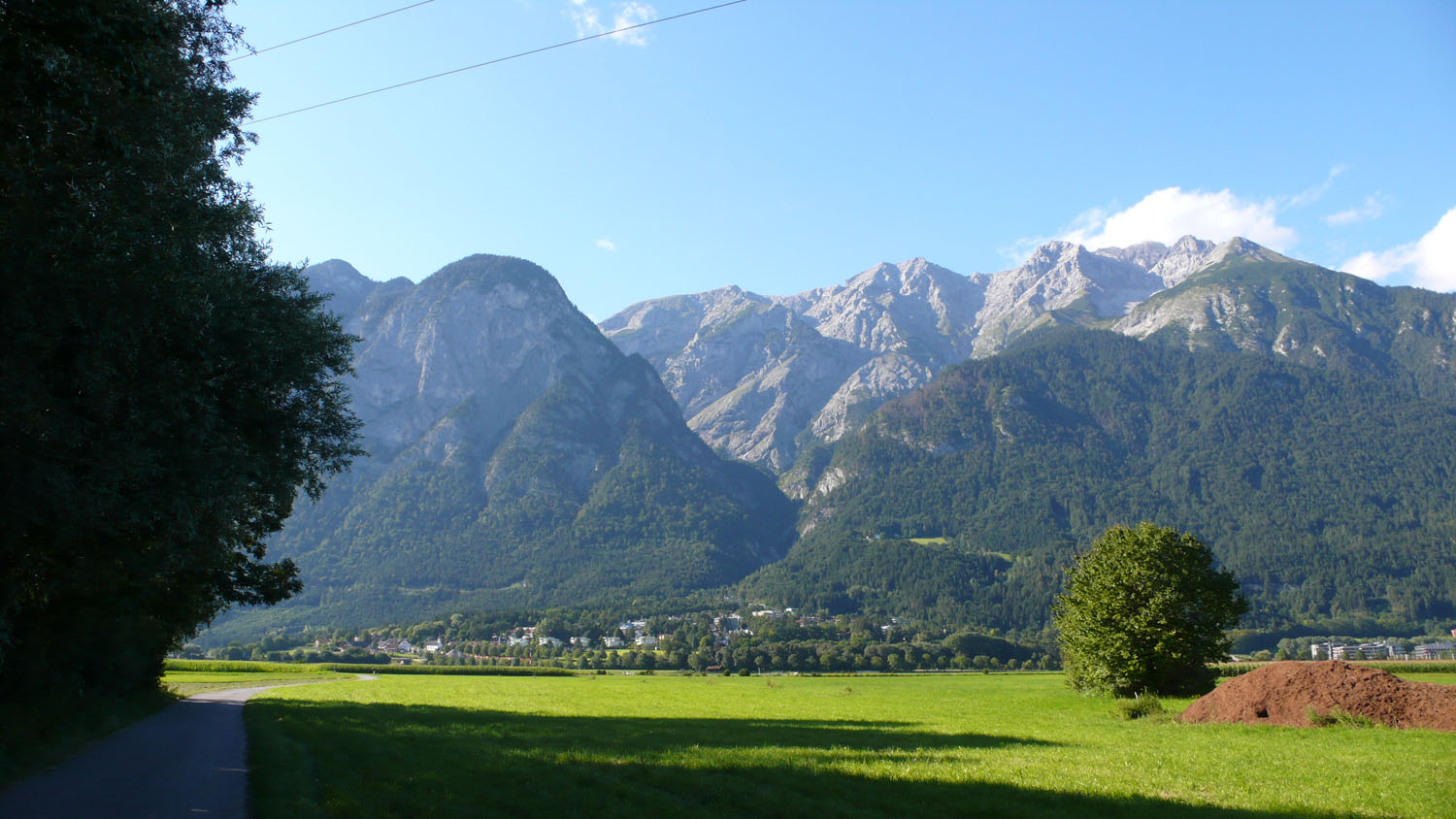
A bike path around the city of Innsbruck

D – Down Under: Not the Land, but the book by Bill Bryson. Full of clichés, but most of them are just so true! And a good read any time.

E – Early bird: Which I’m not, but it’s the only way to beat the tourists and I hate standing in line! And that’s what siestas are for.

F – Foie Gras: One of my very favourite foods and that I now know how to make.

G – Garret: Where I thought I was living when I first moved to France, even though it was just a room in a third floor apartment.

H – Home Exchange: Our new way of holidaying. First stop Madrid and lots of exchanges planned for Australia, some simultaneous, some not.

I – iPhone: Something I’m crazy about and which can certainly make life easier on holidays. Perfect for Twitter and Facebook too.

J – Jam-packed: The metro at peak hour so why not take the bus instead and be a real Parisienne?

K – Kilos: The 20 I have lost and never intend to put back on!

L – Loire Valley: Land of kings and queens and castles. Our future home. Less than 2 hours’ drive from Paris.

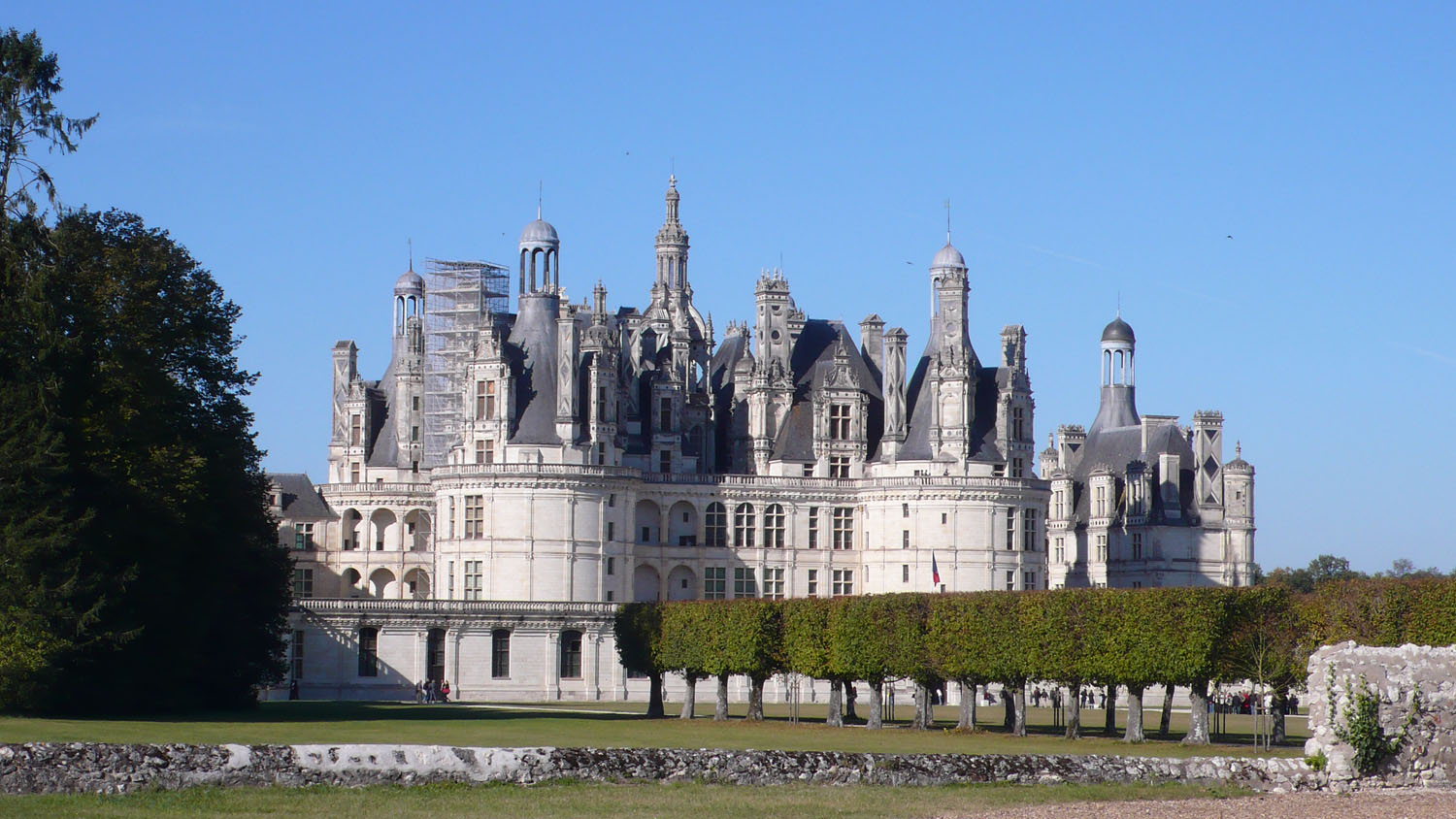
Chambord in the Loire Valley

M – Mushrooms: Our second favourite activity after cycling, from April to December. But next year we’re heading for Provence in January to check out the truffle market!

N – Natural skinnies: The people who don’t ever have to lose 20 kilos.

O – Oysters: Another of my favourite foods, especially on Sundays – “spéciales” with fresh homemade bread and a lovely cold bottle of Sancerre.

P – Palais Royal: My home for another two years and for the last seven. Right in the middle, with a view of fountain from my balcony, directly above Miss Bibi!

Q – Queensland: Where I was born, in the tropics, a true-blue Banana Bender!

R – Relationnel: My very French husband whom I cycle, pick mushrooms and travel with. Among other things.

S – Summer time: The very best time of the year, when it’s still light at 11 pm and the days seem to go on forever.

T – Tuileries Gardens: Where I power walk, lunch with friends and Relationnel, and watch the sun set over the Louvre.

U – University: Where I’m still teaching translation, despite the sad lack of equipment and outdated installations.

V – Vélib: Paris’ rent-a-bike system that’s immensely popular with Parisians and great fun along the Seine on Sundays when the road’s closed to traffic.

W – Wolves: To be found in the Palais Royal only when it snows.

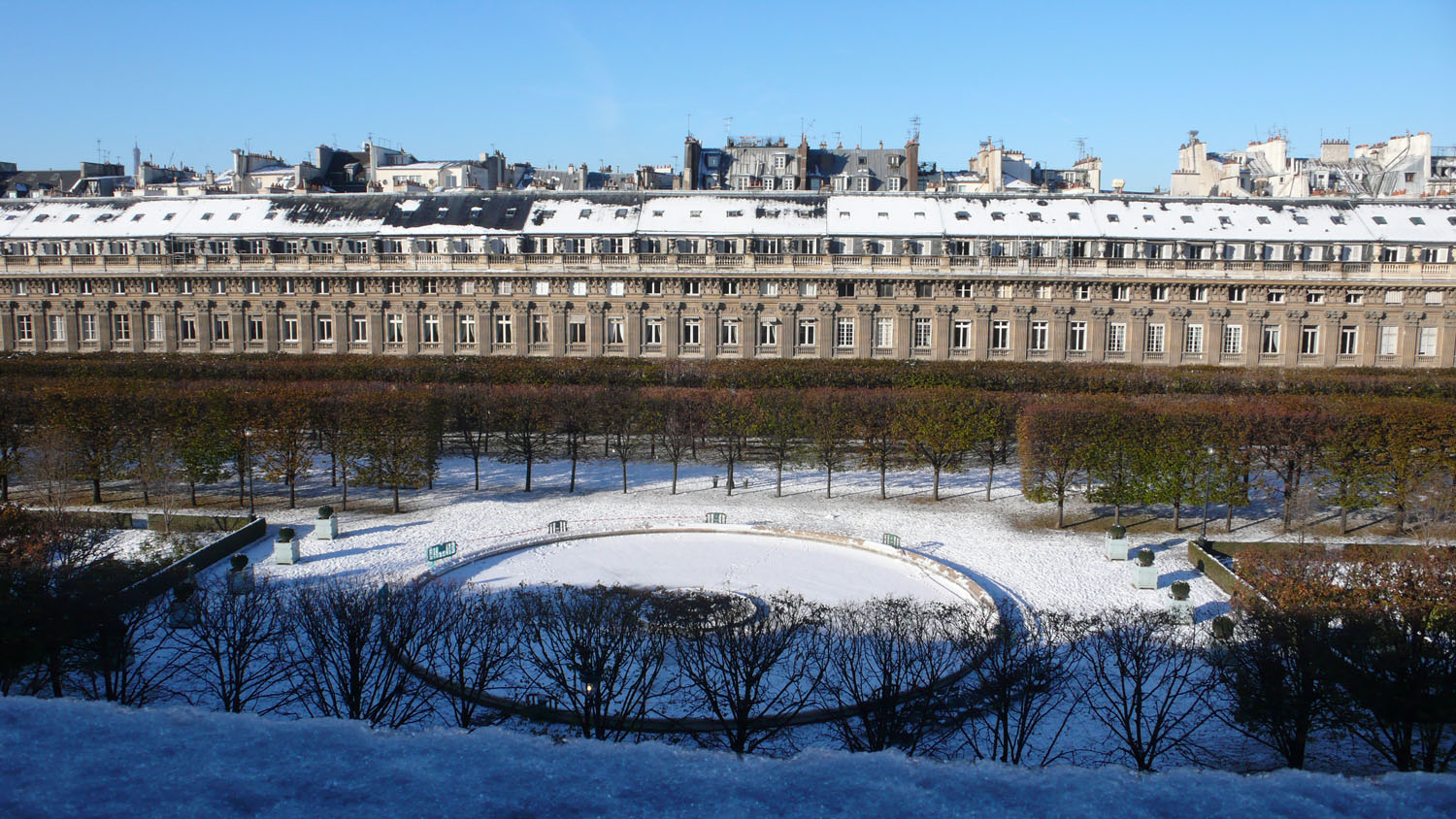
Snow in the Palais Royal Gardens in December 2010

X – Xtraordinary: What everyone in Australia thinks my life is, what with living in a Royal Palace and speaking French all the time, but they don’t know how hard it really is!
Y – You-tube: The very best way to learn anything these days, particularly all that new technology and how to set up a blog.

Z – Ze only way most French people know how to say “th”, including Relationnel, giving them a highly recognizable accent.


from the Tropics to the City of Light