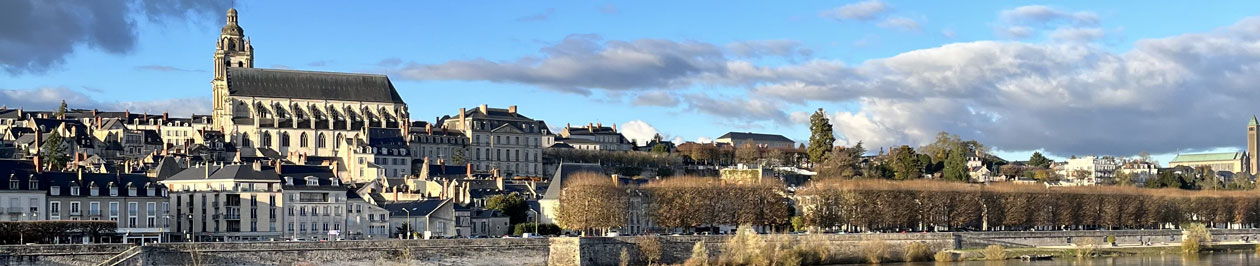
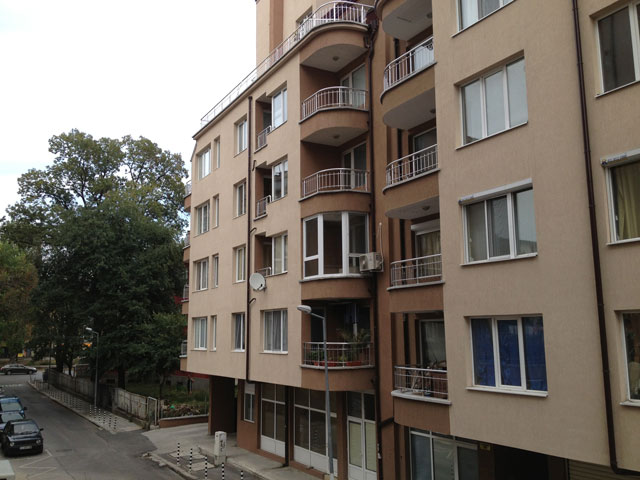
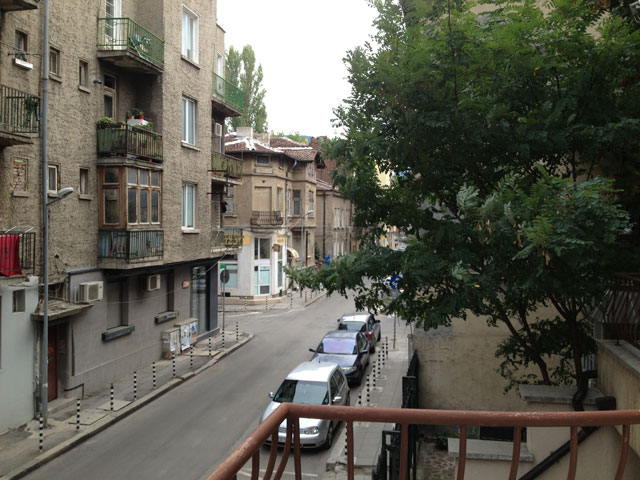
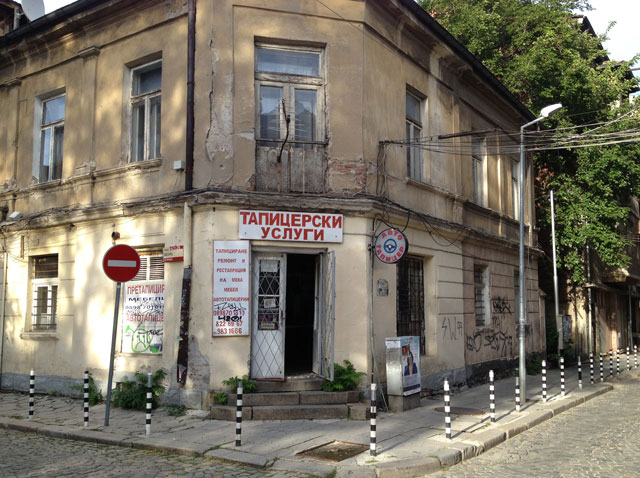
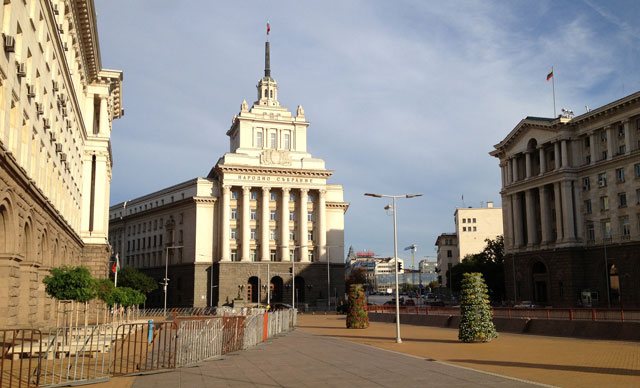
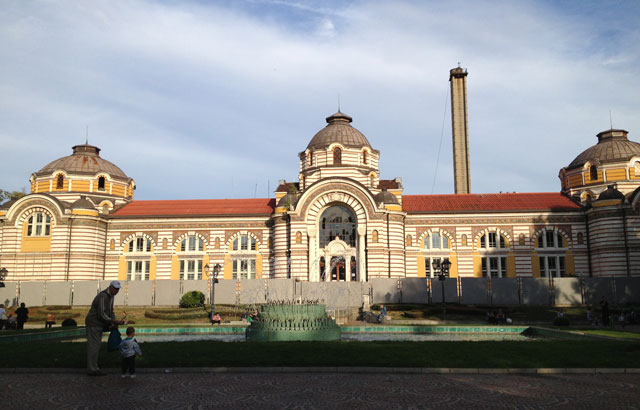
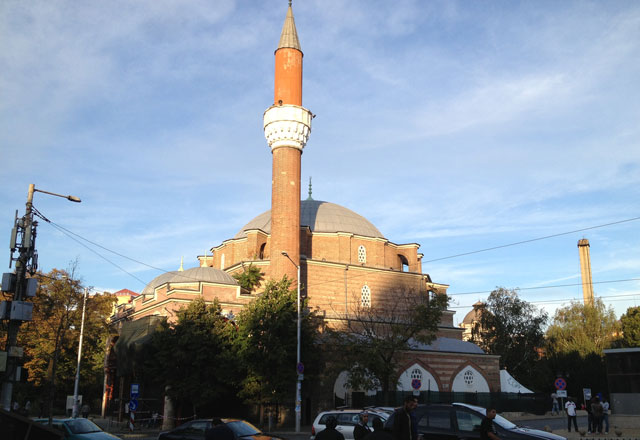
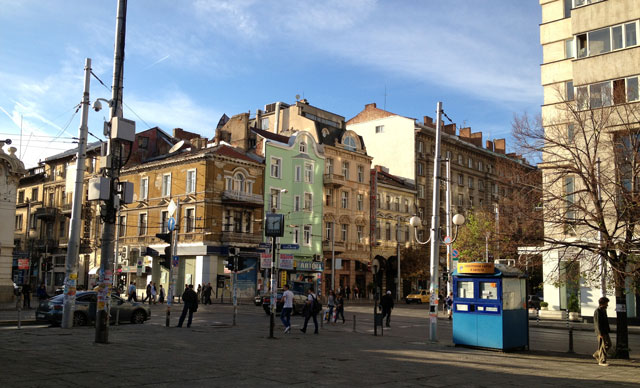
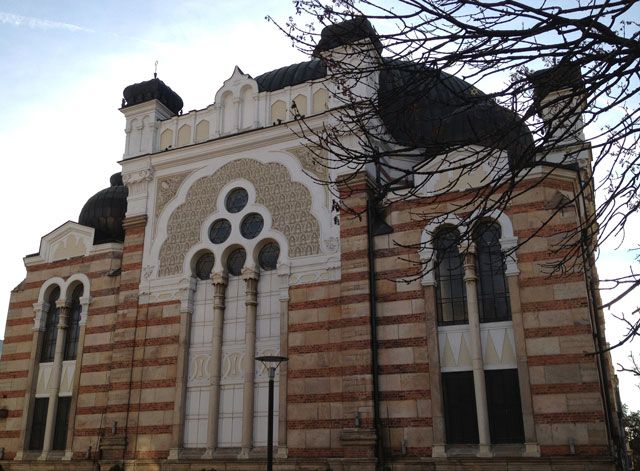
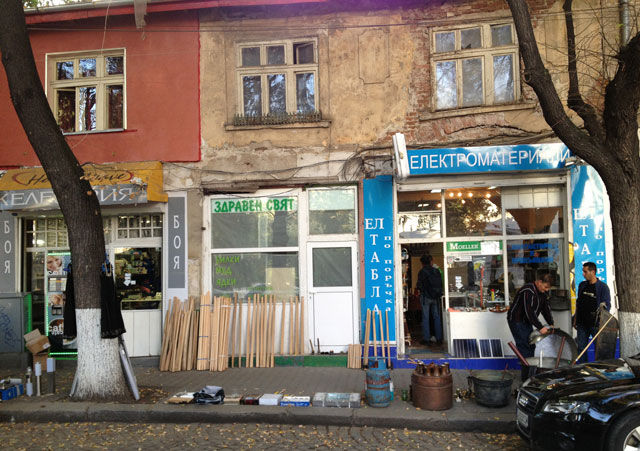
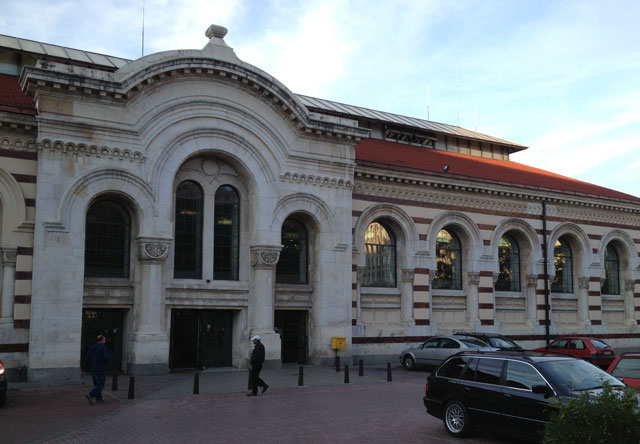
When we were first offered a home exchange in Bulgaria, we said, “Why not?” But as the time got closer and I had time to take a closer look at what was awaiting us, I began to have doubts particularly after visiting Slovakia and Hungary during the summer. My first impressions of Sofia confirmed my reticence. The poverty and standard of living are devastating. The newly restored religious buildings seem to accentuate them even further. These photos were taken during our first walk around the neighbourhood where we are staying in a comfortable recently decorated flat.
The view from the balcony of our modern building when we look leftThe view from our balcony when we look right
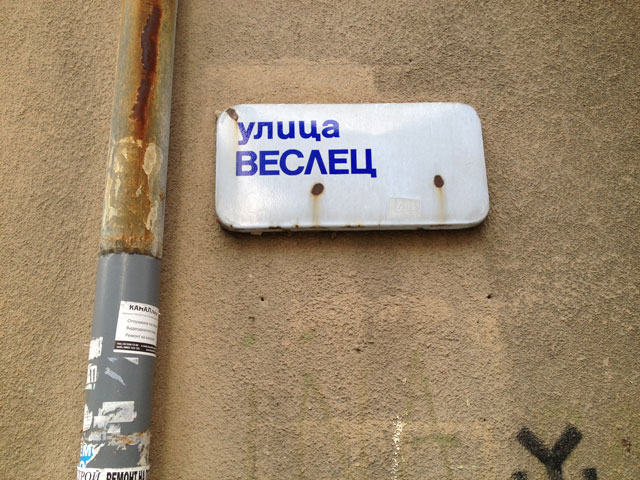
Our street name, Veslets, in cyrillic
A building in our street, which shows how beautiful some of the apartment buildings must have been in the pastA corner shop in our streetThe first monument we saw, the former Party HouseThe formerly magnificent baths of Sofia whose restoration has been dragging on for many years. They will eventually house a museum of the history of Sofia. On either side, families with bottles of beer and vodka, were having a before-dinner drink …The Banya Bashi mosque built in 1576, next to the baths. Note the street light and electrical installations on the leftA typical street corner. The streets are not very busy and there are not many cars.The Sofia Synagogue, built between 1905 and 1909 is a smaller replica of the Sephardic synagogue in Vienna destroyed during WWII and now the largest in Europe.Typical local shops displaying their wares on the pavement
The Halite, or former food market,built in 1909 has been restored with a rather dismal attempt at creating a food court
If you enjoyed reading this, don’t forget to subscribe to new posts using the subscription form on the top right – that way you’ll get them directly on your smart phone or in your mail box! And I love to hear your comments!
Surprisingly for an old city, Paris has very few mediaeval houses and when someone asked me recently where the oldest house was, I had absolutely no idea even though I later learnt that I had actually been inside!
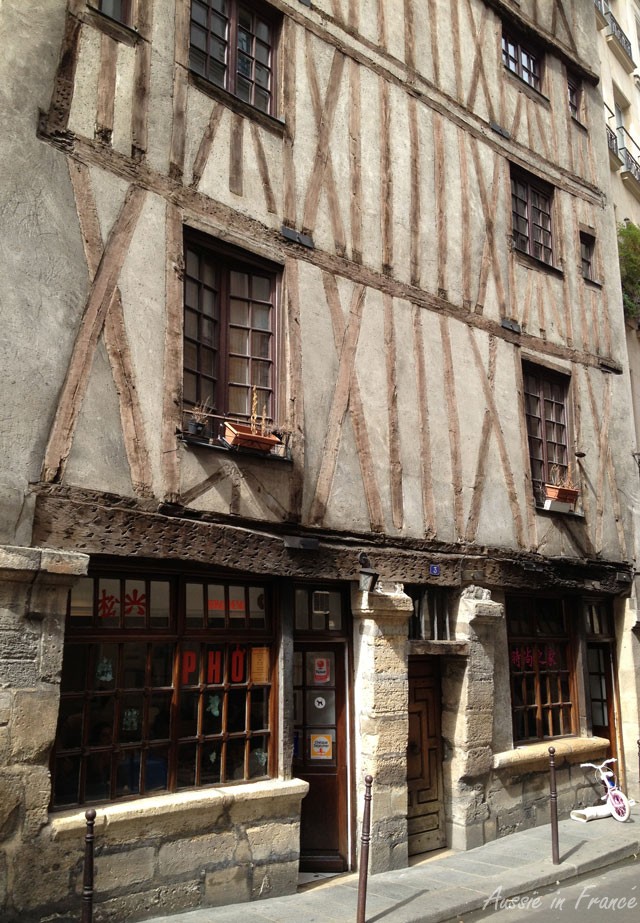
3, rue Volta, long thought to be the oldest house in Paris
For very many years, it was thought that the house at n°3 rue Volta in the 3ème arrondissement was the oldest in the capital. All the history manuals showed it to be the oldest and it was depicted in thousands of postcards. It wasn’t until 1979 that an historian finally proved that it was a copy built in 1644 by a Parisian bourgeois. That must have been a rude shock, particularly as the historian was a woman!
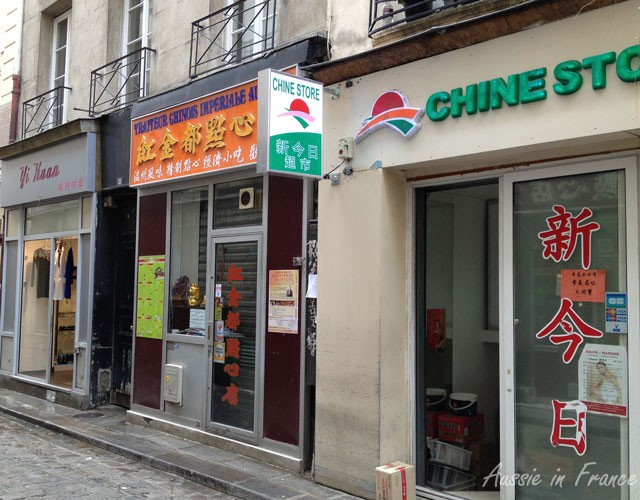
Mini Chinatown in rue Volta
I trekked off to have a look and found myself in a mini Chinatown. The half-timbered house with its stone pillars is now home to a Vietnamese restaurant called Taing Song-Heng where the same family has been serving two dishes, Pho and Bo Bun for twenty years.
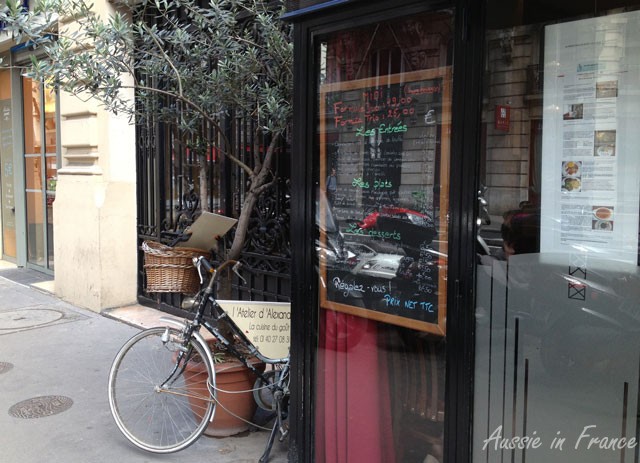
L’Atelier d’Alexandre with its bike menu holder
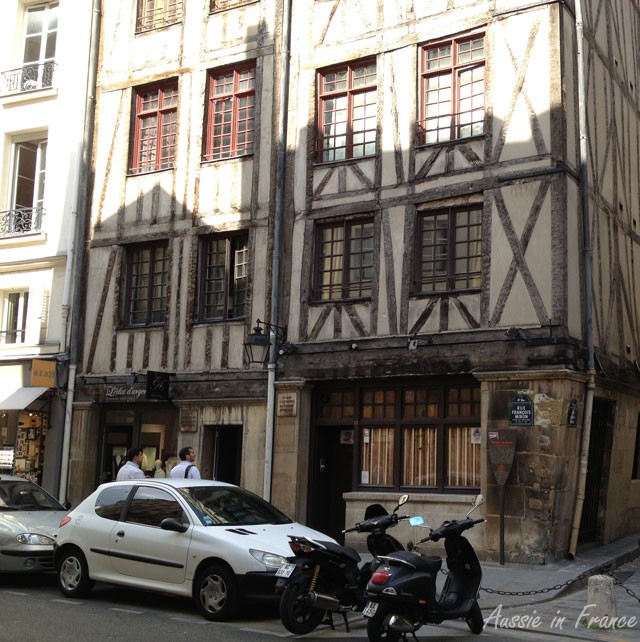
I had also been told that there were two other mediaeval houses at n° 11-13 rue François Miron in the 4ème arrondissement. This is not an area I know well, and I found all sorts of intriguing things on the way such as this bike doubling as a menu holder. A young man was leaning against a car smoking, dressed in chef’s attire. “It’s a very old bike”, he said. “And a very unusual way of presenting a menu,” I replied. “I saw the idea in Malta. You won’t copy it, will you?”
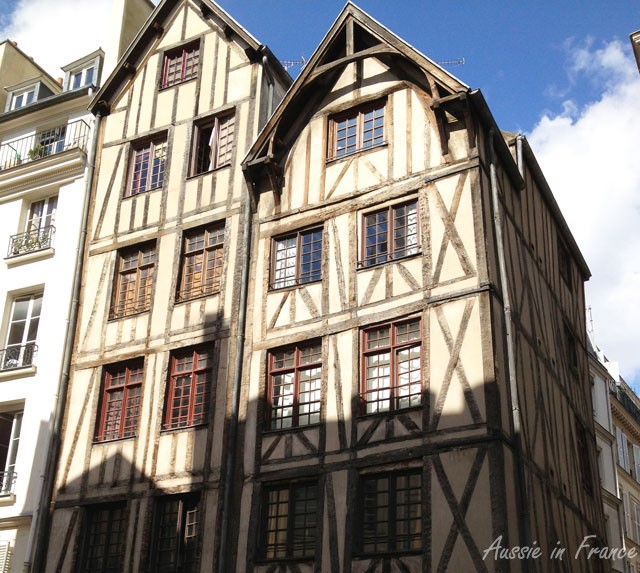
Mediaeval houses at 11 & 13 rue François Morin
I eventually reached N° 11 which used to have a sign with a reaper while n°13 had a sheep. The oldest records show their existence at the beginning of the 16th century but they might have already been there in the 14th century. In 1508, a royal decree prohibited jettied upper floors because of the risk of collapse. As a result, the gable was removed from n° 13 in the 17th century. It was rebuilt in 1967 when the two houses were being restored. In 1607, an edict ordered the timbering on this type of houses to be covered with plaster to prevent fire. Original drawings were used to guide restoration.
Street level of 11 & 13 rue François Morin
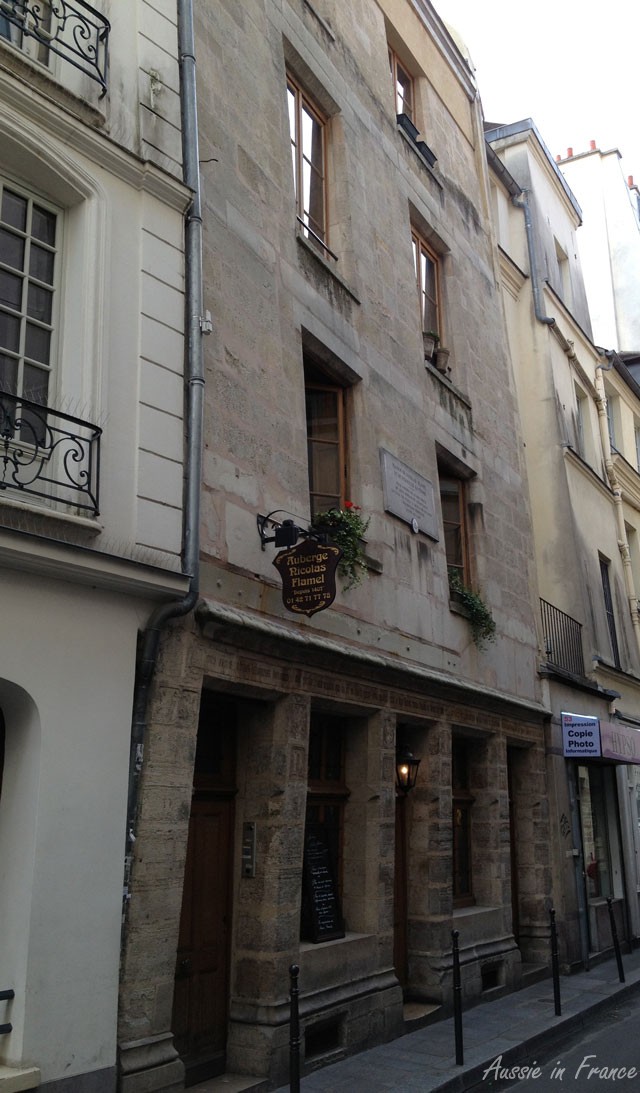
My last visit was to n°51 rue de Montmorency, back in the 3ème arrondissement, to Nicolas Flamel’s house. As soon as I saw it, I remembered a Gargantuan meal there with French friends a few years ago. I suggested we have the food and wine pairing. It was excellent but I definitely wouldn’t recommend our choice. We still talk about it!
Nicolas Flamel’s house at 51, rue Montmorency, the oldest known house in Paris, dated 1407
So, the oldest house in Paris only dates back to 1407. No half-timbering here. The façade is entirely made of stone, all straight lines and no curves. It was built by Nicolas Flamel, a scrivener and manuscript seller. The money he earnt from renting out the ground floor shops was used to house labourers and vegetable gardeners from the surrounding area.
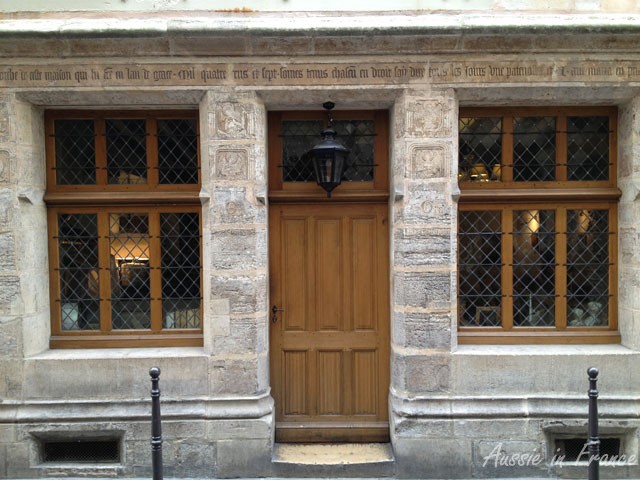
The façade of Nicolas Flamel’s house with its inscription
The inscription on the wall says, “We, working men and women living beneath the porch of this house, built in 1407, must each say an Our Father and an Ave Maria every day, to ask the grace of God to forgive poor sinners their trespasses. Amen.”
L’Auberge Nicolas Flamel, 51 Rue de Montmorency, 75003 Paris, 01 42 71 77 78
L’Atelier d’Alexandre, 26 rue de Beaubourg, 75003 Paris, 01 40 27 08 31
Taing Song-Heng, 3 rue Volta, 3 Rue Volta 75003 Paris, 01 42 78 31 70
If you enjoyed reading this, don’t forget to subscribe to new posts – that way you’ll get them directly on your smart phone or in your mail box! And I love to hear your comments!
I’ve added this post to Lou Messugo’s All About France link-up. Click to find other posts about France from other bloggers
Three very different posts for this Wednesday’s Blogger Round-up. French Moments takes us to visit 10 unusual churches in Paris; Heather from Lost in Arles takes us walking on the paths of Van Gogh; while Guide 2 Paris offers a very helpful and detailed analysis of discount passes in Paris. Enjoy!
10 most unusual churches in Paris
by French Moments, a Sydney-based organisation with an international focus which promotes the French language and culture to English-speakers worldwide. Their French team is all about the language, culture and experience
Today, let’s have a look at 10 most unusual churches in Paris! When we think about churches in Paris, famous sanctuaries promptly come to mind: the Notre-Dame cathedral and its fantastic buttresses, the Gothic masterpiece of the Sainte-Chapelle, or the church of Saint-Germain-des-Prés with its Romanesque bell tower.
But there are far more interesting churches to discover while staying in the City of Light, some of them not very well-known. Follow this guide to a chronological discover of the 10 most unusual churches in Paris… Read more
Walking in the Paths of Van Gogh
by Heather Robinson from Lost in Arles, an American writer and photographer living in Arles who offers us meanderings through all that makes life in a small town in Provence worth while.
When Remi first made the fateful suggestion that we swing by the town of Arles on our way home from the Visa Pour L’Image Photography Festival in 2003, one name flashed into my mind: Vincent Van Gogh. It was reason enough for me to quickly agree, as I used to regularly visit his masterpieces at the Metropolitan Museum of Art and MOMA in Manhattan (and I still make pilgrimages to say hello whenever I return for a visit). I was only vaguely impressed by the town’s Roman monuments but was immediately transported by the light, his light. It was one of the reasons why we fell in love with this small Provençal town. Read more
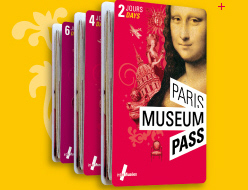
Paris Discount Passes
by Guide2Paris which aims to be the complete source of information in English about the Ile-de-France region of France which includes the city of Paris. Designed specifically for English speakers visiting Paris or the region of Ile-de-France, contemplating buying property in Paris or those already living in Paris
There are a number of different Paris discount passes which are intended for tourists to maximise their holidays in the City of Light and sometimes significant savings can be made. Most cards will allow cheaper entry into museums and monuments, discounts on tours and in some cases includes free travel on public transport. It is important to discover what is included in each of the discount passes listed below as sometimes you need to fit in a lot of activities to actually save money. The best advice we can give is to carefully consider what you would like to do in Paris and then see if this corresponds with what is available with the card. Read more
If you enjoyed reading this, don’t forget to subscribe to new posts – that way you’ll get them directly on your smart phone or in your mail box! And I love to hear your comments!
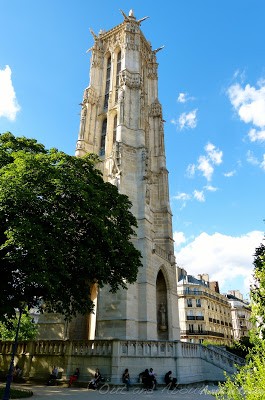
Three very different posts have caught my eye this week for Wednesday’s Blogger Round-up. Mary Kay from Out and About in Paris informs us that the recently restored 500-year-old Tour Saint-Jacques in Paris, the starting place of the San Diego de Compostela pilgrimage, is open temporarily to visitors. Phoebe from Lou Messugo takes us through the stunning lavender fields of Haute Provence. And to finish off, the inimitable Bread is Pain talks about the question of changing personalities when you speak another language. I couldn’t agree more! Enjoy.
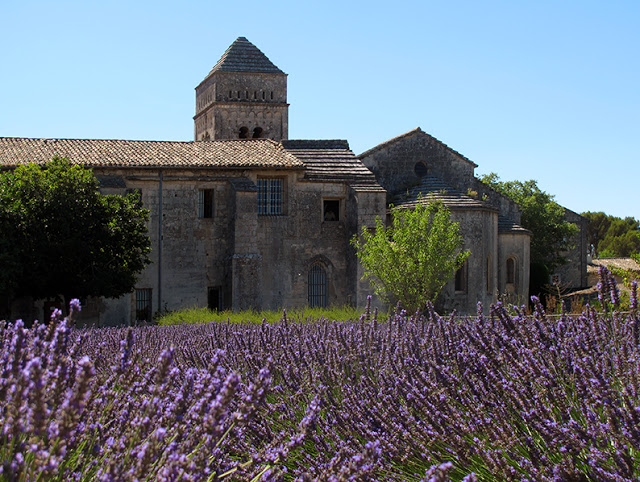
After 500 Years, Tour Saint-Jacques Temporarily Opens to the Public
by Mary Kay from Out and About in Paris, an American by birth, Swiss by marriage, resident of Paris with a Navigo Pass for the metro that she feels compelled to use
While Stéphane and I were sipping glasses of Perrier menthe and rosé on the terrace of Café Nemours on Friday evening, my ears perked up when I overheard an American couple at the table behind us talking about the 360-degree panoramic view of Paris from “that tower”. When the woman added that the vista of all the famous Parisian monuments was well worth the climb even though it had been hard on her knees, I nudged Stéphane in the ribs and whispered, “They’re talking about the Tour Saint-Jacques, the one I want to visit this weekend. We’re going to have to get up really early on Sunday morning to make reservations.”
After being closed to the public for most of its 500 year history, the Tour Saint-Jacques received permission to temporarily open its doors to visitors from July 5 until September 15, 2013.Read more
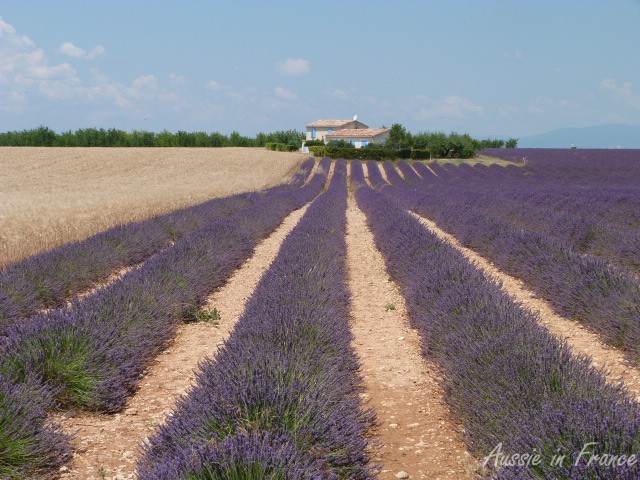
Lavender fields of Haut Provence: a photo essay
by Phoebe from Lou Messugo, a traveller, francophile, expat, mum and foodie now living in Roquefort les Pins where she runs a gîte after many years of travelling and living in Asia, Eastern Europe and Australia
Last weekend we went to see the lavender fields in Haut Provence, something that’s been on my bucket list for a while now and I wasn’t disappointed. That was a typically British understatement; I LOVED it! It was absolutely gorgeous. The views, the smells, the colours, the bees, everything was just sublime. It was so great that I now want to go back and stay over night to be able to photograph the fields in the early morning and evening light. Read more
Schizofrenchia
by Bread is Pain, a 30-something American living in the Rhone-Alps, getting her master’s degree, learning French and slowly eating and drinking herself through the country
From the corner of my eye I see my Mother watching me with a wry expression on her face. I give her a look as if to say “quoi?!” and return to my conversation. I am discussing, in French, the various differences between French culture and American culture with MB’s family; nothing out of the ordinary is being said so I am perplexed by my Mother’s seeming amusement. Finally the conversation comes to an end and I stalk over to her in the corner.
“What was that, Mom?” I ask, while mimicking the face she was giving me during the conversation. Read more
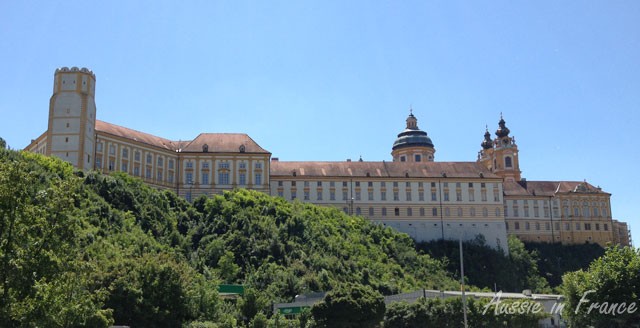
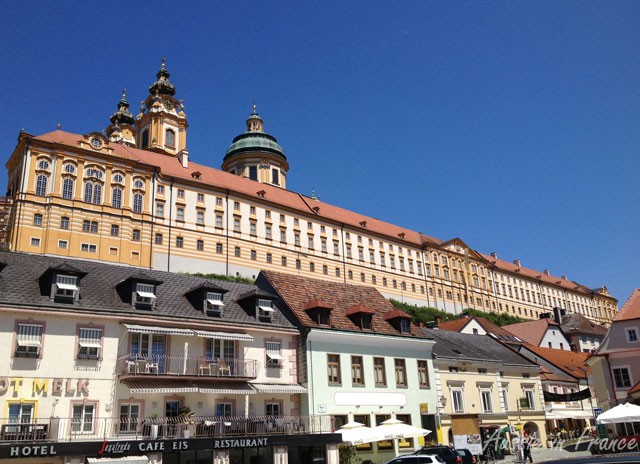
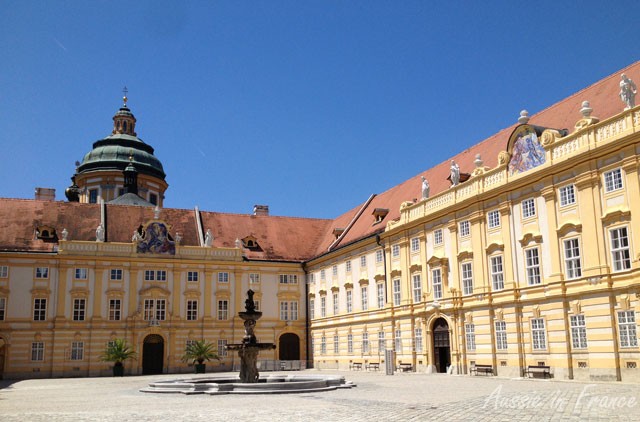
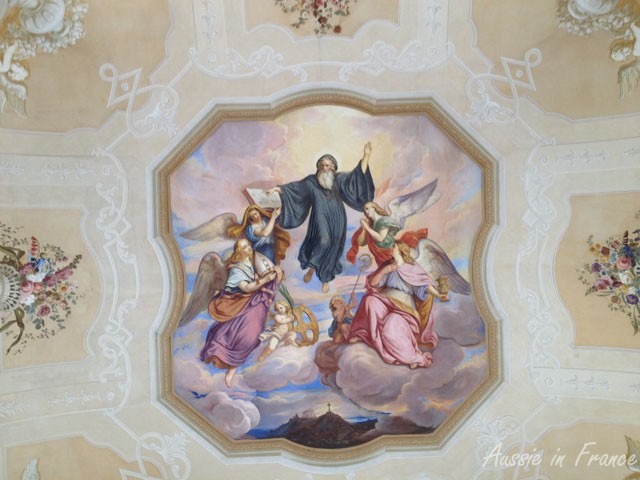
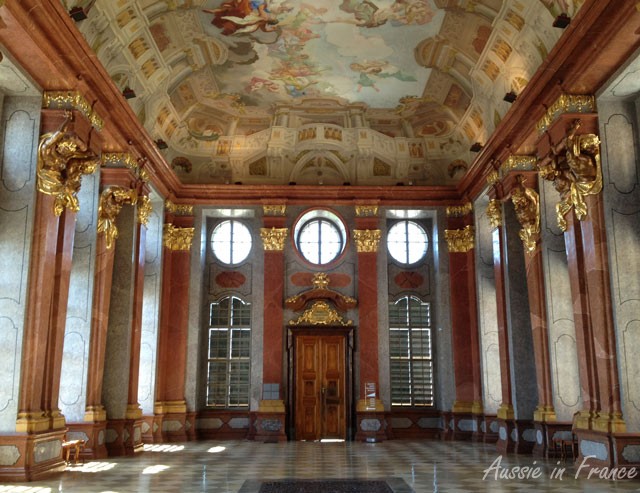
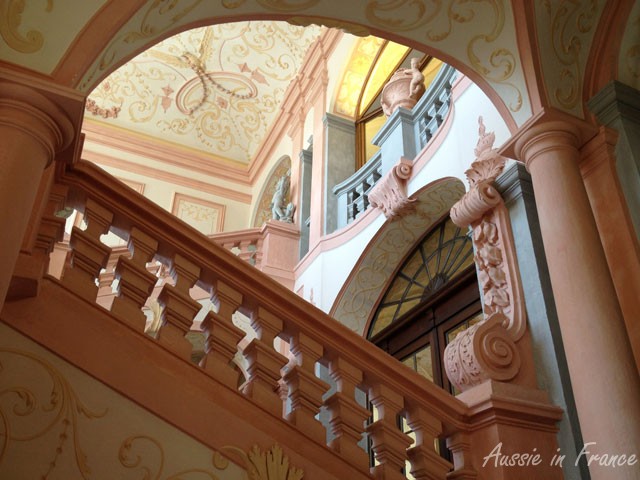
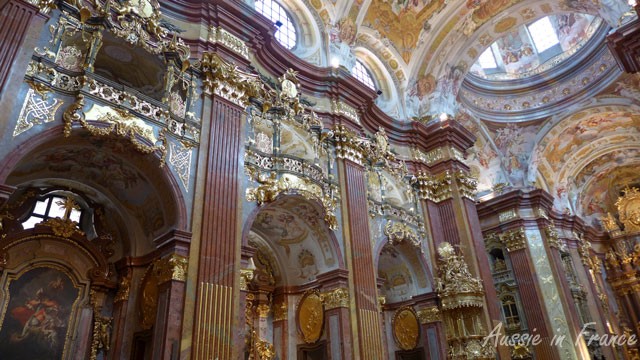
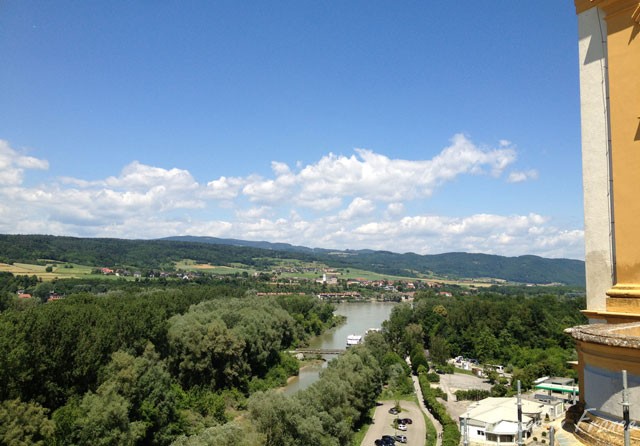
Melk, a pretty little Baroque town of 5,000 people in Austria, is famous for its Benedictine Abbey built in the early 18th century on the site of an earlier abbey dating back to 1089 and affording a stunning view of Wachau Valley and the Danube. The abbey library contains numerous mediaeval manuscripts, including 750 incunables, while the church, completely renovated thirty years ago, is splendidly baroque.
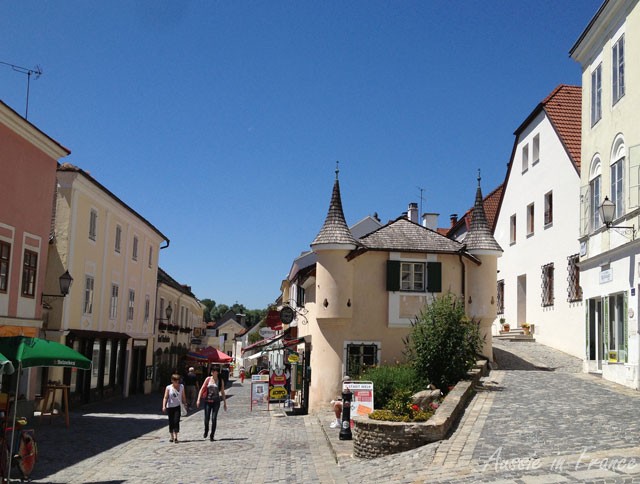
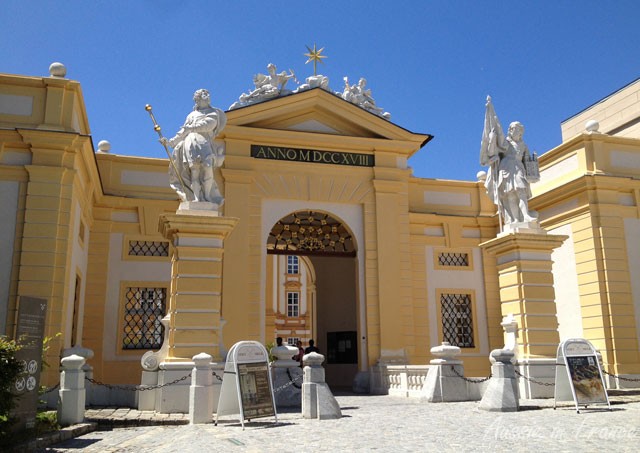
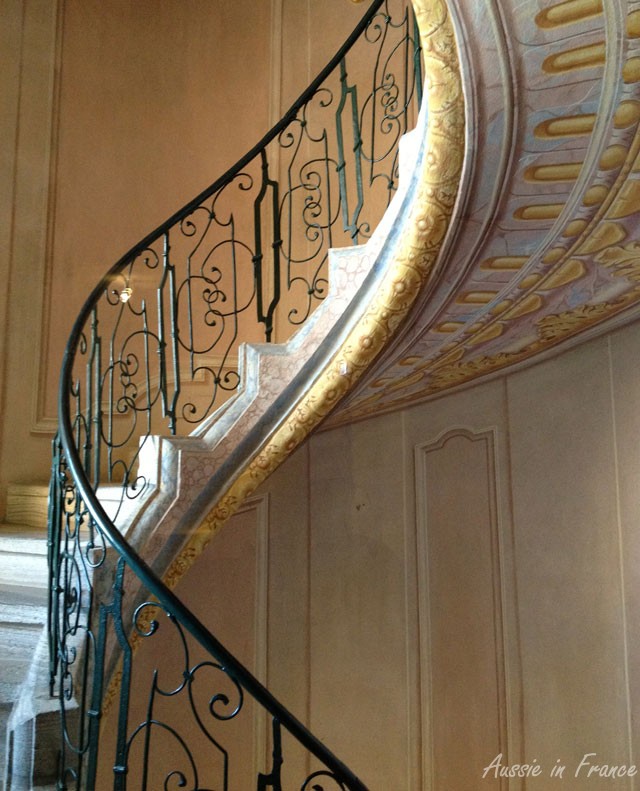
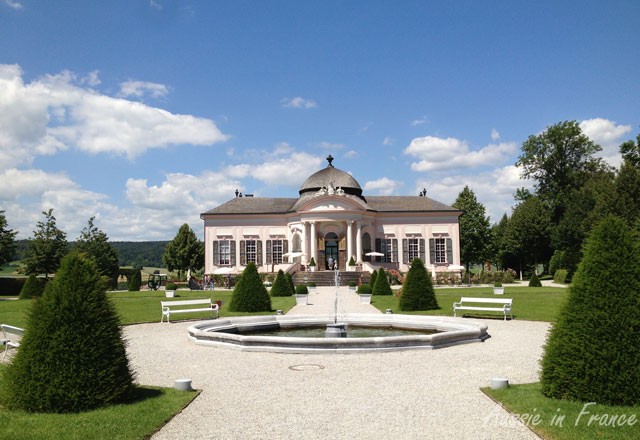
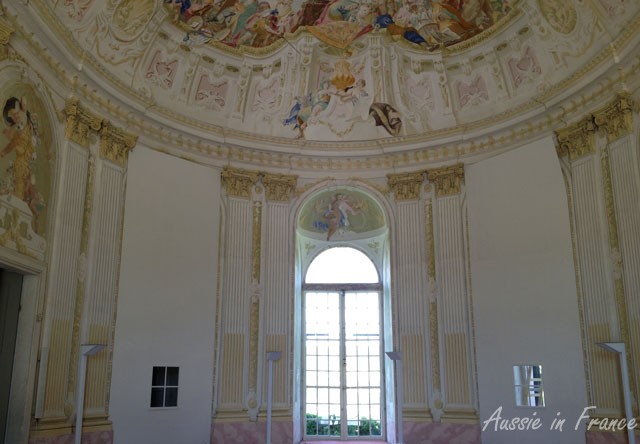
The first view of Melk Abbey on the cycle pathThe Abbey dominates the townExample of mediaeval architecture in MelkTypical baroque building in MelkThe entrance to Melk AbbeyThe inner courtyard of Melk AbbeyOne of the beautiful painted ceilings in the AbbeyThe marble room where important visitors were always takenStaircase showing painted ceilings inside the AbbeyElegant staircase inside the AbbeyThe Garten Pavillion at Melk AbbeyInside the Garten PavillionInterior of the Abbey churchView of Wachau and the Danube from the Abbey
Knowing where to choose accommodation in Paris often poses a problem for first time visitors. If you’ve never been to the City of Light, it’s difficult to imagine exactly what it’s like and what area to choose. I’m always surprised when I learn that travel agencies have recommended hotels near the Eiffel Tower or Montmartre, for example, because they’re so far from anything else.
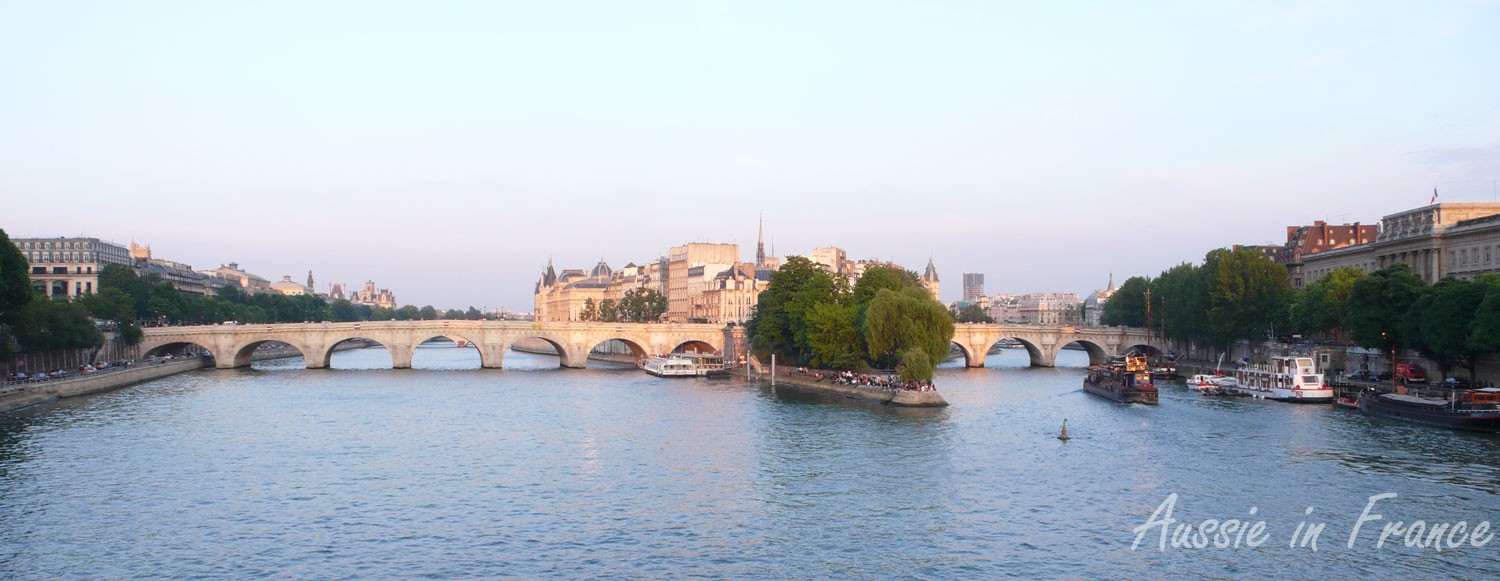
Ile de la Cité, the historical centre of Paris, in the middle of the Seine
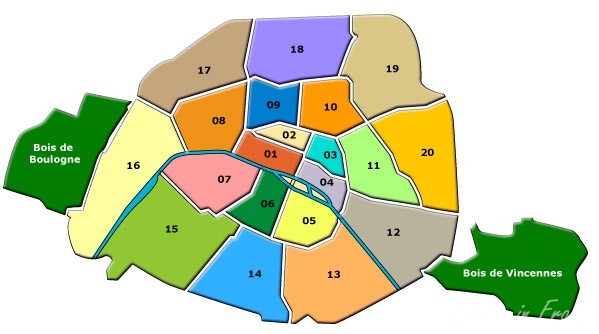
The main artery in Paris is the Seine. The city “intra muros” as the French say (within the walls) is in the shape of a rough oval with the Louvre more or less in the centre. The historical centre, with Ile de la Cité, the main island in the Seine and home to Notre Dame Cathedral, is slightly to the east. South of the Seine is the artistic Left bank, while the more shopping-oriented Right Bank is north. The oval is divided into twenty districts called arrondissements, forming a spiral starting in the middle.
First-time visitors often only come for a few days and want to see a maximum number of sights so it’s important not to spend half the time on the metro, efficient though it may be. Also, the best way to soak up the atmosphere of Paris is on foot. You may need to downscale your sightseeing list. You’ll enjoy the City of Light much more if you leave plenty of time for just wandering around the smaller streets, enjoying the sidewalk cafés and watching the sunset.
The 20 arrondissements in Paris forming a spiral
To decide where to stay, you should first make a short list of the places you want to see. The Eiffel Tower, Notre Dame and Sainte Chapelle, the Louvre, Orsay and Orangerie Museums, the Latin Quarter, the Sacré Cœur, Montmartre and perhaps the Moulin Rouge, the Marais and the Champs Elysées will probably be high on your list. If you’re only staying three or four days, two museums will probably be enough and even then, you’ll have to select the main works or you’ll soon suffer from museum fatigue. If you want to go to Versailles, you’ll need to set aside an entire day.
Once you’ve drawn up your list, take a look at a map and see where they are. You’ll find that Notre Dame, the Louvre, Orangerie and Orsay Museums and the Latin Quarter are all more or less clustered around the same central area with the Marais slightly to the east. The Moulin Rouge, Sacré Coeur and Montmartre are up in the north on a hill called Butte Montmartre and the Eiffel Tower is off to the west.
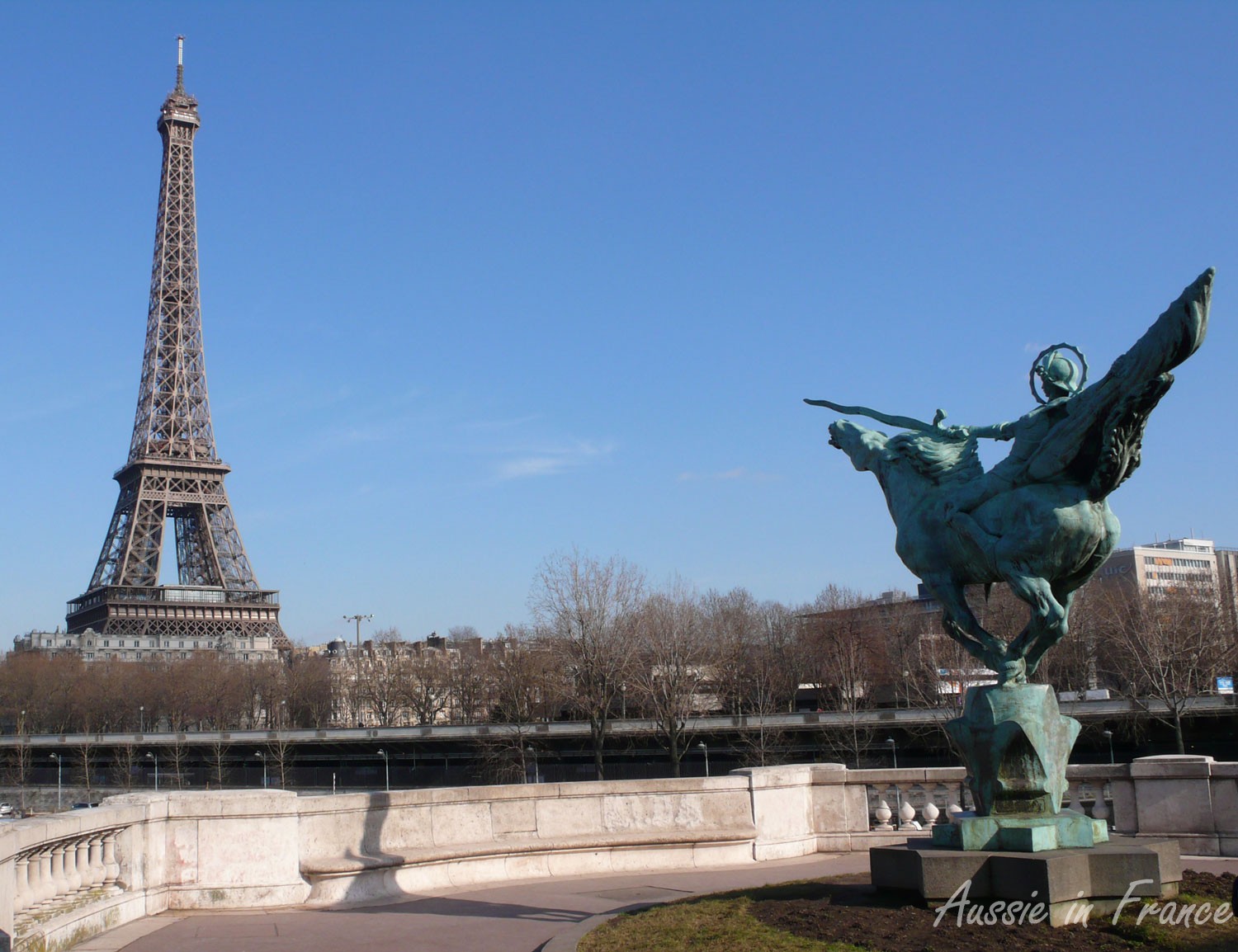
The Eiffel Tower from Bir Hakeim bridge
One important thing to remember in Paris is that, unlike large US and Australian cities, a block on the map is only a couple of hundred metres. The walking distance between two metro stops is quite short, often only ten minutes. I can powerwalk from the Louvre to Concorde in ten minutes, yet there is a metro stop inbetween.
If the Moulin Rouge is on your list, it will no doubt be at night so you can visit Montmartre and the Sacré Cœur before the show. If you stay in that area on your first visit to Paris, you’ll be spending quite a lot of time on the metro, often at peak hour, if you want to see the other sights. The same applies to staying near the Eiffel Tower. You certainly won’t be able to walk everywhere.
Paris metro map
Now look at the metro map. You’ll see there is a yellow line (n° 1) running west from Nation, through Bastille and along the Seine to Concorde, with Notre Dame, the Louvre, the Tuileries and Orsay museums along the way. It then goes underneath the Champs Elysées to the Arc of Triumph (Charles de Gaulle-Etoile). From line n° 1, you can get to most other places in Paris with a single metro connection.
There is a second red line (RER express line) that also runs from Nation to Charles de Gaulle via Opéra where the big department stores are (Galéries Lafayette, Printemps) that you can use to go quickly from one point to another when your destinations are further apart. Several buses run along the Seine, in particular bus 72 from Hôtel de Ville down to the Eiffel Tower. Bir Hakeim bridge probably affords the best view of the tower which is at its most attractive when it’s scintillating at night.
The Louvre Pyramid in winter
My personal experience from living in Paris for many years is that staying in the 1st or the 4th arrondissements, on the right bank, within a 10 minute walk of metro line n°1 is the most convenient solution as you will be able to walk to most places and take a quick trip on the metro to others. The 1st is more central and the 4th is more atmospheric.
You may have to pay a little more for your hotel, but you may find that it’s worth it in the long run particularly at night as you will have so many restaurant choices within walking distance, on both sides of the Seine, and you can stroll along the river afterwards.
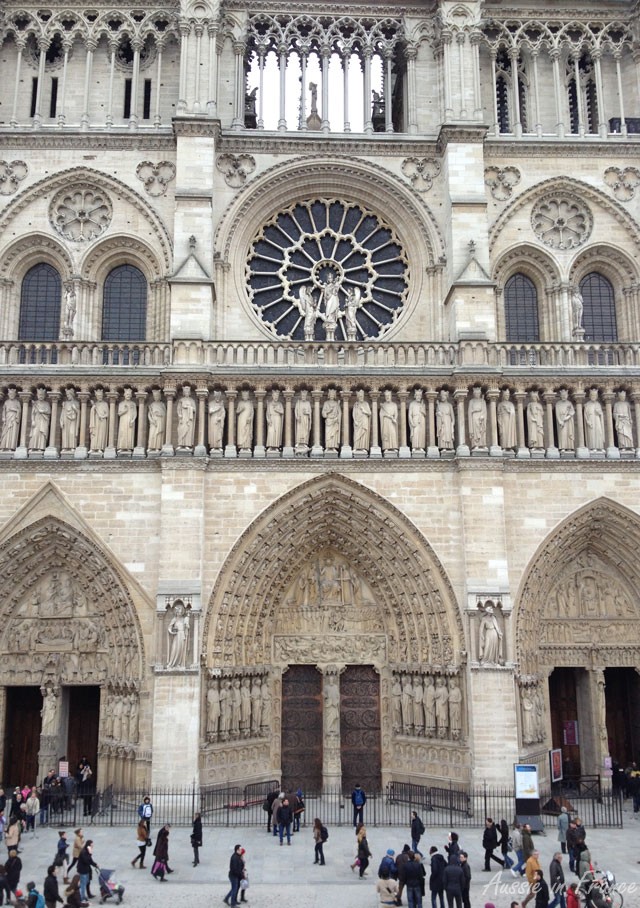
Notre Dame Cathedral
If it’s typical French ambiance you’re looking for, rather than sightseeing, you may prefer the 5th or 6th on the Left Bank, which are touristy but lively. If you want to be off the beaten track but still get the feel of Paris, go for the 10th, 11th, 17th or 20th. And if you’re on a tighter budget, add the 18th and 19th, with access to a park like Buttes-Chaumont or around the Canal St Martinfor instance, which is more ‘normal residential’ and very popular with trendy Parisians at night. You are still only a few stops from the centre and won’t spend too much time on the metro.
And while you’re in Paris, why not take a side trip to the beautiful Loire Valley with its many châteaux. You can even do it easily without a car by staying in Blois. Click here for more information.
Enjoy your trip and do let me know if you think this post is useful by liking it on facebook. Also, don’t forget to read the comments as well as they contain some very useful suggestions.
I’m not really sure how much sympathy I’ll get on this one – obviously the best way to avoid post-holiday depression is not to go on holidays, particularly month-long ones.
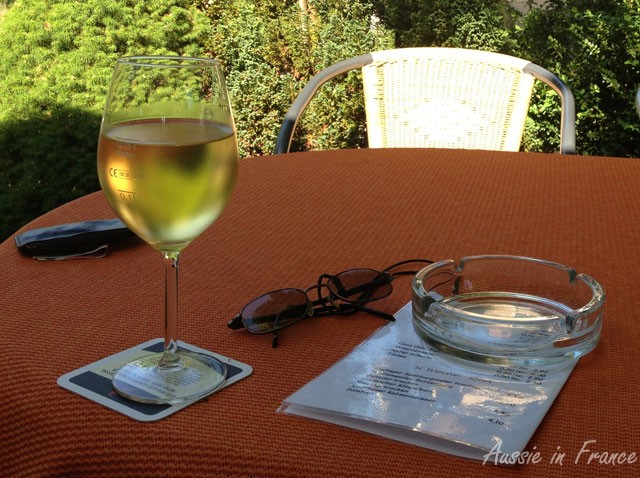
You can see how cold the wine is! Typical German 20 cl glass.
It’s amazing how quickly you get used to not working and being stress-free. No boring mundane activities either.
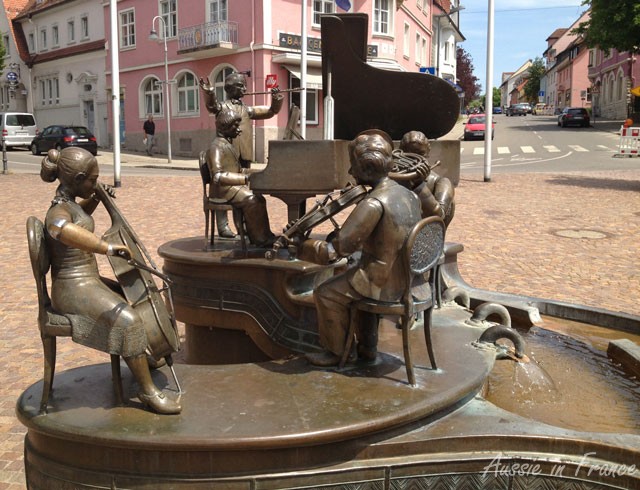
A quintet fountain in Germany at the source of the Danube
A typical day during our cycling holiday was to get up around 8.30, get dressed, straighten the hotel room (after we discovered the cleaners usually came during breakfast) and go to the breakfast room. We would then put what we needed for the day in our sac de liaison and go out/down to the car. Jean Michel would take the bikes off the rack (unless we drove to our starting point first) while I would get the bags and paniers ready. Then we put on sunscreen plus insect screen for me and donned our caps.
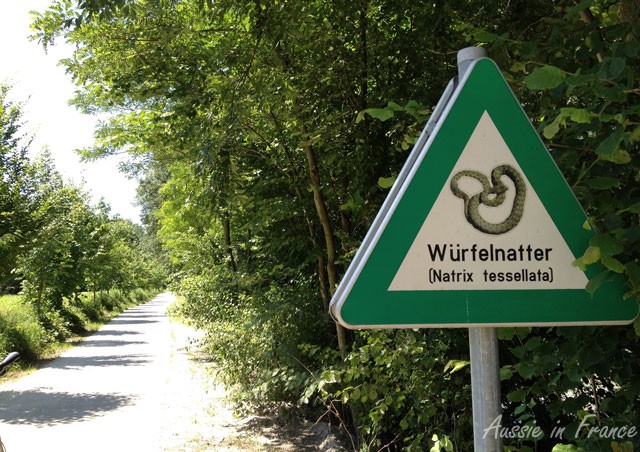
Watch out for snakes on the bike path, particularly this one. I wasn’t game to put my feet down.
After cycling about half the day’s distance, we’d stop somewhere for lunch, then cycle the remaining distance, visiting various places along the way and picking up something for dinner towards the end of the journey. Sometimes we got back to the hotel around 5, but it was usually 7 or 8, because we wanted to make the most of the long twilight.
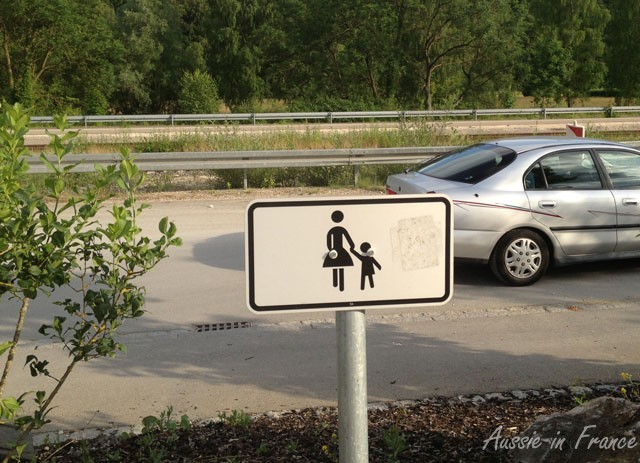
Reserved parking for mothers with small children in a supermarket car park
We then had an apéritif (except on fast days), followed by a light dinner in our room or on the balcony if we had one. After that, Jean Michel would write up the travel diary while I answered emails and wrote a blog post. We eventually got to bed around eleven or twelve, then read for a while. We usually fell asleep pretty quickly.
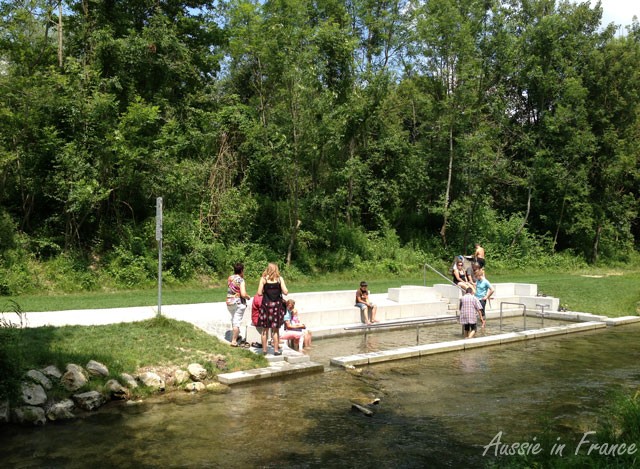
A foot bath along the Danube in Germany
Now, I can’t say there is really a typical day at home because I freelance and weekends and weekdays are different as well. Jean Michel usually gets up earlier than I do to go to work so we don’t have breakfast together during the week so I wake up when I’m ready.
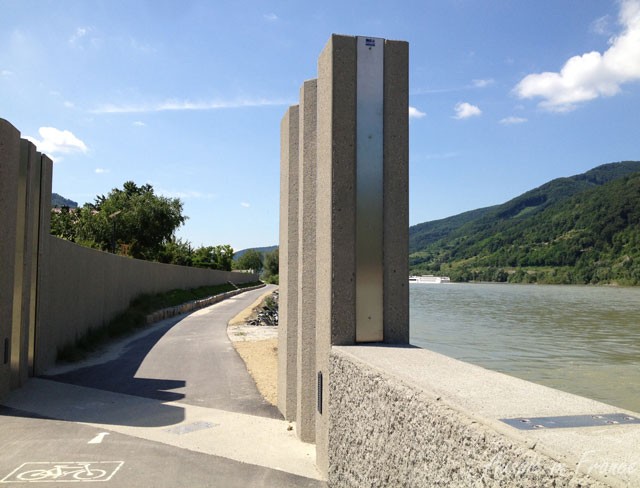
A flood gate to be used when the Danube is in spate in Austria
I prefer to work as much as I can in the mornings though because that is when I am the most efficient, but other things often get in the way. Also with the unusually hot weather we’ve been having so I would much rather stay in my air-conditioned office in the afternoon.
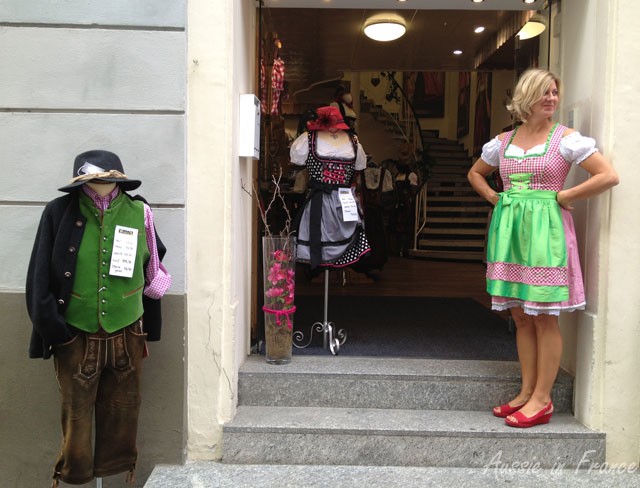
A traditional clothes shop in Austria with a traditional sales assistant
I came home to two very boring translations – one about a patent for an eye dropper that’s designed to use up the last drops in the bottle (I thought they purposely made droppers so you’d waste half the contents to tell you the truth) and another, much longer one, consisting of often cryptic messages in a software program for a company that sells industrial gas cylinders.
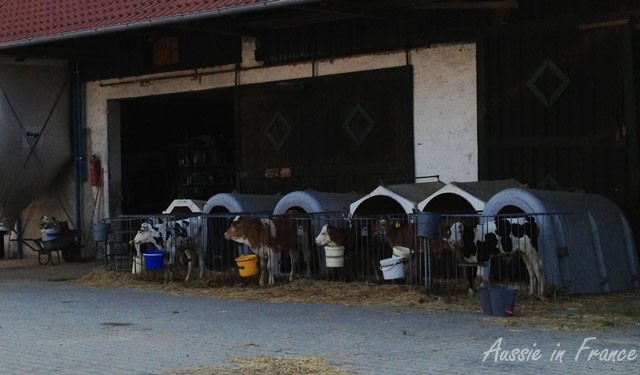
Calf kennels in Germany
My work is not usually THAT boring but my most interesting clients all seem to be on holidays now (state-of-the-art bridges, cosmetics, contracts, etc.). Fortunately I’ve had some light relief for the last couple of days translating IT security recommendations. At least there are real sentences! But now I have to go back to the messages.
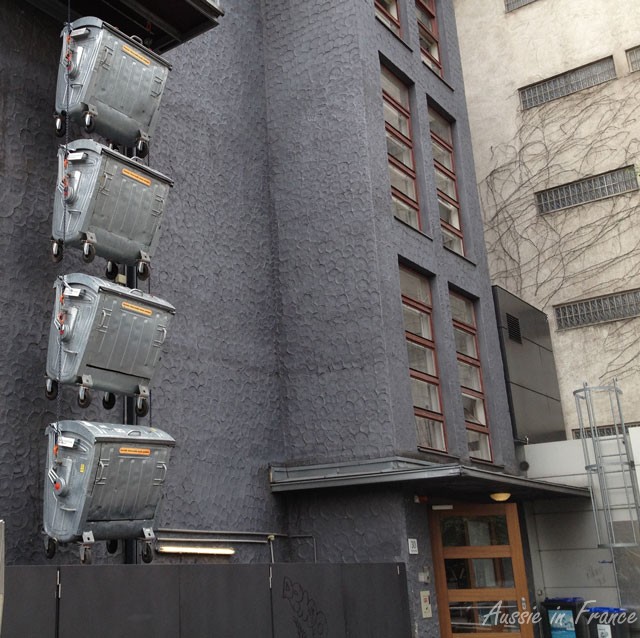
Vertical rubbish bins in Linz in Austria
We went down to Blois for the weekend so that we could do something about the jungle that had developed during our 7-week absence. It’s amazing how quickly the vegetation takes over. Virginia creeper was completely covering the number of the house, which isn’t very useful for the guests renting Closerie Falaiseau.
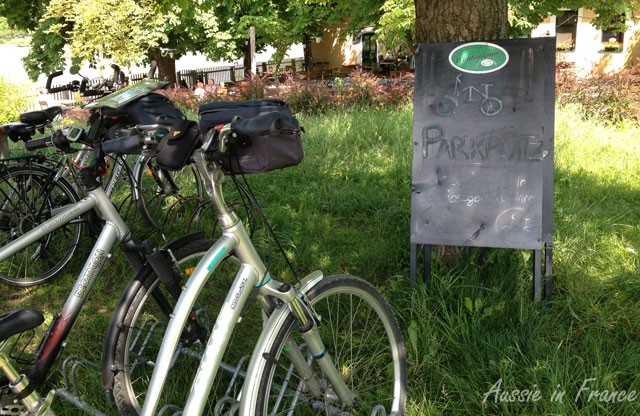
Bike parking in Germany
Apart from spending an hour cycling to and from the mushroom wood to no avail, and a couple of hours with our friends and neighbours on Saturday, the two days were completely taken up with gardening. On the Saturday evening, our lovely young German guests invited us to a most enjoyable barbecue!
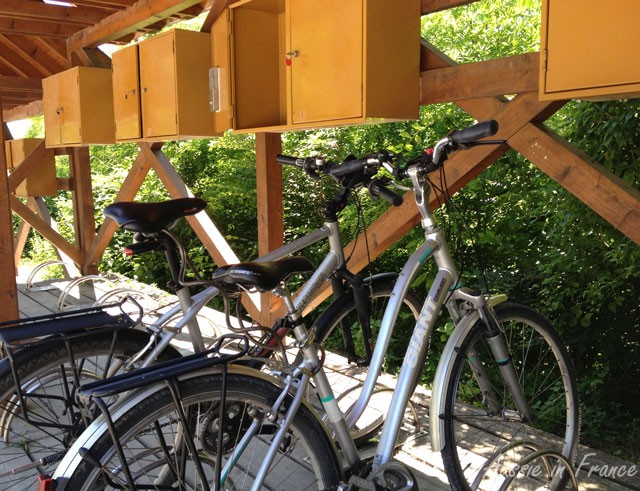
Special bike locks at Melk Abbey in Austria
So today I’m feeling very depressed, particularly since Leonardo’s now gone to Berlin to work for a few months and I have to get back to the software messages. Looking at the photos has made me even more nostalgic. I selected some I thought were typical.
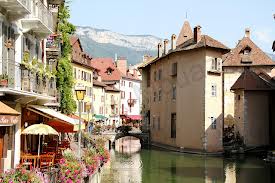
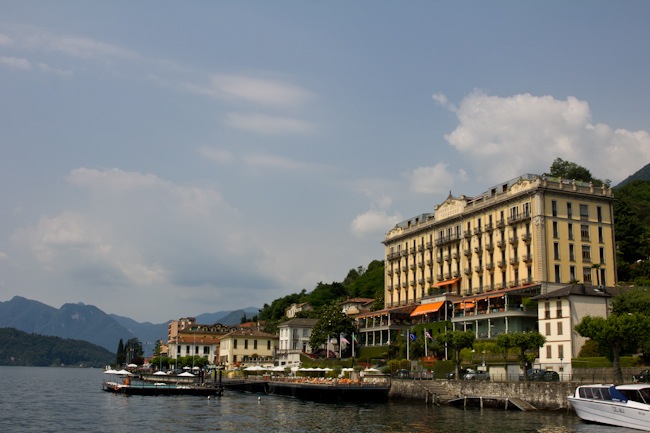
A little late this week, but here is this Wednesday’s Bloggers Round-up, with an all Australian cast. Jill from Gigi’s French Window takes us to the beautiful town of Annecy in the foothills of the French Alps; Phoebe from Lou Messugo, who lives in Provence, tells us all about tapenade; while Andrea from Rear View Mirror, brings us some stunning photos of Lake Como in Italy. Enjoy!
Annecy adventures / Les aventures d’Annecy
by Jill from Gigi’s French Window, French ponderings from an Australian who must have been French in another life
A few years back, I spent 3 seasons in Annecy, France…yep, that’s right,
3 seasons, but it only took 3 days to do it….:).
It’s a gorgeous, ancient city, near the Swiss Alps, that I just fell for.
We stayed in Hotel Au Faisan Dore… which was a pleasant surprise when it came to space, after all the prior shoe boxes. Oohhh sooo warm, as well, which turned out to be a lifesaver! Read more
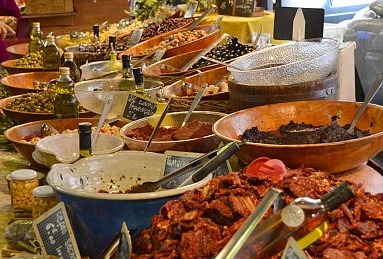
Tapenade – a Provençal classic
by Phoebe from Lou Messugo, a traveller, francophile, expat, mum and foodie now living in Roquefort les Pins where she runs a gîte after many years of travelling and living in Asia, Eastern Europe and Australia
Walk around any market in Provence or the Côte d’Azur and you will see stalls heaped with glistening olive pastes and tapenades, usually next to an enormous array of different olives and other pickles.
Tapenade is a typically southern dish made with olives, capers, anchovies and olive oil, chopped finely or blended together into a paste. Its name comes from the Provençal word for capers, “tapenas“. Read more
The Shores of Lake Como
by Andrea from Rear View Mirror and Destination Europe, a fellow Australian who, after 6 years of living in France, has given up herParis apartment to live a nomadic life slowing travelling around Europe, experiencing each destination like a local
I should know better than to book a popular tourist destination for mid-summer. I find it hard to get a feel for a place when there are crowds and few locals around and I usually end up being disappointed. Bellagio, Varenna and Como in Italy are massively popular destinations in July and August. Of course they are popular with tourists for a reason, I get that. They are beautiful cities surrounded by imposing mountains on the shores of Lake Como. Personally I’d much rather visit in the off-season but on this occasion I was meeting friends from Australia which made all the difference. Read more
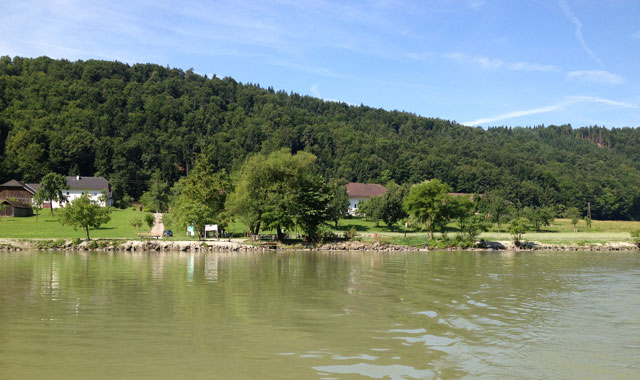
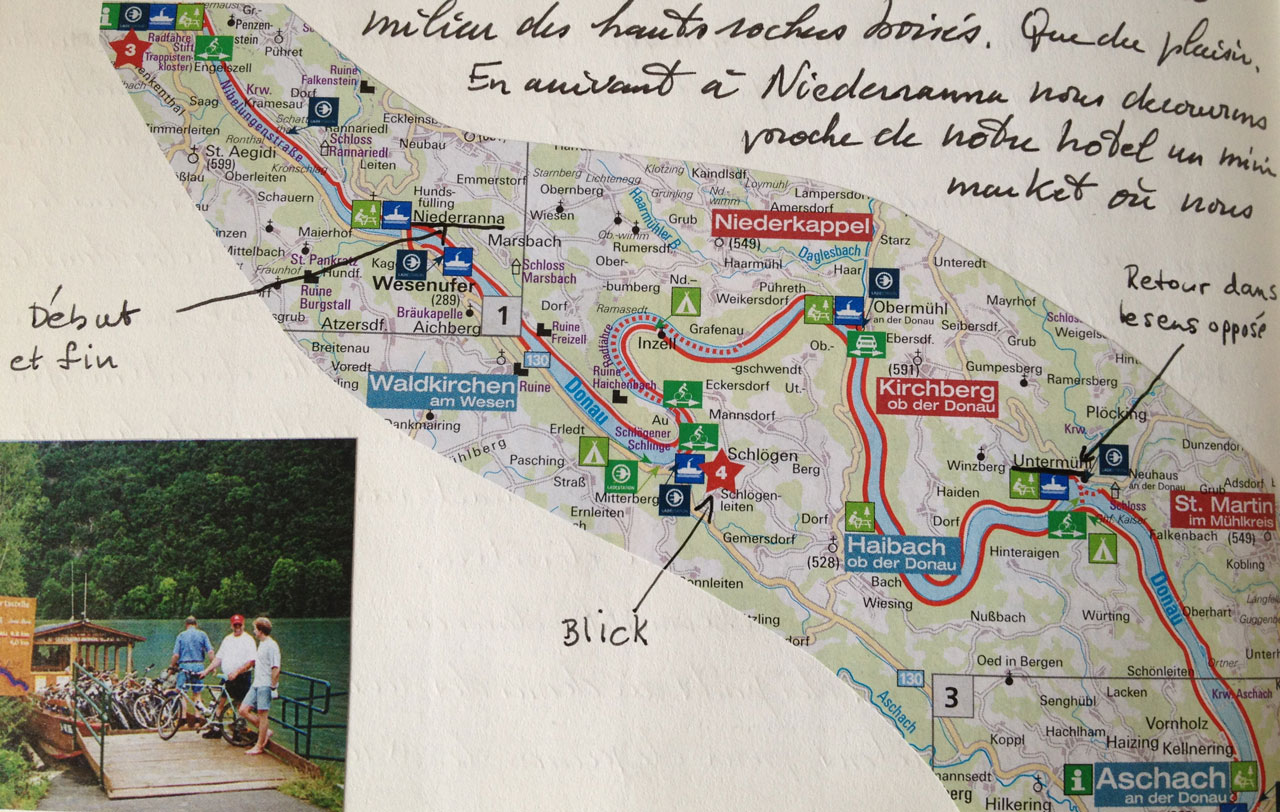
We’re staying at Gasthof Dexler in Niederranna on the Danube close to the S-bend between Linz in Austria and Passau in Germany so are able to start directly from our hotel. It turns out to be one of the highlights of our trip.
The bike path in front of Gasthof Dexler
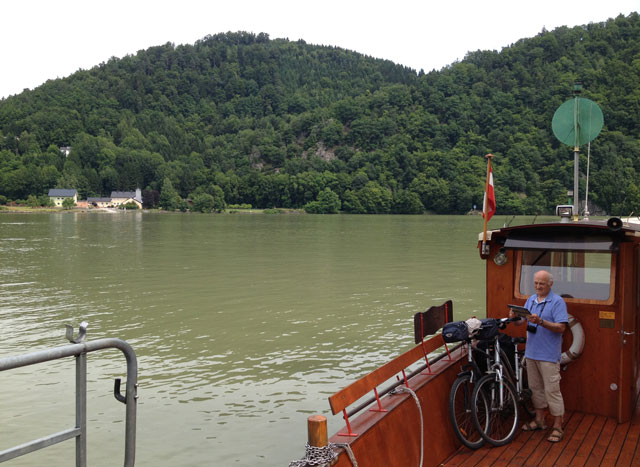
The sky is blue and it’s 22°C when we leave at 9.30 after saying goodbye to the Aussie cyclists. We come to the end of our shady cycle path at Au and take a little ferry across to Schlogen.
The first ferry crossing from Au
We cycle towards the second bend at Inzoll and take a rest stop at Gasthof Steindl and watch the river traffic.
Coffee break on the Danube at Gasthof Steindl in Inzell
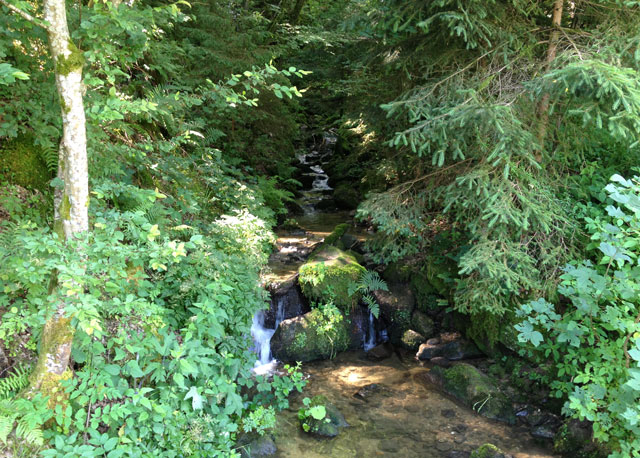
We continue on until we are opposite Untermühl. It’s wonderfully quiet and peaceful with no cars. However, by now I’m severely bitten by mosquitos because I’ve stupidly forgotten to use spray and although the little waterfalls along the way might be cute they’re a great breeding ground.
A little waterwall along the bike path between Inzell and Obermühl
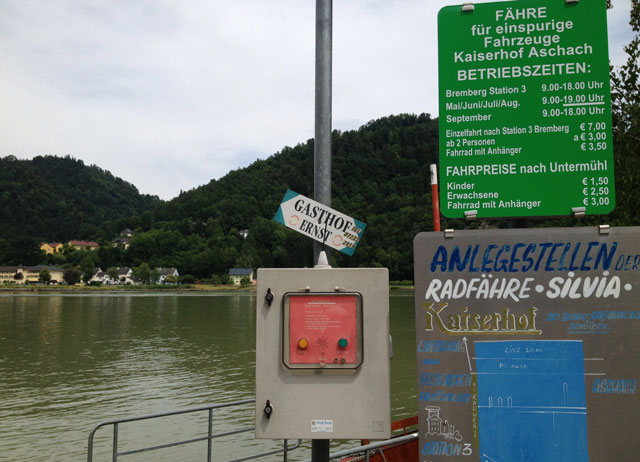
We locate the ferry opposite Untermühl, but there is no sign of a ferryman so I go to a nearby gasthof where I am told in German with appropriate handsigns that I have to press the button on the intercom near the ferry.
The intercom at the second ferry crossing opposite Untermühl
Fortunately a young German couple who speak English have arrived by then and are able to interpret the message that the ferryman will be there in 10 minutes. He soon turns up on his little tractor, jumps into the ferry and takes us across while Jean Michel studies the next part of the trip.
Studying up the route on the second ferry
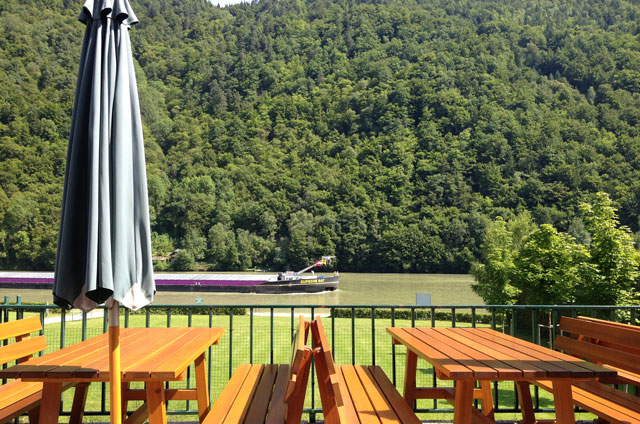
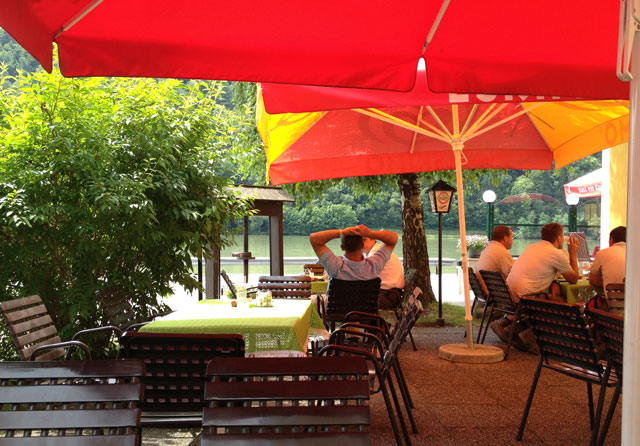
From Untermühl, we cycle back to Obermühl crossing a couple of rivers on the way and have the most delicious wiener schnitzel and a very cold glass of riesling on a shady terrace overlooking the Danube. By the time we get there, it’s 2.45. I just love the way they serve meals all day in Germany and Austria!
Lunch in the shade with a view of the Danube
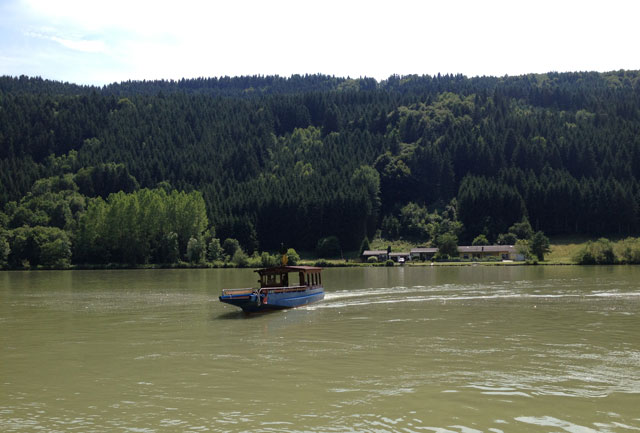
With renewed courage, we continue on to Steinbruch where we are to take another ferry which is already halfway across the Danube.
The third ferry coming back to get us
An Austrian couple waiting to go in the other direction (Aschach) tells us in English to call the ferryman on the intercom so he can come back and get us. I ask the man if he would mind doing it for us as I am afraid of not being understood.
Our mini-cruise along the Danube
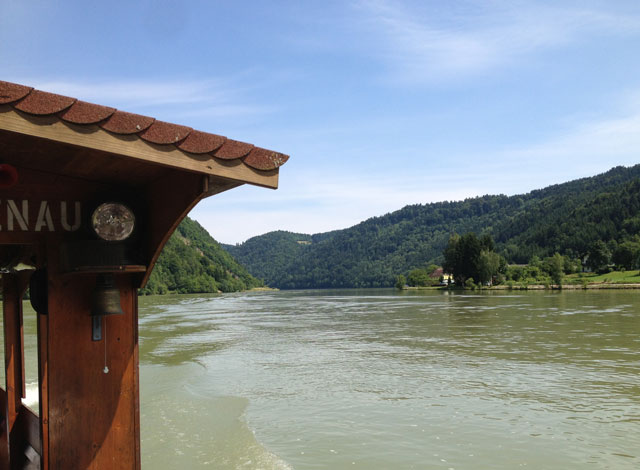
This time, the ferry is bigger and our trip back up the river takes about 20 minutes – a little mini-cruise in the middle of the Danube.
Looking back towards Au
We get out at Au and cycle back to our hotel, a total of 59 kilometers and a cycling time of 3 ½ hours. My knees are feeling a little wobbly!
Map taken from our travel diary showing Niederranna on the left where we began and Untermuhl where we began the return journey
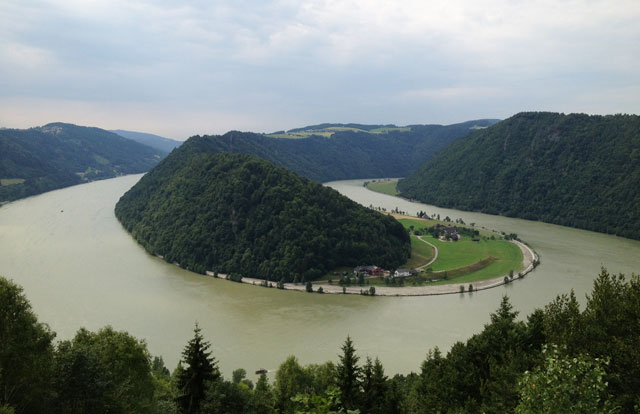
It’s only 4.30 so Jean Michel suggests we go up to a blick (lookout) near Schlogen and get a bird’s eye view of the loop we have just ridden. We park the car and walk through the forest for about a quart of an hour before we reach the blick. The view is absolutely stunning.
The S-bend from the Schlogen blick
When we get back to the car the sky is threatening and we can only spend a few minutes on the terrace before the rain starts. I have the brilliant idea of taking the table and chairs into the room so we enjoy our apéritif watching the rain and reminiscing over our truly exceptional day.
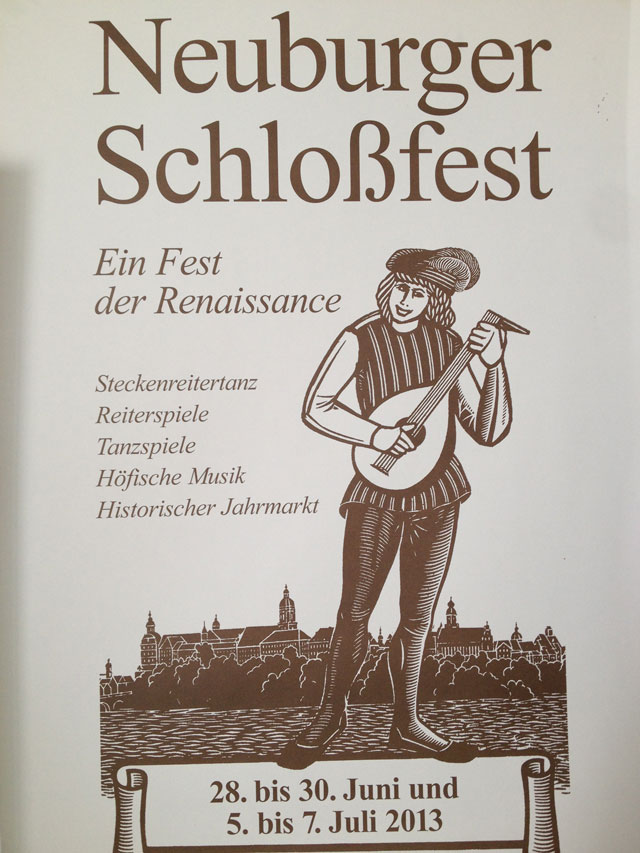
In one of our guidebooks, there was mention of an annual Renaissance festival in Neuburg,, west of Regensburg, but I could find no information in English or French about dates on the Internet so we thought we should go there on a Saturday or Sunday just in case it was on.
Neuburger Schlossfest
When we cycled into the town on Saturday afternoon, we initially saw no sign of any festivities but while having a cold drink at a gasthof near the river, I saw a young man leaning over the parapet of the bridge above me dressed in a floppy velvet hat so I knew something was going on. It turns out the festival, which is actually called the Neuburger Schlossfest, is held on the last weekend of June and first weekend of July.
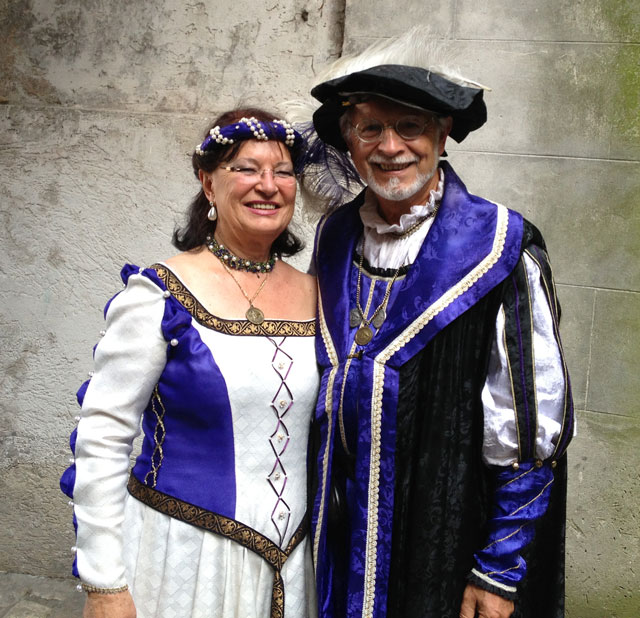
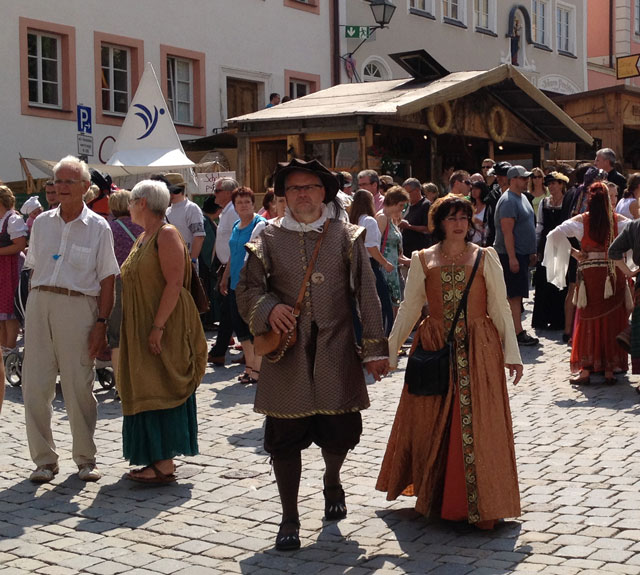
The matching couple at the town gate
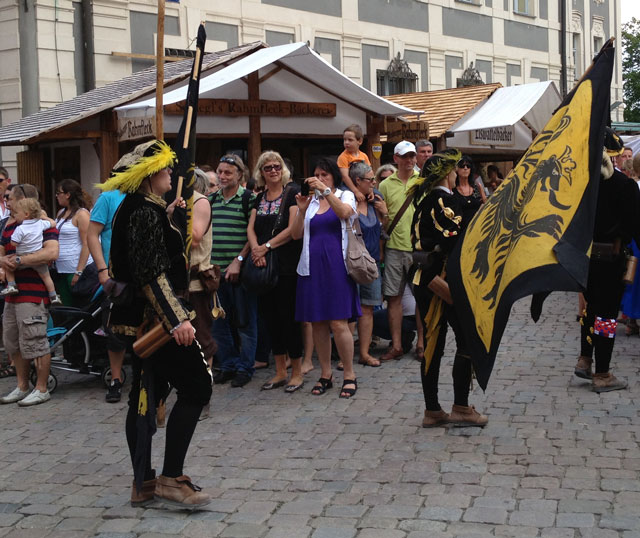
At the entrance to the walled town, you pay 4 euro and are given a badge. The thing that appealed to me most is that all the locals obviously join in every year and people of every age are dressed in Renaissance costumes, from the most sophisticated to the simplest and enjoying themselves immensely.
The elegant couple with full accessories
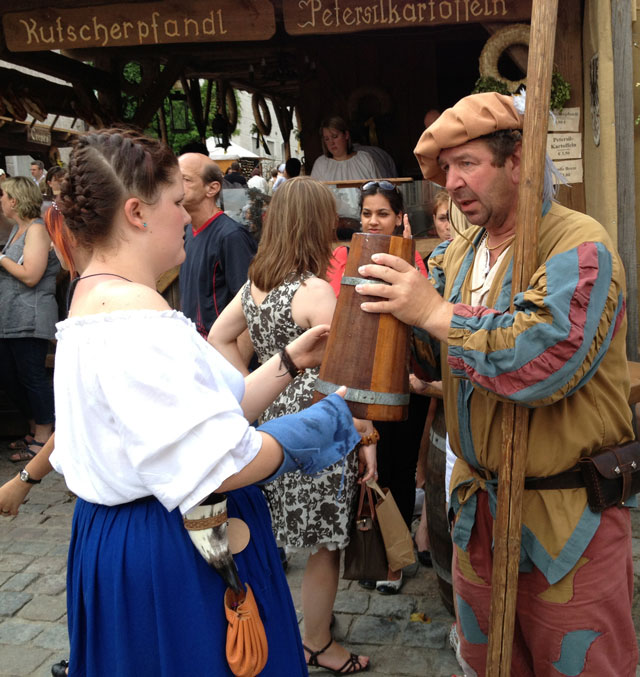
Some go all the way, with matching bodkins and tankards strapped to their waists.
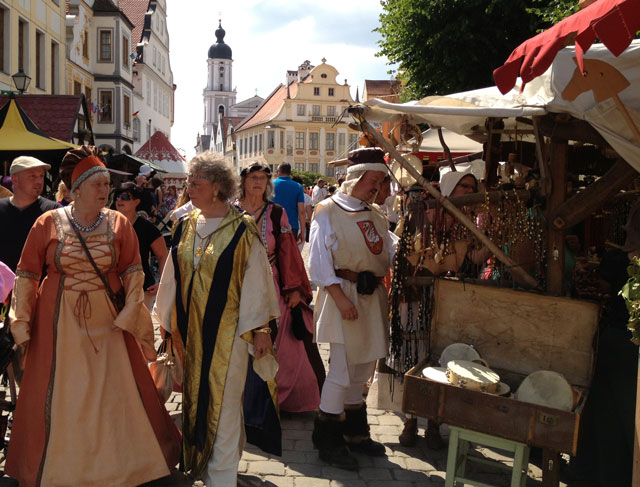
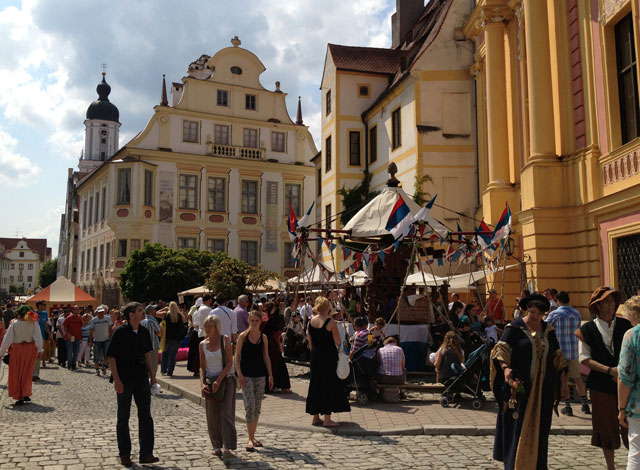
Typical street scene
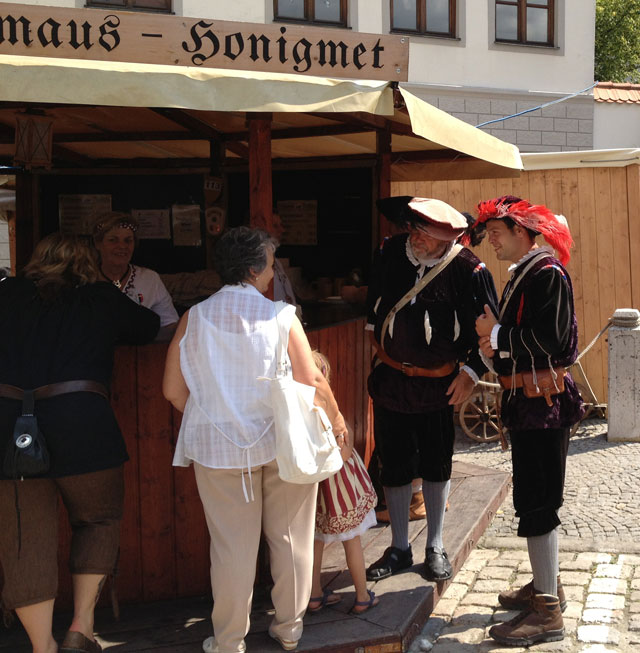
There are stalls selling all sorts of Renaissance produce and products and lots of food and drink stalls of course.
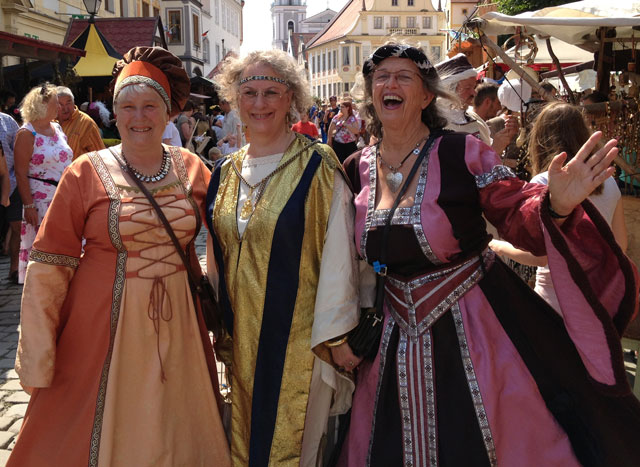
The three friends
No one is the slightest bit shy of having their photograph taken!
Merry go round
There is even a mediaeval merry-go-round that is popular with both the parents and children.
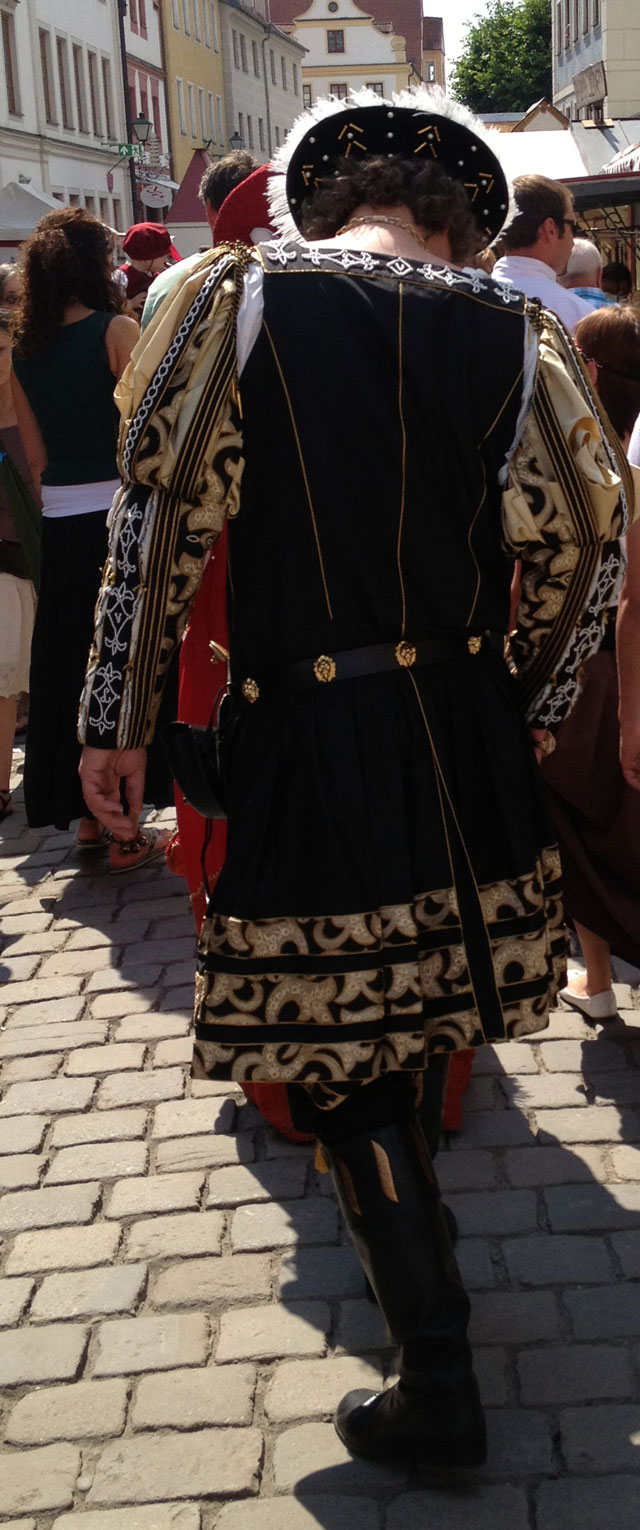
My favourite man’s costume
I just loved this man’s velvet costume. What detail! But I didn’t quite dare to dash round in front of him for the photo.
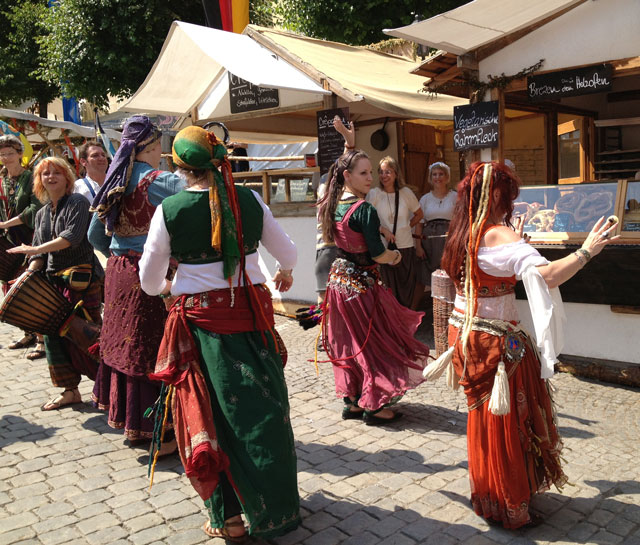
The gypsy dancers
Various performers were to be seen on the streets. These gypsy dancers had their own music.
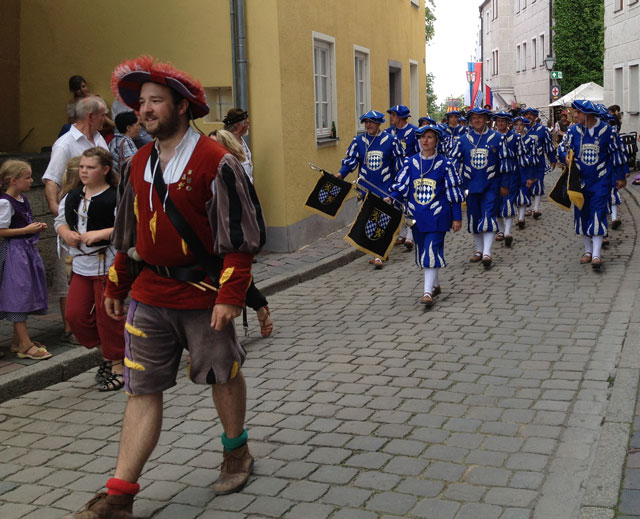
The blue marchers
There were groups in similar costumes though we didn’t know their significance of course.
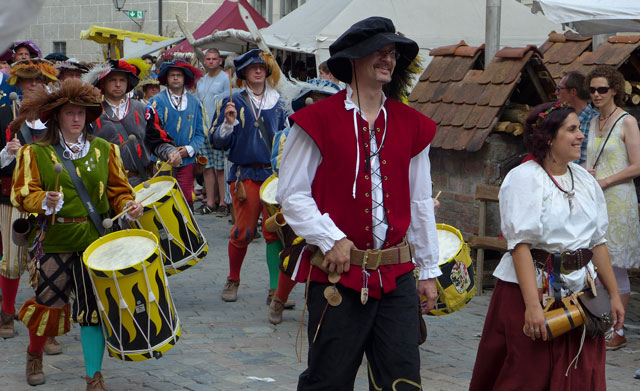
Yellow drumsFlag wavingThe giant tankard
From what I could gather, this tankard was passed around from one person to another!
The hat stall
There were also a lot of costume stalls. I’d love to have bought one!